

LONDON, 28 September 2026 — Kantesti UK has launched Kantesti DNA, the genetic layer of its AI-assisted health-report platform. Partner clinics can review genetic findings alongside a patient’s interpreted Kantesti blood test in the same dashboard.

AI-assisted DNA test interpretation accepts files and laboratory reports
Kantesti DNA is the genetic layer of Kantesti’s AI-assisted health-report platform. Partner clinics can provide a patient’s raw genotype export, a laboratory genetic report as a PDF or photographs, or pasted genotype lines. The KantestiAI engine produces a report for the treating clinician, typically within one to three minutes.
The DNA Interpretation module provides an executive summary and overall assessment, with findings across 20 health areas. It includes an overview of reported genetic associations with health conditions, carrier-status tags, pharmacogenomic phenotypes, nutrigenomics, traits, fitness and longevity markers, lifestyle advice, suggested laboratory tests, red flags, limitations and a disclaimer.
Supported exports include 23andMe, AncestryDNA, MyHeritage, FamilyTreeDNA and Living DNA files, as well as VCF files with rsIDs. The dashboard accepts raw .txt, .csv and .vcf files in plain, gzip or zip form, and laboratory reports as PDFs or JPEG/PNG photographs.
“Blood tests show where a patient is today, while DNA offers information about where they may be predisposed to go. We have brought those views into one report so partner clinics can consider them together, with the limitations visible to the treating clinician.”
The combined report places genetic findings beside blood-test results
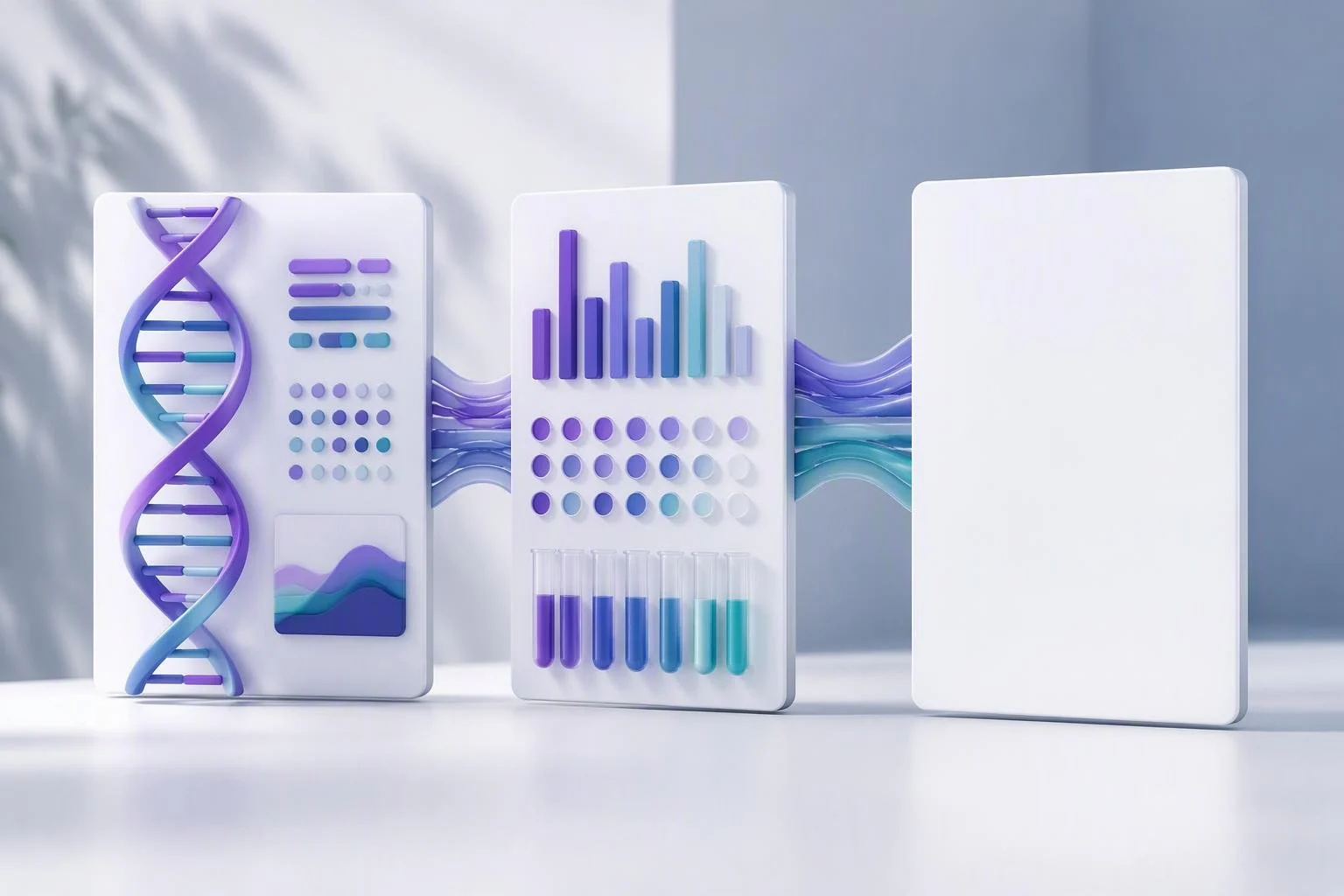
The DNA + Blood Health Report module reads a stored DNA report with one of the patient’s interpreted Kantesti blood tests. It labels gene-to-laboratory relationships as confirms, contradicts or watch, and presents a combined risk matrix, prioritised actions, suggested follow-up intervals, a lifestyle plan and questions for the clinician.
If the selected blood test is later edited or regenerated, the dashboard flags the combined report as out of date, indicating that it should be reviewed against the changed blood-test interpretation.
Julian Emirhan Bulut said the launch brings two sources of patient context into the same report. Blood-test results describe the patient’s current measurements; genetic findings provide information about predisposition to consider alongside those measurements and clinical history.
“A genetic association needs to be read alongside the patient’s laboratory results, family history and clinical circumstances. These reports provide information for review by the treating clinician. Carrier or pathogenic findings need confirmatory clinical genetic testing before they are acted on, and treatment decisions remain with the treating clinician.”
The supplement advisor sets out its rationale and cautions
Supplement Advisor uses a DNA report, an optional interpreted blood test and a 25-question questionnaire covering lifestyle, diet, medication and pregnancy. Diet type and pregnancy status are mandatory answers. Its plan lists up to 12 prioritised supplements, with form, dose, timing and duration.
The plan explains the genetic finding and questionnaire answer behind each item and, when a blood test is provided, the relevant laboratory value. It also lists cautions, interactions, foods-first sources, a retest plan and items that require a prescriber’s decision.
The module keeps supplement plans within tolerable upper intake levels and applies pregnancy-safe limits whenever pregnancy is possible. It checks the medications and conditions listed in the patient profile for interactions and sends uncertain items to a clinician review list; it does not make prescription treatment decisions.
Finding labels and verification make limitations visible
Every finding has a risk label — protective, typical, informational, slightly elevated, elevated or high — and an evidence label of established, probable or preliminary. These labels describe the reported association and its supporting evidence, not a diagnosis. Clinicians must consider laboratory values, family history and other clinical context when reviewing genetic predisposition.
Carrier-status categories are carrier, not detected, affected pattern and inconclusive; they are based on tag variants and require confirmatory clinical genetic testing before action. Pharmacogenomic results describe predicted metabolizer phenotypes and affected drug classes in the style of CPIC guidelines. The reports give no prescription medicine doses and do not advise starting, stopping or changing prescribed treatment.
Consumer genotype arrays are not clinical sequencing. The engine interprets a curated panel of about 330 well-characterised markers, identifies results based on tag variants or imputation, and records untyped markers as not determined. It advises confirmatory clinical genetic testing before anyone acts on a carrier or pathogenic finding.
For raw genotype files, the engine checks each reported rsID and genotype against the uploaded file and removes unsupported findings before displaying the report. Every module reads diagnoses, medications and treatments entered in the patient profile. A mismatch between recorded sex and sex inferred from the file triggers a sample-identity warning.
Partner clinics can access reports through their existing dashboard
Clinic staff open a patient record and choose DNA Health from the dashboard, sidebar or quick actions. They select a report language, provide the file or document and start the analysis; a raw-file format problem is reported immediately. The analysis runs in the background, shows progress and opens a print-ready report when complete.
Staff can then select a DNA report and an interpreted blood test on the DNA + Blood tab, or complete the questionnaire on the Supplement Advisor tab. Reports can be printed or saved as PDFs with the clinic’s own logo and business details. The 39 report languages are the same languages offered for the platform’s blood-test interpretation.
The raw DNA file is read once to extract the panel, then discarded without being stored. Uploaded PDF and photo reports remain in the patient’s clinic folder and are deleted with the patient record, including archived copies. Thomas Klein, MD, said the reports provide information for the treating clinician to review, not a substitute for professional judgement.
Kantesti DNA is available to all Kantesti UK partner clinics from 28 September 2026. Partners can contact their Kantesti UK account manager for onboarding, pricing and training material. The reports support the treating clinician rather than making a diagnosis or treatment decision; Kantesti DNA is not a medical device.
Kantesti Ltd is a UK-registered health technology company (Companies House No. 17090423) that provides AI-assisted explanations of laboratory results for more than 2 million users. Its platform interprets blood tests uploaded as PDFs or photos in more than 100 languages and offers tools including biological blood age, a body map, comparison and trend analysis, nutrition plans, DNA-based health reports and Kantesti Voice. Kantesti UK is the company’s United Kingdom partner organisation.
Source document
Kantesti UK DNA Health for partner clinics press release
The accompanying PDF describes the three Kantesti DNA modules, clinic workflow, report labels, safeguards and availability from 28 September 2026.
Frequently asked questions
Which DNA files and documents can a clinic submit?
Clinics can submit raw genotype exports from 23andMe, AncestryDNA, MyHeritage, FamilyTreeDNA or Living DNA, or a VCF containing rsIDs. Raw .txt, .csv and .vcf files can be plain, gzip or zip. The dashboard also accepts a laboratory genetic report as a PDF or JPEG/PNG photographs, and permits pasted genotype lines.
How does the DNA and blood-test report work?
A clinic selects a stored DNA report and one of the patient’s interpreted Kantesti blood tests. The module presents gene-to-laboratory correlations labelled confirms, contradicts or watch, alongside a combined risk matrix, prioritised actions and suggested follow-up intervals. If the blood test is subsequently edited or regenerated, the combined report is flagged as out of date.
What checks apply to genetic findings and supplement plans?
The engine checks reported rsIDs and genotypes against the uploaded raw file and removes unsupported findings. It marks untyped markers as not determined and advises confirmatory clinical genetic testing before action on carrier or pathogenic findings. Supplement plans apply tolerable upper intake and pregnancy-safe limits, check interactions with listed medications and conditions, and route uncertain items for clinician review.
Is Kantesti DNA a diagnosis, and how can partners obtain it?
No. Kantesti DNA provides AI-assisted information for review by the treating clinician; its reports do not make a diagnosis or treatment decision, replace professional judgement, or advise changes to prescribed treatment. It is available to all Kantesti UK partner clinics from 28 September 2026. Partners should contact their account manager for onboarding, pricing and training material.
Notes to editors
- Kantesti DNA is available through the existing dashboard for all Kantesti UK partner clinics from 28 September 2026; partners should contact their Kantesti UK account manager about onboarding, pricing and training.
- The DNA Interpretation module accepts supported raw genotype exports, pasted genotype lines and laboratory genetic reports supplied as PDFs or JPEG/PNG photographs.
- The KantestiAI engine typically produces a genetic report within one to three minutes, in a choice of 39 report languages.
- Raw DNA files are read once and discarded. Uploaded PDF and photo reports remain in the patient’s clinic folder and are deleted with the patient record, including archived copies.
- The reports provide AI-assisted information for the treating clinician, not a diagnosis or treatment decision. Kantesti DNA is not a medical device.
- Media enquiries: Kantesti UK press office.
About Kantesti
Kantesti Ltd is a UK-registered health technology company (Companies House No. 17090423) that turns laboratory results into clear, AI-assisted explanations for more than 2 million users. Its platform interprets blood tests uploaded as PDFs or photos in more than 100 languages and adds tools such as a biological blood age, a body map, comparison and trend analysis, nutrition plans, DNA-based health reports and Kantesti Voice, for individuals and clinics.
Kantesti Ltd · Companies House No. 17090423 · 4 Raven Road, Unit 1c3-1100, London E18 1HB, United Kingdom
Media contact
Kantesti Ltd — Press Office
[email protected]
+44 7508 364740
www.kantesti.net
Media assets
 1536×1024 · ↓
 1536×1024 · ↓
 1536×1024 · ↓
 1536×1024 · ↓
 1536×1024 · ↓
 1536×1024 · ↓
 1536×1024 · ↓
People
Written by
Julian Emirhan Bulut
Founder & CEO, Kantesti Ltd
Julian Emirhan Bulut is the founder and Chief Executive Officer of Kantesti Ltd. A medical AI specialist educated at the University of Milan, he leads the design of the Kantesti AI blood test analyzer, its neural-network interpretation engine and its multilingual reporting, and is accountable for every product announcement the company makes.
Reviewed by
Thomas Klein, MD
Chief Medical Officer (CMO), Kantesti Ltd
Dr. Thomas Klein is a board-certified clinical hematologist and internist with over 15 years of experience in laboratory medicine and AI-assisted clinical analysis. As Chief Medical Officer at Kantesti, he provides clinical oversight of the medical accuracy of the platform and reviews clinical statements in Kantesti publications.