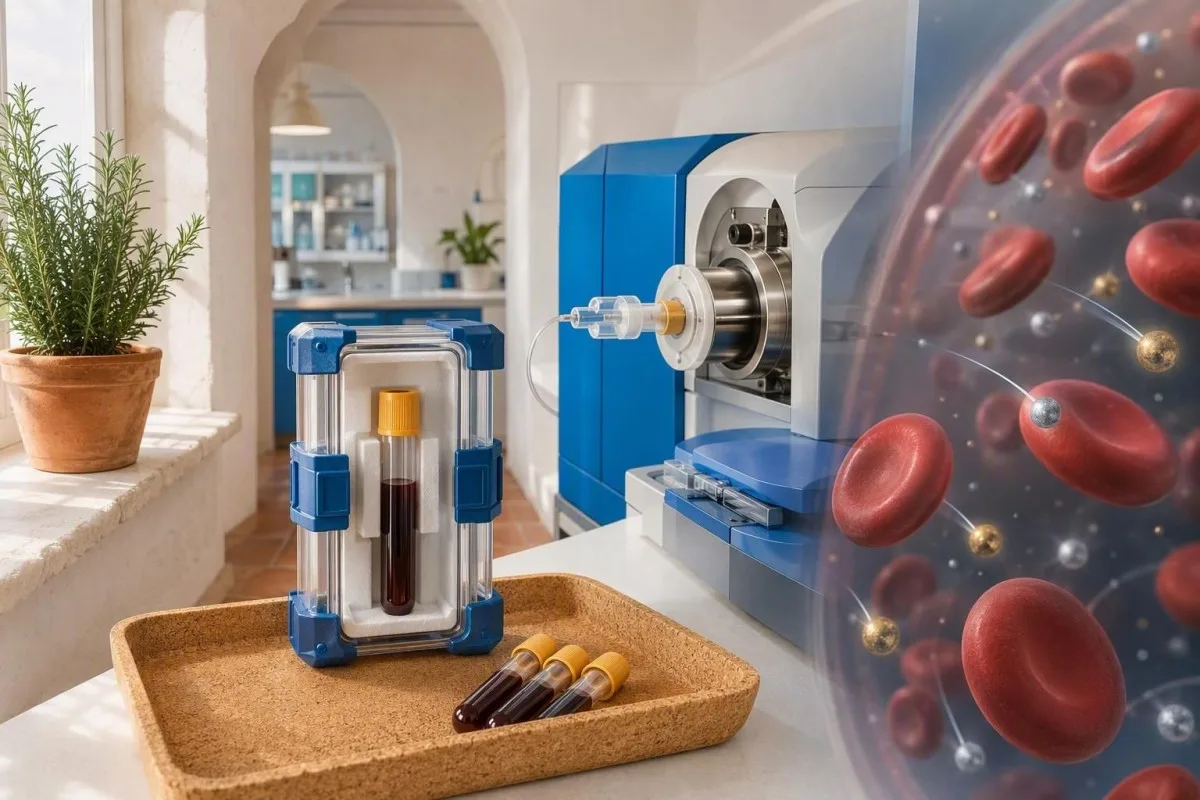
ការធ្វើតេស្តឈាមរកលោហៈធ្ងន់គឺល្អបំផុតសម្រាប់ការប៉ះពាល់ថ្មីៗនេះ ឬកំពុងកើតឡើងជាបន្តបន្ទាប់នៃសំណ បារតមេទីល និងលោហៈដែលទាក់ទងនឹងកន្លែងធ្វើការ ឬការផ្សាំ។ នេះមិនមែនជាការវាស់ “ជាតិពុលក្នុងរាងកាយ” ជាទូទៅទេ៖ ទឹកនោម ការបញ្ជាក់ប្រភេទលោហៈ ប្រវត្តិនៃការប៉ះពាល់ និងពេលវេលាធ្វើតេស្តឡើងវិញ ជារឿយៗកំណត់ថាតើលទ្ធផលមានអត្ថន័យឬអត់។.


- សំណក្នុងឈាមទាំងមូល (**Whole-blood lead**) តំណាងឲ្យការប៉ះពាល់ថ្មីៗនេះ ឬបន្តជាបន្តបន្ទាប់ក្នុងរយៈពេលប្រហែល 1 ខែ។ គ្មានកម្រិតសំណក្នុងឈាមណាដែលត្រូវបានចាត់ទុកថាមិនមានហានិភ័យឡើយ។.
- តម្លៃយោងកម្រិតសំណក្នុងឈាមកុមាររបស់ CDC គឺ 3.5 µg/dL ជាកម្រិតតាមដាន ជាជាងការធ្វើរោគវិនិច្ឆ័យការពុល។.
- ការធ្វើតេស្តឈាមរកបារត មានប្រយោជន៍បំផុតសម្រាប់ការប៉ះពាល់បារតមេទីលថ្មីៗនេះពីត្រី និងប្រភពការងារខ្លះ។ វាមិនវាស់ការប៉ះពាល់ចាស់ដោយមានភាពជឿជាក់ទេ។.
- ទឹកនោមសារ (**arsenic**) ជាមួយការបញ្ជាក់ប្រភេទលោហៈ (**speciation**) ត្រូវបានជ្រើសរើសសម្រាប់ការប៉ះពាល់សារអសរីរាង្គដែលសង្ស័យ ជាពិសេសក្រោយពីចៀសវាងអាហារសមុទ្ររយៈពេល 48-72 ម៉ោង។.
- **ទឹកនោមមានជាតិកាតមីញ៉ូម** ជាទូទៅឆ្លុះបញ្ចាំងពីបន្ទុកតម្រងនោមสะสมដែលមានរយៈពេលយូរ ខណៈពេលដែលឈាមមានជាតិកាតមីញ៉ូមមានទម្ងន់ច្រើនជាងទៅលើការប៉ះពាល់ថ្មីៗនេះ។.
- **ការធ្វើតេស្តសក់** អាចគាំទ្រសំណួរតូចចង្អៀតអំពីមេទីលបារត ប៉ុន្តែមិនអាចទុកចិត្តបានក្នុងនាមជាការស្កេនសារធាតុពុលទូលំទូលាយទេ។.
- **ការធ្វើតេស្តទឹកនោមដែលបានជំរុញ** បន្ទាប់ពីភ្នាក់ងារបំបាត់ជាតិពុលមិនអាចបញ្ជាក់ពីការពុលបានទេ ព្រោះវាបង្កើនការបញ្ចេញលោហធាតុក្នុងទឹកនោមដោយចេតនា។.
- **បន្ទះសារធាតុពុលទូលំទូលាយ** ជារឿយៗរកឃើញលោហធាតុដានដោយមិនបង្ហាញពីជំងឺ ប្រភព កម្រិតដូស ឬតម្រូវការក្នុងការព្យាបាលទេ។.
តើការធ្វើតេស្តឈាមរកលោហៈធ្ងន់ពិនិត្យអ្វីខ្លះ?
A ការពិនិត្យឈាមលោហៈធ្ងន់ វាវាស់កម្រិតនៃធាតុជាក់លាក់ដែលកំពុងចរាចរនៅពេលប្រមូលសំណាក។ វាមិនវាស់ “បន្ទុកសារធាតុពុល” ពេញមួយជីវិតរបស់បុគ្គលទេ។ ឈាមទាំងមូលមានប្រយោជន៍ជាពិសេសសម្រាប់សំណ និងមេទីលបារត ខណៈពេលដែលសំណាកល្អបំផុតផ្លាស់ប្តូរសម្រាប់អាសនិក កាតមីញ៉ូម ក្រូមីញ៉ូម កូប៉ាល់ត និងថាលីញ៉ូម។.
មន្ទីរពិសោធន៍គ្លីនិកភាគច្រើនប្រើឧបករណ៍វាស់ម៉ាស់បាញ់បញ្ចេញអ៊ីយ៉ុងដែលមានលក្ខណៈជាប្លាស្មា (ICP-MS) ដែលអាចរកឃើញលោហធាតុក្នុងកម្រិតមីក្រក្រាមក្នុងមួយលីត្រ ឬទាបជាងនេះ។ ការរកឃើញមិនមែនជាការវិនិច្ឆ័យទេ៖ លទ្ធផលត្រូវតែប្រៀបធៀបជាមួយនឹងវិធីសាស្ត្ររបស់មន្ទីរពិសោធន៍ បំពង់ប្រមូលសំណាក ការងាររបស់បុគ្គល បរិភោគ អាហារបំប៉ន មុខងារតម្រងនោម និងរយៈពេលគិតចាប់តាំងពីការប៉ះពាល់ដែលសង្ស័យ។.
A ការពិនិត្យឈាមសារធាតុពុល ដែលត្រូវបានដាក់លក់ជាការស្កេនលោហធាតុ ២០ ឬ ៤០មុខអាចស្តាប់ទៅគ្រប់ជ្រុងជ្រោយ ប៉ុន្តែធាតុជាច្រើនដែលបានវាស់មិនមានកម្រិតជំងឺដែលបានផ្ទៀងផ្ទាត់ចំពោះបុគ្គលដែលគ្មានរោគសញ្ញាទេ។ ក្នុងការអនុវត្តរបស់ខ្ញុំ សំណួរមានប្រយោជន៍ស្ទើរតែតែងតែតូចចង្អៀតជាងនេះ៖ “តើការប៉ះពាល់ជាក់លាក់នេះអាចពន្យល់ពីលទ្ធផល ឬរោគសញ្ញានេះបានទេ?”
កាន់តេស្ទី គឺជា ឧបករណ៍វិភាគឈាម AI ដែលដាក់លទ្ធផលលោហធាតុដាន alongside ផ្នែកផ្សេងទៀតនៃរបាយការណ៍ រួមទាំង creatinine markers ថ្លើម និងសន្ទស្សន៍កោសិកាក្រហម។ របស់យើង ការណែនាំអំពី biomarker ជួយបែងចែកលទ្ធផលដែលតម្រូវឱ្យមានការពិនិត្យគ្លីនិកភ្លាមៗចេញពីលទ្ធផលដែលភាគច្រើនតម្រូវឱ្យមានប្រវត្តិការប៉ះពាល់កាន់តែល្អ។.
តើការធ្វើតេស្តឈាមអាចរកឃើញលោហៈអ្វីខ្លះដោយមានភាពជឿជាក់?
ការធ្វើតេស្តឈាមអាចវាស់បរិមាណលោហធាតុជាច្រើនដោយភាពជឿជាក់ ប៉ុន្តែកម្រិតដែលអាចវាស់បានមានអត្ថន័យខុសគ្នាសម្រាប់លោហធាតុនីមួយៗ។. **សំណ បារត ម៉ង់ហ្គា នីស កូប៉ាល់ត និងក្រូមីញ៉ូម** ត្រូវបានវាស់ជាទូទៅក្នុងឈាមទាំងមូល។ អាសនិក និងកាតមីញ៉ូមជាញឹកញាប់តម្រូវឱ្យមានការធ្វើតេស្តទឹកនោមសម្រាប់សំណួរដែលមានសារៈសំខាន់គ្លីនិក។.
A ការពិនិត្យឈាមរកជាតិដឹកនាំ គួរតែប្រើឈាមទាំងមូលដែលប្រមូលបានក្នុងបំពង់វាស់លោហធាតុដានដែលបានបញ្ជាក់គុណភាព ព្រោះសំណត្រូវបានបែងចែកយ៉ាងខ្លាំងចូលទៅក្នុងកោសិកាក្រហម។ ការប្រមូលឈាមពីសរសៃវ៉ែនត្រូវបានណែនាំនៅពេលដែលលទ្ធផលស្កេនពីការចាក់ម្ជុលពីម្រាមដៃមានកម្រិតខ្ពស់ ព្រោះធូលីលើស្បែកអាចធ្វើឱ្យលទ្ធផលពីការចាក់ម្ជុលពីម្រាមដៃមានកម្រិតខ្ពស់ដោយខុស។.
A ការធ្វើតេស្តឈាមរកបារត មានប្រសិទ្ធភាពបំផុតសម្រាប់មេទីលបារតពីអាហារសមុទ្រ និងការប៉ះពាល់បារតក្នុងទម្រង់ជាធាតុដែលកើតឡើងក្នុងប៉ុន្មានសប្តាហ៍ចុងក្រោយនេះ។ បារតក្នុងឈាមទាំងមូលជាទូទៅធ្លាក់ចុះបន្ទាប់ពីការផ្លាស់ប្តូរការទទួលទានត្រី។ អាយុជីវសាស្រ្តរបស់មេទីលបារតមានប្រហែល ៥០ថ្ងៃ ដូច្នេះលទ្ធផលម្តងទៀតក្នុងរយៈពេល ៦-៨សប្តាហ៍អាចមានប្រយោជន៍ជាងលទ្ធផលក្នុងរយៈពេល ៣ថ្ងៃក្រោយ។.
កម្រិតកូប៉ាល់ត និងក្រូមីញ៉ូមក្នុងឈាមមានតួនាទីដែលបានកំណត់ចំពោះអ្នកជំងឺខ្លះដែលមានសមាសធាតុត្រគាកលោហធាតុ-លើ-លោហធាតុ ទោះបីជារោគសញ្ញា ការថតរូប ប្រភេទឧបករណ៍ និងការផ្លាស់ប្តូរតាមលំដាប់មានសារៈសំខាន់ជាងលេខតែមួយដាច់ពីគ្នាក៏ដោយ។ មគ្គុទ្ទេសក៍របស់យើងស្តីពី **ជម្រើសការធ្វើតេស្តក្រូមីញ៉ូម** ពន្យល់ថាហេតុអ្វីមន្ទីរពិសោធន៍អាចរាយការណ៍ឯកតាខុសគ្នា។.
ការធ្វើតេស្តឈាមរកសំណ៖ កម្រិត ពេលវេលា និងការតាមដាន
A **កម្រិតសំណក្នុងឈាមពីសរសៃវ៉ែន** គឺជាការធ្វើតេស្តស្តង់ដារសម្រាប់ការប៉ះពាល់សំណថ្មីៗនេះចំពោះកុមារ និងមនុស្សពេញវ័យ។ ចំពោះកុមារអាមេរិក កម្រិតយោងសំណក្នុងឈាមបច្ចុប្បន្នរបស់ CDC គឺ 3.5 µg/dL។ វាកំណត់អត្តសញ្ញាណកុមារដែលមានការប៉ះពាល់ខ្ពស់ជាងមិត្តភក្តិភាគច្រើន ហើយមិនមែនជាបន្ទាត់រវាងសុវត្ថិភាព និងមិនមានសុវត្ថិភាពទេ។.
កម្រិតសំណក្នុងឈាមជាធម្មតាឆ្លុះបញ្ចាំងពីការប៉ះពាល់ក្នុងរយៈពេល 28-36 ថ្ងៃមុននេះ ទោះបីជាសំណដែលរក្សាទុកក្នុងឆ្អឹងអាចចូលទៅក្នុងឈាមវិញក្នុងអំឡុងពេលមានផ្ទៃពោះ ការអស់រដូវ ការជាសះស្បើយពីការបាក់ឆ្អឹង ឬជំងឺធ្ងន់ធ្ងរក៏ដោយ។ ហេតុដូច្នេះហើយ កម្រិតមួយអាចធ្លាក់ចុះបន្ទាប់ពីចាកចេញពីប្រភពមួយដោយមិនបង្ហាញថាការប៉ះពាល់ពីមុនមិនមានគ្រោះថ្នាក់នោះទេ។.
ការធ្វើបច្ចុប្បន្នភាពឆ្នាំ 2021 របស់ CDC បានទម្លាក់តម្លៃយោងសម្រាប់កុមារពី 5.0 ទៅ 3.5 µg/dL ដោយសារតែកំហាប់ទាបនៅតែមានទំនាក់ទំនងជាមួយនឹងហានិភ័យនៃការអភិវឌ្ឍនៅកម្រិតប្រជាជន (Ruckart et al., 2021)។ ការព្យាបាលដោយថ្នាំគីឡេតមិនមែនជារឿងធម្មតាសម្រាប់កុមារដែលមានកម្រិត 3.5 µg/dL ទេ។ ការកំណត់អត្តសញ្ញាណប្រភព ការទទួលទានអាហារូបត្ថម្ភ ការតាមដានការអភិវឌ្ឍ និងការធ្វើតេស្តឡើងវិញគឺជាជំហានដំបូងធម្មតា។.
សម្រាប់មនុស្សពេញវ័យ កម្រិតអាជីពការងារ និងច្បាប់នៃការដកចេញមានភាពខុសគ្នាតាមប្រទេស ភេទ ការមានផ្ទៃពោះដែលអាចទៅរួច និងឧស្សាហកម្ម។ លទ្ធផលនៃ 45 មីក្រូក្រាម/ឌីលីត្រ ឬខ្ពស់ជាង គឺជាការពិភាក្សាបន្ទាន់ជាមួយនឹងអ្នកជំនាញក្នុងកន្លែងព្យាបាលជាច្រើនកន្លែង ខណៈពេលដែល 70 មីក្រូក្រាម/ឌីលីត្រ ឬខ្ពស់ជាង ជាទូទៅត្រូវបានចាត់ទុកថាជាស្ថានភាពសង្គ្រោះបន្ទាន់ផ្នែកវេជ្ជសាស្ត្រ ដែលតម្រូវឱ្យមានការដកចេញការប៉ះពាល់ភ្លាមៗ និងការគ្រប់គ្រងដោយអ្នកជំនាញ។.
ការធ្វើតេស្តឈាមរកបារតក្រោយពីទទួលទានត្រី ការងារ ឬការកំពប់
A ការធ្វើតេស្តឈាមរកបារត ចាប់យកការប៉ះពាល់ម៉េទីលបារតថ្មីៗពីអាហារសមុទ្របានល្អបំផុត និងអាចជួយវាយតម្លៃការប៉ះពាល់បារតបឋមថ្មីៗបាន។ វាមិនបានកំណត់អត្តសញ្ញាណទម្រង់បារតប្រភពរយៈពេល ឬកម្រិតនៃហានិភ័យខាងសរសៃប្រសាទដោយខ្លួនឯងនោះទេ។.
សម្រាប់មនុស្សពេញវ័យដែលទទួលទានត្រីជាប្រចាំ កម្រិតបារតក្នុងឈាមសរុបក្រោម 10 µg/L គឺជារឿងធម្មតា ប៉ុន្តែចន្លោះយោងរបស់មន្ទីរពិសោធន៍មានភាពខុសគ្នាយ៉ាងខ្លាំងតាមតំបន់ភូមិសាស្ត្រ និងរបបអាហារ។ លទ្ធផលលើសពី 20 µg/L គឺជាការពិនិត្យការប៉ះពាល់ដោយប្រុងប្រយ័ត្ន ជាពិសេសក្នុងពេលមានផ្ទៃពោះ ឬមុនពេលមានផ្ទៃពោះ ជាជាងការកម្ចាត់ជាតិពុលដោយការឆ្លុះបញ្ចាំង។.
Clarkson និង Magos បានបរិយាយថាហេតុអ្វីបានជាគីមីវិទ្យាបារតមានសារសំខាន់៖ ម៉េទីលបារតប្រមូលផ្តុំក្នុងកោសិកាក្រហម ខណៈបារតអសរីរាង្គត្រូវបានតំណាងយ៉ាងងាយក្នុងទឹកនោម (Clarkson and Magos, 2006)។ ការបែងចែកនោះហើយជាមូលហេតុដែលបារតសរុបតែមួយអាចបង្កឱ្យមានការភ័យស្លន់ស្លោដោយមិនចាំបាច់បន្ទាប់ពីការទទួលទានត្រីសាហាវធំច្រើនដង។.
ខ្ញុំបានឃើញអ្នកជំងឺដែលមានការថប់បារម្ភម្នាក់ធ្វើតេស្តកម្រិតបារតឡើងវិញនៅព្រឹកបន្ទាប់ពីញ៉ាំស៊ូស៊ី។ ការធ្វើតេស្តឡើងវិញនោះមិនបានផ្តល់ចម្លើយអ្វីឡើយ។ ផែនការដែលមានប្រយោជន៍ជាងគឺត្រូវកត់ត្រាប្រភេទត្រី និងបរិមាណដែលញ៉ាំរយៈពេល ២ សប្តាហ៍ ជ្រើសរើសជម្រើសដែលមានបារតទាប រួចធ្វើតេស្តឡើងវិញក្នុងរយៈពេលប្រហែល ៦-៨ សប្តាហ៍ ប្រសិនបើលទ្ធផលដំបូងពិតជាខ្ពស់។ សូមមើល ការណែនាំស្តីពីការតាមដានបារតក្នុងអាហារសមុទ្រ.
តើពេលណា ការធ្វើតេស្តទឹកនោមល្អជាងការធ្វើតេស្តឈាម?
ការធ្វើតេស្តទឹកនោមគឺល្អជាងនៅពេលដែលលោហៈត្រូវបានបញ្ចេញតាមទឹកនោម ឬនៅពេលដែលគ្រូពេទ្យចង់ប៉ាន់ប្រមាណការប៉ះពាល់សរុបជាជាងការប៉ះពាល់ក្នុងថ្ងៃតែមួយ។. ប្រសេនីក កាដមីញ៉ូម បារតអសរីរាង្គ និងថាលីញ៉ូម គឺជាឧទាហរណ៍ទូទៅដែលទឹកនោមអាចឆ្លើយសំណួរផ្នែកវេជ្ជសាស្ត្របានល្អជាងឈាម។.
A ទឹកនោម ២៤ ម៉ោង ការប្រមូលផ្តុំវាស់ការបញ្ចេញសរុបក្នុងមួយថ្ងៃ ប៉ុន្តែគំរូទឹកនោមរយៈពេលខ្លីដែលកែតម្រូវដោយក្រេអាទីនីន ជារឿយៗត្រូវបានប្រើនៅពេលដែលគុណភាពនៃការប្រមូលសង្ស័យ។ ការប្រមូលខកខាន ការទទួលទានសារធាតុរាវច្រើនហួសហេតុ ឬក្រេអាទីនីននៅចុងណាមួយអាចធ្វើឱ្យការប៉ាន់ប្រមាណ ២៤ ម៉ោងមានការបង្ខូចទ្រង់ទ្រាយ។ បច្ចេកទេសប្រមូល deserves ការត្រួតពិនិត្យដូចគ្នានឹងលេខ។.
កាដមីញ៉ូមក្នុងទឹកនោមឆ្លុះបញ្ចាំងពីការสะสมក្នុងតម្រងនោមរយៈពេលវែងច្រើនជាងកាដមីញ៉ូមក្នុងឈាម ដែលត្រូវបានជះឥទ្ធិពលដោយការជក់បារីនាពេលថ្មីៗនេះ ឬការប៉ះពាល់ក្នុងការងារ។ ការបកស្រាយកាដមីញ៉ូមគួរតែរួមបញ្ចូលអាល់ប៊ុយមីនក្នុងទឹកនោម ឬ ACR និងសូចនាករផ្លូវតូច នៅពេលដែលចាំបាច់ផ្នែកវេជ្ជសាស្ត្រ ដោយសារតែការព្រួយបារម្ភគឺជារឿយៗ ការខូចខាតផ្លូវតូចនៃតម្រងនោម ជាជាងពិន្ទុជាតិពុលដែលមិនច្បាស់លាស់។.
កំហុសពេលវេលាគឺជារឿងធម្មតា។ ការអនុវត្តរបស់យើង សម្រាប់ការប្រមូលទឹកនោមរយៈពេល 24 ម៉ោង រៀបរាប់លម្អិតអំពីចំណុចខុសឆ្គងទូទៅ រួមទាំងការចាប់ផ្តើមនៅពេលខុស និងការភ្លេចគំរូចុងក្រោយ។.
ការធ្វើតេស្តសារ (**arsenic**) តម្រូវឲ្យមានការបញ្ជាក់ប្រភេទលោហៈ (**speciation**) មិនមែនការវាស់សរុបទូទៅទេ
ការប៉ះពាល់នឹងប្រសេនីកដែលសង្ស័យជាទូទៅត្រូវបានវាយតម្លៃដោយ ការបែងចែកប្រសេនីកក្នុងទឹកនោម, មិនមែនជាបន្ទះឈាមទេ។ ប្រសេនីកក្នុងទឹកនោមសរុបអាចកើនឡើងយ៉ាងខ្លាំងបន្ទាប់ពីអាហារសមុទ្រ ដោយសារតែសារធាតុអាសេណូបេតេនអសរីរាង្គត្រូវបានបញ្ចេញក្នុងទឹកនោម ប៉ុន្តែវាមានជាតិពុលតិចជាងប្រសេនីកអសរីរាង្គ។.
ប្រជាជនគួរតែជៀសវាងអាហារសមុទ្រសម្រាប់ 48-72 ម៉ោង មុនពេលធ្វើតេស្តប្រសេនីកក្នុងទឹកនោមដែលបានគ្រោងទុក លុះត្រាតែអ្នកជំនាញខាងជាតិពុលណែនាំបើមិនដូច្នេះទេ។ លទ្ធផលប្រសេនីកក្នុងទឹកនោមសរុបខ្ពស់ជាង 50 µg/L អាចសមនឹងការតាមដាន ប៉ុន្តែវាមិនអាចបកស្រាយបានដោយការទទួលខុសត្រូវទេ បើគ្មានការកំណត់អត្តសញ្ញាណប្រសេនីកអសរីរាង្គ និងសារធាតុរំលាយរបស់វា។.
ប្រសេនីកក្នុងឈាមមានរយៈពេលមានប្រយោជន៍ខ្លី — ជាញឹកញាប់មានរយៈពេលជាច្រើនម៉ោងបន្ទាប់ពីការប៉ះពាល់ច្រើន — ដូច្នេះតម្លៃឈាមធម្មតាមិនបានរាប់បញ្ចូលការប៉ះពាល់ដែលពាក់ព័ន្ធពីថ្ងៃមុនទេ។ ក្នុងរយៈពេល ១៥ ឆ្នាំដែលខ្ញុំបានធ្វើការជាមួយរបាយការណ៍មន្ទីរពិសោធន៍ នេះគឺជាមូលហេតុមួយក្នុងចំណោមមូលហេតុទូទៅបំផុតដែលបន្ទះឈាមដ៏ធំផ្តល់នូវការធានាខុស។.
ទម្រង់ប្រូសេនីករបស់ ATSDR គាំទ្រការធ្វើតេស្តទឹកនោមជាមួយនឹងការបែងចែកនៅពេលដែលការប៉ះពាល់ត្រូវបានសង្ស័យ ជាពិសេសបន្ទាប់ពីកង្វល់អំពីទឹកក្នុងអណ្តូង ការងារឧស្សាហកម្ម ឬផលិតផលរុក្ខជាតិ (ATSDR, 2007) ។ កុំបញ្ឈប់ថ្នាំដែលវេជ្ជបញ្ជា ឬព្យាយាម chelation ខណៈពេលដែលរង់ចាំលទ្ធផល។ វេជ្ជបណ្ឌិតអាចជួយកំណត់ថាតើទឹក ការងារ ឬផលិតផលគឺជាប្រភពដែលអាចកើតមាន។.
ការធ្វើតេស្តកាដមីញ៉ូម ក្រូមីញ៉ូម និងកូបាល់ត តម្រូវឲ្យមានការធ្វើតេស្ត specific ទៅតាមការប៉ះពាល់
លទ្ធផល កាដមីញ៉ូមโครเมียม និងកូប៉ល មានអត្ថន័យតែនៅពេលដែលផ្គូផ្គងជាមួយប្រភពដែលអាចកើតមាន និងគំរូត្រឹមត្រូវ។. **ទឹកនោមមានជាតិកាតមីញ៉ូម** ជារឿយៗត្រូវបានជ្រើសរើសសម្រាប់ការប៉ះពាល់ cumulative ខណៈពេលដែលកូប៉លក្នុងឈាម និងโครเมียม ត្រូវបានប្រើជាចម្បងសម្រាប់ការប៉ះពាល់ក្នុងការងារនាពេលថ្មីៗនេះ ឬការត្រួតពិនិត្យ implant ដែលបានជ្រើសរើស។.
ការជក់បារីអាចបង្កើនកំហាប់កាដមីញ៉ូមយ៉ាងខ្លាំង ហើយកន្លែងធ្វើការមួយចំនួនបន្ថែមការប៉ះពាល់ដោយការស្រូបចូល។ ការទទួលទានអាហារតែមួយមុខកម្រនឹងពន្យល់ពីលទ្ធផលដ៏គួរឱ្យចាប់អារម្មណ៍បាន។ មុខងារតម្រងនោមមានសារៈសំខាន់ ដោយសារការត្រងមិនល្អអាចផ្លាស់ប្តូរកំហាប់ទឹកនោមដោយឯករាជ្យនៃការប៉ះពាល់ ដូច្នេះបរិបទក្រេអាទីនីន និងប្រូតេអ៊ីនក្នុងទឹកនោមមានប្រយោជន៍។.
ចំពោះអ្នកដែលមានការវះកាត់ដាក់ត្រគាកធ្វើពីលោហៈ ការឈឺត្រគាកថ្មី ការថយចុះមុខងារ ការមើលឃើញ ឬការស្តាប់ ការឈឺទ្រូង ការកើនឡើងនៃកម្រិតលោហៈ cobalt ទាមទារឱ្យមានការវាយតម្លៃដោយផ្ទាល់ពីគ្រូពេទ្យ។ ការវាស់កម្រិត cobalt ក្នុងឈាមតែមួយដងមិនមែនជាការធ្វើតេស្តរកភាពនឿយហត់ទូទៅ ការគិតមិនច្បាស់ ឬការឈឺសន្លាក់ទេ។.
Kantesti AI អាចប្រៀបធៀបសូចនាករតម្រងនោមឆ្លងកាត់កាលបរិច្ឆេទ ដែលមានប្រយោជន៍នៅពេលលទ្ធផលលោហៈបង្កជាសំណួរអំពីតម្រងនោម ជាជាងការបញ្ជាក់ពីមូលហេតុ។ សូមពិនិត្យមើល លទ្ធផល GFR បន្ទាប់ពីការខះជាតិទឹក មុនពេលសន្មត់ថាការផ្លាស់ប្តូរកម្រិត creatinine បន្តិចបន្តួចតំណាងឱ្យការខូចខាតដែលទាក់ទងនឹងលោហៈ។.
កំហុសក្នុងការប្រមូលសំណាកអាចបង្កលទ្ធផលលោហៈមិនពិត
លទ្ធផលលោហធាតុដានមានភាពងាយរងគ្រោះខ្លាំងចំពោះការបំពុលពីបំពង់ប្រមូលសំណាក ធូលីស្បែក ផលិតផលលាបលើស្បែក និងការកែច្នៃក្នុងមន្ទីរពិសោធន៍។ លទ្ធផលកម្រិតទាបដែលគួរឱ្យភ្ញាក់ផ្អើលច្រើនតែគួរតែធ្វើម្តងទៀតដោយប្រើបំពង់សំណាកលោហធាតុដានដែលបានបញ្ជាក់ មុនពេលដែលវានាំឱ្យមានការស៊ើបអង្កេតដែលរាតត្បាត ឬការបំពេញបន្ថែម។.
ម្សៅពីស្រោមដៃ ធូលីពីកន្លែងធ្វើការ កាវធ្មេញដែលមានជាតិស័ង្កសី និងសូម្បីតែបំពង់ប្រមូលសំណាកដែលមិនបានបញ្ជាក់អាចប៉ះពាល់ដល់ការធ្វើតេស្ត។ Hemolysis ក៏អាចផ្លាស់ប្តូរការបកស្រាយសម្រាប់ធាតុមួយចំនួនផងដែរ ដោយសារតែសមាសធាតុក្នុងកោសិកាចូលទៅក្នុងសេរ៉ូម ឬប្លាស្មា។ សំណាកដែលមានពណ៌ក្រហមគួរតែជំរុញឱ្យមន្ទីរពិសោធន៍បញ្ចេញមតិលើគុណភាពសំណាក។.
ម៉ាទ្រីសត្រឹមត្រូវគឺសំខាន់៖ ឈាមទាំងមូល, សេរ៉ូម ប្លាស្មា និងទឹកនោមមិនអាចជំនួសគ្នាបានទេ។ សេចក្តីរាយការណ៍ដែលសម្គាល់ថា “បារតក្នុងសេរ៉ូម” មិនគួរត្រូវបានប្រៀបធៀបដោយចៃដន្យជាមួយនឹងកម្រិតដែនសុខភាពសាធារណៈដែលត្រូវបានបង្កើតឡើងសម្រាប់ឈាមទាំងមូលនោះទេ។.
កាន់តេស្ទី គឺជា វេទិកាបកស្រាយសូចនាករជីវសាស្ត្រដោយ AI ដែលអានប្រភេទសំណាកដែលបានរាយការណ៍ បរិមាណ និងចន្លោះយោង មុនពេលផ្តល់បរិបទ។ របស់យើង បច្ចេកវិទ្យា និងវិធីសាស្រ្តណែនាំ ពន្យល់ពីមូលហេតុដែលលទ្ធផលនៅក្រៅចន្លោះនៃមន្ទីរពិសោធន៍មួយមិនអាចត្រូវបានបកប្រែដោយស្វ័យប្រវត្តិទៅលើដែនសម្រេចចិត្តនៃមន្ទីរពិសោធន៍មួយផ្សេងទៀតបានទេ។.
ហេតុអ្វីបានជាការវិភាគជាតិពុលក្នុងសក់ ក្រចក និងផ្ទះ ជារឿយៗនាំឲ្យមានការយល់ច្រឡំ
ការធ្វើតេស្តសក់ និងក្រចកមិនអាចធ្វើរោគវិនិច្ឆ័យការពុលលោហធាតុធ្ងន់ភាគច្រើនចំពោះបុគ្គលម្នាក់បានទេ ដោយសារតែការបំពុលខាងក្រៅ ការព្យាបាលដោយគ្រឿងសំអាង អត្រាកំណើន និងការរៀបចំមន្ទីរពិសោធន៍អាចមានឥទ្ធិពលលើលទ្ធផល។ សក់មានតួនាទីគាំទ្រមានកំណត់សម្រាប់ការប៉ះពាល់នឹងសារធាតុ methylmercury រយៈពេលវែង មិនមែនសម្រាប់ការវាយតម្លៃការបន្សាបជាតិពុលទូទៅទេ។.
សក់ដុះប្រហែល ១ ស.ម ក្នុងមួយខែ, ប៉ុន្តែការពិតដ៏សាមញ្ញនោះមិនធ្វើឱ្យសង់ទីម៉ែត្រនីមួយៗក្លាយជាប្រតិទិននៃការប៉ះពាល់ដែលគួរឱ្យទុកចិត្តបានទេ។ ថ្នាំជ្រលក់សក់ ការធ្វើឱ្យស ទឹកក្នុងអាងហែលទឹក ធូលី និងសាប៊ូកក់សក់អាចផ្លាស់ប្តូរកំហាប់ដែលបានវាស់បាន។ ពិធីការលាងសម្អាតមានភាពខុសប្លែកគ្នាយ៉ាងខ្លាំងរវាងមន្ទីរពិសោធន៍។.
ការធ្វើតេស្តក្រចកមានដែនកំណត់ស្រដៀងគ្នា ហើយមានតួនាទីតិចតួចក្នុងការធ្វើរោគវិនិច្ឆ័យព្យាបាលទូទៅ។ នៅពេលដែលក្រុមធ្វើតេស្តរាយការណ៍ធាតុ ២៥ មុខ វាជាធម្មតានឹងសម្គាល់ឃើញអ្វីមួយដែលមិនធម្មតាខាងស្ថិតិ សូម្បីតែចំពោះមនុស្សដែលមានសុខភាពល្អ ដែលជាលទ្ធផលដែលបានរំពឹងទុកនៃការប្រៀបធៀបច្រើនដង មិនមែនជាភស្តុតាងដែលរាងកាយត្រូវការការបន្សាបជាតិពុលនោះទេ។.
ប្រសិនបើសញ្ញាដែលអ្នកព្រួយបារម្ភ គ្រូពេទ្យគួរតែពិនិត្យរកការពន្យល់ស្តង់ដារដែលមានផ្លូវធ្វើរោគវិនិច្ឆ័យកាន់តែច្បាស់ជាមុនសិន៖ ជំងឺស្លេកស្លាំង ជំងឺក្រពេញទីរ៉ូអ៊ីត ជំងឺតម្រងនោម ផលប៉ះពាល់នៃថ្នាំ ការរំខានដំណេក និងអាហារូបត្ថម្ភ។ អត្ថបទរបស់យើងអំពី ការធ្វើតេស្តឈាមសម្រាប់ការឈឺចាប់ដែលមិនអាចពន្យល់បាន បង្ហាញពីរបៀបចាប់ផ្តើមដោយមិនកាត់បន្ថយរាល់រោគសញ្ញាទៅជាការពុល។.
ហេតុអ្វីបានជាការធ្វើតេស្តទឹកនោមដោយការជំរុញ (**provoked urine tests**) មិនអាចបញ្ជាក់ពីការពុលលោហៈបាន
ការធ្វើតេស្តលោហធាតុក្នុងទឹកនោមដែលជំរុញដោយថ្នាំ chelator មិនអាចធ្វើរោគវិនិច្ឆ័យការពុលលោហធាតុធ្ងន់រ៉ាំរ៉ៃបានទេ ដោយសារតែថ្នាំ chelating ចេតនាបង្កើនការបញ្ចេញលោហធាតុតាមទឹកនោម។ ចន្លោះយោងពីសំណាកទឹកនោមដែលមិនបានជំរុញដោយថ្នាំ chelator មិនត្រូវបានអនុវត្តបន្ទាប់ពី EDTA, DMSA, DMPS ឬ chelator ផ្សេងទៀតទេ។.
Chelators ចងភ្ជាប់លោហធាតុដែលមាននៅក្នុងជាលិកា និងចរាចរណ៍ជាធម្មតា ដូច្នេះស្ទើរតែគ្រប់គ្នា (§) នឹងបញ្ចេញច្រើនជាងបន្ទាប់ពីទទួលបាន chelator មួយ។ បំណែកដែលបាត់បង់សំខាន់គឺប្រជាជនយោងក្រោយពេល chelating ដែលបានផ្ទៀងផ្ទាត់ ដែលរបាយការណ៍ពាណិជ្ជកម្មភាគច្រើនមិនបានផ្តល់ទេ។.
Chelation មិនមែនជារឿងល្អទេ។ អាស្រ័យលើភ្នាក់ងារ និងបុគ្គល វាអាចរួមចំណែកដល់កាល់ស្យូមទាប ការតានតឹងតម្រងនោម ប្រតិកម្មអាលែហ្សី ការ depletion នៃសារធាតុរ៉ែ និងអន្តរកម្មជាមួយនឹងការព្យាបាលដែលបានចេញវេជ្ជបញ្ជា។ ការព្យាបាលគួរតែធ្វើតាមការបង្ហាញពីការប៉ះពាល់ និងការវាយតម្លៃពីអ្នកឯកទេស។.
ច្បាប់ជាក់ស្តែងរបស់លោកវេជ្ជបណ្ឌិត Thomas Klein គឺសាមញ្ញ៖ បង្កើតការប៉ះពាល់ ទទួលបានការធ្វើតេស្តមូលដ្ឋានដែលប្រមូលបានត្រឹមត្រូវ បន្ទាប់មកពិភាក្សាអំពីការព្យាបាល។ វិធីសាស្ត្រធ្វើឲ្យមានសុពលភាពផ្នែកវេជ្ជសាស្ត្ររបស់យើង ត្រូវបាន Kantesti AI ប្រើប្រាស់ គឺត្រូវបានរចនាឡើងដើម្បីជូនដំណឹងនៅពេលដែលដែនកំណត់នៃការធ្វើតេស្តធ្វើឱ្យការបកស្រាយប្រកបដោយទំនុកចិត្តមិនសមរម្យ។.
រោគសញ្ញាដែលតម្រូវឲ្យមានការថែទាំបន្ទាន់ ជាជាងការវិភាគច្រើនទៀត
ការភាន់ច្រឡំស្រួចស្រាវ ការប្រកាច់ ការក្អួតខ្លាំង កម្លាំងខ្សោយថ្មី ការដកដង្ហើមខ្លី ការឈឺទ្រូង ឬការប៉ះពាល់កម្រិតខ្ពស់ដែលគេដឹងត្រូវការការវាយតម្លៃផ្នែកវេជ្ជសាស្ត្របន្ទាន់ មិនមែនជាបន្ទះតេស្តជាតិពុលតាមប្រៃសណីយ៍ទេ។ លទ្ធផលឈាមធម្មតាអាចកើតឡើង ប្រសិនបើការធ្វើតេស្តយឺតពេក ឬវាស់ជាតិដែកមិនត្រឹមត្រូវ។.
សម្រាប់កុមារ ការស៊ីរបស់ដែលមិនមែនជាអាហារ ការប៉ះពាល់នឹងថ្នាំលាបដែលរបក ការថយចុះនៃការអភិវឌ្ឍន៍ ឬបងប្អូនដែលមានជាតិសំណខ្ពស់ គួរតែជំរុញឱ្យមានការប្រឹក្សាផ្នែកកុមារភ្លាមៗ។ ការពុលសំណតែងតែកើតឡើងដោយស្ងាត់ស្ងៀម ដូច្នេះអាកប្បកិរិយាតែមួយមុខមិនអាចប៉ាន់ប្រមាណកម្រិតសំណក្នុងឈាមបានទេ។.
ការប៉ះពាល់នឹងចំហាយបារតលោហធាតុអាចបណ្តាលឱ្យក្អក ដកដង្ហើមខ្លី រោគញ័រ ឬរោគសញ្ញាសរសៃប្រសាទ និងផ្លូវចិត្ត ខណៈពេលដែលសារធាតុអាសេនិចអសរីរាង្គអាចបណ្តាលឱ្យមានជំងឺក្រពះពោះវៀនធ្ងន់ធ្ងរ និងភាពមិនប្រក្រតីនៃប្រព័ន្ធសរសៃឈាមបេះដូង បន្ទាប់ពីការប៉ះពាល់ធំ។ គំរូទាំងនេះមិនមានជាទូទៅទេ ប៉ុន្តែការពន្យាពេលគឺជាហានិភ័យ—ហៅសេវាសង្គ្រោះបន្ទាន់ ឬមជ្ឈមណ្ឌលពុល នៅពេលការប៉ះពាល់គឺថ្មីៗនេះ ឬរោគសញ្ញាមានសារៈសំខាន់។.
អ្នកជំនាញផ្នែកវេជ្ជសាស្ត្រអាចបញ្ជាឱ្យធ្វើតេស្តអេឡិចត្រូលីត creatinine តេស្តថ្លើម ការតាមដាន ECG និងការធ្វើតេស្តជាតិពុលដែលមានគោលដៅ រួមជាមួយនឹងការវិភាគលោហៈ។ របស់យើង ការណែនាំអំពីការប្រុងប្រយ័ត្នចំពោះអេឡិចត្រូនីត ពន្យល់ពីមូលហេតុដែលការពុលលោហៈមិនដែលត្រូវបានវាយតម្លៃដោយកំហាប់តែមួយមុខទេ។.
របៀបដោះស្រាយលទ្ធផលលោហៈ borderline
លទ្ធផលលោហៈដែលមានព្រំដែនជាធម្មតាត្រូវបានគ្រប់គ្រងដោយការបញ្ជាក់សំណាក ការស្ថាបនាការប៉ះពាល់ឡើងវិញ និងការធ្វើតេស្តត្រឹមត្រូវឡើងវិញ បន្ទាប់ពីចន្លោះពេលសមស្រប។ វាកម្រនឹង justifies អាហារបំប៉នរបបអាហារតមអាហារ ឬ chelation ដោយខ្លួនឯង។.
ចាប់ផ្តើមជាមួយនឹងឧបសគ្គពេលវេលា៖ ការងារ ការងារចំណូលចិត្ត ការងារជួសជុល ការនាំចូលគ្រឿងទេស ឬឱសថ ប្រភពទឹក ការបាញ់កាំភ្លើង ការងារគ្រឿងអលង្ការ ការទទួលទានត្រី និងប្រវត្តិដាំដុះ។ កត់ត្រ កាលបរិច្ឆេទ ប្រេកង់ ឧបករណ៍ការពារ និងថាតើអ្នកដទៃដែលចែករំលែកបរិស្ថាន មានរោគសញ្ញា ឬលទ្ធផលមិនប្រក្រតីដែរឬទេ។.
ការធ្វើតេស្តឡើងវិញគួរតែប្រើ matrix ដូចគ្នា និង កន្លែងណាដែលអាចធ្វើបាន មន្ទីរពិសោធន៍ដូចគ្នា។ A ការផ្លាស់ប្តូរ 20% អាចឆ្លុះបញ្ចាំងពីការប្រែប្រួលជីវសាស្រ្ត ឬការវិភាគធម្មតាចំពោះធាតុដានខ្លះ ខណៈពេលដែលការធ្លាក់ចុះជាបន្តបន្ទាប់ បន្ទាប់ពីការដកប្រភពដែលបានកត់ត្រា គាំទ្រពីការសន្មត់នៃការប៉ះពាល់កាន់តែខ្លាំង។.
Kantesti អាចរៀបចំរបាយការណ៍មន្ទីរពិសោធន៍ជាបន្តបន្ទាប់ ប៉ុន្តែវាមិនអាចជំនួសការស៊ើបអង្កេតការប៉ះពាល់ ឬការពិនិត្យសុខភាពបានទេ។ របស់យើង មគ្គុទ្ទេសក៍លទ្ធផលប្រៀបធៀប មានប្រយោជន៍សម្រាប់ការរៀបចំឧបសគ្គពេលវេលាដ៏ល្អសម្រាប់វេជ្ជបណ្ឌិតផ្នែកវិជ្ជាជីវៈ ឬ GP។.
អាហារ អាហារបំប៉ន និងដែនកំណត់នៃ “ការបន្សាបជាតិពុល””
មិនមានការលាងសម្អាតដោយទឹកផ្លែឈើ ការอบไอน้ำ អាហារបំប៉ន ឬពិធីតមអាហារណាដែលត្រូវបានបង្ហាញថាអាចកំចាត់ការប៉ះពាល់លោហៈដែលមានសារៈសំខាន់ផ្នែកវេជ្ជសាស្ត្រដោយសុវត្ថិភាព ដោយមិនមានការគ្រប់គ្រងប្រភព។ ការព្យាបាលដំបូងសម្រាប់ការប៉ះពាល់កម្រិតទាបភាគច្រើនគឺការបញ្ឈប់ប្រភព និងការគាំទ្រអាហារូបត្ថម្ភធម្មតា ការផ្តល់ជាតិទឹក និងការតាមដានផ្នែកវេជ្ជសាស្ត្រ។.
ការទទួលទានកាល់ស្យូម ជាតិដែក និងវីតាមីន C គ្រប់គ្រាន់ អាចកាត់បន្ថយការស្រូបយកសំណក្នុងក្រពះពោះវៀនចំពោះកុមារដែលមានកង្វះអាហារូបត្ថម្ភ ប៉ុន្តែអាហារមិនមែនជាការជំនួសសម្រាប់ការកែលម្អបរិស្ថានទេ។ កង្វះជាតិដែកអាចបង្កើនការស្រូបយកសំណ ដែលជាហេតុផលមួយដែលគ្រូពេទ្យតែងតែពិនិត្យមើល ferritin និង ការរាប់កោសិកាឈាមពេញលេញ នៅពេលដែលការប៉ះពាល់សំណត្រូវបានបញ្ជាក់។.
ស័ង្កសីកម្រិតខ្ពស់អាចបង្កើតកង្វះទង់ដែង ហើយសេលេញ៉ូមដែលគ្មានការត្រួតពិនិត្យអាចបណ្តាលឱ្យមានការពុលដោយខ្លួនឯង។ អាហារបំប៉នដែលត្រូវបានផ្សព្វផ្សាយថាជាសារធាតុចងភ្ជាប់លោហៈគួរតែត្រូវបានព្យាបាលដោយការប្រុងប្រយ័ត្ន ជាពិសេសប្រសិនបើវាមានសារធាតុរ៉ែច្រើនដែលអាចធ្វើឱ្យការធ្វើតេស្តជាបន្តបន្ទាប់ស្មុគស្មាញ។.
សម្រាប់សំណួរអាហារូបត្ថម្ភដ៏សមហេតុផល សូមអានការណែនាំរបស់យើងអំពី អាហារសម្បូរជាតិដែក និងការពិនិត្យរបស់យើងអំពី សុវត្ថិភាពកម្រិត selenium. ។ ភ័ស្តុតាងសម្រាប់កម្មវិធីបន្សាបជាតិពុលពាណិជ្ជកម្មគឺខ្សោយតាមការពិត។.
របៀបអានលទ្ធផលលោហៈរួមជាមួយការធ្វើតេស្តឈាមទូទៅ
លទ្ធផលលោហៈក្លាយជាមានប្រយោជន៍ផ្នែកវេជ្ជសាស្ត្រ នៅពេលដែលត្រូវបានបកស្រាយរួមជាមួយនឹងមុខងារតម្រងនោម សញ្ញាថ្លើម រាប់ឈាមពេញលេញ រោគសញ្ញា និងប្រភពនៃការប៉ះពាល់ដែលអាចទុកចិត្តបាន។ តម្លៃដែលលើសពីចន្លោះយោងបន្តិច ដោយគ្មានលក្ខណៈគាំទ្រណាមួយក្នុងចំណោមលក្ខណៈទាំងនោះ ជារឿយៗមានសារៈសំខាន់ផ្នែកវេជ្ជសាស្ត្រមានកំណត់។.
ការប៉ះពាល់សំណអាចកើតឡើងរួមជាមួយនឹង microcytosis ឬកង្វះជាតិដែក ប៉ុន្តែ CBC ធម្មតា មិនរាប់បញ្ចូលការប៉ះពាល់សំណទេ។ សំណួរអំពីកាដមីញ៉ូម xứng devem យកចិត្តទុកដាក់ចំពោះ creatinine និងប្រូតេអ៊ីនក្នុងទឹកនោម ខណៈពេលដែលភាពមិនប្រក្រតីនៃថ្លើមដែលគួរឱ្យកត់សម្គាល់ មិនគួរត្រូវបានបន្ទោសដោយស្វ័យប្រវត្តិទៅលើការរកឃើញលោហៈកម្រិតទាបនោះទេ។.
Kantesti AI គឺជាអ្វីមួយដែល សេវាកម្មបកស្រាយការធ្វើតេស្តរបស់ AI lab ដែលបកប្រែទិន្នន័យមន្ទីរពិសោធន៍តាមឯកតាទៅជាសំណួរសម្រាប់អ្នកជំនាញផ្នែកវេជ្ជសាស្ត្រ ជាជាងប្រកាសការធ្វើរោគវិនិច្ឆ័យពីការធ្វើតេស្តជាតិពុលទូលំទូលាយ។ លោកវេជ្ជបណ្ឌិត Thomas Klein និងរបស់យើង ក្រុមប្រឹក្សាប្រឹក្សាវេជ្ជសាស្ត្រ เน้นการตรวจสอบแหล่งที่มา การทดสอบที่สามารถทำซ้ำได้ และคำแนะนำในการส่งต่อที่ชัดเจน.
មុពេលอัปโหลดรายงานใดๆ ให้ลบข้อมูลระบุตัวตนที่ไม่จำเป็นออก และตรวจสอบว่าประเภทสิ่งส่งตรวจ วันที่เก็บ และหน่วยต่างๆ มองเห็นได้ ระบบของเรา checklist គុណភាពការផ្ទុក PDF สามารถป้องกันไม่ให้ข้อผิดพลาดในการคัดลอกง่ายๆ กลายเป็นความหมายที่น่ากลัวได้.
ផែនការធ្វើតេស្តជាក់ស្តែងសម្រាប់ការប៉ះពាល់ដែលសង្ស័យនៅឆ្នាំ 2026
ณ วันที่ 3 กันยายน 2569 แผนการทดสอบที่ปลอดภัยที่สุดเริ่มต้นด้วยสมมติฐานการสัมผัสที่เฉพาะเจาะจง จากนั้นจึงเลือกโลหะ สิ่งส่งตรวจ และวันที่เก็บที่เหมาะสม การตรวจคัดกรองวงกว้างนั้นสมเหตุสมผลเฉพาะเมื่อแพทย์ด้านอาชีวเวชกรรมหรือสาธารณสุขระบุการสัมผัสโลหะหลายชนิดที่กำหนดไว้.
สำหรับสีเก่า เครื่องปั้นดินเผานำเข้า การยิงปืน การทำงานกับแบตเตอรี่ หรือฝุ่นที่ปนเปื้อน ให้ขอตรวจตะกั่วในเลือดครบส่วนทางหลอดเลือดดำ สำหรับการบริโภคปลาที่มีสารปรอทสูงเป็นประจำ ให้เริ่มต้นด้วยการตรวจปรอททั้งหมดในเลือดครบส่วน สำหรับน้ำบาดาล หรือสงสัยว่ามีสารหนู ให้ขอตรวจสารหนูในปัสสาวะพร้อมการจำแนกประเภทหลังจากการหลีกเลี่ยงอาหารทะเล.
นำรูปถ่ายฉลากผลิตภัณฑ์ เอกสารความปลอดภัยในที่ทำงาน วันที่ปรับปรุง และผลการทดสอบน้ำมาที่การนัดหมาย หลักฐานเหล่านั้นสามารถวินิจฉัยได้ดีกว่าการเพิ่มโลหะ 15 ชนิดลงในแผงทดสอบ และทำให้การดำเนินการด้านสาธารณสุขเป็นไปได้เมื่อแหล่งที่มาในบ้านหรือที่ทำงานเป็นของจริง.
Kantesti ใช้ใน 127+ ประเทศต่างๆ แต่เกณฑ์ระดับท้องถิ่นและกฎการรายงานในที่ทำงานแตกต่างกันไป ระบบของเรา ตัวอย่างกรณีการใช้งานทางคลินิก แสดงให้เห็นว่าคำถามที่มีโครงสร้างสามารถสนับสนุนได้อย่างไร ไม่ใช่ทดแทนแพทย์ นักพิษวิทยา หรือทีมสาธารณสุขในท้องถิ่นของคุณ.
សំណួរដែលសួរញឹកញាប់
តើការពិនិត្យឈាមអាចរកឃើញលោហធាតុអ្វីខ្លះ?
ការធ្វើតេស្ដឈាមរកលោហធាតុធ្ងន់អាចវាស់បរិមាណសំណ (lead), បារតសរុប (total mercury), ម៉ង់ហ្គា ($(Manganese)$), កូប ($(Cobalt)$), ក្រូមី ($Chromium$) និងធាតុផ្សេងៗទៀតជាច្រើនជាធម្មតាក្នុងឈាមទាំងមូល។ ឈាមមានប្រយោជន៍បំផុតសម្រាប់ការប៉ះពាល់ថ្មីៗឬកំពុងកើតឡើង មិនមែនសម្រាប់វាស់ការสะสมពេញមួយជីវិតទេ។ សំណ($(lead)$) ត្រូវបានវាយតម្លៃជាទូទៅដោយការធ្វើតេស្ដឈាមទាំងមូលតាមសរសៃវ៉ែន ហើយមេទីលបារត($(methylmercury)$) មានអាយុកាលពាក់កណ្ដាលក្នុងឈាមប្រហែល 50 ថ្ងៃ។ ប្រាក់($arsenic$), កាដ ($(cadmium)$), បារតអ ($(inorganic mercury)$) និងថេល ($(thallium)$) ជារឿយៗតម្រូវឱ្យធ្វើតេស្ដទឹកនោមដើម្បីទទួលបានលទ្ធផលដែលមានប្រយោជន៍ខាងគ្លីនិកច្រើនជាង។.
តើលោហធាតុធ្ងន់មានវត្តមានក្នុងឈាមរយៈពេលប៉ុន្មាន?
ระยะเวลาที่โลหะยังคงสามารถตรวจวัดได้ขึ้นอยู่กับรูปแบบทางเคมีและสิ่งส่งตรวจที่ทดสอบ ตะกั่วในเลือดโดยทั่วไปสะท้อนถึงการสัมผัสในช่วง 28-36 วันก่อนหน้า ในขณะที่เมทิลเมอร์คิวรีมักจะลดลงประมาณ 50 วันหลังจากการสัมผัสลดลง สารหนูในเลือดอาจมีประโยชน์เพียงไม่กี่ชั่วโมงหลังจากการสัมผัสครั้งใหญ่ ดังนั้นผลปกติในภายหลังจึงไม่สามารถตัดความเป็นไปได้ออกไปได้ แคดเมียมสามารถคงอยู่ในร่างกายได้นานหลายปี แต่ปัสสาวะมักจะให้ข้อมูลมากกว่าเกี่ยวกับปริมาณแคดเมียมสะสม.
តេស្តឈាមរកលោហធាតុធ្ងន់ជាការពិនិត្យជាតិពុលទូទៅដ៏ល្អដែរឬទេ?
การตรวจเลือดหาสารพิษในวงกว้างมักเป็นการตรวจคัดกรองทั่วไปที่ไม่ดีสำหรับอาการอ่อนเพลีย ปวดศีรษะ หรือสมองล้าที่ไม่ทราบสาเหตุ เนื่องจากการตรวจพบปริมาณเล็กน้อยไม่ได้บ่งชี้ถึงความเป็นพิษ แผงทดสอบที่วัดองค์ประกอบ 20 ชนิดขึ้นไปจะเพิ่มโอกาสในการเกิดอย่างน้อยหนึ่งการแจ้งเตือนที่ผิดปกติ แม้ในคนที่มีสุขภาพดี การทดสอบที่ตรงเป้าหมายโดยอิงตามการทำงาน น้ำ สี อาหารทะเล อาหารเสริม หรือการฝัง จะมีแนวโน้มที่จะให้ผลลัพธ์ที่สามารถนำไปปฏิบัติได้ แพทย์ควรตีความความเข้มข้นที่สูงขึ้นใดๆ โดยพิจารณาจากประเภทสิ่งส่งตรวจ หน่วย เวลา อาการ และประวัติการสัมผัส.
តើខ្ញុំគួរតមអាហារមុនពេលធ្វើតេស្តឈាមរកលោហៈធ្ងន់ដែរឬទេ?
ไม่จำเป็นต้องงดอาหารสำหรับการตรวจเลือดหาตะกั่วหรือปรอทส่วนใหญ่ การเตรียมการที่เกี่ยวข้องมากกว่าคือการหลีกเลี่ยงการปนเปื้อนและการบันทึกการสัมผัสล่าสุด เช่น อาหารทะเลที่บริโภคในช่วง 1-2 สัปดาห์ก่อนหน้า หรือการสัมผัสในที่ทำงานในวันทดสอบ สำหรับสารหนูในปัสสาวะ ให้หลีกเลี่ยงอาหารทะเลเป็นเวลา 48-72 ชั่วโมงก่อนเก็บตัวอย่าง เว้นแต่แพทย์จะแนะนำเป็นอย่างอื่น เนื่องจากสารหนูจากอาหารทะเลอินทรีย์สามารถเพิ่มปริมาณสารหนูในปัสสาวะทั้งหมดได้ อย่าหยุดยาตามใบสั่งแพทย์ หรือรับประทานผลิตภัณฑ์ที่ช่วยขับสารโลหะก่อนการทดสอบ.
កម្រិតសំណក្នុងឈាមប៉ុន្មានទើបជាការព្រួយបារម្ភ?
สำหรับเด็กในสหรัฐอเมริกา ระดับตะกั่วในเลือดทางหลอดเลือดดำ 3.5 ไมโครกรัม/เดซิลิตร หรือสูงกว่า ถือเป็นค่าอ้างอิงตะกั่วในเลือดของ CDC และควรนำไปสู่การติดตามผลการสัมผัส นี่ไม่ใช่จุดตัดที่ปลอดภัยเทียบกับอันตราย เนื่องจากไม่ทราบระดับการสัมผัสตะกั่วที่ไม่มีความเสี่ยงเลย ระดับ 20-44 ไมโครกรัม/เดซิลิตร ต้องได้รับการประเมินทางคลินิกอย่างเร่งด่วน และระดับ 45 ไมโครกรัม/เดซิลิตร หรือสูงกว่า โดยทั่วไปต้องมีการปรึกษาผู้เชี่ยวชาญอย่างเร่งด่วน ระดับการดำเนินการด้านอาชีวเวชสำหรับผู้ใหญ่แตกต่างกันไปตามประเทศ งาน เพศ และศักยภาพในการตั้งครรภ์.
តេស្តសក់មានភាពត្រឹមត្រូវចំពោះលោហធាតុធ្ងន់ដែរឬទេ?
การตรวจผมไม่น่าเชื่อถือสำหรับการวินิจฉัยภาวะเป็นพิษจากโลหะหนักส่วนใหญ่ เนื่องจากฝุ่นภายนอก สีย้อมผม การฟอกสี แชมพู และวิธีการล้างในห้องปฏิบัติการสามารถเปลี่ยนแปลงผลลัพธ์ได้ ผมยาวประมาณ 1 ซม. ต่อเดือน แต่ก็ไม่ใช่บันทึกการสัมผัสในอดีตที่แม่นยำสำหรับแต่ละบุคคล การวิเคราะห์เส้นผมอาจสนับสนุนการประเมินการสัมผัสเมทิลเมอร์คิวรีในระยะยาวภายใต้คำแนะนำของผู้เชี่ยวชาญเป็นครั้งคราว ผลการตรวจผมที่ผิดปกติไม่ควรนำมาใช้เพียงอย่างเดียวเพื่อ justifying การรักษาด้วยยาขับโลหะหรือโปรแกรมการล้างพิษ.
តេស្ត chelation អាចបង្ហាញថាខ្ញុំមានការពុលលោហៈឬទេ?
ไม่ การตรวจปัสสาวะหลังได้รับยาขับโลหะไม่สามารถพิสูจน์ภาวะเป็นพิษจากโลหะได้ เนื่องจากยาจะเพิ่มการขับโลหะโดยเจตนา ช่วงอ้างอิงของปัสสาวะมาตรฐานได้มาจากตัวอย่างที่เก็บโดยไม่ใช้ยาขับโลหะ และไม่สามารถเปรียบเทียบกับผลหลังการรักษาด้วยยาขับโลหะได้ การรักษาด้วยยาขับโลหะอาจทำให้เกิดความเครียดต่อไต ความไม่สมดุลของแร่ธาตุ และผลกระทบที่ไม่พึงประสงค์อื่นๆ โดยเฉพาะอย่างยิ่งเมื่อใช้โดยไม่มีข้อบ่งชี้ที่ได้รับการบันทึกไว้ การทดสอบเลือดหรือปัสสาวะพื้นฐานที่เก็บอย่างเหมาะสมและการตรวจสอบการสัมผัสควรมาก่อน.
ទទួលការវិភាគឈាមដោយ AI ដែលមានថាមពលថ្ងៃនេះ
ចូលរួមជាមួយអ្នកប្រើប្រាស់ជាង 2 លាននាក់នៅទូទាំងពិភពលោក ដែលទុកចិត្ត Kantesti សម្រាប់ការវិភាគលទ្ធផលតេស្តមន្ទីរពិសោធន៍ភ្លាមៗ និងត្រឹមត្រូវ។ ផ្ទុកឡើងលទ្ធផលពិនិត្យឈាមរបស់អ្នក ហើយទទួលការបកស្រាយយ៉ាងទូលំទូលាយនៃសញ្ញាសម្គាល់ (biomarkers) 15,000+ ក្នុងរយៈពេលប៉ុន្មានវិនាទី។.
📚 ឯកសារស្រាវជ្រាវដែលបានយោង
Klein, T., Mitchell, S., & Weber, H. (2026). រាគបន្ទាប់ពីតមអាហារ ចំណុចខ្មៅនៅក្នុងលាមក និងការណែនាំអំពីប្រព័ន្ធរំលាយអាហារឆ្នាំ ២០២៦.។ ការស្រាវជ្រាវវេជ្ជសាស្ត្រដោយ AI របស់ Kantesti។.
Klein, T., Mitchell, S., & Weber, H. (2026). មគ្គុទ្ទេសក៍សុខភាពស្ត្រី៖ ការបញ្ចេញពងអូវុល ការអស់រដូវ និងរោគសញ្ញាអ័រម៉ូន.។ ការស្រាវជ្រាវវេជ្ជសាស្ត្រដោយ AI របស់ Kantesti។.
📖 ឯកសារយោងវេជ្ជសាស្ត្រខាងក្រៅ
Ruckart PZ et al. (2021)។. ការធ្វើបច្ចុប្បន្នភាពតម្លៃយោងសំណក្នុងឈាម — សហរដ្ឋអាមេរិក ឆ្នាំ 2021. MMWR Morbidity and Mortality Weekly Report។.
Clarkson TW และ Magos L (2549). พิษวิทยาของปรอทและสารประกอบทางเคมี. Critical Reviews in Toxicology.
Agency for Toxic Substances and Disease Registry (2550). បទវិភាគពុលនៃសារធាតុអាសនិក.។ ក្រសួងសុខាភិបាល និងសេវាសង្គមសហរដ្ឋអាមេរិក។.
⚕️ ការបដិសេធផ្នែកវេជ្ជសាស្ត្រ
អត្ថបទនេះមានគោលបំណងសម្រាប់ការអប់រំប៉ុណ្ណោះ ហើយមិនមែនជាការផ្តល់ដំបូន្មានផ្នែកវេជ្ជសាស្ត្រទេ។ សូមពិគ្រោះជាមួយអ្នកផ្តល់សេវាសុខភាពដែលមានសមត្ថភាពជានិច្ច សម្រាប់ការសម្រេចចិត្តអំពីការធ្វើរោគវិនិច្ឆ័យ និងការព្យាបាល។.
សញ្ញាទុកចិត្ត E-E-A-T
បទពិសោធន៍
ការពិនិត្យព្យាបាលដោយវេជ្ជបណ្ឌិតលើដំណើរការការបកស្រាយលទ្ធផលមន្ទីរពិសោធន៍។.
ជំនាញ
ផ្តោតលើវិទ្យាសាស្ត្រមន្ទីរពិសោធន៍ថា សញ្ញាសម្គាល់ (biomarkers) មានឥរិយាបថយ៉ាងដូចម្តេចក្នុងបរិបទព្យាបាល។.
ភាពមានសិទ្ធិអំណាច
សរសេរដោយវេជ្ជបណ្ឌិត Thomas Klein ជាមួយការពិនិត្យឡើងវិញដោយវេជ្ជបណ្ឌិត Sarah Mitchell និងសាស្ត្រាចារ្យវេជ្ជបណ្ឌិត Hans Weber។.
ភាពគួរឱ្យទុកចិត្ត
ការបកស្រាយដោយផ្អែកលើភស្តុតាង ជាមួយផ្លូវបន្តតាមដានច្បាស់លាស់ ដើម្បីកាត់បន្ថយការភ័យខ្លាច។.