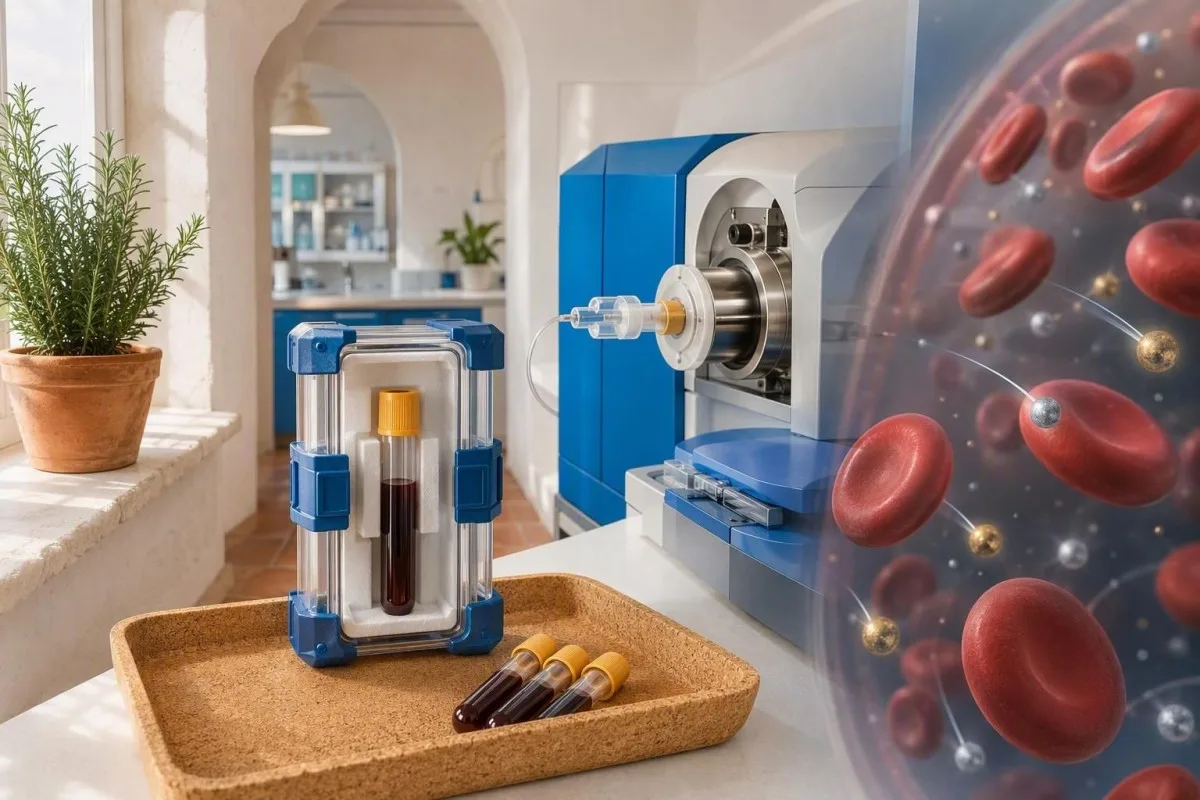
მძიმე მეტალების სისხლის ანალიზი საუკეთესოა ტყვიით, მეთილმერკურით და სამუშაო ადგილზე ან იმპლანტთან დაკავშირებული ზოგიერთი ლითონის ბოლოდროინდელი ან მიმდინარე ზემოქმედების დროს. ეს არ არის “ორგანიზმის ტოქსინების” ზოგადი მაჩვენებელი: შარდი, ლითონის სპეციფიკაცია, ზემოქმედების ისტორია და განმეორებითი ტესტირების დრო ხშირად განსაზღვრავს, აქვს თუ არა შედეგს აზრი.


- მთლიანი სისხლის ტყვია ძირითადად ასახავს დაახლოებით 1 თვის ბოლო ან მიმდინარე ზემოქმედებას; სისხლში ტყვიის არცერთი დონე არ ითვლება უსაფრთხოდ.
- CDC-ის ბავშვთა სისხლში ტყვიის მითითების მნიშვნელობა არის 3.5 µg/dL, შემდგომი მონიტორინგის ზღვარი, ტოქსიკურობის დიაგნოზის ნაცვლად.
- ვერცხლისწყლის სისხლის ანალიზი ყველაზე სასარგებლოა თევზით და ზოგიერთი პროფესიული წყაროდან მეთილმერკურით ბოლოდროინდელი ზემოქმედებისთვის; ის არ საიმედოდ ზომავს ძველ ზემოქმედებას.
- შარდის დარიშხანი სპეციფიკაციით უპირატესია არაორგანული დარიშხანით საეჭვო ზემოქმედებისთვის, განსაკუთრებით ზღვის პროდუქტების 48-72 საათის განმავლობაში მოხმარების თავიდან აცილების შემდეგ.
- შარდის კადმიუმი ზოგადად უკეთ ასახავს თირკმელების კუმულაციურ დატვირთვას, მაშინ როცა სისხლის კადმიუმი უფრო მეტად ასოცირდება ბოლო ზემოქმედებასთან.
- თმის ანალიზი შეუძლია მხარი დაუჭიროს ვიწრო მეთილმერკურის კითხვის დადასტურებას, მაგრამ არასანდოა ტოქსიკური ნივთიერებების ფართო დიაგნოსტიკური სკრინინგისთვის.
- პროვოცირებული შარდის ანალიზი ჩელატორული აგენტის გამოყენების შემდეგ არ შეუძლია მოწამვლის დადგენა, რადგან ის მიზანმიმართულად ზრდის ორგანიზმიდან ლითონების გამოყოფას.
- ტოქსიკური ნივთიერებების ფართო პანელები ხშირად აღმოაჩენს კვალი ლითონებს ავადმყოფობის, წყაროს, დოზის ან მკურნალობის საჭიროების გარეშე.
რას ამოწმებს სინამდვილეში მძიმე მეტალების სისხლის ანალიზი
A მძიმე მეტალების სისხლის ანალიზი ზომავს კონკრეტული ელემენტების კონცენტრაციას, რომლებიც ცირკულირებს აღების მომენტისთვის; ის არ ზომავს ადამიანის “ტოქსიკური ნივთიერებების დატვირთვას” სიცოცხლის განმავლობაში. მთლიანი სისხლი განსაკუთრებით სასარგებლოა ტყვიისა და მეთილმერკურისთვის, მაშინ როცა დარიშანისთვის, კადმიუმისთვის, ქრომისთვის, კობალტისთვის და თალიუმისთვის საუკეთესო ნიმუში იცვლება.
უმეტესი კლინიკური ლაბორატორიები იყენებენ ინდუქციურად შეერთებული პლაზმის მას-სპექტრომეტრიას, ან ICP-MS, რომელსაც შეუძლია ლითონების აღმოჩენა მიკროგრამებში ლიტრზე ან ქვემოთ. აღმოჩენა არ არის დიაგნოზი: შედეგი უნდა შედარდეს ლაბორატორიის მეთოდს, სინჯის სინჯარას, ადამიანის პროფესიას, დიეტას, დანამატებს, თირკმლის ფუნქციას და ეჭვმიტანილი კონტაქტიდან გასულ დროს.
A ტოქსინების სისხლის ანალიზის 20- ან 40-ლითონიანი სკრინინგი, როგორც მარკეტინგული პროდუქტი, შეიძლება ყოვლისმომცველად ჟღერდეს, მაგრამ ბევრ გაზომილ ელემენტს არ გააჩნია დადასტურებული დაავადების ზღვარი ასიმპტომურ ადამიანში. ჩემს პრაქტიკაში, სასარგებლო კითხვა თითქმის ყოველთვის უფრო ვიწროა: “შეიძლება თუ არა ამ კონკრეტულმა ზემოქმედებამ ახსნას ეს შედეგი ან სიმპტომი?”
კანტესტი არის AI სისხლის ტესტის ანალიზატორი რომელიც ათავსებს კვალი ელემენტების შედეგებს ანგარიშის დანარჩენ ნაწილთან ერთად, მათ შორის კრეატინინს, ღვიძლის მარკერებს და სისხლის წითელი უჯრედების ინდექსებს. ჩვენი ბიომარკერის საცნობარო სახელმძღვანელო ხელს უწყობს განასხვავოს შედეგი, რომელიც საჭიროებს სასწრაფო კლინიკურ მიმოხილვას, იმისგან, რომელიც ძირითადად საჭიროებს უკეთეს ანამნეზს ზემოქმედების შესახებ.
რომელი ლითონების საიმედო გამოვლენა შეუძლია სისხლის ანალიზს?
სისხლის ანალიზს შეუძლია საიმედოდ განსაზღვროს რამდენიმე ლითონის რაოდენობა, მაგრამ თითოეული მათგანისთვის გაზომვად კონცენტრაციას განსხვავებული მნიშვნელობა აქვს. ტყვია, ვერცხლისწყალი, მანგანუმი, კობალტი და ქრომი ხშირად იზომება მთლიან სისხლში; დარიშანისა და კადმიუმისთვის კლინიკურად მნიშვნელოვანი კითხვისთვის ხშირად საჭიროა შარდის ანალიზი.
A ტყვიის სისხლის ანალიზი უნდა იქნას გამოყენებული მთლიანი სისხლი, რომელიც შეგროვებულია სერტიფიცირებულ კვალი ელემენტების სინჯარაში, რადგან ტყვია ძლიერ ნაწილდება სისხლის წითელ უჯრედებში. ვენური სინჯი უპირატესია, როდესაც საკაპილარო სკრინინგის შედეგი მომატებულია, რადგან კანზე არსებულმა მტვერმა შეიძლება ცრუად გაზარდოს თითის ნემსით აღებული სინჯის შედეგი.
A მერკურის სისხლის ტესტი ყველაზე მეტ ინფორმაციას იძლევა მეთილმერკურისთვის ზღვის პროდუქტებიდან და ელემენტარული ვერცხლისწყლის ზემოქმედებისთვის, რომელიც მოხდა ბოლო კვირების განმავლობაში. მთლიანი სისხლის ვერცხლისწყლის დონე ხშირად ეცემა თევზის მიღების ცვლილების შემდეგ; მეთილმერკურის ბიოლოგიური ნახევარგამოყოფის პერიოდი დაახლოებით 50 დღეა, ამიტომ 6-8 კვირის შემდეგ განმეორებითი შედეგი შეიძლება უფრო ინფორმატიული იყოს, ვიდრე 3 დღის შემდეგ მიღებული შედეგი.
კობალტისა და ქრომის სისხლის კონცენტრაციებს განსაზღვრული როლი აქვთ ლითონის-ლითონის ბარძაყის კომპონენტების მქონე შერჩეულ პირებში, თუმცა სიმპტომები, გამოსახულება, იმპლანტის ტიპი და სერიული ცვლილება უფრო მნიშვნელოვანია, ვიდრე ერთი იზოლირებული რიცხვი. ჩვენი სახელმძღვანელო ქრომის ანალიზის არჩევანისთვის ხსნის, თუ რატომ შეიძლება ლაბორატორიებმა წარმოადგინონ სხვადასხვა ერთეული.
ტყვიის სისხლის ანალიზი: ზღვრები, დრო და შემდგომი მონიტორინგი
A ვენური სისხლის ტყვიის დონე არის ბოლო ტყვიით გამოწვეული ზემოქმედების სტანდარტული ტესტი ბავშვებსა და მოზრდილებში. აშშ-ს ბავშვებში 3.5 მკგ/დლ არის CDC-ის სისხლის ტყვიის ამჟამინდელი საცნობი მნიშვნელობა; ის ავლენს ბავშვებს, რომლებსაც აქვთ უფრო მაღალი ზემოქმედება, ვიდრე მათი თანატოლების უმეტესობა, და არ არის უსაფრთხოსა და სახიფათოს შორის ზღვარი.
სისხლში ტყვიის დონე ჩვეულებრივ ასახავს წინა 28-36 დღის ექსპოზიციას, თუმცა ძვალში შენახული ტყვია შეიძლება შევიდეს სისხლში ორსულობის, მენოპაუზის, მოტეხილობის შეხორცების ან მძიმე ავადმყოფობის დროს. ამიტომ, დონე შეიძლება დაეცეს წყაროს დატოვების შემდეგ, იმის მტკიცებულების გარეშე, რომ ადრეული ექსპოზიცია უვნებელი იყო.
CDC-ის 2021 წლის განახლებამ ბავშვთა მითითების მნიშვნელობა 5.0-დან შეამცირა 3.5 მკგ/დლ რადგან დაბალი კონცენტრაციები კვლავ კორელაციაშია განვითარების რისკთან პოპულაციის დონეზე (Ruckart et al., 2021). 3.5 მკგ/დლ ბავშვებში ჩელაცია არ არის რუტინული; წყაროს იდენტიფიკაცია, კვება, განვითარების მეთვალყურეობა და განმეორებითი ტესტირება ჩვეულებრივი პირველი ნაბიჯებია.
მოზრდილთათვის, შრომითი ზღვრები და მოხსნის წესები განსხვავდება ქვეყნის, სქესის, ორსულობის პოტენციალისა და ინდუსტრიის მიხედვით. შედეგი 45 მკგ/დლ ან მეტი მოითხოვს გადაუდებელ სპეციალისტის განხილვას ბევრ კლინიკურ გარემოებაში, ხოლო 70 მკგ/დლ ან მეტი ზოგადად განიხილება როგორც სამედიცინო გადაუდებელი მდგომარეობა, რომელიც მოითხოვს ექსპოზიციის დაუყოვნებელ მოხსნას და ექსპერტულ მართვას.
ვერცხლისწყლის სისხლის ანალიზი თევზის, სამუშაო ან დაღვრის შემდეგ
A მერკურის სისხლის ტესტი საუკეთესოდ ასახავს ზღვის პროდუქტებიდან მეთილმერკურის ბოლო ექსპოზიციას და შეუძლია დაეხმაროს ელემენტარული მერკურის ბოლო ექსპოზიციის შეფასებას. ის თავისთავად არ იდენტიფიცირებს მერკურის ფორმას, წყაროს, ხანგრძლივობას ან ნევროლოგიური რისკის ხარისხს.
მოზრდილთათვის, რეგულარული თევზის მოხმარებით, სისხლში მერკურის საერთო დონე ქვემოთ 10 მკგ/ლ ხშირად გვხვდება, მაგრამ ლაბორატორიული მითითების ინტერვალები ფართოდ განსხვავდება გეოგრაფიისა და დიეტის მიხედვით. დონე ზემოთ 20 მკგ/ლ იმსახურებს ყურადღებით ექსპოზიციის მიმოხილვას, განსაკუთრებით ორსულობისას ან ჩასახვამდე, ვიდრე რეფლექსური დეტოქსიკაცია.
Clarkson და Magos აღწერენ, თუ რატომ არის მერკურის ქიმია მნიშვნელოვანი: მეთილმერკური კონცენტრირდება ერითროციტებში, ხოლო არაორგანული მერკური უფრო ადვილად წარმოდგენილია შარდში (Clarkson and Magos, 2006). სწორედ ეს განსხვავება იწვევს იმას, რომ მერკურის საერთო დონემ შეიძლება გამოიწვიოს ზედმეტი განგაში დიდი მტაცებელი თევზის რამდენიმე ულუფის შემდეგ.
მე მინახავს მორიგი პაციენტი, რომელმაც სუში მიირთვა, გაიმეორა მერკურის დონის შემოწმება მეორე დილით; ამ განმეორებითმა პასუხმა თითქმის არაფერი ახსნა. უფრო სასარგებლო გეგმაა, დაფიქსირდეს თევზის სახეობები და ულუფები 2 კვირის განმავლობაში, შეირჩეს მერკურის დაბალი შემცველობის ვარიანტები, შემდეგ კი განმეორდეს დაახლოებით 6-8 კვირის შემდეგ, თუ თავდაპირველი შედეგი მართლაც მომატებული იყო; იხილეთ ჩვენი თევზის მერკურის თვალთვალის სახელმძღვანელო.
როდის არის შარდის ანალიზი უკეთესი, ვიდრე სისხლის ანალიზი
შარდის ანალიზი უპირატესია, როდესაც ლითონი გამოიყოფა შარდით ან როდესაც ექიმებს სჭირდებათ კუმულაციური, ვიდრე იმავე დღის ექსპოზიციის შეფასება. დარიშხანი, კადმიუმი, არაორგანული მერკური და თალიუმი არის გავრცელებული მაგალითები, სადაც შარდი უკეთესად პასუხობს კლინიკურ კითხვას, ვიდრე სისხლი.
A 24-საათიანი შარდი კოლექცია ზომავს მთლიან ექსკრეციას დღის განმავლობაში, მაგრამ შარდის ნიმუში, რომელიც კორექტირებულია კრეატინინისთვის, ხშირად გამოიყენება, როდესაც კოლექციის ხარისხი საეჭვოა. გამოტოვებული კოლექცია, სასმელი წყლის უჩვეულოდ მაღალი მიღება ან კრეატინინი ორივე ექსტრემში შეიძლება დაამახინჯოს 24-საათიანი შეფასება; კოლექციის ტექნიკა იმსახურებს იგივე შემოწმებას, როგორც რიცხვი.
შარდის კადმიუმი ასახავს თირკმელების ხანგრძლივ დაგროვებას, ვიდრე სისხლის კადმიუმი, რომელზეც გავლენას ახდენს ბოლო მოწევა ან პროფესიული ექსპოზიცია. კადმიუმის ინტერპრეტაცია უნდა მოიცავდეს შარდის ალბუმინს ან ACR-ს და თირკმლის მილაკოვანი მარკერებს, როდესაც კლინიკურად არის მითითებული, რადგან შეშფოთება ხშირად თირკმლის მილაკოვანი დაზიანებაა, ვიდრე ბუნდოვანი ტოქსიკურობის ქულა.
დროის შეცდომები ხშირია. ჩვენი პრაქტიკული 24-საათიანი შარდის შეგროვების სახელმძღვანელო დეტალურად აღწერს ჩვეულებრივ ჩავარდნის წერტილებს, მათ შორის არასწორ დროს დაწყებას და ბოლო ნიმუშის დავიწყებას.
დარიშხანის ანალიზი მოითხოვს სპეციფიკაციას, არა ზოგად ჯამურ მაჩვენებელს
დარიშხანის ექსპოზიციის ეჭვმიტანილ შემთხვევებს ჩვეულებრივ აფასებენ შარდის დარიშხანის სპეციფიკაციით, არა სისხლის პანელით. მთლიანი შარდის დარიშხანის დონე შეიძლება მკვეთრად გაიზარდოს ზღვის პროდუქტების მიღების შემდეგ, რადგან ორგანული არსენობეტაინი გამოიყოფა შარდით, მაგრამ გაცილებით ნაკლებად ტოქსიკურია, ვიდრე არაორგანული დარიშხანი.
ადამიანებმა თავი უნდა აარიდონ ზღვის პროდუქტებს 48-72 საათით დაგეგმილ შარდის დარიშხანის ტესტამდე, თუ ტოქსიკოლოგი სხვაგვარად არ გვირჩევს. მთლიანი შარდის დარიშხანის დონე 50 µg/L-ზე მეტი 50 მკგ/ლ შეიძლება მოითხოვდეს თვალყურს, მაგრამ მისი პასუხისმგებლობით ინტერპრეტაცია შეუძლებელია არაორგანული დარიშხანისა და მისი მეტაბოლიტების იდენტიფიკაციის გარეშე.
სისხლის დარიშხანს აქვს მოკლე სასარგებლო ფანჯარა - ხშირად საათები მნიშვნელოვანი ექსპოზიციის შემდეგ - ამიტომ ნორმალური სისხლის მნიშვნელობა არ გამორიცხავს შესაბამის ექსპოზიციას დღეებით ადრე. 15 წლის განმავლობაში, რაც ლაბორატორიულ ანგარიშებთან ვმუშაობ, ეს არის ფართო პანელის ერთ-ერთი ყველაზე ხშირი მიზეზი, რომელიც ცრუ ნუგეშს იძლევა.
ATSDR-ის დარიშხანის პროფილი მხარს უჭერს შარდის ტესტირებას სპეციფიკაციით, როდესაც ეჭვმიტანილია ექსპოზიცია, განსაკუთრებით სასმელი წყლის, სამრეწველო ან მცენარეული პროდუქტების შეშფოთების შემდეგ (ATSDR, 2007). არ შეწყვიტოთ დანიშნული მედიკამენტები ან სცადოთ ქელაცია შედეგის მოლოდინში; ექიმს შეუძლია დაეხმაროს იმის დადგენაში, არის თუ არა წყალი, სამუშაო ან პროდუქტი სავარაუდო წყარო.
კადმიუმი, ქრომი და კობალტი მოითხოვს ზემოქმედებაზე მორგებულ ტესტირებას
კადმიუმის, ქრომის და კობალტის შედეგები მნიშვნელოვანია მხოლოდ შესაბამის წყაროსთან და სწორ ნიმუშთან შესაბამისობისას. შარდის კადმიუმი ხშირად შეირჩევა კუმულაციური ექსპოზიციისთვის, ხოლო სისხლის კობალტი და ქრომი ძირითადად გამოიყენება ბოლო პროფესიული ექსპოზიციისთვის ან შერჩეული იმპლანტის მეთვალყურეობისთვის.
მოწევამ შეიძლება მნიშვნელოვნად გაზარდოს კადმიუმის კონცენტრაცია, ხოლო გარკვეული სამუშაო ადგილები ზრდის ინჰალაციურ ექსპოზიციას; მხოლოდ კვებითი მიღება იშვიათად ხსნის მკაფიო შედეგს. თირკმელების ფუნქცია მნიშვნელოვანია, რადგან შემცირებულმა ფილტრაციამ შეიძლება შეცვალოს შარდის კონცენტრაცია ექსპოზიციისგან დამოუკიდებლად, ამიტომ კრეატინინისა და შარდის ცილის კონტექსტი სასარგებლოა.
ლითონის ბარძაყის იმპლანტის მქონე პირისთვის, ახალი ტკივილი ბარძაყში, ფუნქციის დაქვეითება, სმენის ან მხედველობის სიმპტომები, კარდიომიოპათიის სიმპტომები ან კობალტის მზარდი ტრენდი მოითხოვს პირდაპირ კლინიკურ შეფასებას. სისხლში კობალტის კონცენტრაციის ერთჯერადი გაზომვა არ არის არასპეციფიკური დაღლილობის, ტვინის ნისლის ან სახსრების ტკივილის სკრინინგი.
Kantesti AI-ს შეუძლია თირკმლის მარკერების შედარება სხვადასხვა თარიღებს შორის, რაც სასარგებლოა, როდესაც ლითონის შედეგი აჩენს თირკმელებთან დაკავშირებულ კითხვებს, ნაცვლად იმისა, რომ დაამტკიცოს მიზეზ-შედეგობრივი კავშირი. განიხილეთ GFR შედეგი დეჰიდრატაციის შემდეგ სანამ შემოთავაზებული კრეატინინის მცირე ცვლილება განიხილება ლითონთან დაკავშირებულ დაზიანებად.
შეგროვების შეცდომებმა შეიძლება ყალბი მეტალის შედეგი გამოიწვიოს
კვალი ლითონის შედეგები განსაკუთრებით დაუცველია დაბინძურების მიმართ შეგროვების მილებიდან, კანის მტვრისგან, გარეგანი პროდუქტებისგან და ლაბორატორიული დამუშავებისგან. მოულოდნელად დაბალი დონის შედეგი ხშირად უნდა განმეორდეს სერტიფიცირებული კვალი ელემენტების მილის გამოყენებით, სანამ ის გამოიწვევს ინვაზიურ გამოკვლევებს ან დანამატებს.
ხელთათმანებიდან მომდინარე ფხვნილი, სამუშაო ადგილიდან მომდინარე მტვერი, თუთიის შემცველი პროთეზის წებოები და თუნდაც არასერტიფიცირებული შეგროვების მილი შეიძლება გავლენას ახდენდეს ტესტირებაზე. ჰემოლიზი ასევე შეიძლება შეიცვალოს ზოგიერთი ელემენტის ინტერპრეტაცია, რადგან უჯრედული შიგთავსი შედის შრატში ან პლაზმაში; მოწითალო ნიმუში უნდა აიძულებდეს ლაბორატორიას კომენტარი გააკეთოს ნიმუშის ხარისხზე.
სწორი მატრიცა მნიშვნელოვანია: მთელ სისხლს, შრატი, პლაზმა და შარდი არ არის ურთიერთშემცვლელი. ანგარიში, რომელიც მონიშნულია როგორც “შრატის მერკური”, არ უნდა შევადაროთ შემთხვევით საზოგადოებრივი ჯანმრთელობის ზღვარს, რომელიც შემუშავებულია მთელი სისხლისთვის.
კანტესტი არის AI ბიომარკერების ინტერპრეტაციის პლატფორმა რომელიც კითხულობს ანგარიშში მოცემულ ნიმუშის ტიპს, ერთეულს და საცნობარო ინტერვალს, სანამ შესთავაზებს კონტექსტს. ჩვენი ტექნოლოგია და მეთოდები ხელმძღვანელობს განმარტავს, თუ რატომ არ შეიძლება ერთი ლაბორატორიის დიაპაზონის გარეთ მყოფი შედეგი ავტომატურად გადაიტანოს სხვა ლაბორატორიის გადაწყვეტილების ზღვარზე.
რატომ არის თმის, ფრჩხილების და სახლის ტოქსინების პანელები ხშირად შეცდომაში შემყვანი
თმისა და ფრჩხილების ტესტები ვერ დიაგნოსტირებს მძიმე ლითონებით მოწამვლის უმეტეს ნაწილს ინდივიდში, რადგან გარე დაბინძურებამ, კოსმეტიკურმა მკურნალობამ, ზრდის ტემპმა და ლაბორატორიულმა მომზადებამ შეიძლება გავლენა მოახდინოს შედეგზე. თმას აქვს შეზღუდული დამხმარე როლი მეთილმერკურის გრძელვადიანი ზემოქმედებისას, არა დეტოქსიკაციის ყოვლისმომცველი შეფასებისთვის.
თმა იზრდება დაახლოებით 1 სმ თვეში, მაგრამ ეს მარტივი ფაქტი არ აქცევს თითოეულ სანტიმეტრს სანდო ექსპოზიციის კალენდარად. თმის საღებავი, გაუფერულება, აუზის წყალი, მტვერი და შამპუნები შეიძლება შეიცვალოს გაზომილი კონცენტრაციები; დაბანის პროტოკოლები მნიშვნელოვნად განსხვავდება ლაბორატორიებს შორის.
ფრჩხილის ტესტებს მსგავსი შეზღუდვები აქვს და მცირე როლი აქვს რუტინულ კლინიკურ დიაგნოზში. როდესაც პანელი იუწყება 25 ელემენტს, ის, როგორც წესი, აღნიშნავს რაღაცას სტატისტიკურად უჩვეულოს ჯანმრთელ ადამიანებშიც კი - მრავალი შედარების მოსალოდნელი შედეგი, არა მტკიცებულება, რომ სხეულს გაწმენდა სჭირდება.
თუ სიმპტომებია პრობლემა, კლინიცისტებმა ჯერ უნდა ეძებონ სტანდარტული ახსნა, რომლებსაც აქვთ უფრო მკაფიო დიაგნოსტიკური გზა: ანემია, ფარისებრი ჯირკვლის დაავადება, თირკმლის დაავადება, მედიკამენტების ეფექტი, ძილის დარღვევა და კვება. ჩვენი სტატია სისხლის ანალიზები აუხსნელი ტკივილისთვის აჩვენებს, თუ როგორ უნდა დაიწყოს ყოველი სიმპტომის ტოქსიკურობამდე შემცირების გარეშე.
რატომ ვერ ამტკიცებს პროვოცირებული შარდის ტესტები მეტალის მოწამვლას
პროვოცირებული შარდის ლითონის ტესტი ვერ დიაგნოსტირებს მძიმე ლითონებით ქრონიკულ მოწამვლას, რადგან ჩელატორული პრეპარატი განზრახ ააქტიურებს და ზრდის შარდით ლითონების გამოყოფას. არაპროვოცირებული შარდის ნიმუშის საცნობარო დიაპაზონები არ ვრცელდება EDTA, DMSA, DMPS ან სხვა ჩელატორის შემდეგ.
ჩელატორები აკავშირებენ ლითონებს, რომლებიც ნორმალურად იმყოფებიან ქსოვილებსა და მიმოქცევაში, ამიტომ თითქმის ყველას ექნება მეტი გამოყოფა მისი მიღების შემდეგ. გადამწყვეტი აკლია დადასტურებული პოსტ-ჩელაციის საცნობარო პოპულაცია, რომელსაც უმეტესობა კომერციული ანგარიშები არ იძლევა.
ჩელაცია უვნებელი არ არის. აგენტის და პირის მიხედვით, მას შეუძლია ხელი შეუწყოს დაბალი კალციუმის, თირკმლის სტრესის, ალერგიული რეაქციების, მინერალური დეფიციტის და დადგენილ მკურნალობასთან ურთიერთქმედებისკენ; მკურნალობა უნდა მოჰყვეს დოკუმენტირებულ ექსპოზიციას და სპეციალისტის შეფასებას.
დოქტორ თომას კლაინის პრაქტიკული წესი მარტივია: დაადგინეთ ექსპოზიცია, მიიღეთ სათანადოდ შეგროვებული საბაზისო ტესტი, შემდეგ განიხილეთ მკურნალობა. სამედიცინო ვალიდაციის მიდგომა Kantesti AI-ით გამოყენებული, შექმნილია იმისთვის, რომ მონიშნოს, როდესაც ანალიზის ლიმიტები არასათანადო ინტერპრეტაციას ხდის დამაჯერებელ ინტერპრეტაციას.
სიმპტომები, რომლებიც საჭიროებენ გადაუდებელ დახმარებას და არა დამატებით პანელს
მწვავე დაბნეულობა, კრუნჩხვები, ძლიერი ღებინება, ახალი სისუსტე, ქოშინი, გულმკერდის ტკივილი ან მაღალი დოზით ცნობილი ექსპოზიცია საჭიროებს სასწრაფო სამედიცინო შეფასებას, არა სახლზე მიტანილი ტოქსინების პანელს. სისხლის ნორმალური შედეგი შეიძლება მივიღოთ, თუ ტესტირება დაგვიანებულია ან არასწორ მეტალს ზომავს.
ბავშვებში პიკა, საღებავის ზემოქმედება, განვითარების რეგრესია ან მაღალი ტყვიის შემცველობის მქონე და-ძმა უნდა გახდეს პედიატრიული რჩევის მიზეზი. ტყვიით მოწამვლა ხშირად უსიმპტომოა, ამიტომ ქცევით alone ვერ შეფასდება სისხლში ტყვიის დონე.
ელემენტარული ვერცხლისწყლის ორთქლის ზემოქმედებამ შეიძლება გამოიწვიოს ხველა, ქოშინი, ტრემორი ან ნეიროფსიქიატრიული სიმპტომები, ხოლო არაორგანულმა დარიშხანმა შეიძლება გამოიწვიოს მძიმე კუჭ-ნაწლავის დაავადება და გულ-სისხლძარღვთა არასტაბილურობა დიდი ექსპოზიციის შემდეგ. ეს სურათები იშვიათია, მაგრამ რისკი დაგვიანებაა — გამოიძახეთ სასწრაფო დახმარება ან შხამ-ცენტრი, როდესაც ექსპოზიცია ბოლოა ან სიმპტომები მნიშვნელოვანია.
კლინიცისტმა შეიძლება დანიშნოს ელექტროლიტები, კრეატინინი, ღვიძლის ტესტები, ეკგ მონიტორინგი და მიზნობრივი ტოქსიკოლოგია მეტალის ანალიზის გვერდით. ჩვენი ელექტროლიტების წითელი დროშების სახელმძღვანელო ხსნის, თუ რატომ არასოდეს ფასდება მეტალის ტოქსიკურობა მხოლოდ ერთი კონცენტრაციით.
როგორ მოვექცეთ სასაზღვრო მეტალის შედეგს
სასაზღვრო მეტალის შედეგი ჩვეულებრივ იმართება ნიმუშის დადასტურებით, ექსპოზიციის რეკონსტრუქციით და სწორი ტესტის განმეორებით შესაბამის ინტერვალში. ის იშვიათად ამართლებს დანამატებს, მარხვის რეჟიმებს ან ქელაციას თავისთავად.
დაიწყეთ ქრონოლოგიით: პროფესია, ჰობი, რემონტის სამუშაოები, იმპორტირებული სანელებლები ან წამლები, წყარო, სროლის მოედნები, სამკაულების მუშაობა, თევზის მიღება და იმპლანტის ისტორია. ჩაწერეთ თარიღები, სიხშირე, დამცავი აღჭურვილობა და გაქვთ თუ არა სხვა ადამიანებს, ვინც გარემოს იზიარებს, სიმპტომები ან არანორმალური შედეგები.
განმეორებითი ტესტირება უნდა მოხდეს იმავე მატრიცით და, სადაც შესაძლებელია, იმავე ლაბორატორიაში. 20% ცვლილება შეიძლება ასახავდეს ზოგიერთი კვალი ელემენტის ჩვეულებრივ ბიოლოგიურ ან ანალიტიკურ ვარიაციას, ხოლო დოკუმენტირებული წყაროს მოხსნის შემდეგ მდგრადი ვარდნა უფრო ძლიერად უჭერს მხარს ექსპოზიციის ჰიპოთეზას.
Kantesti-ს შეუძლია მოაწყოს სერიული ლაბორატორიული ანგარიშები, მაგრამ მას არ შეუძლია შეცვალოს ექსპოზიციის გამოძიება ან სამედიცინო გამოკვლევა. ჩვენი გვერდიგვერდ შედეგების სახელმძღვანელო სასარგებლოა შრომის ექიმის ან გП-სთვის მოკლე ქრონოლოგიის მოსამზადებლად.
საკვები, დანამატები და “დეტოქსიკაციის” შეზღუდვები”
არცერთმა წვენის წმენდამ, საუნამ, დანამატმა ან მარხვის პროტოკოლმა არ აჩვენა კლინიკურად მნიშვნელოვანი მეტალის ექსპოზიციის უსაფრთხო მოცილება წყაროს კონტროლის ნაცვლად. ყველაზე დაბალი დონის ექსპოზიციის პირველი მკურნალობა არის წყაროს შეწყვეტა და ჩვეულებრივი კვების, ჰიდრატაციის და სამედიცინო შემდგომი დაკვირვების მხარდაჭერა.
კალციუმის, რკინის და C ვიტამინის ადექვატური მიღება ამცირებს კუჭ-ნაწლავის ტყვიის შეწოვას ბავშვებში კვებითი დეფიციტის დროს, მაგრამ საკვები არ არის გარემოს გამოსწორების შემცვლელი. რკინის დეფიციტი ზრდის ტყვიის შეწოვას, რაც ერთ-ერთი მიზეზია, რის გამოც კლინიცისტები ხშირად ამოწმებენ ფერიტინს და სრულ სისხლის ანალიზს, როდესაც ტყვიის ექსპოზიცია დადასტურებულია.
მაღალი დოზით თუთიამ შეიძლება გამოიწვიოს სპილენძის დეფიციტი, ხოლო მეთვალყურეობის გარეშე სელენი თავისთავად შეიძლება გამოიწვიოს ტოქსიკურობა. მეტალის ბლოკატორად გაყიდულ დანამატს სიფრთხილით უნდა მოვეკიდოთ, განსაკუთრებით თუ ის შეიცავს მრავალ მინერალს, რამაც შეიძლება გართულდეს შემდგომი ტესტირება.
ჯანსაღი კვების კითხვებისთვის წაიკითხეთ ჩვენი გზამკვლევი რკინით მდიდარი საკვების შესახებ და ჩვენი მიმოხილვა სელენის დოზის უსაფრთხოება. კომერციული დეტოქსიკაციის პროგრამების მტკიცებულებები გულწრფელად სუსტია.
როგორ წავიკითხოთ მეტალის შედეგი რუტინული სისხლის ანალიზის გვერდით
მეტალის შედეგები კლინიკურად სასარგებლო ხდება, როდესაც ინტერპრეტირებულია თირკმელების ფუნქციასთან, ღვიძლის მარკერებთან, სისხლის სრული ანალიზის, სიმპტომების და დამაჯერებელი ექსპოზიციის წყაროსთან ერთად. მნიშვნელობაზე ოდნავ ზემოთ მნიშვნელობა, ამ დამხმარე მახასიათებლების გარეშე, ხშირად აქვს შეზღუდული კლინიკური მნიშვნელობა.
ტყვიის ექსპოზიციას შეიძლება თან ახლდეს მიკროციტოზი ან რკინის დეფიციტი, მაგრამ ნორმალური CBC არ გამორიცხავს ტყვიის ექსპოზიციას. კადმიუმის კითხვები იმსახურებს ყურადღებას კრეატინინზე და შარდის ცილაზე, ხოლო ღვიძლის მკაფიო ანომალიები ავტომატურად არ უნდა იყოს დაბრალებული დაბალი დონის მეტალის აღმოჩენაზე.
Kantesti AI არის AI ლაბორატორიული ტესტის ინტერპრეტაციის სერვისზე რომელიც თარგმნის კონკრეტული დაწესებულების ლაბორატორიულ მონაცემებს კითხვებად კლინიცისტისთვის, ფართო ტოქსიკური სკრინინგის დიაგნოზის დადგენის ნაცვლად. დოქტორ თომას კლაინი და ჩვენი სამედიცინო საკონსულტაციო საბჭო ხაზს უსვამს წყაროს გადამოწმებას, განმეორებად ტესტირებას და ესკალაციის მკაფიო რჩევებს.
ნებისმიერი ანგარიშის ატვირთვამდე ამოიღეთ არასაჭირო იდენტიფიკატორები და შეამოწმეთ, რომ ჩანს ნიმუშის ტიპი, შეგროვების თარიღი და ერთეულები. ჩვენი PDF ატვირთვის ხარისხის საკონტროლო სიაში შეუძლია თავიდან აიცილოს მარტივი ტრანსკრიფციის შეცდომა შემაშინებელ ინტერპრეტაციად იქცეს.
პრაქტიკული ტესტირების გეგმა საეჭვო ზემოქმედებისთვის 2026 წელს
3 სექტემბრის, 2026 წლის მდგომარეობით, ყველაზე უსაფრთხო ტესტირების გეგმა იწყება კონკრეტული ექსპოზიციის ჰიპოთეზით, შემდეგ ირჩევს სწორ მეტალს, ნიმუშს და შეგროვების თარიღს. ფართო სკრინინგი გამართლებულია მხოლოდ მაშინ, როდესაც პროფესიული ან საზოგადოებრივი ჯანმრთელობის კლინიცისტი განსაზღვრავს მრავალმეტალიანი ექსპოზიციის ფაქტს.
ძველი საღებავების, იმპორტირებული კერამიკის, სროლის, ბატარეების მუშაობის ან დაბინძურებული მტვრის შემთხვევაში, მოითხოვეთ ვენური მთლიანი სისხლის ტყვიის ანალიზი. ხშირი მაღალი ვერცხლის შემცველი თევზის მოხმარების შემთხვევაში, დაიწყეთ მთლიანი სისხლის ვერცხლისწყლის ანალიზით; ჭაბურღილის წყლის ან საეჭვო დარიშანის შემთხვევაში, მოითხოვეთ შარდის დარიშანის ანალიზი სპეციფიკაციით ზღვის პროდუქტების თავიდან აცილების შემდეგ.
შეხვედრაზე მიიტანეთ პროდუქტის ეტიკეტების, სამუშაო ადგილის უსაფრთხოების ფურცლების, რემონტის თარიღების და წყლის ტესტის შედეგების ფოტოები. ეს მტკიცებულებები შეიძლება უფრო დიაგნოსტიკური იყოს, ვიდრე პანელში 15 დამატებითი ლითონის დამატება და ის შესაძლებელს ხდის საზოგადოებრივი ჯანმრთელობის ზომებს, როდესაც სახლის ან სამუშაო ადგილის წყარო რეალურია.
ALT გამოიყენება 127+ ქვეყნებში, მაგრამ ადგილობრივი ზღვრები და სამუშაო ადგილის ანგარიშგების წესები განსხვავდება. ჩვენი კლინიკური გამოყენების შემთხვევის მაგალითები აჩვენებს, თუ როგორ შეუძლია სტრუქტურირებულ კითხვებს მხარი დაუჭიროს — არა შეცვალოს — თქვენი საკუთარი კლინიცისტი, ტოქსიკოლოგიის სამსახური ან ადგილობრივი საზოგადოებრივი ჯანმრთელობის გუნდი.
ხშირად დასმული კითხვები
რა ლითონების აღმოჩენა შეიძლება სისხლის ანალიზით?
მძიმე მეტალების სისხლის ანალიზი საშუალებას იძლევა რაოდენობრივად განისაზღვროს ტყვიის, მთლიანი ვერცხლისწყლის, მანგანუმის, კობალტის, ქრომის და რამდენიმე სხვა ელემენტის შემცველობა, როგორც წესი, მთელ სისხლში. სისხლი ყველაზე სასარგებლოა ახალი ან მიმდინარე ექსპოზიციის შემთხვევაში, და არა სიცოცხლის განმავლობაში დაგროვების შესაფასებლად. ტყვიის შეფასება ხშირად ხდება ვენური სისხლის სრული ანალიზით, ხოლო მეთილმერკურის ნახევარდაშლის პერიოდი სისხლში დაახლოებით 50 დღეა. დარიშხანის, კადმიუმის, არაორგანული ვერცხლისწყლის და თალიუმის გამოსავლენად უფრო კლინიკურად სასარგებლო პასუხისთვის ხშირად შარდის ანალიზი მოითხოვება.
რამდენი ხანი რჩება მძიმე მეტალი სისხლში?
დრო, რომლის განმავლობაშიც მეტალი იზომება, დამოკიდებულია მის ქიმიურ ფორმაზე და გამოკვლეულ ნიმუშზე. სისხლის ტყვია ზოგადად ასახავს ექსპოზიციას წინა 28-36 დღის განმავლობაში, ხოლო მეთილმერკური ჩვეულებრივ მცირდება დაახლოებით 50 დღის შემდეგ, როდესაც ექსპოზიცია მცირდება. სისხლში დარიშანი შეიძლება სასარგებლო იყოს მხოლოდ რამდენიმე საათის განმავლობაში მნიშვნელოვანი ექსპოზიციის შემდეგ, ამიტომ მოგვიანებით ნორმალური შედეგი არ გამორიცხავს მას. კადმიუმი შეიძლება გაგრძელდეს ორგანიზმში წლების განმავლობაში, მაგრამ შარდი ჩვეულებრივ უფრო მეტ ინფორმაციას ატარებს დაგროვილი კადმიუმის ტვირთის შესახებ.
არის თუ არა მძიმე მეტალების სისხლის ანალიზი ტოქსინების კარგი ზოგადი სკრინინგი?
ფართო ტოქსიკური სისხლის ტესტი ჩვეულებრივ ცუდი ზოგადი სკრინინგია გაურკვეველი დაღლილობის, თავის ტკივილის ან ტვინის ნისლისთვის, რადგან კვალი აღმოჩენა არ იწვევს ტოქსიკურობას. პანელები, რომლებიც ზომავენ 20 ან მეტ ელემენტს, ზრდის მინიმუმ ერთი საზღვრული დროშის შანსს ჯანმრთელ ადამიანებშიც კი. სამუშაოზე, წყალზე, საღებავზე, ზღვის პროდუქტებზე, დანამატებზე ან იმპლანტზე დაფუძნებული მიზანმიმართული ტესტი უფრო სავარაუდოა, რომ გამოიწვიოს მოქმედი შედეგი. კლინიცისტმა უნდა ინტერპრეტაცია გაუკეთოს ნებისმიერ ამაღლებულ კონცენტრაციას ნიმუშის ტიპის, ერთეულების, დროის, სიმპტომების და ექსპოზიციის ისტორიის მიხედვით.
AST-ის მძიმე მეტალების სისხლის ანალიზამდე უნდა ვიმარხულო?
უმეტეს შემთხვევაში, სისხლის ტყვიის ან ვერცხლისწყლის ტესტებისთვის შიმშილი არ არის საჭირო. უფრო მნიშვნელოვანი მომზადება არის დაბინძურების თავიდან აცილება და ბოლო ექსპოზიციის დოკუმენტირება, როგორიცაა თევზი, რომელიც შეჭამეს წინა 1-2 კვირის განმავლობაში, ან სამუშაო ადგილთან კონტაქტი ტესტირების დღეს. შარდის დარიშანის ანალიზის შემთხვევაში, მოერიდეთ ზღვის პროდუქტებს შეგროვებამდე 48-72 საათით ადრე, თუ კლინიცისტი სხვა რამეს არ გირჩევთ, რადგან ორგანული ზღვის პროდუქტების დარიშანი შეიძლება გაზარდოს შარდის დარიშანის საერთო რაოდენობა. არ შეწყვიტოთ დანიშნული მედიკამენტები და არ მიიღოთ ქელატური პროდუქტი ტესტირებამდე.
რომელი სისხლის ტყვიის დონეა საყურადღებო?
შეერთებულ შტატებში ბავშვებისთვის, ვენური სისხლის ტყვიის დონე 3.5 მკგ/დლ ან მეტი შეესაბამება CDC-ის სისხლის ტყვიის მითითების მნიშვნელობას და უნდა გამოიწვიოს ექსპოზიციის შემდგომი მონიტორინგი. ეს არ არის უსაფრთხო-საშიშროების ზღვარი, რადგან ტყვიის ექსპოზიციის არც ერთი დონე არ არის ცნობილი, რომ სრულიად უსაფრთხოა. 20-44 მკგ/დლ დონეები საჭიროებენ სასწრაფო კლინიკურ შეფასებას, ხოლო 45 მკგ/დლ ან მეტი დონეები ზოგადად საჭიროებენ სასწრაფო სპეციალისტის კონსულტაციას. ზრდასრულთა პროფესიული მოქმედების დონეები განსხვავდება ქვეყნის, სამუშაოს, სქესის და ორსულობის პოტენციალის მიხედვით.
რამდენად ზუსტია თმის ტესტი მძიმე მეტალების დასადგენად?
თმის ტესტები არ არის საიმედო უმეტეს მძიმე მეტალებით მოწამვლის დიაგნოსტიკისთვის, რადგან გარეგანი მტვერი, თმის საღებავი, გათეთრება, შამპუნი და ლაბორატორიული რეცხვის მეთოდები შეიძლება შეიცვალოს შედეგები. თმა იზრდება დაახლოებით 1 სმ თვეში, მაგრამ ეს არ არის ზუსტი ისტორიული ექსპოზიციის ჩანაწერი ინდივიდისთვის. თმის ანალიზი ზოგჯერ შეიძლება მხარი დაუჭიროს გრძელვადიანი მეთილმერკურის ექსპოზიციის შეფასებას სპეციალისტის მითითებით. აბორმალური თმის შედეგი არ უნდა იქნას გამოყენებული მარტო ქელაციური ან დეტოქსიკაციის პროგრამის გასამართლებლად.
აჩვენებს თუ არა ქელაციის ტესტი ლითონის ტოქსიკურობას?
არა, შარდი, შეგროვებული ქელატური მედიკამენტის შემდეგ, ვერ დაამტკიცებს მეტალებით მოწამვლას, რადგან მედიკამენტი განზრახ ზრდის მეტალის ექსკრეციას. შარდის სტანდარტული მითითების დიაპაზონები მიღებულია ნიმუშებიდან, რომლებიც შეგროვდა ქელატორის გარეშე და არ შეიძლება შევადაროთ პოსტ-ქელატორულ შედეგს. ქელაციამ შეიძლება გამოიწვიოს თირკმელების დაძაბვა, მინერალური დარღვევები და სხვა გვერდითი მოვლენები, განსაკუთრებით მაშინ, როდესაც გამოიყენება დადასტურებული მითითების გარეშე. სათანადოდ შეგროვებული ძირითადი სისხლის ან შარდის ტესტირება და ექსპოზიციის გამოძიება პირველ რიგში უნდა მოხდეს.
მიიღეთ AI-ით გაძლიერებული სისხლის ანალიზის განმარტება დღეს
შეუერთდით 2 მილიონზე მეტ მომხმარებელს მთელ მსოფლიოში, რომლებიც ენდობიან Kantesti-ს ლაბორატორიული ანალიზების მყისიერ და ზუსტ განმარტებაში. ატვირთეთ თქვენი სისხლის ანალიზის შედეგები და მიიღეთ 15,000+ ბიომარკერების ყოვლისმომცველი ინტერპრეტაცია წამებში.
📚 მითითებული კვლევითი პუბლიკაციები
კლაინი, ტ., მიტჩელი, ს., და ვებერი, ჰ. (2026). შიმშილის შემდეგ დიარეა, შავი ლაქები განავალში და კუჭ-ნაწლავის ტრაქტის სახელმძღვანელო 2026. Kantesti AI სამედიცინო კვლევა.
კლაინი, ტ., მიტჩელი, ს., და ვებერი, ჰ. (2026). ქალთა ჯანმრთელობის სახელმძღვანელო: ოვულაცია, მენოპაუზა და ჰორმონალური სიმპტომები. Kantesti AI სამედიცინო კვლევა.
📖 გარე სამედიცინო წყაროები
სააგენტო ტოქსიკური ნივთიერებებისა და დაავადებათა რეესტრისთვის (2007). დარიშანის ტოქსიკოლოგიური პროფილი. აშშ-ის ჯანმრთელობისა და ადამიანური მომსახურების დეპარტამენტი.
⚕️ სამედიცინო პასუხისმგებლობის შეზღუდვა
ეს სტატია მხოლოდ საგანმანათლებლო მიზნებისთვისაა და არ წარმოადგენს სამედიცინო რჩევას. დიაგნოზისა და მკურნალობის გადაწყვეტილებებისთვის ყოველთვის მიმართეთ კვალიფიციურ ჯანდაცვის სპეციალისტს.
E-E-A-T სანდოობის სიგნალები
გამოცდილება
ექიმის ხელმძღვანელობით კლინიკური მიმოხილვა ლაბორატორიული ინტერპრეტაციის სამუშაო პროცესებზე.
ექსპერტიზა
ლაბორატორიული მედიცინის აქცენტი იმაზე, როგორ იქცევიან ბიომარკერები კლინიკურ კონტექსტში.
ავტორიტეტულობა
დაწერილია დოქტორ თომას კლაინის მიერ, მიმოხილვა: დოქტორ სარა მიტჩელისა და პროფესორ დოქტორ ჰანს ვებერის მიერ.
სანდოობა
მტკიცებულებებზე დაფუძნებული ინტერპრეტაცია, მკაფიო შემდგომი ნაბიჯებით, რათა შემცირდეს განგაშის დონე.