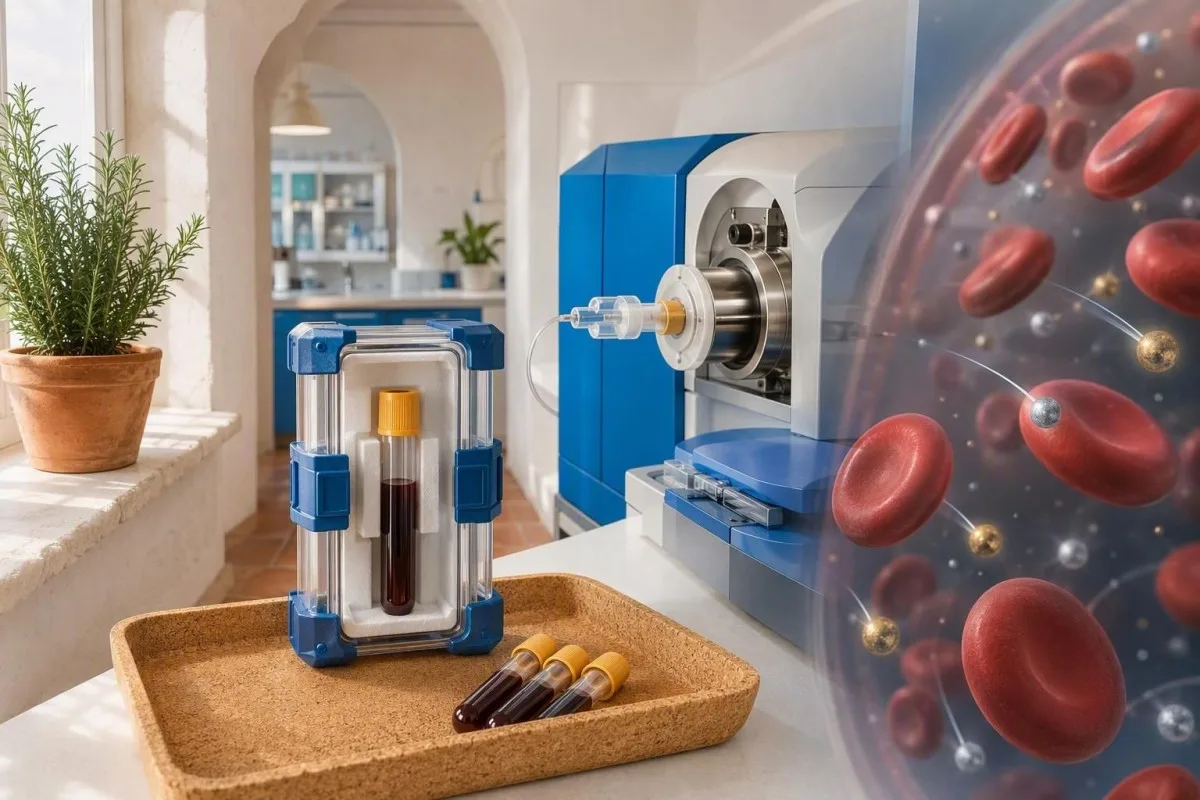
Аналіз крыві на цяжкія металы найлепш падыходзіць для выяўлення нядаўняга або працяглага ўздзеяння свінцу, метылртуці і асобных металаў, звязаных з працоўным месцам або імплантатамі. Гэта не агульны паказчык “таксінаў у арганізме”: мача, спецыфікацыя металу, гісторыя ўздзеяння і час паўтарэння часта вызначаюць, ці мае вынік значэнне.


- Свінец у цэльнай крыві адлюстроўвае ў асноўным нядаўняе або працяглае ўздзеянне на працягу прыкладна 1 месяца; нізкі ўзровень свінцу ў крыві не лічыцца бяспечным.
- Даведачны ўзровень свінцу ў крыві CDC складае 3,5 мкг/дл, што з'яўляецца парогам для наступных дзеянняў, а не дыягназам атручвання.
- Аналіз крыві на ртуць найбольш карысны для выяўлення нядаўняга ўздзеяння метылртуці з рыбы і некаторых прафесійных крыніц; ён не надзейна вымярае старое ўздзеянне.
- Мыш'як у мачы са спецыфікацыяй пераважны для падазронага ўздзеяння неарганічнага мыш'яку, асабліва пасля ўстрымання ад морапрадуктаў на 48-72 гадзіны.
- Кадмій у мочы звычайна лепш адлюстроўвае кумулятыўную нагрузку на ныркі, у той час як кадмій у крыві больш звязаны з нядаўнім уздзеяннем.
- Аналіз валасоў можа дапамагчы адказаць на вузкае пытанне пра метилртуць, але ненадежен як шырокі дыягнастычны скрынінг на таксіны.
- Правакацыйны аналіз мачы пасля прымянення хелатуючага агента не можа пацвердзіць атручванне, таму што ён наўмысна павялічвае вывядзенне металу з мочой.
- Шырокія панэлі таксінаў часта выяўляюць мікраэлементы, не паказваючы захворвання, крыніцы, дозы ці неабходнасці лячэння.
Што насамрэч выяўляе аналіз крыві на цяжкія металы
A аналіз крыві на цяжкія металы вымярае канцэнтрацыю пэўных элементаў, якія цыркулююць на момант збору; ён не вымярае “таксічную нагрузку” чалавека на працягу жыцця. Цалкам кроў асабліва карысная для свінцу і метилртуці, у той час як лепшы ўзор мяняецца для мыш'яку, кадмію, хрому, кобальту і талію.
Большасць клінічных лабараторый выкарыстоўваюць мас-спектраметрыю з індукцыйна-звязанай плазмай, або ICP-MS, якая можа выяўляць металы на ўзроўні мікраграмаў на літр і ніжэй. Выяўленне - гэта не дыягназ: вынік павінен быць параўнаны з метадам лабараторыі, прабіркай для збору, прафесіяй чалавека, дыетай, харчовымі дабаўкамі, функцыяй нырак і часам, які прайшоў з моманту падазронага кантакту.
A панэль аналізу крыві на таксіны прадаваны як скрынінг на 20 або 40 металаў, можа здавацца поўным, але многія вымераныя элементы не маюць пацверджанага парога захворвання ў асімптаматычнага чалавека. У маёй практыцы карыснае пытанне амаль заўсёды больш вузкае: “Ці можа гэта канкрэтнае ўздзеянне растлумачыць гэты вынік ці сімптомы?”
Кантэсці — гэта Аналізатар крыві са штучным інтэлектам які размяшчае вынікі аналізу мікраэлементаў побач з астатняй часткай справаздачы, уключаючы крэатынін, печанечныя маркеры і эрытрацытарныя паказчыкі. Наш Даведнік па біямаркерах дапамагае адрозніць вынік, які патрабуе неадкладнага клінічнага агляду, ад таго, які ў асноўным патрабуе лепшай гісторыі ўздзеяння.
Якія металы можа надзейна выявіць аналіз крыві?
Аналіз крыві можа надзейна вызначыць колькасць некалькіх металаў, але вымерная канцэнтрацыя мае розны сэнс для кожнага з іх. Свінец, ртуць, марганец, кобальт і хром звычайна вымяраюцца ў поўнай крыві; мыш'як і кадмій часта патрабуюць аналізу мачы для клінічна значнага пытання.
A аналіз крыві на свінец павінна выкарыстоўваць поўную кроў, сабраную ў сертыфікаванай прабірцы для мікраэлементаў, таму што свінец моцна размяркоўваецца ў эрытрацытах. Рэкамендуецца вянозны забор, калі павялічаны вынік скрынінгавага капілярнага аналізу, паколькі пыл на скуры можа памылкова павялічыць вынік пальцавага пункту.
A аналіз крові на ртуть найбольш інфарматыўны для метилртуці з морапрадуктаў і элементарнай ртуці, якая ўздзейнічала на працягу апошніх тыдняў. Змест ртуці ў поўнай крыві звычайна зніжаецца пасля змены спажывання рыбы; біялагічны перыяд паўраспаду метилртуці складае каля 50 дзён, таму паўторны вынік праз 6-8 тыдняў можа быць больш інфарматыўным, чым вынік праз 3 дні.
Канцэнтрацыі кобальту і хрому ў крыві маюць вызначаную ролю ў асобных людзей з метала-металічнымі тазабеднымі кампанентамі, хоць сімптомы, візуалізацыя, тып імплантата і серыйная змена маюць большае значэнне, чым адзіны ізаляваны лік. Наш даведнік па выбары аналізу на хром тлумачыць, чаму лабараторыі могуць паведамляць розныя адзінкі.
Аналіз крыві на свінец: парогі, тэрміны і наступныя дзеянні
A узровень свінцу ў вянознай крыві з'яўляецца стандартным аналізам для нядаўняга ўздзеяння свінцу ў дзяцей і дарослых. У дзяцей ЗША 3,5 мкг/дл з'яўляецца бягучым эталонным значэннем Амерыканскага цэнтра па кантролі захворванняў, яно выяўляе дзяцей з большым уздзеяннем, чым большасць аднагодкаў, і не з'яўляецца мяжой паміж бяспечным і небяспечным.
Узровень свінцу ў крыві звычайна адлюстроўвае ўздзеянне за папярэднія 28-36 дзён, хаця свінец, які захоўваецца ў косці, можа зноў патрапіць у кроў падчас цяжарнасці, менапаўзы, гаення пераломаў або сур'ёзных захворванняў. Таму ўзровень можа знізіцца пасля выхаду з крыніцы, не даказваючы, што ранейшае ўздзеянне было бясшкодным.
Абнаўленне CDC 2021 года знізіла даведачную велічыню для дзяцей з 5,0 да 3,5 мкг/дл паколькі больш нізкія канцэнтрацыі па-ранейшаму карэлююць з рызыкай развіцця на ўзроўні насельніцтва (Ruckart et al., 2021). Хеляванне не з'яўляецца руцінным для дзіцяці пры 3,5 мкг/дл; выяўленне крыніцы, харчаванне, назіранне за развіццём і паўторнае тэсціраванне - звычайныя першыя крокі.
Для дарослых прафесійныя парогі і правілы выдалення адрозніваюцца ў залежнасці ад краіны, полу, патэнцыялу цяжарнасці і галіны. Вынік 45 мкг/дл або вышэй патрабуе тэрміновага абмеркавання са спецыялістам у многіх клінічных установах, у той час як 70 мкг/дл або вышэй звычайна разглядаецца як медыцынская надзвычайная сітуацыя, якая патрабуе неадкладнага выдалення ад крыніцы ўздзеяння і экспертнага кіравання.
Аналіз крыві на ртуць пасля ўжывання рыбы, працы або разліву
A аналіз крові на ртуть лепш за ўсё адлюстроўвае нядаўняе ўздзеянне метилртуці з морапрадуктаў і можа дапамагчы ацаніць нядаўняе ўздзеянне элементарнай ртуці. Само па сабе яно не вызначае форму ртуці, крыніцу, працягласць або ступень неўралагічнай рызыкі.
Для дарослага чалавека з рэгулярным спажываннем рыбы, агульны ўзровень ртуці ў крыві ніжэй 10 мкг/л часта сустракаецца, але лабараторныя даведачныя інтэрвалы шырока вар'іруюцца ў залежнасці ад геаграфіі і дыеты. Вынік вышэй 20 мкг/л заслугоўвае дбайнага агляду на прадмет уздзеяння, асабліва падчас цяжарнасці або перад зачаццем, замест рэфлекторнай дэтоксікацыі.
Clarkson and Magos апісваюць, чаму хімія ртуці мае значэнне: метилртуць канцэнтруецца ў чырвоных клетках, у той час як неарганічная ртуць лягчэй прадстаўлена ў мачы (Clarkson and Magos, 2006). Гэта адрозненне тлумачыць, чаму толькі агульная ртуць можа выклікаць непатрэбную трывогу пасля некалькіх порцый вялікай драпежнай рыбы.
Я бачыў трывожнага пацыента, які паўтарыў аналіз на ртуць раніцай пасля ўжывання сушы; гэты паўторны аналіз амаль нічога не даў. Больш карысны план - запісаць віды рыбы і порцыі на 2 тыдні, выбраць варыянты з нізкім утрыманнем ртуці, а затым паўтарыць прыкладна праз 6-8 тыдняў, калі першапачатковы вынік быў сапраўды павышаны; гл. наша кіраўніцтва па наступным сачэнні за ртуццю ў морапрадуктах.
Калі аналіз мачы лепш, чым аналіз крыві
Аналіз мачы пераважнейшы, калі метал выводзіцца з мочой або калі лекары хочуць ацаніць кумулятыўнае, а не аднамомантнае ўздзеянне. Мыш'як, кадмій, неарганічная ртуць і талій з'яўляюцца распаўсюджанымі прыкладамі, калі аналіз мачы можа лепш адказаць на клінічнае пытанне, чым аналіз крыві.
A 24-гадзінная мача збор вымярае агульнае вывядзенне за дзень, але аднаразовы аналіз мачы, адкарэктаваны па крэатыніну, часта выкарыстоўваецца, калі якасць збору сумнеўная. Прапушчаны збор, незвычайна высокае спажыванне вадкасці або экстрэмальныя значэнні крэатыніну могуць сказіць ацэнку за 24 гадзіны; тэхніка збору заслугоўвае такой жа ўвагі, як і сам аналіз.
Кадмій у мачы адлюстроўвае доўгатэрміновае назапашванне ў нырках больш, чым кадмій у крыві, на які ўплывае нядаўняе курэнне або прафесійнае ўздзеянне. Інтэрпрэтацыя кадмію павінна ўключаць альбумін у мачы або ACR і тубулярныя маркеры, калі гэта клінічна паказана, таму што занепакоенасць часта выклікае пашкоджанне нырачных канальцаў, а не невыразную ацэнку таксічнасці.
Часта сустракаюцца памылкі з часавымі рамкамі. Наш практычны посібник зі збору сечі за 24 години падрабязна апісвае звычайныя праблемы, уключаючы пачатак у няправільны час і забыццё апошняга ўзору.
Аналіз на мыш'як патрабуе спецыфікацыі, а не агульнага агульнага значэння
Падазрэнне на ўздзеянне мыш'яку звычайна ацэньваецца з дапамогай спецыяцыі мыш'яку ў мачы, а не па аналізе крыві. Агульны мыш'як у мачы можа значна павялічвацца пасля ўжывання морапрадуктаў, таму што арганічны арсенабетаін выводзіцца з мочой, але ён значна менш таксічны, чым неарганічны мыш'як.
Людзям варта пазбягаць морапрадуктаў на 48–72 гадзіны перад планаваным аналізам мыш'яку ў мачы, калі таксіколаг не параіць іншае. Агульны ўзровень мыш'яку ў мачы вышэй за 50 мкг/л можа патрабаваць наступнага сачэння, але яго нельга адказна інтэрпрэтаваць без ідэнтыфікацыі неарганічнага мыш'яку і яго метабалітаў.
Мыш'як у крыві мае кароткі перыяд карыснасці — часта гадзіны пасля значнага ўздзеяння — таму нармальны паказчык у крыві не выключае адпаведнага ўздзеяння, якое адбылося некалькімі днямі раней. За 15 гадоў працы з лабараторнымі справаздачамі гэта адна з найбольш частых прычын, па якіх шырокі аналіз дае ілжывае супакаенне.
Профіль мыш'яку ATSDR падтрымлівае аналіз мачы са спецыяцыяй пры падазрэнні на ўздзеянне, асабліва пасля праблем з пітной вадой, прамысловымі або травянымі прадуктамі (ATSDR, 2007). Не спыняйце прызначаныя лекі і не спрабуйце хелатаваць падчас чакання вынікаў; лекар можа дапамагчы вызначыць, ці з'яўляюцца вада, праца або прадукт найбольш верагоднай крыніцай.
Кадмій, хром і кобальт патрабуюць тэставання, спецыфічнага для ўздзеяння
Вынікі аналізу на кадмій, хром і кобальт маюць значэнне толькі тады, калі яны супастаўлены з верагоднай крыніцай і правільным узорам. Кадмій у мочы часта выбіраецца для ацэнкі кумулятыўнага ўздзеяння, у той час як кобальт і хром у крыві ў асноўным выкарыстоўваюцца для ацэнкі нядаўняга прафесійнага ўздзеяння або для нагляду за некаторымі імплантатамі.
Курэнне можа істотна павялічыць канцэнтрацыю кадмію, а некаторыя працоўныя месцы дадаюць інгаляцыйнае ўздзеянне; толькі дыетычнае спажыванне рэдка тлумачыць выразны вынік. Функцыя нырак мае значэнне, таму што зніжэнне фільтрацыі можа змяніць канцэнтрацыю ў мачы незалежна ад уздзеяння, таму кантэкст крэатыніну і бялку ў мачы карысны.
Для чалавека з металічным тазасцегнавым імплантатам, новая боль у тазасцегнавым суставе, зніжэнне функцыянальнасці, сімптомы парушэння слыху або зроку, сімптомы кардыяміяпатыі або рост узроўню кобальту патрабуюць непасрэднай клінічнай ацэнкі. Аднаразовае вымярэнне канцэнтрацыі кобальту ў крыві не з'яўляецца скрынінгам на неспецыфічную стомленасць, "туман у галаве" або болі ў суставах.
Kantesti AI можа параўноўваць нырачныя маркеры за розныя даты, што карысна, калі вынік аналізу металу выклікае пытанне аб функцыі нырак, а не даказвае прычынна-следчую сувязь. Разгледзьце вынік GFR пасля абязводжвання перад тым, як меркаваць, што невялікі зрух узроўню крэатыніну сведчыць аб пашкоджанні, звязаным з металам.
Памылкі пры зборы проб могуць прывесці да памылковага выніку металу
Вынікі аналізу мікраэлементаў незвычайна ўразлівыя да забруджвання ад прабіркі для збору, пылу з паверхні скуры, мясцовых сродкаў і лабараторнай апрацоўкі. Нечакана нізкі вынік часта варта паўтарыць з выкарыстаннем сертыфікаванай прабіркі для мікраэлементаў, перш чым ён прывядзе да інвазівных даследаванняў або прызначэння дабавак.
Парашок з пальчатак, пыл з месца працы, цынказмяшчальныя зубныя клеі, і нават несертыфікаваная прабірка для збору могуць паўплываць на тэставанне. Гемоліз таксама можа змяніць інтэрпрэтацыю некаторых элементаў, таму што клеткавае змесціва трапляе ў сыроватку або плазму; звычайная проба павінна прымусіць лабараторыю пракаментаваць якасць пробы.
Правільная матрыца мае значэнне: суцэльная кроў, сыроватка, плазма і моча не з'яўляюцца ўзаемазаменнымі. Справаздачу з паметкай “сыроватка ртуці” нельга свабодна параўноўваць з гранічным значэннем аховы здароўя, распрацаваным для цэльнай крыві.
Кантэсці — гэта платформа інтэрпрэтацыі біямаркераў AI які чытае паведамлены тып узору, адзінку і інтэрвал спасылкі, перш чым прапанаваць кантэкст. Нашы тэхналогіі і метады кіраўніцтва тлумачаць, чаму вынік па-за межамі адной лабараторыі не можа быць аўтаматычна аднесены да мяжы прыняцця рашэння іншай лабараторыі.
Чаму аналізы на таксіны ў валасах, пазногцях і дома часта ўводзяць у зман
Аналізы валасоў і пазногцяў не могуць дыягнаставаць большасць атручванняў цяжкімі металамі ў чалавека, таму што знешняе забруджванне, касметычная апрацоўка, хуткасць росту і лабараторная падрыхтоўка могуць дамінаваць у выніку. Валасы маюць абмежаваную падтрымліваючую ролю для доўгатэрміновага ўздзеяння метилртуці, але не для агульнага ацэньвання дэтоксікацыі.
Валасы растуць прыкладна 1 см у месяц, але гэты просты факт не робіць кожны сантыметр надзейным календаром уздзеяння. Фарба для валасоў, адбельванне, вада з басейна, пыл і шампуні могуць змяніць вымераныя канцэнтрацыі; пратаколы мыцця значна адрозніваюцца паміж лабараторыямі.
Тэставанне пазногцяў мае падобныя абмежаванні і мае невялікую ролю ў звычайнай клінічнай дыягностыцы. Калі панэль паведамляе пра 25 элементаў, яна звычайна будзе пазначаць нешта статыстычна незвычайнае нават у здаровых людзей — чаканае следства множнага параўнання, а не доказ таго, што арганізму патрэбна ачышчэнне.
Калі турбуюць сімптомы, клініцысты павінны спачатку шукаць стандартныя тлумачэнні, якія маюць больш выразны дыягнастычны шлях: анемія, захворванні шчытападобнай залозы, захворванні нырак, уплыў лекаў, парушэнні сну і харчаванне. Наш артыкул пра аналізах крыві пры незразумелым болевым сіндроме паказвае, як пачаць, не зводзячы кожны сімтом да таксічнасці.
Чаму правакацыйныя аналізы мачы не могуць даказаць атручэнне металамі
Правакаваны тэст на металы ў мачы не можа дыягнаставаць хранічнае атручэнне цяжкімі металамі, таму што хелатуючы прэпарат наўмысна мабілізуе і павялічвае вывядзенне металаў з мочой. Інтэрвалы спасылкі з неправакаванага ўзору мачы не прымяняюцца пасля EDTA, DMSA, DMPS або іншага хелатара.
Хелатары звязваюць металы, якія звычайна прысутнічаюць у тканінах і цыркуляцыі, таму амаль кожны будзе выводзіць больш пасля іх прыёму. Важнай адсутнай часткай з'яўляецца правераная папуляцыя спасылкі пасля хелатавання, якую большасць камерцыйных справаздач не прадастаўляюць.
Хелатаванне не з'яўляецца бясшкодным. У залежнасці ад сродку і чалавека, яно можа спрыяць нізкаму ўзроўню кальцыя, стрэсу нырак, алергічным рэакцыям, дэфіцыту мінералаў і ўзаемадзеянню з прызначанымі метадамі лячэння; лячэнне павінна праводзіцца пасля дакументальна пацверджанага ўздзеяння і ацэнкі спецыялістам.
Практычнае правіла доктара Томаса Кляйна простае: устанавіць уздзеянне, атрымаць правільна сабраны базавы тэст, затым абмеркаваць лячэнне. падыход да медыцынскай валідацыі Kantesti AI выкарыстоўваецца для выяўлення сітуацый, калі межы аналізу робяць упэўненую інтэрпрэтацыю недарэчнай.
Сімптомы, якія патрабуюць тэрміновай дапамогі, а не чарговага аналізу
Вострае спутанне прытомнасці, курчы, моцная ваніты, новая слабасць, дыхавіца, боль у грудзях або вядомае ўздзеянне высокай дозы патрабуюць тэрміновага медыцынскага агляду, а не паштовага аналізу на таксіны. Нармальны вынік аналізу крыві можа быць атрыманы, калі тэставанне праводзіцца занадта позна або вымяраецца няправільны метал.
У дзіцяці піка, уздзеянне фарбы, якая лушчыцца, затрымка развіцця або брат/сястра з высокім узроўнем свінцу павінны справакаваць неадкладную педыятрычную кансультацыю. Атручэнне свінцом часта працякае бессімптомна, таму адно толькі паводзіны не можа ацаніць узровень свінцу ў крыві.
Уздзеянне пары элементарнага ртутнага пара можа выклікаць кашаль, дыхавіцу, тремор або нейрапсіхіятрычныя сімптомы, у той час як неарганічны мышьяк можа выклікаць цяжкія страўнікава-кішачныя засмучэнні і сардэчна-сасудзістую нестабільнасць пасля значнага ўздзеяння. Гэтыя шаблоны сустракаюцца рэдка, але рызыка затрымкі — тэлефануйце ў экстранныя службы або ў цэнтр атручванняў, калі ўздзеянне нядаўняе або сімптомы значныя.
Клініцыст можа прызначыць электраліты, крэатынін, аналізы печані, маніторынг ЭКГ і мэтавую таксікалогію разам з аналізам металаў. Наш кіраўніцтва па электралітах з «чырвонымі сцягамі» тлумачыць, чаму таксічнасць металаў ніколі не ацэньваецца толькі па адной канцэнтрацыі.
Як абыходзіцца з памежным вынікам металу
Мяжовы вынік па метале звычайна кіруецца пацвярджэннем узору, рэканструкцыяй уздзеяння і паўторным правядзеннем правільнага тэсту пасля адпаведнага інтэрвалу. Ён рэдка апраўдвае прыём дабавак, дыетычныя рэжымы або хелатацыю сам па сабе.
Пачніце з часовай шкалы: прафесія, хобі, рамонтныя работы, імпартныя спецыі або лекі, крыніца вады, стрэльбішчы, праца з ювелірнымі вырабамі, спажыванне рыбы і гісторыя імплантатаў. Запішыце даты, частату, ахоўнае абсталяванне і ці маюць сімптомы або анамальныя вынікі іншыя асобы, якія падзяляюць навакольнае асяроддзе.
Паўторнае тэставанне павінна выкарыстоўваць тую ж матрыцу і, дзе магчыма, тую ж лабараторыю. А 20% змяненне можа адлюстроўваць звычайныя біялагічныя або аналітычныя варыяцыі некаторых мікраэлементаў, у той час як устойлівае зніжэнне пасля дакументаванага выдалення крыніцы больш моцна падтрымлівае гіпотэзу ўздзеяння.
Kantesti можа арганізоўваць серыйныя лабараторныя справаздачы, але гэта не замяняе расследаванне ўздзеяння або медыцынскі агляд. Наш кіраўніцтва па параўнальных выніках карысны для падрыхтоўкі зрэзу часовай шкалы для ўрача-прафпатолага або GP.
Харчаванне, дабаўкі і межы “дэтоксікацыі”
Ні адна дэтоксікацыйная дыета, сауна, дабаўка або пратакол галадання не былі паказаны як бяспечна выдаляючыя клінічна значнае ўздзеянне металаў замест кантролю крыніцы. Першым лячэннем для большасці нізкіх узроўняў уздзеяння з'яўляецца спыненне крыніцы і падтрымка звычайнага харчавання, гідратацыі і медыцынскага назірання.
Дастатковае спажыванне кальцыя, жалеза і вітаміна C можа знізіць засваенне свінцу страўнікава-кішачным трактам у дзяцей з дэфіцытам харчавання, але ежа не з'яўляецца заменай для аднаўлення навакольнага асяроддзя. Дэфіцыт жалеза можа павялічыць засваенне свінцу, што з'яўляецца адной з прычын, па якіх клініцысты часта правяраюць феритин і агульны аналіз крыві пры пацверджаным уздзеянні свінцу.
Высокія дозы цынку могуць выклікаць дэфіцыт медзі, а некантралюемы селен сам па сабе можа выклікаць таксічнасць. Да біялагічна актыўнай дабаўкі, якая прадаецца як злучнік металаў, трэба ставіцца з асцярогай, асабліва калі яна змяшчае некалькі мінералаў, якія могуць ускладніць наступнае тэставанне.
Для разумных пытанняў па харчаванню прачытайце наш даведнік па прадуктах з высокім утрыманнем жалеза і наш агляд дозы селену. Доказы камерцыйных праграм дэтоксікацыі шчыра кажучы слабыя.
Як інтэрпрэтаваць вынік металу разам са звычайнымі аналізамі крыві
Вынікі па металах становяцца клінічна карыснымі пры інтэрпрэтацыі разам з функцыяй нырак, маркерамі печані, агульным аналізам крыві, сімптомамі і даверанай крыніцай уздзеяння. Значэнне, крыху вышэйшае за рэферэнтны інтэрвал, без якой-небудзь з гэтых падтрымліваючых прыкмет, часта мае абмежаванае клінічнае значэнне.
Уздзеянне свінцу можа суправаджацца мікрацытозам або дэфіцытам жалеза, але нармальны CBC не выключае ўздзеянне свінцу. Пытанні па кадмію заслугоўваюць увагі да крэатыніну і бялку ў мачы, у той час як выяўленыя анамаліі печані не варта аўтаматычна вінаваціць у нізкім узроўні металу.
Kantesti AI — гэта сервісі інтерпретації тестів ШІ які пераводзіць лабараторныя дадзеныя, спецыфічныя для адзінак, у пытанні для лекара, а не аб'яўляе дыягназ на аснове шырокага экранавання на таксіны. Доктар Томас Кляйн і наша Медыцынская кансультатыўная рада надаваць прыярытэт праверцы крыніцы, узнаўляльнаму тэсціраванню і дакладнай параде эскалацыі.
Перад загрузкай любога справаздачы выдаліце непатрэбныя ідэнтыфікатары і праверце, што тып узору, дата збору і адзінкі бачныя. Наш Чек-ліст якасці загрузкі PDF можа прадухіліць простую памылку пры транскрыпцыі, якая ператворыцца ў страшную інтэрпрэтацыю.
Практычны план тэставання для падазронага ўздзеяння ў 2026 годзе
Па стане на 3 верасня 2026 года, найбольш бяспечны план тэсціравання пачынаецца з канкрэтнай гіпотэзы аб уздзеянні, затым выбіраецца правільны метал, узор і дата збору. Шырокі скрынінг з'яўляецца разумным толькі тады, калі клініцыст па прафесійных захворваннях або ахове здароўя вызначае вызначанае ўздзеянне некалькіх металаў.
Для старой фарбы, імпартнай керамікі, стральбы, працы з батарэямі або забруджанага пылу запытайце вянозную кроў на свінец. Для частага спажывання рыбы з высокім утрыманнем ртуці пачніце з суцэльнай крыві на агульную ртуць; для вады са свідравальных свідравін або падазроны на мыш'як запытайце мыш'як у мачы з спецыфікацыяй пасля пазбягання морапрадуктаў.
Прынясіце на прыём фатаграфіі этыкетак прадуктаў, лісткі бяспекі на працоўным месцы, даты рамонту і вынікі тэсціравання вады. Гэтыя доказы могуць быць больш дыягнастычнымі, чым даданне 15 металаў да панэлі, і яны робяць магчымымі дзеянні ў галіне грамадскага аховы здароўя, калі крыніца ў доме або на працы рэальная.
Kantesti выкарыстоўваецца ў 127+ краінах, але мясцовыя парогі і правілы справаздачнасці на працоўным месцы адрозніваюцца. Наш прыклады клінічнага выкарыстання паказваюць, як структураваныя пытанні могуць падтрымліваць — а не замяняць — вашага ўласнага клініцыста, таксікалагічную службу або мясцовую каманду грамадскага аховы здароўя.
Часта задаваныя пытанні
Якія металы можа выявіць аналіз крыві?
Аналіз крыві на цяжкія металы можа вызначыць колькасць свінцу, агульнай ртуці, марганцу, кобальту, хрому і некалькіх іншых элементаў, звычайна ў цэльнай крыві. Кроў найбольш карысная для вызначэння нядаўняга або працяглага ўздзеяння, а не для вымярэння назапашвання за ўсё жыццё. Свінец звычайна вызначаецца шляхам аналізу цэльнай вянознай крыві, а метылртуць мае перыяд паўраспаду ў крыві каля 50 дзён. Мыш'як, кадмій, неарганічная ртуць і талій часта патрабуюць аналізу мачы для атрымання больш клінічна карыснага адказу.
Як доўга цяжкія металы знаходзяцца ў крыві?
Час, калі метал застаецца вымяральным, залежыць ад яго хімічнай формы і праведзенага аналізу ўзору. Свінец у крыві звычайна адлюстроўвае ўздзеянне за папярэднія 28-36 дзён, у той час як метылртуць звычайна зніжаецца прыкладна за 50 дзён пасля памяншэння ўздзеяння. Мыш'як у крыві можа быць карысным толькі некалькі гадзін пасля значнага ўздзеяння, таму нармальны вынік пазней не выключае яго. Кадмій можа захоўвацца ў арганізме гадамі, але мача звычайна больш інфарматыўная для ацэнкі назапашанага кадмію.
Ці з'яўляецца аналіз крыві на цяжкія металы добрым агульным скрынінгам на таксіны?
Шырокі аналіз крыві на таксіны звычайна з'яўляецца дрэнным агульным скрынінгам на невытлумачальную стомленасць, галаўныя болі або "туман у галаве", таму што выяўленне слядоў не ўстанаўлівае таксічнасць. Панэлі, якія вымяраюць 20 або больш элементаў, павялічваюць верагоднасць узнікнення хаця б аднаго памежнага сігналу нават у здаровых людзей. Мэтавая праверка на аснове працы, вады, фарбы, морапрадуктаў, дадаткаў або імплантата з большай верагоднасцю прывядзе да дзейснага выніку. Клініцыст павінен інтэрпрэтаваць любую павышаную канцэнтрацыю з улікам тыпу ўзору, адзінак, часу, сімптомаў і гісторыі ўздзеяння.
Ці трэба мне галадаць перад аналізам крыві на цяжкія металы?
Галаданне не патрабуецца для большасці аналізаў крыві на свінец або ртуць. Больш актуальнай падрыхтоўкай з'яўляецца пазбяганне забруджвання і дакументаванне нядаўняга ўздзеяння, напрыклад, рыбы, спажытай на працягу папярэдніх 1-2 тыдняў, або кантакту на працоўным месцы ў дзень тэсціравання. Для мышьяку ў мачы пазбягайце морапрадуктаў за 48-72 гадзіны да збору, калі клініцыст не параіць іншае, таму што арганічны мыш'як з морапрадуктаў можа павысіць агульны мыш'як у мачы. Не спыняйце прызначаныя лекі і не прымайце хелатуючы прадукт перад тэсціраваннем.
Які ўзровень свінцу ў крыві выклікае занепакоенасць?
Для дзяцей у Злучаных Штатах узровень свінцу ў вянознай крыві 3,5 мкг/дл або вышэй адпавядае рэферэнтнаму значэнню CDC для свінцу ў крыві і павінен стаць падставай для наступнага назірання за ўздзеяннем. Гэта не мяжа бяспечнага супраць небяспечнага, бо вядома, што нізкі ўзровень уздзеяння свінцу не з'яўляецца цалкам бяспечным. Узроўні 20-44 мкг/дл патрабуюць неадкладнай клінічнай ацэнкі, а ўзроўні 45 мкг/дл або вышэй звычайна патрабуюць тэрміновага абмеркавання са спецыялістам. Прафесійныя паказальнікі дзеяння для дарослых адрозніваюцца ў залежнасці ад краіны, працы, полу і магчымасці цяжарнасці.
Ці дакладныя аналізы валасоў на цяжкія металы?
Аналізы валасоў не з'яўляюцца надзейнымі для дыягностыкі большасці атручванняў цяжкімі металамі, таму што знешні пыл, фарба для валасоў, адбельванне, шампунь і лабараторныя метады мыцця могуць змяніць вынікі. Валасы растуць прыкладна на 1 см у месяц, але гэта не дакладны гістарычны запіс уздзеяння для індывіда. Аналіз валасоў можа час ад часу падтрымліваць ацэнку доўгатэрміновага ўздзеяння метылртуці пад кіраўніцтвам спецыяліста. Адхіленне ад нормы ў аналізе валасоў не павінна выкарыстоўвацца асобна для апраўдання хелатавання або праграмы дэтоксікацыі.
Ці можа хелатаванне вызначыць, ці ёсць у мяне металічная таксічнасць?
Не, мача, сабраная пасля хелатуючага медыкамента, не можа даказаць атручэнне металам, таму што медыкамент наўмысна павялічвае вывядзенне металу. Стандартныя рэферэнтныя дыяпазоны для мачы атрымліваюцца з узораў, сабраных без хелатара, і не могуць быць параўнаны з вынікам пасля хелатавання. Хелатаванне можа выклікаць стрэс нырак, парушэнні мінеральнага балансу і іншыя пабочныя эфекты, асабліва калі выкарыстоўваецца без дакументальна пацверджаных паказанняў. Спачатку павінны быць праведзены належным чынам сабраныя базавыя аналізы крыві ці мачы і даследаванне ўздзеяння.
Атрымаць аналіз крыві з AI сёння
Далучайцеся больш чым да 2 мільёнаў карыстальнікаў па ўсім свеце, якія давяраюць Kantesti для імгненнага, дакладнага аналізу лабараторных тэстаў. Загрузіце вынікі аналізу крыві і атрымайце поўную інтэрпрэтацыю біямаркераў 15,000+ за лічаныя секунды.
📚 Публікацыі даследаванняў са спасылкамі
Кляйн, Т., Мітчэл, С., і Вебер, Г. (2026). Дыярэя пасля галадання, чорныя плямкі ў кале і кіраўніцтва па ЖКТ 2026. Kantesti AI Medical Research.
Кляйн, Т., Мітчэл, С., і Вебер, Г. (2026). Кіраўніцтва па жаночым здароўі: авуляцыя, менапаўза і гарманальныя сімптомы. Kantesti AI Medical Research.
📖 Знешнія медыцынскія спасылкі
Агенцтва па рэгістрацыі таксічных рэчываў і захворванняў (2007). Таксікалагічны профіль мыш'яку. Міністэрства аховы здароўя і сацыяльных службаў ЗША.
⚕️ Медыцынская адмова ад адказнасці
Гэты артыкул прызначаны толькі для адукацыйных мэт і не з’яўляецца медычнай парадай. Заўсёды кансультуйцеся з кваліфікаваным спецыялістам аховы здароўя для прыняцця рашэнняў па дыягностыцы і лячэнні.
Сігналы даверу E-E-A-T
Вопыт
Клінічны агляд, які вядзе лекар, працэсаў інтэрпрэтацыі лабараторных паказчыкаў.
Экспертыза
Фокус лабараторнай медыцыны на тым, як біямаркеры паводзяць сябе ў клінічным кантэксце.
Аўтарытэтнасць
Напісана доктарам Томасам Кляйнам, з аглядам доктара Сара Мітчэл і праф. доктара Ганса Вебера.
Надзейнасць
Інтэрпрэтацыя на аснове доказаў з выразнымі шляхамі далейшых дзеянняў, каб паменшыць трывогу.