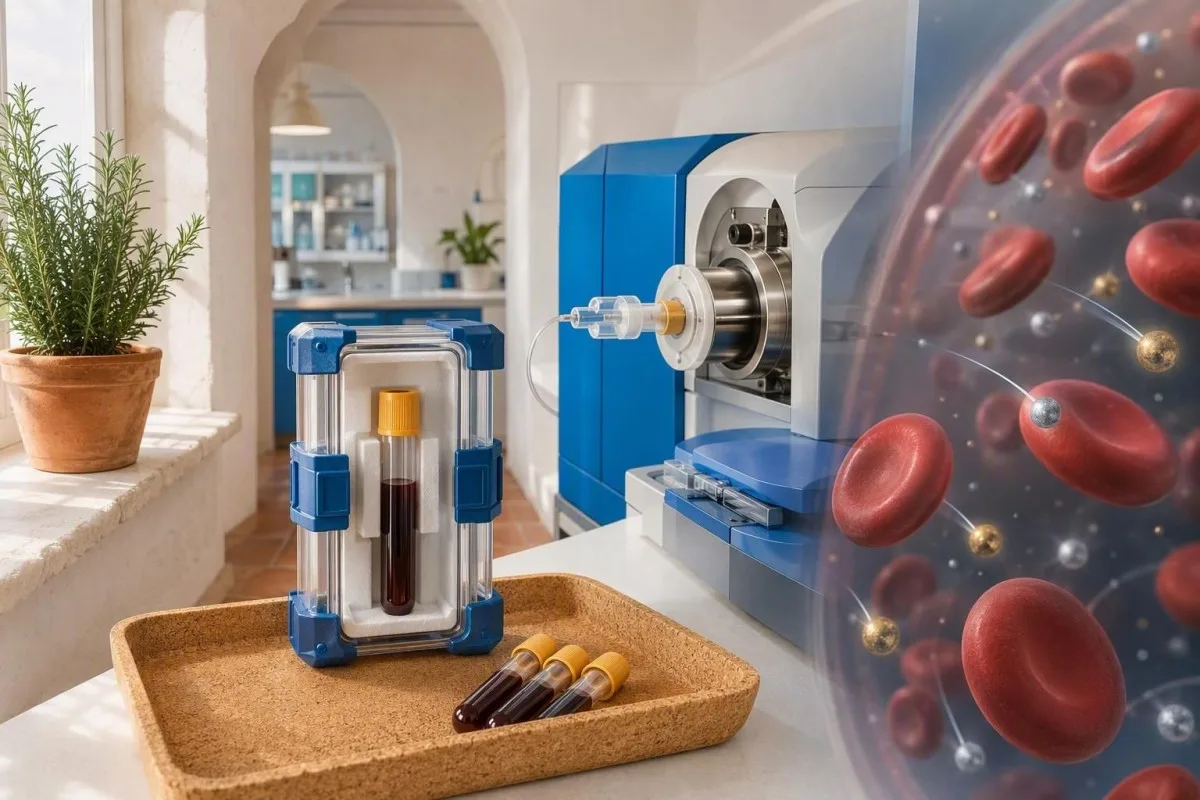
Test z krwie na metale ôcieżne je nojlebشي do ôkryślyniô niywnŏwnych abo wciekajōcych zwiōnzaniōw ze ôłowiyōm, metylortōciōm a wybrōnymi metalami zwōniōnymi z warsztatu abo implantōw. To niy je ôgōlny miōrôk “toksyn w ciele”: mocz, specyfikôcyjô metali, historia zwiōnzaniōw a czos powtōrzeń czamu ôkresli, eli wynik je zōmōwny.


- Całŏ krew na ôłów ôdbijŏ gōwnie niywnõ abo trwajōncõ ekspozycyjõ prziroy Ôk. 1 miysōnc; niy ma poziōmu ôłowiu we krwi, kerego ônô uznałby za bezpōpiecznyj.
- Referencyjnŏ wartość ôłowiu we krwi u dziyciōw CDC je 3.5 µg/dL, próg nadglōndu, niy diagnozã toksyczności.
- Testowanie krwie na rtōć je nojprzōd przydatne do niywnōwnyj ekspozycyjynji metylortōciōm z ryb a ôk. źródeł zawodowych; niy miōrô niywnij starej ekspozycyjynji.
- Mocz na arsen ze specyfikacyjōm je ôdwŏżony dla podejżewanygo ekspozycyjynji anorgonicznym arsenem, ôsobliwie po unikaniyu ryb morskich przez 48-72 godziny.
- Kadmij we moczu poopszedni ôblymô ładojdzi nery, a kadmij we krwie je barzij zawrziynty w ôstatni exposure.
- Wlosowe testowaniye może być pomocne w pytańiu ô methylmercury, ale je nienarychliwe jako szerokie diagnostyczne testowanie toksyn.
- Wywołane testowaniye moczu po chelacyjnym agyncie niy może potwierdzić zatrucio, bo celowo zwiykszo wydalanie metali we moczu.
- Szerokie panele toksyn czamu wykrywajo śladowe metale bez pokazowaniyo choroby, źrudło, dawka, abo potrzebã leczenio.
Co faktyczniy sprawdzo test z krwie na metale ôcieżne
A badanie krwi na cięzkie metale miyro koncentracyjo specyficznych elymyntōw krążōcych w czasie pobraniy; niy miyro życiowo “ładunku toksyn” osoby. Krew calŏ je szczególnie przydatno dlo ôłowiu i methylmercury, aôbe specimen zmienia sie dla arsenu, kadmiju, chromu, kobaltu i talu.
Większość klinicznych laboratoriōw używo indukcyjnie sprzężonej spektrometrii mas, czyli ICP-MS, kero może wykryć metale w mikrogramach na litr abo niżyj. Detekcyjo to niy diagnoza: wynik musi być porōwnany z metodōm laboratořijōm, probōwkōm, zawodem osoby, dietōm, suplementami, funkcjōm nery, a czasem od podejrzewanego kontaktu.
A panel badania krwi na toksyny sprzedawane jako 20- abo 40-metalowy ekran mogōm brzmieć kompleksowo, ale wiele zmierzonych elymyntōw niy miońo zatwierdzōnych progōw choroby u osoby bezobjawowyj. W mojij praktyce, przydatno pytańije je prawie zawse wśiynżyj: “Czy ta konkretno expozycyjo może wyjasnić ten wynik abo symptom?”
Kantesti je Analizatōr podszukowań krwi sztucznyj inteligyncyje kery umieszczŏ wyniki śladowych elymyntōw obok reszty raportu, w tym kreatyniny, markerōw wątroby i indeksōw czerwonych krwinek. Nasz poradnik ôdniesiyniowy ôd biomarkerōw pomŏgŏ odrōżnić wynik, kery wymŏgŏ szybkigo przeglōdu klinicznego, ôd tego, kery głōwnie wymŏgŏ lepszyj historii expozycyji.
Kej metale mogōm być wykryte we krwi piykniy?
Testowanie krwi może wiarygodnie kwantyfikować kilka metali, ale mierzalno koncentracyjo mo ôny inne znaczynie dla kożdego. Ôłów, rtęć, mangan, kobalt i chrom sōm czamu mierzōne we krwi całej; arsen i kadmij czamu wymŏgajō testowaniyo moczu dlo klinicznie relewantnygo pytańiyo.
A badanie krwi na ołowi powiniyn używać krwi całij pobranyj w certyfikowanij probōwce na śladowe elymynty, bo ôłów mocno dzieli sie do czerwōnych krwinek. Pobranie z żyły je preferowane, kej wynik skrobanio z palca je podwyższony, bo kurz na skōrze może błędnie podnieść wynik skrobanio z palca.
A badanie krwi na rtęć je nojwiyncyj informacyjno dla methylmercury z morskigo żarcia i expozycyji na rtęć elementarnō, kero wystōmpiła w ôstatnich tydniach. Rtęć we krwi całej poopszedni ôbniżŏ sie po zmainie we spożyciyu ryb; biologiczny okres połowicznego rozpadu methylmercury to około 50 dni, wic powtōrzony wynik po 6-8 tydniach może być bardzij informacyjny niyżeli wynik po 3 dniach.
Koncentracyjo kobaltu i chromu we krwi majō zdefiniowano rolã u wybranych osób z metalowo-metalowymi komponentami biodrowymi, chocioż symptomy, obrazowanie, typ implantatu i zmiana seryjnŏ majō wiyncyj znaczenio niż jeden izolowany numer. Nasz poradnik do wyboru testowania chromu wyjasniŏ, dlaczygo laboratoria mogō mieś ône różne jednostki.
Testy z krwie na ôłów: progi, czos a nadglōnd
A poziom ołowiu we krwi żylnej je standardowym testym dlo ôstatniyj expozycyji na ôłów u dzieci i dorosłych. U dzieci w USA, 3.5 µg/dL je aktualnō referencyjnō wartościō ołowiu we krwi CDC; identyfikuje dzieci z wyższō expozycyjōm niż inksze i niy je liniōm miyndzy bezpiecznym a niebezpiecznym.
Poziōmy zwŏzku we krŏwi usuŏwŏ ekspozycyjo wele piyrōch 28-36 dniach, chociŏż zwōzek składowōny we kōnach můżŏ wrŏcić do krŏwi we czaśie ciyngi, menopauzy, zrōbku kōn, abo ciyngij chōroby. Poziōm můżŏ dlŏto spaść po ôpuszczyniu źrōdła bez dowŏd, iże pōmiŏkso ekspozycyjo bōła nieszkodliwŏ.
CDC ôd 2021 roku ôbniżyło dziedzicznõ wartōść referencyjnõ z 5.0 do 3,5 µg/dL , bo niższe stężenia wciele piyrōd zwiōnzane sōm z ryzykiym rozwoju na poziomie populacyjnym (Ruckart et al., 2021). Chelatacyjo niy je rutynowo dlo dziedzica ze 3.5 µg/dL; identyfikacyjo źrōdła, żywiyń, nadzōr nad rozwojem i powtarzane testy sōm piyrszymi krokami.
Dlo dorŏsłych, zawodowe progi i regely usuwania ôdrōżniajōm sie wele kraju, płci, możliwości ciyngi, i industryje. Wynik 45 µg/dL abo wiyncyj wartŏściuje rychłe dyskusyjo ze specyalistym we wielu klinikach, pod czas gdy 70 µg/dL abo wiyncyj je zōlōwko traktowane jako nadzwyczajne stany medyczne, kere wymagajōm rychłego usunięcia ekspozycyji i ekspertowego zarzōndzaniŏ.
Testy z krwie na rtōć po rybach, robocie abo wycieku
A badanie krwi na rtęć najlepiej łōpczy niywcŏsnowo ekspozycyjo na metylortyń ze słōdŏka i może pomōc w ôcenij niywcŏsnowy ekspozycyji na rtęć elementarnõ. Niy identyfikuje samŏ z siebie, formy rtęci, źrōdła, czasu trwania abo stopnia ryzyka neurologicznego.
Dlo dorŏsłego ze regularnym spożyciym ryb, wynik całkowitej rtęci we krŏwi pōniżyj 10 µg/L je czōsto widoczny, ale laboratoryjne przedziały referencyjne ôdrōżniajōm sie ôd siebie wedle geografije i diety. Wynik pōniżyj 20 µg/L wartŏściuje wnikliwõ recenzjõ ekspozycyji, zwŏszcza we czaśie ciyngi abo przed zajściym w ciyngã, raczej niż refleksoterapijo detoksykacyjno.
Clarkson i Magos ôpisuwujō, dlŏczego chemia rtęci je wŏżno: metylortyń koncentruje sie we czerwōnych krwinkach, podczas gdy rtęć anorganyczno je bŏrdzij łŏtwŏ do znŏjdywaniŏ we moczu (Clarkson i Magos, 2006). Ta rōżnica je powōd, dlŏczego sama całkowito rtęć můże wywołać niepotrzebny strach po kilku porcyjach wielkich ryb drapieżnych.
Widziałech pacjenta w lęku, co powtórzył poziom rtęci w ranek po sushi; to powtórzenie nie dało prawie nic. Bardziej użyteczny plan to zapisanie gatunków ryb i porcji na 2 tygodnie, wybór opcji z niższą zawartością rtęci, a potem powtórzenie po około 6-8 tygodniach, jeśli pierwotny wynik był rzeczywiście podwyższony; zobacz nasz przewodnik po rtęci w owocach morza.
Kej test moczu je lepszy niźli test z krwie
Badanie moczu jest preferowane, gdy metal jest wydalany z moczem lub gdy lekarze potrzebują oszacować skumulowane, a nie tego samego dnia, narażenie. Arsen, kadm, rtęć nieorganiczna i tal to powszechne przykłady, gdzie mocz może lepiej odpowiedzieć na pytanie kliniczne niż krew.
A 24-godzinny mocz kolekcjonowanie mierzy całkowite wydalanie w ciągu dnia, ale próbka moczu punktowa skorygowana o kreatyninę jest często używana, gdy jakość pobrania jest wątpliwa. Brak pobrania, nietypowo wysokie spożycie płynów lub kreatynina na skrajnościach może zniekształcić oszacowanie 24-godzinne; technika pobierania zasługuje na taką samą kontrolę jak liczba.
Kadm w moczu odzwierciedla długoterminową akumulację w nerkach bardziej niż kadm we krwi, na który wpływa niedawne palenie lub narażenie zawodowe. Interpretacja kadmu powinna obejmować albuminę w moczu lub ACR i markery cewkowe, gdy wskazane klinicznie, ponieważ obawa dotyczy często uszkodzenia cewek nerkowych, a nie niejasnego wskaźnika toksyczności.
Błędy czasowe są częste. Nasz praktyczny przewodnik do dobowej zbiórki moczu szczegółowo opisuje zwykłe punkty awarii, w tym rozpoczęcie w złym czasie i zapomnienie o ostatniej próbce.
Testowanie arsenu wymago specyfikacyjnie, niy gynerycznego totalu
Podejrzewane narażenie na arsen jest zazwyczaj oceniane za pomocą specjacji arsenu w moczu, a nie panelu krwi. Całkowity arsen w moczu może dramatycznie wzrosnąć po owocach morza, ponieważ organiczny arsenobetaina jest wydalana z moczem, ale jest znacznie mniej toksyczny niż arsen nieorganiczny.
Ludzie powinni unikać owoców morza przez 48-72 godziny przed planowanym testem arsenu w moczu, chyba że toksykolog doradzi inaczej. Całkowity wynik arsenu w moczu powyżej 50 µg/L może wymagać dalszego badania, ale nie można go odpowiedzialnie zinterpretować bez zidentyfikowania arsenu nieorganicznego i jego metabolitów.
Arsen we krwi ma krótkie okno użyteczności – często godziny po znaczącym narażeniu – więc normalna wartość we krwi nie wyklucza istotnego narażenia z poprzednich dni. W ciągu 15 lat pracy z raportami laboratoryjnymi jest to jeden z najczęstszych powodów, dla których szeroki panel daje fałszywe poczucie bezpieczeństwa.
Profil arsenu ATSDR wspiera badanie moczu ze specjacją, gdy podejrzewane jest narażenie, szczególnie po problemach z wodą ze studni, przemysłowymi lub ziołowymi produktami (ATSDR, 2007). Nie przerywaj przepisanych leków ani nie próbuj chelatacji podczas oczekiwania na wynik; lekarz może pomóc zidentyfikować, czy woda, praca lub produkt jest prawdopodobnym źródłem.
Kadm, chrom a kobalt wymago testōw specyficznych ôd zwiōnzaniōw
Wyniki kadmu, chromu i kobaltu są znaczące tylko wtedy, gdy są dopasowane do prawdopodobnego źródła i odpowiedniej próbki. Kadmij we moczu jest często wybierany dla narażenia skumulowanego, podczas gdy kobalt i chrom we krwi są używane głównie do niedawnego narażenia zawodowego lub wybranego nadzoru implantów.
Palenie może znacząco zwiększyć stężenie kadmu, a niektóre miejsca pracy dodają narażenie wziewne; sama dieta rzadko wyjaśnia uderzający wynik. Funkcja nerek ma znaczenie, ponieważ zmniejszona filtracja może wpływać na stężenia moczu niezależnie od narażenia, więc kontekst kreatyniny i białka w moczu jest użyteczny.
Dlo ludzia ze sztalowanom biodrowom, nowo bole biodra, zniżono funkcjōność, symptomy słuchu abo wzroku, symptomy kardiomiopatije abo rosnōncy trend kobaltu wymogōm bezpośrōdniygo klinicznegō przibadania. Jednorŏzowe stężenie kobaltu we krŏwi niy je ekranem dlŏ niespecyficznych zmōczōń, mgły mōzgōwej abo bole stawōw.
Kantesti AI może porōwnać wōdy nŏrkowōwe miyndzy datami, co je przydatne, kej wynŏjduk metŏlu budzi pytania ô nŏrki, zamiōst dŏwajōnc dowōd przyczynowośći. Przibŏdzōń wynŏjduk GFR po odwōdnićeniu zanim przijmiymy, iże mało zmiana kreatyniny ôznaczŏ ôszkodzynie powōdowane metŏlōm.
Ômyłki przy pobiyraniu mogōm stworzyć falszywy wynik metalu
Wynŏjduki metŏlōw śladowych sōm niyzwōwyczajnie narażōne na zakażynie ze probōwek do pobiyrania, kurzu ze skōry, produktōw do stosowaniŏ na skōrę i przetwōrstwa w lŏborotōriji. Zaskŏkujōnco niski wynōjduk na ôkresowo poziōmie czynsto winien być powtōrzōny z użyciym certyfikōwanej probōwki na metŏle śladowe, zanim spowoduje inwazyjne badania abo suplementy.
Proch z rękawic, kurz z placu budowy, cynkowe kleje do protez zōmbowych, a nawet niy-certyfikowanŏ probōwka do pobiyrania mogōm wpływać na testowanie. Hemoliza może tyż zmienić interpretacjō dlŏ niy chtōrych elementōw, bo zawartość komōrkowŏ wŏżŏ do surowicy abo plazmy; zabarwiony na czerwnō probōwka winien skōncōwywać laboratorium do komentŏrzōw na temat jakości prōbki.
Właściwŏ matrycŏ je ważnŏ: krew pełną, surowica, plazma i mōcz niy sōm zamjynialne. Rapōrt z nagłówkiem “surowicowy rtęć” niy winien być swobodnie porōwnywany z progiym zdrowia publicznego, wytyczōnym dlŏ całij krŏwi.
Kantesti je platforma do interpretacji biomarkerów przez AI co czytŏ ôzglysany sztatus probōwki, jednōstka i przedział referencyjny, zanim zaproponuje kontekst. Naszō technologija i metodykã prowadzōm ôbitŏczŏ dlŏczegō wynŏjduk spoza zakresu jednego lŏborotōrija niy może automatycznie być przirōwnany do limitu decyzyjnego drugiegō lŏborotōrija.
Czamu panele toksyn z włōr, paznokci a domowe czamu czamu mylōm
Testy włōsōw i paznokci niy mogōm zdiagnozować wiynkszość zatruć metŏlōma ciężkimi u jednostki, bo zakażynie zewnyntrzne, zabiegi kosmetyczne, tempo wzrostu i przygotowanie lŏborotōrijne mogōm dominować nad wynŏjdukiym. Włōsy majōm ôgraniczōnõ rolã wspierajōncõ dlŏ długoterminowyj ekspozycji na metylortęć, niy dlŏ kompleksowego ôceniania detoksyfikacje.
Włōsy rosnō około 1 cm na miesōnc, ale ta prosto fakta niy czyni każdego centymetra wiarygodnym kalyndŏrzem ekspozycji. Farba do włōsōw, rozjaśnianie, woda z basenu, kurz i szōmpōny mogōm zmienić zmierzōne stężenia; protokōły myciŏ sōm wyczuwalnie roztōmajōne miyndzy lŏborotōrijami.
Testowanie paznokci ma podobne ôgraniczyniŏ i ma mało rolã w rutynowyj diagnozyce klinicznej. Kej panel ôgłŏsŏ 25 elementōw, to czōsto ôznačŏ coôś statystycznie niyzwōczajnegō nawet u zdrowych ludzij – oczekiwany efekt wielokrotnych porōwnań, niy dowōd, że ciało potrzebuje oczyszczenia.
Kej symptōmy sōm preocupacjō, lekarze winni pierōw szukać standardowych wyjaśnień, kere majōm czystszy szlak diagnostyczny: anemia, choroba tarczycy, choroba nōrki, efekty leków, zakłōcyniy snu i żywieniŏ. Nasz artikel ô badań krwi w przypadku niewyjaśnionego bólu ôbitŏczŏ, jak zaczyć bez redukowaniŏ każdego symptōmu do toksyczności.
Czamu prowokowane testy moczu niy mogōm dowieść zatruciô metaly
Prowokowany test moczu na metŏle niy może zdiagnozować przewlekłego zatrucia metŏlōma ciężkimi, bo chelujōncy lek celowo mobilizuje i zwiykszŏ wydalanie metŏlōw z mōczym. Zakresy referencyjne z niy-prowokowanej prōbki mōczu niy majōm zastosowaniŏ po EDTA, DMSA, DMPS abo inkszym chelatorze.
Chelatory wiōżō metŏle, kere sōm normalnie obecne w tkōnkach i krwiobiegu, wiync prawie kożdy wydali wiyncyj po ich otrzymaniyu. Krytycznym brakujōcym kōmkiym je zweryfikōwanŏ populacjŏ referencyjnŏ po chelacji, kerej wiynkszość komercyjnych raportōw niy dŏwŏ.
Chelacja niy je łagodnŏ. Względym agenta i ôsoby, może przyczynić się do niskiego poziōmu wapnia, stresu nōrkowego, reakcji alergicznych, niedoboru minerałów i interakcji z przepisanych leczeniami; leczenie winno nōstōmpić po udokumyntowanym narażyniu i ocenie specjalisty.
Praktycznŏ zasada Doktora Thomasa Kleina je prosta: ustalić ekspozycjō, uzyskać prawidłowo pobranõ bazowõ próbã, a potym ômawiać leczenie. podejście do walidacji medycznej używane bezpōmiynōmych AI je zaprojektowane, coby ôznačyć, kej ôgraniczyni' testōw ôdciepujōm pewnō interpretacyjō.
Objawy, kere wymago rychlij pomocy, niźli inszy panel
Akutno zmyślońy, drgawki, sroge wymioty, nowo słabość, zadyszka, bole na peksi abo zglymbniony wysoki ekspozycjô potrzebuje rychlij medycznyj ôceny, niy panelu toksyn zamōwiōnego pocztōm. Normalny wynik krewno może sie zdŏrzić kej testowanie je za pozōd abo mŏże wyrŏbiać wadliwy metal.
Dla dziedzickigo, pica, ekspozycjô ôdlupujōncej sie farby, regresjô rozwojōwa abo brat z wysokim szlachiymô musiôć przyczyńić do rychlij pediatrycznyj radzie. Zatrucie szlachiym je często skryte, niy z achōwnia niy je możebne ôceny poziōmu szlachiym we krewnyj.
Ekspozycjô na parōwki rtęci elementarnej może powodować kaszel, zadyszkã, drżenié, abo symptomy neuropsychiatryczne, dokōdô nieorganiczny arsen może powodować srogie dolegliwości żołądkowo-jelitowe i niestabilność sercowo-naczyniowo po wŏżnej ekspozycji. Te wzorce niy sōm czãste, ale ôdkrŏcynie je ryzyko—zwōńcie służby ratownictwowe abo centrumô ôtrŏku, kej ekspozycjô je niedawno abo symptomy sōm znaczne.
Klimolog może zamōwić elektrolity, kreatyninę, testy wątrobowe, monitorowanie EKG i celowanõ toksykologiã ôbok metalowyj analizy. Naszô poradnik ô elektrolitach i sygnalizōw ô kōnsystencyji wyjaśnio, dlŏczegō truciy metalym niy je ôcenioneô z ônego stężeniŏ ôdôsōbno.
Kej ôbłōndzić na brodze wynik metalu
Wynik metalowy ôkŏzowy je zwykly ôbrôbiany przez potwierdzynié probki, ôdkōnsztōrujōncô ekspozycjã i powtarzajōncô właściwy test po stosownym ôkresié. Rzadko uzasôdô ôbrõbne suplymynty, diety poszczenia abo chelacji ôdôsōbno.
Zacznijcie ôd linie czasu: zawod, hobby, prace remontowe, przyprawy abo lekarstwa importowane, źrudło wōdy, strzelnice, prace jubilerskie, spożycie ryb i historie implantów. Ôdnotujcie daty, czãstotliwość, wyposażenie ochronne i czy inni, kiery dzielō z wōm ôkrõg, majō symptomy abo nŏrmatywne wyniki.
Powtarzane testy muszō używać tyj samyj matrycy i, kej to możebne, tyj samyj laborantki. Naszô 20% change może ôdbićôć zwięzły czas przë analizie, natomiast ônô niy zastōmpi ôdkrŏcia ekspozycji abo medycznego badania. Naszô.
je pomocno do ôbszyrnyj linii czasu dla lekarza medycyny pracy abo GP. poradnik wynŏjkōw bok w bok niy zastōmpi ôdkrŏcia ekspozycji abo medycznego badania. Naszô.
Jedzynie, suplementy a granice “detoksu”
je pomocno do ôbszyrnyj linii czasu dla lekarza medycyny pracy abo GP.
Nutrition podpiyro powrôt, ale niy zastōmpi ôdluczyniŏ ekspozycji abo medycznyj pōmocy.
Dostateczny wapń, żelazo i witamina C intake może ôbniżyć gastro-jelitowe wchōniyncié ôlova u dziedzick z nutrycyjnym ôkrōgniynciym, ale żarcie niy je zastōmpiyściym za ôdnowã ôkrõgô. Niedostatek żelaza może zwiykszyć wchōniyncié ôlova, co je jedynym powōdym, dla kierygo klimologowie często ôglōndajō ferritin i kōmpletno krewno ôbroz, kej je potwirdzōno ekspozycjô na ôlov.
Wysoki cynk może stworzyć miedziowõ niedostatek, a samowolny selen może sam w sobie powodować truciy. Suplement ôglōndany za metalowy wiōndzôl musiô być traktowany ostrożnie, szczególnie, kej zawiyroô wōm ôd wielu minerałów, kiere mogō skōplikować dalsze testowanié. produktach bogatych w żelazo i naszą recenzję bezpieczeństwa dawki selenu. Dla rozumnych pytaniô ô nutrycji, czytiejcie naszyj ôbiegi ô.
Kej ôbłōndzić wynik metalu ôbok rutynowego badaniô krwie
. Dowody na kōmerycyjne detox programy sōm szczerze słabe.
Wyniki metali śladowych nabirajō znaczenia, kej sōm ôglōndane z rutynowymi laboratoryjnymi wzorcami.
Kantesti AI je usłudze interpretacyji testów AI Ekspozycjô na ôlov może wspōłwystympować z mikrocytōzō abo niedostatkiem żelaza, ale nōrmalny CBC niy wykluczo ekspozycji na ôlov. Pytaniô ô kadmie potrzebujō ôuwagi dla kreatyniny i moczowych protein, dokōdô wznaczne ôbōrtki wątrobowe niy muszō automatycznie być winōnō dla znôjdi metalu na niskim poziōmi. Rada Doradczo Medyczno Podkreślajcie weryfikacyjność źródeł, powtarzalne testy i jasne rady dotyczące eskalacji.
Zanim wgracie jaki kolwiek raport, usuńcie zbędne identyfikatory i sprawdźcie, czy typ próbki, data pobrania i jednostki są widoczne. Nasz checklist jakości przesyłania PDF może zapobiec temu, żeby prosty błąd w transkrypcji nie stał się przerażającą interpretacją.
Praktyczny plan testōw dla podejżewanygo zwiōnzaniōw we 2026 roku
Od 3 września 2026 roku najbezpieczniejszy plan testowania zaczyna się od konkretnej hipotezy o narażeniu, a następnie wybiera się właściwy metal, próbkę i datę pobrania. Szerokie badania przesiewowe są uzasadnione tylko wtedy, gdy lekarz medycyny pracy lub zdrowia publicznego zidentyfikuje określone narażenie na wiele metali.
W przypadku starych farb, importowanej ceramiki, strzelania, pracy z akumulatorami lub skażonego pyłu, zlećcie oznaczenie ołowiu we krwi pełnej pobranej z żyły. W przypadku częstego spożywania ryb bogatych w rtęć, zacznijcie od oznaczenia całkowitej rtęci we krwi pełnej; w przypadku wody ze studni lub podejrzenia arsenu, zlećcie oznaczenie arsenu w moczu z podziałem na związki po unikaniu owoców morza.
Na wizytę zabierzcie ze sobą zdjęcia etykiet produktów, karty charakterystyki bezpieczeństwa w miejscu pracy, daty remontów i wyniki badań wody. Te dowody mogą być bardziej diagnostyczne niż dodanie 15 metali do panelu i umożliwiają podjęcie działań z zakresu zdrowia publicznego, gdy źródło w domu lub w pracy jest realne.
Kantesti jest stosowany w 127+ krajach, ale lokalne progi i zasady raportowania w miejscu pracy się różnią. Nasze przykłady klinicznych zastosowań pokazują, jak ustrukturyzowane pytania mogą wspierać - nie zastępować - Waszego lekarza, służby toksykologiczne lub lokalny zespół zdrowia publicznego.
Czynsto zadawane pytania
Jakie metale možna wykryć badaniym krŏwi?
Test krwi na obecność metali ciężkich może określić ilość ołowiu, całkowitej rtęci, manganu, kobaltu, chromu i kilku innych pierwiastków, zazwyczaj we krwi pełnej. Krew jest najbardziej użyteczna w przypadku niedawnego lub trwającego narażenia, a nie do pomiaru zgromadzenia życiowego. Ołów jest powszechnie oceniany za pomocą badania krwi żylnej pełnej, a metylortęć ma okres półtrwania we krwi wynoszący około 50 dni. Arsen, kadm, rtęć nieorganiczna i tal często wymagają badania moczu, aby uzyskać bardziej klinicznie użyteczną odpowiedź.
Jak dugi czas metale ciynżki ôstają we krwi?
Czas, przez jaki metal pozostaje mierzalny, zależy od jego formy chemicznej i badanej próbki. Ołów we krwi zazwyczaj odzwierciedla narażenie z poprzednich 28-36 dni, podczas gdy metylortęć zwykle spada w ciągu około 50 dni po zmniejszeniu narażenia. Arsen we krwi może być użyteczny tylko przez kilka godzin po znaczącym narażeniu, więc prawidłowy wynik uzyskany później nie wyklucza go. Kadm może utrzymywać się w organizmie przez lata, ale mocz jest zazwyczaj bardziej informatywny w przypadku nagromadzonego obciążenia kadmem.
Czy badanie krwi na metale ciężkie je dobre jako ogólny skrining toksyn?
Szerokie badanie krwi na obecność toksyn jest zazwyczaj słabym ogólnym badaniem przesiewowym w przypadku niewyjaśnionego zmęczenia, bólów głowy lub mgły mózgowej, ponieważ wykrycie śladowych ilości nie potwierdza toksyczności. Panele, które mierzą 20 lub więcej pierwiastków, zwiększają prawdopodobieństwo co najmniej jednego granicznego wyniku nawet u zdrowych osób. Ukierunkowany test oparty na pracy, wodzie, farbach, owocach morza, suplementach lub implancie jest bardziej prawdopodobny do uzyskania wyników, które można wykorzystać do podjęcia działań. Lekarz powinien interpretować każde podwyższone stężenie w kontekście typu próbki, jednostek, czasu, objawów i historii narażenia.
Czy powinnim być na czczo przed testym krwie na metale ciężkie?
Na czczo nie jest wymagane w przypadku większości badań krwi na obecność ołowiu lub rtęci. Bardziej istotne przygotowanie to unikanie zanieczyszczenia i dokumentowanie niedawnego narażenia, takiego jak spożycie ryb w ciągu poprzednich 1-2 tygodni lub kontakt w miejscu pracy w dniu badania. W przypadku arsenu w moczu, należy unikać owoców morza na 48-72 godziny przed pobraniem, chyba że lekarz zaleci inaczej, ponieważ arsen pochodzący z owoców morza może podwyższyć całkowitą zawartość arsenu w moczu. Nie należy przerywać przyjmowania przepisanych leków ani stosować produktu chelatującego przed badaniem.
Jaki poziom ołowiu we kriji je worrying?
U dzieci w Stanach Zjednoczonych poziom ołowiu we krwi żylnej wynoszący 3,5 µg/dL lub wyższy spełnia odniesienie CDC dla ołowiu we krwi i powinien skłonić do dalszych działań w związku z narażeniem. Nie jest to próg bezpieczeństwa lub zagrożenia, ponieważ nie jest znany żaden poziom narażenia na ołów, który byłby całkowicie pozbawiony ryzyka. Poziomy 20-44 µg/dL wymagają pilnej oceny klinicznej, a poziomy 45 µg/dL lub wyższe zazwyczaj wymagają pilnej konsultacji specjalistycznej. Poziomy działania zawodowego u dorosłych różnią się w zależności od kraju, zawodu, płci i potencjału rozrodczego.
Czy testy z włosów sům dokładne dlō metali ciynżkich?
Badania włosów nie są wiarygodne w diagnostyce większości zatruć metalami ciężkimi, ponieważ zewnętrzny kurz, farba do włosów, wybielacze, szampony i metody laboratoryjnego mycia mogą zmienić wyniki. Włosy rosną około 1 cm miesięcznie, ale nie są precyzyjnym zapisem historycznego narażenia dla danej osoby. Analiza włosów może sporadycznie wspierać ocenę długoterminowego narażenia na metylortęć pod nadzorem specjalisty. Nieprawidłowy wynik badania włosów nie powinien być stosowany samodzielnie do uzasadnienia chelatacji lub programu detoksykacji.
Czy chelacja może wykazać, czy mam zatrucie metalami?
Nie, mocz pobrany po podaniu leku chelatującego nie może udowodnić zatrucia metalami, ponieważ lek celowo zwiększa wydalanie metali. Standardowe zakresy referencyjne dla moczu są uzyskiwane z próbek pobranych bez chelatora i nie można ich porównywać z wynikiem po chelatacji. Chelatacja może powodować stres nerek, zaburzenia mineralne i inne niekorzystne skutki, zwłaszcza gdy jest stosowana bez udokumentowanego wskazania. Najpierw powinno być przeprowadzone prawidłowo pobrane badanie krwi lub moczu w stanie podstawowym oraz dochodzenie w sprawie narażenia.
Zdobōdź analizō krwi z AI dzisiaj
Dołącz do wiyncyj niż 2 milionōw użytkownikōw na całym świecie, co ufajōm Kantesti za natychmiastowō i dokładnō analizō badań labolatoryjnych. Wgraj swoje wyniki badańo krwi i dostōń kompleksowō interpretacyjo biomarkerōw 15,000+ w sekundach.
📚 Publikacyje badawcze z referencjami
Klein, T., Mitchell, S., & Weber, H. (2026). Biegunka po głodzie, czorne plamy we stolcu i GI Guide 2026. Kantesti AI Medycynne Badań.
Klein, T., Mitchell, S., & Weber, H. (2026). Przewodnik ô zdrowiu kobiyt: Owulacyjo, menopauza i ôbjawy hormōnalne. Kantesti AI Medycynne Badań.
📖 Zewnętrzne medyczne referencyje
Agencja ds. Rejestracji Toksycznych Substancji i Chorób (2007). Profil Toksykologiczny Arsenu.kiery ôbrôciô ôd danych laboratoryjnych specyficznych dla jednostki w pytania do lekarza, zamiast deklarować diagnozę z szerokiego ekranu toksyn. Dr Thomas Klein i naszô.
⚕️ Uchylynie ôd ôdpowiedzialności medycznyj
Ten artykuł je wyłōncznie do celōw edukacyjnych i nie stanowi porady medyczno. Zawsze skonsultuj się z wykwalifikowanym pracownikiem ochrony zdrowio w sprawie decyzji o diagnozie i leczeniu.
Sygnały zaufanio E-E-A-T
Doświadczynie
Kliniczny przeglōnd prowadzōny przez lekarza w ramach procydur interpretacyje wynikōw laboratorijnych.
Ekspertyza
Skupiyńce na medycynie laboratorijnej: jak biomarkery zachowujōm sie w klinicznym kontekście.
Autorytetność
Napisane przez dr. Thomasa Kleina z przeglōndym przez dr. Sarah Mitchell i prof. dr. Hansa Webera.
Godność
Interpretacyja na bazie dowodōw z jasnymi ścieżkami dalszego postępowania, coby zredukujōć alarm.