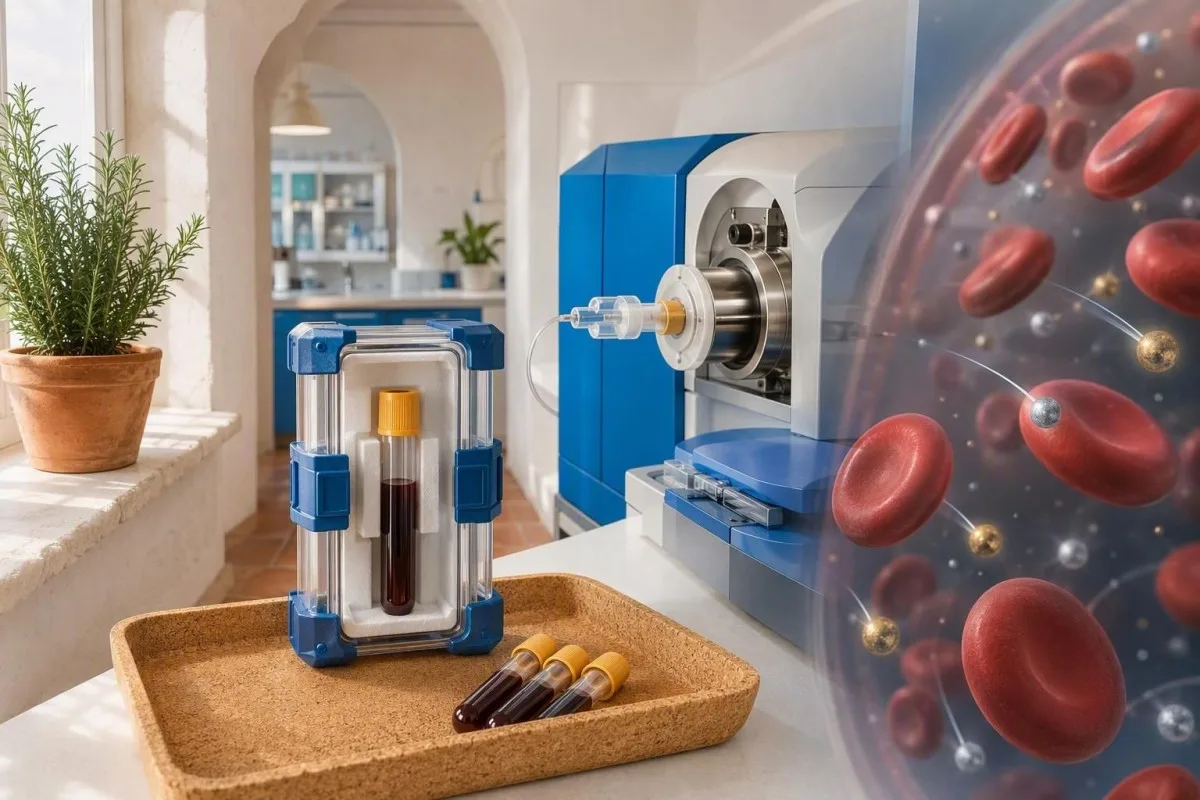
د درنو فلزاتو د وینې ازموینه د اوسني یا روان مسوولیت لپاره غوره ده، لکه څنګه چې دا د اوسني یا روان مسوولیت لپاره غوره ده، لکه څنګه چې دا د اوسني یا روان مسوولیت لپاره غوره ده. دا د “بدن زهر” عمومي اندازه نده: پیشاب، د فلزاتو تخصیص، د افشا کیدو تاریخ، او تکراري وخت اکثرا دا معلوموي چې ایا پایله معنی لري.


- د وینې بشپړ مس په عمده توګه په تیرو یا روان افشا کیدو د شاوخوا 1 میاشتې لپاره منعکس کوي؛ د وینې د مسو هیڅ کچه خوندي نه ګڼل کیږي.
- د CDC د ماشومانو د وینې د مسو حوالې ارزښت 3.5 µg/dL دی، د زهرجن تشخیص پرځای د تعقیب حد.
- د پارا د وینې ازموینه د کب او ځینې مسلکي سرچینو څخه د اوسني میتیل پارا افشا کیدو لپاره خورا ګټور دی؛ دا په معتبره توګه پخوانی افشا کیدو نه اندازه کوي.
- د سپیکټیشن سره د ادرار زرک د غیر عضوي زرک افشا کیدو شک لپاره غوره دی، په ځانګړي توګه د 48-72 ساعتونو لپاره د سمندري غذا څخه د مخنیوي وروسته.
- د البول کیډیم معمولا د پښتورګو تکراري بار غوره منعکس کوي، پداسې حال کې چې د وینې کیډیم ډیر وزن په وروستي توضیحاتو باندې لري.
- د ویښتو ازموینه کولی شي د لنډ میتیل مرکري پوښتنې ملاتړ وکړي مګر د پراخه تشخیصي زهر سکرین په توګه غیر معتبره ده.
- د هڅول شوي پیشاب ازموینه د کیلیټینګ اجنټ وروسته د زهري کیدو ثابتولو نشي کولی ځکه چې دا په قصدي ډول د فلزاتو په پیشاب کې اخراج زیاتوي.
- پراخه زهر پینلونه په مکرر ډول د ناروغۍ ، سرچینې ، دوز ، یا درملنې اړتیا پرته د نښې فلزاتو کشف کوي.
د درنو فلزاتو د وینې ازموینه څه معاینه کوي
A د درنو فلزاتو د وینې ازموینه د راټولولو په وخت کې د ځانګړو عناصرو غلظت اندازه کوي؛ دا د شخص د ژوند “د زهر بار” نه اندازه کوي. ټول وینې په ځانګړي ډول د الرش ، میتیل مرکري لپاره ګټور دي ، پداسې حال کې چې غوره نمونه د ارسنیک ، کیډیم ، کرومیم ، کوبالټ ، او تالیوم لپاره بدلیږي.
ډیری کلینیکي لابراتوارونه انډکټیولی کپلډ پلازما ماس سپیکٹرو میټری ، یا ICP-MS کاروي ، کوم چې په مایکروګرامس فی لیټر یا لاندې فلزات کشف کولی شي. کشف تشخیص نه دی: یوه پایله باید د لابراتوار له میتود ، د راټولولو ټیوب ، د شخص له دندې ، رژیم ، سپلیمنټونو ، پښتورګو د فعالیت ، او د مشکوک تماس راهیسې وخت سره پرتله شي.
A د زهرجنو د وینې ازموینې پینل د 20 یا 40-فلز سکرین په توګه بازارموندنه جامع کیدی شي ، مګر ډیری اندازه شوي عناصر په اسیمپټووماتیک شخص کې هیڅ معتبر ناروغۍ حد نلري. زما په تمرین کې ، ګټوره پوښتنه تقریبا تل محدوده وي: “ایا دا ځانګړې توضیحات کولی شي دا پایله یا نښې تشریح کړي؟”
کانټیسټي یو دی د AI د وینې معاینې شنونکی کوم چې د نښې عنصر پایلې د راپور له پاتې برخې سره یوځای کوي ، پشمول د کریټینین ، د ځيګر نښې ، او د سره وینې حجرې شاخصونه. زموږ د بایومارکر حوالې لارښود د دې مرستې لپاره چې کومه پایله سمدستي کلینیکي بیاکتنې ته اړتیا لري له هغه څخه چې په عمده توګه ښه توضیحاتو ته اړتیا لري.
کوم فلزات د وینې ازموینې په معتبره توګه کشف کیدی شي؟
د وینې ازموینه په معتبره توګه څو فلزات مقداري کولی شي ، مګر د اندازه کیدونکي غلظت د هر یو لپاره مختلف معنی لري. الرش، مرکري، منګنیز، کوبالټ، او کرومیم په ټول وینې کې په عام ډول اندازه کیږي؛ ارسنیک او کیډیم اکثرا د کلینیکي اړوند پوښتنې لپاره د پیشاب ازموینې ته اړتیا لري.
A د لیډ د وینې ازموینه باید د certified trace-element tube کې د ټولې وینې راټولولو څخه کار واخلي ځکه چې الرش په قوي توګه په سره حجرو کې ویشل کیږي. د رګونو نمونې اخیستل غوره دي کله چې د سکرین کیپلري پایله لوړه وي ، ځکه چې په پوټکي باندې دوړې کولی شي د ګوتې د پریس پایله غلطه لوړه کړي.
A د پارې د وینې ازموینه په وروستیو اونیو کې د سمندري غذا څخه د میتیل مرکري او د عنصري مرکري له توضیحاتو څخه خورا ګټور دی. د ټولې وینې مرکري په عام ډول د کب په مصرف کې له بدلون وروسته راټیټیږي؛ د میتیل مرکري بیولوژیکي نیمه ژوند شاوخوا 50 ورځې دی ، نو په 6-8 اونیو کې تکراري پایله ممکن له 3 ورځو وروسته له پایلې څخه ډیر ګټوره وي.
د کوبالټ او کرومیم وینې غلظت په فلزي-په-فلزي هپ اجزاوو لرونکو خلکو کې یو تعریف شوی رول لري ، که څه هم نښې ، امیجینګ ، امپلانټ ډول ، او سریال بدلون د یوې یوازې شمیرې څخه ډیر مهم دي. زموږ لارښود د کرومیم ازموینې انتخابونه تشریح کوي چې ولې لابراتوارونه ممکن مختلف واحدونه راپور کړي.
د مسو د وینې ازموینه: حدونه، وخت او تعقیب
A د رګونو د وینې د الرش کچه په ماشومانو او لویانو کې د الرش وروستي توضیحاتو لپاره معیاري ازموینه ده. په متحده ایالاتو کې ماشومانو کې ، 3.5 µg/dL د CDC د وینې د الرش اوسنی حواله ارزښت دی؛ دا ماشومانو سره د ډیری ملګرو په پرتله لوړ توضیحات لري او د خوندي او نا خوندي ترمنځ کرښه نه ده.
د وینې د لیډ کچه معمولا په تیرو 28-36 ورځو کې د افشا کیدو منعکس کوي، که څه هم په هډوکو کې زیرمه شوی لیډ د امیندوارۍ، مینوپاز، د هډوکي ماتیدو، یا جدي ناروغۍ په جریان کې بیرته وینې ته ننوځي. له همدې امله کچه ممکن د سرچینې پریښودو وروسته راټیټه شي پرته لدې چې دا ثابت کړي چې دمخه افشا کیدل بې ضرر و.
د CDC 2021 تازه معلوماتو له مخې د ماشومانو لپاره د حوالې ارزښت له 5.0 څخه ټیټ شو. 3.5 µg/dL ځکه چې ټیټ غلظت لاهم په نفوسي کچه د پرمختیایي خطر سره تړاو لري (Ruckart et al., 2021). د 3.5 µg/dL په کچه د ماشوم لپاره کیلیشن معمول ندی؛ د سرچینې پیژندنه، تغذیه، د پرمختیایي څارنې، او تکراري ازموینې معمولا لومړي ګامونه دي.
د لویانو لپاره، مسلکي حدونه او د لرې کولو قواعد د هیواد، جنسیت، د امیندوارۍ احتمال، او صنعت له مخې توپیر لري. پایله 45 µg/dL یا تر دې لوړ په ډیری کلینیکي ترتیباتو کې بیړني متخصص بحث غواړي، پداسې حال کې چې 70 µg/dL یا تر دې لوړ معمولا د طبي بیړني حالت په توګه پیژندل کیږي چې سمدستي د افشا کیدو لرې کولو او د متخصص مدیریت ته اړتیا لري.
د کب، کار، یا د توییدو وروسته د پارا د وینې ازموینې
A د پارې د وینې ازموینه د سمندري غذا څخه د میتیل مرکري وروستي افشا کیدو سره په ښه توګه سمون لري او کولی شي د عنصري مرکري وروستي افشا کیدو ارزونې کې مرسته وکړي. دا په خپله، د مرکري بڼه، سرچینه، موده، یا د عصبي خطر درجه نه پیژني.
د منظم کب مصرف لرونکي بالغ لپاره، د وینې د مرکري مجموعي پایله لاندې 10 µg/L اکثرا لیدل کیږي، مګر د لابراتوار حوالې وقفې د جغرافیه او رژیم له مخې په پراخه کچه توپیر لري. پایله پورته 20 µg/L د احتیاط افشا کولو بیاکتنې مستحق دي، په ځانګړي توګه د امیندوارۍ پرمهال یا د تصور څخه مخکې، د انعکاسي انزیم لرې کولو پرځای.
کلارکسن او ماګوس تشریح کوي چې ولې د مرکري کیمیا مهمه ده: میتیل مرکري په سور حجرو کې متمرکز کیږي، پداسې حال کې چې غیر عضوي مرکري په پیشاب کې په اسانۍ سره ښودل کیږي (کلارکسن او ماګوس، 2006). دا توپیر د دې لامل کیږي چې یوازې ټول مرکري د لوی ښکار کبانو له څو لوړو وروسته غیر ضروري اندیښنه رامینځته کړي.
ما یوه اندېښمن ناروغه لیدلې چې د سوشي له راتلونکې ورځې سهار د پارا کچه تکرار کړه؛ هغه تکرار تقریبا هیڅ ځواب ورنه کړ. یوه ډیر ګټوره طرحه دا ده چې د 2 اونیو لپاره د کب ډولونه او برخې ثبت کړئ، د پارا کم انتخابونه غوره کړئ، بیا د 6-8 اونیو په شاوخوا کې تکرار کړئ که اصلي پایله په حقیقت کې لوړه وي؛ زموږ وګورئ د سمندري غذا د پارا د تعقیب لارښود.
کله چې د پیشاب ازموینه د وینې ازموینې څخه غوره وي
د پیشاب ازموینه غوره ده کله چې فلز په پیشاب کې خارج کیږي یا کله چې کلینیکران د ورته ورځې د افشا کیدو په پرتله د تجمعي افشا کیدو اټکل کولو ته اړتیا لري. ارسنیک، کیډیم، غیر عضوي پارا، او تالیوم عام مثالونه دي چې چیرې پیشاب د وینې په پرتله کلینیکي پوښتنه ښه ځوابولی شي.
A 24-ساعته پیشاب راټولول په یوه ورځ کې ټول اخراج اندازه کوي، مګر د کریټینین لپاره سمبال شوي د پیشاب نمونه د شکایتي نمونې په توګه کارول کیږي کله چې د راټولولو کیفیت شکمن وي. یوه له لاسه تللې راټولول، په غیر معمولي ډول د مایعاتو لوړ مصرف، یا په دواړو پایو کې کریټینین د 24-ساعته اټکل ګډوډ کولی شي؛ د راټولولو تخنیک د شمیرې په څیر ورته څارنې مستحق دی.
د پیشاب کیډیم د وینې کیډیم په پرتله د پښتورګو اوږدې مودې راټولول منعکس کوي، کوم چې د وروستي سګرټ څکولو یا مسلکي افشا کیدو لخوا اغیزمن کیږي. د کیډیم تفسیر باید د پیشاب البومین یا ACR او د ټیوبولر نښو سره شامل وي کله چې په کلینیکي توګه مشخص شي، ځکه چې اندیښنه اکثرا د پښتورګو د ټیوبولر زیان په پرتله د عمومي زهرجن کیدو سکور وي.
د وخت تېروتنې عام دي. زموږ عملي د ۲۴ ساعته ادرار راټولولو لارښود د پړاو د عادي ناکامۍ ټکي تشریح کوي، په شمول په غلط وخت پیل کول او وروستۍ نمونې هېروي.
د زرک ازموینه د تخصیص غوښتنه کوي، نه یو عام مجموعي
شکمن ارسنیک افشا کول معمولا د د پیشاب د ارسنیک سپیسییشن, سره ارزول کیږي، نه د وینی پینل. د ټول پیشاب ارسنیک د سمندري غذا وروسته په ډراماتیک ډول لوړ کیدی شي ځکه چې عضوي ارسنیوبیټین په پیشاب کې خارج کیږي مګر د غیر عضوي ارسنیک په پرتله خورا لږ زهرجن دی.
خلک باید له 48-72 ساعتونو مخکې سمندري غذا څخه ډډه وکړي ترڅو د پیشاب د ارسنیک ازموینې لپاره پلان جوړ شي مګر که چیرې یو زهرپوه برعکس مشوره ورکړي. د ټول پیشاب ارسنیک پایله له 50 µg/L څخه لوړه کیدی شي، مګر دا نشي کولی پرته له دې چې غیر عضوي ارسنیک او د هغې میټابولایټونه وپیژني په مسؤلیت سره تفسیر شي.
د وینې ارسنیک لنډ ګټور کړکۍ لري - اکثرا د پام وړ افشا کیدو وروسته ساعتونه - نو د وینې عادي ارزښت د ورځې دمخه د اړوند افشا کیدو څخه منع نه کوي. په 15 کلونو کې چې ما د لابراتواري راپورونو سره کار کاوه، دا یو له خورا عامو دلیلونو څخه دی چې یو پراخ پینل غلط ډاډ ورکوي.
د ATSDR د ارسنیک پروفایل ملاتړ کوي کله چې د افشا کیدو شک وي د سپیسییشن سره د پیشاب ازموینه، په ځانګړي توګه د ښه اوبو، صنعتي، یا بوټو د محصولاتو اندیښنو وروسته (ATSDR، 2007). د پایلې په تمه ditetapkan شوي درمل مه پریږدئ یا د چیليشن هڅه مه کوئ؛ یو کلینیکین کولی شي د اوبو، کار، یا محصول په موندلو کې مرسته وکړي.
د کډیم، کرومیم او کوبالټ لپاره د افشا کیدو ځانګړي ازموینې ته اړتیا لري
د کیډیم، کرومیم، او کوبالټ پایلې یوازې هغه وخت معنی لري چې د مناسبې سرچینې او سمې نمونې سره پرتله کیږي. د البول کیډیم اکثرا د تجمعي افشا کیدو لپاره غوره کیږي، پداسې حال کې چې د وینې کوبالټ او کرومیم په عمده توګه د وروستي مسلکي افشا کیدو یا غوره شوي امپلانټ نظارت لپاره کارول کیږي.
سګرټ څکول کولی شي د کیډیم غلظت په مادي توګه زیات کړي، او ځانګړي کاري ځایونه د استنشاق افشا کیدو اضافه کوي؛ یوازې د خواړو مصرف په ندرت سره د پام وړ پایله تشریح کوي. د پښتورګو فعالیت مهمه ده ځکه چې کم شوی فلتر کولی شي د افشا کیدو له اغیزې پرته د پیشاب غلظت بدل کړي، نو د کریټینین او د پیشاب پروټین شرایط ګټور دي.
د فلزيانو د ګولۍ implants لرونکي شخص لپاره، د ګولۍ نوی درد، د فعالیت کمښت، د اوریدلو یا لیدلو نښې، د زړه د عضلاتو ناروغۍ نښې، یا د کوبالټ لوړه رجحان ته مستقیم کلینیکي ارزونې ته اړتیا لري. د وینې د کوبالټ یو ځل اندازه د غیر مشخص ستړیا، د مغز د ړنګیدو، یا د مفصلونو د درد لپاره سکرین نه دی.
Kantesti AI کولی شي د مختلفو نیټو د پښتورګو مارکرونو پرتله کړي، کوم چې ګټور دي کله چې د فلزاتو پایله د پښتورګو پوښتنه راپورته کوي د لامل ثابتولو پرځای. بیاکتنه وکړئ د وچیدو وروسته د GFR پایله د کریټینین د کوچني بدلون په اړه د فلزاتو له امله د زیان په اړه د قضاوت کولو دمخه.
د راټولولو غلطۍ کولی شي د فلزاتو غلطه پایله رامینځته کړي
د نادرو فلزاتو پایلې د راټولولو ټیوبونو، د پوستکي دوړو، د پوستکي محصولاتو، او د لابراتوار پروسس کولو له امله په غیر معمولي ډول د ککړتیا لپاره حساس دي. یوه حیرانوونکې ټیټه کچه پایله باید اکثرا د تصدیق شوي نادرو فلزاتو ټیوب په کارولو سره تکرار شي مخکې لدې چې دا د جراحي تحقیقاتو یا ضمیمو لامل شي.
د دستکشو څخه پاؤډر، د کاري ځای څخه دوړې، د زنک لرونکي دندان لرونکي چپکونکي، او حتی غیر تصدیق شوي راټولولو ټیوب د ازموینې اغیزه کولی شي. د هیمولیسس له امله هم د ځینو عناصرو د تفسیر بدلون موندلی شي ځکه چې حجروي مینځپانګې سیرم یا پلازما ته ننوځي؛ سور رنګه نمونې باید لابراتوار ته د نمونې کیفیت په اړه تبصره کولو ته وهڅوي.
سم میترکس مهم دی: ټول وینه, ، سیروم، پلازما، او پیشاب د تبادلې وړ نه دي. “د سیروم پارا” لیبل شوي راپور باید د ټولې وینې لپاره د عامه روغتیا له حد سره په اسانۍ سره ونه پرتله شي.
کانټیسټي یو دی د AI بایومارکر تفسیر پلیټفارم چې راپور شوي نمونې ډول، واحد، او د حوالې وقفه لوستل کیږي مخکې له دې چې شرایط وړاندې کړي. زموږ ټکنالوجي او میتودونه لارښود تشریح کوي چې ولې د یوه لابراتوار له حد څخه بهر پایله په اتوماتيک ډول د بل لابراتوار پریکړه حد ته نه شي نقشه کیدی.
د ویښتو، نوکانو او کورنیو زهرونو پینلونه ولې اکثرا غلط مشورې ورکوي
د ویښتو او نوکانو ازموینې د ډیری درنو فلزاتو مسمومیت په انفرادي ډول نشي تشخیص کولی ځکه چې بهرنۍ ککړتیا، کاسمیټیک درملنه، د ودې کچه، او د لابراتوار چمتووالی کولی شي پایله غالبه کړي. ویښتان د اوږدې مودې میتیلپارې مسمومیت لپاره محدود ملاتړ رول لري، نه د هرڅه لپاره د پاکولو ارزونې لپاره.
ویښتان شاوخوا وده کوي 1 سانتي متره په میاشت کې, ، مګر دا ساده حقیقت هر سانتي متره د باور وړ افشا کیدو تقویم نه جوړوي. د ویښتو رنګ، بلیچینګ، د لامبو حوض اوبه، دوړې، او شیمپو کولی شي اندازه شوي غلظت بدل کړي؛ د مینځلو پروتوکولونه په لابراتوارونو کې په پراخه کچه توپیر لري.
د نوکانو ازموینه ورته محدودیتونه لري او د منظم کلینیکي تشخیص کې لږ رول لري. کله چې یوه پینل 25 عناصر راپور کړي، دا به په عادي خلکو کې هم د احصایوي پلوه غیر معمولي څه روښانه کړي - د ګ multiple شمیر پرتله کولو یوه تمه شوي پایله، نه دا ثبوت چې بدن پاکولو ته اړتیا لري.
که نښې اندیښنه وي، کلینیکان باید لومړی معیاري توضیحاتو ته وګوري چې روښانه تشخیصي لاره لري: انیمیا، د تایرایډ ناروغي، د پښتورګو ناروغي، د درملو اغیزې، د خوب اختلال، او تغذیه. زموږ مقاله په د نه معلوم درد لپاره د وینې ازموینې ښیې چې څنګه پیل وکړي پرته له دې چې هر نښه زهرجن ته راکم کړي.
د مسو د مسمومیت ثابتولو لپاره انګیزه لرونکي پیشاب ازموینې ولې نشي کولی
د هڅول شوي پیشاب فلزي ازموینه د مزمن درنو فلزاتو مسمومیت نشي تشخیص کولی ځکه چې د چیلاټینګ درمل په قصدي ډول د فلزاتو د پیشاب د اخراج تحرک او زیاتوالی راولي. د غیر هڅول شوي پیشاب نمونې څخه د حوالې حدونه د EDTA، DMSA، DMPS، یا بل چیلاټر وروسته نه پلي کیږي.
چیلاټرونه هغه فلزات سره نښلوي چې په عادي ډول په نسجونو او دوران کې شتون لري، نو تقریبا هرڅوک به د یو ترلاسه کولو وروسته ډیر خارج کړي. مهم ورک شوی ټوټه یو تصدیق شوی پوسټ-چیلیشن حواله نفوس دی، کوم چې ډیری سوداګریز راپورونه نه وړاندې کوي.
چیلیشن بې ضرر نه دی. د اجنټ او شخص پورې اړه لري، دا کولی شي د کلسیم کمښت، د پښتورګو فشار، الرجیک عکس العمل، د معدني کمښت، او د وړاندیز شوي درملو سره تعاملاتو کې مرسته وکړي؛ درملنه باید مستند افشا او متخصص ارزونې تعقیب کړي.
د ډاکټر توماس کلین عملي قاعده ساده ده: د افشا کیدو تاسیس کول، د په سمه توګه راټول شوي اساس ازموینه ترلاسه کول، بیا د درملنې بحث کول. د طبي تایید (validation) طریقه د Kantesti AI لخوا کارول شوی ترڅو کله چې د معاینې محدودیتونه د باور وړ تفسیر نامناسب کړي، فلګ وکړي.
هغه نښې چې یوې پینل ته اړتیا لري پرځای عاجل پاملرنې ته اړتیا لري
ناڅاپي ګډوډي، قبضې، شدید کانګې، نوي ضعف، تنفسي تکلیف، د سینې درد، یا د لوړې دوز سره پیژندل شوي تماس ته عاجل طبي ارزونې ته اړتیا لري، نه د پوست له لارې د زهرونو یوه پینل. د وینې عادي پایله کیدای شي که ازموینه ډیره ناوخته وي یا غلط فلز اندازه کړي.
د ماشوم لپاره، پیکا، د رنګ د خلاصیدو سره تماس، د پرمختګ شاته پاتې کیدل، یا لوړ لیډ لرونکی ورور باید د ماشومانو د مشورې لامل شي. د لیډ زهريت اکثرا خاموش وي، نو یوازې چلند نشي کولی د وینې د لیډ کچه اټکل کړي.
د پارا د بخار سره تماس کولی شي د ټوخي، تنفسي تکلیف، لړزا، یا عصبي رواني نښې رامینځته کړي، پداسې حال کې چې غیر عضوي ارسنیک ممکن د جدي معدې ناروغۍ او د زړه د ثبات لامل شي وروسته له لوی تماس څخه. دا نمونې غیر معمولي دي، مګر ځنډ خطر دی - کله چې تماس وروستی وي یا نښې مهمې وي، عاجل خدماتو یا د زهر مرکز ته زنګ ووهئ.
یوه کلینیکین ممکن د فلزي معاینې سره یوځای الکترولیتونه، کریټینین، د جگر ازموینې، د ECG څارنه، او هدف لرونکي توکسیکولوژي امر وکړي. زموږ د الکترولایټ ریډ-فلېګ لارښود تشریح کوي چې ولې د فلزاتو زهريت هیڅکله یوازې له یو غلظت څخه نه ارزول کیږي.
د فلزاتو دграни پایلې سره څنګه معامله وشي
د فلزاتو یوه نیمه پایله معمولا د نمونې تاییدولو، د تماس بیا جوړولو، او د مناسبې وقفې وروسته د سمې ازموینې تکرارولو سره اداره کیږي. دا په ندرت سره اضافي، روژه نیولو، یا یوازې د چیليشن مستحق کیږي.
د مهال ویش سره پیل کړئ: مسلک، شوق، ترمیم کار، وارد شوي مصالحې یا درمل، د اوبو سرچینه، د اور وژنې ساحې، د زیوراتو کار، د کب مصرف، او د امپلانټ تاریخ. نیټې، فریکونسۍ، د ساتنې تجهیزات، او ایا د چاپیریال شریک نور خلک نښې یا غیر معمولي پایلې لري ثبت کړئ.
تکراري ازموینه باید ورته میټریکس او، چیرې چې امکان ولري، ورته لابراتوار وکاروي. یو 20% بدلون ممکن د ځینو ټریس عناصرو لپاره عادي بیولوژیکي یا تحلیلي توپیر منعکس کړي، پداسې حال کې چې د مستند شوي سرچینې لرې کولو وروسته دوامداره راټیټیدل د تماس فرضیه په قوي ډول ملاتړ کوي.
Kantesti کولی شي د لړۍ لابراتواري راپورونه تنظیم کړي، مګر دا نشي کولی د تماس تحقیقاتو یا طبي معاینې ځای ونیسي. زموږ د پایلې لارښود تر څنګ تر څنګ د مسلکي ډاکټر یا GP لپاره د لنډ مهاله چمتو کولو لپاره ګټور دی.
خواړه، اضافي او د “ډیټوکس” محدودیتونه”
هیڅ جوس پاکول، سونا، ضمیمه، یا روژه نیولو پروتوکول په خوندي ډول د سرچینې کنټرول په ځای کې له کلینیکي پلوه مهم فلزي تماس لرې کولو لپاره نه دی ښودل شوی. د ډیری ټیټې کچې تماسونو لپاره لومړنۍ درملنه د سرچینې بندول او عادي تغذیه، هایډریشن، او طبي تعقیب ملاتړ دی.
د کلسیم، اوسپنې، او ویټامین C کافي مصرف کولی شي په ماشومانو کې د معدې لیډ جذب کم کړي چې د تغذیې کمښت لري، مګر خواړه د چاپیریال د ترمیم ځای نه دی. د اوسپنې کمښت کولی شي د لیډ جذب زیات کړي، کوم چې یوه دلیل دی چې کلینیکین اکثرا د فриеټین او بشپړ وینې شمیرنه بیاکتنه کوي کله چې د لیډ تماس تایید شي.
د لوړې دوز زنک کولی شي د مسو کمښت رامینځته کړي، او غیر نظارت شوي سیلینیم پخپله د زهرجن کیدو لامل کیدی شي. د فلزي باندر په توګه بازارموندل شوی ضمیمه باید په احتیاط سره چلند وشي، په ځانګړي توګه که چیرې دا څو منرالونه ولري چې ممکن د راتلونکي ازموینې سره پیچلتیاوې رامینځته کړي.
د معقول تغذیې پوښتنو لپاره، زموږ لارښود ولولئ په اوسپنه کې لوړ خواړه او زموږ بیاکتنه د سیلینیم دوز خوندیتوب. د سوداګریزو ډیټوکس پروګرامونو شواهد په صادقانه توګه ضعیف دي.
د منظم وینې کار سره د فلزاتو پایلې سره څنګه لوستل شي
د فلزاتو پایلې کلینیکي پلوه ګټورې کیږي کله چې د پښتورګو فعالیت، د جگر مارکر، بشپړ وینې شمیرنه، نښې، او د باور وړ تماس سرچینې سره یوځای تشریح شي. د یوې ارزښت چې د حوالې وقفې څخه لږ پورته وي پرته له دې ملاتړي ځانګړتیاو څخه هیڅ یو اکثرا محدود کلینیکي اهمیت لري.
د لیډ تماس ممکن د مایکروسایټوسس یا د اوسپنې کمښت سره هم شتون ولري، مګر یو عادي CBC د لیډ تماس رد نه کوي. د کیډیمیم پوښتنې د کریټینین او پیشاب پروټین ته پاملرنې مستحق دي، پداسې حال کې چې د جگر د پام وړ غیر معمولي باید په اتوماتيک ډول د ټیټې کچې فلزي موندنې ته ونه بلل شي.
Kantesti AI یو د AI لاب ټېسټ د تفسیر خدمت چې د واحد-مشخص لابراتواري ډیټا په کلینیکین لپاره پوښتنو بدلوي، پرځای د پراخو زهرونو له یوې پراخې سکرین څخه د تشخیص اعلانول. ډاکټر توماس کلین او زموږ د طبي مشورتي بورډ د سرچینې د تصدیق، تکرار وړ ازموینې، او روښانه کولو مشورې باندې ټینګار وکړئ.
د کوم راپور اپلوډ کولو دمخه، غیر ضروري پیژندونکي لرې کړئ او وګورئ چې د نمونې ډول، د راټولولو نیټه، او واحدونه ښکاري. زموږ د PDF اپلوډ کیفیت چک لېسټ (checklist) د ساده لیږد غلطي څخه د ویروونکي تفسیر مخه نیولی شي.
په 2026 کې د شکایتي افشا کیدو لپاره د عملي ازموینې پلان
د سپتمبر 3، 2026 پورې، ترټولو خوندي ازموینې پلان د ځانګړي افشا کیدو فرضیې سره پیل کیږي، بیا مناسب فلز، نمونه، او د راټولولو نیټه غوره کوي. پراخه سکرینینګ یوازې هغه وخت منطقي دی کله چې یو مسلکي یا عام روغتیا کلینیک پوه د څو فلزاتو افشا کیدو پیژندنه وکړي.
د زوړ رنګ، وارد شوي لوښي، ډزې، بیټرۍ کار، یا ککړې دوړې لپاره، د وینې ټول الرزښت غوښتنه وکړئ. د لوړې مری د کب د مصرف لپاره، د وینې ټول مری سره پیل کړئ؛ د ښه اوبو یا شکمن زرنيک لپاره، د سمندري غذا څخه ډډه کولو وروسته د ادرار زرنيک د speciation سره غوښتنه وکړئ.
د محصول لیبلونو، د کار ځای خوندیتوب پاڼو، د ترمیم نیټو، او د اوبو ازموینې پایلو عکسونه له ځان سره راوړئ. دا شواهد د 15 فلزاتو اضافه کولو څخه ډیر تشخیصي کیدی شي، او دا هغه وخت عام روغتیا عمل ممکنه کوي کله چې کور یا دندې سرچینه ریښتینې وي.
Kantesti په 127+ هیوادونو کې کارول کیږي، مګر محلي حدونه او د کار ځای راپور ورکولو قواعد توپیر لري. زموږ کلینیکي کارونې قضیې مثالونه ښیې چې څنګه منظمې پوښتنې ستاسو خپل کلینیک، د زهرجن پوهنې خدمت، یا د عامې روغتیا ملي ټیم سره مرسته کولی شي - نه یې بدلولی شي.
پوښتل شوې پوښتنې
کوم فلزات د وینې په ازموینه کې موندل کیدی شي؟
د درنو فلزاتو د وینې ازموینه کولی شي د مسو، ټولې پارې، منګنیز، کوبالټ، کرومیم، او نورو عناصرو مقدار معلوم کړي، معمولا په بشپړه وینه کې. وینه د وروستي یا روانو افشا کیدو لپاره خورا ګټوره ده، نه د عمر تر پای پورې د انبار اندازه کولو لپاره. مس د رګونو د وینې ازموینې له لارې په عام ډول ارزول کیږي، او د میتیل پارې نیمه عمر شاوخوا 50 ورځې دی. ارسنیک، کیډیم، غیر عضوي پاره، او تالیوم اکثرا د کلینیکي پلوه ګټور ځواب لپاره د ادرار ازموینې ته اړتیا لري.
د درنو فلزاتو کچه په وینه کې څومره وخت پاتې کیږي؟
هغه وخت چې فلز اندازه کیدونکی پاتې کیږي پدې پورې اړه لري چې دا په کیمیاوي توګه څنګه دی او کومه نمونه ازمویل شوې. د وینې الرزښت عموما په تیرو 28-36 ورځو کې افشا کیدنه منعکس کوي، پداسې حال کې چې میتیل مری په عمومي ډول د افشا کیدو کمیدو وروسته شاوخوا 50 ورځو کې کمیږي. په وینه کې زرنيک ممکن د پام وړ افشا کیدو وروسته یوازې د ساعتونو لپاره ګټور وي، نو وروسته یو عادي پایله یې له پامه غورځولی نه شي. کیډیم کولی شي په بدن کې د کلونو لپاره پاتې شي، مګر ادرار معمولا د کیډیم د راټولیدو بار لپاره ډیر معلوماتي وي.
ایا د درنو فلزاتو د وینې ازموینه د زهره موادو لپاره ښه عمومي معاینه ده؟
د پراخ زهرونو وینې ازموینه عموما د ناڅرګنده ستړیا، سر درد، یا مغزي غبار لپاره یو ضعیف عمومي سکرین دی ځکه چې د نښې کشف کول زهرونه نه ثابتوي. پینلونه چې 20 یا ډیر عناصر اندازه کوي حتی په صحي خلکو کې لږترلږه یو حد بندي نښه لري. په کار، اوبو، رنګ، سمندري غذا، ضمیمو، یا امپلانټ باندې د هدف لرونکې ازموینې احتمال لري چې د عمل وړ پایله ورکړي. یو کلینیک باید کوم لوړ شوي غلظت د نمونې ډول، واحدونو، وخت، علایمو، او د افشا کیدو تاریخ سره تشریح کړي.
ایا باید مخکې له ازموینې څخه روژه ونیسم؟
د وینې د الرزښت یا مری د وینې ازموینې لپاره روژه اړینه نه ده. ډیر اړونده چمتووالی د ککړتیا څخه مخنیوی او د وروستي افشا کیدو مستند کول دي، لکه په تیرو 1-2 اونیو کې خوړل شوي کب یا د ازموینې په ورځ د کار ځای سره اړیکه. د ادرار زرنيک لپاره، د ټول ادرار زرنيک لوړولی شي ځکه چې عضوي سمندري زهرني زرنيک، د راټولولو څخه 48-72 ساعتونو دمخه د سمندري غذا څخه ډډه وکړئ ترڅو یو کلینیکي مشوره ورنکړي. د ازموینې دمخه تجویز شوي درمل مه پریږدئ یا د کیلیټینګ محصول مه اخلئ.
د وینې د سیسا کچه کومه اندیښنه ده؟
په متحده ایالاتو کې ماشومانو لپاره، د وینې 3.5 µg/dL یا لوړ الرزښت کچه د CDC د وینې الرزښت د حوالې ارزښت پوره کوي او باید د افشا کیدو تعقیب پیل کړي. دا د خوندي په مقابل کې خطرناک حد نه دی، ځکه چې د الرزښت افشا کیدو هیڅ کچه په بشپړه توګه د خطر څخه پاکه نه ده. د 20-44 µg/dL کچه باید سمدستي کلینیکي ارزونې ته اړتیا ولري، او د 45 µg/dL یا لوړ کچه عموما بیړنۍ متخصص بحث ته اړتیا لري. د لویانو د مسلکي عمل کچې د هیواد، دندې، جنسیت، او امیندوارۍ د احتمالي له مخې توپیر لري.
ایا د ویښتو ازموینه د درنو فلزاتو لپاره دقیقه ده؟
د ویښتو ازموینې د ډیری درنو فلزاتو زهرجن تشخیص لپاره د باور وړ ندي ځکه چې بهرنۍ دوړې، د ویښتو رنګ، بلیچینګ، شیمپو، او د لابراتوار د مینځلو میتودونه پایلې بدلولی شي. ویښتان په میاشت کې شاوخوا 1 سانتي متره وده کوي، مګر دا د انفرادي لپاره د تاریخي افشا کیدو دقیق ریکارډ نه دی. د ویښتو تحلیل ممکن کله ناکله د متخصص لارښوونې لاندې د اوږدې مودې میتیل مری افشا کیدو ارزونې ملاتړ وکړي. د ویښتو غیر معمولي پایله باید یوازې د کیلیشن یا د ډیټاکس پروګرام توجیه کولو لپاره ونه کارول شي.
ایا د کیلیشن ازموینه کولی شي دا وښیي چې ایا زه د فلزاتو مسمومیت لرم؟
نه، د کیلیټینګ درملو وروسته راټول شوي ادرار د فلزاتو زهرجن ثابت نه شي کولی ځکه چې درمل په قصدي ډول د فلزاتو اخراج زیاتوي. د ادرار معیاري حوالې حدونه د هغه نمونو څخه ترلاسه کیږي چې پرته له کیلیټر څخه راټول شوي او د پوسټ-کیلیشن پایلې سره پرتله نشي کیدی. کیلیشن کولی شي د پښتورګو فشار، د معدني اختلالاتو، او نورو منفي اغیزو لامل شي، په ځانګړي توګه کله چې د مستند شوي نښې پرته کارول کیږي. په سمه توګه راټول شوي د وینې یا ادرار اساس ازموینه او د افشا کیدو تفتیش باید لومړی راشي.
همدا نن د AI په مرسته د وینې ازموینې تحلیل ترلاسه کړئ
له 2M+ څخه زیات کاروونکي په ټوله نړۍ کې زموږ په Kantesti باور لري چې د لابراتوار ازموینو تحلیل په فوري او دقیق ډول کوي. خپل د وینې ازموینې پایلې اپلوډ کړئ او په ثانیو کې د 15,000+ بایومارکرونو بشپړه تشریح ترلاسه کړئ.
📚 د څېړنې خپرونې چې حواله شوې دي
کلین، ټي، مېچېل، ایس، او وېبر، ایچ. (2026). د روژې وروسته اسهال، په غایطه موادو کې تور داغونه او د معدې ناروغي لارښود ۲۰۲۶. Kantesti د AI طبي څېړنه.
کلین، ټي، مېچېل، ایس، او وېبر، ایچ. (2026). د ښځو د روغتیا لارښود: تخمدان، مینوپاز او هورمونل نښې. Kantesti د AI طبي څېړنه.
📖 بهرني طبي مراجع
رکرټ PZ او نور. (۲۰۲۱). د وینې د لیډ د حوالې ارزښت تازه کول — متحده ایالات، 2021. MMWR د ناروغیو او مړینې اونیز راپور (Morbidity and Mortality Weekly Report).
Clarkson TW and Magos L (2006). د مری او د هغې د کیمیاوي مرکباتو زهرجن پوهه. Critical Reviews in Toxicology.
Agency for Toxic Substances and Disease Registry (2007). د زرنيک لپاره زهرجن پروفایل. د متحده ایالاتو د روغتیا او بشري خدماتو وزارت.
⚕️ طبي ردونه
دا مقاله یوازې د زده کړې لپاره ده او طبي مشوره نه جوړوي. د تشخیص او درملنې د پرېکړو لپاره تل د وړ روغتیايي خدمت وړاندې کوونکي سره سلا وکړئ.
د E-E-A-T باور نښې
تجربه
د ډاکټر تر مشرۍ لاندې کلینیکي بیاکتنه د لابراتواري تفسیر د کاري بهیرونو لپاره.
تخصص
د لابراتواري طب تمرکز پر دې چې بایومارکرونه په کلینیکي شرایطو کې څنګه چلند کوي.
واک ورکول
د ډاکټر توماس کلاین له خوا لیکل شوی، د ډاکټر سارا میچل او پروف. ډاکټر هانس ویبر له خوا بیاکتنه.
اعتبار
د شواهدو پر بنسټ تفسیر د روښانه تعقیبي لارو چارو سره، تر څو اندیښنه کمه شي.