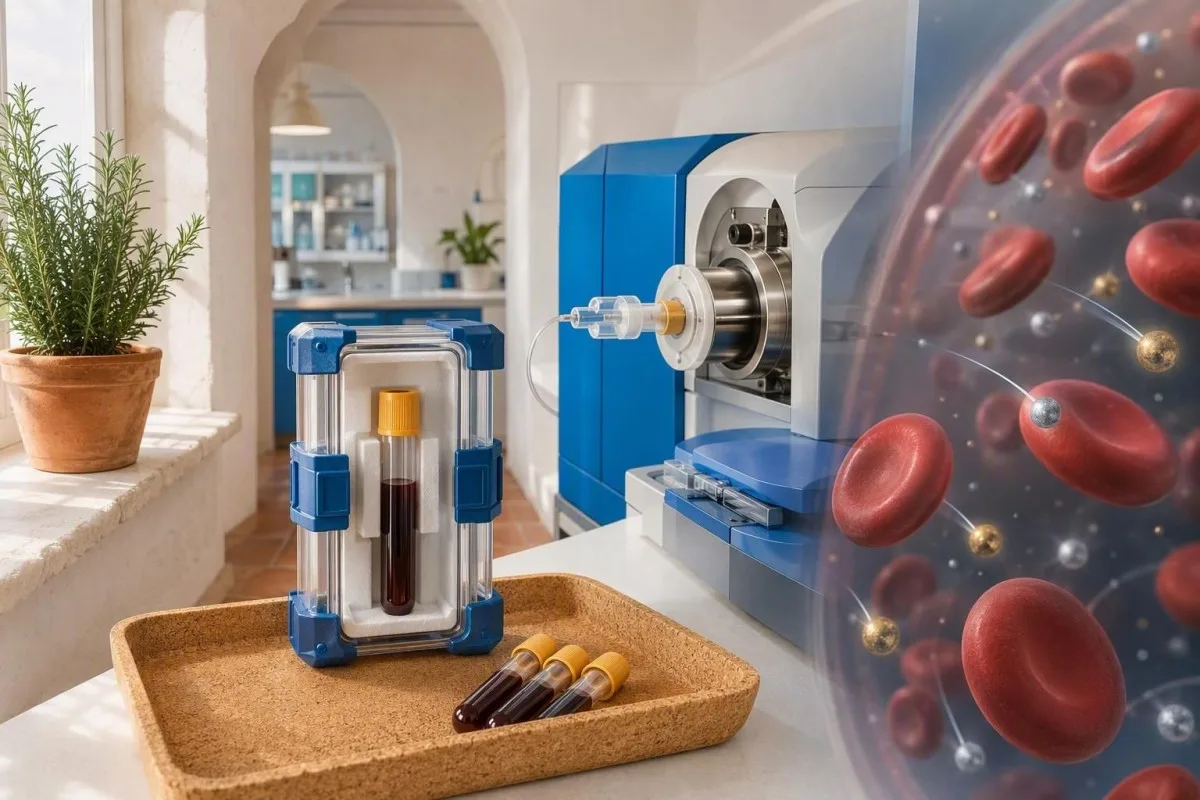
ഈയം, മെർക്കുറി, തിരഞ്ഞെടുത്ത തൊഴിൽ സ്ഥലങ്ങളുമായി ബന്ധപ്പെട്ട അല്ലെങ്കിൽ ശരീരത്തിൽ ഘടിപ്പിച്ച ലോഹങ്ങൾ എന്നിവയുടെ സമീപകാലത്തെ അല്ലെങ്കിൽ നിലവിലുള്ള എക്സ്പോഷർ പരിശോധിക്കുന്നതിന് ഹെവി മെറ്റൽസ് രക്തപരിശോധന ഏറ്റവും മികച്ചതാണ്. ഇത് ശരീരത്തിലെ “വിഷാംശങ്ങളുടെ” ഒരു പൊതു അളവല്ല: ഫലം അർത്ഥവത്താണോ എന്നത് പലപ്പോഴും മൂത്രം, മെറ്റൽ സ്പെസിയേഷൻ, എക്സ്പോഷർ ചരിത്രം, ആവർത്തന സമയം എന്നിവയെ ആശ്രയിച്ചിരിക്കും.


- മുഴുവൻ രക്തത്തിലെ ഈയം (Whole-blood lead) പ്രധാനമായും ഏകദേശം 1 മാസത്തെ സമീപകാലത്തെ അല്ലെങ്കിൽ തുടർച്ചയായ എക്സ്പോഷറിനെ പ്രതിഫലിപ്പിക്കുന്നു; രക്തത്തിലെ ഈയത്തിന്റെ ഒരു തലവും അപകടരഹിതമായി കണക്കാക്കില്ല.
- CDC-യുടെ ശിശു രക്തത്തിലെ ഈയത്തിന്റെ റഫറൻസ് മൂല്യം (CDC’s child blood lead reference value) 3.5 µg/dL ആണ്, ഇത് വിഷബാധ നിർണയത്തേക്കാൾ തുടർ നടപടികൾക്കുള്ള ഒരു പരിധിയാണ്.
- മെർക്കുറി രക്തപരിശോധന (Mercury blood testing) മത്സ്യത്തിൽ നിന്നും ചില തൊഴിൽപരമായ സ്രോതസ്സുകളിൽ നിന്നുമുള്ള സമീപകാല മെർക്കുറി എക്സ്പോഷറിന് ഏറ്റവും ഉപയോഗപ്രദമാണ്; പഴയ എക്സ്പോഷർ വിശ്വസനീയമായി അളക്കാൻ ഇതിന് കഴിയില്ല.
- സ്പെസിയേഷനോടുകൂടിയ മൂത്രത്തിലെ ആർസെനിക് (Urine arsenic with speciation) അജൈവ ആർസെനിക് എക്സ്പോഷർ സംശയിക്കുന്ന സാഹചര്യങ്ങളിൽ, പ്രത്യേകിച്ച് 48-72 മണിക്കൂർ മത്സ്യാഹാരം ഒഴിവാക്കിയ ശേഷം ഇത് അഭികാമ്യമാണ്.
- മൂത്രത്തിലെ കാഡ്മിയം മൊത്തത്തിലുള്ള വൃക്കകളിലെ ഭാരം സാധാരണയായി പ്രതിഫലിപ്പിക്കുന്നു, അതേസമയം രക്തത്തിലെ കാഡ്മിയം സമീപകാല എക്സ്പോഷറിന് കൂടുതൽ പ്രാധാന്യം നൽകുന്നു.
- മുടി പരിശോധന മെത്തിൽമെർക്കുറി സംബന്ധിച്ച ഒരു സംശയത്തെ പിന്തുണയ്ക്കാൻ ഇതിന് കഴിയും, എന്നാൽ ഒരു വിപുലമായ രോഗനിർണയ വിഷപരിശോധനയായി ഇത് വിശ്വസനീയമല്ല.
- പ്രേരിപ്പിച്ച മൂത്ര പരിശോധന ഒരു കീലേറ്റിംഗ് ഏജന്റിന് ശേഷം വിഷബാധ സ്ഥാപിക്കാൻ കഴിയില്ല, കാരണം ഇത് മനഃപൂർവ്വം മൂത്രത്തിലെ ലോഹ വിസർജ്ജനം വർദ്ധിപ്പിക്കുന്നു.
- വിശാലമായ വിഷ പാനലുകൾ രോഗമില്ലാതെ, ഉറവിടം, ഡോസ്, ചികിത്സയുടെ ആവശ്യം എന്നിവ കാണിക്കാതെ തന്നെ പലപ്പോഴും ട്രേസ് ലോഹങ്ങൾ കണ്ടെത്തുന്നു.
ഹെവി മെറ്റൽസ് രക്തപരിശോധന യഥാർത്ഥത്തിൽ എന്താണ് പരിശോധിക്കുന്നത്
A ഹെവി മെറ്റൽസ് രക്തപരിശോധന ശേഖരിക്കുന്ന സമയത്ത് പ്രചരിക്കുന്ന പ്രത്യേക ഘടകങ്ങളുടെ അളവ് അളക്കുന്നു; ഇത് ഒരാളുടെ ജീവിതകാലത്തെ “വിഷഭാരം” അളക്കുന്നില്ല. സമ്പൂർണ്ണ രക്തം, പ്രത്യേകിച്ച് ലെഡ്, മെത്തിൽമെർക്കുറി എന്നിവയ്ക്ക് ഉപയോഗപ്രദമാണ്, അതേസമയം ആഴ്സെനിക്, കാഡ്മിയം, ക്രോമിയം, കോബാൾട്ട്, താലിയം എന്നിവയ്ക്ക് ഏറ്റവും മികച്ച സാമ്പിൾ വ്യത്യാസപ്പെടുന്നു.
മിക്ക ക്ലിനിക്കൽ ലബോറട്ടറികളും ഇൻഡക്റ്റീവിലി കപ്പിൾഡ് പ്ലാസ്മ മാസ് സ്പെക്ട്രോമെട്രി അല്ലെങ്കിൽ ICP-MS ഉപയോഗിക്കുന്നു, ഇത് മൈക്രോഗ്രാം പ്രതി ലിറ്റർ അല്ലെങ്കിൽ അതിൽ താഴെയും ലോഹങ്ങൾ കണ്ടെത്താൻ കഴിയും. കണ്ടെത്തൽ രോഗനിർണയമല്ല: ഒരു ഫലം ലബോറട്ടറിയുടെ രീതി, ശേഖരണ ട്യൂബ്, വ്യക്തിയുടെ ജോലി, ഭക്ഷണക്രമം, സപ്ലിമെന്റുകൾ, വൃക്കകളുടെ പ്രവർത്തനം, സംശയിക്കുന്ന സമ്പർക്കം മുതലായവയുമായി താരതമ്യം ചെയ്യണം.
A വിഷാംശ രക്ത പരിശോധന 20- അല്ലെങ്കിൽ 40-ലോഹ സ്ക്രീനായി വിപണനം ചെയ്യുന്നത് സമഗ്രമായി തോന്നാം, എന്നാൽ അളന്ന പല ഘടകങ്ങൾക്കും രോഗമില്ലാത്ത വ്യക്തിയിൽ സാധുതയുള്ള രോഗ നിലവാരമില്ല. എന്റെ പരിശീലനത്തിൽ, ഉപയോഗപ്രദമായ ചോദ്യം ഏതാണ്ട് എല്ലായ്പ്പോഴും ഇടുങ്ങിയതാണ്: “ഈ പ്രത്യേക എക്സ്പോഷർ ഈ ഫലമോ ലക്ഷണമോ വിശദീകരിക്കുമോ?”
കാന്റേസ്റ്റി ഒരു AI രക്ത പരിശോധന അനലൈസർ ഇത് ട്രേസ്-എലമെന്റ് ഫലങ്ങളെ ക്രിയേറ്റിനിൻ, കരൾ മാർക്കറുകൾ, ചുവന്ന-കോശ സൂചികകൾ എന്നിവയുൾപ്പെടെയുള്ള ഒരു റിപ്പോർട്ടിന്റെ ബാക്കിയുള്ളവയോടൊപ്പം വെക്കുന്നു. ബയോമാർക്കർ റഫറൻസ് ഗൈഡ് ഉടൻ ക്ലിനിക്കൽ അവലോകനം ആവശ്യമുള്ള ഒരു ഫലത്തെ, പ്രധാനമായും മെച്ചപ്പെട്ട എക്സ്പോഷർ ചരിത്രം ആവശ്യമുള്ള ഒന്നിൽ നിന്ന് വേർതിരിച്ചറിയാൻ ഇത് സഹായിക്കുന്നു.
രക്തപരിശോധനയിലൂടെ വിശ്വസനീയമായി കണ്ടെത്താൻ കഴിയുന്ന ലോഹങ്ങൾ ഏതെല്ലാം?
രക്തപരിശോധനക്ക് പല ലോഹങ്ങളെയും വിശ്വസനീയമായി അളക്കാൻ കഴിയും, എന്നാൽ അളക്കാവുന്ന ഒരു സാന്ദ്രത ഓരോന്നിനും വ്യത്യസ്ത അർത്ഥം നൽകുന്നു. ലെഡ്, മെർക്കുറി, മാംഗനീസ്, കോബാൾട്ട്, ക്രോമിയം സാധാരണയായി പൂർണ്ണ രക്തത്തിൽ അളക്കുന്നു; ക്ലിനിക്കലായി പ്രസക്തമായ ചോദ്യത്തിന് ആഴ്സെനിക്, കാഡ്മിയം എന്നിവയ്ക്ക് പലപ്പോഴും മൂത്ര പരിശോധന ആവശ്യമാണ്.
A ലെഡ് രക്ത പരിശോധന ലെഡ് ചുവന്ന കോശങ്ങളിലേക്ക് ശക്തമായി വിഭജിക്കപ്പെടുന്നതിനാൽ, സർട്ടിഫൈഡ് ട്രേസ്-എലമെന്റ് ട്യൂബിൽ ശേഖരിച്ച പൂർണ്ണ രക്തം ഉപയോഗിക്കണം. സ്ക്രീനിംഗ് കാപ്പിലറി ഫലം ഉയർന്നിരിക്കുമ്പോൾ സിരയിലെ സാമ്പിൾ അഭികാമ്യമാണ്, കാരണം ചർമ്മത്തിലെ പൊടി വിരൽ-ചുരുക്ക ഫലം തെറ്റായി ഉയർത്താൻ കഴിയും.
A മെർക്കുറി രക്തപരിശോധന കഴിഞ്ഞ ആഴ്ചകളിൽ ഉണ്ടായ കടൽ ഭക്ഷണം വഴിയുള്ള മെത്തിൽമെർക്കുറി, മൂലക മെർക്കുറി എക്സ്പോഷർ എന്നിവയ്ക്ക് ഏറ്റവും വിവരങ്ങൾ നൽകുന്നത് ഇതാണ്. പൂർണ്ണ രക്തത്തിലെ മെർക്കുറി സാധാരണയായി മീൻ കഴിക്കുന്നതിൽ മാറ്റം വരുത്തിയതിന് ശേഷം കുറയുന്നു; മെത്തിൽമെർക്കുറിയുടെ ബയോളജിക്കൽ ഹാഫ്-ലൈഫ് ഏകദേശം 50 ദിവസമാണ്, അതിനാൽ 6-8 ആഴ്ചകൾക്ക് ശേഷമുള്ള ഒരു ആവർത്തന ഫലം 3 ദിവസത്തിന് ശേഷമുള്ള ഫലത്തേക്കാൾ കൂടുതൽ വിവരങ്ങൾ നൽകാൻ സാധ്യതയുണ്ട്.
മെറ്റൽ-ഓൺ-മെറ്റൽ ഹിപ് ഘടകങ്ങളുള്ള ചില ആളുകളിൽ കോബാൾട്ട്, ക്രോമിയം രക്ത സാന്ദ്രതയ്ക്ക് ഒരു നിർവചിക്കപ്പെട്ട പങ്കുണ്ട്, എന്നിരുന്നാലും ലക്ഷണം, ഇമേജിംഗ്, ഇംപ്ലാന്റ് തരം, സീരിയൽ മാറ്റം എന്നിവ ഒറ്റപ്പെട്ട ഒരു സംഖ്യയേക്കാൾ പ്രധാനമാണ്. ഞങ്ങളുടെ വഴികാട്ടി ക്രോമിയം പരിശോധന തിരഞ്ഞെടുപ്പുകൾ ലബോറട്ടറികൾക്ക് വ്യത്യസ്ത യൂണിറ്റുകൾ റിപ്പോർട്ട് ചെയ്യാൻ കഴിയുന്നതെന്തുകൊണ്ട് എന്ന് വിശദീകരിക്കുന്നു.
ഈയം രക്തപരിശോധന: പരിധികൾ, സമയം, തുടർ നടപടികൾ
A സിരയിലെ രക്തത്തിലെ ലെഡ് ലെവൽ കുട്ടികളിലും മുതിർന്നവരിലും സമീപകാല ലെഡ് എക്സ്പോഷർ കണ്ടെത്താനുള്ള സാധാരണ പരിശോധനയാണിത്. യുഎസ് കുട്ടികളിൽ, 3.5 µg/dL ആണ് നിലവിലെ CDC രക്തലെഡ് റഫറൻസ് മൂല്യം; ഇത് മിക്ക സഹപാഠികളെക്കാളും ഉയർന്ന എക്സ്പോഷർ ഉള്ള കുട്ടികളെ തിരിച്ചറിയുന്നു, ഇത് സുരക്ഷിതത്തിനും സുരക്ഷിതമല്ലാത്തതിനും ഇടയിലുള്ള ഒരു രേഖയല്ല.
രക്തത്തിലെ ഈയത്തിന്റെ അളവ് സാധാരണയായി മുൻ 28-36 ദിവസങ്ങളിലെ എക്സ്പോഷറിനെ പ്രതിഫലിപ്പിക്കുന്നു, ഗർഭം, ആർത്തവവിരാമം, അസ്ഥിഭംഗം ഭേദമാകൽ, അല്ലെങ്കിൽ ഗുരുതരമായ അസുഖം എന്നിവയ്ക്കിടയിൽ അസ്ഥികളിൽ സംഭരിച്ച ഈയം വീണ്ടും രക്തത്തിൽ പ്രവേശിക്കാൻ സാധ്യതയുണ്ട്. അതിനാൽ, മുൻകാല എക്സ്പോഷർ ദോഷകരമായിരുന്നില്ലെന്ന് തെളിയിക്കാതെ ഒരു സ്രോതസ്സിൽ നിന്ന് പുറത്തുകടന്നതിന് ശേഷം ഒരു ലെവൽ കുറയാൻ സാധ്യതയുണ്ട്.
5.0 ൽ നിന്ന് 3.5 µg/dL കാരണം കുറഞ്ഞ സാന്ദ്രതകൾ പോലും ജനസംഖ്യാപരമായി വികസനപരമായ അപകടങ്ങളുമായി ബന്ധപ്പെട്ടിരിക്കുന്നു (Ruckart et al., 2021). 3.5 µg/dL ഉള്ള ഒരു കുട്ടിക്ക് സാധാരണയായി chelation ചെയ്യാറില്ല; ഉറവിടം കണ്ടെത്തൽ, പോഷകാഹാരം, വികസന നിരീക്ഷണം, ആവർത്തിച്ചുള്ള പരിശോധന എന്നിവ സാധാരണയായി ആദ്യത്തെ പടികളാണ്.
മുതിർന്നവരിൽ, തൊഴിൽപരമായ പരിധികളും നീക്കം ചെയ്യൽ നിയമങ്ങളും രാജ്യങ്ങൾ, ലിംഗഭേദം, ഗർഭധാരണ സാധ്യത, വ്യവസായം എന്നിവ അനുസരിച്ച് വ്യത്യാസപ്പെട്ടിരിക്കുന്നു. 45 µg/dL അല്ലെങ്കിൽ അതിലധികം എന്ന ഫലം പല ക്ലിനിക്കൽ സാഹചര്യങ്ങളിലും അടിയന്തര വിദഗ്ദ്ധ ചർച്ച ആവശ്യമായി വരുന്നു, അതേസമയം 70 µg/dL അല്ലെങ്കിൽ അതിലധികം സാധാരണയായി ഒരു മെഡിക്കൽ എമർജൻസി ആയി കണക്കാക്കപ്പെടുന്നു, അതിന് ഉടനടി എക്സ്പോഷർ നീക്കം ചെയ്യലും വിദഗ്ദ്ധ മാനേജ്മെന്റും ആവശ്യമാണ്.
മത്സ്യം, ജോലിസ്ഥലം അല്ലെങ്കിൽ അപകടം എന്നിവയ്ക്ക് ശേഷമുള്ള മെർക്കുറി രക്തപരിശോധന
A മെർക്കുറി രക്തപരിശോധന കടൽ ഭക്ഷണത്തിൽ നിന്നുള്ള സമീപകാല മെർക്കുറി എക്സ്പോഷർ മികച്ച രീതിയിൽ രേഖപ്പെടുത്തുന്നു, സമീപകാല എലിമെന്റൽ മെർക്കുറി എക്സ്പോഷർ വിലയിരുത്താൻ സഹായിക്കും. ഇത് സ്വയം, മെർക്കുറിയുടെ രൂപം, ഉറവിടം, കാലാവധി, അല്ലെങ്കിൽ നാഡീസംബന്ധമായ അപകടത്തിന്റെ അളവ് എന്നിവ തിരിച്ചറിയുന്നില്ല.
പതിവായി മീൻ കഴിക്കുന്ന ഒരു മുതിർന്ന വ്യക്തിക്ക്, രക്തത്തിലെ മൊത്തം മെർക്കുറിയുടെ ഫലം 10 µg/L ൽ താഴെയായി കാണാറുണ്ട്, എന്നാൽ ലബോറട്ടറി റഫറൻസ് ഇടവേളകൾ ഭൂമിശാസ്ത്രപരമായും ഭക്ഷണക്രമത്തിനനുസരിച്ചും വളരെ വ്യത്യാസപ്പെട്ടിരിക്കുന്നു. 20 µg/L ൽ കൂടുതൽ ഉള്ള ഫലം ഒരു ശ്രദ്ധാപൂർവകമായ എക്സ്പോഷർ അവലോകനത്തിന് യോഗ്യമാണ്, പ്രത്യേകിച്ച് ഗർഭകാലത്ത് അല്ലെങ്കിൽ ഗർഭധാരണത്തിന് മുമ്പ്, റിഫ്ലെക്സ് നിർവിഷീകരണം ഒഴിവാക്കി.
മെർക്കുറിയുടെ രസതന്ത്രം എന്തുകൊണ്ട് പ്രധാനമാണെന്ന് Clarkson and Magos വിശദീകരിക്കുന്നു: മെർക്കുറി ചുവന്ന കോശങ്ങളിൽ കേന്ദ്രീകരിക്കുന്നു, അതേസമയം അജൈവ മെർക്കുറി മൂത്രത്തിൽ എളുപ്പത്തിൽ കാണാൻ കഴിയും (Clarkson and Magos, 2006). ഈ വ്യത്യാസമാണ് കാരണം, വലിയ ഇരപിടിയൻ മത്സ്യങ്ങളുടെ നിരവധി തവണ കഴിച്ചതിന് ശേഷം മൊത്തം മെർക്കുറി മാത്രം അനാവശ്യമായ ഭയം സൃഷ്ടിക്കാൻ കഴിയും.
സ്യൂഷിക്കൊപ്പം ഒരു രാത്രിക്ക് ശേഷം പിറ്റേദിവസം രാവിലെ മെർക്കുറി ലെവൽ വീണ്ടും പരിശോധിച്ച ഒരു ഉത്കണ്ഠാകുലനായ രോഗിയെ ഞാൻ കണ്ടിട്ടുണ്ട്; ആ ആവർത്തനം ഒരു ഫലവും നൽകിയില്ല. 2 ആഴ്ചത്തേക്ക് മത്സ്യം വിഭവങ്ങളും അളവും രേഖപ്പെടുത്തുക, കുറഞ്ഞ മെർക്കുറി ഓപ്ഷനുകൾ തിരഞ്ഞെടുക്കുക, യഥാർത്ഥ ഫലം യഥാർത്ഥത്തിൽ ഉയർന്നതായിരുന്നെങ്കിൽ ഏകദേശം 6-8 ആഴ്ചകൾക്ക് ശേഷം വീണ്ടും പരിശോധിക്കുക എന്നിവ ഒരു നല്ല പദ്ധതിയാണ്; ഞങ്ങളുടെ സീഫുഡ് മെർക്കുറി ഫോളോ-അപ്പ് ഗൈഡ് കാണുക.
എപ്പോഴാണ് മൂത്രപരിശോധന രക്തപരിശോധനയേക്കാൾ മികച്ചത്
ലോഹം മൂത്രത്തിലൂടെ പുറന്തള്ളപ്പെടുമ്പോൾ അല്ലെങ്കിൽ ദിവസേനയുള്ള വിപരീതമായി കാലക്രമേണയുള്ള എക്സ്പോഷർ അളക്കാൻ ഡോക്ടർമാർക്ക് ആവശ്യമുള്ളപ്പോൾ മൂത്ര പരിശോധന അഭികാമ്യമാണ്. ആഴ്സെനിക്, കാഡ്മിയം,无机 mercury, and thallium എന്നിവ രക്തത്തേക്കാൾ മൂത്രത്തിലൂടെ മികച്ച പ്രതികരണം നൽകാൻ കഴിയുന്ന സാധാരണ ഉദാഹരണങ്ങളാണ്.
A 24 മണിക്കൂർ മൂത്രം ശേഖരണം ഒരു ദിവസത്തെ മൊത്തം വിസർജ്ജനം അളക്കുന്നു, എന്നാൽ ശേഖരണ ഗുണനിലവാരം സംശയകരമായിരിക്കുമ്പോൾ ക്രിയാറ്റിനിന് വേണ്ടി തിരുത്തിയ ഒരു സ്പോട്ട് മൂത്ര ശേഖരണം പലപ്പോഴും ഉപയോഗിക്കുന്നു. ഒരു ശേഖരണം നഷ്ടപ്പെടുന്നത്, അസാധാരണമായി ഉയർന്ന ദ്രാവകത്തിന്റെ അളവ്, അല്ലെങ്കിൽ ഏതെങ്കിലും തീവ്രമായ ക്രിയാറ്റിനിൻ എന്നിവ 24 മണിക്കൂർ കണക്ക് തെറ്റിക്കാൻ ഇടയാക്കും; ശേഖരണ രീതിക്ക് നമ്പറിന് തുല്യമായ ശ്രദ്ധ അർഹിക്കുന്നു.
മൂത്ര കാഡ്മിയം രക്ത കാഡ്മിയത്തേക്കാൾ വൃക്കയിലെ കാലക്രമേണയുള്ള ശേഖരണത്തെ പ്രതിഫലിപ്പിക്കുന്നു, ഇത് സമീപകാലത്തെ പുകവലി അല്ലെങ്കിൽ തൊഴിൽപരമായ എക്സ്പോഷർ സ്വാധീനിക്കുന്നു. കാഡ്മിയം വ്യാഖ്യാനം മൂത്ര അൽബുമിൻ അല്ലെങ്കിൽ ACR, ട്യൂബുലാർ മാർക്കറുകൾ എന്നിവ ക്ലിനിക്കലി നിർദ്ദേശിക്കുമ്പോൾ ഉൾപ്പെടുത്തണം, കാരണം വിഷാദത്തെക്കാൾ വൃക്ക ട്യൂബുലാർ പരിക്കാണ് സാധാരണയായി ആശങ്കയുണ്ടാക്കുന്നത്.
സമയ പിശകുകൾ സാധാരണമാണ്. ഞങ്ങളുടെ പ്രായോഗിക 24-മണിക്കൂർ മൂത്ര ശേഖരണ മാർഗ്ഗനിർദ്ദേശം തെറ്റായ സമയം ആരംഭിക്കുന്നതും അവസാന സാമ്പിൾ മറക്കുന്നതും ഉൾപ്പെടെ സാധാരണ പരാജയ ഘട്ടങ്ങൾ വിശദീകരിക്കുന്നു.
ആർസെനിക് പരിശോധനയ്ക്ക് സ്പെസിയേഷൻ ആവശ്യമാണ്, അല്ലാതെ പൊതുവായ അളവല്ല
ആഴ്സെനിക് എക്സ്പോഷർ സംശയിക്കപ്പെടുന്ന സാഹചര്യങ്ങളിൽ സാധാരണയായി പരിശോധിക്കുന്നത് മൂത്ര ആഴ്സെനിക് സ്പെഷ്യേഷൻ, ആണ്, രക്ത പരിശോധനയല്ല. കടൽ ഭക്ഷണത്തിന് ശേഷം മൊത്തം മൂത്ര ആഴ്സെനിക് ഗണ്യമായി വർദ്ധിച്ചേക്കാം, കാരണം ഓർഗാനിക് ആഴ്സെനോബെറ്റൈൻ മൂത്രത്തിലൂടെ പുറന്തള്ളപ്പെടുന്നു, എന്നാൽ ഇത് അജൈവ ആഴ്സെനിക്കിനേക്കാൾ വളരെ കുറഞ്ഞ വിഷാംശമുള്ളതാണ്.
ആളുകൾ കടൽ ഭക്ഷണം ഒഴിവാക്കണം 48-72 മണിക്കൂർ ഒരു നിശ്ചിത മൂത്ര ആഴ്സെനിക് പരിശോധനയ്ക്ക് മുമ്പ്, ഒരു ടോക്സിക്കോളജിസ്റ്റ് നിർദ്ദേശിച്ചതൊഴികെ. മൊത്തം മൂത്ര ആഴ്സെനിക് അളവ് 50 µg/L ന് മുകളിൽ ആയതിനാൽ തുടർച്ചയായ നിരീക്ഷണം ആവശ്യമായി വന്നേക്കാം, എന്നാൽ അജൈവ ആഴ്സെനിക്, അതിന്റെ മെറ്റബോളിറ്റുകൾ എന്നിവ തിരിച്ചറിയാതെ ഇത് ഉത്തരവാദിത്തത്തോടെ വ്യാഖ്യാനിക്കാൻ കഴിയില്ല.
രക്തത്തിലെ ആഴ്സെനിക്കിന് വളരെ കുറഞ്ഞ പ്രയോജനകരമായ സമയപരിധിയുണ്ട് - പലപ്പോഴും വലിയ അളവിലുള്ള എക്സ്പോഷറിന് ശേഷം മണിക്കൂറുകൾക്കുള്ളിൽ - അതിനാൽ സാധാരണ രക്ത മൂല്യം ദിവസങ്ങൾക്ക് മുമ്പുള്ള പ്രസക്തമായ എക്സ്പോഷറിനെ തള്ളിക്കളയുന്നില്ല. ഞാൻ ലബോറട്ടറി റിപ്പോർട്ടുകളുമായി പ്രവർത്തിച്ച 15 വർഷത്തിനിടയിൽ, ഒരു വലിയ പാനൽ തെറ്റായ ആശ്വാസം നൽകുന്നതിനുള്ള ഏറ്റവും സാധാരണ കാരണങ്ങളിൽ ഒന്നാണിത്.
ATSDR ന്റെ ആഴ്സെനിക് പ്രൊഫൈൽ, പ്രത്യേകിച്ച് കിണറ്റിലെ വെള്ളം, വ്യാവസായിക, അല്ലെങ്കിൽ ഹെർബൽ ഉൽപ്പന്ന ആശങ്കകൾക്ക് ശേഷം (ATSDR, 2007) എക്സ്പോഷർ സംശയിക്കപ്പെടുമ്പോൾ സ്പെഷ്യേഷനോടുകൂടിയ മൂത്ര പരിശോധനയെ പിന്തുണയ്ക്കുന്നു. ഫലം ലഭിക്കുന്നതിനായി കാത്തിരിക്കുമ്പോൾ നിർദ്ദേശിക്കപ്പെട്ട മരുന്നുകൾ നിർത്തുകയോ chelation നടത്തുകയോ ചെയ്യരുത്; വെള്ളം, ജോലി, അല്ലെങ്കിൽ ഒരു ഉൽപ്പന്നം എന്നിവയാണ് സാധ്യതയുള്ള ഉറവിടം എന്ന് തിരിച്ചറിയാൻ ഒരു ക്ലിനിഷ്യന് സഹായിക്കാനാകും.
കാഡ്മിയം, ക്രോമിയം, കോബാൾട്ട് എന്നിവയ്ക്ക് എക്സ്പോഷർ-നിർദ്ദിഷ്ട പരിശോധന ആവശ്യമാണ്
കാഡ്മിയം, ക്രോമിയം, കോബാൾട്ട് ഫലങ്ങൾ ഒരു സാധ്യതയുള്ള ഉറവിടവുമായും ശരിയായ സാമ്പിളുമായി പൊരുത്തപ്പെടുമ്പോൾ മാത്രമേ അർത്ഥവത്തുള്ളൂ. മൂത്രത്തിലെ കാഡ്മിയം കാലക്രമേണയുള്ള എക്സ്പോഷറിന് വേണ്ടി പലപ്പോഴും തിരഞ്ഞെടുക്കപ്പെടുന്നു, അതേസമയം രക്തത്തിലെ കോബാൾട്ടും ക്രോമിയവും പ്രധാനമായും സമീപകാല തൊഴിൽപരമായ എക്സ്പോഷർ അല്ലെങ്കിൽ തിരഞ്ഞെടുത്ത ഇംപ്ലാന്റ് നിരീക്ഷണത്തിന് ഉപയോഗിക്കുന്നു.
പുകവലിക്ക് കാഡ്മിയം അളവ് ഗണ്യമായി വർദ്ധിപ്പിക്കാൻ കഴിയും, ചില തൊഴിൽ സ്ഥലങ്ങൾ ശ്വസിക്കുന്നതിലൂടെ എക്സ്പോഷർ വർദ്ധിപ്പിക്കുന്നു; ഭക്ഷണരീതിയിലൂടെ മാത്രം കഠിനമായ ഫലങ്ങൾ സാധാരണയായി വിശദീകരിക്കാൻ കഴിയില്ല. വൃക്കകളുടെ പ്രവർത്തനം പ്രധാനമാണ്, കാരണം ഫിൽട്രേഷൻ കുറയുന്നത് എക്സ്പോഷറിൽ നിന്ന് സ്വതന്ത്രമായി മൂത്രത്തിന്റെ അളവ് മാറ്റാൻ കഴിയും, അതിനാൽ ക്രിയാറ്റിനിൻ, മൂത്രത്തിലെ പ്രോട്ടീൻ എന്നിവ പ്രസക്തമാണ്.
മെറ്റൽ ഹിപ് ഇംപ്ലാന്റ് ഉള്ള വ്യക്തികൾക്ക് പുതിയ ഇടുപ്പ് വേദന, പ്രവർത്തനക്ഷമത കുറയുക, കേൾവി അല്ലെങ്കിൽ കാഴ്ച പ്രശ്നങ്ങൾ, കാർഡിയോമയോപ്പതി ലക്ഷണങ്ങൾ, അല്ലെങ്കിൽ കോബാൾട്ട് വർദ്ധനവ് എന്നിവ ക്ലിനിക്കൽ വിലയിരുത്തൽ ആവശ്യമായി വരും. രക്തത്തിലെ കോബാൾട്ടിന്റെ ഒരു അളവ് മാത്രം മതിയാവില്ല, ക്ഷീണം, തലച്ചോറിലെ ആശയക്കുഴപ്പം, സന്ധിവേദന എന്നിവ കണ്ടെത്താൻ.
Kantesti AI-ക്ക് വിവിധ തീയതികളിലെ റീനൽ മാർക്കറുകൾ താരതമ്യം ചെയ്യാൻ കഴിയും, ഇത് ഒരു മെറ്റൽ ഫലം വൃക്കകളെ സംബന്ധിച്ച ചോദ്യങ്ങൾ ഉയർത്തുമ്പോൾ, കാരണങ്ങൾ തെളിയിക്കുന്നതിനു പകരം വളരെ ഉപയോഗപ്രദമാണ്. നിർജ്ജലീകരണത്തിനു ശേഷമുള്ള GFR ഫലം പരിശോധിക്കുക ക്രിയാട്ടിനിനിലെ ചെറിയ മാറ്റങ്ങൾ മെറ്റൽ സംബന്ധമായ കേടുപാടുകൾ സൂചിപ്പിക്കുന്നു എന്ന് അനുമാനിക്കുന്നതിനു മുൻപ്.
സാമ്പിൾ ശേഖരണത്തിലെ പിഴവുകൾ തെറ്റായ മെറ്റൽ ഫലം ഉണ്ടാക്കാം
ട്രേസ്-മെറ്റൽ ഫലങ്ങൾ, ശേഖരണ ട്യൂബുകൾ, ചർമ്മത്തിലെ പൊടി, മേൽ lepa, ലാബ് പ്രോസസ്സിംഗ് എന്നിവയിൽ നിന്ന് മലിനീകരണത്തിന് എളുപ്പത്തിൽ വിധേയമാകും. ആകസ്മികമായ കുറഞ്ഞ ഫലങ്ങൾ സാധാരണയായി ഒരു സാക്ഷ്യപ്പെടുത്തിയ ട്രേസ്-എലമെന്റ് ട്യൂബ് ഉപയോഗിച്ച് വീണ്ടും പരിശോധിക്കണം, അത് ആന്തരിക പരിശോധനകളിലേക്കോ സപ്ലിമെന്റുകളിലേക്കോ നയിക്കുന്നതിന് മുമ്പ്.
കയ്യുറകളിലെ പൊടി, ജോലിസ്ഥലത്തെ പൊടി, സിങ്ക് അടങ്ങിയ ഡെഞ്ചർ പശകൾ, ഒരു സാക്ഷ്യപ്പെടുത്താത്ത ശേഖരണ ട്യൂബ് എന്നിവ പോലും പരിശോധനയെ ബാധിക്കാം. ഹെമോളിസിസ് ചില ഘടകങ്ങളുടെ വ്യാഖ്യാനത്തെ മാറ്റാനും സാധ്യതയുണ്ട്, കാരണം കോശങ്ങളുടെ ഉള്ളടക്കം സീറത്തിലേക്കോ പ്ലാസ്മയിലേക്കോ പ്രവേശിക്കുന്നു; ചുവപ്പ് നിറമുള്ള സാമ്പിൾ ലാബോറട്ടറിയെ സാമ്പിളിന്റെ ഗുണനിലവാരത്തെക്കുറിച്ച് അഭിപ്രായം പറയാൻ പ്രേരിപ്പിക്കണം.
ശരിയായ മാട്രിക്സ് പ്രധാനമാണ്: മുഴുവൻ രക്തം, സീറം, പ്ലാസ്മ, മൂത്രം എന്നിവ പരസ്പരം മാറ്റാൻ കഴിയില്ല. “സീറം മെർക്കുറി” എന്ന് ലേബൽ ചെയ്ത ഒരു റിപ്പോർട്ട്, whole blood-നായി വികസിപ്പിച്ച പൊതുജനാരോഗ്യ പരിധിയുമായി താരതമ്യം ചെയ്യരുത്.
കാന്റേസ്റ്റി ഒരു AI ബയോമാർക്കർ വ്യാഖ്യാന പ്ലാറ്റ്ഫോം റിപ്പോർട്ട് ചെയ്യപ്പെട്ട സാമ്പിൾ തരം, യൂണിറ്റ്, റഫറൻസ് ഇന്റർവൽ എന്നിവ വിശകലനം ചെയ്ത ശേഷം സന്ദർഭം നൽകുന്നു. ഞങ്ങളുടെ സാങ്കേതികവിദ്യയും രീതികളും ഒരു ലാബോറട്ടറിയുടെ പരിധിക്ക് പുറത്തുള്ള ഫലം മറ്റൊന്നിന്റെ ഡെസിഷൻ ലിമിറ്റിലേക്ക് സ്വപ്രേരിതമായി മാറ്റാൻ കഴിയില്ലെന്ന് വിശദീകരിക്കുന്നു.
മുടി, നഖം, വീടിനുള്ളിലെ ടോക്സിൻ പാനലുകൾ എന്നിവ പലപ്പോഴും തെറ്റിദ്ധരിപ്പിക്കുന്നത് എന്തുകൊണ്ട്
മുടി, നഖം എന്നിവയുടെ പരിശോധനകൾ വ്യക്തികളിലെ ഹെവി-മെറ്റൽ വിഷബാധയെ കണ്ടെത്താൻ കഴിയില്ല, കാരണം ബാഹ്യ മലിനീകരണം, സൗന്ദര്യവർദ്ധക ചികിത്സകൾ, വളർച്ചാ നിരക്ക്, ലാബ് തയ്യാറാക്കൽ എന്നിവ ഫലത്തെ സ്വാധീനിക്കാൻ സാധ്യതയുണ്ട്. ദീർഘകാല മെർക്കുറി എക്സ്പോഷറിന് മുടിക്ക് പരിമിതമായ പിന്തുണ മാത്രമേ നൽകാൻ കഴിയൂ, സമഗ്രമായ ഡിടോക്സ് വിലയിരുത്തലിന് ഇത് ഉപകാരപ്പെടില്ല.
മുടി പ്രതിമാസം ഏകദേശം 1 സെന്റീമീറ്റർ വളരുന്നു, എന്നാൽ ഓരോ സെന്റീമീറ്ററും വിശ്വസനീയമായ എക്സ്പോഷർ കലണ്ടർ ഉണ്ടാക്കുന്നില്ല. ഹെയർ ഡൈ, ബ്ലീച്ചിംഗ്, നീന്തൽക്കുളത്തിലെ വെള്ളം, പൊടി, ഷാംപൂകൾ എന്നിവ അളന്ന അളവിനെ മാറ്റാൻ സാധ്യതയുണ്ട്; കഴുകുന്ന രീതികൾ ലാബുകൾക്കിടയിൽ വളരെ വ്യത്യാസപ്പെട്ടിരിക്കുന്നു.
നഖം പരിശോധനയ്ക്കും സമാനമായ പരിമിതികളുണ്ട്, സാധാരണ ക്ലിനിക്കൽ രോഗനിർണയത്തിൽ ഇതിന് വളരെ കുറഞ്ഞ പങ്കേ ഉള്ളൂ. 25 മൂലകങ്ങൾ റിപ്പോർട്ട് ചെയ്യുമ്പോൾ, സാധാരണയായി ആരോഗ്യവാന്മാരിലും സ്ഥിതിവിവരക്കണക്കനുസരിച്ച് അസാധാരണമായ എന്തെങ്കിലും ഫ്ലാഗ് ചെയ്യും - ഇത് ഒന്നിലധികം താരതമ്യങ്ങളുടെ പ്രതീക്ഷിച്ച ഫലമാണ്, ശരീരം ശുദ്ധീകരിക്കേണ്ടതിന്റെ തെളിവല്ല.
ലക്ഷണങ്ങളാണ് ആശങ്കയെങ്കിൽ, രോഗികൾ ആദ്യം വ്യക്തമായ രോഗനിർണയ പാതയുള്ള സാധാരണ കാരണങ്ങൾ നോക്കണം: വിളർച്ച, തൈറോയ്ഡ് രോഗം, വൃക്കരോഗം, മരുന്നുകളുടെ ഫലങ്ങൾ, ഉറക്ക തടസ്സം, പോഷകാഹാരം. വിഷാംശത്തിലേക്ക് എല്ലാ ലക്ഷണങ്ങളെയും ചുരുക്കാതെ എങ്ങനെ തുടങ്ങാം എന്ന് ഞങ്ങളുടെ ലേഖനം വിശദീകരിക്കാനാകാത്ത വേദനയ്ക്കുള്ള രക്തപരിശോധനകൾ കാണിക്കുന്നു.
പ്രൊവോക്ക്ഡ് യൂറിൻ ടെസ്റ്റുകൾക്ക് മെറ്റൽ വിഷബാധ തെളിയിക്കാൻ കഴിയാത്തത് എന്തുകൊണ്ട്
പ്രകോപിത മൂത്ര ലോഹ പരിശോധന വിട്ടുമാറാത്ത ഹെവി-മെറ്റൽ വിഷബാധയെ കണ്ടെത്താൻ കഴിയില്ല, കാരണം chelation മരുന്ന് മനഃപൂർവം ലോഹങ്ങളെ സജീവമാക്കുകയും മൂത്രത്തിലൂടെ പുറന്തള്ളൽ വർദ്ധിപ്പിക്കുകയും ചെയ്യുന്നു. EDTA, DMSA, DMPS, അല്ലെങ്കിൽ മറ്റേതെങ്കിലും chelation മരുന്ന് കഴിച്ച ശേഷം പ്രകോപിതമല്ലാത്ത മൂത്രത്തിന്റെ റഫറൻസ് റേഞ്ചുകൾ പ്രയോഗിക്കില്ല.
Chelation മരുന്നുകൾ സാധാരണയായി ശരീരത്തിൽ നിലവിലുള്ളതും രക്തചംക്രമണത്തിലുള്ളതുമായ ലോഹങ്ങളെ ബന്ധിപ്പിക്കുന്നു, അതിനാൽ അവയിൽ മിക്കവാറും എല്ലാവരും ഒരു മരുന്ന് ലഭിച്ചതിന് ശേഷം കൂടുതൽ പുറന്തള്ളും. പ്രധാനമായി നഷ്ടപ്പെടുന്ന ഭാഗം, സാധൂകരിച്ച post-chelation റഫറൻസ് ജനസംഖ്യയാണ്, അത് മിക്ക വാണിജ്യ റിപ്പോർട്ടുകളും നൽകുന്നില്ല.
Chelation സുരക്ഷിതമല്ല. ഏജന്റിനെയും വ്യക്തിയെയും ആശ്രയിച്ച്, ഇത് കുറഞ്ഞ കാൽസ്യം, വൃക്കയുടെ സമ്മർദ്ദം, അലർജി പ്രതിപ്രവർത്തനങ്ങൾ, ധാതുക്കളുടെ കുറവ്, നിർദ്ദിഷ്ട ചികിത്സകളുമായുള്ള ഇടപെടലുകൾ എന്നിവയ്ക്ക് കാരണമാകും; രേഖപ്പെടുത്തിയ എക്സ്പോഷറിനും വിദഗ്ദ്ധ വിലയിരുത്തലിനും ശേഷം ചികിത്സ നൽകണം.
ഡോ. തോമസ് ക്ലൈനിന്റെ പ്രായോഗിക നിയമം ലളിതമാണ്: എക്സ്പോഷർ സ്ഥാപിക്കുക, ശരിയായി ശേഖരിച്ച ഒരു അടിസ്ഥാന പരിശോധന നടത്തുക, തുടർന്ന് ചികിത്സ ചർച്ച ചെയ്യുക. മെഡിക്കൽ വാലിഡേഷൻ സമീപനം Kantesti AI ഉപയോഗിക്കുന്നത് ഒരു അസ്സേയുടെ പരിമിതികൾ കാരണം ആത്മവിശ്വാസത്തോടെയുള്ള വ്യാഖ്യാനം അനുചിതമാകുമ്പോൾ ഫ്ലാഗ് ചെയ്യാൻ രൂപകൽപ്പന ചെയ്തിരിക്കുന്നു.
അടിയന്തര ശ്രദ്ധ ആവശ്യമുള്ള ലക്ഷണങ്ങൾ, മറ്റേതെങ്കിലും പാനലിന് പകരം
അക്യൂട്ട് കൺഫ്യൂഷൻ, അപസ്മാരം, കഠിനമായ ഛർദ്ദി, പുതിയ ബലഹീനത, ശ്വാസംമുട്ടൽ, നെഞ്ചുവേദന, അല്ലെങ്കിൽ അറിയപ്പെടുന്ന ഉയർന്ന ഡോസ് എക്സ്പോഷർ എന്നിവയ്ക്ക് അടിയന്തിര വൈദ്യസഹായം ആവശ്യമാണ്, മെയിൽ-ഓർഡർ ടോക്സിൻ പാനൽ അല്ല. വളരെ വൈകിയോ തെറ്റായ ലോഹം അളക്കുകയോ ചെയ്താൽ സാധാരണ രക്ത ഫലം ലഭിക്കാം.
ഒരു കുട്ടിക്ക്, പൈക്ക, പുറംതൊലി എക്സ്പോഷർ, വികസനപരമായ പിന്മാറ്റം, അല്ലെങ്കിൽ ഉയർന്ന ലെഡ് ഉള്ള ഒരു സഹോദരൻ എന്നിവക്ക് ഉടൻ ശിശു സംബന്ധമായ ഉപദേശം നൽകണം. ലെഡ് വിഷാംശം പലപ്പോഴും നിശബ്ദമായിരിക്കും, അതിനാൽ സ്വഭാവം കൊണ്ട് മാത്രം രക്തത്തിലെ ലെഡ് ലെവൽ കണക്കാക്കാൻ കഴിയില്ല.
എലിമെന്റൽ മെർക്കുറി ബാഷ്പ എക്സ്പോഷർ ചുമ, ശ്വാസംമുട്ടൽ, വിറയൽ, അല്ലെങ്കിൽ ന്യൂറോസൈക്യാട്രിക് ലക്ഷണങ്ങൾ എന്നിവയ്ക്ക് കാരണമാകും, അതേസമയം无机 അർസെനിക് വലിയ എക്സ്പോഷറിന് ശേഷം കഠിനമായ ഗ്യാസ്ട്രോഇന്റസ്റ്റൈനൽ രോഗത്തിനും ഹൃദയ സംബന്ധമായ അസ്ഥിരതയ്ക്കും കാരണമാകും. ഈ പാറ്റേണുകൾ അപൂർവമാണ്, എന്നാൽ കാലതാമസം അപകടമാണ് - എക്സ്പോഷർ സമീപകാലത്താണെങ്കിലോ ലക്ഷണങ്ങൾ ഗണ്യമാണെങ്കിലോ എമർജൻസി സേവനങ്ങളെയോ ഒരു വിഷ കേന്ദ്രത്തെയോ വിളിക്കുക.
ഒരു ക്ലിനീഷ്യൻ ഇലക്ട്രോലൈറ്റുകൾ, ക്രിയാറ്റിനിൻ, കരൾ പരിശോധനകൾ, ഇസിജി നിരീക്ഷണം, കൂടാതെ മെറ്റൽ അസ്സേയ്ക്കൊപ്പം ലക്ഷ്യം വെച്ചുള്ള ടോക്സിക്കോളജിയും ഓർഡർ ചെയ്തേക്കാം. ഞങ്ങളുടെ ഇലക്ട്രോലൈറ്റ് റെഡ്-ഫ്ലാഗ് ഗൈഡ് മെറ്റൽ വിഷാംശം ഒരു സാന്ദ്രതയിൽ നിന്ന് മാത്രം വിലയിരുത്താത്തത് എന്തുകൊണ്ട് എന്ന് വിശദീകരിക്കുന്നു.
ഒരു ബോർഡർലൈൻ മെറ്റൽ ഫലം എങ്ങനെ കൈകാര്യം ചെയ്യാം
ഒരു ബോർഡർലൈൻ മെറ്റൽ ഫലം സാധാരണയായി സ്പെസിമെൻ സ്ഥിരീകരിക്കുന്നതിലൂടെയും എക്സ്പോഷർ പുനർനിർമ്മിക്കുന്നതിലൂടെയും ഉചിതമായ ഇടവേളയ്ക്ക് ശേഷം ശരിയായ ടെസ്റ്റ് ആവർത്തിക്കുന്നതിലൂടെയും കൈകാര്യം ചെയ്യുന്നു. ഇത് സ്വന്തമായി സപ്ലിമെന്റുകൾ, ഉപവാസം, അല്ലെങ്കിൽ chelation എന്നിവയെ അപൂർവ്വമായി ന്യായീകരിക്കുന്നു.
ഒരു ടൈംലൈൻ ഉപയോഗിച്ച് ആരംഭിക്കുക: തൊഴിൽ, ഹോബികൾ, നവീകരണ ജോലികൾ, ഇറക്കുമതി ചെയ്ത സുഗന്ധവ്യഞ്ജനങ്ങൾ അല്ലെങ്കിൽ പ്രതിവിധികൾ, ജലസ്രോതസ്സ്, ഫയറിംഗ് റേഞ്ചുകൾ, ആഭരണ നിർമ്മാണം, മത്സ്യ ഉപഭോഗം, ഇംപ്ലാന്റ് ചരിത്രം. തീയതികൾ, ആവൃത്തി, സംരക്ഷണ ഉപകരണങ്ങൾ, കൂടാതെ പരിസ്ഥിതി പങ്കിടുന്ന മറ്റുള്ളവർക്ക് ലക്ഷണങ്ങളോ അസാധാരണമായ ഫലങ്ങളോ ഉണ്ടോ എന്ന് രേഖപ്പെടുത്തുക.
ആവർത്തിച്ചുള്ള പരിശോധന ഒരേ മാട്രിക്സും, സാധിക്കുമെങ്കിൽ, ഒരേ ലബോറട്ടറിയും ഉപയോഗിക്കണം. ഒരു 20% മാറ്റം ചില ട്രേസ് എലമെന്റുകൾക്ക് സാധാരണ ജൈവികമോ വിശകലനപരമോ ആയ വ്യതിയാനം പ്രതിഫലിപ്പിക്കാം, അതേസമയം രേഖപ്പെടുത്തിയ ഒരു ഉറവിടം നീക്കം ചെയ്തതിന് ശേഷമുള്ള സ്ഥിരമായ വീഴ്ച എക്സ്പോഷർ സിദ്ധാന്തത്തെ കൂടുതൽ ശക്തമായി പിന്തുണയ്ക്കുന്നു.
Kantesti സീരിയൽ ലബോറട്ടറി റിപ്പോർട്ടുകൾ ക്രമീകരിക്കാൻ കഴിയും, പക്ഷേ അത് എക്സ്പോഷർ അന്വേഷണത്തിനോ വൈദ്യപരിശോധനയ്ക്കോ പകരമാകില്ല. ഞങ്ങളുടെ സൈഡ്-ബൈ-സൈഡ് ഫലം ഗൈഡ് ഒരു പ്രൊഫഷണൽ ഫിഷ്യനോ ജിപിക്കോ വേണ്ടി ഒരു സംക്ഷിപ്ത ടൈംലൈൻ തയ്യാറാക്കാൻ ഉപയോഗപ്രദമാണ്.
ഭക്ഷണം, സപ്ലിമെന്റുകൾ, “ഡിടോക്സ്” ന്റെ പരിമിതികൾ”
ഒരു ജ്യൂസ് ക്ലെൻസറോ, സ au നയോ, സപ്ലിമെന്റോ, ഉപവാസ പ്രോട്ടോക്കോളോ ക്ലിനിക്കലി പ്രധാനപ്പെട്ട മെറ്റൽ എക്സ്പോഷർ സുരക്ഷിതമായി നീക്കം ചെയ്യുന്നതായി കാണിച്ചിട്ടില്ല, ഉറവിട നിയന്ത്രണത്തിന് പകരം. മിക്ക കുറഞ്ഞ തലത്തിലുള്ള എക്സ്പോഷറുകൾക്കും ആദ്യ ചികിത്സ ഉറവിടം നിർത്തുകയും സാധാരണ പോഷകാഹാരം, ഹൈഡ്രേഷൻ, വൈദ്യ സഹായം എന്നിവ പിന്തുണയ്ക്കുകയുമാണ്.
മതിയായ കാൽസ്യം, ഇരുമ്പ്, വിറ്റാമിൻ സി എന്നിവയുടെ ഉപഭോഗം പോഷകാഹാരക്കുറവുള്ള കുട്ടികളിൽ കുടലിലെ ലെഡ് ആഗിരണം കുറയ്ക്കാൻ കഴിയും, എന്നാൽ ഭക്ഷണം പാരിസ്ഥിതിക പുനരധിവാസത്തിന് പകരമാവില്ല. ഇരുമ്പ് കുറവ് ലെഡ് എടുക്കുന്നത് വർദ്ധിപ്പിക്കാൻ കഴിയും, ഇത് ഒരു കാരണം ക്ലിനീഷ്യൻമാർ പലപ്പോഴും ഫെറിറ്റിൻ, പൂർണ്ണ രക്ത എണ്ണം എന്നിവ പരിശോധിക്കുന്നത് ലെഡ് എക്സ്പോഷർ സ്ഥിരീകരിക്കുമ്പോൾ ആണ്.
ഉയർന്ന അളവിലുള്ള സിങ്ക് കോപ്പർ കുറവിന് കാരണമാകാം, മേൽനോട്ടമില്ലാത്ത സെലീനിയം വിഷാംശം തന്നെ ഉണ്ടാക്കാൻ കഴിയും. മെറ്റൽ ബൈൻഡറായി വിപണനം ചെയ്യുന്ന ഒരു സപ്ലിമെന്റിനെ ശ്രദ്ധയോടെ കൈകാര്യം ചെയ്യണം, പ്രത്യേകിച്ചും അത് ഒന്നിലധികം ധാതുക്കൾ അടങ്ങിയിട്ടുണ്ടെങ്കിൽ അത് പിന്നീടുള്ള പരിശോധനയെ സങ്കീർണ്ണമാക്കിയേക്കാം.
ശ്രദ്ധേയമായ പോഷകാഹാര ചോദ്യങ്ങൾക്ക്, ഞങ്ങളുടെ ഗൈഡ് വായിക്കുക ഇരുമ്പ് കൂടുതലുള്ള ഭക്ഷണങ്ങൾ ഞങ്ങളുടെ അവലോകനവും സെലീനിയം ഡോസ് സുരക്ഷ. വാണിജ്യ ഡീടോക്സ് പ്രോഗ്രാമുകൾക്കുള്ള തെളിവുകൾ സത്യസന്ധമായി ദുർബലമാണ്.
സാധാരണ രക്തപരിശോധനയോടൊപ്പം ഒരു മെറ്റൽ ഫലം എങ്ങനെ വായിക്കാം
വൃക്കകളുടെ പ്രവർത്തനം, കരൾ മാർക്കറുകൾ, പൂർണ്ണ രക്ത എണ്ണം, ലക്ഷണങ്ങൾ, വിശ്വസനീയമായ എക്സ്പോഷർ ഉറവിടം എന്നിവയോടൊപ്പം വ്യാഖ്യാനം ചെയ്യുമ്പോൾ മെറ്റൽ ഫലങ്ങൾ ക്ലിനിക്കലി ഉപയോഗപ്രദമാകും. ഈ പിന്തുണ നൽകുന്ന സവിശേഷതകളൊന്നും കൂടാതെ ഒരു റഫറൻസ് ഇടവേളക്ക് മുകളിൽ ഒരു മൂല്യം പലപ്പോഴും പരിമിതമായ ക്ലിനിക്കൽ പ്രാധാന്യം മാത്രമേ നൽകൂ.
ലെഡ് എക്സ്പോഷർ മൈക്രോസൈറ്റോസിസ് അല്ലെങ്കിൽ ഇരുമ്പ് കുറവോടെ സഹകരിക്കാം, എന്നാൽ ഒരു സാധാരണ CBC ലെഡ് എക്സ്പോഷറിനെ ഒഴിവാക്കുന്നില്ല. കാഡ്മിയം ചോദ്യങ്ങൾക്ക് ക്രിയാറ്റിനിൻ, മൂത്രത്തിലെ പ്രോട്ടീൻ എന്നിവ ശ്രദ്ധിക്കേണ്ടതുണ്ട്, അതേസമയം ശ്രദ്ധേയമായ കരൾ അസാധാരണതകൾ ഒരു കുറഞ്ഞ തലത്തിലുള്ള മെറ്റൽ കണ്ടെത്തലിന് സ്വപ്രേരിതമായി നികുതി ചുമത്തരുത്.
Kantesti AI ഒരു AI ലാബ് ടെസ്റ്റ് വ്യാഖ്യാന സേവനത്തിലാണ് ലബോറട്ടറി ഡാറ്റയെ ഒരു രോഗനിർണയമായി പ്രഖ്യാപിക്കുന്നതിനു പകരം ഒരു ക്ലിനീഷ്യനുള്ള ചോദ്യങ്ങളിലേക്ക് മാറ്റുന്നു. ഡോ. തോമസ് ക്ലെയിനും ഞങ്ങളും മെഡിക്കൽ അഡ്വൈസറി ബോർഡ് ഉറവിട പരിശോധന, പുനരുത്പാദനക്ഷമതയുള്ള പരിശോധന, വ്യക്തമായ വർദ്ധന ഉപദേശം എന്നിവ ഊന്നിപ്പറയുന്നു.
ഏതൊരു റിപ്പോർട്ടും അപ്ലോഡ് ചെയ്യുന്നതിന് മുമ്പ്, അനാവശ്യ തിരിച്ചറിയൽ വിവരങ്ങൾ നീക്കം ചെയ്യുക, സ്പെസിമെൻ തരം, ശേഖരണ തീയതി, യൂണിറ്റുകൾ എന്നിവ ദൃശ്യമാണെന്ന് ഉറപ്പുവരുത്തുക. ഞങ്ങളുടെ PDF upload quality checklist ൽ വിവരിച്ചതുപോലെ. ഒരു ലളിതമായ പകർപ്പെഴുത്ത് പിശക് ഭയപ്പെടുത്തുന്ന വ്യാഖ്യാനമായി മാറുന്നത് തടയാൻ കഴിയും.
2026-ൽ സംശയിക്കുന്ന എക്സ്പോഷറിനായുള്ള ഒരു പ്രായോഗിക പരിശോധനാ പദ്ധതി
സെപ്തംബർ 3, 2026 മുതൽ, ഏറ്റവും സുരക്ഷിതമായ പരിശോധനാ പദ്ധതി ഒരു പ്രത്യേക എക്സ്പോഷർ അനുമാനത്തിൽ ആരംഭിക്കുന്നു, തുടർന്ന് ശരിയായ ലോഹം, സ്പെസിമെൻ, ശേഖരണ തീയതി എന്നിവ തിരഞ്ഞെടുക്കുന്നു. ഒരു തൊഴിൽപരമോ പൊതുജനാരോഗ്യ ക്ലിനീഷ്യനോ നിർവചിക്കപ്പെട്ട ഒന്നിലധികം ലോഹങ്ങളുടെ എക്സ്പോഷർ തിരിച്ചറിയുകയാണെങ്കിൽ മാത്രം വിശാലമായ സ്ക്രീനിംഗ് യുക്തിസഹമാണ്.
പഴയ പെയിന്റ്, ഇറക്കുമതി ചെയ്ത കളിമൺ പാത്രങ്ങൾ, വെടിവെപ്പ്, ബാറ്ററി ജോലി, അല്ലെങ്കിൽ മലിനമായ പൊടി എന്നിവയ്ക്ക്, സിരകളിലെ രക്തത്തിലെ ലെഡ് ചോദിക്കുക. ഉയർന്ന മെർക്കുറി അടങ്ങിയ മത്സ്യം കഴിക്കുന്നതിന്, രക്തത്തിലെ മൊത്തം മെർക്കുറിയിൽ നിന്ന് ആരംഭിക്കുക; കിണറ്റിലെ വെള്ളം അല്ലെങ്കിൽ സംശയിക്കുന്ന ആർസെനിക് എന്നിവയ്ക്ക്, കടൽ ഭക്ഷണം ഒഴിവാക്കിയ ശേഷം മൂത്രത്തിലെ ആർസെനിക് സ്പെസിയേഷൻ അനുസരിച്ച് ചോദിക്കുക.
ഉൽപ്പന്ന ലേബലുകളുടെ ചിത്രങ്ങൾ, ജോലിസ്ഥലത്തെ സുരക്ഷാ ഷീറ്റുകൾ, നവീകരണ തീയതികൾ, വാട്ടർ ടെസ്റ്റ് ഫലങ്ങൾ എന്നിവ അപ്പോയിന്റ്മെന്റിലേക്ക് കൊണ്ടുവരിക. ആ തെളിവുകൾ 15 ലോഹങ്ങൾ ഒരു പാനലിൽ ചേർക്കുന്നതിനേക്കാൾ രോഗനിർണയം നടത്താൻ കഴിയും, കൂടത്തെ ഒരു വീടോ ജോലിയോ യഥാർത്ഥ സ്രോതസ്സാണെങ്കിൽ പൊതുജനാരോഗ്യ പ്രവർത്തനങ്ങൾക്ക് ഇത് സാധ്യമാക്കുന്നു.
Kantesti 127+ രാജ്യങ്ങളിൽ ഉപയോഗിക്കുന്നു, എന്നാൽ പ്രാദേശിക പരിധികളും ജോലിസ്ഥലത്തെ റിപ്പോർട്ടിംഗ് നിയമങ്ങളും വ്യത്യാസപ്പെട്ടിരിക്കുന്നു. ഞങ്ങളുടെ ക്ലിനിക്കൽ ഉപയോഗ-കേസ് ഉദാഹരണങ്ങൾ ഘടനാപരമായ ചോദ്യങ്ങൾ നിങ്ങളുടെ ക്ലിനീഷ്യൻ, ടോക്സിക്കോളജി സേവനം, അല്ലെങ്കിൽ പ്രാദേശിക പൊതുജനാരോഗ്യ ടീമിനെ എങ്ങനെ പിന്തുണയ്ക്കാൻ കഴിയും എന്ന് കാണിക്കുന്നു.
പതിവ് ചോദ്യങ്ങൾ
രക്തപരിശോധനയിലൂടെ ഏതൊക്കെ ലോഹങ്ങൾ കണ്ടെത്താനാകും?
ഒരു ഹെവി മെറ്റൽസ് രക്തപരിശോധനയിലൂടെ ലെഡ്, ടോട്ടൽ മെർക്കുറി, മാംഗനീസ്, കോബാൾട്ട്, ക്രോമിയം, കൂടാതെ മറ്റ് പല ഘടകങ്ങളെയും whole blood ൽ അളക്കാൻ സാധിക്കും. അടുത്തിടെയുണ്ടായതോ നടന്നുകൊണ്ടിരിക്കുന്നതോ ആയ എക്സ്പോഷർ അളക്കുന്നതിന് രക്തം ഏറ്റവും ഉപയോഗപ്രദമാണ്, ജീവിതകാലം മുഴുവനുമുള്ള ശേഖരണം അളക്കുന്നതിന് ഇത് ഉപകരിക്കില്ല. വെയിൻ testiing വഴി സാധാരണയായി ലെഡ് വിലയിരുത്തുന്നു, മെത്തിൽമെർക്കുറിക്ക് ഏകദേശം 50 ദിവസത്തെ രക്തത്തിലെ അർദ്ധായുസ്സുണ്ട്. ആഴ്സെനിക്, കാഡ്മിയം, അജൈവ മെർക്കുറി, താലിയം എന്നിവയ്ക്ക് പലപ്പോഴും കൂടുതൽ ക്ലിനിക്കലി ഉപയോഗപ്രദമായ ഉത്തരം ലഭിക്കാൻ മൂത്രപരിശോധന ആവശ്യമാണ്.
രക്തത്തിൽ കനത്ത ലോഹങ്ങൾ എത്രത്തോളം നിലനിൽക്കും?
ഒരു ലോഹം അളക്കാവുന്നതായി നിലനിൽക്കുന്ന സമയം അതിന്റെ രാസഘടനയെയും പരിശോധിച്ച സ്പെസിമെനെയും ആശ്രയിച്ചിരിക്കുന്നു. രക്തത്തിലെ ലെഡ് സാധാരണയായി മുൻ 28-36 ദിവസങ്ങളിലെ എക്സ്പോഷർ പ്രതിഫലിക്കുന്നു, അതേസമയം മെർക്കുറി എക്സ്പോഷർ കുറഞ്ഞതിന് ശേഷം ഏകദേശം 50 ദിവസത്തിനകം കുറയുന്നു. രക്തത്തിലെ ആർസെനിക് ഒരു വലിയ എക്സ്പോഷറിന് ശേഷം മണിക്കൂറുകളോളം മാത്രമേ ഉപയോഗപ്രദമാകൂ, അതിനാൽ പിന്നീട് സാധാരണ ഫലം അത് തള്ളിക്കളയുന്നില്ല. കാഡ്മിയം ശരീരത്തിൽ വർഷങ്ങളോളം നിലനിൽക്കും, എന്നാൽ അടിഞ്ഞുകൂടിയ കാഡ്മിയം ഭാരം മൂത്രത്തിൽ സാധാരണയായി കൂടുതൽ വിവരങ്ങൾ നൽകുന്നു.
കനത്ത ലോഹങ്ങൾ രക്തപരിശോധന വിഷവസ്തുക്കളുടെ പൊതുവായ പരിശോധനയാണോ?
അജ്ഞാതമായ ക്ഷീണം, തലവേദന, അല്ലെങ്കിൽ തലച്ചോറിലെ മൂടൽ എന്നിവയ്ക്ക് സാധാരണയായി ഒരു വിശാലമായ ടോക്സിൻ രക്തപരിശോധന ഒരു മോശം പൊതു സ്ക്രീൻ ആണ്, കാരണം ട്രേസ് കണ്ടെത്തൽ വിഷാംശം സ്ഥാപിക്കുന്നില്ല. 20 അല്ലെങ്കിൽ അതിൽ കൂടുതൽ മൂലകങ്ങൾ അളക്കുന്ന പാനലുകൾ ആരോഗ്യവാന്മാരിൽ പോലും ഒരു ബോർഡർലൈൻ ഫ്ലാഗ് ചെയ്യാനുള്ള സാധ്യത വർദ്ധിപ്പിക്കുന്നു. ജോലി, വെള്ളം, പെയിന്റ്, കടൽ ഭക്ഷണം, സപ്ലിമെന്റുകൾ, അല്ലെങ്കിൽ ഒരു ഇംപ്ലാന്റ് എന്നിവയെ അടിസ്ഥാനമാക്കിയുള്ള ഒരു ലക്ഷ്യസ്ഥാന പരിശോധന പ്രവർത്തനക്ഷമമായ ഫലം നൽകാൻ സാധ്യതയുണ്ട്. ഒരു ക്ലിനീഷ്യൻ ഏതൊരു ഉയർന്ന സാന്ദ്രതയെയും സ്പെസിമെൻ തരം, യൂണിറ്റുകൾ, സമയം, ലക്ഷണങ്ങൾ, എക്സ്പോഷർ ചരിത്രം എന്നിവ ഉപയോഗിച്ച് വ്യാഖ്യാനിക്കണം.
ഹെവി മെറ്റൽസ് രക്തപരിശോധനയ്ക്ക് മുമ്പ് ഞാൻ ഉപവാസം അനുഷ്ഠിക്കണമോ?
മിക്ക ലെഡ് അല്ലെങ്കിൽ മെർക്കുറി രക്തപരിശോധനകൾക്കും ഉപവാസം ആവശ്യമില്ല. കൂടുതൽ പ്രസക്തമായ തയ്യാറെടുപ്പ് മലിനീകരണം ഒഴിവാക്കുക, അടുത്തിടെയുള്ള എക്സ്പോഷർ രേഖപ്പെടുത്തുക എന്നതാണ്, ഉദാഹരണത്തിന് മുൻ 1-2 ആഴ്ചകളിൽ കഴിച്ച മത്സ്യം അല്ലെങ്കിൽ പരിശോധനയുടെ ദിവസം ജോലിസ്ഥലത്തെ സമ്പർക്കം. മൂത്രത്തിലെ ആർസെനിക്കിന്, കടൽ ഭക്ഷണം കഴിക്കുന്ന ഓർഗാനിക് ആർസെനിക് മൊത്തം മൂത്രത്തിലെ ആർസെനിക് വർദ്ധിപ്പിക്കാൻ സാധ്യതയുള്ളതുകൊണ്ട്, ക്ലിനീഷ്യൻ നിർദ്ദേശിച്ചില്ലെങ്കിൽ ശേഖരിക്കുന്നതിന് 48-72 മണിക്കൂർ മുമ്പ് കടൽ ഭക്ഷണം ഒഴിവാക്കുക. നിർദ്ദേശിച്ച മരുന്നുകൾ നിർത്തരുത് അല്ലെങ്കിൽ പരിശോധനയ്ക്ക് മുമ്പ് ഒരു chelation ഉൽപ്പന്നം കഴിക്കരുത്.
ഏത് രക്തത്തിലെ ലീഡ് നിലയാണ് ആശങ്കാജനകം?
യുണൈറ്റഡ് സ്റ്റേറ്റ്സിലെ കുട്ടികൾക്ക്, 3.5 µg/dL അല്ലെങ്കിൽ ഉയർന്ന സിരകളിലെ രക്തത്തിലെ ലെഡ് ലെവൽ CDC രക്തത്തിലെ ലെഡ് റഫറൻസ് മൂല്യവുമായി യോജിക്കുന്നു, കൂടാതെ എക്സ്പോഷർ ഫോളോ-അപ്പ് ഉണ്ടാകണം. ഇത് സുരക്ഷിതമായ വേഴ്സസ് അപകടകരമായ കട്ട്ഓഫ് അല്ല, കാരണം ലെഡ് എക്സ്പോഷറിന് പൂർണ്ണമായും അപകടമില്ലെന്ന് അറിയപ്പെടുന്ന ഒരു നിലയുമില്ല. 20-44 µg/dL ലെവലുകൾക്ക് ഉടനടി ക്ലിനിക്കൽ വിലയിരുത്തൽ ആവശ്യമാണ്, 45 µg/dL അല്ലെങ്കിൽ ഉയർന്ന ലെവലുകൾക്ക് സാധാരണയായി അടിയന്തര വിദഗ്ദ്ധ ചർച്ച ആവശ്യമാണ്. മുതിർന്നവരുടെ തൊഴിൽ നടപടി ലെവലുകൾ രാജ്യം, ജോലി, ലിംഗഭേദം, ഗർഭധാരണ സാധ്യത എന്നിവ അനുസരിച്ച് വ്യത്യാസപ്പെട്ടിരിക്കുന്നു.
ഹെവി മെറ്റലുകൾ കണ്ടെത്താൻ ഹെയർ ടെസ്റ്റുകൾക്ക് കൃത്യതയുണ്ടോ?
മുടി പരിശോധനകൾ മിക്ക ഹെവി-മെറ്റൽ വിഷബാധ രോഗനിർണയത്തിനും വിശ്വസനീയമല്ല, കാരണം പുറത്തുള്ള പൊടി, മുടി ചായം, ബ്ലീച്ചിംഗ്, ഷാംപൂ, ലബോറട്ടറി കഴുകൽ രീതികൾ എന്നിവ ഫലങ്ങളെ മാറ്റാൻ കഴിയും. മുടി പ്രതിമാസം ഏകദേശം 1 സെന്റീമീറ്റർ വളരുന്നു, എന്നാൽ ഇത് ഒരു വ്യക്തിക്ക് കൃത്യമായ ചരിത്രപരമായ എക്സ്പോഷർ രേഖയല്ല. വിദഗ്ദ്ധരുടെ മാർഗ്ഗനിർദ്ദേശത്തിൽ ദീർഘകാല മെർക്കുറി എക്സ്പോഷർ വിലയിരുത്തലിനെ മുടി വിശകലനം അപൂർവ്വമായി പിന്തുണച്ചേക്കാം. ഒരു അസാധാരണമായ മുടി ഫലം chelation അല്ലെങ്കിൽ ഒരു വിഷാംശം നീക്കം ചെയ്യുന്ന പരിപാടി ന്യായീകരിക്കുന്നതിന് ഒറ്റയ്ക്ക് ഉപയോഗിക്കരുത്.
ക്ലേഷൻ പരിശോധനയിലൂടെ നിങ്ങൾക്ക് ലോഹ വിഷബാധയുണ്ടോ എന്ന് കണ്ടെത്താൻ കഴിയുമോ?
ഇല്ല, chelation മരുന്ന് കഴിച്ചതിന് ശേഷം ശേഖരിച്ച മൂത്രം ലോഹ വിഷബാധ തെളിയിക്കാൻ കഴിയില്ല, കാരണം മരുന്ന് മനഃപൂർവ്വം ലോഹ വിസർജ്ജനം വർദ്ധിപ്പിക്കുന്നു. സ്റ്റാൻഡേർഡ് മൂത്ര റഫറൻസ് ശ്രേണികൾ chelation ഇല്ലാതെ ശേഖരിച്ച സാമ്പിളുകളിൽ നിന്നാണ് ഉരുത്തിരിഞ്ഞത്, chelation ന് ശേഷമുള്ള ഫലവുമായി താരതമ്യം ചെയ്യാൻ കഴിയില്ല. Chelation വൃക്ക സംബന്ധമായ പ്രശ്നങ്ങൾ, ധാതുക്കളുടെ അസന്തുലിതാവസ്ഥ, മറ്റ് പ്രതികൂല ഫലങ്ങൾ എന്നിവയ്ക്ക് കാരണമാകും, പ്രത്യേകിച്ച് രേഖപ്പെടുത്തിയ സൂചനകളില്ലാതെ ഉപയോഗിക്കുമ്പോൾ. ശരിയായി ശേഖരിച്ച അടിസ്ഥാന രക്തം അല്ലെങ്കിൽ മൂത്ര പരിശോധനയും എക്സ്പോഷർ അന്വേഷണവും ആദ്യം വരണം.
ഇന്ന് തന്നെ AI-ശക്തിയുള്ള രക്ത പരിശോധന വിശകലനം നേടൂ
തൽക്ഷണവും കൃത്യവുമായ ലാബ് പരിശോധന വിശകലനത്തിനായി Kantesti-നെ വിശ്വസിക്കുന്ന ലോകമെമ്പാടുമുള്ള 2 മില്യണിലധികം ഉപയോക്താക്കളിൽ ചേരൂ. നിങ്ങളുടെ രക്ത പരിശോധന ഫലങ്ങൾ അപ്ലോഡ് ചെയ്ത് സെക്കൻഡുകൾക്കുള്ളിൽ 15,000+ ബയോമാർക്കറുകളുടെ സമഗ്രമായ വ്യാഖ്യാനം നേടൂ.
📚 റഫറൻസ് ചെയ്ത ഗവേഷണ പ്രസിദ്ധീകരണങ്ങൾ
Klein, T., Mitchell, S., & Weber, H. (2026). ഉപവാസത്തിനു ശേഷമുള്ള വയറിളക്കം, മലത്തിലെ കറുത്ത പാടുകൾ & ജിഐ ഗൈഡ് 2026. Kantesti AI മെഡിക്കൽ റിസർച്ച്.
Klein, T., Mitchell, S., & Weber, H. (2026). സ്ത്രീകളുടെ ആരോഗ്യ ഗൈഡ്: അണ്ഡോത്പാദനം, ആർത്തവവിരാമം & ഹോർമോൺ ലക്ഷണങ്ങൾ. Kantesti AI മെഡിക്കൽ റിസർച്ച്.
📖 ബാഹ്യ മെഡിക്കൽ റഫറൻസുകൾ
Agency for Toxic Substances and Disease Registry (2007). ആഴ്സനിക്കിനായുള്ള വിഷശാസ്ത്ര പ്രൊഫൈൽ. യു.എസ്. ആരോഗ്യ-മാനവ സേവന വകുപ്പ്.
⚕️ മെഡിക്കൽ നിരാകരണം
ഈ ലേഖനം വിദ്യാഭ്യാസ ആവശ്യങ്ങൾക്കായി മാത്രമാണ്; ഇത് മെഡിക്കൽ ഉപദേശം എന്ന നിലയിൽ കണക്കാക്കരുത്. രോഗനിർണയത്തിനും ചികിത്സാ തീരുമാനങ്ങൾക്കും വേണ്ടി എപ്പോഴും യോഗ്യതയുള്ള ആരോഗ്യപരിചരണ വിദഗ്ധനെ സമീപിക്കുക.
E-E-A-T വിശ്വാസ സൂചനകൾ
അനുഭവം
ലാബ് ഫലം വ്യാഖ്യാനിക്കുന്ന പ്രവാഹങ്ങളുടെ വൈദ്യനേതൃത്വത്തിലുള്ള ക്ലിനിക്കൽ അവലോകനം.
വൈദഗ്ദ്ധ്യം
ക്ലിനിക്കൽ സാഹചര്യത്തിൽ ബയോമാർക്കറുകൾ എങ്ങനെ പെരുമാറുന്നു എന്നതിൽ ലബോറട്ടറി മെഡിസിൻ കേന്ദ്രീകരിക്കുന്നു.
ആധികാരികത
ഡോ. തോമസ് ക്ലൈൻ എഴുതിയത്; ഡോ. സാറ മിച്ചൽയും പ്രൊഫ്. ഡോ. ഹാൻസ് വെബറും.
വിശ്വാസ്യത
അലാറം കുറയ്ക്കാൻ വ്യക്തമായ തുടർനടപടി മാർഗങ്ങളോടെയുള്ള തെളിവാധിഷ്ഠിത വ്യാഖ്യാനം.