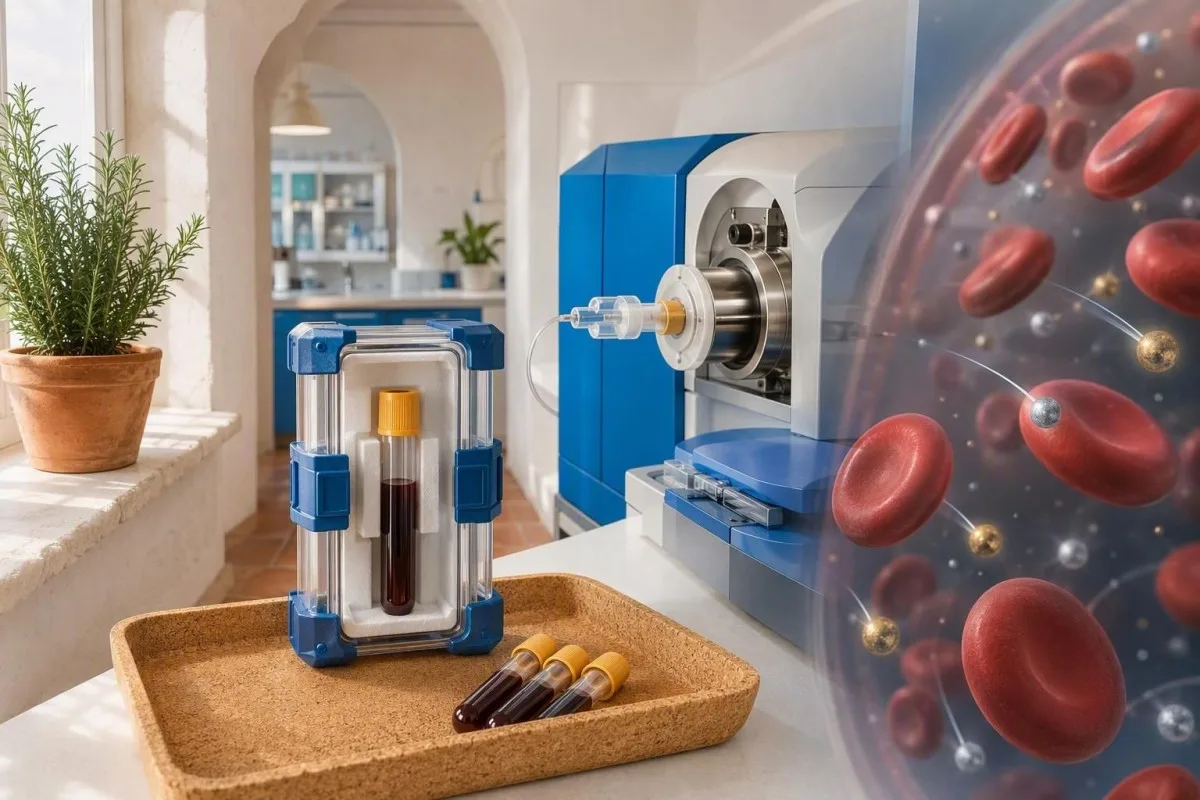
Тест на крвта за тешки метали е најдобар за неодамнешна или тековна изложеност на олово, метилжива и избрани метали поврзани со работното место или импланти. Не е општ показател за “токсини во телото”: урината, специфичноста на металот, историјата на изложеност и времето на повторување честопати одредуваат дали резултатот е значаен.


- Олово во цела крв главно ја одразува неодамнешната или тековната изложеност во период од околу 1 месец; ниту едно ниво на олово во крвта не се смета за без ризик.
- Референтна вредност на CDC за олово во крвта кај деца изнесува 3,5 µg/dL, праг за следење наместо дијагноза на токсичност.
- Тестирање на крвта за жива е најкорисно за неодамнешна изложеност на метилжива од риба и некои професионални извори; не мери сигурно стара изложеност.
- Урична арсен со специфичност се претпочита за сомнителна изложеност на неоргански арсен, особено по избегнување на морска храна 48-72 часа.
- Кадмиум во урина генерално подобро ја одразува кумулативната бубрежна оптовареност, додека кадмиумот во крвта повеќе се насочува кон неодамнешното изложување.
- Тестирање на коса може да поддржи тесно прашање за метилмеркур, но е недоверливо како широк дијагностички тест за токсини.
- Тестирање на урина со провокација по употреба на хелирачки агенс не може да утврди труење бидејќи намерно ја зголемува екскрецијата на метали преку урината.
- Широки панели за токсини често откриваат траги од метали без да покажат болест, извор, доза или потреба од третман.
Што всушност проверува тестот на крвта за тешки метали
A тест за тешки метали во крвта ја мери концентрацијата на специфични елементи кои циркулираат во моментот на земање примерок; не ја мери “оптовареноста од токсини” во текот на животот на лицето. Целата крв е особено корисна за олово и метилмеркур, додека најдобриот примерок се менува за арсен, кадмиум, хром, кобалт и талиум.
Повеќето клинички лаборатории користат индуктивно споена плазма мас-спектрометрија, или ICP-MS, која може да детектира метали на микрограми на литар или пониско. Детекцијата не е дијагноза: резултатот мора да се спореди со методот на лабораторијата, епруветата за земање примерок, занимањето на лицето, исхраната, суплементите, функцијата на бубрезите и времето од очекуваниот контакт.
A панел за тест за токсини во крвта маркетиран како екран за 20 или 40 метали може да звучи сеопфатно, но многу мерени елементи немаат валидиран праг на болест кај асимптоматска личност. Во мојата пракса, корисното прашање е речиси секогаш потесно: “Дали ова конкретно изложување може да го објасни овој резултат или симптом?”
Кантести е анализатор на крвна слика со вештачка интелигенција што ги става резултатите од трагите од елементи покрај остатокот од извештајот, вклучувајќи креатинин, маркери на црниот дроб и црвени крвни клетки. Нашата водич за биомаркери помага да се разликува резултат што бара брз клинички преглед од оној што главно бара подобра историја на изложеност.
Кои метали може сигурно да ги открие тестирањето на крвта?
Тестирањето на крвта може сигурно да квантифицира неколку метали, но мерлива концентрација има различно значење за секој од нив. Олово, жива, манган, кобалт и хром обично се мерат во целата крв; арсен и кадмиум честопати бараат тестирање на урина за клинички релевантното прашање.
A тест за олово во крвта треба да користи цела крв земена во сертифицирана епрувета за траги од елементи бидејќи оловото силно се распределува во црвените крвни клетки. Претпочитано е венско земање примерок кога резултатот од капиларно скрининг е покачен, бидејќи прашината на кожата може лажно да го зголеми резултатот од убод со прст.
A Тест на крв за жива е најинформативна за метилмеркур од морска храна и изложеност на елементарна жива што се случила во последните недели. Живата во целата крв обично паѓа по промена во внесот на риба; биолошкиот полуживот на метилмеркур е околу 50 дена, така што повторен резултат за 6-8 недели може да биде поинформативен од резултат 3 дена подоцна.
Концентрациите на кобалт и хром во крвта имаат дефинирана улога кај избрани лица со метални делови на колкот, иако симптомите, сликите, типот на имплантот и сериската промена се поважни од еден изолиран број. Нашиот водич за избор на тест за хром објаснува зошто лабораториите може да пријавуваат различни единици.
Тестирање на крвта за олово: прагови, време и следење
A ниво на олово во венска крв е стандарден тест за неодамнешно изложување на олово кај деца и возрасни. Кај децата во САД, 3,5 µg/dL е сегашната референтна вредност за олово во крвта на ЦДЦ; таа идентификува деца со поголема изложеност од повеќето врсници и не е граница помеѓу безбедно и опасно.
Нивото на олово во крвта обично ја одразува изложеноста во претходните 28-36 дена, иако оловото складирано во коските може повторно да влезе во крвта за време на бременост, менопауза, заздравување на фрактури или сериозна болест. Затоа, нивото може да опадне откако ќе се напушти изворот без да се докаже дека претходната изложеност била безопасна.
Ажурирањето на ЦДЦ од 2021 година ја намали референтната вредност за деца од 5,0 на 3,5 µg/dL бидејќи пониските концентрации сè уште корелираат со ризик од развој на ниво на популација (Ruckart et al., 2021). Хелацијата не е рутинска за дете со 3,5 µg/dL; идентификацијата на изворот, исхраната, надзорот на развојот и повторното тестирање се вообичаени први чекори.
За возрасни, професионалните прагови и правилата за отстранување се разликуваат по земја, пол, потенцијал за бременост и индустрија. Резултат од 45 µg/dL или повисоко бара итна специјалистичка дискусија во многу клинички услови, додека 70 µg/dL или повисоко генерално се третира како медицинска итност што бара итно отстранување на изложеноста и стручно управување.
Тестови на крвта за жива по консумирање риба, работа или по истурање
A Тест на крв за жива најдобро ја прикажува неодамнешната изложеност на метилжива од морска храна и може да помогне во проценката на неодамнешната изложеност на елементарно жива. Сама по себе, не ја идентификува формата на жива, изворот, времетраењето или степенот на невролошки ризик.
За возрасен со редовен внес на риба, резултат на вкупна жива во крвта под 10 µg/L често се гледа, но лабораториските референтни интервали варираат многу во зависност од географијата и исхраната. Резултат над 20 µg/L заслужува внимателен преглед на изложеноста, особено за време на бременост или пред зачнување, наместо рефлексна детоксикација.
Clarkson и Magos објаснуваат зошто хемијата на живата е важна: метилживата се концентрира во црвените крвни зрнца, додека неорганската жива полесно се претставува во урината (Clarkson and Magos, 2006). Таа разлика е причината зошто само вкупната жива може да предизвика непотребна тревога по неколку оброци со голема предаторска риба.
Видов пациент со вознемиреност како повторува тест за нивото на жива наутро по суши; тој повторен тест одговори речиси ништо. Покорисен план е да се запишат видовите риба и порциите за 2 недели, да се изберат опции со помала содржина на жива, а потоа да се повтори по околу 6-8 недели ако првичниот резултат бил навистина покачен; видете го нашиот водич за следење на живата во морската храна.
Кога тестирањето на урината е подобро од тест на крвта
Тестирањето на урина е претпочитано кога металот се излачува преку урината или кога лекарите треба да ја проценат кумулативната, а не истата дневна изложеност. Арсен, кадмиум, неорганска жива и талиум се чести примери каде урината може да одговори на клиничкото прашање подобро од крвта.
A 24-часовна урина собирањето ја мери вкупната екскреција во текот на еден ден, но примерок од урина од едно мокрење, коригиран за креатинин, често се користи кога квалитетот на собирањето е сомнителен. Пропуштено собирање, невообичаено висок внес на течности или креатинин на некој од крајните делови може да ја искриви 24-часовната проценка; техниката на собирање заслужува иста проверка како и бројот.
Уринарниот кадмиум ја одразува долгорочната ренална акумулација повеќе од уринарниот кадмиум, на кој влијае неодамнешното пушење или професионална изложеност. Интерпретацијата на кадмиумот треба да вклучува уринарен албумин или ACR и тубуларни маркери кога клинички е индицирано, бидејќи загриженоста често е повреда на бубрежните тубули, наместо нејасен резултат за токсичност.
Грешките во тајмингот се чести. Нашето практично водич за колекција на урина во 24 часа ги детализира вообичаените точки на неуспех, вклучувајќи го започнувањето во погрешно време и заборавањето на последниот примерок.
Тестирањето на арсен бара специфичност, а не генерички вкупен број
Секојдневната изложеност на арсен обично се проценува со спицирање на арсен во урината, не со крвен панел. Вкупниот арсен во урината може драматично да се зголеми по консумирање морска храна бидејќи органскиот арсенобетаин се излачува преку урината, но е далеку помалку токсичен од неорганскиот арсен.
Луѓето треба да избегнуваат морска храна за 48-72 часа пред планиран тест за арсен во урината, освен ако токсиколог не советува поинаку. Резултатот за вкупен арсен во урината над 50 µg/L може да заслужува следење, но не може одговорно да се толкува без идентификување на неоргански арсен и неговите метаболити.
Арсен во крвта има краток корисен прозорец – често часови по значајна изложеност – така што нормалната вредност во крвта не ја исклучува релевантна изложеност од претходните денови. Во 15-те години што работам со лабораториски извештаи, ова е една од најчестите причини што широк панел дава лажно уверување.
Профилот за арсен на ATSDR ја поддржува употребата на тестови на урина со спицирање кога се сомнева на изложеност, особено по загриженост за бунарска вода, индустриска или билна употреба (ATSDR, 2007). Не прекинувајте со пропишани лекови или обидувајте се со хелација додека чекате резултат; лекар може да помогне да се идентификува дали водата, работата или производот е веројатниот извор.
Кадмиум, хром и кобалт бараат тестирање специфично за изложеноста
Резултатите за кадмиум, хром и кобалт се значајни само кога се совпаѓаат со веројатен извор и правилниот примерок. Кадмиум во урина често се избира за кумулативна изложеност, додека крвта за кобалт и хром главно се користи за неодамнешна професионална изложеност или надзор на одредени импланти.
Пушењето може материјално да ги зголеми концентрациите на кадмиум, а одредени работни места додаваат инхалаторна изложеност; само внесот на храна ретко објаснува впечатлив резултат. Функцијата на бубрезите е важна бидејќи намалената филтрација може да ги промени концентрациите во урината независно од изложеноста, па затоа креатинот и контекстот на уринарниот протеин се корисни.
За лице со имплант на метално колк, нови болки во колкот, намалена функција, симптоми на слухот или видот, симптоми на кардиомиопатија или зголемен тренд на кобалт бараат директна клиничка проценка. Еднократна концентрација на кобалт во крвта не е скрининг за неопределен замор, магла во мозокот или болки во зглобовите.
Kantesti AI може да ги спореди бубрежните маркери низ датумите, што е корисно кога резултатот од метал поставува прашање за бубрезите, наместо да докажува причинско-последична врска. Прегледајте Резултат од GFR по дехидратација пред да претпоставите дека мала промена на креатинин претставува оштетување поврзано со метал.
Грешки при земање мостри може да создадат лажен резултат за метал
Резултатите од траги-метали се невообичаено ранливи на контаминација од епрувети за земање примероци, прашина од кожа, локални производи и лабораториска обработка. Изненадувачки низок резултат честопати треба да се повтори со помош на сертифицирана епрувета за траги-елементи пред да предизвика инвазивни истраги или додатоци.
Правот од ракавици, прашината од работното место, лепилата за протези што содржат цинк, па дури и несертифицирана епрувета за земање примероци можат да влијаат на тестирањето. Хемолизата исто така може да ја промени интерпретацијата за некои елементи бидејќи клеточните содржини влегуваат во серумот или плазмата; примерок со црвеникава нијанса треба да го поттикне лабораторијата да коментира за квалитетот на примерокот.
Правилната матрица е важна: цела крв, серумот, плазмата и урината не се заменливи. Извештај со ознака “серумска жива” не треба да се споредува несериозно со прагот за јавно здравје развиен за цела крв.
Кантести е Платформа за интерпретација на биомаркери со вештачка интелигенција што ја читаат пријавениот тип на примерок, единицата и референтниот интервал пред да понудат контекст. Нашата технологија и методи води објаснува зошто резултат надвор од опсегот на една лабораторија не може автоматски да се преслика на лимитот за одлучување на друга лабораторија.
Зошто панели за токсини од коса, нокти и дом честопати доведуваат во заблуда
Тестовите на коса и нокти не можат да дијагностицираат повеќето труења со тешки метали кај поединец бидејќи надворешната контаминација, козметичкиот третман, стапката на раст и лабораториската подготовка можат да го доминантни резултатот. Косата има ограничена поддржувачка улога за подолга изложеност на метилжива, а не за сеопфатна детоксикациона проценка.
Косата расте околу 1 см месечно, но таа едноставна фактичка состојба не ја прави секој сантиметар сигурен календар на изложеност. Бојата за коса, бланширањето, водата од базенот, прашината и шампоните можат да ги променат измерените концентрации; протоколите за миење се разликуваат значително помеѓу лабораториите.
Тестирањето на нокти има слични ограничувања и има мала улога во рутинската клиничка дијагностика. Кога панел пријавува 25 елементи, обично ќе означи нешто статистички невообичаено дури и кај здрави луѓе - очекуван исход од повеќекратни споредби, а не доказ дека телото има потреба од чистење.
Ако симптомите се грижа, лекарите прво треба да бараат стандардни објаснувања кои имаат појасен дијагностички пат: анемија, болести на тироидната жлезда, бубрежни заболувања, ефекти од лекови, нарушувања на спиењето и исхрана. Нашата статија за крвни тестови за необјаснета болка покажува како да започнете без да го сведете секој симптом на токсичност.
Зошто провоцираните тестови на урината не можат да докажат труење со метали
Провоциран тест за метал во урината не може да дијагностицира хронично труење со тешки метали бидејќи хелирачкиот лек намерно мобилизира и го зголемува излачувањето на металите преку урината. Референтните опсези од неиспровоциран примерок на урина не важат по EDTA, DMSA, DMPS или друг хелатор.
Хелаторите ги врзуваат металите кои нормално се присутни во ткивата и циркулацијата, така што речиси секој ќе излачува повеќе по примање на еден. Клучниот недостаток е валидирана референтна популација по хелација, која повеќето комерцијални извештаи не ја даваат.
Хелацијата не е бенигна. Во зависност од средството и лицето, може да придонесе за низок калциум, стрес на бубрезите, алергиски реакции, минерална исцрпеност и интеракции со пропишани третмани; третманот треба да следи документирана изложеност и специјалистичка проценка.
Практичното правило на д-р Томас Клајн е едноставно: воспоставете ја изложеноста, добијте правилно земен базен тест, а потоа разговарајте за третманот. пристап за медицинска валидација што го користи Kantesti AI е дизајниран да сигнализира кога ограничувањата на тестот го прават самото толкување наопаку.
Симптоми на кои им е потребна итна помош наместо друг панел
Акутна конфузија, напади, тешко повраќање, нова слабост, отежнато дишење, болка во градите или позната изложеност на висока доза бараат итна медицинска проценка, а не тест за токсини преку пошта. Нормалниот резултат од крвта може да се добие ако тестирањето е предоцна или мери погрешен метал.
За дете, пика, изложеност на боја што се лупи, регресија во развојот или брат/сестра со високо ниво на олово треба да предизвикаат навремена педијатриска консултација. Труењето со олово често е тивко, па самото однесување не може да го процени нивото на олово во крвта.
Изложеноста на пареа од елементарна жива може да предизвика кашлица, отежнато дишење, тремор или невропсихијатриски симптоми, додека неорганскиот арсен може да предизвика тешка гастроинтестинална болест и кардиоваскуларна нестабилност по голема изложеност. Овие обрасци се невообичаени, но ризикот е одложување - повикајте служби за итни случаи или центар за отрови кога изложеноста е неодамнешна или симптомите се значајни.
Лекар може да нарача електролити, креатинин, тестирање на црниот дроб, ЕКГ мониторинг и насочена токсикологија заедно со тест за метали. Нашата водич за електролитни „red flags“ објаснува зошто токсичноста на металите никогаш не се проценува само од една концентрација.
Како да се справите со граничен резултат за метал
Граничниот резултат за метали обично се управува со потврдување на примерокот, реконструирање на изложеноста и повторување на правилниот тест по соодветен интервал. Речиси никогаш не оправдува суплементи, режими на гладување или хелација само по себе.
Започнете со временска рамка: занимање, хоби, реновирање, увезени зачини или лекови, извор на вода, стрелишта, работа со накит, внес на риба и историја на импланти. Запишете ги датумите, фреквенцијата, заштитната опрема и дали други кои ја споделуваат средината имаат симптоми или абнормални резултати.
Повторното тестирање треба да користи иста матрица и, каде што е можно, иста лабораторија. А 20% промена може да ја одразува обичната биолошка или аналитичка варијација за некои елементи во трагови, додека континуиран пад по документирано отстранување на изворот посилно ја поддржува хипотезата за изложеност.
Kantesti може да организира сериски лабораториски извештаи, но не може да ја замени истрагата за изложеност или медицинскиот преглед. Нашата водич за резултати рамо до рамо е корисна за подготовка на концизна временска рамка за специјалист по медицина на трудот или општ лекар.
Храна, додатоци и границите на “детоксикација”
Ниту една диета со сокови, сауна, додаток или протокол за гладување не е покажано дека безбедно отстранува клинички важни изложености на метали наместо контрола на изворот. Првиот третман за повеќето изложености на ниско ниво е запирање на изворот и поддршка на нормална исхрана, хидратација и медицинско следење.
Адекватен внес на калциум, железо и витамин Ц може да ја намали гастроинтестиналната апсорпција на олово кај деца со нутритивна дефициенција, но храната не е замена за санирање на животната средина. Дефицитот на железо може да го зголеми внесот на олово, што е една причина зошто лекарите често ги прегледуваат феритинот и комплетна крвна слика кога е потврдена изложеноста на олово.
Висока доза на цинк може да создаде дефицит на бакар, а селенот под надзор може самиот да предизвика токсичност. Суплемент што се продава како врзивно средство за метали треба да се третира со претпазливост, особено ако содржи повеќе минерали кои можат да ги искомплицираат последователните тестови.
За разумни прашања за исхраната, прочитајте го нашиот водич за храна богата со железо и нашиот преглед на безбедност на дозата на селен. Доказите за комерцијалните програми за детоксикација се искрено слаби.
Како да се прочита резултат за метал заедно со рутински крвни анализи
Резултатите од металите стануваат клинички корисни кога се толкуваат заедно со функцијата на бубрезите, маркерите на црниот дроб, целосната крвна слика, симптомите и кредибилен извор на изложеност. Вредност малку над референтниот интервал без ниту една од овие поддржувачки карактеристики често има ограничено клиничко значење.
Изложеноста на олово може да коегзистира со микроцитоза или дефицит на железо, но нормален CBC не ја исклучува изложеноста на олово. Прашањата за кадмиум заслужуваат внимание на креатининот и уринарниот протеин, додека изразените абнормалности на црниот дроб не треба автоматски да се припишуваат на наоди од метали со ниско ниво.
Kantesti AI е услугата за интерпретација на тестови на AI што ги преведува лабораториските податоци специфични за единицата во прашања за клиничар, наместо да прогласува дијагноза од широк тест за токсини. Д-р Томас Клајн и нашиот Медицински советодавен одбор нагласуваат верификација на изворот, тестирање што може да се репродуцира и јасни совети за ескалација.
Пред да качите каков било извештај, отстранете ги непотребните идентификатори и проверете дали типот на примерокот, датумот на собирање и единиците се видливи. Нашиот чек-листа за квалитет на PDF upload може да спречи едноставна грешка при препишување да стане застрашувачка интерпретација.
Практичен план за тестирање за сомнеж за изложеност во 2026 година
Од 3 септември 2026 година, најбезбедниот план за тестирање започнува со специфична хипотеза за изложеност, потоа го избира вистинскиот метал, примерок и датум на собирање. Широкото скрининг е разумно само кога клиничар за здравје при работа или јавно здравје ќе идентификува дефинирана повеќеметална изложеност.
За стара боја, увезена керамика, пукање, работа со батерии или контаминиран прав, побарајте целосна крв од венска пупка. За честа внес на риба со висока содржина на жива, започнете со целосна крв со вкупна жива; за вода од бунар или осомничен арсен, побарајте уринарен арсен со специјација по избегнување морска храна.
Донесете фотографии од етикетите на производите, листови за безбедност на работното место, датуми на реновирање и резултати од тестови за вода на состанокот. Тие докази можат да бидат подијагностички од додавање 15 метали во панел, и овозможуваат дејства за јавно здравје кога изворот во домот или на работа е реален.
ALT се користи во земјите на AST, но локалните прагови и правилата за известување на работното место варираат. Нашата примери за клиничка употреба покажуваат како структурираните прашања можат да го поддржат — не да го заменат — вашиот сопствен клиничар, токсиколошка служба или локален тим за јавно здравје.
Често поставувани прашања
Кои метали може да ги открие тест на крвта?
Тест на крвта за тешки метали може да квантифицира олово, вкупно жива, манган, кобалт, хром и неколку други елементи, обично во цела крв. Крвта е најкорисна за неодамнешна или тековна изложеност, а не за мерење на акумулација во текот на животот. Оловото обично се проценува со венско тестирање на цела крв, а метилживата има полуживот во крвта од околу 50 дена. Арсен, кадмиум, неорганска жива и талиум честопати бараат тестирање на урина за покорисен клинички одговор.
Колку долго остануваат тешките метали во крвта?
Времето што металот останува мерлив зависи од неговата хемиска форма и тестираниот примерок. Оловната крв генерално ја одразува изложеноста во претходните 28-36 дена, додека метилживата обично се намалува за околу 50 дена откако ќе се намали изложеноста. Арсенот во крвта може да биде корисен само неколку часа по значителна изложеност, така што нормалниот резултат подоцна не го исклучува. Кадмиумот може да опстојува во телото со години, но урината е обично поинформативна за акумулираното оптоварување со кадмиум.
Дали тестот за тешки метали во крвта е добар општ скрининг за токсини?
Широк тест на крвта за токсини обично е слаб општ екран за необјаснета слабост, главоболки или мозочна магла бидејќи откривањето на траги не ја утврдува токсичноста. Панелите што мерат 20 или повеќе елементи ја зголемуваат веројатноста за барем едно гранично знаме дури и кај здрави луѓе. Таргетиран тест заснован на работа, вода, боја, морска храна, додатоци или имплант е поверојатно да даде резултат што може да се искористи. Клиничарот треба да ја толкува секоја покачена концентрација со типот на примерок, единиците, времето, симптомите и историјата на изложеност.
Дали треба да постам пред тест на крв за тешки метали?
Постот не е потребен за повеќето тестови на олово или жива во крвта. Порелевантна подготовка е избегнување на контаминација и документирање на неодамнешна изложеност, како што е внесот на риба во претходните 1-2 недели или контакт на работното место на денот на тестирањето. За уринарен арсен, избегнувајте морска храна 48-72 часа пред собирањето, освен ако клиничар не советува поинаку, бидејќи органскиот арсен од морска храна може да го зголеми вкупниот уринарен арсен. Не прекинувајте ги пропишаните лекови и не земајте производ за хелација пред тестирањето.
Кое ниво на олово во крвта е загрижувачко?
За деца во Соединетите Американски Држави, нивото на олово во венска крв од 3,5 µg/dL или повисоко го исполнува референтната вредност на ЦДЦ за олово во крвта и треба да поттикне следење на изложеноста. Ова не е граница безбедно-наспроти-опасно, бидејќи не е познато дека нивото на изложеност на олово е целосно без ризик. Нивоа од 20-44 µg/dL бараат итна клиничка проценка, а нивоа од 45 µg/dL или повисоко генерално бараат итна специјалистичка дискусија. Нивоата за професионално дејствување кај возрасни се разликуваат по земја, работно место, пол и потенцијал за бременост.
Дали тестовите за коса се точни за тешки метали?
Тестовите на косата не се сигурни за дијагностицирање на повеќето труења со тешки метали бидејќи прашината од надворешноста, бојата за коса, избелувањето, шампонот и методите за миење во лабораторија можат да ги променат резултатите. Косата расте околу 1 см месечно, но тоа не е прецизен запис за историска изложеност за поединец. Анализата на косата понекогаш може да го поддржи проценката на долгорочна изложеност на метилжива под специјалистичко водство. Абнормален резултат на косата не треба да се користи самостојно за да се оправда хелација или програма за детоксикација.
Може ли тестирањето со хелација да покаже дали имам токсичност од метали?
Не, урината собрана по хелирачки лек не може да докаже труење со метал бидејќи лекот намерно ја зголемува екскрецијата на метал. Стандардните референтни опсези на урината се изведени од примероци собрани без хелатор и не можат да се споредат со резултат по хелирање. Хелацијата може да предизвика стрес на бубрезите, минерални нарушувања и други неповолни ефекти, особено кога се користи без документирана индикација. Прво треба да се тестираат правилно собрани основни крвни или уринарни тестови и истражување на изложеноста.
Добијте AI анализа на крв со моќ на вештачка интелигенција денес
Придружете се на над 2 милиони корисници ширум светот кои му веруваат на Kantesti за инстантна, точна анализа на лабораториски тестови. Поставете ги вашите резултати од крвна слика и добијте сеопфатно толкување на 15,000+ биомаркери за секунди.
📚 Реферирани научни публикации
Клајн, Т., Мичел, С., и Вебер, Х. (2026). Дијареа по постење, црни точки во столицата и гастроинтестинален водич 2026. AI Medical Research.
Клајн, Т., Мичел, С., и Вебер, Х. (2026). Водич за здравјето на жените: Овулација, менопауза и хормонски симптоми. AI Medical Research.
📖 Надворешни медицински референци
Агенција за Регистри на Токсични Супстанции и Болести (2007). Токсиколошки профил за арсен. Министерство за здравство и човечки услуги на САД.
⚕️ Медицинско одрекување од одговорност
Овој напис е само за едукативни цели и не претставува медицински совет. Секогаш консултирајте се со квалификуван здравствен работник за одлуки за дијагноза и третман.
Сигнали за доверба E-E-A-T
Искуство
Клиничка ревизија водена од лекар за работните текови на толкување на лабораториски резултати.
Експертиза
Фокус на лабораториска медицина за тоа како биомаркерите се однесуваат во клинички контекст.
Авторитивност
Напишано од д-р Thomas Klein, со ревизија од д-р Sarah Mitchell и проф. д-р Hans Weber.
Доверливост
Толкување засновано на докази со јасни патеки за следење за да се намали алармирањето.