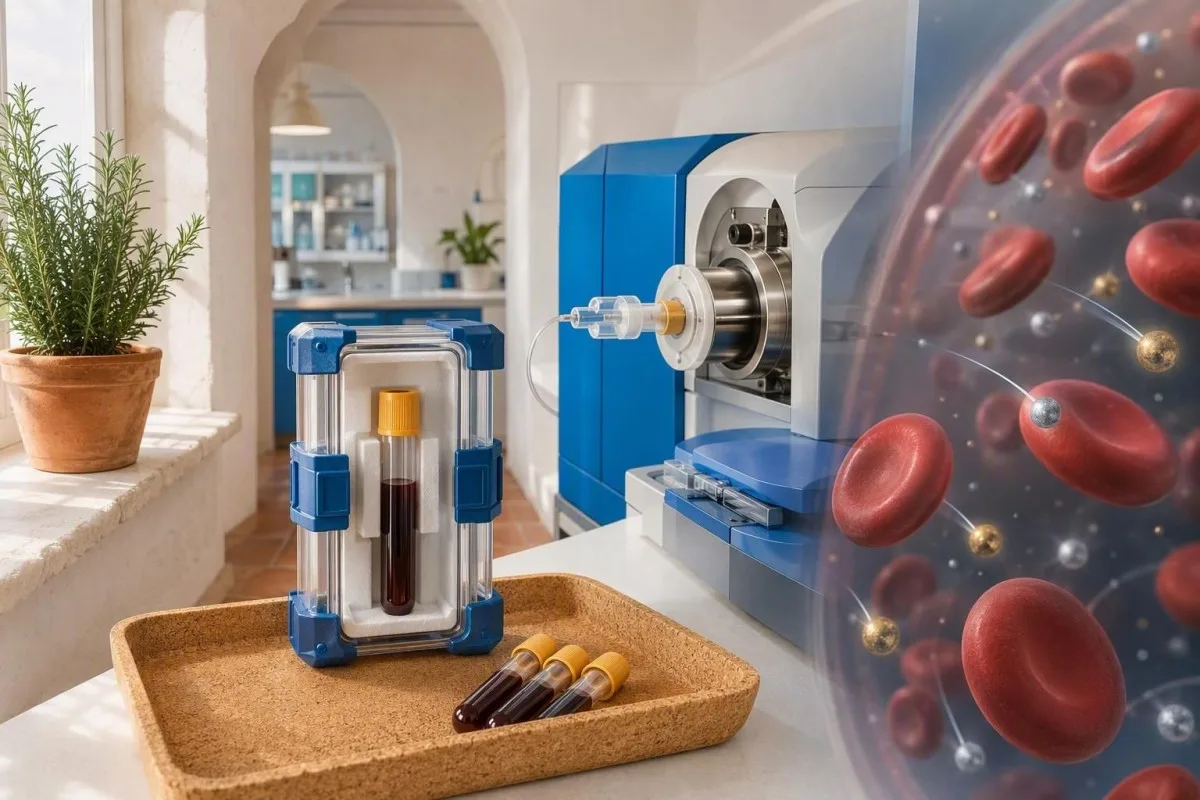
重金属の血液検査は、鉛、メチル水銀、および選択された職場やインプラント関連の金属への最近または継続的な曝露に最も適しています。「体内の毒素」の一般的な測定値ではありません。尿、金属の種類、曝露歴、および再検査のタイミングによって、結果が意味を持つかどうかがしばしば決まります。.


- 全血鉛 主に約1ヶ月間の最近または継続的な曝露を反映します。リスクのない血液鉛レベルはありません。.
- CDCの小児血液鉛参照値 は3.5 µg/dLであり、毒性診断ではなくフォローアップの閾値です。.
- 水銀血液検査 魚からの最近のメチル水銀曝露や一部の職業的曝露源に最も役立ちます。古い曝露を確実に測定するものではありません。.
- 種類別測定による尿中ヒ素 無機ヒ素曝露が疑われる場合、特に48〜72時間魚介類を避けた後に推奨されます。.
- 尿中カドミウム は一般的に腎臓への累積負荷をよりよく反映するのに対し、血液中カドミウムは最近の曝露により重きを置いている。.
- 毛髪検査 はメチル水銀に関する限定的な疑問を支持する可能性があるが、広範な診断的毒物スクリーニングとしては信頼性が低い。.
- 促進尿検査 キレート剤投与後の尿中金属排泄は意図的に増加させるため、中毒を確立することはできない。.
- 広範な毒物パネル は、病気、発生源、用量、または治療の必要性を示さずに、微量金属を検出することがよくある。.
重金属の血液検査で実際に調べられること
A 重金属血液検査 は、採取時の循環中の特定元素の濃度を測定するものであり、生涯にわたる「毒物負荷量」を測定するものではない。全血は特に鉛とメチル水銀に有用であるが、ヒ素、カドミウム、クロム、コバルト、タリウムでは最適な検体は異なる。.
ほとんどの臨床検査室では、誘導結合プラズマ質量分析法(ICP-MS)を使用しており、これは1リットルあたりマイクログラム以下の金属を検出できる。検出は診断ではない:結果は、検査室の方法、採取チューブ、個人の職業、食事、サプリメント、腎機能、および疑わしい接触からの経過時間と比較されなければならない。.
A 毒素血液検査 20または40金属スクリーニングとして販売されているものは包括的に聞こえるかもしれないが、測定される多くの元素は、無症状の個人において検証された疾患閾値を持たない。私の診療では、有用な質問はほとんど常に狭い。「この特定の曝露がこの結果または症状を説明できるか?」“
カンテスティは AI血液検査分析装置 微量元素の結果を、クレアチニン、肝臓マーカー、赤血球指数を含むレポートの他の部分と並べて表示する。 バイオマーカーリファレンスガイド 迅速な臨床レビューを必要とする結果と、より良い曝露歴を必要とする結果を区別するのに役立つ。.
血液検査で確実に検出できる金属はどれか?
血液検査はいくつかの金属を確実に定量できるが、測定可能な濃度はそれぞれ異なる意味を持つ。. 鉛、水銀、マンガン、コバルト、クロム は全血で一般的に測定される。ヒ素とカドミウムは、臨床的に関連する質問のために尿検査が必要となることが多い。.
A 鉛の血液検査 鉛は赤血球に強く分配されるため、認定された微量元素チューブで採取された全血を使用すべきである。スクリーニング毛細管の結果が高い場合は静脈採血が推奨される。皮膚のほこりが指先穿刺の結果を偽って上昇させる可能性があるためである。.
A 血中水銀検査 は、過去数週間に発生した魚介類からのメチル水銀および元素水銀曝露に対して最も情報が得られる。全血水銀は魚の摂取量の変化後に一般的に減少する。メチル水銀の生物学的半減期は約50日であるため、3日後の結果よりも6〜8週間後の再検査結果の方がより有益な場合がある。.
コバルトとクロムの血液中濃度は、金属対金属の股関節インプラントを持つ特定の個人において定義された役割を持つが、症状、画像検査、インプラントの種類、および経時的変化は、単一の孤立した数値よりも重要である。当社のガイドは クロム検査の選択肢 検査室が異なる単位を報告する理由を説明する。.
鉛の血液検査:閾値、タイミング、およびフォローアップ
A 静脈血鉛レベル は、子供および成人における最近の鉛曝露の標準検査である。米国小児では、3.5 µg/dL が現在の CDC の血鉛参照値であり、ほとんどの同年齢層よりも高い曝露を持つ子供を特定するものであり、安全と危険の境界線ではない。.
通常、血液中の鉛濃度は過去 28〜36 日間の曝露を反映しますが、骨に蓄えられた鉛は妊娠中、閉経中、骨折治癒中、または重病中に再び血液中に入る可能性があります。したがって、早期の曝露が無害であったことを証明せずに、曝露源から離れた後に濃度が低下することがあります。.
CDC の 2021 年の更新により、小児の参照値が 5.0 から引き下げられました。 3.5 µg/dL これは、より低い濃度であっても、集団レベルで発達リスクと相関する可能性があるためです (Ruckart et al., 2021)。3.5 µg/dL の場合、キレーション療法は子供には一般的ではありません。曝露源の特定、栄養、発達の監視、および再検査が通常最初のステップです。.
成人では、職業上の閾値と除去規則は、国、性別、妊娠の可能性、および産業によって異なります。 45 µg/dL以上であれば の結果は、多くの臨床現場で緊急の専門医による議論を要しますが、 70 µg/dL以上なら は一般的に、即時の曝露除去と専門家による管理を必要とする医療緊急事態として扱われます。.
魚、仕事、または流出事故後の水銀血液検査
A 血中水銀検査 魚介類からのメチル水銀の最近の曝露を最もよく捉え、元素状水銀の最近の曝露を評価するのに役立ちます。これだけでは、水銀の形態、曝露源、期間、または神経学的リスクの程度を特定することはできません。.
定期的に魚を摂取する成人では、血液中の総水銀濃度は 10 µg/L 未満であることがよくありますが、地理的および食事によって検査室の参照範囲は大きく異なります。 20 µg/L を超える結果は、反射的な解毒ではなく、特に妊娠中または妊娠前には、慎重な曝露レビューに値します。.
Clarkson と Magos は、水銀の化学がなぜ重要なのかを説明しています。メチル水銀は赤血球に濃縮されるのに対し、無機水銀は尿中でより容易に表されます (Clarkson and Magos, 2006)。この区別があるため、総水銀濃度だけでは、大型の捕食魚を数回摂取した後に不必要な不安を引き起こす可能性があります。.
寿司を食べる翌朝、不安そうな患者さんが水銀検査を繰り返しましたが、その結果はほとんど何も教えてくれませんでした。より有用な計画は、2週間魚の種類と量を記録し、水銀含有量の少ない選択肢を選び、最初の結果が実際に高かった場合は約6〜8週間後に再検査することです。弊社の 海産物水銀フォローアップガイド.
尿検査が血液検査よりも適している場合
金属が尿中に排泄される場合、または臨床医がその日の暴露量ではなく累積暴露量を推定する必要がある場合に、尿検査が好ましい。. ヒ素、カドミウム、無機水銀、タリウム は、血液検査よりも尿検査の方が臨床的な疑問に答えることができる一般的な例である。.
A 24時間尿 検査は1日の総排泄量を測定するが、採取の質が疑わしい場合は、クレアチニン補正されたスポット尿検体がしばしば使用される。検体の採取漏れ、異常に多い水分摂取、または極端なクレアチニン値は、24時間検査の推定値を歪める可能性がある。検体の採取方法には、検査項目と同様の注意が必要である。.
尿中カドミウムは、最近の喫煙や職業的暴露の影響を受ける血中カドミウムよりも、長期的な腎臓への蓄積を反映する。カドミウムの解釈には、臨床的に指示された場合は尿中アルブミンまたはACRおよび尿細管マーカーを含めるべきである。なぜなら、懸念されるのは漠然とした毒性スコアではなく、腎尿細管障害であることが多いためである。.
検査時期の誤りは一般的である。弊社の実用的な 24時間蓄尿のガイド ガイドでは、開始時期の誤りや最後の検体の採取忘れなど、一般的な失敗点を詳述している。.
ヒ素検査には、一般的な総量ではなく、種類別測定が必要
ヒ素暴露が疑われる場合は、通常、 尿中ヒ素の形態別分析, で評価され、血液パネルではない。総尿中ヒ素は、海産物摂取後に劇的に上昇することがある。なぜなら、有機ヒ素化合物であるアルセノベタインが尿中に排泄されるが、無機ヒ素よりも毒性ははるかに低いからである。.
人々は、 )は一部の甲状腺免疫測定を歪める可能性があるため、私は通常、採血の 尿中ヒ素の形態別分析検査を計画する前に、毒物学者が別の指示をしない限り、海産物の摂取を避けるべきである。 50 µg/L を超える総尿中ヒ素の値は、フォローアップに値する可能性があるが、無機ヒ素とその代謝物を特定せずに責任を持って解釈することはできない。.
血中ヒ素は有用な期間が短く、しばしば大量暴露から数時間後であるため、正常な血中値は数日前からの関連する暴露を否定するものではない。私が検査結果を15年間扱ってきた中で、これは広範なパネル検査が誤った安心感を与える最も頻繁な理由の1つである。.
ATSDRのヒ素プロファイルは、暴露が疑われる場合、特に井戸水、産業、またはハーブ製品に関する懸念がある場合(ATSDR、2007)に、形態別分析を伴う尿検査を支持している。検査結果を待つ間、処方薬を中止したり、キレーション療法を試みたりしないでください。医師は、水、仕事、または製品がそのもっともらしい供給源であるかどうかを特定するのに役立つことができます。.
カドミウム、クロム、コバルトには曝露に特化した検査が必要
カドミウム、クロム、コバルトの結果は、もっともらしい供給源と適切な検体に一致した場合にのみ意味がある。. 尿中カドミウム は累積暴露量によく選択されるが、血中コバルトおよびクロムは主に最近の職業的暴露または選択されたインプラント監視に使用される。.
喫煙はカドミウム濃度を著しく上昇させることがあり、特定の職場では吸入暴露がある。食事からの摂取だけで顕著な結果を説明することはめったにない。腎機能は重要である。なぜなら、ろ過機能の低下は暴露とは独立して尿中濃度を変化させる可能性があるため、クレアチニンおよび尿タンパク質の文脈は有用である。.
金属製の股関節インプラントを使用している場合、新たな股関節の痛み、機能低下、聴覚または視覚の症状、心筋症の症状、またはコバルト濃度の傾向上昇が見られる場合は、直接的な臨床評価が必要です。一度だけの血液コバルト濃度測定は、非特異的な疲労感、ブレインフォグ、または関節痛のスクリーニングではありません。.
GFR AIは、日付をまたいで腎臓のマーカーを比較できます。これは、金属の結果が原因を証明するのではなく、腎臓に関する疑問を提起した場合に役立ちます。 脱水後のGFRの結果を確認してください 少量のクレアチニンの変動が金属関連の損傷を表すと仮定する前に。.
採取ミスは、金属の偽陽性結果を生み出す可能性がある
微量金属の結果は、採取チューブ、皮膚のほこり、局所製品、および検査室での処理による汚染に対して異常に脆弱です。低レベルの驚くべき結果は、侵襲的な検査やサプリメントの開始を促す前に、認定された微量元素チューブを使用して再検査されるべきであることがよくあります。.
手袋の粉、作業現場のほこり、亜鉛含有義歯用接着剤、さらには非認定の採取チューブでさえ、検査に影響を与える可能性があります。一部の元素では、細胞内容物が血清または血漿に入るため、溶血も解釈を変化させる可能性があります。赤みがかった検体は、検査室に検体の品質についてのコメントを促すべきです。.
正しいマトリックスが重要です: 全血, 血清、血漿、尿は交換可能ではありません。「血清水銀」と表示された報告書を、全血用に開発された公衆衛生の閾値と安易に比較すべきではありません。.
カンテスティは AIバイオマーカー解釈プラットフォーム 報告された検体の種類、単位、および基準範囲を読み取り、コンテキストを提供する前に。私たちの 技術と方法のガイド は、ある検査室の範囲外の結果が、別の検査室の判定基準に自動的にマッピングできない理由を説明しています。.
毛髪、爪、および家庭用毒素パネルがしばしば誤解を招く理由
髪と爪の検査は、ほとんどの重金属中毒を個人で診断することはできません。外部汚染、化粧品の処理、成長速度、および検査室での準備が結果に大きく影響する可能性があるためです。髪は、解毒の包括的な評価ではなく、長期のメチル水銀曝露の限定的な補助的役割を果たします。.
髪は約 1ヶ月あたり1 cm, 成長しますが、その単純な事実によって、各センチメートルが信頼できる曝露カレンダーになるわけではありません。ヘアカラー、漂白剤、プールの水、ほこり、シャンプーは測定濃度を変化させる可能性があります。洗浄プロトコルは検査室間で大きく異なります。.
爪の検査も同様の制限があり、日常の臨床診断における役割はほとんどありません。パネルが25個の元素を報告する場合、通常、健康な人でも統計的に異常なものをフラグ付けします。これは多数の比較の予期される結果であり、体が浄化を必要としている証拠ではありません。.
症状が懸念される場合は、まず、より明確な診断経路を持つ標準的な説明を探すべきです。貧血、甲状腺疾患、腎臓病、薬の影響、睡眠障害、栄養。私たちの記事 原因不明の痛みに対する血液検査 は、すべての症状を毒性に還元することなく、どのように開始するかを説明しています。.
誘発尿検査が金属中毒を証明できない理由
誘発尿金属検査は、キレート剤が意図的に金属を動員し、尿中への排泄を増加させるため、慢性的な重金属中毒を診断することはできません。EDTA、DMSA、DMPS、または他のキレート剤投与後の未誘発尿検体の基準範囲は適用されません。.
キレート剤は、通常、組織や循環に存在する金属に結合するため、ほとんどすべての人が投与後に排泄量が増加します。重要な欠落している部分は、検証済みのキレート剤投与後の参照集団ですが、ほとんどの市販の報告書はそれを提供していません。.
キレーションは無害ではありません。薬剤と個人によっては、低カルシウム、腎臓への負担、アレルギー反応、ミネラル欠乏、および処方治療との相互作用に寄与する可能性があります。治療は、記録された曝露と専門家による評価に従うべきです。.
トーマス・クライン博士の実践的なルールは単純です。曝露を確認し、適切に採取されたベースライン検査を行い、治療について話し合います。 医学的なバリデーションのアプローチ Kantesti AI が使用されているのは、検査の限界により自信のある解釈が不適切な場合に警告を発するためです。.
パネル検査ではなく、緊急のケアが必要な症状
急性錯乱、けいれん、重度の嘔吐、新たな脱力感、息切れ、胸痛、または既知の高用量曝露は、郵便注文の毒物パネルではなく、緊急の医学的評価を必要とします。検査が遅すぎる場合や、間違った金属を測定している場合は、正常な血液検査結果が得られることがあります。.
子供の場合、異食症、ペンキの剥がれへの曝露、発達の逆戻り、または鉛中毒の兄弟がいる場合は、迅速な小児科医の助言を促すべきです。鉛中毒はしばしば無症状であるため、行動だけでは血液中の鉛レベルを推定することはできません。.
無機水銀蒸気への曝露は、咳、息切れ、震え、または神経精神症状を引き起こす可能性があり、一方、無機ヒ素は、大量曝露後に重度の胃腸疾患および心血管系の不安定性を引き起こす可能性があります。これらのパターンはまれですが、遅延がリスクとなります。曝露が最近であるか、症状が顕著な場合は、緊急サービスまたは poison centre に電話してください。.
臨床医は、金属アッセイと並行して、電解質、クレアチニン、肝機能検査、ECGモニタリング、および標的毒物検査を注文することがあります。当社の 電解質のレッドフラグガイド は、金属毒性が単一の濃度だけで評価されることがない理由を説明しています。.
境界値の金属結果への対処法
境界線上の金属結果は、通常、検体の確認、曝露の再構築、および適切な間隔後の正しい検査の繰り返しによって管理されます。それ自体でサプリメント、絶食療法、またはキレーションを正当化することはまれです。.
タイムラインから始めてください:職業、趣味、改修工事、輸入スパイスまたは療法、水源、射撃場、宝石細工、魚の摂取、インプラントの履歴。日付、頻度、保護具、および環境を共有している他の人が症状または異常な結果を持っているかどうかを記録してください。.
繰り返し検査は、同じマトリックスを使用し、可能であれば同じ検査室で行う必要があります。 20% 変化 一部の微量元素では通常の生物学的または分析的変動を反映する可能性がありますが、文書化された発生源の除去後の持続的な低下は、曝露仮説をより強く支持します。.
Kantesti は連続した検査室レポートを整理できますが、曝露調査や医学的検査に取って代わることはできません。当社の 並列結果ガイド は、産業医または GP のための簡潔なタイムラインの準備に役立ちます。.
食品、サプリメント、「デトックス」の限界“
ジュースクレンズ、サウナ、サプリメント、または断食プロトコルは、発生源の管理の代わりに、臨床的に重要な金属曝露を安全に除去することが示されていません。ほとんどの低レベル曝露の最初の治療法は、発生源を停止し、通常の栄養、水分補給、および医学的フォローアップをサポートすることです。.
十分なカルシウム、鉄、およびビタミン C の摂取は、栄養失調の子供における胃腸の鉛吸収を減らすことができますが、食品は環境修復の代わりにはなりません。鉄欠乏は鉛の取り込みを増加させる可能性があり、これが臨床医が鉛曝露が確認された場合にフェリチンと血球計算をしばしばレビューする理由の 1 つです。.
高用量の亜鉛は銅欠乏を引き起こす可能性があり、監督なしのセレン自体は毒性を引き起こす可能性があります。金属結合剤として販売されているサプリメントは、特に後続の検査を複雑にする可能性のある複数のミネラルを含んでいる場合、注意して扱う必要があります。.
賢明な栄養に関する質問については、当社のガイドをお読みください 鉄分を多く含む食品 および セレン用量安全性. 。市販のデトックスプログラムの証拠は、正直に言って弱いです。.
通常の血液検査と並行して金属の結果を読む方法
金属結果は、腎機能、肝臓マーカー、完全血球計算、症状、および信頼できる曝露源と並行して解釈されると、臨床的に有用になります。それらの支持的な特徴なしに参照範囲をわずかに超える値は、しばしば臨床的意義が限定的です。.
鉛曝露は小球性または鉄欠乏と共存する可能性がありますが、正常な CBC は鉛曝露を除外しません。カドミウムの質問は、クレアチニンと尿タンパク質に注意を払う価値があり、一方、顕著な肝臓の異常は、低レベルの金属所見のせいにしてはなりません。.
Kantesti AIは、 AIラボ検査解釈サービス 広範な毒物スクリーニングから診断を宣言するのではなく、単位固有の検査室データを臨床医への質問に変換するものです。トーマス・クライン博士と当社の 医療諮問委員会 ソース検証、再現可能なテスト、および明確なエスカレーションアドバイスを強調する。.
レポートをアップロードする前に、不要な識別子を削除し、検体タイプ、採取日、および単位が表示されていることを確認してください。当社の PDFアップロード品質チェックリスト は、単純な転記ミスが恐ろしい解釈になるのを防ぐことができます。.
2026年に疑われる曝露に対する実践的な検査計画
2026年9月3日現在、最も安全な検査計画は、特定の暴露仮説から始まり、適切な金属、検体、および採取日を選択します。広範なスクリーニングは、職業または公衆衛生の臨床医が定義された多金属暴露を特定した場合にのみ合理的です。.
古い塗料、輸入陶器、射撃、バッテリー作業、または汚染されたほこりの場合、静脈全血鉛を依頼してください。水銀を多く含む魚の頻繁な摂取の場合、全血総水銀から開始してください。井戸水またはヒ素の疑いがある場合は、魚介類の回避後に尿ヒ素(形態分析付き)を依頼してください。.
製品ラベルの写真、職場の安全シート、改修日、および水質検査の結果を予約に持参してください。その証拠は、パネルに15の金属を追加するよりも診断的であり、家庭または職場の原因が real の場合に公衆衛生行動を可能にします。.
Kantesti は 127+ カ国で使用されていますが、地域の閾値と職場の報告規則は異なります。当社の 臨床使用例 構造化された質問が、あなた自身の臨床医、毒物学サービス、または地域の公衆衛生チームをサポートする(置き換えるのではなく)方法を示しています。.
よくある質問
血液検査で検出できる金属は何ですか?
重金属の血液検査では、通常、全血中の鉛、総水銀、マンガン、コバルト、クロム、およびその他のいくつかの元素を定量できます。血液は、生涯蓄積量の測定ではなく、最近または進行中の曝露を評価するのに最も役立ちます。鉛は静脈全血検査で一般的に評価され、メチル水銀の半減期は約50日です。ヒ素、カドミウム、無機水銀、タリウムは、より臨床的に有用な結果を得るために尿検査が必要となることがよくあります。.
重金属は血中にどのくらい留まりますか?
金属が測定可能なままである時間は、その化学形態と検査された検体によって異なります。血中鉛は一般的に過去28〜36日間の暴露を反映しますが、メチル水銀は暴露が減少した後、一般的に約50日間で減少します。血中ヒ素は、大量暴露後数時間しか有用でない場合があるため、それ以降の正常な結果はそれを除外するものではありません。カドミウムは体内に何年も残存する可能性がありますが、尿は通常、蓄積されたカドミウム負荷により有益です。.
重金属の血液検査は、一般的な毒物スクリーニングとして有効ですか?
説明のつかない疲労、頭痛、またはブレインフォグの一般的なスクリーニングとして、広範な毒物血中検査は通常不十分です。なぜなら、微量検出は毒性を確立しないからです。20種類以上の元素を測定するパネルは、健康な人でも少なくとも1つの境界値フラグが発生する可能性を高めます。仕事、水、塗料、魚介類、サプリメント、またはインプラントに基づいた標的検査は、実行可能な結果を生成する可能性が高くなります。臨床医は、検体の種類、単位、タイミング、症状、および暴露履歴とともに、あらゆる上昇した濃度を解釈する必要があります。.
重金属の血液検査の前に絶食する必要がありますか?
ほとんどの鉛または水銀の血中検査では絶食は必要ありません。より関連性の高い準備は、汚染を避け、魚の摂取(過去1〜2週間)や検査当日の職場での接触など、最近の暴露を記録することです。尿ヒ素の場合、臨床医が特に指示しない限り、採取の48〜72時間前から魚介類を避けてください。なぜなら、有機魚介類ヒ素は尿総ヒ素を上昇させる可能性があるからです。処方薬を中止したり、検査前にキレート剤を服用したりしないでください。.
どのくらいの血中鉛濃度が懸念されますか?
米国では、子供の静脈血鉛レベルが3.5 µg/dL以上の場合、CDCの血鉛参照値に達し、暴露フォローアップを促すべきです。これは安全か危険かのカットオフではなく、鉛暴露のレベルで完全にリスクがないことが知られているものはありません。20〜44 µg/dLのレベルは迅速な臨床評価に値し、45 µg/dL以上のレベルは通常、緊急の専門医との相談を必要とします。成人職業レベルは、国、仕事、性別、および妊娠の可能性によって異なります。.
髪の毛の検査は重金属に対して正確ですか?
毛髪検査は、ほとんどの重金属中毒の診断には信頼性がありません。なぜなら、外部のほこり、ヘアカラー、漂白、シャンプー、および実験室での洗浄方法が結果を変更する可能性があるからです。毛髪は毎月約1 cm成長しますが、個人にとって正確な歴史的暴露記録ではありません。毛髪分析は、専門医の指導の下で、長期的なメチル水銀暴露の評価を支持する場合があります。異常な毛髪結果は、キレーションまたはデトックスプログラムを正当化するために単独で使用されるべきではありません。.
キレーション療法のための検査は、金属中毒の有無を調べるのに役立ちますか?
いいえ、キレート剤の投与後に採取された尿は、金属中毒を証明することはできません。なぜなら、薬剤は意図的に金属の排泄を増加させるからです。標準的な尿参照範囲は、キレート剤なしで採取されたサンプルから導出されており、キレーション後の結果と比較することはできません。キレーションは、特に文書化された適応なしに使用された場合、腎臓のストレス、ミネラルの不均衡、およびその他の有害な影響を引き起こす可能性があります。適切に採取されたベースラインの血中または尿検査および暴露調査が最初に来るべきです。.
今日、AIによる血液検査分析を
いますぐ利用しませんか。即時で正確な検査分析を提供するKantestiを信頼する、世界中の200万人以上のユーザーに参加してください。血液検査結果をアップロードすると、15,000+のバイオマーカーについて数秒で包括的な解釈が得られます。.
📚 参考文献
📖 外部の医学的参考文献
Agency for Toxic Substances and Disease Registry (2007年)。. ヒ素の毒性プロファイル.。 米国保健福祉省。.
⚕️ 医療免責事項
この記事は教育目的のみを対象としており、医療助言を構成するものではありません。診断や治療の判断を行う際は、必ず有資格の医療提供者にご相談ください。.
E-E-A-T 信頼性シグナル
経験
医師主導による、検査結果解釈ワークフローの臨床レビュー。.
専門知識
臨床的な文脈においてバイオマーカーがどのように振る舞うかに焦点を当てた検査医学。.
権威
トーマス・クライン博士が執筆し、サラ・ミッチェル博士およびハンス・ヴェーバー教授によるレビュー。.
信頼性
アラームを減らすための明確なフォローアップ経路を備えた、エビデンスに基づく解釈。.