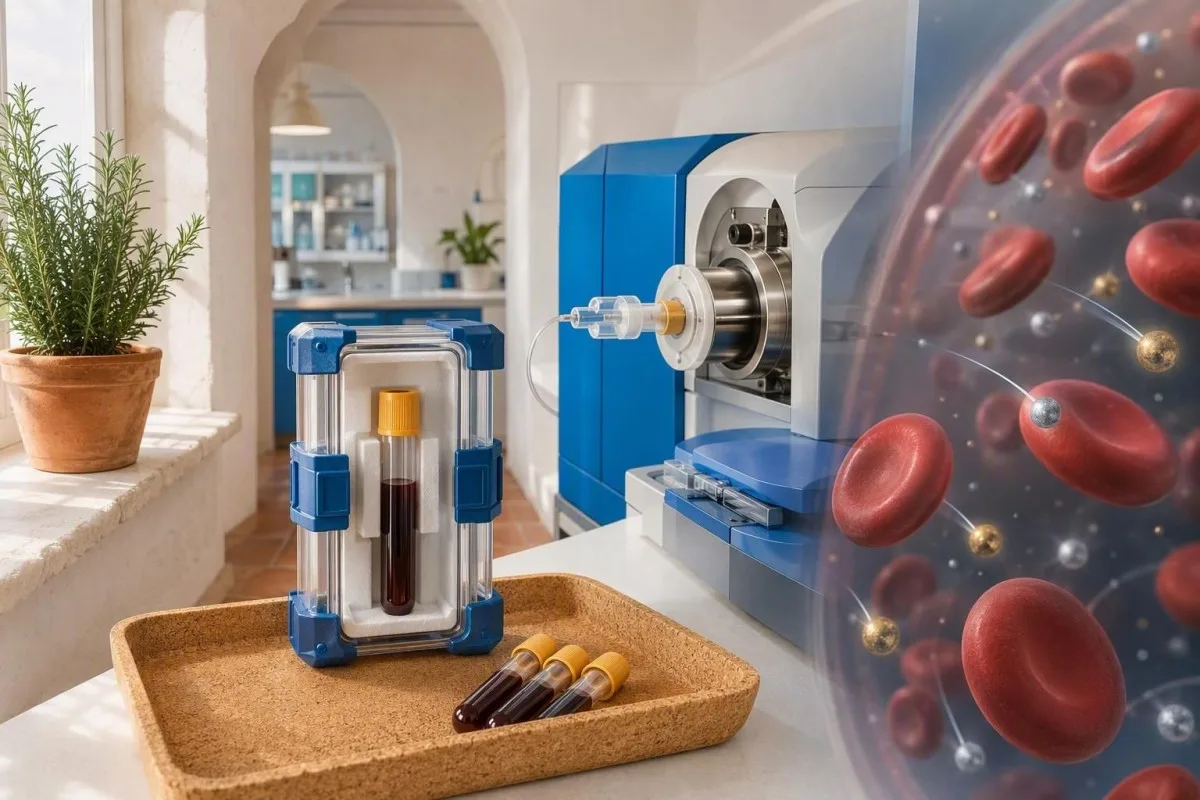
Тест крви на тешке метале је најбољи за недавну или текућу изложеност олову, метилживи и одабраним металима повезаним са радним местом или имплантатима. То није општи показатељ “токсина у телу”: урин, специјацијација метала, историја изложености и време понављања често одређују да ли је резултат значајан.


- Олово у пуној крви одражава углавном недавну или текућу изложеност у трајању од отприлике 1 месеца; ниједан ниво олова у крви се не сматра без ризика.
- Референтна вредност CDC-а за олово у крви деце је 3,5 µg/dL, праг за праћење, а не дијагноза токсичности.
- Тестирање крви на живу је најкорисније за недавну изложеност метилживи из рибе и неких професионалних извора; не мери поуздано стару изложеност.
- Урински арсен са специјацијом је пожељан за сумњиву изложеност неорганском арсену, посебно након избегавања морске хране 48-72 сата.
- Кадмијум у урину генерално боље одражава кумулативно оптерећење бубрега, док је кадмијум у крви више повезан са недавном изложеношћу.
- Тестирање косе може помоћи у уско специфичном питању о метилмеркуру, али је непоуздано као опсежна дијагностичка анализа токсина.
- Тестирање урина након провокације хелантним агенсом не може утврдити тровање јер намерно повећава излучивање метала у урину.
- Опсежне панеле за токсине често откривају елементарне метале без показивања болести, извора, дозе или потребе за лечењем.
Шта заправо проверава тест крви на тешке метале
A тест крви на тешке метале мери концентрацију специфичних елемената који циркулишу у време узимања узорка; не мери “оптерећење токсинима” особе током целог живота. Пуна крв је посебно корисна за олово и метилмеркур, док се најбољи узорак мења за арсен, кадмијум, хром, кобалт и талијум.
Већина клиничких лабораторија користи мас-спектрометрију индуковано упарену плазмом, или ICP-MS, која може открити метале на микрограме по литру или ниже. Детекција није дијагноза: резултат се мора упоредити са методом лабораторије, епруветом за узимање узорака, занимањем особе, исхраном, суплементима, функцијом бубрега и временом од сумњивог контакта.
A панел теста крви на токсине маркетиран као екран за 20 или 40 метала може звучати свеобухватно, али многи мерени елементи немају валидирани праг болести код асимптоматске особе. У мојој пракси, корисно питање је скоро увек уже: “Да ли ова конкретна изложеност може објаснити овај резултат или симптом?”
Кантести је АИ анализатор крви која ставља резултате елемената у траговима поред остатка извештаја, укључујући креатинин, маркере јетре и индексе црвених крвних зрнаца. Наш Референтни водич за биомаркере помаже да се разликује резултат који захтева хитни клинички преглед од оног коме је потребно углавном боље праћење историје изложености.
Које метале поуздано може открити тестирање крви?
Тестирање крви може поуздано квантификовати неколико метала, али мерљива концентрација има различито значење за сваки од њих. Олово, жива, манган, кобалт и хром се обично мере у пуној крви; арсен и кадмијум често захтевају тестирање урина за клинички релевантно питање.
A тест крви на олово требало би да користи пуну крв прикупљену у сертификовану епрувету за елементе у траговима јер се олово значајно распоређује у црвена крвна зрнца. Преферира се венско узимање узорака када је резултат скрининг капиларне крви повишен, јер прашина на кожи може лажно повећати резултат убода прста.
A Тест крви на живу је најинформативнији за метилмеркур из морске хране и изложеност елементарној живи која се догодила у последњим недељама. Жива у пуној крви се обично смањује након промене уноса рибе; биолошки полуживот метилмеркура је око 50 дана, тако да понављање резултата за 6-8 недеља може бити информативније од резултата 3 дана касније.
Концентрације кобалта и хрома у крви имају дефинисану улогу код изабраних особа са метал-на-метал компонентама кука, иако симптоми, снимање, тип имплантата и серијске промене значе више од једног изолованог броја. Наш водич за изборе тестирања на хром објашњава зашто лабораторије могу извештавати различите јединице.
Тестирање крви на олово: прагови, време и праћење
A ниво олова у венској крви је стандардни тест за недавну изложеност олову код деце и одраслих. Код америчке деце, 3.5 µg/dL је тренутна референтна вредност CDC за олово у крви; она идентификује децу са вишом изложеношћу него већина вршњака и није линија између безбедног и небезбедног.
Nivoi olova u krvi obično odražavaju izloženost tokom prethodnih 28-36 dana, iako olovo uskladišteno u kostima može ponovo ući u krv tokom trudnoće, menopauze, zarastanja preloma ili teške bolesti. Nivo stoga može pasti nakon napuštanja izvora bez dokazivanja da ranija izloženost nije bila bezopasna.
Ažuriranje CDC-a iz 2021. snizilo je referentnu vrednost za decu sa 5,0 na 3,5 µг/дЛ jer niže koncentracije i dalje koreliraju sa razvojnim rizikom na populacionom nivou (Ruckart et al., 2021). Kelacija nije rutinska za dete od 3,5 µg/dL; identifikacija izvora, ishrana, nadzor razvoja i ponovno testiranje su uobičajeni prvi koraci.
Za odrasle, profesionalne granice i pravila uklanjanja razlikuju se po zemlji, polu, potencijalu trudnoće i industriji. Rezultat od 45 µг/дЛ или више opravdava hitnu specijalističku diskusiju u mnogim kliničkim okruženjima, dok 70 µг/дЛ или више se generalno tretira kao medicinska hitna pomoć koja zahteva trenutno uklanjanje izloženosti i stručno upravljanje.
Тестови крви на живу након конзумирања рибе, рада или случајног изливања
A Тест крви на живу najbolje odražava nedavnu izloženost metil živom iz morske hrane i može pomoći u proceni nedavne izloženosti elementarnom živi. Sam po sebi ne identifikuje oblik žive, izvor, trajanje ili stepen neurološkog rizika.
Za odraslu osobu sa redovnim unosom ribe, rezultat ukupne žive u krvi ispod 10 µg/L je čest, ali laboratorijski referentni intervali se široko razlikuju po geografiji i ishrani. Rezultat iznad 20 µg/L zaslužuje pažljivu procenu izloženosti, posebno u trudnoći ili pre začeća, umesto refleksne detoksikacije.
Clarkson i Magos opisuju zašto hemija žive ima značaja: metil živa se koncentriše u crvenim krvnim ćelijama, dok se neorganska živa lakše predstavlja u urinu (Clarkson and Magos, 2006). Ta razlika je razlog zašto sama ukupna živa može izazvati nepotrebnu uzbunu nakon nekoliko obroka velike grabljive ribe.
Video sam pacijenta sa anksioznošću koji je ponovio analizu nivoa žive ujutru nakon konzumiranja sušija; to ponavljanje analize skoro ništa nije razjasnilo. Korisniji plan je da se tokom 2 nedelje zabeleže vrste i porcije ribe, odaberu opcije sa nižim sadržajem žive, a zatim ponovi analiza za oko 6-8 nedelja ako je prvobitni rezultat bio zaista povišen; pogledajte naš vodič za praćenje žive u morskim plodovima.
Када је тестирање урина боље од тестирања крви
Analiza urina je poželjna kada se metal izlučuje urinom ili kada kliničari žele da procene kumulativnu izloženost, a ne izloženost istog dana. Arsen, kadmijum, neorganska živa i talijum su uobičajeni primeri gde urin može dati bolji odgovor na kliničko pitanje nego krv.
A 24-časovni urin kolekcija meri ukupno izlučivanje tokom jednog dana, ali se uzorak urina iz jedne porcije korigovan kreatininom često koristi kada je kvalitet sakupljanja sumnjiv. Promašena kolekcija, neobično visok unos tečnosti ili kreatinin na bilo kom ekstremu može iskriviti procenu od 24 sata; tehnika sakupljanja zaslužuje isti stepen pažnje kao i broj.
Kadmijum u urinu odražava dugoročnu bubrežnu akumulaciju više nego kadmijum u krvi, na koji utiču nedavno pušenje ili profesionalna izloženost. Tumačenje kadmijuma treba da uključi albumin u urinu ili ACR i bubrežne markere kada je klinički indicirano, jer je zabrinutost često povreda bubrežnih tubula, a ne neodređena ocena toksičnosti.
Greške u vremenu su česte. Naši praktični vodič za sakupljanje 24-časovnog urina detalji uobičajene tačke greške, uključujući početak u pogrešno vreme i zaboravljanje završnog uzorka.
Тестирање на арсен захтева специјацију, а не генерички укупан износ
Sumnja na izloženost arsenu se obično procenjuje pomoću analize specifikacije arsena u urinu, a ne panelom krvi. Ukupan arsen u urinu može se dramatično povećati nakon konzumiranja morskih plodova jer se organski arsenobetain izlučuje urinom, ali je znatno manje toksičan od neorganskog arsena.
Ljudi treba da izbegavaju morske plodove 48–72 сата pre planirane analize arsena u urinu, osim ako toksikolog ne savetuje drugačije. Ukupan nivo arsena u urinu iznad 50 µg/L može zahtevati dalje praćenje, ali se ne može odgovorno protumačiti bez identifikacije neorganskog arsena i njegovih metabolita.
Arsen u krvi ima kratak koristan prozor—često nekoliko sati nakon značajne izloženosti—tako da normalna vrednost arsena u krvi ne isključuje relevantnu izloženost od nekoliko dana ranije. Tokom 15 godina rada sa laboratorijskim izveštajima, ovo je jedan od najčešćih razloga zašto široki panel daje lažnu sigurnost.
ATSDR-ov profil arsena podržava analizu urina sa specifikacijom kada se sumnja na izloženost, posebno nakon zabrinutosti zbog bunarske vode, industrije ili biljnih proizvoda (ATSDR, 2007). Nemojte prekidati propisane lekove niti pokušavati helaciju dok čekate rezultate; lekar može pomoći da se utvrdi da li je voda, posao ili proizvod verovatan izvor.
Кадмијум, хром и кобалт захтевају тестирање специфично за изложеност
Rezultati za kadmijum, hrom i kobalt su značajni samo kada se upare sa verovatnim izvorom i odgovarajućim uzorkom. Кадмијум у урину se često bira za kumulativnu izloženost, dok se kobalt i hrom u krvi uglavnom koriste za nedavnu profesionalnu izloženost ili nadzor određenih implantata.
Pušenje može značajno povećati koncentraciju kadmijuma, a određena radna mesta dodaju inhalacionu izloženost; unos hrane sam po sebi retko objašnjava upečatljiv rezultat. Funkcija bubrega je bitna jer smanjena filtracija može izmeniti koncentracije urina nezavisno od izloženosti, tako da su kreatinin i kontekst urinskih proteina korisni.
Za osobu sa ugrađenim metalnim kukom, novi bol u kuku, smanjena funkcija, simptomi oštećenja sluha ili vida, simptomi kardiomiopatije ili rastući trend kobalta zahtevaju direktnu kliničku procenu. Jednokratno merenje koncentracije kobalta u krvi nije skrining za nespecifičan zamor, moždanu maglu ili bolove u zglobovima.
Kantesti AI može uporediti bubrežne markere kroz datume, što je korisno kada metalni nalaz postavlja pitanje o bubrezima, umesto da dokazuje uzročnost. Pregledajte GFR rezultat nakon dehidracije pre nego što pretpostavite da mali pomak kreatinina predstavlja oštećenje povezano sa metalom.
Грешке при прикупљању могу довести до лажног резултата за метал
Rezultati analize tragova metala su neuobičajeno podložni kontaminaciji iz epruveta za uzorkovanje, prašine sa kože, topikalnih proizvoda i laboratorijske obrade. Neočekivano nizak rezultat često treba ponoviti korišćenjem sertifikovane epruvete za analizu elemenata u tragovima pre nego što se pokrenu invazivne analize ili suplementi.
Prah sa rukavica, prašina sa gradilišta, zubni lepak koji sadrži cink, pa čak i nesertifikovana epruveta za uzorkovanje mogu uticati na testiranje. Hemoliza takođe može promeniti interpretaciju za neke elemente jer ćelijski sadržaj ulazi u serum ili plazmu; uzorak crvenkaste boje treba da podstakne laboratoriju da komentariše kvalitet uzorka.
Pravi matriks je bitan: цела крв, serum, plazma i urin nisu zamenljivi. Izveštaj sa oznakom “serum živa” ne treba neoprezno porediti sa pragom javnog zdravlja razvijenim za punu krv.
Кантести је платформа за тумачење биомаркера помоћу AI koji čita prijavljeni tip uzorka, jedinicu i referentni interval pre nego što ponudi kontekst. Naša tehnologija i metode vodič objašnjava zašto se rezultat van opsega jedne laboratorije ne može automatski mapirati na granicu odluke druge laboratorije.
Зашто панели за токсине из косе, ноктију и куће често доводе у заблуду
Testovi na kosi i noktima ne mogu dijagnostikovati većinu trovanja teškim metalima kod pojedinca jer spoljna kontaminacija, kozmetički tretmani, brzina rasta i laboratorijska priprema mogu dominirati rezultatom. Kosa ima ograničenu potpornu ulogu za dugotrajniju izloženost metil živinom, a ne za sveobuhvatnu procenu detoksikacije.
Kosa raste oko 1 cm mesečno, ali ta jednostavna činjenica ne čini svaki centimetar pouzdanim kalendarom izloženosti. Boja za kosu, izbeljivanje, voda iz bazena, prašina i šamponi mogu promeniti izmerene koncentracije; protokoli pranja se značajno razlikuju između laboratorija.
Testiranje noktiju ima slična ograničenja i ima malu ulogu u rutinskoj kliničkoj dijagnostici. Kada panel prijavi 25 elemenata, obično će označiti nešto statistički neobično čak i kod zdravih ljudi—očekivana posledica višestrukih poređenja, a ne dokaz da je telu potrebno čišćenje.
Ako su simptomi problem, lekari bi prvo trebalo da traže standardna objašnjenja koja imaju jasniji dijagnostički put: anemija, bolest štitne žlezde, bolest bubrega, efekti lekova, poremećaj sna i ishrana. Naš članak o тестове крви за неразјашњен бол pokazuje kako započeti, a da se svaki simptom ne svede na toksičnost.
Зашто провоцирани урински тестови не могу доказати тровање металом
Provocirani test urina na metale ne može dijagnostikovati hronično trovanje teškim metalima jer heilirajući lek namerno mobiliše i povećava izlučivanje metala urinom. Referentni opsezi iz neprovociranog uzorka urina ne primenjuju se nakon EDTA, DMSA, DMPS ili drugog helatora.
Helatori vezuju metale koji se normalno nalaze u tkivima i cirkulaciji, tako da će skoro svako izlučiti više nakon njihovog prijema. Ključni nedostajući deo je validirana referentna populacija nakon helacije, koju većina komercijalnih izveštaja ne pruža.
Helacija nije bezopasna. U zavisnosti od agensa i osobe, može doprineti niskom kalcijumu, stresu bubrega, alergijskim reakcijama, iscrpljivanju minerala i interakcijama sa propisanim tretmanima; lečenje treba da sledi dokumentovanu izloženost i specijalističku procenu.
Praktično pravilo dr. Thomasa Kleina je jednostavno: utvrditi izloženost, dobiti pravilno prikupljen bazni test, a zatim razgovarati o lečenju. приступ медицинској валидацији Kantesti AI се користи за означавање када ограничења теста чине поуздану интерпретацију неприкладном.
Симптоми који захтевају хитну помоћ, а не други панел
Акутна конфузија, напади, тешко повраћање, нова слабост, отежано дисање, бол у грудима или позната изложеност високој дози захтевају хитну медицинску процену, а не панел за токсине по поруџбини. Нормалан крвни налаз се може појавити ако је тестирање прекасно или мери погрешан метал.
Код детета, пика, изложеност боји која се лучи, регресија развоја или брат/сестра са високим нивоом олова треба да покрену брз педијатријски савет. Трудноћа од олова је често тиха, тако да се понашање само не може проценити ниво олова у крви.
Изложеност пари елементарне живе може изазвати кашаљ, отежано дисање, дрхтавицу или неуропсихијатријске симптоме, док неоргански арсен може изазвати тешке гастроинтестиналне болести и кардиоваскуларну нестабилност након велике изложености. Ови обрасци су неуобичајени, али ризик је кашњење — позовите хитну помоћ или центар за тровања када је изложеност недавна или су симптоми значајни.
Клиничар може наручити електролите, креатинин, тестове јетре, ЕКГ мониторинг и циљану токсикологију уз тест метала. Наша vodič za elektrolite sa „crvenim zastavicama” објашњава зашто се токсичност метала никада не процењује само на основу једне концентрације.
Како се носити са граничним резултатом за метал
Гранични налаз метала се обично управља потврђивањем узорка, реконструкцијом изложености и понављањем исправног теста након одговарајућег интервала. Ретко оправдава суплементе, режиме гладовања или хелацију сами по себи.
Започните са временском линијом: занимање, хобији, радови на реновирању, увезени зачини или лекови, извор воде, стрелишта, рад на накиту, унос рибе и историја имплантата. Забележите датуме, учесталост, заштитну опрему и да ли други који деле околину имају симптоме или абнормалне резултате.
Поновљено тестирање треба да користи исту матрицу и, где је могуће, исту лабораторију. А 20% промена може одражавати обичну биолошку или аналитичку варијацију за неке елементе у траговима, док константан пад након документованог уклањања извора јаче подржава хипотезу излагања.
Kantesti може организовати серијске лабораторијске извештаје, али не може заменити истраживање изложености или медицински преглед. Наша vodič za rezultate rame uz rame је корисна за припрему концизне временске линије за лекара опште праксе или специјалисту медицине рада.
Храна, суплементи и ограничења “детокса”
Никакав програм детоксикације соковима, сауна, суплемент или режим гладовања није показао да безбедно уклања клинички значајну изложеност металу уместо контроле извора. Први третман за већину излагања ниском нивоу је заустављање извора и подржавање обичне исхране, хидратације и медицинског праћења.
Адекватан унос калцијума, гвожђа и витамина Ц може смањити апсорпцију олова у гастроинтестиналном тракту код деце са нутритивним недостатком, али храна није замена за санацију животне средине. Недостатак гвожђа може повећати унос олова, што је један од разлога зашто клиници често прегледају феритин и комплетну крвну слику када се потврди изложеност олову.
Висока доза цинка може створити недостатак бакра, а ненадзирани селен сам по себи може изазвати токсичност. Суплемент који се продаје као везивач метала треба третирати опрезно, посебно ако садржи више минерала који могу закомпликовати накнадно тестирање.
За разумна питања о исхрани, прочитајте наш водич за храну богату гвожђем i naš pregled безбедности дозе селена. Докази за комерцијалне програме детоксикације су искрено слаби.
Како читати резултат за метал уз рутинске крвне анализе
Резултати метала постају клинички корисни када се тумаче заједно са функцијом бубрега, маркерима јетре, комплетном крвном сликом, симптомима и веродостојним извором излагања. Вредност која је мало изнад референтног интервала без иједне од ових потпорних карактеристика често има ограничено клиничко значење.
Изложеност олову може коегзистирати са микроцитозом или недостатком гвожђа, али нормалан CBC не искључује изложеност олову. Питања о кадмијуму захтевају пажњу на креатинин и уринске протеине, док се изражене абнормалности јетре не би требале аутоматски приписивати налазу метала ниског нивоа.
Kantesti AI je услузи за тумачење лабораторијских тестова заснованој на AI-у који преводи лабораторијске податке специфичне за јединицу у питања за клиничара, уместо да поставља дијагнозу на основу широког екрана токсина. Др. Томас Клајн и наши Медицински саветодавни одбор naglasite provjeru izvora, ponovljivo testiranje i jasne savjete za eskalaciju.
Prije učitavanja bilo kojeg izvještaja, uklonite nepotrebne identifikatore i provjerite jesu li vidljivi vrsta uzorka, datum prikupljanja i jedinice. Naš чеклисту за квалитет PDF upload-а može spriječiti da jednostavna greška u transkripciji postane zastrašujuća interpretacija.
Практичан план тестирања за сумњиву изложеност 2026. године
Od 3. rujna 2026. najsigurniji plan testiranja započinje sa specifičnom hipotezom o izloženosti, a zatim odabire odgovarajući metal, uzorak i datum prikupljanja. Široko probirno testiranje je opravdano samo kada kliničar za profesionalne bolesti ili javno zdravstvo identificira definirano izlaganje višestrukim metalima.
Za staru boju, uvezenu keramiku, pucnjavu, rad s baterijama ili kontaminiranu prašinu, zatražite ukupni olovni serum. Za čest unos ribe s visokim udjelom žive, započnite s ukupnom živom u punoj krvi; za vodu iz bunara ili sumnju na arsen, zatražite analizu arsena u urinu sa specijacijom nakon izbjegavanja plodova mora.
Ponesite fotografije naljepnica proizvoda, sigurnosnih listova na radnom mjestu, datuma renoviranja i rezultata ispitivanja vode na pregled. Ti dokazi mogu biti dijagnostičniji od dodavanja 15 metala na panel, a omogućuju poduzimanje mjera javnog zdravlja kada je izvor u domu ili na poslu stvaran.
Kantesti se koristi u 127+ zemalja, ali lokalni pragovi i pravila izvješćivanja na radnom mjestu variraju. Naš klinički primjeri upotrebe pokazuju kako strukturirana pitanja mogu podržati — a ne zamijeniti — vašeg kliničara, toksikološku službu ili lokalni tim za javno zdravstvo.
Често постављана питања
Koje metale krvni test može otkriti?
Test krvi na teške metale može kvantifikovati olovo, ukupni zivu, mangan, kobalt, hrom i nekoliko drugih elemenata, obično u punoj krvi. Krv je najkorisnija za nedavnu ili tekuću izloženost, a ne za merenje akumulacije tokom života. Olovo se obično procenjuje testiranjem pune venske krvi, a metilživa ima poluživot u krvi od otprilike 50 dana. Arsen, kadmijum, neorganska živa i talijum često zahtevaju testiranje urina za klinički korisniji odgovor.
Koliko dugo teški metali ostaju u krvi?
Vrijeme tijekom kojeg metal ostaje mjerljiv ovisi o njegovom kemijskom obliku i testiranom uzorku. Olovo u krvi općenito odražava izloženost tijekom prethodnih 28-36 dana, dok metilživa obično opada oko 50 dana nakon smanjenja izloženosti. Arsen u krvi može biti koristan samo nekoliko sati nakon značajne izloženosti, tako da normalan rezultat kasnije ne isključuje tu mogućnost. Kadmij se može zadržati u tijelu godinama, ali urin je obično informativniji za procjenu nakupljenog kadmija.
Да ли је тест крви на тешке метале добар општи скрининг за токсине?
Opsežno testiranje krvi na toksine obično je slab opći probir za neobjašnjiv umor, glavobolje ili moždanu maglu jer detekcija tragova ne utvrđuje toksičnost. Paneli koji mjere 20 ili više elemenata povećavaju vjerojatnost barem jedne granične zastavice čak i kod zdravih ljudi. Ciljano testiranje temeljeno na poslu, vodi, boji, plodovima mora, dodacima prehrani ili implantatu vjerojatnije će dati rezultate koji se mogu poduzeti. Kliničar bi trebao protumačiti svaku povišenu koncentraciju uzimajući u obzir vrstu uzorka, jedinice, vrijeme, simptome i povijest izloženosti.
Da li treba da postim pre testa krvi na teške metale?
Post niije potreban za većinu testova krvi na olovo ili živu. Relevantnija priprema je izbjegavanje kontaminacije i dokumentiranje nedavne izloženosti, kao što su plodovi mora pojedeni tijekom prethodna 1-2 tjedna ili kontakt na radnom mjestu na dan testiranja. Za analizu arsena u urinu, izbjegavajte plodove mora 48-72 sata prije prikupljanja uzorka, osim ako kliničar ne savjetuje drugačije, jer organski arsen iz plodova mora može povisiti ukupni arsen u urinu. Nemojte prestati uzimati propisane lijekove niti uzimati kelirajući proizvod prije testiranja.
Koji nivo olova u krvi je zabrinjavajući?
Za djecu u Sjedinjenim Državama, razina olova u krvi od 3,5 µg/dL ili viša zadovoljava referentnu vrijednost CDC-a za olovo u krvi i trebala bi potaknuti daljnje praćenje izloženosti. Ovo nije siguran u odnosu na opasan rez, jer nije poznato da nijedna razina izloženosti olovu nije potpuno bez rizika. Razine od 20-44 µg/dL zahtijevaju hitnu kliničku procjenu, a razine od 45 µg/dL ili više općenito zahtijevaju hitnu konzultaciju sa specijalistom. Referentne razine za odrasle na radnom mjestu razlikuju se prema zemlji, poslu, spolu i mogućnosti trudnoće.
Da li su testovi na kosu tačni za teške metale?
Testovi kose nisu pouzdani za dijagnosticiranje većine trovanja teškim metalima jer vanjska prašina, boja za kosu, izbjeljivanje, šampon i metode laboratorijskog pranja mogu promijeniti rezultate. Kosa raste oko 1 cm mjesečno, ali to nije precizan povijesni zapis izloženosti za pojedinca. Analiza kose povremeno može podržati procjenu dugotrajnije izloženosti metilživi pod nadzorom stručnjaka. Abnormalni rezultat testa kose ne smije se koristiti samostalno za opravdanje kelacije ili programa detoksikacije.
Može li test helacije pokazati da li imam toksičnost metala?
Ne, urin prikupljen nakon kelirajućeg lijeka ne može dokazati trovanje metalima jer lijek namjerno povećava izlučivanje metala. Standardni referentni rasponi za urin dobivaju se iz uzoraka prikupljenih bez kelatora i ne mogu se usporediti s rezultatom nakon kelacije. Kelacija može uzrokovati stres bubrega, poremećaje minerala i druge štetne učinke, osobito kada se koristi bez dokumentirane indikacije. Pravilno prikupljeno početno testiranje krvi ili urina i istraga izloženosti trebaju doći prva.
Укључите AI анализу крвне слике данас
Придружите се више од 2 милиона корисника широм света који верују Kantesti-у за тренутну и прецизну анализу лабораторијских тестова. Отпремите своје резултате крвне слике и добијте свеобухватно тумачење 15,000+ биомаркера за неколико секунди.
📚 Референциране научне публикације
Klajn, T., Mičel, S., i Veber, H. (2026). Дијареја након поста, црне мрље у столици и гастроинтестинални тракт: водич за 2026. годину. Kantesti AI Medical Research.
Klajn, T., Mičel, S., i Veber, H. (2026). Водич за здравље жена: Овулација, менопауза и хормонски симптоми. Kantesti AI Medical Research.
📖 Спољне медицинске референце
Agencija za toksične tvari i registar bolesti (2007.). Toksikološki profil za arsen. Ministarstvo zdravlja i socijalnih usluga SAD-a.
⚕️ Медицинска одрицање одговорности
Овај чланак је само у образовне сврхе и не представља медицински савет. За одлуке о дијагнози и лечењу увек се консултујте са квалификованим здравственим радником.
Е-Е-А-Т сигнали поверења
Искуство
Клиничка ревизија процеса тумачења лабораторијских налаза коју води лекар.
Експертиза
Фокус на лабораторијску медицину: како се биомаркери понашају у клиничком контексту.
Ауторитативност
Написао др Томас Клајн, уз рецензију др Саре Мичел и проф. др Ханса Вебера.
Поузданост
Тумачење засновано на доказима, са јасним путевима праћења како би се смањила узнемиреност.