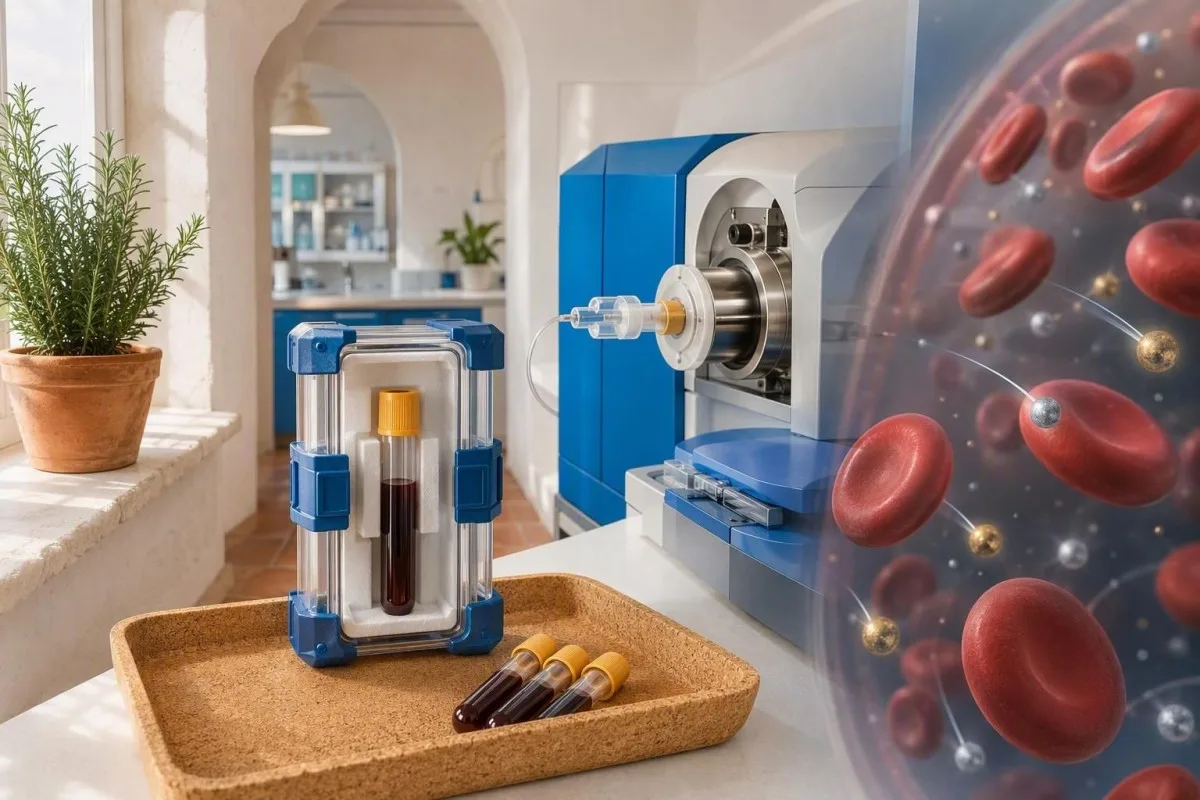
Test krvi na teške metale najbolji je za nedavnu ili tekuću izloženost olovu, metil-živom te odabranim metalima povezanim s radnim mjestom ili implantatima. To nije opća mjera “toksina u tijelu”: urin, specifikacija metala, povijest izloženosti i vrijeme ponavljanja često određuju je li rezultat smislen.


- Olovo u punoj krvi uglavnom odražava nedavnu ili tekuću izloženost tijekom otprilike 1 mjeseca; niti jedna razina olova u krvi nije bez rizika.
- Referentna vrijednost za olovo u krvi u djece prema CDC-u iznosi 3,5 µg/dL, što je prag za praćenje, a ne dijagnoza toksičnosti.
- Test krvi na živu najkorisniji je za nedavnu izloženost metil-živi iz ribe i nekih profesionalnih izvora; ne mjeri pouzdano staru izloženost.
- Arsen u urinu sa specifikacijom preferira se za sumnju na izloženost anorganskom arsenu, posebno nakon izbjegavanja plodova mora 48-72 sata.
- Kadmij u urinu općenito bolje odražava kumulativno opterećenje bubrega, dok kadmij u krvi više odražava nedavnu izloženost.
- Testiranje kose može podržati usko pitanje o metilživinom trovanju, ali je nepouzdano kao široki dijagnostički probir na toksine.
- Testiranje urina s provokacijom nakon kelirajućeg sredstva ne može utvrditi trovanje jer namjerno povećava izlučivanje metala u mokraći.
- Široki paneli za toksine često otkrivaju metale u tragovima bez pokazivanja bolesti, izvora, doze ili potrebe za liječenjem.
Što zapravo provjerava test krvi na teške metale
A test krvi na teške metale mjeri koncentraciju specifičnih elemenata koji cirkuliraju u vrijeme prikupljanja; ne mjeri “opterećenje toksinima” osobe tijekom cijelog života. Puna krv je posebno korisna za olovo i metilživu, dok se najbolji uzorak mijenja za arsen, kadmij, krom, kobalt i talij.
Većina kliničkih laboratorija koristi masenu spektrometriju induciranu spregnutom plazmom, ili ICP-MS, koja može otkriti metale na mikrogramima po litri ili niže. Detekcija nije dijagnoza: rezultat se mora usporediti s metodom laboratorija, epruvetom za prikupljanje, poslom osobe, prehranom, dodacima, funkcijom bubrega i vremenom od sumnjivog kontakta.
A panel krvnih testova za toksine koji se prodaje kao probir na 20 ili 40 metala može zvučati sveobuhvatno, ali mnogi izmjereni elementi nemaju potvrđeni prag bolesti kod asimptomatske osobe. U mojoj praksi, korisno pitanje je gotovo uvijek uže: “Može li ova specifična izloženost objasniti ovaj rezultat ili simptom?”
Kantesti je Analizator krvnih testova s umjetnom inteligencijom koji stavlja rezultate elemenata u tragovima uz ostatak izvješća, uključujući kreatinin, jetrene markere i eritrocitne indekse. Naš referentni vodič za biomarkere pomaže razlikovati rezultat koji zahtijeva hitni klinički pregled od onog koji uglavnom zahtijeva bolju povijest izloženosti.
Koje metale pouzdano može otkriti test krvi?
Testiranje krvi može pouzdano kvantificirati nekoliko metala, ali mjerljiva koncentracija ima različito značenje za svaki od njih. Olovo, živa, mangan, kobalt i krom se obično mjere u punoj krvi; arsen i kadmij često zahtijevaju testiranje urina za klinički relevantno pitanje.
A krvna pretraga na olovo treba koristiti punu krv prikupljenu u certificiranoj epruveti za elemente u tragovima jer se olovo jako raspoređuje u crvene krvne stanice. Venski uzorak je poželjan kada je povišen rezultat probira kapilarnom krvlju, jer prašina na koži može lažno povisiti rezultat iz uboda prsta.
A Test krvi na živu je najinformativniji za metilživu iz morske hrane i izloženost elementarnoj živi koja se dogodila u proteklim tjednima. Živa u punoj krvi obično pada nakon promjene unosa ribe; biološki poluživot metilžive je oko 50 dana, stoga ponovljeni rezultat nakon 6-8 tjedana može biti informativniji od rezultata 3 dana kasnije.
Koncentracije kobalta i kroma u krvi imaju definirano mjesto kod odabranih osoba s metalno-metalnim zglobnim protezama, iako simptomi, snimanje, vrsta implantata i serijske promjene znače više od jednog izoliranog broja. Naš vodič za izbore testiranja kroma objašnjava zašto laboratoriji mogu prikazivati različite jedinice.
Test krvi na olovo: pragovi, tajming i praćenje
A razina olova u venskoj krvi je standardni test za nedavnu izloženost olovu kod djece i odraslih. Kod američke djece, 3,5 µg/dL je trenutna referentna vrijednost CDC-a za olovo u krvi; identificira djecu s većom izloženošću od većine vršnjaka i nije granica između sigurnog i nesigurnog.
Razine olova u krvi obično odražavaju izloženost tijekom prethodnih 28-36 dana, iako olovo pohranjeno u kostima može ponovno ući u krv tijekom trudnoće, menopauze, zacjeljivanja prijeloma ili teške bolesti. Stoga razina može pasti nakon napuštanja izvora, a da se ne dokaže da je ranija izloženost bila bezopasna.
Ažuriranje CDC-a iz 2021. snizilo je referentnu vrijednost za djecu s 5,0 na 3,5 µg/dL jer se niže koncentracije još uvijek povezuju s razvojnim rizikom na razini populacije (Ruckart et al., 2021). Kelacija nije rutinska za dijete pri 3,5 µg/dL; identifikacija izvora, prehrana, praćenje razvoja i ponovljeno testiranje uobičajeni su prvi koraci.
Za odrasle, profesionalne granične vrijednosti i pravila uklanjanja razlikuju se ovisno o zemlji, spolu, mogućnosti trudnoće i industriji. Rezultat 45 µg/dL ili više zahtijeva hitnu specijalističku raspravu u mnogim kliničkim okruženjima, dok 70 µg/dL ili više se općenito smatra hitnim medicinskim stanjem koje zahtijeva hitno uklanjanje izvora izloženosti i stručno upravljanje.
Test krvi na živu nakon konzumacije ribe, posla ili izlijevanja
A Test krvi na živu najbolje odražava nedavnu izloženost metilživi iz morske hrane i može pomoći u procjeni nedavne izloženosti elementarnoj živi. Samo po sebi ne identificira oblik žive, izvor, trajanje ili stupanj neurološkog rizika.
Za odraslu osobu s redovitim unosom ribe, ukupni rezultat žive u krvi ispod 10 µg/L često se viđa, ali laboratorijski referentni intervali znatno variraju ovisno o geografiji i prehrani. Rezultat iznad 20 µg/L zaslužuje pažljivu procjenu izloženosti, posebno u trudnoći ili prije začeća, umjesto refleksne detoksikacije.
Clarkson i Magos opisuju zašto je kemija žive važna: metilživa se koncentrira u crvenim krvnim stanicama, dok je anorganska živa lakše zastupljena u mokraći (Clarkson i Magos, 2006.). Ta razlika objašnjava zašto sama ukupna živa može izazvati nepotrebnu uzbunu nakon nekoliko obroka velike grabežljive ribe.
Vidio sam anksioznog pacijenta koji je ponovio razinu žive ujutro nakon sushi; to ponavljanje gotovo ništa nije odgovorilo. Korisniji plan je bilježiti vrste ribe i porcije 2 tjedna, odabrati opcije s nižom razinom žive, a zatim ponoviti za otprilike 6-8 tjedana ako je izvorni rezultat bio istinski povišen; pogledajte naš vodič za praćenje žive u morskim plodovima.
Kada je test urina bolji od testa krvi
Testiranje urina je poželjnije kada se metal izlučuje urinom ili kada kliničari trebaju procijeniti kumulativnu, a ne istodobnu izloženost. Arsen, kadmij, anorganska živa i talij su uobičajeni primjeri gdje urin može bolje odgovoriti na kliničko pitanje nego krv.
A 24-satni urin prikupljanje mjeri ukupno izlučivanje tijekom dana, ali uzorak urina uzet u određenom trenutku ispravljen za kreatinin često se koristi kada je kvaliteta prikupljanja upitna. Propusna kolekcija, neobično visok unos tekućine ili kreatinin na bilo kojem od ekstrema mogu iskriviti procjenu od 24 sata; tehnika prikupljanja zaslužuje istu pozornost kao i broj.
Urinarni kadmij odražava dugotrajnu bubrežnu akumulaciju više nego krvni kadmij, na koji utječe nedavno pušenje ili profesionalna izloženost. Interpretacija kadmija trebala bi uključivati urinarni albumin ili ACR i tubularne markere kada je klinički indicirano, jer je zabrinutost često ozljeda bubrežnih tubula, a ne nejasan rezultat toksičnosti.
Pogreške u vremenu su česte. Naš praktični vodič za sakupljanje 24-satnog urina detaljizira uobičajene točke neuspjeha, uključujući početak u krivo vrijeme i zaboravljanje konačnog uzorka.
Testiranje na arsen zahtijeva specifikaciju, a ne generički ukupni zbroj
Sumnja na izloženost arsenu obično se procjenjuje pomoću određivanja vrsta arsena u urinu, a ne krvnog panela. Ukupni arsen u urinu može se drastično povećati nakon morskih plodova jer se organski arsenobetain izlučuje urinom, ali je znatno manje toksičan od anorganskog arsena.
Ljudi bi trebali izbjegavati morske plodove za 48-72 sata prije planiranog testa arsena u urinu, osim ako toksikolog ne savjetuje drugačije. Ukupni rezultat arsena u urinu iznad 50 µg/L može zaslužiti daljnje praćenje, ali se ne može odgovorno interpretirati bez identifikacije anorganskog arsena i njegovih metabolita.
Arsen u krvi ima kratak korisni prozor - često satima nakon značajne izloženosti - tako da normalna vrijednost u krvi ne isključuje relevantnu izloženost od ranije. U 15 godina koliko radim s laboratorijskim izvješćima, ovo je jedan od najčešćih razloga zašto široki panel daje lažnu sigurnost.
ATSDR-ov profil arsena podržava testiranje urina sa specijacijom kada se sumnja na izloženost, posebno nakon zabrinutosti oko bunarske vode, industrije ili biljnih proizvoda (ATSDR, 2007). Nemojte prestati uzimati propisane lijekove niti pokušavati kelaciju dok čekate rezultate; kliničar može pomoći utvrditi je li voda, posao ili proizvod vjerojatan izvor.
Kadmij, krom i kobalt zahtijevaju testiranje specifično za izloženost
Rezultati kadmija, kroma i kobalta smisleni su samo kada su usklađeni s vjerojatnim izvorom i ispravnim uzorkom. Kadmij u urinu se često odabire za kumulativnu izloženost, dok se krvni kobalt i krom uglavnom koriste za nedavnu profesionalnu izloženost ili nadzor odabranih implantata.
Pušenje može značajno povećati koncentraciju kadmija, a određena radna mjesta dodaju inhalacijsku izloženost; samo dijetetski unos rijetko objašnjava upečatljiv rezultat. Funkcija bubrega je važna jer smanjena filtracija može promijeniti koncentracije urina neovisno o izloženosti, tako da su kontekst kreatinina i proteina u urinu korisni.
Za osobu s ugrađenim metalnim kukom, nova bol u kuku, smanjena funkcija, simptomi oštećenja sluha ili vida, simptomi kardiomiopatije ili porast koncentracije kobalta zahtijevaju izravnu kliničku procjenu. Jednokratno mjerenje koncentracije kobalta u krvi nije probir za nespecifičan umor, moždanu maglu ili bolove u zglobovima.
Kantesti AI može usporediti bubrežne markere kroz datume, što je korisno kada rezultat za metal postavlja pitanje bubrega, a ne dokazuje uzročnost. Pregledajte rezultat GFR-a nakon dehidracije prije nego što mali pomak kreatinina smatrate oštećenjem povezanim s metalom.
Pogreške pri prikupljanju mogu stvoriti lažni rezultat metala
Rezultati analize tragova metala izuzetno su podložni kontaminaciji iz epruveta za prikupljanje uzoraka, prašine s kože, topikalnih proizvoda i laboratorijske obrade. Neočekivano nizak rezultat često bi trebalo ponoviti koristeći certificiranu epruvetu za elemente u tragovima prije nego što potakne invazivne pretrage ili dodatke prehrani.
Prašak iz rukavica, prašina s radnog mjesta, ljepila za proteze koja sadrže cink, pa čak i necificirana epruveta za prikupljanje uzoraka mogu utjecati na testiranje. Hemoliza također može promijeniti interpretaciju za neke elemente jer stanični sadržaji ulaze u serum ili plazmu; uzorak crvenkaste boje trebao bi potaknuti laboratorij na komentar o kvaliteti uzorka.
Važan je pravi medij: puna krv, serum, plazma i mokraća nisu zamjenjivi. Izvješće označeno kao “serumsko živa” ne bi se smjelo lako uspoređivati s pragom javnog zdravstva razvijenim za punu krv.
Kantesti je platforma za tumačenje biomarkera pomoću AI-a koja očitava prijavljenu vrstu uzorka, jedinicu i referentni interval prije nego što ponudi kontekst. Naša tehnologija i metode objašnjavaju zašto se rezultat izvan raspona jednog laboratorija ne može automatski preslikati na granicu odlučivanja drugog laboratorija.
Zašto paneli za toksine u kosi, noktima i kući često zavaravaju
Testovi kose i noktiju ne mogu dijagnosticirati većinu trovanja teškim metalima kod pojedinca jer vanjska kontaminacija, kozmetički tretmani, brzina rasta i laboratorijska priprema mogu dominirati rezultatom. Kosa ima ograničenu potpornu ulogu za dugotrajnu izloženost metilživom, a ne za opću procjenu detoksikacije.
Kosa raste oko 1 cm mjesečno, ali ta jednostavna činjenica ne čini svaki centimetar pouzdanim kalendarom izloženosti. Boja za kosu, izbjeljivači, voda u bazenu, prašina i šamponi mogu promijeniti izmjerene koncentracije; protokoli pranja značajno se razlikuju među laboratorijima.
Testiranje noktiju ima slična ograničenja i malo uloge u rutinskoj kliničkoj dijagnostici. Kada panel izvještava o 25 elemenata, obično će označiti nešto statistički neuobičajeno čak i kod zdravih ljudi – očekivana posljedica višestrukih usporedbi, a ne dokaz da tijelu treba čišćenje.
Ako su simptomi zabrinjavajući, kliničari bi se prvo trebali osvrnuti na standardna objašnjenja koja imaju jasniji dijagnostički put: anemija, bolest štitnjače, bolest bubrega, učinci lijekova, poremećaj spavanja i prehrana. Naš članak o krvne pretrage za neobjašnjivu bol pokazuje kako započeti bez svodenja svakog simptoma na toksičnost.
Zašto provokativni testovi urina ne mogu dokazati trovanje metalima
Test urina na metale izazvan kelatorom ne može dijagnosticirati kronično trovanje teškim metalima jer kelirajući lijek namjerno mobilizira i povećava izlučivanje metala putem urina. Referentni rasponi iz neizazvanog uzorka urina ne primjenjuju se nakon EDTA, DMSA, DMPS ili drugog kelatora.
Kelatori vežu metale koji su normalno prisutni u tkivima i cirkulaciji, pa će ih gotovo svatko izlučiti više nakon primanja jednog. Ključni nedostajući dio je validirana populacija za referentne vrijednosti nakon kelacije, koju većina komercijalnih izvješća ne pruža.
Kelacija nije bezopasna. Ovisno o sredstvu i osobi, može doprinijeti niskom kalciju, stresu bubrega, alergijskim reakcijama, iscrpljenosti minerala i interakcijama s propisanim liječenjima; liječenje bi trebalo slijediti dokumentiranu izloženost i procjenu specijalista.
Praktično pravilo dr. Thomasa Kleina je jednostavno: utvrditi izloženost, dobiti pravilno prikupljen početni test, a zatim razgovarati o liječenju. pristup medicinskoj validaciji Kantesti AI koristi se za označavanje kada granice testa čine pouzdanu interpretaciju neprikladnom.
Simptomi kojima je potrebna hitna pomoć, a ne još jedan panel
Akutna konfuzija, konvulzije, jaka povraćanja, nova slabost, nedostatak zraka, bol u prsima ili poznata izloženost visokoj dozi zahtijevaju hitnu medicinsku procjenu, a ne panel za toksine iz kućne dostave. Normalan rezultat krvi može se pojaviti ako je testiranje prekasno ili mjeri pogrešan metal.
Kod djeteta, pikacizam, izloženost bojama koje se ljušte, razvojna regresija ili brat/sestra s visokim olovom trebaju potaknuti brzi pedijatrijski savjet. Trovanje olovom je često tiho, tako da se ponašanje samo po sebi ne može procijeniti razina olova u krvi.
Izloženost parama elementarne žive može uzrokovati kašalj, nedostatak daha, drhtanje ili neuropsihijatrijske simptome, dok anorganski arsen može uzrokovati tešku gastrointestinalnu bolest i kardiovaskularnu nestabilnost nakon veće izloženosti. Ovi obrasci su neuobičajeni, ali odgađanje je rizik—nazovite hitnu pomoć ili centar za kontrolu trovanja kada je izloženost nedavna ili su simptomi značajni.
Kliničar može naručiti elektrolite, kreatinin, testove jetre, EKG monitoring i ciljanu toksikologiju uz panel za metale. Naš vodič za elektrolite s “crvenim zastavicama” objašnjava zašto se toksičnost metala nikada ne procjenjuje samo na temelju jedne koncentracije.
Kako postupiti s graničnim rezultatom metala
Granični rezultat metala obično se upravlja potvrđivanjem uzorka, rekonstrukcijom izloženosti i ponavljanjem ispravnog testa nakon odgovarajućeg intervala. Rijetko opravdava dodatke, režime posta ili kelaciju samostalno.
Započnite s vremenskom crtom: zanimanje, hobiji, radovi na renoviranju, uvezene začini ili lijekovi, izvor vode, streljane, rad na nakitu, unos ribe i povijest implantata. Zabilježite datume, učestalost, zaštitnu opremu i jesu li drugi koji dijele okruženje imali simptome ili abnormalne rezultate.
Ponovljeno testiranje treba koristiti istu matricu i, gdje je moguće, isti laboratorij. A 20% promjena može odražavati uobičajenu biološku ili analitičku varijaciju za neke elemente u tragovima, dok izdržljiv pad nakon dokumentiranog uklanjanja izvora snažnije podupire hipotezu o izloženosti.
Kantesti može organizirati serijske laboratorijske izvještaje, ali ne može zamijeniti istragu izloženosti ili medicinski pregled. Naš vodič za usporedbu rezultata je korisna za pripremu sažetog vremenskog slijeda za liječnika medicine rada ili obiteljskog liječnika.
Hrana, dodaci prehrani i granice “detoksikacije”
Nijedan sok za čišćenje, sauna, dodatak ili protokol posta nije pokazao sigurno uklanjanje klinički značajne izloženosti metala umjesto kontrole izvora. Prvi tretman za većinu izloženosti niskim razinama je zaustavljanje izvora i podupiranje uobičajene prehrane, hidratacije i medicinskog praćenja.
Adekvatan unos kalcija, željeza i vitamina C može smanjiti apsorpciju olova u gastrointestinalnom traktu kod djece s nutritivnim nedostatkom, ali hrana nije zamjena za sanaciju okoliša. Nedostatak željeza može povećati unos olova, što je jedan od razloga zašto kliničari često pregledavaju feritin i kompletna krvna slika kada je izloženost olovu potvrđena.
Visoka doza cinka može stvoriti nedostatak bakra, a nekontrolirani selen sam može uzrokovati toksičnost. Na dodatak koji se prodaje kao sredstvo za vezanje metala treba biti oprezan, posebno ako sadrži više minerala koji mogu zakomplicirati naknadno testiranje.
Za razumna pitanja o prehrani, pročitajte naš vodič za namirnice bogate željezom i naš pregled sigurnosti doze selena. Dokazi za komercijalne programe detoksikacije su iskreno slabi.
Kako čitati rezultat metala uz redovite krvne pretrage
Rezultati metala postaju klinički korisni kada se tumače zajedno s bubrežnom funkcijom, jetrenim markerima, kompletnom krvnom slikom, simptomima i vjerodostojnim izvorom izloženosti. Vrijednost malo iznad referentnog intervala bez ikakvih potpornih značajki često ima ograničenu kliničku važnost.
Izloženost olovu može koegzistirati s mikrocitozom ili nedostatkom željeza, ali normalna CBC ne isključuje izloženost olovu. Pitanja o kadmiju zaslužuju pozornost na kreatinin i mokraćne proteine, dok se izražene jetrene abnormalnosti ne bi smjele automatski pripisivati niskoj razini nalaza metala.
Kantesti AI je usluzi za tumačenje laboratorijskih testova AI koji prevodi laboratorijske podatke specifične za jedinicu u pitanja za kliničara, umjesto da proglašava dijagnozu na temelju širokog panel za toksine. Dr. Thomas Klein i naš Medicinski savjetodavni odbor naglasiti provjeru izvora, ponovljiva testiranja i jasne savjete o eskalaciji.
Prije učitavanja bilo kojeg izvješća, uklonite nepotrebne identifikatore i provjerite jesu li vidljivi vrsta uzorka, datum prikupljanja i jedinice. Naša kontrolnom popisu kvalitete za prijenos PDF-a može spriječiti da jednostavna pogreška u transkripciji postane zastrašujuća interpretacija.
Praktičan plan testiranja za sumnju na izloženost u 2026. godini
Od 3. rujna 2026., najsigurniji plan testiranja započinje sa specifičnom hipotezom o izloženosti, zatim bira pravi metal, uzorak i datum prikupljanja. Široko skrining je opravdan samo kada kliničar za profesionalno zdravlje ili javno zdravstvo identificira definirano izlaganje više metala.
Za stare boje, uvoznu keramiku, gađanje, rad s baterijama ili kontaminiranu prašinu, zatražite olovni serum iz cijele krvi. Za čest unos ribe s visokim udjelom žive, započnite s ukupnom živom u cijeloj krvi; za bunarsku vodu ili sumnju na arsen, zatražite urinsku analizu arsena sa specijacijom nakon izbjegavanja morskih plodova.
Ponesite fotografije etiketa proizvoda, sigurnosne listove radnog mjesta, datume renoviranja i rezultate ispitivanja vode na pregled. Ti dokazi mogu biti dijagnostičkiji od dodavanja 15 metala na panel, a omogućuju djelovanje javnog zdravstva kada je izvor kod kuće ili na poslu stvaran.
Kantesti se koristi u 127+ zemalja, ali lokalni pragovi i pravila izvješćivanja na radnom mjestu variraju. Naša primjeri kliničkih slučajeva upotrebe pokazuju kako strukturirana pitanja mogu podržati—a ne zamijeniti—vašeg kliničara, toksikološku službu ili lokalni tim za javno zdravstvo.
Često postavljana pitanja
Koje metale može otkriti krvni test?
Test krvi na teške metale može kvantificirati olovo, ukupni živu, mangan, kobalt, krom i nekoliko drugih elemenata, obično u punoj krvi. Krv je najkorisnija za nedavnu ili tekuću izloženost, a ne za mjerenje nakupljanja tijekom života. Olovo se obično procjenjuje testiranjem pune venske krvi, a metilsumpor ima poluvijek eliminacije u krvi od otprilike 50 dana. Arsen, kadmij, anorganska živa i talij često zahtijevaju testiranje urina za klinički korisniji odgovor.
Koliko dugo teški metali ostaju u krvi?
Vrijeme tijekom kojeg metal ostaje mjerljiv ovisi o njegovom kemijskom obliku i testiranom uzorku. Olovni serum općenito odražava izloženost tijekom prethodnih 28-36 dana, dok se metilživa obično smanjuje otprilike 50 dana nakon smanjenja izloženosti. Arsen u krvi može biti koristan samo nekoliko sati nakon značajne izloženosti, stoga normalan rezultat kasnije ne isključuje mogućnost. Kadmij može perzistirati u tijelu godinama, ali mokraća je obično informativnija za opterećenje kadmijem.
Je li test krvi na teške metale dobar opći pregled na toksine?
Široki test krvi na toksine obično je loš opći pregled za neobjašnjivu umor, glavobolje ili moždanu maglu jer detekcija tragova ne potvrđuje toksičnost. Paneli koji mjere 20 ili više elemenata povećavaju šansu da barem jedna granična vrijednost bude povišena čak i kod zdravih osoba. Ciljani test temeljen na poslu, vodi, boji, morskim plodovima, dodacima prehrani ili implantatu vjerojatnije će dati djelotvoran rezultat. Kliničar bi trebao interpretirati bilo koju povišenu koncentraciju uzimajući u obzir vrstu uzorka, jedinice, vrijeme, simptome i povijest izloženosti.
Trebam li postiti prije vađenja krvi za test na teške metale?
Post ne zahtijeva većina testova krvi na olovo ili živu. Relevantnija priprema je izbjegavanje kontaminacije i dokumentiranje nedavne izloženosti, poput ribe pojedene tijekom prethodna 1-2 tjedna ili kontakta na radnom mjestu na dan testiranja. Za analizu arsena u urinu, izbjegavajte morske plodove 48-72 sata prije prikupljanja osim ako kliničar ne savjetuje drugačije, jer organski arsen iz morskih plodova može povećati ukupni arsen u urinu. Nemojte prestati uzimati propisane lijekove niti uzimati kelirajući proizvod prije testiranja.
Koja je razina olova u krvi zabrinjavajuća?
Za djecu u Sjedinjenim Državama, razina olova u krvi od 3,5 µg/dL ili viša odgovara referentnoj vrijednosti CDC-a za olovo u krvi i treba potaknuti praćenje izloženosti. Ovo nije siguran-naspram-opasan rez, jer nije poznata razina izloženosti olovu koja je potpuno bez rizika. Razine od 20-44 µg/dL zahtijevaju hitnu kliničku procjenu, a razine od 45 µg/dL ili više općenito zahtijevaju hitnu specijalističku raspravu. Radne razine za odrasle razlikuju se prema zemlji, poslu, spolu i potencijalu za trudnoću.
Jesu li testovi kose točni za teške metale?
Testovi kose nisu pouzdani za dijagnosticiranje većine trovanja teškim metalima jer vanjska prašina, boja za kosu, izbjeljivanje, šampon i metode laboratorijskog pranja mogu promijeniti rezultate. Kosa raste oko 1 cm mjesečno, ali nije precizan zapis povijesne izloženosti za pojedinca. Analiza kose povremeno može podržati procjenu dugotrajne izloženosti metilživi pod specijalističkim nadzorom. Abnormalan rezultat analize kose ne smije se koristiti samostalno za opravdanje kelacije ili programa detoksikacije.
Može li test kelacije pokazati imam li toksičnost metala?
Ne, mokraća prikupljena nakon kelirajućeg lijeka ne može dokazati trovanje metalima jer lijek namjerno povećava izlučivanje metala. Standardni referentni rasponi za mokraću izvedeni su iz uzoraka prikupljenih bez kelatora i ne mogu se uspoređivati s rezultatom nakon kelacije. Kelacija može uzrokovati stres bubrega, mineralne poremećaje i druge štetne učinke, osobito kada se koristi bez dokumentirane indikacije. Treba prvo provesti pravilno prikupljeno bazno testiranje krvi ili urina i istragu izloženosti.
Isprobajte analizu krvne slike uz AI već danas
Pridružite se više od 2 milijuna korisnika diljem svijeta koji vjeruju Kantesti-u za trenutačnu i točnu analizu laboratorijskih nalaza. Prenesite svoje rezultate krvne slike i dobijte sveobuhvatno tumačenje 15,000+ biomarkera u sekundama.
📚 Referirane znanstvene publikacije
Klein, T., Mitchell, S., & Weber, H. (2026). Proljev nakon posta, crne mrlje u stolici i gastrointestinalni vodič za 2026. godinu. Kantesti AI Medical Research.
Klein, T., Mitchell, S., & Weber, H. (2026). Vodič za žensko zdravlje: Ovulacija, menopauza i hormonski simptomi. Kantesti AI Medical Research.
📖 Vanjske medicinske reference
Agencija za toksične tvari i registar bolesti (2007). Toksikološki profil za arsen. U.S. Department of Health and Human Services.
⚕️ Medicinska izjava o odricanju odgovornosti
Ovaj je članak samo u obrazovne svrhe i ne predstavlja medicinski savjet. Za odluke o dijagnozi i liječenju uvijek se posavjetujte s kvalificiranim pružateljem zdravstvenih usluga.
E-E-A-T signal(i) povjerenja
Iskustvo
Liječnički vođena klinička revizija radnih tokova tumačenja laboratorijskih nalaza.
Stručnost
Fokus laboratorijske medicine na to kako se biomarkeri ponašaju u kliničkom kontekstu.
Autoritativnost
Napisao dr. Thomas Klein, uz recenziju dr. Sarah Mitchell i prof. dr. Hans Weber.
Pouzdanost
Tumačenje utemeljeno na dokazima, s jasnim putovima praćenja kako bi se smanjila uzbuna.