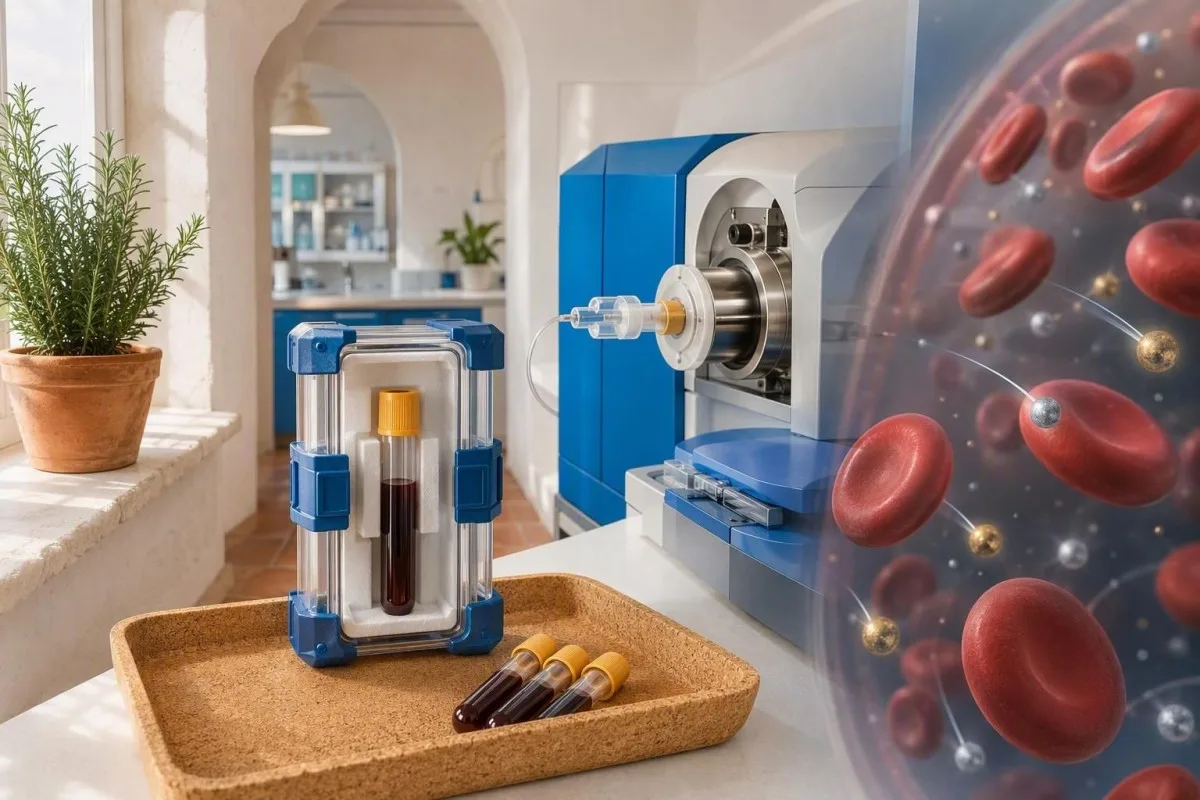
يعتبر اختبار الدم للمعادن الثقيلة الأفضل للتعرض الحديث أو المستمر للرصاص، والميثيل الزئبق، والمعادن المختارة المتعلقة بمكان العمل أو الغرسات. إنه ليس مقياسًا عامًا لـ “سموم الجسم”: البول، وتحديد أنواع المعادن، وتاريخ التعرض، وتوقيت التكرار غالبًا ما يحدد ما إذا كانت النتيجة ذات مغزى.


- الرصاص في الدم الكامل يعكس بشكل أساسي التعرض الحديث أو المستمر لمدة شهر تقريبًا؛ لا يعتبر أي مستوى للرصاص في الدم خاليًا من المخاطر.
- القيمة المرجعية للرصاص في الدم لدى الأطفال من مركز السيطرة على الأمراض والوقاية منها (CDC) هي 3.5 ميكروجرام/ديسيلتر، وهي عتبة للمتابعة وليست تشخيصًا للسمية.
- اختبار الدم للزئبق يكون أكثر فائدة للتعرض الحديث للميثيل الزئبق من الأسماك وبعض المصادر المهنية؛ لا يقيس التعرض القديم بشكل موثوق.
- البول للزرنيخ مع تحديد الأنواع هو المفضل للتعرض المشتبه به للزرنيخ غير العضوي، خاصة بعد تجنب المأكولات البحرية لمدة 48-72 ساعة.
- الكادميوم في البول يعكس بشكل عام عبء الكلى التراكمي، بينما يركز الكادميوم في الدم بشكل أكبر على التعرض الحديث.
- اختبار الشعر يمكن أن يدعم سؤالًا ضيقًا حول الميثيل الزئبقي ولكنه غير موثوق به كفحص سموم تشخيصي واسع.
- اختبار البول المحفز بعد عامل مخلبي لا يمكنه إثبات التسمم لأنه يزيد عن قصد من إفراز المعادن في البول.
- لوحات السموم الواسعة غالبًا ما تكتشف المعادن النزرة دون إظهار المرض أو المصدر أو الجرعة أو الحاجة إلى العلاج.
ما يفحصه اختبار الدم للمعادن الثقيلة فعليًا
A تحليل المعادن الثقيلة في الدم يقيس تركيز العناصر المحددة التي تدور في وقت الجمع؛ ولا يقيس “عبء السموم” مدى الحياة للشخص. الدم الكامل مفيد بشكل خاص للرصاص والميثيل الزئبقي، بينما تتغير العينة الأفضل للزرنيخ والكادميوم والكروم والكوبالت والثاليوم.
تستخدم معظم المختبرات السريرية قياس الطيف الكتلي بالبلازما المقترنة بالحث، أو ICP-MS، والتي يمكنها اكتشاف المعادن عند ميكروغرام لكل لتر أو أقل. الكشف ليس تشخيصًا: يجب مقارنة النتيجة بطريقة المختبر، وأنبوب الجمع، ووظيفة الشخص، والنظام الغذائي، والمكملات الغذائية، ووظائف الكلى، والوقت منذ الاتصال المشتبه به.
A لوحة تحليل سموم في الدم التسويق كفحص لـ 20 أو 40 معدنًا قد يبدو شاملاً، ولكن العديد من العناصر المقاسة ليس لها عتبة مرض موثقة لدى شخص لا يعاني من أعراض. في ممارستي، السؤال المفيد أضيق دائمًا تقريبًا: “هل يمكن لهذا التعرض المحدد أن يفسر هذه النتيجة أو العرض؟”
كانتيستي هو محلل تحليل الدم بالذكاء الاصطناعي الذي يضع نتائج العناصر النزرة بجانب بقية التقرير، بما في ذلك الكرياتينين، ومؤشرات الكبد، ومؤشرات خلايا الدم الحمراء. دليل مرجعي للمؤشرات الحيوية يساعد على التمييز بين النتيجة التي تتطلب مراجعة سريرية فورية وتلك التي تحتاج بشكل أساسي إلى تاريخ تعرض أفضل.
ما هي المعادن التي يمكن أن يكشفها اختبار الدم عنها بشكل موثوق؟
يمكن أن يقيس اختبار الدم بشكل موثوق العديد من المعادن، ولكن التركيز القابل للقياس له معنى مختلف لكل منها. الرصاص والزئبق والمنغنيز والكوبالت والكروم تقاس عادة في الدم الكامل؛ غالبًا ما يحتاج الزرنيخ والكادميوم إلى اختبار البول للسؤال السريري ذي الصلة.
A تحليل رصاص الدم يجب استخدام الدم الكامل الذي تم جمعه في أنبوب معتمد للعناصر النزرة لأن الرصاص يتوزع بقوة في خلايا الدم الحمراء. يفضل أخذ عينات وريدية عندما تكون نتيجة فحص الشعيرات الدموية مرتفعة، حيث يمكن أن يؤدي الغبار الموجود على الجلد إلى رفع نتيجة وخز الإصبع بشكل خاطئ.
A اختبار زئبق الدم هو الأكثر إفادة للميثيل الزئبقي من المأكولات البحرية والتعرض للزئبق العنصري الذي حدث في الأسابيع الأخيرة. غالبًا ما ينخفض الزئبق في الدم الكامل بعد تغيير في تناول الأسماك؛ يبلغ عمر النصف البيولوجي للميثيل الزئبقي حوالي 50 يومًا، لذا فإن تكرار النتيجة بعد 6-8 أسابيع يمكن أن يكون أكثر إفادة من نتيجة بعد 3 أيام.
تركيزات الكوبالت والكروم في الدم لها دور محدد في أشخاص مختارين لديهم مكونات ورك معدنية على معدنية، على الرغم من أن الأعراض والتصوير ونوع الزرع والتغيير المتسلسل تهم أكثر من رقم معزول واحد. دليلنا لـ خيارات اختبار الكروم يوضح سبب إبلاغ المختبرات بوحدات مختلفة.
اختبارات الدم للرصاص: العتبات والتوقيت والمتابعة
A مستوى الرصاص في الدم الوريدي هو الاختبار القياسي للتعرض الحديث للرصاص لدى الأطفال والبالغين. في الأطفال الأمريكيين، 3.5 ميكروغرام/ديسيلتر هي قيمة مرجع مستوى الرصاص في الدم الحالية لمراكز السيطرة على الأمراض والوقاية منها؛ فهي تحدد الأطفال الذين لديهم تعرض أعلى من معظم أقرانهم وليست خطًا فاصلًا بين الآمن وغير الآمن.
تعكس مستويات الرصاص في الدم عادةً التعرض خلال الـ 28-36 يومًا السابقة، على الرغم من أن الرصاص المخزن في العظام يمكن أن يعود إلى الدم أثناء الحمل أو انقطاع الطمث أو التئام الكسور أو المرض الشديد. لذلك، يمكن أن ينخفض مستوى الرصاص بعد مغادرة المصدر دون إثبات أن التعرض المبكر كان غير ضار.
خفضت تحديثات المراكز الأمريكية لمكافحة الأمراض والوقاية منها لعام 2021 القيمة المرجعية للأطفال من 5.0 إلى 3.5 ميكروغرام/ديسيلتر لأن التركيزات المنخفضة لا تزال ترتبط بخطر النمو على مستوى السكان (Ruckart et al.، 2021). العلاج بالاستخلاب ليس روتينيًا لطفل يبلغ 3.5 ميكروجرام/ديسيلتر؛ تحديد المصدر والتغذية والمراقبة التنموية وإعادة الاختبار هي الخطوات الأولى المعتادة.
بالنسبة للبالغين، تختلف العتبات المهنية وقواعد الإزالة حسب البلد والجنس واحتمالية الحمل والصناعة. نتيجة 45 ميكروغرام/ديسيلتر أو أعلى تستدعي مناقشة عاجلة مع أخصائي في العديد من البيئات السريرية، بينما 70 ميكروغرام/ديسيلتر أو أعلى يُعامل بشكل عام كحالة طبية طارئة تتطلب إزالة التعرض الفوري وإدارة متخصصة.
اختبارات الدم للزئبق بعد تناول السمك أو العمل أو الانسكاب
A اختبار زئبق الدم يلتقط بشكل أفضل التعرض الحديث للميثيل الزئبق من المأكولات البحرية ويمكن أن يساعد في تقييم التعرض الحديث للزئبق الأولي. إنه لا يحدد بحد ذاته شكل الزئبق أو مصدره أو مدته أو درجة الخطر العصبي.
بالنسبة لشخص بالغ يستهلك الأسماك بانتظام، فإن نتيجة إجمالي الزئبق في الدم أقل من 10 ميكروجرام/لتر غالبًا ما تُرى، ولكن فترات المرجعية للمختبر تختلف اختلافًا كبيرًا حسب الجغرافيا والنظام الغذائي. نتيجة أعلى من 20 ميكروجرام/لتر تستحق مراجعة تعرض دقيقة، خاصة أثناء الحمل أو قبل الحمل، بدلاً من إزالة السموم الارتكاسية.
يصف كلاركسون وماجوس سبب أهمية كيمياء الزئبق: يتركز الميثيل الزئبق في خلايا الدم الحمراء، في حين أن الزئبق غير العضوي يتم تمثيله بشكل أسهل في البول (Clarkson and Magos، 2006). هذا التمييز هو سبب إمكانية إحداث الزئبق الكلي وحده إنذارًا غير ضروري بعد عدة وجبات من الأسماك المفترسة الكبيرة.
لقد رأيت مريضًا قلقًا يكرر فحص مستوى الزئبق صباح اليوم التالي لتناوله السوشي؛ لم يقدم هذا الفحص المتكرر إجابات كثيرة. الخطة الأكثر فائدة هي تسجيل أنواع الأسماك وحصصها لمدة أسبوعين، واختيار الخيارات ذات محتوى الزئبق الأقل، ثم التكرار بعد حوالي 6-8 أسابيع إذا كانت النتيجة الأصلية مرتفعة بالفعل؛ راجع دليلنا للمتابعة بشأن الزئبق في المأكولات البحرية دليل متابعة الزئبق في المأكولات البحرية.
متى يكون اختبار البول أفضل من اختبار الدم
يفضل إجراء اختبار البول عندما يتم إخراج المعدن في البول أو عندما يحتاج الأطباء إلى تقدير التعرض التراكمي بدلاً من التعرض في نفس اليوم. الزرنيخ والكادميوم والزئبق غير العضوي والثاليوم هي أمثلة شائعة حيث يمكن للبول أن يجيب على السؤال السريري بشكل أفضل من الدم.
A بول 24 ساعة يقيس التجميع الإخراج الكلي على مدار يوم، ولكن غالبًا ما تستخدم عينة بول بقعة مصححة بالكرياتينين عندما تكون جودة التجميع مشكوك فيها. قد يؤدي تفويت مجموعة، أو تناول كميات كبيرة بشكل غير عادي من السوائل، أو الكرياتينين عند أي من الطرفين إلى تشويه تقدير 24 ساعة؛ تستحق تقنية التجميع نفس التدقيق مثل الرقم.
يعكس الكادميوم في البول التراكم الكلوي طويل الأمد أكثر من الكادميوم في الدم، والذي يتأثر بالتدخين الحديث أو التعرض المهني. يجب أن يشمل تفسير الكادميوم الألبومين في البول أو ACR وعلامات الأنابيب عندما يكون ذلك ضروريًا سريريًا، لأن القلق غالبًا ما يكون إصابة الأنابيب الكلوية بدلاً من درجة سمية غامضة.
أخطاء التوقيت شائعة. لدينا عملي لجمع البول لمدة 24 ساعة يوضح نقاط الفشل المعتادة، بما في ذلك البدء في وقت خاطئ ونسيان العينة النهائية.
يتطلب اختبار الزرنيخ تحديد الأنواع، وليس كمية إجمالية عامة
يتم تقييم التعرض المشتبه به للزرنيخ عادةً باستخدام تحديد أنواع الزرنيخ في البول, ، وليس لوحة الدم. يمكن أن يرتفع إجمالي الزرنيخ في البول بشكل كبير بعد المأكولات البحرية لأن الأرسينوبيتين العضوي يخرج في البول ولكنه أقل سمية بكثير من الزرنيخ غير العضوي.
يجب على الأشخاص تجنب المأكولات البحرية لمدة 48-72 ساعة قبل إجراء اختبار الزرنيخ في البول المخطط له ما لم ينصح طبيب السموم بخلاف ذلك. قد تستحق نتيجة إجمالي الزرنيخ في البول فوق 50 ميكروغرام/لتر المتابعة، ولكن لا يمكن تفسيرها بمسؤولية دون تحديد الزرنيخ غير العضوي ومستقلباته.
للزرنيخ في الدم نافذة زمنية قصيرة ذات فائدة - غالبًا ساعات بعد التعرض الكبير - لذا فإن القيمة الطبيعية للدم لا تستبعد تعرضًا ذا صلة من أيام سابقة. خلال الـ 15 عامًا التي عملت فيها مع تقارير المختبر، كان هذا أحد الأسباب الأكثر شيوعًا التي تجعل لوحة واسعة تعطي طمأنينة كاذبة.
يدعم ملف الزرنيخ الخاص بـ ATSDR اختبار البول مع تحديد الأنواع عند الاشتباه في التعرض، خاصة بعد مخاوف تتعلق بالمياه الجوفية أو الصناعية أو المنتجات العشبية (ATSDR، 2007). لا تتوقف عن تناول الأدوية الموصوفة أو تحاول العلاج بالاستخلاب أثناء انتظار النتيجة؛ يمكن للطبيب المساعدة في تحديد ما إذا كانت المياه أو العمل أو المنتج هو المصدر المحتمل.
يتطلب الكادميوم والكروم والكوبالت اختبارًا خاصًا بالتعرض
نتائج الكادميوم والكروم والكوبالت تكون ذات مغزى فقط عند مطابقتها بمصدر محتمل والعينة الصحيحة. الكادميوم في البول غالبًا ما يتم اختياره للتعرض التراكمي، بينما يستخدم الكوبالت والكروم في الدم بشكل أساسي للتعرض المهني الحديث أو المراقبة المختارة للزرعات.
يمكن أن يؤدي التدخين إلى زيادة تركيزات الكادميوم بشكل كبير، وتضيف بعض أماكن العمل تعرضًا استنشاقيًا؛ نادرًا ما يفسر تناول النظام الغذائي وحده نتيجة صارخة. وظائف الكلى مهمة لأن انخفاض الترشيح يمكن أن يغير تركيزات البول بشكل مستقل عن التعرض، لذا فإن سياق الكرياتينين وبروتين البول مفيد.
بالنسبة للشخص الذي لديه زرع ورك معدني، فإن ألم الورك الجديد، أو انخفاض الوظيفة، أو أعراض السمع أو البصر، أو أعراض اعتلال عضلة القلب، أو اتجاه الكوبالت المتزايد يتطلب تقييمًا سريريًا مباشرًا. تركيز دم الكوبالت لمرة واحدة ليس فحصًا للإرهاق غير المحدد، أو ضباب الدماغ، أو آلام المفاصل.
يمكن لـ [Kantesti] AI مقارنة العلامات الكلوية عبر تواريخ مختلفة، وهو أمر مفيد عندما تثير نتيجة معدنية تساؤلاً حول الكلى بدلاً من إثبات السببية. قم بمراجعة نتيجة GFR بعد الجفاف قبل افتراض أن تحولًا صغيرًا في الكرياتينين يمثل ضررًا متعلقًا بالمعادن.
يمكن أن تؤدي أخطاء الجمع إلى نتيجة معدنية خاطئة
النتائج المتعلقة بالمعادن النزرة عرضة بشكل غير عادي للتلوث من أنابيب الجمع، والغبار الجلدي، والمنتجات الموضعية، والمعالجة المعملية. غالبًا ما يجب تكرار النتيجة المنخفضة بشكل مفاجئ باستخدام أنبوب معتمد للعناصر النزرة قبل أن تؤدي إلى فحوصات تدخلية أو مكملات.
المسحوق من القفازات، والغبار من موقع العمل، ومواد لاصقة للأسنان تحتوي على الزنك، وحتى أنبوب جمع غير معتمد يمكن أن يؤثر على الاختبار. يمكن أن يؤثر تحلل الدم أيضًا على التفسير لبعض العناصر لأن المحتويات الخلوية تدخل المصل أو البلازما؛ يجب أن يؤدي العينة المصبوغة باللون الأحمر إلى تعليق المختبر على جودة العينة.
المصفوفة الصحيحة مهمة: دم كامل, ، المصل، البلازما، والبول ليست قابلة للتبديل. يجب عدم مقارنة تقرير يحمل علامة “زئبق المصل” بشكل عابر مع عتبة الصحة العامة المطورة للدم الكامل.
كانتيستي هو منصة تفسير المؤشرات الحيوية بواسطة الذكاء الاصطناعي الذي يقرأ نوع العينة المبلغ عنها، والوحدة، وفترة المرجع قبل تقديم السياق. برنامجنا التقنيات والطرق الإرشادية يوضح لماذا لا يمكن ربط نتيجة خارج نطاق مختبر واحد تلقائيًا بحد قرار مختبر آخر.
لماذا غالبًا ما تكون لوحات السموم في الشعر والأظافر والمنزل مضللة
لا يمكن لاختبارات الشعر والأظافر تشخيص معظم تسمم المعادن الثقيلة لدى الفرد لأن التلوث الخارجي، والعلاج التجميلي، ومعدل النمو، وتحضير المختبر يمكن أن تهيمن على النتيجة. يلعب الشعر دورًا داعمًا محدودًا للتعرض الطويل الأجل للزئبق العضوي، وليس لتقييم إزالة السموم الشامل.
ينمو الشعر حوالي 1 سم في الشهر, ، لكن هذه الحقيقة البسيطة لا تجعل كل سنتيمتر تقويمًا موثوقًا للتعرض. يمكن أن يؤدي صبغ الشعر، والتبييض، والمياه في حمامات السباحة، والغبار، والشامبو إلى تغيير التركيزات المقاسة؛ تختلف بروتوكولات الغسيل اختلافًا كبيرًا بين المختبرات.
اختبار الأظافر له قيود مماثلة وله دور ضئيل في التشخيص السريري الروتيني. عندما تقدم لوحة 25 عنصرًا، فإنها عادة ما تشير إلى شيء غير عادي إحصائيًا حتى لدى الأشخاص الأصحاء - وهي نتيجة متوقعة للمقارنات المتعددة، وليست دليلًا على أن الجسم يحتاج إلى تنظيف.
إذا كانت الأعراض هي مصدر القلق، فيجب على الأطباء أولاً البحث عن تفسيرات قياسية لها مسار تشخيصي أوضح: فقر الدم، أمراض الغدة الدرقية، أمراض الكلى، تأثيرات الأدوية، اضطراب النوم، والتغذية. مقالنا حول فحوصات الدم للألم غير المفسّر يوضح كيفية البدء دون تقليل كل عرض إلى سمية.
لماذا لا يمكن لاختبارات البول المحفزة إثبات التسمم بالمعادن
لا يمكن لاختبار المعادن في البول المحفز تشخيص تسمم المعادن الثقيلة المزمن لأن الدواء المخلب يعبث عمداً ويشجع إفراز المعادن عن طريق البول. لا تنطبق نطاقات المرجع لعينة بول غير محفزة بعد EDTA، DMSA، DMPS، أو مخلب آخر.
ترتبط المخلبات بالمعادن الموجودة بشكل طبيعي في الأنسجة والدورة الدموية، لذلك سيفرز معظم الناس كميات أكبر بعد تلقي واحدة. القطعة المفقودة الحاسمة هي مجموعة سكان مرجعية معتمدة بعد العلاج بالمخلب، والتي لا توفرها معظم التقارير التجارية.
العلاج بالمخلبات ليس حميدًا. اعتمادًا على العامل والشخص، يمكن أن يساهم في انخفاض الكالسيوم، وضغط الكلى، وردود الفعل التحسسية، واستنفاد المعادن، والتفاعلات مع العلاجات الموصوفة؛ يجب أن يتبع العلاج تعرضًا موثقًا وتقييمًا متخصصًا.
قاعدة الدكتور توماس كلاين العملية بسيطة: تحديد التعرض، الحصول على اختبار أساسي تم جمعه بشكل صحيح، ثم مناقشة العلاج. نهج التحقق الطبي لدينا تم تصميمه بواسطة Kantesti AI لتحديد متى تجعل حدود الفحص من غير المناسب إجراء تفسير واثق.
الأعراض التي تتطلب رعاية عاجلة بدلاً من لوحة أخرى
التشوش الذهني الحاد، والنوبات، والقيء الشديد، وضعف جديد، وضيق التنفس، وألم الصدر، أو التعرض المعروف لجرعة عالية يتطلب تقييمًا طبيًا عاجلاً، وليس لوحة سموم تُطلب عبر البريد. قد تحدث نتيجة دم طبيعية إذا كان الاختبار متأخرًا جدًا أو يقيس المعدن الخاطئ.
بالنسبة للطفل، يجب أن تؤدي البيكا، والتعرض لطلاء متقشر، والتراجع النمائي، أو وجود شقيق مصاب بالرصاص إلى طلب مشورة فورية من طبيب الأطفال. غالبًا ما يكون تسمم الرصاص صامتًا، لذلك لا يمكن للسلوك وحده تقدير مستوى الرصاص في الدم.
يمكن أن يسبب التعرض لبخار الزئبق العنصري السعال، وضيق التنفس، والرعشة، أو الأعراض العصبية والنفسية، بينما قد يسبب الزرنيخ غير العضوي مرضًا شديدًا في الجهاز الهضمي وعدم استقرار القلب والأوعية الدموية بعد التعرض الكبير. هذه الأنماط غير شائعة، ولكن التأخير هو الخطر - اتصل بخدمات الطوارئ أو مركز السموم عندما يكون التعرض حديثًا أو تكون الأعراض كبيرة.
قد يطلب الطبيب الإلكتروليتات، والكرياتينين، واختبارات الكبد، ومراقبة تخطيط القلب، وعلم السموم المستهدف إلى جانب فحص المعادن. دليل العلامات التحذيرية للشوارد شرح لماذا لا يتم تقييم سمية المعادن أبدًا من تركيز واحد فقط.
كيفية التعامل مع نتيجة معدنية حدودية
عادةً ما تتم إدارة نتيجة معدنية حدودية عن طريق تأكيد العينة، وإعادة بناء التعرض، وتكرار الاختبار الصحيح بعد فترة زمنية مناسبة. نادرًا ما يبرر المكملات الغذائية، أو أنظمة الصيام، أو العلاج بالاستخلاب بمفردها.
ابدأ بجدول زمني: المهنة، الهوايات، أعمال التجديد، البهارات أو العلاجات المستوردة، مصدر المياه، ميادين الرماية، أعمال المجوهرات، تناول الأسماك، وتاريخ الغرسات. سجل التواريخ، والتكرار، ومعدات الحماية، وما إذا كان الآخرون الذين يشاركون البيئة لديهم أعراض أو نتائج غير طبيعية.
يجب أن يستخدم الاختبار المتكرر نفس المصفوفة، وفي حال أمكن، نفس المختبر. قد يعكس التغيير 20% التباين البيولوجي أو التحليلي العادي لبعض العناصر النزرة، في حين أن الانخفاض المستمر بعد إزالة مصدر موثق يدعم فرضية التعرض بشكل أقوى.
يمكن لـ Kantesti تنظيم تقارير المختبر التسلسلية، ولكنها لا يمكن أن تحل محل التحقيق في التعرض أو الفحص الطبي. للنتائج جنبًا إلى جنب مفيد في إعداد جدول زمني موجز لطبيب مهني أو طبيب عام.
الأطعمة والمكملات الغذائية وحدود “إزالة السموم”
لم يثبت أي نظام عصير، أو ساونا، أو مكمل، أو بروتوكول صيام أنه يزيل التعرض للمعادن المهم سريريًا بأمان بدلاً من التحكم في المصدر. العلاج الأول لمعظم حالات التعرض منخفضة المستوى هو إيقاف المصدر ودعم التغذية العادية والترطيب والمتابعة الطبية.
يمكن أن يقلل تناول كميات كافية من الكالسيوم والحديد وفيتامين C من امتصاص الرصاص في الجهاز الهضمي لدى الأطفال الذين يعانون من نقص غذائي، ولكن الطعام ليس بديلاً عن المعالجة البيئية. يمكن أن يزيد نقص الحديد من امتصاص الرصاص، وهو أحد الأسباب التي تجعل الأطباء غالبًا ما يراجعون الفيريتين وتحليل الدم الشامل عند تأكيد التعرض للرصاص.
يمكن أن تسبب الجرعات العالية من الزنك نقص النحاس، ويمكن أن يسبب السيلينيوم غير المراقب سمية بحد ذاته. يجب التعامل مع المكمل الذي يتم تسويقه كمادة رابطة للمعادن بحذر، خاصة إذا كان يحتوي على معادن متعددة قد تعقد الاختبارات اللاحقة.
لأسئلة التغذية المعقولة، اقرأ دليلنا الخاص بـ الأطعمة الغنية بالحديد ومراجعتنا لـ سلامة جرعة السيلينيوم. الأدلة الخاصة ببرامج إزالة السموم التجارية ضعيفة بصراحة.
كيفية قراءة نتيجة معدنية جنبًا إلى جنب مع فحوصات الدم الروتينية
تصبح نتائج المعادن مفيدة سريريًا عند تفسيرها جنبًا إلى جنب مع وظائف الكلى، وعلامات الكبد، وصورة الدم الكاملة، والأعراض، ومصدر تعرض موثوق. القيمة التي تزيد قليلاً عن النطاق المرجعي دون أي من هذه الميزات الداعمة غالبًا ما تكون ذات أهمية سريرية محدودة.
قد يتزامن التعرض للرصاص مع فقر الدم الصغير أو نقص الحديد، ولكن CBC الطبيعي لا يستبعد التعرض للرصاص. تستحق أسئلة الكادميوم الاهتمام بالكرياتينين وبروتين البول، في حين لا ينبغي إلقاء اللوم تلقائيًا على تشوهات الكبد الواضحة على نتائج المعادن منخفضة المستوى.
Kantesti AI هو خدمة تفسير اختبارات مختبر الذكاء الاصطناعي الذي يترجم بيانات المختبر الخاصة بوحدة معينة إلى أسئلة للطبيب، بدلاً من إعلان تشخيص من فحص شامل للسموم. الدكتور توماس كلاين وفريقنا المجلس الاستشاري الطبي نؤكد على التحقق من المصدر، والاختبارات القابلة للتكرار، وتقديم نصائح واضحة للتصعيد.
قبل تحميل أي تقرير، قم بإزالة المعرفات غير الضرورية وتحقق من أن نوع العينة وتاريخ الجمع والوحدات مرئية. فريقنا قائمة التحقق من جودة رفع PDF يمكن أن يمنع خطأ النسخ البسيط من أن يصبح تفسيراً مخيفاً.
خطة اختبار عملية للتعرض المشتبه به في عام 2026
اعتبارًا من 3 سبتمبر 2026، تبدأ خطة الاختبار الأكثر أمانًا بفرضية تعرض محددة، ثم تختار المعدن المناسب والعينة وتاريخ الجمع. الفحص الشامل يكون منطقياً فقط عندما يحدد طبيب الصحة المهنية أو طبيب الصحة العامة تعرضًا محددًا لعدة معادن.
بالنسبة للدهانات القديمة، والأواني الفخارية المستوردة، والرماية، وعمل البطاريات، أو الغبار الملوث، اطلب اختبار الدم الوريدي الكامل للرصاص. بالنسبة لتناول الأسماك الغنية بالزئبق بشكل متكرر، ابدأ باختبار الدم الكامل للزئبق الكلي؛ بالنسبة لمياه الآبار أو الاشتباه في وجود الزرنيخ، اطلب اختبار بول الزرنيخ مع التحديد العرقي بعد تجنب المأكولات البحرية.
أحضر معك صورًا لملصقات المنتجات، وصحائف السلامة في مكان العمل، وتواريخ التجديد، ونتائج اختبارات المياه إلى الموعد. يمكن أن تكون هذه الأدلة أكثر تشخيصًا من إضافة 15 معدنًا إلى لوحة اختبار، وتجعل إجراءات الصحة العامة ممكنة عندما يكون مصدر المنزل أو العمل حقيقيًا.
يُستخدم في 127+ دولة، ولكن الحدود المحلية وقواعد الإبلاغ في مكان العمل تختلف. فريقنا أمثلة على حالات الاستخدام السريري توضح كيف يمكن للأسئلة المنظمة أن تدعم - لا أن تحل محل - طبيبك الخاص، أو خدمة السموم، أو فريق الصحة العامة المحلي.
الأسئلة الشائعة
ما هي المعادن التي يمكن أن يكشف عنها فحص الدم؟
يمكن لاختبار المعادن الثقيلة في الدم قياس الرصاص، والزئبق الكلي، والمنغنيز، والكوبالت، والكروم، والعديد من العناصر الأخرى، عادة في الدم الكامل. الدم هو الأكثر فائدة للتعرض الحديث أو المستمر، وليس لقياس التراكم مدى الحياة. يتم تقييم الرصاص عادة عن طريق اختبار الدم الكامل الوريدي، ويبلغ عمر النصف لميثيل الزئبق في الدم حوالي 50 يومًا. غالبًا ما تتطلب اختبارات البول للزرنيخ والكادميوم والزئبق غير العضوي والثاليوم للحصول على إجابة أكثر فائدة سريريًا.
كم من الوقت تبقى المعادن الثقيلة في الدم؟
يعتمد الوقت الذي يظل فيه المعدن قابلاً للقياس على شكله الكيميائي والعينة المختبرة. يعكس الرصاص في الدم بشكل عام التعرض خلال الـ 28-36 يومًا السابقة، بينما ينخفض ميثيل الزئبق عادةً خلال حوالي 50 يومًا بعد انخفاض التعرض. قد يكون الزرنيخ في الدم مفيدًا لساعات فقط بعد التعرض الكبير، لذا فإن النتيجة الطبيعية لاحقًا لا تستبعده. يمكن أن يستمر الكادميوم في الجسم لسنوات، ولكن البول عادة ما يكون أكثر إفادة لعبء الكادميوم المتراكم.
هل يعتبر فحص الدم للمعادن الثقيلة فحصًا سميًا عامًا جيدًا؟
يعتبر فحص الدم الشامل للسموم بشكل عام فحصًا ضعيفًا للإرهاق أو الصداع أو ضباب الدماغ غير المبرر لأن الكشف عن الكميات الضئيلة لا يثبت السمية. تزيد الاختبارات التي تقيس 20 عنصرًا أو أكثر من فرصة وجود علامة واحدة على الأقل متطابقة حتى في الأشخاص الأصحاء. من المرجح أن يؤدي الاختبار المستهدف بناءً على العمل أو المياه أو الدهانات أو المأكولات البحرية أو المكملات الغذائية أو الغرسات إلى نتيجة قابلة للتنفيذ. يجب على الطبيب تفسير أي تركيز مرتفع مع نوع العينة، والوحدات، والتوقيت، والأعراض، وتاريخ التعرض.
هل يجب أن أصوم قبل اختبار الدم للمعادن الثقيلة؟
لا يلزم الصيام لمعظم اختبارات الرصاص أو الزئبق في الدم. التحضير الأكثر أهمية هو تجنب التلوث وتوثيق التعرض الأخير، مثل المأكولات البحرية التي تم تناولها خلال الأسبوعين السابقين أو الاتصال في مكان العمل في يوم الاختبار. بالنسبة للزرنيخ في البول، تجنب المأكولات البحرية لمدة 48-72 ساعة قبل الجمع ما لم ينصح الطبيب بخلاف ذلك، لأن الزرنيخ العضوي في المأكولات البحرية يمكن أن يزيد من إجمالي الزرنيخ في البول. لا تتوقف عن تناول الأدوية الموصوفة أو تناول منتج مخلب قبل الاختبار.
ما هو مستوى الرصاص في الدم المقلق؟
بالنسبة للأطفال في الولايات المتحدة، فإن مستوى الرصاص في الدم الوريدي البالغ 3.5 ميكروغرام/ديسيلتر أو أعلى يلبي قيمة مرجع الرصاص في الدم الصادرة عن مراكز السيطرة على الأمراض (CDC) ويجب أن يؤدي إلى متابعة التعرض. هذا ليس حدًا فاصلًا بين آمن وخطير، لأنه لا يُعرف أن أي مستوى من مستويات التعرض للرصاص خالٍ تمامًا من المخاطر. تتطلب المستويات من 20 إلى 44 ميكروغرام/ديسيلتر تقييمًا سريريًا فوريًا، وتتطلب المستويات التي تبلغ 45 ميكروغرام/ديسيلتر أو أعلى بشكل عام مناقشة عاجلة مع أخصائي. تختلف مستويات الإجراءات المهنية للبالغين حسب البلد والوظيفة والجنس وإمكانية الحمل.
هل اختبارات الشعر دقيقة للمعادن الثقيلة؟
اختبارات الشعر ليست موثوقة لتشخيص معظم حالات التسمم بالمعادن الثقيلة لأن الغبار الخارجي، وصبغات الشعر، والتبييض، والشامبو، وطرق الغسيل في المختبر يمكن أن تغير النتائج. ينمو الشعر حوالي 1 سم شهريًا، ولكنه ليس سجلًا دقيقًا للتعرض التاريخي للفرد. قد يدعم تحليل الشعر أحيانًا تقييم التعرض طويل الأمد لميثيل الزئبق تحت إشراف أخصائي. لا ينبغي استخدام نتيجة شعر غير طبيعية وحدها لتبرير العلاج بالاستخلاب أو برنامج إزالة السموم.
هل يمكن لاختبار الكَلاَت أن يُظهر ما إذا كنت أعاني من تسمم بالمعادن؟
لا، لا يمكن للبول الذي تم جمعه بعد دواء الاستخلاب إثبات التسمم بالمعادن لأن الدواء يزيد بشكل متعمد من إفراز المعادن. تُشتق النطاقات المرجعية القياسية للبول من عينات تم جمعها بدون عامل استخلاب ولا يمكن مقارنتها بنتيجة ما بعد الاستخلاب. يمكن أن يسبب الاستخلاب إجهادًا للكلى، واضطرابات المعادن، وآثارًا ضارة أخرى، خاصة عند استخدامه بدون دليل موثق. يجب أولاً إجراء اختبارات الدم أو البول الأساسية المجمعة بشكل صحيح وتحقيق التعرض.
احصل على تحليل الدم بالذكاء الاصطناعي اليوم
انضم إلى أكثر من 2 مليون مستخدم حول العالم يثقون في Kantesti لتحليل فوري ودقيق لفحوصات المختبر. ارفع نتائج تحليل الدم واحصل على تفسير شامل لمؤشرات 15,000+ الحيوية خلال ثوانٍ.
📚 منشورات بحثية مُشار إليها
كلاين، تي.، ميتشل، إس.، & ويبر، إتش. (2026). الإسهال بعد الصيام، ووجود بقع سوداء في البراز، ودليل الجهاز الهضمي 2026. Kantesti أبحاث طبية بالذكاء الاصطناعي.
كلاين، تي.، ميتشل، إس.، & ويبر، إتش. (2026). دليل صحة المرأة: التبويض، انقطاع الطمث، والأعراض الهرمونية. Kantesti أبحاث طبية بالذكاء الاصطناعي.
📖 مراجع طبية خارجية
Agency for Toxic Substances and Disease Registry (2007). الملف السمّي للزرنيخ. وزارة الصحة والخدمات الإنسانية الأمريكية.
⚕️ إخلاء مسؤولية طبية
هذه المقالة لأغراض تعليمية فقط ولا تشكل نصيحة طبية. استشر دائمًا مقدم رعاية صحية مؤهلًا لاتخاذ قرارات التشخيص والعلاج.
إشارات الثقة E-E-A-T
خبرة
مراجعة سريرية تقودها طبيبة/طبيب لخطوات تفسير نتائج المختبر.
خبرة
تركيز طب المختبر على كيفية سلوك المؤشرات الحيوية في السياق السريري.
السلطة
تمّت الكتابة بواسطة الدكتور توماس كلاين مع مراجعة من الدكتور سارة ميتشل والأستاذ الدكتور هانس فيبر.
الجدارة بالثقة
تفسير قائم على الأدلة مع مسارات متابعة واضحة لتقليل حالة الإنذار.