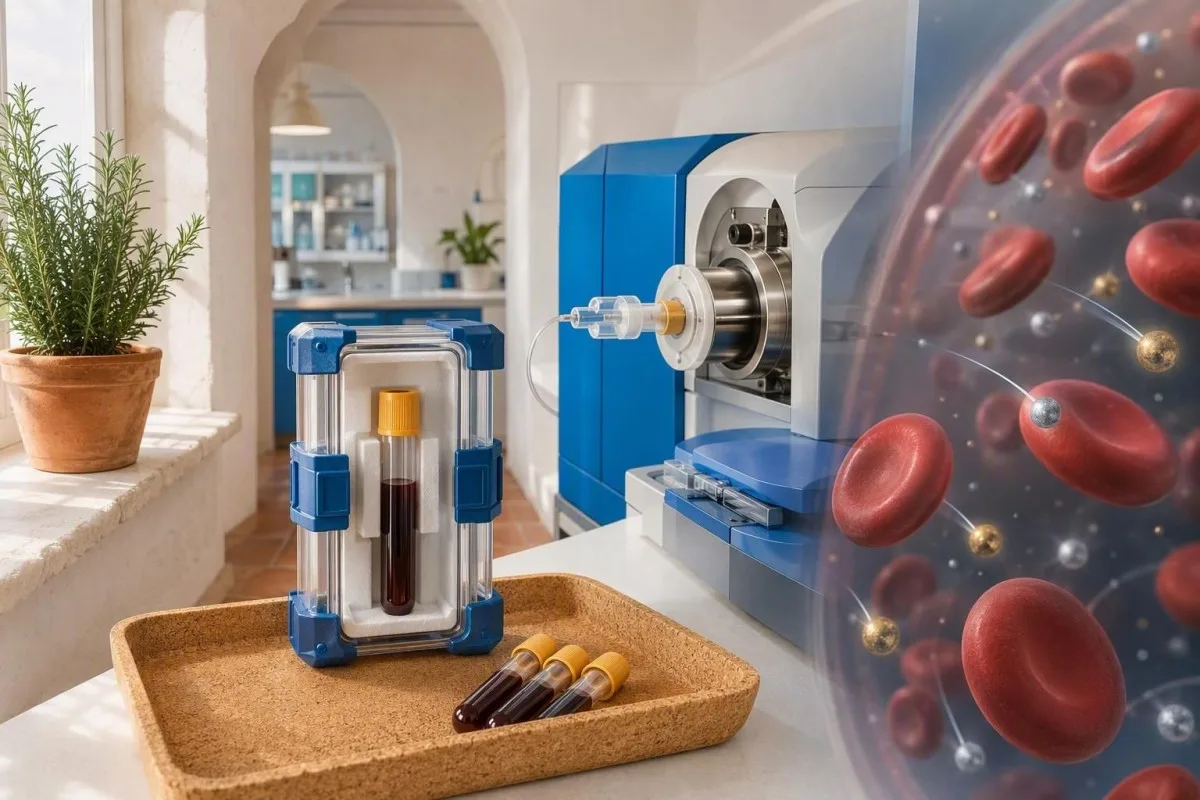
Ауыр металдарға қан анализі қорғасынға, метилмеркурийге және жұмыс орнына немесе имплантқа байланысты таңдалған металдарға жақында немесе үнемі әсер еткен жағдайда ең жақсы нәтиже береді. Бұл “дене токсиндерінің” жалпы өлшемі емес: зәр, металдарды анықтау, әсер ету тарихы және қайта тексеру уақыты нәтиженің мағыналы екенін анықтайды.


- Бүкіл қандағы қорғасын негізінен шамамен 1 ай ішіндегі жақында немесе үнемі болған әсерді көрсетеді; қорғасынның қандағы ешқандай деңгейі қауіпсіз болып саналмайды.
- Балалардағы қорғасынның референтті мәні (CDC) 3.5 мкг/дл құрайды, бұл токсикологиялық диагноз емес, қосымша тексеру шекті мәні.
- Сынапқа қан анализін жүргізу балықтан және кейбір кәсіптік көздерден метилмеркурийдің жақында әсер етуі үшін ең тиімді; ескі әсерді сенімді өлшемейді.
- Зәрдегі мышьякты анықтау әдісімен мышьяктың бейорганикалық қосылыстарының әсер етуі күдікті болған жағдайда, әсіресе теңіз өнімдерін 48-72 сағат бойы тұтынбағаннан кейін артықшылықты болып табылады.
- Зәрдегі кадмий әдетте бүйрекке жинақталған жүктемені жақсы көрсетеді, ал қандағы кадмий жақында болған әсерге көбірек бағытталған.
- Шашты тестілеу метилқұрамындағы сынапқа қатысты нақты сұрақты растай алады, бірақ жалпы диагностикалық улы заттарды скринингі ретінде сенімсіз.
- Қоздырылған зәрді тестілеу хелатты агенттен кейін улылануды анықтай алмайды, себебі ол әдейі зәр шығару арқылы металды шығаруды арттырады.
- Жалпы улы заттар панелі ауруды, көзді, дозаны немесе емдеу қажеттілігін көрсетпей, микроэлементтерді жиі анықтайды.
Ауыр металдарға қан анализі нені тексереді
A ауыр металдар қан анализі жинау уақытында айналымдағы арнайы элементтердің концентрациясын өлшейді; адамның өмір бойы “улы заттардың жүктемесін” өлшемейді. Толық қан қорғасын мен метилқұрамындағы сынап үшін, ал күміс, кадмий, хром, кобальт және талий үшін ең жақсы үлгі өзгереді.
Көптеген клиникалық зертханалар индуктивті байланысқан плазмалы массалық спектрометрияны немесе ICP-MS қолданады, олар литрдегі микрограмм немесе одан төмен металдарды анықтай алады. Анықтау - диагноз емес: нәтиже зертхананың әдісімен, жинау түтігімен, адамның жұмысымен, диетасымен, қоспаларымен, бүйрек функциясымен және болжамды байланысқан уақыттан бері өткізілуі керек.
A токсиндер қан анализі 20 немесе 40 металды скрининг ретінде сатылатын, жан-жақты болып көрінуі мүмкін, бірақ анықталған көптеген элементтердің симптомы жоқ адамда расталған ауру шегі жоқ. Менің тәжірибемде, пайдалы сұрақ әрқашан нақтырақ: “Бұл нақты әсер бұл нәтижені немесе симптомды түсіндіре ала ма?”
Кантести - бұл AI қан анализінің анализаторы микроэлементтердің нәтижелерін есептің қалған бөлігімен, соның ішінде креатинин, бауыр маркерлері және эритроцит индекстерімен қатар қояды. Біздің биомаркер анықтамалық нұсқаулық жедел клиникалық қарауды талап ететін нәтижені, әсер ету тарихын жақсырақ талап ететін нәтижеден ажыратуға көмектеседі.
Қан анализімен қандай металдарды сенімді анықтауға болады?
Қанды тестілеу бірнеше металдарды сенімді түрде сандық көрсетуі мүмкін, бірақ өлшенетін концентрация әрбір метал үшін әр түрлі мағынаға ие. Қорғасын, сынап, марганец, кобальт және хром әдетте толық қанда өлшенеді; мышьяк және кадмий, әдетте, клиникалық маңызы бар сұрақтар үшін зәрді тестілеуді қажет етеді.
A Қорғасынның қан талдауы қорғасын қызыл қан клеткаларына күшті әсер ететіндіктен, сертификатталған микроэлементтер түтігінде жиналған толық қанды қолдану керек. Сынама капиллярлық скрининг нәтижесі жоғары болғанда, венадан алу артықшылықты, себебі терідегі шаң саусақтан алынған нәтижені жалған түрде жоғарылатуы мүмкін.
A Сынаптың қан талдауы соңғы апталарда пайда болған теңіз өнімдерінен алынған метилқұрамындағы сынап пен элементтік сынап әсері үшін ең ақпаратты. Толық қандағы сынап балықты тұтыну өзгергеннен кейін жиі төмендейді; метилқұрамындағы сынаптың биологиялық жартылай ыдырау мерзімі шамамен 50 күнді құрайды, сондықтан 6-8 аптадан кейін қайта алынған нәтиже 3 күннен кейін алынған нәтижеден гөрі ақпаратты болып табылады.
Кобальт пен хромның қандағы концентрациясы металл-металл жамбас компоненттері бар таңдалған адамдарда белгілі бір рөл атқарады, бірақ симптомдар, бейнелеу, имплант түрі және сериялық өзгерістер жеке сандық көрсеткіштен маңыздырақ. Біздің басшылығымыз хромды тестілеу таңдауы зертханалардың әр түрлі бірліктерді хабарлауы мүмкін екенін түсіндіреді.
Қорғасынға қан анализін жүргізу: шекті мәндер, уақыты және қосымша шаралар
A венадан алынған қорғасын деңгейі балалар мен ересектерде қорғасынның жақында болған әсерін анықтайтын стандартты тест болып табылады. АҚШ балаларында 3.5 мкг/дл - бұл CDC-нің қорғасын деңгейінің ағымдағы сілтемелік мәні; бұл көптеген әріптестеріне қарағанда жоғары әсері бар балаларды анықтайды және қауіпсіз және қауіпті арасындағы шекара емес.
Уровни свинца в крови обычно отражают воздействие в течение предыдущих 28-36 дней, хотя свинец, хранящийся в костях, может повторно поступать в кровь во время беременности, менопаузы, заживления переломов или тяжелых заболеваний. Поэтому уровень может снизиться после прекращения воздействия, не доказывая, что предыдущее воздействие было безвредным.
Обновление CDC 2021 года снизило референтное значение для детей с 5,0 до 3,5 мкг/дл поскольку более низкие концентрации по-прежнему коррелируют с риском развития на популяционном уровне (Ruckart et al., 2021). Хелация не является рутинной для ребенка при 3,5 мкг/дл; выявление источника, питание, наблюдение за развитием и повторное тестирование являются обычными первыми шагами.
Для взрослых профессиональные пороговые значения и правила вывода различаются в зависимости от страны, пола, возможности беременности и отрасли. Результат 45 мкг/дл немесе одан жоғары требует срочного обсуждения со специалистом во многих клинических условиях, тогда как 70 мкг/дл немесе одан жоғары обычно рассматривается как неотложное состояние, требующее немедленного устранения воздействия и экспертного управления.
Балық, жұмыс немесе төгілуден кейін сынапқа қан анализін жүргізу
A Сынаптың қан талдауы наилучшим образом отражает недавнее воздействие метилртути из морепродуктов и может помочь оценить недавнее воздействие элементарной ртути. Само по себе оно не определяет форму ртути, источник, продолжительность или степень неврологического риска.
Для взрослого человека, регулярно употребляющего рыбу, общий уровень ртути в крови ниже 10 мкг/л часто встречается, но лабораторные референтные интервалы сильно различаются в зависимости от географии и диеты. Результат выше 20 мкг/л заслуживает тщательного анализа воздействия, особенно во время беременности или перед зачатием, а не рефлекторной детоксикации.
Clarkson и Magos описывают, почему химия ртути имеет значение: метилртуть концентрируется в эритроцитах, тогда как неорганическая ртуть легче представлена в моче (Clarkson and Magos, 2006). Это различие объясняет, почему только общий уровень ртути может вызвать ненужную тревогу после нескольких порций крупной хищной рыбы.
Мен балық өнімдерін жегеннен кейін бірден сынақ тапсырған ашулы науқасты көрдім; бұл қайта сынау нәтижесінде ештеңе анықталмады. Балық түрлерін және порцияларын 2 апта бойы жазып, сынапты азайтатын нұсқаларды таңдап, содан кейін алғашқы нәтиже шынымен де жоғары болса, 6-8 аптадан кейін қайта сынау – бұл тиімдірек жоспар; біздің теңіз өнімдеріндегі сынапты бақылау нұсқаулығымызды қараңыз.
Қан анализінен гөрі зәр анализі қашан жақсы
Зәр сынағы, егер металл зәрмен шығарылса немесе клиницисттер сол күнгі емес, жинақталған әсерді бағалағысы келсе, тиімдірек болады. Мышьяк, кадмий, бейорганикалық сынап және таллий зәр арқылы қанға қарағанда клиникалық сұрақтарға жақсы жауап бере алатын жалпы мысалдар.
A 24 сағаттық зәр жинау күндізгі жалпы шығарылуды өлшейді, бірақ жинау сапасы күмәнді болған жағдайда креатининге түзетілген бір реттік зәр үлгісі жиі қолданылады. Жинауды өткізіп алу, сұйықтықты шамадан тыс көп ішу немесе кез келген ұшындағы креатинин 24 сағаттық бағалауды бұзуы мүмкін; жинау техникасы сандық бағалаумен бірдей тексеруді талап етеді.
Зәрдегі кадмий қандағы кадмийге қарағанда, бүйректің ұзақ мерзімді жинақталуын жақсырақ көрсетеді, бұл жақында темекі шегуге немесе кәсіптік әсерге байланысты. Кадмийді бағалау кезінде клиникалық көрсеткіштер бойынша зәр альбумині немесе ACR және түтікше маркерлері кіруі тиіс, өйткені қызығушылық көбінесе жалпы уыттылық емес, бүйрек түтікшелерінің зақымдануы болып табылады.
Уақытты қате есептеу жиі кездеседі. Біздің практикалық 24 сағаттық несеп жинау жөніндегі нұсқаулық нұсқаулық қалыпты емес уақытта бастауды және соңғы үлгіні ұмытып қалуды қамтитын әдеттегі қателіктерді сипаттайды.
Мышьякты анықтау үшін жалпы көрсеткіш емес, анықтау әдісі қажет
Мышьякпен уланудың ықтимал жағдайлары әдетте зәр мышьягының түрлерін анықтаумен, бағаланады, қан панелімен емес. Теңіз өнімдерінен кейін жалпы зәр мышьягы жоғарылауы мүмкін, өйткені органикалық мышьякбетаин зәрмен шығарылады, бірақ бейорганикалық мышьяктан әлдеқайда аз улы.
Адамдар сынаққа дейін 48-72 сағат теңіз өнімдерін жеуден бас тартуы керек, егер токсиколог басқаша кеңес бермесе. Жалпы зәр мышьягының деңгейі 50 мкг/л-ден жоғары болса, бақылау қажет болуы мүмкін, бірақ бейорганикалық мышьякты және оның метаболиттерін анықтамай-ақ оны жауапкершілікпен бағалау мүмкін емес.
Қандағы мышьяктың әсер ету мерзімі қысқа – әдетте елеулі әсерден кейін бірнеше сағат ішінде – сондықтан қандағы қалыпты мән бірнеше күн бұрын болған тиісті әсерді жоққа шығармайды. Мен зертханалық есептермен жұмыс істеген 15 жыл ішінде бұл кең панельдің жалған сенім тудыратын ең жиі себептерінің бірі болып табылады.
ATSDR мышьяк профилі, әсіресе құдық суы, өнеркәсіптік немесе шөп өнімдеріне қатысты күдік болған кезде, түрлерін анықтаумен зәр сынағын қолдауды ұсынады (ATSDR, 2007). Нәтижені күтіп тұрғанда тағайындалған дәрі-дәрмектерді тоқтатпаңыз немесе хелация жасауға тырыспаңыз; клиницист су, жұмыс орны немесе өнімнің ықтимал көзі екенін анықтауға көмектесе алады.
Кадмий, хром және кобальт үшін әсер етуге байланысты арнайы тестілеу қажет
Кадмий, хром және кобальт нәтижелері тек ықтимал көзбен және дұрыс үлгімен сәйкестендірілгенде ғана мағыналы болады. Зәрдегі кадмий жинақталған әсер үшін жиі таңдалады, ал қандағы кобальт пен хром негізінен жақында болған кәсіптік әсер немесе имплантты бақылау үшін қолданылады.
Темекі шегу кадмий концентрациясын айтарлықтай арттыруы мүмкін, ал кейбір жұмыс орындарында ингаляциялық әсер пайда болады; диеталық қабылдау сирек кездесетін айқын нәтижені түсіндіреді. Бұйрек функциясы маңызды, өйткені сүзгінің азаюы әсер етуден тәуелсіз зәр концентрациясын өзгертуі мүмкін, сондықтан креатинин мен зәр ақуызының контексті пайдалы.
Металл имплантаты бар адамда жаңа жамбас ауырсынуы, қызметінің төмендеуі, есту немесе көру симптомдары, кардиомиопатия симптомдары немесе кобальт деңгейінің жоғарылауы клиникалық тексеруді қажет етеді. Бір реттік қандағы кобальт концентрациясы спецификалық емес шаршау, мидың бұлыңғырлануы немесе буын аурулары үшін скрининг болып табылмайды.
Kantesti AI бүйрек маркерлерін әртүрлі күндер бойынша салыстыра алады, бұл металдың нәтижесі себептілікті дәлелдеуден гөрі, бүйрекке қатысты сұрақ тудырған кезде пайдалы. сусызданудан кейінгі GFR нәтижесін қараңыз креатининнің кішігірім өзгеруін металға байланысты зақымдану деп санамас бұрын.
Алынған үлгілердегі қателіктер металдардың жалған нәтижесін беруі мүмкін
Микроэлементтердің нәтижелері жинау түтіктерінен, тері шаңынан, жергілікті өнімдерден және зертханалық өңдеуден ластануға ерекше бейім. Таңқаларлықтай төмен деңгейдегі нәтиже әдетте инвазивті тексерулерді немесе қоспаларды бастамас бұрын сертификатталған микроэлемент түтігін қолданып қайталануы керек.
Қолғаптардағы ұнтақ, жұмыс орнындағы шаң, цинк бар тіс протез желімдері және тіпті сертификатталмаған жинау түтігі сынақты әсер етуі мүмкін. Кейбір элементтер үшін гемолиз интерпретацияны өзгертуі мүмкін, себебі жасуша ішіндегі заттар сарысуға немесе плазмаға енеді; қызыл реңкті үлгі зертхананы үлгі сапасы туралы ескертуге мәжбүр етуі керек.
Дұрыс матрица маңызды: цільна кров, сарысу, плазма және зәр алмастырылмайды. “Сарысудағы сынап” деп белгіленген есепті бүтін қанға арналған қоғамдық денсаулық шегімен кездейсоқ салыстыруға болмайды.
Кантести - бұл AI биомаркерлерін түсіндіру платформасы хабарланған үлгі түрін, бірлігін және анықтамалық интервалын оқып, контекст ұсынады. Біздің технологиямыз бен әдістеріміз бір зертхананың диапазонынан тыс нәтижені басқа зертхананың шешім шегіне автоматты түрде аударуға болмайтынын түсіндіреді.
Шаш, тырнақ және үйдегі токсиндерді анықтайтын панельдер неге жиі адастырады
Шаш және тырнақ сынақтары көптеген ауыр металдармен улануды жеке адамда диагностикалай алмайды, себебі сыртқы ластану, косметикалық емдеу, өсу қарқыны және зертханалық дайындық нәтижені басып озуы мүмкін. Шаш мерзімді метилсындырылған сынап экспозициясын қолдау рөлі шектеулі, жаппай детокс бағалау үшін емес.
Шаш шамамен өседі айына 1 см, бірақ бұл қарапайым факт әр сантиметрді сенімді экспозиция күнтізбесіне айналдырмайды. Шаш бояуы, ағартқыш, бассейндердің суы, шаң және сусабындар өлшенген концентрацияларды өзгертуі мүмкін; жуу протоколдары зертханалар арасында айтарлықтай өзгешеленеді.
Тырнақ сынағы ұқсас шектеулерге ие және кәдімгі клиникалық диагностикада рөлі аз. Панель 25 элементті хабарлағанда, ол әдетте сау адамдарда да статистикалық жағынан әдеттен тыс бірдеңені белгілейді - бұл көптеген салыстырулардың күтілетін нәтижесі, ағза тазартуды қажет ететіндігі туралы дәлел емес.
Симптомдар алаңдаса, клиницистер алдымен айқынырақ диагностикалық жолы бар стандартты түсіндірулерді іздеуі керек: анемия, қалқанша безі ауруы, бүйрек ауруы, дәрі-дәрмектердің әсері, ұйқының бұзылуы және тамақтану. Біздің мақаламыз түсініксіз ауыру кезіндегі қан талдаулары симптомдардың барлығын уыттылыққа дейін төмендетпей бастауды көрсетеді.
Металл улануын зәрді ынталандыру арқылы анықтайтын тесттер неге дәлелдей алмайды
Провокациялық зәр металл сынағы созылмалы ауыр металдармен улануды диагностикалай алмайды, себебі хелациялық препарат әдейі металдарды mobilization және несеппен шығаруды арттырады. Провокацияланбаған зәр үлгісінен алынған анықтамалық диапазондар EDTA, DMSA, DMPS немесе басқа хелатордан кейін қолданылмайды.
Хелаторлар қалыпты түрде тіндерде және айналымда болатын металдарды байланыстырады, сондықтан оларды алғаннан кейін көпшілігі көбірек бөліп шығарады. Маңызды жетіспейтін бөлік - бұл расталған хелациядан кейінгі анықтамалық популяция, оны көптеген коммерциялық есептер бермейді.
Хелация зиянсыз емес. Агентке және адамға байланысты, ол кальцийдің төмендеуіне, бүйрек стресіне, аллергиялық реакцияларға, минералдардың сарқылуына және тағайындалған емдеу әдістерімен өзара әрекеттесуіне ықпал етуі мүмкін; емдеу жазылған экспозиция мен мамандардың бағалауынан кейін жүргізілуі керек.
Доктор Томас Клейннің практикалық ережесі қарапайым: экспозицияны анықтау, дұрыс жиналған базалық тестті алу, содан кейін емдеуді талқылау. медициналық валидация тәсіліміз Kantesti AI арқылы пайдаланылатын нәрсе, сынақтың шектеулері сенімді интерпретацияны қолайсыз еткен кезде белгілеуге арналған.
Басқа панельге қарағанда шұғыл медициналық көмекке мұқтаж болатын симптомдар
Жедел ми қабынуы, құрысулар, қатты құсу, жаңа пайда болған әлсіздік, ентігу, кеуде ауырсынуы немесе белгілі жоғары дозада әсер ету жедел медициналық бағалауды талап етеді, пошта арқылы тапсырыс берілетін улы заттарды тексеруді емес. Егер тестілеу тым кеш болса немесе дұрыс емес металды өлшесе, қанның қалыпты нәтижесі пайда болуы мүмкін.
Балалар үшін пика, боялған қабықшамен жанасу, дамуының кері кетуі немесе қандағы қорғасын деңгейі жоғары ағасы бар болса, педиатордың жедел кеңесін алу қажет. Қорғасынмен улану көбінесе симптомсыз өтеді, сондықтан мінез-құлық бойынша қандағы қорғасын деңгейін бағалау мүмкін емес.
Элементтік сынап буының әсерінен жөтел, ентігу, діріл немесе нейропсихиатриялық симптомдар пайда болуы мүмкін, ал бейорганикалық мышьяк ірі әсер еткеннен кейін қатты ас қорыту жүйесінің ауруына және жүрек-қантамыр тұрақсыздығына әкелуі мүмкін. Бұл үлгілер сирек кездеседі, бірақ кідіру қаупі бар — әсер ету жақында болған немесе симптомдар айтарлықтай болған кезде жедел жәрдем қызметтеріне немесе улану орталығына қоңырау шалыңыз.
Клиникалық маман металл сынағымен қатар электролиттерді, креатинин, бауыр сынақтарын, ЭКГ мониторингін және мақсатты токсикологияны тағайындауы мүмкін. Біздің электролиттік «қызыл жалауша» нұсқаулығы металл уыттылығының бір концентрациядан ғана бағаланбайтынын түсіндіреді.
Металдың шекаралық нәтижесімен қалай жұмыс істеуге болады
Аралық металл нәтижесі әдетте сынаманы растау, әсер етуді қалпына келтіру және тиісті аралықтан кейін дұрыс тестіні қайталау арқылы басқарылады. Бұл тек өзі үшін қоспаларды, ораза режимін немесе хеляцияны сирек қамтамасыз етеді.
Уақыт шкаласынан бастаңыз: кәсібі, хоббиі, жөндеу жұмыстары, импортталған дәмдеуіштер немесе дәрі-дәрмектер, су көзі, атыс алаңдары, зергерлік бұйымдармен жұмыс, балықты тұтыну, имплантат тарихы. Күндерді, жиілікті, қорғаныш құралдарын және қоршаған ортаны бөлісетін басқалардың симптомдары немесе ауытқу нәтижелері бар-жоғын жазыңыз.
Тестілеуді қайталау бірдей матрицаны және, мүмкіндігінше, бірдей зертхананы қолдануы керек. Бір 20% өзгерісі кейбір ізді элементтер үшін қалыпты биологиялық немесе аналитикалық ауытқуды көрсете алады, ал құжатталған көзді жоюдан кейінгі тұрақты төмендеу әсер ету гипотезасын күштірек қолдайды.
Kantesti сериялы зертханалық есептерді ұйымдастыра алады, бірақ ол әсер етуді зерттеуді немесе медициналық тексеруді алмастыра алмайды. Біздің қатар нәтижелер нұсқаулығы кәсіби дәрігерге немесе ЖҚД-ға арналған қысқаша уақыт шкаласын дайындау үшін пайдалы.
Тағам, қоспалар және “детокс”-тың шектеулері”
Ешбір шырынды тазалау, сауна, қоспалар немесе ораза ұстау протоколы көзді бақылау орнына клиникалық маңызы бар металды әсер етуді қауіпсіз жоюды көрсеткен жоқ. Көптеген төмен деңгейлі әсерлер үшін бірінші емдеу - бұл көзді тоқтату және қалыпты тамақтануды, суаруды және медициналық бақылауды қолдау.
Жеткілікті кальций, темір және С дәруменінің қабылдануы тамақтану тапшылығы бар балаларда ас қорыту жолдарынан қорғасынның сіңуін азайта алады, бірақ тамақ қоршаған ортаны қалпына келтірудің орнына бола алмайды. Темір тапшылығы қорғасынның сіңуін арттыруы мүмкін, бұл клиника мамандары қорғасынмен әсер ету расталған кезде ферритин мен толық қан анализін жиі тексереді.
Жоғары дозадағы мырыш мыс тапшылығын тудыруы мүмкін, ал қадағаланбайтын селеннің өзі улануы мүмкін. Металды байланыстыратын зат ретінде сатылатын қоспаларға, әсіресе егер оның құрамында кейінгі тестілеуді қиындататын бірнеше минералдар болса, сақтықпен қарау керек.
Ақылды тамақтану сұрақтары бойынша біздің нұсқаулығымызды оқыңыз темірге бай тағамдар және біздің шолуымыз селен дозасының қауіпсіздігі. Коммерциялық детокс бағдарламаларының дәлелі шынымен де әлсіз.
Металдың нәтижесін қалыпты қан жұмысымен қатар қалай оқуға болады
Металл нәтижелері бүйрек функциясы, бауыр маркерлері, толық қан санағы, симптомдар және сенімді әсер ету көзімен бірге бағаланған кезде клиникалық пайдалы болады. Осы қолдаушы белгілерсіз сілтеме аралығынан сәл жоғары мән көбінесе клиникалық маңызы шектеулі болады.
Қорғасынмен әсер ету микроцитозбен немесе темір тапшылығымен қатар жүруі мүмкін, бірақ қалыпты CBC қорғасынмен әсер етуді жоққа шығармайды. Кадмий сұрақтары креатинин мен зәрдегі ақуызға назар аударуды талап етеді, ал айтарлықтай бауыр ауытқуларын автоматты түрде төмен деңгейдегі металды анықтауға кінәлауға болмайды.
Kantesti AI — бұл AI зертханалық талдау интерпретациясы қызметінде жарияланады бір звеноға арналған зертханалық деректерді клиника маманына қойылатын сұрақтарға аударады, кең улы заттарды скринингінен диагноз қоюдан гөрі. Доктор Томас Клейн және біздің Медициналық консультативтік кеңес дереккөзді тексеруді, қайталануға болатын тестілеуді және нақты іс-қимыл туралы кеңестерді атап көрсету.
Кез келген есепті жүктемес бұрын, қажетсіз идентификаторларды алып тастаңыз және сынама түрі, жинау күні және бірліктері көрінетініне көз жеткізіңіз. Біздің PDF жүктеу сапасын тексеру тізіміне байланысты, онда сипатталғандай, анық бастапқы құжаттар қажет. қарапайым транскрипция қателерінің қорқынышты интерпретацияға айналуын болдырмайды.
2026 жылы әсер ету күдігіне байланысты практикалық сынақ жоспары
3 қыркүйек 2026 жылдан бастап ең қауіпсіз сынақ жоспары нақты жағдай туралы болжамнан басталады, содан кейін дұрыс металды, сынаманы және жинау күнін таңдайды. Жаппай скрининг тек кәсіптік немесе қоғамдық денсаулық сақтау клиницисі көп металдың белгілі бір әсерін анықтағанда ғана орынды болады.
Ескі бояулар, импорттық керамика, атыс, батарея жұмыстары немесе ластанған шаң үшін веналық бүкіл қан қорғасын сұраңыз. Жоғары сынапты балықты жиі тұтыну үшін бүкіл қанның жалпы сынабынан бастаңыз; құдық суы немесе мышьяктың күдікті болуы үшін теңіз өнімдерін болдырмағаннан кейін зәр мышьякты спецификациямен сұраңыз.
Өнім жапсырмаларының, жұмыс орнының қауіпсіздік парақтарының, жөндеу күндерінің және су сынағының нәтижелерінің суреттерін кездесуге әкеліңіз. Бұл дәлелдер 15 металды панельге қосқаннан гөрі диагноз қоюға көмектеседі және үй немесе жұмыс көзі болған кезде қоғамдық денсаулық сақтау шараларын мүмкін етеді.
Kantesti 127+ елдерінде қолданылады, бірақ жергілікті шекті мәндер мен жұмыс орнында есеп беру ережелері әртүрлі. Біздің клиникалық қолданыс жағдайларының мысалдары құрылымдалған сұрақтардың сіздің клиницистіңізді, токсикологиялық қызметіңізді немесе жергілікті қоғамдық денсаулық сақтау тобыңызды қалай қолдайтынын, бірақ алмастырмайтынын көрсетеді.
Жиі қойылатын сұрақтар
Қан анализі қандай металдарды анықтай алады?
Ауыр металдардың қан анализі бүкіл қанда қорғасынды, жалпы сынапты, марганецті, кобальтты, хромды және басқа бірнеше элементтерді анықтай алады. Қан өткен немесе ағымдағы әсерді бағалау үшін ең пайдалы, өмір бойы жинақталғанды өлшеу үшін емес. Қорғасын әдетте көк тамырдан бүкіл қанды сынау арқылы бағаланады, ал метилртутьтің қандағы жартылай ыдырау кезеңі шамамен 50 күнді құрайды. Мышьяк, кадмий, бейорганикалық сынап және таллий клиникалық тұрғыдан пайдалы жауап алу үшін жиі зәр анализін талап етеді.
Қанда ауыр металдар қанша уақытқа дейін сақталады?
Металдың өлшенетін уақыты оның химиялық формасына және сынамаға байланысты. Қандағы қорғасын әдетте алдыңғы 28-36 күндегі әсерді көрсетеді, ал метилртуть әсер азайғаннан кейін шамамен 50 күн ішінде азаяды. Қандағы мышьяк елеулі әсерден кейін тек бірнеше сағат ішінде пайдалы болуы мүмкін, сондықтан кейінірек қалыпты нәтиже оны жоққа шығармайды. Кадмий ағзада жылдар бойы сақталуы мүмкін, бірақ зәр әдетте жинақталған кадмий жүктемесі үшін көбірек ақпарат береді.
Қандағы ауыр металлдарды тексеру улы заттарды анықтаудың жақсы жалпы әдісі болып табыла ма?
Жаппай уытты қан сынағы әдетте түсініксіз шаршау, бас ауруы немесе мидың тұмандануы үшін нашар жалпы скрининг болып табылады, себебі іздерді анықтау уыттылықты анықтамайды. 20 немесе одан да көп элементтерді өлшейтін панельдер тіпті сау адамдарда да кем дегенде бір шекарадағы белгіні алу мүмкіндігін арттырады. Жұмыс, су, бояу, теңіз өнімдері, қоспалар немесе имплант негізіндегі таргеттелген тест нәтижесін алу ықтималдығы жоғары. Клиницист кез келген жоғарылаған концентрацияны сынама түрі, бірліктері, уақыты, симптомдары және әсер ету тарихымен бірге интерпретациялауы керек.
Қажет пе, ауыр металдарды қан анализіне тапсыру алдында аш жүру?
Қорғасын немесе сынаптың қан сынақтарының көпшілігі үшін тамақтану талап етілмейді. Маңызды дайындық - ластануды болдырмау және жақында болған әсерді құжаттау, мысалы, алдыңғы 1-2 апта ішінде жеген балық немесе сынақ күніндегі жұмыс орнымен байланыс. Зәр мышьягі үшін, егер клиницист басқаша кеңес бермесе, жинау алдында 48-72 сағат бойы теңіз өнімдерін пайдаланбаңыз, себебі органикалық теңіз өнімдеріндегі мышьяк зәрдегі жалпы мышьякты арттыруы мүмкін. Тағайындалған дәрі-дәрмектерді тоқтатпаңыз немесе сынақ алдында хелаттық өнімді қабылдамаңыз.
Қандағы қорғасынның қандай деңгейі алаңдаушылық тудырады?
Америка Құрама Штаттарындағы балалар үшін 3,5 мкг/дл немесе одан жоғары веналық қан қорғасын деңгейі CDC қорғасын референттік мәніне сәйкес келеді және әсерді бақылауды талап етуі керек. Бұл қауіпсіз және қауіпті шек емес, себебі қорғасын әсерінің ешқандай деңгейі толығымен қауіпсіз екені белгілі емес. 20-44 мкг/дл деңгейлері жедел клиникалық бағалауды талап етеді, ал 45 мкг/дл немесе одан жоғары деңгейлер әдетте мамандармен шұғыл талқылауды талап етеді. Ересектердің кәсіптік әрекет деңгейлері елге, жұмысқа, жынысына және жүктілік әлеуетіне қарай өзгереді.
Шаш сынақтары ауыр металдарды анықтауда дәл болады ма?
Шаш сынақтары көптеген ауыр металдармен улануды диагностикалау үшін сенімді емес, себебі сыртқы шаң, шаш бояуы, ағартқыш, шағын және зертханалық жуу әдістері нәтижелерді өзгертуі мүмкін. Шаш айына шамамен 1 см өседі, бірақ бұл әрбір адам үшін дәл тарихи әсер жазбасы емес. Шаш талдауы кейде мамандардың басшылығымен ұзақ мерзімді метилртуть әсерін бағалауды қолдай алады. Шаштағы аномальды нәтиже хеляцияны немесе детоксикация бағдарламасын растау үшін жалғыз қолданылмауы керек.
Хелаттық тест металл улануының бар-жоғын көрсете ала ма?
Жоқ, хелаттық дәрі-дәрмектен кейін жиналған зәр металл улануын дәлелдей алмайды, себебі дәрі-дәрмектер металдың шығарылуын әдейі арттырады. Стандартты зәр референттік диапазондық сынақтар хелаторсыз алынған сынамалардан алынған және пост-хеляция нәтижесімен салыстыруға болмайды. Хеляция бүйрек стрессін, минералдық бұзылуларды және басқа да жағымсыз әсерлерді тудыруы мүмкін, әсіресе құжатталған көрсеткішсіз қолданылған кезде. Дұрыс жиналған базалық қан немесе зәр сынағы және әсерді зерттеу бірінші орында болуы керек.
Бүгін AI арқылы қан талдауы нәтижесін алыңыз
Kantesti-ті лезде әрі дәл зертханалық талдау үшін сенетін бүкіл әлем бойынша 2 миллионнан астам пайдаланушыға қосылыңыз. Қан анализінің нәтижелерін ж.үктеп, бірнеше секунд ішінде 15,000+ биомаркерлерінің жан-жақты түсіндірмесін алыңыз.
📚 Сілтеме жасалған ғылыми жарияланымдар
Кляйн, Т., Митчелл, С., & Вебер, Х. (2026). Оразадан кейінгі диарея, нәжістегі қара дақтар және асқазан-ішек жолдары бойынша нұсқаулық 2026. Kantesti AI медициналық зерттеулер.
Кляйн, Т., Митчелл, С., & Вебер, Х. (2026). Әйелдер денсаулығына арналған нұсқаулық: овуляция, менопауза және гормоналды белгілер. Kantesti AI медициналық зерттеулер.
📖 Сыртқы медициналық сілтемелер
Agency for Toxic Substances and Disease Registry (2007). Токсикологиялық мышьяк профилі. АҚШ Денсаулық сақтау және халыққа қызмет көрсету департаменті.
⚕️ Медициналық ескерту
Бұл мақала тек білім беру мақсатында ғана және медициналық кеңес болып табылмайды. Диагноз және ем туралы шешімдер үшін әрдайым білікті медицина қызметкеріне жүгініңіз.
E-E-A-T сенім сигналдары
Тәжірибе
Дәрігер басқаратын зертханалық талдауды түсіндіру жұмыс ағындарын клиникалық шолу.
Сараптама
Биомаркерлердің клиникалық контексте қалай әрекет ететініне зертханалық медицина фокусы.
Билік
Доктор Томас Клейн жазған, доктор Сара Митчелл және профессор доктор Ханс Вебер шолған.
Сенімділік
Дабыл қаупін азайту үшін айқын бақылау жолдарымен дәлелге негізделген түсіндіру.