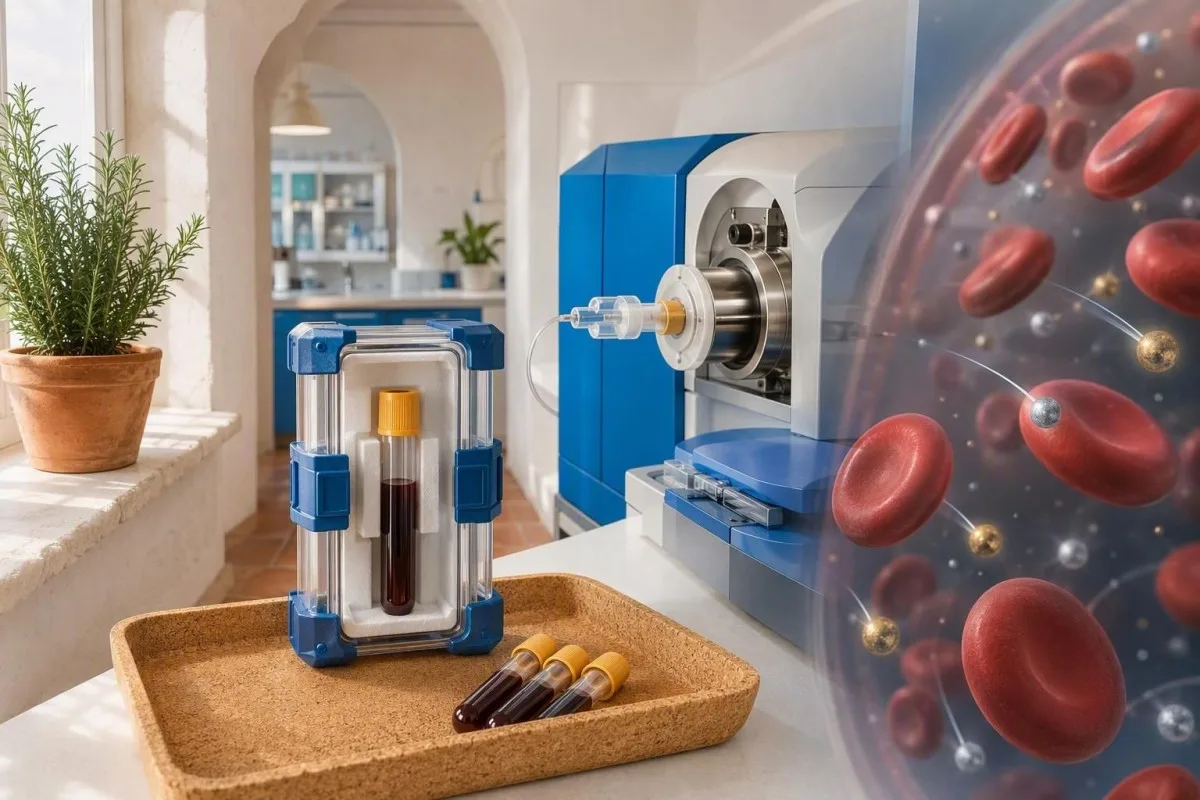
ການກວດເລືອດຫາໂລຫະໜັກແມ່ນດີທີ່ສຸດສຳລັບການສຳຜັດກັບຕະກົ່ວນຳ, ໄມທິວເມັກຄິວລີ, ແລະໂລຫະທີ່ກ່ຽວຂ້ອງກັບບ່ອນເຮັດວຽກ ຫຼືການໃສ່ໃນຮ່າງກາຍໃນບໍ່ດົນມານີ້ ຫຼືເກີດຂຶ້ນຢ່າງຕໍ່ເນື່ອງ. ມັນບໍ່ແມ່ນການວັດແທກທົ່ວໄປຂອງ “ສານພິດໃນຮ່າງກາຍ”: ປັດສະວະ, ການຈຳແນກປະເພດໂລຫະ, ປະຫວັດການສຳຜັດ, ແລະເວລາໃນການກວດຊ້ຳມັກຈະເປັນຕົວຕັດສິນວ່າຜົນການກວດນັ້ນມີຄວາມໝາຍຫຼືບໍ່.


- ຕະກົ່ວນຳໃນເລືອດທັງໝົດ ສະທ້ອນໃຫ້ເຫັນສ່ວນໃຫຍ່ຂອງການສຳຜັດໃນບໍ່ດົນມານີ້ ຫຼືການສືບຕໍ່ການສຳຜັດປະມານ 1 ເດືອນ; ບໍ່ມີລະດັບຕະກົ່ວນຳໃນເລືອດໃດທີ່ຖືວ່າມີຄວາມສ່ຽງຕໍ່າ.
- ຄ່າອ້າງອີງຕະກົ່ວນຳໃນເລືອດຂອງເດັກນ້ອຍໂດຍ CDC ແມ່ນ 3.5 µg/dL, ເປັນເງື່ອນໄຂໃນການຕິດຕາມຜົນແທນທີ່ຈະເປັນການວິນິດໄສການເປັນພິດ.
- ການກວດເລືອດຫາເມັກຄິວລີ ມີປະໂຫຍດຫຼາຍທີ່ສຸດສຳລັບການສຳຜັດກັບໄມທິວເມັກຄິວລີໃນບໍ່ດົນມານີ້ຈາກປາ ແລະແຫຼ່ງອາຊີບບາງແຫ່ງ; ມັນບໍ່ສາມາດວັດແທກການສຳຜັດເກົ່າໄດ້ຢ່າງໜ້າເຊື່ອຖື.
- ອາເຊນິກໃນປັດສະວະພ້ອມການຈຳແນກປະເພດ ຕ້ອງການສຳລັບການສົງໄສວ່າໄດ້ຮັບການສຳຜັດກັບອາເຊນິກອິນຊີ, ໂດຍສະເພາະຫຼັງຈາກການຫຼີກລ້ຽງອາຫານທະເລເປັນເວລາ 48-72 ຊົ່ວໂມງ.
- ການກວດຫາທາດແຄດມຽມໃນປັດສະວະ ໂດຍທົ່ວໄປແລ້ວສະທ້ອນເຖິງການສະສົມຂອງສານພິດໃນໝາກໄຂ່ຫຼັງໄດ້ດີກວ່າ, ໃນຂະນະທີ່ການກວດຫາທາດແຄດມຽມໃນເລືອດຈະສະທ້ອນເຖິງການໄດ້ຮັບສານພິດໃນເມື່ອບໍ່ດົນມາ່ນີ້ຫຼາຍກວ່າ.
- ການກວດຫາທາດດ້ວຍເສັ້ນຜົມ ສາມາດສະໜັບສະໜູນຄຳຖາມກ່ຽວກັບທາດເມທິລເມຄຄລີໃນລະດັບຈຳກັດໄດ້, ແຕ່ບໍ່ໜ້າເຊື່ອຖືໃນຖານະການກວດຫາທາດພິດແບບທົ່ວໄປ.
- ການກວດຫາທາດພິດໃນປັດສະວະຫຼັງຈາກໄດ້ຮັບສານກະຕຸ້ນ ຫຼັງຈາກໄດ້ຮັບສານເພີ່ມການຂັບຖ່າຍທາດໂລຫະອອກທາງປັດສະວະ ບໍ່ສາມາດຢັ້ງຢືນການເປັນພິດໄດ້ ເພາະມັນເຮັດໃຫ້ການຂັບຖ່າຍທາດໂລຫະອອກທາງປັດສະວະເພີ່ມຂຶ້ນໂດຍເຈດຕະນາ.
- ແຜ່ນການກວດຫາທາດພິດແບບທົ່ວໄປ ມັກຈະກວດພົບທາດໂລຫະທີ່ເຈືອຈາງໂດຍບໍ່ສະແດງອາການເຈັບປ່ວຍ, ແຫຼ່ງທີ່ມາ, ປະລິมาณ, ຫຼືຄວາມຕ້ອງການການປິ່ນປົວ.
ການກວດເລືອດຫາໂລຫະໜັກກວດຫາຫຍັງແທ້
A ການກວດເລືອດສານໂລຫະໜັກ ວັດແທກຄວາມເຂັ້ມຂຸ້ນຂອງອົງປະກອບສະເພາະທີ່ໄຫຼວຽນຢູ່ໃນເວລາເກັບຕົວຢ່າງ; ມັນບໍ່ໄດ້ວັດແທກ “ປະລິมาณທາດພິດສະສົມຕະຫຼອດຊີວິດ” ຂອງບຸກຄົນ. ເລືອດທັງໝົດມີປະໂຫຍດໂດຍສະເພາະສຳລັບທາດຕະກົ່ວ ແລະທາດເມທິລເມຄຄລີ, ໃນຂະນະທີ່ຕົວຢ່າງທີ່ດີທີ່ສຸດແມ່ນແຕກຕ່າງກັນສຳລັບທາດອາເຊນິກ, ທາດແຄດມຽມ, ທາດໂຄຣມຽມ, ທາດໂຄບອນ, ແລະທາດທາລລຽມ.
ຫ້ອງທົດລອງທາງການແພດສ່ວນຫຼາຍໃຊ້ວິທີ induction coupled plasma mass spectrometry, ຫຼື ICP-MS, ເຊິ່ງສາມາດກວດຫາທາດໂລຫະໃນລະດັບ micrograms per litre ຫຼືຕ່ຳກວ່າ. ການກວດພົບບໍ່ແມ່ນການວິນິດໄສ: ຜົນການກວດຕ້ອງໄດ້ປຽບທຽບກັບວິທີຂອງຫ້ອງທົດລອງ, ຫຼອດເກັບຕົວຢ່າງ, ອາຊີບຂອງບຸກຄົນ, ອາຫານ, ອາຫານເສີມ, ການເຮັດວຽກຂອງໝາກໄຂ່ຫຼັງ, ແລະໄລຍະເວລາຫຼັງຈາກການຕິດຕໍ່ທີ່ສົງໄສ.
A ການກວດເລືອດສານພິດທົ່ວໄປ ທີ່ຂາຍເປັນແຜ່ນກວດ 20 ຫຼື 40 ທາດ ອາດຟັງດູຄົບຖ້ວນ, ແຕ່ຫຼາຍອົງປະກອບທີ່ວັດແທກໄດ້ບໍ່ມີຄ່າຂີດຈຳກັດຂອງພະຍາດທີ່ໄດ້ຮັບການຢັ້ງຢືນໃນບຸກຄົນທີ່ບໍ່ມີອາການ. ໃນການປະຕິບັດຂອງຂ້ອຍ, ຄຳຖາມທີ່ມີປະໂຫຍດເກືອບທຸກເທື່ອແມ່ນແຄບກວ່າ: “ການໄດ້ຮັບສານສະເພາະນີ້ ສາມາດອະທິບາຍຜົນນີ້ ຫຼືອາການນີ້ໄດ້ບໍ?”
ແຄນເທສຕີ ເປັນ AI ເຄື່ອງວິເຄາະເລືອດ ທີ່ວາງຜົນການກວດຫາອົງປະກອບທີ່ເຈືອຈາງໄວ້ຂ້າງລາຍງານອື່ນໆ, ລວມທັງ creatinine, marker ຕັບ, ແລະ red-cell indices. ຂອງພວກເຮົາ ຄູ່ມືອ້າງອີງ biomarker ຊ່ວຍແຍກຄວາມແຕກຕ່າງລະຫວ່າງຜົນທີ່ຕ້ອງການການກວດສອບທາງການແພດຢ່າງຮີບດ່ວນ ກັບຜົນທີ່ຕ້ອງການປະຫວັດການໄດ້ຮັບສານທີ່ດີກວ່າ.
ການກວດເລືອດສາມາດກວດຫາໂລຫະໃດໄດ້ຢ່າງໜ້າເຊື່ອຖື?
ການກວດເລືອດສາມາດວັດແທກທາດໂລຫະຫຼາຍຊະນິດໄດ້ຢ່າງໜ້າເຊື່ອຖື, ແຕ່ຄວາມເຂັ້ມຂຸ້ນທີ່ວັດແທກໄດ້ມີຄວາມໝາຍແຕກຕ່າງກັນສຳລັບແຕ່ລະທາດ. ທາດຕະກົ່ວ, ທາດປອດ, ທາດແມງການີສ, ທາດໂຄບອນ, ແລະທາດໂຄຣມຽມ ມັກຈະຖືກວັດແທກໃນເລືອດທັງໝົດ; ທາດອາເຊນິກ ແລະ ທາດແຄດມຽມ ມັກຈະຕ້ອງການການກວດປັດສະວະສຳລັບຄຳຖາມທາງການແພດທີ່ກ່ຽວຂ້ອງ.
A ການກວດເລືອດຕະກົ່ວ ຄວນໃຊ້ເລືອດທັງໝົດທີ່ເກັບໃນຫຼອດ trace-element ທີ່ໄດ້ຮັບການຢັ້ງຢືນ ເພາະທາດຕະກົ່ວແບ່ງເຂັ້ມຂຸ້ນເຂົ້າສູ່ red cells. ແນະນຳການເກັບຕົວຢ່າງຈາກເສັ້ນເລືອດดำ ເມື່ອຜົນການກວດດ້ວຍການເຈາເຂັມນ້ອຍສູງ, ເນື່ອງຈາກຂີ້ຝຸ່ນເທິງຜິວໜັງສາມາດເຮັດໃຫ້ຜົນການກວດດ້ວຍການເຈາຈາກນິ້ວມືສູງຜິດປົກກະຕິ.
A การตรวจเลือดปรอท (mercury blood test) ມີຂໍ້ມູນທີ່ເປັນປະໂຫຍດທີ່ສຸດສຳລັບທາດເມທິລເມຄຄລີຈາກອາຫານທະເລ ແລະ ການໄດ້ຮັບທາດປອດປະເພດ elemental-mercury ທີ່ເກີດຂຶ້ນໃນອາທິດທີ່ຜ່ານມາ. ລະດັບທາດປອດໃນເລືອດທັງໝົດ ມັກຈະຫຼຸດລົງຫຼັງຈາກການປ່ຽນແປງການບໍລິໂພກປາ; ໄລຍະເຄິ່ງຊີວິດທາງຊີວະພາບຂອງທາດເມທິລເມຄຄລີ ປະມານ 50 ວັນ, ດັ່ງນັ້ນຜົນການກວດຊ້ຳອີກຄັ້ງໃນ 6-8 ອາທິດ ສາມາດໃຫ້ຂໍ້ມູນຫຼາຍກວ່າຜົນການກວດຫຼັງຈາກ 3 ວັນ.
ລະດັບທາດໂຄບອນ ແລະ ທາດໂຄຣມຽມໃນເລືອດມີບົດບາດທີ່ກຳນົດໄວ້ໃນບາງຄົນທີ່ມີສ່ວນປະກອບຂອງຂໍ້ຕໍ່ສະໂພກທີ່ເຮັດດ້ວຍໂລຫະ, ເຖິງແມ່ນວ່າອາການ, ການສ້າງພາບ, ປະເພດຂອງການໃສ່, ແລະການປ່ຽນແປງຕາມລຳດັບຈະສຳຄັນກວ່າຕົວເລກດຽວທີ່ແຍກອອກມາ. ຄູ່ມືຂອງພວກເຮົາສູ່ ທາງເລືອກການກວດຫາທາດໂຄຣມຽມ ອະທິບາຍວ່າເປັນຫຍັງຫ້ອງທົດລອງຈຶ່ງລາຍງານໜ່ວຍທີ່ແຕກຕ່າງກັນ.
ການກວດເລືອດຫາຕະກົ່ວນຳ: ເງື່ອນໄຂ, ເວລາ ແລະການຕິດຕາມຜົນ
A ລະດັບທາດຕະກົ່ວໃນເລືອດดำ ເປັນການກວດມາດຕະຖານສຳລັບການໄດ້ຮັບທາດຕະກົ່ວໃນເມື່ອບໍ່ດົນມາ່ນີ້ໃນເດັກນ້ອຍ ແລະຜູ້ໃຫຍ່. ໃນເດັກນ້ອຍຊາວອາເມລິກັນ, 3.5 µg/dL ເປັນຄ່ານຳໜ້າຂອງລະດັບທາດຕະກົ່ວໃນເລືອດຂອງ CDC ທີ່ທັນສະໄໝ; ມັນລະບຸເດັກນ້ອຍທີ່ມີການໄດ້ຮັບສານຫຼາຍກວ່າເພື່ອນສ່ວນຫຼາຍ ແລະບໍ່ແມ່ນເສັ້ນແບ່ງລະຫວ່າງປອດໄພ ແລະອັນຕະລາຍ.
ລະດັບຕະກົ່ວໃນເລືອດປົກກະຕິສະທ້ອນເຖິງການສໍາຜັດໃນຊ່ວງ 28-36 ມື້ກ່ອນໜ້າ, ເຖິງແມ່ນວ່າຕະກົ່ວທີ່ເກັບໄວ້ໃນກະດູກສາມາດກັບຄືນສູ່ເລືອດໄດ້ໃນລະຫວ່າງການຖືພາ, ໝົດປະຈໍາເດືອນ, ການຟື້ນຟູກະດູກຫັກ, ຫຼືພະຍາດຮ້າຍແຮງ. ດັ່ງນັ້ນ, ລະດັບດັ່ງກ່າວສາມາດຫຼຸດລົງຫຼັງຈາກອອກຈາກແຫຼ່ງໂດຍບໍ່ໄດ້ພິສູດວ່າການສໍາຜັດກ່ອນໜ້າບໍ່ເປັນອັນຕະລາຍ.
ການອັບເດດປີ 2021 ຂອງ CDC ໄດ້ຫຼຸດຄ່າອ້າງອີງສຳລັບເດັກນ້ອຍຈາກ 5.0 ມາເປັນ 3.5 µg/dL ເນື່ອງຈາກຄວາມເຂັ້ມຂຸ້ນທີ່ຕ່ຳກວ່າກໍ່ຍັງມີຄວາມກ່ຽວຂ້ອງກັບຄວາມສ່ຽງຕໍ່ການພັດທະນາໃນລະດັບປະຊາກອນ (Ruckart et al., 2021). ການໃຊ້ຢາ chelation ບໍ່ແມ່ນເລື່ອງປົກກະຕິສຳລັບເດັກນ້ອຍໃນອັດຕາ 3.5 µg/dL; ການລະບຸແຫຼ່ງ, ໂພຊະນາການ, ການຕິດຕາມການພັດທະນາ, ແລະການກວດສອບຊ້ຳແມ່ນຂັ້ນຕອນທຳອິດທົ່ວໄປ.
ສຳລັບຜູ້ໃຫຍ່, ຂີດຈຳກັດທາງອາຊີບ ແລະກົດລະບຽບການອອກນອກກໍລະນີແຕກຕ່າງກັນໄປຕາມປະເທດ, ເພດ, ຄວາມເປັນໄປໄດ້ຂອງການຖືພາ, ແລະອຸດສາຫະກຳ. ຜົນໄດ້ຮັບຂອງ 45 ມຄກ/ດລ ຫຼືສູງກວ່າ ຮຽກຮ້ອງໃຫ້ມີການປຶກສາຫາລືກັບຜູ້ຊ່ຽວຊານຢ່າງຮີບດ່ວນໃນຫຼາຍໆສະຖານະການທາງຄລີນິກ, ໃນຂະນະທີ່ 70 ມຄກ/ດລ ຫຼືສູງກວ່າ ໂດຍທົ່ວໄປຖືວ່າເປັນການສຸກເສີນທາງການແພດທີ່ຮຽກຮ້ອງໃຫ້ມີການກໍາຈັດການສໍາຜັດທັນທີ ແລະການຈັດການໂດຍຜູ້ຊ່ຽວຊານ.
ການກວດເລືອດຫາເມັກຄິວລີຫຼັງຈາກກິນປາ, ເຮັດວຽກ ຫຼືອຸຕິເຫດຮົ່ວໄຫຼ
A การตรวจเลือดปรอท (mercury blood test) ຈັບເອົາການສໍາຜັດ methylmercury ຫຼ້າສຸດຈາກອາຫານທະເລໄດ້ດີທີ່ສຸດ ແລະສາມາດຊ່ວຍປະເມີນການສໍາຜັດ elemental-mercury ຫຼ້າສຸດ. ມັນບໍ່ໄດ້, ດ້ວຍຕົວມັນເອງ, ລະບຸຮູບແບບ, ແຫຼ່ງ, ໄລຍະເວລາ, ຫຼືລະດັບຄວາມສ່ຽງຕໍ່ລະບົບປະສາດຂອງ mercury.
ສຳລັບຜູ້ໃຫຍ່ທີ່ກິນປາເປັນປະຈຳ, ຜົນການກວດ mercury ທັງໝົດໃນເລືອດຕ່ຳກວ່າ 10 µg/L ມັກຈະພົບເຫັນ, ແຕ່ຊ່ວງອ້າງອີງຂອງຫ້ອງທົດລອງແຕກຕ່າງກັນໄປຕາມພູມສາດ ແລະອາຫານ. ຜົນໄດ້ຮັບສູງກວ່າ 20 µg/L สมควรได้รับการทบทวนการสัมผัสอย่างระมัดระวัง โดยเฉพาะอย่างยิ่งในการตั้งครรภ์หรือก่อนการตั้งครรภ์ แทนที่จะเป็นการขับพิษแบบสะท้อนกลับ.
Clarkson ແລະ Magos ອະທິບາຍວ່າເປັນຫຍັງສານເຄມີ mercury ຈຶ່ງມີຄວາມສຳຄັນ: methylmercury ຈະຄຸ້ນເຄັ້ມຢູ່ໃນເມັດເລືອດແດງ, ໃນຂະນະທີ່ inorganic mercury ຈະປາກົດຫຼາຍຂຶ້ນໃນປັດສະວະ (Clarkson and Magos, 2006). ຄວາມແຕກຕ່າງນັ້ນແມ່ນເຫດຜົນທີ່ mercury ທັງໝົດພຽງແຕ່ສາມາດເຮັດໃຫ້ເກີດຄວາມຕົກໃຈໂດຍບໍ່ຈຳເປັນຫຼັງຈາກກິນປາໃຫຍ່ຫຼາຍຄັ້ງ.
ຂ້າພະເຈົ້າໄດ້ພົບຄົນເຈັບທີ່ມີຄວາມກັງວົນໃຈໄດ້ເຮັດການກວດລະດັບເມີຄິວຄືນໃໝ່ໃນຕອນເຊົ້າຫຼັງຈາກກິນຊູຊິ; ການກວດຄືນນັ້ນບໍ່ໄດ້ໃຫ້ຄຳຕອບຫຍັງຫຼາຍນັກ. ແຜນການທີ່ເປັນປະໂຫຍດຫຼາຍກວ່າຄືການບັນທຶກຊະນິດປາແລະປະລິມານເປັນເວລາ 2 ອາທິດ, ເລືອກແຫຼ່ງທີ່ມີເມີຄິວຕໍ່າ, ຫຼັງຈາກນັ້ນກວດຄືນໃນອີກປະມານ 6-8 ອາທິດ ຖ້າຜົນກວດເບື້ອງຕົ້ນສູງຂຶ້ນຢ່າງແທ້ຈິງ; ໃຫ້ເບິ່ງ ຄູ່ມືການກວດສອບເມີຄິວໃນອາຫານທະເລຂອງພວກເຮົາ.
ເວລາໃດທີ່ການກວດປັດສະວະດີກວ່າການກວດເລືອດ
ການກວດຍ່ຽວແມ່ນເໝາະສົມເມື່ອໂລຫະຖືກຂັບອອກທາງຍ່ຽວຫຼືເມື່ອທ່ານໝໍຕ້ອງການປະເມີນການໄດ້ຮັບສານສະສົມຫຼາຍກວ່າການໄດ້ຮັບໃນມື້ດຽວ. As, Cd, Hg (inorganic), and Tl ແມ່ນຕົວຢ່າງທົ່ວໄປທີ່ຍ່ຽວສາມາດຕອບຄຳຖາມທາງການແພດໄດ້ດີກວ່າເລືອດ.
A ຍ່ຽວຕະຫຼອດ 24 ຊົ່ວໂມງ ແມ່ນການວັດແທກການຂັບອອກທັງໝົດໃນໄລຍະໜຶ່ງມື້, ແຕ່ການເກັບຕົວຢ່າງຍ່ຽວແບບຈຸດທີ່ຖືກປັບດ້ວຍຄຣີອາຕີນິນມັກຖືກໃຊ້ເມື່ອຄຸນນະພາບການເກັບບໍ່ແນ່ນອນ. ການເກັບທີ່ຂາດໄປ, ການດື່ມນ້ຳຫຼາຍຜິດປົກກະຕິ, ຫຼືຄຣີອາຕີນິນຢູ່ຂ້າງໃດຂ້າງໜຶ່ງທີ່ສຸດສາມາດເຮັດໃຫ້ການປະເມີນ 24 ຊົ່ວໂມງບິດເບືອນ; ວິທີການເກັບແມ່ນມີຄວາມສຳຄັນເທົ່າກັບຕົວເລກ.
Cadmium ໃນຍ່ຽວສະທ້ອນເຖິງການສະສົມຂອງไตໃນໄລຍະຍາວຫຼາຍກວ່າ cadmium ໃນເລືອດ, ເຊິ່ງໄດ້ຮັບອິດທິພົນຈາກການສູບຢາບໍ່ດົນມານີ້ຫຼືການສຳຜັດກັບວຽກງານ. ການຕີຄວາມໝາຍຂອງ cadmium ຄວນລວມເອົາອາລບູມີໃນຍ່ຽວຫຼື ACR ແລະຕົວຊີ້ວັດຂອງທໍ່ໄຕເມື່ອມີການຊີ້ບອກທາງການແພດ, ເພາະວ່າຄວາມກັງວົນມັກຈະເປັນການບາດເຈັບຂອງທໍ່ໄຕຫຼາຍກວ່າຄະແນນຄວາມເປັນພິດທີ່ບໍ່ຊັດເຈນ.
ຄວາມຜິດພາດໃນການກຳນົດເວລາແມ່ນທົ່ວໄປ. ຂອງພວກເຮົາ សម្រាប់ការប្រមូលទឹកនោមរយៈពេល 24 ម៉ោង ແມ່ນລາຍລະອຽດກ່ຽວກັບຈຸດທີ່ລົ້ມເຫຼວທົ່ວໄປ, ລວມທັງການເລີ່ມຕົ້ນໃນເວລາທີ່ບໍ່ຖືກຕ້ອງແລະການລືມຕົວຢ່າງສຸດທ້າຍ.
ການກວດຫາສານອາເຊນິກຕ້ອງການການຈຳແນກປະເພດ, ບໍ່ແມ່ນການວັດແທກທັງໝົດແບບທົ່ວໄປ
ການສຳຜັດກັບອາເຊນິກທີ່ສົງໄສໂດຍທົ່ວໄປແມ່ນໄດ້ຮັບການປະເມີນດ້ວຍ ການຈຳແນກອາເຊນິກໃນຍ່ຽວ, ບໍ່ແມ່ນການກວດເລືອດທັງໝົດ. ອາເຊນິກໃນຍ່ຽວທັງໝົດສາມາດເພີ່ມຂຶ້ນຢ່າງຫຼວງຫຼາຍຫຼັງຈາກກິນອາຫານທະເລເພາະວ່າອາເຊໂນໄບເທນທີ່ເປັນອົງຄະທາດຖືກຂັບອອກທາງຍ່ຽວແຕ່ເປັນພິດໜ້ອຍກວ່າອາເຊນິກທີ່ບໍ່ແມ່ນອົງຄະທາດ.
ປະຊາຊົນຄວນຫຼີກລ້ຽງອາຫານທະເລເປັນເວລາ 48-72 ຊົ່ວໂມງ ກ່ອນການກວດອາເຊນິກໃນຍ່ຽວທີ່ວາງແຜນໄວ້ ເວັ້ນແຕ່ພິດວິທະຍາຈະແນະນຳເປັນຢ່າງອື່ນ. ຜົນການກວດອາເຊນິກໃນຍ່ຽວທັງໝົດສູງກວ່າ 50 µg/L ອາດຈະໄດ້ຮັບການກວດສອບເພີ່ມເຕີມ, ແຕ່ມັນບໍ່ສາມາດຕີຄວາມໄດ້ຢ່າງມີຄວາມຮັບຜິດຊອບໂດຍບໍ່ມີການລະບຸອາເຊນິກທີ່ບໍ່ແມ່ນອົງຄະທາດແລະເມຕາໂບລິດຂອງມັນ.
ອາເຊນິກໃນເລືອດມີໜ້າຕ່າງທີ່ເປັນປະໂຫຍດສັ້ນ - ມັກຈະເປັນຊົ່ວໂມງຫຼັງຈາກໄດ້ຮັບສານໃນປະລິມານຫຼາຍ - ສະນັ້ນຄ່າເລືອດປົກກະຕິບໍ່ໄດ້ໝາຍຄວາມວ່າບໍ່ມີການສຳຜັດທີ່ກ່ຽວຂ້ອງຈາກມື້ກ່ອນໜ້າ. ໃນໄລຍະ 15 ປີທີ່ຂ້າພະເຈົ້າໄດ້ເຮັດວຽກກັບລາຍງານໃນຫ້ອງທົດລອງ, ນີ້ແມ່ນໜຶ່ງໃນບັນດາສາເຫດທີ່ພົບເລື້ອຍທີ່ສຸດທີ່ຄະນະກຳມະການກວ້າງຂວາງໃຫ້ຄວາມໝັ້ນໃຈທີ່ຜິດພາດ.
ຂໍ້ມູນອາເຊນິກຂອງ ATSDR ສະໜັບສະໜູນການກວດຍ່ຽວດ້ວຍການຈຳແນກເມື່ອສົງໄສການສຳຜັດ, ໂດຍສະເພາະຫຼັງຈາກຂໍ້ກັງວົນກ່ຽວກັບນ້ຳບາດาล, ອຸດສາຫະກຳ, ຫຼືຜະລິດຕະພັນສະໝຸນໄພ (ATSDR, 2007). ຢ່າຢຸດຢາຕາມໃບສັ່ງແພດຫຼືພະຍາຍາມກິນຢາຂັບລ້າງໃນຂະນະທີ່ລໍຖ້າຜົນ; ທ່ານໝໍສາມາດຊ່ວຍກຳນົດໄດ້ວ່ານ້ຳ, ວຽກງານ, ຫຼືຜະລິດຕະພັນແມ່ນແຫຼ່ງທີ່ເປັນໄປໄດ້ຫຼືບໍ່.
ການກວດຫາແຄດເມียม, ໂຄຣມຽມ ແລະໂຄບອນ ຕ້ອງການການກວດທີ່ລະບຸການສຳຜັດສະເພາະ
ຜົນການກວດທາດແຄດມີຽມ, ໂຄມີຽມ, ແລະໂຄບອນຈະມີຄວາມໝາຍໄດ້ເມື່ອຈັບຄູ່ກັບແຫຼ່ງທີ່ເປັນໄປໄດ້ແລະຕົວຢ່າງທີ່ຖືກຕ້ອງເທົ່ານັ້ນ. ການກວດຫາທາດແຄດມຽມໃນປັດສະວະ ແມ່ນໄດ້ຖືກເລືອກເລື້ອຍໆສຳລັບການສະສົມ, ໃນຂະນະທີ່ cobalt ແລະ chromium ໃນເລືອດສ່ວນໃຫຍ່ແມ່ນໃຊ້ສຳລັບການສຳຜັດກັບວຽກງານບໍ່ດົນມານີ້ຫຼືການກວດສອບການປູກຖ່າຍທີ່ຖືກເລືອກ.
ການສູບຢາສາມາດເພີ່ມຄວາມເຂັ້ມຂຸ້ນຂອງແຄດມີຽມໄດ້ຢ່າງຫຼວງຫຼາຍ, ແລະສະຖານທີ່ເຮັດວຽກບາງແຫ່ງກໍມີການສຳຜັດກັບການຫາຍໃຈ; ການກິນອາຫານເທົ່ານັ້ນບໍ່ຄ່ອຍຈະອະທິບາຍຜົນໄດ້ຮັບທີ່ໂດດເດັ່ນ. ການເຮັດວຽກຂອງไตແມ່ນສຳຄັນເພາະວ່າການກັ່ນຕອງທີ່ຫຼຸດລົງສາມາດປ່ຽນແປງຄວາມເຂັ້ມຂຸ້ນຂອງຍ່ຽວໄດ້ຢ່າງເປັນເອກະລາດຈາກການສຳຜັດ, ສະນັ້ນຄຣີອາຕີນິນແລະການຕັ້ງຄ່າໂປຣຕີນໃນຍ່ຽວຈຶ່ງເປັນປະໂຫຍດ.
ສໍາລັບຄົນທີ່ມີການໃສ່ຂໍ້ຕໍ່ສະໂພກທີ່ເຮັດດ້ວຍໂລຫະ, ອາການເຈັບຂໍ້ຕໍ່ສະໂພກໃໝ່, ການເຮັດວຽກຫຼຸດລົງ, ອາການທາງການໄດ້ຍິນ ຫຼື ການເບິ່ງເຫັນ, ອາການຂອງພະຍາດກ້າມເນື້ອຫົວໃຈ, ຫຼືແນວໂນ້ມໂຄບອນທີ່ເພີ່ມຂຶ້ນ, ຕ້ອງໄດ້ຮັບການປະເມີນທາງຄລີນິກໂດຍກົງ. ຄວາມເຂັ້ມຂົ້ນຂອງໂຄບອນໃນເລືອດຄັ້ງດຽວບໍ່ແມ່ນການກວດຫາອາການເມື່ອຍລ້າທີ່ບໍ່ສະເພາະ, ໝອກໃນສະໝອງ, ຫຼືອາການເຈັບຂໍ້.
Kantesti AI ສາມາດປຽບທຽບຕົວຊີ້ວັດຂອງໝາກໄຂ່ຫຼັງຂ້າມວັນທີ, ເຊິ່ງເປັນປະໂຫຍດເມື່ອຜົນການວັດແທກໂລຫະເຮັດໃຫ້ເກີດຄຳຖາມກ່ຽວກັບໝາກໄຂ່ຫຼັງ ແທນທີ່ຈະພິສູດສາເຫດ. ໃຫ້ກວດສອບ ຜົນ GFR ຫຼັງຈາກຂາດນ້ໍາ ກ່ອນທີ່ຈະສົມມຸດວ່າການປ່ຽນແປງຂອງ creatinine ນ້ອຍໆເປັນຄວາມເສຍຫາຍທີ່ກ່ຽວຂ້ອງກັບໂລຫະ.
ຄວາມຜິດພາດໃນການເກັບຕົວຢ່າງສາມາດເຮັດໃຫ້ຜົນການກວດຫາໂລຫະຜິດພາດ
ຜົນການວັດແທກ trace-metal ມີຄວາມອ່ອນໄຫວຜິດປົກກະຕິຕໍ່ການປົນເປື້ອນຈາກຫຼອດເກັບຕົວຢ່າງ, ຂີ້ຝຸ່ນເທິງຜິວໜັງ, ຜະລິດຕະພັນທາພາຍນອກ, ແລະຂະບວນການໃນຫ້ອງທົດລອງ. ຜົນການວັດແທກລະດັບຕ່ໍາທີ່ໜ້າປະຫລາດໃຈຄວນຖືກທົດສອບຊ້ຳອີກດ້ວຍຫຼອດ trace-element ທີ່ໄດ້ຮັບການຢັ້ງຢືນ ກ່ອນທີ່ຈະກະຕຸ້ນການສືບສວນແບບຮຸກຮານ ຫຼື ອາຫານເສີມ.
ຜົງຈາກຖົງມື, ຝຸ່ນຈາກສະຖານທີ່ເຮັດວຽກ, ກາວໃສ່ແຂ້ວປອມທີ່ມີສັງກະສີ, ແລະແມ່ນແຕ່ຫຼອດເກັບຕົວຢ່າງທີ່ບໍ່ໄດ້ຮັບການຢັ້ງຢືນ ກໍ່ສາມາດສົ່ງຜົນກະທົບຕໍ່ການທົດສອບໄດ້. Hemolysis ກໍ່ສາມາດປ່ຽນແປງການຕີຄວາມໝາຍຂອງບາງອົງປະກອບໄດ້ ເນື່ອງຈາກສ່ວນປະກອບຂອງຈຸລັງເຂົ້າໄປໃນ serum ຫຼື plasma; ຕົວຢ່າງທີ່ເປັນສີແດງອ່ອນຄວນເຮັດໃຫ້ຫ້ອງທົດລອງອອກຄຳເຫັນກ່ຽວກັບຄຸນນະພາບຂອງຕົວຢ່າງ.
Matrix ທີ່ຖືກຕ້ອງມີຄວາມສຳຄັນ: whole blood, serum, plasma, ແລະ urine ບໍ່ສາມາດແລກປ່ຽນກັນໄດ້. ລາຍງານທີ່ຕິດປ້າຍ “serum mercury” ບໍ່ຄວນຖືກປຽບທຽບແບບລวกໆກັບເງື່ອນໄຂສຸຂະພາບສາธารณะທີ່ພັດທະນາຂຶ້ນສຳລັບເລືອດທັງໝົດ.
ແຄນເທສຕີ ເປັນ ແພລດຟອມການຕີຄວາມໝາຍ biomarker ຂອງ AI ທີ່ອ່ານປະເພດຕົວຢ່າງທີ່ລາຍງານ, ຫນ່ວຍ, ແລະໄລຍະອ້າງອີງກ່ອນທີ່ຈະສະເຫນີບໍລິບົດ. ຂອງພວກເຮົາ ເທັກໂນໂລຍີ ແລະ ວິທີການ ນຳ ພາ ອະທິບາຍວ່າເປັນຫຍັງຜົນໄດ້ຮັບນອກເຫນືອຂອບເຂດຂອງຫ້ອງທົດລອງໜຶ່ງຈຶ່ງບໍ່ສາມາດປ່ຽນແປງໄປຫາຂອບເຂດການຕັດສິນຂອງຫ້ອງທົດລອງອື່ນໄດ້ໂດຍອັດຕະໂນມັດ.
ເປັນຫຍັງການກວດຫາສານພິດດ້ວຍເສັ້ນຜົມ, ເລັບ ແລະຢູ່ເຮືອນຈຶ່ງມັກເຮັດໃຫ້ເຂົ້າໃຈຜິດ
ການທົດສອບຜົມ ແລະເລັບບໍ່ສາມາດວິນິດໄສການເປັນພິດຈາກໂລຫະໜັກສ່ວນໃຫຍ່ໃນບຸກຄົນໄດ້ ເນື່ອງຈາກການປົນເປື້ອນພາຍນອກ, ການປິ່ນປົວດ້ວຍເຄື່ອງສຳອາງ, ອັດຕາການເຕີບໂຕ, ແລະການກະກຽມຫ້ອງທົດລອງ ສາມາດສົ່ງຜົນກະທົບຕໍ່ຜົນໄດ້ຮັບ. ຜົມມີບົດບາດສະຫນັບສະຫນູນຈຳກັດສໍາລັບການสัมผัส methylmercury ໄລຍະຍາວ, ບໍ່ແມ່ນສໍາລັບການປະເມີນການລ້າງພິດແບບທົ່ວໄປ.
ຜົມຍາວປະມານ 1 ຊມ ຕໍ່ເດືອນ, ແຕ່ຂໍ້ເທັດຈິງງ່າຍໆນັ້ນບໍ່ໄດ້ເຮັດໃຫ້ແຕ່ລະຊັງຕີແມັດເປັນປະຕິທິນການสัมผัสທີ່ເຊື່ອຖືໄດ້. ສີຍ້ອມຜົມ, ການຟອກ, ນ້ໍາໃນສະນຸກເກີ, ຝຸ່ນ, ແລະແຊມພູ ສາມາດປ່ຽນແປງຄວາມເຂັ້ມຂົ້ນທີ່ວັດແທກໄດ້; ໂປໂຕຄອນການລ້າງແຕກຕ່າງກັນຢ່າງຫຼວງຫຼາຍໃນບັນດາຫ້ອງທົດລອງ.
ການທົດສອບເລັບມີຂໍ້ຈຳກັດທີ່ຄ້າຍຄືກັນ ແລະມີບົດບາດໜ້ອຍໃນການວິນິດໄສທາງຄລີນິກແບບປົກກະຕິ. ເມື່ອຄະນະກຳມະການລາຍງານ 25 ອົງປະກອບ, ມັນມັກຈະກວດພົບສິ່ງທີ່ຜິດປົກກະຕິທາງສະຖິຕິ, ເຖິງແມ່ນໃນຄົນທີ່ມີສຸຂະພາບດີ—ຜົນທີ່ຄາດຫວັງຂອງການປຽບທຽບຫຼາຍຄັ້ງ, ບໍ່ແມ່ນຫຼັກຖານທີ່ຮ່າງກາຍຕ້ອງການການລ້າງ.
ຖ້າອາການເປັນຄວາມກັງວົນ, ແພດຄວນຊອກຫາຄຳອະທິບາຍມາດຕະຖານທີ່ມີເສັ້ນທາງການວິນິດໄສທີ່ຊັດເຈນກວ່າກ່ອນ: ໂລກເລືອດຈາງ, ພະຍາດໄທລໍ, ພະຍາດໝາກໄຂ່ຫຼັງ, ຜົນກະທົບຂອງຢາ, ການລົບກວນການນອນ, ແລະໂພຊະນາການ. ບົດຄວາມຂອງພວກເຮົາກ່ຽວກັບ ການກວດເລືອດສຳລັບອາການເຈັບທີ່ບໍ່ມີສາເຫດອະທິບາຍ ສະແດງໃຫ້ເຫັນວິທີເລີ່ມຕົ້ນໂດຍບໍ່ໄດ້ຫຼຸດຜ່ອນທຸກອາການໃຫ້ເປັນພິດ.
ເປັນຫຍັງການກວດປັດສະວະແບບກະຕຸ້ນຈຶ່ງບໍ່ສາມາດຢັ້ງຢືນການເປັນພິດຈາກໂລຫະໄດ້
ການທົດສອບໂລຫະໃນປັດສະວະທີ່ຖືກກະຕຸ້ນບໍ່ສາມາດວິນິດໄສການເປັນພິດຈາກໂລຫະໜັກຊໍາເຮື້ອໄດ້ ເນື່ອງຈາກຢາ chelation ໄດ້ເຄື່ອນໄຫວ ແລະເພີ່ມການຂັບຖ່າຍໂລຫະອອກທາງປັດສະວະ. ລະດັບອ້າງອີງຈາກຕົວຢ່າງປັດສະວະທີ່ບໍ່ໄດ້ຖືກກະຕຸ້ນບໍ່ນຳໃຊ້ຫຼັງຈາກ EDTA, DMSA, DMPS, ຫຼື chelator ອື່ນ.
Chelators ຜູກໂລຫະທີ່ປົກກະຕິແລ້ວມີຢູ່ໃນເນື້ອເຍື່ອ ແລະການໄຫຼວຽນ, ດັ່ງນັ້ນເກືອບທຸກຄົນຈະຂັບຖ່າຍຫຼາຍຂຶ້ນຫຼັງຈາກໄດ້ຮັບໜຶ່ງ. ສ່ວນທີ່ຂາດໄປທີ່ສຳຄັນແມ່ນປະຊາກອນອ້າງອີງຫຼັງການ chelation ທີ່ໄດ້ຮັບການຢັ້ງຢືນ, ເຊິ່ງລາຍງານການຄ້າສ່ວນໃຫຍ່ບໍ່ໄດ້ສະຫນອງ.
Chelation ບໍ່ແມ່ນບໍ່ເປັນອັນຕະລາຍ. ອີງຕາມສານ ແລະ ບຸກຄົນ, ມັນສາມາດປະກອບສ່ວນເຮັດໃຫ້ແຄລຊຽມຕ່ໍາ, ຄວາມຄຽດຂອງໝາກໄຂ່ຫຼັງ, ອາການແພ້, ການຂາດແຮ່ທາດ, ແລະການພົວພັນກັບການປິ່ນປົວຕາມໃບສັ່ງແພດ; ການປິ່ນປົວຄວນປະຕິບັດຕາມການสัมผัสທີ່ບັນທຶກໄວ້ ແລະການປະເມີນຜົນໂດຍຜູ້ຊ່ຽວຊານ.
ກົດລະບຽບການປະຕິບັດຂອງທ່ານດຣ. Thomas Klein ແມ່ນງ່າຍດາຍ: ກວດສອບການสัมผัส, ໄດ້ຮັບການທົດສອບ baseline ທີ່ເກັບໄດ້ຢ່າງຖືກຕ້ອງ, ຈາກນັ້ນປຶກສາຫາລືກ່ຽວກັບການປິ່ນປົວ. ວິທີການຢືນຢັນທາງການແພດຂອງພວກເຮົາ ທີ່ AI Kantesti ໃຊ້ງານຖືກອອກແບບມາເພື່ອຊີ້ບອກເມື່ອຂີດຈຳກັດຂອງການວິເຄາະເຮັດໃຫ້ການຕີຄວາມໝາຍທີ່ໝັ້ນໃຈບໍ່ເໝາະສົມ.
ອາການທີ່ຕ້ອງການການດູແລແບບຮີບດ່ວນແທນທີ່ຈະເປັນການກວດຫ້ອງແລັບອື່ນ
ອາການສັບສົນສ້ວຍ, ຊັກ, ຮາກຮຸນແຮງ, ອ່ອນເພຍໃໝ່, ຫາຍໃຈສັ້ນ, ເຈັບເອິກ, ຫຼືການສຳຜັດໃນປະລິມານສູງທີ່ຮູ້ຈັກຕ້ອງການການປະເມີນທາງການແພດຢ່າງຮີບດ່ວນ, ບໍ່ແມ່ນການກວດຫາສານພິດທາງໄປສະນີ. ຜົນການກວດເລືອດທີ່ເປັນປົກກະຕິສາມາດເກີດຂື້ນໄດ້ຖ້າການກວດຊ້າເກີນໄປຫຼືວັດແທກໂລຫະທີ່ບໍ່ຖືກຕ້ອງ.
ສຳລັບເດັກ, pica, ການສຳຜັດກັບສີລອກ, ການຖົດຖອຍທາງພັດທະນາ, ຫຼືອ້າຍເອື້ອຍນ້ອງທີ່ມີສານຕະກົ່ວສູງຄວນກະຕຸ້ນການປຶກສາທ່ານໝໍເດັກຢ່າງທັນການ. ການເປັນພິດຈາກສານຕະກົ່ວມັກຈະບໍ່ສະແດງອາການ, ດັ່ງນັ້ນພຶດຕິກຳຢ່າງດຽວບໍ່ສາມາດປະເມີນລະດັບສານຕະກົ່ວໃນເລືອດໄດ້.
ການສຳຜັດກັບອາຍລະເຫີຍຂອງທາດເຫຼັກອາດເຮັດໃຫ້ເກີດອາການໄອ, ຫາຍໃຈບໍ່ອອກ, ສັ່ນ, ຫຼືອາການທາງປະສາດ, ໃນຂະນະທີ່ທາດອາເຊນິກທີ່ບໍ່ແມ່ນອົງຄະທາດອາດເຮັດໃຫ້ເກີດພະຍາດກະເພາະລຳໄສ້ຮຸນແຮງແລະການບໍ່ໝັ້ນຄົງຂອງລະບົບຫົວໃຈແລະຫລອດເລືອດຫຼັງຈາກການສຳຜັດຢ່າງຮ້າຍແຮງ. ຮູບແບບເຫຼົ່ານີ້ແມ່ນບໍ່ທົ່ວໄປ, ແຕ່ການຊັກຊ້າແມ່ນຄວາມສ່ຽງ - ໂທຫາບໍລິການສຸກເສີນຫຼືສູນສານພິດເມື່ອການສຳຜັດບໍ່ດົນມານີ້ຫຼືອາການຮ້າຍແຮງ.
ທ່ານໝໍອາດສັ່ງ electrolyte, creatinine, ການກວດຕັບ, ການຕິດຕາມ ECG, ແລະ toxicology ທີ່ຖືກເປົ້າໝາຍຄຽງຄູ່ກັບການວິເຄາະໂລຫະ. ຂອງພວກເຮົາ ຄູ່ມືກ່ຽວກັບ electrolyte ທີ່ມີອາການເຕືອນ ອະທິບາຍວ່າເປັນຫຍັງການເປັນພິດຈາກໂລຫະຈຶ່ງບໍ່ເຄີຍຖືກປະເມີນຈາກຄວາມເຂັ້ມຂຸ້ນດຽວ.
ວິທີຈັດການກັບຜົນການກວດຫາໂລຫະທີ່ຢູ່ລະຫວ່າງກາງ
ຜົນການກວດຫາໂລຫະທີ່ຊາຍແດນມັກຈະຖືກຈັດການໂດຍການຢືນຢັນຕົວຢ່າງ, ການສ້າງການສຳຜັດຄືນ, ແລະການກວດຄືນການທົດສອບທີ່ຖືກຕ້ອງຫຼັງຈາກໄລຍະເວລາທີ່ເໝາະສົມ. ມັນບໍ່ຄ່ອຍຈະເປັນການສະໜັບສະໜູນ, ອາຫານ, ຫຼື chelation ດ້ວຍຕົນເອງ.
ເລີ່ມຕົ້ນດ້ວຍໄທມ์ລາຍ: ອາຊີບ, ວຽກອະດິເລກ, ວຽກປັບປຸງ, ເຄື່ອງເທດຫຼືຢາທີ່ນຳເຂົ້າ, ແຫຼ່ງນ້ຳ, ສະຖານທີ່ຍິງປືນ, ວຽກເຄື່ອງປະດັບ, ການບໍລິໂພກປາ, ແລະປະຫວັດການຝັງ. ບັນທຶກວັນທີ, ຄວາມຖີ່, ອຸປະກອນປ້ອງກັນ, ແລະວ່າຜູ້ອື່ນທີ່ໃຊ້ສະພາບແວດລ້ອມມີອາການຫຼືຜົນຜິດປົກກະຕິ.
ການກວດຄືນຄວນໃຊ້ matrix ດຽວກັນແລະ, ບ່ອນທີ່ເປັນໄປໄດ້, ຫ້ອງທົດລອງດຽວກັນ. A ການປ່ຽນແປງ 20% ອາດຈະສະທ້ອນໃຫ້ເຫັນເຖິງການປ່ຽນແປງທາງຊີວະວິທະຍາຫຼືການວິເຄາະທົ່ວໄປສຳລັບອົງປະກອບຕາມຮອຍບາງຢ່າງ, ໃນຂະນະທີ່ການຫຼຸດລົງຢ່າງຕໍ່ເນື່ອງຫຼັງຈາກການກຳຈັດແຫຼ່ງທີ່ຖືກບັນທຶກໄວ້ຈະສະໜັບສະໜູນສົມມຸດຕິຖານການສຳຜັດໄດ້ແຂງແຮງຂຶ້ນ.
Kantesti ສາມາດຈັດລາຍງານຫ້ອງທົດລອງແບບຊ້ຳໆໄດ້, ແຕ່ມັນບໍ່ສາມາດແທນການສືບສວນການສຳຜັດຫຼືການກວດທາງການແພດໄດ້. ຂອງພວກເຮົາ ຄູ່ມືຜົນລັບແບບຂ້າງຄຽງ ມີປະໂຫຍດໃນການກະກຽມໄທມ์ລາຍທີ່ກະທັດຮັດສຳລັບທ່ານໝໍອາຊີບຫຼື GP.
ອາຫານ, ອາຫານເສີມ ແລະຂໍ້ຈຳກັດຂອງ “ການລ້າງສານພິດ”
ບໍ່ມີການລ້າງນ້ຳໝາກໄມ້, ຫ້ອງຊາວນາ, ອາຫານເສີມ, ຫຼືໂຄງການອົດອາຫານໄດ້ສະແດງໃຫ້ເຫັນວ່າມີການກຳຈັດການສຳຜັດໂລຫະທີ່ສຳຄັນທາງຄລີນິກຢ່າງປອດໄພແທນການຄວບຄຸມແຫຼ່ງ. ການປິ່ນປົວຄັ້ງທຳອິດສຳລັບການສຳຜັດໃນລະດັບຕ່ຳສ່ວນຫຼາຍແມ່ນການຢຸດແຫຼ່ງແລະສະໜັບສະໜູນໂພຊະນາການ, ການໃຫ້ນ້ຳ, ແລະການຕິດຕາມທາງການແພດທົ່ວໄປ.
ການຮັບທາດແຄລຊຽມ, ທາດເຫຼັກ, ແລະວິຕາມິນ C ທີ່ພຽງພໍສາມາດຫຼຸດການດູດຊຶມສານຕະກົ່ວໃນລະບົບກະເພາະລຳໄສ້ໃນເດັກນ້ອຍທີ່ມີການຂາດສານອາຫານ, ແຕ່ອາຫານບໍ່ແມ່ນການທົດແທນການແກ້ໄຂສິ່ງແວດລ້ອມ. ການຂາດທາດເຫຼັກສາມາດເພີ່ມການດູດຊຶມສານຕະກົ່ວ, ເຊິ່ງເປັນເຫດຜົນໜຶ່ງທີ່ທ່ານໝໍມັກກວດເບິ່ງ ferritin ແລະ ການກວດເລືອດຄົບຖ້ວນ ເມື່ອຢືນຢັນການສຳຜັດກັບສານຕະກົ່ວ.
ສັງກະສີໃນປະລິມານສູງສາມາດເຮັດໃຫ້ເກີດການຂາດທອງແດງ, ແລະຊີລີນຽມທີ່ບໍ່ໄດ້ຄວບຄຸມສາມາດເຮັດໃຫ້ເກີດການເປັນພິດໄດ້. ອາຫານເສີມທີ່ວາງຂາຍໃນຕະຫຼາດເປັນຕົວເຊື່ອມໂລຫະຄວນໄດ້ຮັບການປະຕິບັດດ້ວຍຄວາມລະມັດລະວັງ, ໂດຍສະເພາະຖ້າມັນມີແຮ່ທາດຫຼາຍຊະນິດທີ່ອາດເຮັດໃຫ້ການກວດຫາຕໍ່ໄປສັບສົນ.
ສຳລັບຄຳຖາມກ່ຽວກັບໂພຊະນາການທີ່ສົມເຫດສົມຜົນ, ອ່ານຄູ່ມືຂອງພວກເຮົາໄປຫາ ອາຫານທີ່ອຸດົມດ້ວຍທາດເຫຼັກ ແລະການທົບທວນຂອງພວກເຮົາກ່ຽວກັບ ຄວາມປອດໄພຂອງປະລິມານຊີລີນຽມ. ຫຼັກຖານສຳລັບໂຄງການລ້າງສານພິດທາງການຄ້າແມ່ນມີຄວາມອ່ອນແອຢ່າງຈິງໃຈ.
ວິທີອ່ານຜົນການກວດຫາໂລຫະຮ່ວມກັບການກວດເລືອດຕາມປົກກະຕິ
ຜົນການກວດຫາໂລຫະກາຍເປັນປະໂຫຍດທາງຄລີນິກເມື່ອຕີຄວາມໝາຍຄຽງຄູ່ກັບການເຮັດວຽກຂອງไต, ຕົວຊີ້ວັດຕັບ, ການກວດເລືອດເຕັມ, ອາການ, ແລະແຫຼ່ງການສຳຜັດທີ່ໜ້າເຊື່ອຖື. ຄ່າທີ່ສູງກວ່າຊ່ວງອ້າງອิงເລັກນ້ອຍໂດຍບໍ່ມີຄຸນສົມບັດສະໜັບສະໜູນເຫຼົ່ານີ້ມັກຈະມີຄວາມໝາຍທາງຄລີນິກຈຳກັດ.
ການສຳຜັດກັບສານຕະກົ່ວອາດເກີດຂື້ນຄຽງຄູ່ກັບ microcytosis ຫຼືການຂາດທາດເຫຼັກ, ແຕ່ CBC ທີ່ເປັນປົກກະຕິບໍ່ໄດ້ຍົກເວັ້ນການສຳຜັດກັບສານຕະກົ່ວ. ຄຳຖາມກ່ຽວກັບ cadmium ຕ້ອງການການເອົາໃຈໃສ່ຕໍ່ creatinine ແລະທາດໂປຼຕີນໃນປັດສາວະ, ໃນຂະນະທີ່ຄວາມຜິດປົກກະຕິຂອງຕັບຢ່າງຮ້າຍແຮງບໍ່ຄວນຖືກຕຳໜິໂດຍອັດຕະໂນມັດຕໍ່ການຄົ້ນພົບໂລຫະໃນລະດັບຕ່ຳ.
Kantesti AI គឺជាអ្វីមួយដែល ບໍລິການຕີຄວາມຜົນການກວດຂອງ AI ທີ່ປ່ຽນຂໍ້ມູນຫ້ອງທົດລອງສະເພາະຫົວໜ່ວຍໄປເປັນຄຳຖາມສຳລັບນັກກວດກາ, ແທນທີ່ຈະປະກາດການວິນິດໄສຈາກການກວດສານພິດໃນຂອບເຂດກວ້າງ. ທ່ານດຣ. Thomas Klein ແລະພວກເຮົາ ຄະນະທີ່ປຶກສາທາງການແພດ ໃຫ້ຄວາມສຳຄັນກັບການຢັ້ງຢືນແຫຼ່ງຂໍ້ມູນ, ການທົດສອບທີ່ສາມາດເຮັດຊ້ຳໄດ້, ແລະຄຳແນະນຳທີ່ຊັດເຈນກ່ຽວກັບການຍົກລະດັບ.
ກ່ອນທີ່ຈະອັບໂຫຼດລາຍງານໃດໆ, ໃຫ້ລຶບຂໍ້ມູນລະບຸຕົວຕົນທີ່ບໍ່ຈຳເປັນອອກ ແລະກວດສອບວ່າປະເພດຕົວຢ່າງ, ວັນທີເກັບຕົວຢ່າງ, ແລະຫົວໜ່ວຍສາມາດເຫັນໄດ້. ຂອງພວກເຮົາ เช็กลิสต์คุณภาพการอัปโหลด PDF ສາມາດປ້ອງກັນຄວາມຜິດພາດໃນການຄັດລອກງ່າຍໆ ໃຫ້ກາຍເປັນການຕີຄວາມໝາຍທີ່ໜ້າກັງວົນ.
ແຜນການກວດທີ່ເປັນປະໂຫຍດສຳລັບການສົງໄສວ່າໄດ້ຮັບການສຳຜັດໃນປີ 2026
ນັບແຕ່ວັນທີ 3 ກັນยายน 2026, ແຜນການທົດສອບທີ່ປອດໄພທີ່ສຸດເລີ່ມດ້ວຍການສົມມຸດຖານກ່ຽວກັບການໄດ້ຮັບສານພິດສະເພາະ, ຈາກນັ້ນເລືອກໂລຫະ, ຕົວຢ່າງ, ແລະວັນທີເກັບຕົວຢ່າງທີ່ເໝາະສົມ. ການກວດສອບທີ່ກວ້າງຂວາງພຽງແຕ່ມີເຫດຜົນເມື່ອນັກກວດສຸຂະພາບອາຊີບຫຼືສາທາລະນະສຸກລະບຸການໄດ້ຮັບສານພິດຫຼາຍຊະນິດທີ່ກຳນົດໄວ້.
ສຳລັບສີເກົ່າ, ເຄື່ອງປັ້ນດິນເຜົາ ນຳເຂົ້າ, ການຍິງປືນ, ການເຮັດວຽກກັບແບັດເຕີຣີ, ຫລືຂີ້ຝຸ່ນທີ່ປົນເປື້ອນ, ໃຫ້ຮ້ອງຂໍເລືອດທັງໝົດຂອງສັງກະສີ. ສຳລັບການບໍລິໂພກປາທີ່ມີທາດບາຫຼອດສູງເລື້ອຍໆ, ໃຫ້ເລີ່ມຕົ້ນດ້ວຍເລືອດທັງໝົດຂອງທາດບາຫຼອດທັງໝົດ; ສຳລັບນ້ຳປະປາຫລືສົງໄສວ່າເປັນທາດອາຊີນິກ, ໃຫ້ຮ້ອງຂໍອາຊີນິກໃນຍ່ຽວພ້ອມການແຍກປະເພດຫລັງຈາກການຫຼີກລ້ຽງອາຫານທະເລ.
ນຳຮູບຖ່າຍປ້າຍຜະລິດຕະພັນ, ແຜ່ນຄວາມປອດໄພໃນບ່ອນເຮັດວຽກ, ວັນທີການປັບປຸງ, ແລະຜົນການທົດສອບນ້ຳໄປຫາການນັດໝາຍ. ຫຼັກຖານດັ່ງກ່າວສາມາດເປັນການວິນິດໄສຫຼາຍກວ່າການເພີ່ມໂລຫະ 15 ຊະນິດໃສ່ໃນກະດານ, ແລະມັນເຮັດໃຫ້ການປະຕິບັດດ້ານສາທາລະນະສຸກເປັນໄປໄດ້ເມື່ອແຫຼ່ງທີ່ຢູ່ອາໄສຫຼືວຽກງານເປັນຂອງຈິງ.
Kantesti ຖືກນຳໃຊ້ໃນທົ່ວ 127+ ປະເທດ, ແຕ່ລະດັບທ້ອງຖິ່ນແລະກົດລະບຽບການລາຍງານໃນບ່ອນເຮັດວຽກແຕກຕ່າງກັນ. ຂອງພວກເຮົາ ຕົວຢ່າງການນຳໃຊ້ທາງຄລີນິກ ສະແດງໃຫ້ເຫັນວ່າຄຳຖາມທີ່ຈັດລະບົບສາມາດສະໜັບສະໜູນ—ບໍ່ແມ່ນການທົດແທນ—ນັກກວດກາຂອງທ່ານເອງ, ບໍລິການດ້ານສານພິດ, ຫລືທີມສາທາລະນະສຸກທ້ອງຖິ່ນ.
ຄໍາຖາມທີ່ຖາມເລື້ອຍໆ
เลือดตรวจหาโลหะชนิดใดได้บ้าง
ການກວດເລືອດຫາໂລຫະໜັກສາມາດວັດແທກປະລິມານຂອງຕະກົ່ວ, ປທວບບ, ແມງກະນີສ, ໂຄບອນ, ໂຄຣມີອມ, ແລະອົງຄະທາດອື່ນໆອີກ, ໂດຍປົກກະຕິແລ້ວຈະໃຊ້ເລືອດທັງໝົດ. ເລືອດມີປະໂຫຍດທີ່ສຸດສຳລັບການໄດ້ຮັບສານໃນບໍ່ດົນມານີ້ຫຼືກຳລັງເກີດຂຶ້ນ, ບໍ່ແມ່ນສຳລັບການວັດແທກການສະສົມຕະຫຼອດຊີວິດ. ໂດຍທົ່ວໄປແລ້ວຈະປະເມີນຕະກົ່ວໂດຍການກວດເລືອດດຳທັງໝົດ, ແລະເມທິວເມີຄິວລີມີເຄິ່ງຊີວິດໃນເລືອດປະມານ 50 ວັນ. ທາດອາເຊນິກ, ແຄດເມຽມ, ປທວບບອະນາລັກ, ແລະທາລລຽມມັກຈະຕ້ອງການກວດຍ່ຽວເພື່ອໃຫ້ໄດ້ຄຳຕອບທີ່ມີປະໂຫຍດທາງຄລີນິກຫຼາຍຂຶ້ນ.
โลหะหนักตกค้างอยู่ในเลือดนานเท่าใด?
ເວລາທີ່ໂລຫະຍັງຄົງສາມາດວັດແທກໄດ້ຂຶ້ນກັບຮູບແບບທາງເຄມີແລະຕົວຢ່າງທີ່ຖືກທົດສອບ. ລະດັບຕະກົ່ວໃນເລືອດໂດຍທົ່ວໄປສະທ້ອນເຖິງການໄດ້ຮັບສານພິດໃນໄລຍະ 28-36 ວັນທີ່ຜ່ານມາ, ໃນຂະນະທີ່ເມທິເມີຄິວຣີໂດຍທົ່ວໄປຈະຫຼຸດລົງໃນປະມານ 50 ວັນຫຼັງຈາກການໄດ້ຮັບສານພິດຫຼຸດລົງ. ອາຊີນິກໃນເລືອດອາດມີປະໂຫຍດພຽງແຕ່ສອງສາມຊົ່ວໂມງຫຼັງຈາກການໄດ້ຮັບສານພິດຢ່າງຫຼວງຫຼາຍ, ສະນັ້ນຜົນໄດ້ຮັບປົກກະຕິໃນພາຍຫລັງບໍ່ໄດ້ກຳຈັດມັນອອກ. ແຄດເມียมສາມາດຄົງຢູ່ໃນຮ່າງກາຍໄດ້ຫຼາຍປີ, ແຕ່ຍ່ຽວໂດຍທົ່ວໄປແລ້ວມີປະໂຫຍດຫຼາຍກວ່າສຳລັບການສະສົມແຄດເມียม.
ການກວດເລືອດຫາໂລຫະໜັກແມ່ນການກວດຫາສານພິດທົ່ວໄປທີ່ດີບໍ?
ການກວດເລືອດຫາສານພິດໃນຂອບເຂດກວ້າງໂດຍທົ່ວໄປແລ້ວແມ່ນການກວດສອບທີ່ບໍ່ດີສຳລັບອາການອ່ອນເພຍ, ເຈັບຫົວ, ຫລືສະໝອງຂາວທີ່ບໍ່ສາມາດອະທິບາຍໄດ້ເພາະວ່າການກວດຈັບໄດ້ໃນລະດັບຕ່ຳບໍ່ໄດ້ຢັ້ງຢືນຄວາມເປັນພິດ. ກະດານທີ່ວັດແທກອົງປະກອບ 20 ຢ່າງຫຼືຫຼາຍກວ່ານັ້ນເພີ່ມໂອກາດຢ່າງໜ້ອຍໜຶ່ງຢ່າງທີ່ມີການເຕືອນຂອບເຂດແມ້ແຕ່ໃນຄົນທີ່ມີສຸຂະພາບດີ. ການທົດສອບທີ່ມີເປົ້າໝາຍໂດຍອີງໃສ່ວຽກງານ, ນ້ຳ, ສີ, ອາຫານທະເລ, ອາຫານເສີມ, ຫລືການຝັງໃນຮ່າງກາຍມີແນວໂນ້ມທີ່ຈະໃຫ້ຜົນໄດ້ຮັບທີ່ສາມາດປະຕິບັດໄດ້. ນັກກວດກາຄວນຕີຄວາມໝາຍຄວາມເຂັ້ມຂຸ້ນທີ່ເພີ່ມຂຶ້ນໃດໆກັບປະເພດຕົວຢ່າງ, ຫົວໜ່ວຍ, ເວລາ, ອາການ, ແລະປະຫວັດການໄດ້ຮັບສານພິດ.
ຂ້ອຍຄວນອົດອາຫານກ່ອນການກວດເລືອດຫາໂລຫະໜັກບໍ?
ບໍ່ຕ້ອງອົດອາຫານສຳລັບການກວດເລືອດຫາສັງກະສີຫລືທາດບາຫຼອດສ່ວນໃຫຍ່. ການກະກຽມທີ່ກ່ຽວຂ້ອງຫຼາຍກວ່າແມ່ນການຫຼີກລ້ຽງການປົນເປື້ອນແລະການບັນທຶກການໄດ້ຮັບສານພິດເມື່ອບໍ່ດົນມານີ້, ເຊັ່ນປາທີ່ກິນໃນໄລຍະ 1-2 ອາທິດກ່ອນໜ້ານີ້ຫລືການຕິດຕໍ່ໃນບ່ອນເຮັດວຽກໃນວັນທີ່ທົດສອບ. ສຳລັບອາຊີນິກໃນຍ່ຽວ, ໃຫ້ຫຼີກລ້ຽງອາຫານທະເລເປັນເວລາ 48-72 ຊົ່ວໂມງກ່ອນເກັບຕົວຢ່າງ, ເວັ້ນເສຍແຕ່ນັກກວດກາແນະນຳເປັນຢ່າງອື່ນ, ເພາະອາຊີນິກໃນອາຫານທະເລທີ່ເປັນອົງຄະສາມາດເພີ່ມອາຊີນິກໃນຍ່ຽວທັງໝົດ. ຢ່າຢຸດຢາຕາມໃບສັ່ງແພດຫຼືກິນຜະລິດຕະພັນທີ່ຊ່ວຍໃນການຂັບໄລ່ໂລຫະກ່ອນການທົດສອບ.
ລະດັບສານຕະກົ່ວໃນເລືອດທີ່ໜ້າເປັນຫ່ວງແມ່ນເທົ່າໃດ?
ສຳລັບເດັກນ້ອຍໃນສະຫະລັດອາເມລິກາ, ລະດັບຕະກົ່ວໃນເລືອດດຳແວງ 3.5 µg/dL ຫລືສູງກວ່ານັ້ນແມ່ນໄດ້ມາດຕະຖານການອ້າງອີງລະດັບຕະກົ່ວໃນເລືອດຂອງ CDC ແລະຄວນກະຕຸ້ນການຕິດຕາມການໄດ້ຮັບສານພິດ. ນີ້ບໍ່ແມ່ນການຕັດສິນໃຈລະຫວ່າງປອດໄພກັບອັນຕະລາຍ, ເພາະບໍ່ມີລະດັບການໄດ້ຮັບສານຕະກົ່ວທີ່ຮູ້ວ່າປອດໄພຢ່າງສົມບູນໂດຍບໍ່ມີຄວາມສ່ຽວໄພ. ລະດັບ 20-44 µg/dL ຮຽກຮ້ອງໃຫ້ມີການປະເມີນທາງຄລີນິກຢ່າງຮີບດ່ວນ, ແລະລະດັບ 45 µg/dL ຫລືສູງກວ່ານັ້ນໂດຍທົ່ວໄປແລ້ວຮຽກຮ້ອງໃຫ້ມີການປຶກສາຫາລືກັບຜູ້ຊ່ຽວຊານຢ່າງຮີບດ່ວນ. ລະດັບການປະຕິບັດດ້ານອາຊີບສຳລັບຜູ້ໃຫຍ່ແຕກຕ່າງກັນໄປຕາມປະເທດ, ອາຊີບ, ເພດ, ແລະຄວາມເປັນໄປໄດ້ໃນການຖືພາ.
ການກວດຜົມມີຄວາມຖືກຕ້ອງສຳລັບໂລຫະໜັກບໍ?
ການທົດສອບຜົມບໍ່ມີຄວາມໜ້າເຊື່ອຖືໃນການວິນິດໄສການເປັນພິດໂລຫະໜັກສ່ວນໃຫຍ່ເພາະຂີ້ຝຸ່ນພາຍນອກ, ສີຍ້ອມຜົມ, ການຟອກສີ, ແຊມພູ, ແລະວິທີການລ້າງຂອງຫ້ອງທົດລອງສາມາດປ່ຽນແປງຜົນໄດ້ຮັບ. ຜົມຍາວປະມານ 1 ຊມຕໍ່ເດືອນ, ແຕ່ມັນບໍ່ແມ່ນບັນທຶກປະຫວັດການໄດ້ຮັບສານພິດທີ່ຖືກຕ້ອງສຳລັບແຕ່ລະບຸກຄົນ. ການວິເຄາະຜົມອາດຈະສະໜັບສະໜູນການປະເມີນການໄດ້ຮັບສານເມທິເມີຄິວຣີໃນໄລຍະຍາວພາຍໃຕ້ການແນະນຳຂອງຜູ້ຊ່ຽວຊານ. ຜົນໄດ້ຮັບຜົມທີ່ຜິດປົກກະຕິບໍ່ຄວນຖືກນຳໃຊ້ຢ່າງດຽວເພື່ອຢັ້ງຢືນການໃຊ້ຢາຂັບໂລຫະຫຼືໂຄງການລ້າງພິດ.
ການກວດ chelation ສາມາດບອກໄດ້ບໍວ່າຂ້ອຍມີສານພິດຈາກໂລຫະ?
ບໍ່, ຍ່ຽວທີ່ເກັບໄດ້ຫຼັງຈາກໃຊ້ຢາຂັບໂລຫະບໍ່ສາມາດພິສູດການເປັນພິດດ້ວຍໂລຫະໄດ້ເພາະຢາດັ່ງກ່າວໄດ້ເພີ່ມການຂັບໄລ່ໂລຫະໂດຍເຈດຕະນາ. ລະດັບອ້າງອີງຂອງຍ່ຽວມາດຕະຖານໄດ້ມາຈາກຕົວຢ່າງທີ່ເກັບໄດ້ໂດຍບໍ່ມີສານຂັບໂລຫະແລະບໍ່ສາມາດປຽບທຽບກັບຜົນໄດ້ຮັບຫຼັງການຂັບໂລຫະໄດ້. ການໃຊ້ຢາຂັບໂລຫະສາມາດເຮັດໃຫ້ไตເມື່ອຍ, ສົມດຸນແຮ່ທາດ, ແລະຜົນກະທົບທີ່ບໍ່ດີອື່ນໆ, ໂດຍສະເພາະເມື່ອໃຊ້ໂດຍບໍ່ມີຂໍ້ບົ່ງຊີ້ທີ່ບັນທຶກໄວ້. ການທົດສອບເລືອດຫຼືຍ່ຽວໃນເບື້ອງຕົ້ນທີ່ເກັບໄດ້ຢ່າງຖືກຕ້ອງແລະການສືບສວນການໄດ້ຮັບສານພິດຄວນມາກ່ອນ.
ຮັບການວິເຄາະຜົນກວດເລືອດດ້ວຍ AI ທັນທີ
ເຂົ້າຮ່ວມຜູ້ໃຊ້ຫຼາຍກວ່າ 2 ລ້ານຄົນທົ່ວໂລກ ທີ່ໄວ້ໃຈ Kantesti ສຳລັບການວິເຄາະການກວດເລືອດທີ່ທັນທີ ແລະຖືກຕ້ອງ. ອັບໂຫຼດຜົນກວດເລືອດຂອງທ່ານ ແລະຮັບການຕີຄວາມໝາຍຢ່າງຄົບຖ້ວນຂອງ biomarker 15,000+ ໃນວິນາທີ.
📚 ບົດຄວາມວິຈັຍທີ່ອ້າງອີງ
Klein, T., Mitchell, S., & Weber, H. (2026). ຖອກທ້ອງຫຼັງຈາກອົດອາຫານ, ມີຈຸດດຳໃນອາຈົມ ແລະ ຄູ່ມືກ່ຽວກັບລະບົບຍ່ອຍອາຫານ ປີ 2026. ການຄົ້ນຄວ້າທາງການແພດຂອງ AI Kantesti.
Klein, T., Mitchell, S., & Weber, H. (2026). ຄູ່ມືສຸຂະພາບຂອງແມ່ຍິງ: ການຕົກໄຂ່, ການໝົດປະຈຳເດືອນ ແລະ ອາການຂອງຮໍໂມນ. ການຄົ້ນຄວ້າທາງການແພດຂອງ AI Kantesti.
📖 ເອກະສານອ້າງອີງທາງການແພດພາຍນອກ
Agency for Toxic Substances and Disease Registry (2007). ພິດວິທະຍາສຳລັບອາຊີນິກ. ກົມສຸຂະພາບ ແລະບໍລິການມະນຸດຂອງສະຫະລັດ.
⚕️ ຂໍ້ສັງເກດທາງການແພດ
ບົດຄວາມນີ້ມີຈຸດປະສົງເພື່ອການສຶກສາເທົ່ານັ້ນ ແລະບໍ່ແມ່ນຄຳແນະນຳທາງການແພດ. ຄວນປຶກສາຜູ້ໃຫ້ບໍລິການດ້ານສຸຂະພາບທີ່ມີຄຸນວຸດທິສະເໝີ ສຳລັບການວິນິດໄຊ ແລະ ການຕັດສິນໃຈດ້ານການຮັກສາ.
ສັນຍານຄວາມໄວ້ໃຈ E-E-A-T
ປະສົບການ
ການທົບທວນຄລີນິກຂອງແພດຜູ້ນຳພາ ກ່ຽວກັບຂັ້ນຕອນການຕີຄວາມໝາຍຜົນການກວດໃນຫ້ອງທົດລອງ.
ຄວາມຊ່ຽວຊານ
ວິຊາການແພດທົດລອງ (ການແພດທາງຫ້ອງທົດລອງ) ເນັ້ນໃສ່ວ່າຕົວຊີ້ວັດ (biomarkers) ມີພຶດຕິກຳແນວໃດໃນບັນບົດທາງຄລີນິກ.
ຄວາມເປັນອຳນາດ
ຂຽນໂດຍທ່ານດຣ. Thomas Klein ໂດຍມີການກວດທານໂດຍທ່ານດຣ. Sarah Mitchell ແລະ ສາດສະດາຈານດຣ. Hans Weber.
ຄວາມໜ້າເຊື່ອຖື
ການຕີຄວາມໝາຍອີງຕາມຫຼັກຖານດ້ວຍເສັ້ນທາງຕິດຕາມທີ່ຊັດເຈນ ເພື່ອຫຼຸດການຕົກໃຈ.