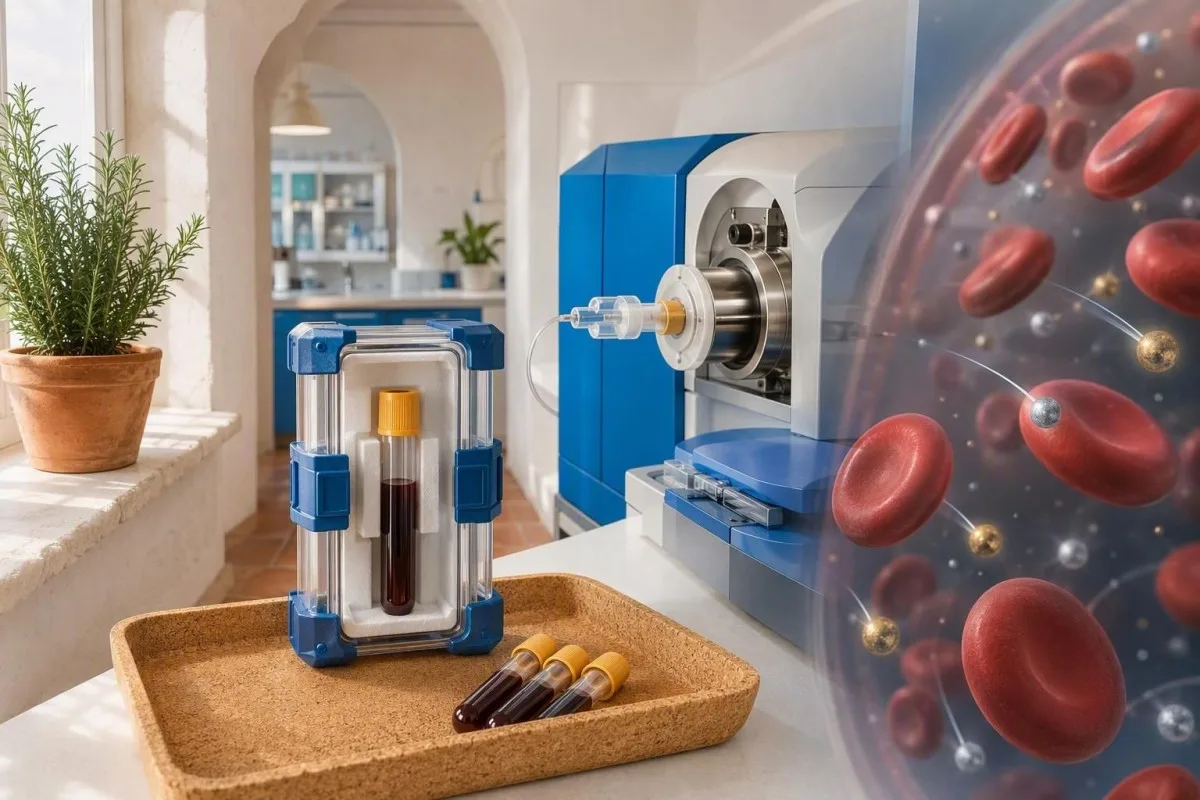
A nehézfémek vérvizsgálata a legalkalmasabb az ólom, a metilhigany, valamint bizonyos munkahelyi vagy implantátumokkal kapcsolatos fémek nemrégiben vagy jelenleg fennálló expozíciójának kimutatására. Nem általános mértéke a “test méreganyagainak”: az eredmény értelmezhetőségét gyakran a vizelet-, fém-speciációs, expozíciós előzmények és az ismétlési időpont határozza meg.


- Teljes vér ólomtartalma főként a közelmúltbeli vagy folyamatos, nagyjából 1 hónapig tartó expozíciót tükrözi; egyetlen vér ólomszint sem tekinthető kockázatmentesnek.
- A CDC gyermekeknél alkalmazott vér ólom referenc Értéke 3,5 µg/dL, ami utókövetési küszöbérték, nem pedig toxicitási diagnózis.
- Higany vérvizsgálat leginkább a halakból és bizonyos foglalkozási forrásokból származó nemrégiben fellépő metilhigany expozíció esetén hasznos; nem mutatja megbízhatóan a régi expozíciót.
- Vizelet arzén tartalom speciációval javasolt az inhalációs arzén expozíció gyanúja esetén, különösen 48-72 órás tenger gyümölcsei kerülés után.
- Vizekadmium általában jobban tükrözi a kumulatív veseterhelést, míg a vérkadmium inkább a közelmúltbeli expozíciót súlyozza.
- Hajvizsgálat támogathat egy szűk körű metilhigany-kérdést, de megbízhatatlan, mint széles körű diagnosztikai méregszűrés.
- Provokált vizeletvizsgálat kelátképző szer adása után nem állapítható meg mérgezés, mert ez szándékosan növeli a vizelettel történő fémkiválasztást.
- Széles körű méregpanelek gyakran kimutatnak nyomelemeket betegség, forrás, dózis vagy kezelési szükséglet kimutatása nélkül.
Mit vizsgál valójában a nehézfém vérvizsgálat?
A nehézfémek vérvizsgálata a gyűjtés időpontjában keringő specifikus elemek koncentrációját méri; nem méri a személy élettartamára vonatkozó “toxin terhelést”. A teljes vér különösen hasznos az ólom és a metilhigany esetében, míg az arzén, kadmium, króm, kobalt és tallium esetében a legjobb minta változik.
A legtöbb klinikai laboratórium indukciósan csatolt plazma tömegspektrometriát vagy ICP-MS-t használ, amely mikrogramm/liter vagy annál alacsonyabb koncentrációban képes kimutatni a fémeket. A kimutatás nem diagnózis: egy eredményt össze kell hasonlítani a laboratórium módszerével, a gyűjtőcsővel, a személy munkájával, étrendjével, kiegészítőivel, vesefunkciójával és a feltételezett érintkezés óta eltelt idővel.
A toxin vérvizsgálati egy 20- vagy 40-fémtartalmú szűrésként forgalmazva átfogónak hangozhat, de sok mért elemnek nincs validált betegségi küszöbértéke tünetmentes személy esetében. A gyakorlatomban a hasznos kérdés szinte mindig szűkebb: “Magyarázhatja-e ez a konkrét expozíció ezt az eredményt vagy tünetet?”
Kantesti egy AI vérvizsgálati analizátor amely a nyomelem eredményeket egy jelentés többi részével együtt mutatja be, beleértve a kreatinin, májmarkerek és a vörösvértest-indexeket. A mi biomarker referencia útmutató segít megkülönböztetni egy olyan eredményt, amely azonnali klinikai felülvizsgálatot igényel, attól, amelyhez elsősorban jobb expozíciós anamnézisre van szükség.
Mely fémeket képes megbízhatóan kimutatni a vérvizsgálat?
A vérvizsgálat megbízhatóan kvantifikálhat több fémet, de a mérhető koncentrációnak mindegyik esetében más jelentése van. Ólom, higany, mangán, kobalt és króm gyakran mérhetők teljes vérben; arzén és kadmium esetén gyakran vizeletvizsgálatra van szükség a klinikailag releváns kérdés megválaszolásához.
A ólom vérvizsgálat tanúsított nyomelem-gyűjtőcsőben gyűjtött teljes vért kell használni, mert az ólom erősen megoszlásba kerül a vörösvértestekbe. Az ér vénás mintavétele előnyös, ha egy szűrési kapilláris eredmény emelkedett, mivel a bőrön lévő por hamisan megemelheti az ujjbegyből vett mintát.
A higany vérvizsgálat a leginformatívabb a tenger gyümölcseiből származó metilhigany és az elmúlt hetekben bekövetkezett elemi higany expozíció szempontjából. A teljes vér higanytartalma általában csökken a halbevitel változása után; a metilhigany biológiai felezési ideje körülbelül 50 nap, így egy 6-8 hét múlva ismételt eredmény informatívabb lehet, mint egy 3 nappal későbbi eredmény.
A kobalt és a króm vérkoncentrációjának meghatározott szerepe van a fém-fém csípőprotézisekkel rendelkező kiválasztott betegeknél, bár a tünetek, képalkotás, implantátum típusa és sorozatos változásai fontosabbak, mint egy elszigetelt szám. Útmutatónk a króm vizsgálati lehetőségekhez magyarázza, miért jelenthetnek a laboratóriumok eltérő egységeket.
Ólom vérvizsgálat: küszöbértékek, időzítés és utókövetés
A vénás vér ólomszint az akut ólomexpozíció standard vizsgálata gyermekeknél és felnőtteknél. Az USA gyermekeknél a 3,5 µg/dL a jelenlegi CDC vér ólom referencéérték; ez azonosítja azokat a gyermekeket, akiknek magasabb az expozíciója, mint a legtöbb társuk, és nem jelenti a biztonságos és nem biztonságos határát.
A vér ólomszintje általában az elmúlt 28-36 napban történt expozíciót tükrözi, bár a csontban tárolt ólom terhesség, menopauza, törésgyógyulás vagy súlyos betegség alatt visszakerülhet a vérbe. Ezért a szint csökkenhet, miután elhagyta a forrást anélkül, hogy bizonyítaná, hogy a korábbi expozíció ártalmatlan volt.
A CDC 2021-es frissítése a gyermekek referenciatartományát 5,0-ról csökkentette 3,5 µg/dL mert az alacsonyabb koncentrációk populációs szinten továbbra is összefüggésbe hozhatók a fejlődési kockázattal (Ruckart et al., 2021). A 3,5 µg/dL értékű gyermekeknél a keláció nem rutinszerű; a forrás azonosítása, a táplálkozás, a fejlődés megfigyelése és az ismételt tesztelés a szokásos első lépések.
Felnőtteknél az occupational thresholds és eltávolítási szabályok országonként, nemek szerint, terhességi potenciál és iparág szerint eltérnek. Egy eredmény 45 µg/dL vagy magasabb sok klinikai helyzetben sürgős szakorvosi megbeszélést indokol, míg 70 µg/dL vagy magasabb általában orvosi vészhelyzetnek számít, azonnali expozíció eltávolítást és szakértői kezelést igényel.
Higany vérvizsgálat hal, munka vagy kiömlés után
A higany vérvizsgálat ragadja meg a tenger gyümölcseiből származó nemrégiben történt metilhigany expozíciót, és segíthet a nemrégiben történt elemi higany expozíció felmérésében. Önmagában nem azonosítja a higany formáját, forrását, időtartamát vagy a neurológiai kockázat mértékét.
Rendszeresen halat fogyasztó felnőtt esetében a teljes vér higanytartalma alatti 10 µg/L gyakran látható, de a laboratóriumi referenciatartományok széles körben változnak a földrajzi elhelyezkedés és az étrend szerint. Egy eredmény feletti 20 µg/L gondos expozíció-felülvizsgálatot érdemel, különösen terhesség alatt vagy a fogantatás előtt, a reflex méregtelenítés helyett.
Clarkson és Magos leírják, miért fontos a higany kémia: a metilhigany a vörösvértestekben koncentrálódik, míg a szervetlen higany könnyebben jelenik meg a vizeletben (Clarkson és Magos, 2006). Ez a különbség az oka annak, hogy a teljes higany önmagában felesleges riadalmat kelthet több adag nagy, ragadozó hal elfogyasztása után.
Láttam egy szorongó beteget, aki szusizás után másnap reggel megismételtette a higanyszintet; ez az ismételt vizsgálat szinte semmit sem derített ki. Hasznosabb terv két hétig rögzíteni a tenger gyümölcsei fajtáját és adagjait, választani az alacsonyabb higanytartalmú lehetőségeket, majd körülbelül 6-8 hét múlva megismételni, ha az eredeti eredmény valóban emelkedett volt; lásd a tenger gyümölcsei higanykövetés útmutatónkat.
Mikor jobb a vizeletvizsgálat, mint a vérvizsgálat?
A vizeletvizsgálat előnyösebb, ha a fémet a vizelet választja ki, vagy ha a klinikusoknak az azonos napon történő expozíció helyett a kumulatív expozíciót kell becsülniük. Arzén, kadmium, szervetlen higany és tallium gyakori példák, ahol a vizelet jobban megválaszolja a klinikai kérdést, mint a vér.
A 24 órás vizelet gyűjtése a napi teljes kiválasztódást méri, de a kreatininre korrigált spontán vizeletmintát gyakran használják, ha a gyűjtés minősége kétséges. Egy kihagyott gyűjtés, rendkívül magas folyadékbevitel vagy extrém kreatininérték torzíthatja a 24 órás becslést; a gyűjtési technika ugyanazt a vizsgálatot érdemli, mint a szám.
A vizelet kadmium a vese hosszú távú felhalmozódását tükrözi, jobban, mint a vér kadmium, amelyet a közelmúltbeli dohányzás vagy foglalkozási expozíció befolyásol. A kadmium értelmezésétől függően vizelet albumint vagy ACR-t és tubuláris markereket is kell tartalmaznia, mert az aggodalom gyakran a vese tubuláris károsodása, nem pedig egy homályos toxicitási pontszám.
Az időzítési hibák gyakoriak. A gyakorlati 24 órás vizeletgyűjtési útmutató ismerteti a szokásos hibalehetőségeket, beleértve a rosszkor történő kezdést és a végső minta elfelejtését.
Az arzénvizsgálat speciációt igényel, nem általános összmennyiséget
A gyanított arzénexpozíciót általában vizelet arzénfaj-meghatározásával, értékelik, nem vérpanellel. A teljes vizelet arzén jelentősen megnőhet tengeri ételek fogyasztása után, mert a szerves arzén-betain a vizeletben ürül, de sokkal kevésbé mérgező, mint a szervetlen arzén.
Az embereknek kerülniük kell a tenger gyümölcseit 48-72 órára tervezett vizelet arzén teszt előtt, hacsak a toxikológus másként nem tanácsolja. A teljes vizelet arzénszintje a 50 µg/L felett indokolhatja a követést, de felelősségteljesen nem értelmezhető anélkül, hogy azonosítanánk a szervetlen arzént és metabolitjait.
A vér arzénszintje rövid ideig hasznosablakkal rendelkezik – gyakran órákig jelentős expozíció után –, így a normál véreredmény nem zárja ki a napokkal korábbi releváns expozíciót. A 15 év alatt, amióta laboratóriumi jelentésekkel foglalkozom, ez az egyik leggyakoribb oka annak, hogy egy széles körű panel hamis biztonságérzetet ad.
Az ATSDR arzénprofilja támogatja a vizeletvizsgálatot faj-meghatározással, ha expozíció gyanúja merül fel, különösen talajvíz, ipari vagy gyógynövény-termék aggályok esetén (ATSDR, 2007). Ne hagyja abba a felírt gyógyszereket, és ne próbálkozzon kelációval, amíg a leletre vár; egy orvos segíthet azonosítani, hogy a víz, a munkahely vagy egy termék a valószínű forrás.
A kadmium, a króm és a kobalt expozícióspecifikus vizsgálatot igényel
A kadmium, króm és kobalt eredményei csak akkor értelmesek, ha összevetik őket egy valószínű forrással és a megfelelő mintával. Vizekadmium gyakran választják a kumulatív expozícióra, míg a vér kobalt és króm főként a közelmúltbeli foglalkozási expozícióra vagy implantátumok felügyeletére szolgál.
A dohányzás jelentősen növelheti a kadmium koncentrációját, és bizonyos munkahelyek belélegzett expozíciót jelentenek; a kizárólag étrendi bevitel ritkán magyarázza a feltűnő eredményt. A vesefunkció számít, mert a csökkent, szűrés megváltoztathatja a vizelet koncentrációját az expozíciótól függetlenül, így a kreatinin és a vizeletfehérje kontextusa hasznos.
Fém csípőprotézissel rendelkező személy esetében új csípőfájdalom, csökkent funkció, hallási vagy látási tünetek, kardiomiopátia tünetei vagy emelkedő kobaltszint közvetlen klinikai értékelést igényel. Az egyszeri vérkobaltszint-mérés nem alkalmas nem specifikus fáradtság, ködös agy vagy ízületi fájdalmak szűrésére.
A Kantesti AI képes összehasonlítani a vesemarcereket különböző időpontok között, ami hasznos, ha egy fémeredmény vesekérdést vet fel, ahelyett, hogy ok-okozati összefüggést bizonyítana. Tekintse át a GFR eredményét kiszáradás után, mielőtt azt feltételezné, hogy egy kis kreatinin-eltolódás fémhez kapcsolódó károsodást jelent.
Gyűjtési hibák hamis fémtartalmú eredményt okozhatnak
A nyomelemedmények szokatlanul sérülékenyek a szennyeződésekkel szemben a mintavételi kémcsövekből, bőrtől, helyileg alkalmazott termékektől és a laboratóriumi feldolgozástól. Egy meglepő alacsony szintű eredményt gyakran meg kell ismételni egy tanúsított nyomelemes kémcsővel, mielőtt az invazív vizsgálatokat vagy kiegészítőket indítana el.
A kesztyűkről leváló por, a munkahelyről származó por, a cinket tartalmazó fogpótlási ragasztók, és még egy nem tanúsított mintavételi kémcső is befolyásolhatja a vizsgálatot. A hemolízis bizonyos elemek értelmezését is megváltoztathatja, mivel a sejtek tartalma a szérumba vagy plazmába kerül; a vöröses mintának fel kell szólítania a laboratóriumot, hogy kommentálja a minta minőségét.
A megfelelő mátrix számít: teljes vér, a szérum, plazma és vizelet nem cserélhető fel. Az “szérum higany” feliratú jelentést nem szabad felszínesen összehasonlítani a teljes vérre vonatkozó közegészségügyi küszöbértékkel.
Kantesti egy AI biomarker-értelmező platform amely elolvassa a jelentett mintatípust, mértékegységet és referenciatartományt, mielőtt kontextust adna. A mi technológiánk és módszereink útmutatója megmagyarázza, hogy egy laboratórium tartományán kívüli eredmény miért nem vetíthető automatikusan át egy másik laboratórium döntési határára.
Miért félrevezetőek gyakran a haj-, köröm- és otthoni méreganyag panelek?
A haj- és körömvizsgálatok a legtöbb nehézfém-mérgezést egyénnél nem tudják diagnosztizálni, mivel a külső szennyeződés, a kozmetikai kezelés, a növekedési sebesség és a laboratóriumi előkészítés dominálhatja az eredményt. A hajnak korlátozott támogató szerepe van a hosszabb távú metilhigany-expozíció esetében, nem pedig egy mindenre kiterjedő méregtelenítési értékeléshez.
A haj körülbelül 1 cm-t nő havonta,, de ez az egyszerű tény nem teszi megbízható expozíciós naptárrá minden egyes centimétert. A hajszínezék, a szőkítés, az uszodavíz, a por és a samponok megváltoztathatják a mért koncentrációkat; a mosási protokollok lényegesen eltérnek a laboratóriumok között.
A körömvizsgálat hasonló korlátokkal rendelkezik, és kevés szerepe van a rutinszerű klinikai diagnosztikában. Amikor egy panel 25 elemet jelent, az általában kiemel valami statisztikailag szokatlant még egészséges embereknél is – ez a többes összehasonlítások elvárt következménye, nem pedig annak bizonyítéka, hogy a testnek tisztításra van szüksége.
Ha tünetek jelentkeznek, a klinikusoknak először a standard magyarázatokat kell keresniük, amelyeknek egyértelműbb diagnosztikai útja van: vérszegénység, pajzsmirigybetegség, vesebetegség, gyógyszerhatások, alvászavarok és táplálkozás. A cikkünk a vérvizsgálatokról ismeretlen eredetű fájdalom esetén témában megmutatja, hogyan kezdjünk hozzá anélkül, hogy minden tünetet toxicitásra redukálnánk.
Miért nem tudják a provokált vizeletvizsgálatok igazolni a fém mérgezést?
A provokált vizelet fémvizsgálat nem tudja diagnosztizálni a krónikus nehézfém-mérgezést, mert a kelátképző gyógyszer szándékosan mobilizálja és növeli a fémek vizelettel történő kiválasztódását. A nem provokált vizeletmintából származó referenciatartományok EDTA, DMSA, DMPS vagy más kelátképző hatására nem érvényesek.
A kelátképzők megkötik azokat a fémeket, amelyek normálisan jelen vannak a szövetekben és a keringésben, így szinte mindenki többet választ ki belőlük egy kezelés után. A hiányzó kulcsfontosságú elem egy validált, kelátképzés utáni referencia populáció, amelyet a legtöbb kereskedelmi jelentés nem ad meg.
A kelátképzés nem ártalmatlan. A szertől és a személytől függően hozzájárulhat alacsony kalcium-, vesestressz-, allergiás reakciókhoz, ásványianyag-kimerüléshez és kölcsönhatásokhoz a felírt kezelésekkel; a kezelést dokumentált expozíciónak és szakorvosi értékelésnek kell követnie.
Dr. Thomas Klein gyakorlati szabálya egyszerű: állapítsa meg az expozíciót, végezzen megfelelően gyűjtött alapvizsgálatot, majd vitassa meg a kezelést. A orvosi validációs megközelítésünk a Kantesti AI használatával az a cél, hogy felhívja a figyelmet arra, amikor egy vizsgálat korlátai miatt nem lehet magabiztosan értelmezni az eredményt.
Tünetek, amelyek sürgős ellátást igényelnek, nem pedig egy újabb panel vizsgálatot
Az akut zavartság, görcsrohamok, súlyos hányás, új keletű gyengeség, légszomj, mellkasi fájdalom, vagy ismert nagy dózisú expozíció sürgős orvosi értékelést igényel, nem pedig postán küldendő méreganyag panelt. A normális véreredmény akkor fordulhat elő, ha a tesztelés túl későn történik, vagy tévesen mérnek egy fémet.
Gyermekeknél a pica, festék expozíció, fejlődésbeli visszamaradás, vagy magas ólomszinttel rendelkező testvér esetén azonnali gyermekgyógyászati tanácsadásra van szükség. Az ólommérgezés gyakran tünetmentes, így a viselkedés önmagában nem becsülheti meg a vér ólomszintjét.
Az elemi higanygőz expozíció köhögést, légszomjat, remegést vagy neuropszichiátriai tüneteket okozhat, míg a szervetlen arzén súlyos gyomor-bélrendszeri megbetegedést és szív- és érrendszeri instabilitást okozhat jelentős expozíciót követően. Ezek a mintázatok ritkák, de a késlekedés a kockázat – hívjon sürgősségi szolgálatot vagy méregközpontot, ha az expozíció friss, vagy a tünetek jelentősek.
A klinikus rendelhet elektrolitokat, kreatinint, májteszteket, EKG monitorozást és célzott toxikológiát a fémmegállapítás mellett. A mi elektrolit „red-flag” útmutató magyarázza el, miért soha nem értékelik a fémtoxicitást csupán egyetlen koncentráció alapján.
Hogyan kezeljünk egy határértékű fémeredményt?
A határértékhez közeli fémeredményt általában a minta megerősítésével, az expozíció rekonstruálásával és a megfelelő idő elteltével a helyes teszt megismétlésével kezelik. Ritkán indokol táplálékkiegészítőket, böjtölési rendeket vagy kelációt önmagában.
Kezdje egy idővonallal: foglalkozás, hobbik, felújítási munkák, import fűszerek vagy gyógymódok, víznyerőhely, lőtér, ékszerkészítés, halfogyasztás és implantátum története. Jegyezze fel a dátumokat, gyakoriságot, védőfelszerelést, és azt, hogy a környezetet megosztó másoknak vannak-e tünetei vagy rendellenes eredményei.
Az ismételt vizsgálatnak ugyanazt a mátrixot és, ahol lehetséges, ugyanazt a laboratóriumot kell használnia. A 20% változás a nyomelemeknél átlagos biológiai vagy analitikai eltérést jelezhet, míg a dokumentált forrás eltávolítása utáni tartós csökkenés erősebben támasztja alá az expozíciós hipotézist.
az Kantesti képes sorozatos laboratóriumi jelentéseket szervezni, de nem helyettesíti az expozíciós vizsgálatot vagy az orvosi vizsgálatot. A mi egymás melletti eredmények útmutatónk hasznos egy tömör idővonal összeállításához egy foglalkozás-egészségügyi orvos vagy háziorvos számára.
Ételek, étrend-kiegészítők és a “méregtelenítés” korlátai”
Egyetlen lé böjtölés, szauna, táplálékkiegészítő vagy böjtölési protokoll sem bizonyult biztonságosan képesnek eltávolítani a klinikailag jelentős fémexpozíciót a forrás kontrolljának helyett. A legtöbb alacsony szintű expozíciónál az első kezelés a forrás megszüntetése és az átlagos táplálkozás, hidratálás és orvosi utánkövetés támogatása.
Megfelelő kalcium-, vas- és C-vitamin bevitel csökkentheti a gyermekeknél a táplálkozási hiány miatt fellépő ólom felszívódását a gyomor-bélrendszerben, de az étel nem helyettesíti a környezeti rehabilitációt. Vashiány növelheti az ólom felvételét, ami az egyik oka annak, hogy a klinikusok gyakran ellenőrzik a ferritint és a teljes vérképet, ha ólomexpozíciót igazoltak.
A magas dózisú cink rézhiányt okozhat, és a felügyelet nélküli szelén maga is toxicitást okozhat. Egy fémkötőként reklámozott táplálékkiegészítőt óvatosan kell kezelni, különösen, ha több ásványi anyagot tartalmaz, amelyek bonyolíthatják a későbbi vizsgálatokat.
Ésszerű táplálkozási kérdésekkel kapcsolatban olvassa el útmutatónkat a magas vastartalmú ételek és áttekintésünk a a biztonsági tartományt ismerteti.. A kereskedelmi méregtelenítő programok bizonyítékai őszintén gyengék.
Hogyan olvassunk ki egy fémeredményt a rutin vérvizsgálatok mellett?
A fémeredmények klinikailag hasznossá válnak, ha a vesefunkcióval, májjelzőkkel, teljes vérképpel, tünetekkel és hiteles expozíciós forrással együtt értelmezik őket. Egy referenciatartomány feletti érték, bármilyen támogató jelzés nélkül, gyakran korlátozott klinikai jelentőséggel bír.
Az ólomexpozíció mikrocitózissal vagy vashiánnyal együtt is előfordulhat, de a normál CBC nem zárja ki az ólomexpozíciót. A kadmiummal kapcsolatos kérdések figyelmet érdemelnek a kreatininre és a vizeletfehérjére, míg a jelentős májrendellenességeket nem szabad automatikusan egy alacsony szintű fémlelettel magyarázni.
Az Kantesti AI egy AI laboratóriumi leletértelmező szolgáltatás amely az egység-specifikus laboratóriumi adatokat a klinikusnak feltett kérdésekké alakítja át, ahelyett, hogy egy széleskörű méreganyag-szűrésből diagnózist állítana fel. Dr. Thomas Klein és a mi Orvosi Tanácsadó Testület hangs forrás-ellenőrzést, megismételhető tesztelést és egyértelmű eszkalációs tanácsokat.
Bármely jelentés feltöltése előtt távolítsa el a szükségtelen azonosítókat, és ellenőrizze, hogy a minta típusa, a gyűjtés dátuma és az egységek láthatóak-e. A miénk PDF feltöltési minőség-ellenőrzőlista megakadályozhatja, hogy egy egyszerű átírási hiba félelmetes értelmezéssé váljon.
Gyakorlati vizsgálati terv feltételezett expozíció esetén 2026-ban
2026. szeptember 3-tól a legbiztonságosabb tesztelési terv egy specifikus expozíciós hipotézissel kezdődik, majd kiválasztja a megfelelő fémet, mintát és gyűjtési dátumot. A széles körű szűrés csak akkor ésszerű, ha egy foglalkozás- vagy közegészségügyi orvos meghatározott többfémtartalmú expozíciót azonosít.
Régi festék, importált kerámia, lövészet, akkumulátor-munka vagy szennyezett por esetén kérjen vénás teljes vér ólomvizsgálatot. Gyakori magas higanytartalmú halbevitel esetén kezdje teljes vér összes higanyával; kútvíz vagy gyanított arzén esetén kérjen vizelet arzén vizsgálatot specifikációval tenger gyümölcsei kerülése után.
Hozzon magával fényképeket a termékcímkékről, munkahelyi biztonsági adatlapokról, felújítási dátumokról és vízteszt eredményekről az időpontra. Ez a bizonyíték diagnosztikusabb lehet, mint 15 fém hozzáadása egy panelhez, és lehetővé teszi a közegészségügyi intézkedéseket, ha otthoni vagy munkahelyi forrás valós.
Kantesti 127+ országban használatos, de a helyi küszöbértékek és a munkahelyi jelentési szabályok eltérőek. A miénk klinikai felhasználási esetpéldák megmutatják, hogyan támogathatják a strukturált kérdések – nem helyettesíthetik – saját orvosát, toxikológiai szolgálatát vagy helyi közegészségügyi csapatát.
Gyakran Ismételt Kérdések
Milyen fémeket tud kimutatni egy vérvizsgálat?
A nehézfém vérvizsgálat kvantifikálhatja az ólmot, a teljes higanyt, a mangánt, a kobaltot, a krómot és több más elemet, általában teljes vérből. A vér a legalkalmasabb a közelmúltbeli vagy folyamatos expozíció kimutatására, nem pedig az élettartam alatti felhalmozódás mérésére. Az ólmot általában vénás teljes vérből vizsgálják, a metilhigany vér felezési ideje pedig körülbelül 50 nap. Arzén, kadmium, szervetlen higany és tallium esetében gyakran vizeletvizsgálatra van szükség a klinikailag hasznosabb eredmény érdekében.
Mennyi ideig maradnak a nehézfémek a vérben?
Az idő, amíg egy fém mérhető marad, a kémiai formájától és a vizsgált mintától függ. A vér ólom általában az elmúlt 28-36 nap expozícióját tükrözi, míg a metilmerkúr általában körülbelül 50 nap alatt csökken, miután az expozíció csökken. A vér arzén csak órákig lehet hasznos jelentős expozíció után, így a későbbi normál eredmény nem zárja ki azt. A kadmium évekig megmaradhat a szervezetben, de a vizelet általában informatívabb a felhalmozódott kadmiumterhelés szempontjából.
A nehézfém vérvizsgálat jó általános méregtelenítő szűrés?
A széles körű méreg vérvizsgálat általában gyenge általános szűrővizsgálat magyarázat nélküli fáradtság, fejfájás vagy agyi köd esetén, mivel a nyomkövetéses kimutatás nem állapítja meg a toxicitást. A 20 vagy több elemet mérő panelek növelik annak esélyét, hogy legalább egy határértéken kívüli jelzés jelenjen meg egészséges embereknél is. A munka, víz, festék, tenger gyümölcsei, étrend-kiegészítők vagy implantátum alapján célzott teszt nagyobb valószínűséggel eredményez cselekvésre alkalmas eredményt. Az orvosnak a kiemelkedő koncentrációt a minta típusával, az egységekkel, az időzítéssel, a tünetekkel és az expozíciós előzményekkel együtt kell értelmeznie.
Kell böjtölnöm nehézfémek vérvizsgálata előtt?
Az esetek többségében nem szükséges az éhgyomor a legtöbb ólom- vagy higanyvérvizsgálatnál. A relevánsabb előkészítés a szennyeződés elkerülése és a közelmúltbeli expozíció dokumentálása, például az elmúlt 1-2 hétben fogyasztott hal vagy a vizsgálat napján a munkahelyi érintkezés. A vizelet arzén vizsgálatnál kerülje a tenger gyümölcseit 48-72 órával a gyűjtés előtt, kivéve, ha az orvos másként tanácsolja, mivel a szerves tenger gyümölcsei arzén emelheti a teljes vizelet arzén szintet. Ne hagyja abba a felírt gyógyszereket, és ne szedjen kelátképző terméket a vizsgálat előtt.
Milyen vér ólom szint aggodalomra ad okot?
Az Egyesült Államokban élő gyermekeknél a 3,5 µg/dL vagy magasabb vér ólomszint megfelel a CDC vér ólom referenciaértékének, és expozíciós utánkövetést kell elindítania. Ez nem biztonságos vagy veszélyes küszöbérték, mivel egyetlen ólomexpozíciós szint sem ismert, hogy teljesen kockázatmentes lenne. A 20-44 µg/dL-es szintek azonnali klinikai értékelést indokolnak, és a 45 µg/dL vagy magasabb szintek általában sürgős szakemberi megbeszélést igényelnek. A felnőtteknél a foglalkozási beavatkozási szintek országonként, munkakörönként, nemenként és terhességi potenciálonként eltérnek.
Pontosak-e a hajvizsgálatok nehézfémek kimutatására?
A hajszálvizsgálatok nem megbízhatóak a legtöbb nehézfém-mérgezés diagnosztizálásában, mivel a külső por, hajfesték, fehérítés, sampon és a laboratóriumi mosási módszerek megváltoztathatják az eredményeket. A haj havonta körülbelül 1 cm-t nő, de nem pontos történelmi expozíciós rekord egy személy számára. A hajelemzés alkalmanként támogathatja a hosszabb távú metilmerkúr expozíció értékelését szakemberi irányítás mellett. Eltérő hajereményt nem szabad önmagában felhasználni keláció vagy méregtelenítő program igazolására.
Kimutatja-e a kelációs teszt, hogy fémtoxicitásom van-e?
Nem, a kelátképző gyógyszer után gyűjtött vizelet nem tudja bizonyítani a fém mérgezést, mert a gyógyszer szándékosan növeli a fém kiválasztódását. A standard vizelet referencia tartományok kelátor nélkül gyűjtött mintákból származnak, és nem hasonlíthatók össze a keláció utáni eredménnyel. A keláció megterhelheti a vesét, ásványianyag-zavarokat és egyéb káros hatásokat okozhat, különösen dokumentált indikáció nélkül. Először megfelelően gyűjtött alap vér- vagy vizeletvizsgálatokat és expozíciós vizsgálatokat kell végezni.
Végezzen mesterséges intelligencia által támogatott vérvizsgálat-elemzést még ma
Csatlakozzon világszerte több mint 2 millió felhasználóhoz, akik az Kantesti-t bízzák meg azonnali, pontos laborvizsgálat-elemzésért. Töltse fel a vérvizsgálat eredményeit, és kapjon átfogó értelmezést az 15,000+ biomarkerekről másodpercek alatt.
📚 Hivatkozott kutatási publikációk
Klein, T., Mitchell, S., & Weber, H. (2026). Hasmenés böjtölés után, fekete foltok a székletben és emésztőrendszeri útmutató 2026. Kantesti mesterséges intelligencia orvosi kutatás.
Klein, T., Mitchell, S., & Weber, H. (2026). Női egészségügyi útmutató: Ovuláció, menopauza és hormonális tünetek. Kantesti mesterséges intelligencia orvosi kutatás.
📖 Külső orvosi hivatkozások
Ügynökség Toxikus Anyagok és Betegségnyilvántartó Hivatala (2007). Arzén toxikológiai profilja. U.S. Department of Health and Human Services.
⚕️ Orvosi nyilatkozat
A cikk kizárólag oktatási célokat szolgál, és nem minősül orvosi tanácsadásnak. A diagnózisra és a kezelési döntésekre vonatkozóan mindig konzultáljon szakképzett egészségügyi szolgáltatóval.
E-E-A-T bizalmi jelzések
Tapasztalat
Orvosok által vezetett klinikai áttekintés a laboratóriumi értelmezési munkafolyamatokról.
Szakértelem
Laboratóriumi medicina fókusz: hogyan viselkednek a biomarkerek klinikai környezetben.
Tekintélyesség
Dr. Thomas Klein írta, Dr. Sarah Mitchell és Prof. Dr. Hans Weber általi felülvizsgálattal.
Megbízhatóság
Bizonyítékokon alapuló értelmezés, világos követési útvonalakkal a riadalom csökkentésére.