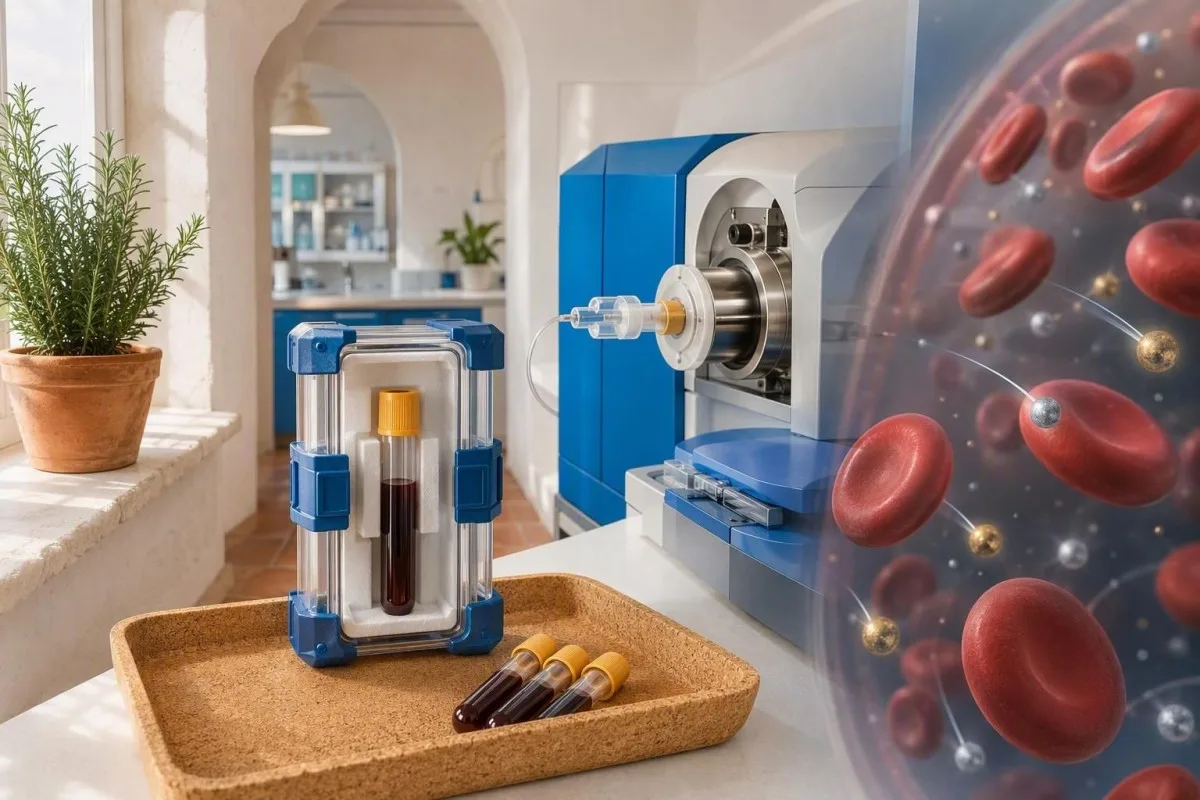
Asins analīzes uz smagajiem metāliem ir vislabākās nesenai vai notiekošai saskarsmei ar svinu, metilgyvsudrabu un noteiktiem darba vides vai implantu radītiem metāliem. Tas nav vispārīgs “ķermeņa toksīnu” mērījums: urīns, metālu specifiskā izpēte, saskarsmes vēsture un atkārtoti veikto analīžu laiks bieži nosaka, vai rezultāts ir jēgpilns.


- Kopējais svins asinīs galvenokārt atspoguļo nesenu vai turpinātu saskarsmi aptuveni 1 mēneša laikā; neviens svina līmenis asinīs netiek uzskatīts par nekaitīgu.
- CDC atsauces vērtība svinam bērnu asinīs ir 3,5 µg/dL, kas ir tālākas izmeklēšanas slieksnis, nevis diagnoze saindēšanās gadījumā.
- Gyvsudraba asins analīzes ir visnoderīgākās nesenai metilgyvsudraba saskarsmei no zivīm un dažiem profesionālajiem avotiem; tās neuzticami nenosaka vecu saskarsmi.
- Urīna arsēns ar specifiku ir ieteicams aizdomu gadījumā par neorganisku arsēna saskarsmi, īpaši pēc jūras velšu nelietošanas 48–72 stundas.
- Kadmijs urīnā parasti labāk atspoguļo kumulatīvo nieru slodzi, savukārt kadmijs asinīs vairāk norāda uz neseno iedarbību.
- Matu testēšana var palīdzēt atbildēt uz specifisku jautājumu par metilgyvas iedarbību, bet ir neuzticama kā plašs diagnostikas toksīnu skrīnings.
- Provocēta urīna testēšana pēc helātu veidojoša līdzekļa lietošanas nevar noteikt saindēšanos, jo tā apzināti palielina metālu izdalīšanos ar urīnu.
- Plaši toksīnu paneļi bieži atklāj mikroelementus, nenorādot slimību, avotu, devu vai nepieciešamību pēc ārstēšanas.
Ko patiesībā pārbauda smago metālu asins analīzes
A smago metālu asins analīzes mēra noteiktu elementu koncentrāciju, kas cirkulē savākšanas laikā; tas nemēra personas dzīves laikā uzkrāto “toksīnu slodzi”. Pilnas asinis ir īpaši noderīgas svinam un metilgyvai, savukārt labākā parauga izvēle mainās attiecībā uz arsēnu, kadmiju, hromu, kobaltu un talliju.
Lielākā daļa klīnisko laboratoriju izmanto indukcijas skaidrošanas masas spektrometriju jeb ICP-MS, kas spēj noteikt metālus mikrogramos uz litru vai zemāk. Atklāšana nav diagnostika: rezultāts ir jāsalīdzina ar laboratorijas metodi, savākšanas caurulīti, personas darbu, uzturu, piedevām, nieru darbību un laiku, kas pagājis kopš aizdomām radušās saskares.
A toksīnu asins analīžu tirgū kā 20 vai 40 metālu skrīnings var šķist visaptverošs, taču daudziem izmērītajiem elementiem nav apstiprinātas slimības sliekšņa asimptomātiskai personai. Manā praksē noderīgs jautājums gandrīz vienmēr ir šaurāks: “Vai šī konkrētā iedarbība varētu izskaidrot šo rezultātu vai simptomu?”
Kantesti ir AI asins analīžu analizators kas mikroelementu rezultātus novieto blakus pārējam ziņojumam, ieskaitot kreatinīnu, aknu marķierus un sarkanās asins šūnas. Mūsu biomarķieru uzziņu rokasgrāmata palīdz atšķirt rezultātu, kas prasa tūlītēju klīnisko pārskatīšanu, no tā, kas galvenokārt prasa labāku iedarbības vēsturi.
Kādus metālus uzticami var noteikt ar asins analīzēm?
Asins testēšana var uzticami kvantitatīvi noteikt vairākus metālus, taču mērāmai koncentrācijai ir atšķirīga nozīme katram no tiem. Svins, dzīvsudrabs, mangāns, kobalts un hroms parasti tiek mērīti pilnās asinīs; arsēnam un kadmijam bieži ir nepieciešama urīna testēšana klīniski nozīmīga jautājuma noskaidrošanai.
A Svina asins analīze jāizmanto pilnas asinis, kas savāktas sertificētā mikroelementu caurulītē, jo svins spēcīgi sadalās sarkanajās šūnās. Venoza paraugu ņemšana ir priekšrocība, ja skrīninga kapilārais rezultāts ir paaugstināts, jo ādas putekļi var nepareizi paaugstināt pirksta dūriena rezultātu.
A dzīvsudraba asins analīze ir visinformatīvākais par metilgyvu no jūras veltēm un elementāro dzīvsudrabu, kas radies pēdējo nedēļu laikā. Pilnu asiņu dzīvsudraba līmenis parasti pazeminās pēc zivju patēriņa izmaiņām; metilgyvas bioloģiskais eliminācijas periods ir aptuveni 50 dienas, tāpēc atkārtots rezultāts pēc 6–8 nedēļām var būt informatīvāks nekā rezultāts pēc 3 dienām.
Kobalta un hroma koncentrācijai asinīs ir noteikta nozīme atsevišķiem cilvēkiem ar metāla-uz-metāla gūžas protēzēm, lai gan simptomi, attēlveidošana, implanta veids un secīgas izmaiņas ir svarīgākas nekā viens izolēts skaitlis. Mūsu ceļvedis par hroma testēšanas izvēli skaidro, kāpēc laboratorijas var ziņot par dažādām vienībām.
Svina asins analīzes: sliekšņi, laiks un tālāka rīcība
A svina līmenis venozās asinīs ir standarta tests nesenai svina iedarbībai bērniem un pieaugušajiem. ASV bērniem 3,5 µg/dL ir pašreizējā CDC atsauces svina līmeņa vērtība asinīs; tā identificē bērnus ar augstāku iedarbību nekā vairums vienaudžu un nav robeža starp drošu un nedrošu.
Svina līmenis asinīs parasti atspoguļo iedarbību pēdējo 28-36 dienu laikā, lai gan kaulos uzglabātā svina var atgriezties asinīs grūtniecības, menopauzes, lūzumu dzīšanas vai smagas slimības laikā. Tādēļ līmenis var pazemināties pēc avota atstāšanas, neapstiprinot, ka iepriekšējā iedarbība bija nekaitīga.
CDC 2021. gada atjauninājumā bērnu atsauces vērtība tika pazemināta no 5,0 uz 3,5 µg/dL jo zemākas koncentrācijas joprojām korelē ar attīstības risku populācijas līmenī (Ruckart et al., 2021). Helātu terapija nav rutīna bērnam ar 3,5 µg/dL; avota identifikācija, uzturs, attīstības uzraudzība un atkārtota testēšana ir parastie pirmie soļi.
Pieaugušajiem profesionālās robežvērtības un izslēgšanas noteikumi atšķiras atkarībā no valsts, dzimuma, grūtniecības potenciāla un nozares. Rezultāts 45 µg/dL vai vairāk daudzos klīniskos apstākļos prasa steidzamu speciālista apspriešanu, savukārt 70 µg/dL vai vairāk parasti tiek uzskatīta par medicīnisku neatgadījumu, kas prasa tūlītēju iedarbības novēršanu un ekspertu vadību.
Gyvsudraba asins analīzes pēc zivju ēšanas, darba vai noplūdes
A dzīvsudraba asins analīze vislabāk atspoguļo nesenu metilgyva iedarbību no jūras veltēm un var palīdzēt novērtēt nesenu elementārā dzīvsudraba iedarbību. Tā pati par sevi nenosaka dzīvsudraba formu, avotu, ilgumu vai neiroloģiskā riska pakāpi.
Pieaugušajam, kurš regulāri patērē zivis, kopējais dzīvsudraba līmenis asinīs zem 10 µg/L bieži tiek novērots, taču laboratorijas atsauces intervāli plaši atšķiras atkarībā no ģeogrāfijas un uztura. Rezultāts virs 20 µg/L prasa rūpīgu iedarbības pārskatīšanu, īpaši grūtniecības laikā vai pirms ieņemšanas, nevis refleksu detoksikāciju.
Klārksona un Magosa apraksta, kāpēc dzīvsudraba ķīmija ir svarīga: metilgyvs koncentrējas sarkanajās asins šūnās, savukārt neorganiskais dzīvsudrabs vieglāk tiek attēlots urīnā (Clarkson and Magos, 2006). Šī atšķirība ir iemesls tam, kāpēc tikai kopējais dzīvsudrabs var radīt nevajadzīgas bažas pēc vairākām lielu plēsoņu zivju porcijām.
Esmu redzējis pacientu ar trauksmi, kurš atkārtoja dzīvsudraba līmeni nākamajā rītā pēc suši ēšanas; šis atkārtotais tests nedeva gandrīz nekādu atbildi. Noderīgāks plāns ir 2 nedēļas fiksēt zivju sugas un porcijas, izvēlēties zivju sugas ar zemāku dzīvsudraba saturu, un tad atkārtot testu pēc aptuveni 6-8 nedēļām, ja sākotnējais rezultāts bija patiešām paaugstināts; skatiet mūsu rokasgrāmatu par dzīvsudraba līmeņa pārbaudi zivīs pēc tā lietošanas.
Kad urīna analīzes ir labākas nekā asins analīzes
Urīna izmeklēšana ir vēlama, ja metāls izdalās ar urīnu vai ja ārstiem ir nepieciešams novērtēt kumulatīvo, nevis tā paša dienas ekspozīciju. Arsens, kadmijs, neorganiskais dzīvsudrabs un tallijs ir izplatīti piemēri, kur urīna izmeklējums var sniegt labāku atbildi uz klīnisko jautājumu nekā asinis.
A 24 stundu urīna savākšana mēra kopējo izdalīšanos dienas laikā, bet punktu vākta urīna paraugs, koriģēts attiecībā pret kreatinīnu, bieži tiek izmantots, ja savākšanas kvalitāte ir apšaubāma. Nepilnīga savākšana, neparasti liels šķidruma patēriņš vai kreatinīna līmenis galējībās var izkropļot 24 stundu novērtējumu; savākšanas tehnikai ir jāpievērš tāda pati uzmanība kā testu skaitam.
Urīna kadmijs labāk atspoguļo ilgtermiņa nieru uzkrāšanos nekā asins kadmijs, ko ietekmē nesenā smēķēšana vai profesionālā ekspozīcija. Kadmija interpretācijā, ja tas ir klīniski norādīts, jāiekļauj urīna albumīns vai ACR un tubulārie marķieri, jo bažas biežāk rada nieru tubulāra bojājuma risks nekā vispārīgs toksicitātes rādītājs.
Laika noteikšanas kļūdas ir bieži sastopamas. Mūsu praktiskā 24 stundu urīna savākšanas ceļvedis detalizēti apraksta parastās kļūmes, ieskaitot nepareizu laika sākumu un pēdējā parauga aizmirstošanu.
Arsens testēšanai nepieciešama specifika, nevis vispārīgs kopējais daudzums
Aizdomas par arsēna iedarbību parasti novērtē ar urīna arsēna speciāciju, nevis ar asins paneli. Kopējais urīna arsēna daudzums var strauji palielināties pēc jūras produktu lietošanas, jo organiskais arsenobetains tiek izdalīts ar urīnu, bet tas ir daudz mazāk toksisks nekā neorganiskais arsēns.
Cilvēkiem vajadzētu izvairīties no jūras produktu lietošanas 48–72 stundām pirms plānotās urīna arsēna analīzes, ja vien toksikologs nav ieteicis citādi. Kopējais urīna arsēna līmenis virs 50 µg/L var prasīt tālāku izmeklēšanu, bet to nevar atbildīgi interpretēt bez neorganiskā arsēna un tā metabolītu identificēšanas.
Asins arsēna līmeņa noderīgā perioda logs ir īss — bieži vien stundas pēc ievērojamas iedarbības — tāpēc normāls asins līmenis neatspēko būtisku iedarbību, kas notikusi iepriekšējās dienās. 15 gadu laikā, kopš strādāju ar laboratorijas pārskatiem, tas ir viens no biežākajiem iemesliem, kāpēc plašs analīžu panelis sniedz viltus pārliecību.
ATSDR arsēna profils atbalsta urīna testēšanu ar speciāciju, ja ir aizdomas par iedarbību, īpaši pēc dzeramā ūdens, rūpniecības vai augu izcelsmes produktu problēmām (ATSDR, 2007). Nepārtrauciet lietot izrakstītos medikamentus un nemēģiniet veikt helātu terapiju, kamēr gaidāt rezultātus; ārsts var palīdzēt noteikt, vai ūdens, darba vieta vai produkts ir iespējamais avots.
Kadmijs, hroms un kobalts prasa saskarsmei specifisku testēšanu
Kadmija, hroma un kobalta rezultāti ir nozīmīgi tikai tad, ja tie sakrīt ar iespējamo avotu un pareizo paraugu. Kadmijs urīnā bieži tiek izvēlēts kumulatīvajai iedarbībai, savukārt asins kobalts un hroms galvenokārt tiek izmantoti nesenai profesionālajai iedarbībai vai noteiktu implantu uzraudzībai.
Smēķēšana var būtiski palielināt kadmija koncentrāciju, un noteiktas darba vietas rada ieelpošanas iedarbību; tikai uztura uzņemšana reti izskaidro ievērojamu rezultātu. Nieru darbība ir svarīga, jo samazināta filtrācija var mainīt urīna koncentrāciju neatkarīgi no iedarbības, tāpēc kreatinīna un urīna proteīnu konteksts ir noderīgs.
Personai ar metāla gūžas implantu, jauna gūžas sāpes, samazināta funkcija, dzirdes vai redzes simptomi, kardiomiopātijas simptomi vai paaugstināts kobalta līmenis prasa tiešu klīnisko novērtēšanu. Vienreizējs kobalta koncentrācijas asinīs noteikšana nav skrīnings neselektivai nogurdināšanai, "smadzeņu miglai" vai locītavu sāpēm.
Kantesti AI var salīdzināt nieru rādītājus dažādos datumos, kas ir noderīgi, ja metāla rezultāts rada jautājumu par nierēm, nevis pierāda cēloņsakarību. Pārskatiet GFR rezultātu pēc dehidratācijas pirms pieņemt, ka nelielas kreatinīna izmaiņas liecina par ar metālu saistītu bojājumu.
Savākšanas kļūdas var radīt nepatiesu metālu rezultātu
Dažādu metālu rezultāti ir neparasti jutīgi pret piesārņojumu no savākšanas caurulēm, ādas putekļiem, lokāliem produktiem un laboratorijas apstrādes. Pārsteidzoši zems līmenis bieži vien atkārtoti jāpārbauda, izmantojot sertificētu mikroelementu savākšanas cauruli, pirms tas izraisa invazīvas izmeklēšanas vai uztura bagātinātāju lietošanu.
Cimdiem pievienotie pulveri, darba vietas putekļi, cinku saturošas protēžu līmes un pat nesertificēta savākšanas caurule var ietekmēt testēšanu. Hemolīze var arī mainīt interpretāciju dažiem elementiem, jo šūnu saturs nonāk serumā vai plazmā; sarkana paraugs liecina par parauga kvalitāti, kas laboratorijai jānovērtē.
Pareizā matrica ir svarīga: pilnas asinis, serums, plazma un urīns nav savstarpēji aizstājami. Ziņojums ar nosaukumu “seruma dzīvsudrabs” nedrīkstētu bezatbildīgi salīdzināt ar sabiedrības veselības slieksni, kas izstrādāts veselām asinīm.
Kantesti ir AI biomarķieru interpretācijas platforma kas nolasa ziņoto parauga veidu, vienību un atsauces intervālu pirms konteksta sniegšanas. Mūsu tehnoloģija un metodes ceļvedis izskaidro, kāpēc rezultāts, kas atšķiras no viena laboratorijas diapazona, nevar automātiski tikt pieskaitīts citas laboratorijas noteikšanas robežai.
Kāpēc matu, nagu un mājas toksīnu paneļi bieži maldina
Matu un nagu testi nevar diagnosticēt lielāko daļu smago metālu saindēšanās individuāli, jo ārējais piesārņojums, kosmētiskā apstrāde, augšanas ātrums un laboratorijas sagatavošana var dominēt rezultātā. Matiem ir ierobežota atbalsta loma ilgstošai metilgyvsudraba iedarbībai, nevis visaptverošam detoksikācijas novērtējumam.
Mati aug apmēram 1 cm mēnesī, bet šis vienkāršais fakts nepadara katru centimetru par uzticamu iedarbības kalendāru. Matu krāsa, balināšana, peldbaseina ūdens, putekļi un šampūni var mainīt izmērītās koncentrācijas; mazgāšanas protokoli būtiski atšķiras starp laboratorijām.
Nagu testiem ir līdzīgas ierobežojumi un neliela nozīme ikdienas klīniskajā diagnostikā. Ja panelis ziņo par 25 elementiem, tas parasti atzīmēs kaut ko statistiski neparastu pat veseliem cilvēkiem - paredzama sekas vairāku salīdzinājumu rezultātā, nevis pierādījums tam, ka ķermenim ir nepieciešama attīrīšanās.
Ja problēma ir simptomi, ārstiem vispirms jāmeklē standarta skaidrojumi, kuriem ir skaidrāks diagnostikas ceļš: anēmija, vairogdziedzera slimības, nieru slimības, medikamentu ietekme, miega traucējumi un uzturs. Mūsu raksts par asins analīzēm neizskaidrotām sāpēm parāda, kā sākt, nesamazinot katru simptomu līdz toksicitātei.
Kāpēc provokatīvi urīna testi nespēj pierādīt metālu saindēšanos
Izprovocēts urīna metālu tests nevar diagnosticēt hronisku smago metālu saindēšanos, jo helātu veidojošās zāles apzināti mobilizē un palielina metālu izdalīšanos ar urīnu. Atsauces diapazoni no neizprovocēta urīna parauga nav piemērojami pēc EDTA, DMSA, DMPS vai cita helatora.
Helatori saista metālus, kas parasti atrodas audos un cirkulācijā, tāpēc gandrīz ikviens izdalīs vairāk pēc to lietošanas. Galvenais trūkstošais elements ir validēta post-helācijas atsauces populācija, ko lielākā daļa komerciālo pārskatu nenodrošina.
Helēšana nav nekaitīga. Atkarībā no līdzekļa un personas, tas var veicināt zemu kalcija līmeni, nieru stresu, alerģiskas reakcijas, minerālu izsīkumu un mijiedarbību ar paredzētajām ārstēšanas metodēm; ārstēšanai jāseko dokumentētai iedarbībai un speciālista novērtējumam.
Dr. Tomasa Kleina praktiskais noteikums ir vienkāršs: nosakiet iedarbību, iegūstiet pareizi savāktu bāzes testu, tad apspriediet ārstēšanu. medicīniskās validācijas pieeja ko Kantesti AI izmanto, lai brīdinātu, kad analīžu robežas padara neiespējamu pārliecinošu interpretāciju.
Simptomi, kas prasa neatliekamu palīdzību, nevis kārtējo paneļa testēšanu
Akūta apmulsums, krampji, smaga vemšana, jaunas vājuma pazīmes, elpas trūkums, sāpes krūtīs vai zināma liela deva ir nepieciešama steidzama medicīniska izmeklēšana, nevis toksīnu paneļa izmeklēšana pa pastu. Normāli asins analīžu rezultāti var rasties, ja testēšana ir pārāk vēlu vai mēra nepareizu metālu.
Bērniem pika, svina krāsas iedarbība, attīstības regresija vai radinieks ar augstu svina līmeni ir iemesls nekavējošai pediatra konsultācijai. Svina saindēšanās bieži ir bez simptomiem, tāpēc tikai pēc uzvedības vien nevar novērtēt svina līmeni asinīs.
Elementārā dzīvsudraba tvaiku iedarbība var izraisīt klepu, elpas trūkumu, trīci vai neiropsihiatriskus simptomus, savukārt neorganiskais arsēns pēc lielas iedarbības var izraisīt smagas gastrointestinālas slimības un kardiovaskulāru nestabilitāti. Šie gadījumi ir reti, taču risks ir aizkavēšanās — zvaniet neatliekamās palīdzības dienestiem vai saindēšanās centram, ja iedarbība ir nesena vai simptomi ir nozīmīgi.
Klīnicists var nozīmēt elektrolītus, kreatinīnu, aknu testus, EKG monitoringu un mērķtiecīgu toksikoloģiju papildus metālu analīzei. Mūsu elektrolītu “red-flag” ceļvedis skaidro, kāpēc metālu toksicitāte nekad netiek novērtēta tikai pēc vienas koncentrācijas.
Kā rīkoties ar robežvērtību metālu rezultātu
Robežvērtības metālu rezultāts parasti tiek pārvaldīts, apstiprinot paraugu, rekonstruējot iedarbību un atkārtojot pareizo testu pēc atbilstoša intervāla. Tas reti pamato uztura bagātinātājus, badošanās režīmus vai helātu terapiju pats par sevi.
Sāciet ar laika grafiku: nodarbošanās, hobiji, renovācijas darbi, importētas garšvielas vai līdzekļi, ūdens avots, šaušanas poligoni, juvelierizstrādājumu darbi, zivju patēriņš un implantu vēsture. Ierakstiet datumus, biežumu, aizsarglīdzekļus un to, vai citi, kas dala vidi, ir simptomātiski vai ar nenormāliem rezultātiem.
Atkārtotai testēšanai jāizmanto tāda pati matrica un, ja iespējams, tāda pati laboratorija. A 20% izmaiņas var atspoguļot parastās bioloģiskās vai analītiskās izmaiņas dažiem mikroelementiem, savukārt ilgstošs kritums pēc dokumentētas avota noņemšanas stiprāk atbalsta iedarbības hipotēzi.
Kantesti var organizēt sērijveida laboratorijas pārskatus, taču tas nevar aizstāt iedarbības izmeklēšanu vai medicīnisko izmeklēšanu. Mūsu blakus-blakus rezultātu ceļvedis ir noderīgs, lai sagatavotu kopsavilkuma laika grafiku darba ārstam vai ģimenes ārstam.
Pārtika, uztura bagātinātāji un “detoksikācijas” robežas”
Neviena sulu tīrīšana, sauna, uztura bagātinātājs vai badošanās protokols nav pierādījis spēju droši noņemt klīniski nozīmīgu metālu iedarbību, aizstājot avota kontroli. Pirmā ārstēšana vairumam zema līmeņa iedarbības gadījumu ir avota pārtraukšana un parasta uztura, hidratācijas un medicīniskās uzraudzības nodrošināšana.
Pietiekams kalcija, dzelzs un C vitamīna patēriņš var samazināt svina uzsūkšanos gremošanas traktā bērniem ar uztura deficītu, taču pārtika neaizstāj vides uzlabošanu. Dzelzs deficīts var palielināt svina uzņemšanu, kas ir viens iemesls, kāpēc klīnicisti bieži pārskata feritīna un pilna asins aina analīzes, kad ir apstiprināta svina iedarbība.
Liela cinka deva var radīt vara deficītu, un nekontrolēts selēns pats par sevi var izraisīt toksicitāti. Uztura bagātinātājs, ko tirgo kā metālu saistvielu, jālieto piesardzīgi, īpaši, ja tas satur vairākus minerālus, kas var sarežģīt turpmāku testēšanu.
Jautājumiem par saprātīgu uzturu, lasiet mūsu ceļvedi par pārtiku, kas bagāta ar dzelzi un mūsu apskatu par selēna devu drošību. Komercializēto detoksikācijas programmu pierādījumi ir godīgi vāji.
Kā interpretēt metālu rezultātu līdzās rutīnas asins analīzēm
Metālu rezultāti kļūst klīniski noderīgi, kad tos interpretē kopā ar nieru funkciju, aknu marķieriem, pilnu asins aina, simptomiem un ticamu iedarbības avotu. Vērtība nedaudz virs atsauces intervāla bez jebkādām atbalstošām pazīmēm bieži ir ierobežotas klīniskās nozīmes.
Svina iedarbība var pastāvēt kopā ar mikrocitozi vai dzelzs deficītu, taču normāla pilna asins aina neizslēdz svina iedarbību. Kadmija jautājumi prasa uzmanību kreatinīnam un urīna proteīnam, savukārt ievērojamas aknu anomālijas automātiski nedrīkst vainot zema līmeņa metāla noteikšanā.
Kantesti AI ir AI laboratorijas testa interpretācijas pakalpojumā kas tulko vienības specifiskus laboratorijas datus jautājumos klīnicistam, nevis nosaka diagnozi no plaša toksīnu skrīninga. Dr. Tomass Kleins un mūsu Medicīnas konsultatīvā padome uzsvariet avota pārbaudi, reproducējamos testus un skaidrus padomus par rīcības paaugstināšanu.
Pirms jebkura ziņojuma augšupielādes noņemiet nevajadzīgos identifikatorus un pārbaudiet, vai ir redzams parauga veids, savākšanas datums un vienības. Mūsu PDF augšupielādes kvalitātes kontrolsarakstā var novērst vienkāršu transkripcijas kļūdu, kas pārvēršas biedējošā interpretācijā.
Praktisks testēšanas plāns aizdomu gadījumā par saskarsmi 2026. gadā
Sākot ar 2026. gada 3. septembri, drošākais testēšanas plāns sākas ar specifisku hipotēzi par iedarbību, pēc tam izvēlas piemērotu metālu, paraugu un savākšanas datumu. Plaša skrīninga veikšana ir pamatota tikai tad, ja profesionālās vai sabiedrības veselības ārsts nosaka noteiktu daudzu metālu iedarbību.
Attiecībā uz veicām krāsām, importēto podziņu, šaušanu, darbu pie akumulatoriem vai piesārņotiem putekļiem, pieprasiet venozo pilnu asins svina noteikšanu. Attiecībā uz biežu augsta dzīvsudraba satura zivju patēriņu, sāciet ar pilnu asins kopējo dzīvsudraba noteikšanu; attiecībā uz akas ūdeni vai aizdomām par arsēnu, pieprasiet urīna arsēna noteikšanu ar speciju pēc jūras produktu izvairīšanās.
Līdzi uz vizīti ņemiet produktu etiķešu fotogrāfijas, darba vietas drošības lapas, renovācijas datumus un ūdens testēšanas rezultātus. Šie pierādījumi var būt diagnostiskāki nekā 15 metālu pievienošana panelim, un tie nodrošina iespēju veikt sabiedrības veselības pasākumus, ja mājas vai darba avots ir reāls.
Kantesti tiek izmantots 127+ valstīs, bet vietējie sliekšņi un darba vietas ziņošanas noteikumi atšķiras. Mūsu klīniskie lietošanas gadījumu piemēri parāda, kā strukturēti jautājumi var atbalstīt — nevis aizstāt — jūsu pašu ārstu, toksikoloģijas dienestu vai vietējo sabiedrības veselības komandu.
Bieži uzdotie jautājumi
Kādas metālu pēdas var noteikt asins analīzēs?
Smago metālu asins analīze var kvantificēt svinu, kopējo dzīvsudrabu, mangānu, kobaltu, hromu un vairākus citus elementus, parasti visos asins paraugos. Asinis ir visnoderīgākās nesenai vai notiekošai iedarbībai, nevis mūža uzkrājuma mērīšanai. Svins parasti tiek noteikts, veicot vēnu asiņu analīzi, un metilgyvsudraba eliminācijas pusperiods ir aptuveni 50 dienas. Arsens, kadmijs, neorganiskais dzīvsudrabs un tallijs bieži prasa urīna analīzi, lai iegūtu klīniski noderīgāku atbildi.
Cik ilgi smagie metāli saglabājas asinīs?
Laiks, kurā metāls paliek nosakāms, ir atkarīgs no tā ķīmiskās formas un testētā parauga. Svina līmenis asinīs parasti atspoguļo iedarbību iepriekšējo 28-36 dienu laikā, savukārt metilgyvsudrabs parasti samazinās aptuveni 50 dienu laikā pēc iedarbības samazināšanās. Arsēns asinīs var būt noderīgs tikai dažas stundas pēc ievērojamas iedarbības, tāpēc normāls rezultāts vēlāk to neizslēdz. Kadmijs organismā var saglabāties gadiem, bet urīns parasti ir informatīvāks par uzkrāto kadmija daudzumu.
Vai smago metālu asins analīze ir labs vispārējs toksīnu skrīnings?
Plašs toksīnu asins tests parasti ir slikts vispārējais skrīnings neizskaidrojamam nogurumam, galvassāpēm vai "smadzeņu miglai", jo pēdu noteikšana nenorāda uz toksicitāti. Paneļi, kas mēra 20 vai vairāk elementus, palielina vismaz viena robežzīmes iespējamību pat veseliem cilvēkiem. Mērķtiecīgs tests, kas balstīts uz darbu, ūdeni, krāsu, jūras veltēm, uztura bagātinātājiem vai implantu, visticamāk, dos rezultātus, kas ļauj rīkoties. Ārstam jāinterpretē jebkura paaugstināta koncentrācija, ņemot vērā parauga veidu, vienības, laiku, simptomus un iedarbības vēsturi.
Vai man jāievēro badošanās pirms smago metālu asins analīzēm?
Lielākajai daļai svina vai dzīvsudraba asins analīžu nav nepieciešama gavēšana. Svarīgāka sagatavošanās ir piesārņojuma novēršana un nesenās iedarbības dokumentēšana, piemēram, zivju ēšana iepriekšējās 1-2 nedēļās vai kontakts darba vietā testēšanas dienā. Urīna arsēna noteikšanai, izvairieties no jūras produktu lietošanas 48-72 stundas pirms parauga savākšanas, ja vien ārsts nav norādījis citādi, jo organisks jūras produktu arsēns var paaugstināt kopējo urīna arsēnu. Nepārtrauciet lietot izrakstītās zāles un nelietojiet helējošu produktu pirms testēšanas.
Kāds ir satraucošs svina līmenis asinīs?
Bērniem Amerikas Savienotajās Valstīs svina līmenis asinīs 3,5 µg/dL vai augstāks atbilst CDC svina atsauces vērtībai un prasa turpmāku iedarbības izmeklēšanu. Tas nav drošs pret bīstamu slieksni, jo nav zināms svina iedarbības līmenis, kas būtu pilnīgi bez riska. Līmeņi no 20-44 µg/dL prasa tūlītēju klīnisko izvērtēšanu, un līmeņi 45 µg/dL vai augstāki parasti prasa steidzamu speciālista konsultāciju. Pieaugušo profesionālās rīcības līmeņi atšķiras atkarībā no valsts, darba, dzimuma un grūtniecības iespējamības.
Vai matu testi ir precīzi attiecībā uz smagajiem metāliem?
Matu testi nav uzticami vairuma smago metālu saindēšanās diagnostikā, jo ārējie putekļi, matu krāsa, balināšana, šampūns un laboratorijas mazgāšanas metodes var mainīt rezultātus. Mati aug aptuveni 1 cm mēnesī, bet tas nav precīzs individuālās vēsturiskās iedarbības rādītājs. Matu analīze reizēm var atbalstīt ilgtermiņa metilgyvsudraba iedarbības novērtēšanu speciālista vadībā. Novirze no normas matu analīzē nedrīkst tikt izmantota vienatnē, lai attaisnotu helēšanu vai detoksikācijas programmu.
Vai helācijas testēšana var parādīt, vai man ir metālu toksicitāte?
Nē, urīns, kas savākts pēc helējošu medikamentu lietošanas, nevar pierādīt metālu saindēšanos, jo medikamenti apzināti palielina metālu izdalīšanos. Standarta urīna atsauces diapazoni ir iegūti no paraugiem, kas savākti bez helējoša līdzekļa, un tos nevar salīdzināt ar rezultātu pēc helēšanas. Helēšana var izraisīt nieru stresu, minerālu traucējumus un citas nelabvēlīgas sekas, īpaši, ja to lieto bez dokumentētas indikācijas. Pareizi savākti pamata asins vai urīna testi un iedarbības izmeklēšana ir jāveic vispirms.
Iegūstiet AI vadītu asins analīžu analīzi jau šodien
Pievienojieties vairāk nekā 2 miljoniem lietotāju visā pasaulē, kuri uzticas Kantesti tūlītējai, precīzai laboratorijas analīžu interpretācijai. Augšupielādējiet savas asins analīzes rezultātus un dažu sekunžu laikā saņemiet visaptverošu 15,000+ biomarķieru interpretāciju.
📚 Atsauces pētniecības publikācijas
Kleins, T., Mičels, S., un Vēbers, H. (2026). Caureja pēc badošanās, melni plankumi izkārnījumos un kuņģa-zarnu trakta ceļvedis 2026. gadam. Kantesti AI Medicīnas pētījumi.
Kleins, T., Mičels, S., un Vēbers, H. (2026). Sieviešu veselības ceļvedis: ovulācija, menopauze un hormonālie simptomi. Kantesti AI Medicīnas pētījumi.
📖 Ārējās medicīniskās atsauces
Agency for Toxic Substances and Disease Registry (2007). Toksikoloģiskais profils arsēnam. ASV Veselības un cilvēkresursu departaments.
⚕️ Medicīniskā atruna
Šis raksts ir paredzēts tikai izglītojošiem nolūkiem un nav medicīnisks padoms. Vienmēr konsultējieties ar kvalificētu veselības aprūpes speciālistu, lai pieņemtu lēmumus par diagnostiku un ārstēšanu.
E-E-A-T uzticēšanās signāli
Pieredze
Ārstu vadīta klīniskā laboratorijas interpretācijas darbplūsmu pārskatīšana.
Ekspertīze
Laboratorijas medicīnas fokuss uz to, kā biomarķieri uzvedas klīniskā kontekstā.
Autoritāte
Sagatavojis Dr. Thomas Klein, pārskatījusi Dr. Sarah Mitchell un prof. Dr. Hans Weber.
Uzticamība
Uz pierādījumiem balstīta interpretācija ar skaidriem turpmākās rīcības ceļiem, lai mazinātu trauksmi.