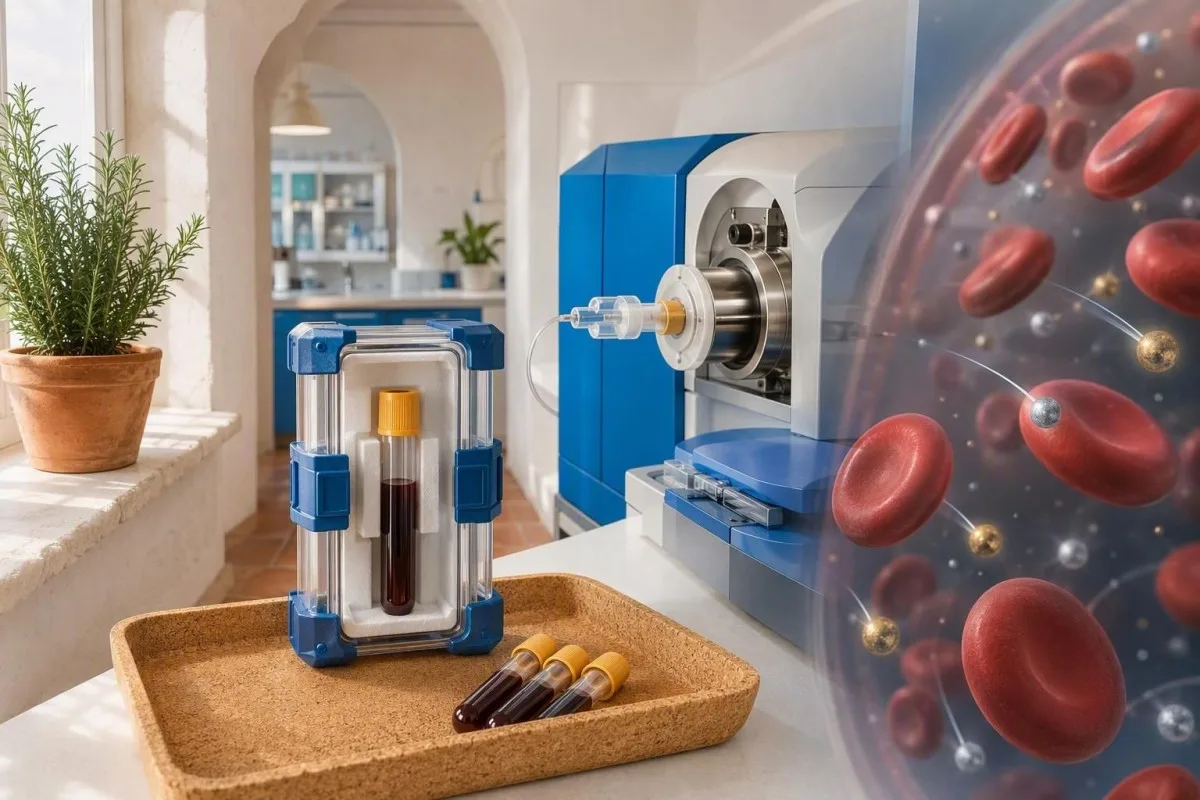
Blóðpróf fyrir þungmálma er best fyrir nýlega eða stöðuga útsetningu fyrir blýi, metýlkvikasilfri og völdum málmum tengdum vinnustað eða ígræðslum. Það er ekki almenn mæling á “líkams eiturefnum”: þvag, málmsérhæfing, útsetningarsaga og endurtekningartími ákvarða oft hvort niðurstaða er marktæk.


- Blý í öllu blóði endurspeglar aðallega nýlega eða áframhaldandi útsetningu um það bil 1 mánuð; ekkert blýmagn í blóði er talið áhættulaust.
- Viðmiðunarverð CDC fyrir blý í blóði barna er 3,5 µg/dL, viðmiðunarmörk fyrir eftirfylgni frekar en greining á eituráhrifum.
- Kvikasilfur í blóði er mest gagnlegt fyrir nýlega útsetningu fyrir metýlkvikasilfri úr fiski og sumum atvinnuuppruna; það mælir ekki áreiðanlega gamla útsetningu.
- Þvagarsen með sérhæfingu er æskilegt við grun um útsetningu fyrir ólífrænu arseni, sérstaklega eftir að hafa forðast sjávarfang í 48-72 klukkustundir.
- Kadmíum í þvagi endurspeglar almennt betur uppsafnað nýrnaálag, en kadmíum í blóði er meira tengt nýlegri útsetningu.
- Hárpróf getur stutt þrönga spurningu um metýlkvikasilfur en er óáreiðanlegt sem almenn greiningarrannsókn á eiturefnum.
- Kött prófað þvagsýni eftir kelatandi efni getur ekki staðfest eitrun vegna þess að það eykur viljandi útskilnað málma í þvagi.
- Almenn eiturefnaspjöld greina oft snefilmálma án þess að sýna sjúkdóm, uppruna, skammt eða þörf á meðferð.
Hvað blóðpróf fyrir þungmálma raunverulega kannar
A blóðpróf fyrir þungmálma mælir styrk tiltekinna frumefna sem eru á hreyfingu á tímabili sýnatöku; það mælir ekki ævilanga “eiturlest” einstaklingsins. Blóð er sérstaklega gagnlegt fyrir blý og metýlkvikasilfur, en bestu sýnisbreytingarnar eru fyrir arsen, kadmíum, króm, kóbalt og þallíum.
Flest klínísk rannsómarannsóknir nota inductively coupled plasma mass spectrometry, eða ICP-MS, sem getur greint málma á míkrógrömmum á lítra eða undir. Greining er ekki greining: niðurstöður verða að bera saman við rannsóknaraðferð, sýnatöku rör, starf fólks, mataræði, fæðubótarefni, nýrnastarfsemi og tíma frá grunuðum snertingu.
A eiturefnapróf í blóði markaðssett sem 20- eða 40-málmaskimun getur hljómað tæmandi, en margir mældir þættir hafa engin staðfest sjúkdómamörk hjá einkennalausum einstaklingi. Í minni starfssemi er gagnleg spurningin næstum alltaf þrengri: “Gæti þessi tiltekna útsetning skýrt þessa niðurstöðu eða einkenni?”
Kantesti er AI blóðprufugreiningartæki sem setur snefilmælingar við hlið restar skýrslu, þar með talin kreatínín, lifrarmerki og rauðkornaþætti. Okkar Tilvísunarhandbók um lífmerki hjálpar til við að greina niðurstöðu sem þarf skjóta klíníska yfirferð frá þeirri sem aðallega þarf betra útsetningarsögu.
Hvaða málma er hægt að greina með blóðprófi með áreiðanleika?
Blóðpróf geta áreiðanlega mælt magn nokkurra málma, en mælanlegt magn hefur mismunandi merkingu fyrir hvern og einn. Blý, kvikasilfur, mangan, kóbalt og króm eru almennt mæld í blóði; arsen og kadmíum þurfa oft þvagsýni fyrir klínískt viðeigandi spurningu.
A blýpróf í blóði ætti að nota blóð sem tekið er í vottað snefilmálmrör þar sem blý skiptist sterkt í rauðkorn. Bláæðasýni er aðalorsókn þegar skjár úr háræðum er hækkaður, þar sem ryk á húð getur ranglega hækkað fingurprófsniðurstöðu.
A blóðpróf fyrir kvikasilfur er mest upplýsandi fyrir metýlkvikasilfur úr sjávarfangi og grunn kvikasilfursútsetningu sem á sér stað undanfarnar vikur. Kvikasilfur í blóði fellur almennt eftir breyttan fiskneyslu; líffræðilegur helmingunartími metýlkvikasilfurs er um það bil 50 dagar, svo endurtekin niðurstaða eftir 6-8 vikur getur verið upplýsandi en niðurstaða 3 dögum síðar.
Kóbalt- og krómblóðstyrkur hefur skilgreint hlutverk hjá völdum einstaklingum með málm-á-málm hnéíhluti, þó að einkenni, myndgreining, íhlutargerð og röðarbreytingar skipti meira máli en ein einangruð tala. Leiðarvísir okkar um prófvalkostir króm útskýrir hvers vegna rannsóknarstofur geta gefið upp mismunandi einingar.
Blý í blóði: viðmiðunarmörk, tímasetning og eftirfylgni
A blýmagn í bláæðablóði er staðlaða prófið fyrir nýlega blýútsetningu hjá börnum og fullorðnum. Hjá bandarískum börnum er 3,5 µg/dL núverandi blýviðmiðunargildi CDC; það greinir börn með meiri útsetningu en flestir jafnaldrar og er ekki skilin milli öruggs og óöruggs.
Blóðmagn blýs endurspeglar venjulega útsetningu á síðastliðnum 28-36 dögum, þótt blý geymt í beinum geti farið aftur í blóð meðan á meðgöngu, tíðahvörf, beinbrotaheilun eða alvarlegum veikindum stendur. Magn getur því lækkað eftir að hafa yfirgefið uppsprettu án þess að sanna að fyrri útsetning hafi verið skaðlaus.
Uppfærsla CDC frá 2021 lækkaði viðmiðunargildi barna úr 5,0 í 3,5 µg/dL vegna þess að lægri styrkur samræmist ennþá þróunaráhættu á íbúastigi (Ruckart o.fl., 2021). Kemísk meðferð er ekki algeng hjá barni með 3,5 µg/dL; auðkenning uppsprettu, næring, þróunareftirlit og endurtekin próf eru venjulega fyrstu skrefin.
Hjá fullorðnum eru viðmiðunarmörk í starfi og reglur um fjarlægingu mismunandi eftir löndum, kyni, möguleika á meðgöngu og atvinnugrein. Niðurstaða um 45 µg/dL eða hærra réttlætir brýna sérfræðingaviðræðu á mörgum klínískum stöðum, en 70 µg/dL eða hærra er almennt meðhöndluð sem læknisfræðilegt neyðarástand sem krefst tafarlauss fjarlægingar vegna útsetningar og sérfræðilegrar meðhöndlunar.
Kvikasilfur í blóði eftir fiskneyslu, vinnu eða leka
A blóðpróf fyrir kvikasilfur fangar best nýlega útsetningu fyrir metýlkvikasilfri úr sjávarfangi og getur hjálpað til við að meta nýlega útsetningu fyrir frumefnakvikasilfri. Hún auðkennir ekki ein, form kvikasilfurs, uppsprettu, lengd eða gráðu taugaáhættu.
Hjá fullorðnum með reglulega fiskneyslu, er heildarmagn kvikasilfurs í blóði undir 10 µg/L oft séð, en viðmiðunarmörk rannsóknastofa eru mjög mismunandi eftir landfræðilegri staðsetningu og mataræði. Niðurstaða yfir 20 µg/L á skilið ítarlega útsetningarskoðun, sérstaklega meðan á meðgöngu eða fyrir getnað, frekar en hvatvísa afeitrun.
Clarkson og Magos lýsa því hvers vegna efnafræði kvikasilfurs skiptir máli: metýlkvikasilfur safnast fyrir í rauðum blóðkornum, en ólífrænt kvikasilfur er auðveldara að finna í þvagi (Clarkson og Magos, 2006). Þessi greinarmunur er ástæðan fyrir því að heildarmagn kvikasilfurs eitt getur valdið óþarfa kvíða eftir nokkrar máltíðir af stórum rándýrum fiski.
Ég hef séð kvíðinn sjúkling endurtaka kvikasilfursmælingu morguninn eftir sushi; sú endurtekning svaraði næstum engu. Gagnlegri áætlun er að skrá fisktegundir og skammta í 2 vikur, velja valkosti með minna kvikasilfri, og endurtaka síðan eftir um það bil 6-8 vikur ef upprunalega niðurstaðan var sannarlega hækkuð; sjá leiðbeiningar okkar um eftirfylgni kvikasilfurs í sjávarfangi.
Hvenær þvagpróf er betra en blóðpróf
Hugsanlegt er að þvagrannsókn henti betur þegar málmurinn skilist út með þvagi eða þegar læknar þurfa að meta uppsafnaða útsetningu en ekki útsetningu sama dag. Arsen, kadmíum, ólífrænt kvikasilfur og þallíum eru algeng dæmi þar sem þvagrannsókn getur svarað klínískri spurningu betur en blóð.
A 24-tíma þvagsöfnun mælir heildarútskilnað yfir dag, en einstök þvagpróf leiðrétt fyrir kreatíníni er oft notað þegar gæði söfnunar eru í vafa. Misheppnuð söfnun, óvenju mikill vökvainntaka eða kreatínín á báðum endum getur raskað mati 24-tíma; söfnunartækni á skilið sömu skoðun og talan.
Þvagkadmíum endurspeglar langvarandi uppsöfnun í nýrum meira en blóðkadmíum, sem hefur áhrif á nýlega reykingar eða útsetningu á vinnustað. Skoðun á kadmíum ætti að innihalda þvaglþýði eða ACR og túrbulínmerki þegar klínískt ástæða liggur fyrir, því áhyggjur snúa oft að skemmdum á túrbulínum í nýrum frekar en óljósri eituráhrifaskýrslu.
Tímavillur eru algengar. Praktísk okkar leiðarvísir fyrir söfnun 24 klst. þvags útskýrir venjulega bilunarstaði, þar á meðal að byrja á röngum tíma og gleyma síðasta sýninu.
Greining á arseni krefst sérhæfingar, ekki almennrar heildarmælingar
Grunað arsenútsetning er venjulega metin með þvagspektrun arsenefna, ekki blóðprófi. Heildarþvagsenefni geta aukist verulega eftir sjávarfang því lífrænt arsenóbítain er skilið út í þvagi en er mun minna eitrað en ólífrænt arsen.
Fólk ætti að forðast sjávarfang í 48-72 klukkustundir áður en áætluð þvagspektrun arsenefna er gerð nema eiturfræðingur ráðleggur annað. Heildarþvagsenefni yfir 50 µg/L getur þarfnast eftirfylgni, en það er ekki hægt að túlka ábyrgðarlaust án þess að greina ólífrænt arsen og umbrotsefni þess.
Blóðarsen hefur stuttan gagnlegan glugga - oft klukkustundir eftir verulega útsetningu - svo eðlilegt blóðgildi útilokar ekki marktæka útsetningu frá fyrri dögum. Á þeim 15 árum sem ég hef unnið með rannsóknarniðurstöður, er þetta meðal algengustu ástæðna þess að breitt próf gefur falskt öryggisvið.
ATSDR prófíl fyrir arsen styður þvagrannsóknir með spektrun þegar grunað er útsetning, sérstaklega eftir grun um brunna vatn, iðnaðar eða jurtavörur (ATSDR, 2007). Hættu ekki við lyfseðilsskyld lyf eða reyndu ekki skilun meðan beðið er eftir niðurstöðu; læknir getur hjálpað til við að greina hvort vatn, vinna eða vara sé líkleg uppspretta.
Kadmíum, króm og kóbalt krefjast útsetningarsértækrar prófunar
Niðurstöður kadmíums, króm og kóbalts eru aðeins þýðingarmiklar þegar þær eru passaðar við líklega uppsprettu og rétt sýni. Kadmíum í þvagi er oft valið fyrir uppsafnaða útsetningu, á meðan blóðkóbalt og króm eru aðallega notuð fyrir nýlega útsetningu á vinnustað eða eftirlit með tilteknum ígræðslum.
Reykingar geta verulega aukið styrk kadmíums, og ákveðnir vinnustaðir bæta innöndunarútsetningu; fæðuinntaka ein og sér útskýrir sjaldan áberandi niðurstöðu. Nýrnastarfsemi skiptir máli vegna þess að minni síun getur breytt styrk þvags óháð útsetningu, svo kreatínín og þvagi prótein samhengi eru gagnleg.
Fyrir einstakling með mjaðmarígræðslu, nýverandi mjaðmarverki, skerta starfsemi, einkenni um heyrnar- eða sjóntruflanir, hjartavöðvakvillaeinkenni eða hækkandi kókbaltsgildi er nauðsynlegt að meta klínískt. Ein einasta blóðkókbaltsmæling er ekki skimun fyrir almennri þreytu, heilastjörnu eða liðverkjum.
AI getur borið saman nýrnastarfsemi á milli dagsetninga, sem er gagnlegt þegar málmarni vekur spurningar um nýrun frekar en að sanna orsakasamhengi. Endurskoða GFR niðurstöðu eftir ofþornun áður en grunur leikur á að lítil breyting á kreatíníni tákni málmtengdan skaða.
Söfnunarvillur geta leitt til rangrar málmúrstöðu
Málmniðurstaða er óvenju viðkvæm fyrir mengun frá sýnatökurörum, húðryki, staðbundnum vörum og rannsóknarvinnslu. Óvænt lággildni ætti oft að endurtaka með vottaðri rör fyrir snefilmamálm áður en hún leiðir til inngripsrannsókna eða fæðubótarefna.
Duft úr hanskum, ryk úr vinnusvæði, tannkrem sem inniheldur sink, og jafnvel óvottað sýnatökuílát getur haft áhrif á prófun. Hemólýsa getur einnig breytt túlkun fyrir suma þætti þar sem frumuinnihald fer í sermi eða plasma; rauðleitt sýni ætti að fá rannsóknarstofuna til að tjá sig um gæði sýnis.
Rétt fylki skiptir máli: heila blóð, sermi, plasma og þvag eru ekki skiptanleg. Tilkynning merkt “sermismerkúrí” ætti ekki að bera saman við almenna heilbrigðismörk sem þróuð voru fyrir fullblóð.
Kantesti er AI lífmerkjatúlkunarvettvangur sem les tilkynnt sýnistegund, einingu og viðmiðunarbili áður en samhengi er gefið. Okkar tækni og aðferðir leiðbeiningar útskýrir hvers vegna niðurstöðu utan viðmiðunarbils einnar rannsóknarstofu er ekki sjálfkrafa hægt að kortleggja á ákvörðunarmörk annarrar rannsóknarstofu.
Af hverju hár-, nagla- og heimilis eiturefnaspjöld leiða oft á mis
Hár- og naglapróf geta ekki greint flestar blýeitrun hjá einstaklingi vegna þess að ytri mengun, snyrtivörumeðferð, vaxtarhraði og undirbúningur rannsóknarstofu geta haft ráðandi áhrif á niðurstöðuna. Hár hefur takmarkað stuðningshlutverk fyrir lengri útsetningu fyrir metýlkvikasilfri, ekki fyrir alhliða afeitrunarmat.
Hár vex um 1 cm á mánuði, en þessi einfalda staðreynd gerir ekki hverja sentimetra að áreiðanlegri útsetningardagbók. Hár lím, bleiking, sundlaugavatn, ryk og sjampó geta breytt mældum styrk; þvottaaðferðir eru verulega mismunandi milli rannsóknarstofa.
Naglapróf hafa svipaðar takmarkanir og hafa lítil hlutverk í venjulegri klínískri greiningu. Þegar prófunarplata skilar 25 þáttum mun hún venjulega benda á eitthvað tölfræðilega óvenjulegt jafnvel hjá heilbrigðu fólki – væntanleg afleiðing margra samanburða, ekki sönnun þess að líkaminn þurfi hreinsun.
Ef einkenni eru áhyggjuefni ættu læknar fyrst að leita að venjulegum skýringum sem hafa skýrari greiningarleið: blóðleysi, skjaldkirtilsjúkdómur, nýrnasjúkdómur, áhrif lyfja, svefnörðugleikar og næring. Grein okkar um blóðprufum vegna óútskýrðra verkja sýnir hvernig á að byrja án þess að draga öll einkenni niður í eituráhrif.
Af hverju hvatt þvagpróf getur ekki sannað málmeitrun
Hvatverkt próf á þvagi getur ekki greint langvarandi blýeitrun vegna þess að kjarnalyfið hreyfir vísvitandi og eykur útskilnað málma um þvag. Viðmiðunarmörk frá óhvatverkuðu þvagssýni eiga ekki við eftir EDTA, DMSA, DMPS eða annan kjarnalyf.
Kjarnalyf bindur málma sem eru eðlilega til staðar í vefjum og blóðrás, svo næstum allir munu skilja meira út eftir að hafa fengið slíkt. Mikilvæg vantar er vottaður viðmiðunarhópur eftir kjarnalyfjameðferð, sem flestar verslunartilkynningar ekki gefa.
Kjarnalyfjameðferð er ekki skaðlaus. Það fer eftir efni og einstaklingi, það getur stuðlað að lágum kalki, nýrnaáhrifum, ofnæmisviðbrögðum, steinefnaskorti og milliverkunum við ávísaða meðferð; meðferð ætti að fylgja skjalfestri útsetningu og sérfræðimati.
Hagnýta regla Dr. Thomas Klein er einföld: staðfesta útsetningu, fá rétt safnað grunpróf, ræða síðan meðferð. The læknisfræðilega staðfestingarleið okkar er hannað til að gefa til kynna þegar takmarkanir rannsóknar gera örugga túlkun óviðeigandi.
Einkenni sem þarfnast bráðrar umönnunar frekar en annars prófs
Skyndileg minnisskerðing, krampar, alvarleg uppköst, nýr máttleysi, mæði, brjóstverkur eða þekkt útsetning fyrir stórum skömmtum þarf skjóta læknisathugun, ekki eiturefnapróf með pósti. Eðlilegur blóðprófni getur komið fram ef prófið er of seint eða mælir ranga málm.
Hjá barni, pica, útsetning fyrir flagnandi málningu, þroskafrávik eða systkini með hátt blýmagn ætti að leiða til tafarlausrar barnalækningaráðgjafar. Blýeitrun er oft hljóðlaus, svo hegðun ein og sér getur ekki metið blýmagn í blóði.
Útsetning fyrir gufu úr frumkviksilfri getur valdið hósta, mæði, skjálfta eða geðrænni einkenni, á meðan ólífrænt arsín getur valdið alvarlegum meltingarfærasjúkdómum og hjarta- og æðastöðugleika eftir mikla útsetningu. Þessar mynstur eru óalgengar, en tafir eru áhættan - hringdu í neyðarþjónustu eða eiturefnamiðstöð þegar útsetning er nýleg eða einkenni eru marktæk.
Læknir getur pantað raflausnir, kreatínín, lifrarpróf, hjartalínuritsmælingu og markvissa eiturefnafræði samhliða málmsprófni. Okkar leiðarvísir um rauða fána fyrir saltaefni útskýrir hvers vegna málmeitrun er aldrei metin út frá einni styrkleika einni sér.
Hvernig á að meðhöndla landamæramálmúrstöðu
Takmörkuð málmaúrslit eru venjulega meðhöndluð með því að staðfesta sýnið, endurbyggja útsetningu og endurtaka rétta prófið eftir viðeigandi tímabil. Það réttlætir sjaldan bætiefni, föstu eða kelatmeðferð á eigin spýtur.
Byrjaðu með tímalínu: starf, áhugamál, endurnýjunarvinna, innfluttir krydd eða lækningalyf, vatnsból, skotvellir, skartgripavinna, neysla fisks og saga um ígræðslu. Skráðu dagsetningar, tíðni, hlífðarbúnað og hvort aðrir sem deila umhverfinu hafa einkenni eða óeðlileg úrslit.
Endurprófanir ættu að nota sama fylki og, þar sem mögulegt er, sama rannsóknarstofu. A breyting getur endurspeglað venjulegt líffræðilegt eða greiningarfræðilegt afbrigði fyrir sum snefilmálma, en viðvarandi lækkun eftir skjalfesta fjarlægingu uppsprettu styður útsetningarhrýtur sterkari.
getur skipulagt raðrannsóknarskýrslur, en það getur ekki komið í stað útsetningarrannsóknar eða læknisskoðunar. Okkar hlið við hlið leiðarvísir er gagnlegt til að undirbúa samfellda tímalínu fyrir vinnulækni eða heimilislækni.
Matur, fæðubótarefni og takmörk “hreinsunar”
Engin safahreinsun, gufubað, bætiefni eða föstuáætlun hefur sýnt sig að fjarlægja klínískt mikilvæga málmútsetningu á öruggan hátt í stað þess að stjórna uppruna. Fyrsta meðferðin við flestum lágþéttniútsetningum er að stöðva uppruna og styðja við venjulega næringu, vökvun og læknis eftirfylgni.
Fullnægjandi inntaka af kalsíum, járni og C-vítamíni getur dregið úr upptöku blýs í meltingarvegi hjá börnum með næringarskort, en matur er ekki staðgengill fyrir umhverfisbætur. Járnskortur getur aukið upptöku blýs, sem er ein ástæða þess að læknar skoða oft ferritín og heildarblóðtala þegar blýútsetning er staðfest.
Há skammtur af sinki getur skapað koparaskort og óeftirlitsbundið selen getur sjálft valdið eiturhrifum. Bætiefni sem markaðssett er sem málmbindandi ætti að meðhöndla varlega, sérstaklega ef það inniheldur mörg steinefni sem geta flækt síðari prófanir.
Fyrir skynsamlegar næringarspurningar, lestu leiðbeiningar okkar um matvæli með hátt járninnihald og yfirferð okkar um öryggi skammta selens. Vísbendingar fyrir viðskiptaefnaframleiðsluáætlanir eru heiðarlega veikar.
Hvernig á að lesa málmúrstöðu samhliða venjulegu blóðprófi
Málmúrslit verða klínískt gagnleg þegar þau eru túlkuð samhliða nýrnastarfsemi, lifrarmerkjum, fullri blóðtölu, einkennum og trúverðugri útsetningu uppruna. Gildi örlítið yfir viðmiðunarmarki án nokkurra þessara styðjandi eiginleika hefur oft takmarkað klínískt þýðingu.
Blýútsetning getur verið samhliða örfrumu eða járnskorti, en eðlileg CBC útilokar ekki blýútsetningu. Kadmíumspurningar verða að taka eftir kreatíníni og þvagefnum, en miklar lifrarfrávik ætti ekki sjálfkrafa að kenna um lágt málmfund.
Kantesti AI er þjónustu fyrir túlkun á rannsóknarprófum með gervigreind sem þýðir eining-sértæk rannsóknarstofugögn í spurningar fyrir lækni, frekar en að lýsa greiningu frá breiðri eiturefnaskimun. Dr. Thomas Klein og okkar Læknisfræðileg ráðgjafarnefnd leggja áherslu á staðfestingu heimilda, endurtakanlegar prófanir og skýrar ráðleggingar um aðgerðir.
Áður en tilkynning er sett inn, fjarlægið óþarfa auðkenni og athugið að tegund sýnis, söfnunardagsetning og einingar séu sýnilegar. Okkar PDF-innhleðslugátlista getur komið í veg fyrir að einföld flutningsvilla verði að ógnvænlegri túlkun.
Hagnýt prófunaráætlun fyrir grun um útsetningu árið 2026
Frá og með 3. september 2026 byrjar öruggasta prófunaráætlunin á tiltekinni tilgátu um útsetningu, velur síðan rétta málm, sýni og söfnunardagsetningu. Víðtæk skimun er aðeins skynsamleg þegar klínískir læknar vegna atvinnu eða lýðheilsu greina skilgreinda útsetningu fyrir mörgum málmum.
Fyrir gamalt málningu, innflutt keramik, skot, vinnu með rafhlöður eða mengað ryk, pantið blý í bláæðablóði. Fyrir tíðan inntöku kvikasilfursríks fisks, byrjið með heildarkvikasilfri í blóði; vegna grunnvatns eða gruns um arsen, pantið arsen í þvagi með spektrun eftir forðun sjávarfangs.
Komdu með ljósmyndir af vörumerkjum, öryggisskjölum á vinnustað, endurnýjunardagsetningum og niðurstöðum vatnsprófa á fundinn. Þær sannanir geta verið greinandi en að bæta 15 málmum við spjaldið og þær gera aðgerðir lýðheilsu mögulegar þegar heimilis- eða vinnustaðarheimild er raunveruleg.
Kantesti er notað í 127+ löndum, en staðbundin viðmið og reglur um vinnustaðaskýrslugerð eru mismunandi. Okkar klínísk dæmi um notkun sýna hvernig skipulagðar spurningar geta stutt - ekki komið í staðinn fyrir - þinn eigin klíníska lækni, eiturlyfjaþjónustu eða staðbundið lýðheilsu-teymi.
Algengar spurningar
Hvaða málma getur blóðprufa greint?
Blóðprufur fyrir þungmálma geta mælt magn blýs, heildar kvikasilfurs, mangans, kóbalts, kromatíns og nokkurra annarra frumefna, venjulega í öllu blóði. Blóð er gagnlegast við nýlegri eða yfirstandandi útsetningu, ekki til að mæla uppsafnað magn yfir ævina. Blý er algengt að meta með blóðtöku úr bláæð og hálftími metýlkvikasilfurs í blóði er um það bil 50 dagar. Arsen, kadmíum, anorganískt kvikasilfur og þallíum krefjast oft þvaggreiningar til að fá klínískt gagnlegri niðurstöðu.
Hversu lengi dvöljast þungmálmar í blóði?
Tíminn sem málmur helst mælanlegur fer eftir efnasamsetningu hans og sýninu sem prófað er. Blý í blóði endurspeglar almennt útsetningu undanfarna 28-36 daga, en metýlkvikasilfur lækkar almennt á um það bil 50 dögum eftir að útsetning minnkar. Arsen í blóði getur verið gagnlegt aðeins klukkustundum eftir verulega útsetningu, þannig að eðlileg niðurstaða síðar útilokar það ekki. Kadmíum getur varað í líkamanum í mörg ár, en þvag er venjulega upplýsandi fyrir uppsafnað kadmíummagn.
Er blóðprufa fyrir þungmálma góð almenn eiturefnavörn?
Víðtæk blóðpróf á eiturefnum er venjulega léleg almenn skimun fyrir óútskýrðri þreytu, höfuðverk eða heilaþoku vegna þess að snefilmælingar staðfesta ekki eiturhrif. Spjöld sem mæla 20 eða fleiri þætti auka líkur á að minnsta kosti einu jaðarmerki jafnvel hjá heilbrigðu fólki. Markviss próf byggð á vinnu, vatni, málningu, sjávarfangi, fæðubótarefnum eða ígræðslu er líklegri til að gefa gagnlega niðurstöðu. Klínískur læknir ætti að túlka allar hækkaðar styrkleika með tegund sýnis, einingum, tímasetningu, einkennum og útsetningarsögu.
Á ég að fasta fyrir blóðprufu fyrir þungmálma?
Fasta er ekki krafist fyrir flest blóðpróf á blýi eða kvikasilfri. Mikilvægari undirbúningur er að forðast mengun og skrá nýlega útsetningu, svo sem fisk sem borðaður var síðustu 1-2 vikur eða snertingu á vinnustað á prófunardegi. Fyrir arsen í þvagi, forðist sjávarfang í 48-72 klukkustundir fyrir söfnun nema klínískur læknir ráðleggi annað, því lífrænt arsen í sjávarfangi getur hækkað heildar arsen í þvagi. Hættið ekki viðskrifuðum lyfjum eða takið chelation efni fyrir prófun.
Hver er blóðblýgildi sem vekur áhyggjur?
Fyrir börn í Bandaríkjunum nær blýgildi í blóði 3,5 µg/dL eða hærra við viðmiðunarverð CDC fyrir blý í blóði og ætti að leiða til eftirfylgni vegna útsetningar. Þetta er ekki öruggt-gegn-hættulegt skurðmark, því enginn blýútsetningarþröskuldur er þekktur til að vera algjörlega án áhættu. Gildi 20-44 µg/dL krefjast tafarlauss klínísks mats og gildi 45 µg/dL eða hærri krefjast almennt brýnnar sérfræðiráðgjafar. Viðmiðunarstig fyrir atvinnuþætti fullorðinna eru mismunandi eftir löndum, störfum, kyni og möguleika á meðgöngu.
Er hárpróf áreiðanleg til að greina þungmálma?
Hárpróf eru ekki áreiðanleg til greiningar á flestum eitrun með þungmálmum vegna þess að utanaðkomandi ryk, hár lím, bleiking, sjampó og rannsóknarþvottaaðferðir geta breytt niðurstöðum. Hár vex um 1 cm á mánuði, en það er ekki nákvæm söguleg útsetningarskrán fyrir einstakling. Hárgreiningar geta stundum stutt mat á lengra tímabili útsetningar fyrir metýlkvikasilfri undir sérfræðilegri leiðsögn. Óeðlileg hárniðurstaða ætti ekki að nota ein og sér til að réttlæta chelation eða hreinsunaráætlun.
Getur kílatiðpróf sýnt hvort ég er með málmeitrun?
Nei, þvag sem safnað er eftir chelation lyf getur ekki sannað málmeitrun vegna þess að lyfið eykur málmutskilnað viljandi. Venjuleg viðmiðunarviðmiðun fyrir þvag eru fengin úr sýnum sem safnað er án chelation og geta ekki borið saman við niðurstöðu eftir chelation. Chelation getur valdið nýraáreiti, steinefnasjúkdómum og öðrum aukaverkunum, sérstaklega þegar það er notað án staðfestrar ábendingar. Rétt safnað grunnblóð- eða þv próf og útsetningarrannsókn ætti að koma fyrst.
Fáðu AI-knúna greiningu á blóðprufum í dag
Vertu með yfir 2 milljónir notenda um allan heim sem treysta Kantesti fyrir tafarlausa og nákvæma greiningu á blóðprufum. Hladdu upp niðurstöðum blóðrannsókna þinna og fáðu yfirgripsmikla túlkun á 15,000+ lífmerkjum á sekúndum.
📚 Tilvísuð rannsóknarútgáfa
Klein, T., Mitchell, S., & Weber, H. (2026). Niðurgangur eftir föstu, svartir blettir í hægðum og meltingarfæraleiðbeiningar 2026. Kantesti AI Medical Research.
Klein, T., Mitchell, S., & Weber, H. (2026). Leiðbeiningar um heilsu kvenna: Egglos, tíðahvörf og hormónaeinkenni. Kantesti AI Medical Research.
📖 Ytri læknisfræðilegar heimildir
Agency for Toxic Substances and Disease Registry (2007). Eiturfræðileg yfirlit um arsén. Heilbrigðis- og mannþjónusturáðuneyti Bandaríkjanna.
⚕️ Fyrirvari vegna læknisfræðilegra mála
Þessi grein er eingöngu til fræðslu og felur ekki í sér læknisráðgjöf. Leitaðu alltaf til hæfs heilbrigðisstarfsmanns vegna ákvarðana um greiningu og meðferð.
E-E-A-T traustmerki
Reynsla
Læknastýrð klínísk yfirferð á vinnuferlum við túlkun rannsóknarniðurstaðna.
Sérþekking
Áhersla á rannsóknarstofulækningar: hvernig lífmarkarar hegða sér í klínísku samhengi.
Yfirvald
Skrifað af Dr. Thomas Klein með yfirferð Dr. Sarah Mitchell og próf. Dr. Hans Weber.
Traustleiki
Rökstudd túlkun byggð á gögnum með skýrum eftirfylgnileiðum til að draga úr ávörun.