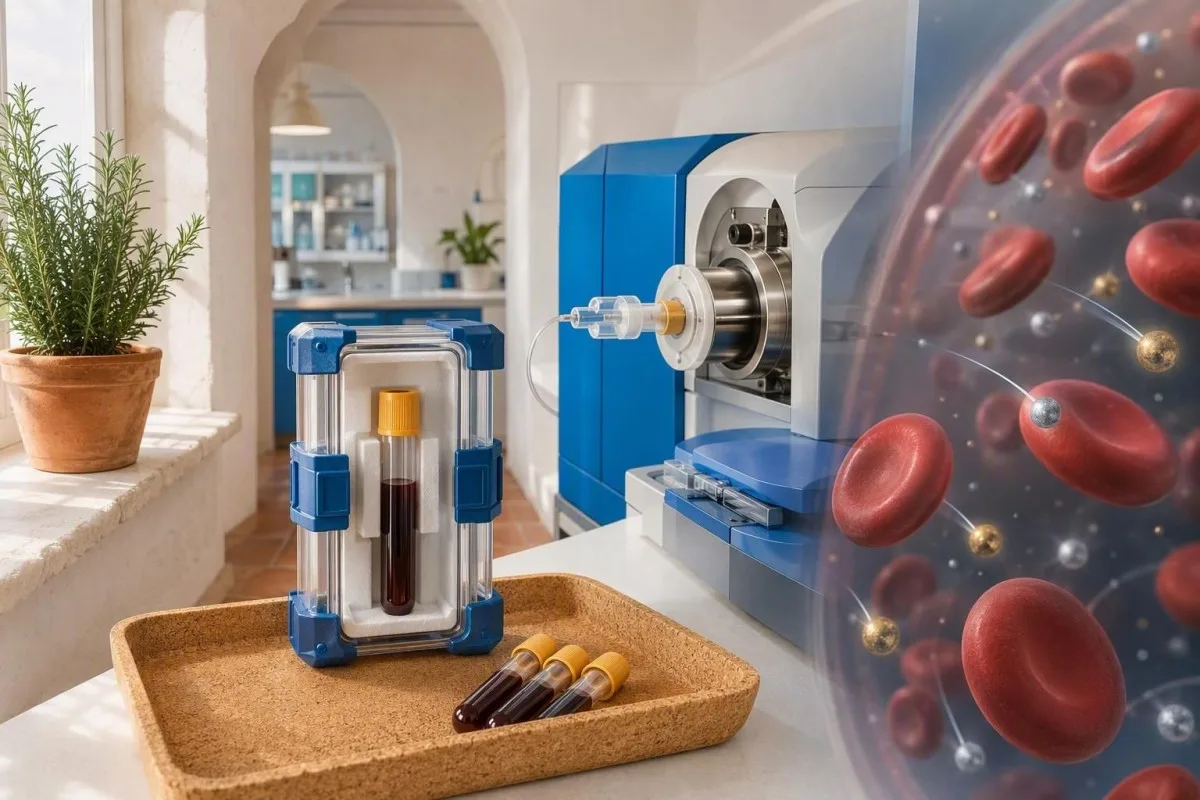
Оор металлдарды кан анализи менен аныктоо коргошун, метилсымап жана белгилүү бир жумуш ордундагы же имплантка байланыштуу металлдар менен болгон акыркы же уланып жаткан таасирди аныктоо үчүн эң жакшы. Бул “организмдеги токсиндердин” жалпы өлчөөсү эмес: заара, металлдын бөлүнүшү, таасир этүү тарыхы жана кайталап текшерүү убактысы натыйжанын маңыздуу болобу же жокпу аныктайт.


- Кандын толук курамындагы коргошун негизинен болжол менен 1 ай ичиндеги акыркы же уланып жаткан таасирди чагылдырат; кандын коргошун деңгээлинин эч бири коопсуз деп эсептелбейт.
- CDCнин балдардын канындагы коргошундун шилтеме мааниси 3,5 мкг/дл, бул токсикалык диагноз эмес, кийинки текшерүү үчүн босого мааниси.
- Сымапты кан анализи менен текшерүү балыктан жана кээ бир жумуш ордундагы булактардан алынган акыркы метилсымап таасирин аныктоо үчүн эң пайдалуу; эски таасирди ишенимдүү өлчөбөйт.
- Мышьякты бөлүү менен заара анализи курамында мышьяк бар заттардан уулануу шектүү болгондо, айрыкча деңиз азыктарынан 48-72 саат бою баш тарткандан кийин артыкчылыктуу.
- Заттын курамындагы кадмий (заара) көбүнчө бөйрөктүн топтолгон жүктөмүн жакшыраак чагылдырат, ал эми кандагы кадмий жакынкы таасирди көбүрөөк баса белгилейт.
- Чачты анализдөө метилмеркурий боюнча чектелген суроого жардам бере алат, бирок кеңири диагностикалык уулуу скрининг катары ишенимсиз.
- Заараны стимулдаштыруучу текшерүү хелаттык агенттен кийин ууланууну аныктай албайт, анткени ал атайылап заарадагы металлдын бөлүнүп чыгышын көбөйтөт.
- Кеңейтилген уулуу панелдер көбүнчө ооруну, булагын, дозасын же дарылоо зарылдыгын көрсөтпөстөн, изи бар металлдарды аныктайт.
Оор металлдарды кан анализи менен чындыгында эмнени аныктайт
A оор металлдар кан анализи анализ алынган учурда жүгүртүүдөгү белгилүү элементтердин концентрациясын өлчөйт; адамдын өмүр бою “уулуу жүктөмүн” өлчөбөйт. Толук кан, айрыкча коргошун жана метилмеркурий үчүн пайдалуу, ал эми мышьяк, кадмий, хром, кобальт жана таллий үчүн эң жакшы үлгү өзгөрөт.
Клиникалык лабораториялардын көбү индуктивдүү байланышкан плазмалуу массалык спектрометрияны, же ICP-MS, колдонушат, ал металлдарды литрине микрограмм же андан төмөн аныктай алат. Аныктоо диагноз коюу эмес: жыйынтык лабораториянын ыкмасы, алынган түтүк, адамдын жумушу, диетасы, кошумчалары, бөйрөк функциясы жана болжолдонгон байланыштан бери өткөн убакыт менен салыштырылышы керек.
A токсиндер кан анализи 20 же 40 металлдык скрининг катары сатылганы ар тараптуу угулушу мүмкүн, бирок өлчөнгөн көптөгөн элементтердин симптомсуз адамда жарактуу оору чеги жок. Менин практикамда, пайдалуу суроо дээрлик ар дайым чектелүү: “Бул белгилүү бир таасир ушул жыйынтыкты же симптомду түшүндүрө алабы?”
Кантести - бул AI кан анализи анализатору изи бар элементтердин жыйынтыктарын башка отчеттун бөлүктөрү, анын ичинде креатинин, боор маркерлери жана эритроциттик көрсөткүчтөр менен катар жайгаштырат. Биздин биомаркер маалымдамасы тез клиникалык кароону талап кылган жыйынтык менен, негизинен, жакшыраак экспозиция тарыхын талап кылган жыйынтыкты айырмалоого жардам берет.
Кан анализи менен кайсы металлдарды ишенимдүү аныктоого болот?
Кан анализи бир нече металлды ишенимдүү санды түрүндө көрсөтө алат, бирок өлчөнгөн концентрация ар бири үчүн ар кандай мааниге ээ. Коргошун, сымап, марганец, кобальт жана хром көбүнчө толук кан аркылуу өлчөнөт; клиникалык жактан маанилүү суроо үчүн мышьяк жана кадмий көбүнчө заара анализин талап кылат.
A Коргошундун кан анализи сертификатталган изи бар элементтүү түтүккө чогултулган толук канды колдонушу керек, анткени коргошун эритроциттерге күчтүү бөлүнөт. Капиллярдык скринингдин натыйжасы жогорулап кеткен учурда венадан кан алуу артыкчылыктуу, анткени теридеги чаң манжадан алынган натыйжаны жалган көбөйтүшү мүмкүн.
A Сымаптын кан анализи акыркы жумаларда пайда болгон деңиз азыктарынан алынган метилмеркурий жана элементтүү сымаптын таасири үчүн эң маалыматтуу. Толук кандын сымапы балыктын керектөөсүн өзгөрткөндөн кийин көбүнчө төмөндөйт; метилмеркурийдин биологиялык жарым ажыроо мезгили болжол менен 50 күнгө созулат, андыктан 6-8 жумадан кийинки кайталап анализдөө 3 күндөн кийинки натыйжага караганда көбүрөөк маалымат бере алат.
Кобальт жана хром кан концентрациялары металл-металл жамбаш компоненттери бар кээ бир адамдарда белгилүү бир ролду ойнойт, бирок симптомдор, образдар, импланттын түрү жана сериялык өзгөрүү бир обочолонгон сандан артык. Биздин жолдомо хром анализин тандоо лабораториялар эмне үчүн ар кандай бирдиктерди билдириши мүмкүн экенин түшүндүрөт.
Коргошун кан анализи: босого баалуулуктар, убактысы жана кийинки текшерүүлөр
A венадан алынган кандын коргошун деңгээли балдарда жана чоңдордо коргошундун жакынкы таасирин баалоо үчүн стандарттык тест. АКШ балдарында 3,5 мкг/дл учурдагы CDC кан коргошундун маалымдама мааниси болуп саналат; ал көпчүлүк кесиптештерине караганда жогорку таасири бар балдарды аныктайт жана коопсуз жана кооптуу эмес чек эмес.
Уровень свинца в крови обычно отражает воздействие за предыдущие 28-36 дней, хотя свинец, хранящийся в костях, может повторно попадать в кровь во время беременности, менопаузы, заживления переломов или тяжелых заболеваний. Поэтому уровень может снизиться после прекращения воздействия, не доказывая, что предыдущее воздействие было безвредным.
Обновление CDC от 2021 года снизило контрольное значение для детей с 5,0 до 3.5 мкг/дл так как более низкие концентрации все еще коррелируют с риском развития на популяционном уровне (Ruckart et al., 2021). Хелаторная терапия не является рутинной для ребенка при 3,5 мкг/дл; выявление источника, питание, наблюдение за развитием и повторное тестирование являются обычными первыми шагами.
Для взрослых профессиональные пороговые значения и правила удаления различаются в зависимости от страны, пола, репродуктивного потенциала и отрасли. Результат 45 мкг/дЛ же андан жогору требует срочного обсуждения со специалистом во многих клинических условиях, в то время как 70 мкг/дЛ же андан жогору обычно рассматривается как медицинская неотложная помощь, требующая немедленного устранения воздействия и экспертного управления.
Балык, жумуш же төгүлгөн заттардан кийин сымапты кан анализи менен текшерүү
A Сымаптын кан анализи лучше всего отражает недавнее воздействие метилртути из морепродуктов и может помочь оценить недавнее воздействие элементной ртути. Само по себе оно не идентифицирует форму ртути, источник, продолжительность или степень неврологического риска.
Для взрослого человека, регулярно употребляющего рыбу, общий уровень ртути в крови ниже 10 мкг/л часто наблюдается, но лабораторные контрольные интервалы широко варьируются в зависимости от географии и диеты. Результат выше 20 мкг/л заслуживает тщательного анализа воздействия, особенно во время беременности или перед зачатием, а не рефлекторной детоксикации.
Clarkson и Magos описывают, почему химия ртути имеет значение: метилртуть концентрируется в эритроцитах, тогда как неорганическая ртуть легче представлена в моче (Clarkson and Magos, 2006). Именно это различие объясняет, почему общий уровень ртути сам по себе может вызвать ненужную тревогу после нескольких порций крупной хищной рыбы.
Мен суши жегенден кийинки күнү эртең менен сымаптын деңгээлин кайрадан текшерткен тынчсызданган бейтапты көрдүм; бул кайталанган тест дээрлик эч кандай маалымат берген жок. Балыктын түрлөрүн жана порцияларын 2 жума бою жазып, курамында сымап аз болгон варианттарды тандап, андан кийин алгачкы натыйжа чындап эле жогору болсо, 6-8 жумадан кийин кайталап текшертүү пайдалуураак болот; биздин деңиз азыктарынын сымаптын деңгээлин текшерүү боюнча колдонмону караңыз.
Качан заара анализи кан анализинен жакшыраак болот
Металл заара менен бөлүнүп чыкканда же клиницисттер бир күндүк эмес, топтолгон таасирди баалоону кааласа, заараны текшерүү артыкчылыктуу. Мышьяк, кадмий, органикалык эмес сымап жана таллий заара менен канга караганда клиникалык суроого жакшы жооп бере турган жалпы мисалдар.
A 24 сааттык заара чогултуу бир күндөгү жалпы бөлүнүп чыгууну өлчөйт, бирок чогултуунун сапаты күмөндүү болгон учурда креатининге туураланган бир жолку заара үлгүсү көбүнчө колдонулат. Чогултууну өткөрүп жиберүү, ашыкча суюктук ичүү же креатининдин өтө төмөн же жогору болушу 24 сааттык бааны бузушу мүмкүн; чогултуу техникасы санга окшош текшерүүнү талап кылат.
Заарадагы кадмий кандын курамындагы кадмийге караганда бөйрөккө топтолгон долгосрочный таасирин жакшыраак чагылдырат, ага акыркы тамеки чегүү же кесиптик таасир эткен. Кадмийди интерпретациялоо клиникалык жактан көрсөтүлгөндө заарадагы альбуминди же ACRди жана түтүкчөлөрдүн маркерлерин камтышы керек, анткени тынчсыздануу көбүнчө жалпы уулуулук упайынан көрө, бөйрөк түтүкчөлөрүнүн жабыркашы болуп саналат.
Убакытты туура эмес эсептөө көп кездешет. Биздин практикалык 24 сағаттық несеп жинау жөніндегі нұсқаулық кадимки ката кетирүүчү жерлерди, анын ичинде туура эмес убакта баштоо жана акыркы үлгүсүн унутууну майда-чүйдөсүнө чейин баяндайт.
Мышьяк анализи жалпы санын эмес, бөлүнүшүн талап кылат
Мышьяктын жутулушунан шектенүү, адатта, заарадагы мышьяктын бөлүнүшүн аныктоо, кан панелин эмес, менен бааланат. Деңиз азыктарынан кийин заарадагы жалпы мышьяк кескин көбөйүшү мүмкүн, анткени органикалык мышьяктын бензоаты заара менен бөлүнүп чыгат, бирок ал органикалык эмес мышьякка караганда бир топ аз уулуу.
Адамдар деңиз азыктарынан баш тартышы керек 48-72 саат пландалган заарадагы мышьякты текшерүү алдында, токсиколог башкача кеңеш бербесе. Заарадагы жалпы мышьяктын деңгээли 50 мкг/л жогору болсо, ага кошумча текшерүү керек болушу мүмкүн, бирок аны органикалык эмес мышьякты жана анын метаболиттерин аныктабастан туура чечмелөө мүмкүн эмес.
Кандагы мышьяктын пайдалуу убактысы кыска — көбүнчө чоң доза алгандан кийинки сааттарда — андыктан нормалдуу кан баасы бир нече күн мурунку тиешелүү таасирди жокко чыгара албайт. Лабораториялык отчеттор менен иштеген 15 жыл ичинде бул кеңири панел жалган коопсуздукту берген эң көп себептердин бири.
ATSDRдин мышьяк профили, айрыкча кудук суусу, өнөр жай же чөп каражаттарынан таасир эткен учурда, шектенүү болгондо, бөлүнүп аныктоо менен заараны текшерүүнү колдойт (ATSDR, 2007). Натыйжаны күтүп жатканда дары-дармектерди токтотпоңуз же хелацияны колдонбоңуз; клиницист суу, жумуш же буюм себеп болушу мүмкүн экендигин аныктоого жардам бере алат.
Кадмий, хром жана кобальт үчүн таасирге байланыштуу текшерүүлөр талап кылынат
Кадмий, хром жана кобальттын натыйжалары тиешелүү булак жана туура үлгү менен дал келгенде гана маанилүү. Заттын курамындагы кадмий (заара) көбүнчө топтолгон таасир үчүн тандалат, ал эми кандын курамындагы кобальт жана хром негизинен акыркы жумушчу таасир же кээ бир импланттарды көзөмөлдөө үчүн колдонулат.
Тамеки чегүү кадмийдин концентрациясын олуттуу түрдө көбөйтүшү мүмкүн, ал эми кээ бир жумуш орундары дем алуу жолу менен таасирди кошот; тамак-аш аркылуу ичүү сейрек учурда кескин натыйжаны түшүндүрө алат. Бөйрөк функциясы маанилүү, анткени чыпкалоонун азайышы зааранын концентрациясын таасир этүүдөн көз карандысыз өзгөртүшү мүмкүн, ошондуктан креатинин жана заарадагы протеиндин контексти пайдалуу.
Металл имплантаты бар адамдарда жаңы жамбаш оорусу, функциянын төмөндөшү, угуу же көрүү симптомдору, кардиомиопатия симптомдору же кобальттын жогорулашы клиникалык баалоону талап кылат. Кобальттын бир жолку кан концентрациясы жалпы чарчоо, мээнин туманданышы же муун оорулары үчүн скрининг болуп саналбайт.
Kantesti AI даталар боюнча бөйрөк маркерлерин салыштырып, металлдын натыйжасы бөйрөккө байланыштуу суроолорду жаратканда, себептүүлүктү далилдебестен пайдалуу. суюктук жетишсиздигинен кийин GFR натыйжасын караңыз креатининдин кичинекей өзгөрүүсүн металлга байланыштуу зыян катары кабыл алуудан мурун.
Чогултуу каталары металлдын жалган натыйжасын берет
Микроэлементтердин натыйжалары чогултуучу түтүктөрдөн, теринин чаңдарынан, актуалдуу продуктулардан жана лабораториялык иштетүүдөн булганууга өтө сезгич келет. Күтүлбөгөн төмөн деңгээлдеги натыйжа, инвазивдик текшерүүлөрдү же кошумчаларды баштоодон мурун, сертификатталган микроэлементтик түтүкчө менен кайталап текшерилиши керек.
Кол каптардагы порошок, жумуш ордунан чаң, цинк камтыган тиш протез клейлери, жада калса сертификатталбаган чогултуу түтүгү тесттерге таасир этиши мүмкүн. Гемолиз кээ бир элементтердин чечмелөөсүн өзгөртүшү мүмкүн, анткени клетканын курамы сары суу же плазмага кирет; кызыл тактар бар үлгү лабораторияны үлгү сапаты боюнча комментарий берүүгө үндөшү керек.
Туура матрица маанилүү: бүт кан дегенин текшерем. Белгини баалоодон мурда бул айырма өзгөчө пайдалуу; өлкөлөр боюнча жыйынтыктарды салыштырып жаткан бейтаптар үчүн биздин түшүндүрмөдө, сары суу, плазма жана заара алмаштырылбайт. “Сымаптын сары суусу” деп белгиленген отчетту бүтүндөй кан үчүн иштелип чыккан коомдук саламаттык прагматык менен оңой эле салыштырууга болбойт.
Кантести - бул AI биомаркер чечмелөө платформасы билдирген үлгү түрүн, бирдигин жана шилтеме интервалын окуйт, анан контекстти сунуштайт. Биздин технология жана методдор жетекчилиги бир лабораториянын диапазонунан тышкаркы натыйжаны башка лабораториянын чечим чегине автоматтык түрдө которууга болбойт дегенди түшүндүрөт.
Эмне үчүн чач, тырмак жана үйдөгү токсиндерди текшерген панелдер көбүнчө адаштырат
Чач жана тырмак тесттери көпчүлүк оор металлдардан ууланууну индивидуалдуу аныктай албайт, анткени тышкы булгануу, косметикалык дарылоо, өсүү ылдамдыгы жана лабораториялык даярдоо натыйжаны аныктай алат. Чач узак мөөнөттүү метилсымаптын таасирине чектелген колдоо ролун ойнойт, ал эми бардыгын тазалоочу баалоо үчүн эмес.
Чач айына болжол менен 1 см өсөт, бирок бул жөнөкөй факт ар бир сантиметрди ишенимдүү таасир календарына айландырбайт. Чач боёгу, агартуу, бассейн суусу, чаң жана шампундар өлчөнгөн концентрацияларды өзгөртүшү мүмкүн; жуу протоколдору лабораториялар арасында бир топ айырмаланат.
Тырмак тестирлөө ушундай эле чектөөлөргө ээ жана кадимки клиникалык диагноздо аз роль ойнойт. Качан панел 25 элементти билдирсе, ал, адатта, дени сак адамдарда да статистикалык жактан адаттан тыш нерсени белгилейт - бул көптөгөн салыштыруулардын күтүлгөн натыйжасы, ал эми организмге тазалоо керек деген далил эмес.
Эгерде симптомдор тынчсыздануу жаратса, клиницисттер биринчи кезекте ачык-айкын диагностикалык жолу бар стандарттык түшүндүрмөлөрдү издеши керек: анемия, калкан сымал бездин оорусу, бөйрөк оорусу, дары-дармектердин таасири, уйкунун бузулушу жана тамактануу. Биздин макала түшүндүрүлбөгөн оорудагы кан анализдери ар бир симптомду уулануудан улам деп азайтуусуз кантип баштоо керектигин көрсөтөт.
Эмне үчүн провокациялык заара анализи металлдан ууланууну далилдей албайт
Чыгарылган заарадагы металл тести чоң кишилерге оор металлдардан ууланууну аныктай албайт, анткени хеллордук дары intentionally металлдарды мобилизациялап, заара аркылуу бөлүп чыгарууну көбөйтөт. Чыгарылбаган заара үлгүсүнөн алынган шилтеме диапазондор EDTA, DMSA, DMPS же башка хеллятордон кийин колдонулбайт.
Хелляторлор ткандарда жана циркуляцияда нормалдуу түрдө бар металлдарды байланыштырат, ошондуктан дээрлик бардыгы аларды алгандан кийин көбүрөөк бөлүп чыгарат. Маанилүү жетишпеген бөлүгү - бул тастыкталган хеллятордон кийинки шилтеме популяциясы, аны көпчүлүк коммерциялык отчеттор бербейт.
Хелляция зыянсыз эмес. Агентке жана адамга жараша, ал кальцийдин төмөндөшүнө, бөйрөккө стресске, аллергиялык реакцияларга, минералдардын жетишсиздигине жана дарыланган дарылоо менен өз ара аракеттенүүгө алып келиши мүмкүн; дарылоо документтештирилген таасирден жана адистин баалоосунан кийин жүргүзүлүшү керек.
Доктор Томас Клейндин практикалык эрежеси жөнөкөй: таасирди аныктоо, туура чогултулган базалык тестти алуу, анан дарылоону талкуулоо. медициналык валидациялоо ыкмасы Kantesti AI тарабынан колдонулган, анализдын чектөөлөрү анык интерпретацияны туура эмес кылганда, аны белгилөө үчүн иштелип чыккан.
Панелден башка, тезинен дарылоону талап кылган симптомдор
Курч баш аламандык, талма, катуу кусуу, жаңы алсыздык, дем алуунун кысылышы, көкүрөк оорусу же жогорку дозада белгилүү болгон экспозиция почта аркылуу алынган токсин панелин талап кылбайт, алгачкы медициналык баалоону талап кылат. Тест өтө кеч болсо же туура эмес металлды өлчөсө, кандын натыйжасы нормалдуу болушу мүмкүн.
Бала үчүн пика, сырдалган боекко дуушарлануу, өнүгүү регрессиясы же жогорку коргошуну бар бир тууган тез педиатриялык кеңешке алып келиши керек. Коргошун менен уулануу көп учурда жымсалдап турат, андыктан жүрүм-туруму гана кандын коргошун деңгээлин баалай албайт.
Сымаптын буусуна дуушарлануу жөтөл, дем алуунун кысылышы, титирөө же нейропсихиатриялык симптомдорду пайда кылышы мүмкүн, ал эми органикалык мышьяк чоң экспозициядан кийин оор ичеги-карын ооруларын жана жүрөк-кан тамыр системасынын туруксуздугун алып келиши мүмкүн. Бул моделдер сейрек кездешет, бирок кечиктирүү коркунуч болуп саналат — экспозиция жакында болгондо же симптомдор олуттуу болгондо тез жардам кызматына же уу борборуна чалыңыз.
Клиницист электролиттерди, креатининди, боор тесттерин, ЭКГ мониторингин жана металл анализи менен катар максаттуу токсикологияны заказ кылышы мүмкүн. Биздин электролит “кызыл желек” боюнча колдонмо металлдын уулуулугу эмне үчүн бир концентрациядан гана бааланбай турганын түшүндүрөт.
Металлдын чек арадагы натыйжасын кантип чечмелөө керек
Чек арадагы металлдын натыйжасы, адатта, үлгүлөрдү тастыктоо, экспозицияны реконструкциялоо жана туура интервалдан кийин туура тестти кайталоо менен башкарылат. Ал сейрек кошумчаларды, орозо режимдерин же өз алдынча хелацияны актайт.
Хронологиядан баштаңыз: кесиби, хоббилери, оңдоо иштери, импорттук татымалдар же дары-дармектер, суу булагы, ок атуу тилкелери, зергерчилик, балыкты керектөө, жана имплант тарыхы. Даталарды, жыштыгын, коргоочу жабдууларды, жана чөйрөнү бөлүшкөн башкалар симптомдорго же анормалдуу жыйынтыктарга ээби же жокпу жазыңыз.
Кайталап текшерүү бирдей матрицаны колдонушу керек жана мүмкүн болсо, бир эле лабораторияны колдонушу керек. A 20% өзгөрүү кээ бир изи элементтери үчүн кадимки биологиялык же аналитикалык вариацияны чагылдырышы мүмкүн, ал эми документтештирилген булакты алып салгандан кийин туруктуу төмөндөө экспозиция гипотезасын күчтүү колдойт.
Kantesti сериялык лабораториялык отчетторду уюштура алат, бирок ал экспозицияны иликтөөнү же медициналык кароону алмаштыра албайт. Биздин жанына коюлган натыйжалар боюнча колдонмо кесиптик дарыгер же ЖП үчүн кыскача хронологияны даярдоо үчүн пайдалуу.
Тамак-аш, кошумчалар жана “детокс” чектөөлөрү”
Эч кандай шире тазалоо, сауна, кошумча, же орозо протоколу булакты көзөмөлдөө ордуна клиникалык маанилүү металлдын экспозициясын коопсуз алып салууга далилденген эмес. Көпчүлүк аз деңгээлдеги экспозициялар үчүн биринчи дарылоо булакты токтотуу жана кадимки тамактанууну, гидратацияны жана медициналык байкоону колдоо болуп саналат.
Жетиштүү кальций, темир жана С витамининин ишке ашуусу тамак-аштын жетишсиздиги бар балдарда коргошундун сиңирүүсүн азайтышы мүмкүн, бирок тамак-аш экологиялык оңдоону алмаштыра албайт. Темирдин жетишсиздиги коргошунду көбөйтүшү мүмкүн, бул клиницисттер темирдин жана толук кан анализинин текшеришинин бир себеби, коргошундун экспозициясы тастыкталганда.
Жогорку дозадагы цинк жездин жетишсиздигин жаратышы мүмкүн, ал эми көзөмөлсүз селен өзү уулуулукту жаратышы мүмкүн. Металл байланыштыруучу катары сатылган кошумча, айрыкча, ал кийинки тестирлөөнү татаалдаштырышы мүмкүн болгон бир нече минералдарды камтыса, этияттык менен мамиле кылынышы керек.
Акылдуу тамактануу суроолору үчүн, биздин колдонмону окуңуз темирге бай тамактар жана биздин карообуз селендин дозасын коопсуздук. Коммерциялык детокс программалары үчүн далилдер чындыгында эле алсыз.
Канды текшерүүнүн кадимки жыйынтыктары менен катар металлдын жыйынтыгын кантип окуу керек
Металл натыйжалары бөйрөк функциясы, боор маркерлери, толук кан анализи, симптомдору жана ишенимдүү экспозиция булагы менен бирге чечмелөөгө болот. Ошол колдоочу өзгөчөлүктөрү жок шилтеме интервалынан бир аз жогору турган маани көбүнчө клиникалык мааниси чектелүү.
Коргошундун экспозициясы микроцитоз же темирдин жетишсиздиги менен бирге болушу мүмкүн, бирок нормалдуу CBC коргошундун экспозициясын жокко чыгарбайт. Кадмий суроолору креатининге жана заарадагы протеинге көңүл бурууну талап кылат, ал эми олуттуу боордун аномалиялары автоматтык түрдө аз деңгээлдеги металлдын табылгасы менен байланыштырылбашы керек.
Kantesti AI — бул AI лабораториялык тест чечмелөө кызматы аркылуу жарыяланат бул диагнозду кеңири токсин скринингинен коюунун ордуна, бирдикке тиешелүү лабораториялык маалыматтарды клиницист үчүн суроолорго айландырат. Доктор Томас Клейн жана биздин Медициналык кеңеш булакты текшерүүнү, кайталануучу тестирлөөнү жана так кеңейтүү боюнча кеңешти баса белгилейбиз.
Ар кандай отчетту жүктөөдөн мурун, керексиз идентификаторлорду алып салыңыз жана үлгү түрү, чогултуу күнү жана бирдиктери көрүнүп турганын текшериңиз. Биздин PDF жүктөө сапаты боюнча текшерүү тизмегине жөнөкөй транскрипция катасын коркунучтуу чечмелөөгө айлантып жибербеши мүмкүн.
2026-жылы шектүү таасирди аныктоо үчүн практикалык тестирлөө планы
3-сентябрга карата, 2026-жыл, эң коопсуз тестирлөө планы конкреттүү экспозиция гипотезасы менен башталат, андан кийин туура металл, үлгү жана чогултуу күнү тандалат. Кеңири скрининг, эгерде кесиптик же коомдук саламаттыкты сактоо боюнча клиницист көп металлдуу экспозицияны аныктаса гана акылга сыярлык.
Эски боёк, импорттук идиш-аяк, атышуу, батарея менен иштөө же булганган чаң үчүн, веналык толук кандуу коргошунду сураңыз. Балыкты көп жегенден улам пайда болгон сымапка, толук кандуу жалпы сымаптан баштаңыз; кудук суусу же мышьяк шектүү болсо, деңиз азыктарынан алыс болгондон кийин, заарадагы мышьяктын спецификациясын сураңыз.
Продукциянын этикеткаларынын, жумуш ордунун коопсуздук баракчаларынын, оңдоо күндөрүнүн жана суу-тесттин натыйжаларынын сүрөттөрүн жолугушууга алып келиңиз. Бул далилдер панелге 15 металлды кошуудан көрө көбүрөөк диагностикалык болушу мүмкүн жана үй же жумуш булагы чыныгы болгондо коомдук саламаттыкты сактоо иш-аракетин мүмкүн кылат.
Kantesti 127+ өлкөлөрүндө колдонулат, бирок жергиликтүү чектөөлөр жана жумуш ордунда отчет берүү эрежелери ар кандай. Биздин клиникалык колдонуу учурлары түзүлгөн суроолор сиздин клиницистиңизди, токсикология кызматыңызды же жергиликтүү коомдук саламаттыкты сактоо тобуңузду колдой алаарын, бирок алмаштыра албастыгын көрсөтөт.
Көп берилүүчү суроолор
Канды анализинин жардамы менен кайсы металлдарды аныктоого болот?
Оор металлдарды аныктоочу кан анализи кандын курамынан коргошун, жалпы сымап, марганец, кобальт, хром жана башка бир нече элементтерди аныктай алат. Кан эң эле жакында болгон же уланып жаткан таасирди баалоо үчүн пайдалуу, өмүр бою топтолгон өлчөмдү аныктоо үчүн эмес. Коргошун көбүнчө венадан алынган канды текшерүү жолу менен аныкталат, ал эми метилсымаптын жарым жашоо мөөнөтү болжол менен 50 күнгө созулат. Мышьяк, кадмий, органикалык эмес сымап жана таллий үчүн клиникалык жактан пайдалуу жыйынтык алуу үчүн көбүнчө заара анализи талап кылынат.
Оор металлдар кандын курамында канча убакытка чейин сакталат?
Металл өлчөнгөн бойдон кала турган убакыт анын химиялык формасына жана текшерилген үлгүгө жараша болот. Кан коргошуну жалпысынан мурунку 28-36 күндүк экспозицияны чагылдырат, ал эми метилсымап экспозиция азайгандан кийин болжол менен 50 күндүн ичинде төмөндөйт. Кандагы мышьяк чоң экспозициядан кийин бир нече саат бою пайдалуу болушу мүмкүн, ошондуктан кийинчерээк нормалдуу натыйжа аны жокко чыгарбайт. Кадмий организмде жылдар бою сакталышы мүмкүн, бирок заара, адатта, чогулган кадмий жүгүн үчүн көбүрөөк маалымат берет.
Кандын оор металлдарга текшерүүсү жалпы ууларды аныктоо үчүн жакшы ыкмабы?
Белгисиз чарчоо, баш оору же мээнин тумандуулугу үчүн кеңири токсин кан тести, адатта, начар жалпы скрининг болуп саналат, анткени из элементтеринин аныкталышы уулуулукту аныктабайт. 20 же андан көп элементтерди өлчөгөн панелдер, ал тургай дени сак адамдарда кеминде бир чек ара белгисинин пайда болуу мүмкүнчүлүгүн жогорулатат. Жумуш, суу, боёк, деңиз азыктары, кошумчалар же имплантка негизделген максаттуу тест, аракетке жараган натыйжа берет. Клиницист ар кандай жогорулаган концентрацияны үлгү түрү, бирдиктери, убактысы, симптомдору жана экспозиция тарыхы менен чечмелеши керек.
Кандуу металлдарды аныктоочу кан анализинен мурун орозо кармоо керекпи?
Көпчүлүк коргошун же сымап кан тесттери үчүн ачка болуу талап кылынбайт. Көбүрөөк маанилүү даярдык - бул булганууну болтурбоо жана акыркы экспозицияны документтештирүү, мисалы, акыркы 1-2 жума ичинде жеген балык же тестирлөө күнүндө жумуш орду менен байланышуу. Заарадагы мышьяк үчүн, деңиз азыктарынан алынган органикалык мышьяк заарадагы жалпы мышьяктын көлөмүн көбөйтүшү мүмкүн болгондуктан, клиницист башкача көрсөтпөсө, чогултуудан 48-72 саат мурун деңиз азыктарынан алыс болуңуз. Дарыгер дарыларды токтотпоңуз же тестирлөө алдында хелат продуктусун ичпеңиз.
Кандын кайсыл деңгээли тынчсызданууну жаратат?
Кошмо Штаттардагы балдар үчүн, веналык кан коргошун деңгээли 3,5 мкг/дл же андан жогору CDC кан коргошундун эталондук маанисине жооп берет жана экспозицияны көзөмөлдөөнү талап кылат. Бул коопсуз же кооптуу чек эмес, анткени коргошундун экспозициясынын эч кандай деңгээли толугу менен тобокелсиз экени белгилүү эмес. 20-44 мкг/дл деңгээлдери тез клиникалык баалоону талап кылат, ал эми 45 мкг/дл же андан жогору деңгээлдер, адатта, шашылыш адис менен талкуулоону талап кылат. Чоңдордун кесиптик иш-аракет деңгээли өлкөгө, жумушка, жынысына жана кош бойлуулук мүмкүнчүлүгүнө жараша айырмаланат.
Чач анализдери оор металлдарды аныктоодо канчалык так?
Чач тесттери көпчүлүк оор металлдан ууланууну диагностикалоо үчүн ишенимдүү эмес, анткени тышкы чаң, чач боёгу, агартуу, шампунь жана лабораториялык жуучу ыкмалар натыйжаларды өзгөртө алат. Чач айына болжол менен 1 см өсөт, бирок ал адам үчүн так тарыхый экспозиция жазуусу эмес. Чач анализи кээде адистин жетекчилиги астында узак мөөнөттүү метилсымап экспозициясын баалоого жардам берет. Чачтын анормалдуу натыйжасы хелат же детокс программасын актоо үчүн жалгыз колдонулбашы керек.
Челляциялык тест металлдын уулануусун көрсөтө алабы?
Жок, хелаттык дары-дармектен кийин алынган заара металлдан ууланууну далилдей албайт, анткени дары-дармек металлдын бөлүнүп чыгышын атайылап жогорулатат. Стандарттык зааранын эталондук диапазону хелатсыз чогултулган үлгүлөрдөн алынат жана хелаттан кийинки натыйжа менен салыштырууга болбойт. Хелат бөйрөк стрессине, минералдык бузулууларга жана башка терс таасирлерге, айрыкча далилденген көрсөткүчсүз колдонулганда алып келиши мүмкүн. Туура чогултулган базалык кан же заара тестирлөө жана экспозицияны иликтөө биринчи кезекте болушу керек.
Бүгүн AI менен күчөтүлгөн кан анализин талдоону алыңыз
Дүйнө жүзү боюнча 2 миллиондон ашык колдонуучу Kantestiти заматта, так лабораториялык анализ талдоосу үчүн ишенет. Кан анализиңизди жүктөп, бир нече секунд ичинде 15,000+ биомаркерлеринин комплекстүү чечмелөөсүн алыңыз.
📚 Шилтемеленген изилдөө басылмалары
Кляйн, Т., Митчелл, С., & Вебер, Х. (2026). Орозодон кийинки ич өткөк, заңдагы кара тактар жана ашказан-ичеги боюнча колдонмо 2026. Kantesti AI медициналык изилдөө.
Кляйн, Т., Митчелл, С., & Вебер, Х. (2026). Аялдардын ден соолугу боюнча колдонмо: Овуляция, менопауза жана гормоналдык симптомдор. Kantesti AI медициналык изилдөө.
📖 Тышкы медициналык шилтемелер
Agency for Toxic Substances and Disease Registry (2007). Мышьяктын токсикологиялык профили. АКШнын Саламаттык сактоо жана калкты тейлөө департаменти.
⚕️ Медициналык эскертүү
Бул макала билим берүү максатында гана жана медициналык кеңеш болуп саналбайт. Диагноз коюу жана дарылоо чечимдери үчүн дайыма квалификациялуу саламаттыкты сактоо адисине кайрылыңыз.
E-E-A-T ишеним сигналдары
Тажрыйба
Дарыгер жетектеген лабораториялык чечмелөө иш процесстерин клиникалык кароо.
Экспертиза
Биомаркерлер клиникалык контекстте кандай жүрөрүнө лабораториялык медицина багыты.
Авторитеттүүлүк
Доктор Томас Клейн жазган, доктор Сара Митчелл жана профессор доктор Ханс Вебер тарабынан каралган.
Ишенимдүүлүк
Тынчсызданууну азайтуу үчүн так кийинки кадамдар менен далилге негизделген чечмелөө.