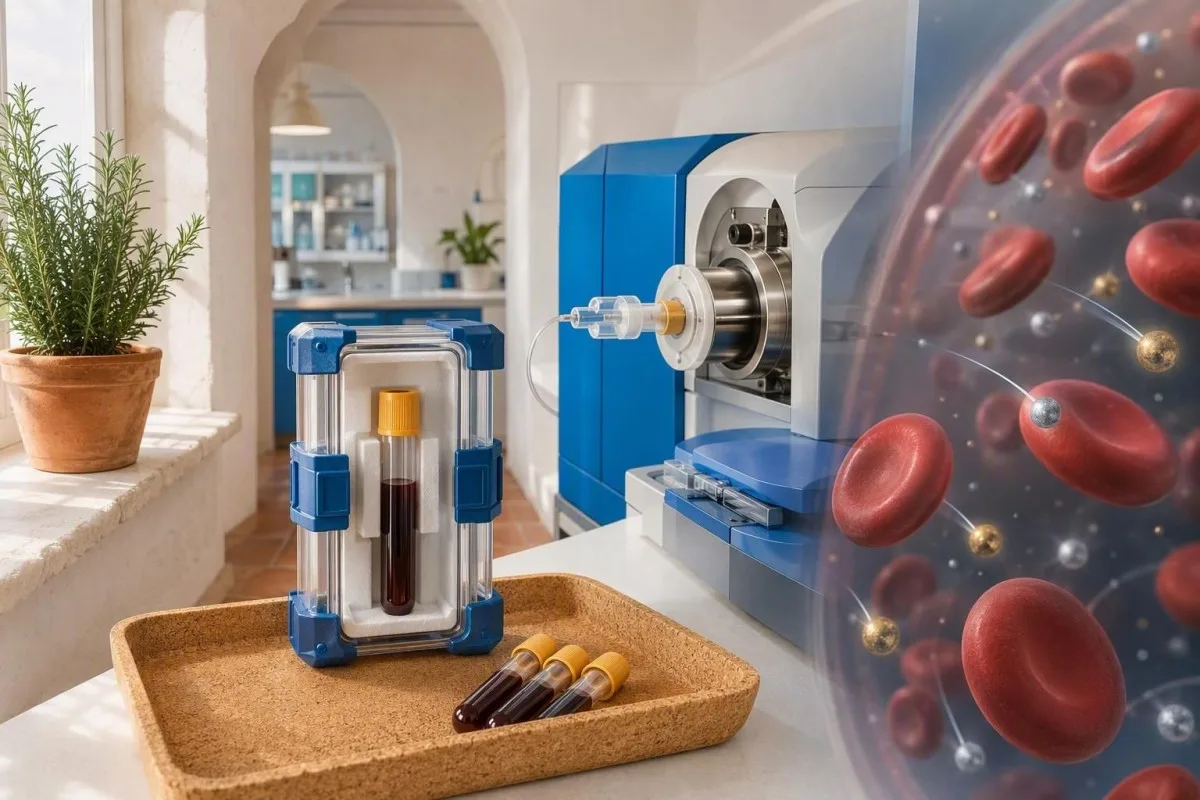
Sangotestado pri pezaj metaloj estas plej bona por lastatempa aŭ daŭranta eksponiĝo al plumbo, metilhidrargo, kaj elektitaj metalkoj rilataj al laborejo aŭ implantaĵo. Ĝi ne estas ĝenerala mezuro de “korpaj toksinoj”: urino, metalspeciigo, eksponiĝohistorio, kaj ripetaj tempoj ofte determinas ĉu rezulto estas signifhava.


- Tut-sanga plumbo reflektas ĉefe lastatempan aŭ daŭrantan eksponiĝon dum ĉirkaŭ 1 monato; neniu sangoplumba nivelo estas konsiderata sendanĝera.
- La referenca valoro de CDC por sangoplumbo ĉe infanoj estas 3.5 µg/dL, sekva sojlo prefere ol toksoza diagnozo.
- Hidrarga sangotestado estas plej utila por lastatempa eksponiĝo al metilhidrargo de fiŝoj kaj iuj profesiaj fontoj; ĝi ne fidinde mezuras malnovan eksponiĝon.
- Urina arseno kun speciigo estas preferata por suspektata neorganika arsena eksponiĝo, precipe post evitado de marmanĝaĵoj dum 48-72 horoj.
- Urina kadmio ĝenerale pli fidele reflektas la kumulan ŝarĝon de la renoj, dum sanga kadmio pli forte indikas lastatempan eksponiĝon.
- Hararo-testado povas subteni mallarĝan demando pri metilhidrargo sed estas nefidinda kiel larĝa diagnoza toksina ekrano.
- Provokita urina testado post kelanta agento ne povas establi veneniĝon ĉar ĝi intence pliigas urinan metalan ekscreskon.
- Larĝaj toksinaj paneloj ofte detektas spuro-metalojn sen montri malsanon, fonton, dozon, aŭ bezonon de traktado.
Kion sangotestado pri pezaj metaloj efektive kontrolas
A pezaj metaloj sangotestado mezuras la koncentriĝon de specifaj elementoj cirkulantaj dum kolekto; ĝi ne mezuras la “toksan ŝarĝon” dum la tuta vivo de persono. Sanga tutaĵo estas precipe utila por plumbo kaj metilhidrargo, dum la plej bona specimeno ŝanĝiĝas por arseno, kadmio, kromo, kobalto, kaj talio.
Plej multaj klinikaj laboratorioj uzas indukto-kunligitan plasman amasan spektrometrion, aŭ ICP-MS, kiu povas detekti metalojn ĉe mikrogramoj por litro aŭ malpli. Detekto ne estas diagnozo: rezulto devas esti komparata kun la metodo de la laboratorio, la kolektopipro, la laboro de la persono, dieto, suplementoj, rena funkcio, kaj la tempo ekde la suspektata kontakto.
A toksina sangotestado venditaj kiel 20- aŭ 40-metala ekrano povas soni ampleksaj, sed multaj mezuritaj elementoj ne havas validigitan malsan-sojlon en asimptoma persono. En mia praktiko, la utila demando estas preskaŭ ĉiam pli mallarĝa: “Ĉu ĉi tiu aparta eksponiĝo povas klarigi ĉi tiun rezulton aŭ simptomon?”
Kantesti estas AI-sangotesta analizilo kiu metas spurelementajn rezultojn apud la reston de raporto, inkluzive de kreatinino, hepataj markiloj, kaj ruĝ-ĉelaj indicoj. Nia referenca gvidilo pri biosignoj helpas distingi rezulton, kiu bezonas rapidan klinikan revizion, de unu, kiu ĉefe bezonas pli bonan eksponiĝan historion.
Kiujn metalojn sangotestado povas detekti fidinde?
Sang-testado povas fidinde kvantigi plurajn metalojn, sed mezurebla koncentriĝo havas malsaman signifon por ĉiu el ili. Plumbo, hidrargo, mangano, kobalto, kaj kromo estas ofte mezuritaj en tuta sango; arseno kaj kadmio ofte bezonas urinan testadon por la klinike signifa demando.
A Plumba sangotesto devus uzi tutan sangon kolektitan en atestita spurelementa pipo ĉar plumbo forte apartiĝas en ruĝaj ĉeloj. Vena punkto preferindas kiam ekrana kapilara rezulto estas alta, ĉar polvo sur haŭto povas false altigi fingro-pikitan rezulton.
A sangokontrolo de hidrargo estas plej informa pri metilhidrargo el marmanĝaĵo kaj elementa-hidrarga eksponiĝo okazanta en lastaj semajnoj. Tut-sanga hidrargo kutime falas post ŝanĝo en fiŝa konsumo; la biologia duoniĝtempo de metilhidrargo estas ĉirkaŭ 50 tagoj, do ripetita rezulto post 6-8 semajnoj povas esti pli informa ol rezulto 3 tagojn poste.
Kobaltaj kaj kromaj sangaj koncentriĝoj havas difinitan rolon ĉe elektitaj personoj kun metal-sur-metalaj kokosaj komponentoj, kvankam simptomoj, bildigo, implanta tipo, kaj seria ŝanĝo pli gravas ol unu izolita nombro. Nia gvidilo al krom-testaj elektoj klarigas kial laboratorioj povas raporti malsamajn unuojn.
Plumba sangotestado: sojloj, tempo kaj sekvado
A Vena sanga plumbonivelo estas la norma testo por lastatempa plumb-eksponiĝo ĉe infanoj kaj plenkreskuloj. Ĉe usonaj infanoj, 3.5 µg/dL estas la nuna CDC-referenca valoro de sanga plumbo; ĝi identigas infanojn kun pli alta eksponiĝo ol plej multaj samuloj kaj ne estas linio inter sekura kaj nesekura.
Sanguaj plumbaj niveloj kutime reflektas ekspozicion dum la antaŭaj 28-36 tagoj, kvankam plumbo stokita en osto povas reveni en sangon dum gravedeco, menopaŭzo, frakturo-resanigo, aŭ severa malsano. Nivelo povas tial fali post forlaso de fonto sen pruvi ke la pli frua ekspozicio estis sendanĝera.
La ĝisdatigo de la CDC de 2021 malaltigis la infanan referencvaloron de 5.0 ĝis 3,5 µg/dL ĉar pli malaltaj koncentriĝoj ankoraŭ korelacias kun evolua risko je populacianivelo (Ruckart et al., 2021). Khelado ne estas kutima por infano je 3.5 µg/dL; font-identigo, nutrado, evolua superrigardo, kaj ripet-testado estas la kutimaj unuaj paŝoj.
Por plenkreskuloj, okupaj sojloj kaj forigaj reguloj varias laŭ lando, sekso, gravedeca potencialo, kaj industrio. Rezulto de 45 µg/dL aŭ pli pravigas urĝan specialistan diskuton en multaj klinikaj situacioj, dum 70 µg/dL aŭ pli estas ĝenerale traktata kiel medicina kriz-okazo postulanta tujan ekspozici-forigon kaj spertan administradon.
Hidrargaj sangotestoj post fiŝoj, laboro aŭ disverŝiĝo
A sangokontrolo de hidrargo plej bone kaptas lastatempan metilhidrargan ekspozicion el marmanĝaĵoj kaj povas helpi taksi lastatempan elementan hidrargan ekspozicion. Ĝi ne, memstare, identigas la hidrargan formon, fonton, daŭron, aŭ gradon de neŭrologia risko.
Por plenkreskulo kun regula fiŝa konsumo, totala sanga hidrarga rezulto sub 10 µg/L ofte videblas, sed laboratorireferencaj intervaloj varias vaste laŭ geografio kaj dieto. Rezulto super 20 µg/L meritas zorgeman ekspozici-revizion, precipe dum gravedeco aŭ antaŭ koncipiĝo, prefere ol reflekso-detoksigo.
Clarkson kaj Magos priskribas kial hidrarga kemio gravas: metilhidrargo koncentriĝas en ruĝaj globuloj, dum neorganika hidrargo pli facile reprezentiĝas en urino (Clarkson kaj Magos, 2006). Tiu distingo estas kial totala hidrargo sole povas krei nenecesan alarmon post pluraj porcioj de grandaj predaj fiŝoj.
Mi vidis maltrankvilan pacienton ripeti hidrargan nivelon la matenon post suŝio; tiu ripeto respondis preskaŭ nenion. Pli utila plano estas registri fiŝspecojn kaj porciojn dum 2 semajnoj, elekti pli malaltajn hidrargajn elektojn, poste ripeti post ĉirkaŭ 6-8 semajnoj se la origina rezulto estis vere levita; vidu nian gvidilon pri hidrarga sekvado de marmanĝaĵo.
Kiam urintestado estas pli bona ol sangotestado
Urina testado estas preferinda kiam la metalo estas elmetita en urino aŭ kiam klinikistoj bezonas taksi kumulan prefere ol samtagan ekspozicion. Arĝento, kadmio, neorganika hidrargo, kaj talio estas oftaj ekzemploj kie urino povas respondi la klinikan demandon pli bone ol sango.
A 24-hora urino kolekto mezuras totalan elmeton dum tago, sed punkta urinspecimeno korektita por kreatinino ofte estas uzata kiam kolekta kvalito estas dubinda. Perdita kolekto, nekutime alta likvaĵkonsumo, aŭ kreatinino ĉe iu ajn ekstremo povas distordi 24-horan takson; kolekta tekniko meritas la saman ekzamenon kiel la nombro.
Urina kadmio reflektas longdaŭran renan akumuliĝon pli ol sanga kadmio, kiu estas influita de lastatempa fumado aŭ profesia ekspozicio. Kadmia interpretado devus inkluzivi urinajn albuminon aŭ ACR kaj tubulajn markilojn kiam klinike indikite, ĉar la zorgo ofte estas rena tubula vundo prefere ol neklara toksica poentaro.
Tempaj eraroj estas oftaj. Nia praktika gvidilo por 24-hora urina kolekto detaligas la kutimajn fiaskopunktojn, inkluzive de komencado ĉe la malĝusta tempo kaj forgesado de la fina specimeno.
Arsentestado bezonas speciigon, ne generikan totalon
Suspektita arĝenta ekspozicio estas kutime taksata per urina arĝenta speciigo, ne sanga panelo. Totala urina arĝento povas pliiĝi dramece post marmanĝaĵo ĉar organika arsenobetaino estas elmetita en urino sed estas multe malpli toksa ol neorganika arĝento.
Homoj devus eviti marmanĝaĵojn dum 48-72 horoj antaŭ planita urina arĝenta testo krom se toksologo konsilas alie. Tuta urina arĝenta rezulto super 50 µg/L povas meriti sekvadon, sed ĝi ne povas esti responde interpretita sen identigi neorganikan arĝenton kaj ĝiajn metabolitojn.
Sanga arĝento havas mallongan utilan fenestron—ofte horojn post konsiderinda ekspozicio—do normala sanga valoro ne ekskludas gravan ekspozicion de tagoj pli frue. En la 15 jaroj mi laboris kun laboratoriaj raportoj, tio estas inter la plej oftaj kialoj kial vasta panelo donas falsan trankvilon.
La arĝenta profilo de ATSDR subtenas urinan testadon kun speciigo kiam ekspozicio estas suspektata, precipe post akvo-puto, industria, aŭ herba-produkta zorgo (ATSDR, 2007). Ne ĉesu preskribitajn medikamentojn aŭ provu keladon dum vi atendas rezulton; klinikisto povas helpi identigi ĉu akvo, laboro, aŭ produkto estas la verŝajna fonto.
Kadmio, kromo kaj kobalto postulas eksponiĝ-specifan testadon
Kadmio, kromio, kaj kobaltaj rezultoj estas signifaj nur kiam komparitaj kun verŝajna fonto kaj la ĝusta specimeno. Urina kadmio ofte estas elektita por kumula ekspozicio, dum sanga kobalto kaj kromio estas ĉefe uzataj por lastatempa profesia ekspozicio aŭ elektita implantaŭsperto.
Fumado povas signife pliigi kadmiajn koncentriĝojn, kaj certaj laborejoj aldonas enspiraligitan ekspozicion; dieta konsumo sole malofte klarigas rimarkindan rezulton. Rena funkcio gravas ĉar reduktita filtrado povas ŝanĝi urinajn koncentriĝojn sendepende de ekspozicio, do kreatinino kaj urina proteina kunteksto estas utilaj.
Por persono kun metala koksa enplantaĵo, nova koksa doloro, reduktita funkcio, aŭdaj aŭ vidaj simptomoj, kardiomiopatio-simptomoj, aŭ altiĝanta kobalta tendenco postulas rektan klinikan taksadon. Unufoja sanga kobalta koncentriĝo ne estas ekzameno por nespecifa laceco, cerba nebulo, aŭ artika doloro.
AI povas kompari renajn signojn trans datoj, kio estas utila kiam metala rezulto kaŭzas renan demandon prefere ol pruvi kaŭzecon. Reviziu a GFR rezulton post dehidratiĝo antaŭ ol supozi, ke malgranda kreatinina ŝanĝo reprezentas metal-kaŭzitan damaĝon.
Kolektaj eraroj povas krei falsan metalan rezulton
Spura-metala rezultoj estas nekutime vundeblaj al poluado de kolekttuboj, haŭta polvo, topikaj produktoj, kaj laboratoria prilaborado. Surpriza malalt-nivela rezulto ofte devus esti ripetita uzante atestitan spurelementan tubon antaŭ ol ĝi ekigas invadajn esplorojn aŭ suplementojn.
Pulvoro el gantoj, polvo de laborejo, zinko-enhavantaj dentoprotezaj gluoj, kaj eĉ ne-atestita kolekttubo povas influi testadon. Hemolizo ankaŭ povas ŝanĝi interpreton por kelkaj elementoj ĉar ĉelaj enhavoj eniras serumon aŭ plasmon; ruĝete nuancita specimeno devus instigi la laboratorion komenti pri specimena kvalito.
La ĝusta matrico gravas: tuta sango, serumo, plasmo, kaj urino ne estas interŝanĝeblaj. Raporto etikedita “seruma hidrargo” ne devus esti komparata senatente kun publika-sana sojlo evoluigita por tuta sango.
Kantesti estas AI-biomarkila interpretada platformo kiu legas la raportitan specimena tipo, unuo, kaj referenca intervalo antaŭ ol oferti kuntekston. Nia teknologio kaj metodoj gvidas klarigas kial rezulto ekster la gamo de unu laboratorio ne povas aŭtomate esti mapita al la decidlimo de alia laboratorio.
Kial haraj, unĝaj kaj hejmaj toksinaj paneloj ofte misgvidas
Haraj kaj ungojaj testoj ne povas diagnozi plejparton de pezmetala veneniĝo ĉe individuo ĉar ekstera poluado, kosmetika traktado, kreskorapideco, kaj laboratoria preparado povas domini la rezulton. Hararo havas limigitan subtenan rolon por pli longa-daŭra metilhidrarga eksponiĝo, ne por ĉiu-inkluziva detox-takso.
Hararo kreskas ĉirkaŭ 1 cm monate, sed tiu simpla fakto ne faras ĉiun centimetron fidindan ekspon-kalendaron. Harara tinkturo, blankigo, naĝejakvo, polvo, kaj ŝampuoj povas ŝanĝi mezuritajn koncentriĝojn; lavaj protokoloj signife diferencas inter laboratorioj.
Ungotestado havas similajn limigojn kaj havas malmulte da rolo en rutina klinika diagnozo. Kiam panelo raportas 25 elementojn, ĝi kutime signos ion statistike nekutiman eĉ ĉe sanaj homoj—atendita konsekvenco de multaj komparoj, ne pruvo, ke la korpo bezonas purigadon.
Se simptomoj estas la zorgo, klinikistoj devus unue serĉi normajn klarigojn, kiuj havas pli klaran diagnozan vojon: anemio, tiroida malsano, rena malsano, medikamentaj efikoj, dorma interrompo, kaj nutrado. Nia artikolo pri sangokontroloj por neklarigita doloro montras kiel komenci sen redukti ĉiun simptomon al toksikeco.
Kial provokitaj urintestoj ne povas pruvi metalan veneniĝon
Provokita urina metala testo ne povas diagnozi kronikan pezmetalan veneniĝon ĉar la kelatiga drogo intence mobilizas kaj pliigas urinan ekskrecion de metaloj. Referencaj gamoj de neprovokita urina specimeno ne validas post EDTA, DMSA, DMPS, aŭ alia kelatilo.
Kelatoroj ligas metalojn, kiuj normale ĉeestas en histoj kaj cirkulado, do preskaŭ ĉiu ekskretos pli post ricevi unu. La kruce mankanta peco estas validigita post-kelaciĝa referenca populacio, kiun plej komercaj raportoj ne provizas.
Kelacio ne estas senkaŭza. Depende de la agento kaj persono, ĝi povas kontribui al malalta kalcio, rena streso, alergiaj reagoj, minerala elĉerpiĝo, kaj interagoj kun preskribitaj traktadoj; traktado devus sekvi dokumentitan eksponiĝon kaj specialistan taksadon.
La praktika regulo de d-ro Thomas Klein estas simpla: establi la eksponiĝon, akiri ĝuste kolektitan bazlinian teston, poste diskuti traktadon. La aliro al medicina validigo uzata de Kantesti AI estas desegnita por signali kiam la limoj de provo faras konfidencan interpreton malkonvenan.
Simptomoj kiuj bezonas urĝan zorgon prefere ol alia panelo
Akuta konfuzo, kaptoj, severa vomado, nova malforto, manko de spiro, brustdoloro, aŭ konata alt-doza ekspozicio bezonas urĝan medicinan taksadon, ne poŝtdistancan toksinpanelon. Normala sangorezulto povas okazi se testado estas tro malfrua aŭ mezuras la malĝustan metalon.
Por infano, pica, eksponiĝo al senŝeliganta farbo, disvolva regresio, aŭ gefrato kun alta plumbo devus ekigi promptan pediatrian konsilon. Plumbo-veneniĝo ofte estas silenta, do konduto sola ne povas taksi sangonivelo de plumbo.
Ekspozicio al vaporo de elementa hidrargo povas kaŭzi tuson, spiromankon, tremon, aŭ neŭropsikiatrajn simptomojn, dum neorganika arseno povas kaŭzi severan gastro-intestan malsanon kaj kardiovaskulan malstabilecon post grava ekspozicio. Tiuj padronoj estas nekutimaj, sed prokrasto estas la risko—voku urĝajn servojn aŭ venenocentralon kiam la ekspozicio estas lastatempa aŭ simptomoj estas signifaj.
Kuracisto povas ordigi elektrolitojn, kreatinon, hepatajn testojn, EKG-monitoradon, kaj celitan toksologion kune kun metala provo. Nia gvidilo pri elektrolitaj “red-flag” klarigas kial metala tokseco neniam estas taksata nur de unu koncentriĝo.
Kiel trakti limigitan metalan rezulton
Lima metala rezulto kutime estas administrita konfirmante la specimenon, rekonstruante ekspozicion, kaj ripetante la ĝustan teston post taŭga intervalo. Ĝi malofte pravigas suplementojn, fastajn reĝimojn, aŭ keladon memstare.
Komencu per templinio: okupo, ŝatokupoj, renovigaj laboroj, importitaj spicoj aŭ rimedoj, akvofonto, pafejoj, juvelaĵaj laboroj, fiŝokonsumo, kaj implanta historio. Registru datojn, oftecon, protektan ekipaĵon, kaj ĉu aliaj kundividantaj la medion havas simptomojn aŭ nenormalajn rezultojn.
Ripeta testado devus uzi la saman matricon kaj, kie eble, la saman laboratorion. A 20% ŝanĝo povas reflekti ordinarajn biologiajn aŭ analizajn variojn por iuj spurolementoj, dum daŭra falo post dokumentita forigo de fonto pli forte subtenas la ekspozicio-hipotezon.
Kantesti povas organizi serilaboratoriajn raportojn, sed ĝi ne povas anstataŭigi ekspoziciinveston aŭ medicinan ekzamenon. Nia flank-al-flanka rezultgvidilo estas utila por prepari koncizan templinion por dungada kuracisto aŭ GP.
Manĝaĵo, suplementoj kaj la limoj de “detoksigo”
Neniu suko-purigado, saŭno, suplemento, aŭ fasta protokolo pruviĝis sekure forigi klinike gravan metalan ekspozicion anstataŭ fontokontrolo. La unua traktado por la plej multaj malaltnivelaj ekspozicioj estas ĉesigi la fonton kaj subteni ordinarajn nutradon, hidratadon, kaj medicinan kontrolon.
Adekvata kalcio, fero, kaj C-vitamina konsumo povas redukti gastro-intustan plumban sorbadon ĉe infanoj kun nutra manko, sed manĝaĵo ne estas anstataŭaĵo por media riparo. Fer-manko povas pliigi plumban sorbadon, kio estas unu kialo kial kuracistoj ofte revizias feritinon kaj kompletan sangokalkuladon kiam plumb-ekspozicio estas konfirmita.
Alt-doza zinko povas krei kupran mankon, kaj nekontrolita seleno mem povas kaŭzi toksecon. Suplemento surmerkatigita kiel metala ligilo devus esti traktata singarde, precipe se ĝi enhavas multajn mineralojn, kiuj povas kompliki postan testadon.
Por raciaj nutradaj demandoj, legu nian gvidilon al manĝaĵoj altaj en fero e nossa revisao de sekureco de selena dozo. La pruvo por komercaj senveneniĝaj programoj estas honeste malforta.
Kiel legi metalan rezulton kune kun rutina sangoverkado
Metalaj rezultoj fariĝas klinike utilaj kiam interpretitaj kune kun rena funkcio, hepataj markiloj, plena sangokalkulado, simptomoj, kaj kredinda ekspozicio-fonto. Valoro iomete super referenca intervalo sen iu ajn el tiuj subtenaj trajtoj ofte havas limigitan klinikan signifon.
Plumb-ekspozicio povas koekzisti kun mikrocitozo aŭ fer-manko, sed normala CBC ne ekskludas plumb-ekspozicion. Kadmiaj demandoj meritas atenton al kreatinino kaj urina proteino, dum signifaj hepataj anomalioj ne aŭtomate kulpigu malalt-nivelan metalan trovon.
Kantesti AI estas AI-labora testa interpretservo kiu tradukas unu-unuecajn laboratoriajn datumojn en demandojn por kuracisto, prefere ol deklarante diagnozon de larĝa toksin-ekrano. D-ro Thomas Klein kaj nia Medicina Konsila Komisiono substrekuci fontan kontrolon, ripeteblan testadon, kaj klarajn konsilojn pri plialtigo.
Antaŭ ol alŝuti ajnan raporton, forigu nenecesajn identigilojn kaj kontrolu, ke la specimena tipo, kolekta dato kaj unuoj videblas. Nia kontrol-listo pri kvalito de PDF-alŝuto povas malhelpi simplan transskriban eraron fariĝi timiga interpreto.
Praktika testplano por suspektata eksponiĝo en 2026
Ekde la 3-a de septembro 2026, la plej sekura testa plano komenciĝas per specifa ekspona hipotezo, poste elektas la ĝustan metalon, specimenon kaj kolekto-daton. Ampleksa ekzamenado estas rezonabla nur kiam okupa aŭ publika-sana kuracisto identigas difinitan mult-metalan eksponon.
Por malnova farbo, importita ceramiko, pafado, bateri-laboro, aŭ poluita polvo, petu venenan tut-sang-plumbon. Por ofta alta-hidrarga fiŝ-konsumo, komencu per tut-sanga totala hidrargo; por puto-akvo aŭ suspektata arseniko, petu urinan arsenikon kun specigo post evito de marmanĝaĵoj.
Alportu fotojn de produktaj etikedoj, sekurecaj folioj de laborejo, renovaj datoj, kaj akvo-testaj rezultoj al la rendevuo. Tiu pruvo povas esti pli diagnoza ol aldoni 15 metalojn al panelo, kaj ĝi ebligas publikan-sanan agon kiam hejma aŭ labora fonto estas reala.
Kantesti estas uzata en 127+ landoj, sed lokaj sojloj kaj laborejaj raportaj reguloj varias. Nia klinikaj uz-kazaj ekzemploj montras kiel strukturitaj demandoj povas subteni—ne anstataŭigi—vian propran kuraciston, toksologian servon, aŭ lokan publik-sanan teamon.
Oftaj Demandoj
Kiajn metalojn povas detekti sangokontrolo?
Pezmetala sangotesto povas kvantigi plumbo, tuta hidrargo, mangano, kobalto, kromo, kaj pluraj aliaj elementoj, kutime en tuta sango. Sango estas plej utila por lastatempa aŭ daŭranta eksponiĝo, ne por mezuri vivdaŭran akumuladon. Plumbo estas ofte taksita per venena tut-sanga testado, kaj metilhidrargo havas sangon duoniĝotempon de ĉirkaŭ 50 tagoj. Arseno, kadmio, neorganika hidrargo, kaj talio ofte postulas urinan testadon por pli klinike utila respondo.
Kiel longe pezaj metaloj restas en la sango?
La tempo, dum kiu metalo restas mezurebla, dependas de ĝia kemia formo kaj la testita specimeno. Sanga plumbo ĝenerale reflektas eksponon dum la pasintaj 28-36 tagoj, dum metilhidrargo ofte malpliiĝas ĉirkaŭ 50 tagojn post kiam ekspono malpliiĝas. Arseniko en sango povas esti utila nur dum horoj post signifa ekspono, do normala rezulto poste ne ekskludas ĝin. Kadmio povas persisti en la korpo dum jaroj, sed urino estas kutime pli informiga por akumulita kadmia ŝarĝo.
Ĉu sangotesto pri pezaj metaloj estas bona ĝenerala toksina ekzameno?
Ampleksa toksina sang-testo estas kutime malbona ĝenerala ekzameno por neklarigita laceco, kapdoloroj, aŭ cerba nebulo, ĉar spura detekto ne establas toksecon. Paneloj, kiuj mezuras 20 aŭ pli elementojn, pliigas la ŝancon de almenaŭ unu lima flago eĉ ĉe sanaj homoj. Celita testo bazita sur laboro, akvo, farbo, marmanĝaĵoj, suplementoj, aŭ implantaĵo pli probable produktos agatan rezulton. Kuracisto devas interpreti ajnan altigitan koncentriĝon kun la specimena tipo, unuoj, tempigo, simptomoj, kaj ekspona historio.
Ĉu mi devas fasti antaŭ sang-testo pri pezaj metaloj?
Fastado ne necesas por plej multaj plumbaj aŭ hidrargaj sang-testoj. La pli grava preparado estas eviti poluadon kaj dokumenti lastatempan eksponon, kiel fiŝojn manĝitajn dum la antaŭaj 1-2 semajnoj aŭ laborejan kontakton en la test-tago. Por urina arseniko, evitu marmanĝaĵojn dum 48-72 horoj antaŭ kolekto, krom se kuracisto konsilas alie, ĉar organika marmanĝaĵa arseniko povas altigi totalan urinan arsenikon. Ne ĉesu preskribitajn medikamentojn nek prenu kelantan produkton antaŭ testado.
Kiu nivelo de plumbo en la sango zorgigas?
Por infanoj en Usono, venena sang-plumba nivelo de 3.5 µg/dL aŭ pli alta plenumas la CDC sang-plumban referencan valoron kaj devus instigi eksponan sekvadon. Ĉi tio ne estas sekura kontraŭ danĝera limo, ĉar neniu nivelo de plumbopreno estas konata esti tute sen risko. Niveloj de 20-44 µg/dL postulas rapidan klinikan taksadon, kaj niveloj de 45 µg/dL aŭ pli altaj ĝenerale postulas urĝan specialistan diskuton. Plenkreskaj okupaj agad-niveloj diferencas laŭ lando, laboro, sekso, kaj gravedeca potencialo.
Ĉu haraj testoj estas precizaj por pezaj metaloj?
Haraj testoj ne estas fidindaj por diagnozi plejparton de pez-metala veneniĝo, ĉar ekstera polvo, hararo-farbo, blankigo, ŝampuo kaj laboratoriaj lavaj metodoj povas ŝanĝi rezultojn. Haro kreskas ĉirkaŭ 1 cm monate, sed ĝi ne estas preciza historia ekspona rekordo por individuo. Haro-analizo povas foje subteni taksadon de pli longdaŭra metilhidrarga ekspono sub specialist-gvidado. Nenormala hara rezulto ne devus esti uzata sole por pravigi keladon aŭ senveneniĝan programon.
Ĉu kelado-testado povas montri, se mi havas metalan toksecon?
Ne, urino kolektita post kelanta medikamento ne povas pruvi metalan veneniĝon, ĉar la medikamento intence pliigas metalan ekskrecion. Normaj urinoj referencaj gamoj estas derivitaj de specimenoj kolektitaj sen kelanto kaj ne povas esti komparitaj kun post-kelanta rezulto. Kelado povas kaŭzi renan streson, mineralajn perturbojn kaj aliajn malfavorajn efikojn, precipe kiam uzata sen dokumentita indiko. Taŭge kolektita baza sanga aŭ urina testado kaj ekspona esplorado devus veni unue.
Akiru hodiaŭ AI-movitan analizon de sangoanalizo
Aliĝu al pli ol 2 milionoj da uzantoj tutmonde, kiuj fidas je Kantesti por tuja, preciza analizo de laboratoriaj testoj. Alŝutu viajn rezultojn de sangoanalizo kaj ricevu ampleksan interpretadon de 15,000+-biomarkiloj en sekundoj.
📚 Referencitaj esplorpublikaĵoj
Klein, T., Mitchell, S., & Weber, H. (2026). Diareo Post Fastado, Nigraj Makuloj en Fekaĵo & Gista Sistemo Gvidilo 2026. Kantesti AI Medicina Esploro.
Klein, T., Mitchell, S., & Weber, H. (2026). Gvidilo pri Virina Sano: Ovulado, Menopaŭzo kaj Hormonaj Simptomoj. Kantesti AI Medicina Esploro.
📖 Eksteraj medicinaj referencoj
Agentejo por Toksaj Substancoj kajmalsan-Registrado (2007). Toksikologia Profilo por Arseniko. Usona Departemento pri Sano kaj Homaj Servoj.
⚕️ Medicina Deklaro
Ĉi tiu artikolo estas nur por edukaj celoj kaj ne konsistigas medicinan konsilon. Ĉiam konsultu kvalifikitan sanprovizanton por diagnozaj kaj traktadaj decidoj.
Signaloj de fido E-E-A-T
Sperto
Kuracista gvidata klinika revizio de laboratoriaj interpretaj laborfluoj.
Kompetenteco
Laboratoria medicino fokusiĝas pri kiel biomarkiloj kondutas en klinika kunteksto.
Aŭtoritateco
Skribita de d-ro Thomas Klein kun revizio de d-ro Sarah Mitchell kaj prof. d-ro Hans Weber.
Fidindeco
Evident-bazita interpretado kun klaraj sekvaj vojoj por redukti alarmon.