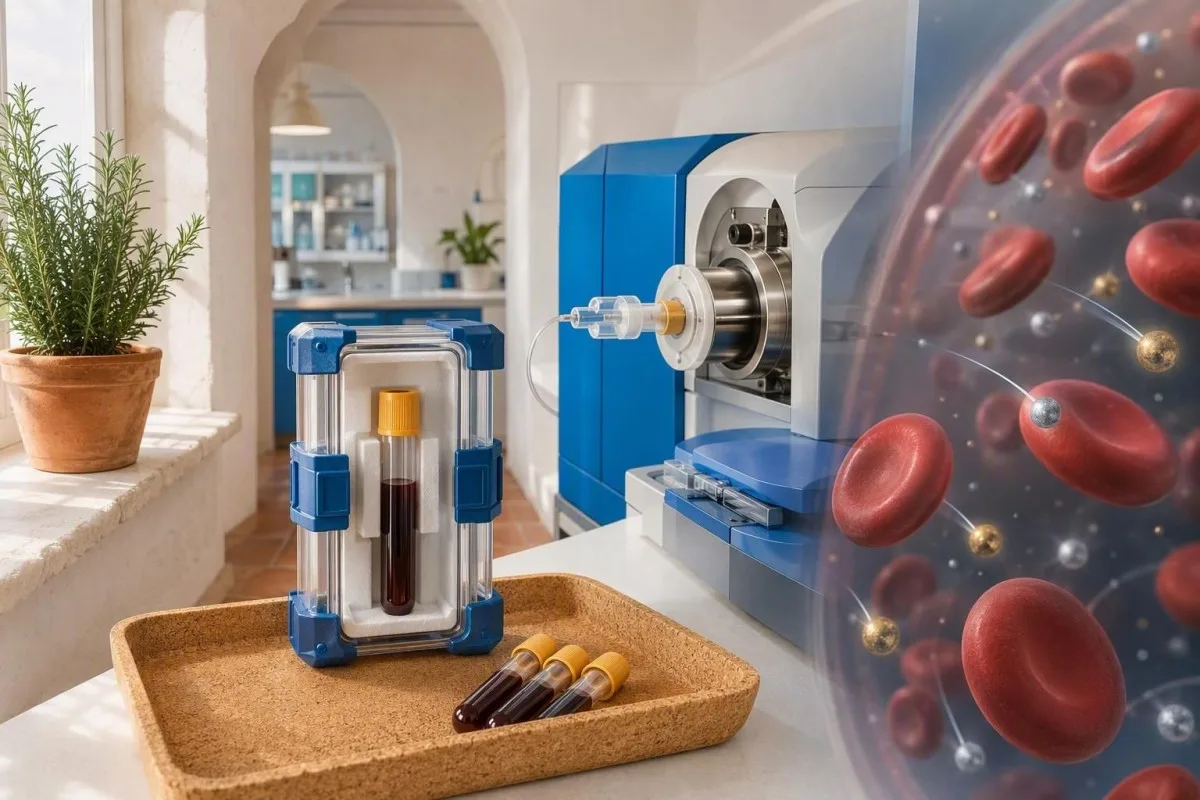
Raskemetallide vereanalüüs on parim hiljutise või püsiva kokkupuute korral plii, metüül elavhõbeda ja valitud töökoha või implantaadiga seotud metallidega. See ei ole üldine “kehast toksiinide” mõõdik: uriin, metallide liigid, kokkupuute ajalugu ja kordustestide ajastus määravad sageli, kas tulemus on sisukas.


- Plii koguveres peegeldab peamiselt hiljutist või jätkuvat kokkupuudet umbes 1 kuu jooksul; ükski verepliini tase ei ole riskivaba.
- CDC lapse verepliini võrdlusväärtus on 3,5 µg/dl, järelkontrolli künnis, mitte toksilisuse diagnoos.
- Elavhõbeda vereanalüüs on kõige kasulikum hiljutise metüül elavhõbeda kokkupuute korral kalast ja mõnedest tööalastest allikatest; see ei mõõda vanu kokkupuuteid usaldusväärselt.
- Uriini arseen koos liigitamisega eelistatakse kahtlustatava anorgaanilise arseeni kokkupuute korral, eriti pärast 48–72 tundi mereande vältinud.
- Uriini kaadmium peegeldab üldiselt paremini kumulatiivset neerukoormust, samas kui vere kaadmium on rohkem seotud hiljutise kokkupuutega.
- Juuste testimine võib toetada kitsast metüülmerkuuriga seotud küsimust, kuid on ebausaldusväärne laiahaardelise toksilisuse sõeluuringuna.
- Uriini provokatiivtestimine pärast kelaativat ainet ei saa mürgistust tuvastada, kuna see suurendab tahtlikult metalli eritumist uriiniga.
- Laiad toksilisuse paneelid tuvastavad sageli mikroelemente, näitamata haigust, allikat, annust ega ravi vajadust.
Mida raskemetallide vereanalüüs tegelikult kontrollib
A raskmetallide vereanalüüs mõõdab kogumise hetkel ringlevate spetsiifiliste elementide kontsentratsiooni; see ei mõõda inimese eluajalist “toksilisuse koormust”. Veri tervikuna on eriti kasulik plii ja metüülmerkuuri puhul, samas kui parim proov muutub arseeni, kaadmiumi, kroomi, koobalti ja talliumi puhul.
Enamik kliinilisi laboreid kasutab induktsioon-sidestatud plasmaga-massispektromeetrit ehk ICP-MS, mis suudab tuvastada metalle mikrogrammi liitri kohta või alla selle. Tuvastamine ei ole diagnoos: tulemust tuleb võrrelda labori meetodi, kogumistoru, inimese töö, toitumise, toidulisandite, neerufunktsiooni ja kahtlustatava kontakti möödunud ajaga.
A toksiinide vereanalüüsi 20- või 40-metallilise sõeltestina turustatav võib kõlada põhjalikult, kuid paljudel mõõdetud elementidel puudub sümptomiteta inimesel valideeritud haiguse lävi. Minu praktikas on kasulik küsimus peaaegu alati kitsam: “Kas see konkreetne kokkupuude võib selgitada seda tulemust või sümptomit?”
Kantesti on AI vereanalüüsi analüsaator mis asetab mikroelementide tulemused koos ülejäänud aruandega, sealhulgas kreatiniini, maksa markerite ja punaliblede näitajate kõrvale. Meie biomarkeri teatmik aitab eristada tulemust, mis vajab kiiret kliinilist ülevaatamist, sellest, mis vajab peamiselt paremat kokkupuute ajalugu.
Milliseid metalle saab vereanalüüsiga usaldusväärselt tuvastada?
Vereanalüüs võib usaldusväärselt kvantifitseerida mitmeid metalle, kuid mõõdetaval kontsentratsioonil on igaühe jaoks erinev tähendus. Plii, elavhõbe, mangaan, koobalt ja kroom mõõdetakse tavaliselt täisveres; arseen ja kaadmium vajavad kliiniliselt olulise küsimuse jaoks sageli uriinianalüüsi.
A Plii vereanalüüs peaks kasutama sertifitseeritud mikroelementide toruga kogutud täisverd, kuna plii jaotub tugevalt punalibledesse. Veenipunktuur eelistatakse, kui sõeluuringu kapillaartulemus on kõrgenenud, kuna nahal olev tolm võib sõrmepunktuuri tulemust valesti tõsta.
A elavhõbeda vereanalüüs on kõige informatiivsem metüülmerkuuri puhul mereandidest ja elementaarse elavhõbeda kokkupuute puhul viimastel nädalatel. Täisveres elavhõbe langeb tavaliselt pärast kalatarbimise muutust; metüülmerkuuri bioloogiline poolestusaeg on umbes 50 päeva, seega võib 6-8 nädala pärast korduv tulemus olla informatiivsem kui tulemus 3 päeva hiljem.
Koobalti ja kroomi vere kontsentratsioonidel on määratletud roll valitud inimestel metall-metallist puusaliigese implantaatidega, kuigi sümptomid, pildindus, implantaadi tüüp ja aja jooksul toimuv muutus on olulisemad kui üksik number. Meie juhend kroomi testimise valikud selgitab, miks laborid võivad esitada erinevaid ühikuid.
Plii vereanalüüs: künnised, ajastus ja jälgimine
A veeniveri plii tase on standardtest hiljutise pliikokupuutega lastel ja täiskasvanutel. USA lastel on 3,5 µg/dL praegune CDC plii vere referentsväärtus; see tuvastab lapsed, kellel on suurem kokkupuude kui enamikul eakaaslastest, ja see ei ole piir ohutu ja ohtliku vahel.
Vere pliisisaldus peegeldab tavaliselt eelneva 28–36 päeva jooksul toimunud kokkupuudet, kuigi luudesse ladestunud pliid võib raseduse, menopausi, luumurdude paranemise või raske haiguse ajal vereringesse tagasi sattuda. Seetõttu võib tase langeda pärast kokkupuuteallikast lahkumist, ilma et see tõestaks varasema kokkupuute ohutust.
CDC 2021. aasta värskendus alandas laste võrdlustaset 5,0 µg/dL-lt 3,5 µg/dL kuna madalamad kontsentratsioonid on populatsioonitasandil endiselt seotud arenguriskiga (Ruckart jt, 2021). Kelaatimine ei ole tavaline 3,5 µg/dL puhul; esimesed sammud on tavaliselt kokkupuuteallika tuvastamine, toitumine, arenguseire ja kordustestid.
Täiskasvanute puhul erinevad tööalased lävendid ja eemaldamise reeglid riigiti, soo, raseduse võimaluse ja tööstusharu järgi. Tulemus 45 µg/dL või kõrgem nõuab paljudes kliinilistes olukordades kiiret spetsialisti konsultatsiooni, samas kui 70 µg/dL või kõrgem peetakse üldiselt meditsiiniliseks hädaolukorraks, mis nõuab viivitamatut kokkupuuteallika kõrvaldamist ja asjatundlikku juhtimist.
Elavhõbeda vereanalüüs pärast kala söömist, tööd või lekke korral
A elavhõbeda vereanalüüs tuvastab kõige paremini hiljutise metüülmerkuuri kokkupuute mereandidest ja aitab hinnata hiljutist elementaarmerkuuri kokkupuudet. See ei tuvasta iseenesest elavhõbeda vormi, allikat, kestust ega neuroloogilise riski taset.
Täiskasvanul, kes tarbib regulaarselt kala, on veres elavhõbeda üldsisaldus alla 10 µg/L sageli, kuid labori võrdlusvahemikud erinevad geograafia ja toitumise järgi laialdaselt. Tulemus üle 20 µg/L väärib hoolikat kokkupuute ülevaatamist, eriti raseduse ajal või enne rasestumist, mitte aga refleksdetoksikatsiooni.
Clarkson ja Magos kirjeldavad, miks elavhõbeda keemia on oluline: metüülmerkuur koguneb punalibledesse, samas kui anorgaaniline elavhõbe esineb uriinis kergemini (Clarkson ja Magos, 2006). See erinevus selgitab, miks elavhõbeda üldsisaldus võib pärast mitmeid suuri röövkalaliike sisaldavaid söögikordi põhjustada tarbetut muret.
Olen näinud ärevushäirega patsienti, kes kordas elavhõbedataset sushi söömisele järgneval hommikul; see kordus vastas peaaegu mitte millelegi. Kasulikum on 2 nädala jooksul registreerida kala liigid ja kogused, valida madalama elavhõbedasisaldusega variandid, seejärel korrata umbes 6–8 nädala pärast, kui esialgne tulemus oli tõeliselt kõrgenenud; vaata meie mereandide elavhõbedasisalduse jälgimise juhendit.
Millal uriinianalüüs on parem kui vereanalüüs
Uriinianalüüsi eelistatakse, kui metall eritub uriiniga või kui arstid vajavad sama päeva kokkupuute asemel kumulatiivse kokkupuute hindamist. Arseen, kaadmium, anorgaaniline elavhõbe ja tallium on tavalised näited, kus uriin võib vastata kliinilisele küsimusele paremini kui veri.
A 24-tunnine uriin kogumine mõõdab kogu eritumist päeva jooksul, kuid kreatiniini suhtes korrigeeritud uriiniproovi kasutatakse sageli, kui kogumise kvaliteet on kahtlane. Vahele jäänud kogumine, ebatavaliselt suur vedeliku tarbimine või kreatiniini väärtus kummaski äärmuses võib moonutada 24-tunnist hinnangut; kogumistehnika väärib sama tähelepanu kui number.
Uriini kaadmium peegeldab pikaajalist neerude kuhjumist rohkem kui vere kaadmium, mida mõjutab hiljutine suitsetamine või tööalane kokkupuude. Kaadmiumi tõlgendamisel tuleks vajadusel kasutada uriini albumiini või ACR-i ja tubulaarseid markereid, kuna murettekitav on sageli neerutuubulite kahjustus, mitte üldine toksilisuse skoor.
Ajastusvead on tavalised. Meie praktiline 24-tunnise uriinikogumise juhend kirjeldab tavalisi probleemkohti, sealhulgas vale aja alustamist ja viimase proovi unustamist.
Arseeni testimine vajab liigitamist, mitte üldist kogust
Kahtlustatavat arseenikokkupuudet hinnatakse tavaliselt uriini arseeni spetsifikatsiooniga, mitte verepaneeliga. Uriini üldine arseenikogus võib pärast mereandide söömist dramaatiliselt tõusta, kuna orgaaniline arseeniin on uriinis erituva, kuid palju vähem mürgine kui anorgaaniline arseen.
Inimesed peaksid vältima mereande 48–72 tundi enne plaanilist uriini arseeni testi, välja arvatud juhul, kui toksikoloog soovitab teisiti. Uriini üldine arseenikogus üle 50 µg/L võib vajada jälgimist, kuid seda ei saa vastutustundlikult tõlgendada ilma anorgaanilise arseeni ja selle metaboliitide tuvastamiseta.
Vere arseenil on lühike kasulik periood – sageli tunde pärast märkimisväärset kokkupuudet – seega normaalne vereväärtus ei välista asjakohast kokkupuudet päevadest varem. 15 aasta jooksul laboriaruannetega töötades on see üks sagedasemaid põhjusi, miks lai paneel annab vale kindlustunde.
ATSDR-i arseeniprofiil toetab uriinianalüüsi spetsifikatsiooniga, kui kahtlustatakse kokkupuudet, eriti pärast kaevuveega, tööstus- või taimsete toodetega seotud muresid (ATSDR, 2007). Ärge lõpetage ravimite võtmist ega proovige keemilist ravi, oodates tulemust; arst saab aidata tuvastada, kas vesi, töökoht või toode on tõenäoline allikas.
Kaadmium, kroom ja koobalt vajavad kokkupuutest sõltuvat testimist
Kaadmiumi, kroomi ja koobalti tulemused on tähendusrikkad ainult siis, kui need on seostatud tõenäolise allika ja õige prooviga. Uriini kaadmium valitakse sageli kumulatiivse kokkupuute puhul, samas kui vere koobaltit ja kroomi kasutatakse peamiselt hiljutise tööalase kokkupuute või teatud implantaatide jälgimiseks.
Suitsetamine võib märkimisväärselt suurendada kaadmiumi kontsentratsiooni ja teatud töökohtadel toimub sissehingamisega kokkupuude; ainult toiduga saadav annus selgitab harva silmatorkavat tulemust. Neerufunktsioon on oluline, kuna vähenenud filtreerimine võib muuta uriini kontsentratsioone sõltumata kokkupuutest, seega on kreatiniini ja uriini valgu kontekst kasulik.
Metallproteesiga patsiendi puhul vajavad uus puuvalu, vähenenud funktsioon, kuulmis- või nägemissümptomid, kardiomüopaatia sümptomid või tõusev koobasitrend otsest kliinilist hindamist. Ühekordne vere koobasikontsentratsioon ei ole mittespetsiifilise väsimuse, ajuhäirete või liigesevalu sõeluuring.
Kantesti AI suudab võrrelda neerumarkereid erinevate kuupäevade vahel, mis on kasulik, kui metallitulemus tekitab küsimusi neerude kohta, mitte ei tõesta põhjuslikkust. Vaadake üle GFR tulemus pärast dehüdratsiooni enne, kui eeldate, et väike kreatiniini muutus tähistab metalliga seotud kahjustust.
Kogumisvead võivad põhjustada vale metallitulemuse
Vääriskontsentratsiooni tulemused on ebatavaliselt tundlikud saastumise suhtes kogumistorudest, nahatolmust, paiksetest toodetest ja laboritöötlusest. Üllatavalt madal tulemus tuleks sageli korrata sertifitseeritud vääriskontsentratsiooni toruga, enne kui see käivitab invasiivsed uuringud või lisandid.
Kindadelt pärinev pulber, töökohalt pärinev tolm, tsingi sisaldavad hambaproteesiliimid ja isegi sertifitseerimata kogumistoru võivad analüüsi mõjutada. Hemolüüs võib samuti mõne elemendi tõlgendust muuta, kuna rakusisud satuvad seerumisse või plasmasse; punakaks tõmbunud proov peaks sundima laborit proovi kvaliteeti kommenteerima.
Õige maatriks loeb: täisveri, seerum, plasma ja uriin ei ole vahetatavad. “Seerumi elavhõbeda” märgistatud aruannet ei tohiks juhuslikult võrrelda rahvatervise lävega, mis on välja töötatud täisverele.
Kantesti on AI biomarkeri tõlgendamise platvorm mis loeb aruandest proovi tüübi, ühiku ja referentsvahemiku enne konteksti pakkumist. Meie tehnoloogia ja meetodite juhend selgitab, miks ühe labori vahemikust väljaspool olevat tulemust ei saa automaatselt teise labori otsustuspiirile kanda.
Miks juuste, küünte ja koduste toksiinipaneelide tulemused sageli eksitavad
Juuste ja küünte testid ei suuda enamiku raskemetallimürgistuste diagnoosimisel individuaalselt tuvastada, kuna väline saastumine, kosmeetiline töötlemine, kasvukiirus ja labori ettevalmistus võivad tulemust mõjutada. Juustel on piiratud toetav roll pikaajalisema metüülkvikhõbedaga kokkupuute korral, mitte kõikehõlmava detoksifitseerimise hindamise jaoks.
Juuksed kasvavad umbes 1 cm kuus, kuid see lihtne fakt ei muuda iga sentimeetrit usaldusväärseks kokkupuute kalendriks. Juuksevärv, pleegitus, basseinivesi, tolm ja šampoonid võivad mõõdetud kontsentratsioone muuta; pesemisprotokollid erinevad laborite vahel oluliselt.
Küünte testimisel on sarnased piirangud ja sellel on vähe rolli rutiinses kliinilises diagnoosimises. Kui paneel teatab 25 elemendist, märgib see tavaliselt statistiliselt ebatavalist isegi tervetel inimestel - see on oodatav tagajärg mitmetele võrdlustele, mitte tõend selle kohta, et keha vajab puhastamist.
Kui mureks on sümptomid, peaksid arstid kõigepealt otsima standardseid selgitusi, millel on selgem diagnostiline tee: aneemia, kilpnäärmehaigus, neeruhaigus, ravimite mõju, unehäired ja toitumine. Meie artikkel vereanalüüsid seletamatu valu korral näitab, kuidas alustada, ilma et iga sümptomit toksilisuseni taandada.
Miks provotseeritud uriinitestid ei suuda tõestada metallimürgistust
Provotseeritud uriini metallitest ei suuda kroonilist raskemetallimürgistust diagnoosida, kuna kelaativ ravim mobiliseerib ja suurendab tahtlikult metallide eritumist uriiniga. Referentsvahemikud provotseerimata uriiniproovist ei kehti pärast EDTA, DMSA, DMPS või muu kelaatoriga manustamist.
Kelaatorid seovad metalle, mis on normaalsete kudedes ja vereringes, nii et peaaegu kõik eritavad pärast nende manustamist rohkem. Oluline puuduv osa on valideeritud kelaatori järgse referentspopulatsiooni, mida enamik kaubanduslikke aruandeid ei paku.
Kelaatorravi ei ole ohutu. Sõltuvalt ainest ja isikust võib see põhjustada madalat kaltsiumi taset, neerude stressi, allergilisi reaktsioone, mineraalide puudust ja koostoimeid ettenähtud raviga; ravi peaks toimuma pärast dokumenteeritud kokkupuudet ja spetsialisti hinnangut.
Dr. Thomas Kleini praktiline reegel on lihtne: tuvastada kokkupuude, saada korralikult kogutud baastest, seejärel arutada ravi. meditsiinilise valideerimise lähenemine mida Kantesti AI kasutab, on loodud selleks, et märkida, millal analüüsi piirangud muudavad usaldusväärse tõlgenduse sobimatuks.
Sümptomid, mis vajavad kiiret ravi, mitte järjekordset paneeli
Äge segasus, krambid, tugev oksendamine, uus nõrkus, hingeldus, valu rinnus või teadaolev suurtes kogustes kokkupuude vajavad kiiret meditsiinilist hindamist, mitte postiga saadetavat toksiinipaneeli. Vereanalüüsi normaalne tulemus võib esineda, kui testimine toimub liiga hilja või mõõdab vale metalli.
Lapsel peaks pika, värvieksponatsiooni, arengulise taandarengu või kõrge pliiga õe/venna puhul olema kiire lastearsti nõu. Pliimürgistus on sageli asümptomaatiline, seega käitumise põhjal vere pliisisaldust hinnata ei saa.
Elementaarne elavhõbedaauru kokkupuude võib põhjustada köha, hingeldust, treemorit või neuropsühhiaatrilisi sümptomeid, samas kui anorgaaniline arseen võib pärast suurt kokkupuudet põhjustada tõsiseid seedetrakti haigusi ja kardiovaskulaarset ebastabiilsust. Need mustrid on haruldased, kuid viivitus on risk – helistage hädaabiteenistusse või mürgistuskeskusesse, kui kokkupuude on hiljutine või sümptomid on märkimisväärsed.
Kliinik võib metallianalüüsi kõrval määrata elektrolüüte, kreatiniini, maksateste, EKG jälgimist ja sihipärast toksikoloogiat. Meie elektrolüütide “red-flag” juhend selgitab, miks metallimürgistust ei hinnata kunagi ainult ühe kontsentratsiooni põhjal.
Kuidas käidelda piiripealset metallitulemust
Piiripealse metallitulemuse korral tavaliselt kinnitatakse proov, rekonstrueeritakse kokkupuude ja korratakse õiget testi sobiva intervalliga. See harva õigustab lisandeid, paasturežiime või ainult sellest tulenevat kelaati.
Alustage ajajoonega: töö, hobid, renoveerimistööd, imporditud vürtsid või ravimid, veeallikas, laskerajad, ehete valmistamine, kala tarbimine ja implantaatide ajalugu. Märkige kuupäevad, sagedus, kaitsevarustus ja see, kas keskkonda jagavad teised inimesed on sümptomid või ebatavalised tulemused.
Kordustestimine peaks kasutama sama maatriksit ja, kus vähegi võimalik, sama laborit. A 20% muutus võib mõne mikroelemendi puhul peegeldada tavalist bioloogilist või analüütilist varieeruvust, samas kui dokumenteeritud allika eemaldamise järgne pidev langus toetab kokkupuute hüpoteesi tugevamalt.
Kantesti saab korraldada seeriatena laboriaruandeid, kuid see ei saa asendada kokkupuute uurimist ega meditsiinilist läbivaatust. Meie kõrvuti tulemuste juhend on kasulik kokkupuute arstile või perearstile põhjaliku ajajoone koostamiseks.
Toit, toidulisandid ja “detoksi” piirid”
Ükski mahlapuhastus, saun, lisand ega paastudieet pole näidanud, et see eemaldaks kliiniliselt olulise metalli kokkupuute ohutult allikakontrolli asemel. Enamiku madala tasemega kokkupuute esimene ravi on allika peatamine ning tavapärase toitumise, hüdratsiooni ja meditsiinilise jälgimise toetamine.
Piisav kaltsiumi, raua ja C-vitamiini tarbimine võib vähendada laste seedetrakti pliimürgistust toitumispuudulikkuse korral, kuid toit ei asenda keskkonna parandamist. Rauapuudus võib suurendada pliimürgistust, mis on üks põhjus, miks arstid sageli kontrollivad ferriini ja täielikku verepilti, kui pliimürgistus on kinnitatud.
Suured tsingikogused võivad tekitada vasepuudust ja järelevalveta seleen võib ise põhjustada toksilisust. Metallisidujana turustatavat lisandit tuleks käsitleda ettevaatlikult, eriti kui see sisaldab mitmeid mineraale, mis võivad hilisemat testimist keerulisemaks muuta.
Mõistlike toitumisküsimuste kohta lugege meie juhendit rauaroikaste kohta ja meie ülevaade seleeni annuse ohutusest. Kaubanduslike detox-programmide tõendid on ausalt öeldes nõrgad.
Kuidas lugeda metallitulemust koos rutiinse vereanalüüsiga
Metallitulemused muutuvad kliiniliselt kasulikuks, kui neid tõlgendatakse koos neerufunktsiooni, maksa näitajate, täieliku verepildi, sümptomite ja usaldusväärse kokkupuute allikaga. Väärtus veidi üle viiteintervalli ilma nende toetavate tunnusteta on sageli piiratud kliinilise tähtsusega.
Pliimürgistus võib esineda koos mikrotsütoosi või rauapuudusega, kuid normaalne CBC ei välista pliimürgistust. Kaadmiumi küsimused väärivad tähelepanu kreatiniini ja uriinivalgu osas, samas kui märkimisväärseid maksa kõrvalekaldeid ei tohiks automaatselt omistada madala tasemega metalli leidudele.
Kantesti AI on an AI laboratoorse testi tõlgendamise teenuses mis teisendab üksus-spetsiifilised laboratoorsed andmed kliinikule suunatud küsimusteks, selle asemel et diagnoosida laiaulatuslikust toksiiniuuringust. Dr. Thomas Klein ja meie Meditsiininõukogu rõhutage allika kontrollimist, korratavaid katseid ja selgeid edasisuunamise juhiseid.
Enne aruande üleslaadimist eemaldage tarbetud identifikaatorid ja kontrollige, et prooviliik, kogumiskuupäev ja ühikud oleksid nähtavad. Meie PDF-i üleslaadimise kvaliteedikontrolli loendis võib takistada lihtsat transkriptsiooniviga muutumast hirmutavaks tõlgenduseks.
Praktiline testimiskava kahtlustatava kokkupuute korral 2026. aastal
Alates 3. septembrist 2026 algab kõige ohutum testimiskava konkreetse kokkupuute hüpoteesi loomisega, seejärel valitakse sobiv metall, proov ja kogumiskuupäev. Lai skriinimine on põhjendatud ainult siis, kui töötervishoiu või rahvatervise arst tuvastab kindlaksmääratud mitme metalli kokkupuute.
Vana värvi, imporditud keraamika, laskmise, akude töö või saastunud tolmu puhul paluge venoosse täisvere pliianalüüsi. Sagedase kõrge elavhõbedasisaldusega kala tarbimise korral alustage täisvere üldise elavhõbedaga; kaevuveega või kahtlustatava arseeni puhul paluge uriini arseeni analüüsi spetsifikatsiooniga pärast mereandide vältimist.
Võtke kohtumisele kaasa tootesiltide fotod, töökoha ohutusteave, renoveerimiskuupäevad ja veeanalüüsi tulemused. Need tõendid võivad olla diagnostilisemad kui 15 metalli lisamine paneeli, ja need võimaldavad rahvatervise sekkumist, kui kodu- või töökohapõhine allikas on reaalne.
Kantesti kasutatakse 127+ riigis, kuid kohalikud künnised ja töökoha aruandlusreeglid erinevad. Meie kliinilised kasutusjuhtumite näited näitavad, kuidas struktureeritud küsimused võivad toetada – mitte asendada – teie enda arsti, toksikoloogiateenistust või kohalikku rahvatervise meeskonda.
Korduma kippuvad küsimused
Milliseid metalle saab vereanalüüsiga tuvastada?
Raskemetallide vereanalüüs võib kvantifitseerida plii, kogu elavhõbeda, mangaani, koobalti, kroomi ja mitmeid teisi elemente, tavaliselt täisverest. Veri on kõige kasulikum hiljutise või jätkuva kokkupuute korral, mitte eluaja akumulatsiooni mõõtmiseks. Plii taset hinnatakse tavaliselt veenivere täisvere analüüsiga ja metüülmerkuuri vere poolväärtusaeg on ligikaudu 50 päeva. Arseeni, kaadmiumi, anorgaanilise elavhõbeda ja talliumi määramiseks on kliiniliselt kasulikuma vastuse saamiseks sageli vaja uriinianalüüsi.
Kui kaua jäävad raskemetallid verre?
Aeg, mil metall jääb mõõdetavaks, sõltub selle keemilisest vormist ja uuritavast proovist. Verepliid peegeldab üldiselt eelmist 28–36 päeva kokkupuudet, samas kui metüül elavhõbe langeb tavaliselt umbes 50 päeva jooksul pärast kokkupuute vähenemist. Arseen veres võib olla kasulik vaid tunde pärast olulist kokkupuudet, nii et normaalne tulemus hiljem seda ei välista. Kaadmium võib kehas püsida aastaid, kuid uriin on tavaliselt informatiivsem kogunenud kaadmiumi koormuse kohta.
Kas raskemetallide vereanalüüs on hea üldine mürgistuste sõeltest?
Lai toksiini vereanalüüs on üldiselt halb üldine sõeluuring seletamatu väsimuse, peavalu või ajauduse korral, kuna jälgede tuvastamine ei kinnita toksilisust. Paneelid, mis mõõdavad 20 või enam elementi, suurendavad tõenäosust vähemalt ühe piiripealse hoiatusmärgi tekkeks isegi tervetel inimestel. Töö, vee, värvi, mereandide, toidulisandite või implantaadiga seotud sihipärane test annab tõenäolisemalt tegevusele kutsuva tulemuse. Arst peaks tõlgendama mis tahes kõrgenenud kontsentratsiooni koos prooviliigi, ühikute, ajastuse, sümptomite ja kokkupuute anamneesiga.
Kas ma peaksin metallide vereanalüüsi eel paastuma?
Enamiku plii- või elavhõbedaveretestide puhul ei ole paastumine vajalik. Olulisem ettevalmistus on saastumise vältimine ja hiljutise kokkupuute dokumenteerimine, näiteks eelmisel 1–2 nädalal söödud kala või testimispäeval töökohaga kokkupuude. Uriini arseeni analüüsi puhul vältige mereande 48–72 tundi enne proovi kogumist, välja arvatud juhul, kui arst soovitab teisiti, kuna orgaaniline mereandide arseen võib suurendada uriini üldist arseenisisaldust. Ärge lõpetage ettenähtud ravimite võtmist ega võtke enne testimist kelaativat toodet.
Milline vere plii tase on murettekitav?
Ameerika Ühendriikides lastel vastab veenivere plii tase 3,5 µg/dL või kõrgem CDC plii verereferentsväärtusele ja peaks põhjustama kokkupuute jälgimist. See ei ole ohutu versus ohtlik piirang, kuna teadaolevalt ei ole pliiga kokkupuude täielikult riskivaba. Tasemed 20–44 µg/dL nõuavad kiiret kliinilist hindamist ja tasemed 45 µg/dL või kõrgemad nõuavad üldiselt kiiret eriarsti konsultatsiooni. Täiskasvanute tööalased tegevustasemed erinevad riigiti, töökohtade, soo ja raseduspotentsiaali järgi.
Kas juuste testimine on raskmetallide suhtes täpne?
Juusteanalüüs ei ole enamiku raskmetallimürgistuse diagnoosimisel usaldusväärne, kuna välismüra, juuksevärv, pleegitus, šampoon ja labori pesumeetodid võivad tulemusi muuta. Juuksed kasvavad umbes 1 cm kuus, kuid see ei ole üksikisiku täpne ajalooline kokkupuute rekord. Juusteanalüüs võib eriarsti juhendamisel toetada pikemaajalise metüül elavhõbeda kokkupuute hindamist. Ebatavaline juuste tulemus ei tohiks iseenesest õigustada kelaati või detox-programmi.
Kas kelaattitestiga saab tuvastada metallimürgitust?
Ei, kelaativat ravimit pärast kogutud uriiniga ei saa metallimürgistust tõestada, kuna ravim suurendab tahtlikult metalli eritumist. Standardseid uriini referentsvahemikke tuletatakse proovidest, mis on kogutud ilma kelaatorita, ja neid ei saa võrrelda kelaatimisjärgse tulemusega. Kelaatimine võib põhjustada neeru stressi, mineraalide häireid ja muid kõrvaltoimeid, eriti kui seda kasutatakse ilma dokumenteeritud näidustuseta. Korrektselt kogutud baasvere või uriini testimine ja kokkupuute uurimine peaks toimuma esmalt.
Hangi AI-toega vereanalüüsi analüüs juba täna
Liitu enam kui 2 miljoni kasutajaga üle maailma, kes usaldavad Kantesti-d kohese ja täpse laborianalüüsi jaoks. Laadi üles oma vereanalüüsi tulemused ja saad põhjaliku tõlgenduse 15,000+ biomarkerite kohta sekunditega.
📚 Viidatud teaduspublikatsioonid
Klein, T., Mitchell, S., & Weber, H. (2026). Kõhulahtisus pärast paastumist, mustad täpid väljaheites ja seedetrakti juhend 2026. Kantesti AI Medical Research.
Klein, T., Mitchell, S., & Weber, H. (2026). Naiste tervisejuhend: ovulatsioon, menopaus ja hormonaalsed sümptomid. Kantesti AI Medical Research.
📖 Välised meditsiinilised viited
Agency for Toxic Substances and Disease Registry (2007). Arseeni toksikoloogiline profiil. USA Tervise- ja Inimteenuste ministeerium.
⚕️ Meditsiiniline lahtiütlus
Käesolev artikkel on mõeldud üksnes hariduslikel eesmärkidel ega kujuta endast meditsiinilist nõuannet. Diagnoosi ja ravivalikute otsuste tegemiseks konsulteeri alati kvalifitseeritud tervishoiutöötajaga.
E-E-A-T usaldussignaalid
Kogemus
Arsti juhitud kliiniline ülevaade labori tõlgendamise töövoogudest.
Ekspertiis
Laborimeditsiin keskendub sellele, kuidas biomarkerid käituvad kliinilises kontekstis.
Autoriteetsus
Kirjutanud dr Thomas Klein, ülevaade: dr Sarah Mitchell ja prof dr Hans Weber.
Usaldusväärsus
Tõenduspõhine tõlgendus selgete edasiste sammudega, et vähendada ärevust.