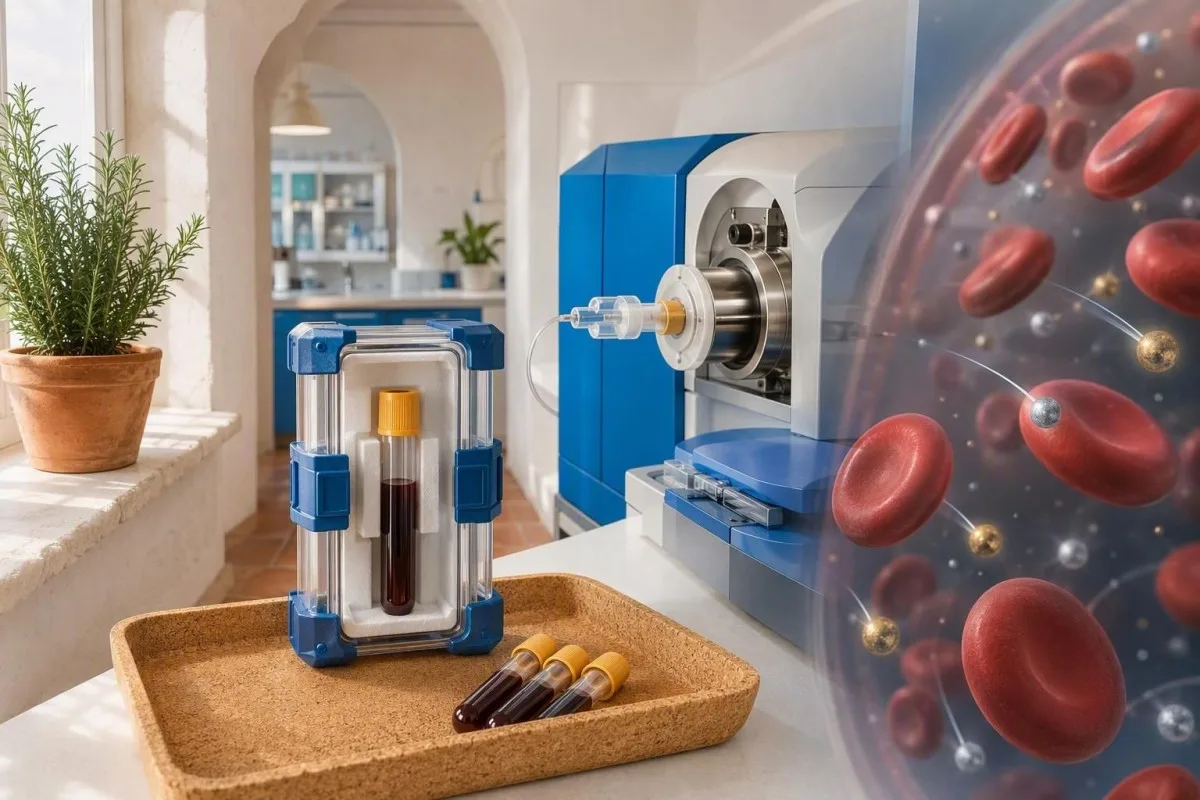
Krvný test na ťažké kovy je najlepší na nedávnu alebo prebiehajúcu expozíciu olovu, metylmerkúru a vybraným kovom súvisiacim s pracoviskom alebo implantátmi. Nie je to všeobecný ukazovateľ “toxínov v tele”: moč, špecifikácia kovov, anamnéza expozície a načasovanie opakovania často určujú, či je výsledok zmysluplný.


- Olovo v celej krvi odráža hlavne nedávnu alebo prebiehajúcu expozíciu približne za 1 mesiac; žiadna hladina olova v krvi nie je považovaná za bezpečnú.
- Referenčná hodnota hladiny olova v krvi CDC pre deti je 3,5 µg/dl, prahová hodnota pre následné kroky, nie diagnóza toxicity.
- Krvné testovanie na ortuť je najužitočnejšie pri nedávnej expozícii metylmerkúru z rýb a niektorých profesionálnych zdrojov; nespoľahlivo nemeria starú expozíciu.
- Arzenik v moči so špecifikáciou je preferovaný pri podozrení na expozíciu anorganickému arzénu, najmä po vyhýbaní sa morským plodom po dobu 48-72 hodín.
- Kadmium v moči všeobecne lepšie odráža kumulatívnu záťaž obličiek, zatiaľ čo kadmium v krvi je viac ovplyvnené nedávnou expozíciou.
- Vyšetrenie vlasov môže podporiť úzko zameranú otázku týkajúcu sa metylortuti, ale je nespoľahlivé ako všeobecný diagnostický screening toxínov.
- Provokované vyšetrenie moču po podaní chelatačného činidla nemôže preukázať otravu, pretože zámerne zvyšuje vylučovanie kovov močom.
- Rozsiahle panely toxínov často detegujú stopové kovy bez toho, aby preukázali chorobu, zdroj, dávku alebo potrebu liečby.
Čo vlastne krvný test na ťažké kovy kontroluje
A krvný test na ťažké kovy meria koncentráciu špecifických prvkov cirkulujúcich v čase odberu; nemeria celoživotnú “toxickú záťaž” osoby. Krv je obzvlášť užitočná pre olovo a metylortuť, zatiaľ čo najlepšie odberové médium sa mení pre arzén, kadmium, chróm, kobalt a tália.
Väčšina klinických laboratórií používa hmotnostnú spektrometriu so žiarovým rozprašovaním indukovaným plazmou, alebo ICP-MS, ktorá dokáže detegovať kovy na úrovni mikrogramov na liter alebo nižšej. Detekcia nie je diagnóza: výsledok sa musí porovnať s metódou laboratória, odberovou skúmavkou, zamestnaním osoby, stravou, doplnkami, funkciou obličiek a časom od podozrivého kontaktu.
A panel krvného testu na toxíny Marketingovo prezentovaný ako 20- alebo 40-prvkový screening môže znieť komplexne, ale mnohé merané prvky nemajú v asymptomatickej osobe validovaný prah ochorenia. V mojej praxi je užitočná otázka takmer vždy užšia: “Môže táto konkrétna expozícia vysvetliť tento výsledok alebo symptóm?”
Kantesti je Analyzátor krvných testov s umelou inteligenciou ktorá umiestňuje výsledky stopových prvkov vedľa zvyšku správy, vrátane kreatinínu, pečeňových markerov a indexov červených krviniek. Naše referenčná príručka biomarkerov pomáha rozlíšiť výsledok, ktorý si vyžaduje okamžité klinické hodnotenie, od výsledku, ktorý si vyžaduje hlavne lepšiu anamnézu expozície.
Ktoré kovy dokáže krvné testovanie spoľahlivo odhaliť?
Krvné testy môžu spoľahlivo kvantifikovať niekoľko kovov, ale merateľná koncentrácia má pre každý z nich iný význam. Olovo, ortuť, mangán, kobalt a chróm sa bežne merajú v plnej krvi; arzén a kadmium často vyžadujú vyšetrenie moču pre klinicky relevantnú otázku.
A vyšetrenie olova v krvi by sa mala použiť plná krv odobratá v certifikovanej skúmavke na stopové prvky, pretože olovo sa silne viaže na červené krvinky. Odber žilovej krvi je preferovaný, ak je skríningový výsledok z kapiláry zvýšený, pretože prach na koži môže falošne zvýšiť výsledok z odberu z prsta.
A Krvný test na ortuť je najinformatívnejší pre metylortuť z morských plodov a expozíciu elementárnej ortuti vyskytujúcu sa v posledných týždňoch. Ortuť v plnej krvi sa bežne znižuje po zmene príjmu rýb; biologický polčas metylortuti je približne 50 dní, takže opakovaný výsledok po 6-8 týždňoch môže byť informatívnejší ako výsledok o 3 dni neskôr.
Koncentrácie kobaltu a chrómu v krvi majú definovanú úlohu u vybraných osôb s kovovými bedrovými implantátmi, hoci symptómy, zobrazovacie metódy, typ implantátu a sériové zmeny sú dôležitejšie ako jedno izolované číslo. Náš sprievodca k voľbám testovania chrómu vysvetľuje, prečo laboratóriá môžu uvádzať rôzne jednotky.
Krvné testovanie na olovo: prahové hodnoty, načasovanie a následné kroky
A hladina olova v žilovej krvi je štandardným testom na nedávnu expozíciu olovu u detí a dospelých. U amerických detí je referenčná hodnota olova v krvi podľa CDC 3,5 µg/dL; identifikuje deti s vyššou expozíciou ako väčšina rovesníkov a nie je to hranica medzi bezpečným a nebezpečným.
Hladiny olova v krvi zvyčajne odrážajú expozíciu počas predchádzajúcich 28-36 dní, hoci olovo uložené v kostiach sa môže počas tehotenstva, menopauzy, hojenia zlomenín alebo vážnych chorôb vrátiť do krvi. Hladina preto môže klesnúť po odstránení zdroja bez toho, aby sa preukázalo, že skoršia expozícia bola neškodná.
Aktualizácia CDC z roku 2021 znížila referenčnú hodnotu pre deti z 5,0 na 3,5 µg/dl pretože nižšie koncentrácie stále korelujú s rizikom vývoja na populáciovej úrovni (Ruckart et al., 2021). Chelatácia nie je bežná u dieťaťa s hladinou 3,5 µg/dl; identifikácia zdroja, výživa, sledovanie vývoja a opakované testovanie sú obvyklé prvé kroky.
Pre dospelých sa prahové hodnoty pre expozíciu v zamestnaní a pravidlá ich odstraňovania líšia podľa krajiny, pohlavia, potenciálu tehotenstva a priemyselného odvetvia. Výsledok 45 µg/dL alebo vyšším si v mnohých klinických prostrediach vyžaduje urgentnú konzultáciu s odborníkom, zatiaľ čo 70 µg/dL alebo vyšším sa všeobecne považuje za lekársku pohotovosť vyžadujúcu okamžité odstránenie zdroja expozície a odborné riadenie.
Krvné testy na ortuť po konzumácii rýb, v práci alebo po úniku
A Krvný test na ortuť najlepšie zachytáva nedávnu expozíciu metylortuťu z morských plodov a môže pomôcť posúdiť nedávnu expozíciu elementárnej ortuti. Samotná o sebe neidentifikuje formu ortuti, zdroj, trvanie ani stupeň neurologického rizika.
U dospelého s pravidelným príjmom rýb je hladina celkovej ortuti v krvi pod 10 µg/l sa často vyskytuje, ale laboratórne referenčné intervaly sa široko líšia podľa geografie a stravy. Výsledok nad 20 µg/l si zaslúži starostlivé posúdenie expozície, najmä v tehotenstve alebo pred počatím, namiesto reflexnej detoxikácie.
Clarkson a Magos popisujú, prečo je chémia ortuti dôležitá: metylortuť sa koncentruje v červených krvinkách, zatiaľ čo anorganická ortuť je ľahšie zastúpená v moči (Clarkson a Magos, 2006). Tento rozdiel je dôvodom, prečo samotná celková ortuť môže spôsobiť zbytočný poplach po niekoľkých porciách veľkých dravých rýb.
Videl/a som úzkostného pacienta, ktorý si nechal zopakovať hladinu ortuti ráno po konzumácii sushi; toto opakovanie neprinieslo takmer žiadne informácie. Užitočnejším plánom je zaznamenať druhy a porcie rýb za 2 týždne, vybrať si možnosti s nižším obsahom ortuti a potom výsledok zopakovať asi o 6-8 týždňov, ak bol pôvodný výsledok skutočne zvýšený; pozri náš sprievodca sledovaním ortuti v morských plodoch.
Kedy je testovanie moču lepšie ako krvný test
Vyšetrenie moču je preferované, keď sa kov vylučuje močom alebo keď lekári potrebujú odhadnúť kumulatívnu, skôr ako jednodňovú expozíciu. Arzen, kadmium, anorganická ortuť a tiol sú bežné príklady, kde moč môže lepšie odpovedať na klinickú otázku ako krv.
A 24-hodinový moč zber meria celkové vylučovanie počas dňa, ale náhodná vzorka moču korigovaná na kreatinín sa často používa, keď je kvalita zberu pochybná. Vynechaný zber, nezvyčajne vysoký príjem tekutín alebo kreatinín na jednom z extrémov môžu skresliť 24-hodinový odhad; technika zberu si zaslúži rovnakú pozornosť ako samotné číslo.
Močové kadmium odráža dlhodobú renálnu akumuláciu viac ako krvné kadmium, ktoré je ovplyvnené nedávnym fajčením alebo profesionálnou expozíciou. Interpretácia kadmia by mala zahŕňať albumín v moči alebo ACR a tubulárne markery, ak sú klinicky indikované, pretože obavou je často poškodenie obličkových tubulov, skôr ako nejasný skóre toxicity.
Časové chyby sú bežné. Naše praktické sprievodca zberom 24-hodinového moču podrobne opisuje bežné chyby, vrátane nesprávneho začatia a zabudnutia na konečný odber.
Testovanie arzénu si vyžaduje špecifikáciu, nie všeobecný celkový súčet
Podozrenie na expozíciu arzenu sa zvyčajne posudzuje pomocou speleózie arzénu v moči, nie krvného panelu. Celkový arzén v moči sa môže dramaticky zvýšiť po konzumácii morských plodov, pretože organický arzénbetain sa vylučuje močom, ale je oveľa menej toxický ako anorganický arzén.
Ľudia by sa mali vyhýbať morským plodom po dobu 48 – 72 hodín pred plánovaným vyšetrením arzénu v moči, pokiaľ toxikológ neurčí inak. Celkový výsledok arzénu v moči nad 50 µg/L si môže zaslúžiť sledovanie, ale nemôže byť zodpovedne interpretovaný bez identifikácie anorganického arzénu a jeho metabolitov.
Arzén v krvi má krátke využiteľné okno – často hodiny po významnej expozícii – takže normálna hodnota v krvi nevylučuje relevantnú expozíciu z predchádzajúcich dní. Za 15 rokov, čo pracujem s laboratórnymi správami, je to jeden z najčastejších dôvodov, prečo široký panel poskytuje falošnú istotu.
Profil arzénu ATSDR podporuje vyšetrenie moču so speleóziou pri podozrení na expozíciu, najmä po obavách z podzemnej vody, priemyslu alebo bylinných produktov (ATSDR, 2007). Neprestávajte užívať predpísané lieky ani sa nepokúšajte o chelátovú liečbu počas čakania na výsledok; lekár vám môže pomôcť určiť, či voda, práca alebo produkt je pravdepodobným zdrojom.
Kadmium, chróm a kobalt vyžadujú testovanie špecifické pre expozíciu
Výsledky kadmia, chrómu a kobaltu sú významné len vtedy, keď sú zhodné s pravdepodobným zdrojom a správnou vzorkou. Kadmium v moči sa často vyberá pre kumulatívnu expozíciu, zatiaľ čo krvný kobalt a chróm sa používajú hlavne na nedávnu profesionálnu expozíciu alebo na sledovanie vybraných implantátov.
Fajčenie môže podstatne zvýšiť koncentráciu kadmia a niektoré pracoviská pridávajú inhalačnú expozíciu; samotný diétny príjem zriedka vysvetľuje nápadný výsledok. Funkcia obličiek je dôležitá, pretože znížená filtrácia môže meniť koncentrácie v moči nezávisle od expozície, takže kontext kreatinínu a bielkovín v moči je užitočný.
U osoby s kovovou bedrovou endoprotézou, novou bolesťou bedra, zníženou funkciou, symptómami sluchu alebo zraku, symptómami kardiomyopatie alebo stúpajúcim trendom kobaltu je potrebná priama klinická posúdenie. Jednorazové stanovenie koncentrácie kobaltu v krvi nie je skríningom pre nešpecifickú únavu, mozgovú hmlu alebo bolesti kĺbov.
Kantesti AI dokáže porovnať renálne markery medzi rôznymi dátumami, čo je užitočné, keď výsledok kovu vyvoláva otázku týkajúcu sa obličiek, namiesto preukázania kauzality. Skontrolujte výsledok GFR po dehydratácii pred tým, ako malý posun kreatinínu predpokladáte ako poškodenie súvisiace s kovom.
Chyby pri odberoch môžu spôsobiť falošný výsledok kovu
Výsledky stopových kovov sú neobvykle náchylné na kontamináciu zo skúmaviek, kožného prachu, topických produktov a laboratórneho spracovania. Prekvapivo nízky výsledok by sa mal často opakovať pomocou certifikovanej skúmavky na stopové prvky predtým, ako spustí invazívne vyšetrenia alebo doplnky.
Prášok z rukavíc, prach z pracoviska, zinkové zubné protézy a dokonca aj necertifikovaná zberná skúmavka môžu ovplyvniť testovanie. Hemolýza môže tiež zmeniť interpretáciu niektorých prvkov, pretože bunkový obsah vstupuje do séra alebo plazmy; vzorka s červeným nádychom by mala viesť k tomu, že laboratórium poskytne komentár o kvalite vzorky.
Správna matricová forma je dôležitá: plnú krv, sérum, plazma a moč nie sú zameniteľné. Správa označená “ortuť v sére” by sa nemala náhodne porovnávať s prahom verejného zdravia vyvinutým pre celú krv.
Kantesti je platforma na interpretáciu biomarkerov pomocou AI ktorá číta hlásený typ vzorky, jednotku a referenčný interval pred poskytnutím kontextu. Naša technológia a metódy návod vysvetľuje, prečo výsledok mimo rozsahu jedného laboratória nemôže byť automaticky premietnutý do rozhodovacieho limitu iného laboratória.
Prečo testy na toxíny z vlasov, nechtov a z domáceho prostredia často zavádzajú
Testy vlasov a nechtov nedokážu diagnostikovať väčšinu otravín ťažkými kovmi u jednotlivca, pretože vonkajšia kontaminácia, kozmetické ošetrenie, rýchlosť rastu a laboratórna príprava môžu výsledok ovplyvniť. Vlasy majú obmedzenú podpornú úlohu pri dlhodobej expozícii metylortuti, nie pri všeobecnom detoxikačnom posúdení.
Vlasy rastú približne 1 cm za mesiac, ale táto jednoduchá skutočnosť nerobí z každého centimetra spoľahlivý kalendár expozície. Farbenie vlasov, odfarbovanie, voda z bazéna, prach a šampóny môžu zmeniť namerané koncentrácie; protokoly umývania sa medzi laboratóriami značne líšia.
Testovanie nechtov má podobné obmedzenia a má malú úlohu pri bežnej klinickej diagnostike. Keď panel hlási 25 prvkov, zvyčajne označí niečo štatisticky neobvyklé aj u zdravých ľudí – očakávaný dôsledok viacerých porovnaní, nie dôkaz, že telo potrebuje očistu.
Ak sú predmetom obáv symptómy, lekári by sa mali najprv pozrieť na štandardné vysvetlenia s jasnejšou diagnostickou cestou: anémia, ochorenie štítnej žľazy, ochorenie obličiek, účinky liekov, narušený spánok a výživa. Náš článok o krvnými testami pri nevysvetliteľnej bolesti ukazuje, ako začať bez toho, aby sme každý symptóm zredukovali na toxicitu.
Prečo provokované močové testy nemôžu preukázať otravu kovmi
Vyvolaný test kovov v moči nemôže diagnostikovať chronickú otravu ťažkými kovmi, pretože chelatačné liečivo úmyselne mobilizuje a zvyšuje vylučovanie kovov močom. Referenčné rozsahy z nevyvolaného vzorky moču sa po EDTA, DMSA, DMPS alebo inom chelátore neuplatňujú.
Chelátory viažu kovy, ktoré sa normálne nachádzajú v tkanivách a krvnom obehu, takže takmer každý bude po ich podaní vylučovať viac. Kľúčovou chýbajúcou časťou je validovaná referenčná populácia po chelátore, ktorú väčšina komerčných správ neposkytuje.
Chelácia nie je neškodná. V závislosti od činidla a osoby môže prispievať k nízkemu obsahu vápnika, stresu obličiek, alergickým reakciám, vyčerpaniu minerálov a interakciám s predpísanými liečbami; liečba by mala nasledovať po zdokumentovanej expozícii a špecializovanom posúdení.
Praktické pravidlo Dr. Thomasa Kleina je jednoduché: stanoviť expozíciu, získať riadne odobratý základný test, potom prediskutovať liečbu. prístup k medicínskej validácii Kantesti AI sa používa na označenie, kedy limity testu znemožňujú spoľahlivú interpretáciu.
Symptómy, ktoré si vyžadujú okamžitú starostlivosť namiesto ďalšieho panelu
Akútna zmätenosť, záchvaty, silné vracanie, nová slabosť, dýchavičnosť, bolesť na hrudníku alebo známa expozícia vysokej dávke si vyžadujú urgentné lekárske vyšetrenie, nie panel toxínov zasielaný poštou. Normálny výsledok krvi sa môže objaviť, ak je testovanie príliš neskoré alebo meria nesprávny kov.
U dieťaťa by pica, expozícia odlupujúcej sa farbe, regresia vývoja alebo súrodenec s vysokou hladinou olova mali vyvolať okamžité pediatrické poradenstvo. Otrava olovom je často bezpríznaková, preto samotné správanie nemôže odhadnúť hladinu olova v krvi.
Expozícia elementárnym parám ortuti môže spôsobiť kašeľ, dýchavičnosť, tras alebo neuropsychiatrické príznaky, zatiaľ čo anorganický arzén môže po rozsiahlej expozícii spôsobiť závažné gastrointestinálne ochorenie a kardiovaskulárnu nestabilitu. Tieto vzory sú nezvyčajné, ale riziko spočíva v oneskorení – zavolajte záchrannú službu alebo toxikologické centrum, keď je expozícia nedávna alebo príznaky sú významné.
Lekár môže okrem stanovenia kovov objednať elektrolyty, kreatinín, pečeňové testy, monitorovanie EKG a cielenú toxikológiu. Náš sprievodca elektrolytickými „red flag“ vysvetľuje, prečo sa toxicita kovov nikdy nehodnotí len na základe jednej koncentrácie.
Ako postupovať pri hraničnom výsledku kovu
Hraničný výsledok kovu sa zvyčajne rieši potvrdením vzorky, rekonštrukciou expozície a opakovaním správneho testu po vhodnom intervale. Samotný zriedka odôvodňuje doplnky, pôstne režimy alebo chelátovú terapiu.
Začnite s časovou osou: zamestnanie, koníčky, renovačné práce, dovážané koreniny alebo lieky, zdroj vody, strelnice, práca so šperkami, konzumácia rýb a anamnéza implantátov. Zaznamenajte dátumy, frekvenciu, ochranné vybavenie a či ostatní zdieľajúci prostredie majú príznaky alebo abnormálne výsledky.
Opakované testovanie by malo používať rovnakú matricu a, kde je to možné, rovnaké laboratórium. A 20% zmena môže odrážať bežnú biologickú alebo analytickú variáciu pre niektoré stopové prvky, zatiaľ čo pretrvávajúci pokles po zdokumentovanom odstránení zdroja silnejšie podporuje hypotézu expozície.
Kantesti môže organizovať sériové laboratórne správy, ale nenahrádza vyšetrovanie expozície ani lekárske vyšetrenie. Náš sprievodca výsledkami vedľa seba je užitočný pri príprave stručnej časovej osy pre pracovného lekára alebo praktického lekára.
Potraviny, doplnky a limity “detoxikácie”
Žiadna džúsová kúra, sauna, doplnok stravy alebo pôstny protokol nepreukázali, že by bezpečne odstránili klinicky významnú expozíciu kovom namiesto kontroly zdroja. Prvou liečbou pre väčšinu expozícií nízkej úrovne je zastavenie zdroja a podpora bežnej výživy, hydratácie a lekárskeho sledovania.
Dostatočný príjem vápnika, železa a vitamínu C môže znížiť absorpciu olova v tráviacom trakte u detí s nutričnou podvýživou, ale potrava nenahrádza environmentálnu nápravu. Nedostatok železa môže zvýšiť príjem olova, čo je jeden z dôvodov, prečo lekári často kontrolujú feritín a kompletný krvný obraz, keď je potvrdená expozícia olovom.
Vysoká dávka zinku môže spôsobiť nedostatok medi a nekontrolovaný selén môže sám spôsobiť toxicitu. Výživový doplnok označený ako viazač kovov by sa mal používať opatrne, najmä ak obsahuje viacero minerálov, ktoré môžu skomplikovať následné testovanie.
V súvislosti s rozumnými otázkami o výžive si prečítajte náš sprievodca o potraviny s vysokým obsahom železa a našu recenziu bezpečnosti dávkovania selénu. Dôkazy o komerčných detoxikačných programoch sú úprimne slabé.
Ako interpretovať výsledok kovu spolu s bežnými krvnými testami
Výsledky kovov sa stávajú klinicky užitočnými, keď sa interpretujú spolu s funkciou obličiek, pečeňovými markermi, kompletným krvným obrazom, príznakmi a dôveryhodným zdrojom expozície. Hodnota mierne nad referenčným intervalom bez akejkoľvek z týchto podporných charakteristík má často obmedzený klinický význam.
Expozícia olovom sa môže vyskytovať spolu s mikrocytózou alebo nedostatkom železa, ale normálny CBC nevylučuje expozíciu olovom. Otázky týkajúce sa kadmia si zaslúžia pozornosť kreatinínu a močových bielkovín, zatiaľ čo výrazné abnormality pečene by sa nemali automaticky pripisovať nálezu nízkej hladiny kovu.
Kantesti AI je službe na interpretáciu výsledkov AI laboratórnych testov ktorý prekladá údaje z laboratórnych vyšetrení špecifické pre danú jednotku na otázky pre klinického lekára, namiesto stanovenia diagnózy na základe širokospektrálneho toxikologického skríningu. Dr. Thomas Klein a naše Lekárska poradná rada zdôrazňujú overenie zdroja, reprodukovateľné testovanie a jasné odporúčania pre ďalší postup.
Pred nahratím akéhokoľvek výsledku odstráňte nepotrebné identifikátory a skontrolujte, či sú viditeľné typ vzorky, dátum odberu a jednotky. Naše kontrolnom zozname kvality nahrávania PDF môžu zabrániť tomu, aby sa jednoduchá chyba pri prepise stala desivou interpretáciou.
Praktický plán testovania pri podozrení na expozíciu v roku 2026
Od 3. septembra 2026 sa najbezpečnejší plán testovania začína špecifickou hypotézou o expozícii, potom sa vyberie správny kov, vzorka a dátum odberu. Širokospektrálne testovanie je opodstatnené iba vtedy, ak klinický lekár pre pracovné lekárstvo alebo verejné zdravie identifikuje definovanú expozíciu viacerým kovom.
Pri starých farbách, dovážanej keramike, práci so strelnými zbraňami, práci s batériami alebo kontaminovanom prachu si vyžiadajte odber žilovej plnej krvi na olovo. Pri častom príjme rýb s vysokým obsahom ortuti začnite s odberom plnej krvi na celkovú ortuť; pri studniach alebo podozrení na arzén si vyžiadajte vyšetrenie moču na arzén so špecifikáciou po vyhýbaní sa konzumácii morských plodov.
Prineste na stretnutie fotografie štítkov výrobkov, bezpečnostné listy pracoviska, dátumy renovácie a výsledky testov vody. Tieto dôkazy môžu byť diagnostickejšie ako pridanie 15 kovov do panelu a umožňujú opatrenia v oblasti verejného zdravia, keď je zdroj v domácnosti alebo v práci skutočný.
Kantesti sa používa v 127+ krajinách, ale miestne prahové hodnoty a pravidlá oznamovania v práci sa líšia. Naše klinické príklady použitia ukazujú, ako štruktúrované otázky môžu podporiť – nie nahradiť – vášho vlastného klinického lekára, toxikologickú službu alebo miestny tím verejného zdravia.
Často kladené otázky
Aké kovy môže detegovať krvný test?
Krvný test na ťažké kovy dokáže kvantifikovať olovo, celkovú ortuť, mangán, kobalt, chróm a niekoľko ďalších prvkov, zvyčajne v plnej krvi. Krv je najužitočnejšia pri nedávnej alebo prebiehajúcej expozícii, nie pri meraní celoživotnej akumulácie. Olovo sa bežne zisťuje testovaním venóznej plnej krvi a metylortuť má v krvi polčas rozpadu približne 50 dní. Arzen, kadmium, anorganická ortuť a tólium často vyžadujú testovanie moču pre klinicky užitočnejšiu odpoveď.
Ako dlho sa ťažké kovy zdržiavajú v krvi?
Čas, počas ktorého zostáva kov merateľný, závisí od jeho chemickej formy a testovanej vzorky. Olovo v krvi vo všeobecnosti odráža expozíciu za predchádzajúcich 28-36 dní, zatiaľ čo metylortuť zvyčajne klesá približne za 50 dní po znížení expozície. Arzén v krvi môže byť užitočný iba niekoľko hodín po významnej expozícii, takže normálny výsledok neskôr nevylučuje jeho prítomnosť. Kadmium môže v tele pretrvávať roky, ale moč je zvyčajne informatívnejší pre zistenie nahromadeného kadmia.
Je krvný test na ťažké kovy dobrým všeobecným skríningom na toxíny?
Širokospektrálne toxikologické krvné testy sú zvyčajne slabou všeobecnou skríningovou metódou na nevysvetliteľnú únavu, bolesti hlavy alebo mozgovú hmlu, pretože detekcia stopových množstiev nedokazuje toxicitu. Panely, ktoré merajú 20 alebo viac prvkov, zvyšujú pravdepodobnosť aspoň jedného hraničného znaku aj u zdravých ľudí. Cieľový test založený na práci, vode, farbe, morských plodoch, doplnkoch stravy alebo implantáte s väčšou pravdepodobnosťou prinesie akčný výsledok. Klinický lekár by mal interpretovať akúkoľvek zvýšenú koncentráciu s ohľadom na typ vzorky, jednotky, časovanie, príznaky a anamnézu expozície.
Mám sa postiť pred krvným testom na ťažké kovy?
Pôst nie je potrebný pre väčšinu krvných testov na olovo alebo ortuť. Relevantnejšou prípravou je vyhnutie sa kontaminácii a zdokumentovanie nedávnej expozície, ako je napríklad konzumácia rýb v predchádzajúcich 1-2 týždňoch alebo kontakt na pracovisku v deň testovania. Pri vyšetrení moču na arzén sa vyhýbajte konzumácii morských plodov 48-72 hodín pred odberom, pokiaľ lekár neurčí inak, pretože organický arzén z morských plodov môže zvýšiť celkový arzén v moči. Pred testovaním neprerušujte predpísané lieky ani neužívajte chelatačný produkt.
Aká hladina olova v krvi je znepokojujúca?
Pre deti v Spojených štátoch amerických úroveň olova v krvi 3,5 µg/dL alebo vyššia spĺňa referenčnú hodnotu CDC pre olovo v krvi a mala by viesť k sledovaniu expozície. Toto nie je hraničná hodnota bezpečnosti verzus nebezpečenstva, pretože nie je známe, že by žiadna úroveň expozície olovu bola úplne bez rizika. Úrovne 20-44 µg/dL si vyžadujú okamžité klinické posúdenie a úrovne 45 µg/dL alebo vyššie si zvyčajne vyžadujú urgentnú konzultáciu so špecialistom. Hladiny pre intervenciu u dospelých v pracovnom prostredí sa líšia podľa krajiny, pracovného zaradenia, pohlavia a možnosti tehotenstva.
Sú vlasové testy presné na ťažké kovy?
Testy z vlasov nie sú spoľahlivé pri diagnostike väčšiny otráv ťažkými kovmi, pretože vonkajší prach, farba na vlasy, bielenie, šampón a metódy laboratórneho umývania môžu výsledky zmeniť. Vlasy rastú približne 1 cm mesačne, ale nie sú presným záznamom historickej expozície pre jednotlivca. Analýza vlasov môže občas podporiť posúdenie dlhodobej expozície metylortuti pod dohľadom špecialistu. Abnormálny výsledok z vlasov by sa nemal používať samostatne na zdôvodnenie chelácie alebo detoxikačného programu.
Môže chelačná liečba alebo testovanie odhaliť, či mám otravu kovmi?
Nie, moč odobratý po chelatačnom lieku nemôže dokázať otravu kovom, pretože liek úmyselne zvyšuje vylučovanie kovu. Štandardné referenčné rozsahy pre moč sú odvodené zo vzoriek odobratých bez chelátora a nemožno ich porovnať s výsledkom po chelátovej terapii. Chelácia môže spôsobiť stres obličiek, minerálne poruchy a iné nežiaduce účinky, najmä ak sa používa bez zdokumentovanej indikácie. Najprv by malo nasledovať správne odobratie základnej krvnej alebo močovej skúšky a vyšetrenie expozície.
Získajte analýzu krvných testov s podporou AI už dnes
Pridajte sa k viac než 2 miliónom používateľov na celom svete, ktorí dôverujú Kantesti pri okamžitej a presnej analýze laboratórnych testov. Nahrajte svoje výsledky krvných testov a získajte komplexnú interpretáciu biomarkerov 15,000+ v priebehu sekúnd.
📚 Citované publikácie výskumu
Klein, T., Mitchell, S., & Weber, H. (2026). Hnačka po pôste, čierne škvrny v stolici a gastrointestinálny sprievodca 2026. Kantesti AI Medical Research.
Klein, T., Mitchell, S., & Weber, H. (2026). Sprievodca ženským zdravím: Ovulácia, menopauza a hormonálne príznaky. Kantesti AI Medical Research.
📖 Externé lekárske referencie
Agentúra pre registráciu toxických látok a chorôb (2007). Toxikologický profil arzénu. Ministerstvo zdravotníctva a sociálnych služieb USA.
⚕️ Vyhlásenie o lekárskej starostlivosti
Tento článok je určený len na vzdelávacie účely a nepredstavuje lekárske poradenstvo. Pri rozhodnutiach o diagnostike a liečbe sa vždy poraďte s kvalifikovaným poskytovateľom zdravotnej starostlivosti.
Signály dôvery E-E-A-T Trust Signals
Skúsenosti
Klinické hodnotenie vedené lekárom pracovných postupov interpretácie laboratórnych výsledkov.
Odbornosť
Laboratórna medicína so zameraním na to, ako sa biomarkery správajú v klinickom kontexte.
Autoritatívnosť
Napísané Dr. Thomasom Kleinom, recenzia Dr. Sarah Mitchell a prof. Dr. Hans Weber.
Dôveryhodnosť
Interpretácia založená na dôkazoch s jasnými následnými krokmi na zníženie poplachu.