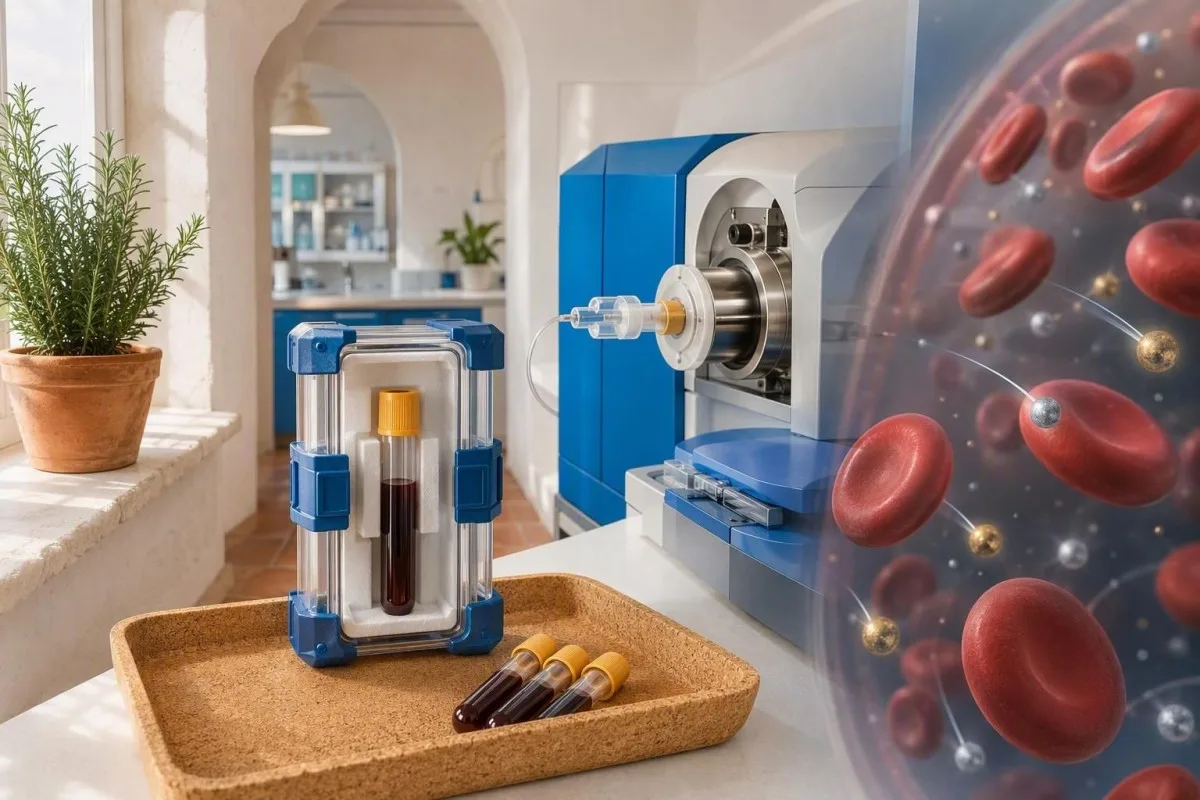
Ağır metalların qan testi, qurğuşun, metil-civə və seçilmiş iş yeri və ya implantla bağlı metallara son və ya davam edən məruz qalma üçün ən yaxşısıdır. Bu, “bədən toksinləri”nin ümumi ölçüsü deyil: sidik, metalın spesifikasiyası, məruz qalma tarixi və təkrar müayinənin vaxtı tez-tez nəticənin mənalı olub-olmamasını müəyyən edir.


- Bütün qan qurğuşunu əsasən təxminən 1 ay ərzində son və ya davam edən məruz qalmanı əks etdirir; heç bir qan qurğuşun səviyyəsi risksiz hesab edilmir.
- CDC-nin uşaq qan qurğuşunu istinad dəyəri zəhərlənmə diaqnozu deyil, izləmə həddi olan 3.5 µg/dl-dir.
- Civə qan testi balıqdan və bəzi peşə mənbələrindən son metil-civə məruz qalması üçün ən faydalıdır; köhnə məruz qalmanı etibarlı şəkildə ölçmür.
- Spesifikasiya ilə sidik arseni qeyri-üzvi arsenə məruz qalma şübhəsi, xüsusən də 48-72 saat dəniz məhsullarından çəkildikdən sonra üstünlük verilir.
- Sidik kadmiyu ümumiyyətlə böyrək yükünü daha yaxşı əks etdirir, qan kadmiyi isə son məruziyyətə daha çox ağırlıq verir.
- Saç testləri kiçik metilmerkuriy məsələsini dəstəkləyə bilər, lakin geniş diaqnostik zəhərli maddə skrininqi kimi etibarsızdır.
- Sidik testlərinin təhriki xelat agentindən sonra zəhərlənməni təyin edə bilməz, çünki o, qəsdən sidikdə metal ifrazını artırır.
- Geniş zəhərli maddə panelləri xəstəlik, mənbə, doza və ya müalicə ehtiyacını göstərmədən tez-tez iz metallarını aşkar edir.
Ağır metalların qan testi əslində nəyi yoxlayır
A ağır metallar qan testi toplama zamanı dövr edən xüsusi elementlərin konsentrasiyasını ölçür; insanın ömürlük “zəhərli maddə yükünü” ölçmür. Bütöv qan, qurğuşun və metilmerkuriy üçün xüsusilə faydalıdır, bəstəbəxt nümunələri isə arsen, kadmi, xrom, kobalt və tallium üçün dəyişir.
Əksər klinik laboratoriyalar, litrə və ya aşağı mikrogramlarda metalları aşkar edə bilən ICP-MS, yəni İndüktiv olaraq İdarə olunan Plazma Kütlə Spektrometriyasını istifadə edirlər. Aşkar etmə diaqnoz deyil: nəticə laboratoriyanın üsulu, toplama tüpü, şəxsin işi, pəhrizi, əlavələri, böyrək funksiyası və şübhəli təmasdan keçən vaxtla müqayisə edilməlidir.
A zəhərli maddələr qan testi 20- və ya 40-metal skrininqi kimi satılan geniş miqyaslı görünə bilər, lakin ölçülən bir çox elementlərin simptomsuz insanda təsdiqlənmiş xəstəlik həddi yoxdur. Mənim təcrübəmdə, faydalı sual demək olar ki, həmişə daha dardır: “Bu xüsusi məruziyyət bu nəticəni və ya simptomu izah edə bilərmi?”
Kantesti bir AI qan testi analizatoru iz-element nəticələrini digər hesabatlarla, o cümlədən kreatinin, qaraciyər markerləri və qırmızı qan hüceyrəsi indeksləri ilə yan-yana yerləşdirir. Bizim biomarker istinad bələdçisi təcili klinik baxış tələb edən nəticəni, əsasən daha yaxşı məruziyyət tarixçəsi tələb edən nəticədən ayırmağa kömək edir.
Hansı metalları qan testi etibarlı şəkildə aşkarlaya bilər?
Qan testləri bir neçə metali etibarlı şəkildə kəmiyyətləndirə bilər, lakin ölçülə bilən konsentrasiyanın hər biri üçün fərqli mənası var. Qurğuşun, civə, manqan, kobalt və xrom adətən bütöv qanda ölçülür; arsen və kadmi üçün klinik cəhətdən əlaqəli sual üçün sidik testləri tez-tez tələb olunur.
A Qurğuşun qan testi Qurğuşun qırmızı qan hüceyrələrinə güclü şəkildə paylandığı üçün sertifikatlı iz-element borusunda toplanmış bütöv qanı istifadə etməlidir. Ekranlaşdırıcı barmaq ucu nəticəsi yüksəkdirsə, venoz nümunə götürülməsi üstünlük verilir, çünki dəridəki toz barmaq ucu nəticəsini yanlış qaldıra bilər.
A Civə qan testi Son bir neçə həftədə dəniz məhsullarından alınan metilmerkuriy və elementar civə məruziyyəti üçün ən məlumatverici olanıdır. Bütöv qan civə tez-tez balıq istehlakındakı dəyişiklikdən sonra aşağı düşür; metilmerkuriyin bioloji yarı-ömrü təxminən 50 gündür, buna görə də 6-8 həftə sonra təkrarlanan nəticə 3 gün sonrakı nəticədən daha məlumatverici ola bilər.
Kobalt və xrom qan konsentrasiyaları metal-üzərində-metal olan bud protezləri olan seçilmiş insanlarda müəyyən bir rola malikdir, baxmayaraq ki, simptomlar, təsvir, implant növü və ardıcıl dəyişikliklər bir təcrid olunmuş rəqəmdən daha çox əhəmiyyət kəsb edir. Bizim təlimatımız xrom test etmə seçimləri laboratoriyaların niyə fərqli vahidləri hesabat verə biləcəyini izah edir.
Qurğuşun qan testi: həddlər, vaxt və izləmə
A venoz qan qurğuşun səviyyəsi uşaqlarda və böyüklərdə son qurğuşun məruziyyəti üçün standart testdir. ABŞ uşaqlarında, 3.5 µg/dL son CDC qan qurğuşun referans dəyəridir; o, əksər həmkarlarından daha yüksək məruziyyətə malik uşaqları müəyyən edir və təhlükəsiz və təhlükəsiz xətt deyil.
Qan qurğuşunun səviyyəsi adətən əvvəlki 28-36 gün ərzindəki məruziyyəti əks etdirir, lakin sümüklərdə saxlanan qurğuşun hamiləlik, menopauza, sınıqların sağalması və ya ağır xəstəlik zamanı qana yenidən daxil ola bilər. Buna görə də, əvvəlki məruziyyətin zərərsiz olduğunu sübut etmədən, mənbəyi tərk etdikdən sonra səviyyə düşə bilər.
CDC-nin 2021-ci il yeniləməsi uşaqlar üçün istinad dəyərini 5.0-dan aşağı saldı 3.5 µg/dL çünki daha aşağı konsentrasiyalar belə, əhali səviyyəsində inkişaf riskinə uyğundur (Ruckart et al., 2021). 3.5 µg/dL səviyyəsində olan uşaq üçün xelasiya adi deyil; mənbənin müəyyənləşdirilməsi, qidalanma, inkişafın müşahidəsi və təkrar testlər adətən ilk addımlardır.
Böyüklər üçün peşə baryerləri və aradan qaldırılma qaydaları ölkəyə, cinsə, hamiləlik potensialına və sənaye sahəsinə görə fərqlənir. Bir nəticə 45 µg/dL və ya daha yüksək bir çox klinik şəraitdə təcili mütəxəssis müzakirəsini tələb edir, halbuki 70 µg/dL və ya daha yüksək ümumiyyətlə dərhal məruziyyətin aradan qaldırılmasını və mütəxəssis idarəçiliyini tələb edən tibbi fövqəladə vəziyyət kimi qəbul edilir.
Balıq, iş və ya sızmadan sonra civə qan testləri
A Civə qan testi dəniz məhsullarından son metilmerkuriyə məruz qalmağı ən yaxşı şəkildə əhatə edir və son elementar civə məruziyyətini qiymətləndirməyə kömək edə bilər. Bu, özlüyündə civənin formasını, mənbəyini, müddətini və ya nevroloji risk dərəcəsini müəyyən etmir.
Daimi balıq istehlak edən bir böyüklər üçün ümumi qan civə səviyyəsi aşağıdakı kimi olur 10 µg/L tez-tez görülür, lakin laboratoriya istinad intervalları coğrafiya və pəhrizə görə geniş dəyişir. Yuxarıdakı bir nəticə 20 µg/L refleks detoksifikasiyası əvəzinə diqqətli bir məruz qalma baxışına layiqdir, xüsusən də hamiləlikdə və ya konsepsiyadan əvvəl.
Clarkson və Magos izah edir ki, civə kimyası niyə vacibdir: metilmerkuriy qırmızı qan hüceyrələrində toplanır, ancaq qeyri-üzvi civə sidikdə daha asan təmsil olunur (Clarkson və Magos, 2006). Bu fərq, yalnız ümumi civənin böyük yırtıcı balıqların bir neçə porsiyasından sonra lazımsız həyəcan yarada bilməsinin səbəbidir.
Mən suşidən bir gün sonra civə səviyyəsini təkrarlayan narahat bir xəstə görmüşəm; bu təkrar demək olar ki, heç bir şey cavablamadı. Daha faydalı bir plan, 2 həftə ərzində balıq növlərini və porsiyalarını qeyd etmək, aşağı civəli variantları seçmək, sonra ilkin nəticə həqiqətən yüksək idisə təxminən 6-8 həftə sonra təkrar etməkdir; bizim dəniz məhsulları civə izləmə təlimatına baxın.
Sidik testi qan testindən nə vaxt daha yaxşıdır
Metal sidiklə xaric edildikdə və ya həkimlər eyni günə məruz qalma yerinə kümülativ məruz qalmanı qiymətləndirmək istədikdə sidik testi üstünlük verilir. Arsen, kadmiyum, qeyri-üzvi civə və tallium qan testindən daha yaxşı cavab verə bilən sidik nümunələrinə aiddir.
A 24 saatlıq sidik toplama bir gün ərzində ümumi ifrazı ölçür, lakin toplama keyfiyyəti şübhəli olduqda kreatininə görə düzəldilmiş nöqtəvi sidik nümunəsi tez-tez istifadə olunur. Toplamanın qaçırılması, həddindən artıq maye qəbulu və ya hər iki tərəfdə kreatinin 24 saatlıq təxmini təhrif edə bilər; toplama texnikası say qədər diqqətə layiqdir.
Sidikdə kadmiyum qandakı kadmiumdan daha çox uzunmüddətli böyrək yığılmasını əks etdirir, bu da son siqaret və ya peşə ekspozisiyasından təsirlənir. Kadmiyumun yozulması, kliniki olaraq göstərildikdə sidik albuminini və ya ACR-i və tubular markerləri əhatə etməlidir, çünki narahatlıq qeyri-müəyyən toksiklik səviyyəsindən daha çox böyrək tubulyar zədələnməsidir.
Vaxt səhvləri yaygındır. Bizim praktik 24 saatlıq sidik toplanması üçün bələdçimiz adi uğursuzluq nöqtələrini, o cümlədən səhv vaxtda başlamağı və son nümunəni unutmağı ətraflı izah edir.
Arsen testi ümumi deyil, spesifikasiya tələb edir
Şübhəli arsen ekspozisiyası adətən qiymətləndirilir sidik arsen spesifikasiyası, qan paneli deyil. Dəniz məhsullarından sonra ümumi sidik arsen miqdarı dramatik şəkildə arta bilər, çünki üzvi arsenobetain sidikdə ifraz olunur, lakin qeyri-üzvi arsən qədər zəhərli deyildir.
İnsanlar dəniz məhsullarından 48-72 saat planlaşdırılmış sidik arsen testi üçün, toksikoloq başqa cür tövsiyə etmədiyi halda çəkinməlidirlər. 50 µg/L -dən yuxarı olan ümumi sidik arsen nəticəsi, izləməyə layiq ola bilər, lakin qeyri-üzvi arsen və onun metabolitlərini müəyyən etmədən məsuliyyətlə yozula bilməz.
Qan arseninin faydalı pəncərəsi qısadır - tez-tez böyük ekspozisyadan sonra saatlarla - buna görə də normal qan dəyəri əvvəlki günlərdən olan əhəmiyyətli bir ekspozisiyanı istisna etmir. Laboratoriya hesabatları ilə işlədiyim 15 il ərzində, bu, geniş bir panelin səhv təsəlli verdiyi ən çox səbəblərdən biridir.
ATSDR-in arsen profili, ekspozisiya şübhəli olduqda, xüsusilə bulaq suyu, sənaye və ya bitki mənşəli məhsul narahatlıqlarından sonra (ATSDR, 2007) spesifikasiya ilə sidik testini dəstəkləyir. Nəticəni gözləyərkən təyin edilmiş dərmanları dayandırmayın və ya şelasyon cəhdi etməyin; həkim su, iş və ya məhsulun məqbul mənbə olub-olmadığını müəyyən etməyə kömək edə bilər.
Kadimiy, xrom və kobalt məruz qalmaya həssas testlər tələb edir
Kadmiyum, xrom və kobalt nəticələri yalnız məqbul bir mənbəyə və düzgün nümunəyə uyğun olduqda mənalıdır. Sidik kadmiyu kümülativ ekspozisiya üçün tez-tez seçilir, qan kobaltı və xromu isə əsasən son peşə ekspozisiyası və ya seçilmiş implant nəzarəti üçün istifadə olunur.
Siqaret çəkmək kadmiyum konsentrasiyalarını əhəmiyyətli dərəcədə artıra bilər və müəyyən iş yerləri inhalyasiya ekspozisiyası əlavə edir; yalnız pəhriz qəbulu nadir hallarda diqqətəlayiq nəticəni izah edir. Böyrək funksiyası əhəmiyyətlidir, çünki azaldılmış filtrasiya ekspozisyadan asılı olmayaraq sidik konsentrasiyalarını dəyişə bilər, buna görə də kreatinin və sidik zülal konteksti faydalıdır.
Metal bud axı olan şəxs üçün yeni bud ağrısı, azalmış funksiya, eşitmə və ya görmə əlamətləri, kardiomiopatiya əlamətləri və ya artan kobalt səviyyəsi birbaşa kliniki qiymətləndirmə tələb edir. Bir dəfəlik qan kobalt konsentrasiyası qeyri-spesifik yorğunluq, beyin dumanı və ya oynaq ağrıları üçün bir skrininq deyil.
Kantesti AI, metal nəticəsinin səbəbiyyəti sübut etmək əvəzinə böyrəklə bağlı sual doğurduqda faydalı olan renal markerləri tarixlər üzrə müqayisə edə bilər. susuzluqdan sonra GFR nəticəsini nəzərdən keçirin kiçik bir kreatinin dəyişikliyinin metalla bağlı zərərə səbəb olduğunu düşünməzdən əvvəl.
Yığım səhvləri yanlış metal nəticə verə bilər
İzləmə-metal nəticələri toplama boruları, dəri tozu, topikal məhsullar və laboratoriya emalı tərəfindən çirklənməyə həssasdır. Qəribə aşağı səviyyəli nəticə, invaziv müayinələrə və ya əlavələrə səbəb olmazdan əvvəl sertifikatlı iz-element borusu istifadə edərək təkrar edilməlidir.
Əlcəklərdən gələn toz, iş yerindən gələn toz, sink tərkibli protez yapışqanları və hətta sertifikatsız toplama borusu testə təsir edə bilər. Hemoliz də bəzi elementlərin interpretasiyasına təsir edə bilər, çünki hüceyrə daxili maddələr seruma və ya plazmaya daxil olur; qırmızı rəngli nümunə laboratoriyanı nümunənin keyfiyyəti haqqında şərh verməyə təşviq etməlidir.
Düzgün matris vacibdir: bütöv qan olduğunu bayrağı qiymətləndirməzdən əvvəl yoxlayıram. Bu fərq xüsusilə ölkələr arasında nəticələri müqayisə edən pasiyentlər üçün faydalıdır;, serum, plazma və sidik bir-birinin yerini əvəz edə bilməz. “Serum civə” etiketli bir hesabat, bütöv qan üçün hazırlanmış ictimai səhiyyə həddi ilə təsadüfən müqayisə edilməməlidir.
Kantesti bir AI biomarker şərhi platforması bildirilən nümunə növünü, vahidini və istinad intervalını oxuyur, kontekst təklif etməzdən əvvəl. Bizim texnologiya və üsullarımız bir laboratoriyanın diapazonundan kənar bir nəticənin başqa bir laboratoriyanın qərar limitinə avtomatik olaraq köçürülə bilməyəcəyini izah edir.
Saç, dırnaq və ev toksin panelləri niyə tez-tez yanıltır
Saç və dırnaq testləri xarici çirklənmə, kosmetik müalicə, böyümə sürəti və laboratoriya hazırlığı nəticəni təyin edə biləcəyi üçün əksər ağır metal zəhərlənməsini fərdi olaraq diaqnoz qoya bilməz. Saç, uzunmüddətli metilmerkurius maruz qalması üçün məhdud dəstəkləyici rol oynayır, hər şeyi əhatə edən detoks müayinəsi üçün deyil.
Saç təxminən böyüyür ayda 1 sm, lakin bu sadə fakt hər santimetri etibarlı bir maruz qalma təqviminə çevirmir. Saç boyası, ağardıcı, hovuz suyu, toz və şampunlar ölçülən konsentrasiyaları dəyişdirə bilər; yuyulma protokolları laboratoriyalar arasında əhəmiyyətli dərəcədə fərqlənir.
Dırnaq testi oxşar məhdudiyyətlərə malikdir və adi kliniki diaqnostikada az rol oynayır. Bir panel 25 elementi hesabat verdikdə, adətən sağlam insanlarda da statistik cəhətdən qeyri-adi bir şeyi qeyd edəcək - bu, çoxsaylı müqayisələrin gözlənilən nəticəsidir, orqanizmin təmizlənməyə ehtiyacı olduğuna dair dəlil deyil.
Əlamətlər narahatlıq yaradırsa, klinisyenlər əvvəlcə daha aydın diaqnostik yolu olan standart izahatları axtarmalıdırlar: anemiya, tiroid xəstəliyi, böyrək xəstəliyi, dərman təsirləri, yuxu pozğunluğu və qidalanma. Bizim məqaləmizdə izah olunmayan ağrı üzrə qan testləri hər bir əlaməti toksikliyi azaltmadan necə başlamaq lazım olduğunu izah edir.
Niyə təhrik edilmiş sidik testləri metal zəhərlənməsini sübut edə bilmir
Təhrik edilmiş sidikdə metal testi xroniki ağır metal zəhərlənməsini diaqnoz qoya bilməz, çünki xelasiyaedici dərman qəsdən metalların mobilizasiyasını və sidiklə xaric olmasını artırır. Təhrik edilməmiş sidik nümunəsindən götürülmüş istinad diapazonları EDTA, DMSA, DMPS və ya başqa bir xelator tətbiq edildikdən sonra tətbiq edilmir.
Xelatorlar normalda toxumalarda və qanda olan metalları bağlayır, buna görə də demək olar ki, hər kəs onları aldıqdan sonra daha çoxunu xaric edəcək. Həlledici çatışmayan parça, doğrulanmış bir xelasiya sonrası istinad populyasiyasıdır, hansı ki, əksər kommersiya hesabatları təmin etmir.
Xelasiya zərərsiz deyil. Agentdən və şəxsdən asılı olaraq, o, aşağı kalsium, böyrək stressi, allergik reaksiyalar, mineral çatışmazlığı və təyin olunmuş müalicələrlə qarşılıqlı təsirlərə səbəb ola bilər; müalicə sənədləşdirilmiş məruz qalma və mütəxəssis qiymətləndirilməsini təqib etməlidir.
Doktor Tomas Kleyinin praktik qaydası sadədir: məruz qalmanı müəyyən edin, düzgün toplanmış əsas test əldə edin, sonra müalicəni müzakirə edin. tibbi validasiya yanaşmamız Kantesti süni intellekt tərəfindən istifadə olunan, müayinənin hədləri düzgün şərhlərə imkan vermədikdə bunu bildirmək üçün nəzərdə tutulmuşdur.
Başqa bir paneldən daha təcili yardım tələb edən simptomlar
Kəskin çaşqınlıq, qıcolma, şiddətli qusma, yeni zəiflik, nəfəs darlığı, sinə ağrısı və ya yüksək dozada məlum olan məruz qalma, poçtla göndərilən toksin paneli deyil, təcili tibbi müayinə tələb edir. Testin gecikdiyi və ya yanlış metala görə aparıldığı halda normal qan nəticəsi alına bilər.
Uşaqda pika, soyulan boyaya məruz qalma, inkişafın geriləməsi və ya yüksək qurğuşunlu bacı-qardaş, təcili pediatr məsləhəti almalıdır. Qurğuşun zəhərlənməsi çox vaxt gizli olur, buna görə də yalnız davranışla qan qurğuşun səviyyəsini qiymətləndirmək mümkün deyil.
Elementar civə buxarının məruz qalması öskürək, nəfəs darlığı, titrəmə və ya neyropsixiatrik simptomlara səbəb ola bilər, qeyri-üzvi arsen isə böyük məruz qalmadan sonra ciddi mədə-bağırsaq xəstəliyi və ürək-damar sisteminin qeyri-stabilliyinə səbəb ola bilər. Bu nümunələr nadirdir, lakin gecikmə riski var - məruz qalma təzə olarsa və ya simptomlar əhəmiyyətlidirsə, təcili yardım və ya zəhər mərkəzinə zəng edin.
Klinisist metal analizini müşayiət edən elektrolitlər, kreatinin, qaraciyər testləri, EKQ monitorinqi və hədəflənmiş toksikologiyanı sifariş edə bilər. Bizim elektrolit “red-flag” bələdçisi metal toksikliyinin niyə heç vaxt yalnız bir konsentrasiyadan qiymətləndirilmədiyini izah edir.
Sərhəd metal nəticəsini necə idarə etmək olar
Sərhəddə olan metal nəticəsi adətən nümunənin təsdiqlənməsi, məruz qalmanın yenidən qurulması və müvafiq fasilədən sonra düzgün testin təkrarlanması ilə idarə olunur. Bu, nadir hallarda əlavələrə, oruc rejimlərinə və ya yalnız başına xelasiyaya haqq qazandırır.
Bir zaman qrafiki ilə başlayın: peşə, hobbilər, təmir işləri, idxal olunan ədviyyatlar və ya vasitələr, su mənbəyi, atışma məşqləri, zərgərlik işləri, balıq istehlakı və implant tarixçəsi. Tarixləri, tezliyi, qoruyucu avadanlığı və ətraf mühiti paylaşan başqalarının simptomları və ya anormal nəticələri olub-olmamasını qeyd edin.
Testin təkrarlanması eyni matris və, mümkünsə, eyni laboratoriyadan istifadə etməlidir. A 20% dəyişikliyi bəzi iz elementləri üçün adi bioloji və ya analitik dəyişikliyi əks etdirə bilər, sənədləşdirilmiş mənbənin aradan qaldırılmasından sonra davamlı bir düşüş isə məruz qalma hipotezini daha güclü dəstəkləyir.
Kantesti ardıcıl laboratoriya hesabatlarını təşkil edə bilər, lakin bu, məruz qalma tədqiqatını və ya tibbi müayinəni əvəz edə bilməz. Bizim yan-yana nəticə bələdçimiz peşə həkimi və ya GP üçün qısa bir zaman qrafikini hazırlamaq üçün faydalıdır.
Qida, əlavələr və “detoks”un limitləri”
Heç bir şirə təmizlənməsi, sauna, əlavə və ya oruc rejimi, mənbəyə nəzarətin əvəzinə klinik cəhətdən vacib metal məruz qalmasını təhlükəsiz şəkildə çıxarmaq üçün sübut edilməmişdir. Əksər aşağı səviyyəli məruz qalmalar üçün ilk müalicə mənbəyi dayandırmaq və adi qidalanma, hidrasiya və tibbi müayinəni dəstəkləməkdir.
Kifayət qədər kalsium, dəmir və C vitamini qəbulu qidalanma çatışmazlığı olan uşaqlarda mədə-bağırsaq qurğuşun udulmasını azalda bilər, lakin qida ətraf mühitin bərpası üçün əvəz deyil. Dəmir çatışmazlığı qurğuşun udulmasını artıra bilər ki, bu da həkimlərin qurğuşun məruz qalması təsdiqləndikdə ferritin və tam qan sayımını nəzərdən keçirməsinin bir səbəbidir.
Yüksək dozada sink mis çatışmazlığına səbəb ola bilər və nəzarətsiz selenium özü toksikliyə səbəb ola bilər. Metal bağlayıcı kimi satılan bir əlavə, xüsusilə də sonrakı testləri mürəkkəbləşdirə biləcək çoxsaylı minerallar ehtiva edirsə, ehtiyatla qəbul edilməlidir.
Sağlam qidalanma sualları üçün bələdçimizə baxın dəmirlə zəngin qidalar və bizim baxışımız selenium dozasının təhlükəsizliyi. Kommersiya detoks proqramları üçün sübutlar etibarsızdır.
Metal nəticəsini adi qan işləri ilə yanaşı necə oxumaq olar
Metal nəticələri böyrək funksiyası, qaraciyər markerləri, tam qan sayımı, simptomlar və etibarlı məruz qalma mənbəyi ilə birlikdə şərh edildikdə klinik cəhətdən faydalı olur. Bu dəstəkləyici xüsusiyyətlər olmadan istinad intervalından bir qədər yuxarı olan bir dəyər çox vaxt məhdud klinik əhəmiyyətə malikdir.
Qurğuşun məruz qalması mikrositoz və ya dəmir çatışmazlığı ilə eyni vaxtda baş verə bilər, lakin normal CBC qurğuşun məruz qalmasını istisna etmir. Kadmium sualları kreatinin və sidik zülmünə diqqət tələb edir, halbuki ciddi qaraciyər anomaliyaları avtomatik olaraq aşağı səviyyəli metal tapıntısına bağlanmamalıdır.
Kantesti AI, AI laboratoriya testi şərh xidməti bu, geniş zəhər skrininqindən diaqnoz qoymaq əvəzinə, vahidə xas laborator məlumatları həkim üçün suallara çevirir. Dr. Thomas Klein və bizim Tibbi Məsləhət Şurası mənbənin doğruluğunu, təkrarlanan testləri və aydın təxirə salma məsləhətlərini vurğulayırıq.
İstənilən hesabatı yükləməzdən əvvəl, lazımsız identifikasiya məlumatlarını silin və nümunənin növünün, toplama tarixinin və vahidlərin görünən olduğundan əmin olun. Bizim PDF yükləmə keyfiyyət yoxlama siyahısı sadə bir köçürmə səhvini qorxulu bir şərhlərə çevrilməsinə mane ola bilər.
2026-cı ildə şübhəli məruz qalma üçün praktik test planı
3 sentyabr 2026-cı il tarixinə qədər ən təhlükəsiz test planı xüsusi bir məruz qalma hipotezi ilə başlayır, sonra isə uyğun metal, nümunə və toplama tarixini seçir. Geniş skrininq yalnız peşə və ya ictimai səhiyyə həkimi müəyyən edilmiş çoxsaylı metal məruz qalmasını müəyyən etdikdə məqsədəuyğundur.
Köhnə boya, idxal edilmiş saxsı, atış, batareya işləri və ya çirklənmiş toz üçün venoz tam qan qurğuşun tələb edin. Tez-tez yüksək civəli balıq istehlakı üçün tam qan ümumi civə ilə başlayın; quyu suyu və ya güman edilən arsen üçün dəniz məhsullarından çəkildikdən sonra spekulyasiya ilə sidik arsenini tələb edin.
Məhsul etiketlərinin, iş yeri təhlükəsizliyi vərəqlərinin, təmir tarixlərinin və su-test nəticələrinin fotoşəkillərini görüşə aparın. Bu dəlil, bir panelə 15 metal əlavə etməkdən daha diaqnostik ola bilər və bir ev və ya iş mənbəyi həqiqi olduqda ictimai səhiyyə tədbirlərini mümkün edir.
Kantesti 127+ ölkələrində istifadə olunur, lakin yerli hədlər və iş yeri hesabat qaydaları dəyişir. Bizim klinik istifadə vəziyyəti nümunələri strukturlaşdırılmış sualların öz həkiminizi, toksikologiya xidmətini və ya yerli ictimai səhiyyə qrupunuzu necə dəstəkləyə biləcəyini (əvəz etmədiyini) göstərir.
Tez-tez verilən suallar
Qan testi hansı metalları aşkar edə bilər?
Ağır metallər üçün qan testi adətən tam qanda qurğuşun, ümumi civə, manqan, kobalt, xrom və bir neçə digər elementləri kəmiyyətləndirə bilər. Qan, ömür boyu yığılmanın ölçülməsi üçün deyil, son və ya davam edən məruz qalma üçün ən faydalıdır. Qurğuşun ümumiyyətlə venoz tam qan testi ilə qiymətləndirilir və metilcivənin təxminən 50 gün yarı-ömrü var. Arsenik, kadmiyum, qeyri-üzvi civə və tallium daha klinik cəhətdən faydalı cavab üçün tez-tez sidik testi tələb edir.
Ağır metallar qanda nə qədər qalır?
Bir metalın ölçülə bilən qaldığı vaxt onun kimyəvi formasına və sınaqdan keçirilən nümunəyə bağlıdır. Qan qurğuşunu ümumiyyətlə əvvəlki 28-36 gün ərzindəki məruz qalmanı əks etdirir, metilmerkur isə ümumiyyətlə məruz qalma azaldıqdan təxminən 50 gün ərzində azalır. Qanda arsen, əhəmiyyətli bir məruz qaldıqdan sonra yalnız saatlarla faydalı ola bilər, buna görə də daha sonra normal nəticə onu istisna etmir. Kadmiyum bədəndə illərlə qala bilər, lakin sidik ümumiyyətlə yığılmış kadmiyum yükü üçün daha məlumatlıdır.
Ağır metallar üçün qan testi ümumi toksinləri aşkar etmək üçün yaxşı bir üsuldurmu?
Geniş bir zəhər qan testi, ümumiyyətlə, izah olunmayan yorğunluq, baş ağrısı və ya beyin dumanı üçün pis bir ümumi skrininqdir, çünki iz həssasiyyəti toksikliyini təyin etmir. 20 və ya daha çox elementi ölçən panellər, hətta sağlam insanlarda belə, ən azı bir həddindən kənar bayraq ehtimalını artırır. İş, su, boya, dəniz məhsulları, əlavələr və ya implant əsasında hədəflənmiş bir test, fəaliyyətə başlamaq üçün nəticə vermək ehtimalı daha yüksəkdir. Bir həkim hər hansı yüksəlmiş konsentrasiyanı nümunə növü, vahidlər, vaxt, simptomlar və məruz qalma tarixi ilə şərh etməlidir.
Ağır metallar qan testi üçün oruc tutmalıyam?
Əksər qurğuşun və ya civə qan testləri üçün oruc tutmaq tələb olunmur. Daha əlaqəli hazırlıq çirklənmədən qaçmaq və test günündə yeyilən balıq və ya iş yeri ilə təmas kimi son məruz qalmanı sənədləşdirməkdir. Sidik arseni üçün, dəniz məhsulları ilə əlaqəli arsen ümumi sidik arsenini artıra biləcəyi üçün, həkim başqa cür məsləhət vermədiyi müddətcə, toplamaqdan 48-72 saat əvvəl dəniz məhsullarından çəkinin. Təyin edilmiş dərmanları dayandırmayın və ya testdən əvvəl bir xelat məhsulu qəbul etməyin.
Hansı qan qurğuşun səviyyəsi narahatlıq doğurur?
Birləşmiş Ştatlardakı uşaqlar üçün, 3.5 mkq/dl və ya daha yüksək olan venoz qan qurğuşun səviyyəsi CDC-nin qan qurğuşun referans dəyərinə uyğundur və məruz qalma təqibini təşviq etməlidir. Bu təhlükəsizlik və ya təhlükəli kəsim deyil, çünki heç bir səviyyədə qurğuşun məruz qalması tamamilə riskdən azad deyil. 20-44 mkq/dl səviyyələri təcili klinik qiymətləndirməni tələb edir və 45 mkq/dl və ya daha yüksək səviyyələr ümumiyyətlə təcili mütəxəssis müzakirəsini tələb edir. Böyüklər üçün peşə fəaliyyəti səviyyələri ölkəyə, işə, cinsə və hamiləlik potensialına görə fərqlənir.
Saç testləri ağır metallar üçün dəqiqdirmi?
Saç testləri əksər ağır metal zəhərlənməsini diaqnostika etmək üçün etibarlı deyil, çünki xarici toz, saç boyası, ağartma, şampun və laboratoriya yuma üsulları nəticələri dəyişə bilər. Saç ayda təxminən 1 sm böyüyür, lakin bu, fərd üçün dəqiq bir tarixi məruz qalma qeydi deyil. Saç analizi bəzən mütəxəssis rəhbərliyi altında uzunmüddətli metilmerkur məruz qalmasının qiymətləndirilməsini dəstəkləyə bilər. Anormal saç nəticəsi xelasiya və ya detoks proqramını əsaslandırmaq üçün təkbaşına istifadə edilməməlidir.
Metal zəhərlənməsinin olub olmadığını xelasiya testi göstərə bilərmi?
Xeyr, xelat dərmanı qəbul etdikdən sonra toplanan sidik metal zəhərlənməsini sübut edə bilməz, çünki dərman qəsdən metalın xaric edilməsini artırır. Standart sidik referans diapazonları xelat istifadə olunmadan toplanan nümunələrdən əldə edilir və xelat sonrakı nəticə ilə müqayisə edilə bilməz. Xelasiya böyrək stressinə, mineral pozğunluqlara və digər mənfi təsirlərə, xüsusən də sənədləşdirilmiş göstəriş olmadan istifadə edildikdə səbəb ola bilər. Düzgün toplanmış baza qan və ya sidik testləri və məruz qalma araşdırması ilk gəlməlidir.
Bu gün AI ilə gücləndirilmiş qan analizi nəticələrinin şərhini əldə edin
Ani və dəqiq laborator analiz şərhinə güvənən dünya üzrə 2 milyondan çox istifadəçiyə qoşulun. Qan analizinin nəticələrini yükləyin və bir neçə saniyəyə 15,000+ biomarkerlərinin hərtərəfli şərhini alın.
📚 İstinad edilən tədqiqat nəşrləri
Klein, T., Mitchell, S., & Weber, H. (2026). Orucdan Sonra İshal, Nəcisdə Qara Ləkələr və Mədə-bağırsaq Təlimatı 2026. Kantesti AI Tibbi Tədqiqatlar.
Klein, T., Mitchell, S., & Weber, H. (2026). Qadın Sağlamlığı Təlimatı: Ovulyasiya, Menopoz və Hormonal Simptomlar. Kantesti AI Tibbi Tədqiqatlar.
📖 Xarici Tibbi İstinadlar
Agentlik Toksik Maddələr və Xəstəlik Reyestri (2007). Arsen üçün Toksikoloji Profil. ABŞ Səhiyyə və İnsan Xidmətləri Departamenti.
⚕️ Tibbi Məsuliyyətdən İmtina
Bu məqalə yalnız təhsil məqsədlidir və tibbi məsləhət təşkil etmir. Diaqnoz və müalicə qərarları üçün həmişə ixtisaslı səhiyyə işçisi ilə məsləhətləşin.
E-E-A-T Etibar Siqnalları
Təcrübə
Həkim rəhbərliyi ilə laborator şərh iş axınlarının klinik icmalı.
Ekspertiza
Biomarkerlərin klinik kontekstdə necə davrandığına dair laboratoriya təbabəti diqqəti.
Səlahiyyətlilik
Dr. Thomas Klein tərəfindən yazılıb; Dr. Sarah Mitchell və Prof. Dr. Hans Weber tərəfindən nəzərdən keçirilib.
Etibarlılıq
Aydın izləmə yolları ilə həyəcanı azaltmağa yönəlmiş sübuta əsaslanan şərh.