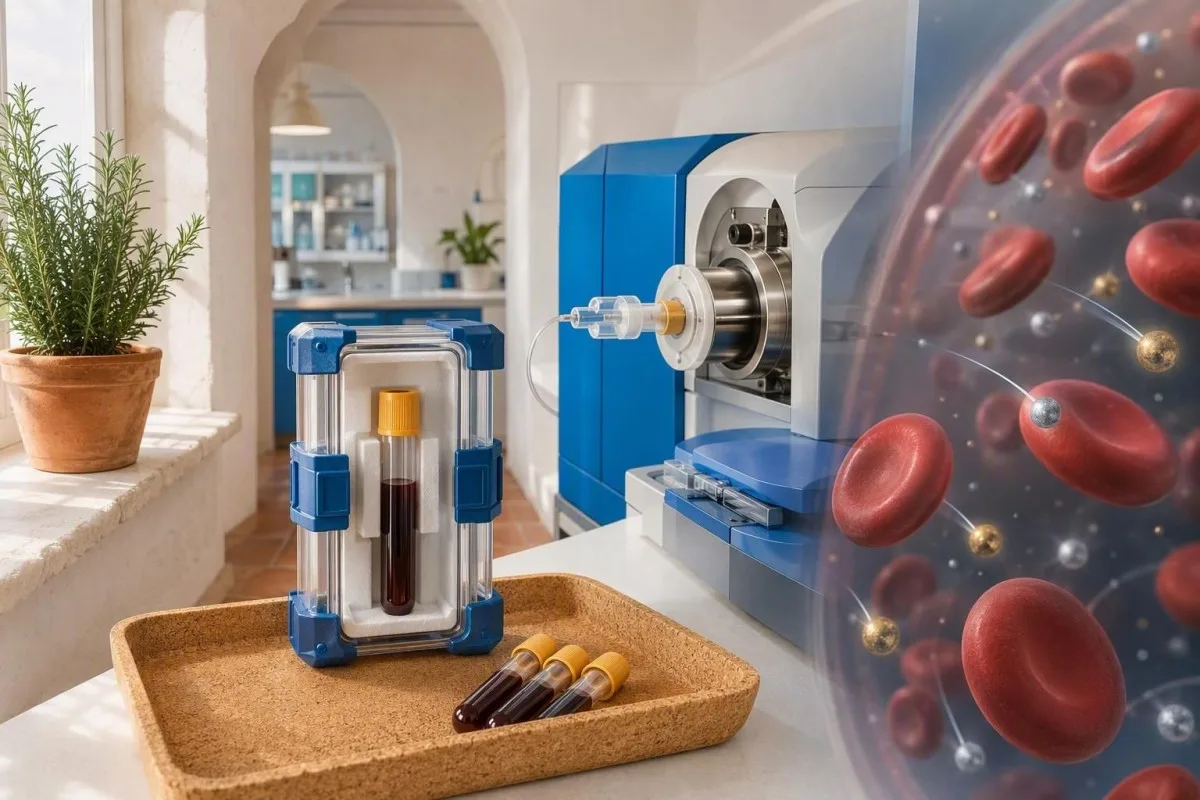
בדיקת דם למתכות כבדות היא הטובה ביותר לחשיפה לאחרונה או מתמשכת לעופרת, מתילכספית ומתכות נבחרות הקשורות למקום העבודה או להשתלות. זו אינה מדד כללי ל“רעלים בגוף”: שתן, פירוט מתכות, היסטוריית חשיפה ותזמון חוזר קובעים לעתים קרובות אם תוצאה בעלת משמעות.


- עופרת בדם מלא משקפת בעיקר חשיפה אחרונה או מתמשכת בערך בחודש אחד; אף רמת עופרת בדם אינה נחשבת נטולת סיכון.
- ערך ההתייחסות של ה-CDC לרמת עופרת בדם ילדים הוא 3.5 מיקרוגרם/ד"ל, סף למעקב ולא לאבחון רעילות.
- בדיקת כספית בדם שימושית ביותר לחשיפה לאחרונה למתילכספית מדגים וממקורות תעסוקתיים מסוימים; היא אינה מודדת באופן מהימן חשיפה ישנה.
- בדיקת שתן לארסן עם פירוט מועדפת לחשיפה חשודה לארסן אי-אורגני, במיוחד לאחר הימנעות ממאכלי ים למשך 48-72 שעות.
- קדמיום בשתן משקף בדרך כלל עומס כליה מצטבר, בעוד שקדמיום בדם מוטה יותר לחשיפה אחרונה.
- בדיקת שיער יכולה לתמוך בשאלה צרה לגבי מתיל-כספית אך אינה אמינה כמסך רעלים אבחוני רחב.
- בדיקת שתן פרובוקטיבית לאחר סוכן קליפה אינו יכול להוכיח הרעלה מכיוון שהוא מגביר באופן מכוון את הפרשת המתכות בשתן.
- פאנלים רעלים רחבים מזהים לעיתים קרובות מתכות קורט מבלי להראות מחלה, מקור, מינון או צורך בטיפול.
מה בדיקת דם למתכות כבדות באמת בודקת
A בדיקת דם למתכות כבדות מודד את ריכוז היסודות הספציפיים המסתובבים בזמן האיסוף; הוא אינו מודד “עומס רעלים” לכל החיים של אדם. דם מלא שימושי במיוחד עבור עופרת ומתיל-כספית, בעוד שהדגימה הטובה ביותר משתנה עבור ארסן, קדמיום, כרום, קובלט ותליום.
רוב המעבדות הקליניות משתמשות בספקטרומטריית מסה של פלזמה מצומדת באופן עתק, או ICP-MS, שיכולה לזהות מתכות במיקרוגרם לליטר או פחות. גילוי אינו אבחנה: יש להשוות תוצאה לשיטת המעבדה, צינורית האיסוף, עיסוקו של האדם, תזונתו, תוספיו, תפקוד הכליות והזמן שחלף מאז המגע החשוד.
A בדיקת דם לרעלן משווק כמסך ל-20 או 40 מתכות יכול להישמע מקיף, אך לרבים מהיסודות הנמדדים אין סף מחלה מאומת באדם אסימפטומטי. בפרקטיקה שלי, השאלה השימושית כמעט תמיד צרה יותר: “האם חשיפה מסוימת זו יכולה להסביר תוצאה או תסמין זה?”
קנטסטי הוא מנתח בדיקות דם בינה מלאכותית שמציב תוצאות יסודות קורט לצד שאר הדוח, כולל קריאטינין, סמני כבד ומדדי תאי דם אדומים. שלנו מדריך עזר לביומרקרים מסייע להבחין בין תוצאה הדורשת סקירה קלינית מיידית לבין תוצאה הדורשת בעיקר היסטוריית חשיפה טובה יותר.
אילו מתכות בדיקת דם יכולה לזהות באופן מהימן?
בדיקת דם יכולה לכמת באופן אמין מספר מתכות, אך לריכוז מדיד יש משמעות שונה לכל אחת מהן. עופרת, כספית, מנגן, קובלט וכרום נמדדים בדרך כלל בדם מלא; ארסן וקדמיום זקוקים לעיתים קרובות לבדיקת שתן עבור השאלה הרלוונטית קלינית.
A בדיקת דם לעופרת יש להשתמש בדם מלא שנאסף בצינורית יסודות קורט מאושרת מכיוון שעופרת מתחלקת חזק לתאי דם אדומים. דגימה ורידית מועדפת כאשר תוצאת סינון קפילרית גבוהה, מכיוון שאבק על העור יכול להעלות באופן כוזב תוצאת דקירת אצבע.
A בדיקת דם לכספית הוא האינפורמטיבי ביותר עבור מתיל-כספית מדגים וצריכת כספית אלמנטרית המתרחשת בשבועות האחרונים. כספית בדם מלא יורדת בדרך כלל לאחר שינוי בצריכת דגים; מחצית החיים הביולוגית של מתיל-כספית היא כ-50 יום, כך שתוצאה חוזרת ב-6-8 שבועות יכולה להיות אינפורמטיבית יותר מתוצאה 3 ימים לאחר מכן.
ריכוזי קובלט וכרום בדם הם בעלי תפקיד מוגדר אצל אנשים נבחרים עם רכיבי ירך מתכת-על-מתכת, אם כי תסמינים, הדמיה, סוג שתל ושינוי סדרתי חשובים יותר ממספר בודד מבודד. המדריך שלנו ל אפשרויות בדיקת כרום מסביר מדוע מעבדות עשויות לדווח ביחידות שונות.
בדיקת עופרת בדם: ספים, תזמון ומעקב
A רמת עופרת בדם ורידי היא הבדיקה הסטנדרטית לחשיפת עופרת אחרונה אצל ילדים ומבוגרים. אצל ילדים בארה"ב, 3.5 µg/dL הוא ערך הייחוס הנוכחי של ה-CDC לרמת עופרת בדם; הוא מזהה ילדים עם חשיפה גבוהה יותר מרוב בני גילם ואינו קו בין בטוח למסוכן.
רמות עופרת בדם בדרך כלל משקפות חשיפה במהלך 28-36 הימים שקדמו, אם כי עופרת המאוחסנת בעצם יכולה להיכנס מחדש לדם במהלך הריון, גיל המעבר, ריפוי שברים או מחלה קשה. לכן רמה יכולה לרדת לאחר עזיבת מקור מבלי להוכיח שהחשיפה המוקדמת הייתה בלתי מזיקה.
עדכון ה-CDC משנת 2021 הוריד את ערך הייחוס לילדים מ-5.0 ל- 3.5 מק״ג/ד״ל מכיוון שריכוזים נמוכים יותר עדיין מתואמים עם סיכון התפתחותי ברמת האוכלוסייה (Ruckart et al., 2021). טיפול קלציה אינו שגרתי עבור ילד עם 3.5 מיקרוגרם/ד"ל; זיהוי מקור, תזונה, מעקב התפתחותי ובדיקות חוזרות הם הצעדים הראשונים הרגילים.
עבור מבוגרים, ספי התעסוקה וכללי ההסרה שונים לפי מדינה, מין, פוטנציאל הריון ותעשייה. תוצאה של 45 מק״ג/ד״ל או יותר מצדיקה דיון דחוף של מומחה בהגדרות קליניות רבות, בעוד 70 מק״ג/ד״ל או יותר מטופלת בדרך כלל כמקרה חירום רפואי הדורש הסרת חשיפה מיידית וניהול מומחה.
בדיקות דם לכספית לאחר אכילת דגים, עבודה או דליפה
A בדיקת דם לכספית לוכד בצורה הטובה ביותר חשיפה עדכנית למתילכספית מדגים ויכול לסייע בהערכת חשיפה עדכנית לכספית יסודית. הוא אינו, בפני עצמו, מזהה את צורת הכספית, המקור, משך הזמן או מידת הסיכון הנוירולוגי.
עבור מבוגר עם צריכת דגים קבועה, תוצאת כספית כוללת בדם מתחת ל- 10 מיקרוגרם/ליטר נראית לעתים קרובות, אך מרווחי הייחוס של המעבדה משתנים מאוד לפי גיאוגרפיה ותזונה. תוצאה מעל 20 מיקרוגרם/ליטר ראויה לבדיקת חשיפה זהירה, במיוחד בהריון או לפני ההתעברות, ולא לגמילה רפלקסית.
קלארקסטון ומאגוס מתארים מדוע כימיית כספית חשובה: מתילכספית מתרכזת בתאי דם אדומים, בעוד שכספית אנאורגנית מיוצגת ביתר קלות בשתן (Clarkson and Magos, 2006). הבחנה זו היא הסיבה לכך שכספית כוללת בלבד יכולה ליצור בהלה מיותרת לאחר מספר מנות של דגי טורפים גדולים.
ראיתי מטופל חרד שחזר על בדיקת רמת כספית בבוקר שאחרי אכילת סושי; חזרה זו כמעט ולא הועילה. תוכנית שימושית יותר היא לתעד את סוגי הדגים והכמויות למשך שבועיים, לבחור אפשרויות עם פחות כספית, ואז לחזור על הבדיקה כעבור כ-6-8 שבועות אם התוצאה המקורית הייתה אכן גבוהה; ראו את שלנו מדריך למעקב אחר כספית במזון ים.
מתי בדיקת שתן טובה יותר מבדיקת דם
בדיקת שתן עדיפה כאשר המתכת מופרשת בשתן או כאשר קלינאים צריכים להעריך חשיפה מצטברת ולא חשיפה של אותו היום. ארסן, קדמיום, כספית אנאורגנית ותליום הם דוגמאות נפוצות שבהן שתן יכול לענות על השאלה הקלינית טוב יותר מדגימת דם.
A שתן של 24 שעות איסוף מודד הפרשה כוללת במהלך יום אחד, אך דגימת שתן נקודתית מתוקנת לפי קריאטינין משמשת לעיתים קרובות כאשר איכות האיסוף מוטלת בספק. איסוף שהוחמץ, צריכת נוזלים גבוהה באופן יוצא דופן, או קריאטינין בקצוות כלשהם יכולים לעוות הערכה של 24 שעות; טכניקת האיסוף ראויה לאותה בדיקה כמו המספר.
קדמיום בשתן משקף הצטברות כלייתית ארוכת טווח יותר מאשר קדמיום בדם, המושפע מעישון עדכני או חשיפה תעסוקתית. יש לכלול בפרשנות קדמיום אלבומין בשתן או ACR וסמנים טובולריים כאשר יש אינדיקציה קלינית, מכיוון שהדאגה היא לרוב נזק טובולרי בכליה ולא ציון רעילות מעורפל.
שגיאות תזמון נפוצות. המעשי שלנו איסוף שתן במשך 24 שעות מפרט את נקודות הכשל הנפוצות, כולל התחלה בזמן הלא נכון ושכחת הדגימה הסופית.
בדיקת ארסן דורשת פירוט, לא סך כולל גנרי
חשיפה חשודה לארסן מוערכת בדרך כלל עם ספציאציית ארסן בשתן, לא פאנל דם. ארסן בשתן כולל יכול לעלות באופן דרמטי לאחר אכילת פירות ים מכיוון שארסנובטאיין אורגני מופרש בשתן אך פחות רעיל מארסן אנאורגני.
אנשים צריכים להימנע מפירות ים למשך 48-72 שעות לפני בדיקת ארסן מתוכננת בשתן, אלא אם כן טוקסיקולוג מייעץ אחרת. תוצאת ארסן כוללת בשתן מעל 50 µg/L עשויה להצדיק מעקב, אך לא ניתן לפרש אותה באחריות מבלי לזהות ארסן אנאורגני ומטבוליטים שלו.
ארסן בדם בעל חלון שימושי קצר - לעיתים שעות לאחר חשיפה משמעותית - כך שערך דם תקין אינו שולל חשיפה רלוונטית מימים קודמים. ב-15 השנים שבהן עבדתי עם דוחות מעבדה, זוהי אחת הסיבות התכופות ביותר שבגללה פאנל רחב נותן הרגעה מוטעית.
פרופיל הארסן של ATSDR תומך בבדיקת שתן עם ספציאציה כאשר יש חשד לחשיפה, במיוחד לאחר חששות ממי באר, תעשייתיים או תכשירי צמחים (ATSDR, 2007). אין להפסיק תרופות במרשם או לנסות כיצד להמתין לתוצאה; רופא יכול לעזור לזהות האם מים, עבודה, או מוצר הוא המקור הסביר.
קדמיום, כרום וקובלט דורשים בדיקה ספציפית לחשיפה
תוצאות קדמיום, כרום וקובלט משמעותיות רק כאשר הן מתואמות למקור סביר ולדגימה הנכונה. קדמיום בשתן נבחר לעיתים קרובות לחשיפה מצטברת, בעוד קובלט וכרום בדם משמשים בעיקר לחשיפה תעסוקתית אחרונה או למעקב אחר שתלים נבחרים.
עישון יכול להעלות באופן משמעותי את ריכוזי הקדמיום, ומקומות עבודה מסוימים מוסיפים חשיפה בשאיפה; צריכה תזונתית לבדה לעיתים רחוקות מסבירה תוצאה בולטת. תפקוד הכליות חשוב מכיוון שתסנין מופחת יכול לשנות ריכוזי שתן ללא תלות בחשיפה, כך שהקשר של קריאטינין וחלבון בשתן מועיל.
עבור אדם עם שתל מתכתי בירך, כאבים חדשים בירך, ירידה בתפקוד, תסמיני שמיעה או ראייה, תסמיני קרדיומיופתיה, או מגמת קובלט עולה, נדרשת הערכה קלינית ישירה. ריכוז קובלט בודד בדם אינו בדיקת סקר לעייפות לא ספציפית, ערפול מוחי, או כאבי מפרקים.
Kantesti AI יכול להשוות סמנים כלייתיים בין תאריכים, דבר שימושי כאשר תוצאת מתכת מעלה שאלה לגבי הכליות ולא מוכיחה סיבתיות. סקור תוצאת GFR לאחר התייבשות לפני שאתה מניח ששינוי קריאטינין קטן מייצג נזק הקשור למתכת.
שגיאות איסוף יכולות ליצור תוצאת מתכת שגויה
תוצאות מתכות קורט פגיעות באופן יוצא דופן לזיהום מצינורות איסוף, אבק עור, מוצרים טופיקליים ועיבוד מעבדה. תוצאה מפתיעה ברמה נמוכה לעיתים קרובות צריכה לחזור על עצמה תוך שימוש בצינור אלמנטים קורט מאושר לפני שהיא מפעילה בדיקות פולשניות או תוספים.
אבקה מכפפות, אבק מאתר עבודה, דבקי תותבות המכילים אבץ, ואפילו צינור איסוף לא מאושר יכולים להשפיע על הבדיקה. המוליזה יכולה גם לשנות את הפרשנות עבור אלמנטים מסוימים מכיוון שתכולת התא נכנסת לסרום או לפלזמה; דגימה עם גוון אדמדם צריכה לגרום למעבדה להעיר על איכות הדגימה.
המטריצה הנכונה חשובה: דם מלא, סרום, פלזמה ושתן אינם ניתנים להחלפה. דוח המסומן “כספית בסרום” לא צריך להיות מושווה באופן אגבי עם סף בריאות הציבור שפותח עבור דם מלא.
קנטסטי הוא פלטפורמת פרשנות ביומרקרים של AI שקוראת את סוג הדגימה המדווח, היחידה ומרווח הייחוס לפני שהיא מציעה הקשר. שלנו טכנולוגיה ושיטות מדריכות מסבירות מדוע תוצאה מחוץ לטווח של מעבדה אחת לא יכולה להיות ממופה אוטומטית לגבול ההחלטה של מעבדה אחרת.
מדוע פאנלים של שיער, ציפורניים ורעלים ביתיים מטעים לעתים קרובות
בדיקות שיער וציפורניים אינן יכולות לאבחן את רוב הרעלות ממתכות כבדות אצל אדם מכיוון שזיהום חיצוני, טיפול קוסמטי, קצב גדילה והכנת מעבדה יכולים לשלוט בתוצאה. לשיער יש תפקיד תומך מוגבל לחשיפה למתילכספית לטווח ארוך יותר, לא להערכת גמילה כוללת.
שיער גדל כ- 1 ס"מ לחודש, אך העובדה הפשוטה הזו אינה הופכת כל סנטימטר ללוח שנה מהימן לחשיפה. צבע שיער, הבהרה, מי ברכה, אבק ושמפו יכולים לשנות ריכוזים נמדדים; פרוטוקולי שטיפה שונים באופן משמעותי בין מעבדות.
לבדיקות ציפורניים יש מגבלות דומות ויש להן תפקיד מועט באבחון קליני שגרתי. כאשר פאנל מדווח על 25 יסודות, הוא בדרך כלל יסמן משהו חריג סטטיסטית גם אצל אנשים בריאים – תוצאה צפויה של השוואות מרובות, לא עדות שהגוף זקוק לניקוי.
אם התסמינים הם הדאגה, רופאים צריכים תחילה לחפש הסברים סטנדרטיים שיש להם נתיב אבחון ברור יותר: אנמיה, מחלת בלוטת התריס, מחלת כליות, השפעות תרופתיות, הפרעות שינה ותזונה. המאמר שלנו בנושא בדיקות דם לכאב בלתי מוסבר מראה כיצד להתחיל מבלי לצמצם כל תסמין לרעילות.
מדוע בדיקות שתן מושרות אינן יכולות להוכיח הרעלת מתכות
בדיקת מתכות בשתן פרובוקטיבית אינה יכולה לאבחן הרעלת מתכות כבדות כרונית מכיוון שהתרופה המכאלת בכוונה מגייסת ומגבירה את הפרשת השתן של מתכות. טווחי ייחוס מדגימת שתן לא פרובוקטיבית אינם חלים לאחר EDTA, DMSA, DMPS, או מכאלת אחרת.
מכאלים קושרים מתכות שנמצאות בדרך כלל ברקמות ובמחזור הדם, כך שכמעט כולם יפרישו יותר לאחר קבלת אחד. החלק החסר הקריטי הוא אוכלוסיית ייחוס מאומתת לאחר כיול, שרוב הדוחות המסחריים אינם מספקים.
כיול אינו שפיר. בהתאם לסוכן ולאדם, הוא יכול לתרום למחסור בסידן, עומס על הכליות, תגובות אלרגיות, דלדול מינרלים ואינטראקציות עם טיפולים שנקבעו; הטיפול צריך לעקוב אחר חשיפה מתועדת והערכה של מומחה.
כלל האצבע של ד"ר תומאס קליין פשוט: קבע את החשיפה, קבל בדיקת בסיס שנאספה כראוי, ואז דון בטיפול. ה- לאימות רפואי משמש על ידי Kantesti AI כדי לסמן מתי גבולות של בדיקה אינם מאפשרים פרשנות בטוחה.
תסמינים הדורשים טיפול דחוף במקום פאנל נוסף
בלבול חריף, התקפים, הקאות קשות, חולשה חדשה, קוצר נשימה, כאבים בחזה, או חשיפה ידועה במינון גבוה דורשים הערכה רפואית דחופה, לא פאנל רעלים בדואר. תוצאת דם תקינה יכולה להתרחש אם הבדיקה מאוחרת מדי או מודדת מתכת שגויה.
אצל ילד, פיקה, חשיפה לצבע מתקלף, נסיגה התפתחותית, או אח/אחות עם עופרת גבוהה צריכים להוביל לייעוץ פדיאטרי מהיר. הרעלת עופרת היא לרוב שקטה, ולכן התנהגות לבדה אינה יכולה להעריך רמת עופרת בדם.
חשיפה לאדי כספית יסודיים יכולה לגרום לשיעול, קוצר נשימה, רעד, או תסמינים נוירופסיכיאטריים, בעוד ארס אנאורגני עלול לגרום למחלה קשה במערכת העיכול וחוסר יציבות קרדיווסקולרית לאחר חשיפה משמעותית. דפוסים אלו נדירים, אך השהייה היא הסיכון - הזמינו שירותי חירום או מרכז הרעלות כאשר החשיפה היא לאחרונה או התסמינים משמעותיים.
רופא עשוי להזמין אלקטרוליטים, קריאטינין, בדיקות כבד, ניטור אק"ג, וטוקסיקולוגיה מכוונת לצד בדיקת מתכות. שלנו מדריך דגלים אדומים לאלקטרוליטים מסביר מדוע הרעלת מתכות לעולם אינה מוערכת מריכוז אחד בלבד.
כיצד לטפל בתוצאת מתכת גבולית
תוצאת מתכת גבולית מנוהלת בדרך כלל על ידי אישור הדגימה, שחזור החשיפה, וחזרה על הבדיקה הנכונה לאחר מרווח מתאים. היא כמעט ואינה מצדיקה תוספים, משטרי צום, או גירוי בפני עצמה.
התחילו עם ציר זמן: עיסוק, תחביבים, עבודות שיפוץ, תבלינים או תרופות מיובאות, מקור מים, מטווחים, עבודות תכשיטים, צריכת דגים, והיסטוריית שתלים. רשמו תאריכים, תדירות, ציוד מגן, והאם אחרים החולקים את הסביבה סובלים מתסמינים או תוצאות חריגות.
בדיקה חוזרת צריכה להשתמש באותה מטריצה, ובמידת האפשר, באותה מעבדה. א שינוי 20% עשוי לשקף וריאציה ביולוגית או אנליטית רגילה עבור יסודות קורט מסוימים, בעוד ירידה מתמשכת לאחר הסרת מקור מתועד תומכת בהיפותזת החשיפה בצורה חזקה יותר.
Kantesti יכול לארגן דוחות מעבדה סדרתיים, אך הוא אינו יכול להחליף חקירת חשיפה או בדיקה רפואית. שלנו מדריך תוצאות צמודות שימושי להכנת ציר זמן תמציתי עבור רופא תעסוקתי או רופא משפחה.
מזון, תוספים ומגבלות של “ניקוי רעלים”
שום ניקוי מיצים, סאונה, תוסף, או פרוטוקול צום לא הוכחו כמסירים חשיפה למתכות בעלות חשיבות קלינית בבטחה במקום בקרת מקור. הטיפול הראשון ברוב החשיפות ברמה נמוכה הוא הפסקת המקור ותמיכה בתזונה רגילה, הידרציה, ומעקב רפואי.
צריכת סידן, ברזל, וויטמין C מספקת יכולה להפחית ספיגת עופרת במערכת העיכול בילדים עם חסר תזונתי, אך מזון אינו תחליף לטיפול סביבתי. חסר ברזל יכול להגביר קליטת עופרת, שזו אחת הסיבות לכך שרופאים בודקים לעתים קרובות פריטין וספירת דם מלאה כאשר מאשרים חשיפה לעופרת.
מינון גבוה של אבץ יכול ליצור חסר נחושת, וסלניום ללא השגחה יכול בעצמו לגרום לרעילות. יש להתייחס בזהירות לתוסף המשווק כקולט מתכות, במיוחד אם הוא מכיל מינרלים מרובים שעלולים לסבך בדיקות עתידיות.
לשאלות תזונה הגיוניות, קראו את המדריך שלנו ל מזונות עשירים בברזל והסקירה שלנו של בטיחות מינון סלניום. הראיות לתוכניות גמילה מסחריות חלשות בכנות.
כיצד לקרוא תוצאת מתכת לצד בדיקות דם שגרתיות
תוצאות מתכת הופכות שימושיות קלינית כאשר הן מפורשות יחד עם תפקוד כליות, סמני כבד, ספירת דם מלאה, תסמינים, ומקור חשיפה אמין. ערך מעט מעל טווח התייחסות ללא כל אחת מהתכונות התומכות הללו, לרוב בעל משמעות קלינית מוגבלת.
חשיפה לעופרת עשויה להתקיים במקביל למיקרוציטוזיס או חסר ברזל, אך CBC תקין אינו שולל חשיפה לעופרת. שאלות לגבי קדמיום דורשות תשומת לב לקריאטינין וחלבון בשתן, בעוד אנומליות כבד משמעותיות לא אמורות להיות מיוחסות אוטומטית לממצא מתכת ברמה נמוכה.
Kantesti AI הוא שירות פרשנות בדיקות מעבדת ה-AI שמתרגם נתוני מעבדה ספציפיים ליחידה לשאלות עבור רופא, ולא להכרזה על אבחנה מבדיקת רעלים רחבה. ד"ר תומאס קליין ושירותינו המועצה המייעצת הרפואית מדגישים אימות מקור, בדיקות ניתנות לשחזור, וייעוץ ברור להסלמה.
לפני העלאת כל דוח, הסר מזהים מיותרים ובדוק שסוג הדגימה, תאריך האיסוף והיחידות גלויים. שירותינו צ’ק ליסט לאיכות העלאת PDF יכולים למנוע שגיאת העתקה פשוטה מלהפוך לפרשנות מפחידה.
תוכנית בדיקות מעשית לחשיפה חשודה בשנת 2026
החל מה-3 בספטמבר 2026, תוכנית הבדיקה הבטוחה ביותר מתחילה עם השערת חשיפה ספציפית, ואז בוחרת את המתכת הנכונה, הדגימה ותאריך האיסוף. בדיקת סקר רחבה סבירה רק כאשר רופא תעסוקתי או בריאות הציבור מזהה חשיפה מוגדרת למתכות מרובות.
עבור צבע ישן, כלי חרס מיובאים, עבודות ירי, עבודות סוללות, או אבק מזוהם, יש לבקש בדיקת עופרת בדם מלא ורידי. עבור צריכה תכופה של דגים בעלי תכולת כספית גבוהה, יש להתחיל עם בדיקת כספית כוללת בדם מלא; עבור מי באר או חשד לארסן, יש לבקש בדיקת ארסן בשתן עם חלוקה לאחר הימנעות מצריכת פירות ים.
הביאו תצלומים של תוויות מוצרים, גיליונות בטיחות במקום העבודה, תאריכי שיפוץ, ותוצאות בדיקות מים לפגישה. ראיות אלו יכולות להיות אבחנתיות יותר מהוספת 15 מתכות לפאנל, והן מאפשרות פעולות בריאות הציבור כאשר מקור ביתי או תעסוקתי אמיתי.
ALT משמש ב-AST מדינות, אך ספים מקומיים וכללי דיווח במקום העבודה משתנים. שירותינו דוגמאות לשימוש קליני מראות כיצד שאלות מובנות יכולות לתמוך – לא להחליף – את הרופא המטפל שלך, שירות הטוקסיקולוגיה, או צוות בריאות הציבור המקומי.
שאלות נפוצות
אילו מתכות בדיקת דם יכולה לזהות?
בדיקת דם למתכות כבדות יכולה לכמת עופרת, כספית כוללת, מנגן, קובלט, כרום, וכמה יסודות נוספים, בדרך כלל בדם מלא. דם שימושי ביותר לחשיפה אחרונה או מתמשכת, לא למדידת הצטברות לאורך החיים. עופרת מוערכת בדרך כלל באמצעות בדיקת דם מלא ורידי, ולמתיל-כספית יש זמן מחצית חיים בדם של כ-50 יום. ארסן, קדמיום, כספית אי-אורגנית ותליום דורשים לעיתים קרובות בדיקת שתן לתשובה שימושית יותר מבחינה קלינית.
כמה זמן נשארים מתכות כבדות בדם?
הזמן שבו מתכת נשארת ניתנת למדידה תלוי בצורתה הכימית ובדגימה שנבדקה. עופרת בדם משקפת בדרך כלל חשיפה במהלך 28-36 הימים הקודמים, בעוד שכספית אורגנית יורדת בדרך כלל במשך כ-50 יום לאחר ירידת החשיפה. ארסן בדם עשוי להיות שימושי רק שעות לאחר חשיפה משמעותית, כך שתוצאה תקינה מאוחר יותר אינה שוללת אותה. קדמיום יכול להישאר בגוף במשך שנים, אך שתן בדרך כלל אינפורמטיבי יותר לגבי עומס קדמיום מצטבר.
האם בדיקת דם למתכות כבדות היא בדיקת רעלים כללית טובה?
בדיקת דם רחבה לרעלים היא בדרך כלל בדיקת סקר גרועה לעייפות בלתי מוסברת, כאבי ראש, או "ערפל מוחי" מכיוון שזיהוי עקבות אינו קובע רעילות. פאנלים המודדים 20 יסודות או יותר מגדילים את הסיכוי לפחות לדגל גבולי אחד גם אצל אנשים בריאים. בדיקה ממוקדת המבוססת על עבודה, מים, צבע, פירות ים, תוספי תזונה, או שתל, סביר יותר שתניב תוצאה פעילה. רופא צריך לפרש כל ריכוז מוגבר יחד עם סוג הדגימה, יחידות, תזמון, תסמינים, והיסטוריית חשיפה.
האם עלי לצום לפני בדיקת דם למתכות כבדות?
צום אינו נדרש עבור רוב בדיקות עופרת או כספית בדם. ההכנה הרלוונטית יותר היא הימנעות מזיהום ותיעוד חשיפה אחרונה, כגון פירות ים שנאכלו במהלך השבוע-שבועיים הקודמים או מגע במקום העבודה ביום הבדיקה. עבור ארסן בשתן, יש להימנע מפירות ים במשך 48-72 שעות לפני האיסוף, אלא אם הרופא מורה אחרת, מכיוון שארסן אורגני מפירות ים יכול להעלות את רמת הארסן הכוללת בשתן. אין להפסיק תרופות במרשם או ליטול מוצר קְלַצְיָה לפני הבדיקה.
איזה רמת עופרת בדם מדאיגה?
עבור ילדים בארצות הברית, רמת עופרת בדם ורידי של 3.5 מיקרוגרם/ד"ל או יותר עומדת בערך הייחוס של ה-CDC לרמת עופרת בדם וצריכה להפעיל מעקב אחר חשיפה. זה אינו סף של בטוח לעומת מסוכן, מכיוון שלא ידוע על רמת חשיפה לעופרת ללא סיכון כלל. רמות של 20-44 מיקרוגרם/ד"ל מצדיקות הערכה קלינית מיידית, ורמות של 45 מיקרוגרם/ד"ל או יותר בדרך כלל דורשות דיון דחוף עם מומחה. רמות פעולה תעסוקתיות למבוגרים משתנות לפי מדינה, עבודה, מין, ופוטנציאל הריון.
האם בדיקות שיער מדויקות למתכות כבדות?
בדיקות שיער אינן אמינות לאבחון רוב הרעלת מתכות כבדות מכיוון שאבק חיצוני, צבע שיער, הבהרה, שמפו, ושיטות שטיפה במעבדה יכולים לשנות תוצאות. השיער גדל בערך 1 ס"מ לחודש, אך הוא אינו רשומת חשיפה היסטורית מדויקת עבור אדם. ניתוח שיער עשוי לעזור לעיתים להערכת חשיפה ארוכת טווח לכספית אורגנית תחת הנחיית מומחה. תוצאת שיער חריגה אין להשתמש בה לבדה כדי להצדיק טיפול קְלַצְיָה או תוכנית גמילה.
האם בדיקת התרכובות יכולה להראות אם יש לי רעילות למתכות?
לא, שתן שנאסף לאחר תרופה קְלַצְיָה אינו יכול להוכיח הרעלת מתכות מכיוון שהתרופה מגבירה באופן מכוון את הפרשת המתכת. טווחי ייחוס סטנדרטיים בשתן נגזרים מדגימות שנאספו ללא חומר קְלַצְיָה ולא ניתנים להשוואה עם תוצאה לאחר קְלַצְיָה. קְלַצְיָה יכולה לגרום לעומס על הכליות, הפרעות מינרלים, ותופעות לוואי אחרות, במיוחד כאשר משתמשים בה ללא אינדיקציה מתועדת. בדיקות דם או שתן בסיסיות שנאספו כראוי וחקירת חשיפה צריכות לבוא ראשונות.
קבל ניתוח בדיקות דם מבוסס בינה מלאכותית כבר היום
הצטרף ליותר מ-2 מיליון משתמשים ברחבי העולם שסומכים על Kantesti לצורך ניתוח מיידי ומדויק של בדיקות מעבדה. העלה את תוצאות בדיקות הדם שלך וקבל פרשנות מקיפה של ביומרקרים של 15,000+ בתוך שניות.
📚 פרסומי מחקר עם הפניות
Klein, T., Mitchell, S., & Weber, H. (2026). שלשול לאחר צום, כתמים שחורים בצואה ומדריך GI 2026. מחקר רפואי של Kantesti בינה מלאכותית.
Klein, T., Mitchell, S., & Weber, H. (2026). מדריך בריאות האישה: ביוץ, גיל המעבר ותסמינים הורמונליים. מחקר רפואי של Kantesti בינה מלאכותית.
📖 הפניות רפואיות חיצוניות
Agency for Toxic Substances and Disease Registry (2007). פרופיל טוקסיקולוגי של ארסן. משרד הבריאות ושירותי האנוש של ארה״ב.
⚕️ הצהרת אחריות רפואית
מאמר זה מיועד למטרות חינוכיות בלבד ואינו מהווה ייעוץ רפואי. תמיד יש להתייעץ עם גורם מוסמך בתחום הבריאות לצורך החלטות אבחון וטיפול.
אותות אמון E-E-A-T
הִתנַסוּת
סקירה קלינית בהובלת רופא של תהליכי עבודה לפענוח בדיקות מעבדה.
מוּמחִיוּת
רפואה מעבדתית מתמקדת באופן שבו סמנים ביולוגיים מתנהגים בהקשר קליני.
סמכותיות
נכתב על ידי ד״ר תומאס קליין, עם סקירה על ידי ד״ר שרה מיטשל ופרופ׳ ד״ר האנס וובר.
אֲמִינוּת
פרשנות מבוססת-ראיות עם מסלולי המשך ברורים כדי להפחית בהלה.