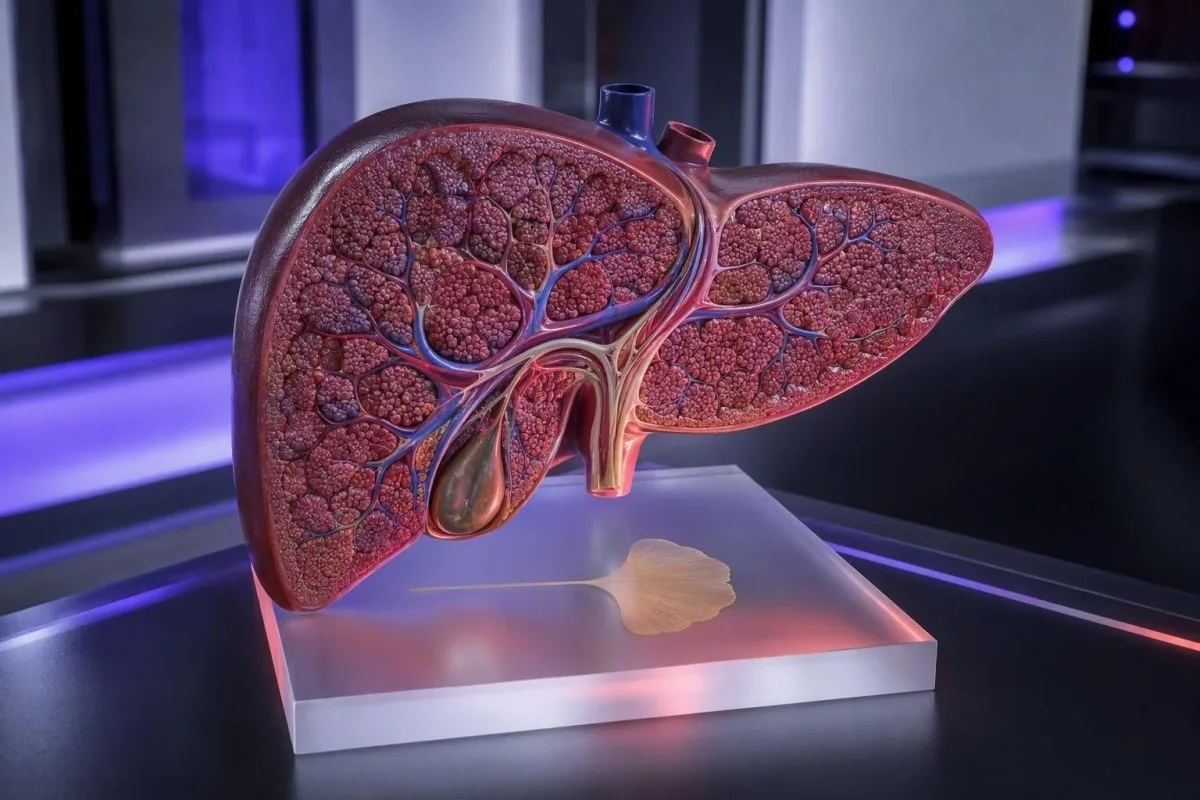
ALT er algengt lifrarensím sem greint er frá, en það er merki um streitu í frumum fremur en greining. Merking þess kemur frá stærð þess, mynstri, tímasetningu og afgangi af lifrarprófinu þínu.


- ALT merking: ALT stendur fyrir alanín amínótransferasa, ensím mælt í IU/L sem er í miklum styrk í lifrarfrumum.
- Dæmigert bil: Margar rannsóknarstofur fyrir fullorðna nota ALT efri mörk 35 IU/L fyrir konur og 45 IU/L fyrir karla, þótt eigin mörk matsins séu afgerandi.
- Væg hækkun: ALT undir 2 sinnum efri mörkum rannsóknarstofunnar er algengt og á oft skilið skipulagt endurtöku, ekki aðgerðir af hræðslu.
- mynstrið skiptir máli: ALT með háu AST, ALP, GGT, bilirúbín, eða INR þýðir eitthvað annað en einangruð ALT hækkun.
- Áhrif hreyfingar: Mikil styrktarþjálfun getur aukið ALT og AST í 7 daga eða lengur, sérstaklega þegar kreatín kínasa er einnig hátt.
- Yfirferð lyfja: Parasetamól, statín, sýklalyf, flogaveikilyf, fæðubótarefni og jurtalyf geta haft áhrif á ALT.
- Bráð einkenni: Gula, ringulreið, miklir verkir í efri hægri hluta kviðar, endurtekin uppköst eða mjög dökk þvag krefjast mats hjá lækni sama dag.
- Þróunargildi: Lækkandi ALT eftir að hætt er að nota áhrifavald er venjulega róandi en eitt einangrað jaðarniðurstaða.
Hvað ALT þýðir á blóðprufu
ALT stendur fyrir alanín amínótransferasa, ensím sem hjálpar frumum að flytja amínóhópa við orkuefnaskipti. Það er mælt vegna þess að ALT kemst í blóðrásina þegar lifrarfrumur eru undir álagi eða skemmdar; það sönar ekki, eitt og sér, varanlegar lifrarskemmdir.
ALT finnst aðallega inni í lifrarfrumum, starfsfrumum lifrarinnar, þó að lítið magn finnist í beinagrindarvöðvum og öðrum vefjum. Hækkuð niðurstaða þýðir að meira ensím barst í sýnið en búist var við; það getur ekki greint fitulifur, lifrarbólgu, lyfjatjón eða æfingar án meðfylgjandi sönnunargagna.
Í klínískri starfsemi minni er gagnlegasta fyrsta spurningin ekki “hversu há er hún?” heldur “hár miðað við hvaða grunngildi og hvaða aðra merki?” ALT 58 IU/L eftir nýja líkamsræktarrútínu er annað vandamál en ALT 58 IU/L með bilirúbíni 65 µmol/L og gulum augum.
Kantesti er AI blóðprufugreiningartæki sem les ALT ásamt AST, ALP, GGT, bilirúbíni, albúmíni, blóðflagnafjölda, lyfjum og fyrri niðurstöðum frekar en að meðhöndla eitt merkt gildi sem greiningu. Fyrir víðari kort af tengdum mælingum, sjá okkar lífmerkjahandbókin okkar.
Af hverju eldra nafnið SGPT gæti birst
Sumar skýrslur kalla enn ALT “serum glútamín-pýruvat transamínasa” eða SGPT. ALT og SGPT vísa til sama ensímaprófs, þótt nútíma rannsóknastofuskýrslur noti venjulega ALT.
Hvers vegna læknar mæla alanín amínótransferasa
Læknar panta alanín amínótransferasa próf til að greina lifrarfrumuálag, fylgjast með þekktri lifrarsjúkdómi og athuga hvort lyfjatengd skaða. ALT er oft innifalin í lifrarprófapakkningu eða alhliða efnaskiptapakkningu, jafnvel þegar einstaklingur hefur engin einkenni.
ALT er oft athugað við sykursýki eða fitupróf vegna þess að fitulifur tengd efnaskiptatruflunum, áður kölluð fitulifur, getur verið hljóðlaus í mörg ár. Leiðbeiningar AASLD 2023 ráðleggja að meta einstaklinga með efnaskiptahættuþætti og óútskýrða lifrarensímhækkun fyrir fitulifur og áhættu á bandvefsmyndun (Rinella o.fl., 2023).
Eðlilegt ALT útilokar ekki marktæka bandvefsmyndun og hátt ALT mælir ekki stig bandvefsmyndunar. Ég hef séð sjúklinga með ALT 24 IU/L og merkjanlegt ör á sérfræðimati, sérstaklega með sykursýki af tegund 2; bandvefsstig og myndgreining svara annarri spurningu.
Fylgst er með ALT einnig hagnýtt eftir lyfjabreytingu, en það ætti að skipuleggja það með tilliti til. Leiðbeiningar okkar um árlegt blóðpróf útskýra hvers vegna prófunartíðni ætti að fylgja áhættu, einkennum og meðferð frekar en bara vana.
ALT venjulegt gildi og hvers vegna mörkin á rannsóknarstofum eru mismunandi
Alvarleg ALT viðmiðunarbil eru algengt frá um 7 til 35 IU/L fyrir konur og 10 til 45 IU/L fyrir karla, en bil eru mismunandi eftir prófunaraðferð, íbúum og rannsóknarstofu. Notaðu alltaf efri mörk prentuð við hlið þinnar eigin niðurstöðu frekar en internetafskurð.
Efri mörkin eru tölfræðileg, venjulega afleidd frá viðmiðunarhópi, ekki ábyrgð þess að hver gildi undir henni endurspegli algjörlega heilbrigða lifur. Sumar evrópskar rannsóknarstofur nota kynbundin efri mörk nálægt 25 IU/L fyrir konur og 35 IU/L fyrir karla, sem geta greint efnaskiptaáhættu fyrr en einnig skapað fleiri jaðarmerki.
Gildi undir tvöföldum efri mörkum eðlilegs eru oft kölluð væg hækkun. Fyrir rannsóknarstofu með efri mörk 40 IU/L, ALT 55 til 80 IU/L verðskuldar samhengi og venjulega endurteknaráætlun, en ALT 400 IU/L er 10 sinnum efri mörkin og breytir brýnt.
Dr. Thomas Klein ráðleggur sjúklingum að vista nafn rannsóknarstofu, einingar, bil, dagsetningu blóðtöku, áfengisneyslu og hreyfingu vikuna áður. Þetta gerir mun auðveldara að túlka mun á niðurstöðum milli heimsókna. mun auðveldara að túlka.
Hvernig ALT og AST vinna saman
ALT og AST ætti að túlka saman þar sem ALT er tiltölulega lifrarsértækt á meðan AST er einnig mikið í bein- og hjartavöðvum. AST/ALT hlutfall getur gefið til kynna mynstur, en það getur ekki greint einvörðungu áfengistengdan sjúkdóm eða skorpulifur.
Þegar ALT er hærra en AST, hafa læknar oft í huga efnaskipta fitulifur, veirusóttir eða lyfjaáhrif, þótt margar undantekningar séu til. AST:ALT hlutfall yfir 2 getur komið fram í áfengistengdum lifrarskaða, en langt gengið vefjaskemmdir, vöðvaskaði og tímasetning eftir bráð áfall geta einnig breytt hlutfallinu.
52 ára maraþonhlaupari með AST 89 IU/L, ALT 61 IU/L, og kreatín kínasa 1.450 IU/L eftir keppni þarf aðra umræðu en einhver með sömu ensím og kreatín kínasa 90 IU/L. Ástæðan fyrir því að við höfum áhyggjur af AST ásamt háu CK er vöðvabreyting; ALT eitt er minna vöðvasértækt en getur einnig hækkað.
Fyrir vöðvamegin þessa aðgreiningar, lestu skýringu okkar á háu AST einkennum. Ef hreyfing er líkleg orsök, forðastu óvenju erfiðar æfingar í 7 daga fyrir endurtekningu nema læknirinn þinn ráðleggi annað.
Hvers vegna ALP, GGT og bilirúbín breyta merkingu ALT
ALT vísar til lifrarfrumusjúkdóms, en gallhvatavirkni, GGT og bilirúbín hjálpa til við að greina gallteppu eða skerta gallflæði. ALT ásamt háu ALP og GGT ætti að leiða til íhugunar á gallrásarsjúkdómum, lyfjaáhrifum eða lifrarbólgu frekar en að gera ráð fyrir einfaldri fitulifur.
Læknir getur reiknað R hlutfall: ALT deilt með efri mörkum þess, síðan deilt með ALP deilt með efri mörkum þess. R hlutfall sem er 5 eða hærra styður lifrarfrumusjúkdóm, 2 eða lægra styður gallteppu, og 2 til 5 vísar til blönduðs mynsturs; þetta er matsverkfæri, ekki endanleg greining.
GGT er gagnlegt þegar ALP er hækkað þar sem GGT hækkun styður lifrar- og gallrásaruppruna, en ALP getur einnig hækkað frá beinvef. Einangruð ALP hækkun með eðlilegu GGT getur því bent til spurninga um bein og D-vítamín frekar en lifrarímyndatöku.
Myrkur þvag, föl saur, kláði, hiti, eða gula með hækkuðu bilirúbíni eru ekki einkenni sem “bíða á næsta árlega próf”. Okkar leiðarvísir um kólestasis-mynstur útskýrir samsetningar sem ætti að meta tafarlaust.
Algengar orsakir hækkaðs ALT
Hækkað ALT endurspeglar oftast fitulifur vegna efnaskipta, áfengisneyslu, veirusóttir, lyfjaáhrif, eða tímabundna hækkun tengda hreyfingu. Líkurnar á hverri orsök breytast með líkamsþyngd, glúkósa, þríglýseríð, áfengismynstur, ferðalög, lyf, og stærð hækkunarinnar.
Efnaskiptasteatísk lifrarsjúkdómur er sérstaklega líklegur þegar ALT hækkun fylgir miðlæg þyngdaraukning, þríglýseríð yfir 150 mg/dL, lágt HDL kólesteról, hækkað fastandi glúkósa eða tegund 2 sykursýki. Hann getur einnig komið fram hjá fólki með minni líkama, sérstaklega með innyflafitu, erfðafræði, kæfisvefn eða ákveðin lyf.
Skimun fyrir veiru lifrarbólgu fer eftir útsetningu og áhættu, ekki ALT eingöngu. Lifrarbólga B yfirborðs andgen og lifrarbólga C mótefni með staðfestingar RNA prófun eru staðlaðir hlutar af áherslu mati þegar saga, landfræði eða ensímmynd styður það; okkar lifrarbólga C leiðarvísir fjallar um venjulega leið.
Minna algengar en mikilvægar orsakir eru blóðþrýstingur, sjálfsofnæmis lifrarbólga, Wilson sjúkdómur hjá yngra fólki, meltingarörvefnissjúkdómur og alfa-1 andtrypsín skortur. Dr. Thomas Klein hefur séð skaða af því að gera ráð fyrir að hver hækkuð ALT tengist áfengi; skipulögð rannsókn er mildari og nákvæmari.
Lyf og fæðubótarefni sem geta hækkað ALT
Lyf og fæðubótarefni geta hækkað ALT með beinu lifrarskaða, breyttri gallrás, efnaskiptaáhrifum eða óskyldri tilviljun. Hættu ekki ávísuðu lyfjum skyndilega vegna einnar niðurstöðu; hafðu samband við ávísarann sem getur vegið lyfjaávinning gegn mynstri og þróun.
Parasetamol, einnig kallað asetaminófen, getur valdið marktækri ALT hækkun í ofskömmtun og stundum vægari breytingum við hátt læknisfræðilegt álag. Fyrir flesta fullorðna er venjulegur hámark 4.000 mg á dag, en margir læknar mæla með lægri mörkum fyrir fólk sem drekkur áfengi reglulega, hefur lifrarsjúkdóm, er eldra eða notar samsett kveflyf.
Statin lyf geta valdið litlum ALT aukningum, en alvarlegir statín-tengdir lifrarskaðar eru sjaldgæfir; að hætta hjartalyfjum án ráðgjafar getur verið áhættusamara en ensímmerkið. ACG leiðbeiningar mæla með staðfestingu á óeðlilegum lifrarprófum og ítarlegri sögu um lyfseðilsskyld lyf, lausasölulyf og fæðubótarefni áður en víðtæk próf eru gerð (Kwo et al., 2017).
Grænt te þykkni, anabolic vörur, há skammta A vítamín, fjölþætt “hreinsunar” duft og óreglugerðar líkamsræktar fæðubótarefni verðskulda sérstakar spurningar vegna þess að merkingar geta verið ófullkomnar. Skoðaðu okkar hagnýta fæðubótarefna öryggisleiðbeiningar áður en þú bætir nýrri vöru við.
Getur hreyfing tímabundið aukið ALT?
Já, mikil hreyfing getur tímabundið hækkað ALT, sérstaklega eftir óvenjulega styrktarþjálfun, þrekkeppni eða vöðvaskaða. AST og kreatín kínasi hækka venjulega meira, og gildi geta tekið 3 til 10 daga að jafna sig eftir styrk æfingar og vöðvamassa.
Algeng misskilningur er að hækkað ALT þýði alltaf lifrarskaða. Í reynd getur erfið lota með sérkennilegri lyftingu - hægum lækkunarhreyfingum - raskað vöðvuhimnum nægilega til að breyta AST, ALT, LDH og CK án innri lifrarsjúkdóms.
Fyrir hreina endurteknu prófun bið ég venjulega stöðuga, hrausta sjúklinga að forðast kröftuga þjálfun í 5 til 7 daga, forðast áfengi í nokkra daga, halda vökvaneyslu eðlilegri og nota sama rannsóknarstofu þegar mögulegt er. Þetta er ekki viðeigandi ef það eru rauðmerki eða ALT nokkrum sinnum yfir mörkum; þessar aðstæður þurfa klíníska ráðgjöf fyrst.
Kantesti er AI-knúið blóðprófunargreiningartól notað í 127+ löndum sem geta borið saman ALT, AST, CK og fyrri mælingar til að merkja æfingasamhæft mynstur án þess að lýsa því sem skaðlausu. Íþróttamenn geta einnig skoðað tímasetning blóðprufu maraþonhlaupara.
Einkenni sem gera ALT niðurstöðu meira aðkallandi
Flestar vægar ALT hækkun valda engum einkennum, en gulu, mjög dökk þvag, föl hægðir, alvarleg kviðverkur, ruglingur, auðveld marbletti eða stöðug uppköst krefjast skjótrar læknisskoðunar. Einkenni skipta máli vegna þess að þau geta bent til skertrar bilirúntækni, gallrásartruflana, bráðrar lifrarbólgu eða minni lifrarstarfsemi.
Leitaðu til sömu dags umönnunar vegna gulleauga eða húðar, ruglings, nýrrar syfju, hratt versnandi verkja undir hægri rifbeinum eða óhæfni til að halda vökva niðri. Þessi einkenni vega þyngra þegar ALT er meira en 5 sinnum efri mörk, bilirúnt er hækkað eða INR er lengt.
Meðganga breytir þröskuldinum fyrir áhyggjum: kláði í lófum eða iljum, óþægindi í efri hægri kvið, höfuðverkur, sjóntruflanir eða háþrýstingur þarf brýna fæðingarlækningaskoðun jafnvel þegar ALT er aðeins hóflega hækkað. Meðgöngusértækar aðstæður krefjast annarrar leiðar en venjulegrar rannsóknar á lifrarprófum fyrir göngudeild.
Þvagbreytingar geta bætt við vísbendingum en eru ekki greiningar í sjálfu sér. Grein okkar um dökk þvag orsakir hjálpar til við að greina ofþornun og lyf frá viðvörunarmerkjum tengdum bilirúni.
Hvað gerist venjulega eftir óeðlilega ALT niðurstöðu
Eftir óeðlilega ALT niðurstöðu staðfesta læknar venjulega niðurstöðuna, fara yfir útsetningar og endurtaka eða stækka spjaldið út frá stærð hækkunar og einkennum. Ein væg niðurstaða leiðir oft til endurtekningar eftir nokkrar vikur til nokkra mánuði, en veruleg hækkun eða gulusótt réttlætir hraðari mat.
Skynsamleg fyrsta endurskoðun felur í sér áfengisneyslu, nýleg veikindi, breytingar á líkamsþyngd, ferðalög, fjölskyldusögu, lyfseðilsskyld og lausasölulyf, fæðubótarefni og hreyfingu undanfarna 7 daga. Algeng próf í eftirfylgni eru AST, ALP, GGT, bilirúbín, albúmín, blóðkornatalning, INR, skimun fyrir lifrarbólgu, ferritín með þríblöndunarmagni og glúkósa eða HbA1c.
Ómskoðun er oft gagnleg fyrir fitulifur, gallsteina, gallgangavíkkun eða byggingarbreytingar, en hún matsmatar ekki áreiðanlega snemma bandvefsmyndun. FIB-4 notar aldur, AST, ALT og blóðflögufjölda til að meta bandvefsáhættu; það verður óáreiðanlegra undir 35 ára aldri og ætti ekki að nota við bráð veikindi.
Kantesti AI er þjónustu fyrir túlkun á rannsóknarprófum með gervigreind sem skipuleggur þessa tengdu merkimiða og langtíma niðurstöður til umræðu við lækni. Okkar lifrarprófa útskýring sýnir hvað hver eftirfylgni þáttur leggur til.
Hvers vegna ALT þróun er gagnlegri en ein tala
ALT þróun er oft upplýsandi en ein niðurstaða vegna þess að hún sýnir hvort merkið er að dvína, viðvarandi eða að aukast. Breyting frá 72 til 34 IU/L eftir 6 vikur ber annan klínískan skilaboð en 34 til 72 IU/L, jafnvel þótt báðar tölur séu nálægt skurðpunkti rannsóknastofunnar.
Líffræðileg fjölbreytni, vökvi, fjölbreytni í prófunum og tímasetning getur hreyft ALT hóflega milli sýna. Endurtekning á sömu rannsóknastofu, á svipuðum tíma dags, eftir sambærilega virkni og áfengisneyslu, dregur úr óskýrleika og gerir raunverulega breytingu auðveldari að greina.
Viðvarandi hækkun í meira en 6 mánuði réttlætir markvissari mat, sérstaklega með sykursýki, offitu, fjölskyldusögu um lifrarsjúkdóma, blóðflögufækkun eða hækkandi bilirúbín. Aftur á móti má fylgjast með stöðugri vægri ALT hjá ítarlega metnum sjúklingi frekar en að eltast við hana með endurteknum víðtækum prófunum.
Kantesti AI túlkar ALT þróun með meðfylgjandi AST, blóðflögufjölda, bilirúbín og efnaskiptamerkjum frekar en að meðhöndla 3 IU/L breytingu sem sjúkdómsaukningu. Sjá okkar leiðbeiningar okkar um langsumpróf fyrir upplýsingar sem vert er að skrá eftir hverja sýnatöku.
ALT misskilningur sem getur leitt til slæmra ákvarðana
ALT er ekki “lifrarstarfspróf” í strangri merkingu vegna þess að það mælir leka ensíma, ekki getu lifrarinnar til að framleiða albúmín, storkuþætti eða gall. Albúmín, INR, bilirúbín, blóðflögufjöldi, einkenni og myndgreining geta sagt meiri afgerandi sögu en ALT eitt sér.
Venjulegt ALT gefur ekki leyfi til að hunsa mikla áfengisneyslu, sykursýki eða sterka fjölskyldusögu um lifrarsjúkdóma. Sömuleiðis sönar hækkað ALT ekki að áfengi hafi verið orsökin; þessi forsenda getur skaðað traust og seinkað greiningu á vírus-, sjálfsofnæmis-, erfða- eða lyfjatengdum sjúkdómum.
“Lifrarhreinsun” eru annað algengt gildra. Lifrin sér nú þegar um efnaskipti og úthreinsun, en árásargjarn föstu, óregluð jurtir og hröð þyngdartap getur stundum versnað einkenni eða rannsóknarniðurstöður; sönnunargögn fyrir viðskiptalegum hreinsunarreglum eru heiðarlega léleg.
Ef mataræði er hluti af umræðunni, einbeittu þér að sjálfbærri þyngdarbreytingu, nægilegu próteini, trefjum og minni ultra-unnum mat frekar en kraftaverkavörum. Okkar vísindalega byggða lifrar matarleiðbeining er öruggari upphafspunktur.
Túlkun ALT hjá börnum, þunguðum konum og eldra fólki
ALT túlkun þarf aldurssértækt samhengi hjá börnum, barnshafandi konum og öldruðum vegna þess að viðmiðunarmörk og líklegar orsakir eru mismunandi. Barnalæknis ALT skurðpunktar eru oft lægri en fullorðins rannsóknastofugildi og lifrarkvillur tengdar meðgöngu krefjast hraðari sérfræðilegrar mats.
Hjá börnum er offitutengd fitulifur sífellt viðurkennd, en vírusveiki, vöðvasjúkdómar, glútein óþol og erfðir efnaskiptasjúkdómar verða að vera áfram í mismunagreiningunni. Barnalæknir ætti að túlka viðvarandi ALT hækkun frekar en að beita fullorðins hugsun “undir 40 IU/L er í lagi”.
Meðan á meðgöngu stendur ætti ALT almennt að vera innan viðmiðunarbilans utan meðgöngu; hækkun með háþrýstingi, lágu blóðflögumagni, kláða eða ógleði þarf tafarlausrar mats fyrir meðgöngusértæka sjúkdóma. Albúmín fellur oft vegna aukinnar plasmavökva, svo ekki skal túlka albúmín og ALT með sömu rökum.
Hjá öldruðum eykur fjöllyfjatöku og brothættleiki gildi fullrar lyfjagagna endurskoðunar. Okkar leiðbeiningar fyrir lyfjarannsóknir fyrir eldri lýsir spurningum til að taka með á stefnumótið.
Örugg notkun gervigreindarvið túlkun ALT niðurstaðna
Gervisgreind getur hjálpað til við að skipuleggja ALT niðurstöðu, en hún getur ekki rannsakað þig, sannreynað einkenni eða komið í stað læknisfræðilegrar mats fyrir hugsanlega alvarlegt lifrar mynstr. Öruggasta notkunin er undirbúningur: auðkenna mynstr, varðveita upprunalegu skýrsluna og koma með beinar spurningar til hæfs læknis.
Frá og með 5. september 2026 er Kantesti AI blóðrannsóknartúlkunarvettvangur sem fer yfir hlaðnar rannsóknarskýrslur á um það bil 60 sekúndum og setur ALT í samhengi við tengd gildi, þróunarsögu og tilkynnt lyf. Það er hannað til að bæta gæði spurninga, ekki til að gefa greiningu eða ávísa meðferð.
Fyrir nákvæmni, athugaðu hvort skýrslumyndin sé læsileg, að einingarnar séu réttar og að niðurstaða frá fyrra ári sé ekki rugluð saman við gildi dagsins. Klínísk nálgun Kantesti er mótuð af eftirliti lækna; lesendur geta skoðað okkar staðla fyrir læknisfræðilega staðfestingu og Læknisfræðileg ráðgjafarnefnd þegar þeir ákveða hvernig þeir eigi að nota túlkun með stuðningi gervisgreindar.
Komið með þrjá hluti á samantekt: allt prófið, lista yfir öll lyf og fæðubótarefni með skömmtum og tímalínu yfir áfengi, veikindi, ferðalög og mikla hreyfingu. Sá lítill undirbúningur kemur oft í veg fyrir óþarfa kvíða og kemur í veg fyrir að mikilvægu mynstri verði misst.
Hagnýt gátlisti fyrir næstu ALT próf þín
Fyrir fyrirhugaða endurprófun á ALT, haltu þinni venju stöðugri og skráðu þætti sem geta breytt ensímum. Forðastu þunga þjálfun í 5 til 7 daga ef klínískt öruggt er, forðastu áfengi í nokkra daga og ekki breyta ávísuðum lyfjum nema læknirinn segi þér að gera það.
Skráðu allar acetaminophen eða paracetamol notkunir, sýklalyf, ný fæðubótarefni, nýlega hita, gallblöðrubólgu, bólusetningar, föstu og hraða þyngdarbreytingu. Fasta er venjulega ekki krafist fyrir ALT eingöngu, þó það gæti verið beðið um ef glúkósa, þríglýseríð eða önnur próf eru mæld á sama tíma.
Spyrðu lækninn hvort endurtekin ALT eigi að innihalda AST, ALP, GGT, bilirúbín, albúmín, blóðflögur og CK. Svarið veltur oft á fyrsta mynstrinu; einangrað ALT sem er 48 IU/L eftir lyftingar þarf ekki sömu rannsókn og ALT 248 IU/L með bilirúbín 48 µmol/L.
Ef þú þarft aðstoð við að setja saman spurningar úr skýrslunni þinni, þá er okkar nákvæmnisathugunarlista fyrir AI skýrslu gagnlegt fyrir heimsóknina. Fyrir upplýsingar um verk okkar, sjá Um Kantesti.
Algengar spurningar
Hvað stendur ALT fyrir á rannsóknarniðurstöðum?
ALT stendur fyrir alanín amínótransferasa, ensím sem finnst aðallega í lifrarfrumum og er mælt í alþjóðlegum einingum á lítra (IU/L). Margar rannsóknarstofur nota efri mörk um 35 IU/L fyrir fullorðnar konur og 45 IU/L fyrir fullorðna karla, þótt viðmiðunarbil sem prentað er á einstökum rannsóknarskýrslum sé rétti samanburðurinn. Hækkað ALT gefur til kynna streitu eða skemmdir á frumum en getur ekki bent á orsökina ein og sér. AST, ALP, GGT, bilirúbín, lyf, áfengi, hreyfing og einkenni ákvarða hvað niðurstaðan þýðir.
Er ALT 50 IU/L hátt?
ALT sem er 50 IU/L er lítillega hækkað á rannsóknarstofum með efri mörk 35 eða 40 IU/L, en það er nálægt eðlilegu á sumum rannsóknarstofum með efri mörk 55 IU/L. Gildi í kringum 50 IU/L er yfirleitt minna brýnt þegar bilirúbín, ALP, INR og einkenni eru eðlileg, þó það réttlæti enn rannsókn og oft endurteknar mælingar. Nýleg þungarokt, áfengi, fitulifur, lyf og fæðubótarefni eru algengar skýringar. Viðvarandi hækkun sem varir lengur en 6 mánuði krefst skipulagðrar klínískrar athugunar.
Getur hreyfing hækkað ALT-gildi?
Kröftug hreyfing getur hækkað ALT, AST, LDH og kreatín kínasa vegna þess að beinagrindavöðvar losa ensím eftir mikla eða óvanalega áreynslu. Hækkunin getur varað í 3 til 10 daga, þar sem AST og kreatín kínasa hækka oft meira en ALT. Að forðast óvenju kröftuga virkni í 5 til 7 daga fyrir fyrirhugaða endurtekningu getur skýrt hvort hreyfing hafi stuðlað að því. Markverð hækkun á ALT, gulu, miklum verkjum eða dökkum þvagi krefst enn tafarlausrar læknishjálpar frekar en að ætla að hreyfing sé sökudólgur.
Hvað er mikilvægara, ALT eða AST?
Hvorki ALT né AST eru almennt mikilvægari þar sem parið gefur meiri upplýsingar en hvor niðurstaða um sig. ALT er meira lifrarsértækt, en AST er einnig til staðar í beinagrindvöðvum og getur hækkað verulega eftir líkamsrækt eða vöðvaskaða. AST/ALT hlutfall yfir 2 getur komið fram við áfengistengdan lifrarskaða, en það er ekki greiningar- og getur einnig birst við langt gengið bandvefsmyndun eða vöðvaupptöku. Læknar túlka báðar gildis ásamt GGT, ALP, bilirúbíni, kreatín kínasa, blóðflagnafjölda og klínískri sögu.
Hvenær á að líta á hátt ALT-gildi sem bráðatilfelli?
Hár ALT-niðurstaða krefst skjótrar mats þegar hún er meira en 5 sinnum efri mörk rannsóknarstofu, hækkar hratt eða kemur fram ásamt gulu, rugli, miklum verk í efra hægra hluta kviðar, stöðugu uppkösti, auðveldum marblettum eða mjög dökkum þvagi. Hækkun bilirúbíns, langvarandi INR, lágt blóðsykur eða lágt blóðflögur geta aukið áhyggjur þar sem þau geta bent til meira en einangraðs ensímútstreymis. Meðgöngutengd kláði, höfuðverkur, sjónrænt einkenni eða háþrýstingur ásamt ALT-hækkun krefst einnig skjótrar mats hjá fæðingarhjálp. Einangruð væg niðurstaða undir 2 sinnum efri mörk er yfirleitt metin minna brýnt en ætti ekki að hunsa.
Getur fitulifur valdið háu ALT?
Óeðlileg starfsemi umbrota-tengd steatósísk lifraráhrif er algeng orsök vægt hækkaðs ALT, sérstaklega með þríglýseríð yfir 150 mg/dL, hækkað glúkósa, sykursýki af tegund 2, miðlæga þyngdaraukningu eða lágt HDL-kólesteról. ALT getur verið eðlilegt þrátt fyrir fitu í lifur eða bandvefsmyndun, svo eðlileg niðurstaða útilokar ekki klínískt mikilvæga sjúkdóma. Leiðbeiningar AASLD frá 2023 styðja mat á áhættu vegna bandvefsmyndunar hjá fólki með umbrotaáhættuþætti og óútskýrðar ensímhækkana. Sjálfbær þyngdarstjórnun, blóðsykursstjórnun, áfengisneyslu minnkun og eftirlit undir stjórn læknis eru byggð á meiri vísindum en hreinsunarvörur.
Fáðu AI-knúna greiningu á blóðprufum í dag
Vertu með yfir 2 milljónir notenda um allan heim sem treysta Kantesti fyrir tafarlausa og nákvæma greiningu á blóðprufum. Hladdu upp niðurstöðum blóðrannsókna þinna og fáðu yfirgripsmikla túlkun á 15,000+ lífmerkjum á sekúndum.
📚 Tilvísuð rannsóknarútgáfa
Klein, T., Mitchell, S., & Weber, H. (2026). Leiðarvísir fyrir blóðflokk B neikvætt, LDH blóðpróf og fjölda retíkúlócýta. Kantesti AI Medical Research.
Klein, T., Mitchell, S., & Weber, H. (2026). Niðurgangur eftir föstu, svartir blettir í hægðum og meltingarfæraleiðbeiningar 2026. Kantesti AI Medical Research.
📖 Ytri læknisfræðilegar heimildir
⚕️ Fyrirvari vegna læknisfræðilegra mála
Þessi grein er eingöngu til fræðslu og felur ekki í sér læknisráðgjöf. Leitaðu alltaf til hæfs heilbrigðisstarfsmanns vegna ákvarðana um greiningu og meðferð.
E-E-A-T traustmerki
Reynsla
Læknastýrð klínísk yfirferð á vinnuferlum við túlkun rannsóknarniðurstaðna.
Sérþekking
Áhersla á rannsóknarstofulækningar: hvernig lífmarkarar hegða sér í klínísku samhengi.
Yfirvald
Skrifað af Dr. Thomas Klein með yfirferð Dr. Sarah Mitchell og próf. Dr. Hans Weber.
Traustleiki
Rökstudd túlkun byggð á gögnum með skýrum eftirfylgnileiðum til að draga úr ávörun.