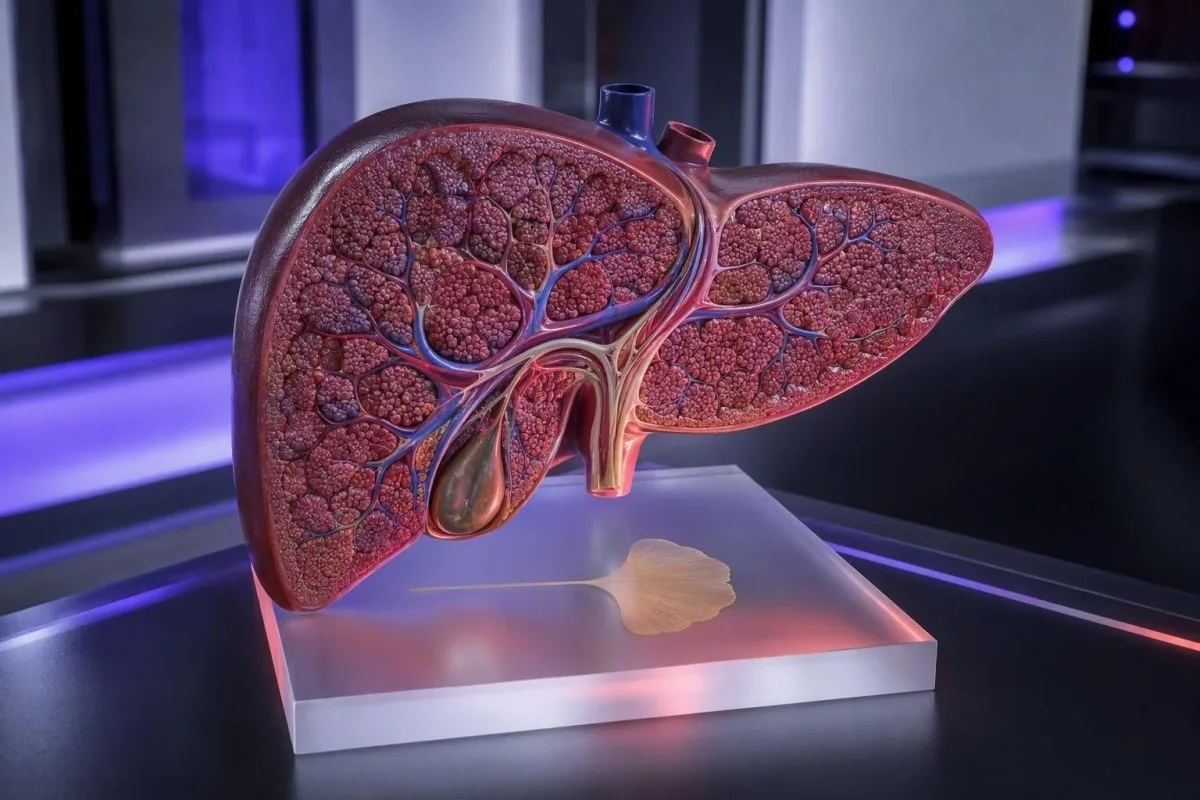
ALT é uma enzima hepática comumente relatada, mas é um sinal de estresse celular em vez de um diagnóstico. O significado vem de seu tamanho, padrão, tempo e o restante do seu painel hepático.


- Significado de ALT: ALT significa alanina aminotransferase, uma enzima medida em UI/L que está concentrada nas células hepáticas.
- Faixa típica: Muitos laboratórios adultos usam um limite superior de ALT de 35 UI/L para mulheres e 45 UI/L para homens, embora o intervalo do próprio laudo seja decisivo.
- Elevação leve: ALT abaixo de 2 vezes o limite superior do laboratório é comum e geralmente justifica uma repetição planejada, não pânico.
- o padrão importa: ALT com AST, ALP, GGT, bilirrubina ou INR elevados significa algo diferente de elevação isolada de ALT.
- Efeito do exercício: Treinamento de força pesado pode aumentar ALT e AST por 7 dias ou mais, particularmente quando a creatina quinase também está alta.
- Revisão de medicação: Acetaminofeno, estatinas, antibióticos, medicamentos anticonvulsivantes, suplementos e produtos à base de ervas podem afetar a ALT.
- Sintomas urgentes: Icterícia, confusão, dor intensa na parte superior direita do abdômen, vômitos repetidos ou urina muito escura necessitam de avaliação clínica no mesmo dia.
- Valor de referência: Um ALT em queda após a remoção de um gatilho é geralmente mais tranquilizador do que um único resultado limítrofe isolado.
O que ALT significa em um exame de sangue
ALT significa alanina aminotransferase, uma enzima que ajuda as células a transferir grupos amino durante o metabolismo energético. É medida porque a ALT entra na circulação quando as células do fígado estão sob estresse ou lesionadas; ela não prova, por si só, danos hepáticos permanentes.
A ALT é encontrada principalmente dentro dos hepatócitos, as células de trabalho do fígado, embora pequenas quantidades ocorram no músculo esquelético e outros tecidos. Um resultado elevado significa que mais enzima atingiu a amostra do que o esperado; não pode identificar fígado gorduroso, hepatite, lesão por medicação ou exercício sem evidências concomitantes.
Na minha prática clínica, a primeira pergunta mais útil não é “quão alto está?”, mas “alto em comparação com qual linha de base e quais outros marcadores?”. Um ALT de 58 UI/L após uma nova rotina de ginástica é um problema diferente de ALT 58 UI/L com bilirrubina 65 µmol/L e olhos amarelados.
Kantesti é um Analisador de teste de sangue de IA que lê ALT juntamente com AST, FA, GGT, bilirrubina, albumina, contagem de plaquetas, medicamentos e resultados anteriores, em vez de tratar um valor sinalizado como um diagnóstico. Para um mapa mais amplo de medições relacionadas, consulte nosso guia de biomarcadores.
Por que o nome mais antigo SGPT pode aparecer
Alguns relatórios ainda chamam ALT de “transaminase glutâmica-pirúvica sérica” ou SGPT. ALT e SGPT referem-se ao mesmo teste enzimático, embora os relatórios de laboratório modernos geralmente usem ALT.
Por que os clínicos medem a alanina aminotransferase
Os médicos solicitam um teste de alanina aminotransferase para detectar estresse hepatocelular, monitorar doenças hepáticas conhecidas e verificar lesões relacionadas a medicamentos. A ALT é frequentemente incluída em um painel hepático ou painel metabólico abrangente, mesmo quando uma pessoa não tem sintomas.
A ALT é comumente verificada durante avaliações de diabetes ou lipídios porque a doença hepática esteatótica associada à disfunção metabólica, anteriormente chamada de doença hepática gordurosa, pode ser silenciosa por anos. As orientações da AASLD de 2023 aconselham a avaliação de pessoas com fatores de risco metabólico e elevação inexplicada de enzimas hepáticas para doença hepática esteatótica e risco de fibrose (Rinella et al., 2023).
Um ALT normal não exclui fibrose significativa, e um ALT alto não mede o estágio da fibrose. Já vi pacientes com ALT de 24 UI/L e cicatrização significativa em avaliação especializada, particularmente com diabetes tipo 2; escores de fibrose e imagem respondem a uma pergunta diferente.
O monitoramento da ALT também é prático após uma alteração de medicação, mas deve ser programado criteriosamente. Nosso guia para exames de sangue anuais explica por que a frequência dos testes deve seguir o risco, os sintomas e o tratamento, em vez de apenas o hábito.
Faixas normais de ALT e por que os limites de laboratório variam
Os intervalos de referência de ALT para adultos geralmente variam de cerca de 7 a 35 UI/L para mulheres e 10 a 45 UI/L para homens, mas os intervalos variam de acordo com o ensaio, a população e o laboratório. Sempre use o limite superior impresso ao lado do seu próprio resultado em vez de um limite da internet.
O limite superior é estatístico, geralmente derivado de uma população de referência, não uma garantia de que todo valor abaixo dele reflete um fígado totalmente saudável. Alguns laboratórios europeus usam limites superiores específicos para sexo próximos a 25 UI/L para mulheres e 35 UI/L para homens, o que pode identificar o risco metabólico mais cedo, mas também criar mais alertas limítrofes.
Um valor abaixo de duas vezes o limite superior do normal é frequentemente chamado de elevação leve. Para um laboratório com um limite superior de 40 UI/L, ALT de 55 a 80 UI/L merece contexto e geralmente um plano de repetição, enquanto ALT de 400 UI/L é 10 vezes o limite superior e muda a urgência.
O Dr. Thomas Klein aconselha os pacientes a anotarem o nome do laboratório, unidades, faixa de referência, data da coleta, ingestão de álcool e exercícios na semana anterior. Isso torna as diferenças nos resultados entre as consultas muito mais interpretáveis.
Como ALT e AST trabalham juntos
ALT e AST devem ser interpretados em conjunto porque a ALT é relativamente focada no fígado, enquanto a AST também é abundante nos músculos esqueléticos e cardíacos. Uma relação AST/ALT pode sugerir padrões, mas não pode diagnosticar isoladamente doença relacionada ao álcool ou cirrose.
Quando a ALT excede a AST, os clínicos frequentemente consideram esteatose metabólica, hepatite viral ou efeitos de medicamentos, embora haja muitas exceções. Uma relação AST:ALT acima de 2 pode ocorrer em lesão hepática associada ao álcool, mas fibrose avançada, lesão muscular e tempo após um insulto agudo também podem alterar a relação.
Um corredor de maratona de 52 anos com AST 89 UI/L, ALT 61 UI/L e creatina quinase 1.450 UI/L após uma corrida necessita de uma conversa diferente da de alguém com as mesmas enzimas e creatina quinase 90 UI/L. A razão pela qual nos preocupamos com AST mais CK elevada é a liberação muscular; a ALT isolada é menos específica para músculos, mas também pode aumentar.
Para o lado muscular desta distinção, leia a nossa explicação sobre sintomas de AST elevada. Se a atividade física for um gatilho plausível, evite treinamento incomumente extenuante por 7 dias antes da repetição, a menos que seu médico indique o contrário.
Por que ALP, GGT e bilirrubina alteram o significado de ALT
A ALT indica um padrão hepatocelular, enquanto a fosfatase alcalina, GGT e bilirrubina ajudam a identificar colestase ou fluxo biliar prejudicado. ALT com ALP e GGT elevadas deve levar à consideração de doença das vias biliares, efeitos de medicamentos ou inflamação hepática, em vez de assumir fígado gorduroso simples.
Um clínico pode calcular uma razão R: ALT dividida pelo seu limite superior, depois dividida por ALP dividida pelo seu limite superior. Uma razão R de 5 ou superior apoia lesão hepatocelular, 2 ou inferior apoia lesão colestática e 2 a 5 sugere um padrão misto; esta é uma ferramenta de triagem, não um diagnóstico final.
A GGT é útil quando a ALP está elevada porque a elevação da GGT apoia uma fonte hepatobiliar, enquanto a ALP também pode aumentar com a renovação óssea. Um aumento isolado da ALP com GGT normal pode, portanto, levar a questões sobre ossos e vitamina D, em vez de imagem hepática.
Urina escura, fezes pálidas, coceira, febre ou icterícia com bilirrubina elevada não são sintomas de “esperar pelo próximo exame anual”. Nosso guia do padrão de colestase explica as combinações que devem ser avaliadas prontamente.
Causas comuns de ALT elevada
A elevação da ALT reflete mais frequentemente doença hepática metabólica esteatósica, exposição ao álcool, hepatite viral, efeitos de medicamentos ou um aumento temporário relacionado ao exercício. A probabilidade de cada causa muda com o peso corporal, glicose, triglicerídeos, padrão de consumo de álcool, viagens, medicamentos e o tamanho da elevação.
A doença hepática metabólica esteatósica é especialmente provável quando a elevação da ALT acompanha ganho de peso central, triglicerídeos acima de 150 mg/dL, baixo HDL colesterol, glicose de jejum elevada ou diabetes tipo 2. Pode ocorrer em pessoas com corpos menores também, particularmente com gordura visceral, genética, apneia do sono ou certos medicamentos.
O teste de hepatite viral depende da exposição e do risco, não apenas do ALT. O antígeno de superfície da hepatite B e o anticorpo contra a hepatite C com teste confirmatório de RNA são partes padrão de uma avaliação focada quando o histórico, a geografia ou o padrão enzimático o suportam; nosso guia de hepatite C cobre o caminho usual.
Causas menos comuns, mas importantes, incluem hemocromatose, hepatite autoimune, doença de Wilson em pessoas mais jovens, doença celíaca e deficiência de alfa-1 antitripsina. O Dr. Thomas Klein já viu o dano de assumir que todo ALT elevado é relacionado ao álcool; uma investigação estruturada é mais gentil e mais precisa.
Medicamentos e suplementos que podem aumentar a ALT
Medicamentos e suplementos podem elevar o ALT por lesão hepática direta, alteração do fluxo biliar, efeitos metabólicos ou coincidência não relacionada. Não interrompa um medicamento prescrito abruptamente por causa de um resultado; contate o prescritor que pode ponderar o benefício do medicamento contra o padrão e a tendência.
O acetaminofeno, também chamado paracetamol, pode causar elevação acentuada do ALT em overdose e, às vezes, alterações mais leves em alta exposição terapêutica. Para a maioria dos adultos, o máximo usual é de 4.000 mg por dia, mas muitos médicos recomendam um limite inferior para pessoas que consomem álcool regularmente, têm doença hepática, são mais velhas ou usam remédios combinados para resfriado.
As estatinas podem produzir pequenos aumentos de ALT, mas lesões hepáticas graves relacionadas a estatinas são raras; interromper um medicamento cardiovascular sem aconselhamento pode ser mais arriscado do que o alerta enzimático. A diretriz do ACG recomenda confirmar anormalidades nas químicas hepáticas e fazer um histórico cuidadoso de prescrições, medicamentos de venda livre e suplementos antes de testes extensivos (Kwo et al., 2017).
Extrato de chá verde, produtos anabolizantes, vitamina A em altas doses, pós “detox” multingredientes e suplementos não regulamentados para fisiculturismo merecem perguntas específicas porque os rótulos podem ser incompletos. Revise nosso guia prático de segurança de suplementos antes de adicionar um novo produto.
O exercício pode aumentar temporariamente a ALT?
Sim, o exercício extenuante pode aumentar temporariamente o ALT, particularmente após treinamento de resistência não familiar, eventos de resistência ou lesão muscular. AST e creatina quinase geralmente aumentam mais proeminentemente, e os valores podem levar de 3 a 10 dias para se normalizarem, dependendo da intensidade do exercício e da massa muscular.
O equívoco comum é que um ALT elevado sempre significa dano hepático. Na prática, uma sessão intensa envolvendo levantamento excêntrico – movimentos de abaixamento lentos – pode desorganizar as membranas musculares o suficiente para alterar AST, ALT, LDH e CK sem um distúrbio hepático intrínseco.
Para uma nova verificação limpa, geralmente peço a pacientes estáveis e bem que evitem treinamento vigoroso por 5 a 7 dias, evitem álcool por vários dias, mantenham a hidratação normal e usem o mesmo laboratório, se possível. Isso não é apropriado se houver sintomas de alerta ou um ALT várias vezes acima do normal; essas situações exigem aconselhamento clínico primeiro.
Kantesti é um Ferramenta de análise de exames de sangue com IA usado em 127+ países que pode comparar ALT, AST, CK e exames anteriores para sinalizar um padrão compatível com exercício sem declará-lo inofensivo. Atletas também podem revisar o momento dos exames de sangue de maratona.
Sintomas que tornam um resultado de ALT mais urgente
A maioria das elevações leves de ALT não causa sintomas, mas icterícia, urina muito escura, fezes pálidas, dor abdominal intensa, confusão, hematomas fáceis ou vômitos persistentes requerem avaliação médica imediata. Os sintomas importam porque podem indicar manuseio prejudicado da bilirrubina, obstrução biliar, hepatite aguda ou redução da função sintética do fígado.
Procure atendimento no mesmo dia para olhos ou pele amarelados, confusão, sonolência nova, dor em rápida piora sob as costelas direitas ou incapacidade de reter líquidos. Esses sintomas têm mais peso quando o ALT está acima de 5 vezes o limite superior, a bilirrubina está elevada ou o INR está prolongado.
A gravidez altera o limiar de preocupação: coceira nas palmas das mãos ou solas dos pés, desconforto no abdômen superior direito, dor de cabeça, distúrbio visual ou pressão alta requerem avaliação obstétrica urgente, mesmo quando o ALT está apenas modestamente elevado. Condições específicas da gravidez exigem um caminho diferente da testagem hepática ambulatorial de rotina.
Alterações na urina podem adicionar pistas, mas não são diagnósticas por si só. Nosso artigo sobre causas de urina escura ajuda a distinguir desidratação e medicamentos de sinais de alerta relacionados à bilirrubina.
O que geralmente acontece após um resultado anormal de ALT
Após um resultado anormal de ALT, os médicos geralmente confirmam o resultado, revisam as exposições e repetem ou expandem o painel com base no tamanho da elevação e nos sintomas. Um único resultado leve geralmente leva a uma repetição em semanas a alguns meses, enquanto elevação acentuada ou icterícia justificam uma avaliação mais rápida.
Uma primeira revisão sensata inclui padrão de álcool, doença recente, alterações no peso corporal, viagens, histórico familiar, medicamentos prescritos e não prescritos, suplementos e exercícios durante os 7 dias anteriores. Testes de acompanhamento comuns incluem AST, ALP, GGT, bilirrubina, albumina, hemograma completo, INR, rastreio de hepatite, ferritina com saturação de transferrina e glicose ou HbA1c.
A ultrassonografia é frequentemente útil para esteatose, cálculos biliares, dilatação do ducto biliar ou alteração estrutural, mas não estagia de forma confiável a fibrose precoce. O FIB-4 usa idade, AST, ALT e contagem de plaquetas para estimar o risco de fibrose; torna-se menos confiável abaixo dos 35 anos e não deve ser usado durante doenças agudas.
Kantesti AI é uma serviço de interpretação de testes do laboratório de IA que organiza esses marcadores relacionados e resultados longitudinais para discussão com um clínico. Nosso explicador do painel hepático mostra o que cada componente de acompanhamento contribui.
Por que as tendências de ALT são mais úteis do que um único número
Uma tendência de ALT é muitas vezes mais informativa do que um único resultado porque mostra se o sinal está resolvendo, persistente ou acelerando. Uma mudança de 72 para 34 IU/L após 6 semanas carrega uma mensagem clínica diferente de 34 para 72 IU/L, mesmo que ambos os números possam estar perto de um limite de laboratório.
Variação biológica, hidratação, variação do ensaio e tempo podem mover modestamente o ALT entre as coletas. Repetir no mesmo laboratório, em um horário semelhante do dia, após atividade e exposição ao álcool comparáveis, reduz o ruído e facilita a identificação de uma mudança real.
Elevação persistente por mais de 6 meses justifica uma avaliação mais deliberada, particularmente com diabetes, obesidade, histórico familiar de doença hepática, declínio plaquetário ou aumento da bilirrubina. Inversamente, um ALT leve e estável em um paciente completamente avaliado pode ser monitorado em vez de perseguido com testes amplos repetidos.
O AI Kantesti interpreta as tendências de ALT com a AST, contagem de plaquetas, bilirrubina e marcadores metabólicos acompanhantes, em vez de tratar uma mudança de 3 IU/L como progressão da doença. Veja nosso guia de testes longitudinais para os detalhes que valem a pena registrar após cada coleta.
Equívocos sobre ALT que podem levar a decisões ruins
O ALT não é um “teste de função hepática” no sentido estrito, pois mede o vazamento da enzima, não a capacidade do fígado de produzir albumina, fatores de coagulação ou bile. Albumina, INR, bilirrubina, contagem de plaquetas, sintomas e exames de imagem podem contar uma história mais consequente do que o ALT isoladamente.
ALT normal não dá permissão para ignorar o consumo excessivo de álcool, diabetes ou um forte histórico familiar de doença hepática. Da mesma forma, o ALT elevado não prova que o álcool foi a causa; essa suposição pode prejudicar a confiança e atrasar o diagnóstico de condições virais, autoimunes, genéticas ou relacionadas a medicamentos.
“Detoxes” hepáticos são outra armadilha comum. O fígado já lida com o metabolismo e a depuração, enquanto jejuns agressivos, ervas não regulamentadas e perda de peso rápida podem, às vezes, piorar os sintomas ou marcadores laboratoriais; a evidência para regimes de desintoxicação comercial é honestamente fraca.
Se a dieta fizer parte da discussão, concentre-se na mudança de peso sustentável, proteína adequada, fibras e redução de alimentos ultraprocessados, em vez de produtos milagrosos. Nossa baseada em evidências guia alimentar para o fígado é um ponto de partida mais seguro.
Interpretação de ALT em crianças, gravidez e idade avançada
A interpretação do ALT necessita de contexto específico da idade em crianças, gravidez e idosos, pois os limites de referência e as causas prováveis diferem. Os limites de ALT pediátricos são frequentemente mais baixos do que os intervalos de laboratório para adultos, e os sintomas hepáticos relacionados à gravidez requerem avaliação mais rápida liderada por especialistas.
Em crianças, a doença hepática esteatótica relacionada à obesidade é cada vez mais reconhecida, mas doenças virais, distúrbios musculares, doença celíaca e condições metabólicas hereditárias devem permanecer no diagnóstico diferencial. Um clínico pediátrico deve interpretar a elevação persistente do ALT em vez de aplicar o raciocínio adulto de “abaixo de 40 IU/L está bem”.
Durante a gravidez, o ALT geralmente deve permanecer dentro do intervalo de referência não grávida; um aumento com hipertensão, plaquetas baixas, coceira ou náuseas necessita de avaliação imediata para distúrbios específicos da gravidez. A albumina geralmente cai devido à expansão do volume plasmático, portanto, a albumina e o ALT não devem ser interpretados com a mesma lógica.
Em idosos, a polifarmácia e a fragilidade aumentam o valor de uma revisão completa dos medicamentos. Nosso guia de laboratório de medicação sênior descreve as perguntas a serem levadas à consulta.
Usando a interpretação de IA com segurança para resultados de ALT
A IA pode ajudar a organizar um resultado de ALT, mas não pode examiná-lo, verificar sintomas ou substituir a avaliação médica para um padrão hepático potencialmente grave. O uso mais seguro é a preparação: identificar o padrão, preservar o relatório original e levar perguntas focadas a um médico qualificado.
A partir de 5 de setembro de 2026, Kantesti é um plataforma de interpretação de exame de sangue da AI que analisa relatórios de laboratório carregados em aproximadamente 60 segundos e coloca a ALT no contexto de valores relacionados, histórico de tendências e medicamentos relatados. Ele foi projetado para melhorar a qualidade das perguntas, não para emitir um diagnóstico ou prescrever tratamento.
Para precisão, verifique se a imagem do relatório está legível, se as unidades foram capturadas corretamente e se um resultado de um ano anterior não foi confundido com o valor de hoje. A abordagem clínica de Kantesti é moldada pela supervisão médica; os leitores podem revisar nosso padrões de validação médica e Conselho Consultivo Médico ao decidir como usar a interpretação assistida por IA.
Leve três coisas para uma revisão: o painel completo, uma lista de todos os medicamentos e suplementos com doses e um cronograma de consumo de álcool, doenças, viagens e exercícios intensos. Essa preparação modesta geralmente evita alarme desnecessário e impede que um padrão significativo seja perdido.
Uma lista de verificação prática antes do seu próximo teste de ALT
Antes de um novo teste de ALT planejado, mantenha sua rotina estável e documente fatores que podem alterar as enzimas. Evite treinamento pesado por 5 a 7 dias, onde clinicamente seguro, evite álcool por vários dias e não altere os medicamentos prescritos, a menos que o médico prescriptor lhe diga para fazê-lo.
Registre qualquer uso de acetaminofeno ou paracetamol, antibióticos, novos suplementos, febre recente, gastroenterite, vacinas, jejum e rápida mudança de peso. O jejum geralmente não é necessário apenas para ALT, embora possa ser solicitado se glicose, triglicerídeos ou outros testes estiverem sendo medidos na mesma visita.
Pergunte ao médico se a repetição da ALT deve incluir AST, ALP, GGT, bilirrubina, albumina, plaquetas e CK. A resposta geralmente depende do primeiro padrão; uma ALT isolada de 48 UI/L após musculação não precisa da mesma investigação que ALT 248 UI/L com bilirrubina 48 µmol/L.
Se precisar de ajuda para montar perguntas a partir do seu relatório, nosso checklist de precisão do relatório de IA é útil antes da consulta. Para informações organizacionais sobre nosso trabalho, consulte Sobre Kantesti.
Perguntas frequentes
O que significa ALT nos resultados de exames?
ALT significa alanina aminotransferase, uma enzima encontrada predominantemente nas células hepáticas e medida em unidades internacionais por litro (UI/L). Muitos laboratórios utilizam limites superiores em torno de 35 UI/L para mulheres adultas e 45 UI/L para homens adultos, embora o intervalo de referência impresso no relatório individual seja o comparador correto. Um ALT elevado sinaliza estresse ou lesão celular, mas não pode identificar a causa por si só. AST, ALP, GGT, bilirrubina, medicamentos, álcool, exercício e sintomas determinam o significado do resultado.
O ALT está 50 UI/L alto?
ALT de 50 UI/L está levemente elevada em laboratórios com limite superior de 35 ou 40 UI/L, mas está próxima do normal em alguns laboratórios com limite superior de 55 UI/L. Um valor em torno de 50 UI/L geralmente é menos urgente quando bilirrubina, FA, INR e sintomas estão normais, embora ainda mereça contexto e, muitas vezes, repetição. Exercício físico recente com pesos, álcool, esteatose metabólica, medicamentos e suplementos são explicações comuns. Elevação persistente além de 6 meses justifica uma revisão clínica estruturada.
O exercício pode aumentar os níveis de ALT?
Exercícios extenuantes podem elevar ALT, AST, LDH e creatina quinase porque o músculo esquelético libera enzimas após esforço intenso ou incomum. O aumento pode persistir por 3 a 10 dias, com AST e creatina quinase frequentemente aumentando mais que ALT. Evitar atividade incomumente extenuante por 5 a 7 dias antes de uma repetição planejada pode esclarecer se o exercício contribuiu. Elevação acentuada de ALT, icterícia, dor intensa ou urina escura ainda requerem aconselhamento médico imediato em vez de assumir que o exercício é o responsável.
O que é mais importante, ALT ou AST?
Nem ALT nem AST são universalmente mais importantes porque o par fornece mais informações do que qualquer um dos resultados isoladamente. O ALT é mais focado no fígado, enquanto o AST também está presente no músculo esquelético e pode aumentar substancialmente após exercício ou lesão muscular. Uma relação AST/ALT acima de 2 pode ocorrer com lesão hepática associada ao álcool, mas não é diagnóstica e também pode aparecer com fibrose avançada ou liberação muscular. Os médicos interpretam ambos os valores com GGT, FA, bilirrubina, creatina quinase, contagem de plaquetas e o histórico clínico.
Quando um resultado elevado de ALT deve ser tratado como urgente?
Um resultado elevado de ALT requer avaliação urgente quando é superior a 5 vezes o limite superior do laboratório, aumenta rapidamente, ou ocorre com icterícia, confusão, dor intensa no quadrante superior direito do abdómen, vómitos persistentes, equimoses fáceis ou urina muito escura. Elevação da bilirrubina, um INR prolongado, hipoglicemia ou plaquetas baixas podem aumentar a preocupação porque podem indicar mais do que uma libertação enzimática isolada. Comichão relacionada com a gravidez, dor de cabeça, sintomas visuais ou hipertensão com elevação de ALT também requer avaliação obstétrica urgente. Um resultado isolado ligeiro abaixo de 2 vezes o limite superior é geralmente avaliado com menos urgência, mas não deve ser ignorado.
O fígado gordo pode causar ALT elevada?
A esteatose hepática associada à disfunção metabólica é uma causa comum de elevação leve da ALT, especialmente com triglicerídeos acima de 150 mg/dL, glicose elevada, diabetes tipo 2, ganho de peso central ou baixo colesterol HDL. A ALT pode ser normal apesar da gordura ou fibrose hepática, portanto, um resultado normal não exclui doença clinicamente relevante. A orientação da AASLD de 2023 apoia a avaliação do risco de fibrose em pessoas com fatores de risco metabólicos e elevação enzimática inexplicada. O controle de peso sustentável, o controle do diabetes, a redução do álcool e o monitoramento direcionado pelo clínico são mais baseados em evidências do que produtos de desintoxicação.
Faça hoje a análise de exame de sangue com IA
Junte-se a mais de 2 milhões de usuários no mundo todo que confiam na Kantesti para análise instantânea e precisa de exames laboratoriais. Envie seus resultados de exame de sangue e receba uma interpretação abrangente de biomarcadores 15,000+ em segundos.
📚 Publicações de pesquisa referenciadas
Klein, T., Mitchell, S., & Weber, H. (2026). Guia de tipo sanguíneo B negativo, teste de sangue de LDH e contagem de reticulócitos. Pesquisa Médica por IA da Kantesti.
Klein, T., Mitchell, S., & Weber, H. (2026). Diarreia após jejum, pontos pretos nas fezes e guia GI 2026. Pesquisa Médica por IA da Kantesti.
📖 Referências Médicas Externas
⚕️ Aviso Médico
Este artigo é apenas para fins educacionais e não constitui aconselhamento médico. Consulte sempre um profissional de saúde qualificado para decisões de diagnóstico e tratamento.
Sinais de confiança E-E-A-T
Experiência
Revisão clínica orientada por médicos dos fluxos de interpretação de exames laboratoriais.
Especialização
Foco em medicina laboratorial sobre como os biomarcadores se comportam no contexto clínico.
Autoridade
Escrito pelo Dr. Thomas Klein, com revisão da Dra. Sarah Mitchell e do Prof. Dr. Hans Weber.
Confiabilidade
Interpretação baseada em evidências, com caminhos de acompanhamento claros para reduzir alarmes.