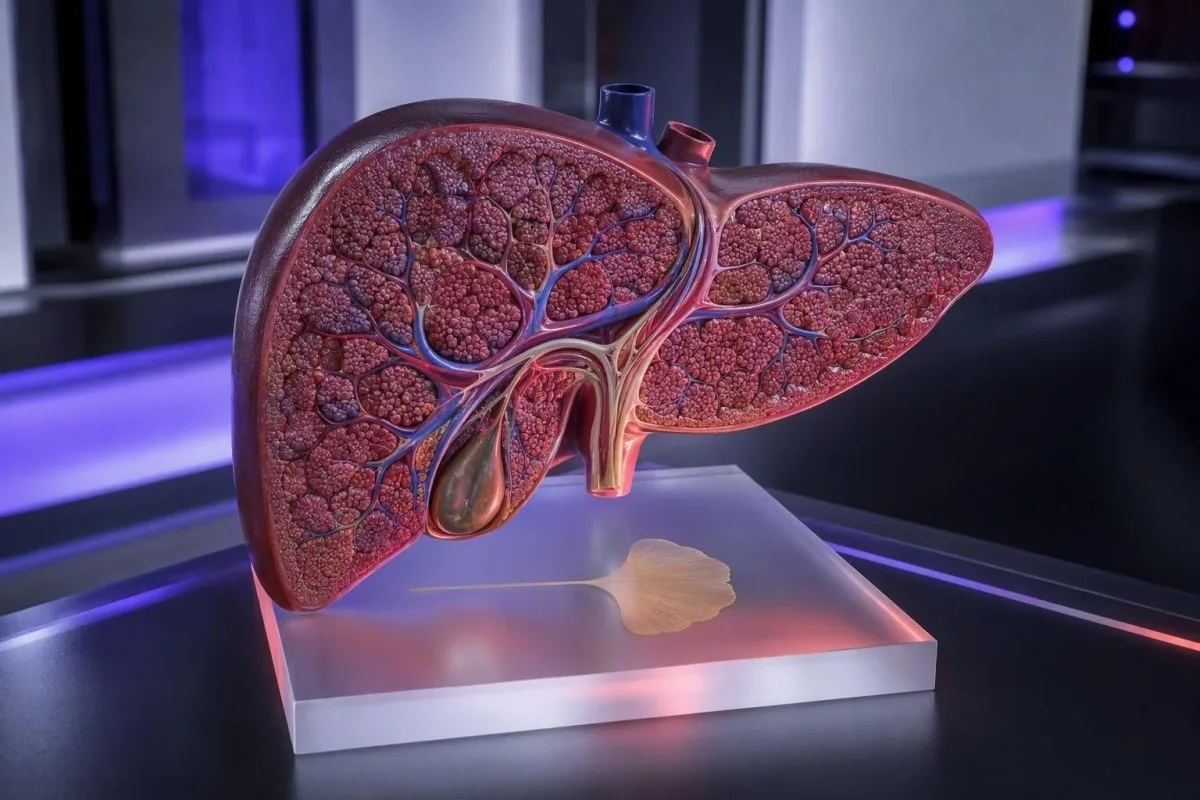
ALT gibeleko entzima bat da, baina diagnostiko bat baino gehiago zelulen estresaren seinale da. Esanahia bere tamainatik, patroitik, denboratik eta gainerako gibel-paneletik dator.


- ALT esanahia: ALT alanina aminotransferasaren laburdura da, IU/L-tan neurtzen den entzima bat, gibeleko zeluletan kontzentratua dagoena.
- Ohiko tartea: Helduen laborategi askok 35 IU/L-ko altuera-muga erabiltzen dute emakumeentzat eta 45 IU/L-koa gizonezkoentzat, nahiz eta txostenaren berezko tartea erabakigarria den.
- Gorakada arina: Laborategiko goiko mugaren 2 aldiz baino txikiagoa den ALT ohikoa da eta askotan errepikapen planifikatua merezi du, ez izua.
- Ereduak garrantzia du: ALT, AST, ALP, GGT, bilirubina edo INR altuekin, ALT isolatuaren igoera baino zerbait desberdina esan nahi du.
- Ariketaren eragina: Erresistentzia-entrenamendu astunak ALT eta AST igo ditzake 7 egun edo gehiagoz, batez ere kreatina kinasa ere altua denean.
- Botiken berrikuspena: Azetaminofenoak, estatinek, antibiotikoek, antiepileptikoek, osagarriek eta produktu herbalek ALT-ari eragin diezaiokete.
- Sintoma larrigarriak: Ikterizia, nahasmena, sabeleko goiko eskuineko mina larria, behazun errepikatua edo gernu oso iluna egun berean ebaluazio klinikoa behar dute.
- Joera-balioa: ALT jaisten bada koska sortzaile bat kendu ondoren, ohikoagoa da lasaigarria izatea isolatutako muga-emaitza bat baino.
Zereginak ALT-k esan nahi du odol-proban
ALT alanina aminotransferasaren akronimoa da, energia metabolismoan amino-taldeen transferentzia egiten laguntzen duen entzima bat. Neurtzen da, koska ALT zirkulaziora sartzen denean gibeleko zelulak estresatuta edo kaltetuta daude; ez du, berez, gibeleko kalte iraunkorra frogatzen.
ALT batez ere hepatizitoen barruan aurkitzen da, gibeleko zelula funtzionalak, nahiz eta kantitate txikiak giharretan eta beste ehun batzuetan agertu.EMAITZA ALT altxatua esan nahi du espero baino gehiago entzima iritsi dela laginera; ez du koipe gibelik, hepatitisik, botiken kalterik edo ariketarik identifikatzen, froga osagarririk gabe.
Nire praktika klinikoan, lehen galdera erabilgarriena ez da “zenbat altua da?” baizik eta “zertarako oinarrizko eta beste markatzaile batzuekiko altua?” 58 IU/L-ko ALT berriro gimnasio errutina baten ondoren, ALT 58 IU/L arazo bat da, 65 µmol/L bilirubinarekin eta begi horiekin.
Kantesti bat da. AI odol-analisi analizatzailea ALT AST, ALP, GGT, bilirrubina, albumina, plaketen kopurua, botikak eta aurreko emaitzak irakurtzen ditu, balio aipagarri bat diagnostiko gisa tratatu beharrean. Neurketa erlazionatuen mapa zabalago bat ikusteko, ikusi gure biomarkatzaile-gidak.
Zergatik ager daitekeen SGPT izen zaharra
Txosten batzuek oraindik ALT “serum glutamic-pyruvic transaminase” edo SGPT. deitzen dute. ALT eta SGPT entzima-proba bera dira, nahiz eta laborategiko txosten modernoek normalean ALT erabiltzen duten.
Zergatik neurtzen dute klinikariek alanina aminotransferasa
Klinikoek alanina aminotransferasa proba bat eskatzen dute hepatikoen estresa detektatzeko, gibeleko gaixotasun ezaguna kontrolatzeko eta botiken kalteak aztertzeko. ALT maiz sartzen da gibeleko panelean edo odol-analisi metaboliko zabalean, pertsona batek sintomarik ez duenean ere.
ALT ohikoagoa da diabetesa edo lipiduen berrikuspenetan, estadioko gibeleko gaixotasun metropolitarrak, lehen koipe-gibeleko gaixotasuna deitua, urteetan zehar ezkutuan egon daitekeelako. 2023ko AASLD gidalerroek arrisku faktore metropolitarrak eta azaldu gabeko gibeleko entzimen altxaketa duten pertsonen ebaluazioa gomendatzen dute estadioko gibeleko gaixotasuna eta fibrosi-arriskua ebaluatzeko (Rinella et al., 2023).
ALT normal batek ez du fibrosi esanguratsua baztertzen, eta ALT altuak ez du fibrosi-etapa neurtzen. Ikusi ditut pazienteak ALT 24 IU/L eta orbain esanguratsua dutenak espezialisten ebaluazioan, batez ere 2. motako diabetesarekin; fibrosi-puntuazioek eta irudiek beste galdera bat erantzuten dute.
ALTren jarraipena ere praktikoa da botiken aldaketaren ondoren, baina pentsamendu handiz antolatu behar da. Gure gida urteroko odol-analitikoak argitzen du zergatik probak egiteko maiztasunak arriskua, sintomak eta tratamendua jarraitu behar dituen ohitura bakarrik baino gehiago.
ALT tarte normalak eta zergatik aldatzen diren laborategiko mugak
Helduen ALT erreferentzia-tarteak normalean 7 eta 35 IU/L artean egoten dira emakumezkoentzat eta 10 eta 45 IU/L artean gizonezkoentzat, baina tarteak aldatu egiten dira probaren arabera, populazioaren arabera eta laborategiaren arabera. Erabili beti zure emaitzaren ondoan inprimatutako goiko muga, interneteko etenaldi bat baino gehiago.
Goiko muga estatistikoa da, normalean erreferentzia-populazio batetik aterata, ez bermea, beheko balio oro gibel osasuntsu bat erabat islatzen duenik. Europako laborategi batzuek sexuari dagozkion goiko mugak erabiltzen dituzte emakumezkoentzat 25 IU/L ingurukoa eta gizonezkoentzat 35 IU/L ingurukoa, eta horrek arrisku metropolitarra lehenago identifika dezake baina baita muga gehiago sortu ere.
Muga normalaren bikoitza baino gutxiagoko balioa sarri altualdi arina deitzen zaio. 40 IU/L-ko muga duten laborategi baterako, ALT 55 eta 80 IU/L artekoak testuingurua eta normalean errepikatzeko plan bat merezi ditu, aldiz, ALT 400 IU/L-koa muga baino 10 aldiz handiagoa da eta premia aldatzen du.
Klein doktoreak pazienteei eskatzen diezaie laborategiaren izena, unitateak, tartea, hartzeko eguna, alkoholaren kontsumoa eta aurreko asteko ariketa fisikoa gordetzeko. Honek bisita batzuen arteko emaitzen aldeak askoz ere interpretagarriago bihurtzen ditu.
Nola lan egiten duten ALT eta AST-k elkarrekin
ALT eta AST elkarrekin interpretatu behar dira, ALT neuronen artean gibelari dagokionez espezifikoa den bitartean, AST muskulu eskeletikoan eta bihotzeko muskuluetan ere ugari baitago. AST/ALT ratioak ereduak iradoki ditzake, baina ez du bakarrik diagnostikatzen alkoholarekin lotutako gaixotasuna edo zirrosia.
ALT ASTren gainetik dagoenean, klinikoek sarritan koipe-metabolismoaren nahastea, hepatitis birikoa edo botiken eraginak kontuan hartzen dituzte, nahiz eta salbuespen ugari egon. AST:ALT ratioa 2 baino handiagoa izan daiteke alkoholarekin lotutako gibeleko lesioetan, baina fibrosi aurreratuak, muskulu-lesioak eta lesio akutu baten ondorengo denbora ere ratioa alda dezakete.
AST 89 IU/L, ALT 61 IU/L eta kreatina kinasa 1.450 IU/L dituen 52 urteko maratoi-lasterkari batek lasterketa baten ondoren, besteak beste, entzima berdinak eta kreatina kinasa 90 IU/L dituen pertsona batengandik desberdin hitz egin behar du. AST eta CK altuaren kezka muskuluetako askapenagatik da; ALT bakarrik ez da hain espezifikoa muskuluetarako, baina igo egin daiteke.
Bereizketa honen muskulu-alderako, irakurri gure azalpena AST altuaren sintomak. Ariketa fisikoa eragile posible bada, saihestu aparteko entrenamendu intentsiboa errepikatu aurreko 7 egunetan, zure medikuak bestela aholkatzen ez badizu.
Zergatik aldatzen duten ALP, GGT eta bilirubinak ALT-ren esanahia
ALT-k eredu hepatozelularra adierazten du, bitartean, fosfatasa alkalinoak, GGT eta bilirrubinak kolestasia edo behazun-jarioaren nahastea identifikatzen laguntzen dute. ALT gehi ALP eta GGT altuak behazun-hodien gaixotasuna, botiken eraginak edo hantura hepatikoa kontuan hartu beharko lirateke, koipe-gibela sinplea dela suposatu beharrean.
Mediku batek R ratio bat kalkula dezake: ALT bere goiko mugarekin zatituta, gero ALP bere goiko mugarekin zatituta. 5 edo gehiagoko R ratioak lesio hepatozelularra babesten du, 2 edo gutxiagok lesio kolestatikoa babesten du, eta 2 eta 5 artekoak eredu mistoa iradokitzen du; hau triaje tresna bat da, ez azken diagnostiko bat.
GGT erabilgarria da ALP handituta dagoenean, GGT igoera iturri hepatobiliar bat babesten duelako, bitartean ALP hezurren txandakatzeagatik ere igo daiteke. Beraz, ALP igoera isolatu batek GGT normalarekin gibelaren irudiak baino hezurrei eta D bitaminari buruzko galderak sor ditzake.
Pixa iluna, taburete argiak, azkura, sukarra edo icterizia bilirrubina handituarekin ez dira “hurrengo urteko probetarako itxaron” sintomak. Gure kolestasi-ereduaren gida azkar ebaluatu behar diren konbinazioak azaltzen ditu.
ALT maila altuaren kausa arruntak
ALT altua gehienbat koipe-metabolismoaren gibel-gaixotasuna, alkoholaren eraginak, hepatitis birikoa, botiken eraginak edo ariketa fisikoarekin lotutako behin-behineko igoera islatzen du. Kausa bakoitzaren probabilitatea gorputzaren pisuaren, glukosaren, triglizeridoen, alkoholaren ereduaren, bidaiaren, botiken eta igoeraren tamainaren arabera aldatzen da.
Koipe-metabolismoaren gibel-gaixotasuna bereziki probablea da ALT igoerak pisuaren metaketa zentrala, 150 mg/dL baino gehiagoko triglizeridoak, HDL kolesterol baxua, glukosa baraualdian handitua edo 2. motako diabetesa laguntzen badu. Gorputz txikiagoa duten pertsonetan ere gerta daiteke, batez ere koipe baskularrarekin, genetikarekin, apnea edota botika batzuekin.
Birus hepatitisaren azterketak esposizioaren eta arriskuaren araberakoak dira, ez ALT bakarrik. Hepatitis B azaleraren antigenoa eta hepatitis C-ren aurkako antigorputzak, RNA azterketa baieztagarriarekin, ebaluazio bideratu baten zati estandarrak dira, historia, geografia edo entzima-ereduak laguntzen duenean; gure hepatitis C gidak ohiko bidea biltzen du.
Kausa arraroagoak baina garrantzitsuak dira hemokromatosia, hepatitis autoimmunea, Wilsonen gaixotasuna gazteetan, zeliakia eta alfa-1 antitripsina gabezia. Thomas Klein doktoreak ikusi du alkoholarekin lotutako ALT altxatze oro suposatzearen kaltea; lan sakon bat egitea adeitsuagoa eta zehatzagoa da.
ALT-a igo dezaketen sendagaiak eta osagarriak
Botikek eta osagarriek ALT igo dezakete gibeleko kalte zuzenaren, behazun-jariaketa aldatzearen, efektu metabolikoen edo ustekabeko kointzidentzia baten bidez. Ez eten agindutako botika bat bat-batean emaitza baten ondorioz; jarri harremanetan medikuarekin, hark botiken onura baloratu dezan ereduaren eta joeraren aurrean.
Azetaminofenoak, paracetamol izenez ere ezaguna, ALT igoera nabarmena sor dezake gehiegizko dosian eta batzuetan aldaketa leunagoak terapia-esposizio altuetan. Heldu gehienentzat, ohiko gehienezko dosia 4.000 mg eguneko da, baina kliniko askok dosi txikiagoa gomendatzen dute alkohola aldizka edaten dutenentzat, gibeleko gaixotasuna dutenentzat, adinekoentzat edo hotzerako konbinazio-erremedioak erabiltzen dituztenentzat.
Statinek ALT igoera txikiak sor ditzakete, hala ere, statinekin lotutako gibeleko kalte larria arraroa da; bihotzeko botika bat eten gabe aholkurik gabe uztea entzimen markatzailea baino arriskutsuagoa izan daiteke. ACGren jarraibideek gibeleko kimikak aztertzea eta sendagaien, erosketa libreko eta osagarrien historia zehatza hartzea gomendatzen dute probak zabaldu aurretik (Kwo et al., 2017).
Te berdearen extractak, produktu anabolikoek, A bitamina dosi altuek, “detox” hauts konposatu anitzek eta gorputz-osasuneko osagarri erregulatu gabekoek galdera zehatzak merezi dituzte, etiketak osatugabeak izan baitaitezke. Berrikusi gure osagarrien segurtasun gida praktikoa produktu berri bat gehitu aurretik.
Ariketa fisikoak aldi baterako ALT igo dezake?
Bai, ariketa fisiko biziak aldi baterako ALT areagotu dezake, batez ere ezagutzen ez den erresistentzia-entrenamenduaren, iraunkortasun-ekitaldien edo muskulu-lesioen ondoren. AST eta kreatina kinasa nabarmenago igotzen dira normalean, eta balioek 3 eta 10 egun arte behar izan ditzakete finkatzeko, ariketa fisikoaren intentsitatearen eta muskulu-masaren arabera.
Uste oker ohikoena da ALT altxatzeak beti gibeleko kaltea esan nahi duela. Praktikan, saio gogor batek, batez ere diziplina motelak egiteak, muskulu-mintzak nahikoa nahas ditzake AST, ALT, LDH eta CK aldatzeko gibeleko nahasmendu intrintsekorik gabe.
Berrikuspen garbi baterako, normalean paziente egonkor eta ondo daudenei eskatzen diet entrenamendu biziak 5 eta 7 egun arte ez egiteko, alkohola egun batzuk ez edateko, hidratazioa normal mantentzeko eta ahal bada laborategi bera erabiltzeko. Hau ez da egokia gorri-banderaren sintomak badaude edo ALT tartearen gainetik hainbat aldiz badago; egoera horiek mediku-aholkuak behar dituzte lehenik.
Kantesti bat da. AI bidezko odol-analisien analisi-tresna 127+ herrialdeetan erabilia, ALT, AST, CK eta aurreko marrazketak alderatu ditzakeena, ariketa bateragarri den eredu bat markatzeko, hori kaltegabea dela adierazi gabe. Kirolariek ere berrikus dezakete maratoiko odol analisiak egiteko garaia.
ALT emaitza bat premiazkoago egiten duten sintomak
ALT altxatze leun gehienek ez dute sintomarik sortzen, baina icterizia, gernu oso iluna, aulki zurbila, sabeleko mina larria, nahasmena, ubeldura erraza edo botaka iraunkorrak premiazko ebaluazio medikoa eskatzen dute. Sintomek balio dute, bilirubinaren tratamendua, behazun-blokeoa, hepatitis akutua edo gibeleko funtzio sintetikoaren murrizketa adieraz dezaketelako.
Bilatu egun bereko arreta begi edo azal horia, nahasmena, logura berria, saihets-eskuinaldeko mina azkar okertzea edo likidoak gordetzeko ezintasuna izanez gero. Sintoma hauek pisua hartzen dute ALT tartearen goiko mugaren bost aldiz gainetik dagoenean, bilirrubina altxatuta dagoenean edo INR luzatuta dagoenean.
Haurdunaldiak kezkarako atalasea aldatzen du: ahurren edo oinen azkura, eskuineko sabelaldeko goiko discomforta, buruko mina, ikusmen-nahasmendua edo odol-presio altua premiazko ebaluazio obstetrikoa behar dute ALT apur bat altxatuta egon arren. Haurdunaldi zehatzeko baldintzek ohiko kanpoko gibeleko azterketekiko bide ezberdina eskatzen dute.
Gernuaren aldaketek pistak gehi ditzakete baina ez dira berez diagnostikoak. Gure artikuluak gernu ilunaren kausen inguruan deshidratazioa eta botikak bilirubinarekin lotutako abisu-seinaleetatik bereizten laguntzen du.
Zer gertatzen den normalean ALT emaitza anormal baten ondoren
ALT emaitza ezohiko baten ondoren, klinikoek normalean emaitza baieztatu, esposizioak berrikusi eta panela errepikatu edo zabaldu egiten dute altxatzearen tamainaren eta sintomen arabera. Emaitza leun bakar bat askotan aste edo hilabete gutxiren buruan berrikustea dakar, altxatze nabarmena edo icterizia azkarreko ebaluazioa merezi du.
Lehen berrikuspen egoki batek barne hartzen ditu aurreko 7 egunetako alkohol-eredua, azken gaixotasuna, gorputz-pisua aldatzea, bidaiak, familia-historia, errezetadun eta errezetarik gabeko drogak, osagarriak eta ariketa fisikoa. Ohiko jarraipen-proba hauek dira: AST, ALP, GGT, bilirubina, albumina, odol-kondeinu osoa, INR, hepatitis-baheketa, ferritina transferrinaren saturazioarekin, eta glukosa edo HbA1c.
Ultrasonidoa erabilgarria izan ohi da steatosirako, behazun-harrietarako, behazun-hodien dilataziorako edo egitura-aldaketarako, baina ez du fidagarritasunez estadiatzen hasierako fibrosia. FIB-4-ak adina, AST, ALT eta plaketen kopurua erabiltzen ditu fibrosiaren arriskua kalkulatzeko; 35 urtetik beherakoetan fidagarritasuna galtzen du eta ez da erabili behar hasierako gaixotasunean.
Kantesti AI giltzurruneko panel bat irakurtzen duen AI laborategiko proba interpretatzeko zerbitzuan analisi horiek lotzen dituzten markatzaileak eta emaitza longitudinalak mediku batekin eztabaidatzeko. Gure gibel-funtzio probak azaldu erakusten du zer egiten duen jarraipen-osagai bakoitzak.
Zergatik diren ALT joerak zenbaki bakar bat baino erabilgarriagoak
ALT joera bat emaitza bakar bat baino informatiboagoa izan ohi da, seinalea konpontzen, iraunkorra edo bizkortzen ari den erakusten duelako. 6 aste igaro ondoren 72 IU/L-tik 34 IU/L-rako aldaketak mezu kliniko desberdin bat darama 34 IU/L-tik 72 IU/L-rakoak baino, bi zenbakiak laborategiko muga baten ondoan egon arren.
Aldaketa biologikoak, hidratazioak, saiakuntza-aldaketak eta denborak ALT mugitu dezakete apur bat ateraldien artean. Laborategi berean, eguneko antzeko orduan, jarduera eta alkohol-esposizio antzekoa izan ondoren errepikatzeak, zaratak murrizten ditu eta benetako aldaketa bat identifikatzen errazten du.
6 hilabete baino gehiagoko etengabeko igoerak azterketa ausartagoa merezi du, bereziki diabetesa, obesitatea, gibeleko gaixotasunen familia-historia, plaketen jaitsiera edo bilirrubina igotzearekin batera. Alderantziz, ondo aztertutako paziente baten ALT leun egonkorra jarraipen egin daiteke proba zabal errepikatuekin jazarri beharrean.
Kantesti AI-ak ALT joerak interpretatzen ditu AST, plaketen kopurua, bilirrubina eta markatzaile metabolikoekin batera, 3 IU/L-ko aldaketa gaixotasunaren progresio gisa tratatu beharrean. Ikusi gure proba luzetarako gida ateratako bakoitzaren ondoren grabatzea merezi duten xehetasunetarako.
Erabaki txarrak sor ditzaketen ALT-ri buruzko gaizki-ulertuak
ALT ez da “gibel-funtzio probak” zentzu zorrotzean, entzimen ihesa neurtzen duelako, ez gibelaren gaitasuna albumina, odolaren koagulazio-faktoreak edo behazuna sortzeko. Albuminak, INR, bilirrubinak, plaketen kopuruak, sintomek eta irudiek istorio esanguratsuago bat konta dezakete ALT bakarrik baino.
ALT normalak ez du baimenik ematen alkohol-kontsumo handia, diabetesa edo gibeleko gaixotasunen familia-historia sendoa ez arbideratzeko. Era berean, ALT igotzeak ez du frogatzen alkohola izan zenik kausa; uste horrek konfiantza kaltetu eta biriko, autoimmune, genetiko edo botikekin lotutako baldintzen diagnostikoa atzeratu dezake.
“Gibela detoxifikatzeak” beste tranpa ohiko bat dira. Gibelak dagoeneko metabolizatzen eta garbitzen ditu, eta baraualdi bortitzak, belar erregulatugabeak eta pisu-galera azkarrak batzuetan sintomak edo laborategiko markatzaileak okerragotu ditzakete; detox erregimen komertzialen ebidentzia egia esan kaskarra da.
Dietak eztabaidaren parte bada, zentratu pisu-aldaketa jasangarrian, proteina egokian, zuntzan eta prozesatutako elikagai ultra-gutxietan mirakuluzko produktuen ordez. Gure ebidentzian oinarritutako gibelaren elikagai-gida abiapuntu seguruagoa da.
ALT interpretazioa haurrengan, haurdunaldian eta adinean aurreratua denean
ALTren interpretazioak adinaren araberako testuingurua behar du haurrengan, haurdunaldian eta adinekoengan, erreferentziazko mugak eta kausa probableak desberdinak direlako. Haurren ALT mugak helduen laborategiko tarteak baino txikiagoak izan ohi dira, eta haurdunaldiari lotutako gibeleko sintomek espezialista baten azterketa azkarra eskatzen dute.
Haurrengan, obesitatearekin lotutako gibel-gaixotasun estenotikoa gero eta gehiago aitortzen da, baina biriko gaixotasunak, muskulu-nahasteak, zeliakia eta jaiotako nahaste metabolikoak diferentzialean egon behar dira. Haurrentzako mediku batek etengabeko ALT igoera interpretatu beharko luke helduen “40 IU/L azpitik ondo dago” pentsamendua aplikatu beharrean.
Haurdunaldian, ALT-ak oro har haurdun ez dauden erreferentzia-tartearen barruan egon behar du; hipertentsioarekin, plaketa baxuekin, azkura edo goragalearekin gorakadak azterketa azkarra behar du haurdunaldi espezifikoko nahasteetarako. Albumina jaitsi ohi da plasma-bolumenaren hedapenagatik, beraz, albumina eta ALT ez dira logika berarekin interpretatu behar.
Adinekoengan, polifarmaziak eta ahultzeak botika berrikuspen oso baten balioa areagotzen dute. Gure adinekoen botiken laborategiko gida hitzordura eramateko galderak zehazten ditu.
AI interpretazioa ALT emaitzetarako modu seguruan erabiltzea
AI-ak ALT emaitza antolatzen lagun dezake, baina ezin zaitu aztertu, sintomak egiaztatu, edo gibeleko eredu larri potentzial batetarako ebaluazio medikua ordezkatu. Erabilera seguruena prestaketa da: eredua identifikatu, jatorrizko txostena gorde, eta galdera zehatzak eraman profesional kualifikatu batengana.
2026ko irailaren 5etik aurrera, Kantesti bat da AI odol-analisien interpretazio-plataforma inprimatutako laborategiko txostenak gutxi gorabehera 60 segundotan aztertzen dituena eta ALT erlazionatutako balioekin, joera-historiarekin eta jakinarazitako botikekin testuinguruan kokatzen dituena. Galderen kalitatea hobetzeko diseinatuta dago, ez diagnostiko bat emateko edo tratamendua agintzeko.
Zehaztasunerako, egiaztatu txostenaren irudia irakurgarria dela, unitateak zuzen jaso direla eta, eta aurreko urte bateko emaitza bat ez dela gaurko balioarekin nahastu. Kantestiren ikuspegi klinikoa medikuen gainbegiradak moldatzen du; irakurleek gure baliozkotze medikoko estandarrak eta Medikuntza Aholku Batzordea berrikusi dezakete AI-lagundutako interpretazioa nola erabili erabakitzen dutenean.
Errepaso batera hiru gauza eraman: panel osoa, dosiekin botika eta osagarri guztiak zerrenda bat, eta alkohola, gaixotasuna, bidaiak eta ariketa intentsiboa kronograma bat. Prestaketa apal horrek askotan beharrezkoak ez diren alarmak saihesten ditu eta patroi esanguratsu bat galdu ez dadin egiten du.
Kontrol-zerrenda praktikoa zure hurrengo ALT proba baino lehen
Antolatutako ALT berrikuspenaren aurretik, mantendu zure errutina egonkorra eta dokumentatu entzimak alda ditzaketen faktoreak. Saihestu entrenamendu astuna 5 eta 7 egunez, ahal den neurrian, saihestu alkohola egun batzuetan, eta ez aldatu agindutako botikak, agintzen duen medikuak hala esan ezean.
Erregistratu paracetamol edo acetaminophen erabilera, antibiotikoak, osagarri berriak, sukar berria, gastroenteritis, txertoak, baraualdia eta pisu aldaketa azkarra. Oro har, ez da beharrezkoa baraualdia ALT bakarrik egiteko, nahiz eta eska daitekeen glukosa, triglizeridoak edo beste proba batzuk bisita berean neurtzen ari badira.
Galdetu medikuari ea errepikatutako ALT-ak AST, ALP, GGT, bilirrubina, albumina, plaketak eta CK barne hartu behar dituen. Erantzuna askotan lehenengo ereduaren araberakoa da; pisua altxatu ondorengo 48 IU/L-ko ALT isolatu batek ez du lan bera behar 248 IU/L-ko ALT eta 48 µmol/L-ko bilirrubina batek behar duen bezala.
Zure txostenetik galderak biltzen lagunduta behar baduzu, gure AI txostenaren zehaztasunaren egiaztapen-zerrenda bisita baino lehen erabilgarria da. Gure lanari buruzko informazio antolatzailea lortzeko, ikusi Kantestiri buruz.
Maiz egiten diren galderak
Zer esan nahi du ALT azterketa-emaitzetan?
ALT alanina aminotransferasaren laburdura da, batez ere gibeleko zeluletan aurkitzen den entzima bat eta litroko nazioarteko unitatetan (IU/L) neurtzen dena. Laborategi askok 35 IU/L inguruko gehienezko mugak erabiltzen dituzte emakume helduentzat eta 45 IU/L gizonezko helduentzat, nahiz eta txosten indibidualean inprimatutako erreferentzia-tartea den konparatzaile egokia. ALT igotzeak zeluletako estresa edo lesioa adierazten du, baina ezin du bere kabuz kausa identifikatu. AST, ALP, GGT, bilirrubina, botikak, alkohola, ariketa fisikoa eta sintomek zehazten dute emaitzak zer esan nahi duen.
ALT 50 IU/L altuegia al da?
50 IU/L-ko ALT balioa zertxobait altxatuta dago 35 edo 40 IU/L-ko mugarekin laborategietan, baina normalaren mugatik gertu dago 55 IU/L-ko mugarekin batzuetan. 50 IU/L inguruko balioa nahiko gutxi larria izaten da normalean, bilirrubina, ALP, INR eta sintomak normalak direnean, nahiz eta oraindik azterketa eta errepikapen bat merezi duen. Intentsitate handiko ariketa fisikoa, alkohola, koipe-metatze metabolikoa, sendagaiak eta osagarriak dira azalpen arruntak. 6 hilabetetik gorako etengabeko igoerak azterketa kliniko egituratu bat eskatzen du.
Ariketak ALT mailak igo ditzake?
Ariketa biziak ALT, AST, LDH eta kreatin kinasa handitu ditzake, muskulu eskeletikoak entzimak askatzen baititu esfortzu bizi edo ezezagunaren ondoren. Gorakada horrek 3 eta 10 egun arte iraun dezake, AST eta kreatin kinasa ALT baino gehiago igotzen direlarik maiz. Ariketa ez-ohiko biziak saihesteak 5 eta 7 egun lehenago errepikatzeko aurreikusita argitu dezake ea ariketak eragina izan duen. ALT nabarmen igotzeak, icterizia, mina larriak edo gernu ilunak ere arreta mediko azkarra behar dute, ariketa dela ondorioztatzea baino.
Zein da garrantzitsuagoa, ALT ala AST?
Ez ALT ezta AST ere ez dira unibertsalki garrantzitsuagoak, bikoteak emaitza bakar bat baino informazio gehiago ematen duelako. ALT gibelari gehiago zentratzen zaio, AST, berriz, gihar eskeletikoan ere badago eta ariketa edo giharretako lesioen ondoren nabarmen igo daiteke. Alkoholak eragindako gibel-lesioekin AST/ALT ratio bat 2tik gorakoa izan daiteke, baina ez da diagnostikoa eta fibrosi aurreratuarekin edo giharretako askapenarekin ere ager daiteke. Mediku klinikoek bi balioak interpretatzen dituzte GGT, ALP, bilirrubina, kreatina kinasa, plaketen kopurua eta historia klinikoarekin batera.
Noiz hartu behar da ALT altuaren emaitza premiazkoa gisa?
ALT altuera handi bat premiaz aztertu behar da, laborategiko goiko mugaren 5 aldiz baino gehiago denean, azkar igotzen denean, edo horiarekin, nahasmenduarekin, eskuineko goiko sabelaldeko min biziarekin, goragale iraunkorrarekin, ubeldura errazarekin edo oso gernu ilunarekin batera agertzen denean. Bilirrubina altxatzeak, INR luzeak, glukosa baxuak edo plaketa baxuek kezka areagotu dezakete, entzimen askapen isolatua baino gehiago adieraz dezaketelako. Haurdunaldiari lotutako azkura, buruko mina, ikusmen sintomak edo odol-presio altua ALT altxatzearekin batera ere premiazko obstetrizia-ebaluazioa behar dute. Goiko mugaren 2 aldiz baino gutxiagoko emaitza leun isolatua normalean gutxiago aztertzen da premiaz, baina ez da alde batera utzi behar.
Gibel koipetsuak ALT altua sor al dezake?
Jateko arazoengatik sortutako gibel-koipetsuen gaixotasuna (MASLD) ALT maila apur bat altxatzearen ohiko kausa da, bereziki triglizeridoak 150 mg/dL baino gehiago, glukosa altua, 2. motako diabetesa, erdiko pisua irabaztea edo HDL kolesterol baxua dutenean. Gibeleko gantz edo fibrosia izan arren ALT normala izan daiteke, beraz, emaitza normal batek ez du gaixotasun kliniko esanguratsua baztertzen. 2023ko AASLDren jarraibideek fibrosiaren arriskua ebaluatzea onartzen dute metabolismo-arrisku-faktoreak eta entzima-igoera argitu gabea duten pertsonengan. Pisua kudeatzea jasangarria, diabetesa kontrolatzea, alkohola murriztea eta medikuak zuzendutako jarraipena detox produktuek baino ebidentzia gehiago dute.
Lortu gaur AI bidezko odol-analisien analisia
Batu mundu osoko 2 milioi erabiltzaile baino gehiagok Kantesti-n konfiantza dutenak, laborategiko analisiak berehala eta zehaztasunez aztertzeko. Igo zure odol-analisien emaitzak eta jaso 15,000+ biomarkatzaileen interpretazio integrala segundo gutxitan.
📚 Erreferentziatutako ikerketa-argitalpenak
Klein, T., Mitchell, S., & Weber, H. (2026). Odol-mota B negatiboa, LDH odol-analisia eta erretikulocito-kontaketa gida. Kantesti AI Medical Research.
Klein, T., Mitchell, S., & Weber, H. (2026). Baraualdiaren ondoren beherakoa, gorotzetan orban beltzak eta GI gida 2026. Kantesti AI Medical Research.
📖 Kanpoko erreferentzia medikoak
⚕️ Ohar medikoa
Artikulu hau hezkuntza-helburuetarako da soilik eta ez du mediku-aholkurik ematen. Diagnostiko- eta tratamendu-erabakietarako, beti kontsultatu osasun-profesional kualifikatu bati.
E-E-A-T Konfiantza-seinaleak
Esperientzia
Medikuek gidatutako berrikuspen klinikoa laborategiko interpretazioaren lan-fluxuei buruz.
Espezializazioa
Laborategiko medikuntzaren ikuspegia biomarkatzaileek testuinguru klinikoan nola jokatzen duten aztertzean.
Autoritatea
Dr. Thomas Klein-ek idatzia, eta Dr. Sarah Mitchell eta Prof. Dr. Hans Weber-ek berrikusia.
Fidagarritasuna
Ebidentzian oinarritutako interpretazioa, alarma murrizteko jarraipen-bide argiekin.