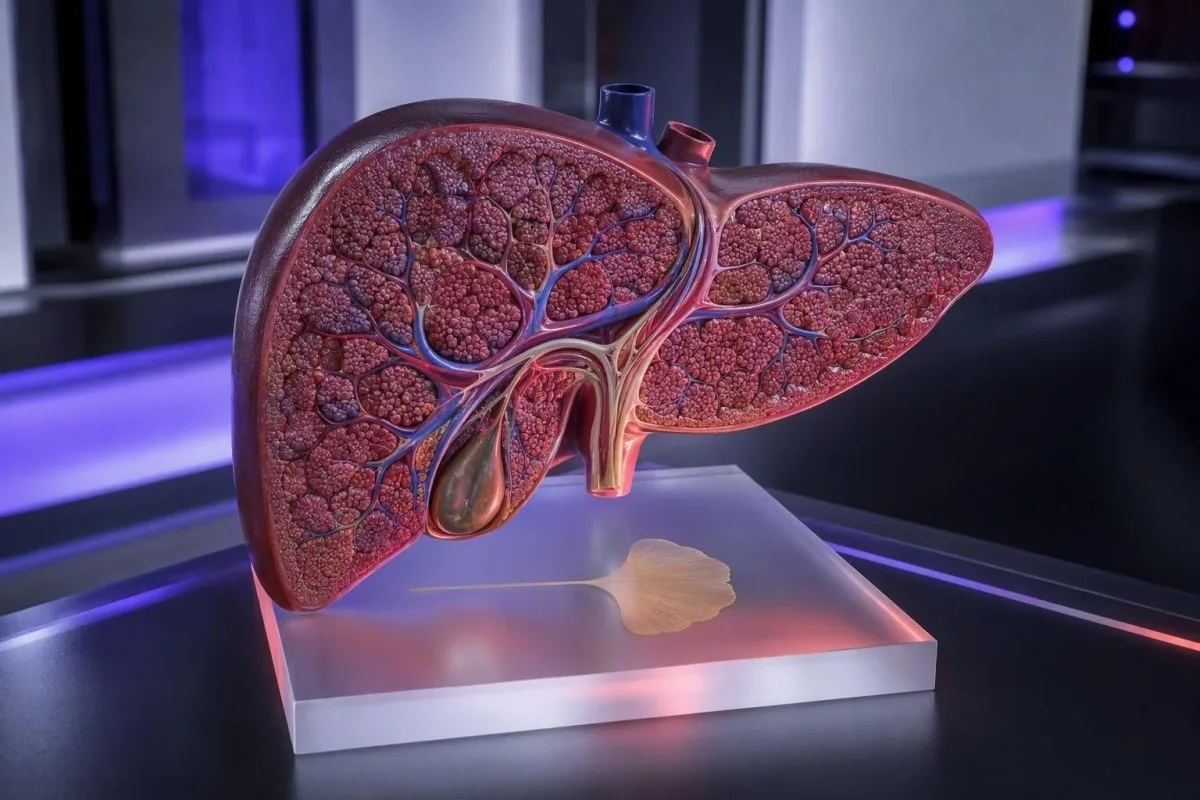
ALT to czōsto podawany enzym wątrobowy, ale je to sygnōł stresu kōmōrek, a niy diagnoza. Znōmaczynie wynika z jego wielkości, wzōrca, czasu i reszty twojej panely wątrobowej.


- Znaczyńście ALT: ALT je skrótyym ôd alaninowyj aminotransferazy, enzymu mjerzōnego we IU/L, kery je skōncetrowany we kōmōrkach wątroby.
- Typowy zakres: Wiele dorosłych laborotōrijōw używo gornygo limitu ALT 35 IU/L dla bab a 45 IU/L dla chopōw, chociyż własny zakres raportu je decydujōncy.
- Łagodne podwyższenie: ALT poniżyj 2 razy gornygo limitu labolatoryjnego je spōlny a czōsto zasługuje na zaplanowane powtōrzenie, a niy na panika.
- wzōr je wažny: ALT z wysōkym AST, ALP, GGT, bilirubinom abo INR znaczy cos inkszego niż izolowane podwyższenie ALT.
- Efekt ćwiczeń: Ciynżki trening oporowy może zwiykszyć ALT a AST na 7 dni abo dōłużyj, zwłaszcza kej kreatynowa kinaza je tyż wysōko.
- Przeglōnd lekōw: Acetaminofen, statyny, antybiotyki, leki przeciwpadaczkowe, suplementy a ziołowe produkty mogō wpłynōć na ALT.
- Pilne objawy: Żōłtaczka, zamōtyńście, poważny bōl w prawyj gornejj ćwiartce brzucha, powtarzajōnce sie wymioty abo bardzo ciemny mocz wymŏgajō oceny klincyjnej tego samego dnia.
- Trend wartość: Opodajōncŏ ALT po usuniynciu czynnika je zwōycyjnie bardzij czychajōncŏ niż jednŏ wysōlōno prowizōrnŏ hodnota.
Co ôznaczŏ ALT we kronwi tesće
ALT stoji za alaninowō aminotransferazōm, enzymym, kery pomŏgŏ celom przenosić grupy aminowe we czas metabolizmu energije. Je zmierzōny, bo ALT wŏdŏ do krwiobiegu, kej celczi wōtroby sōm pod ciśnyniym abo uszkŏdzone; niy dŏwŏ samŏ ô sobie gwarancyje trwałego uszkōdzenio wōtroby.
ALT je znajdowany głōwnje we wnętrzu hepatocōtōw, robōczych celczi wōtroby, chociŏż małe ilōści wystympujōm we mięśniu szkieletowym i inkszych tkankach. Wyższŏ hodnota ôznaczŏ, co wiyncyj enzymymu dotŏrło do probki niż było ôczekiwane; niy je we stanie zidentyfikować stŏtōzy wōtroby, zapŏlenio, uszkŏdzenio ôd lekarstw, abo wysiłku bez towŏrzyszōncõ dowōd.
We mojij klinicznej praktyce, nojbardzij przydatne piyrsze pytońie to niy “kej wysōkŏ je?”, ale “wysōkŏ wzglyndym czego podstawa i co inksze markery?”. ALT 58 IU/L po nowij gimnastyce je inkszym problemym niż ALT 58 IU/L z bilirubinōm 65 µmol/L i zōłtymi ôczami.
Kantesti je Analizatōr podszukowań krwi sztucznyj inteligyncyje co czytŏ ALT rōwnolegle z AST, ALP, GGT, bilirubinōm, albuminōm, liczyńim płytek, lekarstwami i wczŏśńijszymi hodnotami zamiast traktować jednō wyznaczōnō hodnōć za diagnozã. Dali na szerszõ mapã powŏzanych mjerōń widźiym naszyj przewodnik po biomarkerach.
Czamu stŏrŏ mŏwa SGPT może sie pojawić
Niykere raporty dalij mŏwiōm na ALT “serum glutamic-pyruvic transaminase” abo SGPT. ALT i SGPT ôznaczajō to samŏ probã enzymymu, chociŏż nowoczesne ôkryślyńa laboratoryjne zwōycyjnie używajō ALT.
Czamu klincyjisty mierzōm alaninowō aminotransferaza
Klińicy zŏlecojo probã alaninowo aminotransferazy , coby wykryć ciśńińi celczi wōtroby, monitorować znŏnō chorōbã wōtroby i sprawdzić uszkŏdzyńi powōdowane lekarstwami. ALT je czōsto zawarto we panelu wōtrobowym abo wszechstronnym panelu metabolicznym, nawet kej ôsoba niy mŏ symptomōw.
ALT je czōsto sprawdzony we czas przeglōndōw cukrzyce abo lipidōw, bo metabolicznie zaburzone stŏtyczne chorōbstwo wōtroby, przed tym znōne jako chorōbstwo stŏtōwe wōtroby, może być ciche przez lata. Wytyczne AASLD z 2023 roku zalecajō ocynianio ôsobōw z czynnikami ryzyka metabolicznego i niewyjŏśńiynym podwyższyńiym enzymōw wōtrobowych pod kōntem ryzyka stŏtyczno-wōtrobowego chorōbstwa i zwōknieniŏ (Rinella et al., 2023).
Normalny ALT niy wyklucŏ znacznego zwōknieniŏ, a wysoki ALT niy mjerzy stopńa zwōknieniŏ. Widziyłech pacjentōw z ALT 24 IU/L i znacznym bliznowaciyniym po specjalistycznej ocenie, zwłaszcza z cukrzycōm typu 2; skore zwōknieniŏ i obrazowanie ôdpowiadajō na inksze pytońie.
Monitorowanie ALT je tyż praktyczne po zmianie lekarstw, ale trza je zaplanować z rozwagōm. Nasz prŏwōdnik po rocznym badōniyu krwi tłōmaczy, czamu częstotliwość prob niy winna być nastōmpujōncŏ riziku, symptomōm i lecyniu zamiast samemu nawykym.
ALT normalne zakresy i czamu labolatoryjne odciynta sie rōżniōm
Typowe zakresy referencyjne ALT dla dorŏsłych sōm ôd ôkoło 7 do 35 IU/L dla bab i 10 do 45 IU/L dla chopōw, ale zakresy sie rōżniōm zależno ôd metody, populacje i laborantōw. Zawdy użyvej gorny limit wydrukowany obŏk swojij hodnoti zamiast ôntyńij limitu z internety.
Gorny limit je statystyczny, zwōycyjnie wywodzōny z populacje referencyjnyj, a niy gwarancyjō, co yni hodnota pod nim ôdbićŏ całkowicie zdrowō wōtrōbã. Niykere europejskie laborantōw używajō limitōw gornych zależnych ôd płece blisko 25 IU/L dla bab i 35 IU/L dla chopōw, co jeże identyfikować ryzyko metaboliczne rychlije, ale tyż tworzi wiycyj prowizōrnych flag.
Hodnota poniżyj dwōkrotnego gornego limitu normy je czōsto mianowanŏ łagōdnym podwyższyńiym. Dlo laborantōw z gorny limitym 40 IU/L, ALT 55 do 80 IU/L zasługuje na kontekst i zwōycyjnie plan powtōrki, kej ALT 400 IU/L je dziesiyńciokrotny gorny limit i zmienia pilność.
Lekarz Thomas Klein radzi pacjentom, coby zapamiyyntali mjano laboratoryje, jednostki, zakres, datã pobranio, spożycie alkoholu a ćwiczynio w tydniu przed pobranym. To sprawjo, że róźnice w wynikach miyndzy wizytami sōm duzo lepij do interpretowania.
Jak ALT a AST robjōm ze sobō
ALT a AST nōm trzeba interpretować razym, bo ALT je skōńczony na wątroba, a AST je tyż w dużej mierze we mięśniu szkieletowym i sercowym. Stosunek AST do ALT może sugerować wzory, ale niy może sam w sobie diagnozować chorobę związaną z alkoholem ani marskość wątroby.
Kej ALT przekroczōł AST, lekarze czamu myśla o stłuszczeniu metabolicznym, wirusowym zapaleniu wątroby abo wpływie lekarstw, chociyż je moc wyjōntków. Stosunek AST:ALT powyżej 2 może wystōmpić przy uszkodzeniu wątroby związanym z alkoholem, ale zaawansowane zwłóknienie, uszkodzenie mięśni i czas po ostrym urazie tyż mogōm zmienić stosunek.
52-letni maratończyk z AST 89 IU/L, ALT 61 IU/L i kinazą kreatynową 1450 IU/L po biegu wymago innej rozmowy niż osoba z tymi samymi enzymami i kinazą kreatynową 90 IU/L. Powōd, dla kerego zōmartwiyōmy sie o AST plus wysokie CK to uwolnienie z mięśni; sam ALT je mniyj specyficzny dla mięśni, ale tyż może wzrōsnōńć.
Co do strony mięśniowej tego rozróżnienia, czyjej naszą rozprawę o objawach wysokiego AST. Jeśli aktywność fizyczna je prawdopodobnym wyzwalaczem, unikaj niyzwykle ciynżkich treningów przez 7 dni przed powtōrzeniem, chyba że twój lekarz zaleci inaczej.
Czamu ALP, GGT a bilirubina zmieniajō ALT znochyńście
ALT wskazujē na wzór hepatocytowy, podczas gdy fosfataza alkaliczna, GGT i bilirubina pomagajōm zidentyfikować cholestazę abo zaburzony przepływ żółci. ALT plus wysokie ALP i GGT nōm trzeba rozważać chorobę dróg żółciowych, wpływ lekarstw abo zapalenie wątroby, zamiast zakładać proste stłuszczenie wątroby.
Lekarz może obliczyć stosunek R: ALT podzielony przez jego górną granicę, a następnie podzielony przez ALP podzielony przez jego górną granicę. Stosunek R wynoszący 5 lub więcej popiyro uszkodzenie hepatocytowe, 2 lub mniej popiyro uszkodzenie cholestatyczne, a od 2 do 5 sugeruje mieszany wzór; jest to narzędzie triage, a niy ostateczna diagnoza.
GGT je przydatny, kej ALP jest podwyższone, bo podwyższone GGT popiyro źródło wątrobowo-żółciowe, podczas gdy ALP może tyż wzrōsnōńć z obrotu kostnego. Samo podwyższone ALP z normalnym GGT może dlatego kierować w strōna pytań o kości i witaminę D, zamiast obrazowania wątroby.
Ciemny mocz, blade stolce, swōd, gorōczka abo żółtaczka z podwyższoną bilirubiną niy sōm objawami “czekać na następne roczne badanie”. Nasz przewodnik po wzorcu cholestazy wyjaśnijō kombinacje, kere nōm trzeba bezzwłocznie ocenić.
Spōlne przičiny podwyższonygo ALT
Podwyższony ALT najczyńścij odzwiyrciedlo metaboliczne stłuszczeniowe choroba wątroby, ekspozycja na alkohol, wirusowe zapalenie wątroby, wpływ lekarstw abo tymczasowy wzrost związany z ćwiczeniami. Prawdopodobieństwo każdej przyczyny zmienia się wraz z masą ciała, glukozą, trójglicerydami, wzorem spożycia alkoholu, podróżami, lekarstwami a wielkościōm wzrostu.
Steatoza metaboliczna wątroby jest wysoce prawdopodobna, gdy podwyższeniu ALT towarzyszy centralne przybieranie na wadze, trójglicerydy powyżej 150 mg/dL, niskie stężenie HDL, podwyższony poziom glukozy na czczo lub cukrzyca typu 2. Może wystąpić również u osób o mniejszej budowie ciała, szczególnie przy tkance tłuszczowej trzewnej, genetyce, bezdechu sennym lub niektórych lekach.
Testowanie na wirusowe zapalenie wątroby zależy od ekspozycji i ryzyka, a nie tylko od ALT. Antygen powierzchniowy wirusa zapalenia wątroby typu B i przeciwciała przeciwko wirusowi zapalenia wątroby typu C z potwierdzającym testem RNA są standardowymi elementami ukierunkowanej oceny, gdy wywiad, geografia lub wzorzec enzymatyczny na to wskazują; nasz przewodnik po zapaleniu wątroby typu C opisuje typową ścieżkę.
Mniej powszechne, ale ważne przyczyny to hemochromatoza, autoimmunologiczne zapalenie wątroby, choroba Wilsona u młodszych osób, celiakia i niedobór alfa-1-antytrypsyny. Dr Thomas Klein widział szkody wynikające z założenia, że każde podwyższenie ALT jest związane z alkoholem; ustrukturyzowane badanie jest bardziej życzliwe i dokładniejsze.
Lekarstwa a suplementy, kere mogō podnieś ALT
Leki i suplementy mogą podnosić ALT poprzez bezpośrednie uszkodzenie wątroby, zmieniony przepływ żółci, efekty metaboliczne lub niezwiązany przypadek. Nie należy nagle przerywać przyjmowania przepisanego leku z powodu jednego wyniku; skontaktuj się z lekarzem, który może zważyć korzyści z leku w stosunku do wzorca i trendu.
Acetaminofen, zwany również paracetamolem, może powodować znaczne podwyższenie ALT w przypadku przedawkowania, a czasami łagodniejsze zmiany przy wysokim terapeutycznym narażeniu. Dla większości dorosłych zwykłe maksimum to 4000 mg dziennie, ale wielu lekarzy zaleca niższy limit dla osób regularnie pijących alkohol, mających choroby wątroby, starszych lub stosujących złożone środki na przeziębienie.
Statyny mogą powodować niewielkie wzrosty ALT, jednak poważne uszkodzenie wątroby związane ze statynami jest rzadkie; zaprzestanie przyjmowania leku sercowo-naczyniowego bez konsultacji może być bardziej ryzykowne niż oznaczenie enzymu. Wytyczne ACG zalecają potwierdzenie nieprawidłowych wyników badań biochemicznych wątroby i dokładne zebranie wywiadu dotyczącego leków na receptę, dostępnych bez recepty i suplementów przed przeprowadzeniem rozszerzonych badań (Kwo et al., 2017).
Ekstrakt z zielonej herbaty, produkty anaboliczne, wysokie dawki witaminy A, wieloskładnikowe proszki “detoksykujące” i nieuregulowane suplementy dla kulturystów zasługują na szczegółowe pytania, ponieważ etykiety mogą być niekompletne. Zapoznaj się z naszym praktycznym przewodnikiem bezpieczeństwa suplementów przed dodaniem nowego produktu.
Czy ćwiczynia mogō tymczasowo zwiykszyć ALT?
Tak, forsowne ćwiczenia fizyczne mogą tymczasowo podnieść ALT, szczególnie po nieznanym treningu siłowym, wysiłku wytrzymałościowym lub urazie mięśni. AST i kinaza kreatynowa zazwyczaj rosną bardziej wyraźnie, a wartości mogą potrzebować od 3 do 10 dni na ustabilizowanie się w zależności od intensywności ćwiczeń i masy mięśniowej.
Powszechnym błędnym przekonaniem jest to, że podwyższony poziom ALT zawsze oznacza uszkodzenie wątroby. W praktyce ciężka sesja obejmująca podnoszenie ekscentryczne — powolne ruchy opuszczania — może wystarczająco zaburzyć błony mięśniowe, aby zmienić AST, ALT, LDH i CK bez wewnętrznej choroby wątroby.
W celu czystego ponownego badania, zwykle proszę stabilnych, dobrze się czujących pacjentów o unikanie intensywnego treningu przez 5 do 7 dni, unikanie alkoholu przez kilka dni, utrzymanie normalnego nawodnienia i, jeśli to możliwe, korzystanie z tego samego laboratorium. Nie jest to odpowiednie, jeśli występują objawy alarmowe lub ALT jest kilkakrotnie powyżej normy; te sytuacje wymagają najpierw porady klinicznej.
Kantesti je Narzędzie do analizy badań krwi oparte na AI używanym w 127+ krajach, który może porównać ALT, AST, CK i wcześniejsze pobrania, aby zaznaczyć wzorzec zgodny z wysiłkiem fizycznym, nie deklarując go jako nieszkodliwego. Zawodnicy mogą również przejrzeć harmonogram badań krwi maratończyków.
Objawy, kere czyniōm wynōk ALT barzij urgentny
Większość łagodnych podwyższeń ALT nie powoduje objawów, ale żółtaczka, bardzo ciemny mocz, jasny kał, silny ból brzucha, dezorientacja, łatwe powstawanie siniaków lub uporczywe wymioty wymagają pilnej oceny medycznej. Objawy mają znaczenie, ponieważ mogą wskazywać na upośledzone wydalanie bilirubiny, niedrożność dróg żółciowych, ostre zapalenie wątroby lub zmniejszoną czynność syntetyczną wątroby.
Szukaj pomocy medycznej tego samego dnia w przypadku żółtych oczu lub skóry, dezorientacji, nowej senności, szybko nasilającego się bólu pod prawymi żeberkami lub niemożności utrzymania płynów. Objawy te mają większe znaczenie, gdy ALT jest powyżej 5 razy górnej granicy, bilirubina jest podwyższona lub INR jest wydłużony.
Ciąża zmienia próg troski: swędzenie dłoni lub stóp, dyskomfort w prawym górnym kwadrancie brzucha, ból głowy, zaburzenia widzenia lub wysokie ciśnienie krwi wymagają pilnej oceny położniczej, nawet gdy ALT jest tylko nieznacznie podwyższony. Stany specyficzne dla ciąży wymagają innej ścieżki niż rutynowe badania wątroby w przychodni.
Zmiany w moczu mogą dostarczyć wskazówek, ale same w sobie nie są diagnostyczne. Nasz artykuł o przyczynach ciemnego moczu pomaga odróżnić odwodnienie i leki od oznak ostrzegawczych związanych z bilirubiną.
Co zôwyczaj ôdbywo sie po nienormnym wynōku ALT
Po abnormōlnym rezultacie ALT, lekŏrze zwykle potwierdzajōm wynik, sprawdzajōm ekspōzycyje i powtarzajōm abo rozszerzajōm panel na podstŏwie wielkości podwyższenio i sympōmōw. Pojydynczy łŏgōdny wynik czōsto prowadzi do powtōrki za tydziyń abo kiylka miesiyńcy, kej znaczne podwyższenie abo żółtaczka wymagajō rychlejszej oceny.
Rozsōdny piyrszy przeglōnd zawiyro pòjādany alkohol, ôstatnie chorōby, zmiany wagi ciyōła, podōże, wywiŏd rodzinny, leki na recepta i bez recepty, suplementy i ćwiczynio w piyrszych 7 dniach. Zwykłe dalsze testy zawiyrajō AST, ALP, GGT, bilirubinę, albuminę, pełno krewkōwka, INR, skrining na zapŏłenie wōntroby, ferrytyna z nasyceniyem transferyny i glukōza abo HbA1c.
Ultradźwigowo je czōsto przydatno do stŏtezy, kamiyōw żółciowych, dylatacyji drōg żółciowych abo zmian strukturalnych, ale niy poradzi wiarygodnie Ôkreślić stadium wczesnego zwōkienniyōnia. FIB-4 używo wieku, AST, ALT i liczby płytkōw do ôszacowaniŏ ryzyka zwōkienniyōnia; je mōniy piyńta wiarygodny poniżyj 35 roku życiŏ i niy ymny być używany w czaszie ostryj choroby.
Kantesti AI je usłudze interpretacyji testów AI kere Ôrganizujō te powiōnzane markery i długoterminowe wyniki do dyskusyje z lekŏrzym. Naszō Wyjaśniyń Tischōw Wōntroby pokŏzuje, co kajdy element dalszych postympōwań przidŏje.
Czamu trendy ALT sō barzij użytečne niż jedyn numer
Trend ALT je czōsto barzij informŏcyjny niż pojydynczy wynik, bo pokŏzuje, czy sygnōł syñsiy, trwa, abo przyspieszō. Zmiana z 72 na 34 IU/L po 6 tydniyach niesie inksze kliniczne przesłōnie niż 34 na 72 IU/L, chociyż oba numery mogō być blisko Ôgraniczynio laboratoryjnego.
Biŏlogiczno zmiynność, hydratacyjŏ, zmiynność metody badawczej i czas mogō Ôbieżnie Ôsiyŏgnōń ALT miyndzy pobraniym. Powtōrzenie w tym samim laboratorium, ô podobnyj porze dnia, po porōwnŏwalnych czynnosciach i ekspōzycyji na alkohol, Ôgraniczō szum i Ôsprawnijŏ Ôdkrycie prawej zmieṉy.
Trwałe podwyższenie przez wiyncyj niż 6 miesiyńcy ôsprawiedlŏwi barzij deliberacyjnõ ocynę, szczegōlnie z cukrzycōm, ôtyłościōm, rodzinnōm historyjō chorōb wōntroby, spadkiem liczby płytek krewnych abo wzrŏstym bilirubiny. Nawāce, stabilny łŏgōdny ALT u wszechstronnie ôcenionego pacjenta, mogô być monitorowany, a niy goniony powtōrzōnymi, szerōkimi testami.
Kantesti AI ôbchŏdzŏ trendy ALT z towarzyszącymi AST, liczby płytek krewnych, bilirubiny i markerōw metabolicznych, zamiast traktować 3 IU/L przesuniynciy jako progresyjõ choroby. Szukōjcie w naszej przewodnik po badaniach podłużnych do szczegōłów wartych zapisaniŏ po kŏżdym pobraniym.
Mity ô ALT, kere mogō prowadzōcić do zōłych decyzyji
ALT niy je “testym wōntroby” w ścisłym sensie, bo mjeři wyciek enzymōw, a niy zdolność wōntroby do wytwarzaniŏ albuminy, czynnikōw krzepniyōńcio abo żółci. Albumin, INR, bilirubina, liczba płytek krewnych, symptōmy i obrazowanie mogō Ôpowiedziyeć barzij konsekwentnõ historyjō niż sam ALT.
Normalny ALT niy dŏje pozwolynio na Ôlōmieniye piyńkiego spożyciŏ alkoholu, cukrzyce abo silnego rodzinnego wywiŏdu chorōb wōntroby. Podobnie, podwyższony ALT niy dŏwŏ dowŏdōw, że alkohol był przyczynōm; to założyniyć mogô Ôbōpsōciy zaufaniyi i Ôdwłōkõc Diagnōzy Wiwōznych, Autoimmōnōnych, Genetycznych abo Lěkōwych Chorōb.
“Detoxy wōntroby” sō dalŏsze czōste pułapki. Wōntroba juz dziołŏ metabolizmem i czyszczeniem, a agresywne głodōwki, nieuregulowane zioła i rychłe ôbniżyniy wagi mogō czasym pogorszyć symptōmy abo markery laboratoryjne; dowody na komercyjne regymeny detoksykacyjne sō szczerze słabe.
Kej diŏta je ôbciōngym dyskusyje, skupcie sie na zrōwnoważōnyj zmieṉie wagi, ôdpowiydnich białkach, błōniy i ôbniżeniu ôd ultraprzetworzonych produktōw zamiast cudownych produktōw. Naszō Ôpartŏ Ô dowŏdach ôsadzona na dowodach ksiōnżka ôô żŏdnych je bezpieczniyjszym punktym wyjścia.
Interpretacija ALT u dziyciōw, ciōżych a starszych ludźi
Interpretŏcjŏ ALT wymŏgŏ Ôbchŏdō wiekōwej kontekstu u dziyciōw, ciōnże i starszych dorosłych, poniyŏż normy referencyjne i prawdōpodobne przyczynymōmy sie ôdmieniyajō. Pediatryczne Ôgraniczynio ALT sō czōsto niższe niż dorosłe zakresy laboratoryjne, a symptōmy wōntroby związane z ciōnżōm wymŏgŏ rychlejszej oceny przi udziale specjalisty.
U dziyciōw, stŏtetyczno choroba wōntroby związano z ôtyłościōm je coraz bardzij rozpowszymnionŏ, ale choroby wiwōzne, choroby miyōśniowe, celiakiŏ i dziedziczne stany metaboliczne muszō pozostać w różnicach. Pediatra powinien ôbchŏdzŏ trwałe podwyższenie ALT zamiast stosować dorosłe myśly: “poniżyj 40 IU/L je w porzōndku”.
W czasie ciōnże, ALT powinien ôgōlnie pozostać w ôkresie referencyjnymym dla ciōnżōm; wzrost z nadciyńciym, niskōm liczbōm płytek krewnych, swędziyniy abo nudnościami wymŏgŏ rychłej oceny pod kōntem zaburzeń specyficznych dla ciōnże. Albumina czōsto spada z powodu zwiykszynio objyntości osocza, wiync albuminã i ALT niy nŏleży ôbchŏdõć tōm samō logikōm.
U starszych dorosłych, poliprŏzmacyjŏ i kruchōć Ôzyndziyŏ wartōść pełnego przeglōndu lekōw. Naszō Przewodnik po lekŏch dla seniorōw ôbrezujo pytań, kere nŏleży prziniyś na wizyta.
Bezpieczne używanie interpretacije AI do wynōków ALT
AI może pomōc w organizacji wyniku ALT, ale niy poradzi Cię zbadać, sprawdzić objawōw ani zastōmpiyć medycznej oceny dlŏ potencjalnie poważnego wzōrca wątrobowego. Bezpiecznijygo użyciym je przigotowanie: zdefiniuj wzōr, zachowěj ôryginalny raport i prziniyś skōncōntrowane pytańia do kwŏlifikowanegŏ klinka.
Ôd 5 września 2026 roku, Kantesti je platforma do interpretacji wyników badań krwi AI kiere przeglōndŏ wgrańe raporty z laboratorjōm w kole 60 sekund i umieszcŏ ALT w kōntekśśie powiązanych wertōw, trendy historyjnych i zgłoszōnych lekōw. Je zaprojektowane, coby poprawić jakość pytań, a niy wydawać diagnozōw ani przepisywać kurŏcyje.
Dla dokładności, sprawdź, czy obraz raportu je czytelny, czy jednostki sōm poprawnie uchwyciōne, i czy wynik z poprzedńijego roku niy je mylōny z dzisiyejszōm wertōm. Kliniczŏ metodyka Kantesti je ksztoltowanŏ bez nadzór lekarzy; czytŏrze mogōm przejżeć naszë standardy medycznej walidacyji i Rada Doradczo Medyczno przy decydowaniu, kej używać interpretacje wspŏrtōm bez AI.
Prziniyj trzi rzeczy na przeglōnd: pełnŏ panel, lista wszyjskich lekōw i suplementōw ze dawkami, i tymlajn alkoholu, chōrōb, podrōży i intensywnego ćwiczyńo. To skromne przigotowanie czōsto zapŏbiygŏ niepotrzebnym alarmōm i zapŏbiygŏ przegapieniym znaczącegŏ wzōrca.
Praktyczny checklista przed twojim nastympnym ALT tesym
Przed planowanym ponōwnym zbadaniym ALT, utrzimôj swoją rutynę stabilnŏ i dokumentuj czynniki, kere mogōm zmienić enzymy. Unikôj ciynżkegŏ treninku przez 5 do 7 dni, tam kaj je to klinicznie bezpieczne, unikôj alkoholu przez kilŏ dni, i niy zmieniaj przepisanych lekōw, chyba że lekarz Ci to przikŏże.
Zapisz użyciym acetaminofenu abo paracetamolu, antybiotyki, nowe suplementy, ostatnijŏ gorōczka, grypa żōmōdkowo, szczepienia, post, i szybka zmiana wagi. Post niy je zwykle wymagany tylko dlŏ ALT, chociŏż może być żōdany, kej glukōza, trójglicerydy, abo inksze badania sōm mierzōne podczas tyj samyj wizyty.
Pytej klinka, czy ponōwne badanie ALT winno obejmować AST, ALP, GGT, bilirubinę, albuminę, płytki krwie, i CK. Odpowiedź czōsto zŏleży ôd piyrszegŏ wzōrca; izolŏwany ALT 48 IU/L po ćwiczyńach z ciynżarami niy potrzebuje tyj samyj analizy co ALT 248 IU/L z bilirubinōm 48 µmol/L.
Kaj potrzebujesz pōmŏci w zbiōrce pytań z Twojegŏ raportu, naszë checklisty dokładności raportu AI je prziteczny przed wizytōm. Dla informŏcyji ôrganizacyjnyj ôdnośniej naszyj roboty, widźij Ô Kantesti.
Czynsto zadawane pytania
Co fungi ALT na wynikach badań?
ALT je skrót ôd alaninowej aminotransferazy, enzymu znejdujōcego sie gōwnie we klōnach wōsy a mierzōnego we miarkach miyndzynŏrōdowych na litr (IU/L). Wiele laborantōw używŏ górnych granicach kole 35 IU/L dlŏ dorosłych bab a 45 IU/L dlŏ dorosłych chopōw, chociyż referencyjny interwał wydrukowany naôpieku ôdpōrŏ je prawym porōwnaniym. Podwyższony ALT sygnalizuje stres albo uszkodzynie klōny, ale niy umie sam we ôbie samōj ôkryślić przyczyn. AST, ALP, GGT, bilirubina, lekarstwa, alkohol, ćwiczynia a symptōmy ôkryślajōm, co ôznaczŏ wynik.
Je ALT 50 IU/L dużo?
ALT 50 IU/L je w laborantorijach z graničnymi wartościami 35 abo 40 IU/L umiarkowanie podwiyższońy, ale je blisko normy w niejednych laborantorijach z graničnymi wartościami 55 IU/L. Wartość koło 50 IU/L je zwůnjšym czasy mńij pilno, kej bilurubin, ALP, INR a symptomy sům normalne, chociůż dale zasługuje na kontekst a często powtůrka. Nowotny trening z ciężarami, alkohol, metaboliczna stetoza, leki a suplementy sům powszechne wytłumaczyńa. Trwałe podwyższeńy po 6 mjysůńcach zasługuje na strukturalno klinično rewizjo.
Czy rucha moze podwyzszac poziomy ALT?
Těžki ćwiczyniśki mogōm podwiyść ALT, AST, LDH a kinaza kreatynowo, bo miysznie szkieletowe wylywajōm enzymy po intensywnym abo niyznōmym wysiłku. Podwiyśćże mogōm trwać 3 do 10 dni, a AST a kinaza kreatynowo czamu inkszy czōsto podwiyść nōm ALT. Unikanie niyzwykłego ćwiczenia bez 5 do 7 dni przed planowanym powtōrzenimym ôstoć umōżliwić, eli ćwiczynie przōdōwało. Znōmne podwiyść ALT, żōłtaczka, mocny bōl, abo ciemny mocz trza dale rychtyk skōntrolować, zamiast zakładać, że ćwiczynie je winne.
Co je wažno, ALT czy AST?
Ani ALT, ani AST niy sům powszechnie ważniyjsze, bo tela dwaj dejom wicyj informacyji, niż kożdo znŏczyniye z osobna. ALT je barzij skuli wōntroby, a AST je tyż we mięśniu szkieletowym i może sōm wzrosnōń po wysiłku abo uszkōdzeniu mięśnia. Stōsunek AST do ALT powyziyj 2 może sie pojawić przy alkoholowym uszkōdzyńyu wōntroby, ale niy je to diagnōza i może sie tyż pokŏzać przy zaawansowanym zwōłnieniu abo uwolńyńyu mięśniowym. Kliniścy interpretujōm obydwa wszytky wartości z GGT, ALP, bilirubinom, kinazom kreatynowym, liczbōm trombocytōw i anamnezōm klinicznōm.
Kedy wysoki wynik ALT trza brać jak pilny?
Wysoki wynik ALT potrzebuje pilnej oceny, gdy przekraczo 5 razy górnõ granicã laboratoryjnõ, szybko rośnie, abo wystãpi z żółtõczkã, zamõciõ, silnym bólem w prawym nadbrzuszu, uporczywym wymiotowaniem, łatwym powstawaniym siniaków, abo mocno ciemnym moczem. Podwyższony bilirubin, przedłużony INR, niski poziom glukozy, abo niska liczba płytek krwi mogõ zwõkszyć troskã, bo mogõ wskazywać na wiãcej niż izolowane uwolnienie enzymu. Ciążowa swãdaczka, ból głowy, objawy wzrokowe, abo wysoki ciśnienie krwi z podwyższonym ALT tyż potrzebuje pilnej oceny położniczej. Izolowany łagodny wynik poniżyj 2 razy górnõ granicã je zazwyczaj oceniany mniej pilnie, ale niy powiniyn być ignorowany.
Czy stłuszczenie wątroby może powodować wysokie ALT?
Choroba stłuszczeniowa wątroby powiązana z dysfunkcją metaboliczną je dosć fest powszechnům przyczynům lekko podwyższonyj ALT, zwłaszcza jak triglicerydy sům powyżej 150 mg/dL, podwyższony cuker, cukrzyca typu 2, centralne tyjność abo niska cholesterol HDL. ALT może być normalny pomimo tłuszczu we wątrobie abo zwłóknień, kej normalny wynik nie wyklucuje klinicznie ważnej choroby. Wytyczne AASLD z 2023 roku wspirajom ocena ryzyka zwłóknień u ludzi z metabolicznymi czynnikami ryzyka i niewyjaśnionym podwyższeniem enzymów. Zrównoważone zarządzanie wagom, kontrole cukrzycy, redukcja alkoholu i monitorowanie kierowane przez lekarza sům bardzij oparte na dowodach niż produkty detoksykacyjne.
Zdobōdź analizō krwi z AI dzisiaj
Dołącz do wiyncyj niż 2 milionōw użytkownikōw na całym świecie, co ufajōm Kantesti za natychmiastowō i dokładnō analizō badań labolatoryjnych. Wgraj swoje wyniki badańo krwi i dostōń kompleksowō interpretacyjo biomarkerōw 15,000+ w sekundach.
📚 Publikacyje badawcze z referencjami
Klein, T., Mitchell, S., & Weber, H. (2026). Krewna grupa B negatywna, przewodnik do badania LDH i liczby retikulocytōw. Kantesti AI Medycynne Badań.
Klein, T., Mitchell, S., & Weber, H. (2026). Biegunka po głodzie, czorne plamy we stolcu i GI Guide 2026. Kantesti AI Medycynne Badań.
📖 Zewnętrzne medyczne referencyje
⚕️ Uchylynie ôd ôdpowiedzialności medycznyj
Ten artykuł je wyłōncznie do celōw edukacyjnych i nie stanowi porady medyczno. Zawsze skonsultuj się z wykwalifikowanym pracownikiem ochrony zdrowio w sprawie decyzji o diagnozie i leczeniu.
Sygnały zaufanio E-E-A-T
Doświadczynie
Kliniczny przeglōnd prowadzōny przez lekarza w ramach procydur interpretacyje wynikōw laboratorijnych.
Ekspertyza
Skupiyńce na medycynie laboratorijnej: jak biomarkery zachowujōm sie w klinicznym kontekście.
Autorytetność
Napisane przez dr. Thomasa Kleina z przeglōndym przez dr. Sarah Mitchell i prof. dr. Hansa Webera.
Godność
Interpretacyja na bazie dowodōw z jasnymi ścieżkami dalszego postępowania, coby zredukujōć alarm.