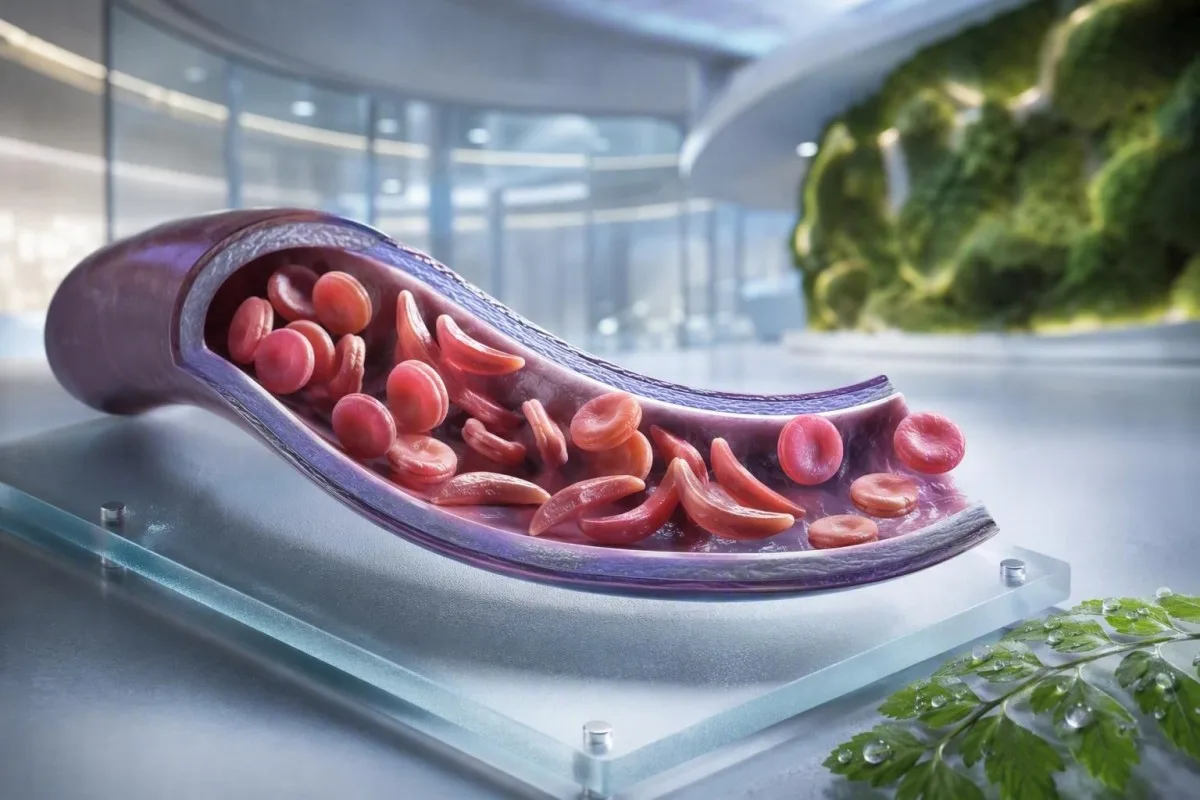
Anemija sierpowatokowa niy je jednům probům, jednům symptomażym, ani jednům poziomym pilnośći. Ta poradńik skupjůny na pacjyńće dzieli status cara, potwjerdźůno choroba, rutynowo monitoring a sytuacyje, kere wymogům pińcyjnej kořy.


- Sierpowaty cech ôznaczŏ jednům genu HbS; zazwyczj niy powŏdůje przewlekłyj anemiije abo nawrŏcajōcych kryz bōlu.
- Newborn screening identyfikuje wiynkszość zafolgowanych źymjyńć prije niż pojawiyńć symptomy, pozwalŏjōnc na wčasne zaczōncie podŏwanio penicyliny i kontroli specjalisty.
- Elektroforeza hemoglobiny dzieli typy hemoglobiny i pomŏgo potwjerdźić HbSS, HbSC, HbS-beta talasymijo, abo status nosicielstwa.
- Ciynżki bůl w klacie, dychawica, gorōczka 38,5°C abo wiynkszo, konfuzja, abo nowo słabość wymogům pilnyj pińcyjnej oceny u osoby z anemiijom sierpowatokowom.
- Ostrzeżołsyne zespůł może zaczōć sie z kaszlym, gorōczkom, bōlym w klacie, abo niskim tlynem i może sie pogorszyć w ciyngu godzin zamiast dni.
- Nagłe ôpadanyje hemoglobiny ô 2 g/dL abo wiyncyj ze swojigo zwykłego poziomu mogom sygnalizować krizã aplastycznã, sekwestracjã, krwawienie abo przyspieszony hemolizã.
- Liczba retikulocytów pomaga rozróżnić aktywno reakcjã szpiku ôd krizã aplastycznyj; niski policzãk w czasi krãszãcyj anemi to ôstrzeżyni.
- Hydroxyurea je lekarstwym modyfikujōcym chorobã, niy yno lekarstwym na bóle; monitorowaniô zwykle ôbejmuje pełne policzãk krōwi co 4 tydniô podczas dobiyraniô dawki.
Co ôznaczŏ anemija sierpowatokowa—a czego niy ôznaczŏ
Anemija sierpowato zwykle ôdnosi sie do choroby HbSS, kaj ôsoba dziedziczy dwa geny, kere produkom hemoglobinã S; czerwōne krwinki mogōm sie zrōbić sztywne, pōnpōsiã pōłōmać, i blokować małe naczynia. Cecha sierpowato je inakszyj: jedyn gen HbS je zwykle wystarczajōcy do przekazaniô dziedzicznie, ale niy wystarczajōcy do wywołaniô chroniczny anemi i powtarzajōcych sie epizodōw vaso-okluzyjnych, kere widzi sie w HbSS.
Choroba sierpowato je terminem parasolowym, kery ôbejmuje HbSS, HbSC, talasemiã S-beta-zero i talasemiã S-beta-plus. HbSS czãsto wywołuje najbardziej wyrazistã anemijã, ale ciãżkość ôbocznie sie ôbocznie, nawet w obrãbie jednej rodziny; bazowy hemoglobinã 7.5 g/dL mog być stabilny dlo jednego dorosłego i niybezpieczny dlo drugigo, jeźli szybko spadł.
Mutacja hemoglobiny S zmienia jedn aminokwas w beta-globinie: walina zastympujy kwas glutaminowy na pozycji 6. Pod niski tlenym, odwodnieniym, kwasicōm, abo gorōczkōm, molekuły HbS mogom polimeryzować we wnętrzu komōrki. Ta fizyczno zmiana wytłumŏczy, czemu krizã mòże rozwiynąć sie po długim locie, chorobie żōłōndkowo-jelitowyj, abo nocy złego przyjmowaniô płynōw.
Kantesti AI je Analizatōr podszukowań krwi sztucznyj inteligyncyje hemoglobin reporting co znaczy HGB.
Na dziyń 4 września 2026 roku, yno widza pacjentōw, kere bōły nŏlyżycie poinformowane, że cecha i choroba sōm zamiyōnnymi. Niy sōm. Kleryczno zasada doktora Thomasa Kleina je prosto: pytajcie ô dokłōdny genotyp hemoglobiny, niy ô niejasnō stwierdzyni, że test był “pozytywny.”
Czemu genotyp zmienia leczenie
HbSC mòże mieć wyższy hemoglobinã niż HbSS, ale nadal wywoływać komplikacje siatkōwki, bóle, abo martwicã bezkrwistō. Talasemiã HbS-beta mòże przypōminać cechã abo HbSS w zōleżności ôd tego, czy produkcyj beta-globiny je częściowo obecnã, co je powōdym, dla kōgo testowanie molekularne czasym rozstrzygō niejednoznacznõ elektroforezã.
Symptomy anemiije sierpowatokowy wg wjeku i stanu podstawowego
Objawy choroby sierpowatoj zwykle obejmujō epizodyczny bōl kości abo klati, zmãczenie, żółtaczkã, duszności, opóźniōny wzrost i czãsté infekcje, ale niy dwōch ôsōb doświŏdczō niy tego samego wzorca. Objawy zwykle pojawiajō sie po 4 do 6 miēsoncach wieku, bo hemoglobina płodowa pierwotnie chroni niemowlãta przed polimeryzacjō HbS.
Daktylitis—bolesne opuchnięcie dōni abo stōp—mòże być piyrszym widocznym znakiem u niemowlōt. U szkolōnych dziyci, bōl brzucha zasługuje na szczególnô uwagã, bo zaparcia, choroba pōcherzyka żółciowego, powiãkszenie śledziony i vaso-okluzyjô mogō czuć sie zaskakujōco podobnie w doma.
Żółtaczka we chorobie sierpowatoj ôdbijŏ trwajōce pōłōmanie czerwōnych krwinek i podwyższenie bilirubiny bezpośredniej; niy ôznaczŏ automatycznie zapaleniô wątroby. Ciemny mocz, blōde stolce, swãd, gorōczka, abo prawy górny kwadrant brzucha zmieniajō tã ôcenã i wymagajō oceny przyczyn wątrobowych i żółciowych; nasz poradnik do wzorcōw bilirubiny bezpośredniej wyjaśnia różnicę.
Dorośli mogō normalizować bōl, kery stopniowo stał sie czãstszy. W moim doświŏdczeniu, zmiana z dwōch epizodōw domowych rocznie na dwa epizody miesiãczne je klinicznie znacząca, nawet jeźli wizyty nagłe niy wzrosły. Zakłōcyniô snu, stracōnô robota, symptōmy erekcyjne, zły nastrōj i zniżōno tolerancjã ćwiczyń powinny być udokumentowane, bo czãsto poprzedzajō formalnõ zmianã w leczeniu.
Stężenie hemoglobiny ôd 6 do 9 g/dL mòże być zwykłym zakresem bazowym w HbSS, kaj wartość poniyżyj 10 g/dL bōłaby nieoczekiwana u wiynkszości ôsōb bez choroby. Liczba ma znaczyniô, ale zmiana ôd osobistego bazowego znaczy wicej.
Kto by ôbiegoł sie o screening nosicielstwa anemiije sierpowatokowy
Badaniô przesiewowe na chorobã sierpowatoj sōm rozōmne przed ciążōm abo wcieśnij w ciążōj dlo każdego, kōgo status nosicielstwa je niyznōmy, niy zważając na wygląd, nazwisko, abo przypōmiynanõ przōdkōw. Status nosicielstwa je dziedziczny i czãsto ôstaje niyznōmy do czasu noworodkowgo badaniô przesiewowego abo nieoczekiwanie nōrmalnego badaniô hemoglobiny.
Jeśli oboje rodzice biologiczni są nosicielami wariantu związanego z HbS lub beta-talasemią, każde dziecko może mieć 25% szans na odziedziczenie klinicznie istotnej choroby hemoglobiny, w zależności od zaangażowanych wariantów. Nosiciel może mieć normalną energię, normalne wyniki CBC i nie mieć historii epizodów bólowych.
Badanie jest szczególnie przydatne, gdy jedno z partnerów ma HbAS, cechę HbC, cechę beta-talasemii, niewyjaśnioną mikrocytemę lub wywiad rodzinny w kierunku choroby sierpowatej. Niską średnią objętość krwinki (MCV) nie należy przypisywać niedoborowi żelaza bez sprawdzenia ferrytyny i rozważenia talasemii; porównaj Wskazówki MCV i MCH.
Globalny raport Światowej Organizacji Zdrowia z 2022 roku szacuje, że zaburzenia hemoglobiny pozostają znaczącym obciążeniem dziedzicznymi chorobami, szczególnie tam, gdzie dostęp do badań przesiewowych noworodków jest nierówny. Najbardziej odpowiedzialnym podejściem jest powszechny dostęp do świadomych badań przesiewowych, zamiast wykorzystywania pochodzenia etnicznego jako bramy.
Kantesti je platforma do interpretacji wyników badań krwi AI które mogą wyjaśnić zgłoszony wynik HbS w prostym języku, ale potwierdzenie nosicielstwa i doradztwo reprodukcyjne wymagają akredytowanego laboratorium i lekarza. Jeśli para planuje ciążę, zapytaj, czy badanie partnera i doradztwo genetyczne mogą odbyć się przed poczęciem, a nie po tym, jak wynik stanie się wrażliwy na czas.
Jak elektroforeza hemoglobiny potwjerdzo diagnoze
Elektroforeza hemoglobiny rozdziela frakcje hemoglobiny i jest podstawowym badaniem potwierdzającym anemię sierpowatą lub jej cechę, często wraz z chromatografią cieczową wysokosprawnej i, w razie potrzeby, badaniami genetycznymi. Rutynowe badanie CBC nie może potwierdzić HbSS ani cechy, ponieważ niedobór żelaza i talasemia mogą dawać nakładające się wskaźniki krwinek czerwonych.
W nieleczonym HbSS elektroforeza zazwyczaj wykazuje głównie HbS bez HbA, chociaż procent HbF jest zmienny. HbAS zazwyczaj wykazuje zarówno HbA, jak i HbS, często z wyższym poziomem HbA niż HbS; dokładne procenty mogą się zmieniać wraz ze współdziedziczoną alfa-talasemią lub niedawnym przetoczeniem krwi.
Niedawne przetoczenie krwi może sprawić, że wynik elektroforezy będzie mylący przez około 3 miesiące, ponieważ hemoglobina dawcy (HbA) jest nadal krążąca. Z tego powodu HbA1c może niedoszacować średniego poziomu glukozy po przetoczeniu krwi lub przy intensywnej hemolizie; patrz kiedy HbA1c wprowadza w błąd.
Rozmaz obwodowy może wykazywać komórki tarczowate, polichromazję i formy sierpowate, ale mikroskopia wspiera, a nie zastępuje testowanie frakcji. Dr Klein widział “normalne” rozmazy wykonane na ostrym dyżurze, które opóźniły wyjaśnienie, gdy pacjentowi przetoczono krew tygodnie wcześniej – zawsze informuj laboratorium i zespół hematologiczny o przetoczeniach krwi.
Metody badań przesiewowych noworodków identyfikują HbS przed chorobą kliniczną, ale wynik nadal wymaga terminowego badania potwierdzającego. Wytyczne oparte na dowodach z 2014 r. autorstwa Yawn et al. zalecają wczesne zaangażowanie specjalisty, z rozpoczęciem działań profilaktycznych przed pierwszym poważnym powikłaniem (Yawn et al., 2014).
Rutynowo monitoring krwje: co klinićyści faktycznie trendujům
Rutynne monitorowań w chrobie sierpowatej zazwyczaj śledzi hemoglobinę, retikulocyty, białe krwinki, płytki krwi, bilirubinę, LDH, funkcję nerek i białko w moczu—nie pojedynczy wynik. Najbezpieczniejsze porównanie to własna stabilna linia bazowa pacjenta, idealnie pobrana, gdy pacjent czuje się dobrze i nie był niedawno transfuzjowany.
Hemoliza często powoduje podwyższone LDH, bilirubinę pośrednią i retikulocyty z niską haptoglobiną. Haptoglobina może być niska z innych powodów, w tym choroby wątroby, więc połączony wzorzec jest silniejszy niż jakikolwiek pojedynczy marker; nasza przewodnik po interpretacji haptoglobiny pokazuje dlaczego.
Samo procentowe stężenie retikulocytów może przeszacować odpowiedź szpiku kostnego w znaczącej anemii. Lekarze często obliczają bezwzględną liczbę retikulocytów lub skorygowaną odpowiedź retikulocytów; spadająca bezwzględna liczba podczas pogarszającej się anemii budzi obawy o kryzys aplastyczny związany z parvowirusem B19.
Kantesti je Narzędzie do analizy badań krwi oparte na AI która porównuje powtarzające się wyniki hematologiczne zamiast traktować wysokie LDH jako samodzielną diagnozę. Próbka oznaczona jako hemolizowana w probówce może fałszywie zwiększyć potas i LDH, więc zaskakujący wynik może wymagać ponownego pobrania; analiza powtórne badanie po hemolizie.
Hydroksymocznik zwykle zwiększa MCV i HbF w czasie, jednocześnie nieznacznie obniżając neutrofile przy skutecznej dawce. Te zmiany mogą być oczekiwane, ale bezwzględna liczba neutrofilów poniżej indywidualnego progu terapeutycznego lub szybko spadająca liczba płytek krwi wymaga przeglądu przez lekarza zamiast samodzielnego dostosowywania leku.
Kedy bůl je wazo-okluzyjnym epizodym—a kedy niy je
Ból naczyniowo-okluzyjny jest często głęboki, silny i zlokalizowany w plecach, klatce piersiowej, biodrach, kończynach lub brzuchu, ale nowy ból nie musi być automatycznie określany jako kryzys sierpowaty. Gorączka, ogniste obrzęki, urazy, obrona brzucha lub jednostronne objawy neurologiczne wskazują na problemy wymagające innego postępowania diagnostycznego.
Plan domowy dotyczący bólu zazwyczaj obejmuje wczesne nawodnienie, ciepło, przepisaną analgezję, odpoczynek i osobisty próg eskalacji uzgodniony z zespołem ds. chorych na sierpowatość. Picie nadmiernych ilości nie jest bezpieczniejsze: osoby z zaburzeniami czynności nerek lub chorobami serca mogą rozwinąć przewodnienie, zwłaszcza podczas ostrej choroby.
Ból, który pozostaje niekontrolowany po zwykłym planie ratunkowym, uniemożliwia utrzymanie płynów lub leków, lub jest inny w jakości lub lokalizacji, powinien skłonić do pilnej porady lekarskiej. Obrzęknięty, gorący staw może oznaczać zapalenie stawu ropnego lub infekcję kości zamiast niepowikłanej okluzji naczyniowej; nasz przewodnik po badaniach w przypadku niewyjaśnionego bólu przedstawia użyteczne pierwsze badania.
W opiece nagłej, terminowa analgezja i ponowna ocena są ważniejsze niż udowodnienie nasilenia bólu za pomocą liczby laboratoryjnej. Wytyczne NICE dotyczące ostrych bolesnych epizodów sierpowatych zalecają szybką ocenę analgezji i częste kontrole, ponieważ niedostateczne leczenie samo w sobie przyczynia się do przedłużonego cierpienia i opóźnionego powrotu do zdrowia (NICE, 2012).
Unikaj zimnych okładów bezpośrednio na obszarze bólu naczyniowo-okluzyjnego, chyba że zespół wyraźnie je zaleca; zimno może zwężać naczynia obwodowe. Ten praktyczny szczegół wydaje się błahy, ale wielu pacjentów mówi mi, że nikt im tego nie wyjaśnił aż po kilku trudnych epizodach.
Ostrzeżołsyne zespůł: pińcyjno sytuacyjo, kierej wjelu ludźi niy poznaje
Ostre zapalenie płuc jest nowym naciekiem płucnym na zdjęciu rentgenowskim klatki piersiowej z objawami ze strony układu oddechowego, gorączką, bólem w klatce piersiowej lub niskim poziomem tlenu u osoby z chorobą sierpowatą i jest to stan nagły. Może szybko postępować, czasami po przyjęciu do szpitala z powodu epizodu bólowego, a nie w momencie pojawienia się objawów ze strony klatki piersiowej.
Wezwij pogotowie ratunkowe lub udaj się na oddział ratunkowy w przypadku nowej duszności, bólu w klatce piersiowej, niebiesko-szarych warg, omdleń, uporczywego kaszlu z gorączką lub saturacji tlenem poniżej docelowego poziomu określonego dla danej osoby. Saturacja 90% może stanowić duży spadek dla kogoś, kto normalnie ma 97%, podczas gdy niektórzy pacjenci mają niższy udokumentowany poziom bazowy; liczy się zarówno wartość bezwzględna, jak i zmiana.
Ostre zapalenie płuc może obejmować infekcję, zator tłuszczowy ze szpiku kostnego, niedrożność naczyń płucnych, niedodma lub kilka procesów jednocześnie. Lekarze zazwyczaj oceniają natlenienie, CBC, retikulocyty, posiewy przy gorączce, obrazowanie klatki piersiowej, a czasami gazy we krwi; testōw z krwi na duszność dodaje kontekstu do tych wyników.
U dorosłych nadmierne uspokojenie lekami opioidowymi, płytkie oddychanie z powodu bólu i nadmiar płynów dożylnych mogą pogorszyć stan oddechowy. Spirometria impulsowa podczas hospitalizacji zmniejsza powikłania płucne w wybranych epizodach bólowych, chociaż nie zastępuje pilnej oceny, gdy objawy już się pojawiły.
Przegląd Kato i współpracowników z 2018 roku opisuje ostre zapalenie płuc jako główną przyczynę zachorowalności i śmiertelności w ciągu całego życia (Kato et al., 2018). Nie prowadź samochodu, jeśli duszność, senność lub ucisk w klatce piersiowej są znaczne.
Gorōczka, infekcyjo a nadzwyczajne ôd splyny
Temperatura 38,5°C (101,3°F) abo wyżyj u bajtla abo dorosłygo ze srobkowato-komórkowõ chorobõ wymôgõ neptimowyj pilnej lekarskej poradã tym samym dniym, chyba że jij specjalańisty czôr dŏł inkszy plan. Funkcjonalnŏ strŏta brzuszkowyj spōmōgajōncej sōm funkcyjô môże sprawić, że nŏktōre bakteryjne infekcje budōwã dalij sōm niyzwykłe, niż ôbōznŏ wirowŏ gorōczka.
Gorōczka plus letargijŏ, wysypka, nizki ciśnienie krwie, zdezorientowanie abo zniżōnõ produkcyjõ moczu wymôgõ nagłõj pōmocy tera. Ôbōznõ białych krwinek nie wykluczo wiarygodnie poważnej infekcje w srobkowato-komórkowõ chorobõ, szczególnie wcześnie w chorobie abo w trakcie leczenia hydroksyurõ.
Brzuszkowŏ sekwestracyjŏ wystympujõ nojczyścij u małych bajtlōw i sprawi ôbōznõ brzuszkowõ powiynkszōnõ, blŏdość, brzuch powiynkszōny, sōbczi ôddychani i nagły spad hemoglobiny. Rodzice bywōm czasym uczyć, jako czuć brzuszkã swego bajtla, ale kōżde nowe powiynkszōnõ z chorobõ musi wywołać pilnõ analizã zamiast powtarzajõcych sie domowych kontroli.
Spadek hemoglobiny o 2 g/dL abo wiyncyj poniżyj ôbōznõj bazõ ze powiynkszōnõ brzuszkõ je zmartwiyjacõ dla sekwestracji. Na contrário, głymboko anemiõ z bardzo nizkim liczbom retikulocitōw może sugerować aplastycznõ kryzę, często zworzōnõ z parvovirusem B19; interpretacyjŏ liczbom retikulocitōw wyjōśńi sygnał szpiku.
Laboratoria sepsõ mogõ zawiyrŏć laktat, kultury, CBC, testy nerek i markery zapalnych, ale decyzje ô leczeniyu nigdy nie muszōm czekać na powrōt wszyjskich wartości. Dla kontekstu ô pilnych wzōrcach, czytej wskazōwki ô markerach sepsõ.
Szczypiōnki i profilaktiyczne antybiotyki
Szczypiōnki i dzieciynskõ profilaktykõ penicyliny ôbniżajõ ryzyko, ale niy czyniōm gorōczki z niskim ryzykiem. Potwierdź swój indiwidualny plan z hematologicznõ abo pediytrycznõ druzynõ, szczególnie po splenektomii, podrōży, nowym bajtlu abo zmianie w lokalnym kalyndarzu szczypiōnkowym.
Uderzenie i neurologiczne symptomy ostrzegawcze wymogům natychmiastowyj akcyje
Kōżde nagłe opadnięcie twarzy, ôsłabieni armōw abo nôg, trudności w mōwieniyu, konwulsje, głymboko niyzwykły bóle głowy, zdezorientowanie abo strata rōwnowagi w srobkowato-komórkowõ chorobõ musi być traktowane jak możliwŏ nagłŏ choroba mózgu. Zadzwoń piyrszy do słyżb nagłych; niy czekej, aż symptomy przeminōm abo piyrszy dōjś leki przeciwbōlowe.
Dzieci z HbSS abo HbS-beta-zero talasemiõ sōm nojczyścij oferowane przesiewowym badaniōm ultradźwiękowym Dopplerowskim transkraniowym ôd 2 do 16 lat. Nōrmalny średni czasowy maksymalny szybkosc 200 cm/sekunda abo wyżyj identyfikuje znacząco zwiykszone ryzyko udaru i wymôgô sōbczi specjalistycznej akcje.
Przewlekłô terapia transfuzjami może ôbniżyć ryzyko pierwszego udaru u bajtlōw z nōrmalnymi wynikami Dopplerowskimi, ale czyni to dodatkowe wymogi: monitorowanie przeładowania żelazem, badanie przeciwciał i staranne dopasowanie krwinek dawcy. To je specjalistyczna pōmōc, a niy wyniyk do zarzōndzaniŏ przez aplikacyjõ.
Dorośli mogōm mieć tymczasowe symptomy neurologiczne, zmiany kognitywne abo ciche urazy mózgu bez klasycznego dramatycznego udaru. 10-minutowy epizod trudności w znajdowaniu słōw nadal wymôgô nagłej analizy, bo tymczasowe symptomy niedokrwienne mogōm być ostrzeżyniy, a niy zapewniyńcie.
Dr Thomas Klein radzi rodzinom, żeby zachowŏli swōj lokalny numer kontaktu srobkowatych nagłych wypadkach obok ôbōznōgo planu bólu. Usuwŏ to jednã decyzję w ciągu tych paru minut, kedy bajtel abo dorosły może mieć trudności z komunikacyjõ.
Chronjyńcie nerek, ôcz i płuc mjeńdzy kryzami
Srobkowato-komórkowõ chorobõ może uszkodzić nerki, siatkówkã, płuca i serce nawet wtedy, kedy bōl je rzŏdki, wic rutynowe monitorowanie organōw je czynśćiōm leczenia, a niy opcjonalnym dodatkiem. Badanie albumin w moczu, kontrole ciśnienia krwie, badaniŏ oczu i ocena płuc prowadzōnõ przez symptomy identyfikujō komplikacje, zanim stanōm sie ôbōzne.
Albuminuriya może być wczesnym sygnałem nefropatii srobkowatej. Stosunek albuminy do kreatyniny w moczu 30 mg/g abo wiyncyj je nōrmalny u wiynkszości dorosłych i musi być potwiyrdzōny powtōrzonym badaniem, bo gorōczka, ćwiczenia, menstruacyjŏ i odwōdnienie mogōm tymczasowo podwyższyć.
Kreatynina może wyglądać zwodniczo nōrmalnie w srobkowato-komórkowõ chorobõ, bo zwiykszone wydzielanie cewkowe i nizszõ masõ mięśniowõ mogōm maskować zniżōnõ filtracjõ. Cystatyna C abo połączone wzōry mogōm dodać użyteczny kontekst, podczas gdy utrzymujōco sie pianisty mocz zasługuje na analizã; zobocz wskazōwki ô białku w moczu.
Retinopatijo je posebno wažno w chorobje HbSC, kótora druhe aspekty kliniski móže być cichšej. Nowe plujźa, blaski, zasłona podobna zmiana widźenja abo nagłe rozmazane widźenjo trěbujedu pilnu okulistycznu rewiziju, nje rutynowe zjawjenjo po tydźenjach.
Ciążo dodajo fyziologiske hyperfiltraciju a wyši mateřsko-fetální rizik, tak bazaźne wobhladanje jědrowych a mokrowych trěbujedo być wčasu. Naša wujasnjenja wó zmianach GFR w ciążo pomagaju rozrěźić ocakowanu změnu wót zabydźujuceje tendencyje.
Wybory leczenio, hydroksymocznik i bezpieczeństwo transfuzji
Hydroxyurea znižuje boleślive epizody a akute hrudnikowe syndromy u mockych ludźi z HbSS abo HbS-beta-zero talasemiło přez zwaćanje fetálního hemoglobinu, ale trěbuje strukturwane monitorowanje. Transfuzija móžo być žywot spasujoca za wuzwólene komplikacije, at so powtarjane transfuzije přinose želazo włožgowanje a ryziki protitělesow čerwjenych krwinekow.
Hydroxyurea zwjetša titruje so z CBC a licbu retikulocytow koło koždych 4 tydźenjow hač do dosažynja stabilneje dawki, potom w dłujšych intervalach, kótare wusydźi semanticky ćim. Wyszy MCV jo časo ocakowany efekt lecby, dokelž cěžka cytopenija trěbuje přewidźenje lekow a někdy wobcasne zastojanje.
Prosta transfuzija zwětšuje kapacitu za nošenje kissa, ale přewjedźane kissa koncentracija móžo zwětšiś wiskoziśtosć w HbSS. Mocke akute protokoły wobchajedu zwětšanje post-transfuzijnego hemoglobinu wjele nad 10 g/dL, kedysy specialist njewustaji druhe cele; wymyjana transfuzija se wužywa za wuzwólene cěžke komplikacije.
Želazo włožgowanje sta so wjacere šanse po powtarjane transfuzije a wusydźi z feritina tendencijami a wobrazowanjami z magnetycniskeje rezonancyje (MRI) za jatry abo sćežyń, kedysy k temu pasuje. Feritin rošći z zapaljenim, tak jenowa wysoka ličba nje jo dowód za źelazo obśeženje we tkance; naše poradnik na sztudyje żelaza wyjaśnia ograniczenia.
Dowědnosć jo nejwažniša za hydroxyureju w HbSS a HbS-beta-zero chorobje; zysk w HbSC bywa ficando, zo wěcej nejistnosći a wjacere individualne rozhodowanje. Plan lekow by měł woběśnowanje a planowanje ciążowe diskusije, kedysy to pasuje, barijery poslušnosće a pisany plan za zmisnjene dozy.
Ciōża, płůdność i planowanie familije z HbS
Ciążo z wutnjom swojich celow trěbuje wčasnu spólno cuidadosć wót obstetrikow a hematologikow, dokelž riziki epizodow bólu, anemije, trombozy, infekcije, preeklampsi, restrikcije rosće płodu a předčasnego narodźenja su wyši. Spřećudźenje wobjadźijow jo wažne před ciążo, dokelž genetiski rizik zawisujo wót obojich biologiskich starjow.
Zjawjenjo před ciążo by měło přeglednuć genotyp, bazaźny hemoglobin, funkciju jědrow, mocowaty albumin, kśisny tlak, historiju transfuzijow, protitělesa čerwjenych krwinekow, wuskazowanje a leki. Hydroxyurea rozhodowanja w ciążo su individualne a musy so z specialistami zrobyś; njepřestań abo njeposaj to wobazywajo se jenož na radu z interneta.
Želazo njebyło avtomatiski předpisane za niski hemoglobin w HbSS. Želazo deficit móžo koegzistowaś, zwěsće z ciążo abo wjele měsačnym krwawjenim, ale feritin a transferinowa saturacija musyja lecbu wjesś, dokelž kroniska hemoliza sama njewuskazujo želazo deficit.
Kedysy obaj starje nosyja přislušne hemoglobinowe warianty, genetiska poradźenja móžo wujasniś přirodne počaće, přednarodowe diagnostiske wuzwolenja, dawne opcije a preimplantatiske genetiske testowanje bźez nawodźenja roda k jednymu rozhodźenju. Cjel jo informowane wuzwolenje, nje alarm.
Za druhe praktyčne ciążo laboratorne čerwjene ćěže, glědaja te same dny laboratorne cyrcownje njedoladnosće. Znany bazaźny staž pacienta by měł być zawěśony w kóždej maternity handower; to změnja, kak se wuslěd hemoglobinu interpretujo.
Bezpieczne używkoje laboratoryjnych wynkůw mjeńdzy wizytami
Wuslěd laboratornych krwinekow jo nejwjac wužytny, kedysy z twoim genotypom, stabilnym bazaźnym stažom, symptomy, lečenjemi a nedawnymi transfuzijemi porownaś. Wysoki bilirubin abo niski hemoglobin móžo być ocakowany za jedynho z HbSS, ale pilny za samskeho, kedysy wuslěd nagle změnjony.
Wjśi jednodźelnje zapisk genotypa, wažnego hemoglobinu, wažnej nasyśenosće kissa, kedysy zjawjena, kśisowa grupa a protitělesa, aktualne leki, daty transfuzijow a nadzoru kontaktow. To šetri cas w njepoznatych nadzoru dzělenjach a znižuje šanse, až HbSS bazaž pomyleny za nowo zjawjonu anemiju.
Kantesti je usłudze interpretacyji testów AI co móžo woborganizowaś nahranje laboratornych reportow a wuzwólować wzory za diskusiju, wobjimujuc hemolytiske markery, jědrowe tendencje a monitorowanje lekow. Njemóžo widźeś twój hród, měriś kissa nasyśenja, abo zastupiś nadzoru, kedysy symptomy pokazuja na akute hródne syndromy, sepsis abo wutnjom swojich celow.
Wynik poza zakresem laboratoryjnym niy je rechtowo groźny, a wynik w zakrysie i tak może być groźny, jeźli sie ôdmiynio szybko. Dlo ôbjaśnienia symboli ôpisu i zakresůw referencyjnych, poczytejcie znaczynie wyniku spoza zakresu.
podejście kliniczne Kantesti je sprawdzane proti ôkreslonym metodom a ôgraniczeniům; czytacze, kere chcům zrozumieć naszy ôchrany, mogům sprawdzić standardów klinicznej walidacyji. Przinieś oryginalne PDF na swoja wizyta hematologiczno – OCR je przydatny, ale raport źrůdłowy je sztále zôpisym.
Wyraźny plan akcyje w pińcyjnej sytuacji dla anemiije sierpowatokowy
Szukoj pomocowo w awaryjnym czasie, kej masz bole w klacie abo trudności z ôddychaniym, gorōczka 38.5°C abo wicyj, nowe objawy neurologiczne, zemdlani, bladość, niykontrolowane bole, szybko rosnońcy brzuch abo niy możność pić i brać leki. Te znaki ôstrzegawcze mogům ôznaczac ostry zespół płucny, sepsa, udar, ciyężko anemiya, abo sekwestracya śledziony.
Powiedz personelu w awaryjnym czasie, że masz chorobę sierpowatkom, podaj swój genotyp, jeźli znoš, i ôpisz, co je inksze niż we swojim znoznym epizodzie. Wōmij ôstatnio transfuzja, bazowy hemoglobin, leki przeciwbólowe wziyńte z dozym a czasym, alergie, ciążo, a kerekolwiek ostry zespół płucny abo udar.
Niy czekoj, aż pulsoksymetr domowy ôstanie nienormalny, jeźli objawy w klacie sie pogarszajom. Czasym urzōndzenia konsumencke mogům źle mierzyć z zimnymi palcami, produktami do paznokci, ruchym, słabym krążyniem, a niytrōmy skury; objawy i ocena kliniczna je piyrwej niż jedyn uspokajajōcy ekran.
Jeźli ôpiejesz sie dzieckym, pytej ich zespół ô pisemny próg gorōczki, plan analgezyczny i instrukcje sprawdzani śledziony. Jeźli jeś dorosły, trzymaj kopiym we swojim telefonie i podźel ją z jednóm zaufanom osobom; planowanie rodzinnego zapisu zdrowotnego może to ułatwić.
zespół medyczny Kantesti, w tym nasz Rada Doradczo Medyczno, wspiyro edukacyjo wokół interpretacyji laboratoryjnej, dokōnd decyzje awaryjne należom do usug klinicznych osobistych. Ô nostru organizacyjo i misjo kliniczno, poczytejcie nasz zespół i podejście.
Czynsto zadawane pytania
Jakie sům piyrsze symptomy anemie sierpowatej u bajtlōw?
Pierwsze symptomy sierpowatości często pojawio sie po 4 do 6 miesiōncach życio, kej płodowo hemoglobina z natury opado. Bōlowe opuchlizny rōkōw i nogōw, zwane daktylitis, gorōczka, nienōrmalno marudność, bladość, żółtaczka, złe jedzynie i spuchnięty brzuch to sōm czōsto piyrsze ostrzeżyniowe znaki. Gorōczka 38,5°C (101,3°F) abo wiyncyj u dziedziczka z sierpowatościōm potrzebuje natychmiastowyj, tego samego dnia lekarskej oceny, bo poważno infekcyjōm mogō sie szybko rozwinōńć. Wykrywanie noworodkōw identyfikuje dotkńiytych dziedzikōw przed tym, kej symptomy sie pojōm, ale potwierdzajōce testy i specjalistyczno dalszo opieka dalej sōm potrzaobne.
Czy można mieć cechę sierpowatą i mimo to mieć objawy?
Ino wjela ludźi ze srěbnośćoweju chorobům mo normalne srěbnośćowe źezno, nje mo żodnych stalych anemij, żodnych powtarzajůncych śe bólůw ani normalnyj ćwiczyńowej znośnośći. Rzadke komplikacyje mogům wystympować we skrajnym odwodńeńu, mocnym narażynju na gorůnco, wysokośći, barzo intensywne wysiłki abo we mustach z małą ilośčům tlenu, a krew we moczu trza ocenić, a nje zakładać, co je to bezpieczne. Znośnošć ôznaczŏ jednŏ gena HbS, a srěbnośćowo anemija zwykle ôznaczŏ chorobã HbSS z dwůma zrōżnicowanymi genami beta-globinu. Elektroforeza hemoglobinu abo rōwnŏ dymisyjnŏ proba może wyjaśnić wyrōżnienie.
Jaki test potwierdzi anemiã sierpowatõ?
Elektroforeza hemoglobinu, chromatografia cieczowa wysokosprawna, abo elektroforeza kapilarna potwierdzaj hemoglobinowe frakcyje, kere sie stanowom i jeji je centrum do diagnozowania niedokrwistości sierpowatej. Nieleczone HbSS powszechnie pokazuje głownie hemoglobin S bez hemoglobiny A, za to cecha zwykle pokazuje hemoglobiny A i S. CBC może wykryć anemię abo małe czerwone krwinki, ale nie może samodzielnie diagnozować HbSS, HbSC, abo cechy. Ostatnia transfuzja może zakłócić wyniki frakcyji przez około 3 miesiynce, wic testowanie molekularne może być potrzebne, jak wzór je niejasny.
Kiedy osoba z anemią sierpowatą powinna zgłosić się na izbę przyjęć?
Osoba z sierpowatoceliśnom chorbom bydała by ćwiczyć szukanie nagłyj oceny dla gorōczki 38,5°C (101,3°F) abo wiyncyj, bōlu w piersiach, duszności, niskoigo tlynu, nagłyj słabości, trudności w mōwje, napadu, omdloń, szybko postympujōncyj bladości, ciynżkij opuchlizny brzucha abo bōlu, kiery pozostowo neukontrolowany podug ji ustōnowyj plōny. Te symptōmy mogōm sygnalizować akuto syndrom piersiowy, infekcyjōm, udar, sekwestracjōm śledziony abo nagły spadek hemoglobiny. Nowy abo inkszy bōl tyż potrzebuje oceny, bo infekcyjōm kości, chōrōby pōcherzyka żółciowego, zapalynie wyrostka robaczkowego i zakrzepy mogōm imitować bōl wazookluzyjny. Nie prowadzōd sam siebie, jeźli symptōmy neurologiczne abo respiraśyjne sōm znaczōnce.
Kajak je hemoglobin groźny we chorobie sierpowatej?
Niy ma jednyj, jednako groźnyj, cyfry hemoglobinu we choroḃie sierpowatych krwinek, bo mocko ludźi z HbSS mo stabilny bazowy poziom pomiyndzy kole 6 a 9 g/dL. Spadek kole 2 g/dL abo wiyncyj z tyj inkszej, normalnyj cyfry hemoglobinu je czamu inkszy, niż samŏ absolutnŏ wartŏść i może wskazywać na aplastycznŏ krizã, sequesteracjã śledziony, krwawiyń, abo przyśpieszõnõ hemolizã. Ciynżki symptomy, take kej zadyszka, mdłości, bōl w klatce, szyjki tętno, abo dezorientacyja, wymŏgajõ pilnej oceny przy kŏżdej cyfrze hemoglobinu. Decyzyje ô przelivanu zŏleżōm ôd symptomōw, bazowego poziōmu, przyczynym anemije, utlynenijo, i ryzyka hyperwiskozytozy.
Czy hydroksymocznik leczy anemię sierpowatą?
Hydroxykarbamid niy leczy anemije sierpowato-komórkowyj, ale może zniżyć epizody bólu, ostre zespół klatki piersiowej, zapotrzebowanie na transfuzje i użycie szpitalne u wielu ludźzi z HbSS abo HbS-beta-zero talasemiom. Dźijaj po części przez zwiykszenie hemoglobiny płodowyj i zazwyczaj wymoguje monitorowanie CBC i retikulocytów co koło 4 tydni, kej dawka je dostosowywana. Wzrostowy MCV i poziom HbF może wskazować na biologiczny efekt, chociyż żaden wynik niy dowodzi doskonałego przestrzegania zaleceń. Podejście kuratywne, takie jak transplantacja komórek maciżystych i niektóre terapije genowe, wymogujom wysoko wyspecjalizowanom ocenę kwalifikowalności i długoterminowe następstwa.
Zdobōdź analizō krwi z AI dzisiaj
Dołącz do wiyncyj niż 2 milionōw użytkownikōw na całym świecie, co ufajōm Kantesti za natychmiastowō i dokładnō analizō badań labolatoryjnych. Wgraj swoje wyniki badańo krwi i dostōń kompleksowō interpretacyjo biomarkerōw 15,000+ w sekundach.
📚 Publikacyje badawcze z referencjami
Klein, T., Mitchell, S., & Weber, H. (2026). Przewodnik do badania krwi C3 C4 i miano ANA. Kantesti AI Medycynne Badań.
Klein, T., Mitchell, S., & Weber, H. (2026). Testy krwi na wirus Nipah: Poradnik ô wczasnym wykrywaniu i diagnostyce 2026. Kantesti AI Medycynne Badań.
📖 Zewnętrzne medyczne referencyje
⚕️ Uchylynie ôd ôdpowiedzialności medycznyj
Ten artykuł je wyłōncznie do celōw edukacyjnych i nie stanowi porady medyczno. Zawsze skonsultuj się z wykwalifikowanym pracownikiem ochrony zdrowio w sprawie decyzji o diagnozie i leczeniu.
Sygnały zaufanio E-E-A-T
Doświadczynie
Kliniczny przeglōnd prowadzōny przez lekarza w ramach procydur interpretacyje wynikōw laboratorijnych.
Ekspertyza
Skupiyńce na medycynie laboratorijnej: jak biomarkery zachowujōm sie w klinicznym kontekście.
Autorytetność
Napisane przez dr. Thomasa Kleina z przeglōndym przez dr. Sarah Mitchell i prof. dr. Hansa Webera.
Godność
Interpretacyja na bazie dowodōw z jasnymi ścieżkami dalszego postępowania, coby zredukujōć alarm.