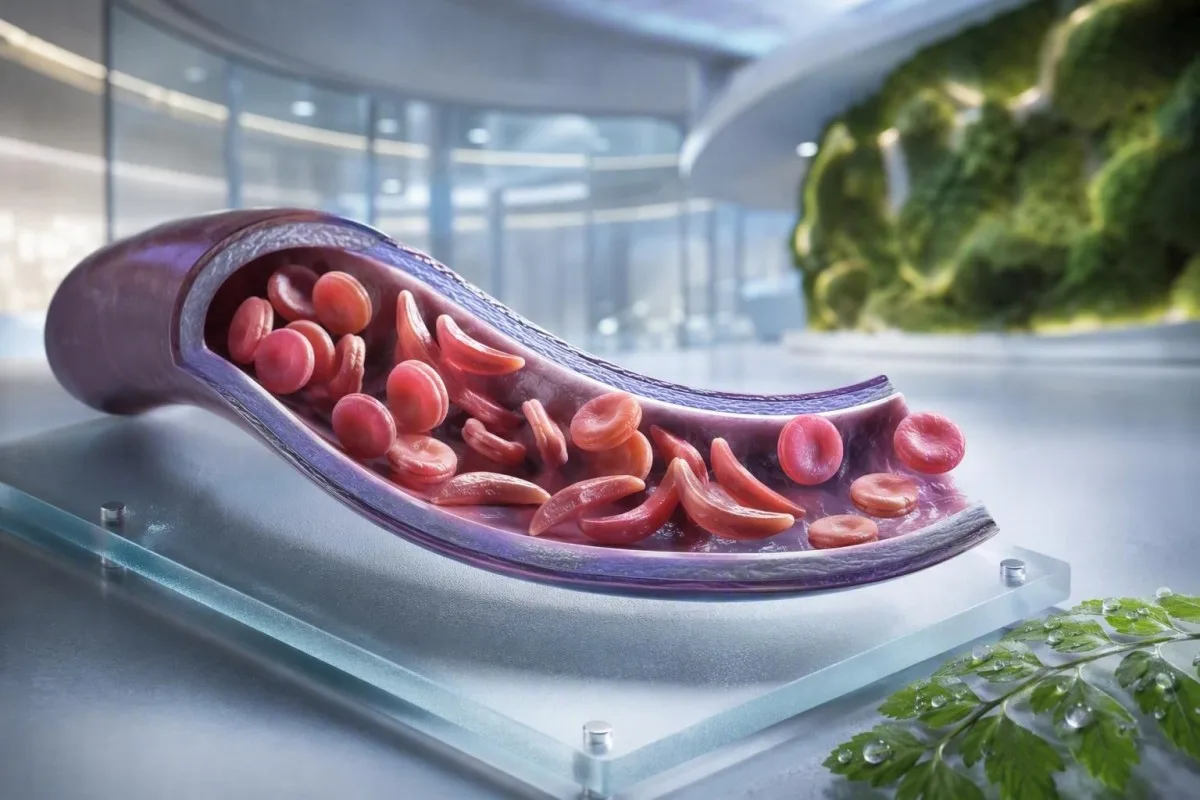
Sikkelfrumu blóðleysi er ekki eitt próf, eitt einkenni eða ein gráða brýnna aðgerða. Þessi leiðarvísir sem setur sjúklinginn í fyrirrúmi greinir á milli arfbera, staðfestrar sjúkdóms, venjulegs eftirlits og aðstæðna sem krefjast bráðameðferðar.


- Sikkelfrumu eiginleiki þýðir eitt HbS gen; það veldur venjulega ekki langvarandi blóðleysi eða endurteknu verkjakrísu.
- Skimun nýbura greinir flesta ungabörn sem hafa áhrif áður en einkenni byrja, sem gerir kleift að hefja penicillín og sérfræðiseftirlit snemma.
- Blóðrauðasérgreining (hemoglobin electrophoresis) aðskilur blóðrauðategundir og hjálpar til við að staðfesta HbSS, HbSC, HbS-beta talassemíu eða arfbera stöðu.
- Alvarleg brjóstverkur, mæði, hiti 38,5°C eða hærri, rugl, eða nýr máttleysi krefjast brýnnar matsvinnu í neyðartilvikum hjá einstaklingi með sikkelfrumu blóðleysi.
- Akút brjóstkassaheilkenni getur byrjað með hósta, hita, brjóstverk eða litlu súrefni og getur versnað á klukkustundum frekar en dögum.
- Skyndilegt fall á blóðrauða um 2 g/dL eða meira frá venjulegu stigi einstaklings getur bent til plastískrar kreppu, sekvestrunar, blæðinga eða hraðari hemólýsu.
- Retíkúlócýtatala hjálpar til við að greina virk viðbrögð beinmergs frá plastískri kreppu; lágt fjöldi meðan á versnandi blóðleysi stendur er viðvörunarmerki.
- Hydroxyurea er sjúkdómsbreytandi lyf, ekki bara verkjalyf; eftirlit felur almennt í sér fulla blóðtölu á 4 vikna fresti við aðlögun skammta.
Hvað sikkelfrumu blóðleysi þýðir – og hvað það þýðir ekki
Sigðkornablóðleysi vísar venjulega til HbSS sjúkdóms, þar sem einstaklingur erfir tvö gen sem framleiða hemóglóbín S; rauðkorn geta orðið stíf, brotnað snemma niður og stíflað litlar æðar. Sigðkornaeinkenni er öðruvísi: eitt HbS gen dugar venjulega til að erfa erfðafræðilega en ekki nóg til að valda langvinna blóðleysi og endurteknum æðastíflukreppum sem sjást í HbSS.
Sigðkornaveiki er yfirheiti sem nær yfir HbSS, HbSC, HbS-beta-núll talassemíu og HbS-beta-plús talassemíu. HbSS veldur oft mestu blóðleysinu, en alvarleiki er gríðarlega mismunandi jafnvel innan sömu fjölskyldu; grunnhemóglóbín á bilinu 7,5 g/dL getur verið stöðugt fyrir einn fullorðinn og hættulegt fyrir annan ef það hefur fallið hratt.
Sigðkornabreytingin í hemóglóbíni breytir einni amínósýru í beta-globin: valín kemur í stað glútaminsýru í stöðu 6. Við lágan súrefnisstyrk, ofþornun, blóðsýringu eða hita geta HbS sameindir fjölimerast innan frumunnar. Þessi líkamlega breyting skýrir hvers vegna kreppa getur þróast eftir langan flugferð, meltingarfærasjúkdóm eða nótt með ófullnægjandi vökvaneyslu.
Kantesti AI er AI blóðprufugreiningartæki The hemoglobin S mutation changes one amino acid in beta-globin: valine replaces glutamic acid at position 6. Under low oxygen, dehydration, acidosis, or fever, HbS molecules can polymerize inside the cell. That physical change explains why a crisis can develop after a long flight, a gastrointestinal illness, or a night of poor fluid intake. hvað HGB þýðir.
Þann 4. september 2026 sé ég enn sjúklinga sem ranglega er sagt að einkenni og sjúkdómur séu skiptanleg. Þau eru það ekki. Hugsregla Dr. Thomas Klein er einföld: biðja um nákvæma hemóglóbín genatýpu, ekki óljósa fullyrðingu um að próf hafi verið “jákvætt.”
Hvers vegna genatýpa breytir meðferð
HbSC getur haft hærra hemóglóbín en HbSS en samt valdið augnkomplíkasjónum, verkjum eða bein- og brjóskrofni. HbS-beta talassemía getur líkst einkennum eða HbSS eftir því hvort beta-globin framleiðsla er að hluta til til staðar, sem er ástæðan fyrir því að sameindapróf ákvarða stundum tvíræða rafskautamynd.
Einkenni sikkelfrumu blóðleysis eftir aldri og viðmiðunargildi
Algeng einkenni sigðkornaveiki eru meðal annars tímabundnir bein- eða brjóstverkir, þreyta, gulsótti, mæði, seinkaður vöxtur og tíðar sýkingar, en engir tveir einstaklingar upplifa sama mynstur. Einkenni koma venjulega fram eftir 4 til 6 mánaða aldur þar sem fósturhemóglóbín verndar ungabörn upphaflega gegn HbS fjölimeríunni.
Dactylitis—særir bólga í höndum eða fótum—getur verið fyrsta sýnilega merkið hjá ungbörnum. Hjá börnum á skólaaldri er kviðverkur sérstaklega mikilvægur vegna þess að hægðatregða, gallblöðrusjúkdómur, stækkað milta og æðastíflur geta fundist ótrúlega líkt heima.
Gulsótti í sigðkornaveiki endurspeglar stöðuga rauðkornabrots og aukningu á óbeinni bilirúbíni; það þýðir ekki sjálfkrafa lifrarbólgu. Dökk þvag, ljós saur, kláði, hiti eða verkur í efra hægra hluta kviðar breytir þessu mati og réttlætir mat á lifrar- og gallþvag vegum; leiðbeiningar okkar um óbeinar bilirúbínmyndir útskýrir muninn.
Fullorðnir geta eðlilegri verk sem hefur smám saman orðið tíðari. Að minni reynslu er breyting frá tveimur heimameðhöndluðum atvikum á ári í tvö atvik á mánuði klínískt þýðingarmikil jafnvel þótt neyðarheimsóknir hafi ekki fjölgað. Svefntruflanir, misst vinna, ristulverkir, lágt skap og minni hreyfigeta ættu að vera skjalfest vegna þess að þau koma oft á undan formlegri meðferðarbreytingu.
Hemóglóbínmagn á bilinu 6 til 9 g/dL getur verið venjulegt stöðugt svið í HbSS, en gildi undir 10 g/dL væri óvænt hjá flestum án sjúkdóms. Fjöldinn skiptir máli, en breytingin frá persónulegu viðmiði skiptir meira máli.
Hver ætti að íhuga skimun fyrir sikkelfrumu arfbera
Sigðkornaskimun er skynsamleg fyrir meðgöngu eða snemma á meðgöngu fyrir alla sem óþekkt er hvort þeir séu burðarefni., óháð útliti, eftirnafni eða ætluðum ættaruppruna. Burðarefni erfist og er oft óþekkt þar til nýfæddur skimun eða óvænt óeðlilegt hemóglóbínpróf.
Ef báðir líffræðilegu foreldrar bera afbrigði tengd HbS eða beta-thalassemia, getur hver meðganga haft 25% líkur á að erfa klínískt marktæka blóðrauðaástand, háð þeim afbrigðum sem eru til staðar. Burðarefni getur haft eðlilega orku, eðlilegar CBC niðurstöður og enga sögu um verkjakóf.
Prófun er sérstaklega gagnleg þegar annar makinn hefur HbAS, HbC einkenni, beta-thalassemia einkenni, óútskýrð örfrumuhringlaga eða fjölskyldusögu um sigðkornasjúkdóm. Lægri meðalfrumueyðublaðsinnihald ætti ekki að kenna um járnskort án þess að athuga ferritín og íhuga thalassemia; bera saman MCV og MCH vísbendingar.
Alþjóðleg skýrsla frá Alþjóðaheilbrigðismálastofnuninni árið 2022 áætlaði að blóðrauðaástand sé áfram mikil arfgeng sjúkdómsbyrði, sérstaklega þar sem aðgangur að nýburaskimun er ójafn. Virðingarverðasta nálgunin er almennur aðgangur að upplýstri skimun frekar en að nota þjóðerni sem hliðvörð.
Kantesti er AI blóðrannsóknartúlkunarvettvangur sem getur útskýrt tilkynnt HbS niðurstöðu á einföldu máli, en staðfesting burðarefnis og æxlunarráðgjöf krefst viðurkennds rannsóknarstofu og læknis. Ef par skipuleggur meðgöngu, spyrðu hvort próf maka og erfðaráðgjöf geti farið fram fyrir getnað frekar en eftir að niðurstaða verður tímaviðkvæm.
Hvernig blóðrauðar skilgreiningar staðfesta greiningu
Blóðrauða rafskaut skilur blóðrauða brotin og er kjarnapróf til að staðfesta sigðkornablóðleysi eða einkenni, oft ásamt hátækni vökvaskiljun og, þegar þörf krefur, erfðaprófun. Reglulegt CBC getur ekki staðfest HbSS eða einkenni vegna þess að járnskortur og thalassemia geta framkallað skörun rauðra blóðkorna vísbendingar.
Í ósmeðhöndluðu HbSS, sýnir rafskaut venjulega aðallega HbS án HbA, þó að HbF prósentan sé breytileg. HbAS sýnir venjulega bæði HbA og HbS, oft með HbA hærra en HbS; nákvæm prósentur geta breyst með sam-arfgengri alfa-thalassemia eða nýlegri blóðgjöf.
Nýleg blóðgjöf getur gert niðurstöðu rafskauts villandi í gróft 3 mánuði vegna þess að gjafinn HbA er enn að dreifast. Þetta er líka ástæðan fyrir því að HbA1c getur vanmetið meðal glúkósa eftir blóðgjöf eða við mikla blóðhraðahreinsun; sjá þegar HbA1c blekkir.
Útlits smur er hægt að sýna skotfrumur, fjölfrumulitarhúð og sigðmyndaðar form, en smásjárskoðun styður frekar en kemur í stað brotaprófunar. Dr. Klein hefur séð “eðlilegt” bráðamóttökusmurlag tefja skýringu þegar sjúklingur hafði verið fluttur vikum áður - segðu alltaf rannsóknarstofunni og blóðfræðiteyminu frá blóðgjöfum.
Nýburaskimunaraðferðir greina HbS fyrir klínískum sjúkdómi, en niðurstaðan þarf samt tímanlega staðfestingarprófun. Leiðbeiningarnar frá 2014 byggðar á sönnunargögnum eftir Yawn o.fl. mæla með þátttöku sérfræðinga snemma á lífsleiðinni, með fyrirbyggjandi ráðstöfunum sem hefjast fyrir fyrstu stóru fylgikvillann (Yawn o.fl., 2014).
Reglulegt blóðmæling: hvað læknar fylgjast raunverulega með
Reglulegt eftirlit hjá sjúklingum með sigðkornasjúkdóm beinir venjulega athygli að blóðrauða, retíkulócytum, hvítum blóðkornum, blóðflögum, bilirúbíni, LDH, nýrnastarfsemi og þvagi próteini - ekki stök niðurstaða. Öruggasta samanburðurinn er við stöðugt grunnmagn sjúklingsins sjálfs, helst tekið þegar viðkomandi er við góða heilsu og hefur ekki nýlega fengið blóðgjöf.
Blóðlýting veldur oft aukinni LDH, óbeinni bilirúbíni og retíkulócytum með lágu haptóglóbíni. Haptóglóbín getur verið lágt af öðrum ástæðum, þar á meðal lifrarsjúkdómur, svo samsett mynstur er sterkara en nokkur stök merki; okkar haptoglobin túlkunarhandbók sýnir hvers vegna.
Eitt sér retíkulócýtuhlutfall getur ofmetið viðbrögð beinmergs við verulegri blóðleysi. Læknar reikna oft út algildan retíkulócýtufjölda eða leiðrétta retíkulócýta viðbrögð; lækkandi algildur fjöldi við versnandi blóðleysi vekur áhyggjur af plastískri kreppu tengdri parvóveiru B19.
Kantesti er AI-knúið blóðprófunargreiningartól sem ber saman endurteknar blóðfræðilegar niðurstöður frekar en að meðhöndla háa LDH sem sjálfstæða greiningu. Sýni sem merkt er sem blóðlýst í rörinu getur ranglega aukið kalíum og LDH, svo óvænt niðurstaða gæti þurft að taka nýtt sýni; endurskoða endurteknar prófanir eftir blóðlýtingu.
Hýdroxyurea eykur almennt MCV og HbF með tímanum, en lækkar daufkyrninga hóflega í áhrifaríkum skammti. Þessar breytingar geta verið væntanlegar, en algildur daufkyrningafjöldi undir einstakri meðferðarmörkum eða hratt lækkandi blóðflögufjöldi krefst endurskoðunar hjá lækni frekar en sjálfstæðrar aðlögunar lyfja.
Hvenær verk er æðastífluáfall – og hvenær ekki
Vaso-okklúsív sársauki er oft djúpur, alvarlegur og staðsettur í baki, brjósti, mjöðmum, útlimum eða kvið, en nýr sársauki má ekki sjálfkrafa merkja sem sigðkrísis. Hiti, bólga á staðnum, meiðsli, kviðverkir eða einhliða taugaeinkenni benda til vandamála sem þarfnast annarrar rannsóknar.
Heimilisáætlun vegna verkja inniheldur venjulega snemma vökvun, hlýju, ávísaða verkjalyfja, hvíld og persónuleg viðbrögð við versnun sem samþykkt hefur verið með sigðliðinu. Að drekka of mikið magn er ekki öruggara: fólk með nýrna- eða hjartasjúkdóma getur þróað með sér vökvaofhleðslu, sérstaklega í bráðum veikindum.
Sársauki sem ekki er stjórnað eftir venjulega björgunaráætlun, kemur í veg fyrir að vökvi eða lyf haldist niðri, eða er mismunandi í gæðum eða staðsetningu ætti að vekja bráða klíníska ráðgjöf. Bólgin, heit lið getur táknað septic liðagigt eða beinbólgu frekar en óbrotna vaso-okklúsíu; okkar leiðbeiningar um prófanir vegna óútskýrðra verkja lýsir gagnlegum fyrstu rannsóknum.
Í bráðameðferð skiptir tafarlaus verkjalyfjagjöf og endurmötning meira máli en að sanna verkjasækni með rannsóknarnúmeri. Leiðbeiningar NICE um bráða verkjakreppur í sigðfrumum mæla með tafarlausri verkjalyfjagjöf og tíðri endurskoðun, því undirmeðferð sjálf stuðlar að langvarandi kvöl og seinkaðri bata (NICE, 2012).
Forðastu kalda pakka beint á svæði með vaso-okklúsívum verkjum nema teymi þitt ráðleggur þá sérstaklega; kuldi getur þrengt jaðaræðar. Þessi hagnýta smáatriði virðist minniháttar, en margir sjúklingar segja mér að enginn hafi útskýrt það fyrr en eftir nokkrar erfiðar kreppur.
Akút brjóstkassaheilkenni: neyðarástand sem margir missa af
Bráð brjóstasjúkdómur er ný lungainnfiltun á lungna-röntgenmynd ásamt öndunareinkennum, hita, brjóstverk eða litlu súrefni hjá einstaklingi með sigðkornasjúkdóm, og það er bráðatilfelli. Það getur versnað hratt, stundum eftir innlögn vegna verkjakreppu frekar en á þeim tíma sem brjóstaeinkenni byrja.
Hringdu á bráðaþjónustu eða farðu á bráðamóttöku vegna nýrrar mæði, brjóstverkjum, blágráum vörum, yfirliði, viðvarandi hósta með hita eða súrefnismettun undir fyrirhuguðu markmiði viðkomandi. Mettun upp á 92% getur verið mikil lækkun fyrir einhvern sem venjulega er í 98%, á meðan sumir sjúklingar hafa lægra skráð grunnstig; bæði algildið gildi og breyting skipta máli.
Bráð brjóstasjúkdómur getur falið í sér sýkingu, fituinnflutning úr beinmerg, lungnaæðastíflu, atelectasis, eða nokkrar aðgerðir í einu. Læknar meta almennt súrefnisgjöf, CBC, retíkulócýtur, ræktanir þegar hiti er, lungna-röntgenmynd, og stundum blóðgasar; blóðprufur fyrir andnauð bætir samhengi við þessar niðurstöður.
Hjá fullorðnum getur of svæfing af ópíóíðum, grunn öndun vegna verkja og of mikill bláæðainnrennsli versnað öndunarstöðu. Innblástursspirometría meðan á sjúkrahúsdvöl stendur dregur úr lungnaflækjum við valdar verkjakreppur, þó hún sé ekki staðgengill fyrir bráða mat þegar einkenni hafa þegar hafist.
Endurskoðun Kato og félaga frá 2018 lýsir bráðum brjóstasjúkdómi sem aðalorsök sjúkdóma og dánartíðni á öllum aldri (Kato o.fl., 2018). Ekki aka sjálfur ef öndunarerfiðleikar, syfja eða þrýstingur í brjósti er marktækur.
Hiti, sýkingar og bráðar skjúkdómsárekstilfelli
Hiti sem er 38,5°C (101,3°F) eða hærri hjá barni eða fullorðnum með sigðkornasjúkdóm krefst skjótrar mats hjá lækni sama dag nema sérfræðingateymi þeirra hafi gefið annað fyrirkomulag. Brotthvarf ónæmisvirkni milta getur valdið því að sumar bakteríusýkingar þróast mun hraðar en venjulegur veirusótt.
Hiti ásamt leti, útbrotum, lágum blóðþrýstingi, rugli eða minni þvaglátum krefst bráðameðferðar núna. Eðlilegur hvítkorratala útilokar ekki áreiðanlega alvarlega sýkingu í sigðkornasjúkdómi, sérstaklega snemma í sjúkdómsferli eða meðan á meðferð með hidroxyurea stendur.
Milta-innilokun kemur oftast fyrir hjá ungum börnum og veldur skyndilegri stækkun milta, fölvi, fyllingartilfinningu í kvið, hröðum öndun og hröðu falli á blóðrauða. Foreldrum er stundum kennt hvernig á að finna fyrir milta barns síns, en allar nýjar stækkanir með sjúkdómi ættu að kalla fram brýnt mat frekar en endurteknar heimaathuganir.
Blóðrauðalækkun sem er 2 g/dL eða meiri undir venjulegum grunni með stækkuðu milta er áhyggjuefni fyrir innilokun. Aftur á móti getur alvarlegt blóðleysi með mjög lágri retikulocytatölu bent til aplastískrar kreppu, oft tengdri parvóvírus B19; Túlkun á retikulocytatölu útskýrir merki í merg.
Rannsóknir vegna blóðsýkingar geta innihaldið laktat, ræktanir, CBC, nýrnapróf og bólguvísa, en ákvörðun um meðferð ætti aldrei að bíða eftir að hver gildi komi fram. Til að skilja brýn mynstur, lestu vísbendingar um blóðsýkingarvísa.
Bóluefni og fyrirbyggjandi sýklalyf
Bóluefni og penicillín smyrsl hjá börnum draga úr áhættu en gera hita ekki áhættulítinn. Staðfestu einstaklingsbundna áætlun þína með blóðlækninga- eða barnateymi, sérstaklega eftir fjarlægingu milta, ferðalög, nýtt barn, eða breytingu á staðbundinni bólusetningaráætlun.
Heilablóðfall og taugavarnarmerki krefjast tafarlausra aðgerða
Skyndilegt sljóleiki í andliti, máttleysi í höndum eða fótum, talörðugleikar, krampi, alvarlegt óvenjulegt höfuðverkur, rugl, eða jafnvægisleysi í sigðkornasjúkdómi ætti að meðhöndla sem mögulega heilablóðfallsneyðarástand. Hringdu í neyðarþjónustu strax; bíddu ekki eftir að sjá hvort einkenni líða eða gefðu verkjalyf fyrst.
Börn með HbSS eða HbS-beta-null þalassemi fá oft tilboð um transcranial Doppler ómskoðunarskjáfræðslu frá 2 til 16 ára aldri. Óeðlileg meðalhámarkshraði 200 cm/sekúndu eða meiri bendir til verulega aukinnar heilablóðfallsáhættu og krefst skjótrar sérfræðiaðgerðar.
Langvarandi blóðgjafameðferð getur dregið úr fyrstu heilablóðfallsáhættu hjá börnum með óeðlilegar Doppler-niðurstöður, en hún skapar aukaþarfir: eftirlit með ofhleðslu járns, mótefni-leit, og varkár samsvörun gjafablóðkorna. Þetta er sérhæfð umönnun, ekki niðurstaða til að stýra í gegnum forrit.
Fullorðnir geta haft tímabundin taugakerfiseinkenni, vitræna breytingar, eða hljóðlát heilaskaða án klassísks dramatísks heilablóðfalls. 10 mínútna tímabil af orðafærðarörðugleikum þarf samt að meta sem bráðnauðsynlegt vegna þess að tímabundin taugamerki geta verið viðvörun, ekki fullvissun.
Dr. Thomas Klein ráðleggur fjölskyldum að vista staðbundið símanúmer fyrir sigðkornsneyðarástand við hlið venjulegs verkjaplan. Það fjarlægir eina ákvörðun á fáum mínútum þegar barn eða fullorðinn gæti verið að berjast við að tjá sig.
Vernd nýrna, augna og lungna milli krísa
Sigðkornasjúkdómur getur skaðað nýru, sjónhimnu, lungu og hjarta jafnvel þegar verkir eru sjaldgæfir, svo reglulegt eftirlit með líffærum er hluti af meðferð frekar en valfrjáls viðbót. Próf á þvagefnasambandi, blóðþrýstingsmælingar, augnskoðanir og einkennastýrð lungnaathugun greina fylgikvilla áður en þeir verða augljósir.
Albúmínúría getur verið snemma merki um sigðkornanefrópaþykkni. Albúmín-til-kreatínín hlutföll í þvagi sem er 30 mg/g eða meira er óeðlilegt hjá flestum fullorðnum og ætti að staðfesta með endurteknum prófum þar sem hiti, hreyfing, tíðir og ofþornun geta tímabundið aukið það.
Kreatínín getur litið blekkjandi eðlilega út í sigðkornasjúkdómi vegna þess að aukin seyting í túbúl og minni vöðvamassi geta hulið minni síun. Cystatin C eða sameinaðar jöfnur geta bætt gagnlegu samhengi við, á meðan þrálát froðukennd þvag á skilið mat; sjá leiðbeiningar um prótein í þvagi.
Retinopathy er sérstaklega mikilvæg í HbSC sjúkdómi, sem getur verið klínískt rólegri að öðru leyti. Nýjir fljótandi punktar, ljósglampar, sjónbreyting sem líkist fortjaldi, eða skyndileg sjóntruflun krefjast bráðrar augnskoðunar, ekki venjulegs tíma eftir nokkrar vikur.
Meðganga eykur lífeðlisfræðilega ofur síun og meiri áhættu móður og fósturs, svo grunnrannsóknir á nýrum og þvagi ættu að fara fram snemma. Útskýring okkar á breytingum á GFR meðgöngu hjálpar til við að greina væntanlegar breytingar frá áhyggjuvaldandi þróun.
Meðferðarval, hýdroxyurea og blóðgjafaöryggi
Hydroxyurea dregur úr sársaukafullum köstum og bráðu brjóstheilkenni hjá mörgum með HbSS eða HbS-beta-zero talassemíu með því að auka fósturhemóglóbín, en það krefst skipulagðrar eftirlits. Blóðgjöf getur bjargað lífi við valdar fylgikvillar, en endurteknar blóðgjafir leiða til járn hleðslu og áhættu af rauðum blóðkornamótefnum.
Hydroxyurea er venjulega skammtað með CBC og reticulocyte talningu um það bil hverjar 4 vikur þar til stöðugur skammtur er náð, síðan á lengri tímabilum ákvarðað af meðferðarteyminu. Hærri MCV er oft væntanleg meðferðaráhrif, á meðan alvarleg blóðfrumnafæð krefst endurskoðunar lyfja og stundum tímabundinnar stöðvunar.
Einföld blóðgjöf eykur súrefnisflutningsgetu, en of mikil hemóglóbínstyrkur getur aukið seigju í HbSS. Margar bráðar samskiptareglur forðast að hækka hemóglóbín eftir blóðgjöf mikið yfir 10 g/dL nema sérfræðingur setji annað markmið; skiptablóðgjöf er notuð við valda alvarlega fylgikvilla.
Járn yfirhleðsla verður líklegri eftir endurteknar blóðgjafir og er metin með ferritínþróun auk lifrar- eða hjarta segulómunar þegar við á. Ferritín hækkar við bólgu, svo ein há gildi er ekki sönnun fyrir járnbyrði í vefjum; okkar Leiðbeiningar um járnrannsóknir útskýrir takmörkin.
Vísbendingar eru sterkastar fyrir hydroxyurea í HbSS og HbS-beta-zero sjúkdómi; ávinningur í HbSC er áfram svæði með minni vissu og meiri einstaklingsbundinni ákvarðanatöku. Lyfjaáætlun ætti að innihalda umræður um getnaðarvörn og meðgöngu þar sem við á, hindranir í fylgni og skrifleg áætlun fyrir misheppnuð skammta.
Meðganga, frjósemi og fjölskylduáætlanir með HbS
Meðganga með sigðkornasjúkdómi krefst snemma sameiginlegrar umönnunar frá fæðingarhjálp og blóðfræði vegna þess að áhætta á verkjaköstum, blóðleysi, segamyndun, sýkingum, for-eklampsi, takmörkun fósturvaxtar og fyrirburða fæðingu er meiri. Skoðun á berum er mikilvæg fyrir meðgöngu vegna þess að erfðafræðileg áhætta veltur á báðum líffræðilegum foreldrum.
Heimsókn fyrir meðgöngu ætti að endurskoða genatýpu, grunn hemóglóbín, nýrnastarfsemi, þvags albúmín, blóðþrýsting, blóðgjafasögu, rauð blóðkornamótefni, bólusetningar og lyf. Ákvarðanir um hydroxyurea meðgöngu eru einstaklingsbundnar og verða að taka með sérfræðingum; ekki hætta eða byrja aftur eingöngu á grundvelli ráðlegginga á netinu.
Eigi má ávísa járni sjálfkrafa fyrir lágt hemóglóbín í HbSS. Járnskortur getur verið til staðar samhliða, sérstaklega með meðgöngu eða miklum tíðarblæðingum, en ferritín og transferrin mettun ætti að leiðbeina meðferð vegna þess að langvarandi blóðskilun ein og sér jafngildir ekki járnskorti.
Þegar báðir foreldrar bera viðeigandi hemóglóbín afbrigði, getur erfðaráðgjöf útskýrt náttúrulega getnað, fæðingarval, gjafavalkosti og prófanir fyrir ígræðslu án þess að leiða fjölskyldu að einni ákvörðun. Markmiðið er upplýst val, ekki kvíði.
Fyrir aðrar hagnýtar rauðar fánar rannsóknarstofu á meðgöngu, sjá sömu-dags meðgöngu rannsóknarstofu áhyggjur. Þekkt grunnþekking sjúklingsins ætti að vera innifalin í hverri afhendingu fæðingar; það breytir því hvernig hemóglóbín niðurstaða er túlkuð.
Örugg notkun rannsóknarniðurstaðna milli tíma
Niðurstaða sigðkornarannsóknar er mest nothæf þegar hún er borin saman við genatýpu þína, stöðugt grunnþekking, einkenni, meðferðir og nýlegar blóðgjafir. Hár bilirúbín eða lágt hemóglóbín getur verið væntanlegt fyrir einn einstakling með HbSS en brátt fyrir sama einstakling ef niðurstaðan breytist skyndilega.
Geymdu eins blaðsíðu skrá yfir genatýpu, venjulegt hemóglóbín, venjulega súrefnis mettun ef þekkt, blóðflokk og mótefni, núverandi lyf, blóðgjafadagsetningar og neyðarsambönd. Þetta sparar tíma á ókunnugum bráðamóttökum og dregur úr líkum á að HbSS grunnþekking sé mistekin fyrir nýlega uppgötvaðan blóðleysi.
Kantesti er þjónustu fyrir túlkun á rannsóknarprófum með gervigreind sem getur skipulagt hlaðnar rannsóknarstofuskýrslur og merkt mynstur til umræðu, þar á meðal skilunarmerki, nýrnaþróun og lyfjaeftirlit. Hún getur ekki séð bringuna þína, mælt súrefnisinnihald, eða komið í stað bráðaþjónustu þegar einkenni benda til bráðrar brjóstheilkennis, blóðsýkingar eða heilablóðfalls.
Niðurstöður utan viðmiðunarmarka rannsóknarstofu eru ekki sjálfkrafa hættulegar og niðurstöður innan hennar geta samt verið hættulegar ef þær hafa breyst hratt. Til að fá skýringu á merkjum og viðmiðunarmörkum, lestu hvað þýðir niðurstaða utan marka.
er endurskoðuð gegn skilgreindum aðferðum og takmörkunum; lesendur sem vilja skilja öryggisráðstafanir okkar geta skoðað , vegna þess að. Komdu með upprunalega PDF skjalið á blóðmeinafræðilega viðtal þitt — OCR er gagnlegt, en upprunalega skýrslan er áfram skráin.
Skýr neyðaráætlun fyrir sikkelfrumu blóðleysi
Leitaðu tafarlaust aðstoðar vegna brjóstverkja eða mæði, hita sem er 38,5°C eða hærri, nýrra taugasjúkdómaeinkenna, yfirliðs, alvarlegs fölleika, óstjórnanlegra verkja, hratt vaxandi kviðar eða vanhæfis til að drekka og taka lyf. Þessi viðvörunareinkenni geta bent til bráðs brjóstheilkennis, blóðeitrunar, heilablóðfalls, alvarlegs blóðleysis eða miltafóðrunar.
Láttu neyðarstarfsfólk vita að þú ert með sigðkornasjúkdóm, nefndu genatýpuna þína ef þekkt og lýstu því sem er öðruvísi en venjulega. Nefndu nýleg blóðgjöf, grunnalitilblóðrauða, verkjalyf sem þegar hafa verið tekin með skömmtum og tímum, ofnæmi, meðgöngu og fyrra brátt brjóstheilkenni eða heilablóðfall.
Bíddu ekki eftir að heimilispúlsúlsmælir verði óeðlilegur ef einkenni brjóstverkja versna. Neytendatæki geta lesið rangt með köldum fingrum, naglalökki, hreyfingu, lélegri blóðrás og sumum húðlitum; einkenni og klínísk mat vega þyngra en eitt róandi skjár.
Ef þú annast barn, biddu teymi þess um skrifleg viðmið fyrir hita, verkjastillingu og leiðbeiningar um athugun á milta. Ef þú ert fullorðinn, geymdu afrit í símanum þínum og deiltu því með einni traustri manneskju; fjölskylduheilbrigðisskrá skipulag getur auðveldað þetta.
læknateymið , þar á meðal Læknisfræðileg ráðgjafarnefnd, styður menntun um rannsóknarstofuskilgreiningu, en neyðarákvarðanir tilheyra klínískri þjónustu á staðnum. Um samtök okkar og klínískt verkefni, sjá teymið okkar og nálgun.
Algengar spurningar
Hver eru fyrstu einkenni sigðkornabæklunarsjúkdóms hjá börnum?
Fyrstu einkenni sigðfrumublóðleysis koma oft fram eftir 4 til 6 mánaða aldur, þegar fósturhemóglóbín minnkar náttúrulega. Sársaukafullur bólga í höndum og fótum, kölluð dactylitis, hiti, óvenjulegur pirringur, fölvi, gulusótt, léleg fæða og bólginn kviður eru algeng snemmvitnuð merki. Hiti sem er 38,5°C (101,3°F) eða hærri hjá ungbarni með sigðfrumublóðsjúkdóm krefst tafarlauss mats hjá lækni sama dag þar sem alvarleg sýking getur þróast hratt. Nýburaskimun greinir börn sem hafa áhrif áður en einkenni byrja, en staðfestingarpróf og sérfræðieftirlit eru áfram nauðsynleg.
Getur maður verið með sigðkornaeinkenni (sickle cell trait) og samt haft einkenni?
Flestir með sigðkornseiginleika hafa ekki langvarandi blóðleysi, ekki endurteknar verkjakreppur og eðlilega daglegt þol fyrir hreyfingu. Sjaldgæfar fylgikvillar geta komið fram við mikinn vökvatap, mikla hitauppbyggingu, mikla hæð, mjög mikla áreynslu eða umhverfi með lítlu súrefni, og þvag með blóði ætti að meta frekar en að telja sjálfsagt að það sé góðkynja. Eiginleiki þýðir eitt HbS gen, en sigðkornablóðleysi þýðir venjulega HbSS sjúkdóm með tvö galluð beta-globín gen. Hemóglóbínelfóresis eða sambærilegt skiljunarpróf getur skýrt muninn.
Hvaða próf staðfestir sigðfrumuskjúkdóm?
Blóðrauðahreinsun, háhraða vökvaútskilun eða háræðajóðun staðfestir blóðrauðabrot sem eru til staðar og er miðlægt við greiningu á sigðkornablóðleysi. Ómeðhöndluð HbSS sýnir almennt aðallega blóðrauða S án blóðrauða A, en einkenni sýna venjulega bæði blóðrauða A og blóðrauða S. CBC getur greint blóðleysi eða lítil rauð blóðkorn en getur ekki sjálfstætt greint HbSS, HbSC eða einkenni. Nýleg blóðgjöf getur skekkt brotagreiningar í um 3 mánuði, svo erfðapróf gætu verið nauðsynleg þegar mynstur er óljóst.
Hvenær á einstaklingur með sigðfrumusjúkdóm að fara á bráðamóttöku?
Einstaklingur með sigðkornasjúkdóm ætti að leita á bráðamóttöku vegna hita sem er 38,5°C (101,3°F) eða meiri, brjóstverkja, mæði, lítils súrefnis, skyndilegrar máttarleysis, talörðugleika, flogaveiki, yfirliðs, hröðrar versnunar ljósleika, mikillar uppþembu í kvið eða verkja sem ekki nást undir stjórn með staðfestri áætlun. Þessi einkenni geta bent til bráðs brjóstheilkennis, sýkingar, heilablóðfalls, miltaflæðis eða skyndilegs blóðrauðafalls. Nýir eða breyttir verkir þarfnast einnig mats því beinþynning, gallblöðrusjúkdómur, blindraristabólga og blóðtappar geta líkt eftir æðastífluverkjum. Ekki aka sjálfur ef taugasjúkdóma- eða öndunareinkenni eru marktæk.
Hvaða blóðrauðagildi er hættulegt við sigðfrumub kó?
Það er ekkert eitt hættulegt blóðrauðatala í sigðkornablóðleysi þar sem margir með HbSS hafa stöðugan grunn á milli gróft 6 og 9 g/dL. Fall um 2 g/dL eða meira frá venjulegri blóðrauðatölu einstaklingsins er oft meira áhyggjuefni en raungildið og getur bent til aðþenslukreppu, innilokunar milta, blæðinga eða hraðari blóðskilnaðar. Alvarleg einkenni eins og andþyngsli, yfirlið, brjóstverkur, hraður hjartsláttur eða ruglingur krefjast tafarlausrar mats á hvaða blóðrauðatölu sem er. Ákvarðanir um blóðgjafir fara eftir einkennum, grunngildi, orsök blóðleysis, súrefnismagni og hættu á ofþykknun.
Læknar hydroxyurea silfursjúkdóm?
Hýdroxýkarbamíð læknar ekki sigðkornablóðleysi, en það getur dregið úr sársaukaköstum, bráðum brjóstheilkenni, þörf fyrir blóðgjafir og sjúkrahúsinnlagnir hjá mörgum einstaklingum með HbSS eða HbS-beta-null talassemi. Það virkar að hluta til með því að auka fósturblóðrauða og krefst venjulega eftirlits með ALT og retíkúlósítum um það bil á 4 vikna fresti meðan skammturinn er aðlagður. Hækkandi MCV og HbF stig geta gefið til kynna líffræðileg áhrif, þó hvorugt niðurstaðan sanni fullkomna samfylgni. Lækningaraðferðir eins og stofnfrumuígræðsla og sumar genatengdar meðferðir krefjast mjög sérhæfðs hæfismats og langtíma eftirfylgni.
Fáðu AI-knúna greiningu á blóðprufum í dag
Vertu með yfir 2 milljónir notenda um allan heim sem treysta Kantesti fyrir tafarlausa og nákvæma greiningu á blóðprufum. Hladdu upp niðurstöðum blóðrannsókna þinna og fáðu yfirgripsmikla túlkun á 15,000+ lífmerkjum á sekúndum.
📚 Tilvísuð rannsóknarútgáfa
Klein, T., Mitchell, S., & Weber, H. (2026). Leiðarvísir fyrir C3- og C4-komplement blóðpróf og ANA-títra. Kantesti AI Medical Research.
Klein, T., Mitchell, S., & Weber, H. (2026). Blóðprufa fyrir Nipah-veiruna: Leiðbeiningar um snemmbúna greiningu og greiningu 2026. Kantesti AI Medical Research.
📖 Ytri læknisfræðilegar heimildir
⚕️ Fyrirvari vegna læknisfræðilegra mála
Þessi grein er eingöngu til fræðslu og felur ekki í sér læknisráðgjöf. Leitaðu alltaf til hæfs heilbrigðisstarfsmanns vegna ákvarðana um greiningu og meðferð.
E-E-A-T traustmerki
Reynsla
Læknastýrð klínísk yfirferð á vinnuferlum við túlkun rannsóknarniðurstaðna.
Sérþekking
Áhersla á rannsóknarstofulækningar: hvernig lífmarkarar hegða sér í klínísku samhengi.
Yfirvald
Skrifað af Dr. Thomas Klein með yfirferð Dr. Sarah Mitchell og próf. Dr. Hans Weber.
Traustleiki
Rökstudd túlkun byggð á gögnum með skýrum eftirfylgnileiðum til að draga úr ávörun.