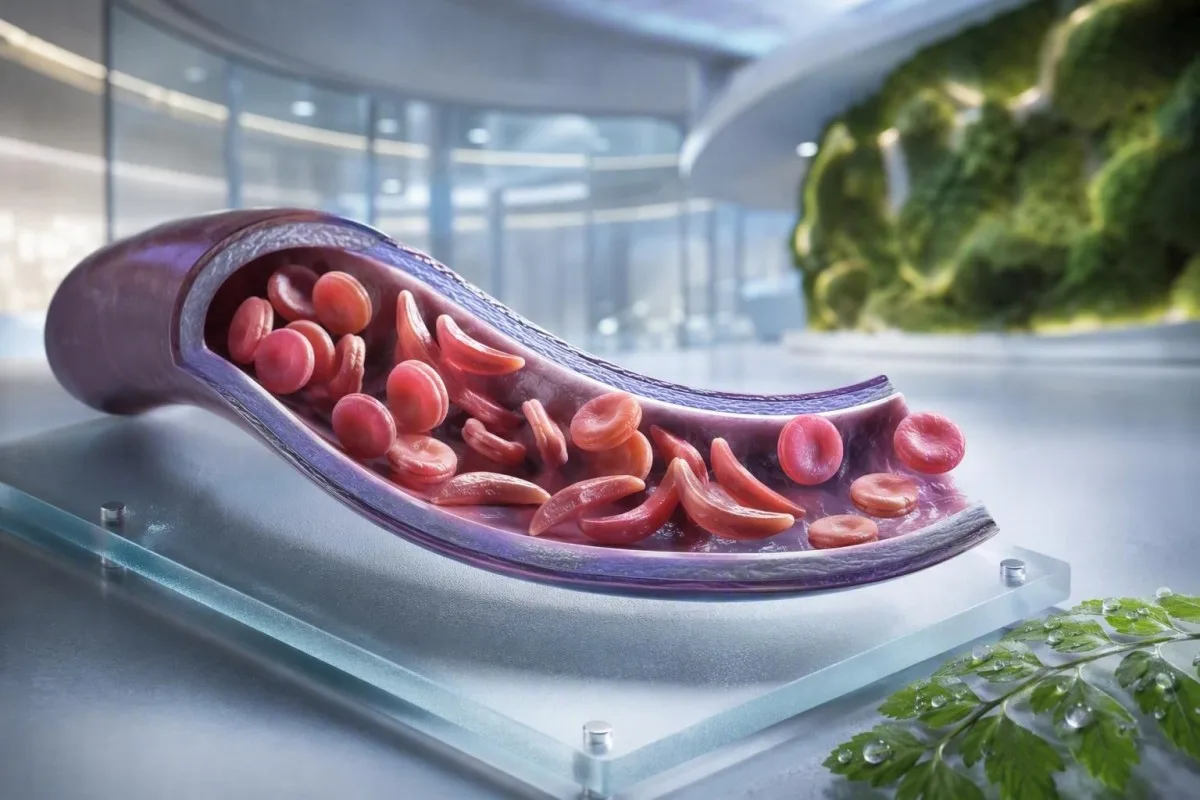
L'anemia falciforma es pas un sol tèst, un sol simptòma ni un sol nivèl d'urgéncia. Aquel guida centrat sul pacient destria lo estat de portaire, la malautiá confirmada, lo seguiment de rutina e las situacions que demandan de los urgéncias.


- Trait falciforma significa un gen HbS; normalament causa pas d'anemia cronica ni de crisis dolorosas recurrentas.
- Despistatge del nounat identifica la màger part dels mainats afectats abans que los simptòmas comengan, permetent la penicillina e un seguiment specialist de començar lèu.
- Electroforesi de l’emoglobina destria los tipes d'emoglobina e ajuda a confirmar HbSS, HbSC, HbS-beta thalassemia, o l'estat de portaire.
- Dolor toracica severa, dificultat respiratòria, febre de 38.5°C o mai, confusion, o una nòva feblesa demandan una avaloracion d'urgéncia immediata per una persona amb malautiá falciforma.
- Sindròma toracic agut pòt començar amb tos, febre, dolor toracica, o un bas nivèl d'oxigèn e pòt empitjorar en d'oras puslèu qu'en jorns.
- Una casuda soudana de l'emoglobina de 2 g/dL o mai d'un nivèl abitual d'una persona pòt indicar una crisi aplastica, un sequestre, un empontament o una emòlisi accelerada.
- Numeracion de reticulòcits ajuda a destriar una respòsta medullara activa d'una crisi aplastica; un comptatge bas pendent una anemia que s'agreuja es un tipe d'avís.
- Idroxiureà es un medicament que modifíca la malautiá, pas sonque un medicament contra la dolor; lo seguiment inclutz comunament un comptatge sanguin complet totas las 4 setmanas pendent l'ajustament de la dòsi.
Ce que significa l'anemia falciforma — e ce que non significa pas
L'anemia falciforma designa abitualament la malautiá HbSS, ont una persona erita dos gèns que produson l'emoglobina S; los globuls roges pòdon venir rigides, se desfar de bòna ora, e obstruir los pichons vaissèls. Lo trait falciform es diferent: un gèn HbS es abitualament sufisent per lo transmetre geneticament, mas pas sufisent per causar l'anemia cronica e los episòdis vaso-occlusius recurrents vists dins l'HbSS.
La malautiá falciforma es un tèrme generic que incluís l'HbSS, l'HbSC, la talassemia HbS-beta-zero e la talassemia HbS-beta-plus. L'HbSS causa sovent l'anemia mai prononciada, mas la gravetat varia enormament quitament dins una meteissa familha; un nivèl d'emoglobina de basa de 7,5 g/dL pòt èsser establa per un adult e dangierosa per un autre se es tombada rapidament.
La mutacion de l'emoglobina S càmbia un acid aminat dins la beta-globina: la valina remplaça l'acid glutamic a la posicion 6. Sut una bassa oxigenacion, desidratacion, acidòsi o febre, las moleculas HbS pòdon polimerizar a l'interior de la cellula. Aquel cambi fisic explica perqué una crisi pòt se desvolopar aprés un long vòl, una malautiá gastrointestinala, o una nuèit de manca d'aport idric.
Kantesti AI es un Analizador de tèst de sang d'IA que met lo CBC, la bilirrubina, la LDH, los reticulocits, la creatinina e los resultats precedents dins una vista longitudinala; aquò diagnostica pas la malautiá falciforma sonque a partir d'un CBC. Per un repàs practic de la declaracion de l'emoglobina, vesètz çò que significa HGB.
A la data del 4 de setembre de 2026, vei encara de pacients a qui se ditz erronèament que lo trait e la malautiá son intercanviables. Non son pas. La règla clinica del Dr. Thomas Klein es simpla: demandar lo genotipe exacte de l'emoglobina, pas una declaracion vague qu'un tèst foguèsse “positiu”.”
Perqué lo genotipe càmbia lo tractament
L'HbSC pòt aver una emoglobina mai nauta que l'HbSS, mas totun causar de complicacions retinianas, de dolor, o de necrosi avasculara. La beta talassemia HbS pòt ressemble au trait o a l'HbSS segon que la produccion de beta-globina siá parcialament presenta, çò que explica perqué lo tèst molecular resolv de còps un esquèma d'electroforesi ambiguous.
Simptòmas de la malautiá falciforma per edat e basala
Los simptòmas de la malautiá falciforma incluísson comunament dolor episodic de las ossas o del pitre, fatiga, icterícia, dificultat respiratòria, creissença retardada, e infeccions frequentas, mas pas doas personas experimentan lo meteis esquèma. Los simptòmas apareisson generalament aprés 4 a 6 meses d'edat perqué l'emoglobina fetala protegís inicialament los nourrissons de la polimerizacion de l'HbS.
La dactilitis — tumefaccion dolorosa de las mans o dels pès — pòt èsser lo primièr signe visible chez los nourrissons. Dins los escolans, la dolor abdominala merita una atencion particulara perqué la constipacion, la malautiá de la vesicula biliar, l'enlargiment esplenic e la vaso-occlusion pòdon semblar de biais sorprendente a l'ostal.
L'icterícia dins la malautiá falciforma refleta la descomposicion constanta dels glòbuls roges e una elevacion de la bilirrubina indirecta; non significa automaticament una epatita. Urina escura, escrèments palencs, prusor, febre, o dolor de l'ipocondri drech càmbian aquela avaloracion e demandan una evaluacion de las caucions hepaticas e bilhàrias; nòstre guida de esquèmas de bilirrubina dirècta explica la diferéncia.
Los adults pòdon normalizar una dolor que venguèt gradualament mai frequenta. A mon experiéncia, un cambi de doas episòdis geridas a l'ostal per an a doas episòdis per mes es clinicament significatiu quitament se las vistas d'urgéncia non an pas aumentat. La perturbacion del son, lo trabalh mancat, los simptòmas erèctils, lo humor bas e la tolerància reduita a l'exercici devon èsser documentats perqué precedisson sovent un cambi formal de tractament.
Una concentracion d'emoglobina de 6 a 9 g/dL pòt èsser un interval de referéncia abitual dins l'HbSS, mentre qu'un valor de mens de 10 g/dL seriá inatendut chez la màger part de las personas sens malautiá. Lo nombre es important, mas lo cambi par rapport a la basa personala es mai important.
Qui devriá considerar un despistatge de portaire de falciforma
Un dépistage de l'emoglobina falciforma es razoable abans una preisson o de bòna ora de preisson per tota persona dont lo estat de portaire es desconegut, quin que siá l'aparença, lo nom de familha, o l'ancianitat supausada. L'estat de portaire es eritat e demòra sovent desconegut fins a un dépistage de recèn-nascut o un tèst d'emoglobina inesperadament anormal.
Se los dos parents biologics portan una varianta ligada a HbS o a la beta-talassemia, cadaPregnància pòt aver un chanç de 25% d'eritar una malautiá de l'emoglobina clinica ment significativa, segon las variantas implicadas. Un portaire pòt aver una energia normala, de resultats de CBC normals, e pas d'istòria d'episodis de dolor.
Lo despistatge es particularament util quan un dels partenaris a un trait HbAS, un trait HbC, un trait beta-talassemia, una microcitosi non explicada, o una istòria familiala de malautiá de la falçemia. Un volum corpuscular mejan bas non devriá pas èsser atribuit a una deficit de fèrre sens verificar la ferritina e considerar la talassemia; comparatz los indècis de MCV e MCH.
Un rapòrt global de 2022 de l'Organizacion Mondiala de la Sant estimèt que las malautiás de l'emoglobina demòran un gravant important de malautiás ereditàrias, particularament ont l'accès al despistatge dels nòus-nats es irregular. L'apòrt mai respectable es l'accès universal a un despistatge informat puslèu que d'utilizar l'etnia coma pòrta.
Kantesti es un plataforma d’interpretacion d’analisi de sang d’AI que pòdon explicar un resultat HbS raportat en lengatge corrent, mas la confirmacion del portaire e lo conselh reproductiu demandan un laboratòri acreditat e un clinician. Se un coble planifica unaPregnància, demandatz se lo test del partener e lo conselh genetic pòdon aver lòc abans la concepcion puslèu que aprés que un resultat devenga sensible al temps.
Coma l'electroforèsi de l'emoglobina confirma lo diagnòstic
L'electroforese de l'emoglobina separa las fraccions d'emoglobina e es un tèst central per confirmar l'anemia falciforma o lo trait falciform, sovent amb la cromatografia liquida de nauta performància e, se cal, lo test genetic. Un CBC de rutina pòt pas confirmar HbSS o lo trait falciform perque lo deficit de fèrre e la talassemia pòdon produsir d'indècis de globuls roges que se supòsan.
En HbSS non tractada, l'electroforese mostra tipicament predominantament HbS sens HbA, encara que lo percentatge de HbF varie. HbAS mostra abitualament tant HbA coma HbS, sovent amb HbA mai nauta que HbS; los percentatges exactes pòdon cambiar amb una alfa-talassemia coeritatària o una transfusion recenta.
Una transfusion recenta pòt rendre un resultat d'electroforese enganaire pendant gaireben 3 meses perque l'HbA del donator es encara en circulacion. Es tanben per aquò que l'HbA1c pòt sosestimar la glicemia mejana aprés transfusion o en cas d'emolisi de turnover nauta; vejatz quand l'HbA1c engana.
Una lisada periferica pòt mostrar de cellulas en ciba, policromasia, e formas falciformas, mas la microscopia sosten puslèu que remplaçar lo test de fraccion. Lo Dr. Klein a vist de lisadas d'urgéncia “normalas” retardar la clarificacion quand un pacient aviá recebut una transfusion qualques setmanas abans—digatz totjorn al laboratòri e a l'equipa d'ematologia a prepaus de las transfusions.
Los metòdes de despistatge dels nòus-nats identifican HbS abans la malautiá clinica, mas lo resultat a totjorn besonh d'un test de confirmacion punctual. La guida de 2014 basada sus las pròvas per Yawn et al. recomanda l'implicacion d'un especialista lèu dins la vida, amb de mesuras preventivas que començan abans la primièra complication majora (Yawn et al., 2014).
Seguiment sanguin de rutina: ce que los clinicians seguisson vertadièrament
Un seguiment de rutina en la malautiá de las cellulas falciformas analisa generalament l'emoglobina, los reticulocits, los leucocits, las plaquetas, la bilirubina, la LDH, la fonction renala, e la proteïna urinària—pas un resultat isolat. La comparason mai segura es amb la basa del pacient medish, idealament tirada quand es san e pas recentament transfundut.
La lissi produis sovent una LDH elevada, una bilirubina indirecta elevada, e de reticulocits amb un bas haptoglobin. L'haptoglobin pòt èsser bas per d'autras rasons, que la malautiá del fetge, doncas lo tipe combinat es mai fòrt que tot autre marcator; nòstre guia d’interpretacion de l’haptoglobina mòstra perqué.
Un porcentatge de reticulocits solet pòt sobreestimar la responsa de la medula dins una anèmia significativa. Los clinicians calculan sovent un compte absolut de reticulocits o una responsa corregida de reticulocits; un compte absolut que baissa pendent una anèmia agravada suscita de preocupacions per una crisi aplastica associada al parvovirus B19.
Kantesti es un Outil d’analisi de sang amb IA que compara de resultats hematologics repetits puslèu que de tractar una LDH nauta coma un diagnostic isolat. Un efiemple marcat coma emolit en lo tub pòt falsament aumentar lo potassi e la LDH, doncas un resultat surprenent pòt demandar un torn de sang; revisar tornar testar après lissi.
L'idroxiureèa aumenta comunament lo MCV e lo HbF amb lo temps, mentre que redusís modestament los neutrophils a una dòsi eficaça. Aqueles desplaçaments pòdon èsser esperats, mas un compte absolut de neutrophils per dejós lo sevil de tractament individual o un compte de plaquetas que baissa rapidament demanda una revision del prescritor puslèu que d'ajustar lo medicament soi-meme.
Quand la dolor es un episòdi vaso-oclusiu — e quand non es pas
La dolor vaso-occlusiva es sovent profunda, severa, e localizada dins l'esquina, la peitrina, los cuolhs, los membres, o l'abdomèn, mas una dolor nòva deu pas èsser automaticament qualificada de crisi falciforma. La febre, l'enflament focal, la blessadura, la garda abdominala, o los simptòmas neurologics unilatèrals senhalan de problèmas que demandan un autre estudi.
Un plan de dolor a la maison includís tipicament una idratacion precòça, la calor, una analgeia prescrita, lo repaus, e un sevil d'escalada personal acordat amb l'equipa de las cellulas falciformas. Beure de volums excessius es pas mai segur: las personas amb una insufisança renala o una malautiá del cor pòdon desvolopar una soperargada de liquids, especialament pendent una malautiá aguda.
La dolor que demòra sens contraròtle après lo plan de rescòs usual, que empacha de gardar los liquids o los medicaments, o que es diferenta en qualitat o localizacion deu provocar un conselh clinic urgent. Una articulacion enflada e cauda pòt representar una artricita septica o una infeccion de l'oss, puslèu qu'una vaso-occlusion sens complicacions; nòstre guida de tests de dolor inexplicaa presenta las primièras investigacions utilas.
En l'assisténcia d'emergéncia, l'analgeia tempestiva e la reevaluacion son mai importantas que de provar la severitat de la dolor per un numèro de laboratòri. La guida del NICE sus los episòdis doloroses aguts de las cellulas falciformas recomanda una evaluacion rapida de l'analgeia e una revision frequenta, perque lo sos-tractament contribuís el meteis a una destressa prolongada e a una recuperacion retardada (NICE, 2012).
Evitar las compresas fredas dirèctament sus una zòna de dolor vaso-occlusiva levat se vòstra equipa los conselha especificament; lo fred pòt constrenher los vas espinèls. Aquel detalh practic sembla pauc important, mas molts pacients me dison que degun l'a jamai explicat abans que passèsse mantun episòdi dificil.
Sindròma toracic agut: l'urgéncia que fòrça personas mancan
La sindròma toracica aguda es un nòu infiltrat pulmonar sus una imatjariá toracica amb simptòmas respiratoris, febre, dolor toracica, o oxigèn bas en una persona amb malautiá de las cellulas falciformas, e es una emergéncia. Pòt deteriorar rapidament, de còps après l'admission per un episòdi de dolor puslèu que al moment que los simptòmas toracics comengan.
Apelar als servicis d'emergéncia o anar a l'assisténcia d'emergéncia per un novèl essufoccament, dolor toracica, labras blau-grisencas, desmaiatge, tossa persistenta amb febre, o una saturacion d'oxigèn per dejós lo sevil prescrit de la persona. Una saturacion de 92% pòt èsser una bassa importanta per qualqu'un que n'a normalament 98%, mentre que qualques pacients an una basa documentada mai bassa; tant la valor absoluda coma lo cambi son importants.
La sindròma toracica aguda pòt includir una infeccion, una embolia de grassa de la medula ossosa, una obstruccion vasculara pulmonara, una atelectasia, o maiers processús a l'encòp. Los clinicians evaluan comunament l'oxigenacion, lo CBC, los reticulocits, las culturas quand i a febre, la imatjariá toracica, e de còps los gases sanguins; analisis de sang per la dificultat respiratòria apond del contèxte a aqueles resultats.
Chez los adults, la sôbré sedacion pels opiacèus, la respiracion superficiala deguda a la dolor, e l'excès de liquids per via intravenosa pòdon aggravá l'estat respiratòri. L'espìrometrìa incentivativa pendent l'espitalizacion redusís las complicacions pulmonaras dins los episòdis doloroses seleccionats, encara qu'aquò siá pas un substitut per una evaluacion urgent quand los simptòmas an ja comença.
La revision de 2018 per Kato e los sieus collègas descriu la sindròma toracica aguda coma una causa majora de morbiditat e mortalitat a travèrs de tota la vida (Kato et al., 2018). Ne conduisez pas vous-meme si l'essufoccament, la somnoléncia, o la pression toracica son significativas.
Febre, infeccion e urgéncias esplenicas
Una temperatura de 38,5°C (101,3°F) o superior en un nen o adult amb anèmia falciforme necessita una avaluació mèdica urgent el mateix dia, llevat que el seu equip especialista hagi donat un pla diferent. La pèrdua funcional de la funció immunitària esplènica pot fer que algunes infeccions bacterianes progressin molt més ràpidament que una febre viral ordinària.
Febre més letargia, erupció cutània, hipotensió, confusió o disminució de la producció d'orina requereixen atenció d'emergència ara. Un recompte de leucòcits d'aparença normal no exclou de manera fiable una infecció greu en l'anèmia falciforme, especialment a principis de la malaltia o durant el tractament amb hidroxiurea.
La seqüestració esplènica es produeix més sovint en nens petits i provoca un augment sobtat de la mida de la melsa, pal·lidesa, sensació d'ompliment abdominal, respiració ràpida i una caiguda ràpida de l'hemoglobina. De vegades s'ensenya als pares com palpar la melsa del seu fill, però qualsevol nou augment amb malaltia hauria de provocar una avaluació urgent en lloc de repetits controls a casa.
Una disminució de l'hemoglobina de 2 g/dL o més per sota de la línia de base habitual amb una melsa augmentada és preocupant per seqüestració. Per contra, una anèmia greu amb un recompte de reticulòcits molt baix pot suggerir una crisi aplàstica, freqüentment relacionada amb el parvovirus B19; interpretacion del recompte de reticulòcits explica el senyal de la medul·la òssia.
Els laboratoris de sèpsia poden incloure lactat, cultius, CBC, proves renals i marcadors inflamatoris, però les decisions de tractament mai no han d'esperar que tots els valors tornin. Per obtenir context sobre patrons urgents, llegiu pistes de marcadors de sèpsia.
Vacunes i antibiòtics preventius
Les vacunes i la profilaxi amb penicil·lina infantil redueixen el risc, però no fan que la febre sigui de baix risc. Confirmeu el vostre pla individualitzat amb un equip d'hematologia o pediàtric, especialment després d'una esplenectomia, viatges, un nadó nou o un canvi en el calendari d'immunització local.
Accident vascular cerebral e signes neurologics d'alerta demandan una accion immediata
Qualsevol caiguda sobtada de la cara, debilitat en un braç o cama, dificultat per parlar, convulsions, mal de cap intens inusual, confusió o pèrdua d'equilibri en l'anèmia falciforme s'ha de tractar com una possible emergència d'ictus. Truqueu als serveis d'emergència immediatament; no espereu a veure si els símptomes passen o doneu medicaments per al dolor primer.
Als nens amb HbSS o talassèmia HbS-beta-zero se'ls ofereix habitualment un cribratge d'ecografia Doppler transcranial des dels 2 fins als 16 anys. Una velocitat màxima mitjana en el temps anormal de 200 cm/segon o superior identifica un risc d'ictus substancialment augmentat i necessita una acció especialista ràpida.
La teràpia de transfusió crònica pot reduir el risc del primer ictus en nens amb resultats Doppler anormals, però crea necessitats addicionals: monitorització de la sobrecàrrega de ferro, cribratge d'anticossos i una acurada correspondència de les cèl·lules del donant. Aquesta és una atenció especialitzada, no un resultat per gestionar mitjançant una aplicació.
Els adults poden tenir símptomes neurològics transitoris, canvis cognitius o lesions cerebrals silencioses sense un ictus dramàtic clàssic. Un episodi de 10 minuts de dificultat per trobar paraules encara necessita una avaluació d'emergència perquè els símptomes isquèmics transitoris poden ser un avís, no una tranquil·litat.
El Dr. Thomas Klein aconsella a les famílies que guardin el seu número de contacte d'emergència de falciforme local al costat del pla de dolor habitual. Elimina una decisió durant els pocs minuts en què un nen o adult pot estar lluitant per comunicar-se.
Protegir los reins, los uèlhs e los paumons entre las crisis
L'anèmia falciforme pot danyar els ronyons, la retina, els pulmons i el cor, fins i tot quan el dolor és infreqüent, per la qual cosa la vigilància rutinària dels òrgans forma part del tractament en lloc d'un extra opcional. Les proves d'albúmina a l'orina, els controls de pressió arterial, els exàmens oculars i l'avaluació pulmonar guiada per símptomes identifiquen complicacions abans que es facin evidents.
L'albuminúria pot ser un signe precoç de nefropatia falciforme. Una relació albúmina/creatinina a l'orina de 30 mg/g o superior és anormal en la majoria dels adults i s'ha de confirmar amb proves repetides, ja que la febre, l'exercici, la menstruació i la deshidratació poden augmentar-la transitòriament.
La creatinina pot semblar enganyosament normal en l'anèmia falciforme, ja que l'augment de la secreció tubular i la menor massa muscular poden emmascarar una disminució de la filtració. La cistatina C o les equacions combinades poden afegir context útil, mentre que l'orina escumosa persistent mereix avaluació; vegeu guia de proteïnes a l'orina.
La retinopatia es particularament importanta dins la malautiá HbSC, que pòt èsser clinicament mai silenciosa per lo rèsta. De nòus flòts, de lutz fugidivas, un cambiament de vision coma un telon, o una vision subitament embrolhada necessitan una revision oftalmica urgenta, pas un rendètz-vos de rutina dins qualques setmanas.
La emprenhadura apond una hiperfiltracion fisiologica e un risc mairal-fetal mai elevat, doncas una evaluacion renala e urinària de basa devè estar facha lèu. Nòstra explicacion de la emprenhadura GFR cambiament ajuda a destriar lo cambiament esperat d'una tendéncia preocupanta.
Chasças de tractament, idroxiureïa e seguretat de las transfusions
L'idroxiurea redus los episòdis doloroses e lo sindròm toracic agut per fòrça personas amb HbSS o talassemia HbS-beta-zero en aumentant l'emoglobina fetala, mas necessita un seguit estructurat. La transfusion pòt èsser salvatritz per de complicacions seleccionadas, e mai las transfusions repetidas portan de carga de fèrre e de riscs d'anticòrs contra los globuls roges.
L'idroxiurea es abitualament ajustada amb un CBC e un recònt de reticulocits aperaquí cada 4 setmanas fins a obténer una dòsi establesa, puèi a intervals mai longs determinats per l'equipa de tractament. Una MCV mai auta es sovent un efècte esperat del tractament, alara que la citopenia severa necessita una revision de la medecina e a vegadas una pausa temporària.
La transfusion simpla aumanta la capacitat de transpòrt d'oxigèn, mas una concentracion d'emoglobina excessiva pòt aumentar la viscositat dins l'HbSS. Fòrça protocòls aguts evitan d'aumentar l'emoglobina postransfusional gaire mai que 10 g/dL levat qu'un specialist establisca un objectiu diferent; la transfusion d'escambi es utilizada per de complicacions severas seleccionadas.
La sobrecàrga de fèrre ven mai probabla après de transfusions repetidas e es avaluada amb las tendéncias de la ferritina mai una IRM hepatica o cardiaca quand es apropriat. La ferritina aumanta amb l'inflamacion, doncas un nivèl aut unic es pas una pròva de carga de fèrre tissular; nòstra guida d'estudis de fèrre explica els límits.
L'evidéncia es mai fòrta per l'idroxiurea dins las malautiás HbSS e HbS-beta-zero; lo benefici dins l'HbSC demòra una zòna amb mens de certitud e mai de decisions individualizadas. Un plan de medicaments devè inclure de discussions sus la contracepcion e la emprenhadura quand es pertinent, las barrèras d'aderéncia, e un plan escrit per las dòsis mancas.
Emprenhament, fertilitat e planificacion familiala amb HbS
La emprenhadura amb malautiá de la cellule falciforma necessita un caucion conjunta precòça de l'obstetrica e de l'ematologia car los riscs d'episòdis de dolor, anèmia, trombosi, infeccion, pre-eclampsie, restrencha de creissença fetal e naissença prematura son mai elevats. Lo dépistage dels portaires es important abans la emprenhadura car lo risc genetic depen dels dos parents biologics.
Una visita pre-emprenhadura devè revisar lo genotipe, l'emoglobina de basa, la foncion renala, l'albumina urinària, la pression sanguina, l'istòria de transfusion, los anticòrs contra los globuls roges, las vacunas e los medicaments. Las decisions sus l'idroxiurea pendent la emprenhadura son individualizadas e devon èsser presas amb de specialistas; ne paretz pas ni ne recomençatz pas basat solament sus de conselhs internet.
Lo fèrre ne devè pas èsser prescrit automaticament per una emoglobina bassa dins l'HbSS. La deficit de fèrre pòt coexistir, particularament amb la emprenhadura o de sagnaments menstruals abondants, mas la ferritina e la saturacion de la transferrina devon guidar lo tractament car l'emolisi cronica sola non es pas equivalenta a un deficit de fèrre.
Quand los dos parents son portaires de variants d'emoglobina pertinentas, lo conselh genetic pòt explicar la concepcion naturala, los trabalhs diagnostics prenatals, las opcions de donator, e lo dépistage genetic preimplantacional sens orientar una familha vèrs una decision. L'objectiu es un chausit informat, pas una alarma.
Per d'autras "red flags" de laboratòri practicas pendent la emprenhadura, vejatz las preocupacions de laboratòri de emprenhadura del meteis jorn. La basa coneguda del pacient devè èsser inclosa dins cada traspòrt de maternitat; aquò cambia la manièra dont un resultat d'emoglobina es interpretat.
Utilizar los resultats de laboratòri en tota seguretat entre las rendètz-vos
Un resultat de laboratòri de la cellule falciforma es mai util quand es comparat amb vòstre genotipe, la basa establesa, los simptòmas, los tractaments, e las transfusions recentas. Una bilirrubina auta o una emoglobina bassa pòdon èsser esperadas per una persona amb HbSS mas urgentas per la meteissa persona se lo resultat cambia bruscament.
Conservatz un document d'una pagina del genotipe, de l'emoglobina abituala, de la saturacion d'oxigèn abituala se coneguda, del grop sanguin e dels anticòrs, dels medicaments actuals, de las datas de transfusion, e dels contactes d'emergéncia. Aquò estalvia temps dins los servicis d'urgéncia non familiars e redus la possibilitat qu'una basa d'HbSS siá confonduda amb una anèmia novèlament descobèrta.
Kantesti es un servici d’interpretacion de tests de l’IA que pòt organizar los rapòrts de laboratòri telecargats e segnalar de patrons per discussion, incluent los marcaires d'emolisi, las tendéncias renalas, e lo seguit dels medicaments. Ne pòt pas veire vòstre pitre, mesurar l'oxigenacion, o remplaçar los soins d'emergéncia quand los simptòmas indicisson un sindròm toracic agut, una septicèmia, o un atac cerebral.
Un resultat en defòra d'un interval de referéncia de laboratòri es pas automaticament perilhós, e un resultat en dedins pòt totjorn èsser perilhós s'a cambiat bruscament. Per una explicacion dels indicadors de raport e dels intervals de referéncia, legissètz significacion del resultat en defòra de l'interval.
L'apòrche clinic de Kantesti es examinat contra de metòdes e de limitacions definits; los legidors que vòlon comprene nòstres salvagardas pòdon consultar estandards de validacion clinica. Portatz lo PDF original a vòstre rendetz-vos d'ematologia — l'OCR es util, mas lo rapòrt de la font demòra lo document.
Un plan d'accion d'urgéncia clar per la malautiá falciforma
Cercatz ajuda d'emèrgencia ara en cas de dolor toracica o de dificultat respiratòria, de febre de 38,5 °C o mai, de simptòmas neurologics nòus, de síncope, de palleça severa, de dolor incontrollada, d'un abdomen que s'agrandís rapidament, o d'una incapacitat de beure e de prendre de medicaments. Aquests signes d'alerta pòdon indicar un sindròme toracic agut, una septicemia, un accident vascular cerebral, una anèmia severa, o una sequestracion esplenica.
Informatz lo personal d'emèrgencia que patissètz de la falcèmia, indicatz vòstre genotipe se es conegut, e descrivètz çò que es diferent de vòstra crisi abituada. Mentissètz de transfusion recenta, de l'emoglobina basala, dels medicaments contra la dolor ja pres amb las dosis e los oraris, de las allergias, de la grossessa, e de tot sindròme toracic agut o accident vascular cerebral anterior.
Ne's tardatz pas qu'un oximètre de puls a domicili devenga anormal se los simptòmas toracics s'empeiran. Los aparelhs de consomacion pòdon legir mal amb los dets freds, los produits per las onglaças, lo movement, una mala circulacion, e qualques tonas de pèl; los simptòmas e l'avaliacao clinica pesan mai qu'un afichatge rassurant.
Se vos ocupatz d'un enfant, demandatz a son equip un sasèl de febre escrich, un plan d'analgesia, e d'instruccions per verificar l'esple. Se sètz un adult, ne gardatz una còpia sus vòstre telefòn e la partajatz amb una persona de faiçanha; planificacion del document de santat familiala pòt facilitar aquò.
L'equipa medicala de Kantesti, que compren nòstre Conselh Consultatiu Medical, sosten l'educacion sus l'interpretacion de laboratòri, mentre que las decisions d'emèrgencia apartenon als servicis clinics en persona. Sus nòstra organizacion e mission clinica, vesètz nòstra equipa e nòstre apòrche.
Questions frequentas
Quins son los primièrs simptòmas de la falciformicèmia (anemia falciforma) dels mainatges?
Los primièrs simptòmas de la anemia falciforma aparéisson sovent aprèp 4 a 6 meses d'edat, quand l'emoglobina fetala baissa naturalament. Desumacions dolorosas de las mans e dels pès, nomenadas dactilitis, fièbra, irascibilitat inabituala, palor, icterícia, dificultats d'alimentacion e un ventre inflat son de senhals d'alarma precoces e comuns. Una fièbra de 38,5°C (101,3°F) o mai nauta per un mainat portaire de la malautiá falciforma necessita una evaluacion medicala urgenta lo meteis jorn, que una infeccion grèva pòt progressar rapidament. Lo dépistage neonatal identifica los mainats afectats abans l'aparicion dels simptòmas, mas los tests de confirmacion e lo seguiment per especialistas demòran necessaris.
Se pòt aver lo trait falciform e totjorn aver de simptòmas?
La màger part de las personas portairitz de la talassa falciforma an pas d'anèmia cronica, de crisis de dolor recurrentas, ni de tolerància normala a l'exercici quotidian. De complicacions raras pòdon aparéisser en cas de desidratacion extrema, d'exposicion severa a la calor, d'altitud nauta, d'esfòrç fòrça intens, o de mitans pauvres en oxigèn, e lo sang dins l'urina deu ser evaluat e non pas considerat com inofensiu. La talassa significa un gene HbS, mentretant la talassa falciforma designa abitualament la malautiá HbSS amb dos genes beta-globina afectats. L'electroforèsi de l'emoglobina o un test de fraccionament equivalent pòt clarificar la distincion.
Quin tèst confirma la drepanocitosi?
L'electròforesi de l'emoglobina, la cromatografia liquida de nauta performance, o l'electroforesi capillara confirma las fraccions d'emoglobina presentas e es centrala per diagnosticar l'anemia falciforma. L'HbSS non tractada mòstra comunament predominantament emoglobina S sens emoglobina A, mentre que lo trauc mostra generalament tant emoglobina A coma emoglobina S. Un CBC pòt identificar l'anemia o de globuls roges pichons mas pòt pas diagnosticar independentament l'HbSS, l'HbSC, o lo trauc. Una transfusion recenta pòt destorbar los resultats de fraccion pendent aperaquí 3 meses, doncas un test molecular pòt èsser necessari quand lo patron es pas clar.
Quand una persona que patís de malautiá de la cellula falciforma devèu anar al servici d'urgéncias?
Una persona que patís de malautiá de las cellulas falciformas deu cercar una avaloracion d'urgéncia en cas de fièra de 38,5°C (101,3°F) o mai, dolor toracica, dificultat a respirar, oxigèn bas, feblesa subita, dificultat per parlar, convulsion, esvaniment, palor que s'agreuja rapidament, tumefaccion abdominala severa, o dolor que demòra non controlat amb lo son plan establit. Aquests simptòmas pòdon indicar un sindròme toracic agut, una infeccion, un accident vascular cerebral, una sequestracion esplenica, o una davalada subita de l'emoglobina. Una dolor navèla o diferenta que necessita tanben una avaloracion perque una infeccion de l'os, una patologia biliara, una appendicita, e de caussadas de sang pòdon imitar una dolor vaso-oclusiva. Ne conduisez pas vòstra persona se los simptòmas neurologics o respiratòris son importants.
Quin nivèl d'emoglobina es perilhós en la malautiá de la falç?
I a pas un unic chifra de emoglobina perilhosa dens la malautia de las cellulas falciformas perque mantuas personas dab HbSS an un basadiu estable enter a pauc près 6 e 9 g/dL. Una demenason de 2 g/dL o mei de la emoglobina habituau de l'individú qu'ei sovent mei preocupanta que la valor absoluda e que pòt suggerir una crisi aplasica, una sequestracion esplenica, un emorragia, o ua emolisi accelerada. Shens grèus tals com dificultat respiratòria, desmaios, dolors toracicas, batiments cardiacs rapides, o confusion que demanan ua evaluacion urgenta a tot nivèu d'emoglobina. Las decisions de transfusion que depenen deus shens, deu basadiu, de la causa de l'anèmia, de l'oxigenacion, e deu risc d'iperviscositat.
L'idroxiurèa guaris o es guarit de la falcemia?
L'idroxiureàa qu'ei pas un remèdi contra la anemia falciforma, mes que pòt averar los episòdis de dolor, lo sindròme toracic agut, los besonhs de transfusion e l'usatge d'espitals per mantuas personas dab HbSS o talassemia HbS-beta-zero. Que's hè en partida en aumentar l'emoglobina fetala e que necessita de'us véder la CBC e los reticulocits de's véder cada 4 setmanas tant que la dòsi ei ajustada. Un MCV e un nivèu HbF en creishents que pòden indicar un efècte biologic, totun aqueths resultats que provan pas una segueta segueta. Los metòdes curatius com lo transplànt de cellulas estaminalas e quauquas terapias basadas sus los gèns que sonccionan una evaluacion d'elegibilitat de gran especialitat e un seguiment a long tèrme.
Obtén uèi una analisi de sang amb IA
Joinhètz mai de 2 milions d’utilizaires al mond que confian en Kantesti per una analisi instantanèa e precisa dels analisis de laboratòri. Mandatz vòstres resultats analisi de sang e recebetz una interpretacion complèta de 15,000+ biomarcadors en segondas.
📚 Publicacions de recerca citadas
Klein, T., Mitchell, S., & Weber, H. (2026). Guia de l’analisi de sang del complement C3 C4 e del títol ANA. Kantesti IA Recèrca Medicala.
Klein, T., Mitchell, S., & Weber, H. (2026). Pròva de sang del virus Nipah: Guida de deteccion precoça e de diagnostic 2026. Kantesti IA Recèrca Medicala.
📖 Referéncias mèdicas externes
⚕️ Avertiment medical
Aqueste article es solament per tòcas educatius e constituís pas de conselh medical. Consultatz totjorn un professional de la sant qualificat per las decisions de diagnostica e de tractament.
Senhals de confiança E-E-A-T
Experiéncia
Revisión clinica menada pel metge de las practicas d’interpretacion de las analisis.
Expertisa
Fòcus sus la medicina de laboratòri sus cossí los biomarcadors se comportan dins un contèxte clinic.
Autoritat
Escrich pel Dr. Thomas Klein amb revisión pel Dr. Sarah Mitchell e Prof. Dr. Hans Weber.
Fisança
Interpretacion basada sus d’evidéncias amb de camins de seguiment clars per reduzir l’alarmisme.