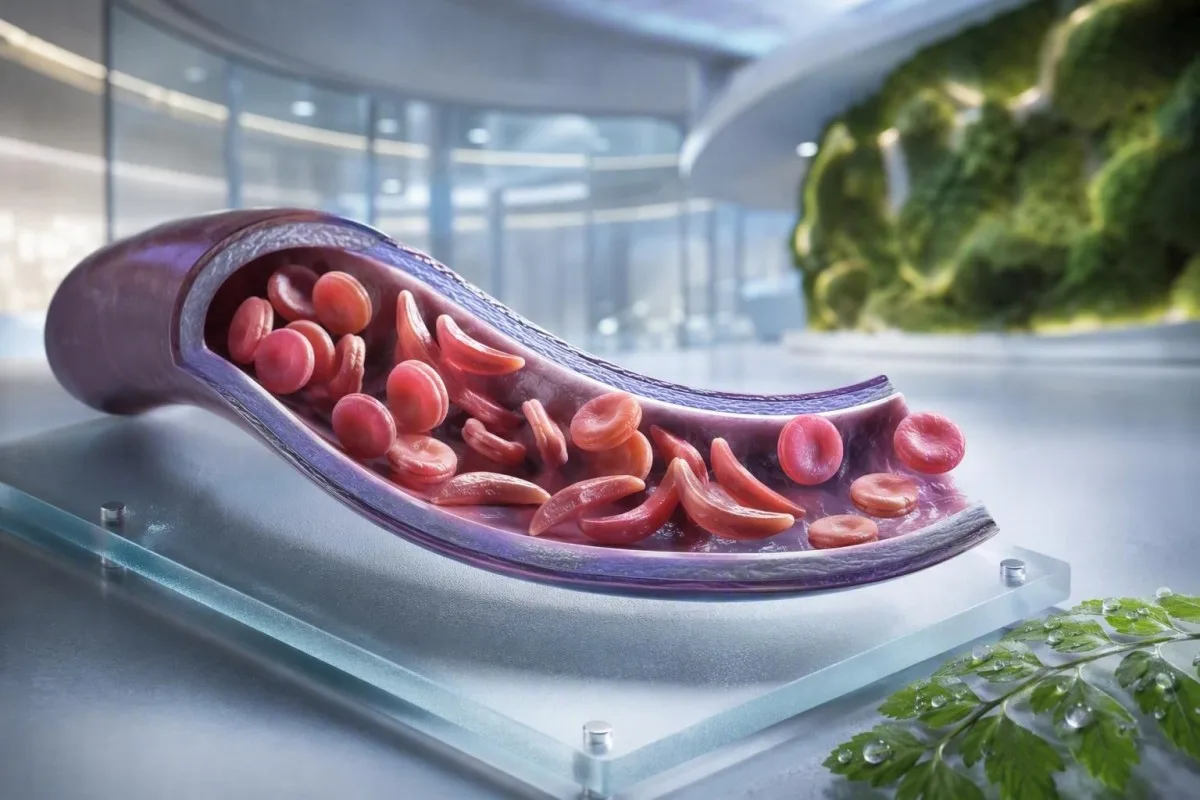
鎌状赤血球症は、一つの検査、一つの症状、あるいは一つの緊急度ではありません。この患者中心のガイドでは、保因者状態、確定診断された疾患、定期的なモニタリング、そして救急医療を必要とする状況を分けて説明します。.


- 鎌状赤血球形質 HbS 遺伝子を一つ持つことを意味します。通常、慢性貧血や再発性の疼痛クリーゼを引き起こしません。.
- 新生児スクリーニング ほとんどの罹患児を症状出現前に特定し、ペニシリン療法と専門医によるフォローアップを早期に開始できるようにします。.
- ヘモグロビン電気泳動 ヘモグロビンの型を分離し、HbSS、HbSC、HbS-βサラセミア、または保因者状態の確認に役立ちます。.
- 重度の胸痛、息切れ、38.5℃以上の発熱、錯乱、または新たな倦怠感 鎌状赤血球症患者における緊急の評価が必要です。.
- 急性胸部症候群 咳、発熱、胸痛、または低酸素から始まり、数日ではなく数時間で悪化する可能性があります。.
- ヘモグロビンの急激な 2 g/dL 以上の低下 本来のレベルからの低下は、再生不良性クリーゼ、捕捉、出血、または溶血亢進の兆候となる可能性があります。.
- 網赤血球数 は、骨髄の活動性反応と再生不良性クリーゼを区別するのに役立ちます。貧血が悪化する中の低値は警告パターンです。.
- ヒドロキシウレア は、単なる鎮痛剤ではなく、疾患修飾薬です。モニタリングには、用量調整中の4週間ごとの全血球計算が含まれることが一般的です。.
鎌状赤血球症の意味と、そうでないもの
鎌状赤血球貧血は通常、HbSS疾患を指します, 、これは、ヘモグロビンSを産生する2つの遺伝子を受け継ぐ場合に起こり、赤血球は硬くなり、早期に破壊され、小血管を閉塞する可能性があります。. 鎌状赤血球形質は異なります、通常、HbS遺伝子が1つあれば遺伝的に伝達するのに十分ですが、HbSSで見られる慢性貧血や再発性の血管閉塞性エピソードを引き起こすには十分ではありません。.
鎌状赤血球症は、HbSS、HbSC、HbS-ベータゼロサラセミア、HbS-ベータプラスサラセミアを含む包括的な用語です。HbSSはしばしば最も顕著な貧血を引き起こしますが、重症度は家族内でも大きく異なります。7.5 g/dLのヘモグロビンベースラインは、ある成人には安定していても、急速に低下した場合には別の成人には危険な場合があります。.
ヘモグロビンS変異は、ベータグロビンの1つのアミノ酸を変化させます。6位のグルタミン酸がバリンに置き換わります。低酸素、脱水、アシドーシス、または発熱下では、HbS分子は細胞内で重合する可能性があります。その物理的な変化は、長時間のフライト、胃腸炎、または夜間の水分摂取不足の後にクリーゼが発症する理由を説明しています。.
Kantesti AIは、 AI血液検査分析装置 CBC、ビリルビン、LDH、網状赤血球、クレアチニン、および過去の結果を1つの縦断的ビューに配置します。CBCのみでは鎌状赤血球症を診断しません。ヘモグロビン報告に関する実用的な復習については、以下を参照してください。 HGBが何を意味するか.
2026年9月4日現在、形質と疾患が交換可能であると誤って伝えられている患者をまだ目にします。それらは交換可能ではありません。トーマス・クライン博士の臨床規則は単純です。曖昧な「陽性」という検査結果ではなく、正確なヘモグロビン遺伝子型を尋ねてください。“
遺伝子型がケアを変える理由
HbSCはHbSSよりもヘモグロビン値が高い場合がありますが、それでも網膜合併症、疼痛、または無血管性骨壊死を引き起こす可能性があります。HbS-ベータサラセミアは、ベータグロビン産生が部分的に存在するかどうかによって、形質またはHbSSに似ている可能性があり、そのため分子検査が電気泳動パターンの曖昧さを解決することがあります。.
年齢別およびベースライン別鎌状赤血球症の症状
鎌状赤血球症の一般的な症状には、骨または胸の周期的な痛み、疲労、黄疸、息切れ、成長の遅れ、頻繁な感染症が含まれます, 、しかし、2人の人が同じパターンを経験することはありません。胎児ヘモグロビンが乳児をHbS重合から初期に保護するため、症状は通常生後4〜6ヶ月以降に現れます。.
指先・足先の腫れである指炎(ダクチライティス)が、乳児の最初の目に見える兆候となることがあります。学童期の子どもでは、便秘、胆嚢疾患、脾腫、血管閉塞が家庭では驚くほど似ていることがあるため、腹痛には特別な注意が必要です。.
鎌状赤血球症における黄疸は、赤血球の破壊と間接ビリルビンの上昇を反映しており、必ずしも肝炎を意味するわけではありません。尿の色が濃い、便が淡い、かゆみ、発熱、または右上の腹痛は、その評価を変え、肝臓および胆道系の原因の評価を正当化します。当社のガイドを参照してください。 直接ビリルビンパターン その違いを説明します。.
成人は、徐々に頻繁になった痛みを正常化することがあります。私の経験では、年2回の自宅管理エピソードから月2回の自宅管理エピソードへの移行は、緊急受診が増加していなくても臨床的に意味があります。睡眠障害、仕事の欠勤、勃起不全、気分の落ち込み、運動耐性の低下は、治療の正式な変更に先行することが多いため、文書化する必要があります。.
HbSSでは、ヘモグロビン濃度が6〜9 g/dLであることが通常の定常状態範囲である場合がありますが、疾患のないほとんどの人では10 g/dL未満の値は予期されることになります。数値は重要ですが、個人のベースラインからの変化がより重要です。.
鎌状赤血球保因者スクリーニングを検討すべき人
鎌状赤血球スクリーニングは、妊娠前または妊娠初期に、保因者状態が不明な人に対して行うのが合理的です。, 、外見、姓、または推定される祖先に関係なく。保因者状態は遺伝性であり、新生児スクリーニングまたは予期せず異常なヘモグロビン検査まで不明なままであることがよくあります。.
両方の生物学的な親がHbS関連またはベータサラセミアのバリアントを保有している場合、関与するバリアントによっては、臨床的に有意なヘモグロビン状態を遺伝する確率は妊娠ごとに25%になる可能性があります。キャリアであっても、エネルギーは正常で、CBCの結果は正常であり、疼痛発作の既往がない場合があります。.
スクリーニングは、パートナーのいずれかがHbAS、HbC形質、ベータサラセミア形質、原因不明の小球症、または鎌状赤血球症の家族歴がある場合に特に有用です。低平均赤血球容積は、フェリチンを確認し、サラセミアを考慮せずに鉄欠乏のせいにすべきではありません。比較してください。 MCVおよびMCHの手がかり.
2022年の世界保健機関のグローバルレポートによると、ヘモグロビン障害は、特に新生児スクリーニングへのアクセスが不均一な地域において、依然として主要な遺伝性疾患の負担となっています。最も尊重されるアプローチは、民族性をゲートキーパーとして使用するのではなく、情報に基づいたスクリーニングへの普遍的なアクセスです。.
カンテスティは AI血液検査の読み方プラットフォーム これは、HbSの結果を平易な言葉で説明できますが、キャリアの確認と生殖カウンセリングには、認定された検査室と臨床医が必要です。カップルが妊娠を計画している場合は、結果が時間的制約を受ける前に、パートナー検査と遺伝カウンセリングが可能かどうかを尋ねてください。.
ヘモグロビン電気泳動が診断を確定する方法
ヘモグロビン電気泳動は、ヘモグロビン画分を分離し、鎌状赤血球貧血または形質を確認するための中心的な検査です。, 、多くの場合、高速液体クロマトグラフィーとともに、必要に応じて遺伝子検査が行われます。鉄欠乏とサラセミアは赤血球指数を重複させる可能性があるため、ルーチンのCBCではHbSSまたは形質を確認できません。.
未治療のHbSSでは、通常、HbAがなく、主にHbSが示されますが、HbFの割合は変動します。HbASは通常、HbAとHbSの両方を示し、HbAがHbSよりも高いことがよくあります。正確な割合は、共同遺伝したアルファサラセミアや最近の輸血で変動する可能性があります。.
最近の輸血は、ドナーのHbAがまだ循環しているため、約3か月間、電気泳動の結果を誤解させる可能性があります。これも、HbA1cが輸血後または高回転溶血で平均グルコースを過小評価する理由です。参照してください。 HbA1cが誤解を招く場合.
末梢塗抹標本では標的赤血球、多染性、鎌状赤血球が見られることがありますが、顕微鏡検査は画分検査を置き換えるのではなく、それを支持します。クライン博士は、患者が数週間前に輸血を受けていた場合に、「正常」な緊急塗抹標本が明確化を遅らせるのを見てきました。輸血については、常に検査室と血液学チームに伝えてください。.
新生児スクリーニング方法により、臨床的疾患の前にHbSが特定されますが、結果には依然としてタイムリーな確認検査が必要です。Yawnらの2014年のエビデンスに基づくガイドラインでは、最初の主要な合併症(Yawn et al., 2014)が起こる前に予防措置を開始し、早期の専門家関与を推奨しています。.
定期的な血液モニタリング:臨床医が実際に追跡していること
鎌状赤血球症におけるルーチンモニタリングは、通常、ヘモグロビン、網赤血球、白血球、血小板、ビリルビン、LDH、腎機能、尿タンパクの傾向を追跡するものであり、単一の結果ではありません。. 最も安全な比較は、患者自身の安定したベースラインとの比較であり、理想的には体調が良い時、かつ最近輸血を受けていない時に採取されたものです。.
溶血は、しばしばLDH、間接ビリルビン、網赤血球の上昇とハプトグロビンの低下を引き起こします。ハプトグロビンは肝疾患を含む他の理由で低下する可能性があるため、単一のマーカーよりも複合的なパターンの方がより強力です。 ハプトグロビン解釈ガイド その理由を示しています。.
網赤血球の割合だけでは、重度の貧血における骨髄の反応を過大評価する可能性があります。臨床医はしばしば絶対網赤血球数または補正網赤血球反応を計算します。貧血が悪化するにつれて絶対数が低下することは、パルボウイルスB19関連の無形成危機を懸念させます。.
カンテスティは AI搭載の血液検査解析ツール 単独の診断として高LDHを扱うのではなく、繰り返される血液学的結果を比較するものです。検体が試験管内で溶血したとフラグされた場合、カリウムとLDHが偽陽性となる可能性があるため、驚くべき結果は再検が必要になる場合があります。レビュー 溶血後の再検査.
ヒドロキシウレアは、一般的に時間とともにMCVとHbFを増加させ、有効用量では中程度に好中球を減少させます。これらの変化は予想されるかもしれませんが、個々の治療閾値以下の絶対好中球数または急速に低下する血小板数は、自己調整ではなく処方者によるレビューを必要とします。.
痛みが血管閉塞発作である場合と、そうでない場合
血管閉塞性疼痛は、しばしば深部、重度であり、背中、胸、股関節、四肢、または腹部に位置しますが、新たな痛みは自動的に鎌状発作とラベル付けされるべきではありません。. 発熱、局所的な腫れ、損傷、腹部圧痛、または片側性の神経学的症状は、異なる評価を必要とする問題を示唆します。.
自宅での疼痛管理計画には、通常、早期の水和、温熱、処方された鎮痛薬、休息、および鎌状赤血球チームと合意された個人のエスカレーション閾値が含まれます。過剰な水分摂取は安全ではありません。腎機能障害または心疾患のある人は、特に急性疾患中に、体液過負荷を発症する可能性があります。.
通常の救済計画後も制御されない痛み、水分や薬の保持を妨げる痛み、または質や場所が異なる痛みは、緊急の臨床的アドバイスを促すべきです。腫れて熱い関節は、単純な血管閉塞ではなく、敗血性関節炎または骨感染症を表す可能性があります。 原因不明の疼痛検査ガイド 役立つ最初の検査について概説しています。.
緊急ケアでは、疼痛の重症度を実験室の数値で証明することよりも、タイムリーな鎮痛と再評価が重要です。急性疼痛性鎌状赤血球エピソードに関するNICEのガイドラインは、鎮痛の迅速な評価と頻繁なレビューを推奨しています。なぜなら、過小治療自体が長期的な苦痛と回復の遅延につながるからです(NICE、2012)。.
血管閉塞性疼痛のある部位に直接冷湿布を当てるのは、チームが特に指示しない限り避けてください。冷湿布は末梢血管を収縮させることがあります。この実用的な詳細は些細なことのように思えるかもしれませんが、多くの患者は、何度か困難なエピソードを経験した後でさえ、誰もそれを説明してくれなかったと私に言います。.
急性胸部症候群:多くの人が見逃す救急疾患
急性胸部症候群は、鎌状赤血球症の人における胸部画像上の新たな肺浸潤に加えて、呼吸器症状、発熱、胸痛、または低酸素血症であり、緊急事態です。. 胸部症状が始まった時点ではなく、疼痛エピソードでの入院後に、急速に悪化することがあります。.
新たな息切れ、胸痛、青灰色やくすんだ唇、失神、発熱を伴う持続的な咳、または個人の処方された目標値以下の酸素飽和度がある場合は、緊急サービスに電話するか、救急外来を受診してください。92%の飽和度は、通常98%の人にとっては大きな低下である可能性がありますが、一部の患者は記録されたベースラインがより低い場合があります。絶対値と変化の両方が重要です。.
急性胸部症候群は、感染、骨髄からの脂肪塞栓、肺血管閉塞、無気肺、または複数のプロセスが同時に関与することがあります。臨床医は、酸素化、CBC、網赤血球、発熱時の培養、胸部画像、および場合によっては血液ガスを一般的に評価します。; 息切れの血液検査 これらの結果に文脈を加えます。.
成人では、オピオイドによる過鎮静、疼痛による浅い呼吸、および過剰な静脈内輸液が呼吸状態を悪化させる可能性があります。入院中のインセンティブ・スパイロメトリーは、選択された疼痛エピソードにおける肺合併症を軽減しますが、症状がすでに始まっている場合の緊急評価の代わりにはなりません。.
Katoらによる2018年のレビューは、急性胸部症候群を生涯にわたる罹患率および死亡率の主要な原因として記述しています(Kato et al.、2018)。息切れ、眠気、または胸圧が著しい場合は、自分で運転しないでください。.
発熱、感染症、および脾臓の緊急事態
鎌状赤血球症の子供または成人で38.5℃(101.3°F)以上の発熱がある場合は、専門医チームから別の指示がない限り、緊急の即日医療評価が必要です。. 脾臓の免疫機能の機能的喪失は、一部の細菌感染症を通常のウイルス性発熱よりもはるかに速く進行させる可能性があります。.
発熱に加えて、倦怠感、発疹、低血圧、錯乱、または尿量の低下がある場合は、直ちに救急医療が必要です。重症感染症を否定するには、特に病気の初期やヒドロキシウレア治療中には、正常に見える白血球数では鎌状赤血球症では信頼性がありません。.
脾臓内臓器内血流貯留は、幼い子供に最も頻繁に発生し、突然の脾臓腫大、顔面蒼白、腹部膨満感、速い呼吸、および急速なヘモグロビン低下を引き起こします。親は子供の脾臓の触診方法を教えられることもありますが、病気による新たな腫大は、自宅での繰り返し確認ではなく、緊急評価を促すべきです。.
通常のベースラインから2 g/dL以上のヘモグロビン低下と脾臓腫大は、内臓器内血流貯留を懸念させます。対照的に、非常に低い網状赤血球数での重度の貧血は、しばしばパルボウイルスB19に関連する再生不良性クリーゼを示唆する可能性があります。; 網状赤血球数解釈 骨髄の信号を説明します。.
敗血症の検査には、乳酸、培養、CBC、腎臓検査、および炎症マーカーが含まれる場合がありますが、治療の決定はすべての値が戻るのを待ってはいけません。緊急パターンに関する文脈については、 敗血症マーカーの手がかり.
ワクチンと予防的抗生物質
ワクチンと小児ペニシリン予防はリスクを軽減しますが、発熱を低リスクにはしません。特に脾臓摘出後、旅行後、新生児がいる場合、または地域の予防接種スケジュールの変更後は、血液内科または小児科チームと個別の計画を確認してください。.
脳卒中および神経学的警告サインは即時の対応を必要とする
鎌状赤血球症における突然の顔面下垂、手足の脱力、言語障害、けいれん、重度の異常な頭痛、錯乱、またはバランス感覚の喪失は、脳卒中の緊急事態として扱われるべきです。. 症状が治まるのを待ったり、まず鎮痛薬を投与したりせずに、直ちに救急サービスに電話してください。.
HbSSまたはHbS-ベータゼロサラセミアの子供は、一般的に2歳から16歳まで頭蓋内ドップラー超音波スクリーニングを勧められます。200 cm/秒以上の異常な時間平均最大平均速度は、脳卒中リスクの大幅な増加を示し、迅速な専門医の対応が必要です。.
慢性輸血療法は、異常なドップラー所見のある子供の初回脳卒中リスクを軽減できますが、鉄過剰症モニタリング、抗体スクリーニング、およびドナー細胞の慎重な適合といった追加のニーズが生じます。これは専門的なケアであり、アプリで管理する結果ではありません。.
成人は、古典的な劇的な脳卒中がなくても、一過性の神経学的症状、認知変化、または無症候性脳損傷を経験する可能性があります。10分間の単語検索困難のエピソードは、一過性虚血性症状は警告であり、安心材料ではないため、依然として緊急評価が必要です。.
トーマス・クライン博士は、家族に、通常の疼痛計画の横に、地域の鎌状赤血球緊急連絡先番号を保存しておくように勧めています。これにより、子供または成人がコミュニケーションに苦労している可能性のある数分間の間に、意思決定が一つ減ります。.
クライシス間の腎臓、目、肺の保護
鎌状赤血球症は、疼痛がまれな場合でも、腎臓、網膜、肺、心臓を損傷する可能性があるため、定期的な臓器サーベイランスは治療の一部であり、オプションの追加ではありません。. 尿中アルブミン検査、血圧測定、眼科検査、および症状主導の肺評価は、合併症が明らかになる前に特定します。.
アルブミン尿は、鎌状赤血球腎症の早期徴候である可能性があります。尿中アルブミン/クレアチニン比が30 mg/g以上は、ほとんどの成人で異常であり、発熱、運動、月経、脱水により一過性に上昇する可能性があるため、再検査で確認する必要があります。.
鎌状赤血球症では、尿細管分泌の増加と筋肉量の低下が濾過の低下をマスクする可能性があるため、クレアチニンは欺瞞的に正常に見えることがあります。シスタチンCまたは組み合わせた式は有用な文脈を追加できますが、持続的な泡状の尿は評価に値します。 尿中タンパク質に関するガイダンスを参照してください。.
網膜症はHbSC病において特に重要であり、他の点では臨床的に穏やかな場合があります。新しい飛蚊症、光視症、カーテンのような視覚変化、または突然の視力低下は、数週間後の定期的な予約ではなく、緊急の眼科受診が必要です。.
妊娠は生理学的な過剰濾過と母体胎児リスクの増加をもたらすため、ベースラインの腎臓および尿検査は早期に行うべきです。 妊娠中のGFRの変化に関する 説明は、予想される変化と懸念される傾向を区別するのに役立ちます。.
治療選択肢、ヒドロキシウレア、および輸血の安全性
ヒドロキシウレアは、胎児ヘモグロビンを増加させることにより、HbSSまたはHbS-ベータゼロサラセミアの多くの人々にとって疼痛発作や急性胸部症候群を軽減しますが、構造化されたモニタリングが必要です。. 輸血は選択された合併症に対して救命になり得ますが、反復輸血は鉄過剰負荷と赤血球抗体のリスクをもたらします。.
ヒドロキシウレアは通常、CBCおよび網状赤血球数を用いて約4週間ごとに安定した用量に達するまで調整され、その後は治療チームが決定したより長い間隔で実施されます。MCVの上昇はしばしば予想される治療効果ですが、重度の細胞減少は薬剤の見直しや一時的な中止を必要とします。.
単純輸血は酸素運搬能力を高めますが、過剰なヘモグロビン濃度はHbSSの粘度を増加させる可能性があります。多くの急性期プロトコルでは、専門医が異なる目標を設定しない限り、輸血後のヘモグロビンを10 g/dLを大幅に超えないように避けており、交換輸血は選択された重度の合併症に使用されます。.
鉄過剰負荷は反復輸血後に起こりやすくなり、フェリチン傾向および必要に応じて肝臓または心臓MRIで評価されます。フェリチンは炎症とともに上昇するため、単一の高値は組織鉄負荷の証拠ではありません。当社の 鉄の研究ガイド は、その限界を説明している。.
エビデンスはHbSSおよびHbS-ベータゼロ病におけるヒドロキシウレアで最も強力であり、HbSCにおける効果は不確実性が高く、より個別化された意思決定が必要な領域のままです。薬剤計画には、該当する場合は避妊と妊娠に関する議論、アドヒアランスの障壁、および服用 missed doses のための書面による計画を含めるべきです。.
HbS を伴う妊娠、妊よう性、および家族計画
鎌状赤血球症を伴う妊娠は、疼痛発作、貧血、血栓症、感染症、妊娠高血圧症、胎児成長制限、および早産のリスクが高いため、産科と血液内科の早期の合同ケアが必要です。. 遺伝的リスクは両方の生物学的親に依存するため、妊娠前のキャリアスクリーニングが重要です。.
妊娠前の受診では、遺伝子型、ベースラインヘモグロビン、腎機能、尿中アルブミン、血圧、輸血歴、赤血球抗体、予防接種、および薬剤を確認する必要があります。妊娠中のヒドロキシウレアの決定は個別化されており、専門医と相談して行う必要があります。インターネットのアドバイスのみに基づいて中止または再開しないでください。.
HbSSでは、ヘモグロビン値が低いからといって鉄を自動的に処方すべきではありません。鉄欠乏は併存する可能性があり、特に妊娠または重度の月経出血では、フェリチンとトランスフェリン飽和度で治療をガイドすべきですが、慢性的な溶血だけでは鉄欠乏を意味しません。.
両親が関連するヘモグロビン変異体を保有している場合、遺伝カウンセリングは、家族を特定の決定に誘導することなく、自然妊娠、出生前診断の選択肢、ドナーの選択肢、および着床前遺伝子検査を説明できます。目標は、警報ではなく、情報に基づいた選択です。.
その他の実用的な妊娠中の検査上の注意点については、 同日妊娠検査の懸念事項. を参照してください。患者の既知のベースラインは、すべての産科引き継ぎに含めるべきです。ヘモグロビン値の解釈方法が変わります。.
受診と受診の間の検査結果の安全な利用
鎌状赤血球症の検査結果は、遺伝子型、安定したベースライン、症状、治療、および最近の輸血と比較した場合に最も有用です。. HbSSのある人にとって、高ビリルビンまたは低ヘモグロビンは予想されることかもしれませんが、結果が急激に変化した場合は、その人にとって緊急事態となります。.
遺伝子型、通常のヘモグロビン、通常の酸素飽和度(判明している場合)、血液型と抗体、現在の薬剤、輸血日、および緊急連絡先の1ページの記録を保管してください。これにより、慣れない救急外来での時間が節約され、HbSSのベースラインが新たに発見された貧血と誤解される可能性が低くなります。.
カンテスティは AIラボ検査解釈サービス 溶血マーカー、腎臓の傾向、および薬剤モニタリングを含む、アップロードされた検査レポートを整理し、議論のためのパターンをフラグ付けできるものです。胸を見たり、酸素飽和度を測定したり、急性胸部症候群、敗血症、または脳卒中を示唆する症状がある場合に緊急ケアを代替したりすることはできません。.
検査室の基準範囲外の結果が直ちに危険であることを意味するわけではなく、基準範囲内の結果でも急激な変化があれば危険な場合があります。報告フラグと基準範囲の説明については、以下をお読みください。 基準範囲外の結果の意味.
Kantesti の臨床的アプローチは、定義された方法と限界に対してレビューされます。当社の安全対策を理解したい読者は、以下を確認できます。 臨床的妥当性基準. 。血液内科の診察には原本のPDFを持参してください。OCRは役立ちますが、元のレポートが記録となります。.
鎌状赤血球症のための明確な緊急時対応計画
胸痛や息切れ、38.5℃以上の発熱、新しい神経症状、失神、重度の顔面蒼白、コントロール不能な痛み、急速に大きくなる腹部、または飲んだり薬を飲んだりできない場合は、直ちに救急医療を受けてください。. これらの警告サインは、急性胸部症候群、敗血症、脳卒中、重度の貧血、または脾臓の隔離を示している可能性があります。.
緊急スタッフに鎌状赤血球症であることを伝え、既知であれば遺伝子型を述べ、いつもの発作と何が違うかを説明してください。最近の輸血、ベースラインヘモグロビン、服用済みの鎮痛剤(用量と時間)、アレルギー、妊娠、および過去の急性胸部症候群または脳卒中について言及してください。.
胸部の症状が悪化している場合、家庭用パルスオキシメーターが異常になるのを待たないでください。市販のデバイスは、指先の冷たさ、ネイル製品、動き、血行不良、および一部の肌の色合いで誤った測定をする可能性があります。症状と臨床評価は、安心させる単一の表示よりも優先されます。.
お子さんの世話をする場合は、チームに発熱の閾値、鎮痛計画、脾臓チェックの指示を文書で求めてください。成人の場合は、携帯電話にコピーを保存し、信頼できる人に共有してください。; ファミリーヘルスレコードの計画 これを容易にすることができます。.
Kantesti の医療チームは、当社の 医療諮問委員会, を含め、検査結果の解釈に関する教育を支援していますが、緊急時の決定は対面での臨床サービスに属します。当社の組織と臨床ミッションについては、以下をご覧ください。 チームとアプローチ.
よくある質問
赤ちゃんの鎌状赤血球症の最初の症状は何ですか?
鎌状赤血球症の最初の症状は、胎児ヘモグロビンが自然に低下する生後4~6ヶ月以降に現れることがよくあります。指炎と呼ばれる手足の痛みを伴う腫れ、発熱、異常なぐずり、顔面蒼白、黄疸、哺乳不良、腹部膨満が、一般的な早期警戒サインです。鎌状赤血球症の乳児で38.5℃(101.3°F)以上の発熱がある場合、重篤な感染症が急速に進行する可能性があるため、緊急の同日受診が必要です。新生児スクリーニングにより、症状が出現する前に影響を受けた乳児が特定されますが、確定診断と専門医によるフォローアップは引き続き必要です。.
鎌状赤血球形質を持ちながら、症状が現れることはありますか?
鎌状赤血球形質を持つ人のほとんどは、慢性的な貧血、再発性の疼痛クリーゼ、および通常の日常的な運動耐容能はありません。まれに、極度の脱水、激しい熱への曝露、高地、非常に激しい運動、または低酸素環境で合併症が発生する可能性があり、尿中の血液は良性であると仮定するのではなく評価されるべきです。形質はHbS遺伝子1つを意味し、鎌状赤血球貧血は通常、影響を受けた2つのβグロビン遺伝子を持つHbSS疾患を意味します。ヘモグロビン電気泳動または同等の分画試験で鑑別を明確にすることができます。.
鎌状赤血球貧血を確認する検査は何ですか?
ヘモグロビン電気泳動、高速液体クロマトグラフィー、またはキャピラリー電気泳動は、存在するヘモグロビン分画を確定し、鎌状赤血球貧血の診断に不可欠です。未治療のHbSSは、通常、ヘモグロビンAがなく、主にヘモグロビンSが認められますが、保因者では通常、ヘモグロビンAとヘモグロビンSの両方が認められます。CBCは貧血や小赤血球を特定できますが、HbSS、HbSC、または保因者を独立して診断することはできません。最近の輸血は、約3ヶ月間、分画結果を歪める可能性があるため、パターンが不明瞭な場合は分子検査が必要になることがあります。.
鎌状赤血球症の人は、いつ救急外来を受診すべきですか?
鎌状赤血球症の患者は、38.5℃以上の発熱、胸痛、息切れ、低酸素血症、突然の脱力、ろれつが回らない、けいれん、失神、急速に悪化する蒼白、重度の腹部膨満、または確立された治療計画でコントロールされない痛みが現れた場合は、緊急の評価を受ける必要があります。これらの症状は、急性胸部症候群、感染症、脳卒中、脾臓内蔵、またはヘモグロビン値の急激な低下を示す可能性があります。骨感染症、胆嚢疾患、虫垂炎、血栓は血管閉塞性痛と似ている可能性があるため、新たな痛みやいつもと違う痛みも評価が必要です。神経学的または呼吸器系の症状が顕著な場合は、自分で運転しないでください。.
鎌状赤血球症で危険なヘモグロビン値はいくつですか?
鎌状赤血球症において、単一の危険なヘモグロビン値というものはありません。なぜなら、HbSSを持つ多くの人々は、およそ6から9 g/dLの安定したベースラインを持っているからです。個人の通常のヘモグロビン値から2 g/dL以上の低下は、絶対値よりも懸念されることが多く、再生不良性クリーゼ、脾臓内臓器内物質の隔離、出血、または溶血亢進を示唆する可能性があります。息切れ、失神、胸痛、速い心拍、または錯乱などの重度の症状は、ヘモグロビン値がどのレベルであっても緊急の評価が必要です。輸血の決定は、症状、ベースライン、貧血の原因、酸素化、および高粘稠度症候群のリスクに依存します。.
ヒドロキシウレアは鎌状赤血球症を治癒しますか?
ヒドロキシウレアは鎌状赤血球症を治癒させるものではありませんが、HbSSまたはHbSベータゼロサラセミアの多くの患者において、疼痛発作、急性胸部症候群、輸血の必要性、および入院の頻度を減らすことができます。これは、胎児ヘモグロビンを増加させることによって部分的に作用し、用量調整中は通常、約4週間ごとのCBCおよび網状赤血球数のモニタリングが必要です。MCVおよびHbF値の上昇は生物学的効果を示唆する可能性がありますが、どちらの結果も完全な服薬遵守を証明するものではありません。幹細胞移植や一部の遺伝子ベースの治療法などの治癒的アプローチには、高度に専門化された適格性評価と長期的なフォローアップが必要です。.
今日、AIによる血液検査分析を
いますぐ利用しませんか。即時で正確な検査分析を提供するKantestiを信頼する、世界中の200万人以上のユーザーに参加してください。血液検査結果をアップロードすると、15,000+のバイオマーカーについて数秒で包括的な解釈が得られます。.
📚 参考文献
Klein, T., Mitchell, S., & Weber, H. (2026). C3 C4 補体血液検査&ANA力価ガイド.。 Kantesti AI Medical Research.
Klein, T., Mitchell, S., & Weber, H. (2026). ニパウイルス血液検査:早期発見・診断ガイド 2026.。 Kantesti AI Medical Research.
📖 外部の医学的参考文献
⚕️ 医療免責事項
この記事は教育目的のみを対象としており、医療助言を構成するものではありません。診断や治療の判断を行う際は、必ず有資格の医療提供者にご相談ください。.
E-E-A-T 信頼性シグナル
経験
医師主導による、検査結果解釈ワークフローの臨床レビュー。.
専門知識
臨床的な文脈においてバイオマーカーがどのように振る舞うかに焦点を当てた検査医学。.
権威
トーマス・クライン博士が執筆し、サラ・ミッチェル博士およびハンス・ヴェーバー教授によるレビュー。.
信頼性
アラームを減らすための明確なフォローアップ経路を備えた、エビデンスに基づく解釈。.