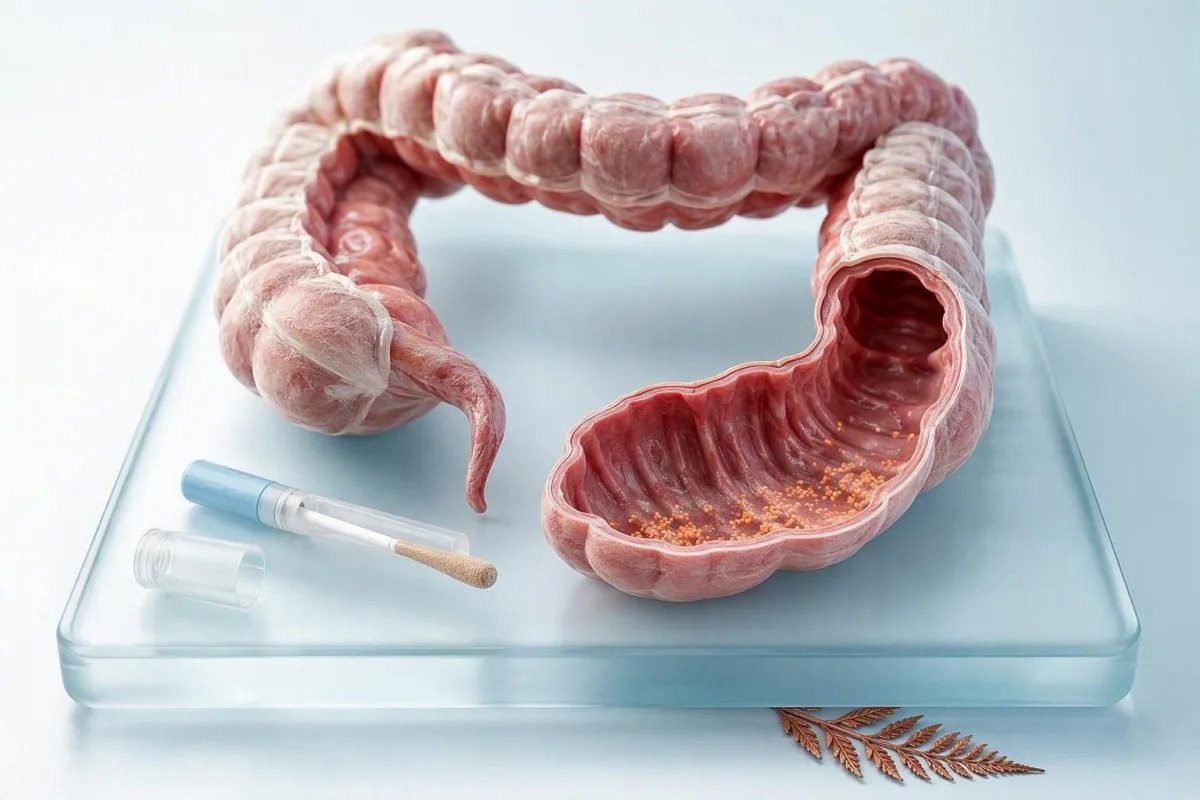
A FIT検査陽性 便中にヒトヘモグロビンが検出されたことを意味します。がんの診断ではありませんが、診断的結腸内視鏡検査が必要です。理想的には2週間以内に予約し、3か月以内に完了してください。大量の直腸出血、失神、重度の痛み、または黒色タール状便の場合は、より早く即日受診してください。.


- FIT検査陽性 便中免疫化学的検査(FIT)が便中のヒトヘモグロビンを検出したことを意味します。出血源を特定することはできません。.
- 結腸内視鏡検査のタイミング 陽性スクリーニングFITから理想的には3か月以内に行われるべきです。9か月を超えて遅延すると、大腸がんのリスクが高まります。.
- がんの可能性 陽性FIT後の通常のがんの確率は約3%~10%であり、年齢やプログラムの閾値によっては、進行したポリープが約20%~40%で見られます。.
- FIT閾値 サービスによって異なります。症候性の英国の経路では、しばしば1グラムの糞便あたり10 µgのヘモグロビンが使用されますが、スクリーニングの閾値はより高くなることがあります。.
- 緊急症状 慢性の大量出血、黒色タール状便、失神、重度の腹痛、または安静時の息切れが含まれます。.
- FITを繰り返さないでください 陽性結果をキャンセルするため。後で陰性となった検体では、間欠的に出血しているポリープやがんを確実に除外することはできません。.
- よくあるがん以外の原因 痔核、肛門裂傷、憩室疾患、大腸炎、ポリープ、およびよりまれに上部消化管からの出血が含まれます。.
- 血液検査 全血球計算、フェリチン、トランスフェリン飽和度などの検査は、大腸内視鏡検査を待つ間に鉄欠乏性貧血を特定するのに役立ちます。.
FIT検査陽性が今日意味すること
A FIT検査陽性 便中免疫化学的検査(FIT)が便検体中のヒトヘモグロビンを検出したことを意味し、下部腸管のどこかからの出血の可能性があります。それ自体は緊急の診断ではありませんが、数ヶ月間様子を見るのではなく、速やかに行動すべき結果です。.
私の臨床診療では、提供できる最も有用な最初の言葉は次のとおりです。 陽性結果は紹介の引き金であり、がんの宣告ではありません。. FITはヒトヘモグロビンのグロビン部分を検出します。これは通常、胃や小腸を通過する間に分解されるため、この検査は比較的、結腸または直腸からの出血に焦点を当てています。単一の微細な出血でも、完全に元気な場合でも陽性結果を生じる可能性があります。.
2026年9月4日現在、スクリーニングプログラムは報告と閾値が異なります。症候性の英国のプライマリケア経路では、, 1グラムの糞便あたり10 µgのヘモグロビン は、緊急の大腸評価に一般的に使用される閾値ですが、集団スクリーニングプログラムでは、 80または120 µg/g. のようなより高い閾値を使用する場合があります。したがって、ある検査室からの「陽性」結果は、別の検査室の結果と数値的に交換可能ではありません。.
Thomas Klein, MD, は、患者に、紹介計画がすでに示されていない場合は、検査を依頼した臨床医またはスクリーニングサービスに 2営業日 以内に電話するように勧めています。報告書を保管し、直腸出血または排便習慣の変化に注意し、臨床医が欠乏症を確認しない限り、鉄剤による自己治療は避けてください。当社のガイドは FITとFOBTの違いに関するガイド 、この新しい便検査が古いグアヤック検査よりもヒトの血液に対してより特異的である理由を説明しています。.
陽性結果後に結腸内視鏡検査が必要な理由
陽性FITの後、大腸内視鏡検査は標準的な次の検査です。なぜなら、出血の原因を発見し、検体を採取し、しばしば1回の処置で除去できるからです。. 便検査を繰り返しても安全に代替することはできません。なぜなら、腸からの出血は間欠的である可能性があるからです。.
FITは、小さな腺腫と大きながん、出血性の痔核、または大腸炎を区別できません。大腸内視鏡検査は、直腸と結腸を直接検査し、ほとんどのポリープの切除を可能にし、影響を受けた領域を明確にする必要がある場合に組織検査を可能にします。スクリーニング集団では、約 3%から10%の範囲で、ギルバート症候群は祖先によって影響を受け、 の陽性FITの人が大腸がんを患っていますが、約 20%から40%まで は進行した腺腫または進行した鋸歯状病変を患っています。年齢、性別、閾値、および過去のスクリーニングによって、これらの数値は大幅に変化します。.
米国予防医学専門委員会は、陽性の非大腸内視鏡大腸スクリーニング検査は、スクリーニングの恩恵を受けるためには大腸内視鏡検査が必要であると述べています(Davidsonら、2021)。その言葉遣いは重要です。FITは2段階のスクリーニング戦略であり、完了した検査ではありません。私は、患者さんが後続の陰性の家庭用キットで安心したが、大腸内視鏡検査で、2日目に検出されなかったポリープが特定されたというケースを見てきました。.
カンテスティは AI血液検査分析装置, 、関連する全血球計算および鉄代謝検査の結果を整理するのに役立ちますが、陽性の便検査の原因を診断したり、内視鏡検査に取って代わったりするものではありません。複数のレポートをお持ちの場合は、 医師受診時の検査サマリー を使用して、予約のために日付、薬、ヘモグロビン値、症状をまとめてください。.
結腸内視鏡検査はどのくらいの速さで予約すべきですか?
FIT陽性のほとんどの人は3か月以内に大腸内視鏡検査を受ける必要があり、紹介は数日から数週間以内に開始する必要があります。. 数週間の待機は、他に健康であれば通常は管理可能ですが、9か月以上の遅延は、快適な「観察と待機」期間ではありません。.
私が使用する実践的な目標は単純です。依頼元サービスに連絡してください。 48時間, 、紹介を確保してください。 2週間, 、そして目指してください。 3か月以上. 。アクセスは様々であり、鎮静ができないほど虚弱な人については、臨床医がCT大腸内視鏡検査または専門医による評価を最初に選択する場合があります。起こってはならないのは、フォローアップを担当するサービスが不明確なまま、無期限の遅延が生じることです。.
Corleyらは7万人以上のFIT陽性患者を研究し、大腸内視鏡検査が約 6ヶ月, 以降に行われた場合、大腸がんの発生率と病期が悪化し始め、 9か月 以降にはより明確な有害な関連性が見られたことを発見しました(Corleyら、2017)。この観察研究は、個々の遅延がすべて進行を引き起こすことを証明することはできませんが、サービス目標を導くのに十分説得力があります。FIT陽性と鉄欠乏性貧血の組み合わせは、特に粘り強さが必要です。.
待機中の場合は、具体的な質問を1つしてください。「予約された診断日はいつですか、またそれを過ぎた場合は誰に連絡すればよいですか?」名前と番号を記録してください。 生理が重くないのに低フェリチン もお持ちの方は、明示的に言及してください。なぜなら、隠れた腸からの出血は成人における可能性のある説明の1つだからです。.
より迅速なケアが必要な危険信号症状
FIT陽性に加えて、大量の出血、黒色タール便、失神、重度の腹痛、または新たな息切れは、同日の緊急評価を保証します。. これらの症状は、かなりの失血、腸閉塞、または通常の胃腸内視鏡検査の予約を待つべきではない他の問題を示している可能性があります。.
繰り返しの大量の鮮紅色の直腸出血、虚脱、錯乱、胸痛、または安静時の息切れの場合は、救急外来を受診するか、地域の救急サービスに電話してください。. 黒く、粘り気のあるタール状の便 は、消化管の上部からの消化された血液を示している可能性があり、特にめまいや脱力感を伴う場合はそうです。鉄剤やビスマスは便を黒くすることがありますが、通常は粘り気のあるタール状にはしません。不確実な場合は、インターネットでの調査よりも評価を優先すべきです。.
執拗な嘔吐、便やガスの通過ができない膨満した腹部、 38.0°C, を超える発熱、または悪化するけいれん性の腹痛の場合は、同日に担当医に連絡してください。 体重の 5% 以上を意図せず失うこと, を超える新たな意図しない体重減少、持続的な疲労、または明らかに変化している排便パターンも、迅速なレビューの根拠を強化します。組み合わせが、個々の症状よりも重要です。.
全血球計算で貧血が明らかになることがありますが、出血が少量または断続的である可能性があるため、正常なヘモグロビン値は大腸疾患を否定するものではありません。実用的なガイドをお読みください。 低赤血球症状 FITの結果と同時に、疲労感、顔面蒼白、動悸、または労作時の息切れが現れた場合。.
FIT陽性の一般的ながん以外の原因
痔核、肛門裂、ポリープ、憩室疾患、大腸炎、および薬剤関連の粘膜出血はすべて、FIT陽性の原因となり得ます。. 治療医が別の明確な計画を立てていない限り、これらの説明のいずれも結腸内視鏡検査をスキップする理由にはなりません。.
痔核は、特に便秘、妊娠、および長時間のいきみで一般的ですが、臨床推論における頻繁な落とし穴です。紙に鮮血が見られ、既知の痔があるという事実が、それがFIT陽性の原因であると証明するわけではありません。成人で 50歳以上, の場合、痔核がもっともらしいと思われる場合でも、陽性検査は腸の評価を必要とすると一般的に考えます。.
良性のポリープは、痛みや排便習慣の変化を引き起こす前にしばしば出血します。それがまさにFITスクリーニングが機能する理由です。炎症性腸疾患、感染性大腸炎、憩室炎、および放射線関連の腸の変化もFIT値を上昇させる可能性があります。上昇した 便中カルプロテクチン検査の結果 は腸の炎症を支持する可能性がありますが、それは別の質問に答えるものであり、ポリープやがんを除外することはできません。.
医薬品に関するエビデンスは微妙です。アスピリン、抗凝固薬、および抗炎症薬は、既存の出血源をより検出可能にする可能性がありますが、FIT陽性を無意味にするわけではありません。処方された抗血小板薬または抗凝固薬の治療を、処方者のアドバイスなしに中止しないでください。Thomas Klein、MDは、患者が薬が便検査に影響する可能性があると読んだ後に突然薬を中止したときに、回避可能な血栓が発生するのを目撃しました。.
月経、食事、運動は偽陽性の原因になりますか?
月経による汚染と肛門からの目に見える出血はFITサンプルに影響を与える可能性がありますが、赤肉とほとんどの食品は最新のFIT陽性の原因とはなりません。. 便潜血免疫化学的検査は、食事由来のペルオキシダーゼに反応した古い便潜血検査とは異なります。.
月経中の人は、通常、定期的なスクリーニングサンプルを採取する前に出血が止まるまで待つべきであり、キット自体の指示に従ってください。期間中にサンプルが採取された場合は、結果が無効であると仮定するのではなく、サービスに伝えてください。一部のシステムでは再検査するかもしれませんが、年齢や症状に基づいて調査を推奨するシステムもあります。尿中の目に見える血液もサンプルを汚染する可能性があるため、タイミングが重要です。.
グアヤックベースの便潜血検査とは異なり、FITは ない 通常、赤肉、柑橘類の果物、ビタミンC、またはブロッコリーを避ける必要はありません。その違いは、偽陽性を減らし、順守を容易にします。人々はしばしば親の古い検査の制限を覚えており、不必要にスクリーニングを遅らせます。 FOBTの結果と偽陽性 は、2つの方法を区別します。.
過酷な持久力運動は、特に脱水や暑さの中で、一時的な腸の刺激や出血に関連することがあります。マラソンまたはウルトラディスタンスイベントが 24〜48時間 採取の 前に発生した場合、それに言及してください。ただし、自分で結果を却下しないでください。関連する現象である は尿に影響し、便には影響せず、両者は混同されるべきではありません。.
FITの再検査は通常、間違った次のステップである理由
2回目のFIT陰性は、ポリープやがんが断続的に出血する可能性があるため、最初のFIT陽性をキャンセルするものではありません。. 専門医が個々のリスクまたはアクセス上の制約のために代替手段を選択しない限り、結腸内視鏡検査は適切な診断検査のままです。.
私がよく聞かれる最も一般的な質問は、「もう一度検査を受けることはできますか?」です。無症状で検査に懸念がある場合、スクリーニングプログラムは別の検体を要求することがありますが、それはサービス固有の判断です。しかし、自己手配による再検査は危険な心理的影響を及ぼします。陰性の結果が出た場合、大腸を直接見ることなく、検査の紹介をキャンセルしてしまう可能性があります。.
FITの結果は、出血が断続的であったり、検体が1回の排便からのものであったり、輸送が遅延したり過熱したりするとヘモグロビンが分解されるため変動します。検査室の閾値を下回る結果は、「この検体レベルでは検出されず」という意味であり、「大腸が正常であることが証明された」という意味ではありません。これが、陽性検査が、合理的に再検査できる境界線の血液検査結果とは異なる臨床的意味を持つ理由の1つです。.
偽陽性を心配して予約をためらっている場合は、内視鏡チームに具体的な状況を相談してください。戦略と限界のより広範な比較については、 FITと大腸内視鏡. を参照してください。大腸内視鏡検査には限界がありますが、再検査キットにはない、処置可能な所見を提供します。.
結腸内視鏡検査の安全な準備方法
カメラ自体ではなく、腸の準備が、大腸内視鏡検査が小さな病変を確実に検出できるかどうかを最も決定する部分です。. 書面による準備スケジュールに正確に従い、糖尿病薬、鉄剤、抗血小板薬、または抗凝固薬を変更する前に、ユニットに連絡してください。.
ほとんどのセンターでは、前夜に一部、検査の約 4〜6時間 前に一部、そして最後の投与は地域の絶食指示に従って完了する、分割投与の下剤レジメンを使用しています。このタイミングは、前日にすべての準備を済ませるよりも、右側の大腸を常にきれいにします。最終段階での透明な黄色い液状便が一般的に目標ですが、ユニット独自のガイダンスが常に優先されます。.
脱水は、私が最もよく目にする予防可能な問題です。心臓または腎臓病のために水分摂取を制限するように指示されていない限り、準備中に定期的に透明な液体を飲み、多くのユニットでは約 2~3リットル を準備期間全体で摂取することを推奨しています。慢性腎臓病、心不全、糖尿病、または低ナトリウム血症の既往歴のある人は、一般的な量ではなく、個別の助言が必要です。.
口腔鉄剤について具体的に質問してください。これは、残存便を黒くするため、大腸内視鏡検査の 5〜7日間 前によく中止されます。また、GLP-1薬、インスリン、抗凝固薬についても質問してください。私たちの 凝固パネルのガイド は、正常な凝固結果が、計画なしに処方された抗凝固薬を中止しても安全かどうかを教えてくれない理由を説明しています。.
結腸内視鏡検査の予約中に何が起こるか
大腸内視鏡検査は通常20~45分かかりますが、同意、鎮静、回復、およびポリープ切除の可能性のため、全体の所要時間は2~4時間になることがあります。. ほとんどの患者は、鋭い痛みよりも、圧迫感、膨満感、または一時的なけいれんを覚えています。.
チェックイン時に、チームは陽性のFIT結果、症状、アレルギー、過去の手術、および投薬計画を確認する必要があります。鎮静の方法は様々です。鎮静を希望しない人もいれば、吸入鎮痛薬を受ける人もいれば、静脈内鎮静を受ける人もいます。介助者、可能な場合は同性の内視鏡医、またはコミュニケーションサポートが利用可能かどうかを質問することができます。実用的な詳細は、患者が検査を完了できるかどうかに影響します。.
内視鏡医は、柔軟なカメラを腸内に進め、二酸化炭素または空気を使用して視界を改善します。二酸化炭素はより速く吸収され、しばしば術後の膨満感を軽減します。 10 mm より小さいです。 未満のポリープは、通常、同じ検査中に切除され、粘膜がわずかに変化しているように見えても、影響を受けた領域から組織サンプルが採取されることがあります。.
鎮静後は、 24時間. の間は運転、機械の操作、法的書類への署名、または飲酒をしないでください。ポリープ切除後の軽度のガスや少量の血液の筋は発生する可能性がありますが、痛みの増加、発熱、めまい、または持続的な出血の場合は、内視鏡ユニットに緊急に連絡する必要があります。 ブリストル便性状スケール は、検査前後の腸の変化を正確に説明するのに役立ちます。.
結腸内視鏡検査の結果でわかること
陽性のFIT検査後の大腸内視鏡検査では、有意な異常、切除可能なポリープ、炎症、憩室疾患、痔核、またはがんが見つからない場合があります。. 正常な検査は安心材料となりますが、そのフォローアップ間隔は、大腸洗浄の質、完全性、家族歴、および地域のスクリーニング方針によって異なります。.
原因が見つからず、大腸洗浄が優れていた場合、臨床医は平均リスクの患者に対し、すぐに大腸内視鏡検査を繰り返すのではなく、定期的なスクリーニングに戻すことがよくあります。正常な大腸内視鏡検査は生涯保証ではありません。病変の見落としはまれですが、特に洗浄不良、検査不完全、または平坦で微細な病変タイプの場合に起こり得ます。盲腸に到達したか、洗浄が適切と評価されたかを確認してください。.
ポリープや鋸歯状ポリープはがんではありませんが、数年かけてがんになる可能性があります。サーベイランスのタイミングは、数、大きさ、細胞学的特徴、および切除の完全性によって異なります。単一の小さな低リスク腺腫は、 5以上 腺腫または病変 10 mm以上. とは非常に異なって扱われます。病理結果は通常 1〜3週間, 、時間がかかると感じられることがあります。.
組織検査でがんが特定された場合、次のステップには、CTによる病期分類、血液検査、多職種レビュー、および大腸外科または腫瘍内科への紹介が含まれることがよくあります。CEA値はベースラインモニタリングのために測定されることがありますが、 CEAは結腸直腸がんを診断することも除外することもできません. では、血液濃縮が見た目以上に解釈をややこしくし得る理由を説明しています。 CEAとCA 19-9の推移に関するガイド は、腫瘍マーカーが補助的なものであり、スクリーニング検査ではない理由を説明しています。.
待機中に役立つ情報を提供する血液検査
全血球計算と鉄分検査により鉄欠乏性貧血を特定でき、これは隠れた消化管出血を調べる必要性を強めます。. 正常な血液検査結果が出ても、FIT陽性を無視して安全というわけではありません。.
非妊娠成人において、ヘモグロビン値がおおよそ 男性で130 g/L未満 または 女性で120 g/L未満 は一般的な貧血の定義を満たしますが、検査室や臨床状況によって異なります。フェリチン値が 30 µg/L 未満は、鉄貯蔵量の枯渇を支持することが多いです。炎症がある場合、フェリチンは急性期反応タンパク質として上昇するため、偽陽性で安心できる可能性があります。トランスフェリン飽和度が低い場合、しばしば 20%, 未満は、有用な文脈を加えます。.
カンテスティは AIラボ検査解釈サービス ヘモグロビン、平均赤血球容積、フェリチン、C反応性タンパク質、および腎機能を1つの経時的な視点で捉えます。これは、FIT陽性が疲労感や鉄欠乏と並存する場合に有用ですが、内視鏡検査の経路を遅らせるのではなく、それを支持するものでなければなりません。元の検査結果のレポートをダウンロードし、紹介元を担当する医師と共有することをお勧めします。.
MCVの低下、RDWの上昇、フェリチンの低下は、 overt anaemia の数ヶ月前から現れることがあります。 鉄の研究ガイド 血清鉄単独では、欠乏症を診断するには1日の変動が大きすぎる理由を説明しています。待機中に動悸、胸部不快感、または息切れが発生した場合は、食事からの鉄分摂取量を増やすだけでなく、より早く評価を依頼してください。.
トリアージを変更する薬、年齢、家族歴
抗凝固薬、抗血小板薬、結腸直腸がんの第一度近親者、過去のポリープ、炎症性腸疾患はすべて、FIT陽性後の紹介時にフラグを立てる必要があります。. これらの要因はリスク評価と処置計画に影響しますが、どれも陽性結果を自動的に無害にするものではありません。.
アスピリン、クロピドグレル、ワルファリン、アピキサバン、リバーロキサバン、および同様の薬剤は、すでに存在する病変からの出血の視認性を高める可能性があります。自己判断で中止しないでください。脳卒中、静脈血栓症、または冠動脈イベントのリスクは、処置に関連する出血リスクを上回る可能性があります。内視鏡検査チームは、腎機能、適応症、およびポリープ切除が予定されているかどうかに基づいて、薬剤固有の計画を提供します。.
40歳未満で結腸直腸がんと診断された第一度近親者 50年間, 、または2人の第一度近親者が診断された場合、リスクの高い家族歴を示唆する可能性があります。大腸がん、子宮内膜がん、卵巣がん、または多数のポリープを持つ近親者(診断時の年齢を含む)について、医師に伝えてください。家族歴は、臓器や年齢を覚えていない人が「がん」しか覚えていないため、不完全に記録されることがよくあります。家族に電話で確認するだけで、トリアージが変わる可能性があります。.
カンテスティは AIバイオマーカー解釈プラットフォーム 検査結果の傾向を家族で追跡するのに役立ちますが、家族リスク評価では遺伝性のがん症候群を診断することはできません。一次医療に持参する実用的な記録については、 がん関連の家族リスクマーカー. を確認してください。ルーチンの血液検査が正常でも、遺伝カウンセリングが適切な場合があります。.
結腸内視鏡検査が遅延、不完全、または不適切な場合
CT大腸内視鏡検査は、大腸内視鏡検査が不完全または安全でない場合の一般的な代替手段ですが、ポリープを除去したり、組織サンプルを採取したりすることはできません。. FIT陽性の場合でも、標準的な大腸内視鏡検査が不可能な場合でも、文書化された診断計画が必要です。.
虚弱、重度の心臓または肺疾患、腸の解剖学的構造の困難さ、抗凝固療法の複雑さ、または不完全な初回検査は、専門家がCT大腸内視鏡検査を推奨する原因となる可能性があります。腸の準備とガスの送気を使用し、通常は鎮静なしで行われ、大きな病変の検出に優れています。疑わしいポリープまたは影響を受けた領域が特定された場合、除去または組織検査のために大腸内視鏡検査が必要になる場合があります。.
カプセル内視鏡検査は特定の施設で利用可能ですが、利用可能性とフォローアップ経路は一貫していません。これは腸管準備を回避する近道ではなく、陽性所見は依然として従来の内視鏡検査につながることが一般的です。予定が繰り返しキャンセルされる場合は、その理由、代替手段、および目標日を書面で依頼してください。誰かが他の誰かが再予約したと思い込んでいる場合、不確実性は解消が困難になります。.
の医療コンテンツは、臨床的な監督の下でレビューされており、 医学的なバリデーションのアプローチ は、パターンの解釈と診断をどのように分離するかを説明しています。デジタルレポートは質問を整理できますが、緊急の画像検査、麻酔科医のレビュー、または別の検査が臨床的に適切かどうかを決定できるのは、治療サービスのみです。.
正常な結腸内視鏡検査の結果が出た後の対処法
FIT陽性後の質の高い正常な大腸内視鏡検査は安心できますが、新たな出血、鉄欠乏性貧血、または持続する症状は、依然として再評価に値します。. 次回のスクリーニング間隔は、想定される普遍的なルールではなく、内視鏡検査レポートから決定されるべきです。.
レポートには、準備の質、検査が盲腸に達したかどうか、推奨されるフォローアップ日という3つの項目を確認してください。多くのプログラムでは、高質で完全な大腸内視鏡検査を受けた平均リスクの人は数年後に定期スクリーニングに戻りますが、国の政策は異なります。医師が推奨しない限り、毎年民間のFIT検査を受け続けないでください。不必要な検査は、繰り返しの手順の混乱したサイクルを生み出す可能性があります。.
大腸内視鏡検査で異常がなかったにもかかわらず、持続的な疲労や低フェリチン値は、上部消化管の出血、セリアック病、月経による出血、腎臓病、食事不足、または吸収不良の評価が必要な場合があります。陰性の大腸内視鏡検査では、消化管のすべての部分を調査するわけではありません。 グルテンチャレンジガイダンス は、セリアック検査が検討されており、現在グルテンを摂取している場合にのみ関連します。.
患者には、安心させる言葉は曖昧ではなく、具体的であるべきだと伝えています。「この日、大腸は適切に検査されており、もしこの状況になったら、より早く再検査に来てください。」新しい黒い便、繰り返しの目に見える直腸出血、説明のつかない体重減少、またはヘモグロビンの低下 10 g/L 以上 低下した場合は、医師の診察を受けてください。レポートはあなたの 健康履歴記録.
FITフォローアップ予約で尋ねるべき質問
に保管してください。最も役立つフォローアップの質問は、診断検査がいつ行われるか、症状によって緊急性が変わるかどうか、そして薬をどのように管理すべきかです。. 予期せぬ陽性のスクリーニング結果により会話が急いでいると感じられる場合、書面によるリストは詳細の漏れを減らします。.
「FIT値と閾値は、定量的に報告された場合、いくらでしたか?」「大腸内視鏡検査は私にとって適切な次の検査ですか?」「どのような症状が出たら、より早く連絡すべきですか?」定量的な値が高いほど、腸の所見が重大である可能性が高まりますが、単一の数値でがんを診断できるわけではありません。適切な検査の結果が、結果を孤立して解釈しようとするよりもはるかに重要です。.
投与量、以前の大腸内視鏡検査および病理レポート、家族のがん歴、および出血または腸の変化の日付の薬リストを持参してください。疲労が原因の場合は、ヘモグロビン、MCV、フェリチン、およびトランスフェリン飽和の結果を含めてください。AIは、これらの血液検査のパターンを認識し、時間順のレポートを作成するのに役立ち、専門家はそれらがあなたの腸の検査にとって何を意味するかを決定します。.
私の最終的な臨床的なポイントは意図的に明白です。恥ずかしさであなたを遅らせないでください。大腸チームは、毎日便、直腸出血、および腸の習慣について話し合っています。明確な回答はケアを改善します。私たちの医師とガバナンスプロセスについては 医療諮問委員会, 、AIの解釈が役立つ場合と、直接の医学的評価が依然として不可欠である場合を理解するために Kantesti テクノロジーガイド を使用できます。.
よくある質問
FIT検査陽性の緊急度はどのくらいですか?
FIT検査が陽性の場合、通常は数日以内に紹介を開始し、約3か月以内に大腸内視鏡検査を完了することが急務ですが、体調が良い場合は自動的に緊急事態となるわけではありません。観察的証拠によると、フォローアップ大腸内視鏡検査が約6か月を超えて遅延すると、大腸がんの予後が悪化し、9か月以降ではリスクがより明確になりました。陽性結果が、大量の直腸出血、黒色タール状便、失神、重度の腹痛、胸痛、または安静時の息切れを伴う場合は、即日の受診を求めてください。.
FIT検査が陽性だった場合にがんである可能性はどのくらいですか?
FIT検査で陽性となった場合、大腸がんの可能性はありますが、確定ではありません。年齢、性別、検査閾値、スクリーニングプログラムによって異なりますが、FIT陽性スクリーニング参加者の約31%から1%にがんが発見されます。より頻繁に見つかるのは進行したポリープや進行した鋸歯状病変で、一般的には約14%から51%の人に見られます。便潜血の原因ががんであるかポリープ、痔核、炎症、その他の原因であるかを区別できるため、大腸内視鏡検査が必要です。.
痔核(いぼ痔)はFIT検査陽性の原因になりますか?
痔核は、特に便秘やいきみの際に、便中にヒトヘモグロビンを放出する可能性があるため、FIT検査陽性に寄与する可能性があります。しかし、既知の痔核は、大腸内視鏡検査の適格年齢にある成人における陽性結果を確実に説明するものではありません。痔核とポリープは共存しうるため、大腸内視鏡検査またはその他の医師が指示する大腸の検査は引き続き適切です。.
FIT検査が陽性の場合、再検査すべきですか?
FIT検査の再検査は、通常、陽性であったFIT検査の結果を否定する適切な方法ではありません。なぜなら、腸からの出血は断続的であり、後に採取した陰性の検体は、同じ病変を見逃してしまう可能性があるからです。スクリーニングサービスまたは専門医が、検体採取の問題のために再検査を特別に要求しない限り、最初の陽性結果は結腸内視鏡検査につながるべきです。陽性結果が確認された後の再検査での陰性結果は、直接的な腸の評価に代わるものではありません。.
FIT検査で陽性とみなされる基準値は?
FITレベルは、便ヘモグロビンがその検査室またはスクリーニングプログラムで使用される閾値に達するか、それを超えた場合に陽性とみなされます。英国の有症状者経路では、便1グラムあたり10 µgのヘモグロビンが一般的に使用されますが、集団スクリーニングサービスでは、80 µg/gまたは120 µg/g前後の閾値が使用される場合があります。より高い値は、重度の腸疾患への懸念を高める可能性がありますが、診断検査なしで、がんを確認または除外する数値FITはありません。.
食事や薬でFIT検査の結果が陽性になることはありますか?
赤身の肉、ビタミンC、野菜は、FITが食事由来のペルオキシダーゼ活性ではなくヒトグロビンを検出するため、通常、現代の便潜血検査(FIT)で陽性となる原因とはなりません。抗凝固薬、アスピリン、抗炎症薬は、既存の出血源を検出しやすくする可能性がありますが、結果の陽性を無関係にするものではありません。管理している臨床医からのアドバイスなしに、ワルファリン、アピキサバン、クロピドグレル、アスピリン、または同様の処方薬を中止しないでください。.
今日、AIによる血液検査分析を
いますぐ利用しませんか。即時で正確な検査分析を提供するKantestiを信頼する、世界中の200万人以上のユーザーに参加してください。血液検査結果をアップロードすると、15,000+のバイオマーカーについて数秒で包括的な解釈が得られます。.
📚 参考文献
📖 外部の医学的参考文献
⚕️ 医療免責事項
この記事は教育目的のみを対象としており、医療助言を構成するものではありません。診断や治療の判断を行う際は、必ず有資格の医療提供者にご相談ください。.
E-E-A-T 信頼性シグナル
経験
医師主導による、検査結果解釈ワークフローの臨床レビュー。.
専門知識
臨床的な文脈においてバイオマーカーがどのように振る舞うかに焦点を当てた検査医学。.
権威
トーマス・クライン博士が執筆し、サラ・ミッチェル博士およびハンス・ヴェーバー教授によるレビュー。.
信頼性
アラームを減らすための明確なフォローアップ経路を備えた、エビデンスに基づく解釈。.