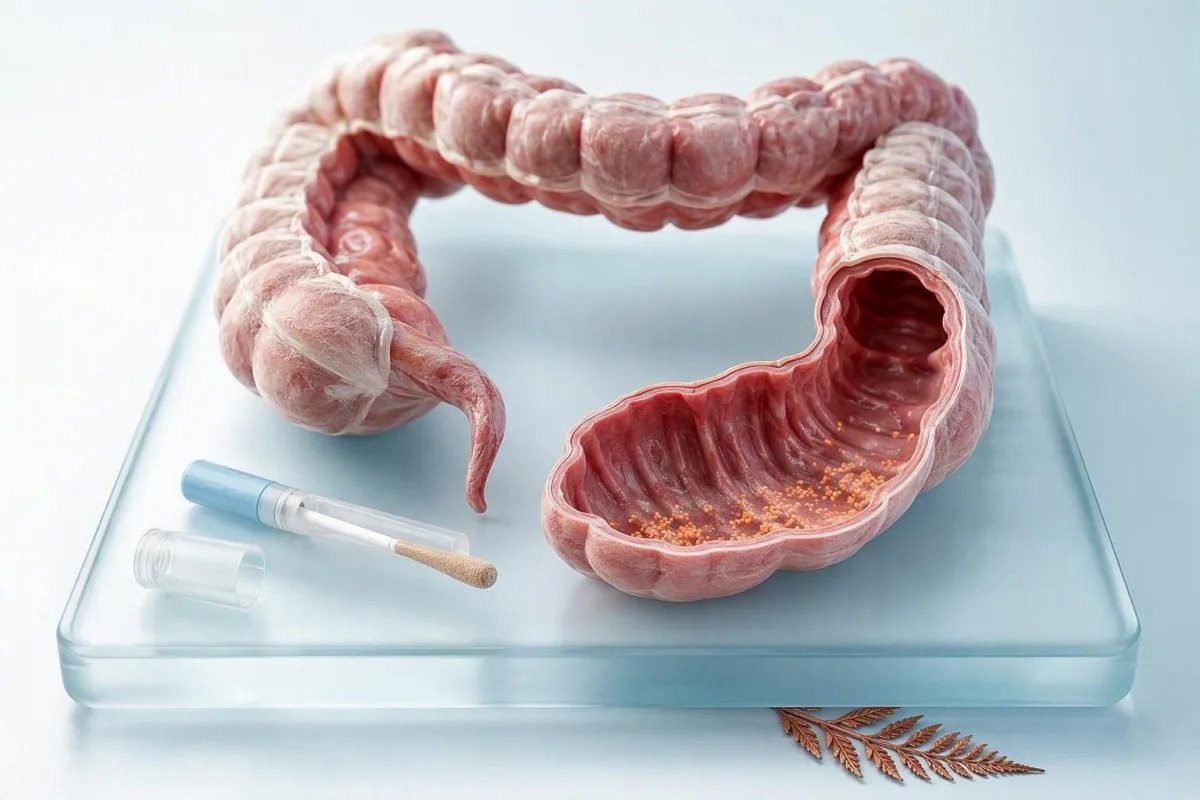
A θετικό αποτέλεσμα FIT σημαίνει ότι βρέθηκε ανθρώπινη αιμοσφαιρίνη στα κόπρανά σας. Δεν διαγιγνώσκει καρκίνο, αλλά απαιτεί διαγνωστική κολονοσκόπηση — ιδανικά να κανονιστεί εντός 2 εβδομάδων και να ολοκληρωθεί εντός 3 μηνών· αναζητήστε άμεση φροντίδα την ίδια ημέρα για έντονη αιμορραγία από το ορθό, λιποθυμία, σοβαρό πόνο ή μαύρα πίσσα κόπρανα.


- Θετικό αποτέλεσμα FIT σημαίνει ότι η ανοσοχημική δοκιμασία κοπράνων ανίχνευσε ανθρώπινη αιμοσφαιρίνη στα κόπρανα· δεν μπορεί να εντοπίσει την πηγή της αιμορραγίας.
- Χρονισμός κολονοσκόπησης ιδανικά εντός 3 μηνών από ένα θετικό screening FIT· καθυστερήσεις πέραν των 9 μηνών σχετίζονται με υψηλότερο κίνδυνο καρκίνου παχέος εντέρου.
- Πιθανότητα καρκίνου μετά από ένα θετικό FIT είναι συνήθως περίπου 3% έως 10%, ενώ προχωρημένοι πολύποδες ανευρίσκονται περίπου στο 20% έως 40%, ανάλογα με την ηλικία και το όριο του προγράμματος.
- Όριο FIT ποικίλλει ανάλογα με την υπηρεσία· οι συμπτωματικές οδοί του Ηνωμένου Βασιλείου συχνά χρησιμοποιούν 10 µg αιμοσφαιρίνης ανά γραμμάριο κοπράνων, ενώ τα όρια ελέγχου μπορεί να είναι υψηλότερα.
- Επείγοντα συμπτώματα περιλαμβάνουν συνεχή έντονη αιμορραγία, μαύρα σαν πίσσα κόπρανα, κατάρρευση, σοβαρό κοιλιακό άλγος ή δύσπνοια σε ηρεμία.
- Μην επαναλαμβάνετε το FIT για την ακύρωση ενός θετικού αποτελέσματος· ένα μεταγενέστερο αρνητικό δείγμα δεν μπορεί να αποκλείσει αξιόπιστα έναν πολυποειδή που αιμορραγεί διαλείποντα ή έναν καρκίνο.
- Συχνές μη καρκινικές αιτίες περιλαμβάνουν αιμορροΐδες, ραγάδες πρωκτού, εκκολπωματική νόσο, κολίτιδα, πολύποδες και, λιγότερο συχνά, αιμορραγία από το ανώτερο πεπτικό σύστημα.
- Εξετάσεις αίματος όπως η γενική αίματος, η φερριτίνη και ο κορεσμός της τρανσφερρίνης βοηθούν στην αναγνώριση αναιμίας λόγω έλλειψης σιδήρου όσο περιμένετε την κολονοσκόπηση.
Τι Σημαίνει Σήμερα Ένα Θετικό Αποτέλεσμα FIT
A θετικό αποτέλεσμα FIT σημαίνει ότι μια κοπρανική ανοσοχημική εξέταση ανίχνευσε ανθρώπινη αιμοσφαιρίνη σε δείγμα κοπράνων, οπότε είναι πιθανή αιμορραγία κάπου στο κατώτερο έντερο. Δεν είναι από μόνη της μια επείγουσα διάγνωση, αλλά είναι ένα αποτέλεσμα που πρέπει να αντιμετωπιστεί άμεσα παρά να παρακολουθηθεί για μερικούς μήνες.
Στην κλινική μου πρακτική, η πιο χρήσιμη πρώτη πρόταση που μπορώ να προσφέρω είναι η εξής: ένα θετικό αποτέλεσμα είναι έναυσμα παραπομπής, όχι διάγνωση καρκίνου. Το FIT ανιχνεύει το τμήμα σφαιρίνης της ανθρώπινης αιμοσφαιρίνης, το οποίο συνήθως διασπάται κατά τη διέλευση από το στομάχι και το λεπτό έντερο· αυτό καθιστά την εξέταση σχετικά εστιασμένη στην αιμορραγία από το κόλον ή το ορθό. Μια μεμονωμένη μικροσκοπική αιμορραγία μπορεί να δώσει ένα θετικό αποτέλεσμα, ακόμα και όταν αισθάνεστε εντελώς καλά.
Από τις 4 Σεπτεμβρίου 2026, τα προγράμματα ελέγχου εξακολουθούν να διαφέρουν στην αναφορά και τα όριά τους. Σε συμπτωματικές οδούς πρωτοβάθμιας φροντίδας του Ηνωμένου Βασιλείου, 10 µg αιμοσφαιρίνης ανά γραμμάριο κοπράνων είναι ένα κοινώς χρησιμοποιούμενο όριο για επείγουσα κολοορθική αξιολόγηση, ενώ τα προγράμματα ελέγχου πληθυσμού ενδέχεται να χρησιμοποιούν υψηλότερο όριο, όπως 80 ή 120 µg/g. Ένα “θετικό” αποτέλεσμα από ένα εργαστήριο, επομένως, δεν είναι αριθμητικά εναλλάξιμο με ένα άλλο.
Ο Thomas Klein, MD, συμβουλεύει τους ασθενείς να επικοινωνήσουν με τον κλινικό ιατρό ή την υπηρεσία ελέγχου που διέταξε την εξέταση εντός 2 εργάσιμων ημερών εάν δεν έχει ήδη δηλωθεί σχέδιο παραπομπής. Φυλάξτε την αναφορά, σημειώστε τυχόν αιμορραγία από το ορθό ή αλλαγή στις συνήθειες του εντέρου, και αποφύγετε την αυτοθεραπεία με σίδηρο, εκτός εάν ένας κλινικός ιατρός έχει επιβεβαιώσει την ανεπάρκεια. Ο οδηγός μας για τις διαφορές FIT και FOBT εξηγεί γιατί αυτή η νεότερη εξέταση κοπράνων είναι πιο ειδική για ανθρώπινο αίμα από την παλαιότερη εξέταση γουαϊακόλης.
Γιατί Χρειάζεται Κολονοσκόπηση Μετά από Θετικό Αποτέλεσμα
Η κολονοσκόπηση είναι η τυπική επόμενη εξέταση μετά από ένα θετικό FIT, διότι μπορεί να βρει, να δειγματίσει και συχνά να αφαιρέσει την αιτία της αιμορραγίας σε μία μόνο διαδικασία. Η επανάληψη μιας εξέτασης κοπράνων δεν μπορεί να την αντικαταστήσει με ασφάλεια, επειδή η αιμορραγία του εντέρου μπορεί να είναι διαλείπουσα.
Ένα FIT δεν μπορεί να διακρίνει έναν μικρό αδένωμα από έναν μεγάλο καρκίνο, μια αιμορραγούσα αιμορροΐδα ή κολίτιδα. Η κολονοσκόπηση εξετάζει άμεσα το ορθό και το κόλον, επιτρέπει την αφαίρεση των περισσότερων πολυπόδων και επιτρέπει την εξέταση ιστών όταν μια πάσχουσα περιοχή χρειάζεται διευκρίνιση. Σε πληθυσμούς ελέγχου, περίπου 3% έως 10% των ατόμων με θετικό FIT έχουν καρκίνο του παχέος εντέρου, ενώ περίπου 20% έως 40% έχουν προχωρημένες αδενωματικές ή προχωρημένες οδοντωτές βλάβες· η ηλικία, το φύλο, το όριο και ο προηγούμενος έλεγχος αλλάζουν αυτά τα ποσοστά ουσιαστικά.
Η Ομάδα Εργασίας Προληπτικών Υπηρεσιών των ΗΠΑ (US Preventive Services Task Force) αναφέρει ότι μια θετική εξέταση κολονοσκόπησης για καρκίνο του παχέος εντέρου απαιτεί κολονοσκόπηση για να επιτευχθεί το όφελος της προσυμπτωματικού ελέγχου (Davidson et al., 2021). Η διατύπωση αυτή έχει σημασία: το FIT είναι μια στρατηγική προσυμπτωματικού ελέγχου δύο σταδίων, όχι μια ολοκληρωμένη εξέταση. Έχω δει ασθενείς να καθησυχάζονται από ένα μεταγενέστερο αρνητικό κιτ οικιακής χρήσης, μόνο για να διαπιστώσει αργότερα η κολονοσκόπηση έναν πολύποδα που απλώς δεν είχε αιμορραγήσει τη δεύτερη ημέρα.
Το Καντέστι είναι ένα Αναλυτής εξέτασης αίματος AI, επομένως μπορεί να βοηθήσει στην οργάνωση των σχετικών αποτελεσμάτων της γενικής αίματος και των εξετάσεων σιδήρου, αλλά δεν διαγιγνώσκει την πηγή μιας θετικής εξέτασης κοπράνων ούτε αντικαθιστά την ενδοσκόπηση. Εάν έχετε αρκετές αναφορές, χρησιμοποιήστε ένα σύνοψη εργαστηριακών εξετάσεων για επίσκεψη στον/στην γιατρό για να συγκεντρώσετε ημερομηνίες, φάρμακα, τιμές αιμοσφαιρίνης και συμπτώματα για το ραντεβού παραπομπής.
Πόσο Γρήγορα Πρέπει να Κανονίσετε Κολονοσκόπηση;
Οι περισσότεροι άνθρωποι με θετικό FIT θα πρέπει να υποβληθούν σε κολονοσκόπηση εντός 3 μηνών, και η παραπομπή θα πρέπει να ξεκινήσει εντός ημερών έως μερικών εβδομάδων. Μια αναμονή μερικών εβδομάδων είναι συνήθως διαχειρίσιμη εάν αισθάνεστε καλά, αλλά μια καθυστέρηση 9 μηνών ή περισσότερο δεν είναι ένα άνετο διάστημα “παρακολούθησης και αναμονής”.
Ο πρακτικός στόχος που χρησιμοποιώ είναι απλός: επικοινωνήστε με την αρμόδια υπηρεσία εντός 48 ώρες, εξασφαλίστε μια παραπομπή εντός 2 εβδομάδες, και στοχεύστε σε κολονοσκόπηση εντός 3 μήνες. Η πρόσβαση ποικίλλει, και ένας κλινικός ιατρός μπορεί να επιλέξει αξονική κολονογραφία ή εξειδικευμένη αξιολόγηση πρώτα για κάποιον που είναι πολύ αδύναμος για καταστολή. Αυτό που δεν πρέπει να συμβεί είναι μια αόριστη καθυστέρηση χωρίς να υπάρχει μια συγκεκριμένη υπηρεσία υπεύθυνη για την παρακολούθηση.
Οι Corley και συνεργάτες μελέτησαν περισσότερους από 70.000 ασθενείς με θετικό FIT και διαπίστωσαν ότι η επίπτωση του καρκίνου του παχέος εντέρου και το στάδιο άρχισαν να επιδεινώνονται όταν η κολονοσκόπηση πραγματοποιήθηκε μετά από περίπου 6 μήνες, με σαφέστερες αρνητικές συσχετίσεις μετά από 9 μήνες (Corley et al., 2017). Αυτή η μελέτη παρατήρησης δεν μπορεί να αποδείξει ότι κάθε μεμονωμένη καθυστέρηση προκαλεί εξέλιξη, ωστόσο είναι αρκετά πειστική για να καθοδηγήσει τους στόχους των υπηρεσιών. Ένα θετικό FIT σε συνδυασμό με σιδηροπενική αναιμία χρήζει ιδιαίτερης επιμονής.
Εάν περιμένετε, κάντε μία συγκεκριμένη ερώτηση: “Ποια είναι η προγραμματισμένη διαγνωστική μου ημερομηνία και σε ποιον πρέπει να απευθυνθώ αν περάσει;” Καταγράψτε το όνομα και τον αριθμό. Οι ασθενείς που έχουν επίσης χαμηλή φερριτίνη χωρίς έντονες περιόδους θα πρέπει να το αναφέρουν ρητά, επειδή η λανθάνουσα απώλεια αίματος από το έντερο είναι μια πιθανή εξήγηση σε ενήλικες.
Συμπτώματα "Κόκκινης Σημαίας" που Χρειάζονται Ταχύτερη Φροντίδα
Ένα θετικό FIT σε συνδυασμό με έντονη αιμορραγία, μαύρα πίσσα σαν κόπρανα, λιποθυμία, έντονο κοιλιακό πόνο ή νέα δύσπνοια χρήζει επείγουσας αξιολόγησης την ίδια ημέρα. Αυτά τα συμπτώματα μπορεί να υποδηλώνουν σημαντική απώλεια αίματος, εντερική απόφραξη ή άλλο πρόβλημα που δεν πρέπει να περιμένει για μια συνήθη θέση για ενδοσκόπηση.
Πηγαίνετε στα επείγοντα ή καλέστε τις τοπικές υπηρεσίες έκτακτης ανάγκης για επαναλαμβανόμενη αιμορραγία από το ορθό με φωτεινό κόκκινο αίμα μεγάλης ποσότητας, κατάρρευση, σύγχυση, πόνο στο στήθος ή δύσπνοια σε ηρεμία. Μαύρα, κολλώδη, πίσσα σαν κόπρανα μπορεί να υποδηλώνουν πεπωμένο αίμα από το ανώτερο πεπτικό σύστημα, ειδικά αν συνοδεύεται από ζάλη ή αδυναμία. Τα δισκία σιδήρου και το βισμούθιο μπορούν να σκουρύνουν τα κόπρανα, αλλά συνήθως δεν τα κάνουν κολλώδη και πίσσα σαν· η αβεβαιότητα χρήζει αξιολόγησης παρά διαδικτυακής ανιχνευτικής εργασίας.
Επικοινωνήστε με τον γιατρό σας την ίδια ημέρα για επίμονο εμετό, φουσκωμένη κοιλιά με αδυναμία αποβολής κοπράνων ή αερίων, πυρετό άνω των 38.0°C, ή επιδεινούμενο κωλικοειδή κοιλιακό πόνο. Νέα ακούσια απώλεια βάρους άνω των 5% σωματικού βάρους σε 6 έως 12 μήνες, παρατεταμένη κόπωση ή ένα σαφώς μεταβαλλόμενο πρότυπο κενώσεων ενισχύουν επίσης την περίπτωση επείγουσας επανεξέτασης. Ο συνδυασμός έχει σημασία περισσότερο από οποιοδήποτε μεμονωμένο σύμπτωμα.
Μια γενική αίματος μπορεί να αποκαλύψει αναιμία, αλλά η φυσιολογική αιμοσφαιρίνη δεν αποκλείει νόσο του παχέος εντέρου επειδή η αιμορραγία μπορεί να είναι μικρή ή διακοπτόμενη. Διαβάστε τον πρακτικό μας οδηγό για συμπτώματα χαμηρών ερυθρών αιμοσφαιρίων εάν εμφανιστεί κόπωση, ωχρότητα, ταχυπαλμία ή δύσπνοια κατά την κόπωση μαζί με το αποτέλεσμα του FIT.
Κοινές Μη Καρκινικές Αιτίες ενός Θετικού FIT
Αιμορροΐδες, πρωκτικές ραγάδες, πολύποδες, εκκολπωματική νόσος, κολίτιδα και αιμορραγία του βλεννογόνου που σχετίζεται με φάρμακα μπορούν όλοι να προκαλέσουν θετικό FIT. Καμία από αυτές τις εξηγήσεις δεν αποτελεί λόγο για παράλειψη της κολονοσκόπησης, εκτός εάν ο θεράπων ιατρός έχει καταρτίσει άλλο σαφές σχέδιο.
Οι αιμορροΐδες είναι συχνές, ειδικά με δυσκοιλιότητα, εγκυμοσύνη και παρατεταμένη καταπόνηση, αλλά αποτελούν συχνή παγίδα στην κλινική συλλογιστική. Η εμφάνιση φωτεινού κόκκινου αίματος στο χαρτί και η γνώση ότι υπάρχουν αιμορροΐδες δεν αποδεικνύουν ότι προκάλεσαν το θετικό FIT. Σε ενήλικες ηλικίας 50 ετών και άνω, γενικά θεωρώ ένα θετικό τεστ ως απαίτηση διερεύνησης του εντέρου, ακόμη και όταν οι αιμορροΐδες φαίνονται εύλογες.
Οι καλοήθεις πολύποδες συχνά αιμορραγούν πριν προκαλέσουν πόνο ή αλλαγή στη συνήθεια του εντέρου· γι' αυτό ακριβώς λειτουργεί ο έλεγχος FIT. Η φλεγμονώδης νόσος του εντέρου, η λοιμώδης κολίτιδα, η εκκολπωματίτιδα και οι αλλαγές στο έντερο που σχετίζονται με ακτινοβολία μπορεί επίσης να αυξήσουν τις τιμές FIT. Μια αυξημένη αποτέλεσμα κοπρανικής καλπροτεκτίνης μπορεί να υποστηρίξει εντερική φλεγμονή, αλλά απαντά σε διαφορετική ερώτηση και δεν μπορεί να αποκλείσει έναν πολύποδα ή καρκίνο.
Τα στοιχεία σχετικά με τα φάρμακα είναι σύνθετα. Η ασπιρίνη, τα αντιπηκτικά και τα αντιφλεγμονώδη φάρμακα μπορεί να κάνουν μια υπάρχουσα πηγή αιμορραγίας πιο ανιχνεύσιμη, αλλά δεν καθιστούν ένα θετικό FIT χωρίς νόημα· μην σταματάτε τη συνταγογραφούμενη αντιαιμοπεταλιακή ή αντιπηκτική θεραπεία χωρίς τη συμβουλή του συνταγογράφου. Ο Thomas Klein, MD, έχει δει να συμβαίνουν αποφεύξιμες θρομβώσεις όταν οι ασθενείς σταμάτησαν απότομα τη φαρμακευτική αγωγή αφού διάβασαν ότι μπορεί να επηρεάσει ένα τεστ κοπράνων.
Μπορούν Περίοδος, Φαγητό ή Άσκηση να Προκαλέσουν Ψευδώς Θετικό;
Η εμμηνορροϊκή μόλυνση και η ορατή αιμορραγία από την περιπρωκτική περιοχή μπορούν να επηρεάσουν ένα δείγμα FIT, αλλά το κόκκινο κρέας και τα περισσότερα τρόφιμα δεν προκαλούν θετικό σύγχρονο FIT. Το ανοσοχημικό τεστ κοπράνων δεν είναι το ίδιο με ένα παλαιότερο τεστ ανίχνευσης κρυφού αίματος στα κόπρανα που αντιδρούσε σε διαιτητικές υπεροξειδάσες.
Ένα άτομο που έχει εμμηνόρροια θα πρέπει συνήθως να περιμένει μέχρι να σταματήσει η αιμορραγία πριν συλλέξει ένα δείγμα ρουτίνας, ακολουθώντας τις οδηγίες του κιτ. Εάν το δείγμα συλλέχθηκε κατά τη διάρκεια της περιόδου, ενημερώστε την υπηρεσία αντί να υποθέσετε ότι το αποτέλεσμα είναι άκυρο· ορισμένα συστήματα μπορεί να το επαναλάβουν, ενώ άλλα θα εξακολουθούν να συστήνουν διερεύνηση βάσει ηλικίας και συμπτωμάτων. Η ορατή αιμορραγία από τα ούρα μπορεί επίσης να μολύνει ένα δείγμα, οπότε ο χρόνος έχει σημασία.
Σε αντίθεση με τα τεστ ανίχνευσης κρυφού αίματος στα κόπρανα που βασίζονται στη γουαϊακόλη, το FIT δεν κανονικά δεν απαιτεί αποφυγή κόκκινου κρέατος, εσπεριδοειδών, βιταμίνης C ή μπρόκολου. Αυτή η διάκριση μειώνει τους ψευδείς συναγερμούς και διευκολύνει την τήρηση. Οι άνθρωποι θυμούνται συχνά τους περιορισμούς από το παλαιότερο τεστ ενός γονέα και καθυστερούν άσκοπα τον έλεγχο· η εξήγησή μας για τα αποτελέσματα FOBT και τους ψευδείς θετικούς διαχωρίζει τις δύο μεθόδους.
Η έντονη αερόβια άσκηση μπορεί περιστασιακά να σχετίζεται με παροδικό ερεθισμό ή αιμορραγία του εντέρου, ιδιαίτερα σε αφυδάτωση ή ζέστη. Εάν ένας μαραθώνιος ή αγώνας υπεραπόστασης συνέβη εντός 24 έως 48 ώρες της συλλογής, αναφέρετέ το, αλλά μην απορρίψετε μόνοι σας το αποτέλεσμα. Το σχετικό φαινόμενο της αιματουρίας δρομέα επηρεάζει τα ούρα, όχι τα κόπρανα, και τα δύο δεν πρέπει να συγχέονται.
Γιατί η Επανάληψη του FIT Είναι Συνήθως το Λάθος Επόμενο Βήμα
Ένα δεύτερο αρνητικό FIT δεν αναιρεί ένα πρώτο θετικό FIT, επειδή οι πολύποδες και οι καρκίνοι μπορεί να αιμορραγούν διακοπτόμενα. Η κολονοσκόπηση παραμένει η κατάλληλη διαγνωστική εξέταση, εκτός εάν ένας ειδικός επιλέξει εναλλακτική λύση λόγω ατομικού κινδύνου ή περιορισμών πρόσβασης.
Η πιο συχνή ερώτηση που ακούω είναι: “Μπορώ απλώς να το επαναλάβω;”. Σε ένα άτομο χωρίς συμπτώματα και με ανησυχία για το δείγμα, το πρόγραμμα προσυμπτωματικού ελέγχου μπορεί περιστασιακά να ζητήσει άλλο δείγμα. αυτή είναι μια απόφαση ειδική για την υπηρεσία. Αλλά μια αυτο-προγραμματισμένη επαναληπτική εξέταση έχει μια επικίνδυνη ψυχολογική επίδραση: ένα αρνητικό αποτέλεσμα μπορεί να κάνει κάποιον να ακυρώσει την παραπομπή, παρά την απουσία άμεσης εξέτασης του εντέρου.
Τα αποτελέσματα FIT παρουσιάζουν διακυμάνσεις, διότι η αιμορραγία είναι επεισοδιακή, το δείγμα προέρχεται από μία κένωση, και η αιμοσφαιρίνη αποδομείται με καθυστερημένη ή υπερβολικά θερμή μεταφορά. Ένα αποτέλεσμα κάτω από το εργαστηριακό όριο σημαίνει “δεν ανιχνεύθηκε σε αυτό το επίπεδο δείγματος”, όχι “το έντερο αποδεδειγμένα είναι φυσιολογικό”. Αυτός είναι ένας λόγος για τον οποίο μια θετική εξέταση έχει διαφορετική κλινική σημασία από ένα οριακό αποτέλεσμα αίματος που μπορεί λογικά να επανελεγχθεί.
Εάν η ανησυχία για ένα ψευδώς θετικό αποτέλεσμα σας εμποδίζει να κλείσετε ραντεβού, συζητήστε τις ακριβείς περιστάσεις με την ομάδα ενδοσκόπησης. Για μια ευρύτερη σύγκριση στρατηγικής και περιορισμών, δείτε FIT έναντι κολονοσκόπησης. Η κολονοσκόπηση έχει τους δικούς της περιορισμούς, αλλά προσφέρει ένα πρακτικό εύρημα που ένα επαναληπτικό κιτ δεν μπορεί.
Πώς να Προετοιμαστείτε Ασφαλώς για Κολονοσκόπηση
Η προετοιμασία του εντέρου, όχι η ίδια η κάμερα, είναι το μέρος που καθορίζει περισσότερο εάν η κολονοσκόπηση μπορεί να ανιχνεύσει αξιόπιστα μικρές αλλοιώσεις. Ακολουθήστε ακριβώς το γραπτό πρόγραμμα προετοιμασίας και επικοινωνήστε με τη μονάδα πριν αλλάξετε φάρμακα για διαβήτη, σίδηρο, αντιαιμοπεταλιακά ή αντιπηκτικά.
Τα περισσότερα κέντρα χρησιμοποιούν ένα σχήμα διπλής δόσης καθαρτικού: μέρος το βράδυ πριν και μέρος περίπου 4 έως 6 ώρες πριν από τη διαδικασία, με την τελική δόση να ολοκληρώνεται σύμφωνα με τις τοπικές οδηγίες νηστείας. Αυτή η χρονική στιγμή δίνει σταθερά ένα πιο καθαρό δεξιό κόλον από ό,τι η λήψη όλης της προετοιμασίας την προηγούμενη ημέρα. Στόχος είναι γενικά ένα διαυγές κίτρινο υγρό κόπρανο προς το τέλος, αν και η δική σας καθοδήγηση της μονάδας έχει πάντα προτεραιότητα.
Η αφυδάτωση είναι το προβλέψιμο πρόβλημα που βλέπω συχνότερα. Εκτός αν σας έχει δοθεί οδηγία να περιορίσετε τα υγρά για καρδιακή ή νεφρική νόσο, πίνετε καθαρά υγρά τακτικά κατά την προετοιμασία. πολλές μονάδες προτείνουν περίπου 2 έως 3 λίτρα καθ' όλη τη διάρκεια του παραθύρου προετοιμασίας. Άτομα με χρόνια νεφρική νόσο, καρδιακή ανεπάρκεια, διαβήτη ή ιστορικό χαμηλού νατρίου χρειάζονται ατομικές συμβουλές αντί για έναν γενικό στόχο όγκου.
Ρωτήστε ειδικά για τον από του στόματος σίδηρο, ο οποίος συχνά διακόπτεται 5 έως 7 ημέρες πριν από την κολονοσκόπηση, επειδή σκουραίνει τα υπολειπόμενα κόπρανα, και για τα φάρμακα GLP-1, την ινσουλίνη και τα αντιπηκτικά. Το δικό μας οδηγός για την πήξη εξηγεί γιατί τα φυσιολογικά αποτελέσματα πήξης δεν σας λένε εάν είναι ασφαλές να διακόψετε ένα συνταγογραφούμενο αντιπηκτικό χωρίς σχέδιο.
Τι Συμβαίνει Κατά τη Διάρκεια του Ραντεβού Κολονοσκόπησης
Η κολονοσκόπηση διαρκεί συνήθως 20 έως 45 λεπτά, αν και μια συνολική επίσκεψη μπορεί να διαρκέσει 2 έως 4 ώρες λόγω συναίνεσης, καταστολής, ανάρρωσης και πιθανής αφαίρεσης πολύποδα. Οι περισσότεροι ασθενείς θυμούνται πίεση, φούσκωμα ή σύντομους πόνους κράμπας περισσότερο από οξύ πόνο.
Κατά την άφιξη, η ομάδα θα πρέπει να επιβεβαιώσει το θετικό αποτέλεσμα FIT, τα συμπτώματα, τις αλλεργίες, τις προηγούμενες επεμβάσεις και το σχέδιο φαρμακευτικής αγωγής. Οι πρακτικές καταστολής ποικίλλουν: μερικοί άνθρωποι επιλέγουν καθόλου καταστολή, μερικοί λαμβάνουν εισπνεόμενη αναλγησία, και άλλοι λαμβάνουν ενδοφλέβια καταστολή. Μπορείτε να ρωτήσετε εάν είναι διαθέσιμος ένας συνοδός, ένας ενδοσκοπιστής του ίδιου φύλου όπου είναι εφικτό, ή υποστήριξη επικοινωνίας—οι πρακτικές λεπτομέρειες επηρεάζουν εάν οι ασθενείς ολοκληρώνουν την εξέταση.
Ο ενδοσκοπιστής προωθεί μια εύκαμπτη κάμερα μέσα από το έντερο και χρησιμοποιεί διοξείδιο του άνθρακα ή αέρα για να βελτιώσει την ορατότητα. Το διοξείδιο του άνθρακα απορροφάται ταχύτερα και συχνά μειώνει το μετεγχειρητικό φούσκωμα. Οι πολύποδες κάτω από 10 mm αφαιρούνται συχνά κατά την ίδια εξέταση, και μπορεί να ληφθούν δείγματα ιστών από μια επηρεασμένη περιοχή, ακόμη και όταν η επένδυση φαίνεται μόνο ελαφρώς αλλαγμένη.
Μετά την καταστολή, μην οδηγείτε, μην χειρίζεστε μηχανήματα, μην υπογράφετε νομικά έγγραφα, ή πίνετε αλκοόλ για , σταματήστε την υψηλής δόσης. Μπορεί να εμφανιστεί ήπιος αέρας και μια μικρή γραμμή αίματος μετά την αφαίρεση πολύποδα, αλλά αυξημένος πόνος, πυρετός, ζάλη ή επίμονη αιμορραγία απαιτούν άμεση επικοινωνία με τη μονάδα ενδοσκόπησης. Το Διάγραμμα Bristol κοπράνων μπορεί να σας βοηθήσει να περιγράψετε με ακρίβεια τις αλλαγές στο έντερο πριν και μετά τη διαδικασία.
Τι Μπορούν να Δείξουν τα Αποτελέσματα Κολονοσκόπησης
Μια κολονοσκόπηση μετά από ένα θετικό FIT μπορεί να μην βρει σημαντική ανωμαλία, έναν αφαιρέσιμο πολύποδα, φλεγμονή, εκκολπωμάτωση, αιμορροΐδες ή καρκίνο. Μια φυσιολογική εξέταση είναι καθησυχαστική, αλλά το διάστημα παρακολούθησής της εξαρτάται από την ποιότητα της προετοιμασίας του εντέρου, την πληρότητα, το οικογενειακό ιστορικό και την τοπική πολιτική προληπτικού ελέγχου.
Εάν δεν βρεθεί αιτία και η προετοιμασία του εντέρου ήταν άριστη, οι κλινικοί γιατροί συχνά επανέρχονται σε τακτικό προληπτικό έλεγχο για έναν ασθενή μέσου κινδύνου αντί να επαναλάβουν αμέσως την κολονοσκόπηση. Μια φυσιολογική κολονοσκόπηση δεν αποτελεί εγγύηση εφ' όρου ζωής: οι παραβλεπόμενες βλάβες είναι ασυνήθεις αλλά πιθανές, ειδικά με κακή προετοιμασία, ατελή εξέταση ή έναν τύπο βλάβης που είναι επίπεδος και ανεπαίσθητος. Ρωτήστε εάν επετεύχθη η τυφλή μοίρα και εάν η προετοιμασία κρίθηκε επαρκής.
Οι αδενωματώδεις και οι οδοντωτές πολυποειδείς μορφές δεν είναι καρκίνος, αλλά κάποιες μπορεί να γίνουν καρκίνος με την πάροδο των ετών. Ο χρόνος παρακολούθησης εξαρτάται από τον αριθμό, το μέγεθος, τα κυτταρικά χαρακτηριστικά και την πληρότητα της αφαίρεσης· ένα μεμονωμένο μικρό αδένωμα χαμηλού κινδύνου αντιμετωπίζεται πολύ διαφορετικά από 5 ή περισσότερα αδενώματα ή μια βλάβη 10 mm ή μεγαλύτερο. Τα αποτελέσματα της ιστολογικής εξέτασης συνήθως διαρκούν 1 έως 3 εβδομάδες, κάτι που μπορεί να φαίνεται μεγαλύτερο από όσο είναι.
Εάν η ιστολογική εξέταση εντοπίσει καρκίνο, τα επόμενα βήματα περιλαμβάνουν συχνά σταδιοποίηση με CT, εξετάσεις αίματος, πολυθεματική ανασκόπηση και παραπομπή σε χειρουργική ογκολογία παχέος εντέρου ή ογκολογία. Μια τιμή CEA μπορεί να μετρηθεί για βασική παρακολούθηση, αλλά η CEA δεν μπορεί να διαγνώσει ή να αποκλείσει καρκίνο του παχέος εντέρου. Το άρθρο μας για το τις τάσεις της CEA και της CA 19-9 εξηγεί γιατί οι δείκτες όγκων είναι βοηθητικοί, όχι εξετάσεις προσυνοδηγητικού ελέγχου.
Εξετάσεις Αίματος που Προσθέτουν Χρήσιμο Πλαίσιο Όσο Περιμένετε
Μια πλήρης αιματολογική εξέταση και μελέτες σιδήρου μπορούν να εντοπίσουν σιδηροπενική αναιμία, η οποία ενισχύει την ανάγκη διερεύνησης λανθάνουσας γαστρεντερικής αιμορραγίας. Φυσιολογικές αιματολογικές εξετάσεις δεν καθιστούν ένα θετικό FIT ασφαλές προς αγνόηση.
Για μη έγκυους ενήλικες, η αιμοσφαιρίνη κάτω από περίπου 130 g/L στους άνδρες ή 120 g/L στις γυναίκες πληροί τους κοινούς ορισμούς αναιμίας, αν και τα εργαστήρια και το κλινικό πλαίσιο ποικίλλουν. Φερριτίνη κάτω από 30 µg/L συχνά υποστηρίζει μειωμένα αποθέματα σιδήρου· με φλεγμονή, η φερριτίνη μπορεί να φαίνεται ψευδώς καθησυχαστική επειδή αυξάνεται ως πρωτεΐνη οξείας φάσης. Χαμηλός κορεσμός τρανσφερρίνης, συχνά κάτω από 20%, προσθέτει χρήσιμο πλαίσιο.
Το Καντέστι είναι ένα υπηρεσία ερμηνείας δοκιμών AI που τοποθετεί την αιμοσφαιρίνη, τον μέσο όγκο κυττάρου, τη φερριτίνη, την C-αντιδραστική πρωτεΐνη και τη νεφρική λειτουργία σε μια διαχρονική προοπτική. Αυτό είναι χρήσιμο όταν ένα θετικό FIT συνυπάρχει με κόπωση ή χαμηλό σίδηρο, αλλά πρέπει να υποστηρίζει – όχι να αναβάλλει – την πορεία της ενδοσκόπησης. Συνιστούμε τη λήψη αντιγράφων των αρχικών εργαστηριακών εκθέσεων και την κοινοποίησή τους στον κλινικό ιατρό που είναι υπεύθυνος για την παραπομπή.
Μια πτωτική MCV, αυξανόμενη RDW και μειούμενη φερριτίνη μπορεί να προηγηθούν της εμφανής αναιμίας για μήνες. Η οδηγός σπουδών σιδήρου εξηγεί γιατί ο ορός σιδήρου από μόνος του ποικίλλει υπερβολικά κατά τη διάρκεια της ημέρας για να διαγνωστεί η έλλειψη. Εάν εμφανίσετε παλμικό αίσθημα, δυσφορία στο στήθος ή δύσπνοια κατά την αναμονή, ζητήστε αξιολόγηση νωρίτερα αντί να αυξήσετε απλώς τον διατροφικό σίδηρο.
Φάρμακα, Ηλικία και Οικογενειακό Ιστορικό που Αλλάζουν την Ταξινόμηση
Αντιπηκτικά, αντιαιμοπεταλιακά, συγγενής πρώτου βαθμού με καρκίνο του παχέος εντέρου, προηγούμενα πολύποδες και φλεγμονώδης νόσος του εντέρου πρέπει όλα να σημειωθούν στην παραπομπή μετά από ένα θετικό FIT. Αυτοί οι παράγοντες επηρεάζουν την αξιολόγηση κινδύνου και τον σχεδιασμό της επέμβασης, αλλά κανένας δεν καθιστά ένα θετικό αποτέλεσμα αυτόματα ακίνδυνο.
Ασπιρίνη, κλοπιδογρέλη, βαρφαρίνη, απιξαμπάνη, ριβαροξαμπάνη και παρόμοια φάρμακα μπορεί να αυξήσουν την ορατότητα της αιμορραγίας από μια βλάβη που υπήρχε ήδη. Μην τα διακόψετε ανεξάρτητα: ο κίνδυνος εγκεφαλικού επεισοδίου, φλεβοθρόμβωσης ή στεφανιαίων συμβάντων μπορεί να υπερτερεί του κινδύνου αιμορραγίας που σχετίζεται με την επέμβαση. Η ομάδα ενδοσκόπησης θα παράσχει ένα σχέδιο συγκεκριμένο για τη φαρμακευτική αγωγή, βασισμένο στην νεφρική λειτουργία, την ένδειξη και εάν αναμένεται αφαίρεση πολύποδα.
Ένας συγγενής πρώτου βαθμού που διαγνώστηκε με καρκίνο του παχέος εντέρου πριν από την ηλικία 50 ετών, ή δύο συγγενείς πρώτου βαθμού με διάγνωση σε οποιαδήποτε ηλικία, μπορεί να υποδηλώνουν μια οικογενειακή οδό υψηλότερου κινδύνου. Ενημερώστε τον κλινικό γιατρo για συγγενείς με καρκίνο του παχέος εντέρου, καρκίνο του ενδομητρίου, καρκίνο των ωοθηκών ή πολυάριθμους πολύποδες, συμπεριλαμβανομένων των ηλικιών τους κατά τη διάγνωση. Το οικογενειακό ιστορικό συχνά καταγράφεται ελλιπώς επειδή οι άνθρωποι θυμούνται “καρκίνο” αλλά όχι το όργανο ή την ηλικία· μια γρήγορη οικογενειακή κλήση μπορεί να αλλάξει την προτεραιότητα.
Το Καντέστι είναι ένα Πλατφόρμα ερμηνείας βιοδεικτών AI που μπορούν να βοηθήσουν τις οικογένειες να παρακολουθούν τις εγκεκριμένες εργαστηριακές τάσεις, αλλά η αξιολόγηση οικογενειακού κινδύνου δεν μπορεί να διαγνώσει κληρονομήσιμα σύνδρομα καρκίνου. Για ένα πρακτικό αρχείο που θα φέρετε στην πρωτοβάθμια περίθαλψη, ανατρέξτε στο δείκτες οικογενειακού κινδύνου που σχετίζονται με τον καρκίνο. Η γενετική συμβουλευτική μπορεί να είναι κατάλληλη ακόμη και όταν οι συνήθεις αιματολογικές εξετάσεις είναι φυσιολογικές.
Πότε η Κολονοσκόπηση Καθυστερεί, Ολοκληρώνεται Ατελώς ή Δεν Είναι Κατάλληλη
Η ενδοσκοπική κολονογραφία με αξονική τομογραφία είναι μια κοινή εναλλακτική λύση όταν η κολονοσκόπηση είναι ατελής ή μη ασφαλής, αλλά δεν μπορεί να αφαιρέσει πολύποδες ή να λάβει δείγματα ιστών. Ένα θετικό αποτέλεσμα FIT εξακολουθεί να απαιτεί ένα τεκμηριωμένο διαγνωστικό σχέδιο, ακόμη και όταν η συνήθης κολονοσκόπηση δεν είναι εφικτή.
Η αδυναμία, η σοβαρή καρδιακή ή πνευμονική νόσος, η δύσκολη ανατομία του εντέρου, η πολυπλοκότητα της αντιπηκτικής αγωγής ή μια ατελής πρώτη εξέταση μπορεί να οδηγήσουν έναν ειδικό να συστήσει ενδοσκοπική κολονογραφία με αξονική τομογραφία. Χρησιμοποιεί προετοιμασία του εντέρου και αερισμό, συνήθως χωρίς καταστολή, και είναι καλή στην ανίχνευση μεγαλύτερων αναπτύξεων. Εάν εντοπίσει έναν ύποπτο πολύποδα ή μια προσβεβλημένη περιοχή, μπορεί να εξακολουθεί να απαιτείται κολονοσκόπηση για αφαίρεση ή εξέταση ιστών.
Η απεικόνιση του εντέρου με κάψουλα είναι διαθέσιμη σε επιλεγμένα περιβάλλοντα, αλλά η διαθεσιμότητα και οι οδοί παρακολούθησης είναι ασυνεπείς. Δεν αποτελεί παράκαμψη της προετοιμασίας του εντέρου, και ένα θετικό εύρημα οδηγεί συχνά σε συμβατική ενδοσκόπηση. Εάν τα ραντεβού ακυρώνονται επανειλημμένα, ζητήστε τον λόγο, την εναλλακτική λύση και την ημερομηνία-στόχο γραπτώς· η αβεβαιότητα είναι πιο δύσκολο να επιλυθεί όταν όλοι υποθέτουν ότι κάποιος άλλος έχει κλείσει εκ νέου το ραντεβού.
Το ιατρικό περιεχόμενο του Kantesti ελέγχεται με κλινική εποπτεία, και η προσέγγιση ιατρικής επικύρωσης μας εξηγεί πώς διαχωρίζουμε την ερμηνεία προτύπων από τη διάγνωση. Μια ψηφιακή αναφορά μπορεί να οργανώσει τις ερωτήσεις σας, αλλά μόνο η υπηρεσία που παρέχει την περίθαλψη μπορεί να αποφασίσει εάν η επείγουσα απεικόνιση, η ανασκόπηση αναισθησιολογίας ή μια διαφορετική εξέταση είναι κλινικά κατάλληλη.
Τι να Κάνετε Μετά από μια Φυσιολογική Κολονοσκόπηση
Μια υψηλής ποιότητας, φυσιολογική κολονοσκόπηση μετά από ένα θετικό FIT είναι καθησυχαστική, αλλά η νέα αιμορραγία, η αναιμία λόγω έλλειψης σιδήρου ή τα επίμονα συμπτώματα εξακολουθούν να χρήζουν επανεκτίμησης. Το επόμενο διάστημα ελέγχου θα πρέπει να προέρχεται από την αναφορά της ενδοσκόπησης παρά από έναν υποτιθέμενο καθολικό κανόνα.
Διαβάστε την αναφορά για τρία στοιχεία: ποιότητα προετοιμασίας, εάν η εξέταση έφτασε στο τυφλό έντερο και την προτεινόμενη ημερομηνία παρακολούθησης. Σε πολλά προγράμματα, ένα άτομο μέσου κινδύνου με μια πλήρη, υψηλής ποιότητας, φυσιολογική κολονοσκόπηση επιστρέφει στον τακτικό έλεγχο μετά από αρκετά χρόνια, αλλά οι εθνικές πολιτικές διαφέρουν. Μην συνεχίζετε να κάνετε ετήσιες ιδιωτικές εξετάσεις FIT, εκτός εάν ο γιατρός σας το συστήσει· η περιττή εξέταση μπορεί να δημιουργήσει συγκεχυμένους κύκλους επαναληπτικών διαδικασιών.
Η επίμονη κόπωση ή η χαμηλή φερριτίνη μετά από μια φυσιολογική κολονοσκόπηση μπορεί να απαιτήσει αξιολόγηση για αιμορραγία στο ανώτερο γαστρεντερικό σύστημα, κοιλιοκάκη, απώλεια αίματος από την έμμηνο ρύση, νεφρική νόσο, διατροφική ανεπάρκεια ή δυσαπορρόφηση. Μια αρνητική κολονοσκόπηση δεν διερευνά κάθε μέρος του πεπτικού σωλήνα. Ο οδηγός για δοκιμή γλουτένης είναι σχετικός μόνο εάν εξετάζεται η κοιλιοκάκη και τρώτε επί του παρόντος γλουτένη.
Λέω στους ασθενείς ότι η καθησυχαστική δήλωση πρέπει να είναι συγκεκριμένη, όχι ασαφής: “Το κόλον εξετάστηκε επαρκώς σε αυτήν την ημερομηνία, και εδώ είναι αυτό που θα με έκανε να επιστρέψω νωρίτερα.” Μαύρα κόπρανα, υποτροπιάζουσα ορατή αιμορραγία από το ορθό, ανεξήγητη απώλεια βάρους ή πτώση της αιμοσφαιρίνης κατά 10 g/L ή περισσότερο από μια προηγούμενη βάση, θα πρέπει να προκαλέσει επανεξέταση από τον κλινικό. Κρατήστε την αναφορά μαζί με το ιατρικό ιστορικό σας.
Ερωτήσεις που Πρέπει να Κάνετε στο Ραντεβού Παρακολούθησης του FIT
Οι πιο χρήσιμες ερωτήσεις παρακολούθησης είναι πότε θα γίνει η διαγνωστική εξέταση, εάν τα συμπτώματα αλλάζουν την επείγουσα κατάσταση και πώς πρέπει να διαχειριστούν τα φάρμακα. Μια γραπτή λίστα μειώνει τις παραλειφθείσες λεπτομέρειες όταν ένα απροσδόκητο θετικό αποτέλεσμα ελέγχου κάνει τη συζήτηση να φαίνεται βιαστική.
Ερώτηση: “Ποια ήταν η τιμή και το όριο του FIT μου, αν αναφέρθηκε ποσοτικά;”, “Είναι η κολονοσκόπηση η σωστή επόμενη εξέταση για μένα;” και “Ποια συμπτώματα σημαίνουν ότι πρέπει να καλέσω νωρίτερα;” Μια υψηλότερη ποσοτική τιμή μπορεί να συσχετιστεί με μεγαλύτερη πιθανότητα σημαντικών ευρημάτων στο έντερο, αλλά κανένας μεμονωμένος αριθμός δεν διαγιγνώσκει καρκίνο. Το αποτέλεσμα μιας σωστής διερεύνησης έχει πολύ μεγαλύτερη σημασία από την προσπάθεια ερμηνείας ενός αποτελέσματος μεμονωμένα.
Φέρτε μια λίστα φαρμάκων με δοσολογίες, προηγούμενες αναφορές κολονοσκόπησης και παθολογοανατομίας, οικογενειακό ιστορικό καρκίνου και ημερομηνίες αιμορραγίας ή αλλαγών στις συνήθειες του εντέρου. Εάν η κόπωση αποτελεί μέρος της εικόνας, συμπεριλάβετε αποτελέσματα αιμοσφαιρίνης, MCV, φερριτίνης και κορεσμού τρανσφερρίνης. Η Kantesti AI μπορεί να σας βοηθήσει να αναγνωρίσετε αυτά τα μοτίβα αιματολογικών εξετάσεων και να παράγει μια αναφορά χρονολογικής σειράς, ενώ ο ειδικός αποφασίζει τι σημαίνουν για τη διερεύνηση του εντέρου σας.
Το τελικό μου κλινικό σημείο είναι σκόπιμα απλό: μην αφήσετε την αμηχανία να σας καθυστερήσει. Οι ομάδες παχέος εντέρου συζητούν κόπρανα, αιμορραγία από το ορθό και συνήθειες του εντέρου καθημερινά· οι σαφείς απαντήσεις βελτιώνουν τη φροντίδα. Οι γιατροί μας και η διαδικασία διακυβέρνησης περιγράφονται από τους Ιατρική Συμβουλευτική Επιτροπή, και μπορείτε να χρησιμοποιήσετε τους οδηγός τεχνολογίας Kantesti για να κατανοήσετε πού η ερμηνεία της ΤΝ είναι χρήσιμη και πού η άμεση ιατρική αξιολόγηση παραμένει απαραίτητη.
Συχνές Ερωτήσεις
Πόσο επείγον είναι ένα θετικό τεστ FIT;
Μια θετική εξέταση FIT είναι συνήθως αρκετά επείγουσα για να ξεκινήσει παραπομπή εντός ημερών και να ολοκληρωθεί κολονοσκόπηση εντός περίπου 3 μηνών, αλλά δεν αποτελεί αυτόματα έκτακτη ανάγκη εάν αισθάνεστε καλά. Παρατηρησιακά στοιχεία έδειξαν χειρότερα αποτελέσματα για τον καρκίνο του παχέος εντέρου όταν η παρακολούθηση με κολονοσκόπηση καθυστέρησε πέραν των περίπου 6 μηνών, με σαφέστερο κίνδυνο μετά τους 9 μήνες. Αναζητήστε φροντίδα την ίδια ημέρα εάν το θετικό αποτέλεσμα συνοδεύεται από έντονη αιμορραγία από το ορθό, μαύρες κοπράνα σαν πίσσα, λιποθυμία, έντονο κοιλιακό πόνο, πόνο στο στήθος ή δύσπνοια σε ηρεμία.
Ποιες είναι οι πιθανότητες ένα θετικό τεστ FIT να σημαίνει καρκίνο;
Μια θετική εξέταση FIT σημαίνει ότι ο καρκίνος του παχέος εντέρου είναι πιθανός αλλά όχι βέβαιος· ο καρκίνος ανιχνεύεται περίπου στο 3% έως 10% των συμμετεχόντων στην εξέταση με θετικό αποτέλεσμα FIT, ανάλογα με την ηλικία, το φύλο, το όριο του τεστ και το πρόγραμμα προληπτικού ελέγχου. Προχωρημένοι πολύποδες ή προχωρημένες οδοντωτές αλλοιώσεις ανιχνεύονται συχνότερα, συνήθως περίπου στο 20% έως 50% των ατόμων. Η κολονοσκόπηση είναι απαραίτητη επειδή μπορεί να διακρίνει τον καρκίνο από πολύποδες, αιμορροΐδες, φλεγμονές και άλλες αιτίες αίματος στα κόπρανα.
Μπορούν οι αιμορροΐδες να προκαλέσουν θετική εξέταση FIT;
Οι αιμορροΐδες μπορούν να συμβάλουν σε ένα θετικό τεστ FIT επειδή ενδέχεται να απελευθερώσουν αιμοσφαιρίνη ανθρώπου στα κόπρανα, ειδικά κατά τη δυσκοιλιότητα ή την προσπάθεια. Ωστόσο, οι γνωστές αιμορροΐδες δεν εξηγούν αξιόπιστα ένα θετικό αποτέλεσμα σε έναν ενήλικα που είναι επιλέξιμος για έλεγχο του παχέος εντέρου. Η κολονοσκόπηση ή άλλη κλινικά κατευθυνόμενη διερεύνηση του εντέρου παραμένει κατάλληλη, επειδή οι αιμορροΐδες και οι πολύποδες μπορούν να συνυπάρχουν.
Να επαναλάβω το τεστ FIT εάν είναι θετικό;
Η επαναληπτική εξέταση FIT συνήθως δεν είναι ο σωστός τρόπος για να απορριφθεί ένα θετικό αποτέλεσμα FIT, επειδή η αιμορραγία του εντέρου είναι διακοπτόμενη και ένα μεταγενέστερο αρνητικό δείγμα μπορεί να χάσει την ίδια βλάβη. Το αρχικό θετικό αποτέλεσμα θα πρέπει να οδηγήσει σε κολονοσκόπηση, εκτός εάν η υπηρεσία προσυμπτωματικού ελέγχου ή ο ειδικός ζητήσει συγκεκριμένα επανάληψη λόγω προβλήματος συλλογής. Μια αρνητική επανάληψη δεν αντικαθιστά την άμεση αξιολόγηση του εντέρου μετά από επιβεβαιωμένο θετικό αποτέλεσμα.
Ποιο επίπεδο FIT θεωρείται θετικό;
Ένα επίπεδο FIT θεωρείται θετικό όταν η περιεκτικότητα αιμοσφαιρίνης στα κόπρανα πληροί ή υπερβαίνει το όριο που χρησιμοποιείται από το συγκεκριμένο εργαστήριο ή πρόγραμμα προσυμπτωματικού ελέγχου. Οι συμπτωματικές οδοί του Ηνωμένου Βασιλείου χρησιμοποιούν συνήθως 10 µg αιμοσφαιρίνης ανά γραμμάριο κοπράνων, ενώ οι υπηρεσίες προσυμπτωματικού ελέγχου πληθυσμού μπορεί να χρησιμοποιούν όρια γύρω στα 80 ή 120 µg/g. Μια υψηλότερη τιμή μπορεί να αυξήσει την ανησυχία για σοβαρή νόσο του εντέρου, αλλά καμία αριθμητική τιμή FIT δεν επιβεβαιώνει ή αποκλείει τον καρκίνο χωρίς διαγνωστική διερεύνηση.
Μπορεί μια τροφή ή ένα φάρμακο να κάνει ένα τεστ FIT θετικό;
Το κόκκινο κρέας, η βιταμίνη C και τα λαχανικά συνήθως δεν προκαλούν θετική σύγχρονη κοπρανική ανοσοχημική δοκιμασία (FIT), επειδή η FIT ανιχνεύει την ανθρώπινη σφαιρίνη και όχι τη διαιτητική δραστηριότητα της υπεροξειδάσης. Τα αντιπηκτικά, η ασπιρίνη και τα αντιφλεγμονώδη φάρμακα μπορεί να διευκολύνουν την ανίχνευση μιας υπάρχουσας πηγής αιμορραγίας, αλλά δεν καθιστούν ένα θετικό αποτέλεσμα άσχετο. Μην διακόψετε τη βαρφαρίνη, την απιξαμπάνη, την κλοπιδογρέλη, την ασπιρίνη ή παρόμοια συνταγογραφούμενα φάρμακα χωρίς τη συμβουλή του θεράποντος ιατρού.
Λάβετε σήμερα ανάλυση εξετάσεων αίματος με AI
Εγγραφείτε σε πάνω από 2 εκατομμύρια χρήστες παγκοσμίως που εμπιστεύονται το Kantesti για άμεση, ακριβή ανάλυση εργαστηριακών εξετάσεων. Ανεβάστε τα αποτελέσματα εξετάσεων αίματος και λάβετε ολοκληρωμένη ερμηνεία βιοδεικτών του 15,000+ μέσα σε δευτερόλεπτα.
📚 Παραπομπές σε δημοσιεύσεις έρευνας
Klein, T., Mitchell, S., & Weber, H. (2026). Kantesti. (2026). RDW Blood Test: Complete Guide to RDW-CV, MCV & MCHC. Zenodo.. Ιατρική έρευνα του Kantesti με AI.
Klein, T., Mitchell, S., & Weber, H. (2026). Kantesti. (2026). BUN/Creatinine Ratio Explained: εξετάσεις νεφρικής λειτουργίας Guide. Zenodo.. Ιατρική έρευνα του Kantesti με AI.
📖 Εξωτερικές ιατρικές αναφορές
⚕️ Ιατρική αποποίηση ευθύνης
Αυτό το άρθρο προορίζεται μόνο για εκπαιδευτικούς σκοπούς και δεν αποτελεί ιατρική συμβουλή. Συμβουλεύεστε πάντα έναν κατάλληλο επαγγελματία υγείας για αποφάσεις σχετικά με τη διάγνωση και τη θεραπεία.
Σήματα εμπιστοσύνης E-E-A-T
Εμπειρία
Κλινική ανασκόπηση από ιατρό για τις ροές εργασίας ερμηνείας εργαστηριακών αποτελεσμάτων.
Πραγματογνωμοσύνη
Εστίαση στην εργαστηριακή ιατρική στο πώς συμπεριφέρονται οι βιοδείκτες στο κλινικό πλαίσιο.
Αυθεντικότητα
Γραμμένο από τον Δρ. Thomas Klein με ανασκόπηση από την Δρ. Sarah Mitchell και τον Καθ. Dr. Hans Weber.
Αξιοπιστία
Ερμηνεία βασισμένη σε τεκμηριωμένα δεδομένα με σαφείς οδούς παρακολούθησης για τη μείωση του συναγερμού.