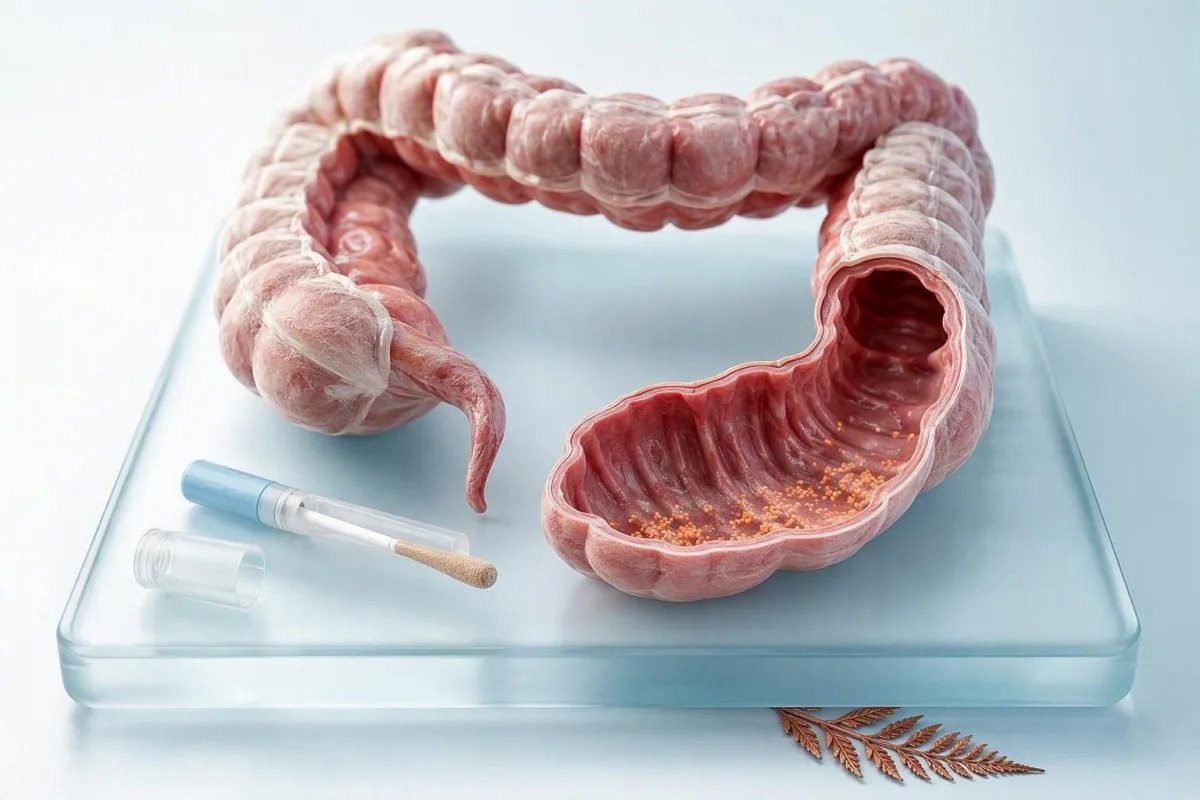
A станоўчы вынік FIT-тэсту азначае, што ў вашым кале быў выяўлены чалавечы гемаглабін. Гэта не дыягнастуе рак, але патрабуе дыягнастычнай калонаскапіі — у ідэале, арганізаванай на працягу 2 тыдняў і завершанай на працягу 3 месяцаў; звярніцеся па неадкладную дапамогу раней пры моцным прамойкішачным крывацёку, непрытомнасці, моцнай болю ці чорным ваксападобным крэсле.


- станоўчы вынік FIT-тэсту азначае, што імунахімічны тэст калу выявіў чалавечы гемаглабін у кале; ён не можа вызначыць крыніцу крывацёку.
- Час правядзення калонаскапіі павінна ідэальна праводзіцца на працягу 3 месяцаў пасля станоўчага скрынінгавага FIT-тэсту; затрымкі больш чым на 9 месяцаў звязаны з павышаным рызыкай раку тоўстай кішкі.
- Верагоднасць раку пасля станоўчага FIT-тэсту звычайна складае ад 3TP54T да 10%, у той час як прасунутыя поліпы выяўляюцца прыкладна ў 20% да 40%, у залежнасці ад узросту і парога праграмы.
- парог FIT адрозніваецца ў залежнасці ад паслугі; сімптомы ў Вялікабрытаніі часта выкарыстоўваюць 10 мкг гемаглабіну на грам калу, у той час як парогі скрынінга могуць быць вышэйшымі.
- Экстраныя сімптомы уключаюць працяглую моцную крывацёк, чорны тар-падобны крэсла, калапс, моцны боль у жываце або дыхавіцу ў стане спакою.
- Не паўтарайце FIT адмяніць станоўчы вынік; больш позняя адмоўная проба не можа надзейна выключыць перыядычна крывацечную паліп або рак.
- Частыя прычыны, не звязаныя з ракам уключаюць гемарой, анальныя расколіны, дывертыкулярную хваробу, каліт, паліпы і радзей крывацёк з верхніх аддзелаў стрававальнага тракту.
- Аналізы крыві такія як поўны аналіз крыві, феритин і насычэнне трансферрином дапамагаюць вызначыць жалезадэфіцытную анемію падчас чакання калонаскапіі.
Што азначае станоўчы FIT-тэст сёння
A станоўчы вынік FIT-тэсту азначае, што фекальны імунахімічны тэст выявіў чалавечы гемаглабін у пробе калу, таму крывацёк дзесьці ў ніжніх аддзелах кішачніка магчымы. Гэта не неадкладны дыягназ сам па сабе, але гэта вынік, які трэба прыняць неадкладна, а не назіраць на працягу некалькіх месяцаў.
У маёй клінічнай практыцы найбольш карысная першая фраза, якую я магу прапанаваць, гэта: станоўчы вынік - гэта трыгер накіравання, а не вердыкт пра рак. FIT выяўляе глобінавую частку чалавечага гемаглабіну, якая звычайна расшчапляецца падчас праходжання праз страўнік і тонкі кішачнік; гэта робіць тэст адносна сфакусаваным на крывацёку з тоўстай або прамой кішкі. Адзіная мікраскапічная крывацёк можа прывесці да станоўчага выніку, нават калі вы адчуваеце сябе цалкам добра.
Па стане на 4 верасня 2026 года праграмы скрынінга па-ранейшаму адрозніваюцца па справаздачнасці і парогам. У сімптоматычных шляхах першаснай медыцынскай дапамогі Вялікабрытаніі, 10 мкг гемаглабіну на грам калу з'яўляецца часта выкарыстоўваным парогам для тэрміновай ацэнкі прамой кішкі, у той час як праграмы масавага скрынінга могуць выкарыстоўваць больш высокі парог, напрыклад, 80 або 120 мкг/г. Такім чынам, “станоўчы” вынік ад адной лабараторыі не з'яўляецца лікава ўзаемазаменным з іншым.
Томас Кляйн, MD, раіць пацыентам звязвацца з клініцыстам або службай скрынінга, якая прызначыла тэст, на працягу 2 рабочых дзён калі план накіравання яшчэ не пазначаны. Захоўвайце справаздачу, адзначайце любыя крывацёкі з прамой кішкі або змены ў характары дэфекацыі і пазбягайце самалячэння жалезам, калі клініцыст не пацвердзіў дэфіцыт. Наш даведнік па відмінностей між FIT і FOBT тлумачыць, чаму гэты новы тэст калу больш спецыфічны для чалавечай крыві, чым стары тэст на гваяк.
Чаму калонаскапія неабходна пасля станоўчага выніку
Калонаскапія з'яўляецца стандартным наступным тэстам пасля станоўчага FIT, таму што яна можа знайсці, ўзяць пробу і часта выдаліць прычыну крывацёку за адну працэдуру. Паўторнае тэставанне калу не можа бяспечна замяніць яго, таму што крывацёк з кішачніка можа быць перыядычным.
FIT не можа адрозніць невялікую адэному ад вялікага раку, крывацечную гемарой або каліт. Калонаскапія непасрэдна агледзіць прамую кішку і тоўстую кішку, дазваляе выдаліць большасць паліпаў і дазваляе даследаваць тканіны, калі закрануты ўчастак патрабуе ўдакладнення. У папуляцыях скрынінга прыкладна 3% да 10% людзей са станоўчым FIT маюць колоректальный рак, у той час як каля 20% да 40% маюць прасунутыя адэномы або прасунутыя зубчастыя паражэнні; узрост, пол, парог і папярэдні скрынінг істотна змяняюць гэтыя лічбы.
Сіла ЗША па прафілактычных паслугах сцвярджае, што станоўчы вынік некаланаскапічнага тэсту на скрынінг праводзіць каланатаскапію, каб атрымаць выгаду ад скрынінга (Дэвідсан і інш., 2021). Гэтая фармулёўка мае значэнне: FIT - гэта двухэтапная стратэгія скрынінга, а не завершаны тэст. Я бачыў пацыентаў, якіх супакойваў наступны адмоўны хатні набор, толькі для таго, каб пазней каланатаскапія выявіла поліп, які проста не сыходзіў крывёй на другі дзень.
Кантэсці — гэта Аналізатар крыві са штучным інтэлектам, таму ён можа дапамагчы арганізаваць звязаныя вынікі поўнага аналізу крыві і даследаванняў жалеза, але ён не дыягнастуе крыніцу станоўчага аналізу кала і не замяняе эндаскапію. Калі ў вас ёсць некалькі справаздач, выкарыстоўвайце лабараторны вынік для візіту да лекара каб сабраць разам даты, лекі, значэнні гемаглабіну і сімптомы для накіравання на прыём.
Як хутка трэба арганізаваць калонаскапію?
Большасць людзей са станоўчым FIT павінны прайсці каланоскапію на працягу 3 месяцаў, а накіраванне павінна пачацца на працягу некалькіх дзён ці тыдняў. Чаканне ў некалькі тыдняў звычайна кіравальнае, калі вы ў цэлым адчуваеце сябе добра, але затрымка ў 9 месяцаў ці больш не з'яўляецца камфортным інтэрвалам “назірання і чакання”.
Практычная мэта, якую я выкарыстоўваю, простая: звязацца з службай, якая выдала накіраванне, на працягу 48 гадзін, атрымаць накіраванне на працягу 2 тыдні, і накіраваць на каланоскапію на працягу 3 месяцаў. Доступ вар'іруецца, і лекар можа выбраць КТ-каланоскапію або спецыяліста ў першую чаргу для тых, хто занадта слабы для седацыі. Чаго не павінна адбывацца, гэта адкрытая затрымка без названай службы, адказнай за наступнае назіранне.
Corley і яго калегі даследавалі больш за 70 000 пацыентаў з станоўчым FIT і выявілі, што захворванне на колоректальны рак і яго стадыя пачалі пагаршацца, калі каланоскапія праводзілася прыкладна праз 6 месяцаў, з больш выразнымі негатыўнымі сувязямі пасля 9 месяцаў (Corley et al., 2017). Гэта назіральнае даследаванне не можа даказаць, што кожная індывідуальная затрымка прыводзіць да прагрэсавання, але яно дастаткова пераканаўчае, каб накіраваць мэты службы. Станоўчы FIT у спалучэнні з жалезадэфіцытнай анеміяй патрабуе асаблівай настойлівасці.
Калі вы чакаеце, задайце адно канкрэтнае пытанне: “Калі дата майго прызначанага дыягнастычнага абследавання, і каму мне патэлефанаваць, калі яна пройдзе?” Запішыце імя і нумар. Пацыенты, у якіх таксама ёсць низький феритин без рясних менструацій , павінны згадаць гэта выразна, паколькі скрытая страта крыві з кішачніка з'яўляецца адным з магчымых тлумачэнняў у дарослых.
Трывожныя сімптомы, якія патрабуюць больш хуткага лячэння
Станоўчы FIT плюс моцнае крывацёк, чорны дёгцепадобны крэсла, страта прытомнасці, моцны боль у жываце або новая дыхавіца патрабуюць неадкладнай ацэнкі ў той жа дзень. Гэтыя сімптомы могуць сведчыць аб значнай страце крыві, кішачнай непраходнасці або іншай праблеме, якая не павінна чакаць звычайнага прыёму для эндаскапіі.
Звярніцеся ў аддзяленне хуткай дапамогі або патэлефануйце ў мясцовыя службы хуткай дапамогі пры паўторным ярка-чырвоным крывацёку з прамой кішкі, калапсе, спутанні прытомнасці, болю ў грудзях або дыхавіцы ў спакоі. Чорны, ліпкі, дёгцепадобны крэсла можа сведчыць аб пераваранай крыві з верхніх аддзелаў стрававальнага тракта, асабліва калі ён суправаджаецца галавакружэннем або слабасцю. Таблеткі жалеза і вісмут могуць афарбоўваць крэсла, але яны звычайна не робяць яго ліпкім і дёгцепадобным; нявызначанасць патрабуе ацэнкі, а не інтэрнэт-даследавання.
Звярніцеся да вашага клініцыста ў той жа дзень пры ўпартай ванітах, азызлым жываце з немагчымасцю праходжання крэсла або газу, ліхаманцы вышэй 38.0°C, або ўзмацненні спазматычных боляў у жываце. Новая ненаўмысная страта вагі больш за 5% do peso corporal em 6 a 12 meses, працяглая стомленасць або відавочнае змяненне характару крэсла таксама ўзмацняюць падставы для паскоранага агляду. Спалучэнне мае большае значэнне, чым любы адзін сімптомаў.
Поўны аналіз крыві можа выявіць анемію, але нармальны гемаглабін не выключае колоректальнае захворванне, таму што крывацёк можа быць невялікім або эпізадычным. Прачытайце наша практычнае кіраўніцтва па : сімптомах нізкіх эрытрацытаў калі ўзніклі стомленасць, бледнасць, пачашчанае сэрцабіцце або дыхавіца пры нагрузцы разам з вынікам FIT.
распаўсюджаныя неракавыя прычыны станоўчага FIT-тэсту
Гемарой, анальныя расколіны, поліпы, дывертыкулярная хвароба, каліты і крывацёк слізістай абалонкі, выкліканы лекамі, могуць прывесці да станоўчага FIT. Ні адна з гэтых прычын не з'яўляецца падставай для адмены калонаскапіі, калі толькі лечыць клініцыст не вызначыў іншы ясны план.
Гемарой распаўсюджаны, асабліва пры завалах, цяжарнасці і працяглым напружанні, але яны часта з'яўляюцца пасткай у клінічным мысленні. Бачыць ярка-чырвоную кроў на паперы і ведаць пра гемарой не даказвае, што яны выклікалі станоўчы FIT. У дарослых ва ўзросце 50 гадоў і старэй, я звычайна лічу станоўчы тэст падставай для даследавання кішачніка, нават калі гемарой здаецца праўдападобным.
Дабраякасныя поліпы часта крывацёчаць, перш чым выклікаць боль ці змены ў характары дэфекацыі; менавіта таму skrining FIT працуе. Запаленчыя захворванні кішачніка, інфекцыйныя каліты, дывертыкуліт і прамянёвыя змены кішачніка таксама могуць павысіць значэнні FIT. Павышаны risultato di calprotectina fecale можа сведчыць аб запаленні кішачніка, але ён адказвае на іншае пытанне і не можа выключыць поліп ці рак.
Дадзеныя аб леках неадназначныя. Аспірын, антыкаагулянты і супрацьзапаленчыя прэпараты могуць зрабіць існуючую крыніцу крывацёку больш выяўленай, але яны не робяць станоўчы FIT бессэнсоўным; не спыняйце прызначаную антыплацелетную або антыкаагулянтную тэрапію без кансультацыі з лекарам. Томас Кляйн, MD, бачыў выпадкі пазбегнуць утварэння тромбаў, калі пацыенты рэзка спынялі прыём лекаў пасля таго, як прачыталі, што гэта можа паўплываць на аналіз калу.
Ці могуць месячныя, ежа ці фізічныя нагрузкі выклікаць ілжыва станоўчы вынік?
Менструальная кантымінацыя і бачныя крывацёкі з анальнай вобласці могуць паўплываць на пробу FIT, але чырвонае мяса і большасць прадуктаў харчавання не выклікаюць станоўчы сучасны FIT. Імунахімічны тэст калу адрозніваецца ад старэйшага тэсту на схаваную кроў у кале, які рэагаваў на харчовыя пераксідазы.
Чалавек, які менструюе, звычайна павінен пачакаць, пакуль крывацёк не спыніцца, перш чым збіраць звычайную скрынінгавую пробу, прытрымліваючыся інструкцый самога набору. Калі проба была сабрана падчас менструацыі, паведаміце службе, а не мяркуйце, што вынік несапраўдны; некаторыя сістэмы могуць паўтарыць яго, у той час як іншыя будуць рэкамендаваць даследаванне на падставе ўзросту і сімптомаў. Бачная кроў у мачы таксама можа забрудзіць пробу, таму час мае значэнне.
У адрозненне ад тэстаў на схаваную кроў у кале на аснове гваяку, FIT не звычайна не патрабуе адмовы ад чырвонага мяса, цытрусавых, вітаміна С ці брокалі. Гэта адрозненне памяншае памылковыя трывогі і палягчае прытрымліванне. Людзі часта памятаюць абмежаванні са старэйшага тэсту бацькоў і неабгрунтавана адкладаюць скрынінг; наша тлумачэнне вынікаў FOBT і памылковых станоўчых вынікаў размяжоўвае два метады.
Інтэнсіўныя трэніроўкі на цягавітасць могуць часам быць звязаны з часовым раздражненнем кішачніка або крывацёкам, асабліва пры абязводжванні або спякоце. Калі марафон або ультрадыстанцыйная падзея адбылася на працягу 24–48 гадзін збору, згадайце пра гэта, але не адхіляйце вынік самі. Звязанае з гэтым з'ява гематурыі бегуна ўплывае на мачу, а не на кал, і іх не варта блытаць.
Чаму паўторнае правядзенне FIT-тэсту звычайна не з'яўляецца правільным наступным крокам
Другі адмоўны FIT не адмяняе першы станоўчы FIT, паколькі поліпы і рак могуць крывацёчыць перыядычна. Калонаскапія застаецца адпаведным дыягнастычным тэстам, калі спецыяліст не абярэ альтэрнатыву з-за індывідуальнага рызыкі або абмежаванняў доступу.
Самае частае пытанне, якое я чую: “Ці магу я проста перарабіць гэта?” У чалавека без сімптомаў і з праблемай узяцця проб праграма скрынінга можа час ад часу запытваць яшчэ адзін узор; гэта рашэнне, спецыфічнае для паслугі. Але паўторны тэст, арганізаваны самастойна, мае небяспечны псіхалагічны эфект: адмоўны вынік можа прымусіць чалавека адмяніць накіраванне, нягледзячы на тое, што прамая візуалізацыя кішэчніка адсутнічае.
Вынікі FIT вагаюцца, бо крывацёк эпізадычны, узор паступае з аднаго акта дэфекацыі, а гемаглабін разбураецца пры затрымцы або перагрэве падчас транспарціроўкі. Вынік ніжэй за лабараторны парог азначае “не выяўлена на гэтым узроўні ўзору”, а не “кішэчнік даказана нармальны”. Гэта адна з прычын, чаму станоўчы тэст мае іншае клінічнае значэнне, чым мяжа крывацёку, якую можна разумна пераправерыць.
Калі заклапочанасць з нагоды ілжывага пазітыўнага выніку перашкаджае вам запісацца, абмяркуйце дакладныя абставіны з эндаскапічнай групай. Для больш шырокага параўнання стратэгіі і абмежаванняў гл. FIT супраць калонаскапіі. Каланаскапія мае свае абмежаванні, але яна дае дзейсны вынік, які паўторны набор не можа.
Як бяспечна падрыхтавацца да калонаскапіі
Падрыхтоўка кішэчніка, а не сама камера, з'яўляецца часткай, якая найбольш вызначае, ці можа каланаскапія надзейна выявіць дробныя пашкоджанні. Дакладна выконвайце пісьмовы графік падрыхтоўкі і звярніцеся ў аддзяленне перад зменай лекаў ад дыябету, жалеза, антытромбацытарных або антыкаагулянтных сродкаў.
Большасць цэнтраў выкарыстоўваюць рэжым раздзельнага прыёму слабільнага: частку ўвечары напярэдадні і частку прыкладна ад 4 да 6 гадзін перад працэдурай, з апошняй дозай, завершанай у адпаведнасці з мясцовымі інструкцыямі аб галаданні. Гэты час пастаянна дае больш чысты правы кішэчнік, чым прыём усёй падрыхтоўкі напярэдадні. Карычневая вадкасць, якая выцякае, бліжэй да канца, як правіла, з'яўляецца мэтай, хоць уласныя рэкамендацыі аддзялення заўсёды маюць прыярытэт.
Абязводжванне - гэта праблема, якую можна прадухіліць і якую я бачу часцей за ўсё. Калі вам не было загадана абмяжоўваць вадкасць пры сардэчных або нырачных захворваннях, рэгулярна піце празрыстыя вадкасці падчас падрыхтоўкі; многія цэнтры прапануюць прыблізна 2-3 літры на працягу падрыхтовачнага перыяду. Людзі з хранічнымі захворваннямі нырак, сардэчнай недастатковасцю, дыябетам або гісторыяй нізкага ўзроўню натрыю патрабуюць індывідуальнай кансультацыі, а не агульнага аб'ёму.
Запытайце спецыяльна пра пероральны прыём жалеза, які часта прыпыняецца 5–7 дзён перад каланаскапіяй, паколькі ён цямнее рэшткавыя калавыя масы, і пра лекі GLP-1, інсулін і антыкаагулянты. Наш гайд па каагуляцыі тлумачыць, чаму нармальныя вынікі згортвання крыві не кажуць вам, ці бяспечна спыняць прызначаны антыкаагулянт без плана.
Што адбываецца падчас прыёму для калонаскапіі
Каланаскапія звычайна займае ад 20 да 45 хвілін, хоць агульны візіт можа заняць ад 2 да 4 гадзін з-за згоды, седацыі, аднаўлення і магчымага выдалення паліпаў. Большасць пацыентаў памятаюць ціск, уздуцце жывата або кароткія спазмы больш, чым рэзкі боль.
Пры рэгістрацыі каманда павінна пацвердзіць станоўчы вынік FIT, сімптомы, алергіі, папярэднія аперацыі і план лячэння. Працэдуры седацыі адрозніваюцца: некаторыя людзі выбіраюць адсутнасць седацыі, некаторыя атрымліваюць інгаляцыйную аналгезію, а іншыя атрымліваюць нутравенную седацыю. Вы можаце спытаць, ці даступны суправаджальнік, аднаполы эндаскапіст, калі гэта магчыма, або падтрымка камунікацыі — практычныя дэталі ўплываюць на тое, ці завяршаюць пацыенты тэст.
Эндаскапіст прасоўвае гнуткую камеру праз кішэчнік і выкарыстоўвае вуглякіслы газ або паветра для паляпшэння бачнасці. Вуглякіслы газ засвойваецца хутчэй і часта памяншае ўздуцце пасля працэдуры. Паліпы пад 10 мм часта выдаляюцца падчас таго ж абследавання, і могуць быць узяты тканінныя пробы з пашкоджанай вобласці, нават калі слізістая абалонка выглядае толькі нязначна зменненай.
Пасля седацыі нельга кіраваць аўтамабілем, працаваць з механізмамі, падпісваць юрыдычныя дакументы або ўжываць алкаголь на працягу 24 гадзіны. Могуць узнікаць лёгкія газы і невялікі працяк крыві пасля выдалення паліпаў, але ўзмацненне болю, ліхаманка, галавакружэнне або ўстойлівае крывацёк патрабуюць тэрміновага звароту ў эндаскапічнае аддзяленне. Табліца Бристоля для кала можа дапамагчы вам дакладна апісаць змены ў кішачніку да і пасля працэдуры.
Што могуць паказаць вынікі калонаскапіі
Каланаскапія пасля станоўчага FIT можа не выявіць значных анамалій, поліп, які можна выдаліць, запаленне, дывертыкулёз, гемарой ці рак. Звычайны агляд супакойвае, але інтэрвал наступнага назірання залежыць ад якасці падрыхтоўкі кішачніка, паўнаты агляду, сямейнага анамнезу і мясцовай палітыкі скрынінга.
Калі прычына не знойдзена, а падрыхтоўка кішачніка была выдатнай, лекары часта вяртаюць пацыента сярэдняй рызыкі да звычайнага скрынінга, а не неадкладна паўтараюць калонаскапію. Звычайны вынік калонаскапіі не з'яўляецца гарантыяй на ўсё жыццё: прапушчаныя паразы сустракаюцца рэдка, але магчымыя, асабліва пры дрэннай падрыхтоўцы, няпоўным аглядзе або пры наяўнасці плоскіх і няўлоўных паражэнняў. Спытайце, ці быў дасягнуты слепая кішка і ці была ацэнена падрыхтоўка як здавальняючая.
Адэнóмы і зубчастыя паліпы не з'яўляюцца ракам, але некаторыя з іх могуць ператварыцца ў рак на працягу гадоў. Час назірання залежыць ад колькасці, памеру, клеткавых асаблівасцей і паўнаты выдалення; адзін невялікі адэнóм з нізкай рызыкай абыходзіцца зусім інакш, чым 5 або больш адэнóмы або паражэнне 10 мм або больш. Вынікі гісталагічнага даследавання звычайна займаюць 1–3 тыдні, што можа здацца больш доўгім, чым ёсць на самай справе.
Калі гісталагічнае даследаванне выяўляе рак, наступныя крокі часта ўключаюць КТ-стадыраванне, аналізы крыві, мультыдысцыплінарны агляд і накіраванне да практолага або анкалагічнага спецыяліста. Можа быць вымераны ўзровень CEA для базавага маніторынгу, але CEA не можа дыягнаставаць або выключыць колоректальный рак. Наш артыкул пра тэндэнцыі CEA і CA 19-9 тлумачыць, чаму пухлінныя маркеры з'яўляюцца дадаткамі, а не скрынінгавымі тэстамі.
аналізы крыві, якія даюць карысны кантэкст, пакуль вы чакаеце
Поўны аналіз крыві і даследаванні жалеза могуць выявіць жалезадэфіцытную анемію, што ўзмацняе неабходнасць даследаваць акультную страўнікава-кішачную крывацёк. Звычайныя вынікі аналізаў крыві не робяць станоўчы FIT бяспечным для ігнаравання.
Для дарослых, якія не цяжарныя, гемаглабін ніжэй прыкладна 130 г/л у мужчын або 120 г/л у жанчын адпавядае распаўсюджаным азначэнням анеміі, хоць лабараторыі і клінічны кантэкст адрозніваюцца. Ферайтын ніжэй 30 мкг/л часта сведчыць аб аслабленых запасах жалеза; пры запаленні ферайтын можа выглядаць фальшыва супакаяльным, бо ён павышаецца як бялок вострай фазы. Нізкая насычанасць трансферрына, часта ніжэй 20%, дадае карысны кантэкст.
Кантэсці — гэта сервісі інтерпретації тестів ШІ што змяшчае гемаглабін, сярэдні аб'ём клеткі, ферайтын, C-рэактыўны бялок і функцыю нырак у адным падоўжным выглядзе. Гэта карысна, калі станоўчы FIT суправаджаецца стомленасцю або нізкім узроўнем жалеза, але гэта павінна падтрымліваць, а не адкладаць, шлях да эндаскапіі. Мы рэкамендуем спампаваць арыгінальныя лабараторныя справаздачы і падзяліцца імі з лекарам, які ажыццяўляе накіраванне.
Зніжэнне MCV, павышэнне RDW і зніжэнне ферайтына могуць папярэднічаць адкрытай анеміі на некалькі месяцаў. кіраўніцтва па вывучэнні жалеза тлумачыць, чаму толькі сыроватачнае жалеза занадта моцна вагаецца на працягу дня, каб дыягнаставаць дэфіцыт. Калі вы адчуваеце міжтканкавую боль, дыскамфорт у грудзях або дыхавіцу падчас чакання, запатрабуйце ацэнкі раней, чым проста павялічваць жалеза ў рацыёне.
Медыкаменты, узрост і сямейны анамнез, якія ўплываюць на тэрміновасць
Антыкаагулянты, антыагрэганты, блізкі сваяк першай ступені з колоректальным ракам, папярэднія паліпы і запаленчыя захворванні кішачніка павінны быць адзначаны пры накіраванні пасля станоўчага FIT. Гэтыя фактары ўплываюць на ацэнку рызыкі і планаванне працэдуры, але ні адзін з іх не робіць станоўчы вынік аўтаматычна бяспечным.
Аспірын, клопідагрэл, варфарын, апіксабан, рывароксабан і падобныя лекі могуць павялічыць бачнасць крывацёку з ужо існуючага паражэння. Не спыняйце іх самастойна: рызыка інсульту, вянознай тромбозу або каранарных падзей можа перавышаць рызыку крывацёку, звязанага з працэдурай. Эндаскапічная брыгада прадаставіць план, спецыфічны для лекаў, на аснове функцыі нырак, паказанняў і таго, ці плануецца выдаленне паліпа.
Блізкі сваяк першай ступені, у якога дыягнаставана колоректальный рак ва ўзросце да 50 гадоў, або два сваякі першай ступені, у якіх дыягнаставалі хваробу ва ўзросце, могуць сведчыць пра шлях з высокай рызыкай у сям’і. Паведаміце лекара аб сваяках з ракам тоўстай кішкі, ракам маткі, ракам яечнікаў або шматлікімі паліпамі, уключаючы іх узрост на момант дыягностыкі. Сямейны анамнез часта запаўняецца не поўнасцю, таму што людзі памятаюць “рак”, але не орган ці ўзрост; хуткі званок сваякам можа змяніць прыярытэт.
Кантэсці — гэта платформа інтэрпрэтацыі біямаркераў AI , якія могуць дапамагчы сем'ям адсочваць узгодненыя лабараторныя тэндэнцыі, але ацэнка сямейнай рызыкі не можа дыягнаставаць спадчынныя сіндромы раку. Для практычнага запісу, які трэба ўзяць на прыём да ўрача агульнай практыкі, праглядзіце маркеры сямейнай рызыкі, звязанай з ракам. Генетычнае кансультаванне можа быць прыдатным, нават калі стандартныя аналізы крыві нармальныя.
Калі калонаскапія затрымана, не завершана або непрыдатная
КТ-калонаграфія з'яўляецца распаўсюджанай альтэрнатывай, калі калонаскапія няпоўная або небяспечная, але яна не можа выдаляць паліпы або браць узоры тканін. Станоўчы вынік FIT усё яшчэ патрабуе дакументаванага плана дыягностыкі, нават калі стандартная калонаскапія немагчымая.
Спаражненне, цяжкае захворванне сэрца або лёгкіх, складаная анатомія кішачніка, складанасць прыёму антыкаагулянтаў або няпоўны першы агляд могуць прымусіць спецыяліста рэкамендаваць КТ-калонаграфію. Яна выкарыстоўвае падрыхтоўку кішачніка і напампоўванне газам, як правіла, без седацыі, і добра выяўляе буйныя утварэнні. Калі яна выяўляе падазроны паліп або здзіўленую вобласць, калонаскапія ўсё яшчэ можа быць неабходнай для выдалення або даследавання тканін.
Капсульная эндоскопия тоўстай кішкі даступная ў асобных установах, але яе даступнасць і шляхі наступных дзеянняў не адпавядаюць. Гэта не скарачэнне падрыхтоўкі кішачніка, і станоўчы вынік усё яшчэ часта прыводзіць да традыцыйнай эндаскапіі. Калі прызначэнні адмяняюцца паўторна, спытайце прычыну, альтэрнатыву і мэтавую дату ў пісьмовай форме; нявызначанасць цяжэй вырашыць, калі ўсе лічаць, што хтосьці іншы перабраніраваў яе.
Медыцынскі кантэнт Kantesti правяраецца пад клінічным наглядам, і наша падыход да медыцынскай валідацыі тлумачыць, як мы аддзяляем інтэрпрэтацыю малюнкаў ад дыягностыкі. Лічбавы справаздачу можа арганізаваць вашы пытанні, але толькі служба, якая праводзіць лячэнне, можа вырашыць, ці з'яўляецца неадкладная візуалізацыя, ацэнка анестэзіёлага або іншы тэст клінічна прыдатным.
Што рабіць пасля нармальнай калонаскапіі
Якасная нармальная калонаскапія пасля станоўчага FIT супакойвае, але новая крывацёк, жалезадэфіцытная анемія або ўстойлівыя сімптомы ўсё яшчэ заслугоўваюць пераацэнкі. Наступны інтэрвал скрынінга павінен паходзіць са справаздачы па эндаскапіі, а не з меркаванага ўніверсальнага правіла.
Прачытайце справаздачу па трох пунктах: якасць падрыхтоўкі, ці дасягнула працэдура слепай кішкі, і рэкамендаваная дата наступнага назірання. У многіх праграмах чалавек сярэдняй рызыкі з поўнай якаснай нармальнай калонаскапіяй вяртаецца да звычайнага скрынінга праз некалькі гадоў, але нацыянальныя палітыкі адрозніваюцца. Не працягвайце штогадовыя прыватныя FIT-тэсты, калі гэтага не рэкамендуе ваш лекар; непатрэбныя тэсты могуць стварыць заблытаныя цыклы паўторных працэдур.
Устойлівая стомленасць або нізкі феритин пасля нармальнай калонаскапіі могуць запатрабаваць ацэнкі страўнікава-кішачнага крывацёку, целиакии, менструальных страт, захворванняў нырак, дэфіцыту харчавання або парушэння ўсмоктвання. Адмоўная калонаскапія не даследуе кожную частку стрававальнага тракту. Кіраўніцтва па глютенавым выкліку актуальна толькі ў тым выпадку, калі разглядаецца тэставанне на целиакію, і вы ў цяперашні час ужываеце глютен.
Я кажу пацыентам, што супакаенне павінна быць канкрэтным, а не неясным: “Тоўстая кішка была адекватна агледжана ў гэтую дату, і вось што павінна прымусіць мяне вярнуцца раней”. Новы чорны крэсла, паўторнае бачнае крывацёк з прамой кішкі, невытлумачальнае зніжэнне вагі або зніжэнне гемаглабіну на 10 г/л або больш ад папярэдняй базавай лініі павінна прывесці да агляду лекарам. Захоўвайце справаздачу разам з вашымі гісторыямі хвароб.
Пытанні, якія трэба задаць на прыёме па выніках FIT-тэсту
Найбольш карыснымі наступнымі пытаннямі з'яўляюцца: калі адбудзецца дыягнастычны тэст, ці змяняецца тэрміновасць сімптомаў і як трэба кіраваць лекамі. Пiсьмовы спіс памяншае прапушчаныя дэталі, калі нечаканы станоўчы вынік скрынінга робіць размову паспешнай.
Запытайце: “Якім быў мой паказчык FIT і яго парог, калі ён быў паведамлены колькасна?”, “Ці з'яўляецца калонаскапія правільным наступным аналізам для мяне?”, і “Якія сімптомы азначаюць, што мне трэба звярнуцца раней?” Больш высокае колькаснае значэнне можа карэляваць з большай верагоднасцю значных вынікаў даследавання кішачніка, але ніводзін лік не дыягнастуе рак. Вынік належнага даследавання мае значна большае значэнне, чым спроба інтэрпрэтаваць вынік у ізаляцыі.
Вазьміце спіс лекаў з дазіроўкамі, папярэднімі справаздачамі аб калонаскапіі і гістапаталогіі, сямейнай гісторыяй раку, а таксама датамі крывацёку або змен у функцыянаванні кішачніка. Калі стомленасць з'яўляецца часткай карціны, уключыце вынікі аналізу гемаглабіну, MCV, ферайтыну і насычэння трансферыну. Kantesti AI можа дапамагчы вам распазнаць гэтыя шаблоны аналізу крыві і стварыць справаздачу ў храналагічным парадку, у той час як спецыяліст вызначае, што яны азначаюць для вашага даследавання кішачніка.
Мой заключны клінічны пункт наўмысна просты: не дазваляйце сарамлівасці вас запаволіць. Каларэктальныя каманды штодня абмяркоўваюць кал, рэктальны крывацёк і звычкі кішачніка; яснымі адказамі паляпшаецца догляд. Нашы лекары і працэс кіравання апісаны ў Медыцынская кансультатыўная рада, і вы можаце выкарыстоўваць guia de tecnologia Kantesti focado na privacidade , каб зразумець, дзе інтэрпрэтацыя AI карысная, а дзе прамое медыцынскае ацэнка застаецца незаменнай.
Часта задаваныя пытанні
Наколькі тэрміновым з'яўляецца станоўчы тэст FIT?
Станоўчы вынік тэсту FIT звычайна патрабуе тэрміновага накіравання на працягу некалькіх дзён і правядзення калонаскапіі прыкладна на працягу 3 месяцаў, але гэта не з'яўляецца аўтаматычнай надзвычайнай сітуацыяй, калі вы добра сябе адчуваеце. Назіральныя дадзеныя паказалі пагаршэнне вынікаў каларэктальнага раку пры затрымцы наступнай калонаскапіі больш чым на 6 месяцаў, з больш відавочным рызыкай пасля 9 месяцаў. Звярніцеся за неадкладнай дапамогай, калі станоўчы вынік суправаджаецца моцным прамой кішкай крывацёкам, чорнымі дёгцепадобнымі крэсламі, стратай прытомнасці, моцным болем у жываце, болем у грудзях або дыхавіцай у спакоі.
Які шанцы, што станоўчы тэст FIT азначае рак?
Станоўчы вынік тэсту FIT азначае, што каларэктальны рак магчымы, але не гарантаваны; рак выяўляецца прыкладна ў 3-10% удзельнікаў скрынінгу з пазітыўным тэстам FIT, у залежнасці ад узросту, полу, парога тэсту і праграмы скрынінгу. Больш часта выяўляюцца прасунутыя паліпы або прасунутыя зубчастыя паражэнні, звычайна прыкладна ў 20-30% людзей. Неабходна калонаскапія, паколькі яна можа адрозніць рак ад паліпаў, гемарою, запаленняў і іншых прычын крывацёку ў кале.
Ці могуць гемарой выклікаць станоўчы тэст FIT?
Гемаройды могуць спрыяць станоўчаму выніку FIT-тэсту, бо яны могуць выдзяляць чалавечы гемаглабін у кал, асабліва пры завалах або напружанні. Аднак вядомыя гемаройды не могуць надзейна тлумачыць станоўчы вынік у дарослага, які мае права на скрынінг кішэчніка. Калонаскапія або іншае даследаванне кішэчніка пад кіраўніцтвам лекара застаецца мэтазгодным, бо гемаройды і паліпы могуць суіснаваць.
Ці варта мне паўтарыць тэст FIT, калі ён станоўчы?
Паўторны тэст FIT звычайна не з'яўляецца правільным спосабам адхіліць станоўчы вынік FIT, таму што крывацёк з кішачніка з'яўляецца міжтканкавым, і пазнейшы адмоўны ўзор можа прапусціць тую ж самую паразу. Першапачатковы станоўчы вынік павінен прывесці да калонаскапіі, калі толькі скрынінгавая служба або спецыяліст спецыяльна не запытае паўторнае тэсціраванне з-за праблемы са зборам узору. Адмоўны паўторны тэст не замяняе прамую ацэнку кішачніка пасля пацверджанага станоўчага выніку.
Які ўзровень FIT лічыцца станоўчым?
Пазітыўны ўзровень FIT лічыцца, калі гемаглабін у кале дасягае або перавышае парогавае значэнне, якое выкарыстоўваецца ў дадзенай лабараторыі ці праграме скрынінгу. У сімптоматычныхPATHWAYS Вялікабрытаніі часта выкарыстоўваецца 10 мкг гемаглабіну на грам калу, у той час як службы масавага скрынінгу могуць выкарыстоўваць парогі каля 80 ці 120 мкг/г. Больш высокае значэнне можа павялічыць асцярогу наконт сур'ёзных захворванняў кішачніка, але ніякае лікавае значэнне FIT не пацвярджае і не выключае рак без дыягнастычнага даследавання.
Ці могуць ежа ці лекі справакаваць станоўчы вынік FIT-тэсту?
Чырвонае мяса, вітамін C і гародніна звычайна не выклікаюць станоўчы вынік сучаснага фекальнага імунахімічнага тэсту, паколькі FIT выяўляе чалавечы глобін, а не дыетычную актыўнасць пераксідазы. Антыкаагулянты, аспірын і супрацьзапаленчыя лекі могуць палегчыць выяўленне існуючай крыніцы крывацёку, але яны не робяць станоўчы вынік недарэчным. Не спыняйце прыём варфарыну, апіксабану, клопідагрэлу, аспірыну або падобных прызначаных лекаў без кансультацыі з лекарам, які кіруе імі.
Атрымаць аналіз крыві з AI сёння
Далучайцеся больш чым да 2 мільёнаў карыстальнікаў па ўсім свеце, якія давяраюць Kantesti для імгненнага, дакладнага аналізу лабараторных тэстаў. Загрузіце вынікі аналізу крыві і атрымайце поўную інтэрпрэтацыю біямаркераў 15,000+ за лічаныя секунды.
📚 Публікацыі даследаванняў са спасылкамі
Кляйн, Т., Мітчэл, С., і Вебер, Г. (2026). Kantesti. (2026). RDW Blood Test: Complete Guide to RDW-CV, MCV & MCHC. Zenodo.. Kantesti AI Medical Research.
Кляйн, Т., Мітчэл, С., і Вебер, Г. (2026). Kantesti. (2026). BUN/Creatinine Ratio Explained: аналіз функцыі нырак Guide. Zenodo.. Kantesti AI Medical Research.
📖 Знешнія медыцынскія спасылкі
⚕️ Медыцынская адмова ад адказнасці
Гэты артыкул прызначаны толькі для адукацыйных мэт і не з’яўляецца медычнай парадай. Заўсёды кансультуйцеся з кваліфікаваным спецыялістам аховы здароўя для прыняцця рашэнняў па дыягностыцы і лячэнні.
Сігналы даверу E-E-A-T
Вопыт
Клінічны агляд, які вядзе лекар, працэсаў інтэрпрэтацыі лабараторных паказчыкаў.
Экспертыза
Фокус лабараторнай медыцыны на тым, як біямаркеры паводзяць сябе ў клінічным кантэксце.
Аўтарытэтнасць
Напісана доктарам Томасам Кляйнам, з аглядам доктара Сара Мітчэл і праф. доктара Ганса Вебера.
Надзейнасць
Інтэрпрэтацыя на аснове доказаў з выразнымі шляхамі далейшых дзеянняў, каб паменшыць трывогу.