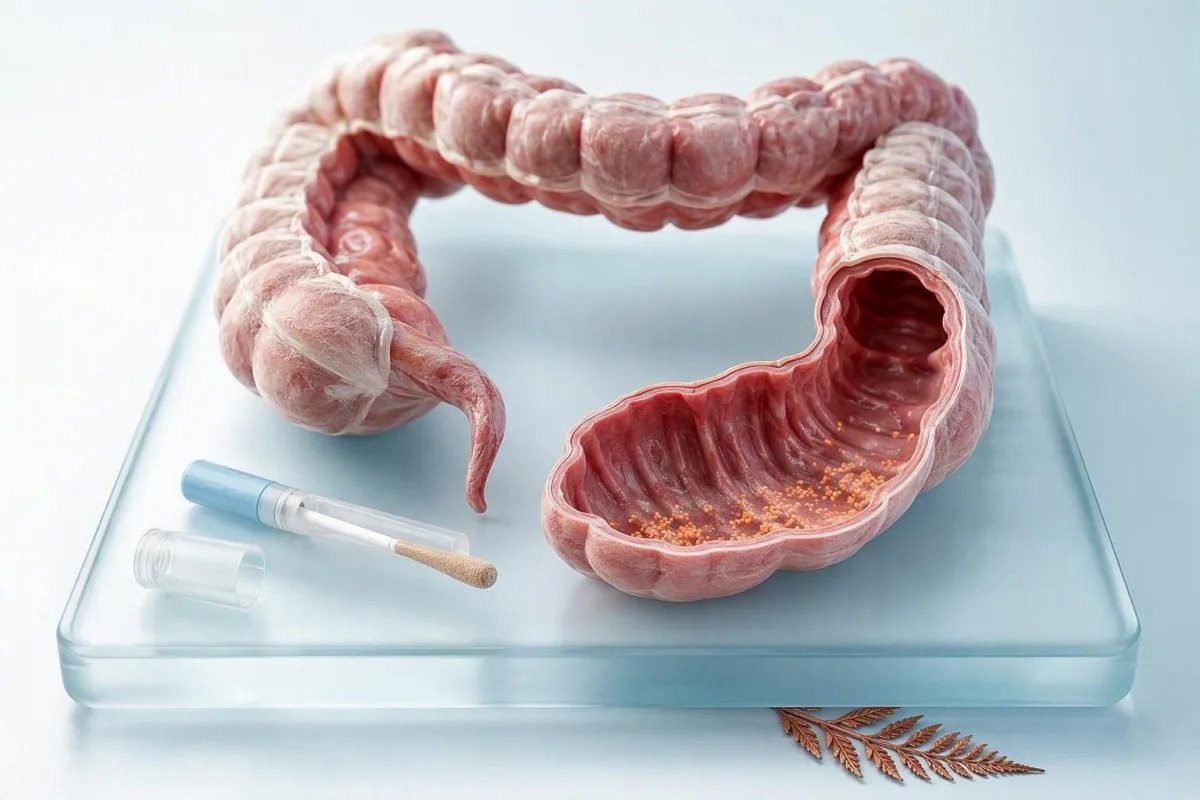
A pozitīvs FIT tests nozīmē, ka Jūsu izkārnījumos ir atrasts cilvēka hemoglobīns. Tas nediagnosticē vēzi, taču prasa diagnostikas kolonoskopiju — ideālā gadījumā jānorīko 2 nedēļu laikā un jāveic 3 mēnešu laikā; meklējiet neatliekamo medicīnisko palīdzību nekavējoties, ja Jums ir spēcīga taisnās zarnas asiņošana, samaņas zudums, stipras sāpes vai melni, darvaini izkārnījumi.


- Pozitīvs FIT tests nozīmē, ka fekālais imūnķīmiskais tests ir atklājis cilvēka hemoglobīnu izkārnījumos; tas nevar noteikt asiņošanas avotu.
- Kolonoskopijas laiks ideālā gadījumā jāveic 3 mēnešu laikā pēc pozitīva skrīninga FIT; aizkavēšanās virs 9 mēnešiem ir saistīta ar augstāku kolorektālā vēža risku.
- Vēža varbūtība pēc pozitīva FIT parasti ir aptuveni 3% līdz 10%, savukārt progresējoši polipi tiek atrasti aptuveni 20% līdz 40%, atkarībā no vecuma un programmas sliekšņa.
- FIT slieksnis atšķiras atkarībā no pakalpojuma; simptomātiskās Lielbritānijas izmeklējumu shēmās bieži tiek izmantoti 10 µg hemoglobīna uz gramu izkārnījumu, savukārt skrīninga sliekšņi var būt augstāki.
- Neatliekamie simptomi ietver pastāvīgu smagu asiņošanu, melnus, darvainus izkārnījumus, kolapsu, stipras vēdersāpes vai elpas trūkumu miera stāvoklī.
- Neatkārtojiet FIT lai atceltu pozitīvu rezultātu; vēlāks negatīvs paraugs nevar droši izslēgt periodiski asiņojošu polipu vai vēzi.
- Biežākie ne-audzēja cēloņi ietver hemoroīdus, anālās fisūras, divertikulārās slimības, kolītu, polipus un retāk asiņošanu no augšējā gremošanas trakta.
- Asins analīzes piemēram, asins aina, feritīns un transferrīna piesātinājums palīdz noteikt dzelzs deficīta anēmiju, kamēr jūs gaida kolonoskopiju.
Ko nozīmē pozitīvs FIT tests šodien
A pozitīvs FIT tests nozīmē, ka fēču imūnhimiskais tests (FIT) ir noteicis cilvēka hemoglobīnu izkārnījumu paraugā, tāpēc ir iespējama asiņošana kaut kur apakšējā pa*odā. Tas pats par sevi nav neatliekama diagnoze, taču tas ir rezultāts, kam jārīkojas nekavējoties, nevis jāvēro dažus mēnešus.
Savā klīniskajā praksē visnoderīgākais pirmais teikums, ko es varu piedāvāt, ir šāds: Pozitīvs rezultāts ir nosūtīšanas iemesls, nevis vēža spriedums. FIT nosaka cilvēka hemoglobīna globīna daļu, kas parasti tiek sadalīta, pārejot no kuņģa un tievo zarnu; tas padara testu salīdzinoši vērstu uz asiņošanu no resnās vai taisnās zarnas. Viens mikroskopisks asiņojums var radīt pozitīvu rezultātu, pat ja jūs jūtaties pilnīgi labi.
Sākot ar 2026. gada 4. septembri, skrīninga programmas joprojām atšķiras ziņošanā un sliekšņos. Simptomātiskās Lielbritānijas primārās aprūpes izmeklējumu shēmās, 10 µg hemoglobīna uz gramu izkārnījumu ir bieži lietots slieksnis steidzamai kolorektālai izmeklēšanai, savukārt populācijas skrīninga programmās var tikt izmantots augstāks slieksnis, piemēram, 80 vai 120 µg/g. Tāpēc viena laboratorijas “pozitīvs” rezultāts nav skaitliski savstarpēji aizstājams ar citu.
Thomas Klein, MD, iesaka pacientiem sazināties ar ārstu vai skrīninga dienestu, kas nozīmējis testu, 2 darba dienu laikā , ja jau nav norādīts nosūtīšanas plāns. Saglabājiet pārskatu, atzīmējiet jebkuru taisnās zarnas asiņošanu vai izmaiņas zarnu darbībā un izvairieties no pašārstēšanās ar dzelzi, ja vien ārsts nav apstiprinājis deficītu. Mūsu ceļvedis FIT un FOBT atšķirībām skaidro, kāpēc šis jaunākais izkārnījumu tests ir specifiskāks cilvēka asinīm nekā vecāki guaiaka testi.
Kāpēc nepieciešama kolonoskopija pēc pozitīva rezultāta
Kolonoskopija ir standarta nākamais tests pēc pozitīva FIT, jo tā var atrast, ņemt paraugu un bieži vien noņemt asiņošanas cēloni vienā procedūrā. Izkārnījumu testu atkārtošana to droši nevar aizstāt, jo zarnu asiņošana var būt periodiska.
FIT nevar atšķirt mazu audzēju no liela vēža, asiņojoša hemoroīda vai kolīta. Kolonoskopija tieši izmeklē taisno zarnu un resno zarnu, ļauj noņemt lielāko daļu polipu un nodrošina audu izmeklēšanu, ja nepieciešams precizēt skarto zonu. Skrīninga populācijās aptuveni 3% līdz 10% cilvēku ar pozitīvu FIT ir kolorektālais vēzis, savukārt aptuveni 20% līdz 40% ir progresējoši adenomas vai progresējošas serratiskās lezījas; vecums, dzimums, slieksnis un iepriekšējais skrīnings ievērojami maina šos skaitļus.
Amerikas Savienoto Valstu Profilaktisko pakalpojumu darba grupa (US Preventive Services Task Force) norāda, ka pozitīvs kolonoskopiju neizmantojošs kolorektālā vēža skrīninga tests prasa kolonoskopiju, lai sasniegtu skrīninga ieguvumu (Davidson et al., 2021). Šis formulējums ir svarīgs: FIT ir divpakāpju skrīninga stratēģija, nevis pabeigts tests. Esmu redzējis pacientus, kurus nomierinājis vēlākais negatīvais mājas testa rezultāts, taču kolonoskopija vēlāk atklāja polipu, kas otrajā dienā vienkārši nebija asiņojis.
Kantesti ir AI asins analīžu analizators, tāpēc tā var palīdzēt organizēt saistītos pilnas asins analīzes un dzelzs līmeņa izmeklējumu rezultātus, taču tā nenosaka pozitīva izkārnījumu testa cēloni vai neaizstāj endoskopiju. Ja jums ir vairāki pārskati, izmantojiet ārsta apmeklējuma analīžu kopsavilkums , lai apkopotu datumus, medikamentus, hemoglobīna vērtības un simptomus nosūtīšanai uz vizīti.
Cik drīz jānorīko kolonoskopija?
Lielākajai daļai cilvēku ar pozitīvu FIT kolonoskopija jāveic 3 mēnešu laikā, un nosūtīšana jāsāk dažu dienu līdz pāris nedēļu laikā. Vairāku nedēļu gaidīšana parasti ir pieņemama, ja jums nav citu veselības problēmu, taču 9 mēnešu vai ilgāka kavēšanās nav ērts “vēro un gaidi” intervāls.
Praktiskais mērķis, ko es izmantoju, ir vienkāršs: sazinieties ar pasūtītāju pakalpojumu robežās 48 stundu laikā, nodrošiniet nosūtīšanu robežās 2 nedēļām, un mērķējiet uz kolonoskopiju robežās 3 mēnešus. Piekļuve atšķiras, un ārsts var izvēlēties CT kolonoskopiju vai speciālista novērtēšanu vispirms kādam, kas ir pārāk novājināts sedācijai. Tam nevajadzētu notikt, ka notiek nenoteikta kavēšanās bez nosaukta dienesta, kas atbild par turpmāko aprūpi.
Corley un kolēģi pētīja vairāk nekā 70 000 FIT-pozitīvu pacientu un atklāja, ka kolorektālā vēža incidence un stadija sāka pasliktināties, kad kolonoskopija tika veikta pēc aptuveni 6 mēneši, ar skaidrākām nelabvēlīgām asociācijām pēc 9 mēneši (Corley et al., 2017). Šis novērojumu pētījums nevar pierādīt, ka katra individuāla kavēšanās izraisa progresēšanu, tomēr tas ir pietiekami pārliecinošs, lai vadītu dienesta mērķus. Pozitīvs FIT kopā ar dzelzs deficīta anēmiju prasa īpašu neatlaidību.
Ja gaidāt, uzdodiet vienu konkrētu jautājumu: “Kāds ir mans ieplānotais diagnostikas datums, un kam man vajadzētu zvanīt, ja tas beidzas?” Pierakstiet vārdu un numuru. Pacientiem, kuriem ir arī zemu feritīnu bez spēcīgām mēnešreizēm , tas jāmin skaidri, jo slepena zarnu asiņošana ir viens iespējamais izskaidrojums pieaugušajiem.
Brīdinājuma simptomi, kas prasa ātrāku aprūpi
Pozitīvs FIT kopā ar stipru asiņošanu, melniem, darvainiem izkārnījumiem, ģīboni, stiprām vēdersāpēm vai jaunu elpas trūkumu prasa neatliekamu izvērtēšanu tajā pašā dienā. Šie simptomi var norādīt uz ievērojamu asiņu zudumu, zarnu nosprostojumu vai citu problēmu, kas nedrīkst gaidīt standarta endoskopijas rindas vietu.
Dodieties uz neatliekamās palīdzības nodaļu vai zvaniet vietējiem neatliekamās palīdzības dienestiem, ja rodas atkārtota liela apjoma spilgti sarkana taisnās zarnas asiņošana, kolapss, apjukums, sāpes krūtīs vai elpas trūkums miera stāvoklī. Melni, lipīgi, darvaini izkārnījumi var norādīt uz sagremotiem asinīm no augšējās gremošanas trakta, īpaši, ja tas notiek kopā ar reiboni vai vājumu. Dzelzs tabletes un bismuts var iekrāsot izkārnījumus tumšākus, taču tie parasti neliek tiem kļūt lipīgiem un darvainiem; nenoteiktība prasa izvērtēšanu, nevis interneta detektīvdarbu.
Sazinieties ar savu ārstu tajā pašā dienā, ja rodas nepārtraukta vemšana, uzpūties vēders ar nespēju izvadīt izkārnījumus vai gāzi, drudzis virs 38.0°C, vai pastiprinātas krampjos sāpes vēderā. Jauns neapzināts svara zudums vairāk nekā 5% ķermeņa svara zudums 6 līdz 12 mēnešu laikā, pastāvīga nogurums vai acīmredzami mainīgs zarnu darbības modelis arī pastiprina pamatojumu paātrinātai apskatei. Kombinācija ir svarīgāka par jebkuru vienu simptomu.
Pilna asins aina var atklāt anēmiju, taču normāls hemoglobīna līmenis neizslēdz kolorektālo slimību, jo asiņošana var būt neliela vai periodiska. Lasiet mūsu praktisko ceļvedi zemu eritrocītu simptomu gadījumā ja kopā ar FIT rezultātu ir parādījies nogurums, bālums, sirdsklauves vai elpas trūkums fiziskas slodzes laikā.
Izplatīti pozitīva FIT iemesli, kas nav vēzis
Hemoroīdi, anālās plaisas, polipi, divertikulu slimība, kolīts un medikamentu izraisīta gļotādas asiņošana var izraisīt pozitīvu FIT. Neviens no šiem skaidrojumiem nav iemesls, lai izlaistu kolonoskopiju, ja vien ārstējošais ārsts nav noteicis citu skaidru plānu.
Hemoroīdi ir bieži sastopami, īpaši aizcietējumu, grūtniecības un ilgstošas spiediena laikā, taču tie ir bieža klīniskās domāšanas kļūda. Spilgti sarkanas asinis uz papīra un zināmas hemoroīdu problēmas nenozīmē, ka tās izraisīja pozitīvu FIT. Pieaugušajiem vecumā 50 gadi vai vecāki, es parasti uzskatu, ka pozitīvs tests prasa zarnu izmeklēšanu, pat ja hemoroīdi šķiet ticami.
Labdabīgi polipi bieži asiņo pirms tam, kad tie izraisa sāpes vai izmainītu zarnu darbību; tieši tāpēc FIT skrīnings darbojas. Iekaisīgas zarnu slimības, infekciozs kolīts, divertikulīts un ar starojumu saistītas zarnu izmaiņas var arī paaugstināt FIT vērtības. Paaugstināts fekālās kalprotektīna rezultāts var liecināt par zarnu iekaisumu, taču tas atbild uz citu jautājumu un nevar izslēgt polipu vai vēzi.
Zāļu ietekme ir sarežģīta. Aspirīns, antikoagulanti un pretiekaisuma zāles var padarīt esošu asiņošanas avotu vieglāk nosakāmu, taču tās nepadara pozitīvu FIT bezvērtīgu; nepārtrauciet izrakstīto antiagregantu vai antikoagulantu terapiju bez ārsta ieteikuma. Tomass Kleins, MD, ir redzējis gadījumus, kad izvairāmi trombi rodas, kad pacienti pēkšņi pārtrauc zāļu lietošanu pēc tam, kad ir izlasījuši, ka tās varētu ietekmēt izkārnījumu testu.
Vai menstruācijas, pārtika vai fiziskās aktivitātes var izraisīt viltus pozitīvu rezultātu?
Menstruālā piesārņojuma un redzama asiņošana no anālās zonas var ietekmēt FIT paraugu, taču sarkanā gaļa un lielākā daļa pārtikas produktu nerada pozitīvu mūsdienu FIT. Imunokemiskais izkārnījumu tests nav tas pats, kas vecāks izkārnījumu okultās asiņošanas tests, kas reaģēja uz diētiskiem peroksidāzēm.
Sievietei, kura menstruē, parasti vajadzētu pagaidīt, līdz asiņošana ir beigusies, pirms savākt paraugu ikdienas skrīningam, sekojot komplekta norādījumiem. Ja paraugs tika savākts menstruāciju laikā, informējiet dienestu, nevis uzskatiet, ka rezultāts ir nederīgs; dažās sistēmās tas var tikt atkārtots, savukārt citas joprojām ieteiks izmeklēšanu, pamatojoties uz vecumu un simptomiem. Redzamas urīna asinis var arī piesārņot paraugu, tāpēc laiks ir svarīgs.
Atšķirībā no uz gvajaka balstītiem izkārnījumu okultās asiņošanas testiem, FIT ne parasti neprasa izvairīties no sarkanās gaļas, citrusaugļiem, C vitamīna vai brokoļiem. Šī atšķirība samazina viltus trauksmes un atvieglo ievērošanu. Cilvēki bieži atceras ierobežojumus no vecāku testiem un nevajadzīgi atliek skrīningu; mūsu skaidrojums par FOBT rezultātiem un viltus pozitīviem rezultātiem atšķir abas metodes.
Spēcīga izturības slodze dažkārt var būt saistīta ar pārejošu zarnu kairinājumu vai asiņošanu, īpaši dehidratācijas vai karstuma apstākļos. Ja maratons vai ultradistance notika 24 līdz 48 stundām pirms savākšanas, pieminiet to, bet nenometiet rezultātu pats. Saistītais fenomens skrējēja hematūrija ietekmē urīnu, nevis izkārnījumus, un abiem nevajadzētu sajaukt.
Kāpēc FIT atkārtošana parasti ir nepareizs nākamais solis
Otrais negatīvs FIT neatceļ pirmo pozitīvo FIT, jo polipi un vēzis var asiņot periodiski. Kolonoskopija joprojām ir piemērotākais diagnostikas tests, ja vien speciālists izvēlas alternatīvu individuālā riska vai piekļuves ierobežojumu dēļ.
Bieži uzdotais jautājums ir: “Vai es varu vienkārši to atkārtot?” Personai bez simptomiem un ar parauga savākšanas problēmām skrīninga programma dažkārt var pieprasīt citu paraugu; tas ir pakalpojuma specifisks lēmums. Taču pašrocīgi sarunāta atkārtota analīze rada bīstamu psiholoģisku efektu: negatīvs rezultāts var likt cilvēkam atcelt nosūtījumu, lai gan zarnas netiek tieši apskatītas.
FIT rezultāti svārstās, jo asiņošana ir epizodiska, paraugs nāk no viena izkārnījumu, un hemoglobīns sadalās kavētas vai pārkarsētas transportēšanas laikā. Rezultāts zem laboratorijas sliekšņa nozīmē “nav konstatēts šajā parauga līmenī”, nevis “zarnas ir pierādīti normālas”. Tas ir viens iemesls, kāpēc pozitīvam testam ir atšķirīga klīniskā nozīme nekā robežvērtības asins rezultātam, ko saprātīgi var atkārtoti pārbaudīt.
Ja bažas par viltus pozitīvu rezultātu attur jūs no pierakstīšanās, apspriediet precīzus apstākļus ar endoskopijas komandu. Plašāku stratēģijas un ierobežojumu salīdzinājumu skatiet FIT salīdzinājumā ar kolonoskopiju. Kolonoskopijai ir savi ierobežojumi, taču tā sniedz rīcībai pakļautu atradumu, ko atkārtota analīze nevar sniegt.
Kā droši sagatavoties kolonoskopijai
Zarnu sagatavošana, nevis pašas kameras, ir tā daļa, kas visvairāk nosaka, vai kolonoskopija var droši atklāt mazus bojājumus. Precīzi ievērojiet rakstisko sagatavošanas grafiku un sazinieties ar nodaļu pirms diabēta zāļu, dzelzs, antiplatelet vai antikoagulantu maiņas.
Lielākā daļa centru izmanto sadalītu devu caurejas līdzekļu režīmu: daļa vakarā pirms un daļa apmēram 4 līdz 6 stundas pirms procedūras, pēdējo devu pabeidzot atbilstoši vietējām badošanās instrukcijām. Šis laika grafiks konsekventi nodrošina tīrākas zarnas labajā pusē nekā visu sagatavošanos ieņemot iepriekšējā dienā. Cieti dzelteni šķidri izkārnījumi beigās parasti ir mērķis, lai gan nodaļas pašu vadlīnijām vienmēr ir prioritāte.
Dehidrācija ir novēršama problēma, ko redzu visbiežāk. Ja vien jums nav teikts ierobežot šķidrumu sirds vai nieru slimību dēļ, dzeriet skaidrus šķidrumus regulāri sagatavošanās laikā; daudzas nodaļas iesaka aptuveni 2 līdz 3 litrus sagatavošanas laikā. Cilvēkiem ar hronisku nieru slimību, sirds mazspēju, diabētu vai zema nātrija līmeņa vēsturi nepieciešami individuāli padomi, nevis vispārīgs apjoma mērķis.
Konkrēti jautājiet par iekšķīgi lietojamo dzelzi, ko bieži pārtrauc 5 līdz 7 dienām pirms kolonoskopijas, jo tā iekrāso atlikušos izkārnījumus, un par GLP-1 zālēm, insulīnu un antikoagulantiem. Mūsu koagulācijas paneļa ceļvedis paskaidro, kāpēc normāli koagulācijas rezultāti neparāda, vai ir droši pārtraukt izrakstīto antikoagulantu bez plāna.
Kas notiek kolonoskopijas vizītes laikā
Kolonoskopija parasti ilgst 20 līdz 45 minūtes, lai gan kopējais apmeklējums var ilgt 2 līdz 4 stundas saistībā ar piekrišanu, sedāciju, atveseļošanos un iespējamu polipu noņemšanu. Lielākā daļa pacientu atceras spiedienu, uzpūšanos vai īslaicīgas krampes vairāk nekā asas sāpes.
Reģistrējoties komandai vajadzētu apstiprināt pozitīvo FIT rezultātu, simptomus, alerģijas, iepriekšējās operācijas un medikamentu plānu. Sedācijas prakse atšķiras: daži cilvēki izvēlas bez sedācijas, daži saņem ieelpojamos pretsāpju līdzekļus, bet citi saņem intravenozu sedāciju. Jūs varat jautāt, vai ir pieejams pavadonis, vienas dzimuma endoskopists, kur tas iespējams, vai komunikācijas atbalsts — praktiskas detaļas ietekmē to, vai pacienti pabeidz testu.
Endoskopists virza elastīgu kameru caur zarnām un izmanto oglekļa dioksīdu vai gaisu, lai uzlabotu redzamību. Oglekļa dioksīds tiek absorbēts ātrāk un bieži mazina pēc procedūras uzpūšanos. Polipi zem 10 mm bieži tiek noņemti tās pašas izmeklēšanas laikā, un audu paraugi var tikt ņemti no skartās vietas pat tad, ja gļotāda izskatās tikai nedaudz mainījusies.
Pēc sedācijas nedrīkst vadīt transportlīdzekli, lietot mehānismus, parakstīt juridiskus dokumentus vai lietot alkoholu , pārtrauciet lielas devas. Var rasties viegla gāzu uzkrāšanās un neliela asiņu svītra pēc polipu noņemšanas, taču pieaugošas sāpes, drudzis, reibonis vai pastāvīga asiņošana prasa steidzamu saziņu ar endoskopijas nodaļu. Bristolas izkārnījumu skala var palīdzēt jums precīzi aprakstīt zarnu izmaiņas pirms un pēc procedūras.
Ko var parādīt kolonoskopijas rezultāti
Kolonoskopija pēc pozitīva FIT var neatrast būtisku anomāliju, noņemamu polipu, iekaisumu, divertikulāro slimību, hemoroīdus vai vēzi. Normāla izmeklēšana ir nomierinoša, taču tās novērošanas intervāls ir atkarīgs no zarnu sagatavošanas kvalitātes, pilnīguma, ģimenes anamnēzes un vietējās skrīninga politikas.
Ja cēlonis netiek atrasts un zarnu sagatavošana bija lieliska, klīnicisti bieži atgriež vidēja riska pacientu uz parastu skrīningu, nevis nekavējoties atkārto kolonoskopiju. Normāla kolonoskopija nav mūža garantija: izlaisti bojājumi ir reti, bet iespējami, īpaši pie sliktiem sagatavošanas, nepilnīgas izmeklēšanas vai tāda bojājuma veida, kas ir plakans un smalks. Jautājiet, vai tika sasniegta kokauma un vai sagatavošana tika novērtēta kā adekvāta.
Adenomas un serrētas polips nav vēzis, bet daži var kļūt par vēzi gadu laikā. Novērošanas laiks ir atkarīgs no skaita, izmēra, šūnu īpašībām un pilnīgas noņemšanas; viena maza zema riska adenoma tiek apstrādāta ļoti atšķirīgi no 5 vai vairāk adenomām vai bojājuma 10 mm vai lielāks. Patoloģijas rezultāti parasti aizņem 1 līdz 3 nedēļas, kas var šķist ilgāk, nekā tas ir.
Ja audu izmeklēšana identificē vēzi, nākamie soļi bieži ietver CT stadiju noteikšanu, asins analīzes, daudzdisciplināru pārskatīšanu un nosūtīšanu uz kolorektālo ķirurģiju vai onkoloģiju. Var izmērīt CEA vērtību bāzes līnijas uzraudzībai, bet CEA nevar diagnosticēt kolorektālo vēzi vai to izslēgt. Mūsu raksts par CEA un CA 19-9 dinamikas tendencēm izskaidro, kāpēc audzēju marķieri ir palīglīdzekļi, nevis skrīninga testi.
Asins analīzes, kas sniedz noderīgu kontekstu gaidīšanas laikā
Pilna asins aina un dzelzs izmeklējumi var identificēt dzelzs deficīta anēmiju, kas pastiprina nepieciešamību izmeklēt slēptu kuņģa-zarnu trakta asiņošanu. Normāli asins rezultāti nepadara pozitīvu FIT drošu ignorēt.
Pieaugušajiem, kas nav grūtnieces, hemoglobīns zem aptuveni 130 g/L vīriešiem vai 120 g/L sievietēm atbilst kopējām anēmijas definīcijām, lai gan laboratorijas un klīniskais konteksts atšķiras. Feritīns zem 30 µg/L bieži atbalsta izsīkušos dzelzs rezerves; ar iekaisumu feritīns var izskatīties nepatiesi nomierinošs, jo tas paaugstinās kā akūtās fāzes proteīns. Zems transferīna piesātinājums, bieži zem 20%, pievieno noderīgu kontekstu.
Kantesti ir AI laboratorijas testa interpretācijas pakalpojumā , kas parāda hemoglobīnu, vidējo šūnu tilpumu, feritīnu, C-reaktīvo proteīnu un nieru funkciju vienā gareniskā skatījumā. Tas ir noderīgi, ja pozitīvs FIT ir kopā ar nogurumu vai zemu dzelzs līmeni, bet tas ir jāatbalsta, nevis jāatliek endoskopijas ceļš. Mēs iesakām lejupielādēt oriģinālos laboratorijas pārskatus un kopīgot tos ar klīnicistu, kurš veic nosūtīšanu.
Krītošs MCV, pieaugošs RDW un samazinošs feritīns var parādīties pirms acīmredzamas anēmijas mēnešiem. dzelzs pētījumu ceļvedis izskaidro, kāpēc vien seruma dzelzs dienas laikā pārāk svārstās, lai diagnosticētu deficītu. Ja gaidīšanas laikā attīstās sirdsklauves, sāpes krūtīs vai elpas trūkums, pieprasiet novērtēšanu agrāk, nevis vienkārši palieliniet dzelzs daudzumu uzturā.
Zāles, vecums un ģimenes anamnēze, kas maina triāžu
Antikoagulantus, antiplateletus, pirmās pakāpes radinieku ar kolorektālo vēzi, iepriekšējus polipus un iekaisīgas zarnu slimības vajadzētu atzīmēt nosūtīšanā pēc pozitīva FIT. Šie faktori ietekmē riska novērtēšanu un procedūru plānošanu, taču neviens no tiem neliek pozitīvam rezultātam automātiski būt nekaitīgam.
Aspirīns, klopidogrels, varfarīns, apiksabāns, rivaroksabāns un līdzīgi medikamenti var palielināt jau esoša bojājuma asiņošanas redzamību. Nepārtrauciet tos neatkarīgi: insulta, vēnu trombozes vai koronāro notikumu risks var pārsniegt ar procedūru saistīto asiņošanas risku. Endoskopijas komanda nodrošinās medikamentu specifisku plānu, pamatojoties uz nieru darbību, indikāciju un to, vai tiek paredzēta polipu noņemšana.
Pirmās pakāpes radinieks, kam kolorektālais vēzis diagnosticēts pirms 50 gadiem, vai diviem pirmās pakāpes radiniekiem, kuriem diagnosticēta slimība jebkurā vecumā, var norādīt uz augstāka riska ģimenes ceļu. Informējiet ārstu par radiniekiem ar resnās zarnas vēzi, endometrija vēzi, olnīcu vēzi vai daudziem polipiem, norādot viņu vecumu diagnostikas brīdī. Ģimenes anamnēze bieži tiek ierakstīta nepilnīgi, jo cilvēki atceras “vēzi”, bet ne orgānu vai vecumu; īslaicīgs ģimenes zvans var mainīt triāžu.
Kantesti ir AI biomarķieru interpretācijas platforma , kas var palīdzēt ģimenēm izsekot laboratorijas tendencēm ar piekrišanu, taču ģimenes riska novērtējums nevar diagnosticēt iedzimtus vēža sindromus. Lai iegūtu praktisku ierakstu, ko uzrādīt primārajā aprūpē, pārskatiet ar vēzi saistītus ģimenes riska marķierus. Ģenētiskā konsultēšana var būt piemērota pat tad, ja rutīnas asins analīzes ir normālas.
Kad kolonoskopija tiek aizkavēta, nepabeigta vai nav piemērota
CT kolonoskopija ir bieži sastopama alternatīva, ja kolonoskopija ir nepilnīga vai nedroša, taču tā nevar noņemt polipus vai veikt audu paraugus. Pozitīvs FIT tests joprojām prasa dokumentētu diagnostikas plānu pat tad, ja standarta kolonoskopija nav iespējama.
Trauslums, smagas sirds vai plaušu slimības, sarežģīta zarnu anatomija, antikoagulantu lietošanas sarežģītība vai nepilnīga pirmā izmeklēšana var likt speciālistam ieteikt CT kolonoskopiju. Tā izmanto zarnu sagatavošanu un gāzes iepūšanu, parasti bez sedācijas, un labi nosaka lielākus veidojumus. Ja tā atklāj aizdomīgu polipu vai skartu zonu, noņemšanai vai audu izmeklēšanai joprojām var būt nepieciešama kolonoskopija.
Kapsulas kolonoskopija ir pieejama noteiktās vietās, taču pieejamība un turpmākās izmeklēšanas iespējas ir nekonsekventas. Tā nav īsceļš uz zarnu sagatavošanu, un pozitīvs atklājums joprojām bieži noved pie parastās endoskopijas. Ja vizītes tiek atkārtoti atceltas, jautājiet iemeslu, alternatīvu un mērķa datumu rakstiski; neskaidrību ir grūtāk atrisināt, ja visi domā, ka kāds cits to ir pārcēlis.
Kantesti medicīniskais saturs tiek pārskatīts klīniskā uzraudzībā, un mūsu medicīniskās validācijas pieeja paskaidro, kā mēs atdalām modeļu interpretāciju no diagnostikas. Digitālais ziņojums var sakārtot jūsu jautājumus, taču tikai ārstējošais dienests var izlemt, vai steidzama attēlveidošana, anestēzijas novērtēšana vai cits tests ir klīniski piemērots.
Ko darīt pēc normālas kolonoskopijas
Augstas kvalitātes normāla kolonoskopija pēc pozitīva FIT testa sniedz pārliecību, taču jauna asiņošana, dzelzs deficīta anēmija vai noturīgi simptomi joprojām prasa atkārtotu novērtēšanu. Nākamais skrīninga intervālam jābūt balstītam uz endoskopijas ziņojumu, nevis uz pieņēmumu par vispārēju noteikumu.
Izlasiet ziņojumu par trim punktiem: sagatavošanas kvalitāte, vai izmeklēšana sasniedza cekumu, un ieteicamais turpmākais datums. Daudzās programmās vidēja riska persona ar pilnīgu augstas kvalitātes normālu kolonoskopiju atgriežas pie ikdienas skrīninga pēc vairākiem gadiem, taču nacionālās politikas atšķiras. Neveiciet ikgadējus privātus FIT testus, ja vien to nav ieteicis jūsu ārsts; nevajadzīga testēšana var radīt mulsinošus atkārtotu procedūru ciklus.
Noturīgs nogurums vai zems feritīna līmenis pēc normālas kolonoskopijas var prasīt novērtējumu attiecībā uz augšējā gastrointestinālā trakta zudumu, celiakiju, menstruālo asiņošanu, nieru slimībām, diētisko deficītu vai malabsorbciju. Negatīva kolonoskopija neizmeklē katru gremošanas trakta daļu. vadlīnijas par glutēna lietošanu ir attiecīgas tikai tad, ja tiek apsvērta celiakijas testēšana un jūs pašlaik patērējat glutēnu.
Es pacientiem saku, ka pārliecībai jābūt konkrētai, nevis vispārīgai: “Resnā zarna tika pienācīgi izmeklēta šajā datumā, un šeit ir tas, kas liktu man atgriezties agrāk.” Jauni melni izkārnījumi, atkārtota redzama taisnās zarnas asiņošana, neizskaidrojams svara zudums vai hemoglobīna kritums par 10 g/L vai vairāk no iepriekšējā sākuma līmeņa, jānosūta ārstam pārskatīšanai. Saglabājiet ziņojumu kopā ar saviem veselības vēstures ierakstiem.
Jautājumi, ko uzdot FIT atkārtotās vizītes laikā
Noderīgākie turpmākie jautājumi ir par to, kad notiks diagnostiskais tests, vai simptomi mainīs steidzamību un kā jālieto medikamenti. Rakstisks saraksts samazina nokavētos datus, kad negaidīts pozitīvs skrīninga rezultāts liek sarunai šķist sasteigtai.
Jautājiet: “Kāda bija mana FIT vērtība un slieksnis, ja tā tika ziņota kvantitatīvi?”, “Vai kolonoskopija ir man piemērotākais nākamais izmeklējums?” un “Kādi simptomi nozīmē, ka man vajadzētu piezvanīt agrāk?” Augstāka kvantitatīvā vērtība var būt saistīta ar lielāku ticamību nozīmīgiem zarnu atradumiem, taču neviens atsevišķs skaitlis nenosaka vēzi. Pareizas izmeklēšanas rezultāts ir daudz svarīgāks nekā rezultāta interpretēšana izolēti.
Iepazīstiniet ar medikamentu sarakstu ar devām, iepriekšējo kolonoskopiju un patoloģijas pārskatiem, ģimenes vēža vēsturi un asiņošanas vai zarnu izmaiņu datumiem. Ja nogurums ir daļa no aina, iekļaujiet hemoglobīna, MCV, feritīna un transferrīna piesātinājuma rezultātus. Kantesti AI var palīdzēt atpazīt šos asins analīžu modeļus un izveidot laika ziņā sakārtotu pārskatu, savukārt speciālists izlemj, ko tie nozīmē jūsu zarnu izmeklēšanai.
Mans pēdējais klīniskais punkts ir apzināti vienkāršs: neļaujiet kautrībai jūs palēnināt. Kolorektālās komandas katru dienu apspriež izkārnījumus, taisnās zarnas asiņošanu un zarnu paradumus; skaidras atbildes uzlabo aprūpi. Mūsu ārsti un pārvaldības process ir aprakstīti Medicīnas konsultatīvā padome, un jūs varat izmantot Kantesti tehnoloģiju ceļvedis , lai saprastu, kur AI interpretācija ir noderīga un kur tieša medicīniska izvērtēšana joprojām ir neaizstājama.
Bieži uzdotie jautājumi
Cik steidzams ir pozitīvs FIZ testēšanas rezultāts?
Pozitīvs FIT tests parasti ir pietiekami steidzams, lai nosūtītu nosūtījumu dažu dienu laikā un veiktu kolonoskopiju aptuveni 3 mēnešu laikā, taču tas nav automātiski avārijas gadījums, ja jūtaties labi. Novērojumu pierādījumi liecināja par sliktākiem kolorektālā vēža iznākumiem, ja kolonoskopijas izmeklējums tika aizkavēts ilgāk par aptuveni 6 mēnešiem, ar skaidrāku risku pēc 9 mēnešiem. Meklējiet neatliekamo palīdzību tajā pašā dienā, ja pozitīvs rezultāts parādās kopā ar smagu taisnās zarnas asiņošanu, melniem, darvai līdzīgiem izkārnījumiem, ģīboni, stiprām vēdersāpēm, sāpēm krūtīs vai elpas trūkumu miera stāvoklī.
Kādas ir izredzes, ka pozitīvs FIT tests nozīmē vēzi?
Pozitīvs FIT tests nozīmē, ka kolorektālais vēzis ir iespējams, bet nav noteikts; vēzis tiek atklāts aptuveni 3% līdz 10% no FIT pozitīviem skrīninga dalībniekiem, atkarībā no vecuma, dzimuma, testa sliekšņa un skrīninga programmas. Paplašinātas polipu vai paplašinātas zobaino bojājumu slimības tiek atklātas biežāk, parasti aptuveni 20% līdz 40% cilvēku gadījumā. Nepieciešama kolonoskopija, jo tā var atšķirt vēzi no polipiem, hemoroīdiem, iekaisuma un citiem asiņošanas no izkārnījumiem iemesliem.
Vai hemoroīdi var izraisīt pozitīvu FOT testu?
Hemoroīdi var veicināt pozitīvu FIT testu, jo tie var atbrīvot cilvēka hemoglobīnu izkārnījumos, īpaši aizcietējuma vai spiediena laikā. Tomēr zināmi hemoroīdi nevar ticami izskaidrot pozitīvu rezultātu pieaugušajam, kurš ir tiesīgs veikt zarnu skrīningu. Kolonoskopija vai cita ārsta noteikta zarnu izmeklēšana joprojām ir piemērota, jo hemoroīdi un polipi var pastāvēt vienlaicīgi.
Vai man vajadzētu atkārtot Fit testu, ja tas ir pozitīvs?
Atkārtots FIT tests parasti nav pareizais veids, kā noraidīt pozitīvu FIT rezultātu, jo zarnu asiņošana ir periodiska un vēlāks negatīvs paraugs var nenoslēpt to pašu bojājumu. Sākotnējam pozitīvajam rezultātam vajadzētu novest pie kolonoskopijas, ja vien skrīninga dienests vai speciālists konkrēti nepieprasa atkārtotu testu savākšanas problēmas dēļ. Negatīvs atkārtots tests neaizstāj tiešu zarnu izmeklēšanu pēc apstiprināta pozitīva rezultāta.
Kāds FIT līmenis tiek uzskatīts par pozitīvu?
FIT tests uzskata par pozitīvu, ja izkārnījumos esošā hemoglobīna daudzums sasniedz vai pārsniedz konkrētās laboratorijas vai skrīninga programmas noteikto robežvērtību. Simptomātiskos Apvienotās Karalistes izmeklējumu ceļos bieži izmanto 10 µg hemoglobīna uz gramu izkārnījumu, savukārt populācijas skrīninga dienesti var izmantot robežvērtības ap 80 vai 120 µg/g. Augstāka vērtība var palielināt bažas par nozīmīgu zarnu slimību, taču neviena skaitliskā FIT vērtība neapstiprina un neizslēdz vēzi bez diagnostiskas izmeklēšanas.
Vai pārtika vai medikamenti var radīt pozitīvu FIT testu?
Sarkana gaļa, C vitamīns un dārzeņi parasti neizraisa pozitīvu mūsdienu fēkāliju imūnoķīmiskās testēšanas rezultātu, jo FIT nosaka cilvēka globīnu, nevis diētisko peroksidāzes aktivitāti. Antikoagulanti, aspirīns un pretiekaisuma zāles var atvieglot esošā asiņošanas avota noteikšanu, taču tās nepadara pozitīvu rezultātu nebūtisku. Nepārtrauciet varfarīna, apiksabāna, klopidogrela, aspirīna vai līdzīgu izrakstīto zāļu lietošanu bez konsultēšanās ar ārstu, kurš tās pārvalda.
Iegūstiet AI vadītu asins analīžu analīzi jau šodien
Pievienojieties vairāk nekā 2 miljoniem lietotāju visā pasaulē, kuri uzticas Kantesti tūlītējai, precīzai laboratorijas analīžu interpretācijai. Augšupielādējiet savas asins analīzes rezultātus un dažu sekunžu laikā saņemiet visaptverošu 15,000+ biomarķieru interpretāciju.
📚 Atsauces pētniecības publikācijas
Kleins, T., Mičels, S., un Vēbers, H. (2026). Kantesti. (2026). RDW asins analīze: pilnīgs ceļvedis RDW-CV, MCV un MCHC. Zenodo.. Kantesti AI Medicīnas pētījumi.
Kleins, T., Mičels, S., un Vēbers, H. (2026). Kantesti. (2026). BUN/kreatinīna attiecība skaidrota: nieru funkcijas testu ceļvedis. Zenodo.. Kantesti AI Medicīnas pētījumi.
📖 Ārējās medicīniskās atsauces
⚕️ Medicīniskā atruna
Šis raksts ir paredzēts tikai izglītojošiem nolūkiem un nav medicīnisks padoms. Vienmēr konsultējieties ar kvalificētu veselības aprūpes speciālistu, lai pieņemtu lēmumus par diagnostiku un ārstēšanu.
E-E-A-T uzticēšanās signāli
Pieredze
Ārstu vadīta klīniskā laboratorijas interpretācijas darbplūsmu pārskatīšana.
Ekspertīze
Laboratorijas medicīnas fokuss uz to, kā biomarķieri uzvedas klīniskā kontekstā.
Autoritāte
Sagatavojis Dr. Thomas Klein, pārskatījusi Dr. Sarah Mitchell un prof. Dr. Hans Weber.
Uzticamība
Uz pierādījumiem balstīta interpretācija ar skaidriem turpmākās rīcības ceļiem, lai mazinātu trauksmi.