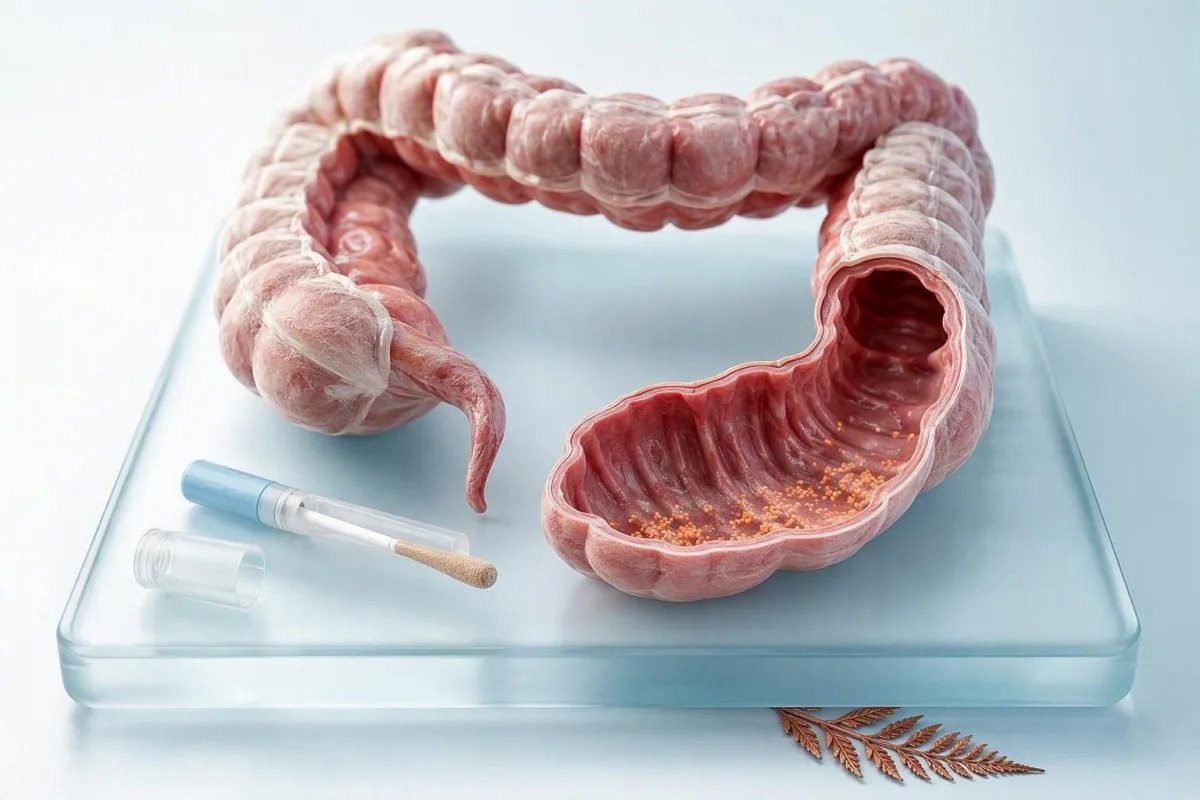
A د FIT ازموینې مثبت پایله پدې معنی چې ستاسو په غایطه کې د انسان هیموګلوبین موندل شوی. دا سرطان نه تشخیصوي، مګر دا د تشخیصی کولونوسکوپي ته اړتیا لري - په مثبته توګه د 2 اونیو دننه تنظیم شي او د 3 میاشتو دننه بشپړ شي؛ د ډیرې مقعدي وینې، بې هوښۍ، شدید درد، یا تور تار لرونکي غایطه لپاره ژر تر ژره د ورته ورځې پاملرنې غوښتنه وکړئ.


- د FIT ازموینې مثبت پایله پدې معنی چې د ستراتیژیک امون کیمیکل ازموینې (FIT) په غایطه کې د انسان هیموګلوبین کشف کړی؛ دا د وینې سرچینه نشي موندلی.
- د کولونوسکوپي وخت باید په مثبته توګه د مثبتې سکرینینګ FIT څخه د 3 میاشتو دننه وي؛ د 9 میاشتو څخه ډیر ځنډ د کولورکټل سرطان د لوړ خطر سره تړاو لري.
- د سرطان احتمال د مثبت FIT وروسته معمولا شاوخوا 3 TP54T تر 1 TP45T پورې وي، پداسې حال کې چې پرمختللي پولیپس په شاوخوا 1 TP44T تر 1 TP51T پورې موندل کیږي، چې عمر او د پروګرام حد پورې اړه لري.
- FIT حد د خدمت له مخې توپیر لري؛ په انګلستان کې د نښو لرونکي لارې معمولا په ګرامه فضله کې 10 مایکرومتره هیموګلوبین کاروي، پداسې حال کې چې د سکرینینګ محدودیتونه لوړ کیدی شي.
- د بیړني حالت نښې په دوامداره درنو وینې، تیاره تور ملا، بې هوښه کیدل، شدید د معدې درد، یا په آرامۍ کې د ساه لنډۍ شامل دي.
- FIT مه مه تکراروئ د مثبت پایلې لغوه کولو لپاره؛ وروسته منفي نمونه کولی شي په باور سره مداخله کونکي وینه لرونکي پولیپ یا سرطان خارج نه کړي.
- عام غیرسرطاني لاملونه په بواسیر، مقعدي درزونو، ډیورټیکولر ناروغۍ، کولیټس، پولیپس، او په لږ عام ډول د پورتنۍ هاضمي د لارې څخه وینې شامل دي.
- د وینې معاینات لکه د بشپړ وینې شمیر، فیرتین، او د ټرانسفرین سنترولشن، پداسې حال کې چې تاسو د کولونوسکوپي لپاره انتظار کوئ د اوسپنې د کمښت انیمیا په پیژندلو کې مرسته کوي.
نن ورځ د FIT ازموینې مثبتې پایلې معنی
A د FIT ازموینې مثبت پایله پدې معنی چې د فضله امون کیمیکل ازموینې د فضله په نمونه کې د انسان هیموګلوبین کشف کړی، نو په ټیټ معدې کې د وینې امکان شتون لري. دا په خپله بیړنۍ تشخیص نده، مګر دا یوه پایله ده چې باید ژر تر ژره عمل ورسره وشي، نه دا چې د څو میاشتو لپاره ورته وکتل شي.
زما په کلینیکي عمل کې، ترټولو ګټور لومړی جمله چې زه یې وړاندیز کولی شم دا ده: مثبت پایله د حوالې محرک دی، نه د سرطان حکم.. FIT د انسان هیموګلوبین ګلوبین برخه کشف کوي، کوم چې معمولا د معدې او کوچني کولمو څخه تیریدو پرمهال مات کیږي؛ دا ازموینه نسبتاً په کولمو یا مقعد کې د وینې تمرکز کوي. یوه واحد مایکروسکوپي وینه کولی شي مثبت پایله تولید کړي، حتی کله چې تاسو په بشپړ ډول ښه احساس کوئ.
د سپتمبر 4، 2026 پورې، د سکرینینګ پروګرامونه لاهم په خپل راپور ورکولو او محدودیتونو کې توپیر لري. په انګلستان کې د نښو لرونکو لومړني پاملرنې په لارو کې،, په ګرامه فضله 10 مایکرومتره هیموګلوبین د کولورکټل عاجل ارزونې لپاره معمولا کارول کیږي، پداسې حال کې چې د نفوس سکرینینګ پروګرامونه ممکن لوړ محدودیت وکاروي لکه 80 یا 120 µg/g. له همدې امله د یو لابراتوار څخه “مثبت” پایله د بل سره په شمیره بدلیدونکی نده.
توماس کلین، MD، ناروغانو ته مشوره ورکوي چې د ازموینې امر کونکي کلینیک یا سکرینینګ خدمت ته په 2 کاري ورځو کې زنګ ووهي که چیرې کومه حواله طرحه شوې نه وي. راپور وساتئ، د مقعدي وینې یا د کولمو د عادت بدلون یادونه وکړئ، او د اوسپنې سره د ځان درملنې څخه ډډه وکړئ تر څو چې یو کلینیک پخوانی کمښت تایید نه کړي. زموږ لارښود د FIT او FOBT توپیرونه تشریح کوي چې ولې دا نوی د فضله ازموینه د زاړه ګایاک ازموینې په پرتله د انسان وینې لپاره ډیر ځانګړی دی.
د مثبتې پایلې وروسته ولې کولونوسکوپي اړینه ده
کولونوسکوپي د مثبت FIT وروسته معیاري راتلونکی ازموینه ده ځکه چې دا کولی شي د وینې سرچینه په یوه پروسیجر کې ومومي، نمونې واخلي، او ډیری وختونه لرې کړي. د فضله ازموینې تکرارول په خوندي ډول دا بدلولی نه شي، ځکه چې د کولمو وینه مداخله کیدی شي.
FIT د کوچني اډینوما د لوی سرطان، د وینه لرونکي بواسیر، یا کولیټس څخه توپیر نشي کولی. کولونوسکوپي په مستقیم ډول مقعد او کولمو معاینه کوي، د ډیری پولیپس لرې کولو ته اجازه ورکوي، او کله چې اغیزمن شوی ساحه روښانه کولو ته اړتیا ولري د نسج معاینې ته اجازه ورکوي. د سکرینینګ په نفوس کې، شاوخوا 3% تر 10% پورې په خلکو کې اغېز کوي، او روژه نیول د خلک چې مثبت FIT لري د کولورکټل سرطان لري، پداسې حال کې چې شاوخوا 20% تر 40% پرمختللي اډینوماس یا پرمختللي سیریټډ زخمونه لري؛ عمر، جنس، محدودیت، او پخوانۍ سکرینینګ هغه ارقام په پراخه توګه بدلوي.
د امریکا د مخنیوي خدماتو ګډ کاري ځواک وايي چې د کولونوسکوپي پرته د کولورکټل سکرینینګ مثبته ازموینه د سکرینینګ ګټې ترلاسه کولو لپاره کولونوسکوپي ته اړتیا لري (ډیویډسن او نور، 2021). هغه کلمې مهمه دي: FIT یو دوه مرحلې سکرینینګ ستراتیژي ده، نه یوه بشپړه شوې ازموینه. ما لیدلي چې ناروغان د وروسته منفي کورني کټ لخوا ډاډمن شوي، یوازې د کولونوسکوپي لپاره یوه پولیپ وموندل شو چې په دوهم ورځ یې په ساده ډول وینه نه وه ورکړې.
کانټیسټي یو دی د AI د وینې معاینې شنونکی, ، نو دا کولی شي د اړونده بشپړ وینې شمیرنې او اوسپنې مطالعې پایلې تنظیم کولو کې مرسته وکړي ، مګر دا د مثبت سټول ازموینې سرچینې تشخیص نه کوي یا د اندوسکوپي ځای نه نیسي. که تاسو څو راپورونه لرئ، یو وکاروئ د ډاکټر-لیدنې لابراتواري لنډیز د لیږلو ناستې لپاره د نیټو، درملو، هیموګلوبین ارزښتونو او نښو راټولولو لپاره.
څومره ژر باید د کولونوسکوپي تنظیم کړئ؟
په زرګونو خلکو سره د FIT سره باید په 3 میاشتو کې دننه کولونوسکوپي بشپړه شي، او لیږل باید په ورځو یا څو اونیو کې پیل شي. د څو اونیو انتظار معمولا د مدیریت وړ وي که تاسو بل ډول ښه یاست، مګر د 9 میاشتو یا ډیرو لپاره ځنډ د “کتلو او انتظار” یوه ناخوښه وقفه نه ده.
هغه عملي هدف چې زه یې کاروم ساده دی: دننه د امر کولو خدمت سره اړیکه ونیسئ 48 ساعتونو کې, ، دننه لیږل خوندي کړئ 2 اونیو, ، او دننه د کولونوسکوپي هدف 3 میاشتو لپاره. لاسرسی توپیر لري، او یو کلینیکین ممکن د CT colonography یا ځانګړي ارزونې لومړی غوره کړي د هغه چا لپاره چې د بې هوښۍ لپاره ډیر ضعیف وي. هغه څه چې نه باید پیښ شي یو خلاص پای ځنډ دی پرته له دې چې د تعقیب مسؤل خدمت نومول شوی وي.
کارلي او همکارانو له 70,000 څخه ډیر د FIT-مثبت ناروغانو مطالعه کړې او وموندله چې د کولورکټل سرطان پیښې او مرحله د کولونوسکوپي وروسته له شاوخوا وروسته پیل شوه ۶ میاشتې, ، د وروسته روښانه منفي انجمنونو سره ۹ میاشتې (کارلي او نور، 2017). دا مشاهدوایي مطالعه نشي ثابتولی چې د هر فرد ځنډ د پرمختګ لامل کیږي، مګر دا د خدماتو اهدافو لارښودولو لپاره کافي قناعت وړ دی. د اوسپنې د کمښت انیمیا سره یو مثبت FIT ځانګړې استقامت مستحق دی.
که تاسو انتظار کوئ، یوه دقیقه پوښتنه وکړئ: “زما بک شوي تشخیص نیټه څه ده، او که دا تیریږي چا ته باید زنګ ووهلم؟” نوم او شمیره ثبت کړئ. هغه ناروغان چې هم لري د درنو میاشتنیو دورو پرته فیرټین ټیټ وي باید په څرګنده توګه ذکر کړي، ځکه چې پټ د معدې له لاسه ورکول په لویانو کې یو احتمالي توضیحات دي.
سور بیرغ علایم چې ګړندۍ پاملرنې ته اړتیا لري
د FIT مثبته وینه، تور تار لرونکی سټول، بې هوښۍ، شدید د معدې درد، یا نوی تنفس د ورځې اضطراري ارزونې مستحق دی. دا نښې ممکن د پام وړ وینې له لاسه ورکول، د معدې بندیدل، یا بل کومه ستونزه په ګوته کړي چې باید د عادي اندوسکوپي سلاټ لپاره انتظار ونه کړي.
د اضطراري پاملرنې ته لاړ شئ یا د روښانه سور مقعدي وینې، سقوط، ګډوډي، د سینې درد، یا په آرام کې د تنفس لپاره محلي اضطراري خدماتو ته زنګ ووهئ. تور، چپکشی، د تار په څیر سټول کیدای شي د هاضمي په پورتنۍ برخه کې د هضم شوي وینې نښه وي، په ځانګړي توګه که دا د سرخوږی یا ضعف سره راشي. د اوسپنې ګولۍ او بسموت کولی شي سټول تور کړي، مګر دوی معمولا دا چپکشی او تار لرونکی نه کوي؛ ناڅرګندهتیا د انټرنیټ جاسوسۍ په پرتله ارزونې مستحق ده.
دوامداره کانګې، د معدې پړسوب د سټول یا ګاز د تیریدو نشتوالی، د تبې څخه پورته 38.0°C, ، یا د معدې درد خرابیدل د هغه ورځو لپاره خپل کلینیکین سره اړیکه ونیسئ. نوی ناخوښه وزن له لاسه ورکول له 5% من وزن الجسم على مدى 6 إلى 12 شهرًا, څخه ډیر، دوامداره ستړیا، یا یو روښانه بدلیدونکی د معدې نمونې هم د ګړندي بیاکتنې قضیه پیاوړې کوي. ترکیب له هرې یوې نښې څخه ډیر مهم دی.
د وینې بشپړ شمیرنه کولی شي انیمیا ښکاره کړي، مګر یو عادي هیموګلوبین د کولورکټل ناروغۍ رد نه کوي ځکه چې وینه ممکن کوچنۍ یا وقفه وي. زموږ عملي لارښود ولولئ د سره وینې حجرو د کمښت نښو که ستړیا، زوړوالی، چټک زړه ټکان، یا د تمرین پرمهال ساه لنډېدل د FIT پایلې سره یوځای راښکاره شي.
د مثبت FIT لاملونه چې سرطان نه دی
بواسیر، مقعدي درزونه، پولیپس، ډیورټیکولر ناروغي، کولایټس، او د درملو له امله د مخاطي وینې بهیدل، ټول کولی شي مثبت FIT رامنځته کړي. له دې توضیحاتو څخه هیڅ هم د کولونوسکوپي له لاسه ورکولو دلیل نه دی، پرته لدې چې معالج معالج یې بل روښانه پلان نه وي جوړ کړی.
بواسیر عام دي، په ځانګړي توګه د قبض، امیندوارۍ، او اوږدمهاله زور سره، مګر دوی په کلینیکي استدلال کې یوه عامه خنډ دي. په کاغذ باندې روښانه سور وینې لیدل او د پیژندل شوي بواسیرو لرلو دا ثابت نه کوي چې دوی د مثبت FIT لامل شوي دي. په لویانو کې چې عمر یې ۵۰ کاله یا تر هغه ډیر وي, ، زه عموماً د مثبت ازموینې په توګه ګڼم چې د کولمو ارزونې ته اړتیا لري حتی کله چې بواسیر د باور وړ ښکاري.
د ښه پوليپس اکثرا له درد یا د کولمو عادت بدلیدو دمخه وینې بهيږي؛ له همدې امله د FIT سکرینینګ کار کوي. د التهابي کولمو ناروغي، انفکاسي کولایټس، ډیورټیکولایټس، او د وړانګو سره تړلي د کولمو بدلونونه هم کولی شي د FIT ارزښتونه لوړ کړي. لوړ شوی نتيجة كالبروتكتين في البراز کولی شي د کولمو التهاب ملاتړ وکړي، مګر دا یوه مختلفه پوښتنه ځوابوي او نشي کولی پولیپ یا سرطان رد کړي.
د درملو په اړه شواهد پیچلي دي. اسپرین، انټي کوګولینټونه، او د التهاب ضد درمل کولی شي د وینې موجود سرچینه ډیر د کشف وړ کړي، مګر دوی مثبت FIT بې معنی نه کوي؛ د تجويز کونکي له مشورې پرته د تجویز شوي انټي پلیټلیټ یا انټي کوګولینټ درملنه مه ودروئ. توماس کلین، MD، د مخنیوي وړ وینې ټوټې لیدلي کله چې ناروغان د درملو د اغیزې په اړه د فضله ازموینې لوستلو وروسته په ناڅاپي ډول درملنه بندوي.
ایا حیض، خواړه، یا تمرین کولی شي غلط مثبت لامل شي؟
د حیض ککړتیا او د مقعد له ساحې څخه د وینې بهیدل کولی شي د FIT نمونې اغیزه وکړي، مګر سره غوښه او ډیری خواړه د عصري FIT مثبت کیدو لامل نه کیږي. د فضله ایمون کیمیکل ازموینه د زوړ فضله پټ وینې ازموینې سره ورته نه ده چې د رژیم پیروکسایډز ته یې عکس العمل ښودلی.
یو څوک چې حیض کوي معمولا باید د معمول سکرینینګ نمونه راټولولو دمخه تر هغه وخته پورې انتظار وکړي ترڅو وینې بهیدل ودریږي، د کټ خپله لارښوونې تعقیب کړي. که نمونه د دورې په جریان کې راټول شوې وي، خدمت ته ووایاست د دې پرځای چې پایله ناسمه وبلل شي؛ ځینې سیسټمونه ممکن دا تکرار کړي، پداسې حال کې چې نور به لاهم د عمر او علایمو پراساس تفتیش وړاندیز کړي. د پیشاب د وینې څرګندیدل هم کولی شي یوه نمونه ککړه کړي، نو وخت مهم دی.
د ګواک پر بنسټ د فضله پټ وینې ازموینې برخلاف، FIT نه معمولا د سره غوښې، لیمو میوو، ویټامین C، یا بروکولي څخه ډډه کولو ته اړتیا نلري. دا توپیر غلط الارمونه کموي او موافقت اسانه کوي. خلک اکثرا له یوه پلار څخه د زوړ ازموینې محدودیتونه په یاد لري او غیر ضروري سکرینینګ ځنډوي؛ زموږ وضاحت د FOBT پایلو او غلط مثبتونو په اړه دوه میتودونه جلا کوي.
په سخته زغمونکي تمرین سره کله ناکله د لنډمهاله کولمو خارښت یا وینې بهیدلو سره تړاو لري، په ځانګړي توګه د وچوالي یا تودوخې په حالت کې. که چیرې د ماراتون یا الټراډیسټانس پیښه د ۲۴ تر ۴۸ ساعتونو پورې لوړ کړي راټولولو په جریان کې ترسره شوې وي، نو یادونه وکړئ، مګر پخپله پایله مه رد کوئ. اړوند پدیده د رنر هیماتوریا پیشو اغیزه کوي، نه فضله، او دا دوه باید سره ګډ نه شي.
ولې د FIT تکرار معمولا غلط راتلونکی ګام دی
دوهمه منفي FIT لومړۍ مثبت FIT لغوه نه کوي ځکه چې پولیپس او سرطان کولی شي په وخت توګه وینې بهيږي. کولونوسکوپي تر هغه وخته پورې مناسبه تشخیصي ازموینه پاتې ده تر څو چې یو متخصص د انفرادي خطر یا لاسرسي محدودیتونو له امله بدیل نه غوره کوي.
ترين عام پوښتنه چې زه يې اورم دا ده، “آيا زه دا بيا کولای شم؟” په هغه شخص کې چې کوم نښې نه لري او د نمونې اخیستلو اندېښنه شته، د سکرینینګ پروګرام ښايي کله ناکله بل نمونه وغواړي؛ دا د خدمت ځانګړې پرېکړه ده. خو په خپله تنظیم شوی تکراري ازموینه یو خطرناک رواني اغیز لري: منفي پایله کولی شي څوک د حوالې لغوه کولو ته وهڅوي پرته له دې چې په مستقیم ډول کولمو ته کتنه وشي.
د FIT پایلې ځکه توپیر لري چې وینه بهېدل ګړندۍ وي، نمونه د یوې کولمو له غورځېدو څخه راځي، او هیموګلوبین د ځنډیدلي یا ډیر ګرم شوي لیږد سره خرابیږي. د لابراتوار له حد څخه ټیټه پایله پدې مانا ده چې “په دې نمونې کچه نه دی موندل شوی”، نه “کولم ثابت شوي نورمال دي.” دا یو له هغو دلیلونو څخه دی چې مثبت ازموینه دграни خون په پایله کې له مختلف کلینیکي معنی سره توپیر لري چې په منطقي توګه بیا چک کیدی شي.
که چیرې د غلط مثبت په اړه اندېښنه تاسو د بک کولو څخه منع کوي، نو د پایپ سره د پایپ د ټیم سره په دقیقو شرایطو بحث وکړئ. د ستراتیژۍ او محدودیتونو پراخ پرتله کولو لپاره، وګورئ FIT د کولونوسکوپي پر وړاندې. د کولونوسکوپي خپله محدودیتونه لري، مګر دا یوه عملي موندنه وړاندې کوي چې یو تکراري کټ نشي کولی.
د کولونوسکوپي لپاره خوندي چمتووالی
د کولمو چمتووالی، نه پخپله کامره، هغه برخه ده چې تر ټولو زیات د دې تعیین کوي چې ایا کولونوسکوپي په معتبره توګه کوچني زخمونه کشف کولی شي. د لیکل شوي چمتووالي مهال ویش په سمه توګه تعقیب کړئ، او د شکر ناروغۍ درملو، اوسپنې، د وینې ضد درملو، یا د وینې پتلو درملو بدلولو دمخه له واحد سره اړیکه ونیسئ.
ډیری مرکزونه د ویشلي دوز د جلاب رژیم کاروي: یوه برخه د ماښام دمخه او یوه برخه شاوخوا له ۴ تر ۶ ساعتونو پورې د پروسې دمخه، د وروستي دوز سره د محلي روژې د لارښوونو سره سم بشپړ کیږي. دا وخت په دوامداره توګه د تیره ورځ ټول چمتووالی اخیستلو په پرتله یو پاک ښي کولم ورکوي. د روژه ماتي په پای کې پاک ژیړ مایع غایطه په عمومي توګه هدف دی، که څه هم د واحد خپل لارښود تل لومړیتوب لري.
وچیدل د مخنیوي وړ ستونزه ده چې زه تر ټولو ډیر وینم. پرته لدې چې تاسو د زړه یا پښتورګو د ناروغۍ لپاره د مایعاتو محدودولو ویل شوي وي، د چمتووالي په جریان کې په منظم ډول پاک مایعات وڅښئ؛ ډیری واحدونه نږدې وړاندیز کوي 2 تر 3 لیتره د چمتووالي کړکۍ په اوږدو کې. د مزمنو پښتورګو ناروغۍ، د زړه ناکامي، شکرې، یا د کم سوډیم تاریخ لرونکي خلک د عمومي حجم هدف پرځای انفرادي مشورې ته اړتیا لري.
د خولې د اوسپنې په اړه په ځانګړي ډول پوښتنه وکړئ، کوم چې معمولا ځنډول کیږي ۵ تر ۷ ورځې د کولونوسکوپي دمخه ځکه چې دا پاتې پاتې غایطه تیاره کوي، او د GLP-1 درملو، انسولین، او د وینې پتلو درملو په اړه. زموږ د coagulation panel لارښود تشریح کوي چې ولې د وینې عادي پایلې تاسو ته نه وایي چې ایا د یوې تجویز شوي د وینې پتله درملنې پرته له پلان پرته بندول خوندي دي.
د کولونوسکوپي په وخت کې څه پیښیږي
د کولونوسکوپي معمولا له 20 څخه تر 45 دقیقو پورې وخت نیسي، که څه هم ټول لیدنه د رضایت، بې هوښۍ، رغیدو، او ممکنه پولیپ لرې کولو له امله 2 تر 4 ساعتونو پورې دوام کولی شي. ډیری ناروغان د تیز درد څخه د فشار، پړسوب، یا لنډمهاله دردونه په یاد لري.
د چک ان کې، ټیم باید د مثبت FIT پایله، نښې، الرجی، پخوانۍ عملیات، او د درملو پلان تایید کړي. د بې هوښۍ تمرینونه توپیر لري: ځینې خلک د بې هوښۍ نه غوره کوي، ځینې یې د تنفسي انالجیزیا ترلاسه کوي، او نور یې د رګونو بې هوښۍ ترلاسه کوي. تاسو کولی شئ پوښتنه وکړئ چې ایا یوه ساتونکې، یو همجنسي اندوسکوپیسټ چیرې چې امکان ولري، یا د اړیکو ملاتړ شتون لري - عملي جزئیات اغیزه کوي چې ایا ناروغان ازموینه بشپړوي.
اندوسکوپیسټ یو انعطاف وړ کیمره په کولمو کې پرمخ وړي او د لید ښه کولو لپاره د کاربن ډای اکساید یا هوا کاروي. کاربن ډای اکساید ګړندی جذب کیږي او ډیری وختونه د پروسې وروسته پړسوب کموي. پولیپس لاندې ۱۰ مليمتر څخه کمه ده. معمولا د ورته معاینې په جریان کې لرې کیږي، او له اغیزمن شوي ساحې څخه د نسج نمونې اخیستل کیدی شي حتی کله چې استر یوازې په نازک ډول بدله شوې ښکاري.
د بې هوښۍ وروسته، د 24 hours. لپاره موټر مه چلوئ، وسایل مه چلوئ، قانوني اسناد لاسلیک کړئ، یا الکول وڅښئ. د پولیپ لرې کولو وروسته لږ ګاز او لږ وینې بهېدل کیدی شي، مګر زیاتیدونکی درد، تبه، سرخوږی، یا دوامداره وینه بهېدل د اندوسکوپي واحد سره عاجل تماس ته اړتیا لري. د Bristol غایطه چارټ کولی شي تاسو سره مرسته وکړي ترڅو د پروسې دمخه او وروسته د کولمو بدلونونه په سمه توګه تشریح کړئ.
د کولونوسکوپي پایلې څه ښودلی شي
د مثبت FIT وروسته کولونوسکوپي ممکن هیڅ مهم غیرمعمولیت، د لرې کولو وړ پولیپ، سوزش، د ډیورټیکولر ناروغۍ، بواسیر، یا سرطان ونه موندل شي. د یو عادي معاینې پایله ډاډمنه ده، خو د هغې د تعقیب وقفه د کولمو د چمتووالي کیفیت، بشپړتیا، د کورنۍ تاریخ او د سیمه ییزو معاینې پالیسۍ پورې اړه لري.
که کومه لامل ونه موندل شي او د کولمو چمتووالی غوره وي، کلینیکونه اکثرا یو عادي خطر لرونکی ناروغ بیرته عادي معاینې ته لیږدوي پرته له دې چې سمدستي بیا کولونوسکوپي وکړي. یو عادي کولونوسکوپي د ژوند تضمین نه دی: له لاسه ورکړي زخمونه نادر خو ممکن دي، په ځانګړي توګه د ضعیف چمتووالي، نامکمل معاینې، یا د فلیټ او پټ زخم ډول سره. پوښتنه وکړئ چې ایا سیکم ته رسیدلي او ایا چمتووالی کافي ګڼل شوی.
پولیپس (Adenomas and serrated polyps) سرطان نه دي، خو ځینې یې په کلونو کې سرطان کیدلی شي. د څارنې وخت د شمیر، اندازې، حجروي ځانګړتیاوو، او د لرې کولو بشپړتیا پورې اړه لري؛ یو واحد کوچنی کم خطر لرونکی پولیپ د 5 یا زیات پولیپس یا یو زخم ۱۰ ملي متره یا تر دې لوی. څخه په بشپړه توګه توپیر لري. د نسج پیژندنې پایلې معمولا وخت نیسي له ۱ تر ۳ اونیو پورې, ، کوم چې د هغه وخت څخه اوږد احساس کیدی شي.
که د نسج معاینه سرطان تشخیص کړي، راتلونکي ګامونه اکثرا د CT سټیجینګ، د وینې ازموینې، څو اړخیزه بیاکتنه، او د کولورکټل جراحي یا انکولوژي ته راجع کول شامل دي. د CEA ارزښت د بنسټیز نظارت لپاره اندازه کیدی شي، خو CEA نشي کولی د کولورکټل سرطان تشخیص یا رد کړي. ته راستون شو. زموږ مقاله په د CEA او CA 19-9 د بدلونونو تشریح کوي چې ولې د تومور مارکرونه مرستندویان دي، نه د معاینې ازموینې.
د وینې ازموینې چې ستاسو په انتظار کې ګټور پس منظر اضافه کوي
د وینې بشپړ شمیر او د اوسپنې مطالعې کولی شي د اوسپنې کمښت انیمیا تشخیص کړي، کوم چې پټ شوي ګیسټرو انټیسټینل وینې جریان د څیړنې اړتیا پیاوړې کوي. د وینې عادي پایلې مثبت FIT د له پامه غورځولو لپاره خوندي نه دي.
د غیر امیندواره لویانو لپاره، هیموګلوبین د شاوخوا 130 g/L په نارینه وو کې یا 120 g/L په ښځو کې لاندې د انیمیا عام تعریف پوره کوي، که څه هم لابراتوارونه او کلینیکي شرایط توپیر لري. د فриеټین کچه له 30 µg/L لاندې اکثرا د اوسپنې زیرمې کمښت ملاتړ کوي؛ د التهاب سره، فриеټین کیدلی شي په غلطۍ سره ډاډمن ښکاره شي ځکه چې دا د یوې شدیدې مرحلې پروټین په توګه لوړیږي. د ټرانسفرین سنډروم ټیټه کچه، اکثرا له 20%, لاندې، ګټور شرایط اضافه کوي.
کانټیسټي یو دی د AI لاب ټېسټ د تفسیر خدمت چې هیموګلوبین، منځنۍ حجروي حجم، فриеټین، C- عکس العمل پروټین، او د پښتورګو فعالیت په یوه اوږدمهاله لید کې ځای پرځای کوي. دا ګټور دی کله چې یو مثبت FIT د ستړیا یا کم اوسپنې تر څنګ وي، خو دا باید د اینڈوسکوپي لارې ملاتړ وکړي - نه دا ځنډوي. موږ سپارښتنه کوو چې د لابراتوار اصلي راپورونه ډاونلوډ کړئ او د هغه کلینیک سره یې شریک کړئ چې راجع کول یې په غاړه لري.
د MCV کمیدل، د RDW لوړیدل، او د فриеټین کمیدل کولی شي په میاشتو کې له ښکاره انیمیا څخه مخکې راشي. د اوسپنې د مطالعاتو لارښود تشریح کوي چې ولې یوازې د سیرم اوسپنه د کمښت تشخیص لپاره په ورځ کې خورا ډیر توپیر لري. که تاسو په تمه کیدو سره palpitations، د سینې ناراحتي، یا ساه لنډۍ تجربه کوئ، د رژیم اوسپنې په ساده ډول زیاتولو پرځای ژر تر ژره ارزونې غوښتنه وکړئ.
درمل، عمر، او د کورنۍ تاریخ چې ټریاج بدلوي
انټي کوګولانټونه، انټي پلیټلیټونه، د کولورکټل سرطان لومړۍ درجې خپلوان، پخواني پولیپس، او د التهاب لرونکي کولمو ناروغي باید د مثبت FIT وروسته په راجع کولو کې ټول په نښه شي. دا عوامل د خطر ارزونې او د کړنلارې پلان جوړولو اغیزه کوي، خو هیڅ یو یې د مثبت پایلې په اتوماتيک ډول بې ضرر نه کوي.
اسپرین، کلپیدوګریل، وارفارین، اپیکسابان، رویواروکسابان، او ورته درمل ممکن د یو زخم څخه د وینې جریان د لید وړتیا زیاته کړي چې دمخه هلته شتون درلود. دا په خپلواک ډول مه کوئ: د سټروک، وینوس تومبوسس، یا د زړه د حملې خطر ممکن د کړنلارې پورې تړلي د وینې د خطر څخه ډیر وي. د اینڈوسکوپي ټیم به د پښتورګو د فعالیت، نښې، او ایا د پولیپ لرې کول تمه کیږي د درملو ځانګړی پلان چمتو کړي.
د لومړۍ درجې خپلوان چې د 50 کلونو څخه کم عمر کې د کولورکټل سرطان تشخیص شوي 50 کلونو څخه زیات وي, ، یا دو خپلوانو چې په لومړۍ درجه کې په هر عمر کې تشخیص شوي وي، کیدای شي د لوړ خطر لرونکي کورنۍ لاره په ګوته کړي. ډاکټر ته د کولمو سرطان، د رحم سرطان، د تخمدان سرطان، یا د پولیپس په اړه خپلوانو ته ووایاست، پشمول د تشخیص په وخت کې د دوی عمر. د کورنۍ تاریخ اکثرا په نا کامله توګه ثبت شوی وي ځکه چې خلک “سرطان” په یاد لري مګر ارګان یا عمر نه؛ د کورنۍ ګړندۍ زنګ کول کولی شي ټریاج بدل کړي.
کانټیسټي یو دی د AI بایومارکر تفسیر پلیټفارم چې کولی شي کورنیو سره د رضایت لرونکي لابراتواري رجحاناتو په تعقیب کې مرسته وکړي، مګر د کورنۍ د خطر ارزونه نشي کولی میراثي د سرطان سنډروم تشخیص کړي. د لومړني پاملرنې لپاره د عملي ریکارډ لپاره، بیاکتنه وکړئ د سرطان پورې اړوند د کورنۍ خطر نښې. جنیټیک مشورې ممکن مناسبې وي حتی کله چې معمول وینې ازموینې نورمال وي.
کله چې کولونوسکوپي وځنډول شي، بشپړ نشي، یا مناسب نه وي
CT کولونوسکوپي یو عام بدیل دی کله چې کولونوسکوپي نا کامله یا نا خوندي وي، مګر دا نشي کولی پولیپس لرې کړي یا د نسج نمونې واخلي. یوه مثبته FIT لاهم مستند شوي تشخیصي پلان ته اړتیا لري حتی کله چې معیاري کولونوسکوپي ممکنه نه وي.
د ضعف، جدي زړه یا سږو ناروغي، د کولمو د اناتومي ستونزې، د انټي کوګولیشن پیچلتیا، یا د لومړۍ معاینې نا کاملیت ممکن یو متخصص ته د CT کولونوسکوپي سپارښتنه وکړي. دا د کولمو چمتووالي او د ګاز انفلاسیون کاروي، معمولا د سیشن پرته، او په لوی ودې کې د موندلو لپاره ښه دی. که چیرې دا یو شکمن پولیپ یا اغیزمنه ساحه ومومي، نو لرې کولو یا د نسج معاینې لپاره کولونوسکوپي لاهم اړین کیدی شي.
د کیپسول کولون امیجینګ په غوره شوي ترتیباتو کې شتون لري، مګر شتون او د تعقیب لارې ناباوره دي. دا د کولمو چمتووالي شاوخوا شارټ کټ ندی، او مثبته موندنه لاهم په عام ډول د دودیز اینڈوسکوپي لامل کیږي. که چیرې ملاقاتونه په مکرر ډول لغوه شي، د دلیل، بدیل، او د لیکلي په بڼه د هدف نیټه پوښتنه وکړئ؛ ناڅرګنده ګډوډي حل کول سخت دي کله چې هرڅوک فرض کوي چې بل چا دا بیا بک کړی دی.
د Kantesti طبي مینځپانګه د کلینیکي نظارت سره بیاکتنه کیږي، او زموږ د طبي تایید (validation) طریقه تشریح کوي چې څنګه موږ د نمونې تفسیر د تشخیص څخه جلا کوو. یو ډیجیټل راپور ستاسو پوښتنې تنظیم کولی شي، مګر یوازې د درملنې خدمت کولی شي پریکړه وکړي چې ایا عاجل امیجینګ، د انستیزیا بیاکتنه، یا بل ازموینه کلینیکي پلوه مناسبه ده.
د عادي کولونوسکوپي وروسته څه باید وکړئ
د مثبت FIT وروسته د لوړ کیفیت نورمال کولونوسکوپي اطمینان بخش دی، مګر نوي وینه، د اوسپنې کمښت انیمیا، یا دوامداره نښې لاهم بیا ارزونې مستحق دي. راتلونکی سکرینینګ وقفه باید د اندوسکوپي راپور څخه راشي نه د assumed universal rule څخه.
راپور د دریو توکو لپاره ولولئ: د چمتووالي کیفیت، ایا معاینه کاکم ته رسیدلې، او د سپارښت شوي تعقیب نیټه. په ډیری پروګرامونو کې، د اوسط خطر لرونکی شخص د بشپړ لوړ کیفیت نورمال کولونوسکوپي سره له څو کلونو وروسته عادي سکرینینګ ته راستنیږي، مګر ملي پالیسۍ توپیر لري. تر هغه وخته پورې کلني شخصي FIT ازموینې مه کوئ تر څو چې ستاسو ډاکټر یې وړاندیز نه کړي؛ غیر ضروري ازموینه کولی شي د تکراري پروسو پیچلي دورې رامینځته کړي.
د نورمال کولونوسکوپي وروسته دوامداره ستړیا یا ټیټ فایریتین ممکن د پورتنۍ معدې له لاسه ورکولو، سیلیک ناروغۍ، حیض له لاسه ورکولو، د پښتورګو ناروغۍ، د رژیم کمښت، یا د جذب له لاسه ورکولو لپاره ارزونې ته اړتیا ولري. منفي کولونوسکوپي د هاضمي د لارې هره برخه نه investigate کوي. د ګلوټین ننګونې لارښود یوازې هغه وخت اړوند دی که چیرې د سیلیک ازموینې په پام کې نیول کیږي او تاسو اوس مهال ګلوټین خورئ.
زه ناروغانو ته وایم چې اطمینان باید ځانګړی وي، نه مبهم: “کولم په دې نیټه په کافي اندازه معاینه شوی، او دلته هغه څه دي چې زه به ژر بیرته راشي.” نوی تور نسواري، تکراري ښکاره مقعد وینه، غیر واضح وزن کمول، یا د هیموګلوبین کمیدل 10 g/L یا ډیر له پخواني اساس څخه باید د ډاکټر بیاکتنې ته وده ورکړي. راپور له خپل د روغتیا تاریخ ریکارډونو.
په خپله FIT تعقیبي ناسته کې د پوښتلو لپاره پوښتنې
سره وساتئ. ترټولو ګټورې تعقیب پوښتنې دا دي چې د تشخیصي ازموینې به کله ترسره شي، ایا نښې د اضطرار درجه بدلوي، او درمل څنګه باید اداره شي. یو لیکل شوی لیست د ورک شوي توضیحاتو کمښت کموي کله چې یو غیر متوقع مثبته سکرینینګ پایله خبرو اترو ته بیړه احساسوي.
پوښتنه: “زما د FIT ارزښت او حد څه و، که یې په کمي توګه راپور ورکړل شوی و؟”، “آیا کولونوسکوپي زما لپاره سم راتلونکی ازموینه ده؟”، او “کوم علایم معنی لري چې زه باید ژر زنګ ووهلم؟” یو لوړ کمي ارزښت د جدي کولمو موندنو سره لوی احتمال سره مطابقت لري، مګر هیڅ یوه شمیره سرطان نه تشخیصوي. د مناسبې پلټنې پایله د یوه پایلې د یوازې تفسیر هڅه کولو څخه ډیره مهمه ده.
د خوراکونو سره د درملو لیست، د تیرې کولونوسکوپي او نسج پېژندنې راپورونه، د کورنۍ سرطان تاریخ، او د وینې یا کولمو بدلونونو نیټې راوړئ. که ستړیا د عکس برخه وي، د هیموګلوبین، MCV، فایریټین، او ټرانسفرین سنچوریشن پایلې شامل کړئ. AI کولی شي تاسو سره د دې وینې ازموینې نمونو پیژندلو کې مرسته وکړي او یو وخت لرونکی راپور تولید کړي، پداسې حال کې چې متخصص پریکړه کوي چې ستاسو د کولمو پلټنې لپاره څه معنی لري.
زما وروستۍ کلینیکي نقطه په قصدي ډول ساده ده: له شرم څخه مه ځنډوئ. د کولورکټل ټیمونه هره ورځ د غایطه، مقعد وینې، او کولمو عادتونو په اړه بحث کوي؛ روښانه ځوابونه پاملرنه ښه کوي. زموږ طبيب او د واکمنۍ پروسه د د طبي مشورتي بورډ, لخوا تشریح شوي، او تاسو کولی شئ Kantesti ټیکنالوژي لارښود وکاروئ ترڅو پوه شئ چې چیرته د AI تفسیر ګټور دی او چیرته مستقیم طبي ارزونه لاهم ناگزیر ده.
پوښتل شوې پوښتنې
د مثبت FIT ازموینې اهمیت څومره دی؟
د FIT ازموینې یوه مثبته پایله معمولا دومره عاجله وي چې په څو ورځو کې د راجع کولو پیل وکړي او په شاوخوا 3 میاشتو کې د کولونوسکوپي بشپړه کړي، مګر که تاسو ښه یاست نو دا په اتوماتيک ډول اضطراري حالت نه دی. مشاهداتي شواهدو د کولورکتل سرطان خرابې پایلې وموندلې کله چې تعقیبي کولونوسکوپي له شاوخوا 6 میاشتو څخه وځنډول شوه، او د 9 میاشتو وروسته یې خطر روښانه شو. که چیرې مثبته پایله د شدید مقعد وینې بهیدنې، تور ستنې په څیر ملا، بې هوښۍ، شدید معدې درد، د سینې درد، یا په آرامۍ سره ساه لنډۍ سره ترسره شي، نو په ورته ورځ پاملرنې غوښتنه وکړئ.
د مثبت FIT ازموینې سره د سرطان چانس څومره دی؟
د FIT ازموینې مثبت پایله پدې معنی ده چې د کولوریکټل سرطان احتمال شتون لري خو ډاډمن نه دي؛ د عمر، جنسیت، ازموینې حد او د سکرینینګ برنامې پورې اړه لري، په نږدې 4% څخه 10% FIT-مثبتو ګډونوالو کې سرطان موندل کیږي. پرمختللي پولیپس یا پرمختللي سیریټډ اختلالات په مکرر ډول موندل کیږي، چې معمولا په شاوخوا 20% څخه 30% خلکو کې لیدل کیږي. د کولونوسکوپي اړتیا ده ځکه چې دا کولی شي سرطان د پولیپس، بواسیرو، سوزش او د ملا په وینه کې د نورو لاملونو څخه توپیر کړي.
ایا بواسیر د FIT ازموینې پایله مثبته کولی شي؟
د بواسیرو (hemorrhoids) ناروغي کولای شي د FIT ازموینې په مثبته پایله کې مرسته وکړي ځکه چې د انسان هیموګلوبین (haemoglobin) په غایطه کې خوشې کولی شي، په ځانګړې توګه د قبض او زور راوړلو پر مهال. په هرصورت، پېژندل شوي بواسیر د هغه لویانو لپاره چې د کولمو د سکرینینګ وړ دي، د مثبتې پایلې په باور سره نه شي توجیه کیدلی. د کولونوسکوپي (colonoscopy) یا د بل ډاکټر په مشرۍ د کولمو څیړنه مناسبه پاتې کیږي ځکه چې بواسیر او پولیپ (polyps) دواړه سره موجود کیدلی شي.
که زما د FIT ازموینه مثبته وي، ایا زه باید بیا تکرار کړم؟
د FIT ازموینې بیا تکرار کول معمولا د مثبت FIT پایلې ردولو لپاره سم لاره نه ده ځکه چې د کولمو وینه بهیدنه پرله پسې نه وي او وروسته منفي نمونې ممکن ورته دانه (lesion) له پامه و غورځوي. اصلي مثبت پایلې باید د کولونوسکوپي لامل شي، پرته لدې چې د سکرینینګ خدمت یا متخصص د راټولولو ستونزې له امله بیا تکرار غوښتنه وکړي. د تکرار منفي پایله د تایید شوي مثبتې پایلې وروسته مستقیم د کولمو ارزونې ځای نه نیسي.
کوم د FIT کچه د مثبت په توګه ګڼل کیږي؟
د FIT کچه مثبت ګڼل کیږي کله چې په غایطه کې هیموګلوبین د لابراتوار یا سکرینینګ برنامې لخوا کارول شوي حد ته ورسیږي یا له هغه څخه زیاته شي. په انګلستان کې د نښو لرونکو ناروغانو لپاره عامه لارې معمولا په هرو 10 مایکرومترو کې 10 مایکرومتره هیموګلوبین کاروي، پداسې حال کې چې د نفوسو د سکرینینګ خدمات ممکن 80 یا 120 مایکرومتره/ګرام د حد په توګه وکاروي. لوړ ارزښت کولی شي د کولمو د جدي ناروغۍ اندیښنه زیاته کړي، مګر د تشخیصي پلټنې پرته هیڅ عددي FIT ارزښت سرطان نه تاییدوي یا ردوي.
ایا خواړه یا درمل کولی شي د FIT ازموینه مثبته کړي؟
سره غوښ، ویټامین C، او سبزیجات معمولا د عصري فیcal immunochemical ازموینې مثبت لامل نه کیږي ځکه چې FIT د رژیم د peroxidas فعالیت پرځای د انسان ګلوبین کشف کوي. انټي کوګولینټونه، اسپرین، او د التهاب ضد درمل کولی شي د وینې شته سرچینه په اسانۍ سره کشف کړي، مګر دا مثبت پایله بې معنی نه کوي. د هغو ډاکټر په مشوره پرته چې دوی اداره کوي، وارفرین، اپیکسابان، کلپیډوګریل، اسپرین، یا ورته نسخې درمل بند نه کړئ.
همدا نن د AI په مرسته د وینې ازموینې تحلیل ترلاسه کړئ
له 2M+ څخه زیات کاروونکي په ټوله نړۍ کې زموږ په Kantesti باور لري چې د لابراتوار ازموینو تحلیل په فوري او دقیق ډول کوي. خپل د وینې ازموینې پایلې اپلوډ کړئ او په ثانیو کې د 15,000+ بایومارکرونو بشپړه تشریح ترلاسه کړئ.
📚 د څېړنې خپرونې چې حواله شوې دي
کلین، ټي، مېچېل، ایس، او وېبر، ایچ. (2026). ۱ ټی پي ۶ ټی. (۲۰۲۶). RDW د وینې ازموینه: د RDW-CV، MCV او MCHC بشپړ لارښود. زنودو.. Kantesti د AI طبي څېړنه.
کلین، ټي، مېچېل، ایس، او وېبر، ایچ. (2026). Kantesti. (2026). BUN/Creatinine Ratio Explained: د پوښتورو دندې ازموینه Guide. Zenodo.. Kantesti د AI طبي څېړنه.
📖 بهرني طبي مراجع
کورلي DA او نور. (۲۰۱۷). د مثبت Fecal ازموینې پایلې وروسته تر کولونوسکوپي پورې د وخت ترمنځ اړیکه او د کولوریکټل سرطان او د تشخیص پر مهال د سرطان پړاو خطر. JAMA.
ډیویډسن KW او نور. (۲۰۲۱). د کولوریکټل سرطان لپاره سکرینینګ: د متحده ایالاتو د Preventive Services Task Force د سپارښتنې بیان. JAMA.
Monahan KJ et al. (2020). د برتانیا د ګیسټرو انټروولوژي ټولنې، د لویې بریتانیا او ایرلند د کولپروکټولوژي ټولنې، د انګلستان د سرطان جینیټکس ګروپ لخوا د میراثي کولورکټل سرطان د مدیریت لپاره لارښوونې. ښه.
⚕️ طبي ردونه
دا مقاله یوازې د زده کړې لپاره ده او طبي مشوره نه جوړوي. د تشخیص او درملنې د پرېکړو لپاره تل د وړ روغتیايي خدمت وړاندې کوونکي سره سلا وکړئ.
د E-E-A-T باور نښې
تجربه
د ډاکټر تر مشرۍ لاندې کلینیکي بیاکتنه د لابراتواري تفسیر د کاري بهیرونو لپاره.
تخصص
د لابراتواري طب تمرکز پر دې چې بایومارکرونه په کلینیکي شرایطو کې څنګه چلند کوي.
واک ورکول
د ډاکټر توماس کلاین له خوا لیکل شوی، د ډاکټر سارا میچل او پروف. ډاکټر هانس ویبر له خوا بیاکتنه.
اعتبار
د شواهدو پر بنسټ تفسیر د روښانه تعقیبي لارو چارو سره، تر څو اندیښنه کمه شي.