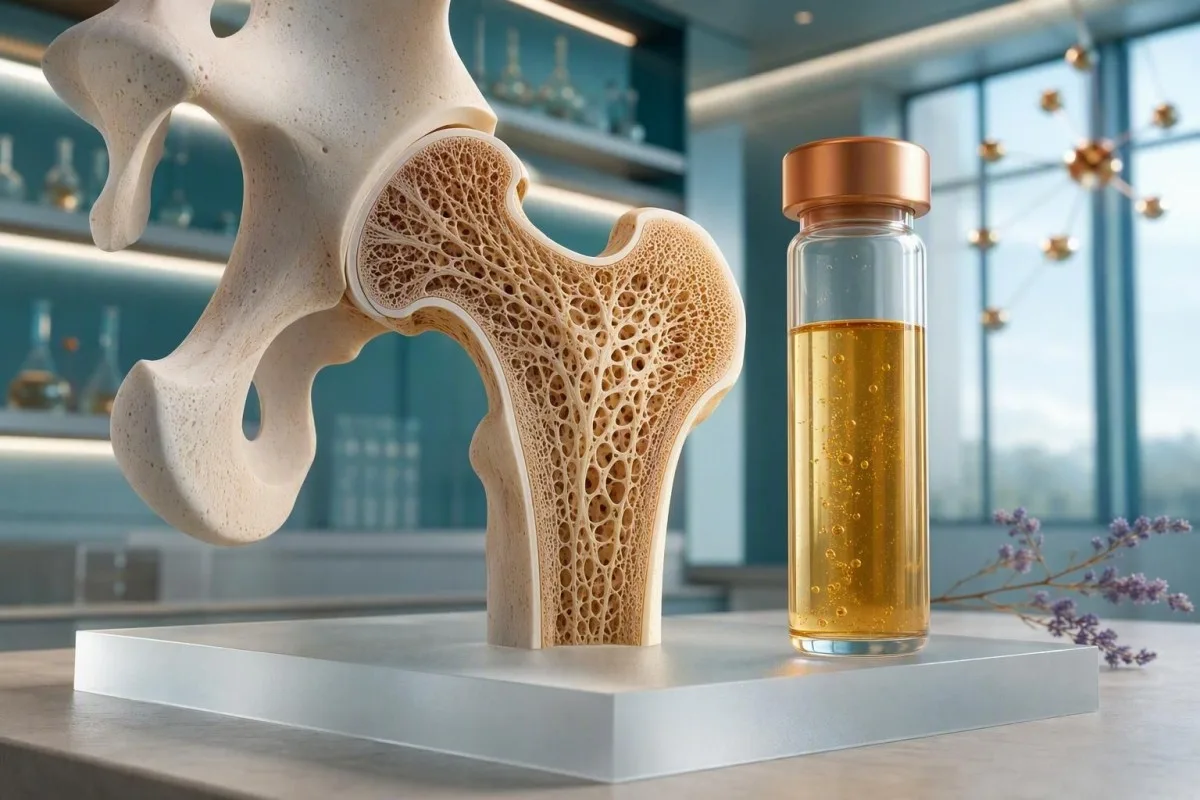
د 60 کالو څخه وروسته د لابراتوار یوه ګټوره دقیقه د خطر، درملو او بدلون پراساس جوړیږي - نه د هر موجود ازموینې امر کولو سره. دلته زه څنګه خلکو سره مرسته کوم چې مناسب نظارت له کم ارزښته ازموینې څخه جلا کړي.


- اصلي پینل: د CBC، کریټینین/eGFR، الکترولیتونه، ځیګر انزایمونه، ګلوکوز یا HbA1c، او د لیپید پروفایل د منظم دوراني نظارت ازموینې دي کله چې د خطر عوامل یا درمل اجازه ورکړي.
- HbA1c: د 5.7% څخه تر 6.4% پورې HbA1c د مخکې شوګر ښیې؛ 6.5% یا لوړ د تایید اړتیا لري مګر کله چې کلاسیکې نښې موجودې وي.
- د پښتورګو خطر: په 3 میاشتو کې له 60 mL/min/1.73 m² څخه ښکته eGFR د مزمن پښتورګو ناروغۍ تعریف بشپړوي.
- د هډوکو روغتیا: د 20 ng/mL څخه ښکته 25-hydroxyvitamin D غلظت عموما د هډوکو روغتیا لپاره د کمښت په توګه ګڼل کیږي، مګر د نفوس پراخه منظم ازموینې سپارښتنه نه کیږي.
- اوسپنه: د 30 ng/mL څخه ښکته فیریټین عموما په یوه صحي بالغو کې د اوسپنې کمښت ملاتړ کوي، پداسې حال کې چې سوزش کولی شي فیریټین په غلط ډول لوړ کړي.
- د زړه خطر: لیپوپروټین (a) معمولا په لویانو کې یو ځل اندازه کیږي؛ د 50 mg/dL یا 125 nmol/L او له دې څخه پورته کچه د خطر د زیاتوالي په توګه ګڼل کیږي.
- د درملو خوندیتوب: میټفارمین، د پروټون پمپ مخنیوی کونکي، ډیوریتیکس، سټیټینز، د تایرایډ ځای پرځای کول، او انټي کوګولینټ هر یو ځانګړي نظارت ته اړتیا لري.
- عاجلې نښې: په آرامۍ کې د سینې نوی فشار، تنفس، تورې ملا، بې هوښۍ، ګډوډي، یا یو اړخیز ضعف، د عادي لابراتواري امر پرځای عاجل کلینیکي ارزونې ته اړتیا لري.
په 60 کلنۍ څخه پورته ښځې باید د وینې ازموینې ته څنګه لومړیتوب ورکړي؟
A د 60 څخه پورته ښځو لپاره د وینې ازموینه باید د درملو لیست، شخصي تاریخ، کورنۍ تاریخ، او نښو سره پیل شي - نه یو ثابت “د مشرانو پینل.” یوه ښه 64 کلنه ښځه چې هیڅ منظم درمل نه اخلي د 72 کلنۍ ناروغۍ سره چې اوستیوپروسیس، لوړ فشار، میټفارمین کارول، او وروستي سقوط لري د ازموینې په پرتله خورا لږ ازموینې ته اړتیا لري.
لومړۍ پوښتنه دا ده چې ایا پایله به پاملرنه بدله کړي. د مثال په توګه، یوه HbA1c کولی شي د شکرې مخه ونیسي؛ په یوه ښه کس کې د کورټیسول تصادفي کچه تقریبا هیڅکله نه کوي. کلنۍ وینې معاینه کله چې تاسو ښه یاست تشریح کوي چې ولې پراخه ازموینه کولی شي ګمراه کونکي غلط الارمونه رامینځته کړي.
یوازې عمر یوه تشخیص نه دی. ډاکټر توماس کلین، د Kantesti لوی طبي افسر، د مخنیوي وړ ازموینې ترټولو ډیر شاهد دی کله چې “د ستړیا پینل” کې د تومور نښې، د جنسي هورمونونه، او د فلزاتو نښې په کلینیکي دلیل پرته شامل وي؛ بیا له حد څخه بهر پایله یوه لړۍ پیلوي چې ناروغ نور خوندي نه کوي.
کانټیسټي یو دی د AI د وینې معاینې شنونکی ډیزاین شوي ترڅو معمول او د خطر له امله رامینځته شوي پایلې یوځای تنظیم کړي، نو د پوتاشیم رجحان، د پښتورګو پایله، او د درملو توضیحات د جلا بیرغونو پرځای د یوه کلینیکي کیسې په توګه لوستل کیږي.
د امر کولو دمخه درې پوښتنې
پوښتنه وکړئ چې ایا تاسو یوه ناروغي لرئ چې څارنه کیږي، یو درمل چې د لابراتوار خوندیتوب بدلوي، یا یوه علامه چې توپیر لرونکي تشخیص محدودوي. له دې څخه هر یو ته “هو” ویل د ځانګړي مشرانو ښځو مخنیوي لابراتوارونه د یوه عمومي سکرین په پرتله ډیر ګټور کوي.
کومې منظمې څارنې ازموینې یو مناسب بنسټ جوړوي؟
د 60 څخه پورته ډیری میرمنو لپاره، یو CBC، د پښتورګو-الیکټرولایټ پینل، د جگر پینل، HbA1c یا ګلوکوز، او د لیپید پروفایل کله چې د طبي تاریخ سره سمون وخوري ترټولو ګټور اساس چمتو کوي. په ټیټ خطر لرونکي لویانو کې دا وقفه معمولا له 1 څخه تر 3 کلونو پورې وي، مګر د درملو کارول اکثرا دا لنډوي.
یو CBC د وینې کمښت، د وینې د سره حجرو لوړ شاخصونه، او د سپینو حجرو یا پلیټلیټونو غیر متوقع بدلونونه کشف کوي. هیموګلوبین د 12.0 g/dL څخه ښکته د غیر امیندواره میرمنو لپاره د انیمیا معمول حد پوره کوي؛ له 100 fL څخه پورته د MCV لوړیدل باید د B12 حالت، د الکول توضیحات، د جگر ناروغۍ، د تایرایډ فعالیت، او درملو بیاکتنې ته وهڅوي، نه د اتوماتیک فولټ درملنه. وګورئ CBC څه پکې شامل دي.
کریټینین باید د eGFR، د بدن اندازې، هایډریشن، او پخوانیو ارزښتونو سره تفسیر شي. یو کریټینین چې “نارمل” ښکاري د کم شوي eGFR سره په یوه کوچنۍ زړه ښځه کې شتون لري ځکه چې د کریټینین تولید د عضلاتو ډله تعقیبوي؛ له همدې امله زه په ندرت سره د ډاډ ورکولو په توګه د کریټینین یوازې یو ارزښت منم.
Kantesti AI یو AI د وینې ازموینې تشریح پلیټفارم چې د UK کنوانسیون mmol/L او د US کنوانسیون mg/dL په شمول د لابراتواري راپورونو ترمنځ واحدونه او د حوالې وقفه پرتله کوي. زموږ د بایومارکر لارښود ګټور شرایط چمتو کوي، مګر دا نشي کولی یو کلینیکین بدل کړي چې ناروغ پیژني.
په 60 کالو وروسته کوم درمل د لابراتوار دقیقې بدلوي؟
د درملو ځانګړې څارنه د 60 وروسته د وینې ازموینې غوښتلو لپاره ډیری وختونه ترټولو لوړ حاصل لرونکی دلیل دی. ډیوریتیکس کولی شي سوډیم او پوتاشیم ګډوډ کړي، میټفارمین کولی شي B12 ټیټ کړي، سټیټینز کولی شي د جگر بیاکتنې ته اړتیا ولري کله چې نښې څرګندیږي، او انټي کوګولنټونه په بشپړه توګه مختلف نظارت قوانین لري.
تیازیډ او لوپ ډیوریټیکس کولی شي لامل شي هایپوناتریمیا، هایپوکالیمیا، یا د کریټینین زیاتوالی, ، په ځانګړي توګه د الټي، اسهال، یا دوز زیاتوالي وروسته. سوډیم د 130 ملي لیتر / L څخه کم د ګډوډۍ، شدید سر درد، الټي، یا ناامني سره سمدستي ارزونې ته اړتیا لري؛ شمیره مهمه ده، مګر د بدلون سرعت هم دومره مهم دی. بیا کتنه د درملو اړوند لوړ پوړی لابراتواري اغیزې.
اوږدمهاله میټفارمین د بایو کیمیکل B12 کمښت سره تړاو لري، او د انګلستان لارښود په عامه توګه مشوره ورکوي چې کله نیوروپتي، میکروسایټیک انیمیا، یا نور د خطر عوامل څرګندیږي B12 چیک کړي. د سیرم B12 د 200 pg/mL څخه ښکته په ډیری لابراتوارونو کې ټیټ دی، مګر له 200 څخه تر 350 pg/mL پورې ارزښتونه ممکن میتیل میلونیک اسید یا فعال B12 ازموینې ته اړتیا ولري کله چې نښې مناسب وي.
د سپړونکي مشورې پرته د ALT په لږه توګه لوړ کیدو له امله سټیټین مه پریږدئ. د لابراتوار پورتنۍ حد څخه درې چنده لاندې ALT اکثرا د الکول، ضمیمو، غوړ-جگر، او ویروس-خطر تاریخ سره بیا چک کیږي؛ د څرګنده ضعف سره د نه توضیح شوي عضلاتو درد هغه سناریو ده چیرې چې CK خورا اړونده کیږي. د درملو د خوندیتوب رجحانات کولی شي د بدلونونو وخت څرګند کړي.
د پښتورګو او الکترولیت ازموینې کله د نږدې تعقیب مستحق دي؟
د پښتورګو څارنه باید په هغه صورت کې چې eGFR د 60 mL/min/1.73 m² څخه ښکته وي، د پیشاب البومین لوړ وي، د وینې فشار لوړ وي، شکرې شتون ولري، یا درمل د پښتورګو د وینې جریان اغیزه کوي، نږدې څارنه مستحق وي. یوازې یو ټیټ eGFR د ډیهایډریشن وروسته د مزمن پښتورګو د ناروغۍ تشخیص لپاره کافي ندي.
مزمن پښتورګو ناروغي د 3 میاشتو لپاره د 60 څخه ښکته eGFR یا د پښتورګو د زیان بل نښه ته اړتیا لري. د پیشاب البومین-کریټینین تناسب 30 mg/g یا له دې څخه ډیر، چې شاوخوا 3 mg/mmol سره برابر دی، غیر معمولي دی او د eGFR کمیدو دمخه کیدی شي؛ د لومړي سهار پیشاب څخه تکراري ازموینه شور کموي. دا وکاروئ د ډیهایډریشن وروسته eGFR لارښود د دایمي کمښت فرض کولو دمخه.
ACE مخنیوی کونکي، ARBs، NSAIDs، SGLT2 درمل، او ډیوریټیکس په شدید ناروغۍ کې ځانګړې پاملرنې ته اړتیا لري. په عمل کې، د ACE مخنیوی کونکي یا ARB له پیل وروسته تر 30% پورې د کریټینین زیاتوالی د منلو وړ کیدی شي، پداسې حال کې چې لوی زیاتوالی، د پوتاشیم پام وړ لوړوالی، د وینې ټیټ فشار، یا ضعیف خولې اخیستل د کلینیکي بیاکتنې ته اړتیا لري.
د 2024 KDIGO لارښود په خطر کې خلکو کې د eGFR او د پیشاب البومین دواړو ارزونه وړاندیز کوي ځکه چې یوازې یوه اندازه ناروغان له لاسه ورکوي (KDIGO، 2024). زړو خلکو ته باید ونه ویل شي چې د پښتورګو کم شوي فعالیت یوازې “عادي عمر” دی؛ دا د درملو دوزونه، د برعکس-سکین پریکړې، او د فریکچر-درملنې انتخابونه بدلوي.
د زړه د خطر کومې وینې ازموینې د بوډا ښځو لپاره خورا ګټورې دي؟
د زړه د مخنیوي لپاره د لیپید پروفایل معیار د پیل ټکی دی، پداسې حال کې چې ApoB او لیپوپروټین(a) غوره اضافي دي چې کولی شي د خطر روښانه کړي کله چې د کورنۍ تاریخ، لوړ triglycerides، یا د رګونو لومړنۍ ناروغي LDL کولیسټرول نامکمل کوي. هیڅ ازموینه د زړه حمله تشخیص نه کوي.
LDL کولیسټرول د اتیروجینک ذراتو بار یوازې یوه اټکل دی. ApoB د کولیسټرول لرونکي ذراتو شمیر منعکس کوي، او د 2018 AHA/ACC لارښود ApoB د 130 mg/dL یا لوړ او Lp(a) د 50 mg/dL یا لوړ د خطر زیاتولو عوامل په توګه لیست کوي کله چې د درملنې پریکړې نامعلومې وي (Grundy et al., 2019).
Lp(a) تر ډیره حده میراثي دی او په عمومي ډول د مینوپز، ناروغۍ، یا رژیم وروسته لږ بدلیږي. ډیری میرمنې دا یوازې په ځوانۍ کې یو ځل ته اړتیا لري؛ د 125 nmol/L یا له دې څخه لوړ پایله د کورنۍ-خطر خبرو اترو لپاره ګټوره ده، نه د ویرې یا ضمیمو پیل کولو دلیل چې په معتبر ډول دا ټیټ نه کوي. زموږ Lp(a) سکرینینګ توضیحي د واحد توپيرونه پوښلي.
په کلینیک کې، زه په ځانګړې توګه د 175 mg/dL څخه پورته ټرای ګلیسریډونو، د HDL کولیسټرول ټیټوالي، د HbA1c لوړیدو، او د مینوپاز وروسته د مرکزي وزن زیاتوالي په ترکیب ته پاملرنه کوم. دا نمونې حتی د LDL په عادي ښکاره کیدو سره د انسولین مقاومت ښکاره کولی شي؛; د ApoB/ApoA1 شرایط ممکن د بحث په چوکاټ کې مرسته وکړي.
د مینوپاز وروسته د شکر ناروغۍ سکرینینګ باید څنګه بدل شي؟
له 60 څخه پورته ښځې باید لږ تر لږه هر 3 کاله د 35 کلنۍ څخه د ګلوکوز سکرینینګ ولري، او ډیر ځله کله چې ډیر وزن، لوړ فشار، ډیسلیپیډیمیا، د امیندوارۍ پخوانۍ شکرې، یا د مخه شکرې شتون ولري. HbA1c عملي دی، مګر دا د وینې کمښت، د پښتورګو ناکامي، او د سره وینې د بدلون سره لږ د باور وړ کیږي.
د 5.7٪ څخه تر 6.4٪ پورې HbA1c د مخه شکرې په ګوته کوي، او 6.5٪ یا ډیر د شکرې په ګوته کوي کله چې په یوه اسیمپټووماتیک کس کې په بل ورځ تایید شي. د 100 څخه تر 125 mg/dL پورې د پښتورګو ګلوکوز د ګلوکوز د پښتورګو اختلال په ګوته کوي؛ 126 mg/dL یا ډیر د تایید غوښتنه کوي پرته لدې چې کلاسیک هایپرګلیسیمیک علایم شتون ولري.
د HbA1c نورمال کیدل په بشپړ ډول د ډیس ګلیسیمیا رد نه کوي کله چې هیموګلوبین ټیټ وي، MCV خورا لوړ وي، وروستۍ وینه بهیدنه شوې وي، یا مزمن د پښتورګو ناروغي پرمختللې وي. په دې شرایطو کې، د پښتورګو ګلوکوز یا د ګلوکوز زغم ازموینه ممکن د تکرار شوي HbA1c په پرتله چې له بیولوژیکي پلوه تحریف شوي وي، ډیر ریښتینی ځواب وي. ولولئ د ښځو لپاره د ګلوکوز حدونه.
د امریکا د شکرې د اتحادیې د پاملرنې معیارونه عمر، چاغښت، لوړ فشار، او د امیندوارۍ پخوانۍ شکرې د مخه یا تکراري سکرینینګ لپاره دلیلونه پیژني (د امریکا د شکرې اتحادیه، 2025). زما په تجربه کې، د دوه کلونو په اوږدو کې د 0.3٪ څخه تر 0.5٪ HbA1c زیاتوالی د رخصتۍ دورې وروسته د یوې سرحدي ارزښت څخه ډیر عملي دی.
د هډوکو روغتیا او د ماتیدو خطر لپاره کومې وینې ازموینې مهمې دي؟
د مینوپاز وروسته د هډوکو روغتیا څارنې لپاره، کلسیم، کریټینین/eGFR، 25-hydroxyvitamin D، الکلین فاسفاتیج، فاسفیت، او پاراتایرایډ هورمون دي په نښه شوي ازموینې, ، د DEXA سکین لپاره بدیل نه دی. د فریکچر د شتون له امله رامنځته کیدونکې فریکچر باید د کلسیم کچې ته په پام سره د فریکچر خطر او د اوستیوپروسس ارزونې ته وهڅوي.
ټول کلسیم معمولا 8.5 تر 10.5 mg/dL پورې وي، مګر البومین تفسیر بدلوي؛ ټیټ البومین کولی شي ټول کلسیم ټیټ ښکاره کړي کله چې ionized کلسیم نورمال وي. له 10.5 mg/dL څخه پورته تکراري کلسیم باید د بشپړونکي، thiazides، لومړني هایپرپارټایرویډیزم، او هایډریشن په بیاکتنه کې وهڅوي پرته لدې چې په ساده ډول د رژیم کلسیم بند کړي.
د 25-hydroxyvitamin D کچه له 20 ng/mL څخه ښکته، یا 50 nmol/L، عموما د هډوکو روغتیا لپاره د ملي اکاډمیو حد له مخې ناکافي ګڼل کیږي. بیا هم په هر زوړ بالغ کې د ویټامین D منظم ازموینه بحث وړ پاتې ده؛ زه دا د اوستیوپروسس، فریکچر، مالابسورپشن، مزمن د پښتورګو ناروغي، لږ لمر، یا په غیر متوقع ډول لوړ بشپړونکي مصرف لپاره ساتم. د لوړ ویټامین ډي نښې نادر خو ریښتیا دي.
د هډوکو روغتیا او اوستیوپروسس بنسټ د 65 او یا ډیرو عمر لرونکو میرمنو او په ځوانو مینوپاز میرمنو کې د خطر عوامل سره د BMD ازموینې وړاندیز کوي (LeBoff et al., 2022). Kantesti یو د AI پر بنسټ د وینې ازموینې تحلیل وسیله دی چې کولی شي الکلین فاسفاتیج او کلسیم د مخه پایلو سره پرتله کړي، مګر نورمال پینل نشي کولی اوستیوپروسس رد کړي.
کله باید اوسپنه، B12، او فولټ وڅیړل شي؟
د اوسپنې مطالعې او B12 ازموینې وروسته له ټیټ هیموګلوبین، لوړ MCV، نیوروپتي، ګلوسایټس، بې دلیل ستړیا، ضعیف مصرف، اوږد مهاله میټفارمین یا د اسید فشار، یا د معدې او کولمو نښو وروسته خورا ګټور دي. دوی د مینوپاز وروسته د هرې میرمنې لپاره منظم کلني ازموینې ندي.
د فیرټین کمښت د 30 ng/mL څخه ښکته په یوه روغ بالغ کې د اوسپنې کمښت په ګوته کوي، که څه هم د لابراتوار لږترلږه حد 12 تر 15 ng/mL وي. فیرټین د تیزابیت یو معرفي کوونکی دی، نو د 70 ng/mL فیرټین د لوړ CRP سره لاهم د اوسپنې محدودیت سره شتون لري؛ د 20% څخه ټیټ د ټرانسفرین سنډروم اضافي نښه چمتو کوي. زموږ وګورئ د اوسپنې-مطالعې حواله لارښود.
د مینوپاز وروسته د اوسپنې کمښت باید یوازې د رژیم له امله ونه ګڼل شي. د معدې پټې له لاسه ورکول، سیليا کی ناروغي، منظم NSAID کارول، او د ادرار له لاسه ورکول د پام وړ دي، او تورې پاڼې، وزن له لاسه ورکول، د کولمو عادت بدلیدل، یا پرمختللي انیمیا باید ژر تر ژره طبي بیاکتنه وغواړي نه یوازې د اوسپنې له لارې.
د B12 سیرم د 200 pg/mL څخه ښکته معمولا د کموالي په توګه درملنه کیږي، پداسې حال کې چې 200 تر 350 pg/mL یوه خړ سیمه ده چې میتیل میلونیک اسید کولی شي مرسته وکړي. فولټ کولی شي د B12 کمښت انیمیا اصلاح کړي پداسې حال کې چې د اعصابو زیان پرمختګ کوي، له همدې امله زه لومړی B12 ازموینم کله چې میکروسایټوسس شتون ولري؛; B12 په مقابل کې فولټ د دې جال تشریح کوي.
په 60 کالو وروسته کله د تایرایډ ازموینې مناسبه ده؟
د TSH ازموینه د مطابقت لرونکي نښو، د تایرایډ پیژندل شوي ناروغۍ، د تایرایډ فعال درملو، د اټریل فیبریلیشن، ناڅرګند لوړ کولیسټرول، یا د ګوتر لپاره مناسبه ده - نه یوازې د دې لپاره چې یوه ښځه پوسټ مینوپازل وي. TSH معمولا لومړۍ ازموینه ده؛ وړیا T4 اضافه کیږي کله چې TSH غیر معمولي وي یا د پیټیوټري ناروغۍ شک وي.
د TSH شاوخوا 0.4 تر 4.0 mIU/L یو عام بالغ لابراتواري وقفه ده، مګر سم هدف کولی شي په ناروغانو کې چې لیووتیروکسین اخلي، د پیټیوټري ناروغۍ سره، یا په پرمختللي عمر کې توپیر ولري. په دوامداره توګه 0.1 mIU/L څخه ښکته TSH په اتریل فیبریلیشن او د هډوکو له لاسه ورکولو اندیښنه رامینځته کوي، په ځانګړي توګه په زړو میرمنو کې، حتی که وړیا T4 په حد کې پاتې شي.
د بایوټین ضمیمې کولی شي د ځینې امیونو assays سره مداخله وکړي او د لوړ وړیا T4 سره د TSH غلط ټیټ پایله ورکړي. ناروغان اکثرا د “ویښتو او نوکانو” محصولات له خپل درمل لیست څخه پریږدي؛ د ازموینې دمخه د 48 تر 72 ساعتونو لپاره د لوړ دوز بایوټین بندول معمولا مشوره کیږي، مګر لابراتوار یا لیکوال باید د دې معاینې ځانګړي پالیسي تایید کړي.
لیووتیروکسین باید معمولا د دوز یا برانډ بدلون وروسته 6 تر 8 اونیو کې بیا وڅیړل شي ځکه چې TSH ورو ځواب ورکوي. د عملي وخت لپاره، وګورئ د تایرایډ بیا ازموینې مهال ویش; د اخیستلو دمخه ګولۍ اخیستل کولی شي په لنډمهاله توګه وړیا T4 لوړ کړي پرته لدې چې د اوسط افشا کیدو استازیتوب وکړي.
کومې نښې د وینې ځانګړو ازموینې یا عاجل پاملرنې ته اړتیا لري؟
نښې باید ازموینه وټاکي، او ځینې نښې باید د کومې منظمې لابراتواري پینل څخه مخکې ژر تر ژره معاینه شي. د سینې نوي فشار، بې هوښه کیدل، سخته تنفس، ګډوډي، تورې پاڼې، یا ناڅاپي ضعف “د کلنۍ لابراتوارونو لپاره انتظار” وضعیت ندي.
د نوي زحمت تنفس کولی شي د CBC، پښتورګو پینل، تایرایډ ازموینې، ECG، او کله ناکله NT-proBNP توجیه کړي، مګر هیڅ یوه وینه ازموینه نشي کولی په خوندي ډول د زړه یا سږو ناروغۍ خارج کړي. د سینې درد ازموینې لارښود تشریح کوي چې ولې ترپونین باید د نښو وخت او په کلینیکي ترتیب کې پرله پسې اندازه کولو سره تفسیر شي.
د 6 څخه تر 12 میاشتو په موده کې د 5% یا ډیر وزن ناڅاپي له لاسه ورکول، د شپې له خوبه پاڅیدل، دوامداره تبه، یا د جگر نوي غیر معمولي ازموینې د متمرکز تاریخ او معاینې ته اړتیا لري. یو عادي CBC د سرطان، التهابي ناروغۍ، یا خپګان نه ردوي؛ په اسیمپټوماتیک میرمنو کې د CA-125 یا پراخو تومور مارکر پینلونو امر کول د ګټورو ځوابونو په پرتله ډیر غلط مثبت پایلې رامینځته کوي.
د ټیټ هیموګلوبین، 70 mg/dL څخه ښکته ګلوکوز، 130 mmol/L څخه ښکته سوډیم، یا د نبض نوي نامنظمۍ سره سرخوږی اضطرار بدلوي. زوړ خلک کولی شي د لږ نصابي نښو سره وړاندې شي، نو د سرخوږی لابراتواري نښې باید د مهمو نښو او ارزونې بشپړونکي وي - نه بدل شي.
کومې وینې ازموینې معمولا د منظم سکرینینګ لپاره ګټورې ندي؟
پرته له نښو څخه منظم سکرینینګ معمولا د تومور مارکر، د جنسي هورمون پینل، کورټیسول، D-dimer، د خواړو IgG ازموینې، پراخ آټو imun پینل، یا “درانه فلزاتو ډیټوکس” ازموینې شامل نه دي. دا ازموینې بې ضرر ندي: د ټیټ مخکینۍ احتمال د غلط مثبت پایلو وړاندوینه کوي.
CA-125 په منځنۍ خطر لرونکې، اسیمپټوماتیک میرمنو کې د تخمدان د سرطان د سکرینینګ ازموینه نده ځکه چې ښایي شرایط یې لوړ کړي او لومړنی سرطان نه وي. د دوامداره پړسوب نمونې، لومړنۍ سیټی، د پیلویک نښې، یا قوي کورنۍ تاریخ د طبي ارزونې مستحق دي، مګر راتلونکی ګام لزوما د مستقیم مصرف کونکي مارکر پینل ندی. بیاکتنه د سرطان د کورنۍ تاریخ ازموینه.
D-dimer د عمر، انتان، جراحي، التهاب، او سرطان سره لوړیږي، نو دا یوازې هغه وخت ګټور دی کله چې یو کلینیکین د وینې د تومبوسس ټیټ یا متوسط احتمال اټکل کړی وي. د عمر تطابق حد اکثرا د 50 کلونو وروسته کارول کیږي، مګر یو مثبت پایله د کلټ تشخیص نه کوي؛ امیجنگ او نښې دا پوښتنه پریکړه کوي.
د FSH او ايسټراډیول ازموینې وروسته له مینوپاز وروسته په ندرت سره عادي ګرم فلش یا د خوب ګډوډي روښانه کوي کله چې مینوپاز پیل شي. استثنا یوه ځانګړې تشخیصي پزل ده، لکه ناڅاپي وینه، د پټويټري اندیښنه، یا د درملنې څارنه؛; د مینوپاز ايسټراډیول پایلې د مرستې په پرتله ډیر ګډوډونکي کیدی شي.
په 60 کالو څخه پورته ښځې باید د ازموینې لپاره څنګه چمتو شي او له غلطو پایلو څخه څنګه مخنیوی وکړي؟
د لابراتوار دقیق پایلې په وخت، هایډریشن، وروستي تمرین، سپلیمنټونو، او شدید ناروغۍ پورې اړه لري. د تکرار ازموینې لپاره، که امکان ولري ورته لابراتوار وکاروئ او شرایط بیا جوړ کړئ: د سهار وخت، د روژې حالت که وغوښتل شي، او ورته د درملو وخت.
د لیپید ډیری پینل نور د روژې اړتیا نلري، مګر د 8 څخه تر 12 ساعتونو پورې روژه کولی شي triglycerides روښانه کړي کله چې غیر روژتي ارزښت لوړ وي. د 400 mg/dL څخه پورته triglycerides ممکن د معتبر محاسبه شوي LDL پایلې مخه ونیسي، او الکول، یو لوی خواړه، او غیر کنټرول شوی ذیابیطس کولی شي دا د لنډې مودې لپاره په پام وړ لوړ کړي. وګورئ روژه او د مکملونو اغېزې.
د CK، AST، creatinine، یا د پیشاب البومین ازموینې لپاره له 24 څخه تر 48 ساعتونو پورې د شدید ناپیژندل شوي تمرین څخه ډډه وکړئ که ازموینه عاجل نه وي. ما د خیریه واک وروسته د یو فټ 67 کلن سړي AST 89 IU/L ته رسیدلی لیدلی؛ له رغیدو وروسته تکرار، د عادي GGT او بلیراوبین سره، یو ډیر آرام کیسه بیان کړه.
د لارښوونې پرته د نسخې شوي درملو بندولو ته لاړ نه شئ. بشپړ لیست راوړئ چې په کې مګنیزیم، ویټامین D، بایوټین، د بوټو چای، جلابونه، او انټاسیډونه شامل دي، ځکه چې “غیر درمل” اکثرا د پوتاشیم، کلسیم، TSH، یا د جگر انزایمونو حیرانتیاوې روښانه کوي. د لیدنو ترمنځ د لابراتوار وخت د ثبتولو ارزښت لري.
د لابراتوار رجحانونه د یو واحد پایلې څخه ولې مهم دي؟
د لابراتوار رجحان د یوې واحدې حد desenhos پایلې څخه ډیر معلوماتي دی کله چې بدلون له تمه شوي بیولوژیکي او تحلیلي توپیر څخه ډیر وي. د eGFR ثابت کمښت، د هیموګلوبین کمښت، یا د HbA1c زیاتوالی حتی په داسې حال کې چې هر ارزښت د لابراتوار حوالې وقفې دننه پاتې کیږي.
له 2% څخه تر 3% ورځې تر ورځې کریټینین توپیر ممکن د هایډریشن او assay شور منعکس کړي، پداسې حال کې چې دوامداره 20% بدلون په مناسب ترتیب کې پاملرنې ته اړتیا لري. په ورته ډول، د 0.1% HbA1c بدلون ممکن عادي توپیر وي؛ د روژتي ګلوکوز او وزن بدلون سره یوځای تکراري پورته حرکت ډیر کلینیکي اعتبار لري. د معنی لرونکي پایلو بدلونونه دا توپیر تشریح کوي.
کانټیسټي یو دی د AI بایومارکر تفسیر پلیټفارم چې پخوانۍ راپورونه پرتله کوي او د تعقیب بحث لپاره نمونې په نښه کوي، په شمول په مختلفو واحدونو کې راپور شوي پایلې. موږ د ګراف څخه ناروغي تشخیص نه کوو؛ یو کلینیکین لاهم اړتیا لري چې د نمونې شرایط، ناروغي، د درملو بدلونونه، او ایا پایله تکرار شوې ده.
زموږ کلینیکي میتودولوژي د لابراتوار ساحه او د خوندیتوب لارو په مقابل کې بیاکتنه کیږي، چې په طبي تایید (ویلیډیشن) عمومي کتنه. کې تشریح شوي. ډاکټر توماس کلین د تاریخ، د روژې حالت، نوي درمل، انتان، سفر، او لوی تمرین د هرې پایلې تر څنګ د خوندي کولو سپارښتنه کوي - کوچني توضیحات چې اکثرا د ښکاره غیرمعمومیت حل کوي.
په 60 کالو وروسته د مخنیوي لیدنې کې څه باید بحث شي؟
له 60 وروسته یوه ګټوره مخنیوې لیدنه د لیکلي پلان سره پای ته رسیږي: کوم ازموینه کیږي، کومه پایله به درملنه بدله کړي، او کله باید تکرار شي. د وینې ازموینې هاخوا د سکرینینګ غوښتنه وکړئ، په شمول د وینې فشار، واکسینونه، د سینې او کولورکټل سکرینینګ، د راوتلو بیاکتنه، لید، اوریدل، او د هډوکي کثافت کله چې وړتیا لري.
پخوانۍ راپورونه راوړئ د حافظې په واسطه. یو کلینیکین کولی شي چټک عمل وکړي کله چې هغه ویني چې په 3 کلونو کې د 68 څخه 19 ng/mL ته راټیټ شوی، eGFR له 78 څخه 61 mL/min/1.73 m² ته تللی، یا LDL د درملو له تعدیل وروسته بدل شوی؛; longitudinal analysis دا ساحه ساتلو کې مرسته کوي.
څلور ساده پوښتنې وکړئ: “موږ د څه په لټه کې یو؟”، “ایا کوم درمل دا تشریح کولی شي؟”، “کوم علایم باید ما ژر زنګ ووهي؟”، او “کله به یې تکرار کړو؟” Kantesti کولی شي په شاوخوا 60 ثانیو کې د راپور تنظیم کولو کې مرسته وکړي، مګر دا باید د غونډې لپاره د چمتووالي وسیله وي، نه د ځان د درملو یا پاملرنې ځنډولو لامل.
زموږ ډاکټران او بیاکتونکي د دې تعلیمي چلند ترشا کلینیکي ګارډ ریلونه ټاکي؛ لوستونکي کولی شي د طبي مشورتي بورډ او ټیم. د سپتمبر 3، 2026 پورې، د مینوپاز وروسته ترټولو هوښیار روغتیا څارنه شخصي، کله چې اړتیا وي تکرار، او په علایمو او خطر باندې ولاړه پاتې ده.
پوښتل شوې پوښتنې
یوه ۶۰ کلنه ښځه باید هر کال کومې وینې معاینات وکړي؟
یوه ۶۰ کلنه ښځه په اتوماتيک ډول هر کال ورته وینې ازموینې ته اړتیا نلري. د HbA1c یا ګلوکوز، لیپید پروفایل، او ځیګر ازموینو د CBC، پښتورګو-الیکټرولایټ پینل، ممکن د شکرې خطر، لوړ فشار، د پښتورګو ناروغي، غیر معمولي پخوانۍ پایلې، یا د درملو نظارت په صورت کې په کلني ډول مناسب وي. په ټیټ خطر لرونکې ښځه کې د باثباته پخوانیو پایلو سره او پرته له منظمو درملو څخه، ډیری دا ازموینې هر 1 څخه تر 3 کلونو پورې تکرار کیدی شي. پریکړه کونکی فاکتور دا دی چې ایا پایله به پاملرنه بدله کړي.
ایا د ۶۰ کالو څخه پورته ښځو ته باید په منظم ډول د وینې د ویټامین D ازموینه وشي؟
د ۶۰ کالو څخه پورته ښځو ته د ویټامین D منظم معاینې ته اړتیا نشته. د 20 ng/mL یا 50 nmol/L څخه ټیټ 25-hydroxyvitamin D ارزښت عموما د هډوکو روغتیا لپاره د کمښت نښه ده، مګر معاینه کول خورا ګټور دي کله چې د اوستیوپوروسس، د نازک هډوکي ماتیدو، مزمن پښتورګي ناروغۍ، د خوړو جذب کې ستونزه، لږ لمر ته وتل، یا د لوړ خوراک ضمیمو کارول شتون ولري. د ویټامین D معاینه د ماتیدو خطر لپاره د DEXA سکینینګ ځای نه نیسي. د تکراري ازموینې باید د درملنې پلان تعقیب شي او په اتوماتيک ډول ونه شي.
د ۶۰ کالو څخه د زیاتو ښځو لپاره د HbA1c نورماله کچه څه ده؟
د ښځو لپاره د 60 کلونو څخه پورته، له 5.7% څخه ټیټ HbA1c معمولا نورمال ګڼل کیږي، 5.7% تر 6.4% پورې د شکرې دمخه حالت په ګوته کوي، او 6.5% یا لوړ کولی شي په ناروغ شخص کې د شکرې تشخیص وکړي کله چې تایید شي. HbA1c د 8 څخه تر 12 اونیو پورې د ګلوکوز اوسط ښکاره کوي. انیمیا، وروستۍ وینې تویدنه، لیږد، او د پښتورګو پرمختللې ناروغي کولی شي HbA1c لږ معتبر کړي. په دې حالتونو کې، د روژې ګلوکوز یا بل ازموینه کیدای شي غوره وي.
د مینوپاز وروسته د فیرتین ټیټه کچه څومره ټیټه ده؟
د فیرېټین کچه د 30 ng/mL څخه ښکته تل د مینوپاز وروسته د اوسپنې کمښت ملاتړ کوي، حتی کله چې لابراتوار یوازې له 12 څخه تر 15 ng/mL څخه ټیټې ارزښتونه ټیټ په نښه کوي. د مینوپاز وروسته د اوسپنې کمښت وضاحت ته اړتیا لري ځکه چې حیض له لاسه ورکول نور عام لامل نه دی. ډاکټران اکثرا د فیرېټین سره یوځای د ټرانسفرین سنترول، CBC اندیښنې، CRP، رژیم، NSAID افشا کولو، او معدې علایم معاینه کوي. تور ملا، د وزن له لاسه ورکول، یا د هیموګلوبین کچه راټیټیدل د سمدستي طبي ارزونې ته اړتیا لري.
د ۶۰ کالو په عمر د تایرایډ کچه باید څو ځله معاینه شي؟
د تایرایډ کچه باید د ۶۰ کالو عمر وروسته معاینه شي کله چې نښې، د تایرایډ پیژندل شوی ناروغي، د تایرایډ فعالې درملو، د زړه غیر منظم ضربان، د غیر تشریح شوي لیپید بدلونونه، یا پخوانی غیر معمولي پایله لامل شي. هغه ناروغان چې لووتروکسین اخلي معمولا د دوز یا برانډ بدلون وروسته له ۶ تر ۸ اونیو پورې TSH بیا معاینه کوي، بیا وروسته له ثبات څخه وروسته د دوی د ډاکټر لخوا ټاکل شوي وقفې سره. له 0.1 mIU/L څخه ټیټ TSH کولی شي په زړو خلکو کې د زړه غیر منظم ضربان او د هډوکو د ضایع کیدو په اړه اندیښنه زیاته کړي. په هغه خلکو کې چې هیڅ نښې نلري او پخوانۍ TSH یې نورمال وه، په منظم ډول د تایرایډ پینل بیا تکرار کول معمولا لږ ګټه لري.
ایا یو عادي د وینې ازموینه کولی شي په زړو میرمنو کې د زړه ناروغۍ رد کړي؟
د وینې عادي ازموینه نشي کولی په زړو میرمنو کې د زړه ناروغۍ رد کړي. لیپیدونه، HbA1c، ApoB، او لیپوپروټین (a) د مخنیوي خطر اټکل کوي، پداسې حال کې چې ټراپونین د سم کلینیکي ترتیب کې د احتمالي شدید مایوکارډیال زیان لپاره کارول کیږي. د سينې نوی فشار، د تمرین پرمهال تنفسي ستړتیا، د ژامې یا لاس درد، زړه بدوالی، یا ناڅاپي خولې کیدل عاجل ارزونې ته اړتیا لري حتی که د کولیسټرول پخوانۍ پایلې عادي وي. د ECG، معاینه، او ځینې وختونه امیجینګ هغه پوښتنو ته ځواب ورکوي چې معمول وینې نشي کولی.
همدا نن د AI په مرسته د وینې ازموینې تحلیل ترلاسه کړئ
له 2M+ څخه زیات کاروونکي په ټوله نړۍ کې زموږ په Kantesti باور لري چې د لابراتوار ازموینو تحلیل په فوري او دقیق ډول کوي. خپل د وینې ازموینې پایلې اپلوډ کړئ او په ثانیو کې د 15,000+ بایومارکرونو بشپړه تشریح ترلاسه کړئ.
📚 د څېړنې خپرونې چې حواله شوې دي
کلین، ټي، مېچېل، ایس، او وېبر، ایچ. (2026). Kantesti څیړنیز ټیم. (2026). د اوسپنې مطالعې لارښود: TIBC، د اوسپنې سنترول او د binding ظرفیت. Zenodo.. Kantesti د AI طبي څېړنه.
کلین، ټي، مېچېل، ایس، او وېبر، ایچ. (2026). Kantesti څیړنیز ټیم. (2026). د aPTT نورمال حد: D-Dimer، د پروټین C د وینې د ټوټې کیدو لارښود. Zenodo.. Kantesti د AI طبي څېړنه.
📖 بهرني طبي مراجع
Grundy SM et al. (2019). 2018 AHA/ACC/AACVPR/AAPA/ABC/ACPM/ADA/AGS/APhA/ASPC/NLA/PCNA د وینې د کولیسټرول د مدیریت په اړه لارښود. Circulation.
لیبوف MS او نور. (2022). د اوستیوپوروسس د مخنیوي او درملنې لپاره د کلینیک لارښود. Osteoporosis International.
د پښتورګو ناروغي: د نړیوالو پایلو د ښه کولو لپاره (KDIGO) د CKD کاري ډلې (2024). د KDIGO 2024 کلینیکي عمل لارښود د اوږدمهاله پښتورګو ناروغۍ د ارزونې او مدیریت لپاره. Kidney International.
⚕️ طبي ردونه
دا مقاله یوازې د زده کړې لپاره ده او طبي مشوره نه جوړوي. د تشخیص او درملنې د پرېکړو لپاره تل د وړ روغتیايي خدمت وړاندې کوونکي سره سلا وکړئ.
د E-E-A-T باور نښې
تجربه
د ډاکټر تر مشرۍ لاندې کلینیکي بیاکتنه د لابراتواري تفسیر د کاري بهیرونو لپاره.
تخصص
د لابراتواري طب تمرکز پر دې چې بایومارکرونه په کلینیکي شرایطو کې څنګه چلند کوي.
واک ورکول
د ډاکټر توماس کلاین له خوا لیکل شوی، د ډاکټر سارا میچل او پروف. ډاکټر هانس ویبر له خوا بیاکتنه.
اعتبار
د شواهدو پر بنسټ تفسیر د روښانه تعقیبي لارو چارو سره، تر څو اندیښنه کمه شي.