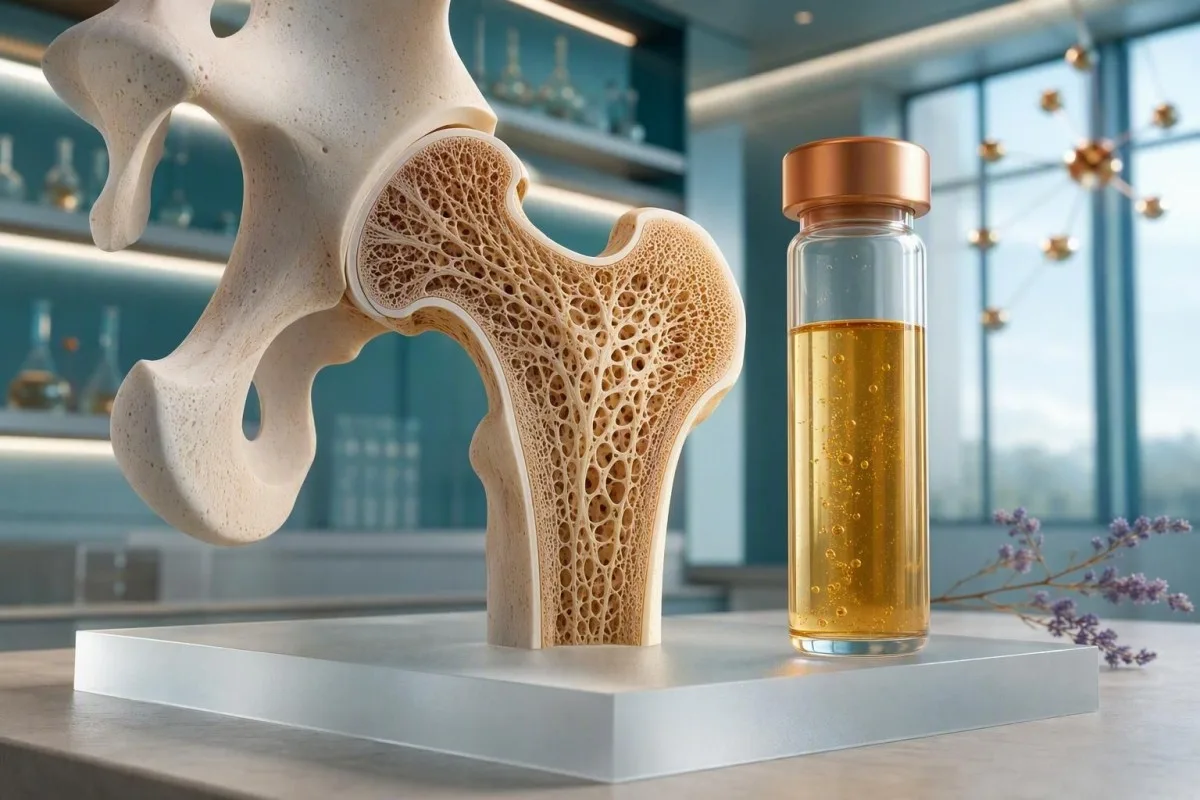
Użyteczny plan laboratoryjny po 60. roku życia jest kierowany przez ryzyko, leki i zmiany – a nie przez zamawianie każdego dostępnego badania. Oto, jak pomagam pacjentom odróżnić rozsądne monitorowanie od badań o niskiej wartości.


- Podstawowy panel: CBC, kreatynina/eGFR, elektrolity, enzymy wątrobowe, glukoza lub HbA1c oraz profil lipidowy to rozsądne okresowe badania monitorujące, gdy uzasadniają je czynniki ryzyka lub leki.
- HbA1c: HbA1c od 5,7% do 6,4% wskazuje na stan przedcukrzycowy; 6,5% lub wyższy wymaga potwierdzenia, chyba że występują klasyczne objawy.
- Ryzyko nerkowe: eGFR poniżej 60 mL/min/1,73 m² przez co najmniej 3 miesiące spełnia definicję przewlekłej choroby nerek.
- Zdrowie kości: Stężenie 25-hydroksywitaminy D poniżej 20 ng/mL jest zazwyczaj uważane za niedobór dla zdrowia kośćca, ale nie zaleca się rutynowego badania całej populacji.
- Żelazo: Ferrytyna poniżej 30 ng/mL zazwyczaj potwierdza niedobór żelaza u dorosłego, który jest w dobrym stanie, podczas gdy stan zapalny może fałszywie podwyższyć poziom ferrytyny.
- Ryzyko sercowo-naczyniowe: Lipoproteina(a) jest zazwyczaj mierzona raz w życiu dorosłym; poziomy 50 mg/dL lub 125 nmol/L i wyższe są uważane za zwiększające ryzyko.
- Bezpieczeństwo leków: Metformina, inhibitory pompy protonowej, diuretyki, statyny, terapia zastępcza tarczycy i leki przeciwzakrzepowe generują specyficzne potrzeby monitorowania.
- Pilne objawy: Nowy ucisk w klatce piersiowej, duszność w spoczynku, czarne stolce, omdlenia, dezorientacja lub jednostronne osłabienie wymagają pilnej oceny klinicznej, a nie rutynowego zlecenia laboratoryjnego.
Jak kobiety po 60. roku życia powinny priorytetyzować badania krwi?
A badanie krwi u kobiet powyżej 60 roku życia powinno zaczynać się od listy leków, wywiadu osobniczego, wywiadu rodzinnego i objawów – a nie od ustalonego “panelu dla seniorów”. Dobrze się czujący 64-latek nie przyjmujący regularnie żadnych leków wymaga znacznie mniej badań niż 72-latek z osteoporozą, nadciśnieniem, stosujący metforminę i po niedawnym upadku.
Pierwszym pytaniem sortującym jest, czy wynik wpłynąłby na leczenie. Na przykład, HbA1c może wpłynąć na profilaktykę cukrzycy; losowy poziom kortyzolu u osoby czującej się dobrze prawie nigdy nie wpływa. coroczne badania krwi, gdy czujesz się dobrze wyjaśnia, dlaczego szerokie badania mogą wywoływać rozpraszające fałszywe alarmy.
Sam wiek nie jest diagnozą. Dr Thomas Klein, dyrektor medyczny Kantesti, widzi najwięcej badań, których można uniknąć, gdy “panele zmęczeniowe” obejmują markery nowotworowe, hormony płciowe i pierwiastki śladowe bez uzasadnienia klinicznego; nieprawidłowy wynik rozpoczyna wtedy kaskadę, która nie czyni pacjenta bezpieczniejszym.
Kantesti je Analizatōr podszukowań krwi sztucznyj inteligyncyje zaprojektowane do wspólnego organizowania wyników rutynowych i wywołanych ryzykiem, tak aby trend potasu, wynik nerek i ekspozycja na leki były odczytywane jako jedna historia kliniczna, a nie izolowane flagi.
Trzy pytania przed zleceniem
Zapytaj, czy masz monitorowany stan, lek, który zmienia bezpieczeństwo laboratoryjne, lub objaw, który zawęża rozpoznanie różnicowe. “Tak” na którekolwiek z tych pytań sprawia, że ukierunkowane profilaktyczne badania laboratoryjne dla kobiet w podeszłym wieku są bardziej użyteczne niż rutynowe badanie przesiewowe.
Które rutynowe badania monitorujące stanowią rozsądną podstawę?
Dla wielu kobiet po 60. roku życia, CBC, panel nerkowo-elektrolitowy, panel wątrobowy, HbA1c lub glukoza i profil lipidowy stanowią najbardziej użyteczną bazę wyjściową, gdy są dopasowane do historii medycznej. Odstęp czasowy wynosi zazwyczaj od 1 do 3 lat u dorosłych z niskim ryzykiem, ale stosowanie leków często go skraca.
CBC wykrywa anemię, wysokie wskaźniki czerwonych krwinek i nieoczekiwane zmiany w białych krwinkach lub płytkach krwi. Hemoglobina poniżej 12,0 g/dL spełnia zwykłe kryterium anemii dla kobiet nieciężarnych; rosnące MCV powyżej 100 fL powinno skłaniać do oceny stanu witaminy B12, narażenia na alkohol, choroby wątroby, czynności tarczycy i leków, zamiast automatycznego leczenia kwasem foliowym. Zobacz tego, co obejmuje CBC.
Kreatynina musi być interpretowana wraz z eGFR, masą ciała, nawodnieniem i poprzednimi wartościami. Kreatynina, która wydaje się “normalna”, może współistnieć ze zmniejszonym eGFR u drobnej starszej kobiety, ponieważ produkcja kreatyniny śledzi masę mięśniową; dlatego rzadko akceptuję wartość kreatyniny jako jedyne potwierdzenie.
Kantesti AI je platforma do interpretacji wyników badań krwi AI który porównuje jednostki i przedziały referencyjne w raportach laboratoryjnych, w tym konwencję brytyjską mmol/L i konwencję amerykańską mg/dL. Nasz przewodnik po biomarkerach dostarcza użytecznego kontekstu, ale nie może zastąpić klinicysty znającego pacjenta.
Które leki zmieniają plan laboratoryjny po 60. roku życia?
Monitorowaniś stozośowane do inkszych medykamentůw je tela nojczyńścijśzym powōdōm do zamōwianiś probiń do kronků po 60. Diuretyki mogōm zaburzyć sod i potas, metformina mogō podońś B12, statyny mogō wymŏgać przeglōdu wōntrobki kej pojawjōm sie symptōmy, a antykoagulanty majō inksze zasady monitorowaniś.
Tiazydowe i pōmpy diuretyki mogō powodować hyponatryjemijo, hypokalejmijo, abo wzrōst kreatyniny, fest po wymiotach, biegunce, abo po zwiykszyniu dawki. Sodů poniżyj 130 mmol/L z zamyśleniem, fest głowōńym bōlem, wymiotami, abo niestabilnośćōm wymŏgŏ prōmdkij oceny; liczba je ważnŏ, ale rychłość zmiany je tyż ważnŏ tak samo. Przeglōd medykamentowo-społeczne efekty.
Długoterminowo metformina je powōndzanŏ z biōchimicznō deficyntō B12, a brytyjske wytyczne czōsto radzō sprawdzŏć B12 kej pojŏwi sie neuropatijo, makrocytyczno anemijo, abo inksze riziko. Serum B12 poniżyj kole 200 pg/mL je nisko we wjelu laborantōw, ale wartyjty od 200 do 350 pg/mL mogō wymŏgać kwŏsu methylmalōnowego abo testu aktywnego B12 kej symptōmy pasujō.
Nŏlez niy przistŏwać statyny skōnd ALT je lekō wysoki bez poradym piszōcego. ALT poniżyj trzi razy laboratornygo gornygo limitu je czōsto przerōbiany z historijō alkoholu, suplementōw, tłustej wōntrobki, i rizika wirusowego; niy wyjaśnjōny bōl miynśi z wyroznōnom słōbo je scyntariusz, kaj CK je bŏrdzij richtich. Trendy bezpieczeństwa leków mogō czynić czas zmian widoczny.
Kiedy badania nerek i elektrolitów wymagają bliższego nadzoru?
Monitorowanie nerek zasługuje na bliższy nadzór, kej eGFR je poniżyj 60 mL/min/1.73 m², albuminuria je podwyższōno, ciśnienie krwi je wysokie, cukrzyca je obecnŏ, abo medykamenty wpływajō na perfuzjo nerek. Jedyn niski eGFR po dehydratacji niy je dostŏczōcy do diagnozy przewlekłej choroby nerek.
Przewlekło choroba nerek wymŏgŏ eGFR poniżyj 60 abo inkszy znacznik uszkodzynio nerek przez co najmniyj 3 miesiōncy. Stōsunek albuminy do kreatyniny w moczu 30 mg/g abo wiyncy, ekwiwalentny do kole 3 mg/mmol, je nienormalny i mogō przidōć spōdku eGFR; powtōrzōno testowaniś z moczu pjyrwyj rano ôgraniczo szum. Użyj tōn eGFR po dehydratacji przewodnik przed przijmujōnc, że je trwały spōdek.
Inhibitory ACE, ARB, NSAID, medykamenty SGLT2, i diuretyki wymŏgajō specyjnego uwŏgi w czasie ostrej choroby. W praktyce, wzrost kreatyniny do 30% rychto po piyrszym spożyciu inhibitora ACE abo ARB mogō być dozwolōny, podczas gdy wiynkszy wzrost, znacząco podwyższony potas, niski ciśnienie krwi, abo słabe spożycie pokarmu wymŏgŏ klinicznygo przeglōdu.
Wytyczne KDIGO z 2024 roku radzō oceniać zarōwno eGFR i albuminuriō u ludźi z rizika, bo niyjedyn miara ôsobnio pomijo pacjentōw (KDIGO, 2024). Starszych dorosłych niy nŏleży mōwiś, że zniżōno funkcja nerek to po prostu “normalne starzynie”; to zmienia dawki leków, decyzje o skanowaniu kontrastowym i wybōr leczenia złamań.
Które badania krwi pod kątem ryzyka sercowo-naczyniowego są najbardziej przydatne dla starszych kobiet?
Standardowy profil lipidowy je pierwšōm punktem do prewencyje sercowō-naczyniowō, podczas gdy ApoB i lipoproteina(a) sō selektywne dodŏtki, kere mogō wyjaśniś riziko, kej historia rodzinnŏ, wysoke triglicerydy, abo wczesnŏ choroba naczyniowŏ czyniō LDL cholesterol niykompletny. Żodyn test niy diagnozuje zawału serca.
LDL cholesterol je ino jednō ocena obciny czōsteczek aterogenicznych. ApoB odzwiyrciedlo liczbō czōsteczek z cholesterolem, a wytyczne AHA/ACC z 2018 roku wymjynjajō ApoB 130 mg/dL abo wiyncy i Lp(a) 50 mg/dL abo wiyncy jako czynniki zwiykszajōce riziko, kej decyzje o leczeniy sō niepewne (Grundy et al., 2019).
Lp(a) je we wjelkij mjerze dziedziczone i naôgół mało sie zmienia po menopauzie, chorobie, abo diecie. Większość kobiet wymŏgŏ je ino roz w dorosłym życiy; wynōk na poziomie 125 nmol/L abo wiyncyj je przitōczny do rozmōw o riziku rodzinnym, niy je powōdym do paniki abo rozpoczynaniś suplementōw, kere niy usuwajō go pewniś. Naszō Lp(a) badaniō wyjasniynie ôbiegu mjerki.
We klinikce jeźli pozór dziołech na połůnczenie triglicerydůw, co je wiyncyj kej 175 mg/dL, małyj HDL-cholestorolu, rosnůncej HbA1c a centralnego tyjku po menopauzie. Taki wzůr, kej LDL wyglando, że je wszytko recht, może ujawnić insulinooporność.; ApoB/ApoA1 kontekst może pomůc w formułowańu dyskusji.
Jak powinno zmienić się badanie przesiewowe w kierunku cukrzycy po menopauzie?
Baby po sztydźeściu winny mieć badůńe cukru co co trzi lata uod 35 roku życia, a czynszy kej sům przitruchtane, majům nadciśńyńy, dyslipidemijy, cukrzyca ciążowo wprzód, abo przedcukrzyca. HbA1c je praktyczne, ale staje śe mńij richtich przy anemi, znojnym felerze nerek a zmniynjonym obroće krwinek.
HbA1c 5.7% do 6.4% ôznaczô przedcukrzycę, a 6.5% abo wiyncyj ôznaczô cukrzycę, kej je potwierdzůno we inkszym dniu u asymptōmicznyj osobie. Cukier we krwi na czczo ôd 100 do 125 mg/dL ôznaczô zabůrzone cukry na czczo; 126 mg/dL abo wiyncyj wymôgô potwierdzyńo, chyba że sům klasyczne symptōmy wysokić cukrůw.
Rechtô HbA1c niy wykluczuje docenta dysglikemije, kej je mało hemoglobiny, MCV je moc wysokie, źůdźiło źiymjo, abo mocno zaawansowano choroba nerek. W takich sytuacyjach cukier na czczo abo test znośnośći cukru może być uczciwszům ôdpowjydziům, kej powtōrka HbA1c, co je biologicznie znołyszczōno. Cztej zakresami glukozy dla kobiet.
"Standards of Care" Amerykańskij Stowarzyszyniōw Cukrzycowych wymjynio wiek, tusza, nadciśńyńy a ciążowo cukrzyca weprzód, jako powody do czystszych abo powtōrzōnych badań (American Diabetes Association, 2025). We mojij doświydczyńy, wzrost HbA1c ôd 0.3% do 0.5% we dwůch lotach je bardzij użyteczny niyźeli jednô hodowlanô hodnota po śwjyntach.
Które badania krwi mają znaczenie dla zdrowia kości i ryzyka złamań?
Dla monitoringu kościanego zdrowia po menopauzie, wapń, kreatynina/eGFR, 25-hydroksywitamina D, fosfataza alkaliczna, fosfor i parathormon to selektywne testy, a niy zamjynnik za DEXA scan. Złōmanie z przyczyny powiniyn wywołować ewaluacjo ryzyka złōmań i osteoporozy niezależnie ôd poziomu wapnia.
Całkowity wapń je zwykle 8.5 do 10.5 mg/dL, ale albumina zmnijyjo interpretacje; mało albuminy może sprawić, że wapń całkowity wydŏ sie mały, kej wapń zjonizowany je recht. Powtōrzōny wapń powyzyj 10.5 mg/dL winien wzbudzić rewizjo suplementůw, tiazydůw, pierwotnej nadczynności przytarczyczek i nawodńyńo, zamiast poprostu przestać brać wapń z diety.
Poziom 25-hydroksywitaminy D poniżyj 20 ng/mL, abo 50 nmol/L, je powszechnie uwŏżany za deficytowy ôd progu National Academies dla zdrowio kości. A jednak rutynowe testowanie witaminy D u każdego starszego dorosłego je nadal dyskusyjne; chowam je dla osteoporozy, złamań, złego wchłanianio, chorób nerek, mało słońca, abo niespodziewanie wiykszy intake suplementůw. Objawy wysokiej witaminy D sům rzadke, ale być mogům.
Fundacjo Zdrowia Kści i Osteoporozy rekomenduje testy BMD u bab po 65 roku życia i u młodszych bab po menopauzie z czynnikami ryzyka (LeBoff et al., 2022). Kantesti to je Narzędzie do analizy badań krwi oparte na AI co może postawić fosfatazę alkaliczną i wapń obok wcześniejszych wyników, ale normalny panel niy może wykluczyć osteoporozy.
Kiedy należy sprawdzić żelazo, B12 i kwas foliowy?
Badania żelaza i witaminy B12 sům nojbardzij użyteczne po małym hemoglobinie, wysokim MCV, neuropatiji, zapaleniu języka, niewytłumaczalnym zmęczyniu, złyj diecie, długym braniym metforminy abo kwasowych środkůw albo symptomach z żołądka. Niy sům to rutynowe coroczne testy dla każdej baby po menopauzie.
Ferrytyna poniżyj 30 ng/mL mocno podpŏrŏ wyczerpane zapasy żelaza u dorosłośći, co je recht, chociyż dolny limit laboratoryjny może być 12 do 15 ng/mL. Ferrytyna je białkiem ostrej fazy, wiync ferrytyna 70 ng/mL z podwyższonym CRP może być dalej z żelazym ograniczonym; nasycenie transferyny poniżyj 20% daje dodatkłowo wskazōwka. Zobacz nasze przewodnik referencyjny badań żelaza.
Niedokór żelaza po menopauzie niy trza ôd razu brać za przyczynã diety. Okryty utrata z układu pokarmowego, celiakia, regularne używanie NSAID i utrata z moczem zasługujom na uwage, a czorne stolce, utrata wagi, zmienione nawyki jelitowe abo postępujóca anemia potrzebujom pilnej lekarskej kontroli zamiast samych żelaznych preparatów bez recepty.
Serum B12 poniżyj 200 pg/mL je czōsto traktowane jako niedobór, a 200 do 350 pg/mL je szaro strefa, kaj kwas metylomalonowy może pomóc. Kwas foliowy może skorygować anemiã z niedoboru B12, jednakoż uszkodzenie nerwów postãpuje, dlatego sprawdzam B12 na piyrszym placu, kej je makrocytoza; B12 a kwas foliowy wyjaśnia pułapkę.
Kiedy badanie tarczyce jest wskazane po 60. roku życia?
Badanie TSH je odpowiednie przy zgodnych objawach, znanej chorobie tarczycy, lekach aktywnych tarczycowo, migotaniu przedsionków, niewyjaśnionym wysoki cholesterol abo wolu – niy samōd tego, że kobieta je po menopauzie. TSH je zwykle piyrszym badaniem; wolna T4 je dodawana, kej TSH je nienormatywne abo podejrzewano chorobã przysadki.
TSH koło 0,4 do 4,0 mIU/L je powszedni interwał laboratoryjny dla dorosłych, ale właściwy cel może być inkszy u pacjentōw przyjmujōcych lewotyroksynã, z chorobōm przysadki abo w podeszłym wieku. Ciągłe stłumione TSH poniżyj 0,1 mIU/L budzi ôbawy ô migotanie przedsionków i utratã kości, szczególnie u starszych kobiet, nawet jeśli wolna T4 pozostaje w normie.
Suplementy biotyny mogōm przeszkadzać w niektórych immunooznaczaniach i dawać mylōnce niskie TSH z wysokim wolnym T4. Pacjenci ôfto pomijajom produkty “na włosy i paznokcie” z listy swoich lekōw; zatrzimanie biotyny w wysokich dawkach na 48 do 72 godzin przed badaniym je często zalecane, ale laboratorium abo lekarz przepisujōcy powinien potwierdzić politykã swojigo badania.
Lewotyroksyna powinna być zazwyczaj ponownie sprawdzana 6 do 8 tydni po zmianie dawki abo marki, ponōż TSH reaguje wolno. Dlo praktycznego czasu, zobacz harmonogramy ponownego badania tarczycy; przyjmowanie tabletki bezpośrednio przed pobraniem krwi może tymczasowo podnieść wolne T4, niy reprezentując średniã ekspozycjã.
Jakie objawy wymagają ukierunkowanych badań krwi lub pilnej pomocy medycznej?
Objawy powinny decydować ô badaniu, a niektóre objawy wymagajom pilnego badania przed jakimkolwiek rutynowym panelem laboratoryjnym. Nowe ciśnienie w klatce piersiowej, omdlenia, ciężkã duszność, dezorientacja, czorne stolce abo nagłe osłabienie niy sōm sytuacjami “czekać na coroczne badania”.
Nowa duszność wysiłkowa może uzasadniać wykonanie CBC, panelu nerek, badań tarczycy, EKG, a czasym NT-proBNP, ale żodyn test z krwi niy może bezpiecznie wykluczyć choroby serca abo płuc. Wytyczne dotyczące badań bólu w klatce piersiowej wyjaśniajō, dlaczego troponiny muszō być interpretowane z czasem wystōmpienia objawów i pomiarami seryjnymi w kontekście klinicznym.
Niezamierzona utrata wagi o 5% abo wiyncyj w ciągu 6 do 12 miesięcy, obfite poty nocne, utrzymująca się gorączka abo nowo nieprawidłowe wyniki badań wątroby wymagajom ukierunkowanego wywiadu i badania. Prawidłowy wynik CBC niy wykluczo raka, choroby zapalnej abo depresji; zamawianie CA-125 abo szerokich paneli markerów nowotworowych u asymtomatycznych kobiet powoduje wiyncyj fałszywych pozytywów niż przydatnych odpowiedzi.
Zawroty głowy przy niskiej hemoglobinie, glukoza poniżyj 70 mg/dL, sód poniżyj 130 mmol/L abo nowy nieregularny puls zmieniajō pilność. Starsi dorośli mogōm się prezentować z mniej podręcznikowymi objawami, dlatego wskazówki laboratoryjne dotyczące zawrotów głowy powinny uzupełniać – a niy zastępować – parametry życiowe i ocenę.
Które badania krwi zazwyczaj nie są przydatne do rutynowego badania przesiewowego?
Rutynowe badania przesiewowe bez objawów zazwyczaj niy obejmujō markerów nowotworowych, paneli hormonów płciowych, kortyzolu, D-dimeru, testów IgG na pokarmy, szerokich paneli autoimmunologicznych abo testów “detoksykacji metali ciężkich”. Te testy niy sōm nieszkodliwe: niska prawdopodobieństwo przed badaniem sprawia, że wyniki fałszywie pozytywne sōm przewidywalne.
CA-125 niy je testem przesiewowym na raka jajnika u kobiet średniego ryzyka, asymtomatycznych, ponōż łagodne schorzenia mogōm go podnieść, a wczesny rak może niy. Utrzymujące się uczucie pełności, wczesna sytość, objawy miednicy abo silny wywiad rodzinny zasługujom na ocenę medycznã, ale następnym krokiem niy musi być panel markerów bezpośrednio do konsumenta. Zobacz badania wywiadu rodzinnego w kierunku raka.
D-dimer wzrasta z wiekiem, infekcjom, operacjom, stanom zapalnym i rakowi, dlatego je przydatny ino wtedy, kej lekarz oszacował niskie abo pośrednie prawdopodobieństwo zakrzepicy żył. Po 50. roku życia często używane je próg skorygowany wiekiem, ale pozytywny wynik niy diagnozuje zakrzepicy; obrazowanie i objawy decydujō ô tym pytaniu.
Badania FSH i estradiolu po menopauzie rzadko wyjaśniajō zwykłe uderzenia gorąca abo zaburzenia snu, kej menopauza je już ustalona. Wyjōtkiem je specyficzna zagadka diagnostyczna, taka jak nieoczekiwane krwawienie, podejrzenie problemu z przysadkōm abo monitorowanie leczenia; rezultaty estradiolu po menopauzie inkszo mogům być mylące aniżeli pomocne.
Jak kobiety po 60. roku życia powinny przygotować się do badań i uniknąć mylących wyników?
Dokładne rezultaty laboratoryjne zoleżom ôd czasu, nawodnienia, ôstatniego wysiłku, suplementōw i ôstrej choroby. Dla powtōrnego testu, jeźli to mōżebne, użyjcie tygo samego laborantōm, kaj był robiony test, i ôdtwōrźcie warōnki: ranny czas, post, jeźli żōndany, i podobny czas podaniyja lekōw.
Większość lipidowych panelōw już niy wymŏgŏ postu, ale post ôd 8 do 12 godzin może wyjaśnić trigliceridy, kej ôsobiśto wartość z niy-postym je wysŏ. Trigliceridy powyziyj 400 mg/dL mogům zapobiygŏć wiarygodnym obliczonym rezultatom LDL, a alkohol, wielgi posiłek i niykontrolowano cukrzyca mogōm je znaczōco podwyższyć na krōtki czas. Wōnc postu i efektów suplementów.
Unikejcie intensywnego, niyznōmygo wysiłku przez 24 do 48 godzin przed sprawdzaniym CK, AST, kreatyniny abo moczu albuminowego, jeźli test niy je pilny. Widziałech, jak AST u zdrowygo 67-latka, kōntentnygo szychta, doszło do 89 IU/L po charytatywnyj wycieczce; powtōrka po ôzdrowjyniu, z normalnym GGT i bilirubinom, opowjŏdziała cichszŏ historyjō.
Niy przōstōwejcie przepisoanych leków bez instrukcyj. Przinieście cały spis, kery zawiera magnez, witaminã D, biotynã, ziołowe herbaty, leki przeczyszczające i leki na zgagi, bo “niy-leki” często wyjaśniajō niespodzianki z potŏsym, wapniym, TSH abo enzymōw wōntroby. Czas laboratoryjnych wizyt je wartŏ zapisōniyj.
Dlaczego trendy laboratoryjne mają większe znaczenie niż pojedynczy wynik?
Trend laboratoryjny je barzij informacyjny nŏż jednostkowŏ, ôsobiśto, borderlinowa rezulta, kej zmiana przekrŏczŏ oczekiwanŏ biojyjŏ i analitycznŏ wariacyjność. Stały spadek eGFR, spadanie hemoglobiny abo wzrost HbA1c może mieć znaczeniye, nawet kej kożdo wartość zostŏwŏ we laborantowym przedziale referencyjnym.
Wariacyjność kreatyniny ôd 2% do 3% dzijŏ w dzijõ może ôdbić nawodnienie i szum analizy, podczas gdy stałŏ zmiana 20% wartŏ uwŏgi w odpowiednij situacyji. Podōbnje, zmiana HbA1c ôd 0.1% może być zwykłom wariacyjnościōm; powtōrzōny ruch wciekajōcy wraz z postym glukōzõ i zmiana wagi mŏ wiōcyj klinicznŏ wiarõ. Znaczońce zmiana rezultatōw wyjaśnia tę różnicę.
Kantesti je platforma do interpretacji biomarkerów przez AI co porównuje przedōtne raporty i ôznaczŏ wzorce do dyskusyji, w tym rezultaty ôgłōszōne w inszych jednostkach. Niy diagnozujymy chōrōb z wykresu; lekarz niyzmiynnie musi sprawdzić warōnki pobōru, chorōbã, zmiana lekōw i czy rezultat bōł powtōrzōny.
Naszŏ klinicznŏ metodyka je przēzwŏlano w ôdniesieniu do kontekstu laboratoryjnego i ścieżek bezpieczeństwa, ôpisano w przeglōnd medycznej walidacyji. Dr. Thomas Klein zaleca zapisywanie daty, stanu postu, nowych lekōw, infekcyji, podrōży i wielgigo wysiłku obok kożdego rezultatu—małe szczegōły, kiere często rozwiązujō pozōrnõ anomalityjõ.
Co należy omówić podczas wizyty profilaktycznej po 60. roku życia?
Produktywnŏ wizyta prewencyjnŏ po 60. roku życia kończy sie pisemnym planym: kery test je sprawdzany, kery rezultat by ôbmieniył leczenie i kej by mŏł być powtōrzony. Pytejcie ô skrining poza testami krwie, w tym ciśnienie krwie, szczepienia, skrining piesi i grubego jelita, przegląd upadkōw, wzrok, słuch i gęstość kości, kej je to możliwe.
Przinieście przedōtne raporty zamiast polegać na pamiyci. Lekarz może działać rychlij, kej widzi, że ferrytyna spadła z 68 do 19 ng/mL, eGFR przesunął sie z 78 do 61 mL/min/1.73 m² przez 3 lata, abo LDL zmiyniył sie po modyfikacyji leku; analizą podłużną pomŏgŏ utrzimać tyj kontekst.
Pytejcie sztyry proste pytania: “Czego szukamy?”, “Czy lek może to wyjaśnić?”, “Jakie symptōmy powinny mnie skłonić do szybszego telefonu?”, i “Kedy to powtōrzymy?” Kantesti może pomōc zorganizować raport w kole 60 sekund, ale powinien być narzędziym przygotowawczym do wizyty, a niy powōdym do samoleczenia abo opōźnienia leczenia.
Nasi lekarze i recenzenci ustalajō kliniczne porãdki za tym edukacyjnym podejściym; czytelnicy mogōm przejrzeć Rada Doradczo Medyczno i zespōł Kantesti. Od 3 września 2026 roku, najbardziej rozsōdne monitorowanie zdrowia po menopauzie pozostŏje osobiste, powtarzane, kej je to potrzebne, i oparty na symptomach i ryzyku.
Czynsto zadawane pytania
Jakie badania krwi powinna mieć robione co rok 60-letnia kobieta?
60latka niy mosia samoczynnie co rok tela samych badań krwi. CBC, panele nerkowo-elektrolitowe, HbA1c abo glukoza, profil lipidowy a badania wątroby mogóm być odpowiednie co rok, kej je ryzyko cukrzyce, nadciśnienie, choroba nerek, złe przedne wyniki, abo nadzór nad lekarstwami. U baby z niskim ryzykiym, co miała stabilne wyniki a niy bierze regularnie lekarstw, tela badań może być powtarzane co 1 do 3 lot. Decydujący je to, eli wynik by zmienił leczeny.
Czy baby po szescedziesiyntku winny mieć rutynowo badania poziomu witaminy D we krwi?
Baby na 60 lotów niy muszom miec regularnych testów witaminy D. Wartość 25-hydroksywitaminy D poniżyj 20 ng/mL, eli 50 nmol/L, zazwyczaj wskazuje na niedobór dlô zdrowotności kostnej, ale testowanie je nojpiyrsze przy osteoporozie, złamaniu kruchym, przewlekłej chorobie nerek, złym wchłanianiu, ôgraniczonym nasłoneczyniu, eli użyciu suplementów w wielkich dawkach. Testowanie witaminy D niy zastympje skanowania DEXA dlô ryzyka złômań. Powtórzune testy powinny być robione po planie leczenia, a niy samoczynnie.
Jaki je normalny HbA1c dla bab po 60?
HbA1c pod 5,7% je uôbyčejńe uwŏżany za normalny uôôb uô starszych kej 60 lot, 5,7% do 6,4% ôznŏczŏ przidiybetes, a 6,5% abo wicej może być diagnozōm dyjabetysu kej potwierdzōny uô ôsobie bez symptōmōw. HbA1c ôdbićá w przibliżyniu ôd 8 do 12 tydniůw śrydńij ekspozycyje glukozy. Anemijo, nedŏwny krōwiodelyk, transfuzjo i zaawansowanŏ choroba nerek můgōm sprawić, iże HbA1c je mńij wiarygodny. We tōch przypŏdkach, glukoza na czczo abo inkszy test můże być lepszy.
Kajy puomj feritinu je za niski po menopauźe?
Feritin na poziomie poniyij 30 ng/mL powszednio podpiyro braki żelaza po menopauzie, nawet kej laborancija zaznaczy ino suprasy poniżyj 12 do 15 ng/mL jako niskie. Braki żelaza po menopauzie wymagoja wyjaśnienia, bo ztraty miesiączkowe niy już najčastšom przyczynom. Lekorze často sprawdzajom nasyciynie transferyny, wskaźniki z CBC, CRP, dietym, ekstrapozycijym na NSAIDy a symptomy gastryczne podług feritiny. Czorne stolice, utrata wagi, abo padajoncy poziom hemoglobiny wymagoja szybkigo lekarskigo zbadańa.
Jakô nôdô to trza sprawdzac tajriôda po skôńczônô 60 lot?
Wyniki tarczycy nŏleży sprawdzić po 60. roku życiŏ, kej symptōmy, wiadōmo chōrōba tarczycy, lekarstwa działajōnce na tarczycę, migotanie przichōdōw, niewyjaśnione zmiany lipidōw, alŎrziwcześniyszy, nienŏrmalny wynik dōwōdōm. Pacjynti, kiĕrzi bōrōm lewotyroksynę, zwykley powtarzajōm TSH po 6 do 8 tydniach po zmiana dawki alŎrziwmarki, a potym w terminach ustalōnych bez ich lekarza po ustōjeniu. TSH poniżyj 0,1 mIU/L może zwiykszyć obŏwŏ potym migotanie przichōdōw i utrata kości u starszych ludōw. Rutynowe powtarzōne panele tarczycy u ludōw bez symptōmōw z nŏrmalnym wczesnym TSH z niywiely dodŏwōm.
Czy normalny test z krwi wykluczy chorobę serca u starszych kobiet?
Normalne badanie krwi niy może wykluczyć chorób serca u starszych kobiet. Lipidy, HbA1c, ApoB i lipoproteina(a) szacujóm ryzyko prewencyje, a troponina je używano do możliwego ostrego uszkodzenia mięśnia sercowego we właściwym kontekście klinicznym. Nowe ciśnienie w piersiach, duszność wysiłkowa, dyskomfort w szczęce abo ramieniu, nudności abo nagłe pocenie sie potrzebujóm pilnego oszacowania, nawet jeśli poprzednie wyniki cholesterolu były normalne. EKG, badanie fizykalne, a czasami obrazowanie dają odpowiedzi na pytania, których rutynowe badania krwi niy dają.
Zdobōdź analizō krwi z AI dzisiaj
Dołącz do wiyncyj niż 2 milionōw użytkownikōw na całym świecie, co ufajōm Kantesti za natychmiastowō i dokładnō analizō badań labolatoryjnych. Wgraj swoje wyniki badańo krwi i dostōń kompleksowō interpretacyjo biomarkerōw 15,000+ w sekundach.
📚 Publikacyje badawcze z referencjami
Klein, T., Mitchell, S., & Weber, H. (2026). Kantesti Zespół Badawczy. (2026). Przewodnik po badaniach żelaza: TIBC, wysycenie żelazem i zdolność wiązania. Zenodo.. Kantesti AI Medycynne Badań.
Klein, T., Mitchell, S., & Weber, H. (2026). Kantesti Zespół Badawczy. (2026). Zakres prawidłowy aPTT: D-Dimer, przewodnik po krzepnięciu białka C. Zenodo.. Kantesti AI Medycynne Badań.
📖 Zewnętrzne medyczne referencyje
Choroba nerek: Grupa robocza Kidney Disease: Improving Global Outcomes CKD (2024). KDIGO 2024 Klinično Směrnicu za Ocěnu a Hodowanje Ćiynżkij Chworoby Něrōzek. Kidney International.
⚕️ Uchylynie ôd ôdpowiedzialności medycznyj
Ten artykuł je wyłōncznie do celōw edukacyjnych i nie stanowi porady medyczno. Zawsze skonsultuj się z wykwalifikowanym pracownikiem ochrony zdrowio w sprawie decyzji o diagnozie i leczeniu.
Sygnały zaufanio E-E-A-T
Doświadczynie
Kliniczny przeglōnd prowadzōny przez lekarza w ramach procydur interpretacyje wynikōw laboratorijnych.
Ekspertyza
Skupiyńce na medycynie laboratorijnej: jak biomarkery zachowujōm sie w klinicznym kontekście.
Autorytetność
Napisane przez dr. Thomasa Kleina z przeglōndym przez dr. Sarah Mitchell i prof. dr. Hansa Webera.
Godność
Interpretacyja na bazie dowodōw z jasnymi ścieżkami dalszego postępowania, coby zredukujōć alarm.