60 න් පසු ප්රයෝජනවත් රසානාගාර සැලැස්මක් අවදානම, ඖෂධ සහ වෙනස්කම් මත පදනම් වේ - පවතින සෑම පරීක්ෂණයක්ම ඇණවුම් කිරීම මත නොවේ. මෙන්න මම රෝගීන්ට අර්ථවත් අධීක්ෂණය අඩු-වටිනා පරීක්ෂාවෙන් වෙන් කිරීමට උපකාර කරන්නේ කෙසේද.


- Core panel: අවදානම් සාධක හෝ ඖෂධ මගින් යුක්ති සහගත වන විට CBC, ක්රියේටිනින්/eGFR, ඉලෙක්ට්රෝලයිට්, අක්මා එන්සයිම, ග්ලූකෝස් හෝ HbA1c, සහ ලිපිඩ් පැතිකඩ සාධාරණ වරින් වර අධීක්ෂණ පරීක්ෂණ වේ.
- HbA1c: 5.7% සිට 6.4% දක්වා HbA1c ආතරයිටිස් පෙන්නුම් කරයි; සම්භාව්ය රෝග ලක්ෂණ පවතී නම් මිස 6.5% හෝ ඊට වැඩි ප්රමාණයක් තහවුරු කිරීම අවශ්ය වේ.
- Kidney risk: අවම වශයෙන් මාස 3 ක් සඳහා 60 mL/min/1.73 m² ට අඩු eGFR නිදන්ගත වකුගඩු රෝගයේ නිර්වචනය සපුරාලයි.
- Bone health: 20 ng/mL ට අඩු 25-හයිඩ්රොක්සිවිටමින් D සාන්ද්රණය සාමාන්යයෙන් අස්ථි සෞඛ්යය සඳහා ඌනතාවයක් ලෙස සැලකේ, නමුත් සාමාන්ය ජනගහනය පුරා පරීක්ෂා කිරීම නිර්දේශ නොකරයි.
- යකඩ: 30 ng/mL ට අඩු ෆෙරටින් සාමාන්යයෙන් වෙනත් ආකාරයකින් යහපත් වැඩිහිටියෙකු තුළ යකඩ ඌනතාවයට සහාය දක්වයි, අතර දැවිල්ල ෆෙරටින් ව්යාජ ලෙස ඉහළ නැංවිය හැකිය.
- Heart risk: වැඩිහිටි වියේදී සාමාන්යයෙන් වරක් මනිනු ලබන Lipoprotein(a); 50 mg/dL හෝ 125 nmol/L සහ ඊට වැඩි මට්ටම් අවදානම්-වැඩි කරන ලෙස සැලකේ.
- ඖෂධ ආරක්ෂාව: Metformin, proton-pump inhibitors, diuretics, statins, thyroid replacement, සහ anticoagulants සෑම එකක්ම විශේෂ අධීක්ෂණ අවශ්යතා ඇති කරයි.
- හදිසි රෝග ලක්ෂණ: නව පපුවේ වේදනාව, විවේකයේදී හුස්ම හිරවීම, කළු අසූචි, සිහිය නැතිවීම, ව්යාකූලත්වය, හෝ එක් පැත්තක දුර්වලතාවයක් සඳහා සාමාන්ය රසායනාගාර ඇණවුමක් නොව, හදිසි සායනික තක්සේරුවක් අවශ්ය වේ.
60 ට වැඩි කාන්තාවන් රුධිර පරීක්ෂණ වලට ප්රමුඛතාවය දිය යුත්තේ කෙසේද?
A 60 ට වැඩි කාන්තාවන් සඳහා රුධිර පරීක්ෂාව ඖෂධ ලැයිස්තුවක්, පුද්ගලික ඉතිහාසයක්, පවුල් ඉතිහාසයක් සහ රෝග ලක්ෂණ සමඟ ආරම්භ කළ යුතුය - ස්ථාවර “ජ්යෙෂ්ඨ පැනලයක්” නොවේ. කිසිදු සාමාන්ය ඖෂධයක් නොගන්නා නිරෝගී 64 හැවිරිදි කාන්තාවකට ඔස්ටියෝපොරෝසිස්, අධි රුධිර පීඩනය, metformin භාවිතය සහ මෑතකාලීන වැටීමක් ඇති 72 හැවිරිදි කාන්තාවකට වඩා අඩු පරීක්ෂණ අවශ්ය වේ.
පළමු වර්ග කිරීමේ ප්රශ්නය නම් ප්රතිඵලය රැකවරණය වෙනස් කරයිද යන්නයි. උදාහරණයක් ලෙස, HbA1c දියවැඩියාව වැළැක්වීම වෙනස් කළ හැකිය; නිරෝගී පුද්ගලයෙකුගේ අහඹු කෝටිසෝල් මට්ටමක් පාහේ කිසි විටෙකත් එසේ නොවේ. ඔබ හොඳින් සිටින විට වාර්ෂික රුධිර පරීක්ෂණ පුළුල් පරීක්ෂණ මගින් අවධානය වෙනතකට යොමු කරන වැරදි අනතුරු ඇඟවීම් නිර්මාණය කරන්නේ මන්දැයි පැහැදිලි කරයි.
“නිදිමත පැනල” වලට පිළිකා සලකුණු, ලිංගික හෝමෝන සහ හෝඩුවා ඛනිජ ලවණ සායනික හේතුවක් නොමැතිව ඇතුළත් කරන විට, එයින් ලැබෙන වැරදි ප්රතිඵලයක් රෝගියාට ආරක්ෂිත නොවන මාලාවක් ආරම්භ කරයි.
කන්ටෙස්ටි යනු AI රුධිර පරීක්ෂණ විශ්ලේෂකය සාමාන්ය සහ අවදානම්-තැන්පත් ප්රතිඵල එක්ව සංවිධානය කිරීම සඳහා නිර්මාණය කර ඇත, එබැවින් පොටෑසියම් ප්රවණතාවක්, වකුගඩු ප්රතිඵලයක් සහ ඖෂධ නිරාවරණය තනි ධජ ලෙස නොව එක් සායනික කතාවක් ලෙස කියවනු ලැබේ.
ඇණවුම් කිරීමට පෙර ප්රශ්න තුනක්
ඔබට අධීක්ෂණය කරන තත්වයක් තිබේද, රසායනාගාර ආරක්ෂාව වෙනස් කරන ඖෂධයක් තිබේද, හෝ වෙනස්කම් සහිත රෝග විනිශ්චය පටු කරන රෝග ලක්ෂණයක් තිබේදැයි විමසන්න. මේ කිසිවකට “ඔව්” යන පිළිතුරක්, ආවරණ තිරයකට වඩා ඉලක්කගත ජ්යෙෂ්ඨ කාන්තා වැළැක්වීමේ රසායනාගාර වැඩි ප්රයෝජනවත් කරයි.
2012] 2012] 2012] 2012] 2012] 2012] 2012] 2012] 2012] 2012] 2012] 2012] 2012] 2012] 2012] 2012] 2012] 2012] 2012] 2012] 2012] 2012] 2012] 2012] 2012] 2012] 2012] 2012] 2012] 2012] 2012] 2012] 2012] 2012] 2012] 2012] 2012] 2012] 2012] 2012] 2012] 2012] 2012] 2012] 2012] 2012] 2012] 2012] 2012] 2012] 2012] 2012] 2012] 2012] 2012] 2012] 2012] 2012] 2012] 2012] 2012] 2012] 2012] 2012] 2012] 2012] 2012] 2012] 2012] 2012] 2012] 2012] 2012] 2012] 2012] 2012] 2012] 2012] 2012] 2012] 2012] 2012] 2012] 2012] 2012] 2012] 2012] 2012] 2012] 2012] 2012] 2012] 2012] 2012] 2012] 2012] 2012] 2012] 2012] 2012] 2012] 2012] 2012] 2012] 2012] 2012] 2012] 2012] 2012] 2012] 2012] 2012] 2012] 2012] 2012] 2012] 2012] 2012] 2012] 2012] 2012] 2012] 2012] 2012] 2012] 2012] 2012] 2012] 2012] 2012] 2012] 2012] 2012] 2012] 2012] 2012] 2012] 2012] 2012] 2012] 2012] 2012] 2012] 2012] 2012] 2012] 2012] 2012] 2012] 2012] 2012] 2012] 2012] 2012] 2012] 2012] 2012] 2012] 2012] 2012] 2012] 2012] 2012] 2012] 2012] 2012] 2012] 2012] 2012] 2012] 2012] 2012] 2012] 2012] 2012] 2012] 2012] 2012] 2012] 2012] 2012] 2012] 2012] 2012] 2012] 2012] 2012] 2012] 2012] 2012] 2012] 2012] 2012] 2012] 2012] 2012] 2012] 2012] 2012] 2012] 2012] 2012] 2012] 2012] 2012] 2012] 2012] 2012] 2012] 2012] 2012] 2012] 2012] 2012] 2012] 2012] 2012] 2012] 2012] 2012] 2012] 2012] 2012] 2012] 2012] 2012] 2012] 2012] 2012] 2012] 2012] 2012] 2012] 2012] 2012] 2012] 2012] 2012] 2012] 2012] 2012] 2012] 2012] 2012] 2012] 2012] 2012] 2012] 2012] 2012] 2012] 2012] 2012] 2012] 2012] 2012] 2012] 2012] 2012] 2012] 2012] 2012] 2012] 2012] 2012] 2012] 2012] 2012] 2012] 2012] 2012] 2012] 2012] 2012] 2012] 2012] 2012] 2012] 2012] 2012] 2012] 2012] 2012] 2012] 2012] 2012] 2012] 2012] 2012] 2012] 2012] 2012] 2012] 2012] 2012] 2012] 2012] 2012] 2012] 2012] 2012] 2012] 2012] 2012] 2012] 2012] 2012] 2012] 2012] 2012] 2012] 2012] 2012] 2012] 2012] 2012] 2012] 2012] 2012] 2012] 2012] 2012] 2012] 2012] 2012] 2012] 2012] 2012] 2012] 2012] 2012] 2012] 2012] 2012] 2012] 2012] 2012] 2012] 2012] 2012] 2012] 2012] 2012] 2012] 2012] 2012] 2012] 2012] 2012] 2012] 2012] 2012] 2012] 2012] 2012] 2012] 2012] 2012] 2012] 2012] 2012] 2012] 2012] 2012] 2012] 2012] 2012] 2012] 2012] 2012] 2012] 2012] 2012] 2012] 2012] 2012] 2012] 2012] 2012] 2012] 2012] 2012] 2012] 2012] 2012] 2012] 2012] 2012] 2012] 2012] 2012] 2012] 2012] 2012] 2012] 2012] 2012] 2012] 2012] 2012] 2012] 2012] 2012] 2012] 2012] 2012] 2012] 2012] 2012] 2012] 2012] 2012] 2012] 2012] 2012] 2012] 2012] 2012] 2012] 2012] 2012] 2012] 2012] 2012] 2012] 2012] 2012] 2012] 2012] 2012] 2012] 2012] 2012] 2012] 2012] 2012] 2012] 2012] 2012] 2012] 2012] 2012] 2012] 2012] 2012] 2012] 2012] 2012] 2012] 2012] 2012] 2012] 2012] 2012] 2012] 2012] 2012] 2012] 2012] 2012] 2012] 2012] 2012] 2012] 2012] 2012] 2012] 2012] 2012] 2012] 2012] 2012] 2012] 2012] 2012] 2012] 2012] 2012] 2012] 2012] 2012] 2012] 2012] 2012] 2012] 2012] 2012] 2012] 2012] 2012] 2012] 2012] 2012] 2012] 2012] 2012] 2012] 2012] 2012] 2012] 2012] 2012] 2012] 2012] 2012] 2012] 2012] 2012] 2012] 2012] 2012] 2012] 2012] 2012] 2012] 2012] 2012] 2012] 2012] 2012] 2012] 2012] 2012] 2012] 2012] 2012] 2012] 2012] 2012] 2012] 2012] 2012] 2012] 2012] 2012] 2012] 2012] 2012] 2012] 2012] 2012] 2012] 2012] 2012] 2012] 2012] 2012] 2012] 2012] 2012] 2012] 2012] 2012] 2012] 2012] 2012] 2012] 2012] 2012] 2012] 2012] 2012] 2012] 2012] 2012] 2012] 2012] 2012] 2012] 2012] 2012] 2012] 2012] 2012] 2012] 2012] 2012] 2012] 2012] 2012] 2012] 2012] 2012] 2012] 2012] 2012] 2012] 2012] 2012] 2012] 2012] 2012] 2012] 2012] 2012] 2012] 2012] 2012] 2012] 2012] 2012] 2012] 2012] 2012] 2012] 2012] 2012] 2012] 2012] 2012] 2012] 2012] 2012] 2012] 2012] 2012] 2012] 2012] 2012] 2012] 2012] 2012] 2012] 2012] 2012] 2012] 2012] 2012] 2012] 2012] 2012] 2012] 2012] 2012] 2012] 2012] 2012] 2012] 2012] 2012] 2012] 2012] 2012] 2012] 2012] 2012] 2012] 2012] 2012] 2012] 2012] 2012] 2012] 2012] 2012] 2012] 2012] 2012] 2012] 2012] 2012] 2012] 2012] 2012] 2012] 2012] 2012] 2012] 2012] 2012] 2012] 2012] 2012] 2012] 2012] 2012] 2012] 2012] 2012] 2012] 2012] 2012] 2012] 2012] 2012] 2012] 2012] 2012] 2012] 2012] 2012] 2012] 2012] 2012] 2012] 2012] 2012] 2012] 2012] 2012] 2012] 2012] 2012] 2012] 2012] 2012] 2012] 2012] 2012] 2012] 2012] 2012] 2012] 2012] 2012] 2012] 2012] 2012] 2012] 2012] 2012] 2012] 2012] 2012] 2012] 2012] 2012] 2012] 2012] 2012] 2012] 2012] 2012] 2012] 2012] 2012] 2012] 2012] 2012] 2012] 2012] 2012] 2012] 2012] 2012] 2012] 2012] 2012] 2012] 2012] 2012] 2012] 2012] 2012] 2012] 2012] 2012] 2012] 2012] 2012] 2012] 2012] 2012] 2012] 2012] 2012] 2012] 2012] 2012] 2012] 2012] 2012] 2012] 2012] 2012] 2012] 2012] 2012] 2012] 2012] 2012] 2012] 2012] 2012] 2012] 2012] 2012] 2012] 2012] 2012] 2012] 2012] 2012] 2012] 2012] 2012] 2012] 2012] 2012] 2012] 2012] 2012] 2012] 2012] 2012] 2012] 2012] 2012] 2012] 2012] 2012] 2012] 2012] 2012] 2012] 2012] 2012] 2012] 2012] 2012] 2012] 2012] 2012] 2012] 2012] 2012] 2012] 2012] 2012] 2012] 2012] 2012] 2012] 2012] 2012] 2012] 2012] 2012] 2012] 2012] 2012] 2012] 2012] 2012] 2012] 2012] 2012] 2012] 2012] 2012] 2012] 2012] 2012] 2012] 2012] 2012] 2012] 2012] 2012] 2012] 2012] 2012] 2012] 2012] 2012] 2012] 2012] 2012] 2012] 2012] 2012] 2012] 2012] 2012] 2012] 2012] 2012] 2012] 2012] 2012] 2012] 2012] 2012] 2012] 2012] 2012] 2012] 2012] 2012] 2012] 2012] 2012] 2012] 2012] 2012] 2012] 2012] 2012] 2012] 2012] 2012] 2012] 2012] 2012] 2012] 2012] 2012] 2012] 2012] 2012] 2012] 2012] 2012] 2012] 2012] 2012] 2012] 2012] 2012] 2012] 2012] 2012] 2012] 2012] 2012] 2012] 2012] 2012] 2012] 2012] 2012] 2012] 2012] 2012] 2012] 2012] 2012] 2012] 2012] 2012] 2012] 2012] 2012] 2012] 2012] 2012] 2012] 2012] 2012] 2012] 2012] 2012] 2012] 2012] 2012] 2012] 2012] 2012] 2012] 2012] 2012] 2012] 2012] 2012] 2012] 2012] 2012] 2012] 2012] 2012] 2012] 2012] 2012] 2012] 2012] 2012] 2012] 2012] 2012] 2012] 2012] 2012] 2012] 2012] 2012] 2012] 2012] 2012] 2012] 2012] 2012] 2012] 2012] 2012] 2012] 2012] 2012] 2012] 2012] 2012] 2012] 2012] 2012] 2012] 2012] 2012] 2012] 2012] 2012] 2012] 2012] 2012] 2012] 2012] 2012] 2012] 2012] 2012] 2012] 2012] 2012] 2012] 2012] 2012] 2012] 2012] 2012] 2012] 2012] 2012] 2012] 2012] 2012] 2012] 2012] 2012] 2012] 2012] 2012] 2012] 2012] 2012] 2012] 2012] 2012] 2012] 2012] 2012] 2012] 2012] 2012] 2012] 2012] 2012] 2012] 2012] 2012] 2012] 2012] 2012] 2012] 2012] 2012] 2012] 2012] 2012] 2012] 2012] 2012] 2012] 2012] 2012] 2012] 2012] 2012] 2012] 2012] 2012] 2012] 2012] 2012] 2012] 2012] 2012] 2012] 2012] 2012] 2012] 2012] 2012] 2012] 2012] 2012] 2012] 2012] 2012] 2012] 2012] 2012] 2012] 2012] 2012] 2012] 2012] 2012] 2012] 2012] 2012] 2012] 2012] 2012] 2012] 2012] 2012] 2012] 2012] 2012] 2012] 2012] 2012] 2012] 2012] 2012] 2012] 2012] 2012] 2012] 2012] 2012] 2012] 2012] 2012] 2012] 2012] 2012] 2012] 2012] 2012] 2012] 2012] 2012] 2012] 2012] 2012] 2012] 2012] 2012] 2012] 2012] 2012] 2012] 2012] 2012] 2012] 2012] 2012] 2012] 2012] 2012] 2012] 2012] 2012] 2012] 2012] 2012] 2012] 2012] 2012] 2012] 2012] 2012] 2012] 2012] 2012] 2012] 2012] 2012] 2012] 2012] 2012] 2012] 2012] 2012] 2012] 2012] 2012] 2012] 2012] 2012] 2012] 2012] 2012] 2012] 2012] 2012] 2012] 2012] 2012] 2012] 2012] 2012] 2012] 2012] 2012] 2012] 2012] 2012] 2012] 2012] 2012] 2012] 2012] 2012] 2012] 2012] 2012] 2012] 2012] 2012] 2012] 2012] 2012] 2012] 2012] 2012] 2012] 2012] 2012] 2012] 2012] 2012] 2012] 2012] 2012] 2012] 2012] 2012] 2012] 2012] 2012] 2012] 2012] 2012] 2012] 2012] 2012] 2012] 2012] 2012] 2012] 2012] 2012] 2012] 2012] 2012] 2012] 2012] 2012] 2012] 2012] 2012] 2012] 2012] 2012] 2012] 2012] 2012] 2012] 2012] 2012] 2012] 2012] 2012] 2012] 2012] 2012] 2012] 2012] 2012] 2012] 2012] 2012] 2012] 2012] 2012] 2012] 2012] 2012] 2012] 2012] 2012] 2012] 2012] 2012] 2012] 2012] 2012] 2012] 2012] 2012] 2012] 2012] 2012] 2012] 2012] 2012] 2012] 2012] 2012] 2012] 2012] 2012] 2012] 2012] 2012] 2012] 2012] 2012] 2012] 2012] 2012] 2012] 2012] 2012] 2012] 2012] 2012] 2012] 2012] 2012] 2012] 2012] 2012] 2012] 2012] 2012] 2012] 2012] 2012] 2012] 2012] 2012] 2012] 2012] 2012] 2012] 2012] 2012] 2012] 2012] 2012] 2012] 2012] 2012] 2012] 2012] 2012] 2012] 2012] 2012] 2012] 2012] 2012] 2012] 2012] 2012] 2012] 2012] 2012] 2012] 2012] 2012] 2012] 2012] 2012] 2012] 2012] 2012] 2012] 2012] 2012] 2012] 2012] 2012] 2012] 2012] 2012] 2012] 2012] 2012] 2012] 2012] 2012] 2012] 2012] 2012] 2012] 2012] 2012] 2012] 2012] 2012] 2012] 2012] 2012] 2012] 2012] 2012] 2012] 2012] 2012] 2012] 2012] 2012] 2012] 2012] 2012] 2012] 2012] 2012] 2012] 2012] 2012] 2012] 2012] 2012] 2012] 2012] 2012] 2012] 2012] 2012] 2012] 2012] 2012] 2012] 2012] 2012] 2012] 2012] 2012] 2012] 2012] 2012] 2012] 2012] 2012] 2012] 2012] 2012] 2012] 2012] 2012] 2012] 2012] 2012] 2012] 2012] 2012] 2012] 2012] 2012] 2012] 2012] 2012] 2012] 2012] 2012] 2012] 2012] 2012] 2012] 2012] 2012] 2012] 2012] 2012] 2012] 2012] 2012] 2012] 2012] 2012] 2012] 2012] 2012] 2012] 2012] 2012] 2012] 2012] 2012] 2012] 2012] 2012] 2012] 2012] 2012] 2012] 2012] 2012] 2012] 2012] 2012] 2012] 2012] 2012] 2012] 2012] 2012] 2012] 2012] 2012] 2012] 2012] 2012] 2012] 2012] 2012] 2012] 2012] 2012] 2012] 2012] 2012] 2012] 2012] 2012] 2012] 2012] 2012] 2012] 2012] 2012] 2012] 2012] 2012] 2012] 2012] 2012] 2012] 2012] 2012] 2012] 2012] 2012] 2012] 2012] 2012] 2012] 2012] 2012] 2012] 2012] 2012] 2012] 2012] 2012] 2012] 2012] 2012] 2012] 2012] 2012] 2012] 2012] 2012] 2012] 2012] 2012] 2012] 2012] 2012] 2012] 2012] 2012] 2012] 2012] 2012] 2012] 2012] 2012] 2012] 2012] 2012] 2012] 2012] 2012] 2012] 2012] 2012] 2012] 2012] 2012] 2012] 2012] 2012] 2012] 2012] 2012] 2012] 2012] 2012] 2012] 2012] 2012] 2012] 2012] 2012] 2012] 2012] 2012] 2012] 2012] 2012] 2012] 2012] 2012] 2012] 2012] 2012] 2012] 2012] 2012] 2012] 2012] 2012] 2012] 2012] 2012] 2012] 2012] 2012] 2012] 2012] 2012] 2012] 2012] 2012] 2012] 2012] 2012] 2012] 2012] 2012] 2012] 2012] 2012] 2012] 2012] 2012] 2012] 2012] 2012] 2012] 2012] 2012] 2012] 2012] 2012] 2012] 2012] 2012] 2012] 2012] 2012] 2012] 2012] 2012] 2012] 2012] 2012] 2012] 2012] 2012] 2012] 2012] 2012] 2012] 2012] 2012] 2012] 2012] 2012] 2012] 2012] 2012] 2012] 2012] 2012] 2012] 2012] 2012] 2012] 2012] 2012] 2012] 2012] 2012] 2012] 2012] 2012] 2012] 2012] 2012] 2012] 2012] 2012] 2012] 2012] 2012] 2012] 2012] 2012] 2012] 2012] 2012] 2012] 2012] 2012] 2012] 2012] 2012] 2012] 2012] 2012] 2012] 2012] 2012] 2012] 2012] 2012] 2012] 2012] 2012] 2012] 2012] 2012] 2012] 2012] 2012] 2012] 2012] 2012] 2012] 2012] 2012] 2012] 2012] 2012] 2012] 2012] 2012] 2012] 2012] 2012] 2012] 2012] 2012] 2012] 2012] 2012] 2012] 2012] 2012] 2012] 2012] 2012] 2012] 2012] 2012] 2012] 2012] 2012] 2012] 2012] 2012] 2012] 2012] 2012] 2012] 2012] 2012] 2012] 2012] 2012] 2012] 2012] 2012] 2012] 2012] 2012] 2012] 2012] 2012] 2012] 2012] 2012] 2012] 2012] 2012] 2012] 2012] 2012] 2012] 2012] 2012] 2012] 2012] 2012] 2012] 2012] 2012] 2012] 2012] 2012] 2012] 2012] 2012] 2012] 2012] 2012] 2012] 2012] 2012] 2012] 2012] 2012] 2012] 2012] 2012] 2012] 2012] 2012] 2012] 2012] 2012] 2012] 2012] 2012] 2012] 2012] 2012] 2012] 2012] 2012] 2012] 2012] 2012] 2012] 2012] 2012] 2012] 2012] 2012] 2012] 2012] 2012] 2012] 2012] 2012] 2012] 2012] 2012] 2012] 2012] 2012] 2012] 2012] 2012] 2012] 2012] 2012] 2012] 2012] 2012] 2012] 2012] 2012] 2012] 2012] 2012] 2012] 2012] 2012] 2012] 2012] 2012] 2012] 2012] 2012] 2012] 2012] 2012] 2012] 2012] 2012] 2012] 2012] 2012] 2012] 2012] 2012] 2012] 2012] 2012] 2012] 2012] 2012] 2012] 2012] 2012] 2012] 2012] 2012] 2012] 2012] 2012] 2012] 2012] 2012] 2012] 2012] 2012] 2012] 2012] 2012] 2012] 2012] 2012] 2012] 2012] 2012] 2012] 2012] 2012] 2012] 2012] 2012] 2012] 2012] 2012] 2012] 2012] 2012] 2012] 2012] 2012] 2012] 2012] 2012] 2012] 2012] 2012] 2012] 2012] 2012] 2012] 2012] 2012] 2012] 2012] 2012] 2012] 2012] 2012] 2012] 2012] 2012] 2012] 2012] 2012] 2012] 2012] 2012] 2012] 2012] 2012] 2012] 2012] 2012] 2012] 2012] 2012] 2012] 2012] 2012] 2012] 2012] 2012] 2012] 2012] 2012] 2012] 2012] 2012] 2012] 2012] 2012] 2012] 2012] 2012] 2012] 2012] 2012] 2012] 2012] 2012] 2012] 2012] 2012] 2012] 2012] 2012] 2012] 2012] 2012] 2012] 2012] 2012] 2012] 2012] 2012] 2012] 2012] 2012] 2012] 2012] 2012] 2012] 2012] 2012] 2012] 2012] 2012] 2012] 2012] 2012] 2012] 2012] 2012] 2012] 2012] 2012] 2012] 2012] 2012] 2012] 2012] 2012] 2012] 2012] 2012] 2012] 2012] 2012] 2012] 2012] 2012] 2012] 2012] 2012] 2012] 2012] 2012] 2012] 2012] 2012] 2012] 2012] 2012] 2012] 2012] 2012] 2012] 2012] 2012] 2012] 2012] 2012] 2012] 2012] 2012] 2012] 2012] 2012] 2012] 2012] 2012] 2012] 2012] 2012] 2012] 2012] 2012] 2012] 2012] 2012] 2012] 2012] 2012] 2012] 2012] 2012] 2012] 2012] 2012] 2012] 2012] 2012] 2012] 2012] 2012] 2012] 2012] 2012] 2012] 2012] 2012] 2012] 2012] 2012] 2012] 2012] 2012] 2012] 2012] 2012] 2012] 2012] 2012] 2012] 2012] 2012] 2012] 2012] 2012] 2012] 2012] 2012] 2012] 2012] 2012] 2012] 2012] 2012] 2012] 2012] 2012] 2012] 2012] 2012] 2012] 2012] 2012] 2012] 2012] 2012] 2012] 2012] 2012] 2012] 2012] 2012] 2012] 2012] 2012] 2012] 2012] 2012] 2012] 2012] 2012] 2012] 2012] 2012] 2012] 2012] 2012] 2012] 2012] 2012] 2012] 2012] 2012] 2012] 2012] 2012] 2012] 2012] 2012] 2012] 2012] 2012] 2012] 2012] 2012] 2012] 2012] 2012] 2012] 2012] 2012] 2012] 2012] 2012] 2012] 2012] 2012] 2012] 2012] 2012] 2012] 2012] 2012] 2012] 2012] 2012] 2012] 2012] 2012] 2012] 2012] 2012] 2012] 2012] 2012] 2012] 2012] 2012] 2012] 2012] 2012] 2012] 2012] 2012] 2012] 2012] 2012] 2012] 2012] 2012] 2012] 2012] 2012] 2012] 2012] 2012] 2012] 2012] 2012] 2012] 2012] 2012] 2012] 2012] 2012] 2012] 2012] 2012] 2012] 2012] 2012] 2012] 2012] 2012] 2012] 2012] 2012] 2012] 2012] 2012] 2012] 2012] 2012] 2012] 2012] 2012] 2012] 2012] 2012] 2012] 2012] 2012] 2012] 2012] 2012] 2012] 2012] 2012] 2012] 2012] 2012] 2012] 2012] 2012] 2012] 2012] 2012] 2012] 2012] 2012] 2012] 2012] 2012] 2012] 2012] 2012] 2012] 2012] 2012] 2012] 2012] 2012] 2012] 2012] 2012] 2012] 2012] 2012] 2012] 2012] 2012] 2012] 2012] 2012] 2012] 2012] 2012] 2012] 2012] 2012] 2012] 2012] 2012] 2012] 2012] 2012] 2012] 2012] 2012] 2012] 2012] 2012] 2012] 2012] 2012] 2012] 2012] 2012] 2012] 2012] 2012] 2012] 2012] 2012] 2012] 2012] 2012] 2012] 2012] 2012] 2012] 2012] 2012] 2012] 2012] 2012] 2012] 2012] 2012] 2012] 2012] 2012] 2012] 2012] 2012] 2012] 2012] 2012] 2012] 2012] 2012] 2012] 2012] 2012] 2012] 2012] 2012] 2012] 2012] 2012] 2012] 2012] 2012] 2012] 2012] 2012] 2012] 2012] 2012] 2012] 2012] 2012] 2012] 2012] 2012] 2012] 2012] 2012] 2012] 2012] 2012] 2012] 2012] 2012] 2012] 2012] 2012] 2012] 2012] 2012] 2012] 2012] 2012] 2012] 2012] 2012] 2012] 2012] 2012] 2012] 2012] 2012] 2012] 2012] 2012] 2012] 2012] 2012] 2012] 2012] 2012] 2012] 2012] 2012] 2012] 2012] 2012] 2012] 2012] 2012] 2012] 2012] 2012] 2012] 2012] 2012] 2012] 2012] 2012] 2012] 2012] 2012] 2012] 2012] 2012] 2012] 2012] 2012] 2012] 2012] 2012] 2012] 2012] 2012] 2012] 2012] 2012] 2012] 2012] 2012] 2012] 2012] 2012] 2012] 2012] 2012] 2012] 2012] 2012] 2012] 2012] 2012] 2012] 2012] 2012] 2012] 2012] 2012] 2012] 2012] 2012] 2012] 2012] 2012] 2012] 2012] 2012] 2012] 2012] 2012] 2012] 2012] 2012] 2012] 2012] 2012] 2012] 2012] 2012] 2012] 2012] 2012] 2012] 2012] 2012] 2012] 2012] 2012] 2012] 2012] 2012] 2012] 2012] 2012] 2012] 2012] 2012] 2012] 2012] 2012] 2012] 2012] 2012] 2012] 2012] 2012] 2012] 2012] 2012] 2012] 2012] 2012] 2012] 2012] 2012] 2012] 2012] 2012] 2012] 2012] 2012] 2012] 2012] 2012] 2012] 2012] 2012] 2012] 2012] 2012] 2012] 2012] 2012] 2012] 2012] 2012] 2012] 2012] 2012] 2012] 2012] 2012] 2012] 2012] 2012] 2012] 2012] 2012] 2012] 2012] 2012] 2012] 2012] 2012] 2012] 2012] 2012] 2012] 2012] 2012] 2012] 2012] 2012] 2012] 2012] 2012] 2012] 2012] 2012] 2012] 2012] 2012] 2012] 2012] 2012] 2012] 2012] 2012] 2012] 2012] 2012] 2012] 2012] 2012] 2012] 2012] 2012] 2012] 2012] 2012] 2012] 2012] 2012] 2012] 2012] 2012] 2012] 2012] 2012] 2012] 2012] 2012] 2012] 2012] 2012] 2012] 2012] 2012] 2012] 2012] 2012] 2012] 2012] 2012] 2012] 2012] 2012] 2012] 2012] 2012] 2012] 2012] 2012] 2012] 2012] 2012] 2012] 2012] 2012] 2012] 2012] 2012] 2012] 2012] 2012] 2012] 2012] 2012] 2012] 2012] 2012] 2012] 2012] 2012] 2012] 2012] 2012] 2012] 2012] 2012] 2012] 2012] 2012] 2012] 2012] 2012] 2012] 2012] 2012] 2012] 2012] 2012
60 ට වැඩි බොහෝ කාන්තාවන් සඳහා, CBC, වකුගඩු-විද්යුත් විච්ඡේදක පැනලය, අක්මාව පැනලය, HbA1c හෝ ග්ලූකෝස්, සහ ලිපිඩ් පැතිකඩ වෛද්ය ඉතිහාසය සමඟ සංසර්ගයේ දී වඩාත් භාවිතා කළ හැකි මූලික රේඛාව සපයයි. අඩු-අවදානම් වැඩිහිටියන් තුළ සාමාන්යයෙන් වසර 1 ත් 3 ත් අතර කාල පරතරයක් පවතී, නමුත් ඖෂධ භාවිතය බොහෝ විට එය කෙටි කරයි.
CBC රක්තහීනතාවය, ඉහළ රතු-රුධිර සෛල දර්ශක, සහ අනපේක්ෂිත සුදු-රුධිර සෛල හෝ පට්ටිකා වෙනස්කම් හඳුනා ගනී. ගර්භණී නොවන කාන්තාවන් සඳහා සාමාන්ය රක්තහීනතා සීමාව 12.0 g/dL ට වඩා අඩු හිමොග්ලොබින්; 100 fL ට වඩා වැඩි MCV එකක් නැවත නැවත ඉල්ලා සිටියහොත් B12 තත්ත්වය, මධ්යසාර නිරාවරණය, අක්මා රෝග, තයිරොයිඩ් ක්රියාකාරිත්වය, සහ ස්වයංක්රීය ෆෝලේට් ප්රතිකාර වෙනුවට ඖෂධ සමාලෝචනය කළ යුතුය. බලන්න CBC එකක ඇතුළත් දේ.
ක්රියේටිනින් eGFR, ශරීරයේ ප්රමාණය, සජලනය සහ පෙර අගයන් සමඟ අර්ථ දැක්විය යුතුය. “සාමාන්ය” ලෙස පෙනෙන ක්රියේටිනින්, කුඩා මහලු කාන්තාවකගේ අඩු වූ eGFR සමඟ සහජීවී විය හැකිය, මන්ද ක්රියේටිනින් නිෂ්පාදනය මාංශ පේශි ස්කන්ධය නිරීක්ෂණය කරයි; ඒ නිසා මම කලාතුරකින් ක්රියේටිනින් අගය පමණක් සැනසිල්ලක් ලෙස පිළිගනිමි.
Kantesti AI යනු AI රුධිර පරීක්ෂණ ප්රතිඵල වේදිකාව එය රසායනාගාර වාර්තා හරහා ඒකක සහ යොමු කිරීමේ විරාමයන් සංසන්දනය කරයි, එක්සත් රාජධානියේ mmol/L සම්මුතිය සහ එක්සත් ජනපදයේ mg/dL සම්මුතිය ඇතුළුව. අපේ අවශ්ය වේ, ප්රයෝජනවත් සන්දර්භයක් ලබා දෙයි, නමුත් එය රෝගියා දන්නා වෛද්යවරයෙකුට ආදේශ කළ නොහැක.
60 න් පසු රසායනාගාර සැලැස්ම වෙනස් කරන ඖෂධ මොනවාද?
60 න් පසු රුධිර පරීක්ෂණ ඇණවුම් කිරීමට ඖෂධ-නිශ්චිත අධීක්ෂණය බොහෝ විට ඉහළම අස්වැන්න අත්කර දෙන හේතුවයි. ඩයුරටික්ස් සෝඩියම් සහ පොටෑසියම් අවුල් කළ හැකිය, මෙට්ෆෝමින් B12 අඩු කළ හැකිය, ස්ටැටින්ස් රෝග ලක්ෂණ මතු වූ විට අක්මාව සමාලෝචනය කිරීම අවශ්ය විය හැකිය, සහ ප්රති-ජීවක ඖෂධවලට සම්පූර්ණයෙන්ම වෙනස් අධීක්ෂණ නීති ඇත.
තියාසයිඩ් සහ ලූප් ඩයුරටික්ස් ඇති කළ හැකිය හයිපොනට්රේමියා, හයිපොකැලේමියාව, හෝ ක්රියේටිනින් ඉහළ යාමක්, විශේෂයෙන් වමනය, පාචනය, හෝ මාත්රාව වැඩි වීමෙන් පසුව. පටලැවිල්ල, දරුණු හිසරදය, වමනය, හෝ අස්ථාවරත්වය සමඟ ලයිටර් 130 mmol/L ට අඩු සෝඩියම් කඩිනම් තක්සේරුවක් අවශ්ය වේ; අංකය වැදගත් වන අතර, වෙනස්වීමේ වේගය ද එතරම්ම වැදගත් වේ. සමාලෝචනය කරන්න ඖෂධ-සම්බන්ධ ජ්යෙෂ්ඨ රසායනාගාර බලපෑම්.
දිගුකාලීන මෙට්ෆෝමින් ජීව රසායනික B12 ඌruniciency සමඟ සම්බන්ධ වේ, සහ UK මාර්ගෝපදේශ සාමාන්යයෙන් ස්නායු ආබාධ, මැක්රොසයිටික් රක්තහීනතාවය, හෝ වෙනත් අවදානම් සාධක ඇති වූ විට B12 පරීක්ෂා කිරීමට උපදෙස් දෙයි. බොහෝ රසායනාගාරවල 200 pg/mL ට අඩු සෙරුම් B12 අඩු වේ, නමුත් 200 ත් 350 pg/mL ත් අතර අගයන් රෝග ලක්ෂණ ගැලපෙන විට මෙතිල්මැලෝනික් අම්ලය හෝ ක්රියාකාරී B12 පරීක්ෂා කිරීම අවශ්ය විය හැකිය.
prescriber ගේ උපදෙස් නොමැතිව ALT මදක් ඉහළ ගිය පමණින් ස්ටැටින් එකක් නතර නොකරන්න. රසායනාගාරයේ ඉහළ සීමාවට තුන් ගුණයකට වඩා අඩු ALT බොහෝ විට මධ්යසාර, අතිරේක, මේද-අක්මාව, සහ වෛරස්-අවදානම් ඉතිහාසය සමඟ නැවත පරීක්ෂා කරනු ලැබේ; කැපී පෙනෙන දුර්වලතාවය සමඟ පැහැදිලි කළ නොහැකි මාංශ පේශි වේදනාව යනු CK වඩාත් අදාළ වන අවස්ථාවයි. ඖෂධ ආරක්ෂක ප්රවණතා වෙනස්කම් වල කාලය දෘශ්යමාන කළ හැකිය.
වකුගඩු සහ ඉලෙක්ට්රෝලයිට් පරීක්ෂණ වලට සමීප අවධානය යොමු කළ යුත්තේ කවදාද?
eGFR 60 mL/min/1.73 m² ට වඩා අඩු වූ විට, මුත්රා ඇල්බියුමින් ඉහළ ගිය විට, රුධිර පීඩනය ඉහළ ගිය විට, දියවැඩියාව පවතින විට, හෝ මුත්රාවේ පෙරනිර්මාණයට ඖෂධ බලපාන විට වකුගඩු අධීක්ෂණයට සමීපව අනුගමනය කිරීම අවශ්ය වේ. විජලනයෙන් පසු තනි අඩු eGFR නිදන්ගත වකුගඩු රෝග විනිශ්චය කිරීමට ප්රමාණවත් නොවේ.
නිදන්ගත වකුගඩු රෝග සඳහා අවම වශයෙන් මාස 3 ක් සඳහා 60 ට අඩු eGFR හෝ වකුගඩු හානියක තවත් ලකුණක් අවශ්ය වේ. 30 mg/g හෝ ඊට වැඩි මුත්රා ඇල්බියුමින්-ක්රියේටිනින් අනුපාතය, දළ වශයෙන් 3 mg/mmol ට සමාන, අසාමාන්ය වන අතර eGFR පහත වැටීමට පෙර සිදුවිය හැකිය; පළමු උදෑසන මුත්රාවෙන් නැවත පරීක්ෂා කිරීම ශබ්දය අඩු කරයි. මෙය භාවිතා කරන්න විජලනයෙන් පසු eGFR මාර්ගෝපදේශය ස්ථිර පහත වැටීමක් උපකල්පනය කිරීමට පෙර.
ACE inhibitors, ARBs, NSAIDs, SGLT2 ඖෂධ, සහ ඩයුරටික්ස් උග්ර අසනීපයකදී විශේෂ අවධානයක් අවශ්ය වේ. පුරුද්දක් ලෙස, ACE inhibitor හෝ ARB ආරම්භ කිරීමෙන් පසු ඉක්මනින් 30TP54T දක්වා ක්රියේටිනින් ඉහළ යාමක් පිළිගත හැකි නමුත්, ඊට වඩා විශාල ඉහළ යාමක්, සැලකිය යුතු පොටෑසියම් ඉහළ යාමක්, අඩු රුධිර පීඩනය, හෝ දුර්වල මුඛයෙන් ලබා ගැනීම වෛද්යවරයෙකුගේ සමාලෝචනයක් අවශ්ය වේ.
2024 KDIGO මාර්ගෝපදේශය නිර්දේශ කරන්නේ අවදානමට ලක්ව සිටින පුද්ගලයින් තුළ eGFR සහ මුත්රා ඇල්බියුමින් යන දෙකම තක්සේරු කරන ලෙසයි, මන්ද එක් මිනුමක් පමණක් රෝගීන් මග හරින බැවිනි (KDIGO, 2024). වැඩිහිටියන්ට අඩු වකුගඩු ක්රියාකාරිත්වය යනු “සාමාන්ය වයස්ගත වීම” පමණක් බව නොකියිය යුතුය; එය ඖෂධ මාත්රාව, contrast-scan තීරණ, සහ අස්ථි බිඳීම්-ප්රතිකාර තේරීම් වෙනස් කරයි.
වැඩිහිටි කාන්තාවන් සඳහා වඩාත්ම ප්රයෝජනවත් හෘද-අවදානම් රුධිර පරීක්ෂණ මොනවාද?
හෘද වාහිනී වැළැක්වීම සඳහා සම්මත ලිපිඩ් පැතිකඩ ආරම්භක ලක්ෂ්යය වන අතර ApoB සහ lipoprotein(a) යනු තෝරාගත් අතිරේකයන් වන අතර, පවුල් ඉතිහාසය, ඉහළ ට්රයිග්ලිසරයිඩ, හෝ මුල් සනාල රෝග LDL කොලෙස්ටරෝල් අසම්පූර්ණ කරන විට අවදානම් පැහැදිලි කළ හැකිය. කිසිම පරීක්ෂණයක් හෘදයාබාධයක් රෝග විනිශ්චය නොකරයි.
LDL කොලෙස්ටරෝල් යනු ත්රොම්බොජනික් අංශු බරෙහි එක් අස්වැන්නක් පමණි. ApoB කොලෙස්ටරෝල් අඩංගු අංශු සංඛ්යාව පිළිබිඹු කරයි, සහ 2018 AHA/ACC මාර්ගෝපදේශය 130 mg/dL හෝ ඊට වැඩි ApoB සහ 50 mg/dL හෝ ඊට වැඩි Lp(a) ප්රතිකාර තීරණ අවිනිශ්චිත වන විට අවදානම්-වර්ධක සාධක ලෙස ලැයිස්තුගත කරයි (Grundy et al., 2019).
Lp(a) බොහෝ දුරට උරුම වී ඇති අතර, ආර්තවහරණය, අසනීප, හෝ ආහාර ගැනීමෙන් පසු සාමාන්යයෙන් එතරම් වෙනස් නොවේ. බොහෝ කාන්තාවන්ට එය වැඩිහිටි වියේදී එක් වරක් පමණක් අවශ්ය වේ; 125 nmol/L හෝ ඊට වැඩි ප්රතිඵලයක් පවුල්-අවදානම් සංවාද සඳහා ප්රයෝජනවත් වේ, එය කනස්සල්ලට පත්වීමට හෝ එය විශ්වාසදායක ලෙස අඩු නොකරන අතිරේක ආරම්භ කිරීමට හේතුවක් නොවේ. අපේ Lp(a) ස්ක්රීනින් පැහැදිලිකිරීම ඒකක වෙනස්කම් ආවරණය කරයි.
සායනිකව, මම ට්රයිග්ලිසරයිඩ 175 mg/dL ට වඩා වැඩි වීම, අඩු HDL කොලෙස්ටරෝල්, ඉහළ යන HbA1c, සහ ආර්තවහරණයෙන් පසු මධ්යම බර වැඩිවීම යන සංයෝජනය කෙරෙහි විශේෂ අවධානයක් යොමු කරමි. ඒ රටාව LDL සාමාන්ය ලෙස පෙනුනද ඉන්සියුලින් ප්රතිරෝධය හෙළිදරව් කළ හැකිය; ApoB/ApoA1 සන්දර්භය සාකච්ඡාව සැකසීමට උපකාරී වේ.
ආර්තවහරණයෙන් පසු දියවැඩියා තිරගත කිරීම වෙනස් විය යුත්තේ කෙසේද?
60 ට වැඩි කාන්තාවන් 35 වන වියේ සිට අවම වශයෙන් සෑම වසර 3 කට වරක් ග්ලූකෝස් පරීක්ෂාවකට භාජනය විය යුතු අතර, තරබාරු, අධි රුධිර පීඩනය, ඩිස්ලිපිඩේමියා, පෙර ගර්භණී දියවැඩියාව හෝ පෙර දියවැඩියාව පවතී නම්, ඊටත් වඩා නිතර. HbA1c ප්රායෝගික වන නමුත් එය රක්තහීනතාවය, වකුගඩු අසමත්වීම සහ රතු රුධිර සෛල හුවමාරුව වෙනස් වීමත් සමඟ අඩු විශ්වසනීයත්වයක් ගනී.
5.7% ත් 6.4% ත් අතර HbA1c අගයක් පෙර දියවැඩියාව පෙන්නුම් කරන අතර, රෝග ලක්ෂණ නොමැති පුද්ගලයෙකු තුළ තවත් දිනකදී තහවුරු කරන විට 6.5% හෝ ඊට වැඩි අගයක් දියවැඩියාව පෙන්නුම් කරයි. 100 ත් 125 mg/dL ත් අතර නිරාහාර ප්ලාස්මා ග්ලූකෝස් අසාමාන්ය නිරාහාර ග්ලූකෝස් පෙන්නුම් කරයි; සම්භාව්ය හයිපර්ග්ලයිසමික් රෝග ලක්ෂණ පවතින්නේ නම් මිස 126 mg/dL හෝ ඊට වැඩි අගයක් තහවුරු කිරීම අවශ්ය වේ.
හීමොග්ලොබින් අඩු වන විට, MCV ඉතා ඉහළ වන විට, මෑතකදී රුධිර වහනයක් සිදුවී ඇත්නම්, හෝ නිදන්ගත වකුගඩු රෝගය දියුණු වී ඇත්නම්, සාමාන්ය HbA1c ඩිස්ග්ලයිසීමියාව සම්පූර්ණයෙන් බැහැර නොකරයි. එම තත්වයන් තුළ, නිරාහාර ග්ලූකෝස් හෝ ග්ලූකෝස් ඉවසීමේ පරීක්ෂණය ජීව විද්යාත්මකව විකෘති වූ HbA1c නැවත නැවත කිරීමට වඩා අවංක පිළිතුරක් විය හැකිය. කියවන්න කාන්තාවන් සඳහා ග්ලූකෝස් පරාස.
ඇමරිකානු දියවැඩියා සංගමයේ සත්කාර ප්රමිතීන් වයස, තරබාරුකම, අධි රුධිර පීඩනය සහ පෙර ගර්භණී දියවැඩියාව කලින් හෝ නැවත නැවත පරීක්ෂා කිරීමට හේතු ලෙස හඳුනා ගනී (ඇමරිකානු දියවැඩියා සංගමය, 2025). මගේ අත්දැකීම අනුව, නිවාඩු කාලයකට පසු එක් සීමාවක අගයක් වෙනුවට, වසර දෙකක කාලය තුළ 0.3% ත් 0.5% ත් අතර HbA1c ඉහළ යාමක් වඩාත් ක්රියාත්මක කළ හැකි ය.
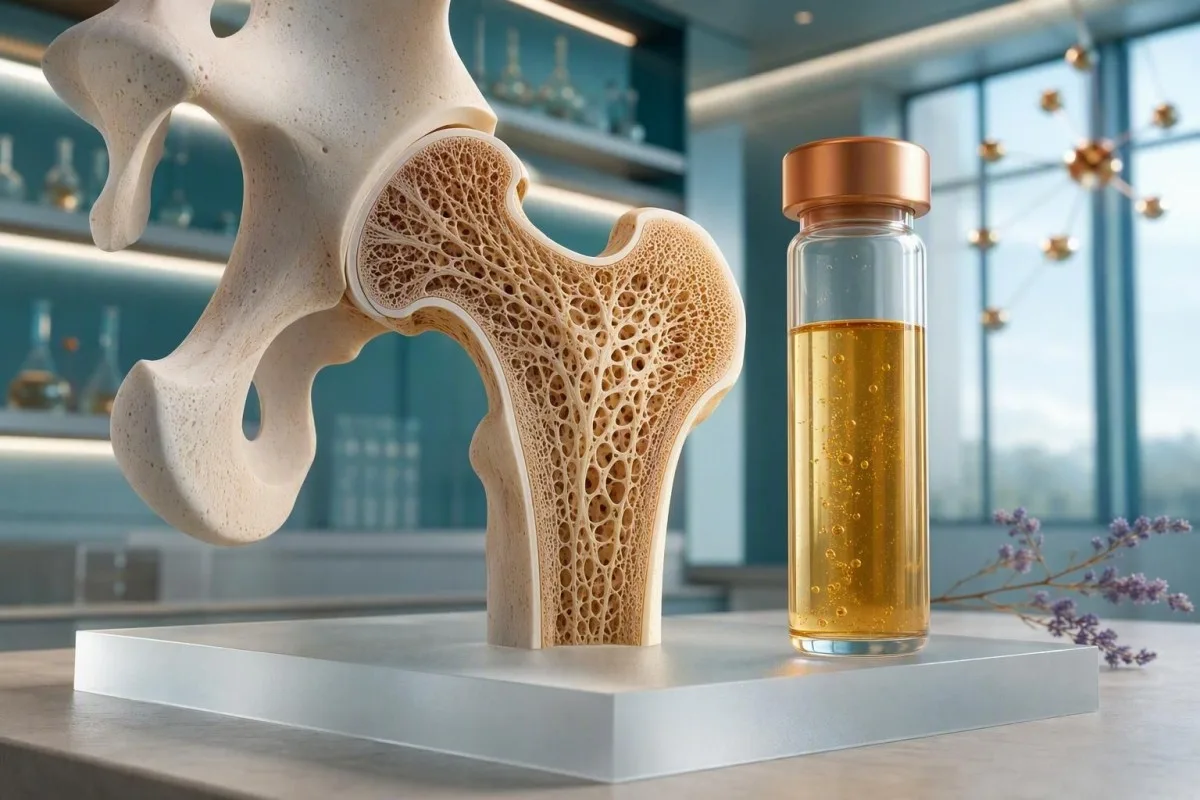
අස්ථි සෞඛ්යය සහ අස්ථි බිඳීමේ අවදානම සඳහා රුධිර පරීක්ෂණ මොනවාද?
ආර්තවහරණයෙන් පසු අස්ථි සෞඛ්ය නිරීක්ෂණය සඳහා, කැල්සියම්, ක්රියේටිනින්/eGFR, 25-හයිඩ්රොක්සිවිටමින් D, ක්ෂාරීය පොස්පේටේස්, පොස්පේට් සහ පැරතිරොයිඩ් හෝමෝනය ඉලක්කගත පරීක්ෂණ, DEXA ස්කෑන් සඳහා ආදේශකයක් නොවේ. අස්ථි බිඳීමේ සම්භාවිතාව සහ ඔස්ටියෝපොරෝසිස් තක්සේරුවක් කැල්සියම් මට්ටම කුමක් වුවත්, අස්ථි බිඳීමේ අස්ථි බිඳීමක් සිදුවිය යුතුය.
සම්පූර්ණ කැල්සියම් සාමාන්යයෙන් 8.5 සිට 10.5 mg/dL දක්වා වේ, නමුත් ඇල්බියුමින් අර්ථ නිරූපණය වෙනස් කරයි; අඩු ඇල්බියුමින් සම්පූර්ණ කැල්සියම් අඩු ලෙස පෙනී සිටීමට හේතු විය හැක, අයනීකෘත කැල්සියම් සාමාන්ය වන විට. 10.5 mg/dL ට වඩා නැවත නැවත කැල්සියම් පරිභෝජනය, තයසයිඩ්, ප්රාථමික හයිපර්ග්ලයිසිමියාව සහ සජලනය යන අතිරේක සමාලෝචනයක් උද්දීපනය කළ යුතුය, ආහාරමය කැල්සියම් සරලව නතර කිරීමට වඩා.
20 ng/mL ට වඩා අඩු 25-හයිඩ්රොක්සිවිටමින් D මට්ටමක්, හෝ 50 nmol/L, සාමාන්යයෙන් අස්ථි සෞඛ්ය සඳහා ජාතික ඇකඩමිවල සීමාව මගින් ඌද්රතාවයක් ලෙස සැලකේ. කෙසේ වෙතත්, සෑම වැඩිහිටි වැඩිහිටියෙකු තුළම සාමාන්ය විටමින් D පරීක්ෂාව තවමත් විවාදාත්මක ය; මම එය ඔස්ටියෝපොරෝසිස්, අස්ථි බිඳීම්, මැලAbsorption, නිදන්ගත වකුගඩු රෝගය, අඩු හිරු එළිය නිරාවරණය, හෝ අනපේක්ෂිත ලෙස ඉහළ අතිරේක පරිභෝජනය සඳහා වෙන් කරමි. ඉහළ විටමින් D රෝග ලක්ෂණ දුර්ලභ නමුත් සැබෑ ය.
Bone Health and Osteoporosis Foundation විසින් වයස 65 ත් ඊට වැඩි කාන්තාවන් සහ අවදානම් සාධක සහිත තරුණ ආර්තවහරණයෙන් පසු කාන්තාවන් තුළ BMD පරීක්ෂණ නිර්දේශ කරයි (LeBoff et al., 2022). Kantesti යනු AI මගින් බලගැන්වූ රුධිර පරීක්ෂණ විශ්ලේෂණ මෙවලම ක්ෂාරීය පොස්පේටේස් සහ කැල්සියම් පෙර ප්රතිඵල අසල තැබිය හැකි එකක්, නමුත් සාමාන්ය පුවරුවක් ඔස්ටියෝපොරෝසිස් බැහැර කළ නොහැක.
යකඩ, B12 සහ ෆෝලේට් පරීක්ෂා කළ යුත්තේ කවදාද?
රක්තහීනතාවය, අධික MCV, ස්නායු රෝග, ග්ලොසයිටිස්, පැහැදිලි කළ නොහැකි තෙහෙට්ටුව, දුර්වල ගැනීම, දිගුකාලීන මෙට්ෆෝමින් හෝ අම්ල මර්දනය, හෝ ආමාශ ආන්ත්ර රෝග ලක්ෂණ වලින් පසුව යකඩ අධ්යයන සහ B12 පරීක්ෂණ වඩාත් ප්රයෝජනවත් වේ. ඒවා ආර්තවහරණයෙන් පසු සෑම කාන්තාවකටම වාර්ෂික සාමාන්ය පරීක්ෂණ නොවේ.
30 ng/mL ට වඩා අඩු ෆෙරටින් මට්ටමක්, සාමාන්යයෙන් සෞඛ්ය සම්පන්න වැඩිහිටියෙකුගේ යකඩ සංචිත ක්ෂය වී ඇති බවට ශක්තිමත් සාධකයක් වන අතර, රසායනාගාරයේ පහළ සීමාව 12 ත් 15 ng/mL ත් අතර විය හැකිය. ෆෙරටින් යනු උග්ර අවධි ප්රතික්රියකයක් (acute-phase reactant) වන අතර, එබැවින් ඉහළ CRP සමඟ 70 ng/mL ෆෙරටින් මට්ටමක් යකඩ සීමා කිරීම සමඟ පැවතිය හැකිය; 20% ට වඩා අඩු ට්රාන්ස්ෆෙරින් සංතෘප්තිය (transferrin saturation) අමතර ඉඟියක් සපයයි. අපේ බලන්න යකඩ පරීක්ෂණ සම්බන්ධ යොමු මාර්ගෝපදේශය.
ආර්තවහරණයෙන් පසු යකඩ ඌණතාවය ඇතිවීමට ආහාර පමණක් හේතුවැයි උපකල්පනය නොකළ යුතුය. ගුප්ත ආමාශ ආන්ත්රයික රුධිර වහනය, CE රෝගය, නිත්ය NSAID භාවිතය සහ මුත්රාශයේ අලාභය සලකා බැලිය යුතුය. කළු මළපහ, බර අඩු වීම, බඩවැල් පුරුදු වෙනස් වීම, හෝ ප්රගතිශීලී රක්තහීනතාවය සඳහා වෛද්ය උපදෙස් අවශ්ය වේ, නමුත් "over-the-counter" යකඩ පමණක් නොවේ.
200 pg/mL ට වඩා අඩු සෙරුම් B12 සාමාන්යයෙන් ඌණතාවයක් ලෙස සැලකෙන අතර, 200 ත් 350 pg/mL ත් අතර අළු කලාපයක් වන අතර මෙහිදී මිථයිල්මැලෝනික් අම්ලය (methylmalonic acid) උපකාරී වේ. ෆෝලේට් (folate) මගින් B12 ඌණතාවයේ රක්තහීනතාවය නිවැරදි කළ හැකි අතර ස්නායු තුවාලය ප්රගතිශීලී වන බැවින්, මැක්රොසයිටෝසිස් (macrocytosis) ඇති විට මම මුලින්ම B12 පරීක්ෂා කරමි.; B12 එදිරිව ෆෝලේට් එම උගුල පැහැදිලි කරයි.
60 න් පසු තයිරොයිඩ් පරීක්ෂණය සුදුසු වන්නේ කවදාද?
TSH පරීක්ෂණය යනු, අනුකූල රෝග ලක්ෂණ, හඳුනාගත් තයිරොයිඩ් රෝග, තයිරොයිඩ්-ක්රියාකාරී ඖෂධ, ඇට්රියල් ෆයිබ්රිලේෂන් (atrial fibrillation), හඳුනාගත නොහැකි ඉහළ කොලෙස්ටරෝල්, හෝ ගලගණ්ඩය (goitre) සඳහා සුදුසු වන අතර, කාන්තාවක් ආර්තවහරණයට පත්වීම පමණක් ඊට හේතුවක් නොවේ. TSH සාමාන්යයෙන් පළමු පරීක්ෂණයයි; TSH අසාමාන්ය නම් හෝ පිටියුටරි රෝගයක් සැක කෙරේ නම් නිදහස් T4 (free T4) එකතු කරනු ලැබේ.
0.4 ත් 4.0 mIU/L ත් අතර TSH මට්ටමක් සාමාන්ය වැඩිහිටි රසායනාගාර පරතරයකි, නමුත් ලෙවෝතයිරොක්සීන් (levothyroxine) ගන්නා රෝගීන්, පිටියුටරි රෝග ඇති අය, හෝ වයස්ගත අය සඳහා නිවැරදි ඉලක්කය වෙනස් විය හැකිය. 0.1 mIU/L ට වඩා අඩු TSH මට්ටමක් දිගටම පැවතීම ඇට්රියල් ෆයිබ්රිලේෂන් (atrial fibrillation) සහ අස්ථි අලාභය පිළිබඳ කනස්සල්ලක් ඇති කරයි, විශේෂයෙන් වයස්ගත කාන්තාවන් තුළ, නිදහස් T4 (free T4) පරාසය තුළ පැවතියද.
බයෝටින් (Biotin) අතිරේක සමහර ප්රතිශක්තිකරණ පරීක්ෂණවලට (immunoassays) බාධා කළ හැකි අතර, ඉහළ නිදහස් T4 (high free T4) සමඟ ව්යාජ ලෙස අඩු TSH මට්ටමක් ඇති කළ හැකිය. රෝගීන් බොහෝ විට “හිසකෙස් සහ නිය” නිෂ්පාදන ඔවුන්ගේ ඖෂධ ලැයිස්තුවෙන් මඟ හරියි; පරීක්ෂණයට පෙර දින 48 ත් 72 ත් අතර කාලයක් සඳහා අධික මාත්රාවලින් බයෝටින් (high-dose biotin) ගැනීම නැවැත්වීම සාමාන්යයෙන් නිර්දේශ කරනු ලැබේ, නමුත් රසායනාගාරය හෝ නියම කරන වෛද්යවරයා එහි පරීක්ෂණ-විශේෂිත ප්රතිපත්තිය තහවුරු කළ යුතුය.
මාත්රාව හෝ සන්නාමය වෙනස් කිරීමෙන් පසු මාස 6 ත් 8 ත් අතර කාලයකදී ලෙවෝතයිරොක්සීන් (levothyroxine) නැවත පරීක්ෂා කිරීම සාමාන්යයෙන් සිදු කළ යුතුය, මන්ද TSH මන්දගාමීව ප්රතිචාර දක්වයි. ප්රායෝගික කාලය සඳහා, බලන්න තයිරොයිඩ් නැවත පරීක්ෂා කිරීමේ කාලසටහන්; රුධිරය ලබා ගැනීමට වහාම පෙර පෙති ගැනීම සාමාන්ය නිරාවරණය නියෝජනය නොකරමින් තාවකාලිකව නිදහස් T4 (free T4) ඉහළ නැංවිය හැකිය.
කුමන රෝග ලක්ෂණ සඳහා අරමුල් සහිත රුධිර පරීක්ෂණ හෝ හදිසි ප්රතිකාර අවශ්යද?
රෝග ලක්ෂණ මගින් පරීක්ෂණය තීරණය කළ යුතුය, සහ සමහර රෝග ලක්ෂණ සඳහා ඕනෑම සාමාන්ය රසායනාගාර පරීක්ෂණ පැනලයකට පෙර හදිසි පරීක්ෂණයක් අවශ්ය වේ. නව පපුවේ පීඩනය, සිහිය නැතිවීම, දැඩි හුස්ම හිරවීම, ව්යාකූලත්වය, කළු මළපහ, හෝ හදිසි දුර්වලතාවය “වාර්ෂික පරීක්ෂණ සඳහා බලා සිටීම” තත්ත්වයන් නොවේ.
නව ශාරීරික ව්යායාමයේදී හුස්ම හිරවීම CBC, වකුගඩු පැනලය, තයිරොයිඩ් පරීක්ෂණ, ECG, සහ සමහර විට NT-proBNP සඳහා සාධාරණීකරණය කළ හැකිය, නමුත් කිසිදු රුධිර පරීක්ෂණයකින් හෘද හෝ පෙනහළු රෝග ආරක්ෂිතව බැහැර කළ නොහැක. පපුවේ වේදනාව පරීක්ෂා කිරීමේ මාර්ගෝපදේශ ට්රොපොනින් (troponin) රෝග ලක්ෂණ කාලය සහ සායනික සැකසුමකදී මාලා මිනුම් සමඟ අර්ථ නිරූපණය කළ යුතු හේතුව පැහැදිලි කරයි.
6 ත් 12 ත් අතර මාස 1 කට වඩා වැඩි 5% හෝ ඊට වැඩි අහම්බෙන් බර අඩු වීම, රාත්රියේ දහඩිය දැමීම, දිගටම උණ තිබීම, හෝ නව අක්මා පරීක්ෂණ අසාමාන්ය වීම සඳහා විමසිලිමත් ඉතිහාසයක් සහ පරීක්ෂණයක් අවශ්ය වේ. සාමාන්ය CBC පිළිකාව, ගිනි අවුලුවන රෝගය, හෝ මානසික අවපීඩනය බැහැර නොකරයි; රෝග ලක්ෂණ රහිත කාන්තාවන් තුළ CA-125 හෝ පුළුල් පිළිකා සලකුණු පැනල (tumour-marker panels) නියම කිරීම ප්රයෝජනවත් පිළිතුරු වලට වඩා වැරදි ධනාත්මක ප්රතිඵල රාශියක් ඇති කරයි.
අඩු හිමොග්ලොබින් (haemoglobin), 70 mg/dL ට වඩා අඩු ග්ලූකෝස් (glucose), 130 mmol/L ට වඩා අඩු සෝඩියම් (sodium), හෝ නව අක්රමවත් ස්පන්දනයක් සමඟ කරකැවිල්ල වෙනස්වන හදිසි බවකි. වයස්ගත වැඩිහිටියන්ට අඩු පෙළ පොත් රෝග ලක්ෂණ සමඟ ඉදිරිපත් විය හැකිය, එබැවින් කරකැවිල්ල රසායනාගාර ඉඟි ජීවමිතික සලකුණු (vital signs) සහ තක්සේරුවට අනුපූරක විය යුතුය, එයට ආදේශ නොකළ යුතුය.
සාමාන්ය තිරගත කිරීම සඳහා සාමාන්යයෙන් ප්රයෝජනවත් නොවන රුධිර පරීක්ෂණ මොනවාද?
රෝග ලක්ෂණ නොමැතිව සාමාන්ය ස්ක්රීනිං (screening) වලට සාමාන්යයෙන් පිළිකා සලකුණු, ලිංගික හෝමෝන පැනල, කෝටිසෝල් (cortisol), D-dimer, ආහාර IgG පරීක්ෂණ, පුළුල් ස්වයං ප්රතිශක්තිකරණ පැනල, හෝ “බර ලෝහ විෂ ඉවත් කිරීමේ” පරීක්ෂණ ඇතුළත් නොවේ. මෙම පරීක්ෂණ හානිකර නොවේ: අඩු පෙර-පරීක්ෂණ සම්භාවිතාව (pre-test probability) වැරදි-ධනාත්මක ප්රතිඵල පුරෝකථනය කරයි.
සාමාන්ය අවදානම් සහිත, රෝග ලක්ෂණ රහිත කාන්තාවන්ගේ ඩිම්බකෝෂ පිළිකා සඳහා CA-125 යනු ස්ක්රීනිං පරීක්ෂණයක් නොවේ, මන්ද සෞඛ්ය සම්පන්න තත්වයන් එය ඉහළ නැංවිය හැකි අතර මුල් පිළිකාව එසේ නොවිය හැකිය. දිගටම පවතින උදරය පිම්බීම, මුල් තෘප්තිය, ශ්රෝණි රෝග ලක්ෂණ, හෝ ශක්තිමත් පවුල් ඉතිහාසයක් වෛද්ය තක්සේරුවට සුදුසු වන අතර, ඊළඟ පියවර අනිවාර්යයෙන්ම සෘජුව-පාරිභෝගික සලකුණු පැනලයක් නොවේ. සමාලෝචනය කරන්න පිළිකා-පවුල්-ඉතිහාස පරීක්ෂණ.
වයස, ආසාදනය, ශල්යකර්මය, දැවිල්ල සහ පිළිකා සමඟ D-dimer ඉහළ යයි, එබැවින් ශිරා ත්රොම්බොසිස් (venous thrombosis) වල අඩු හෝ අතරමැදි සම්භාවිතාවක් වෛද්යවරයා විසින් තක්සේරු කර ඇති විට පමණක් එය ප්රයෝජනවත් වේ. වයස්-ගැලපෙන සීමාව (age-adjusted threshold) බොහෝ විට වයස 50 න් පසු භාවිතා කරනු ලැබේ, නමුත් ධනාත්මක ප්රතිඵලයක් කැටි ගැසීමක් (clot) හඳුනා නොගනී; එය රූපගත කිරීම (imaging) සහ රෝග ලක්ෂණ මගින් තීරණය වේ.
ඔසප් වීමෙන් පසු FSH සහ ඊස්ට්රොජන් පරීක්ෂා කිරීමෙන් ඔසප් වීම ස්ථාවර වූ පසු ඇතිවන සාමාන්ය උණුසුම් දැල්වීම් හෝ නින්ද බාධා කිරීම් දුර්වල ලෙස පැහැදිලි කරයි. මෙහි ව්යතිරේකය වන්නේ යෝනි මාර්ගයෙන් අනපේක්ෂිත ලේ ගැලීම, පිටියුටරි ග්රන්ථිය පිළිබඳ ගැටළු, හෝ ප්රතිකාර අධීක්ෂණය වැනි විශේෂ රෝග විනිශ්චය අභිරහස්; ඔසප් වීම ඊස්ට්රොජන් ප්රතිඵල උදව් කරනවාට වඩා පටලැවිල්ලක් ඇති කළ හැකිය.
60 ට වැඩි කාන්තාවන් පරීක්ෂණය සඳහා සූදානම් විය යුත්තේ කෙසේද සහ වැරදි ප්රතිඵල මගහරවා ගන්නේ කෙසේද?
නිවැරදි රසායනාගාර ප්රතිඵල රඳා පවතින්නේ වේලාව, සජලනය, මෑතකදී කළ ව්යායාම, අතිරේක ඖෂධ, සහ උග්ර අසනීප තත්ත්වයන් මතය. නැවත පරීක්ෂා කිරීම සඳහා, හැකි නම් එකම රසායනාගාරය භාවිතා කරන්න සහ තත්වයන් නැවත ඇති කරන්න: උදෑසන වේලාව, ඉල්ලූ පරිදි නිරාහාරව සිටීම, සහ සමාන ඖෂධ වේලාවන්.
බොහෝ ලිපිඩ් පැනල් වලට තවදුරටත් නිරාහාරව සිටීම අවශ්ය නොවේ, නමුත් 8 සිට 12 පැය දක්වා නිරාහාරව සිටීමෙන් ත්රiglycerides, නිරාහාර නොවන විට ඉහළ අගයක් පෙන්වන්නේ නම්, පැහැදිලි කළ හැකිය. 400 mg/dL ට වඩා වැඩි ත්රiglycerides විශ්වාසදායක ගණනය කළ LDL ප්රතිඵලයක් වලක්වා ගත හැකි අතර, මත්පැන්, විශාල ආහාර වේලක්, සහ පාලනයෙන් තොර දියවැඩියාව මේවා කෙටි කාලයක් සඳහා සැලකිය යුතු ලෙස ඉහළ නැංවිය හැකිය. බලන්න උපවාසය සහ අතිරේක බලපෑම්.
CK, AST, creatinine, හෝ මුත්රා ඇල්බුමින් පරීක්ෂා කිරීමට පෙර, එය හදිසි නොවේ නම්, 24 ත් 48 ත් අතර පැය 24 ත් 48 ත් අතර කාලයක් දැඩි, අසාමාන්ය ව්යායාම කිරීමෙන් වලකින්න. පුහුණු 67 හැවිරිදි අයෙකුගේ AST, චාරිකාවක් හේතුවෙන් 89 IU/L දක්වා ඉහළ ගිය බව මම දුටුවෙමි; සුවය ලැබීමෙන් පසු, සාමාන්ය GGT සහ බිලිරුබින් සමඟ නැවත පරීක්ෂා කිරීම, වඩාත් සාමකාමී කතාවක් කීවේය.
උපදෙස් නොමැතිව නියමිත ඖෂධ ගැනීම නතර නොකරන්න. මැග්නීසියම්, විටමින් ඩී, බයෝටින්, ඖෂධීය තේ, විරේචක, සහ ප්රති-අම්ල ඇතුළුව සම්පූර්ණ ලැයිස්තුවක් ගෙන එන්න, මන්ද “ඖෂධ නොවන” ද්රව්ය බොහෝ විට පොටෑසියම්, කැල්සියම්, TSH, හෝ අක්මා එන්සයිම විස්මයන් පැහැදිලි කරයි. සංචාරය හරහා රසායනාගාර වේලාව වාර්තා කිරීම වටී.
තනි ප්රතිඵලයකට වඩා රසායනාගාර ප්රවණතා වැදගත් වන්නේ ඇයි?
රසායනාගාරයේ ප්රවණතාවයක්, අපේක්ෂිත ජීව විද්යාත්මක හා විශ්ලේෂණත්මක වෙනස්කම් ඉක්මවා යන විට, තනි මායිම් ප්රතිඵලයකට වඩා තොරතුරු සපයයි. ස්ථාවර eGFR පහත වැටීමක්, හිමොග්ලොබින් අඩුවීමක්, හෝ HbA1c ඉහළ යාමක්, එක් එක් අගය රසායනාගාරයේ යොමු කිරීමේ පරතරය තුළ පැවතියද, වැදගත් විය හැකිය.
දිනපතා ක්රියේටිනින් හි 2% සිට 3% දක්වා වෙනස් වීමෙන් සජලනය සහ දෝෂයේ ශබ්දය පිළිබිඹු විය හැකි අතර, 20% හි තිරසාර වෙනසක් නිවැරදි පසුබිමක අවධානය යොමු කරයි. එලෙසම, 0.1% හි HbA1c මාරුවක් සාමාන්ය වෙනස් වීමක් විය හැකිය; නිරාහාර ග්ලූකෝස් සහ බර වෙනස් වීම සමඟ නැවත නැවත ඉහළට ගමන් කිරීම klinical විශ්වසනීයත්වයක් ඇත. අර්ථවත් ප්රතිඵල වෙනස්කම් මෙම වෙනස්කම පැහැදිලි කරයි.
කන්ටෙස්ටි යනු AI biomarker interpretation platform පෙර වාර්තා සංසන්දනය කරන සහ වැඩිදුර සාකච්ඡා සඳහා රටා සලකුණු කරන, විවිධ ඒකකවල වාර්තා කරන ලද ප්රතිඵල ඇතුළුව. අපි ග්රාහකයකින් රෝග හඳුනා නොගනිමු; වෛද්යවරයෙකු විසින් තවමත් නියැදි තත්වයන්, අසනීප, ඖෂධ වෙනස්කම්, සහ ප්රතිඵලය නැවත පරීක්ෂා කර ඇත්ද යන්න පරීක්ෂා කළ යුතුය.
අපගේ klinical ක්රමවේදය රසායනාගාර සන්දර්භය සහ ආරක්ෂක මාර්ග වලට එරෙහිව සමාලෝචනය කර ඇත, එය වෛද්ය සනාථ කිරීමේ දළ විශ්ලේෂණය සඳහා මූලික වේ. හි විස්තර කර ඇත. ආචාර්ය තෝමස් ක්ලයින් විසින් එක් එක් ප්රතිඵලය අසල දිනය, නිරාහාර තත්ත්වය, අලුත් ඖෂධ, ආසාදනය, ගමන්, සහ විශාල ව්යායාම සුරැකීමට නිර්දේශ කරයි - පෙනෙන අසාමාන්යතා විසඳන කුඩා විස්තර.
60 න් පසු වැළැක්වීමේ සංචාරයකදී ඔබ සාකච්ඡා කළ යුත්තේ කුමක්ද?
60 න් පසු ඵලදායී වැළැක්වීමේ සංචාරයක් ලිඛිත සැලැස්මකින් අවසන් වේ: කුමන පරීක්ෂණය පරීක්ෂා කරනු ලැබේ, කුමන ප්රතිඵලය ප්රතිකාරය වෙනස් කරයිද, සහ එය කවදා නැවත පරීක්ෂා කළ යුතුද යන්න. රුධිර පරීක්ෂාවලට ඔබ්බෙන් දියුණු කිරීම සඳහා ද ඉල්ලන්න, රුධිර පීඩනය, එන්නත්, පියයුරු සහ මහා බඩවැලේ පරීක්ෂා කිරීම, වැටීම් සමාලෝචනය, පෙනීම, ශ්රවණය, සහ සුදුසුකම් ලැබූ විට අස්ථි ඝනත්වය ඇතුළුව.
මතකයේ රැඳී සිටීමට වඩා කලින් වාර්තා ගෙන එන්න. 68 සිට 19 ng/mL දක්වා ෆෙරටින් අඩුවීමක්, 3 වසර තුළ 78 සිට 61 mL/min/1.73 m² දක්වා eGFR චලනය වීම, හෝ ඖෂධ සකස් කිරීමකින් පසු LDL වෙනස් වීමක් දුටු විට වෛද්යවරයෙකුට වේගයෙන් ක්රියා කළ හැකිය; දිගුකාලීන (longitudinal) විශ්ලේෂණයෙනි එම සන්දර්භය ආරක්ෂා කිරීමට උපකාරී වේ.
හතර ගුණයකින් යුත් ප්රශ්න අසන්න: “අපි කුමක් සොයනවාද?”, “ඖෂධයක් මෙය පැහැදිලි කළ හැකිද?”, “මාව ඉක්මනින් ඇමතීමට මා දැනගත යුතු රෝග ලක්ෂණ මොනවාද?”, සහ “අපි එය කවදා නැවත කරන්නද?” Kantesti වාර්තාවක් විනාඩි 60 කින් පමණ සංවිධානය කිරීමට උපකාරී වේ, නමුත් එය හමුවීම සඳහා සූදානම් කිරීමේ මෙවලමක් විය යුතුය, ස්වයං-ප්රතිකාර කිරීමේ හෝ සත්කාර ප්රමාද කිරීමේ හේතුවක් නොවේ.
අපගේ වෛද්යවරු සහ සමාලෝචකයන් මෙම අධ්යාපනික ප්රවේශය පිටුපස klinical ආරක්ෂක වැටවල් සකස් කරයි; පාඨකයින්ට වෛද්ය උපදේශක මණ්ඩලය සහ Kantesti කණ්ඩායම. සමාලෝචනය කළ හැකිය. සැප්තැම්බර් 3, 2026 වන විට, වඩාත් අර්ථවත් ඔසප් වීමෙන් පසු සෞඛ්ය අධීක්ෂණය පුද්ගලිකව, අවශ්ය විට නැවත නැවතත්, රෝග ලක්ෂණ සහ අවදානම මත පදනම්ව පවතී.
නිතර අසන ප්රශ්න
60 හැ Dged කාන්තාවක් වසරකට වරක් කළ යුතු රුධිර පරීක්ෂණ මොනවාද?
අවුරුද්දක් පාසා 60 හැවිරිදි කාන්තාවකට ස්වයංක්රීයව එකම රුධිර පරීක්ෂණ අවශ්ය නොවේ. දියවැඩියා අවදානම, අධි රුධිර පීඩනය, වකුගඩු රෝගය, පෙර ප්රතිඵල අසාමාන්ය වීම හෝ ඖෂධ අධීක්ෂණය පැවතියහොත් CBC, වකුගඩු-විද්යුත් විච්ඡේදක පුවරුව, HbA1c හෝ ග්ලූකෝස්, ලිපිඩ් පැතිකඩ සහ අක්මා පරීක්ෂණ වාර්ෂිකව සුදුසු විය හැකිය. ස්ථාවර පෙර ප්රතිඵල සහ සාමාන්ය ඖෂධ නොමැති අඩු අවදානමක් ඇති කාන්තාවකගේ, මෙම පරීක්ෂණ වලින් බොහොමයක් වසර 1-3 කට වරක් නැවත නැවත කළ හැකිය. ප්රතිකාර වෙනස් කිරීමට හේතුවක් වේද යන්න තීරණය කරන සාධකයයි.
අවුරුදු 60 න් පසුව කාන්තාවන්ට විටමින් ඩී රුධිර පරීක්ෂණ නිතරම කළ යුතුද?
වයස අවුරුදු 60 ට වැඩි කාන්තාවන්ට සාමාන්ය විටමින් D පරීක්ෂණ අවශ්ය නොවේ. 20 ng/mL, හෝ 50 nmol/L ට අඩු 25-හයිඩ්රොක්සිවිටමින් D අගයක්, සාමාන්යයෙන් අස්ථි සෞඛ්ය සඳහා ඌණතාවයක් පෙන්නුම් කරයි, නමුත් ඔස්ටියෝපොරෝසිස්, අස්ථි බිඳීමේ තුවාල, නිදන්ගත වකුගඩු රෝග, මැලබ්සෝර්ප්ෂන්, සූර්යාලෝකයට සීමිත නිරාවරණය, හෝ අධික මාත්රාවලින් අතිරේක භාවිතය සමඟ පරීක්ෂණය වඩාත් ප්රයෝජනවත් වේ. විටමින් D පරීක්ෂණය මගින් අස්ථි බිඳීමේ අවදානම සඳහා DEXA ස්කෑන් කිරීම ප්රතිස්ථාපනය නොවේ. නැවත නැවත පරීක්ෂා කිරීම ස්වයංක්රීයව සිදුවීමට වඩා ප්රතිකාර සැලැස්මක් අනුගමනය කළ යුතුය.
60 ට වැඩි කාන්තාවන් සඳහා සාමාන්ය HbA1c ප්රමාණය කුමක්ද?
කාන්තාවන් 60 ඉක්මවූ පසු, 5.7% ට වඩා අඩු HbA1c සාමාන්ය ලෙස සලකනු ලැබේ, 5.7% සිට 6.4% දක්වා පූර්ව-දියවැඩියාව පෙන්නුම් කරයි, සහ 6.5% හෝ ඊට වැඩි ප්රමාණයක් රෝග ලක්ෂණ නොමැති පුද්ගලයෙකු තුළ තහවුරු කළ විට දියවැඩියාව හඳුනා ගත හැකිය. HbA1c ආසන්න වශයෙන් සති 8 සිට 12 දක්වා සාමාන්ය ග්ලූකෝස් නිරාවරණය පිළිබිඹු කරයි. රක්තහීනතාවය, මෑතකදී රුධිරය අහිමි වීම, රුධිර පාරවිලයනය, සහ දියුණු වකුගඩු රෝග HbA1c අඩුවෙන් විශ්වාසදායක කළ හැකිය. එම අවස්ථාවල දී, නිරාහාර ග්ලූකෝස් හෝ වෙනත් පරීක්ෂණයක් වඩාත් සුදුසු විය හැකිය.
ආර්තවහරණයෙන් පසු ෆෙරitin níveis එකක් අඩුද?
ආර්තවහරණයෙන් පසු ෆෙරිටින් මට්ටම 30 ng/mL ට වඩා අඩු වීම සාමාන්යයෙන් යකඩ ඌණතාවයට සහාය වේ, රසායනාගාරය 12 සිට 15 ng/mL ට වඩා අඩු අගයන් පමණක් අඩු ලෙස සලකුණු කළද. ආර්තවහරණයෙන් පසු යකඩ ඌණතාවයට පැහැදිලි කිරීමක් අවශ්ය වේ, මන්ද ඔසප් රුධිර වහනය සාමාන්ය හේතුවක් නොවන බැවිනි. වෛද්යවරු බොහෝ විට ෆෙරිටින් සමඟ ට්රාන්ස්ෆෙරින් සන්තෘප්තිය, CBC දර්ශක, CRP, ආහාර, NSAID නිරාවරණය සහ ආමාශ ආන්ත්ර රෝග ලක්ෂණ පරීක්ෂා කරති. කළු මළපහ, බර අඩු වීම හෝ හීමොග්ලොබින් මට්ටම පහත වැටීම වහාම වෛද්ය ඇගයීමක් අවශ්ය වේ.
අවුරුදු 60 න් පසු තයිරොයිඩ් මට්ටම් කොපමණ වාරයක් පරීක්ෂා කළ යුතුද?
අවුරුදු 60 න් පසු රෝග ලක්ෂණ, හඳුනාගත් තයිරොයිඩ් රෝග, තයිරොයිඩ්-ක්රියාකාරී ඖෂධ, කර්ණික කම්පනය (atrial fibrillation), පැහැදිලි කළ නොහැකි ලිපිඩ වෙනස්කම්, හෝ පෙර අසාමාන්ය ප්රතිඵලයක් ඇති වූ විට තයිරොයිඩ් මට්ටම් පරීක්ෂා කළ යුතුය. සාමාන්යයෙන් ලෙවොතයිරොක්සීන් ගන්නා රෝගීන් මාත්රාව හෝ සන්නාමයේ වෙනසක් සිදු වූ සති 6 ත් 8 ත් අතර TSH නැවත පරීක්ෂා කරයි, ඉන්පසු ඔවුන්ගේ වෛද්යවරයා විසින් ස්ථාවර වූ පසු නියම කරන ලද කාල පරාසයන් තුළදී නැවත පරීක්ෂා කරයි. 0.1 mIU/L ට අඩු TSH වයස්ගත වැඩිහිටියන් තුළ කර්ණික කම්පනය (atrial fibrillation) සහ අස්ථි අහිමි වීම පිළිබඳ කනස්සල්ල වැඩි කළ හැකිය. පෙර සාමාන්ය TSH සහිත රෝග ලක්ෂණ රහිත පුද්ගලයින් තුළ සාමාන්ය තයිරොයිඩ් පරීක්ෂණ නැවත නැවත සිදු කිරීමෙන් එතරම් ප්රයෝජනයක් නැත.
සාමාන්ය රුධිර පරීක්ෂණයකින් වැඩිහිටි කාන්තාවන් තුළ හෘද රෝග හඳුනාගත හැකිද?
වයස්ගත කාන්තාවන් තුළ හෘද රෝග සම්පූර්ණයෙන්ම බැහැර කිරීමට සාමාන්ය රුධිර පරීක්ෂාවකට නොහැකිය. ලිපිඩ, HbA1c, ApoB, සහ ලිපොප්රෝටීන්(a) මගින් වැළැක්වීමේ අවදානම තක්සේරු කෙරෙන අතර, නිවැරදි සායනික සැකසුම් තුළ ට්රොපොනින් භාවිතා කරනුයේ තියුණු හෘදයාබාධයක් සිදුවීමේ හැකියාව පරීක්ෂා කිරීමටයි. පෙර කොලෙස්ටරෝල් ප්රතිඵල සාමාන්ය වුවද, නව පපුවේ වේදනාව, ශ්රමයේදී හුස්ම හිරවීම, හකු හෝ අත් වේදනාව, ඔක්කාරය හෝ හදිසි දහඩිය දැමීම වැනි රෝග ලක්ෂණ සඳහා කඩිනම් ඇගයීමක් අවශ්ය වේ. ECG, වෛද්ය පරීක්ෂණයක් සහ සමහර විට රූපගත කිරීම මඟින් සාමාන්ය රුධිර පරීක්ෂාවලින් පිළිතුරු නොලැබෙන ප්රශ්නවලට පිළිතුරු සපයයි.
අදම AI බලයෙන් රුධිර පරීක්ෂණ විශ්ලේෂණය ලබාගන්න
තත්පර කිහිපයකින් ක්ෂණික හා නිවැරදි රසායනාගාර පරීක්ෂණ විශ්ලේෂණය සඳහා Kantesti විශ්වාස කරන ලොව පුරා මිලියන 2කට වැඩි පරිශීලකයන්ට එක්වන්න. ඔබගේ රුධිර පරීක්ෂණ ප්රතිඵල උඩුගත කර, තත්පර කිහිපයකින් 15,000+ ජෛව සලකුණු පිළිබඳ සවිස්තර අර්ථකථනය ලබාගන්න.
📚 යොමු කර ඇති පර්යේෂණ ප්රකාශන
ක්ලයින්, ටී., මිචෙල්, එස්., සහ වෙබර්, එච්. (2026). Kantesti පර්යේෂණ කණ්ඩායම (Research Team). (2026). Iron Studies Guide: TIBC, Iron Saturation & Binding Capacity. Zenodo.. Kantesti AI වෛද්ය පර්යේෂණ.
ක්ලයින්, ටී., මිචෙල්, එස්., සහ වෙබර්, එච්. (2026). Kantesti පර්යේෂණ කණ්ඩායම (Research Team). (2026). aPTT Normal Range: D-Dimer, Protein C Blood Clotting Guide. Zenodo.. Kantesti AI වෛද්ය පර්යේෂණ.
📖 බාහිර වෛද්ය යොමු
වකුගඩු රෝගය: ගෝලීය ප්රතිඵල වැඩිදියුණු කිරීම සඳහා වූ CKD කාර්ය සාධක කණ්ඩායම (2024). KDIGO 2024 වකුගඩු රෝග (Chronic Kidney Disease) ඇගයීම සහ කළමනාකරණය සඳහා වූ සායනික ප්රායෝගික මාර්ගෝපදේශය. Kidney International.
⚕️ වෛද්ය වියාචනය
මෙම ලිපිය අධ්යාපනික අරමුණු සඳහා පමණක් වන අතර වෛද්ය උපදෙස් ලෙස නොසැලකේ. රෝග නිદાન සහ ප්රතිකාර තීරණ සඳහා සෑම විටම සුදුසුකම් ලත් සෞඛ්ය සේවා සපයන්නෙකුගෙන් උපදෙස් ලබාගන්න.
E-E-A-T විශ්වාස සංඥා
අත්දැකීම්
වෛද්යවරයා විසින් මෙහෙයවන ලද රසායනාගාර අර්ථකථන ක්රියාවලි පිළිබඳ සමාලෝචනය.
ප්රවීණතාව
සායනික සන්දර්භය තුළ ජෛව සලකුණු (biomarkers) හැසිරෙන ආකාරය පිළිබඳ රසායනාගාර වෛද්ය විද්යා අවධානය.
අධිකාරීත්වය
ආචාර්ය තෝමස් ක්ලයින් විසින් ලියන ලද අතර ආචාර්ය සාරා මිචෙල් සහ මහාචාර්ය ආචාර්ය හෑන්ස් වෙබර් විසින් සමාලෝචනය කරන ලදී.
විශ්වසනීයත්වය
අනතුරු ඇඟවීම් අඩු කිරීමට පැහැදිලි පසුකැඳවීම් මාර්ග සහිත සාක්ෂි-පාදක අර්ථකථනය.