In nuttige laboratoariumplan nei 60 wurdt dreaun troch risiko, medisinen en feroaring - net troch it besteljen fan elke beskikbere test. Hjir is hoe't ik pasjinten helje om ferstannige kontrôle te skieden fan tests mei lege wearde.


- Kearnpaniel: In CBC, kreatinine/eGFR, elektrolyten, leverenzimen, glukoaze of HbA1c, en lipideprofyl binne ridlike periodike kontrôletests as risikofaktoaren of medisinen se rjochtfeardigje.
- HbA1c: In HbA1c fan 5.7% oant 6.4% jout prediabetes oan; 6.5% of heger fereasket befêstiging, útsein as klassike symptomen oanwêzich binne.
- Nierrisiko: eGFR ûnder 60 mL/min/1.73 m² foar teminsten 3 moannen foldocht oan de definysje fan chronike niersykte.
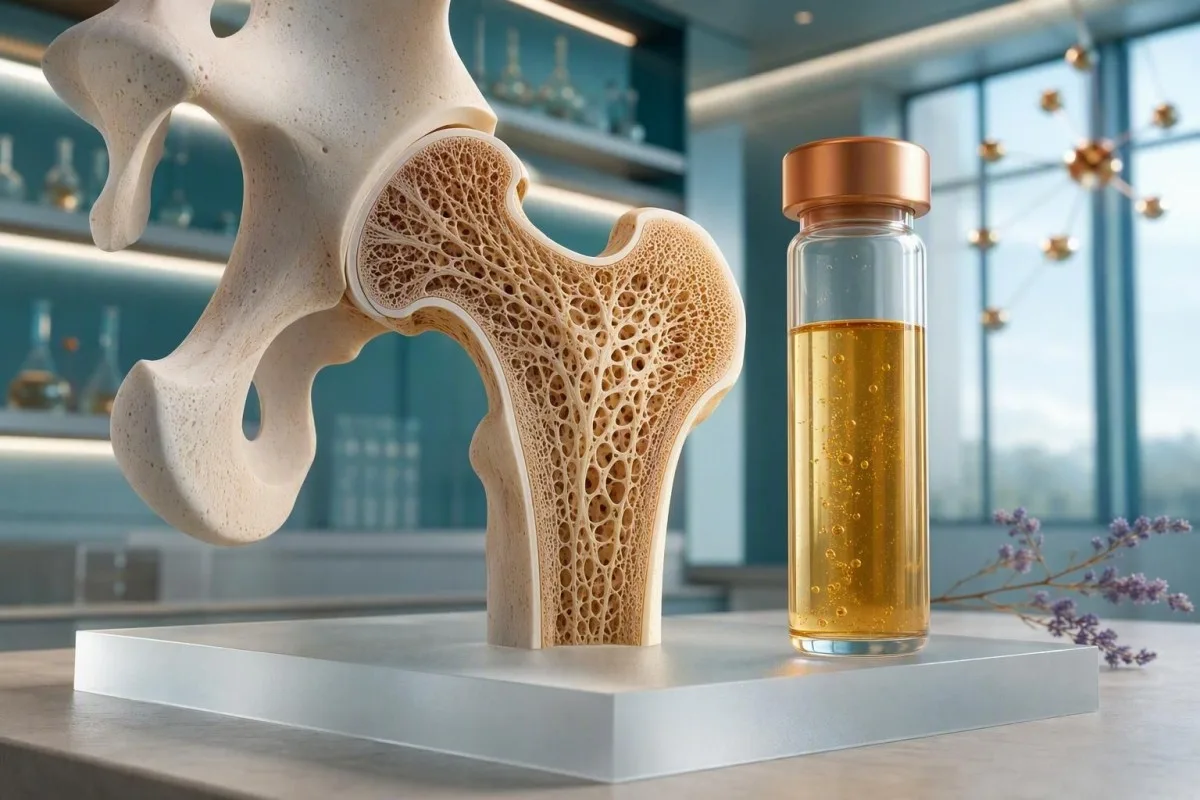
- Bonkesûnens: In 25-hydroxyvitamine D-konsintraasje ûnder 20 ng/mL wurdt algemien beskôge as tekoart foar bonkesûnens, mar routine bredpopulaasjetesten wurdt net oanrikkemandearre.
- Izer: Ferritin ûnder 30 ng/mL stipet meastentiids izertekoart yn in oars sûne folwassene, wylst ûntstekking ferritin falsk ferheegje kin.
- Hertrisiko: Lipoproteïne(a) wurdt meastal ien kear yn folwoeksenheid metten; nivo's fan 50 mg/dL of 125 nmol/L en heger wurde beskôge as risikofolle.
- Medikaasjefeiligens: Metformine, protonpompyremmers, diuretika, statinen, skildklierferfanging, en antikoagulanten meitsje elk spesifike monitoringsbehoeften.
- Dringende symptomen: Nije boarstdruk, sykheljen yn rêst, swarte stoelgong, flauwvallen, betizing, of iensidige swakte fereaskje driuwende klinyske beoardieling, net in routine labo-oarder.
Hoe moatte froulju boppe de 60 foarrang jaan oan bloedtests?
A bloedtest foar froulju boppe de 60 moat begjinne mei in medikaasjelist, persoanlike skiednis, famyljeskiednis, en symptomen—net in fêst “senior panel.” In sûne 64-jierrige dy't gjin reguliere medisinen nimt, hat folle minder testen nedich as in 72-jierrige mei osteoporose, hypertensie, metforminegebrûk, en in resinte fal.
De earste sortearingsfraach is oft in resultaat de soarch feroarje soe. Bygelyks, in HbA1c kin diabetesprevinsje beynfloedzje; in willekeurich cortisolnivo by in sûn persoan docht dat hast nea. Jierlikse bloedarbeid as jo jo goed fiele ferklearret wêrom brede testen ôfliedende falske alarmen kinne meitsje.
Leeftyd allinnich is gjin diagnoaze. Dr. Thomas Klein, haad medysk offisier fan Kantesti, sjocht de meast te foarkommen testen as “wurgenspanels” tumormarkers, sekshormonen, en spoaremineralen befetsje sûnder klinyske reden; in út-fan-berik resultaat begjint dan in kaskade dy't de pasjint net feiliger makket.
Kantesti is in AI bloedtestanalysator ûntwurpen om routine- en risiko-trigge resultaten tegearre te organisearjen, sadat in kaliumtrend, nierdresultaat, en medikaasjebleatstelling wurde lêzen as ien klinysk ferhaal ynstee fan isolearre flaggen.
Trije fragen foardat jo bestelle
Freegje oft jo in betingst hawwe dy't wurde monitorre wurdt, in medisyn dat laboratoariumfeiligens feroaret, of in symptoom dat de differinsjaaldiagnoaze smeller makket. In “ja” op ien fan dizze makket doelgerichte previntive labs foar âldere froulju nuttiger dan in algemiene screening.
Hokker routinekontrôletests foarmje in ferstannige basis?
Foar in protte froulju boppe de 60, in CBC, nierd-elektrolytpanel, leverpanel, HbA1c of glukoaze, en lipidprofyl jouwe de meast brûkbere basisline as it oerienkomt mei de medyske skiednis. It ynterval is meastentiids 1 oant 3 jier by folwoeksenen mei in leech risiko, mar medikaasjegebrûk koarte it faak yn.
In CBC detektearret bloedearmoede, hege reade-sellen yndiksen, en ûnferwachte wite-sellen of bloedplaatjesferoarings. Hemoglobine ûnder 12,0 g/dL foldocht oan de gewoane bloedearmoede drompel foar net-swangere froulju; in stiging MCV boppe 100 fL moat liede ta in beoardieling fan B12-status, alkoholgebrûk, leversykte, skildklierfunksje, en medisinen ynstee fan automatyske folaatbehanneling. Sjoch wat in CBC omfettet.
Kreatinine moat wurde ynterpretearre mei eGFR, lichemsgrutte, hydrataasje, en eardere wearden. In kreatinine dy't “normaal” liket kin gearfalle mei fermindere eGFR by in lytse âldere frou, om't kreatinineproduksje spier massa folget; dat is wêrom't ik selden in kreatinine wearde allinnich akseptearje as geruststelling.
Kantesti AI is in AI bloedtest-útslachplatfoarm dat ienheden en referinsje-yntervallen fergeliket oer laboratoariumrapporten, ynklusyf de UK-konvinsje fan mmol/L en de US-konvinsje fan mg/dL. Us biomarker-gids jout nuttige kontekst, mar it kin in klinikus dy't de pasjint ken net ferfange.
Hokker medisinen feroarje de laboratoariumplan nei 60?
Medikânsjespesifike kontrôle is faak de reden mei de heechste opbringst om bloedtests te bestellen nei 60. Diuretika kinne natrium en kalium fersteure, metformine kin B12 ferleegje, statinen kinne leverûndersyk fereaskje as symptomen opkomme, en antikoagulantia hawwe folslein oare kontrôleregels.
Tiazide en loop diuretika kinne feroarsaakje hyponatremia, hypokalaemia, of in kreatinineferheging, benammen nei braken, diarree, of in dosisoanpassing. Natrium ûnder 130 mmol/L mei betizing, slimme hoofdpijn, braken, of ûnfeilichheid hat prompt beoardieling nedich; it nûmer is fan belang, mar de snelheid fan feroaring is krekt sa wichtich. Review medisyn-relatearre senioaren lab-effekten.
Lange-termyn metformine is assosjearre mei biogemysk B12-tekoart, en UK-rjochtlinen advisearje faak it kontrolearjen fan B12 as neuropathy, makrozytyske anemy, of oare risikofaktoaren ferskine. In serum B12 ûnder sa'n 200 pg/mL is leech yn in protte laboratoaren, mar wearden fan 200 oant 350 pg/mL kinne methylmalonyske acid of aktive B12-testing nedich hawwe as symptomen passe.
Stopje in statine net om't ALT licht heech is sûnder advys fan in foarskriuwer. ALT ûnder trije kear de boppegrins fan it laboratoarium wurdt faak opnij kontrolearre mei alkohol, oanfolling, fette lever, en virale risiko-histoarje; ûnferklearbere spierpine mei markearre swakte is it senario wêr't CK relevanter wurdt. Medikânsje feiligens trends kinne de timing fan feroarings sichtber meitsje.
Wannear fertsjinje nieren- en elektrolyttests nauwere opfolging?
Nierenkontrôle fertsjinnet tichtere opfolging as eGFR ûnder 60 mL/min/1.73 m² is, urinealbumine ferhege is, bloeddruk heech is, diabetes oanwêzich is, of medisinen de renale perfúzje beynfloedzje. In ienige lege eGFR nei útdroeging is net genôch om chronike niersykte te diagnostisearjen.
Chronike niersykte fereasket in eGFR ûnder 60 of in oar marker fan nierskea foar op syn minst 3 moannen. In urinealbumine-kreatinine-ratio fan 30 mg/g of mear, lykweardich oan sawat 3 mg/mmol, is abnormal en kin foarôfgean oan in eGFR-daling; werhelle testen fan in earste-moarnurine ferminderet de stúns. Brûk dit eGFR nei útdroeging gids foardat jo in permaninte daling oannimme.
ACE-ynhibitoren, ARB's, NSAID's, SGLT2 medisinen, en diuretika hawwe spesjale oandacht nedich by akute sykte. Yn de praktyk kin in kreatinineferheging fan maksimaal 30% koart nei it begjinnen fan in ACE-ynhibitor of ARB akseptabel wêze, wylst in gruttere ferheging, signifikante kaliumferheging, lege bloeddruk, of minne orale ynname de beoardieling fan in klinikus fereasket.
De KDIGO-rjochtline fan 2024 riedt oan om sawol eGFR as urinealbumine te beoardieljen by minsken mei risiko, om't elke mjitting allinich pasjinten mist (KDIGO, 2024). Aldere folwoeksenen moatte net ferteld wurde dat fermindere nierfunksje gewoan “normaal âld wurde” is; it feroaret medisinedoses, besluten oer kontrast-scans, en karren foar breukbehanneling.
Hokker bloedtests foar hertrisiko binne it meast nuttich foar âldere froulju?
In standert lipideprofyl is it begjinpunt foar kardiovaskulêre previnsje, wylst ApoB en lipoproteïne(a) selektive tafoegings binne dy't risiko kinne ophelderje as famyljehistoarje, hege triglyceriden, of iere faskulêre sykte LDL-cholesterol ûnfolslein meitsje. Gjin fan beide tests diagnostiseart in hertoanfal.
LDL-cholesterol is mar ien skatting fan 'e atrogene partikelbelasting. ApoB wjerspegelet it oantal cholesterolbefette partikels, en de AHA/ACC-rjochtline fan 2018 neamt ApoB fan 130 mg/dL of heger en Lp(a) fan 50 mg/dL of heger as risikofaktoaren fersterkjende faktoaren as behannelingbesluten ûnwis binne (Grundy et al., 2019).
Lp(a) is foaral erflik en feroaret meastentiids lyts nei de menopoaze, sykte, of dieet. De measte froulju hawwe it mar ien kear yn folwoeksenheid nedich; in resultaat op of boppe 125 nmol/L is nuttich foar petearen oer famyljerisiko, net in reden om te panykjen of oanfollingen te begjinnen dy't it net betrouber ferleegje. Us Lp(a) screening útlizzer behannelje ienheidsferskillen.
Yn 'e praktyk jou ik spesjaal omtinken oan de kombinaasje fan triglycerides boppe 175 mg/dL, lege HDL-cholesterol, tanimmende HbA1c, en sintrale gewichtswinning nei de menopoaze. Dat patroan kin ynsulineresistinsje ûntdekke, sels as LDL d'r gewoan útsjocht; ApoB/ApoA1 kontekst kin helpe om it petear te ramme.
Hoe moat diabetes screening feroarje nei de menopoaze?
Froulju boppe de 60 moatte teminsten elke 3 jier glukosetests hawwe fanôf 35 jier, en faker as se oergewicht, hege bloeddruk, dyslipidaemia, eardere swangerskapsdiabetes, of prediabetes hawwe. HbA1c is praktysk, mar it wurdt minder betrouber by bloedarmoede, nierfalen, en feroare omset fan reade bloedsellen.
In HbA1c fan 5,7% oant 6,4% jout prediabetes oan, en 6,5% of heger jout diabetes oan as it op in oare dei befêstige wurdt by in persoan sûnder symptomen. Fêste bloedglukoaze fan 100 oant 125 mg/dL jout beheinde fêste glukoaze oan; 126 mg/dL of heger fereasket befêstiging, útsein as klassike hyperglykemy symptomen oanwêzich binne.
In normale HbA1c slút dysglycemie net folslein út as it hemoglobine leech is, de MCV tige heech is, der resint bloedferlies west hat, of chronike nier sykte fierder ûntwikkele is. Yn dy situaasjes kin fêste glukoaze of in glukoaze-tolerânsjetest in earliker antwurd jaan as it werheljen fan in HbA1c dat biologysk fertekene is. Lês glukoazereeksen foar froulju.
De Standards of Care fan de American Diabetes Association neamt leeftyd, obesitas, hege bloeddruk, en eardere swangerskapsdiabetes as redenen foar eardere of werhelle screening (American Diabetes Association, 2025). Nei myn ûnderfining is in stiging fan 0,3% oant 0,5% yn HbA1c oer twa jier mear aktyf as ien grinswearde wearde nei in fakânsjeperioade.
Hokker bloedtests binne wichtich foar bonkesûnens en fraktuerriesiko?
Foar it folgjen fan bonkesûnens by postmenopausale froulju, kalsium, kreatinine/eGFR, 25-hydroxyvitamin D, alkaline phosphatase, fosfaat, en parathyroïdhormoan binne doelgerichte tests, gjin ferfanging foar in DEXA-scan. In fragility fracture moat in evaluaasje fan breukrisiko en osteoporose útfiere, nettsjinsteande it kalsiumnivo.
Totaal kalsium is meastentiids 8,5 oant 10,5 mg/dL, mar albumine feroaret de ynterpretaasje; leech albumine kin totaal kalsium leech lykje litte as ionisearre kalsium normaal is. Werhelle kalsium boppe 10,5 mg/dL moat liede ta in resinsje fan oanfollingen, thiaziden, primêre hyperparathyroïdisme, en hydrataasje ynstee fan gewoan dieetkalsium te stopjen.
In nivo fan 25-hydroxyvitamin D ûnder 20 ng/mL, of 50 nmol/L, wurdt oer it generaal as tekoart beskôge neffens de drempel fan de National Academies foar bonkesûnens. Doch bliuwt routine vitamine D-testing by alle âlderein omstriden; ik reservearje it foar osteoporose, breuken, malabsorpsje, chronike nier sykte, lyts sinne-eksposysje, of ûnferwachts hege ynname fan oanfollingen. Symptomen fan hege fitamine D komme selden foar mar binne wol reëel.
De Bone Health and Osteoporosis Foundation riedt BMD-testing oan by froulju fan 65 jier en âlder en by jongere postmenopausale froulju mei risikofaktoaren (LeBoff et al., 2022). AI-oandreaune ark foar analyse fan bloedtests kin alkaline phosphatase en kalsium neist eardere resultaten pleatse, mar in normaal paniel kin osteoporose net útslute.
Wannear moatte izer, B12 en folaat kontrolearre wurde?
Izerstúdzjes en B12-testing binne it meast nuttich nei leech hemoglobine, hege MCV, neuropathy, glossitis, ûnferklearbere wurgens, minne ynname, langduorjend metformin of soerûnderdrukking, of gastrointestinale symptomen. It binne gjin routine jierlikse tests foar elke frou nei de menopoaze.
Ferritin ûnder 30 ng/mL stipet sterk útputte izeren foarrieden yn in fierdere wolwêzende folwoeksene, hoewol't de laboratoarium legere limyt 12 oant 15 ng/mL wêze kin. Ferritin is in akute-faze reaktant, dus in ferritin fan 70 ng/mL mei ferhege CRP kin noch altyd geargean mei izerbeheining; transferrin saturaasje ûnder 20% jout in ekstra oanwizing. Sjoch ús referinsjegids foar izerûndersiken.
Postmenopausale izertekoart moat net oannommen wurde dat it allinich fan dieet komt. Okkulte gastrointestinale ferlies, coeliakie, reguliere NSAID-gebrûk, en urinaire ferlies fertsjinje beskôging, en swarte stoelgong, gewichtsverlies, feroare darmgewoante, of progressive anaemy fereaskje driuwende medyske beoardieling ynstee fan allinich selsmakke izer.
Serum B12 ûnder 200 pg/mL wurdt faak as tekoart behannele, wylst 200 oant 350 pg/mL in grize sône is wêr't methylmalonyske acid helpe kin. Folaat kin de anaemy fan B12-tekoart korrigearje, wylst nerve-blessueres foarútgong, dat is wêrom ik B12 earst kontrolearje as makrosytose oanwêzich is; B12 tsjin folaat ferklearret de fal.
Wannear is skyldkliertest passend nei 60?
TSH testen is passend foar kompatibele symptomen, bekende skyldklier sykte, skyldklier-aktive medisinen, atriale fibrillaasje, ûnferklearbere heech cholesterol, of in struma—net gewoan om't in frou postmenopausaal is. TSH is meastentiids de earste test; frije T4 wurdt tafoege as TSH abnormal is of hypofyse sykte wurdt fermoedlik.
In TSH om 0.4 oant 4.0 mIU/L is in mienskiplik folwoeksen laboratoarium ynterval, mar it juste doel kin ferskille by pasjinten dy't levothyroxine nimme, mei hypofyse sykte, of op avansearre leeftiid. Persistint ûnderdrukte TSH ûnder 0.1 mIU/L fergruttet soargen foar atriale fibrillaasje en bonne ferlies, benammen by âldere froulju, sels as frije T4 binnen berik bliuwt.
Biotine supplementen kinne ynferinsje meitsje mei guon immunoassays en in misliedende lege TSH mei hege frije T4 produsearje. Pasjinten litte faak “hier en neils” produkten út har medisinenlist; it stopjen fan hege-dosis biotine foar 48 oant 72 oeren foar it testen wurdt faak advisearre, mar it laboratoarium of foarskriuwer moat har assay-spesifike belied befêstigje.
Levothyroxine moat meastentiids 6 oant 8 wiken nei in dosis- of merkferoaring opnij kontrolearre wurde, om't TSH stadich reagearret. Foar praktyske timing, sjoch skyld retesting skema's; it nimmen fan de tablet direkt foar de tekening kin frije T4 tydlik ferheegje sûnder de gemiddelde eksposysje te fertsjintwurdigjen.
Hokker symptomen fereaskje doelgerichte bloedtests of needtsjinsten?
Symptomen moatte de test bepale, en guon symptomen fereaskje driuwende ûndersyk foar elke routine laboratoarium paniel. Nije boarstdruk, flauwvallen, slimme koartheid fan sykheljen, betizing, swarte stoelgong, of hommelse swakte binne gjin “wachtsje op jierlikse laboratoariums” situaasjes.
Nije sykheljen by inspanning kin in CBC, nieren paniel, skyldklier tests, ECG, en soms NT-proBNP rjochtfeardigje, mar gjin inkele bloedtest kin feilich hert- of longsykte útslute. Boarstdruk testing begelieding leit út wêrom't troponine ynterpretearre wurde moat mei symptoom timing en searje mjittingen yn in klinyske setting.
Untwillekeurich gewichtsverlies fan 5% of mear oer 6 oant 12 moannen, dûkende nacht sweats, oanholden koarts, of nij abnormal lever tests fereaskje in rjochte skiednis en ûndersyk. In normale CBC slút kanker, ûntstekking sykte, of depresje net út; it bestelle fan CA-125 of brede tumor-marker panielen by asymptoatyske froulju skept mear falske positives dan nuttige antwurden.
Duizeligheid mei lege hemoglobine, glukoaze ûnder 70 mg/dL, natrium ûnder 130 mmol/L, of in nije ûnregelmjittige pols feroarje de urgency. Aldere folwoeksenen kinne presintearje mei minder tekstboek symptomen, dus duizeligheid laboratoarium oanwizings moatte vitale tekens en beoardieling oanfolje - net ferfange.
Hokker bloedtests binne meastentiids net nuttich foar routine screening?
Routine screening sûnder symptomen omfettet meastentiids gjin tumormarkers, seks-hormon panielen, cortisol, D-dimer, fiedsel IgG tests, brede autoimmune panielen, of “swiere metal detox” tests. Dizze tests binne net harmless: lege pre-test wierskynlikheid makket falske-positive resultaten foarsisber.
CA-125 is gjin screening test foar eierstokkanker by gemiddelde risiko, asymptoatyske froulju, om't goedaardige betingsten it ferheegje kinne en iere kanker miskien net. In oanhâldend opgeblazen patroan, iere sêdichheid, pelvyske symptomen, of in sterke famylje skiednis fertsjinnet medyske beoardieling, mar de folgjende stap is net needsaaklik in direkte-nei-konsumint marker paniel. Review kanker-famylje-skiednis testen.
D-dimer stjget mei leeftiid, ynfeksje, sjirurgy, ûntstekking, en kanker, dus it is allinich nuttich as in klinikus in lege of tuskenlizzende kâns op venoaze trombose hat skat. In leeftyd-oanpaste drompel wurdt faak brûkt nei de leeftyd fan 50, mar in posityf resultaat diagnostisearret gjin klots; byldfoarming en symptomen beslute dy fraach.
Postmenopauzale FSH- en estradioltests ferdúdlikje selden gewoane hjitte flitsen of sliepûnderbrekking as menopoaze ienris fêststeld is. De útsûndering is in spesifyk diagnostysk puzel, lykas ûnferwachte bloedings, hypofyse soarch, of behanneling monitoring; menopoaze estradiol resultaten kin oars betiizerliker as helpsummer wêze.
Hoe moatte froulju boppe de 60 har tariede op testen en ferriedlike resultaten foarkomme?
Krekte laboratoariumresultaten hingje ôf fan timing, hydraasje, resint oefenjen, oanfollingen, en akute sykte. Foar in werhellingstest, brûk itselde laboratoarium as mooglik en herfoarmje de omstannichheden: moarnstiid, fêste steat as frege, en ferlykbere medisinetiming.
De measte lipide panielen fereaskje net mear fêstjen, mar fêstjen foar 8 oant 12 oeren kin trigliseriden ferdúdlikje as in net-fêste wearde heech is. Trigliseriden boppe 400 mg/dL kinne in betroubere berekende LDL-resultaat foarkomme, en alkohol, in grutte miel, en ûnkontrôle diabetes kinne se foar in koarte perioade substansjeel ferheegje. Sjoch fêstjen en effekt fan oanfollingen.
Meitsje yntinsyf ûnbekend oefenjen 24 oant 48 oeren foardat CK, AST, kreatinine, of urine albumine kontrolearje as de test net driuwend is. Ik haw sjoen dat de AST fan in fit 67-jierrige 89 IU/L berikte nei in goede doelwandeling; de werhelling nei herstel, mei normale GGT en bilirubine, fertelde in folle kalmer ferhaal.
Stopje foarskreaune medisinen net sûnder ynstruksjes. Bring in folsleine list dy't magnesium, fitamined D, biotin, krûdetee, laxeermiddels, en antasiden omfettet, om't de “net-medisinen” faak kalium, kalsium, TSH, of lever-enzyme ferrassingen ferklearje. Laboratoarium timing oer besites is it wurdich op te nimmen.
Wêrom binne laboratoariumtrends wichtiger dan ien inkelde resultaat?
In laboratoariumtrend is mear ynformatyf dan in inkelde grinsresultaat as de feroaring de ferwachte biologyske en analytyske fariaasje oertreft. In stadige eGFR delgong, hemoglobine fal, of HbA1c stiging kin fan belang wêze, sels as elke wearde binnen in laboratoarium referinsje-interval bliuwt.
In 2% oant 3% deistige kreatinine fariaasje kin hydraasje en assay lûd reflektearje, wylst in oanhâldende 20% feroaring oandacht fertsjinnet yn de juste kontekst. Lykas, in HbA1c skift fan 0.1% kin gewoane fariaasje wêze; werhelle opwaartse beweging neist fêste glukose en gewichtsferoaring hat mear klinyske leauwensweardigens. Betsjuttende resultaatferoarings ferklearret dit ferskil.
Kantesti is in AI-biomarker-ynterpretaasjeplatfoarm dy't foarige rapporten fergeliket en patroanen markearret foar opfolgjende diskusje, ynklusyf resultaten rapporteare yn ferskate ienheden. Wy diagnostisearje gjin sykte fan in grafyk; in klinikus moat noch altyd de sampling omstannichheden, sykte, medisynferoarings, en oft it resultaat werhelle waard kontrolearje.
Us klinyske metodology wurdt beoardiele tsjin laboratoarium kontekst en feiligenspaden, beskreaun yn de oersjoch fan medyske falidaasje. Dr. Thomas Klein riedt oan om de datum, fêste status, nije medisinen, ynfeksje, reizen, en grutte oefening neist elk resultaat te bewarjen - lytse details dy't faak in blykber abnormaliteit oplosse.
Wat moatst besprekke by in previntyf besyk nei 60?
In produktive previntive besite nei 60 einiget mei in skriftlik plan: hokker test wurdt kontrolearre, hokker resultaat behanneling soe feroarje, en wannear't it werhelle wurde moat. Freegje ek om screening bûten bloedtests, ynklusyf bloeddruk, faksinaasjes, boarst- en kolorektale screening, falprevinsje, sicht, gehoar, en bonedichtheid as jo yn oanmerking komme.
Bring eardere rapporten ynstee fan te fertrowen op ûnthâld. In klinikus kin rapper hannelje as se sjocht dat it ferritin fan 68 nei 19 ng/mL foel, eGFR fan 78 nei 61 mL/min/1.73 m² oer 3 jier beweegde, of LDL feroare nei in medisyn oanpassing; longitudinale analyse helpt dy kontekst te behâlden.
Stel fjouwer ienfâldige fragen: “Wêr sykje wy nei?”, “Kin in medisyn dit ferklearje?”, “Hokker symptomen moatte my earder skilje meitsje?”, en “Wannear sille wy it werhelje?” Kantesti kin helpe om in rapport yn sawat 60 sekonden te organisearjen, mar it moat in tariedingsark wêze foar de ôfspraak, net in reden om sels medisinen te nimmen of soarch út te stellen.
Us dokters en resinsinten stelle de klinyske grinsmuorren efter dizze edukative oanpak; lêzers kinne de Medyske Advysried en Kantesti-team. Fanôf 3 septimber 2026 bliuwt de meast ferstannige postmenopauzale sûnensmonitoring persoanlik, werhelle as nedich, en grûn op symptomen en risiko.
Faak stelde fragen
Hokker bloedûndersiken moat in 60-jierrige frou jierliks litte dwaan?
In 60-jierrige frou hat net automatysk deselde bloedtests nedich elk jier. In CBC, nieren-elektrolytenpaniel, HbA1c of glukoaze, lipideprofyl en levertests kinne jierliks passend wêze as der sprake is fan diabetesrisiko, hypertensie, niersykte, anormale eardere resultaten of medisynmonitoring. By in frou mei leech risiko mei stabile eardere resultaten en gjin reguliere medisinen, kinne in protte fan dizze tests elke 1 oant 3 jier werhelle wurde. De beslissende faktor is oft it resultaat de soarch feroarje soe.
Moatte froulju boppe de 60 jier routine vitamine D-bloedtests hawwe?
Froulju boppe de 60 hawwe net allegearre routine vitamine D-tests nedich. In 25-hydroxyvitamine D-wearde ûnder de 20 ng/mL, of 50 nmol/L, jout yn it algemien in tekoart oan foar bonkesûnens, mar testen is it meast nuttich by osteoporose, fragiliteitsfraktuer, chronike nier-sykte, malabsorpsje, beheinde bleatstelling oan sinneljocht, of heech-dosearre oanfolling brûken. Vitamine D-testen ferfangt DEXA-screening foar fraktuerreisk net. Werhelle tests moatte in behannelplan folgje ynstee fan automatysk foarkomme.
Wat is in normale HbA1c foar froulju boppe de 60?
In HbA1c fan minder as 5,7% wurdt meastentiids as normaal beskôge foar froulju fan 60 jier en âlder, 5,7% oant 6,4% jout prediabetes oan, en 6,5% of heger kin diabetes diagnostisearje by befêstiging by in persoan sûnder symptomen. HbA1c wjerspegelt rûchwei 8 oant 12 wiken fan gemiddelde glukoaze-eksposysje. Bloedarmoede, resint bloedferlies, transfúzje en avansearre niersykte kinne HbA1c minder betrouber meitsje. Yn sokke gefallen kin fêstingsglukoaze of in oare test better wêze.
Hokker ferritinepeil is te leech nei de menopoaze?
In 30 ng/mL of serumferritine, it kin normaal swierrichheid fan izertekoart stypje nei de menopoaze, sels as it laboratoarium allinich wearden ûnder 12 oant 15 ng/mL as leech markearret. Ierkoart nei de menopoaze hat in ferklearring nedich, om't menstrueel ferlies net mear de gewoane oarsaak is. Klinisy kontrolearje faak transferrinverzadiging, CBC-yndikatoaren, CRP, dieet, NSAID-eksposysje, en gastrointestinale symptomen neist ferritine. Swarte krukken, gewichtsverlies, of in falle haemoglobine-nivo fereaskje driuwend medysk ûndersyk.
Hoe faak moatte skildklierwearden kontrolearre wurde nei de leeftiid fan 60?
Skildklierwearden moatte kontrolearre wurde nei de leeftyd fan 60 jier as symptomen, bekende skildklier sykte, skildklier-aktive medisinen, atriale fibrillaasje, ûnferklearbere lipid feroarings, of in earder abnormal result in reden jout. Pasjinten dy't levothyroxine nimme, kontrolearje meastentiids TSH sawat 6 oant 8 wiken nei in dosering- of merkferoaring, dan op yntervallen fêststeld troch harren klinikus as se stabyl binne. In TSH ûnder 0,1 mIU/L kin de soarch oer atriale fibrillaasje en bonkenferlies by âldere folwoeksenen ferheegje. Routinemjittige herhelle skildklierpanels by symptoomfrije minsken mei in normale eardere TSH foegje meastentiids net folle ta.
Kin in normale bloedtest hert sykte útslute by âldere froulju?
In normaal bloedûndersyk kin hert sykte by âldere froulju net útslute. Lipiden, HbA1c, ApoB en lipoproteïne(a) skatte it previnsjerisiko, wylst troponine brûkt wurdt foar mooglike akuteocardial blessuere yn de juste klinyske kontekst. Nije boarstdruk, sykheljen by ynspanning, kaak- of earmûngemak, misselijkheid of hommelse swit fereasket driuwende beoardieling, sels as eardere cholesterolresultaten normaal wiene. In EKG, ûndersyk en soms byldfoarming beantwurdzje fragen dy't gewoane bloedôfnimmen net kin.
Krij hjoed noch AI-oandreaune bloedtest-analyse
Doch mei oan mear as 2 miljoen brûkers wrâldwiid dy’t Kantesti fertrouwe foar direkte, krekte analyse fan laboratoariumtests. Upload jo bloedtest resultaten en ûntfange wiidweidige ynterpretaasje fan 15,000+-biomarkers yn sekonden.
📚 Ferwiisde ûndersykspublikaasjes
Klein, T., Mitchell, S., & Weber, H. (2026). Kantesti Undersyksteam. (2026). Izerstúdzjesgids: TIBC, Izerverzadiging & Biningkapasiteit. Zenodo.. Kantesti AI Medysk Undersyk.
Klein, T., Mitchell, S., & Weber, H. (2026). Kantesti Undersyksteam. (2026). aPTT Normaalberik: D-Dimeer, Proteïne C Bloedstollingsgids. Zenodo.. Kantesti AI Medysk Undersyk.
📖 Eksterne medyske referinsjes
Niersykte: Ferbetterjen fan wrâldwide útkomsten (CKD) wurkgroep (2024). KDIGO 2024 Klinyske Praktikeline foar de Evaluaasje en Behear fan Chronyske Niersykte. Niers.
⚕️ Medyske disclaimer
Dit artikel is allinnich foar ûnderwiisdoelen en foarmet gjin medysk advys. Rieplachtsje altyd in kwalifisearre soarchferliener foar besluten oer diagnoaze en behanneling.
E-E-A-T fertrouwensignalen
Ûnderfining
Dokter-oandreaune klinyske resinsje fan lab-ynterpretaasje-wurkprosessen.
Ekspertize
Fokus fan laboratoariummedisyne op hoe’t biomarkers har gedrage yn in klinyske kontekst.
Autoriteit
Skreaun troch dr. Thomas Klein mei resinsje troch dr. Sarah Mitchell en prof. dr. Hans Weber.
Betrouberens
Bewiis-basearre ynterpretaasje mei dúdlike ferfolchpaadkes om alarm te ferminderjen.