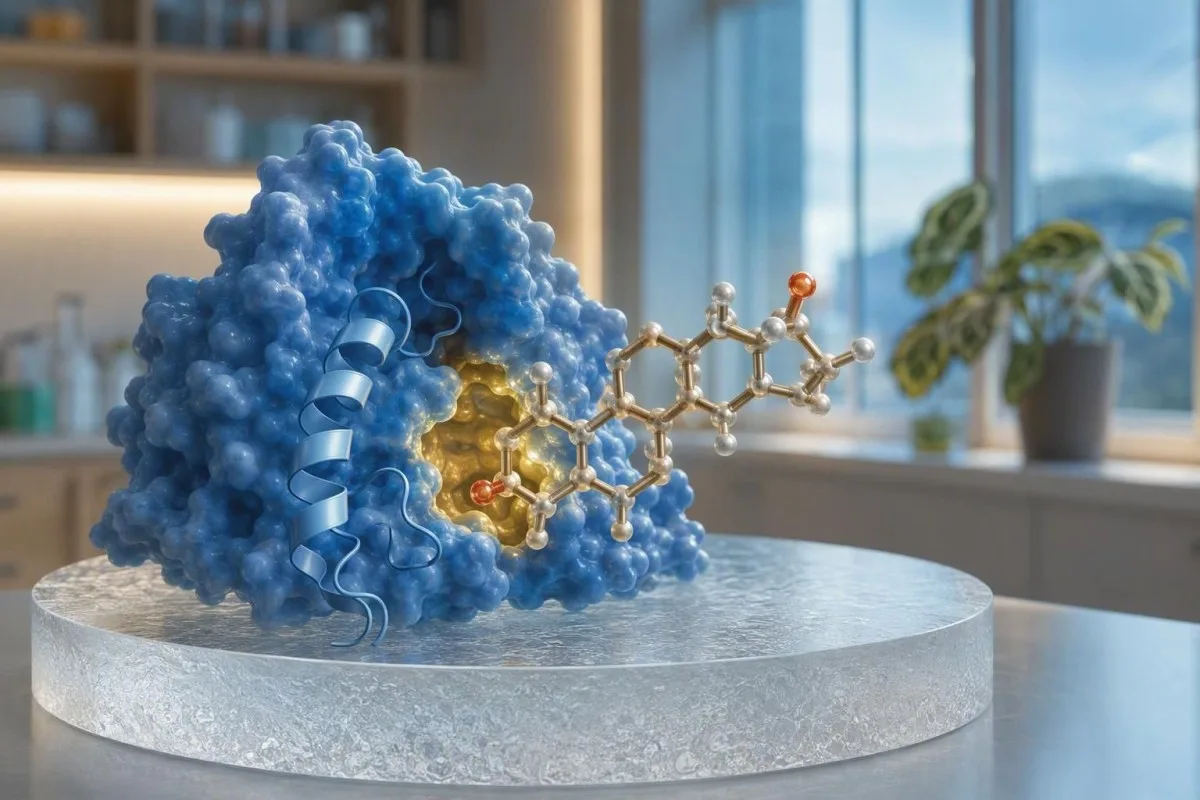
Ien estradiolresultaat definiearret selden wêr't jo binne yn 'e menopoaze. It betsjutting hinget ôf fan menstruale timing, it brûkte assay, hormoanterapy, symptomen, en – boppe alles – jo trend.


- Ien resultaat: Estradiol kin fariearje fan ûnder 20 pg/mL oant boppe 100 pg/mL yn lette perimenopoaze, dus ien tekening kin menopoaze net betrouber rangearje.
- Nei de menopoaze: Untranne estradiol is faak ûnder 20–30 pg/mL nei de menopoaze, mar de metoade en referinsje-interval fan elk laboratoarium binne wichtich.
- FSH-kontekst: In FSH boppe 25–30 IU/L stipet ôfnimmende eierstokaktiviteit, doch FSH fluktuearret ek en is net nedich om menopoaze te diagnostisearjen nei 45 jier.
- HRT-timing: Orale en transdermale estradiol produsearje ferskillende laboratoariumpatroanen; in resultaat is allinich te ynterpretearjen as de dosis, rûte, en tiid sûnt tapassing bekend binne.
- Earst symptomen: Hite flitsen, sliepûnderbrekking, faginaal symptomen, en syklusferoarings liede meastentiids brûkberer de soarch as routine estradioltests.
- Ferfolch: It is sinniker om in test ûnder deselde omstannichheden te werheljen as om ûnferbûne bloedtests fan moannen útinoar te fergelykjen.
- Feiligens: Nij bloeden nei 12 moannen sûnder perioaden freget om in klinyske beoardieling, nettsjinsteande in estradiolresultaat.
Wêrom in inkelde estradiolresultaat menopoaze selden definiearret
Estradiol yn 'e menopoaze is lestich te ynterpretearjen út ien stekproef, om't de eierstokproduksje ûnregelmjittich wurdt foardat it úteinlik op in leech nivo delkomt. In wearde kin de iene wike “premenopausaal” lykje en de folgjende leech wêze, sûnder dat ien fan beide resultaten ferkeard is.
Yn 'e lette perimenopoaze kin in 48-jierrige de iene moanne in estradiol fan 18 pg/mL hawwe en de folgjende 140 pg/mL; yntermitterende follisaktiviteit ferklearret de feroaring. Menopoaze wurdt klinysk diagnostisearre nei 12 efterinoar folgjende moannen sûnder menstruaasje as gjin oare oarsaak wierskynlik is, net út in ienich estradiolresultaat (NICE, 2024).
As ik in panel beoardielje, freegje ik earst oft de persoan yn 'e ôfrûne 60 dagen in bloedperioade hie, in hysterektomy hat ûndergien, hormonen brûkt, en wat it laboratoarium metten hat. Kantesti is in AI-bloedtestanalysator dy't estradiol pleatst neist FSH, LH, medisyngegevens en eardere resultaten ynstee fan in flagge as in diagnoaze te behanneljen.
Dr. Thomas Klein syn praktyske regel is ienfâldich: in nûmer krijt allinnich betsjutting as de samplingomstannichheden bekend binne. As jo rapporten fergelykje, bewarje dan de kolleksjedatum, syklusynformaasje, produkt-dosis en tapassingstiid; ús lab-trendgids ferklearret wêrom't dit ferslach faak mear betsjut as in referinsjebereik kleur.
In laboratoariumberik is gjin menopoazedianoaze
Referinsje-yntervallen beskriuwe resultaten observearre yn in selektearre populaasje; se skiede net elke perimenopausale persoan fan elke sykluses persoan. In resultaat binnen it follis-faze-ynterval fan in laboratoarium kin noch foarkomme tidens anovulêre perimenopoaze, benammen nei 45 jier.
Wat feroarsaket perimenopoaze estradiol-fluktuaasjes?
Perimenopausale estradiolfluktuaasjes ûntsteane as eierstokfollikels ûnfoarspelber reagearje op feroarjende FSH-stimulaasje. Ovulaasje wurdt minder konsekwint, mar de produksje fan estrogeen falt net yn in nette rjochte line.
Ier yn 'e oergong kinne minder reageare follikels hegere FSH-útfier feroarsaakje, mar ien oerbleaune follikel kin noch altyd substansjeel estradiol produsearje. Yn 'e SWAN-kohoart foel estradiol net glêd oant de lettere oergong, wylst FSH it skerpst om 'e lêste menstruaasjeperioade hinne omheech gong (Randolph et al., 2003).
It ding is, de healweardetiid fan estradiol yn 'e sirkulaasje is koart - rûchwei 13 oant 17 oeren- wylst de biologyske gefolgen fan feroarjende receptor sinjalen, slieptekoart en thermoregulation langer duorje kinne. Dat ûngelyk helpt te ferklearjen wêrom't in persoan in leech moarnresultaat kin hawwe, mar melde dat de flushes fan ferline wike tydlik ferlichte wiene.
Gewichtsferoaring, smoken, skyöldklier sykte, hege prolactine, gemoterapy en eierstokchirurgy kinne it ferwachte patroan feroarje. Foar kontekst oer in oare faak misferstiene gonadotropine, sjoch ús útlis fan hege LH-resultaten.
Estradiol menopoaze-nivo's: nuttige berikken en assaylimieten
Untrêste postmenopausale estradiol is meastal ûnder 20–30 pg/mL, lykweardich oan sawat 73–110 pmol/L, mar gjin inkelde grins bewiist menopoaze. De laboratoariummetoade is foaral konsekwint by lege konsintraasjes.
In protte laboratoaria rapportearje estradiol by folwoeksenen yn pg/mL; fermannichfâldigje mei 3.671 om om te rekkenjen nei pmol/L. In útslach fan 10 pg/mL komt oerien mei sa’n 37 pmol/L, wylst 50 pg/mL oerienkomt mei sa’n 184 pmol/L—betizing oer ienheden is ferrassend faak in boarne fan ûnnedige soarch.
Routine-immunoassays kinne minder presys wêze by konsintraasjes ûnder likernôch 20 pg/mL, dêr’t krúsreaktiviteit en ferskillen yn kalibraasje fan belang binne. Flüssige chromatografy–tandemmassaspektrometry, faak LC-MS/MS neamd, kin de foarkar hawwe as in tige lege útslach it belied feroarje soe, al ferskilt de tagong dêrta per laboratoarium.
Kantesti AI lêst it troch it laboratoarium opjûne referinsje-ynterval en de ienheden foardat it in útslach ferliket mei jo skiednis; ús referinsjegids foar biomarkers leit út wêrom’t in flagge bûten it referinsjeberik in oanlieding is om nei de kontekst te sjen, net in einoardiel.
Wannear moat estradiol test wurde foar in sinfol resultaat?
Estradioltesten binne it bêst te ynterpretearjen as de klinyske fraach en de omstannichheden by it bloedôfnimmen foarôf fêstlein binne. By in protte minsken boppe de 45 mei typyske symptomen en feroarjende menstruaasjes is routine-testen net nedich om perimenopauze te diagnostisearjen.
As der noch syklussen foarkomme en de test foar in spesifike reden brûkt wurdt, dokumintearje artsen faak de syklusdei en nimme se hormonen yn de iere syklus ôf om de dagen hinne 2 oant 5. Dy konvinsje is benammen nuttich foar fragen oer de reproduktive endokrinology; it makket in fluktuearjende perimenopauzale útslach net ta wissichheid.
Brûk foar werhelle testen itselde laboratoarium, in ferlykber tiidstip fan ’e dei en in ferlykbere relaasje ta in estradioldosis of it wikseljen fan in pleister. In fergeliking nei in sliepleaze nacht, akute sykte of in feroaring yn medisinen freget foarsichtigens, krekt as de timingproblemen yn ús tiidline fan in bloedtest.
Biotine feroarsaket ornaris net de dramatyske ynterferinsje mei estradiol dy’t by guon skildklierassays sjoen wurdt, mar supplementen moatte noch altyd op it oanfraachformulier fermeld wurde. It team dat it bloed ôfnaam moat ek witte fan vaginale estrogen, pellets, gels, pleisters, tabletten en gearstalde preparaten.
Wat betsjut lege estradiol nei de menopoaze?
Leech estradiol nei de menopoaze wjerspegelet ornaris de ferwachte fermindering fan estrogenproduksje troch de ovaria en is op himsels gjin needtastân of behanneldoel. Estron dat yn perifere weefsels produsearre wurdt, wurdt nei de menopoaze it meast promininte sirkulearjende estrogen.
In net-behannele estradiolútslach ûnder 20 pg/mL is gewoan jierren nei de lêste menstruaasje, en in protte sûne minsken hawwe wearden ûnder de rapportaazjedrompel fan in assay. Leech estradiol mjit net “hoe slim” de menopoaze is en foarseit ek net de krekte frekwinsje fan hjitte flushes.
Wat omtinken fertsjinnet, is it gefolgenprofyl: hinderlike vaginale drûchheid, weromkearend urine-ûngemak, flushes dy’t de sliep fersteure, in fraktuer nei in lyts trauma of fluch bonkeferlies kinne it petear feroarje. De North American Menopause Society stelt dat hormoaneterapy de meast effektive behanneling bliuwt foar vasomotoryske symptomen en it genitourinêre syndroom as der gjin kontra-yndikaasje is (NAMS, 2022).
In lege útslach by immen jonger as 40 jier mei ûntbrekkende menstruaasjes is oars en kin soargen jaan oer primêre ovariale insuffisjinsje; dat freget in rappe beoardieling troch in klinikus. Foar detail op symptoomnivo, sjoch oanwizingen foar leech estradiol.
Wêrom symptomen en estradiol faak net gearrinne
Hitteflushes en sliepfersteuring wjerspegelje in rappe feroaring yn estrogen en de thermoregulaasje fan it brein, net gewoan in leech estradiolnûmer. Twa minsken mei deselde útslach fan 15 pg/mL kinne in hiel ferskillende symptoomlêst hawwe.
In 52-jierrige pasjint yn myn klinyk hie in estradiolwearde fan 62 pg/mL, mar waard fjouwer nachten yn ’e wike trochweekt fan it swit wekker; har foargeande útslach, seis wiken earder ôfnommen, wie 14 pg/mL. It patroan wiisde op fluktuaasje ynstee fan in tsjinstridichheid, en de behanneling rjochte him op de symptoomlêst, sliep, kardiovaskulêre skiednis en foarkarren.
Vaginale drûchheid, pine by seks, urinedrang en weromkearende urinesymptomen kinne bestean bliuwe nettsjinsteande in “normale” serum-estradiolwearde, om’t lokale weefselbleatstelling en de reaksje fan receptors fan belang binne. Lokale vaginale estrogen feroarsaket ornaris in lege systemyske bleatstelling, mar de kar fertsjinnet noch altyd in yndividualisearre besprekking by minsken mei in skiednis fan estrogengefoelige kanker.
Hertkloppingen, triljen, gewichtsferlies, koarts en trochweekt switten binne net automatysk menopoaze. In soarchfâldige klinikus kin de skildklierfunksje, glukoaze, folsleine bloedtelling en effekten fan medisinen kontrolearje; ús differinsjaaldiagnoazegids foar hjitteflushes behannelet de nuttige útslutingen.
Hoe't estradiol lêze mei FSH en LH
In hege FSH mei leech of wikseljend estradiol stipet fermindere ovariale feedback, mar de kombinaasje kin de menopoaze net presys datearje. FSH boppe likernôch 25–30 IU/L is gewoan yn de lette oergong en nei de menopoaze, hoewol’t wearden tydlik sakje kinne nei in estradiolpyk.
FSH wurdt yn pulsen frijjûn en kin tusken bloedôfnames flink ferskille; in inkelde wearde fan 9 IU/L slút perimenopoaze net út by in 49-jierrige mei oersleine menstruaasjes. Oarsom is FSH boppe 40 IU/L gewoan nei de menopoaze, mar it moat net allinnich brûkt wurde om elk symptoom te ferklearjen.
NICE riedt ôf om estrogeen, AMH, inhibine A, inhibine B, of antraal follikel counting te brûken om menopoaze te identifisearjen by persoanen fan 45 jier of âlder mei typyske symptomen en syklusferoaring. Testen wurdt nuttiger by mooglike iere menopoaze, mooglike primêre ovariale insuficiency, of as behanneling it ferhaal ferbergje (NICE, 2024).
Kantesti AI is in AI bloedtest útslach platfoarm dat estrogeen, FSH, LH, prolactine, en skyldrêdmakkers fergeliket as in patroan mei tiidstempel. Lêsers dy't te hearren krigen hawwe dat harren FSH “heech” is, kinne de nuanse besjen yn ús postmenopausale FSH-gids.
Hoe't hormoanterapy estradiolresultaten feroaret
Hormonale terapy kin estrogeen ferheegje, ferleegje, of ferskine as in inkonsistinte mjitting, ôfhinklik fan formulearing, dosis, rûte en assay. In resultaat op terapy mei nea direkt fergelike wurde mei in ûnbelibbe postmenopausale referinsjeberik.
Transdermale 17β-estrogeen pleisters begjinne faak mei 25 oant 50 mikrogram per dei, wylst gels en sproeiers ferskate absorpsjeprofyljes hawwe. Orale estrogeen ûndergiet earste-pass levermetabolisme en ferheget estrone promininter, dus deselde klinyske foardiel garandearret net deselde serum estrogeen konsintraasje.
As in gel koart foar it ynsammeljen waard tapast, kin it mjitten resultaat heger wêze as in troch-eftich stekproef nommen krekt foar de folgjende dosis. Yn selden gefallen kin ûnbedoelde oerdracht fan gel tichtby in ynsamelingsplak in opfallend heech wearde produsearje; it werheljen fan de test mei foarsichtich ôfhanneljen is sinfol foardat de terapy eskalearre wurdt.
Kombinearre orale konsepten, tibolone, selektive estrogeen receptor modulators, en guon gearstalde produkten meitsje ynterpretaasje noch minder rjochtfeardich. Us artikel oer estrogeentests by it brûken fan antykonsepsje leit út wêrom't endogene estrogeen ûnderdrukt of min fertsjintwurdige wurde kin.
Moatte estradiol-nivo's de HRT-dosis liede?
Foar de measte menopausale hormonale terapy, symptoombestriding en feiligens - net in doel estrogeen nivo - liede de dosis oanpassing. Der is gjin universeel goedkarde serum estrogeen doel dy't ferlichting garandearret of bonedeferlies foarkomt foar elke pasjint.
De 2022 NAMS-ferklearring riedt yndividualisearre terapy oan mei de juste dosis, duorje, regime en rûte, mei periodyk werwurdearjen (NAMS, 2022). Yn 'e praktyk beoardielje in protte klinisy wer nei 8 oant 12 wiken, genôch tiid jaan foar vasomotor symptomen en negative effekten om harren te ferklearjen.
In leech nivo op in pleister betsjut net automatysk dat de dosis ferhege wurde moat. Ik kontrolearje earst de adhesion, rotaasje fan it tapassingplak, dosis timing, nije medisinen, migraine skiednis, bloeddruk kontrôle, smoken, ûnferklearbere bloedingen, en oft symptomen eins hinderlik bliuwe.
Kantesti’s gids foar frouljushormonale sûnens helpt brûkers in gearfette symptoom- en lab-tiidline foar te meitsjen foar in foarskriuwer. It kin de beslissing fan in klinikus oer HRT net ferfange, benammen as der in skiednis is fan trombose, beroerte, boarstkanker, of aktive leversykte.
Wannear't estradiol en bloeden rapper beoardieling fereaskje
Elke vaginale bloeding nei 12 moannen sûnder perioaden fereasket medyske beoardieling, sels as estrogeen leech, heech of net beskikber is. Estradiol kin gjin strukturele, endometriale, cervikale, medisyn-relatearre, of oare oarsaken fan bloeding útslute.
Bloeding op trochgeande kombinearre HRT kin foarkomme tidens de earste 3 oant 6 moannen, mar nije nijet, swier, oanhâldend of weromkommend bloedjen moat meld wurde ynstee fan normalisearre. De folgjende stap kin medisynbesjen, bekkenûndersyk, echografie of spesjalist-rjochte stekproef omfetsje, ôfhinklik fan de skiednis.
Sykje needhelp foar tige swier bloedjen mei flauens, pine op it boarst, koartheid fan sykheljen of slimme bekkenpine. In serum estradiol wearde fan 12 pg/mL makket dy symptomen net feilich om thús te besjen.
Minsken sykje faak earst nei in hormonale ferklearring, wat te begripen is. Us hantlieding foar CA-125 symptomen en opgeblazenheid leit út wêrom't symptoom-liedende triage feiliger is as it brûken fan in tumor marker of estradiol as in screening test.
Hokker oare bloedtests binne wichtich tidens de menopoaze?
Estradiol mjit gjin kardyometabolike risiko, skildklier sykte, bloedarmoede, of bonedichtheid, dus menopausale opfolging moat risiko-lied wêze ynstee fan hormoan-paniel-lied. Bloeddruk, lipiden, glukoaze, en passende screening foegje meastentiids mear brûkbere ynformaasje ta.
LDL-cholesterol hat de neiging om te stige oer de menopausale oergong, wylst estradiol feroarings bydrage kinne, mar net elke lipidresultaat ferklearje. In fêste of net-fêste lipidpanel, HbA1c, bloeddruk, smookstatus, en famyljeskiednis meitsje in folle nuttiger kardiovaskulêr byld dan allinnich estradiol.
Kontrôle skyldkliertest as symptomen oanhâldende palpitaasjes, dúdlike waarmte-yntolerânsje, ferstopping of ûnferklearre gewichtsferoaring befetsje; hypothyroïdy en hyperthyroïdy kinne oerlaapje mei de menopoaze. Izerstúdzjes binne ferstannich nei langdurich swier bloedjen, benammen as it ferritine ûnder 30 ng/mL, is, wat faak depleted izer reserves yn de goede kontekst stipet.
Foar in bredere basisline, sjoch pre-HRT tests nei 40 en ús resinsje fan feroarjende menopoaze biomarkers.
Wat lege estradiol betsjut foar bonken sûnens
Estrageen ôfnimmen fersnelt bon remodelling, mar in serum estradiol resultaat kin gjin osteoporose diagnostisearje of in fraktuer-risiko beoardieling ferfange. In DEXA-scan mjit bonemassa direktt en is de relevante test as screening oanjûn is.
It rapste bonferlies komt faak om de lêste menstruaasje perioade hinne, mei stúdzjes dy't sawat 2% oant 3% bonferlies per jier skatte tidens de oergong by guon froulju. Frakturen mei leech trauma, lange-termyn glukokortikoïden, lichemsgewicht ûnder 57 kg, âlderlike heupfraktuer, smoken, en iere menopoaze ferheegje soarch.
Kalsium en fitaamine D binne gjin ferfanging foar it beoardieljen fan fraktuer risiko. Folwoeksenen hawwe meastentiids 1.000 oant 1.200 mg/dei kalsium út iten en oanfollingen kombinearre, wylst fitaamine D dosering yndividualisearre wurde moat foar tekoart, nier sykte, malabsorpsje en medisyn kontekst.
Dr. Thomas Klein advisearret te freegjen “Haw ik DEXA of FRAX nedich?” ynstee fan te besykjen in laboratoarium estradiol wearde te ferheegjen. Krêft training en foldwaande proteïnen binne ek wichtich; ús froulju fan boppe de 50 jier krêft basisline biedt in praktysk begjinpunt.
Hoe't in estradioltest werhelje sûnder lûd te meitsjen
In werhelle estradioltest is it meast nuttich as it sammele wurdt ûnder doelbewust oerienkommende omstannichheden en besteld wurdt om in spesifike klinyske fraach te beantwurdzjen. Wyls ferfeeld testen om de pear wiken soarget meastentiids foar eangst ynstee fan dúdlikens.
Foar in werhelle tekening, registrearje de eksakte datum, tiid, laboratoarium, estradiolprodukt, dosis, rûte, lêste dosis, patch-feroarderingsdei, menstruaasjebloeding, en akute sykte. Foar in transdermale produkt, freegje de foarskriuwende dokter oft hy of sy leaver kolleksje op in konsistint punt yn it doseringsynterval as it sels te kiezen.
Mije it oanbringen fan gel yn 'e buert fan it foaropstelde kolleksjegebiet, en fertel it laboratoarium oer alle hormonen. As in resultaat wyld discordant is - lykas >200 pg/mL by ien dy't gjin systemysk estrogen brûkt - befêstiging mei werhelle testen of in oare assay kin mear ynformatyf wêze as direkte konklúzjes.
Kantesti kin datearre PDF's en foto's organisearje yn in ferlikings werjefte, wylst ús side-by-side resultaten gids leit út hokker ferskillen wierskynlik echt binne tsjin gewoane biologyske fariaasje.
Wannear't estradiolresultaten klini-ske beoardieling nedich binne
Klinysk ûndersyk is passend foar ôfwêzige perioaden foar de leeftiid fan 45, ûnferwachte oanhâldende ferheging fan estradiol, nije postmenopausale bloeding, of symptomen dy't net passe by in typysk menopausaal patroan. Symptomen fan need moatte driuwend beoardiele wurde ynstee fan beheard fia werhelle hormoan testen.
Mooglike primêre eierstokinsufficiëntie warrants beoardieling as perioaden stopje foar de leeftiid fan 40; evaluaasje kin werhelle FSH-testen op syn minst 4 oant 6 wiken útinoar befetsje, swangerskipstest wêr't relevant, en beoardieling foar genetyske, autoimmune, of behannelingsrelatearre oarsaken. Dizze diagnoaze hat gefolgen foar bonke, kardiovaskulêre, fruchtberens, en emosjonele sûnens.
Regelje driuwend ûndersyk foar oanhâldende slimme hoofdpijn mei fisuele feroarings, galaktorroe, markearre androgene symptomen, of in discordante estradiol/FSH-patroan; dizze fynsten kinne fierder wize as gewoane menopoaze. Stopje de foarskreaune terapy net abrupt allinich om't in app of ien laboratoariumgetal soarchlik liket.
Kantesti is in AI-biomarker-ynterpretaasjeplatfoarm ûntwurpen om estradioltrends en opfolgingsfragen te markearjen, net om menopoaze te diagnostisearjen of behanneling foar te skriuwen. Us klinyske noarmen en tafersjoch fan artsen wurde beskreaun yn medyske falidaasje, en lêzers kinne de medyske advysried dy't ferantwurdlik is foar de prinzipes fan resinsje. Fan 26 augustus 2026 ôf bliuwt de feilichste ynterpretaasje in petear dat symptomen, bloedingshistoarje, behanneling bleatstelling, en trends kombinearret.
Faak stelde fragen
Wat is in normaal estradiolnivo nei de menopoaze?
Net behannele estradiol nei de menopauze is meastentiids leger dan 20-30 pg/mL, of leger dan sawat 73-110 pmol/L, hoewol't de laboratoariummetoade it te rapportearjen berik bepaalt. In lege wearde wurdt ferwachte nei't de eierstokken minder oestrogenen produsearje en stelt op himsels gjin osteoporose fêst, ferklearret net elke symptoom, of fereasket gjin behanneling. Estradiol moat ynterpretearre wurde yn kombinaasje mei de menstruaasjehistoarje, medisyngebrûk, symptomen, en it eigen referinsjebereik fan it laboratoarium. Minsken dy't hormoaneterapy brûke, moatte harren resultaat net direkt fergelykje mei de berikken fan froulju nei de menopauze dy't gjin terapy krije.
Kin estradiol heech wêze yn 'e perimenopoaze?
Ja, estradiol kin tydlik 100 pg/mL, of 367 pmol/L, oertreffen tidens perimenopoaze, om't oerbleaune follikels yntermitterend noch substansjeel oestrogeen produsearje kinne. In heech resultaat kin gearrinne mei oersleine perioaden, waarmte-flitsen, en ferhege FSH, om't de hormoanproduksje ûnregelmjittich is ynstee fan stadichoan te fallen. Ien heech estradiol-resultaat slút perimenopoaze net út. Oanhâldend estradiol boppe 200 pg/mL sûnder foarskreaune oestrogeen fertsjinnet in beoardieling troch in klinikus yn kontekst.
Moatte ik estradiol testen om de menopoaze te befêstigjen?
Estradiol-testing is meastal net nedich om menopoaze te befêstigjen by minsken fan 45 jier en âlder mei typyske symptomen en 12 moannen sûnder menstruaasje. NICE-rjochtlinen riede oan om menopoaze klinysk te diagnostisearjen yn dizze kontekst ynstee fan te fertrouwen op estradiol-, AMH- of FSH-testing. Testing kin nuttich wêze as de menstruaasje foar de leeftiid fan 45 stopet, as de diagnoaze ûnwis is, of as in oare endokrine betingst wurdt beskôge. Hormonale antykonsepsje en HRT kinne laboratoariumbefêstiging minder betrouber meitsje.
Wêrom is myn estradiol leech mar myn FSH normaal?
In leecht estradiolresultaat mei in FSH dat normaal liket, kin foarkomme om't beide hormonen dynamysk wurde frijlitten en regele, foaral tidens de perimenopause. FSH kin tydlik ûnderdrukt wurde nei in resinte estrogenopkomst, en in inkelde mjitting kin de bredere oergong misse. Medisinen, hormonale antykonsepsje, hypofysebetingsten en ferskillen yn laboratoariummetoaden kinne ek ynfloed hawwe op it patroan. In werhelle test ûnder deselde omstannichheden kin helpe as it resultaat de klinyske behanneling feroarje soe.
Hok hok heech estradiol-nivo moatte ik neistribje mei HRT?
D'r is gjin universeel estradiol-doelnivo foar menopausale HRT, om't symptoomferlichting, bywurkingen, behannelingsrûte en yndividueel risiko mear klinysk betsjuttend binne dan in inkelde serumbulk. In transdermale estradiolpleister fan 25-50 mikrogram/dei kin effektive behanneling biede foar in protte minsken, mar de mjitten wearden fariëarje sterk mei timing en opname. Klinisy beoardielje meastentiids symptomen en feiligens nei sawat 8-12 wiken ynstee fan de terapy allinich te ferheegjen om in nûmer te berikken. Dosisbeslissingen fereaskje ynfier fan de foarskriuwer, benammen by ûnferklearbere bloedingen, migraine, tromboaze-skiednis, of skiednis fan boarstkankergefoelige kanker.
Soarget it lege estrogen nei de menopoaze osteoporose?
Lege estrogeen draacht by oan rapper bonerekonstruksje nei de menopoaze, mar stelt gjin osteoporose fêst en kin allinnich de breukrisiko net mjitte. Guon froulju ferlieze jiers sa'n 2% oant 3% fan 'e bonemineraldichtheid om de lêste menstruaasje hinne, benammen as der ekstra risiko's binne. In DEXA-scan mjit direkt de bonemineraldichtheid, wylst FRAX de breukmooglikheid skat mei help fan âldens en klinyske faktoaren. Freegje in klinikus earder nei DEXA as de menopoaze foarkommen is foar it 45e jier, in breuk troch lege traume is foarkommen, of langduorjende steroïdebehanneling wurdt brûkt.
Krij hjoed noch AI-oandreaune bloedtest-analyse
Doch mei oan mear as 2 miljoen brûkers wrâldwiid dy’t Kantesti fertrouwe foar direkte, krekte analyse fan laboratoariumtests. Upload jo bloedtest resultaten en ûntfange wiidweidige ynterpretaasje fan 15,000+-biomarkers yn sekonden.
📚 Ferwiisde ûndersykspublikaasjes
Klein, T., Mitchell, S., & Weber, H. (2026). Kantesti Undersyksteam. (2026). RDW Bloedtest: Folsleine Gids foar RDW-CV, MCV & MCHC. Zenodo. https://doi.org/10.5281/zenodo.18202598. Kantesti AI Medysk Undersyk.
Klein, T., Mitchell, S., & Weber, H. (2026). Kantesti Research Team. (2026). BUN/Creatinine Ratio Explained: Nierfunksjetest Guide. Zenodo. https://doi.org/10.5281/zenodo.18207872. Kantesti AI Medysk Undersyk.
📖 Eksterne medyske referinsjes
National Institute for Health and Care Excellence (2024). Menopoaze: diagnoaze en behear (NG23). NICE-rjochtline.
⚕️ Medyske disclaimer
Dit artikel is allinnich foar ûnderwiisdoelen en foarmet gjin medysk advys. Rieplachtsje altyd in kwalifisearre soarchferliener foar besluten oer diagnoaze en behanneling.
E-E-A-T fertrouwensignalen
Ûnderfining
Dokter-oandreaune klinyske resinsje fan lab-ynterpretaasje-wurkprosessen.
Ekspertize
Fokus fan laboratoariummedisyne op hoe’t biomarkers har gedrage yn in klinyske kontekst.
Autoriteit
Skreaun troch dr. Thomas Klein mei resinsje troch dr. Sarah Mitchell en prof. dr. Hans Weber.
Betrouberens
Bewiis-basearre ynterpretaasje mei dúdlike ferfolchpaadkes om alarm te ferminderjen.