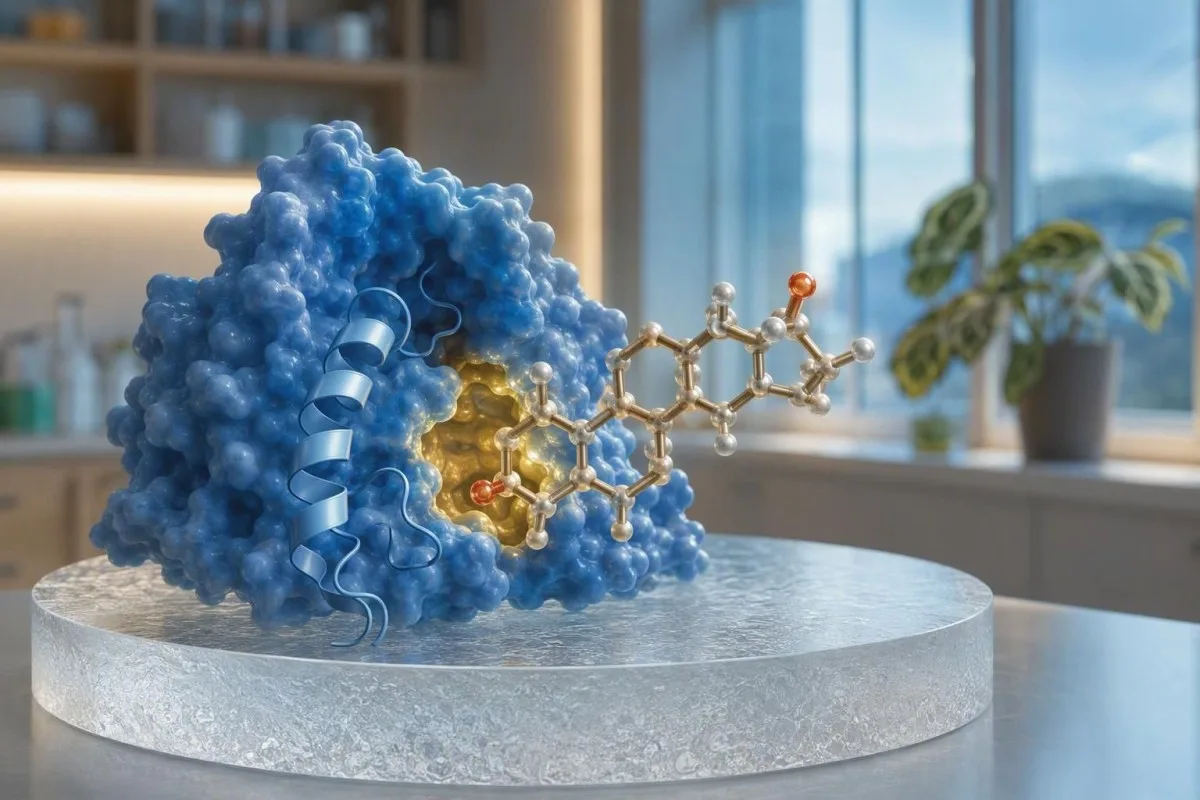
Eitt Estradiol gildi skilgreinir sjaldan hvar þú ert stödd í tíðahvörfum. Merking þess veltur á tímasetningu tíðahrings, prófunaraðferð, hormónameðferð, einkennum og – umfram allt – þróun þinni.


- Eitt gildi: Estradiol getur verið frá undir 20 pg/mL til yfir 100 pg/mL á seinku perimenopausa tímabili, svo eitt sýni getur ekki áreiðanlega tímasett tíðahvörf.
- Eftir tíðahvörf: Ómeðhöndlað Estradiol er oft undir 20–30 pg/mL eftir tíðahvörf, en aðferð hvers rannsóknarstofu og viðmiðunarmörk skipta máli.
- FSH samhengi: FSH yfir 25–30 IU/L styður minnkandi starfsemi eggjastokka, þó að FSH sveiflist líka og er ekki krafist til að greina tíðahvörf eftir 45 ára aldur.
- HRT tímasetning: Munnlegt og húðáfast Estradiol gefa mismunandi rannsóknarniðurstöður; gildi er aðeins hægt að túlka þegar skammtur, leið og tími frá gjöf eru þekkt.
- Einkenni fyrst: Hitakóf, svefnerfiðleikar, leggöngueinkenni og breytingar á tíðahring leiða venjulega til gagnlegri meðferðar en regluleg Estradiol próf.
- Eftirfylgni: Að endurtaka próf við sömu aðstæður er merkilegra en að bera saman óskyldar rannsóknir mánuðum saman.
- Öryggi: Nýjar blæðingar eftir 12 mánuði án tíða þurfa klínískt mat, óháð estradíólrannsókn.
Af hverju eitt Estradiol gildi skilgreinir tíðahvörf sjaldan
Estradíól á tíðahvörfum er erfitt að túlka úr einu sýni vegna þess að eggjastokkaframleiðsla verður óregluleg áður en hún kemst að lokum að lágu grunngildi. Gildi getur litið út fyrir að vera “fyrir tíðahvörf” eina viku og lágt næstu viku án þess að nein niðurstaða sé röng.
Í lok perimenopause, 48 ára kona getur haft 18 pg/mL af estradíóli einn mánuðinn og 140 pg/mL næsta mánuð; tímabundin starfsemi eggbús útskýrir sveifluna. Tíðahvörf eru greind klínískt eftir 12 samfellda mánuði án tíðir þegar engin önnur orsök er líkleg, ekki frá einni estradíólrannsókn (NICE, 2024).
Þegar ég met svörun, spyr ég fyrst hvort einstaklingur hafi haft blæðingu á síðustu 60 dögum, hafi farið í legnám, noti hormón og hvað rannsóknarstofan mældi. Kantesti er gervigreind blóðprófagreiningartæki sem setur estradíól ásamt FSH, LH, lyfjaupplýsingum og fyrri niðurstöðum fremur en að meðhöndla merki sem greiningu.
Hagnýta regla Dr. Thomas Klein er einföld: tala fær aðeins merkingu þegar sýnatökuskilyrði eru þekkt. Ef þú berð saman skýrslur, vistaðu söfnunardag, upplýsingar um hringrás, lyfjaskammt og gjöfartíma; okkar leiðarvísir okkar um þróun á rannsóknarstofu útskýrir hvers vegna þessi skrá skiptir oft meira máli en litur viðmiðunar.
Viðmiðunarsvið rannsóknarstofu er ekki greining á tíðahvörfum
Viðmiðunarbili lýsa niðurstöðum sem sjást í völdum hópi; þau aðgreina ekki alla einstaklinga í perimenopause frá öllum í virkri egglosshringrás. Niðurstaða innan viðmiðunarbils rannsóknarstofu fyrir eggbússtig getur samt komið fram á tíðahvörfum án egglos, sérstaklega eftir 45 ára aldur.
Hvað veldur sveiflum í Estradiol á perimenopausa tímabili?
Estradíól sveiflur í perimenopause koma fram þegar eggbú eggjastokka bregðast ófyrirsjáanlega við breyttri örvun FSH. Egglos verður minna samfellt, en estrógenframleiðsla fellur ekki í beinni línu.
Snemma í umbreytingunni geta færri næmir eggbú valdið meiri FSH framleiðslu, en eitt eftir standandi eggbú getur samt framleitt umtalsvert magn af estradíóli. Í SWAN rannsókninni lækkaði estradíól ekki jafnt fyrr en í síðari umbreytingu, en FSH hækkaði mest um það leyti sem síðustu tíðir komu (Randolph et al., 2003).
Svo virðist sem helmingunartími estradíóls í blóðrás sé stuttur—um það bil 13 til 17 klukkustundir—á meðan líkamleg áhrif af breyttri viðtaka boðum, svefnleysi og hitastjórnun geta varað lengur. Þessi misræmi hjálpar til við að útskýra hvers vegna einstaklingur getur haft lága niðurstöðu að morgni en tilkynnt að hitakóf síðustu viku hafi tímabundið létt.
Þyngdarbreyting, reykingar, skjaldkirtilssjúkdómur, hátt prólaktín, krabbameinsmeðferð og skurðaðgerð á eggjastokkum geta breytt væntum mynstri. Til samhengis um annað gonadotropin sem oft er misskilinn, sjá útskýringu okkar á há LH gildi.
Estradiol gildi á tíðahvörfum: gagnlegar viðmiðunarmörk og takmarkanir prófunaraðferða
Estradíól eftir tíðahvörf án meðferðar er almennt undir 20–30 pg/mL, sem jafngildir um það bil 73–110 pmol/L, en enginn einn skurður sönar tíðahvörf. Aðferð rannsóknarstofunnar er sérstaklega afgerandi við lága styrkleika.
Mörg rannsóknarstofur tilkynna estradíól hjá fullorðnum í pg/mL; margfaldaðu með 3.671 til að umbreyta í pmól/L. Niðurstaða 10 pg/mL jafngildir um 37 pmol/L, en 50 pg/mL jafngildir um 184 pmol/L – ruglingur í einingum er furðu algeng orsök óþarfa kvíða.
Venjuleg ónæmissvörun getur verið minna nákvæm við þéttni undir um það bil 20 pg/mL, þar sem krossviðbrögð og kalíbrunarmunir skipta máli. Vökvaskiljun - tandem massagreining, oft kölluð LC-MS/MS, getur verið æskilegri þegar mjög lág niðurstaða myndi breyta meðferð, þó að aðgangur sé mismunandi eftir rannsóknarstofu.
Kantesti AI les gefin viðmið og einingar rannsóknarstofunnar áður en niðurstaða er borin saman við sögu þína; okkar Tilvísunarhandbók um lífmerki útskýrir hvers vegna merki utan marka er hvatning til samhengis, ekki dómur.
Hvenær á að prófa Estradiol til að fá gagnlegt gildi?
Estradíólpróf er mest túlkunarhæft þegar klíníska spurningin og sýnatökuskilyrði eru tilgreind áður en sýni er tekið. Hjá mörgum yfir 45 ára með einkennandi einkenni og breytingar á blæðingum, er venjubundin próf ekki nauðsynleg til að greina tíðahvörf.
Ef tíðir eiga sér enn stað og próf er notað af tilteknum ástæðum, skrá læknar oft dag tíðahrings og geta tekið snemma í blæðingum um daga 2 til 5. Þessi hefð er aðallega gagnleg fyrir æxlunar-innkirtlafræðilegar spurningar; hún breytir ekki sveiflukenndri tíðahvörf niðurstöðu í vissu.
Við endurteknum prófum, notaðu sama rannsóknarstofu, svipaðan tíma dags og svipað hlutfall við estradíólskammt eða breytingu á plástri. Samanburður gerður eftir svefnleysi, bráða sjúkdóma eða breytingu á lyfjum þarfnast varkárni, líkt og tímasetningarmálin í okkar tímalínu blóðprófs.
Bíótín veldur venjulega ekki dramatískri estradíól truflandi áhrifum sem sést með sumum skjaldkirtilsprófum, en fæðubótarefni ætti samt að skrá á beiðnina. Safnteymið þarf einnig að vita um leggönguestrógen, köggla, hlaup, plástra, töflur og samsettar tilbúna efnisþætti.
Hvað þýðir lágt Estradiol eftir tíðahvörf?
Lægt estradíól eftir tíðahvörf endurspeglar venjulega væntanlega lækkun á estrógenframleiðslu eggjastokka og er ekki, í sjálfu sér, neyðarástand eða meðferðarmarkmið. Estrón framleitt í jaðarvefjum verður áberandi sirkulerandi estrógen eftir tíðahvörf.
Estradíól niðurstaða sem er ómeðhöndluð undir 20 pg/mL er algeng mörgum árum eftir síðasta blóðfall, og margar heilbrigðar konur hafa gildi undir skynunarþröskuldi. Lægra estradíól mælir ekki “hversu alvarleg” tíðahvörf eru, né spáir það nákvæmlega tíðni hitakóf.
Það sem þarfnast athygli er afleiðingarsniðið: truflandi þurrkur í leggöngum, endurtekin þvagfæraóþægindi, svefnrofandi hitaflæði, beinbrot við lítinn áverka eða hröð beinmissir geta breytt samtalinu. North American Menopause Society segir að hormónameðferð sé áframhaldandi áhrifaríkasta meðferðin við vasomotor einkennum og kynfæra-þvagfærasjúkdómum þegar engar frábendingar eru (NAMS, 2022).
Lægri niðurstaða hjá einstaklingi yngri en 40 ára með fjarverandi blóðföll er önnur og getur vakið áhyggjur vegna vanvirkni eggjastokka; það krefst skjótrar klínískrar mats. Fyrir upplýsingar um einkennastig, sjá vísbendingar um lægra estradíól.
Af hverju passa einkenni og Estradiol oft ekki saman
Hitaflæði og svefnrof endurspegla hraðar estrógenbreytingar og líkamshitaeftirlit heila, ekki bara lágt estradíól gildi. Tveir einstaklingar með sama 15 pg/mL niðurstöðu geta haft mjög mismunandi einkennaálag.
52 ára gömul sjúklingur á stofu minni hafði estradíól 62 pg/mL og vaknaði samt svitadropandi fjórar nætur í viku; fyrri niðurstaða hennar, tekin sex vikum áður, var 14 pg/mL. Mynstrið benti til óstöðugleika fremur en mótsagna, og meðferð beindist að einkennaálagi, svefni, hjarta- og æðasjúkdómasögu og óskum.
Þurrkur í leggöngum, sársauki við kynlíf, þvaglátaleysi og endurtekin þvagfæraeinkenni geta varað þrátt fyrir “eðlilega” sermisestradíól niðurstöðu vegna þess að staðbundin vefjaskipti og viðtakaónæmi skipta máli. Staðbundið leggönguestrógen gefur almennt litla kerfisbundna áhrif, en valið á samt skilið einstaklingsbundna umræðu fyrir fólk með sögu um estrógennæm krabbamein.
Hjartsláttarónot, skjálfti, þyngdartap, hiti og svitalagandi sviti eru ekki sjálfkrafa tíðahvörf. Vönduð klínísk skoðun getur kannað skjaldkirtilsvirkni, blóðsykur, fullt blóðtal og áhrif lyfja; okkar leiðbeiningar um mismunagreiningu hitaflæðis fjalla um gagnlegar útilokunaraðferðir.
Hvernig á að túlka Estradiol ásamt FSH og LH
Hár FSH með lágt eða breytilegt estradíól styður minnkað eggjastokka endurgjöf, en samsetningin getur ekki tímabilið tíðahvörf nákvæmlega. FSH yfir um það bil 25–30 IU/L er algengt í seint tímabili og eftir tíðahvörf, þó gildi geti fallið tímabundið eftir estradíól hámark.
FSH er gefið út í púls og getur verið mjög breytilegt milli mælinga; einstaklingsgildi 9 IU/L útilokar ekki perimenopause hjá 49 ára konu með sleppandi tíðir. Aftur á móti er FSH yfir 40 IU/L algengt eftir tíðahvörf en ætti ekki að nota eitt sér til að útskýra öll einkenni.
NICE ráðleggur gegn því að nota estradíól, AMH, inhibín A, inhibín B eða fjölda blöðruhálsfrumna til að greina tíðahvörf hjá einstaklingum 45 ára og eldri með einkennandi einkenni og breytingar á tíðahring. Prófanir verða gagnlegri við möguleg snemmtíðahvörf, möguleg vanstarfsemi eggjastokka, eða þegar meðferð skyggir á söguna (NICE, 2024).
Kantesti AI er AI vettvangur fyrir túlkun blóðrannsókna sem ber saman estradíól, FSH, LH, prólaktín og skjaldkirtilsmerki sem tímasett mynstur. Lesendur sem hafa verið sagt að FSH þeirra sé “hátt” geta skoðað undantekningarnar í okkar leiðbeiningar um tíðahvörf og FSH.
Hvernig hormónameðferð breytir Estradiol gildum
Hormónameðferð getur hækkað, lækkað eða látið mælt estradíól virðast ósamkvæmt eftir samsetningu, skammti, leið og greiningu. Aldrei ætti að bera niðurstöðu meðan á meðferð stendur saman við ómeðhöndluð viðmiðunarmörk eftir tíðahvörf.
Transdermal 17β-estradíól plástrar byrja almennt á 25 til 50 míkrógra fram á dag, en hlaup og úðar hafa mismunandi frásogssnið. Munnlegt estradíól gengst undir fyrstu lifrarumbrot og eykur estrón meira áberandi, svo sama klíníska ávinningur tryggir ekki sama estradíólmagn í sermi.
Ef hlaup var borið á stuttu fyrir sýnistöku getur mælt gildi verið hærra en lágmarks sýni tekið rétt fyrir næsta skammt. Tilviljunarkennd flutningur hlaups nálægt sýnistökustað getur sjaldan gefið ótrúlega hátt gildi; að endurtaka prófið með varkárri meðhöndlun er skynsamlegt áður en meðferð er aukin.
Samsettar getnaðarvarnartöflur, tíbólón, sértækir estrógenviðtakablokkar og sumar samsettar vörur gera túlkun enn flóknari. Grein okkar um estrógenpróf meðan á getnaðarvörnum stendur útskýrir hvers vegna innrænt estradíól getur verið bælt eða illa táknað.
Ætti Estradiol gildi að stýra HRT skömmtun?
Fyrir mestu hormónameðferð við tíðahvörf, einkennastjórnun og öryggi – ekki marklest estradíólmagn – leiðbeina við aðlögun skammta. Það er enginn almennt samþykktur sermi estradíólmarkmið sem tryggir léttir eða kemur í veg fyrir beinþynningu hjá hverjum sjúklingi.
NAMS yfirlýsingin frá 2022 mælir með einstaklingsmiðaðri meðferð með viðeigandi skammti, lengd, meðferðaráætlun og leið, með reglulegu endurmati (NAMS, 2022). Í reynd endurmeta margir læknar eftir 8 til 12 vikur, sem gefur nægan tíma fyrir æðavöxtueinkenni og aukaverkanir að koma fram.
Lágt gildi á plástri þýðir ekki sjálfkrafa að skammtinn eigi að auka. Ég athuga fyrst viðloðun, hringlaga notkunarstað, tímasetningu skammta, ný lyf, sögu mígrenis, blóðþrýstingsstjórnun, reykingar, óútskýrðar blæðingar og hvort einkenni séu enn truflandi.
Kantesti’s leiðarvísi um hormónheilbrigði kvenna hjálpar notendum að undirbúa stutt yfirlit yfir einkenni og rannsóknaniðurstöður fyrir lækni. Það getur ekki komið í stað ákvörðunar læknis um HRT, sérstaklega þegar saga er um segamyndun, heilablóðfall, brjóstakrabbamein eða virkan lifrarsjúkdóm.
Hvenær þarf Estradiol og blæðingar hraðari athugun
Allar leggöngublæðingar eftir 12 mánuði án tíða krefjast læknisskoðunar, jafnvel þegar estradíól er lágt, hátt eða ekki fáanlegt. Estradíól getur ekki útilokað byggingar-, legslímu-, leghálsi-, lyfjartengdar eða aðrar orsakir blæðinga.
Blæðingar við samfellda samsetta HRT geta komið fram á fyrstu 3 til 6 mánuði, en nýjar, miklar, viðvarandi eða endurteknar blæðingar ætti að tilkynna frekar en að venjuleggja. Næsta skref getur falið í sér lyfjaskoðun, mjaðmagreiningu, ómskoðun eða sérfræðilega sýnatöku eftir sögu.
Leitaðu tafarlaust læknishjálpar vegna mjög mikilla blæðinga með yfirliði, brjóstverk, mæði eða miklum verk í grindarholi. Serum Estradiol gildi 12 pg/mL gerir þessi einkenni ekki örugg til að fylgjast með heima.
Fólk leitar oft fyrst að hormónaútskýringu, sem er skiljanlegt. Leiðarvísir okkar að Einkenni CA-125 og uppþemba útskýrir hvers vegna einkennamiðuð forgangsröðun er öruggari en að nota æxlismarkara eða estradiol sem skimunarpróf.
Hvaða aðrar blóðprufur skipta máli á tíðahvörfum?
Estradiol mælir ekki hjarta- og efnaskiptaáhættu, skjaldkirtilssjúkdóma, blóðleysi eða beinþéttni, svo aðgerðir eftir tíðahvörf ættu að vera áhættumiðaðar frekar en hormónaplötu-miðaðar. Blóðþrýstingur, lípíð, glúkósi og viðeigandi skimun bæta venjulega við meiri gagnlegum upplýsingum.
LDL kólesteról hefur tilhneigingu til að hækka á tíðahvörfum, en estradiol breytingar geta stuðlað að en útskýra ekki öll lípíðúrslit. Fastandi eða ekki fastandi lípíðpróf, HbA1c, blóðþrýstingur, reykingarstöða og fjölskyldusaga skapa mun gagnlegri hjarta- og æðamynd en estradiol eitt og sér.
Athugaðu skjaldkirtilspróf þegar einkenni eru viðvarandi hjartsláttarónot, mikil hitaóþol, hægðatregða eða óútskýrð þyngdarbreyting; skjaldvakabólga og skjaldkirtilsvirkni geta skarast við tíðahvörf. Járnrannsóknir eru skynsamlegar eftir langvarandi miklar blæðingar, sérstaklega ef ferritín er undir 30 ng/mL, sem oft styður tæmdar járnbirgðir í réttu samhengi.
Fyrir víðari grunnlínugreiningu, sjá próf fyrir HRT eftir 40 og yfirferð okkar um breytt tíðahvörf líffræðileg merki.
Hvað þýðir lágt Estradiol fyrir beinheilsu
Estrogen lækkun eykur hraða endurgerðar beina, en serum estradiol útkoma getur ekki greint beinþynningu eða komið í stað mat á beinbrotshættu. DEXA skönnun mælir beinþéttni beint og er viðeigandi próf þegar skimun er talin nauðsynleg.
Hraðasta beinmissi á sér oft stað umhverfis síðasta tíðablóðfall, en rannsóknir meta um það bil 2% til 3% beinmissi á ári á meðan á umbreytingu stendur hjá sumum konum. Beinbrot við litlum áföllum, langtíma glúkókortíköíð, líkamsþyngd undir 57 kg, beinbrot í mjaðmarbeini hjá foreldrum, reykingar og snemmbær tíðahvörf auka áhyggjur.
Kalsíum og D-vítamín eru ekki í staðinn fyrir mat á beinbrotshættu. Fullorðnir þurfa almennt 1.000 til 1.200 mg/dag af kalsíum úr mat og fæðubótarefnum samanlagt, á meðan D-vítamín skammtar ætti að vera einstaklingsbundnir vegna skorts, nýrnasjúkdóma, vanfrásogs og lyfjasamhengis.
Dr. Thomas Klein ráðleggur að spyrja “Þarf ég DEXA eða FRAX?” frekar en að reyna að hækka rannsóknarstofu estradiol gildi. Styrktarþjálfun og nægilegt prótein skipta líka máli; okkar styrkur kvenna yfir 50 ára grunnur býður upp á hagnýtan upphafspunkt.
Hvernig á að endurtaka Estradiol próf án þess að skapa hávaða
Endurtekin estradíólpróf er mest gagnleg þegar hún er tekin við vísvitandi samsvarandi aðstæður og pöntuð til að svara sérstakri klínískri spurningu. Handahófskennd raðpróf á nokkurra vikna fresti skapar venjulega kvíða frekar en skýrleika.
Fyrir endurtekin blóðsöfnun, skráið nákvæma dagsetningu, tíma, rannsóknarstofu, estradíólvöru, skammt, leið, síðasta skammt, dag plástra, tíðablæðingar og bráða sjúkdóma. Fyrir transdermal vöru, spyrjið ávísandi lækni hvort þeir kjósi söfnun á stöðugum tíma innan skammtabilsins frekar en að velja það sjálfur.
Forðist að bera á hlaupi nálægt fyrirhugaðri söfnunarsvæði, og látið rannsóknarstofuna vita um öll hormón. Ef útkomur eru mjög ósamrýmanlegar - eins og >200 pg/mL hjá einstaklingi sem ekki notar kerfisbundið estrógen - staðfesting með endurteknum prófum eða öðru greiningartæki getur verið upplýsandi en tafarlausar ályktanir.
Kantesti getur skipulagt dagsettar PDF-skrár og ljósmyndir í samanburðarsýn, á meðan okkar hlið við hlið leiðarvísir útskýrir hvaða munur er líklega raunverulegur á móti venjulegri líffræðilegri breytileika.
Hvenær þarf Estradiol gildi læknisviðtals
Klínísk endurskoðun er viðeigandi vegna fjarverandi tíða fyrir 45 ára aldur, óvæntar viðvarandi hækkunar á estradíóli, nýrrar tíðahvörfsblæðingar, eða einkenna sem passa ekki við hefðbundið tíðahvörfsmynstur. Bráð einkenni eiga að vera metin tafarlaust frekar en meðhöndluð með endurteknum hormónaprófum.
Hugsanleg vanstarfsemi í eggjastokkum krefst mats þegar tíðir hætta fyrir aldurinn 40; mat getur falið í sér endurtekin FSH próf að minnsta kosti 4 til 6 vikna millibili, meðgöngupróf þar sem við á, og mat á erfðafræðilegum, sjálfónæmis- eða meðferðartengdum orsökum. Þessi greining hefur áhrif á bein, hjarta- og æðaheilsu, frjósemi og geðheilsu.
Raðið skjótt mati fyrir viðvarandi alvarlega höfuðverki með sjóntruflunum, galactorrhea, marktæk andrógen einkenni, eða ósamrýmanlegt estradíól/FSH mynstur; þessar niðurstöður geta bent til meira en venjulegs tíðahvörfs. Hættið ekki fyrirgefinni meðferð strax eingöngu vegna þess að forrit eða eitt rannsóknarnúmer lítur áhyggjuvekjandi út.
Kantesti er AI lífmerkjagreiningarvettvangur hannaður til að draga fram estradíólþróun og eftirfylgni spurningar, ekki til að greina tíðahvörf eða ávísa meðferð. Klínískir staðlar okkar og eftirlit lækna eru lýst í læknisfræðileg staðfesting, og lesendur geta hitt læknisráðgjafaráð sem ber ábyrgð á endurskoðunarreglum. Þann 26. ágúst 2026, er öruggasta túlkunin áfram samtal sem sameinar einkenni, blæðingarsögu, meðferðaráhrif og þróun.
Algengar spurningar
Hva er normalt østradiolnivå etter overgangsalderen?
Estradiól án meðferðar eftir tíðahvörf er almennt undir 20–30 pg/mL, eða undir um það bil 73–110 pmol/L, þó að rannsóknaraðferðin ákvarði tilkynnt bil. Lægra gildi er væntanlegt eftir að framleiðsla estrógens í eggjastokkum minnkar og greinir ekki ein og sér beinþynningu, útskýrir öll einkenni eða krefst meðferðar. Estradiól ætti að túlka í samhengi við tíðasögu, lyfjameðferð, einkenni og eigin viðmiðunarbili rannsóknarstofu. Fólk sem notar hormónauppbótarmeðferð ætti ekki að bera niðurstöður sínar beint saman við tilkynnt bil ómeðhöndlaðra eftir tíðahvörf.
Getur estradíól verið hátt á perimenopause?
Já, estradíól getur tímabundið farið yfir 100 pg/mL, eða 367 pmol/L, á perimenopause vegna þess að eggbú sem eftir eru geta enn framleitt umtalsvert estrógen af og til. Hár niðurstöður geta komið samhliða óreglulegum blæðingum, hitakófum og háu FSH því hormónaframleiðsla er óregluleg frekar en stöðugt minnkandi. Eitt hátt estradíól niðurstaða útilokar ekki perimenopause. Einkenni estradíól yfir 200 pg/mL án ávísaðs estrógen eiga skilið endurskoðun undir handleiðslu læknis í samhengi.
Ætti ég að mæla estradíól til að staðfesta tíðahvörf?
Estradiolprófanir eru yfirleitt ekki nauðsynlegar til að staðfesta tíðahvörf hjá einstaklingum 45 ára og eldri sem eru með dæmigerð einkenni og hafa ekki haft blæðingar í 12 mánuði. Leiðbeiningar NICE mæla með klínískri greiningu á tíðahvörfum í þessu tilviki frekar en að treysta á prófanir á estradíóli, AMH eða FSH. Prófanir geta verið gagnlegar þegar tíðir hætta fyrir 45 ára aldur, þegar greiningin er óviss, eða þegar verið er að íhuga aðra innkirtlasjúkdóma. Hormónagetnaðarvarnir og hormónauppbótarmeðferð geta gert rannsóknarstaðfestingu óáreiðanlegri.
Af hverju er estradíól mitt lágt en FSH mitt eðlilegt?
Lágur estradíól-niðurstaða með eðlilegu FSH getur komið fram vegna þess að báðir hormónarnir eru losaðir og stjórnaðir dýnamískt, sérstaklega á perimenopause. FSH getur verið tímabundið bælt eftir nýlega estrógenhnyggju og eitt mæling getur misst af víðtækari umbreytingu. Lyf, hormónagetnaðarvarnir, skjaldkirtilsjúkdómar og munur á rannsóknaraðferðum geta einnig haft áhrif á mynstrið. Endurtekin próf við samsvarandi aðstæður geta hjálpað þegar niðurstaðan myndi breyta klínískri meðferð.
Hvað estradiolmagn ætti ég að stefna að í hormónaupptöku?
Það er engin almenn markgildi fyrir estradíól hjá konum á tíðahvörfum í hormónauppbótarmeðferð þar sem einkenna léttir, aukaverkanir, meðferðarleið og einstök áhætta eru klínískt marktækari en eitt sermisstyrkur. Transdermal plástur með 25–50 míkrógörum/dag af estradíóli getur veitt árangursríka meðferð fyrir marga, en mæld gildi eru mjög breytileg eftir tímasetningu og frásogi. Læknar meta yfirleitt einkenni og öryggi að um 8–12 vikum liðnum frekar en að auka meðferð eingöngu til að ná tölu. Ákvarðanir um skammtastærð krefjast mati læknis, sérstaklega ef um er að ræða óútskýrða blæðingu, mígreni, sögu um segamyndun eða sögu um hormónatengdan krabbamein.
Veldur lágur estradíól eftir tíðahvörf beinþynningu?
Lægt estrúgen stuðlar að hraðari beinendurgerð eftir tíðahvörf, en greinir ekki beinþynningu og getur ekki mælt brotáhættu eins og hún er. Sumar konur missa um 2% til 3% af beinþéttni á ári í kringum síðasta tíðablóðfall, sérstaklega þegar aðrir áhættuþættir eru til staðar. DEXA skönnun mælir beinþéttni beint, á meðan FRAX metur líkur á brotum með aldri og klínískum þáttum. Spyrðu lækni um DEXA fyrr ef tíðahvörf urðu fyrir 45 ára aldur, ef áfallabrot hefur orðið eða ef langtíma sterameðferð er notuð.
Fáðu AI-knúna greiningu á blóðprufum í dag
Vertu með yfir 2 milljónir notenda um allan heim sem treysta Kantesti fyrir tafarlausa og nákvæma greiningu á blóðprufum. Hladdu upp niðurstöðum blóðrannsókna þinna og fáðu yfirgripsmikla túlkun á 15,000+ lífmerkjum á sekúndum.
📚 Tilvísuð rannsóknarútgáfa
Klein, T., Mitchell, S., & Weber, H. (2026). Kantesti rannsóknarteymi. (2026). RDW blóðpróf: Heildarleiðbeiningar um RDW-CV, MCV & MCHC. Zenodo. https://doi.org/10.5281/zenodo.18202598. Kantesti AI Medical Research.
Klein, T., Mitchell, S., & Weber, H. (2026). Kantesti rannsóknarteymi. (2026). BUN/kreatínín hlutfall útskýrt: Leiðbeiningar um nýrnastarfspróf. Zenodo. https://doi.org/10.5281/zenodo.18207872. Kantesti AI Medical Research.
📖 Ytri læknisfræðilegar heimildir
National Institute for Health and Care Excellence (2024). Tíðahvörf: greining og meðferð (NG23). NICE leiðbeining.
⚕️ Fyrirvari vegna læknisfræðilegra mála
Þessi grein er eingöngu til fræðslu og felur ekki í sér læknisráðgjöf. Leitaðu alltaf til hæfs heilbrigðisstarfsmanns vegna ákvarðana um greiningu og meðferð.
E-E-A-T traustmerki
Reynsla
Læknastýrð klínísk yfirferð á vinnuferlum við túlkun rannsóknarniðurstaðna.
Sérþekking
Áhersla á rannsóknarstofulækningar: hvernig lífmarkarar hegða sér í klínísku samhengi.
Yfirvald
Skrifað af Dr. Thomas Klein með yfirferð Dr. Sarah Mitchell og próf. Dr. Hans Weber.
Traustleiki
Rökstudd túlkun byggð á gögnum með skýrum eftirfylgnileiðum til að draga úr ávörun.