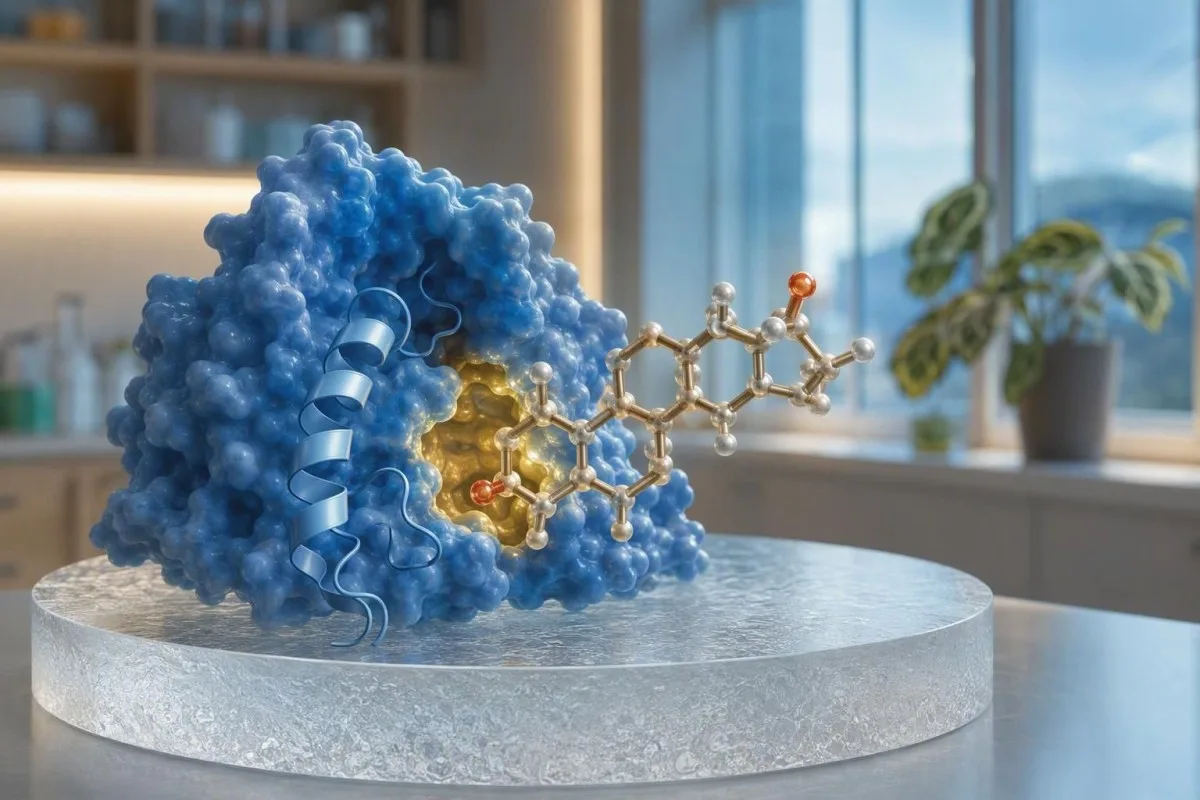
ಒಂದೇ ಒಂದು ಈಸ್ಟ್ರೊಜೆನ್ ಫಲಿತಾಂಶವು ನೀವು ಋತುಬಂಧದಲ್ಲಿ ಎಲ್ಲಿರುವಿರಿ ಎಂಬುದನ್ನು ವಿರಳವಾಗಿ ನಿರ್ಧರಿಸುತ್ತದೆ. ಇದರ ಅರ್ಥವು ಋತುಚಕ್ರದ ಸಮಯ, ಬಳಸಿದ ಪರೀಕ್ಷೆ, ಹಾರ್ಮೋನ್ ಚಿಕಿತ್ಸೆ, ರೋಗಲಕ್ಷಣಗಳು ಮತ್ತು ಎಲ್ಲಕ್ಕಿಂತ ಹೆಚ್ಚಾಗಿ - ನಿಮ್ಮ ಪ್ರವೃತ್ತಿಯನ್ನು ಅವಲಂಬಿಸಿರುತ್ತದೆ.


- ಒಂದೇ ಫಲಿತಾಂಶ: ತಡವಾದ ಪೆರಿಮೆನೋಪಾಸ್ ಸಮಯದಲ್ಲಿ ಈಸ್ಟ್ರೊಜೆನ್ 20 pg/mL ಗಿಂತ ಕಡಿಮೆ ಯಿಂದ 100 pg/mL ಗಿಂತ ಹೆಚ್ಚಾಗಿ ಬದಲಾಗಬಹುದು, ಆದ್ದರಿಂದ ಒಂದೇ ರಕ್ತದ ಮಾದರಿಯು ಋತುಬಂಧದ ಹಂತವನ್ನು ವಿಶ್ವಾಸಾರ್ಹವಾಗಿ ಹೇಳಲು ಸಾಧ್ಯವಿಲ್ಲ.
- ರಜೋನಿವೃತ್ತಿಯ ನಂತರ: ಚಿಕಿತ್ಸೆ ನೀಡದ ಈಸ್ಟ್ರೊಜೆನ್ ಋತುಬಂಧದ ನಂತರ ಸಾಮಾನ್ಯವಾಗಿ 20–30 pg/mL ಗಿಂತ ಕಡಿಮೆಯಿರುತ್ತದೆ, ಆದರೆ ಪ್ರತಿ ಪ್ರಯೋಗಾಲಯದ ವಿಧಾನ ಮತ್ತು ಉಲ್ಲೇಖದ ಅಂತರವು ಮುಖ್ಯವಾಗಿರುತ್ತದೆ.
- FSH ಸಂದರ್ಭ: 25–30 IU/L ಗಿಂತ ಹೆಚ್ಚಿನ FSH ಅಂಡಾಶಯದ ಚಟುವಟಿಕೆ ಕಡಿಮೆಯಾಗುವುದನ್ನು ಬೆಂಬಲಿಸುತ್ತದೆ, ಆದರೂ FSH ಕೂಡ ಏರಿಳಿತಗೊಳ್ಳುತ್ತದೆ ಮತ್ತು 45 ವರ್ಷದ ನಂತರ ಋತುಬಂಧವನ್ನು ನಿರ್ಣಯಿಸಲು ಅಗತ್ಯವಿಲ್ಲ.
- HRT ಸಮಯ: ಬಾಯಿಯ ಮೂಲಕ ಮತ್ತು ಚರ್ಮದ ಮೂಲಕ ತೆಗೆದುಕೊಳ್ಳುವ ಈಸ್ಟ್ರೊಜೆನ್ ವಿಭಿನ್ನ ಪ್ರಯೋಗಾಲಯದ ಮಾದರಿಗಳನ್ನು ಉತ್ಪಾದಿಸುತ್ತವೆ; ಡೋಸ್, ಮಾರ್ಗ ಮತ್ತು ಅನ್ವಯಿಸಿದ ಸಮಯ ತಿಳಿದಾಗ ಮಾತ್ರ ಫಲಿತಾಂಶವನ್ನು ಅರ್ಥೈಸಬಹುದು.
- ಮೊದಲು ರೋಗಲಕ್ಷಣಗಳು: ಬಿಸಿ ಉಗುಳು, ನಿದ್ರೆಯ ಅಡಚಣೆ, ಯೋನಿ ಲಕ್ಷಣಗಳು, ಮತ್ತು ಋತುಚಕ್ರದ ಬದಲಾವಣೆಗಳು ಸಾಮಾನ್ಯವಾಗಿ ನಿಯಮಿತ ಈಸ್ಟ್ರೋಜೆನ್ ಪರೀಕ್ಷೆಗಿಂತ ಹೆಚ್ಚು ಉಪಯುಕ್ತವಾಗಿ ಆರೈಕೆಯನ್ನು ನಿರ್ದೇಶಿಸುತ್ತವೆ.
- ಫಾಲೋ-ಅಪ್: ಒಂದೇ ಪರಿಸ್ಥಿತಿಗಳಲ್ಲಿ ಪರೀಕ್ಷೆಯನ್ನು ಪುನರಾವರ್ತಿಸುವುದು, ತಿಂಗಳುಗಳ ಅಂತರದಲ್ಲಿರುವ ಸಂಬಂಧವಿಲ್ಲದ ಮಾದರಿಗಳನ್ನು ಹೋಲಿಸುವುದಕ್ಕಿಂತ ಹೆಚ್ಚು ಅರ್ಥಪೂರ್ಣವಾಗಿದೆ.
- ಸುರಕ್ಷತೆ: ಋತುಸ್ರಾವವಿಲ್ಲದೆ 12 ತಿಂಗಳ ನಂತರ ಹೊಸ ರಕ್ತಸ್ರಾವಕ್ಕೆ, ಈಸ್ಟ್ರೋಜೆನ್ ಫಲಿತಾಂಶ ಏನೇ ಇರಲಿ, ವೈದ್ಯಕೀಯ ಮೌಲ್ಯಮಾಪನ ಅಗತ್ಯವಿದೆ.
ಏಕೆ ಒಂದೇ ಒಂದು ಈಸ್ಟ್ರೊಜೆನ್ ಫಲಿತಾಂಶವು ಋತುಬಂಧವನ್ನು ವಿರಳವಾಗಿ ನಿರ್ಧರಿಸುತ್ತದೆ
: ಋತುಬಂಧದಲ್ಲಿ ಈಸ್ಟ್ರೋಜೆನ್ ಅನ್ನು ಒಂದೇ ಮಾದರಿಯಿಂದ ಅರ್ಥೈಸಲು ಕಷ್ಟವಾಗುತ್ತದೆ ಏಕೆಂದರೆ ಅಂಡಾಶಯದ ಉತ್ಪಾದನೆಯು ಅಂತಿಮವಾಗಿ ಕಡಿಮೆ ಮಟ್ಟವನ್ನು ತಲುಪುವ ಮೊದಲು ಅನಿಯಮಿತವಾಗುತ್ತದೆ. : ಒಂದು ಮೌಲ್ಯವು ಒಂದು ವಾರ “ಋತುಪೂರ್ವ” ಮತ್ತು ಮುಂದಿನ ವಾರ ಕಡಿಮೆ ಇರಬಹುದು, ಎರಡೂ ಫಲಿತಾಂಶಗಳು ತಪ್ಪಲ್ಲ.
: ತಡವಾದ ಪೆರಿಮೆನೋಪಾಸ್ನಲ್ಲಿ, 48 ವರ್ಷದ ವ್ಯಕ್ತಿಗೆ ಒಂದು ತಿಂಗಳಲ್ಲಿ 18 pg/mL ಮತ್ತು ಮುಂದಿನ ತಿಂಗಳಲ್ಲಿ 140 pg/mL ಈಸ್ಟ್ರೋಜೆನ್ ಇರಬಹುದು; ಮಧ್ಯಂತರ ಅಂಡಾಶಯದ ಚಟುವಟಿಕೆಯು ಈ ಏರಿಳಿತವನ್ನು ವಿವರಿಸುತ್ತದೆ. ಋತುಬಂಧವನ್ನು ವೈದ್ಯಕೀಯವಾಗಿ ರೋಗನಿರ್ಣಯ ಮಾಡಲಾಗುತ್ತದೆ, : 12 ತಿಂಗಳ ನಿರಂತರ ಋತುಸ್ರಾವವಿಲ್ಲದೆ : ಮತ್ತು ಬೇರೆ ಯಾವುದೇ ಕಾರಣವು ಸಂಭವನೀಯವಲ್ಲದಿದ್ದಾಗ, ಕೇವಲ ಈಸ್ಟ್ರೋಜೆನ್ ಫಲಿತಾಂಶದಿಂದಲ್ಲ (NICE, 2024).
: ನಾನು ಒಂದು ಫಲಕವನ್ನು ಪರಿಶೀಲಿಸುವಾಗ, ನಾನು ಮೊದಲು ವ್ಯಕ್ತಿಗೆ ಹಿಂದಿನ 60 ದಿನಗಳಲ್ಲಿ ರಕ್ತಸ್ರಾವವಿದೆಯೇ, ಗರ್ಭಕಂಶ ತೆಗೆದುಹಾಕಲಾಗಿದೆಯೇ, ಹಾರ್ಮೋನುಗಳನ್ನು ಬಳಸುತ್ತಿದ್ದಾರೆಯೇ ಮತ್ತು ಪ್ರಯೋಗಾಲಯವು ಏನನ್ನು ಅಳತೆ ಮಾಡಿದೆ ಎಂದು ಕೇಳುತ್ತೇನೆ. : Kantesti ಒಂದು AI ರಕ್ತ ಪರೀಕ್ಷೆಯ ವಿಶ್ಲೇಷಕವಾಗಿದ್ದು, ಇದು ಈಸ್ಟ್ರೋಜೆನ್ ಅನ್ನು FSH, LH, ಔಷಧಿ ವಿವರಗಳು ಮತ್ತು ಹಿಂದಿನ ಫಲಿತಾಂಶಗಳೊಂದಿಗೆ ಇರಿಸುತ್ತದೆ, ಬದಲಿಗೆ ಒಂದು ಗುರುತು ಗುರುತನ್ನು ರೋಗನಿರ್ಣಯವೆಂದು ಪರಿಗಣಿಸುತ್ತದೆ.
: ಡಾ. ಥಾಮಸ್ ಕ್ಲೈನ್ ಅವರ ಪ್ರಾಯೋಗಿಕ ನಿಯಮ ಸರಳವಾಗಿದೆ: ಒಂದು ಸಂಖ್ಯೆಯು ಮಾದರಿ ಸಂಗ್ರಹಣೆಯ ಪರಿಸ್ಥಿತಿಗಳು ತಿಳಿದಾಗ ಮಾತ್ರ ಅರ್ಥವನ್ನು ಪಡೆಯುತ್ತದೆ. ನೀವು ವರದಿಗಳನ್ನು ಹೋಲಿಸುತ್ತಿದ್ದರೆ, ಸಂಗ್ರಹಣೆಯ ದಿನಾಂಕ, ಋತುಚಕ್ರದ ಮಾಹಿತಿ, ಉತ್ಪನ್ನದ ಪ್ರಮಾಣ, ಮತ್ತು ಅನ್ವಯದ ಸಮಯವನ್ನು ಉಳಿಸಿ; ನಮ್ಮ ಪ್ರಯೋಗಾಲಯ ಪ್ರವೃತ್ತಿ ಮಾರ್ಗದರ್ಶಿ : ಈ ದಾಖಲೆಯು ಉಲ್ಲೇಖ ಶ್ರೇಣಿಯ ಬಣ್ಣಕ್ಕಿಂತ ಹೆಚ್ಚಾಗಿ ಏಕೆ ಮುಖ್ಯವೆಂಬುದನ್ನು ವಿವರಿಸುತ್ತದೆ.
: ಪ್ರಯೋಗಾಲಯದ ಶ್ರೇಣಿಯು ಋತುಬಂಧದ ರೋಗನಿರ್ಣಯವಲ್ಲ
: ಉಲ್ಲೇಖ ಮಧ್ಯಂತರಗಳು ಆಯ್ದ ಜನಸಂಖ್ಯೆಯಲ್ಲಿ ಕಂಡುಬರುವ ಫಲಿತಾಂಶಗಳನ್ನು ವಿವರಿಸುತ್ತವೆ; ಅವು ಪ್ರತಿ ಪೆರಿಮೆನೋಪಾಸ್ ವ್ಯಕ್ತಿಯನ್ನು ಪ್ರತಿ ಋತುಚಕ್ರದ ವ್ಯಕ್ತಿಯಿಂದ ಪ್ರತ್ಯೇಕಿಸುವುದಿಲ್ಲ. ಪ್ರಯೋಗಾಲಯದ ಫೋಲಿಕುಲರ್-ಹಂತದ ಮಧ್ಯಂತರದಲ್ಲಿರುವ ಫಲಿತಾಂಶವು ಅಂಡಾಶಯವಿಲ್ಲದ ಪೆರಿಮೆನೋಪಾಸ್ ಸಮಯದಲ್ಲಿ ಸಂಭವಿಸಬಹುದು, ವಿಶೇಷವಾಗಿ 45 ವರ್ಷ ವಯಸ್ಸಿನ ನಂತರ.
ಪೆರಿಮೆನೋಪಾಸ್ ಈಸ್ಟ್ರೊಜೆನ್ ಏರಿಳಿತಗಳಿಗೆ ಕಾರಣವೇನು?
: ಬದಲಾಗುತ್ತಿರುವ FSH ಉತ್ತೇಜನಕ್ಕೆ ಅಂಡಾಶಯದ ಫೋಲಿಕಲ್ಸ್ ಅನೂಹ್ಯವಾಗಿ ಪ್ರತಿಕ್ರಿಯಿಸಿದಾಗ ಪೆರಿಮೆನೋಪಾಸ್ ಈಸ್ಟ್ರೋಜೆನ್ ಏರಿಳಿತಗಳು ಉದ್ಭವಿಸುತ್ತವೆ. : ಅಂಡೋತ್ಪತ್ತಿ ಕಡಿಮೆ ಸ್ಥಿರವಾಗುತ್ತದೆ, ಆದರೆ ಈಸ್ಟ್ರೋಜೆನ್ ಉತ್ಪಾದನೆಯು ನೇರ ರೇಖೆಯಲ್ಲಿ ಬೀಳುವುದಿಲ್ಲ.
: ಪರಿವರ್ತನೆಯ ಆರಂಭದಲ್ಲಿ, ಕಡಿಮೆ ಸ್ಪಂದಿಸುವ ಫೋಲಿಕಲ್ಸ್ ಹೆಚ್ಚಿನ FSH ಉತ್ಪಾದನೆಗೆ ಕಾರಣವಾಗಬಹುದು, ಆದರೂ ಉಳಿದಿರುವ ಒಂದು ಫೋಲಿಕಲ್ ಇನ್ನೂ ಗಣನೀಯ ಈಸ್ಟ್ರೋಜೆನ್ ಅನ್ನು ಉತ್ಪಾದಿಸಬಹುದು. SWAN ಸಮೂಹದಲ್ಲಿ, ಈಸ್ಟ್ರೋಜೆನ್ ಅಂತಿಮ ಋತುಸ್ರಾವದ ಸುತ್ತಮುತ್ತ ಅತ್ಯಂತ ತೀವ್ರವಾಗಿ ಏರಿದ FSH ಗಿಂತ, ಕೊನೆಯ ಪರಿವರ್ತನೆ ತಲುಪುವವರೆಗೆ ಸುಗಮವಾಗಿ ಕಡಿಮೆಯಾಗಲಿಲ್ಲ (Randolph et al., 2003).
: ವಿಷಯ ಏನೆಂದರೆ, ರಕ್ತಪರಿಚಲನೆಯಲ್ಲಿ ಈಸ್ಟ್ರೋಜೆನ್ನ ಅರ್ಧ-ಜೀವಿತಾವಧಿ ಕಡಿಮೆ - ಸುಮಾರು : 13 ರಿಂದ 17 ಗಂಟೆಗಳು: —ಆದರೆ ಬದಲಾಗುತ್ತಿರುವ ಗ್ರಾಹಕ ಸಂಕೇತ, ನಿದ್ರೆಯ ಕೊರತೆ, ಮತ್ತು ದೇಹದ ಉಷ್ಣತೆಯ ನಿಯಂತ್ರಣದ ಜೈವಿಕ ಪರಿಣಾಮಗಳು ಉಳಿಯಬಹುದು. ಆ ಹೊಂದಾಣಿಕೆಯು ವ್ಯಕ್ತಿಯು ಬೆಳಿಗ್ಗೆ ಕಡಿಮೆ ಫಲಿತಾಂಶವನ್ನು ಹೊಂದಿದ್ದರೂ, ಕಳೆದ ವಾರದ ಬಿಸಿ ಉಗುಳುಗಳು ತಾತ್ಕಾಲಿಕವಾಗಿ ಕಡಿಮೆಯಾಗಿರುವುದಾಗಿ ವರದಿ ಮಾಡಬಹುದೆಂದು ವಿವರಿಸಲು ಸಹಾಯ ಮಾಡುತ್ತದೆ.
: ತೂಕ ಬದಲಾವಣೆ, ಧೂಮಪಾನ, ಥೈರಾಯ್ಡ್ ಕಾಯಿಲೆ, ಹೆಚ್ಚಿನ ಪ್ರೊಲ್ಯಾಕ್ಟಿನ್, ಕಿಮೊಥೆರಪಿ, ಮತ್ತು ಅಂಡಾಶಯದ ಶಸ್ತ್ರಚಿಕಿತ್ಸೆ ನಿರೀಕ್ಷಿತ ಮಾದರಿಯನ್ನು ಬದಲಾಯಿಸಬಹುದು. ಆಗಾಗ್ಗೆ ತಪ್ಪುಗ್ರಹಿಕೆಯಾಗುವ ಮತ್ತೊಂದು ಗೊನಾಡೋಟ್ರೋಪಿನ್ ಬಗ್ಗೆ ಸಂದರ್ಭಕ್ಕಾಗಿ, ನಮ್ಮ ವಿವರಣೆಯನ್ನು ನೋಡಿ : ಹೆಚ್ಚಿನ LH ಫಲಿತಾಂಶಗಳು.
ಈಸ್ಟ್ರೊಜೆನ್ ಋತುಬಂಧ ಮಟ್ಟಗಳು: ಉಪಯುಕ್ತ ಶ್ರೇಣಿಗಳು ಮತ್ತು ಪರೀಕ್ಷೆಯ ಮಿತಿಗಳು
: ಚಿಕಿತ್ಸೆ ಪಡೆಯದ ಪೋಸ್ಟ್ಮೆನೋಪಾಸ್ ಈಸ್ಟ್ರೋಜೆನ್ ಸಾಮಾನ್ಯವಾಗಿ 20–30 pg/mL ಗಿಂತ ಕಡಿಮೆಯಿರುತ್ತದೆ, ಇದು ಸುಮಾರು 73–110 pmol/L ಗೆ ಸಮನಾಗಿರುತ್ತದೆ, ಆದರೆ ಯಾವುದೇ ಒಂದೇ ಕಟ್-ಆಫ್ ಋತುಬಂಧವನ್ನು ಸಾಬೀತುಪಡಿಸುವುದಿಲ್ಲ. ಕಡಿಮೆ ಸಾಂದ್ರತೆಗಳಲ್ಲಿ ಪ್ರಯೋಗಾಲಯ ವಿಧಾನವು ವಿಶೇಷವಾಗಿ ಮಹತ್ವದ್ದಾಗಿದೆ.
ಅನೇಕ ಪ್ರಯೋಗಾಲಯಗಳು ವಯಸ್ಕ ಎಸ್ಟ್ರಾಡಿಯೋಲ್ ಅನ್ನು ವರದಿ ಮಾಡುತ್ತವೆ pg/mL ನಲ್ಲಿ ವರದಿ ಮಾಡುತ್ತವೆ; ಗೆ ಪರಿವರ್ತಿಸಲು 3.671 ರಿಂದ ಗುಣಿಸಿ pmol/L. 10 pg/mL ಫಲಿತಾಂಶವು ಸುಮಾರು 37 pmol/L ಗೆ ಸಮನಾಗಿರುತ್ತದೆ, ಆದರೆ 50 pg/mL ಸುಮಾರು 184 pmol/L ಗೆ ಸಮನಾಗಿರುತ್ತದೆ—ಯೂನಿಟ್ ಗೊಂದಲವು ಅನಗತ್ಯ ಎಚ್ಚರಿಕೆಯ ಆಶ್ಚರ್ಯಕರ ಸಾಮಾನ್ಯ ಮೂಲವಾಗಿದೆ.
ಸಾಮಾನ್ಯವಾಗಿ ಇಮ್ಯುನೊಅಸ್ಸೇಗಳು ಸುಮಾರು 20 pg/mL, ರ ಕೆಳಗಿನ ಸಾಂದ್ರತೆಗಳಲ್ಲಿ ಕಡಿಮೆ ನಿಖರವಾಗಿರಬಹುದು, ಅಲ್ಲಿ ಕ್ರಾಸ್-ರಿಯಾಕ್ಟಿವಿಟಿ ಮತ್ತು ಕ್ಯಾಲಿಬ್ರೇಶನ್ ವ್ಯತ್ಯಾಸಗಳು ಮುಖ್ಯವಾಗುತ್ತವೆ. ಲಿಕ್ವಿಡ್ ಕ್ರೊಮಾಟೋಗ್ರಫಿ-ಟಂಡೆಮ್ ಮಾಸ್ ಸ್ಪೆಕ್ಟ್ರೋಮೆಟ್ರಿ, ಇದನ್ನು ಸಾಮಾನ್ಯವಾಗಿ LC-MS/MS ಎಂದು ಕರೆಯಲಾಗುತ್ತದೆ, ಕಡಿಮೆ ಫಲಿತಾಂಶವು ನಿರ್ವಹಣೆಯನ್ನು ಬದಲಾಯಿಸಿದಾಗ ಆದ್ಯತೆಯಾಗಿರಬಹುದು, ಆದರೂ ಲಭ್ಯತೆ ಪ್ರಯೋಗಾಲಯದಿಂದ ಬದಲಾಗುತ್ತದೆ.
Kantesti AI ಫಲಿತಾಂಶವನ್ನು ನಿಮ್ಮ ಇತಿಹಾಸದೊಂದಿಗೆ ಹೋಲಿಸುವ ಮೊದಲು ಪ್ರಯೋಗಾಲಯದ ಹೇಳಿದ ಅಂತರ ಮತ್ತು ಘಟಕಗಳನ್ನು ಓದುತ್ತದೆ; ನಮ್ಮ ಜೈವಿಕ ಗುರುತು ಉಲ್ಲೇಖ ಮಾರ್ಗದರ್ಶಿ ಶ್ರೇಣಿಯ ಹೊರಗಿನ ಧ್ವಜವು ತೀರ್ಪಲ್ಲ, ಸಂದರ್ಭಕ್ಕೆ ಪ್ರಾಂಪ್ಟ್ ಆಗಿದೆ ಎಂಬುದಕ್ಕೆ ಕಾರಣವನ್ನು ವಿವರಿಸುತ್ತದೆ.
ಅರ್ಥಪೂರ್ಣ ಫಲಿತಾಂಶಕ್ಕಾಗಿ ಈಸ್ಟ್ರೊಜೆನ್ ಅನ್ನು ಯಾವಾಗ ಪರೀಕ್ಷಿಸಬೇಕು?
ಕ್ಲಿನಿಕಲ್ ಪ್ರಶ್ನೆ ಮತ್ತು ಮಾದರಿ ಪರಿಸ್ಥಿತಿಗಳನ್ನು ಡ್ರಾ ಮೊದಲು ನಿರ್ದಿಷ್ಟಪಡಿಸಿದಾಗ ಎಸ್ಟ್ರಾಡಿಯೋಲ್ ಪರೀಕ್ಷೆಯು ಹೆಚ್ಚು ಅರ್ಥವಾಗುವಂತೆ ಇರುತ್ತದೆ. 45 ಕ್ಕಿಂತ ಮೇಲ್ಪಟ್ಟ ಅನೇಕ ಜನರಿಗೆ ಸಾಮಾನ್ಯ ರೋಗಲಕ್ಷಣಗಳು ಮತ್ತು ಬದಲಾಗುತ್ತಿರುವ ಅವಧಿಗಳೊಂದಿಗೆ, ಋತುಬಂಧ ನಿಲುಗಡೆ ರೋಗನಿರ್ಣಯಕ್ಕೆ ನಿಯಮಿತ ಪರೀಕ್ಷೆ ಅಗತ್ಯವಿಲ್ಲ.
ಚಕ್ರಗಳು ಇನ್ನೂ ಸಂಭವಿಸಿದಲ್ಲಿ ಮತ್ತು ನಿರ್ದಿಷ್ಟ ಕಾರಣಕ್ಕಾಗಿ ಪರೀಕ್ಷೆಯನ್ನು ಬಳಸುತ್ತಿದ್ದರೆ, ವೈದ್ಯರು ಸಾಮಾನ್ಯವಾಗಿ ಚಕ್ರದ ದಿನವನ್ನು ದಾಖಲಿಸುತ್ತಾರೆ ಮತ್ತು ಸುಮಾರು ದಿನಗಳಂದು ಆರಂಭಿಕ-ಚಕ್ರದ ಹಾರ್ಮೋನುಗಳನ್ನು ಸಂಗ್ರಹಿಸಬಹುದು 2 ರಿಂದ 5. ಆ ಸಂಪ್ರದಾಯವು ಮುಖ್ಯವಾಗಿ ಸಂತಾನೋತ್ಪತ್ತಿ-ಎಂಡೋಕ್ರೈನ್ ಪ್ರಶ್ನೆಗಳಿಗೆ ಉಪಯುಕ್ತವಾಗಿದೆ; ಇದು ಏರಿಳಿತದ ಋತುಬಂಧದ ಫಲಿತಾಂಶವನ್ನು ಖಚಿತತೆಗೆ ಪರಿವರ್ತಿಸುವುದಿಲ್ಲ.
ಪುನರಾವರ್ತಿತ ಪರೀಕ್ಷೆಗಾಗಿ, ಅದೇ ಪ್ರಯೋಗಾಲಯ, ದಿನದ ಇದೇ ಸಮಯ, ಮತ್ತು ಈಸ್ಟ್ರೊಜೆನ್ ಡೋಸ್ ಅಥವಾ ಪ್ಯಾಚ್ ಬದಲಾವಣೆಗೆ ಇದೇ ರೀತಿಯ ಸಂಬಂಧವನ್ನು ಬಳಸಿ. ನಿದ್ರೆಯಿಲ್ಲದ ರಾತ್ರಿ, ತೀವ್ರ ಅನಾರೋಗ್ಯ, ಅಥವಾ ಔಷಧೀಯ ಬದಲಾವಣೆಯ ನಂತರ ಮಾಡಿದ ಹೋಲಿಕೆಯು ನಮ್ಮಲ್ಲಿರುವ ಸಮಯದ ಸಮಸ್ಯೆಗಳಂತೆಯೇ ಎಚ್ಚರಿಕೆಗೆ ಅರ್ಹವಾಗಿದೆ. ರಕ್ತ ಪರೀಕ್ಷೆಯ ಟೈಮ್ಲೈನ್ಗಾಗಿ.
ಬയോಟಿನ್ ಸಾಮಾನ್ಯವಾಗಿ ಥೈರಾಯ್ಡ್ ಅಸೇಗಳೊಂದಿಗೆ ಕಂಡುಬರುವ ನಾಟಕೀಯ ಈಸ್ಟ್ರೊಜೆನ್ ಹಸ್ತಕ್ಷೇಪವನ್ನು ಉಂಟುಮಾಡುವುದಿಲ್ಲ, ಆದರೆ ಪೂರಕಗಳನ್ನು ಇನ್ನೂ ವಿನಂತಿಯಲ್ಲಿ ಪಟ್ಟಿ ಮಾಡಬೇಕು. ಯೋನಿ ಈಸ್ಟ್ರೊಜೆನ್, ಗುಳಿಗೆಗಳು, ಜೆಲ್ಗಳು, ಪ್ಯಾಚ್ಗಳು, ಮಾತ್ರೆಗಳು ಮತ್ತು ಸಂಯೋಜಿತ ಸಿದ್ಧತೆಗಳ ಬಗ್ಗೆಯೂ ಸಂಗ್ರಹ ತಂಡಕ್ಕೆ ತಿಳಿದಿರಬೇಕು.
ಋತುಬಂಧದ ನಂತರ ಕಡಿಮೆ ಈಸ್ಟ್ರೊಜೆನ್ ಏನು ಸೂಚಿಸುತ್ತದೆ?
ಋತುಬಂಧದ ನಂತರ ಕಡಿಮೆ ಈಸ್ಟ್ರೊಜೆನ್ ಸಾಮಾನ್ಯವಾಗಿ ಅಂಡಾಶಯದ ಈಸ್ಟ್ರೊಜೆನ್ ಉತ್ಪಾದನೆಯಲ್ಲಿ ನಿರೀಕ್ಷಿತ ಕಡಿತವನ್ನು ಪ್ರತಿಬಿಂಬಿಸುತ್ತದೆ ಮತ್ತು ಅದು ಸ್ವತಃ ತುರ್ತು ಪರಿಸ್ಥಿತಿ ಅಥವಾ ಚಿಕಿತ್ಸೆಯ ಗುರಿಯಲ್ಲ. ಬಾಹ್ಯ ಅಂಗಾಂಶಗಳಲ್ಲಿ ಉತ್ಪತ್ತಿಯಾಗುವ ಈಸ್ಟ್ರೋನ್ ಋತುಬಂಧದ ನಂತರ ಹೆಚ್ಚು ಪ್ರಮುಖವಾದ ರಕ್ತಪರಿಚಲನೆಯ ಈಸ್ಟ್ರೊಜೆನ್ ಆಗುತ್ತದೆ.
ಕಡಿಮೆಯಾದ ಈಸ್ಟ್ರೊಜೆನ್ ಫಲಿತಾಂಶ 20 pg/mL ಅಂತಿಮ ಋತುಚಕ್ರದ ನಂತರ ವರ್ಷಗಳವರೆಗೆ ಸಾಮಾನ್ಯವಾಗಿದೆ, ಮತ್ತು ಅನೇಕ ಆರೋಗ್ಯವಂತ ಜನರಲ್ಲಿ ಅಸೆಯ ವರದಿ ಮಾಡುವ ಮಿತಿಗಿಂತ ಕಡಿಮೆ ಮೌಲ್ಯಗಳಿವೆ. ಕಡಿಮೆ ಈಸ್ಟ್ರೊಜೆನ್ ಋತುಬಂಧದ “ತೀವ್ರತೆ”ಯನ್ನು ಅಳೆಯುವುದಿಲ್ಲ, ಅಥವಾ ಅದು ಬಿಸಿ ಮಿಂಚುಗಳ ನಿಖರವಾದ ಆವರ್ತನವನ್ನು ಊಹಿಸುವುದಿಲ್ಲ.
ಗಮನಕ್ಕೆ ಅರ್ಹವಾದದ್ದು ಪರಿಣಾಮದ ಪ್ರೊಫೈಲ್: ಕಿರಿಕಿರಿ ಉಂಟುಮಾಡುವ ಯೋನಿ ಒಣಗುವುದು, ಪುನರಾವರ್ತಿತ ಮೂತ್ರದ ಅಸ್ವಸ್ಥತೆ, ನಿದ್ರೆಗೆ ಅಡ್ಡಿಪಡಿಸುವ ಮಿಂಚುಗಳು, ಕಡಿಮೆ-ಗಾಯದ ಮೂಳೆ ಮುರಿತ, ಅಥವಾ ತ್ವರಿತ ಮೂಳೆ ನಷ್ಟವು ಸಂಭಾಷಣೆಯನ್ನು ಬದಲಾಯಿಸಬಹುದು. ಉತ್ತರ ಅಮೆರಿಕನ್ ಮೆನೋಪಾಸ್ ಸೊಸೈಟಿ ಹೇಳುವಂತೆ, ಯಾವುದೇ ವಿರೋಧಾಭಾಸವಿಲ್ಲದಿದ್ದಾಗ ಹಾರ್ಮೋನ್ ಥೆರಪಿ ವಾಹಿನಿ ರೋಗಲಕ್ಷಣಗಳು ಮತ್ತು ಜನನಾಂಗದ ಮೂತ್ರ ವ್ಯವಸ್ಥೆಯ ಲಕ್ಷಣಗಳಿಗೆ ಅತ್ಯಂತ ಪರಿಣಾಮಕಾರಿ ಚಿಕಿತ್ಸೆಯಾಗಿದೆ (NAMS, 2022).
ಯಾರಿಗಾದರೂ ಕಡಿಮೆ ಫಲಿತಾಂಶ 40 ವರ್ಷಕ್ಕಿಂತ ಕಡಿಮೆ ವಯಸ್ಸಿನವರು ಋತುಚಕ್ರವಿಲ್ಲದೆ ಇದ್ದರೆ ಅದು ಭಿನ್ನವಾಗಿರುತ್ತದೆ ಮತ್ತು ಪ್ರಾಥಮಿಕ ಅಂಡಾಶಯದ ಕೊರತೆಯ ಬಗ್ಗೆ ಕಾಳಜಿ ಮೂಡಿಸಬಹುದು; ಅದಕ್ಕೆ ತಕ್ಷಣದ ವೈದ್ಯಕೀಯ ಮೌಲ್ಯಮಾಪನ ಅಗತ್ಯವಿದೆ. ರೋಗಲಕ್ಷಣದ ಮಟ್ಟದ ವಿವರಗಳಿಗಾಗಿ, ನೋಡಿ ಕಡಿಮೆ ಈಸ್ಟ್ರೊಜೆನ್ ಸುಳಿವುಗಳು.
ರೋಗಲಕ್ಷಣಗಳು ಮತ್ತು ಈಸ್ಟ್ರೊಜೆನ್ ಏಕೆ ಹೊಂದಾಣಿಕೆಯಾಗುವುದಿಲ್ಲ
ಬಿಸಿ ಮಿಂಚುಗಳು ಮತ್ತು ನಿದ್ರೆಗೆ ಅಡ್ಡಿ ಮೂತ್ರಾಶಯದ ಉಷ್ಣ ನಿಯಂತ್ರಣವಲ್ಲ, ಕೇವಲ ಕಡಿಮೆ ಈಸ್ಟ್ರೊಜೆನ್ ಸಂಖ್ಯೆಯಲ್ಲ, ಬದಲಿಗೆ ಈಸ್ಟ್ರೊಜೆನ್ನ ತ್ವರಿತ ಬದಲಾವಣೆಯನ್ನು ಪ್ರತಿಬಿಂಬಿಸುತ್ತದೆ. 15 pg/mL ಫಲಿತಾಂಶವನ್ನು ಹೊಂದಿರುವ ಇಬ್ಬರು ವ್ಯಕ್ತಿಗಳು ಬಹಳ ವಿಭಿನ್ನ ರೋಗಲಕ್ಷಣದ ಹೊರೆಯನ್ನು ಹೊಂದಬಹುದು.
ನನ್ನ ಕ್ಲಿನಿಕ್ನಲ್ಲಿ 52 ವರ್ಷದ ರೋಗಿಯೊಬ್ಬರ ಈಸ್ಟ್ರೊಜೆನ್ 62 pg/mL ಇತ್ತು, ಆದರೂ ಅವರು ವಾರಕ್ಕೆ ನಾಲ್ಕು ರಾತ್ರಿ ಬೆವರಿನಲ್ಲಿ ಸಂಪೂರ್ಣವಾಗಿ ಅದ್ದಿ ಎದ್ದರು; ಆರು ವಾರಗಳ ಮೊದಲು ತೆಗೆದ ಅವರ ಹಿಂದಿನ ಫಲಿತಾಂಶ 14 pg/mL ಆಗಿತ್ತು. ವಿರೋಧಾಭಾಸಕ್ಕಿಂತ ಹೆಚ್ಚಾಗಿ, ಈ ಮಾದರಿಯು ಅಸ್ಥಿರತೆಯನ್ನು ಸೂಚಿಸಿತು, ಮತ್ತು ಚಿಕಿತ್ಸೆಯು ರೋಗಲಕ್ಷಣದ ಹೊರೆಯನ್ನು, ನಿದ್ರೆಯನ್ನು, ಹೃದಯರಕ್ತನಾಳದ ಇತಿಹಾಸವನ್ನು ಮತ್ತು ಆದ್ಯತೆಗಳನ್ನು ಕೇಂದ್ರೀಕರಿಸಿತು.
ಯೋನಿ ಒಣಗುವುದು, ಲೈಂಗಿಕ ಸಂಭೋಗದಲ್ಲಿ ನೋವು, ಮೂತ್ರದ ತುರ್ತು, ಮತ್ತು ಪುನರಾವರ್ತಿತ ಮೂತ್ರದ ರೋಗಲಕ್ಷಣಗಳು “ಸಾಮಾನ್ಯ” ಸೀರಮ್ ಈಸ್ಟ್ರೊಜೆನ್ ಫಲಿತಾಂಶದ ಹೊರತಾಗಿಯೂ ಮುಂದುವರಿಯಬಹುದು ಏಕೆಂದರೆ ಸ್ಥಳೀಯ ಅಂಗಾಂಶದ ಮಾನ್ಯತೆ ಮತ್ತು ಗ್ರಾಹಕ ಪ್ರತಿಕ್ರಿಯೆಯು ಮುಖ್ಯವಾಗಿರುತ್ತದೆ. ಸ್ಥಳೀಯ ಯೋನಿ ಈಸ್ಟ್ರೊಜೆನ್ ಸಾಮಾನ್ಯವಾಗಿ ಕಡಿಮೆ ವ್ಯವಸ್ಥಿತ ಮಾನ್ಯತೆಯನ್ನು ಉಂಟುಮಾಡುತ್ತದೆ, ಆದರೆ ಈಸ್ಟ್ರೊಜೆನ್-ಸೂಕ್ಷ್ಮ ಕ್ಯಾನ್ಸರ್ ಇತಿಹಾಸ ಹೊಂದಿರುವ ವ್ಯಕ್ತಿಗಳಿಗೆ ಆಯ್ಕೆಯು ಇನ್ನೂ ವೈಯಕ್ತಿಕ ಚರ್ಚೆಗೆ ಅರ್ಹವಾಗಿದೆ.
ಎದೆಯ ಮಿಡಿತ, ನಡುಕ, ತೂಕ ನಷ್ಟ, ಜ್ವರ, ಮತ್ತು ಬೆವರಿನಲ್ಲಿ ಸಂಪೂರ್ಣವಾಗಿ ಅದ್ದಿರುವುದು ಸ್ವಯಂಚಾಲಿತವಾಗಿ ಋತುಬಂಧವಲ್ಲ. ಒಬ್ಬ ಎಚ್ಚರಿಕೆಯ ವೈದ್ಯರು ಥೈರಾಯ್ಡ್ ಕಾರ್ಯ, ಗ್ಲೂಕೋಸ್, ಸಂಪೂರ್ಣ ರಕ್ತದ ಎಣಿಕೆ, ಮತ್ತು ಔಷಧಿಗಳ ಪರಿಣಾಮಗಳನ್ನು ಪರಿಶೀಲಿಸಬಹುದು; ನಮ್ಮ ಬಿಸಿ ಮಿಂಚಿನ ವ್ಯತ್ಯಾಸ ಮಾರ್ಗದರ್ಶಿ ಉಪಯುಕ್ತ ಹೊರಗಿಡುವಿಕೆಗಳನ್ನು ಒಳಗೊಂಡಿದೆ.
FSH ಮತ್ತು LH ಜೊತೆಗೆ ಈಸ್ಟ್ರೊಜೆನ್ ಅನ್ನು ಹೇಗೆ ಓದುವುದು
ಕಡಿಮೆ ಅಥವಾ ವೇರಿಯಬಲ್ ಈಸ್ಟ್ರೊಜೆನ್ನೊಂದಿಗೆ ಅಧಿಕ FSH ಅಂಡಾಶಯದ ಪ್ರತಿಕ್ರಿಯೆಯ ಕಡಿತಕ್ಕೆ ಬೆಂಬಲ ನೀಡುತ್ತದೆ, ಆದರೆ ಸಂಯೋಜನೆಯು ಋತುಬಂಧವನ್ನು ನಿಖರವಾಗಿ ದಿನಾಂಕಕ್ಕೆ ಹೇಳಲು ಸಾಧ್ಯವಿಲ್ಲ. ಸುಮಾರು 25–30 IU/L ಗಿಂತ ಹೆಚ್ಚಿನ FSH ತಡದ ಪರಿವರ್ತನೆ ಮತ್ತು ಋತುಬಂಧದ ನಂತರ ಸಾಮಾನ್ಯವಾಗಿದೆ, ಆದರೂ ಈಸ್ಟ್ರೊಜೆನ್ ಉಲ್ಬಣದ ನಂತರ ಮೌಲ್ಯಗಳು ತಾತ್ಕಾಲಿಕವಾಗಿ ಕುಸಿಯಬಹುದು.
FSH ಸ್ಪಂದನಗಳಲ್ಲಿ ಬಿಡುಗಡೆಯಾಗುತ್ತದೆ ಮತ್ತು ಡ್ರಾಗಳ ನಡುವೆ ಗಣನೀಯವಾಗಿ ಬದಲಾಗಬಹುದು; 49 ವರ್ಷದ ವ್ಯಕ್ತಿಯಲ್ಲಿ ತಪ್ಪಿದ ಋತುಚಕ್ರಗಳೊಂದಿಗೆ 9 IU/L ನ ಏಕ ಮೌಲ್ಯವು ಋತುಬಂಧವನ್ನು ತಳ್ಳಿಹಾಕುವುದಿಲ್ಲ. ಪ್ರತಿಯಾಗಿ, FSH ಗಿಂತ ಹೆಚ್ಚು 40 IU/L ಇದು ಋತುಬಂಧದ ನಂತರ ಸಾಮಾನ್ಯವಾಗಿದೆ ಆದರೆ ಪ್ರತಿಯೊಂದು ರೋಗಲಕ್ಷಣವನ್ನು ವಿವರಿಸಲು ಇದನ್ನು ಮಾತ್ರ ಬಳಸಬಾರದು.
45 ವರ್ಷ ಅಥವಾ ಅದಕ್ಕಿಂತ ಹೆಚ್ಚಿನ ವಯಸ್ಸಿನವರಲ್ಲಿ ವಿಶಿಷ್ಟ ರೋಗಲಕ್ಷಣಗಳು ಮತ್ತು ಚಕ್ರದ ಬದಲಾವಣೆಗಳಿದ್ದರೆ, ಋತುಬಂಧವನ್ನು ಗುರುತಿಸಲು ಎಸ್ಟ್ರಾಡಿಯೋಲ್, AMH, ಇನ್ಹಿಬಿನ್ A, ಇನ್ಹಿಬಿನ್ B ಅಥವಾ ಆಂಟ್ರಲ್ ಫಾಲಿಕಲ್ ಕೌಂಟ್ ಅನ್ನು ಬಳಸದಂತೆ NICE ಸಲಹೆ ನೀಡುತ್ತದೆ. ಆರಂಭಿಕ ಋತುಬಂಧ, ಪ್ರಾಥಮಿಕ ಅಂಡಾಶಯದ ಕೊರತೆ ಅಥವಾ ಚಿಕಿತ್ಸೆಯು ರೋಗದ ಇತಿಹಾಸವನ್ನು ಅಸ್ಪಷ್ಟಗೊಳಿಸಿದಾಗ ಪರೀಕ್ಷೆಯು ಹೆಚ್ಚು ಉಪಯುಕ್ತವಾಗುತ್ತದೆ (NICE, 2024).
Kantesti AI ಎಂಬುದು AI ರಕ್ತ ಪರೀಕ್ಷೆ ವರದಿ ಅರ್ಥ ವೇದಿಕೆಯಾಗಿದ್ದು, ಇದು ಎಸ್ಟ್ರಾಡಿಯೋಲ್, FSH, LH, ಪ್ರೊಲ್ಯಾಕ್ಟಿನ್ ಮತ್ತು ಥೈರಾಯ್ಡ್ ಮಾರ್ಕರ್ಗಳನ್ನು ಸಮಯ-ಮುದ್ರಿತ ಮಾದರಿಯಾಗಿ ಹೋಲಿಸುತ್ತದೆ. ತಮ್ಮ FSH “ಹೆಚ್ಚಾಗಿದೆ” ಎಂದು ಹೇಳಲಾದ ಓದುಗರು ನಮ್ಮಲ್ಲಿರುವ ಸೂಕ್ಷ್ಮ ವ್ಯತ್ಯಾಸಗಳನ್ನು ಪರಿಶೀಲಿಸಬಹುದು ಋತುಬಂಧದ ನಂತರದ FSH ಮಾರ್ಗದರ್ಶಿ.
ಹಾರ್ಮೋನ್ ಚಿಕಿತ್ಸೆಯು ಈಸ್ಟ್ರೊಜೆನ್ ಫಲಿತಾಂಶಗಳನ್ನು ಹೇಗೆ ಬದಲಾಯಿಸುತ್ತದೆ
ಹಾರ್ಮೋನ್ ಚಿಕಿತ್ಸೆಯು ಸೂತ್ರೀಕರಣ, ಡೋಸ್, ಮಾರ್ಗ ಮತ್ತು ವಿಶ್ಲೇಷಣೆಯನ್ನು ಅವಲಂಬಿಸಿ ಅಳತೆ ಮಾಡಿದ ಎಸ್ಟ್ರಾಡಿಯೋಲ್ ಅನ್ನು ಹೆಚ್ಚಿಸಬಹುದು, ಕಡಿಮೆ ಮಾಡಬಹುದು ಅಥವಾ ಅಸಮಂಜಸವಾಗಿ ಕಾಣುವಂತೆ ಮಾಡಬಹುದು. ಚಿಕಿತ್ಸೆಯಲ್ಲಿರುವ ಫಲಿತಾಂಶವನ್ನು ಎಂದಿಗೂ ಚಿಕಿತ್ಸೆ ಪಡೆಯದ ಋತುಬಂಧದ ನಂತರದ ಉಲ್ಲೇಖದ ವ್ಯಾಪ್ತಿಯೊಂದಿಗೆ ನೇರವಾಗಿ ಹೋಲಿಸಬಾರದು.
ಟ್ರಾನ್ಸ್ಡರ್ಮಲ್ 17β-ಎಸ್ಟ್ರಾಡಿಯೋಲ್ ಪ್ಯಾಚ್ಗಳು ಸಾಮಾನ್ಯವಾಗಿ ಪ್ರಾರಂಭವಾಗುತ್ತವೆ ದಿನಕ್ಕೆ 25 ರಿಂದ 50 ಮೈಕ್ರೋಗ್ರಾಂಗಳು, ಆದರೆ ಜೆಲ್ಗಳು ಮತ್ತು ಸ್ಪ್ರೇಗಳು ವಿಭಿನ್ನ ಹೀರಿಕೊಳ್ಳುವಿಕೆಯ ಪ್ರೊಫೈಲ್ಗಳನ್ನು ಹೊಂದಿವೆ. ಮೌಖಿಕ ಎಸ್ಟ್ರಾಡಿಯೋಲ್ ಮೊದಲ-ಪಾಸ್ ಯಕೃತ್ತಿನ ಚಯಾಪಚಯ ಕ್ರಿಯೆಗೆ ಒಳಗಾಗುತ್ತದೆ ಮತ್ತು ಎಸ್ಟ್ರಾನ್ ಅನ್ನು ಹೆಚ್ಚು ಪ್ರಮುಖವಾಗಿ ಹೆಚ್ಚಿಸುತ್ತದೆ, ಆದ್ದರಿಂದ ಒಂದೇ ಕ್ಲಿನಿಕಲ್ ಪ್ರಯೋಜನವು ಒಂದೇ ಸೀರಮ್ ಎಸ್ಟ್ರಾಡಿಯೋಲ್ ಸಾಂದ್ರತೆಯನ್ನು ಖಾತರಿಪಡಿಸುವುದಿಲ್ಲ.
ಮಾದರಿಯನ್ನು ಸಂಗ್ರಹಿಸುವ ಸ್ವಲ್ಪ ಮೊದಲು ಜೆಲ್ ಅನ್ನು ಅನ್ವಯಿಸಿದರೆ, ಅಳತೆ ಮಾಡಿದ ಫಲಿತಾಂಶವು ಮುಂದಿನ ಡೋಸ್ಗೆ ಸ್ವಲ್ಪ ಮೊದಲು ತೆಗೆದುಕೊಂಡ ಟ್ರಫ್-ತರಹದ ಮಾದರಿಗಿಂತ ಹೆಚ್ಚಿರಬಹುದು. ಸಂಗ್ರಹಣಾ ಸ್ಥಳದ ಬಳಿ ಜೆಲ್ ಆಕಸ್ಮಿಕವಾಗಿ ವರ್ಗಾವಣೆಯಾಗುವುದು ವಿರಳವಾಗಿ ಗಮನಾರ್ಹವಾಗಿ ಹೆಚ್ಚಿನ ಮೌಲ್ಯವನ್ನು ಉಂಟುಮಾಡಬಹುದು; ಚಿಕಿತ್ಸೆಯನ್ನು ಹೆಚ್ಚಿಸುವ ಮೊದಲು ಎಚ್ಚರಿಕೆಯಿಂದ ಪರೀಕ್ಷೆಯನ್ನು ಪುನರಾವರ್ತಿಸುವುದು ಸೂಕ್ತವಾಗಿದೆ.
ಸಂಯೋಜಿತ ಮೌಖಿಕ ಗರ್ಭನಿರೋಧಕಗಳು, ಟಿಬೊಲೋನ್, ಆಯ್ದ ಈಸ್ಟ್ರೊಜೆನ್ ರಿಸೆಪ್ಟರ್ ಮಾಡ್ಯುಲೇಟರ್ಗಳು ಮತ್ತು ಕೆಲವು ಸಂಯುಕ್ತ ಉತ್ಪನ್ನಗಳು ಅರ್ಥೈಸುವಿಕೆಯನ್ನು ಇನ್ನಷ್ಟು ಕಷ್ಟಕರವಾಗಿಸುತ್ತವೆ. ನಮ್ಮ ಲೇಖನ ಗರ್ಭನಿರೋಧಕವನ್ನು ಬಳಸುವಾಗ ಈಸ್ಟ್ರೊಜೆನ್ ಪರೀಕ್ಷೆಗಳು ಅಂತರ್ವರ್ಧಕ ಎಸ್ಟ್ರಾಡಿಯೋಲ್ ಅನ್ನು ಏಕೆ ನಿಗ್ರಹಿಸಬಹುದು ಅಥವಾ ಕಳಪೆಯಾಗಿ ಪ್ರತಿನಿಧಿಸಬಹುದು ಎಂಬುದನ್ನು ವಿವರಿಸುತ್ತದೆ.
HRT ಡೋಸ್ಗೆ ಈಸ್ಟ್ರೊಜೆನ್ ಮಟ್ಟಗಳು ಮಾರ್ಗದರ್ಶನ ನೀಡಬೇಕೇ?
ಹೆಚ್ಚಿನ ಋತುಬಂಧದ ಹಾರ್ಮೋನ್ ಚಿಕಿತ್ಸೆಗಾಗಿ, ರೋಗಲಕ್ಷಣದ ನಿಯಂತ್ರಣ ಮತ್ತು ಸುರಕ್ಷತೆ—ಗುರಿ ಎಸ್ಟ್ರಾಡಿಯೋಲ್ ಮಟ್ಟವಲ್ಲ—ಡೋಸ್ ಹೊಂದಾಣಿಕೆಯನ್ನು ಮಾರ್ಗದರ್ಶನ ಮಾಡುತ್ತದೆ. ಪ್ರತಿಯೊಬ್ಬ ರೋಗಿಗೆ ಪರಿಹಾರವನ್ನು ಖಾತರಿಪಡಿಸುವ ಅಥವಾ ಮೂಳೆ ನಷ್ಟವನ್ನು ತಡೆಯುವ ಸಾರ್ವತ್ರಿಕವಾಗಿ ಅನುಮೋದಿತ ಸೀರಮ್ ಎಸ್ಟ್ರಾಡಿಯೋಲ್ ಗುರಿ ಇಲ್ಲ.
2022 ರ NAMS ಹೇಳಿಕೆಯು ಸೂಕ್ತವಾದ ಡೋಸ್, ಅವಧಿ, ಕಟ್ಟುಪಾಡು ಮತ್ತು ಮಾರ್ಗವನ್ನು ಬಳಸಿಕೊಂಡು ವೈಯಕ್ತೀಕರಿಸಿದ ಚಿಕಿತ್ಸೆಯನ್ನು ಶಿಫಾರಸು ಮಾಡುತ್ತದೆ, ಆವರ್ತಕ ಮರುಮೌಲ್ಯಮಾಪನದೊಂದಿಗೆ (NAMS, 2022). ಪ್ರಾಯೋಗಿಕವಾಗಿ, ಅನೇಕ ವೈದ್ಯರು ಮರುಮೌಲ್ಯಮಾಪನ ಮಾಡುತ್ತಾರೆ 8 ರಿಂದ 12 ವಾರಗಳ, ಇದು ವಾಹಕ ರೋಗಲಕ್ಷಣಗಳು ಮತ್ತು ಪ್ರತಿಕೂಲ ಪರಿಣಾಮಗಳು ವ್ಯಕ್ತವಾಗಲು ಸಾಕಷ್ಟು ಸಮಯವನ್ನು ನೀಡುತ್ತದೆ.
ಪ್ಯಾಚ್ನಲ್ಲಿ ಕಡಿಮೆ ಮಟ್ಟದ ಎಂದರೆ ಡೋಸ್ ಹೆಚ್ಚಿಸಬೇಕು ಎಂದು ಅರ್ಥವಲ್ಲ. ನಾನು ಮೊದಲು ಅಂಟಿಕೊಳ್ಳುವಿಕೆ, ಅಪ್ಲಿಕೇಶನ್ ಸೈಟ್ ತಿರುಗುವಿಕೆ, ಡೋಸ್ ಸಮಯ, ಹೊಸ ಔಷಧಗಳು, ಮೈಗ್ರೇನ್ ಇತಿಹಾಸ, ರಕ್ತದೊತ್ತಡ ನಿಯಂತ್ರಣ, ಧೂಮಪಾನ, ವಿವರಿಸಲಾಗದ ರಕ್ತಸ್ರಾವ ಮತ್ತು ರೋಗಲಕ್ಷಣಗಳು ನಿಜವಾಗಿಯೂ ತೊಂದರೆದಾಯಕವಾಗಿದೆಯೇ ಎಂದು ಪರಿಶೀಲಿಸುತ್ತೇನೆ.
Kantesti’s ಮಹಿಳೆಯರ ಹಾರ್ಮೋನಲ್ ಆರೋಗ್ಯ ಮಾರ್ಗದರ್ಶಿಯನ್ನು ಬಳಸಿ ಹೆಚ್ಚಿನ ಪರಿಶೀಲನೆಗೆ ನ್ಯಾಯಸಮ್ಮತವಾಗಬಹುದು ಬಳಕೆದಾರರಿಗೆ ಪ್ರಿಸ್ಕ್ರೈಬರ್ಗಾಗಿ ಸಂಕ್ಷಿಪ್ತ ರೋಗಲಕ್ಷಣ-ಮತ್ತು-ಲ್ಯಾಬ್ ಟೈಮ್ಲೈನ್ ಅನ್ನು ತಯಾರಿಸಲು ಸಹಾಯ ಮಾಡುತ್ತದೆ. ಇದು HRT ಕುರಿತು ವೈದ್ಯರ ನಿರ್ಧಾರವನ್ನು ಬದಲಾಯಿಸಲು ಸಾಧ್ಯವಿಲ್ಲ, ವಿಶೇಷವಾಗಿ ಥ್ರಂಬೋಸಿಸ್, ಪಾರ್ಶ್ವವಾಯು, ಸ್ತನ ಕ್ಯಾನ್ಸರ್ ಅಥವಾ ಸಕ್ರಿಯ ಯಕೃತ್ತಿನ ಕಾಯಿಲೆಯ ಇತಿಹಾಸವಿದ್ದಾಗ.
ಈಸ್ಟ್ರೊಜೆನ್ ಮತ್ತು ರಕ್ತಸ್ರಾವ ಯಾವಾಗ ವೇಗವಾಗಿ ಪರಿಶೀಲನೆಗೆ ಅರ್ಹವಾಗುತ್ತದೆ
12 ತಿಂಗಳ ಮುಟ್ಟಿನ ಅವಧಿಯ ನಂತರ ಯಾವುದೇ ಯೋನಿ ರಕ್ತಸ್ರಾವಕ್ಕೆ ವೈದ್ಯಕೀಯ ಮೌಲ್ಯಮಾಪನದ ಅಗತ್ಯವಿರುತ್ತದೆ, ಎಸ್ಟ್ರಾಡಿಯೋಲ್ ಕಡಿಮೆ, ಹೆಚ್ಚು ಅಥವಾ ಲಭ್ಯವಿಲ್ಲದಿದ್ದರೂ ಸಹ. ಎಸ್ಟ್ರಾಡಿಯೋಲ್ ರಚನಾತ್ಮಕ, ಎಂಡೊಮೆಟ್ರಿಯಲ್, ಗರ್ಭಕಂಠದ, ಔಷಧ-ಸಂಬಂಧಿತ ಅಥವಾ ರಕ್ತಸ್ರಾವದ ಇತರ ಕಾರಣಗಳನ್ನು ತಳ್ಳಿಹಾಕಲು ಸಾಧ್ಯವಿಲ್ಲ.
ನಿರಂತರ ಸಂಯೋಜಿತ HRT ಯಲ್ಲಿ ರಕ್ತಸ್ರಾವವು ಮೊದಲ ಅವಧಿಯಲ್ಲಿ ಸಂಭವಿಸಬಹುದು 3 ರಿಂದ 6 ತಿಂಗಳಲ್ಲಿ, ಆದರೆ ಹೊಸದಾದ, ಅಧಿಕವಾದ, ನಿರಂತರವಾದ ಅಥವಾ ಮರುಕಳಿಸುವ ರಕ್ತಸ್ರಾವವನ್ನು ಸಾಮಾನ್ಯವೆಂದು ಪರಿಗಣಿಸುವ ಬದಲು ವರದಿ ಮಾಡಬೇಕು. ಮುಂದಿನ ಹಂತವು ವೈದ್ಯಕೀಯ ಇತಿಹಾಸವನ್ನು ಅವಲಂಬಿಸಿ ಔಷಧಿಗಳ ಪರಿಶೀಲನೆ, ಶ್ರೋಣಿಯ ಪರೀಕ್ಷೆ (pelvic examination), ಅಲ್ಟ್ರಾಸೌಂಡ್ ಅಥವಾ ತಜ್ಞರ ನಿರ್ದೇಶನದ ಮೇರೆಗೆ ಮಾದರಿ ಸಂಗ್ರಹಣೆಯನ್ನು ಒಳಗೊಂಡಿರಬಹುದು.
ಅತಿಯಾದ ರಕ್ತಸ್ರಾವದೊಂದಿಗೆ ಮೂರ್ಛೆ ಹೋಗುವುದು, ಎದೆ ನೋವು, ಉಸಿರಾಟದ ತೊಂದರೆ ಅಥವಾ ತೀವ್ರವಾದ ಶ್ರೋಣಿಯ ನೋವು ಕಂಡುಬಂದರೆ ತುರ್ತು ಚಿಕಿತ್ಸೆಯನ್ನು ಪಡೆಯಿರಿ. 12 pg/mL ಸೀರಮ್ ಎಸ್ಟ್ರಾಡಿಯೋಲ್ ಮೌಲ್ಯವು ಆ ರೋಗಲಕ್ಷಣಗಳನ್ನು ಮನೆಯಲ್ಲಿಯೇ ಗಮನಿಸುವುದು ಸುರಕ್ಷಿತ ಎಂದು ಅರ್ಥವಲ್ಲ.
ಜನರು ಸಾಮಾನ್ಯವಾಗಿ ಮೊದಲು ಹಾರ್ಮೋನ್ ವಿವರಣೆಯನ್ನು ಹುಡುಕುತ್ತಾರೆ, ಇದು ಅರ್ಥವಾಗುವಂತಹದ್ದಾಗಿದೆ. ನಮ್ಮ ಮಾರ್ಗದರ್ಶಿ CA-125 ರೋಗಲಕ್ಷಣಗಳು ಮತ್ತು ಹೊಟ್ಟೆ ಉಬ್ಬರ ರೋಗಲಕ್ಷಣ-ಆಧಾರಿತ ವರ್ಗೀಕರಣವು ಟ್ಯೂಮರ್ ಮಾರ್ಕರ್ ಅಥವಾ ಎಸ್ಟ್ರಾಡಿಯೋಲ್ ಅನ್ನು ಸ್ಕ್ರೀನಿಂಗ್ ಪರೀಕ್ಷೆಯಾಗಿ ಬಳಸುವುದಕ್ಕಿಂತ ಏಕೆ ಸುರಕ್ಷಿತವಾಗಿದೆ ಎಂಬುದನ್ನು ವಿವರಿಸುತ್ತದೆ.
ಋತುಬಂಧದ ಸಮಯದಲ್ಲಿ ಯಾವ ಇತರ ರಕ್ತ ಪರೀಕ್ಷೆಗಳು ಮುಖ್ಯವಾಗಿವೆ?
ಎಸ್ಟ್ರಾಡಿಯೋಲ್ ಹೃದಯ-ಚಯಾಪಚಯ ಅಪಾಯ, ಥೈರಾಯ್ಡ್ ಕಾಯಿಲೆ, ರಕ್ತಹೀನತೆ ಅಥವಾ ಮೂಳೆಯ ಸಾಂದ್ರತೆಯನ್ನು ಅಳೆಯುವುದಿಲ್ಲ, ಆದ್ದರಿಂದ ಮೆನೋಪಾಸ್ ನಂತರದ ಆರೈಕೆಯು ಹಾರ್ಮೋನ್-ಪ್ಯಾನಲ್ ಆಧಾರಿತವಾಗಿರುವುದಕ್ಕಿಂತ ಅಪಾಯ-ಆಧಾರಿತವಾಗಿರಬೇಕು. ರಕ್ತದೊತ್ತಡ, ಲಿಪಿಡ್ಗಳು, ಗ್ಲೂಕೋಸ್ ಮತ್ತು ಸೂಕ್ತವಾದ ಸ್ಕ್ರೀನಿಂಗ್ ಸಾಮಾನ್ಯವಾಗಿ ಹೆಚ್ಚು ಕ್ರಿಯಾತ್ಮಕ ಮಾಹಿತಿಯನ್ನು ನೀಡುತ್ತವೆ.
ಮೆನೋಪಾಸ್ ಪರಿವರ್ತನೆಯ ಸಮಯದಲ್ಲಿ LDL ಕೊಲೆಸ್ಟ್ರಾಲ್ ಹೆಚ್ಚಾಗುವ ಪ್ರವೃತ್ತಿಯನ್ನು ಹೊಂದಿರುತ್ತದೆ, ಆದರೆ ಎಸ್ಟ್ರಾಡಿಯೋಲ್ ಬದಲಾವಣೆಗಳು ಇದಕ್ಕೆ ಕೊಡುಗೆ ನೀಡಬಹುದು, ಆದರೆ ಪ್ರತಿ ಲಿಪಿಡ್ ಫಲಿತಾಂಶವನ್ನು ವಿವರಿಸುವುದಿಲ್ಲ. ಉಪವಾಸ ಅಥವಾ ಉಪವಾಸವಿಲ್ಲದ ಲಿಪಿಡ್ ಪ್ಯಾನಲ್, HbA1c, ರಕ್ತದೊತ್ತಡ, ಧೂಮಪಾನದ ಸ್ಥಿತಿ ಮತ್ತು ಕುಟುಂಬದ ಇತಿಹಾಸವು ಎಸ್ಟ್ರಾಡಿಯೋಲ್ ಮಾತ್ರಕ್ಕಿಂತ ಹೆಚ್ಚು ಉಪಯುಕ್ತವಾದ ಹೃದಯರಕ್ತನಾಳದ ಚಿತ್ರಣವನ್ನು ನೀಡುತ್ತದೆ.
ರೋಗಲಕ್ಷಣಗಳಲ್ಲಿ ನಿರಂತರ ಬಡಿತ, ತೀವ್ರವಾದ ಶಾಖದ ಅಸಹಿಷ್ಣುತೆ, ಮಲಬದ್ಧತೆ ಅಥವಾ ವಿವರಿಸಲಾಗದ ತೂಕದ ಬದಲಾವಣೆ ಇದ್ದಾಗ ಥೈರಾಯ್ಡ್ ಪರೀಕ್ಷೆ ಮಾಡಿಸಿಕೊಳ್ಳಿ; ಹೈಪೋಥೈರಾಯ್ಡಿಸಮ್ ಮತ್ತು ಹೈಪರ್ ಥೈರಾಯ್ಡಿಸಮ್ ಮೆನೋಪಾಸ್ನೊಂದಿಗೆ ಹೊಂದಿಕೆಯಾಗಬಹುದು. ದೀರ್ಘಕಾಲದ ಅಧಿಕ ಮುಟ್ಟಿನ ನಂತರ ಕಬ್ಬಿಣದ ಪರೀಕ್ಷೆಗಳು ಸೂಕ್ತವಾಗಿವೆ, ವಿಶೇಷವಾಗಿ ಫೆರಿಟಿನ್ ಮಟ್ಟವು ಕೆಳಗಿದ್ದರೆ 30 ng/mL, ಇದು ಸರಿಯಾದ ಸಂದರ್ಭದಲ್ಲಿ ಕಬ್ಬಿಣದ ಕೊರತೆಯನ್ನು ಸೂಚಿಸುತ್ತದೆ.
ವಿಶಾಲವಾದ ಮೂಲಭೂತ ಮಾಹಿತಿಗಾಗಿ, ನೋಡಿ 40 ವರ್ಷದ ನಂತರದ pre-HRT ಪರೀಕ್ಷೆಗಳು ಮತ್ತು ನಮ್ಮ ವಿಮರ್ಶೆ ಬದಲಾಗುತ್ತಿರುವ ಮೆನೋಪಾಸ್ ಬಯೋಮಾರ್ಕರ್ಗಳು.
ಮೂಳೆಯ ಆರೋಗ್ಯಕ್ಕೆ ಕಡಿಮೆ ಈಸ್ಟ್ರೊಜೆನ್ ಏನು ಸೂಚಿಸುತ್ತದೆ
ಈಸ್ಟ್ರೊಜೆನ್ ಇಳಿಕೆಯು ಮೂಳೆಯ ಮರುರೂಪಿಸುವಿಕೆಯನ್ನು ವೇಗಗೊಳಿಸುತ್ತದೆ, ಆದರೆ ಸೀರಮ್ ಎಸ್ಟ್ರಾಡಿಯೋಲ್ ಫಲಿತಾಂಶವು ಆಸ್ಟಿಯೊಪೊರೋಸಿಸ್ ಅನ್ನು ಪತ್ತೆಹಚ್ಚಲು ಅಥವಾ ಮೂಳೆ ಮುರಿತದ ಅಪಾಯದ ಮೌಲ್ಯಮಾಪನಕ್ಕೆ ಬದಲಿಯಾಗಿರುವುದಿಲ್ಲ. DEXA ಸ್ಕ್ಯಾನ್ ಮೂಳೆಯ ಖನಿಜ ಸಾಂದ್ರತೆಯನ್ನು ನೇರವಾಗಿ ಅಳೆಯುತ್ತದೆ ಮತ್ತು ಸ್ಕ್ರೀನಿಂಗ್ ಅಗತ್ಯವಿದ್ದಾಗ ಇದು ಸೂಕ್ತವಾದ ಪರೀಕ್ಷೆಯಾಗಿದೆ.
ಅತ್ಯಂತ ವೇಗವಾದ ಮೂಳೆ ನಷ್ಟವು ಸಾಮಾನ್ಯವಾಗಿ ಅಂತಿಮ ಮುಟ್ಟಿನ ಅವಧಿಯ ಸುತ್ತ ಸಂಭವಿಸುತ್ತದೆ, ಅಧ್ಯಯನಗಳು ಅಂದಾಜು ಮಾಡುತ್ತವೆ ವರ್ಷಕ್ಕೆ 2% ರಿಂದ 3% ಮೂಳೆ ನಷ್ಟ ಪರಿವರ್ತನೆಯ ಸಮಯದಲ್ಲಿ ಕೆಲವು ಮಹಿಳೆಯರಲ್ಲಿ. ಕಡಿಮೆ-ಆಘಾತದ ಮುರಿತಗಳು, ದೀರ್ಘಕಾಲೀನ ಗ್ಲುಕೊಕಾರ್ಟಿಕಾಯ್ಡ್ಗಳು, 57 ಕೆಜಿಗಿಂತ ಕಡಿಮೆ ದೇಹದ ತೂಕ, ಪೋಷಕರ ಸೊಂಟದ ಮುರಿತ, ಧೂಮಪಾನ ಮತ್ತು ಆರಂಭಿಕ ಮೆನೋಪಾಸ್ ಕಳವಳವನ್ನು ಹೆಚ್ಚಿಸುತ್ತವೆ.
ಕ್ಯಾಲ್ಸಿಯಂ ಮತ್ತು ವಿಟಮಿನ್ ಡಿ ಮುರಿತದ ಅಪಾಯವನ್ನು ನಿರ್ಣಯಿಸಲು ಪರ್ಯಾಯಗಳಲ್ಲ. ವಯಸ್ಕರಿಗೆ ಸಾಮಾನ್ಯವಾಗಿ ಅಗತ್ಯವಿರುತ್ತದೆ ಆಹಾರ ಮತ್ತು ಪೂರಕಗಳಿಂದ ದಿನಕ್ಕೆ 1,000 ರಿಂದ 1,200 ಮಿಗ್ರಾಂ ಕ್ಯಾಲ್ಸಿಯಂ, ಆದರೆ ವಿಟಮಿನ್ ಡಿ ಡೋಸೇಜ್ ಅನ್ನು ಕೊರತೆ, ಮೂತ್ರಪಿಂಡದ ಕಾಯಿಲೆ, ಹೀರಿಕೊಳ್ಳುವಿಕೆಯ ಸಮಸ್ಯೆ ಮತ್ತು ಔಷಧಿಗಳ ಸಂದರ್ಭಕ್ಕೆ ಅನುಗುಣವಾಗಿ ವೈಯಕ್ತೀಕರಿಸಬೇಕು.
ಡಾ. ಥಾಮಸ್ ಕ್ಲೈನ್ ಅವರು ಪ್ರಯೋಗಾಲಯದ ಈಸ್ಟ್ರೋಜೆನ್ ಮಟ್ಟವನ್ನು ಹೆಚ್ಚಿಸಲು ಪ್ರಯತ್ನಿಸುವ ಬದಲು “ನನಗೆ DEXA ಅಥವಾ FRAX ಅಗತ್ಯವಿದೆಯೇ?” ಎಂದು ಕೇಳಲು ಸಲಹೆ ನೀಡುತ್ತಾರೆ. ಬಲವರ್ಧನೆ ತರಬೇತಿ ಮತ್ತು ಸಾಕಷ್ಟು ಪ್ರೋಟೀನ್ ಕೂಡ ಮುಖ್ಯ; ನಮ್ಮ 50 ವರ್ಷಕ್ಕಿಂತ ಮೇಲ್ಪಟ್ಟ ಮಹಿಳೆಯರ ಬಲವರ್ಧನೆ ಮೂಲ ಒಂದು ಪ್ರಾಯೋಗಿಕ ಆರಂಭಿಕ ಹಂತವನ್ನು ನೀಡುತ್ತದೆ.
ಶಬ್ದವನ್ನು ಸೃಷ್ಟಿಸದೆ ಈಸ್ಟ್ರೊಜೆನ್ ಪರೀಕ್ಷೆಯನ್ನು ಪುನರಾವರ್ತಿಸುವುದು ಹೇಗೆ
ಪುನರಾವರ್ತಿತ ಈಸ್ಟ್ರೋಜೆನ್ ಪರೀಕ್ಷೆಯು ಉದ್ದೇಶಪೂರ್ವಕವಾಗಿ ಹೊಂದಿಕೆಯಾದ ಪರಿಸ್ಥಿತಿಗಳಲ್ಲಿ ಸಂಗ್ರಹಿಸಿದಾಗ ಮತ್ತು ನಿರ್ದಿಷ್ಟ ಕ್ಲಿನಿಕಲ್ ಪ್ರಶ್ನೆಗೆ ಉತ್ತರಿಸಲು ಆದೇಶಿಸಿದಾಗ ಹೆಚ್ಚು ಉಪಯುಕ್ತವಾಗಿರುತ್ತದೆ. ಪ್ರತಿ ಕೆಲವು ವಾರಗಳಿಗೊಮ್ಮೆ ಯಾದೃಚ್ಛಿಕ ಸರಣಿ ಪರೀಕ್ಷೆಯು ಸಾಮಾನ್ಯವಾಗಿ ಸ್ಪಷ್ಟತೆಗಿಂತ ಹೆಚ್ಚಾಗಿ ಆತಂಕವನ್ನು ಉಂಟುಮಾಡುತ್ತದೆ.
ಪುನರಾವರ್ತಿತ ರಕ್ತ ಸಂಗ್ರಹಣೆಗೆ ಮೊದಲು, ನಿಖರವಾದ ದಿನಾಂಕ, ಸಮಯ, ಪ್ರಯೋಗಾಲಯ, ಈಸ್ಟ್ರೋಜೆನ್ ಉತ್ಪನ್ನ, ಡೋಸ್, ಮಾರ್ಗ, ಕೊನೆಯ ಡೋಸ್, ಪ್ಯಾಚ್-ಬದಲಾವಣೆ ದಿನ, ಋತುಸ್ರಾವ, ಮತ್ತು ತೀವ್ರ ಅನಾರೋಗ್ಯವನ್ನು ರೆಕಾರ್ಡ್ ಮಾಡಿ. ಟ್ರಾನ್ಸ್ಡರ್ಮಲ್ ಉತ್ಪನ್ನಕ್ಕಾಗಿ, ನಿಮ್ಮದೇ ಆದದನ್ನು ಆರಿಸುವ ಬದಲು ಡೋಸಿಂಗ್ ಮಧ್ಯಂತರದ ಸ್ಥಿರ ಬಿಂದುವಿನಲ್ಲಿ ಸಂಗ್ರಹಿಸಲು ಅವರು ಆದ್ಯತೆ ನೀಡುತ್ತಾರೆಯೇ ಎಂದು ಸೂಚಿಸುವ ವೈದ್ಯರನ್ನು ಕೇಳಿ.
ಉದ್ದೇಶಿತ ಸಂಗ್ರಹ ಪ್ರದೇಶದ ಬಳಿ ಜೆಲ್ ಹಚ್ಚುವುದನ್ನು ತಪ್ಪಿಸಿ, ಮತ್ತು ಎಲ್ಲಾ ಹಾರ್ಮೋನುಗಳ ಬಗ್ಗೆ ಪ್ರಯೋಗಾಲಯಕ್ಕೆ ತಿಳಿಸಿ. ಒಂದು ಫಲಿತಾಂಶವು ಬಹಳಷ್ಟು ವಿಭಿನ್ನವಾಗಿದ್ದರೆ - ಉದಾಹರಣೆಗೆ >200 pg/mL ಸಿಸ್ಟಮಿಕ್ ಈಸ್ಟ್ರೋಜೆನ್ ಬಳಸದವರಲ್ಲಿ - ಪುನರಾವರ್ತಿತ ಪರೀಕ್ಷೆ ಅಥವಾ ವಿಭಿನ್ನ ಅಸ್ಸೇಯಿಂಗ್ನೊಂದಿಗೆ ದೃಢೀಕರಣವು ತಕ್ಷಣದ ತೀರ್ಮಾನಗಳಿಗಿಂತ ಹೆಚ್ಚು ಮಾಹಿತಿಯುಕ್ತವಾಗಿರಬಹುದು.
Kantesti ದಿನಾಂಕದ PDFಗಳು ಮತ್ತು ಫೋಟೋಗಳನ್ನು ಹೋಲಿಕೆ ವೀಕ್ಷಣೆಯಲ್ಲಿ ಸಂಘಟಿಸಬಹುದು, ಆದರೆ ನಮ್ಮ ಪಕ್ಕ-ಪಕ್ಕದ ಫಲಿತಾಂಶ ಮಾರ್ಗದರ್ಶಿ ಯಾವುದು ನಿಜವಾದ ವ್ಯತ್ಯಾಸಗಳು ಎಂಬುದನ್ನು ಸಾಮಾನ್ಯ ಜೈವಿಕ ವ್ಯತ್ಯಾಸಕ್ಕೆ ವಿರುದ್ಧವಾಗಿ ವಿವರಿಸುತ್ತದೆ.
ಈಸ್ಟ್ರೊಜೆನ್ ಫಲಿತಾಂಶಗಳಿಗೆ ವೈದ್ಯಕೀಯ ಪರಿಶೀಲನೆ ಯಾವಾಗ ಅಗತ್ಯವಿದೆ
45 ವರ್ಷಕ್ಕಿಂತ ಮೊದಲು ಋತುಚಕ್ರ ನಿಲ್ಲುವುದು, ಅನಿರೀಕ್ಷಿತ ನಿರಂತರ ಈಸ್ಟ್ರೋಜೆನ್ ಏರಿಕೆ, ಹೊಸ ಋತುಬಂಧದ ನಂತರ ರಕ್ತಸ್ರಾವ, ಅಥವಾ ಸಾಮಾನ್ಯ ಋತುಬಂಧದ ಮಾದರಿಗೆ ಹೊಂದಿಕೆಯಾಗದ ರೋಗಲಕ್ಷಣಗಳಿಗಾಗಿ ವೈದ್ಯರ ಪರಿಶೀಲನೆ ಸೂಕ್ತವಾಗಿದೆ. ತುರ್ತು ರೋಗಲಕ್ಷಣಗಳನ್ನು ಪುನರಾವರ್ತಿತ ಹಾರ್ಮೋನ್ ಪರೀಕ್ಷೆಯ ಮೂಲಕ ನಿರ್ವಹಿಸುವ ಬದಲು ತಕ್ಷಣವೇ ಮೌಲ್ಯಮಾಪನ ಮಾಡಬೇಕು.
ಋತುಚಕ್ರವು ವಯಸ್ಸಿನ ಮೊದಲು ನಿಂತಾಗ ಪ್ರಾಥಮಿಕ ಅಂಡಾಶಯದ ಕೊರತೆಯ ಸಾಧ್ಯತೆಯನ್ನು ಮೌಲ್ಯಮಾಪನ ಮಾಡಬೇಕು 40; ಮೌಲ್ಯಮಾಪನವು ಕನಿಷ್ಠ 4 ರಿಂದ 6 ವಾರಗಳ ಅಂತರದಲ್ಲಿ ಪುನರಾವರ್ತಿತ FSH ಪರೀಕ್ಷೆ, ಅನ್ವಯವಾಗುವಲ್ಲಿ ಗರ್ಭಧಾರಣೆಯ ಪರೀಕ್ಷೆ, ಮತ್ತು આનುವಂಶಿಕ, ಸ್ವಯಂ ನಿರೋಧಕ, ಅಥವಾ ಚಿಕಿತ್ಸೆ-ಸಂಬಂಧಿತ ಕಾರಣಗಳಿಗಾಗಿ ಮೌಲ್ಯಮಾಪನವನ್ನು ಒಳಗೊಂಡಿರಬಹುದು. ಈ ರೋಗನಿರ್ಣಯವು ಮೂಳೆ, ಹೃದಯ, ಫಲವತ್ತತೆ ಮತ್ತು ಭಾವನಾತ್ಮಕ ಆರೋಗ್ಯದ ಮೇಲೆ ಪರಿಣಾಮ ಬೀರುತ್ತದೆ.
ದೃಷ್ಟಿ ಬದಲಾವಣೆಗಳೊಂದಿಗೆ ನಿರಂತರ ತೀವ್ರ ತಲೆನೋವು, ಗ್ಯಾಲಕ್ಟೋರಿಯಾ, ಗುರುತಿಸಬಹುದಾದ ಆಂಡ್ರೊಜೆನ್ ಲಕ್ಷಣಗಳು, ಅಥವಾ ವಿಭಿನ್ನ ಈಸ್ಟ್ರೋಜೆನ್/FSH ಮಾದರಿಗಾಗಿ ತ್ವರಿತ ವಿಮರ್ಶೆಯನ್ನು ಏರ್ಪಡಿಸಿ; ಈ ಕಂಡುಬರುವಿಕೆಗಳು ಸಾಮಾನ್ಯ ಋತುಬಂಧವನ್ನು ಮೀರಿ ಸೂಚಿಸಬಹುದು. ಒಂದು ಅಪ್ಲಿಕೇಶನ್ ಅಥವಾ ಒಂದು ಪ್ರಯೋಗಾಲಯ ಸಂಖ್ಯೆ ಕಳವಳಕಾರಿಯಾಗಿ ಕಾಣುವುದರಿಂದ ಮಾತ್ರ ಸೂಚಿಸಲಾದ ಚಿಕಿತ್ಸೆಯನ್ನು ದಿಢೀರನೆ ನಿಲ್ಲಿಸಬೇಡಿ.
Kantesti ಒಂದು AI ಬಯೋಮಾರ್ಕರ್ ವ್ಯಾಖ್ಯಾನ ವೇದಿಕೆಯಾಗಿದ್ದು, ಋತುಬಂಧವನ್ನು ನಿರ್ಣಯಿಸಲು ಅಥವಾ ಚಿಕಿತ್ಸೆಯನ್ನು ಸೂಚಿಸಲು ಅಲ್ಲ, ಬದಲಿಗೆ ಈಸ್ಟ್ರೋಜೆನ್ ಪ್ರವೃತ್ತಿಗಳು ಮತ್ತು ಅನುಸರಣಾ ಪ್ರಶ್ನೆಗಳನ್ನು ಎತ್ತಿ ತೋರಿಸಲು ವಿನ್ಯಾಸಗೊಳಿಸಲಾಗಿದೆ. ನಮ್ಮ ಕ್ಲಿನಿಕಲ್ ಮಾನದಂಡಗಳು ಮತ್ತು ವೈದ್ಯರ ಮೇಲ್ವಿಚಾರಣೆಯನ್ನು ವೈದ್ಯಕೀಯ ದೃಢೀಕರಣ, ನಲ್ಲಿ ವಿವರಿಸಲಾಗಿದೆ, ಮತ್ತು ಓದುಗರು ವಿಮರ್ಶೆಯ ತತ್ವಗಳಿಗೆ ವೈದ್ಯಕೀಯ ಸಲಹಾ ಮಂಡಳಿ ಜವಾಬ್ದಾರರಾಗಿರುವವರನ್ನು ಭೇಟಿಯಾಗಬಹುದು. ಆಗಸ್ಟ್ 26, 2026 ರಂತೆ, ಸುರಕ್ಷಿತವಾದ ವ್ಯಾಖ್ಯಾನವು ರೋಗಲಕ್ಷಣಗಳು, ರಕ್ತಸ್ರಾವದ ಇತಿಹಾಸ, ಚಿಕಿತ್ಸೆ ಮಾನ್ಯತೆ, ಮತ್ತು ಪ್ರವೃತ್ತಿಗಳನ್ನು ಸೇರಿಸುವ ಸಂಭಾಷಣೆಯಾಗಿದೆ.
ಪದೇ ಪದೇ ಕೇಳಲಾಗುವ ಪ್ರಶ್ನೆಗಳು
ಋತುಬಂಧದ ನಂತರ ಸಾಮಾನ್ಯ ಎಸ್ಟ್ರಾಡಿಯೋಲ್ ಮಟ್ಟ ಎಷ್ಟು?
ಋತುಬಂಧದ ನಂತರ ಚಿಕಿತ್ಸೆ ಪಡೆಯದ ಎಸ್ಟ್ರಾಡಿಯಾಲ್ ಸಾಮಾನ್ಯವಾಗಿ 20–30 pg/mL ಗಿಂತ ಕಡಿಮೆಯಿರುತ್ತದೆ, ಅಥವಾ ಸುಮಾರು 73–110 pmol/L ಗಿಂತ ಕಡಿಮೆಯಿರುತ್ತದೆ, ಆದರೂ ಪ್ರಯೋಗಾಲಯದ ವಿಧಾನವು ವರದಿ ಮಾಡಬಹುದಾದ ವ್ಯಾಪ್ತಿಯನ್ನು ನಿರ್ಧರಿಸುತ್ತದೆ. ಅಂಡಾಶಯದ ಈಸ್ಟ್ರೊಜೆನ್ ಉತ್ಪಾದನೆಯು ಕಡಿಮೆಯಾದ ನಂತರ ಕಡಿಮೆ ಮೌಲ್ಯವನ್ನು ನಿರೀಕ್ಷಿಸಲಾಗುತ್ತದೆ ಮತ್ತು ಅದು ಸ್ವತಃ ಆಸ್ಟಿಯೊಪೊರೋಸಿಸ್ ಅನ್ನು ನಿರ್ಣಯಿಸುವುದಿಲ್ಲ, ಯಾವುದೇ ರೋಗಲಕ್ಷಣವನ್ನು ವಿವರಿಸುವುದಿಲ್ಲ ಅಥವಾ ಚಿಕಿತ್ಸೆಯ ಅಗತ್ಯವಿರುವುದಿಲ್ಲ. ಋತುಚಕ್ರದ ಇತಿಹಾಸ, ಔಷಧಗಳ ಬಳಕೆ, ರೋಗಲಕ್ಷಣಗಳು ಮತ್ತು ಪ್ರಯೋಗಾಲಯದ ಸ್ವಂತ ಉಲ್ಲೇಖದ ಮಧ್ಯಂತರದೊಂದಿಗೆ ಎಸ್ಟ್ರಾಡಿಯಾಲ್ ಅನ್ನು ಅರ್ಥೈಸಬೇಕು. ಹಾರ್ಮೋನ್ ಚಿಕಿತ್ಸೆಯನ್ನು ಬಳಸುವ ಜನರು ತಮ್ಮ ಫಲಿತಾಂಶವನ್ನು ನೇರವಾಗಿ ಚಿಕಿತ್ಸೆ ಪಡೆಯದ ಋತುಬಂಧದ ನಂತರದ ವ್ಯಾಪ್ತಿಗಳೊಂದಿಗೆ ಹೋಲಿಸಬಾರದು.
ಪೆರಿಮೆನೋಪಾಸ್ ಸಮಯದಲ್ಲಿ ಎಸ್ಟ್ರಾಡಿಯೋಲ್ ಹೆಚ್ಚಾಗಬಹುದೇ?
ಹೌದು, ಪೆರಿಮೆನೋಪಾಸ್ ಸಮಯದಲ್ಲಿ ಈಸ್ಟ್ರೋಜೆನ್ 100 pg/mL, ಅಥವಾ 367 pmol/L ಅನ್ನು ತಾತ್ಕಾಲಿಕವಾಗಿ ಮೀರಿರಬಹುದು, ಏಕೆಂದರೆ ಉಳಿದಿರುವ ಫೋಲಿಕ್ಲ್ಗಳು ಮಧ್ಯಂತರವಾಗಿ ಗಣನೀಯ ಪ್ರಮಾಣದ ಈಸ್ಟ್ರೋಜೆನ್ ಅನ್ನು ಉತ್ಪಾದಿಸಬಹುದು. ಹೆಚ್ಚಿನ ಫಲಿತಾಂಶವು ತಪ್ಪಿದ ಋತುಚಕ್ರಗಳು, ಬಿಸಿಬಿಸಿ ಉಗುರುಗಳು ಮತ್ತು ಎತ್ತರದ FSH ಯೊಂದಿಗೆ ಸಹಬಾಳ್ವೆಯಾಗಬಹುದು, ಏಕೆಂದರೆ ಹಾರ್ಮೋನ್ ಉತ್ಪಾದನೆಯು ಸ್ಥಿರವಾಗಿ ಕುಸಿಯುವ ಬದಲು ಅಸ್ತವ್ಯಸ್ತವಾಗಿರುತ್ತದೆ. ಹೆಚ್ಚಿನ ಈಸ್ಟ್ರೋಜೆನ್ ಫಲಿತಾಂಶವು ಪೆರಿಮೆನೋಪಾಸ್ ಅನ್ನು ತಳ್ಳಿಹಾಕುವುದಿಲ್ಲ. ಸೂಚಿಸಲಾದ ಈಸ್ಟ್ರೋಜೆನ್ ಇಲ್ಲದೆ 200 pg/mL ಗಿಂತ ಹೆಚ್ಚಿನ ಈಸ್ಟ್ರೋಜೆನ್ ನಿರಂತರವಾಗಿರುವುದು ವೈದ್ಯಕೀಯ ಪರಿಶೀಲನೆಯನ್ನು ಸಂದರ್ಭದಲ್ಲಿ ಬಯಸುತ್ತದೆ.
ఋతుక్రమణವನ್ನು ಖಚಿತಪಡಿಸಲು ಈಸ್ಟ್ರೋಜೆನ್ ಪರೀಕ್ಷೆ ಮಾಡಬೇಕೇ?
45 ವರ್ಷ ಅಥವಾ ಅದಕ್ಕಿಂತ ಹೆಚ್ಚಿನ ವಯಸ್ಸಿನ, ಋತುಬಂಧದ ವಿಶಿಷ್ಟ ಲಕ್ಷಣಗಳನ್ನು ಹೊಂದಿರುವ ಮತ್ತು 12 ತಿಂಗಳ ಕಾಲ ಋತುಚಕ್ರವಿಲ್ಲದ ವ್ಯಕ್ತಿಗಳಲ್ಲಿ ಋತುಬಂಧವನ್ನು ಖಚಿತಪಡಿಸಲು ಸಾಮಾನ್ಯವಾಗಿ ಎಸ್ಟ್ರಾಡಿಯೋಲ್ ಪರೀಕ್ಷೆಯ ಅಗತ್ಯವಿರುವುದಿಲ್ಲ. NICE ಮಾರ್ಗದರ್ಶನವು ಈ ಸಂದರ್ಭದಲ್ಲಿ ಎಸ್ಟ್ರಾಡಿಯೋಲ್, AMH, ಅಥವಾ FSH ಪರೀಕ್ಷೆಯನ್ನು ಅವಲಂಬಿಸುವ ಬದಲು ಕ್ಲಿನಿಕಲ್ ಆಗಿ ಋತುಬಂಧವನ್ನು ನಿರ್ಣಯಿಸಲು ಶಿಫಾರಸು ಮಾಡುತ್ತದೆ. 45 ವರ್ಷಕ್ಕಿಂತ ಮೊದಲು ಋತುಚಕ್ರವು ನಿಂತಾಗ, ರೋಗನಿರ್ಣಯವು ಅನಿಶ್ಚಿತವಾಗಿದ್ದಾಗ, ಅಥವಾ ಇನ್ನೊಂದು ಎಂಡೋಕ್ರೈನ್ ಸ್ಥಿತಿಯನ್ನು ಪರಿಗಣಿಸಲಾಗುತ್ತಿರುವಾಗ ಪರೀಕ್ಷೆಯು ಉಪಯುಕ್ತವಾಗಬಹುದು. ಹಾರ್ಮೋನಲ್ ಗರ್ಭನಿರೋಧಕ ಮತ್ತು HRT ಪ್ರಯೋಗಾಲಯದ ದೃಢೀಕರಣವನ್ನು ಕಡಿಮೆ ವಿಶ್ವಾಸಾರ್ಹವಾಗಿಸಬಹುದು.
ನನ್ನ ಎಸ್ಟ್ರಾಡಿಯೋಲ್ ಏಕೆ ಕಡಿಮೆಯಾಗಿದೆ ಆದರೆ ನನ್ನ FSH ಸಾಮಾನ್ಯವಾಗಿದೆ?
ಫಾಲಿicle-stimulating hormone (FSH) ಸಾಮಾನ್ಯವಾಗಿರುವಾಗ ಕಡಿಮೆ ಈಸ್ಟ್ರೋಜೆನ್ ಫಲಿತಾಂಶವು ಸಂಭವಿಸಬಹುದು ಏಕೆಂದರೆ ಈ ಎರಡು ಹಾರ್ಮೋನ್ಗಳು ಡೈನಾಮಿಕ್ ಆಗಿ ಬಿಡುಗಡೆಯಾಗುತ್ತವೆ ಮತ್ತು ನಿಯಂತ್ರಿಸಲ್ಪಡುತ್ತವೆ, ವಿಶೇಷವಾಗಿ ಋತುಬಂಧದ ಸಮಯದಲ್ಲಿ. ಇತ್ತೀಚೆಗೆ ಈಸ್ಟ್ರೋಜೆನ್ ಹೆಚ್ಚಳವಾದ ನಂತರ FSH ತಾತ್ಕಾಲಿಕವಾಗಿ ಕಡಿಮೆಯಾಗಬಹುದು, ಮತ್ತು ಒಂದು ಅಳತೆ ವ್ಯಾಪಕವಾದ ಬದಲಾವಣೆಯನ್ನು ತಪ್ಪಿಸಬಹುದು. ಔಷಧಿಗಳು, ಹಾರ್ಮೋನ್ ಗರ್ಭನಿರೋಧಕಗಳು, ಪಿಟ್ಯೂಟರಿ ಪರಿಸ್ಥಿತಿಗಳು ಮತ್ತು ಪ್ರಯೋಗಾಲಯದ ವಿಧಾನದ ವ್ಯತ್ಯಾಸಗಳು ಕೂಡ ಮಾದರಿಯ ಮೇಲೆ ಪರಿಣಾಮ ಬೀರಬಹುದು. ಫಲಿತಾಂಶವು ಕ್ಲಿನಿಕಲ್ ನಿರ್ವಹಣೆಯನ್ನು ಬದಲಾಯಿಸಿದಾಗ, ಹೊಂದಿಕೆಯಾದ ಪರಿಸ್ಥಿತಿಗಳಲ್ಲಿ ಪುನರಾವರ್ತಿತ ಪರೀಕ್ಷೆಯು ಸಹಾಯ ಮಾಡಬಹುದು.
HRT ಯಲ್ಲಿ ಯಾವ ಎಸ್ಟ್ರಾಡಿಯೋಲ್ ಮಟ್ಟವನ್ನು ಗುರಿ ಮಾಡಬೇಕು?
ಋತುಬಂಧದ HRT ಗಾಗಿ ಸಾರ್ವತ್ರಿಕ ಈಸ್ಟ್ರಡಯೋಲ್ ಗುರಿ ಮಟ್ಟವಿಲ್ಲ, ಏಕೆಂದರೆ ರೋಗಲಕ್ಷಣ ಪರಿಹಾರ, ಅಡ್ಡಪರಿಣಾಮಗಳು, ಚಿಕಿತ್ಸೆಯ ಮಾರ್ಗ ಮತ್ತು ವೈಯಕ್ತಿಕ ಅಪಾಯವು ಏಕ ಸೀರಮ್ ಸಾಂದ್ರತೆಗಿಂತ ಹೆಚ್ಚು ಚಿಕಿತ್ಸಕವಾಗಿ ಮಹತ್ವದ್ದಾಗಿದೆ. 25–50 ಮೈಕ್ರೊಗ್ರಾಮ್/ದಿನದ ಟ್ರಾನ್ಸ್ಡರ್ಮಲ್ ಈಸ್ಟ್ರಡಯೋಲ್ ಪ್ಯಾಚ್ ಅನೇಕ ಜನರಿಗೆ ಪರಿಣಾಮಕಾರಿ ಚಿಕಿತ್ಸೆಯನ್ನು ನೀಡಬಹುದು, ಆದರೂ ಅಳತೆ ಮಾಡಿದ ಮೌಲ್ಯಗಳು ಸಮಯ ಮತ್ತು ಹೀರಿಕೊಳ್ಳುವಿಕೆಯೊಂದಿಗೆ ವ್ಯಾಪಕವಾಗಿ ಬದಲಾಗುತ್ತವೆ. ವೈದ್ಯರು ಸಾಮಾನ್ಯವಾಗಿ 8–12 ವಾರಗಳ ನಂತರ ರೋಗಲಕ್ಷಣಗಳು ಮತ್ತು ಸುರಕ್ಷತೆಯನ್ನು ಮರುಪರಿಶೀಲಿಸುತ್ತಾರೆ, ಕೇವಲ ಸಂಖ್ಯೆಯನ್ನು ತಲುಪಲು ಚಿಕಿತ್ಸೆಯನ್ನು ಹೆಚ್ಚಿಸುವುದಿಲ್ಲ. ಡೋಸ್ ನಿರ್ಧಾರಗಳಿಗೆ ಪ್ರಿಸ್ಕ್ರೈಬರ್ ಒಳಹರಿವು ಅಗತ್ಯ, ವಿಶೇಷವಾಗಿ ವಿವರಿಸಲಾಗದ ರಕ್ತಸ್ರಾವ, ಮೈಗ್ರೇನ್, ಥ್ರಂಬೋಸಿಸ್ ಇತಿಹಾಸ, ಅಥವಾ ಈಸ್ಟ್ರೊಜೆನ್-ಸೂಕ್ಷ್ಮ ಕ್ಯಾನ್ಸರ್ ಇತಿಹಾಸದೊಂದಿಗೆ.
ಋತುಬಂಧದ ನಂತರ ಕಡಿಮೆ ಈಸ್ಟ್ರೋಜೆನ್ ಮೂಳೆಗಳ ಸಾಂದ್ರತೆ ಕಡಿಮೆಯಾಗಲು ಕಾರಣವಾಗುತ್ತದೆಯೇ?
ಈಸ್ಟ್ರೊಜೆನ್ನ ಕಡಿಮೆ ಮಟ್ಟವು ಋತುಬಂಧದ ನಂತರ ಮೂಳೆಗಳ ಪುನರ್ನಿರ್ಮಾಣವನ್ನು ವೇಗಗೊಳಿಸುತ್ತದೆ, ಆದರೆ ಇದು ಆಸ್ಟಿಯೊಪೊರೋಸಿಸ್ ಅನ್ನು ನಿರ್ಣಯಿಸುವುದಿಲ್ಲ ಮತ್ತು ಒಂಟಿಯಾಗಿ ಮೂಳೆ ಮುರಿತದ ಅಪಾಯವನ್ನು ಅಳೆಯಲು ಸಾಧ್ಯವಿಲ್ಲ. ಕೆಲವು ಮಹಿಳೆಯರು ಅಂತಿಮ ಋತುಚಕ್ರದ ಸಮಯದಲ್ಲಿ ವರ್ಷಕ್ಕೆ 2% ರಿಂದ 3% ರಷ್ಟು ಮೂಳೆ ಖನಿಜ ಸಾಂದ್ರತೆಯನ್ನು ಕಳೆದುಕೊಳ್ಳುತ್ತಾರೆ, ವಿಶೇಷವಾಗಿ ಹೆಚ್ಚುವರಿ ಅಪಾಯಗಳು ಇದ್ದಾಗ. DEXA ಸ್ಕ್ಯಾನ್ ನೇರವಾಗಿ ಮೂಳೆ ಖನಿಜ ಸಾಂದ್ರತೆಯನ್ನು ಅಳೆಯುತ್ತದೆ, ಆದರೆ FRAX ವಯಸ್ಸು ಮತ್ತು ಕ್ಲಿನಿಕಲ್ ಅಂಶಗಳನ್ನು ಬಳಸಿಕೊಂಡು ಮುರಿತದ ಸಂಭವನೀಯತೆಯನ್ನು ಅಂದಾಜಿಸುತ್ತದೆ. 45 ವರ್ಷಕ್ಕಿಂತ ಮೊದಲು ಋತುಬಂಧ ಸಂಭವಿಸಿದಲ್ಲಿ, ಕಡಿಮೆ-ಗಾಯದ ಮುರಿತ ಸಂಭವಿಸಿದಲ್ಲಿ, ಅಥವಾ ದೀರ್ಘಕಾಲದ ಸ್ಟೀರಾಯ್ಡ್ ಚಿಕಿತ್ಸೆಯನ್ನು ಬಳಸಿದರೆ, ಕ್ಲಿನಿಶಿಯನ್ನೊಂದಿಗೆ DEXA ಬಗ್ಗೆ ಮುಂಚಿತವಾಗಿ ಕೇಳಿ.
ಇಂದು AI-ಸಕ್ರಿಯ ರಕ್ತ ಪರೀಕ್ಷೆ ವಿಶ್ಲೇಷಣೆಯನ್ನು ಪಡೆಯಿರಿ
ತಕ್ಷಣದ, ನಿಖರವಾದ ಲ್ಯಾಬ್ ಪರೀಕ್ಷಾ ವಿಶ್ಲೇಷಣೆಗೆ Kantesti ಅನ್ನು ನಂಬುವ ವಿಶ್ವದಾದ್ಯಂತ 2 ಮಿಲಿಯನ್ಗಿಂತ ಹೆಚ್ಚು ಬಳಕೆದಾರರಿಗೆ ಸೇರಿ. ನಿಮ್ಮ ರಕ್ತ ಪರೀಕ್ಷೆ ಫಲಿತಾಂಶಗಳನ್ನು ಅಪ್ಲೋಡ್ ಮಾಡಿ ಮತ್ತು ಕೆಲವೇ ಸೆಕೆಂಡುಗಳಲ್ಲಿ 15,000+ ಬಯೋಮಾರ್ಕರ್ಗಳ ಸಮಗ್ರ ಅರ್ಥೈಸಿಕೆಯನ್ನು ಪಡೆಯಿರಿ.
📚 ಉಲ್ಲೇಖಿತ ಸಂಶೋಧನಾ ಪ್ರಕಟಣೆಗಳು
Klein, T., Mitchell, S., & Weber, H. (2026). Kantesti ಸಂಶೋಧನಾ ತಂಡ. (2026). RDW ರಕ್ತ ಪರೀಕ್ಷೆ: RDW-CV, MCV & MCHC ಯ ಸಂಪೂರ್ಣ ಮಾರ್ಗದರ್ಶಿ. Zenodo. https://doi.org/10.5281/zenodo.18202598. Kantesti AI ವೈದ್ಯಕೀಯ ಸಂಶೋಧನೆ.
Klein, T., Mitchell, S., & Weber, H. (2026). Kantesti ಸಂಶೋಧನಾ ತಂಡ. (2026). BUN/ಕ್ರಿಯೇಟಿನೈನ್ ಅನುಪಾತದ ವಿವರಣೆ: ಮೂತ್ರಪಿಂಡ ಕಾರ್ಯ ಪರೀಕ್ಷೆ ಮಾರ್ಗದರ್ಶಿ. Zenodo. https://doi.org/10.5281/zenodo.18207872. Kantesti AI ವೈದ್ಯಕೀಯ ಸಂಶೋಧನೆ.
📖 ಬಾಹ್ಯ ವೈದ್ಯಕೀಯ ಉಲ್ಲೇಖಗಳು
ನ್ಯಾಷನಲ್ ಇನ್ಸ್ಟಿಟ್ಯೂಟ್ ಫಾರ್ ಹೆಲ್ತ್ ಅಂಡ್ ಕೇರ್ ಎಕ್ಸಲೆನ್ಸ್ (2024). ಋತುಬಂಧ: ರೋಗನಿರ್ಣಯ ಮತ್ತು ನಿರ್ವಹಣೆ (NG23). NICE ಮಾರ್ಗಸೂಚಿ.
⚕️ ವೈದ್ಯಕೀಯ ಹಕ್ಕುತ್ಯಾಗ
ಈ ಲೇಖನವು ಕೇವಲ ಶಿಕ್ಷಣ ಉದ್ದೇಶಗಳಿಗಾಗಿ이며 ವೈದ್ಯಕೀಯ ಸಲಹೆಯನ್ನು ನೀಡುವುದಿಲ್ಲ. ರೋಗನಿರ್ಣಯ ಮತ್ತು ಚಿಕಿತ್ಸೆ ನಿರ್ಧಾರಗಳಿಗಾಗಿ ಸದಾ ಅರ್ಹ ಆರೋಗ್ಯ ಸೇವಾ ಪೂರೈಕೆದಾರರನ್ನು ಸಂಪರ್ಕಿಸಿ.
E-E-A-T ವಿಶ್ವಾಸ ಸಂಕೇತಗಳು
ಅನುಭವ
ಲ್ಯಾಬ್ ಅರ್ಥೈಸುವ ಕಾರ್ಯಪ್ರವಾಹಗಳ ಮೇಲೆ ವೈದ್ಯರಿಂದ ನೇತೃತ್ವದ ಕ್ಲಿನಿಕಲ್ ವಿಮರ್ಶೆ.
ಪರಿಣಿತಿ
ಕ್ಲಿನಿಕಲ್ ಸಂದರ್ಭದಲ್ಲಿನ ಬಯೋಮಾರ್ಕರ್ಗಳು ಹೇಗೆ ವರ್ತಿಸುತ್ತವೆ ಎಂಬುದರ ಮೇಲೆ ಪ್ರಯೋಗಾಲಯ ವೈದ್ಯಕೀಯದ ಕೇಂದ್ರೀಕರಣ.
ಅಧಿಕಾರಯುತತೆ
ಡಾ. ಥಾಮಸ್ ಕ್ಲೈನ್ ಬರಹ; ಡಾ. ಸಾರಾ ಮಿಚೆಲ್ ಮತ್ತು ಪ್ರೊ. ಡಾ. ಹಾನ್ಸ್ ವೆಬರ್ ಅವರ ವಿಮರ್ಶೆಯೊಂದಿಗೆ.
ವಿಶ್ವಾಸಾರ್ಹತೆ
ಎಚ್ಚರಿಕೆಯನ್ನು ಕಡಿಮೆ ಮಾಡಲು ಸ್ಪಷ್ಟವಾದ ಮುಂದಿನ ಹಂತಗಳೊಂದಿಗೆ ಸಾಕ್ಷ್ಯಾಧಾರಿತ ಅರ್ಥೈಸಿಕೆ.