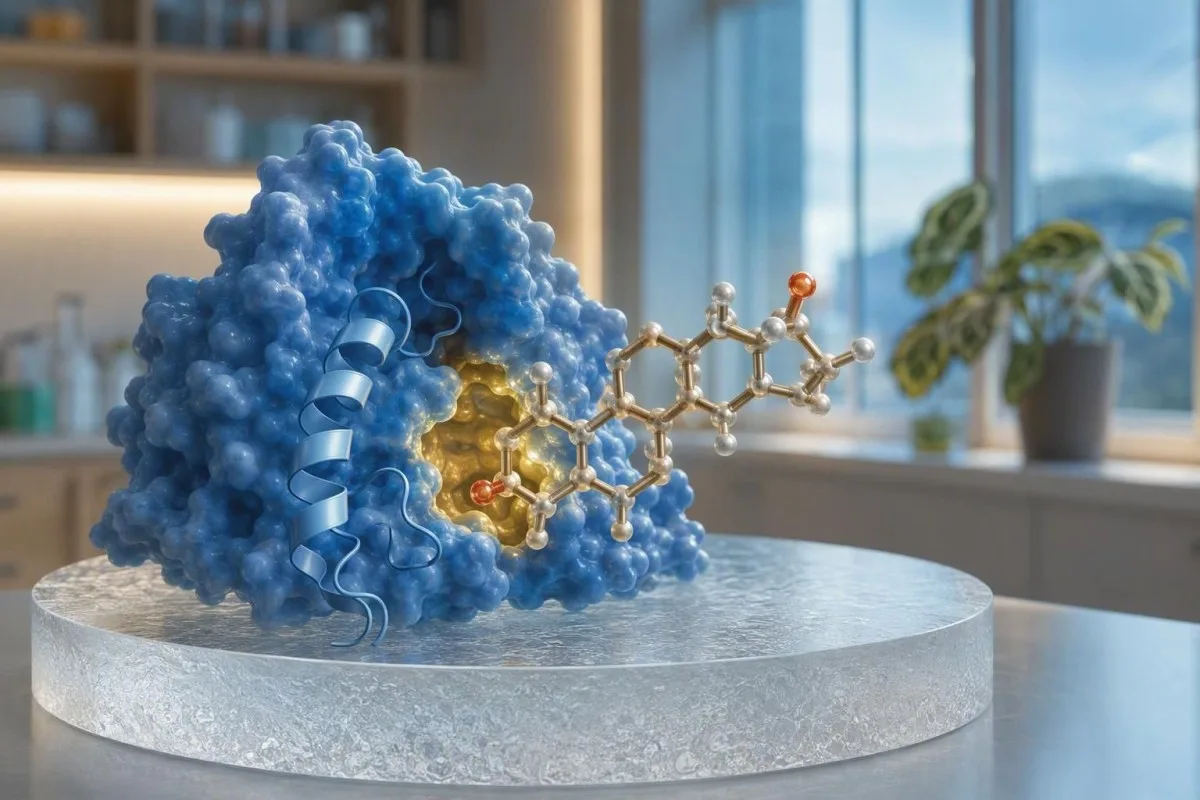
Jedan nalaz estradiola rijetko određuje gdje se nalazite u menopauzi. Njegovo značenje ovisi o vremenu menstrualnog ciklusa, korištenom testu, hormonskoj terapiji, simptomima i, prije svega, vašem trendu.


- Pojedinačni rezultat: Estradiol može varirati od ispod 20 pg/mL do iznad 100 pg/mL tijekom kasne perimenopauze, tako da jedno vađenje krvi ne može pouzdano odrediti stadij menopauze.
- Postmenopauza: Netretirani estradiol često je ispod 20–30 pg/mL nakon menopauze, ali metoda i referentni interval svakog laboratorija su važni.
- FSH kontekst: FSH iznad 25–30 IU/L podupire opadajuću aktivnost jajnika, ali FSH također varira i nije potreban za dijagnozu menopauze nakon 45. godine života.
- Vrijeme HRT-a: Oralni i transdermalni estradiol daju različite laboratorijske obrasce; rezultat je moguće protumačiti samo kada su poznati doza, put primjene i vrijeme nakon primjene.
- Prvo simptomi: Valunzi, poremećaji spavanja, vaginalni simptomi i promjene ciklusa obično korisnije vode brigu nego rutinsko testiranje estradiola.
- PraćenjePonoviti test pod istim uvjetima značajnije je od uspoređivanja nepovezanih uzoraka mjesecima udaljenih.
- SigurnostNova krvarenja nakon 12 mjeseci bez menstruacije zahtijevaju kliničku procjenu, neovisno o rezultatu estradiola.
Zašto jedan nalaz estradiola rijetko određuje menopauzu
Estradiol u menopauzi teško je interpretirati iz jednog uzorka jer proizvodnja jajnika postaje nepredvidljiva prije nego što se konačno smiri na nisku razinu. Vrijednost može izgledati “predmenopauzalno” jednog tjedna i niska sljedećeg, a da niti jedan rezultat nije pogrešan.
U kasnoj perimenopauzi, 48-godišnjakinja može imati estradiol od 18 pg/mL jednog mjeseca i 140 pg/mL sljedećeg; povremena aktivnost folikula objašnjava ovaj pomak. Menopauza se dijagnosticira klinički nakon 12 uzastopnih mjeseci bez menstruacije kada nema vjerojatnog drugog uzroka, a ne na temelju samog rezultata estradiola (NICE, 2024).
Kada pregledavam panel, prvo pitam je li osoba imala krvarenje u prethodnih 60 dana, je li imala histerektomiju, koristi li hormone i što je laboratorij izmjerio. Kantesti je AI analizator krvnih pretraga koji estradiol stavlja uz FSH, LH, detalje o lijekovima i prethodne rezultate, umjesto da zastavicu tretira kao dijagnozu.
Praktično pravilo dr. Thomasa Kleina je jednostavno: broj dobiva značenje samo kada su uvjeti uzorkovanja poznati. Ako uspoređujete izvješća, sačuvajte datum prikupljanja, informacije o ciklusu, dozu proizvoda i vrijeme primjene; naš vodič za laboratorijski trend objašnjava zašto ova evidencija često znači više od boje referentnog raspona.
Laboratorijski raspon nije dijagnoza menopauze
Referentni intervali opisuju rezultate uočene u odabranoj populaciji; ne odvajaju svaku perimenopauzalnu osobu od svake osobe u ciklusu. Rezultat unutar intervala folikularne faze laboratorija može se i dalje pojaviti tijekom anovulatorne perimenopauze, posebno nakon 45. godine života.
Što uzrokuje fluktuacije estradiola u perimenopauzi?
Perimenopauzalne fluktuacije estradiola nastaju kada folikuli jajnika nepravilno reagiraju na promjenjivu FSH stimulaciju. Ovulacija postaje manje dosljedna, ali proizvodnja estrogena ne pada u ravnoj crti.
Rana u prijelazu, manje responzivnih folikula može potaknuti veći izlaz FSH-a, ali jedan preostali folikul i dalje može proizvesti značajan estradiol. U kohorti SWAN, estradiol se nije glatko smanjivao sve do kasnijeg prijelaza, dok je FSH najbrže rastao oko posljednje menstruacije (Randolph et al., 2003).
Stvar je u tome što je poluživot estradiola u cirkulaciji kratak – otprilike 13 do 17 sati— dok biološke posljedice promjenjivog signaliziranja receptora, gubitka sna i termoregulacije mogu potrajati. Taj nesklad pomaže objasniti zašto osoba može imati nizak jutarnji rezultat, ali izvijestiti da su valunzi od prošlog tjedna privremeno popustili.
Promjene tjelesne težine, pušenje, bolest štitnjače, visoki prolaktin, kemoterapija i operacija jajnika mogu promijeniti očekivani obrazac. Za kontekst o drugom često neshvaćenom gonadotropinu, pogledajte naše objašnjenje visokih LH rezultata.
Razine estradiola u menopauzi: korisni rasponi i ograničenja testa
Neobrađeni postmenopauzalni estradiol obično je ispod 20-30 pg/mL, što je ekvivalentno oko 73-110 pmol/L, ali nijedan pojedinačni prag ne dokazuje menopauzu. Laboratorijska metoda je posebno značajna pri niskim koncentracijama.
Mnogi laboratoriji prikazuju estradiol kod odraslih u pg/mL; pomnožite s 3,671 za pretvorbu u pmol/L. Rezultat od 10 pg/mL jednak je oko 37 pmol/L, dok je 50 pg/mL jednako oko 184 pmol/L—zabuna u jedinicama iznenađujuće je čest uzrok nepotrebnog uzbuđenja.
Rutinske imunološke analize mogu biti manje precizne pri koncentracijama ispod približno 20 pg/mL, gdje su križna reaktivnost i razlike u kalibraciji važne. Tekućinska kromatografija–tandemska masena spektrometrija, često nazvana LC-MS/MS, može biti poželjnija kada vrlo nizak rezultat mijenja liječenje, iako pristup varira ovisno o laboratoriju.
Kantesti AI čita navedeni interval i jedinice laboratorija prije uspoređivanja rezultata s vašom poviješću; naše referentni vodič za biomarkere objašnjava zašto je oznaka izvan raspona poticaj za kontekst, a ne presuda.
Kada treba testirati estradiol za značajan rezultat?
Testiranje estradiola najinterpretativnije je kada se kliničko pitanje i uvjeti uzorkovanja navedu prije vađenja krvi. Za mnoge osobe starije od 45 godina s tipičnim simptomima i promjenama menstruacija, rutinsko testiranje nije potrebno za dijagnosticiranje perimenopauze.
Ako ciklusi još uvijek postoje i testiranje se koristi iz određenog razloga, kliničari često bilježe dan ciklusa i mogu prikupiti hormone ranog ciklusa oko dana 2 do 5. Ta konvencija je uglavnom korisna za pitanja reproduktivne endokrinologije; ne pretvara fluktuirajući rezultat perimenopauze u sigurnost.
Za ponovljeno testiranje, koristite istu laboratoriju, slično doba dana i sličan odnos prema dozi estradiol pripravka ili promjeni flastera. Usporedba napravljena nakon neprospavane noći, akutne bolesti ili promjene lijekova zaslužuje oprez, slično kao i vremenska pitanja u našem vremenski slijed krvnih pretraga.
Biotin obično ne uzrokuje dramatične smetnje estradiola viđene kod nekih testova štitnjače, ali dodatke još uvijek treba navesti na zahtjevnici. Tim za prikupljanje također treba znati za vaginalni estrogen, pelete, gelove, flastere, tablete i pripravke po narudžbi.
Što znači nizak estradiol nakon menopauze?
Nizak estradiol nakon menopauze obično odražava očekivano smanjenje proizvodnje estrogena u jajnicima i sam po sebi nije hitno stanje niti cilj liječenja. Estron proizveden u perifernim tkivima postaje dominantniji cirkulirajući estrogen nakon menopauze.
Neobrađeni rezultat estradiola ispod 20 pg/mL je čest godinama nakon posljednje menstruacije, a mnoge zdrave osobe imaju vrijednosti ispod pragova izvješćivanja testa. Nizak estradiol ne mjeri “koliko je teška” menopauza, niti predviđa točnu učestalost valova vrućine.
Ono što zaslužuje pažnju je profil posljedica: neugodna suhoća rodnice, ponavljajuća nelagoda pri mokrenju, valovi vrućine koji ometaju san, prijelomi niske energije ili brzi gubitak koštane mase mogu promijeniti razgovor. Sjevernoameričko društvo za menopauzu navodi da hormonska terapija ostaje najučinkovitiji tretman za vazomotorne simptome i genitourinarni sindrom kada nema kontraindikacija (NAMS, 2022).
Nizak rezultat kod nekoga mlađeg od 40 godina s odsutnim menstruacijama je drugačiji i može izazvati zabrinutost zbog primarne insuficijencije jajnika; to zahtijeva hitnu kliničku procjenu. Za detalje o razini simptoma, pogledajte tragove niskog estradiola.
Zašto se simptomi i estradiol često ne podudaraju
Valovi vrućine i poremećaj sna odražavaju brzu promjenu estrogena i termoregulaciju mozga, a ne samo nisku vrijednost estradiola. Dvije osobe s istim rezultatom od 15 pg/mL mogu imati vrlo različito opterećenje simptoma.
Pacijentica od 52 godine u mojoj ambulanti imala je estradiol od 62 pg/mL, a budila se mokra od znoja četiri noći tjedno; njezin prethodni rezultat, uzet šest tjedana ranije, bio je 14 pg/mL. Obrazac je sugerirao nestabilnost, a ne kontradikciju, a liječenje se usredotočilo na opterećenje simptoma, san, kardiovaskularnu povijest i preferencije.
Suhoća rodnice, bol tijekom spolnog odnosa, hitnost mokrenja i ponavljajući urinarni simptomi mogu potrajati unatoč “normalnom” serumskom rezultatu estradiola jer su izloženost lokalnom tkivu i odgovor receptora važni. Lokalni vaginalni estrogen općenito uzrokuje nisku sistemsku izloženost, ali izbor još uvijek zaslužuje individualiziranu raspravu za osobe s poviješću estrogen-osjetljivog raka.
Palpitacije, tremor, gubitak težine, vrućica i znojne noći nisu automatski menopauza. Pažljivi kliničar može provjeriti funkciju štitnjače, glukozu, kompletnu krvnu sliku i učinke lijekova; naš vodič za diferencijalnu dijagnozu valova vrućine pokriva korisna isključenja.
Kako čitati estradiol uz FSH i LH
Visok FSH s niskim ili varijabilnim estradiolom podržava smanjenu povratnu spregu jajnika, ali kombinacija ne može precizno datirati menopauzu. FSH iznad otprilike 25–30 IU/L je čest u kasnoj tranziciji i postmenopauzi, iako vrijednosti mogu privremeno pasti nakon porasta estradiola.
FSH se oslobađa u pulsima i može značajno varirati između uzimanja uzoraka; jedna vrijednost od 9 IU/L ne isključuje perimenopauzu kod 49-godišnjakinje s preskočenim menstruacijama. Suprotno tome, FSH iznad 40 IU/L je čest nakon menopauze, ali ga ne treba koristiti samostalno za objašnjenje svakog simptoma.
NICE savjetuje protiv korištenja estradiola, AMH-a, inhibina A, inhibina B ili broja antralnih folikula za identifikaciju menopauze kod osoba u dobi od 45 ili više godina s tipičnim simptomima i promjenom ciklusa. Testiranje postaje korisnije kod moguće rane menopauze, moguće primarne ovarijske insuficijencije ili kada liječenje zamagljuje kliničku sliku (NICE, 2024).
Kantesti AI je AI platforma za tumačenje krvne slike koja uspoređuje estradiol, FSH, LH, prolaktin i štitnjačne markere kao vremenski označen uzorak. Čitatelji kojima je rečeno da im je FSH “visok” mogu pregledati nijanse u našem vodiču za FSH u postmenopauzi.
Kako hormonska terapija mijenja rezultate estradiola
Hormonska terapija može povisiti, sniziti ili uzrokovati da izmjereni estradiol izgleda nedosljedno, ovisno o formulaciji, dozi, putu primjene i analizi. Rezultat tijekom terapije nikada se ne smije izravno uspoređivati s referentnim rasponom za postmenopauzu bez liječenja.
Transdermalni flasteri 17β-estradiola obično počinju s 25 do 50 mikrograma dnevno, dok gelovi i sprejevi imaju različite profile apsorpcije. Oralni estradiol prolazi kroz metabolizam prvog prolaska u jetri i snažnije povećava estron, tako da ista klinička korist ne jamči istu koncentraciju estradiola u serumu.
Ako je gel nanesen neposredno prije uzorkovanja, izmjereni rezultat može biti viši od uzorka sličnog najnižoj razini uzetog neposredno prije sljedeće doze. Rijetko, slučajni prijenos gela u blizini mjesta uzorkovanja može proizvesti izrazito visoku vrijednost; ponavljanje testa s pažljivim rukovanjem je razborito prije povećanja terapije.
Kombinirani oralni kontraceptivi, tibolon, selektivni modulatori estrogenski receptora i neki složeni proizvodi čine tumačenje još manje jednostavnim. Naš članak o testovima estrogena tijekom korištenja kontracepcije objašnjava zašto endogeni estradiol može biti potisnut ili slabo predstavljen.
Trebaju li razine estradiola voditi dozu HRT-a?
Za većinu hormonske terapije u menopauzi, kontrola simptoma i sigurnost—a ne ciljna razina estradiola—vode prilagodbu doze. Ne postoji univerzalno prihvaćeni cilj estradiola u serumu koji jamči olakšanje ili sprječava gubitak koštane mase za svakog pacijenta.
Izjava NAMS-a iz 2022. preporučuje individualiziranu terapiju koristeći odgovarajuću dozu, trajanje, režim i put primjene, uz povremenu ponovnu procjenu (NAMS, 2022). U praksi, mnogi kliničari ponovno procjenjuju nakon 8 do 12 tjedana, dopuštajući dovoljno vremena da se vazomotorni simptomi i štetni učinci pokažu.
Niska razina na flasteru ne znači automatski da treba povećati dozu. Prvo provjeravam prianjanje, rotaciju mjesta primjene, vrijeme doziranja, nove lijekove, povijest migrene, kontrolu krvnog tlaka, pušenje, neobjašnjivo krvarenje i jesu li simptomi zapravo i dalje ometajući.
Kantesti-ove vodič za hormonsko zdravlje žena pomaže korisnicima pripremiti sažeti vremenski prikaz simptoma i laboratorijskih nalaza za liječnika. Ne može zamijeniti odluku kliničara o HRT-u, osobito kada postoji povijest tromboze, moždanog udara, raka dojke ili aktivne bolesti jetre.
Kada estradiol i krvarenje zahtijevaju bržu procjenu
Bilo kakvo vaginalno krvarenje nakon 12 mjeseci bez menstruacija zahtijeva liječničku procjenu, čak i kada je estradiol nizak, visok ili nedostupan. Estradiol ne može isključiti strukturne, endometrijske, cervikalne, medikamentozne ili druge uzroke krvarenja.
Krvarenje tijekom kontinuirane kombinirane HRT-e može se pojaviti tijekom prvog 3 do 6 mjeseci, ali nove, obilne, uporne ili ponavljajuće probleme s krvarenjem treba prijaviti, a ne normalizirati. Sljedeći korak može uključivati reviziju lijekova, ginekološki pregled, ultrazvuk ili uzorkovanje usmjereno od strane specijalista, ovisno o povijesti bolesti.
Potražite hitnu pomoć zbog vrlo obilnog krvarenja sa slabošću, bolovima u prsima, nedostatkom zraka ili jakim bolovima u zdjelici. Vrijednost serumskog estradiola od 12 pg/mL ne čini te simptome sigurnima za promatranje kod kuće.
Ljudi često prvo traže objašnjenje hormona, što je razumljivo. Naš vodič za simptome CA-125 i nadutost objašnjava zašto je trijaža temeljena na simptomima sigurnija od upotrebe tumorskog markera ili estradiola kao probirnog testa.
Koji drugi krvni testovi su važni tijekom menopauze?
Estradiol ne mjeri kardiometabolički rizik, bolest štitnjače, anemiju ili gustoću kostiju, stoga bi praćenje menopauze trebalo biti vođeno rizikom, a ne panelom hormona. Krvni tlak, lipidi, glukoza i odgovarajuće pretrage obično dodaju više korisnih informacija.
LDL kolesterol ima tendenciju rasta tijekom prijelaznog razdoblja menopauze, dok promjene estradiola mogu pridonijeti, ali ne objašnjavaju sve rezultate lipida. Lipidni panel natašte ili ne natašte, HbA1c, krvni tlak, status pušenja i obiteljska anamneza stvaraju mnogo korisniju kardiovaskularnu sliku od samog estradiola.
Provjerite pretragu štitnjače kada simptomi uključuju uporne palpitacije, izraženu netoleranciju na toplinu, zatvor ili neobjašnjivu promjenu težine; hipotireoza i hipertireoza mogu se preklapati s menopauzom. Ispitivanja željeza su razumna nakon produljenih obilnih menstruacija, posebno ako je feritin ispod 30 ng/mL, što često podupire iscrpljene zalihe željeza u pravom kontekstu.
Za širu osnovnu liniju, pogledajte pre-HRT testovi nakon 40. godine i naš pregled promjenjivih biomarkera menopauze.
Što nizak estradiol znači za zdravlje kostiju
Smanjenje estrogena ubrzava preuređivanje kostiju, ali serumski estradiol ne može dijagnosticirati osteoporozu niti zamijeniti procjenu rizika od prijeloma. DEXA sken mjeri gustoću koštanih minerala izravno i relevantan je test kada je indicirano probirno testiranje.
Najbrži gubitak koštane mase često se događa oko posljednje menstruacije, pri čemu studije procjenjuju otprilike 2% do 3% gubitka koštane mase godišnje tijekom prijelaznog razdoblja kod nekih žena. Prijelomi niske traume, dugotrajni kortikosteroidi, tjelesna težina ispod 57 kg, prijelom kuka roditelja, pušenje i rana menopauza povećavaju zabrinutost.
Kalcij i vitamin D nisu zamjena za procjenu rizika od prijeloma. Odrasli općenito trebaju 1.000 do 1.200 mg/dan kalcija iz hrane i dodataka prehrani zajedno, dok dozu vitamina D treba individualizirati za nedostatak, bolest bubrega, malapsorpciju i kontekst lijekova.
Dr. Thomas Klein savjetuje postavljanje pitanja “Trebam li DEXA ili FRAX?” umjesto pokušaja povećanja laboratorijske vrijednosti estradiola. Trening snage i adekvatan unos proteina su također važni; naš žene50岁以上力量基线 nudi praktičnu početnu točku.
Kako ponoviti test estradiola bez stvaranja šuma
Ponovljeno testiranje estradiola najkorisnije je kada se provodi pod namjerno podudarnim uvjetima i naručuje se kako bi se odgovorilo na specifično kliničko pitanje. Nasumično serijsko testiranje svakih nekoliko tjedana obično stvaraAnksioznost, a ne jasnoću.
Prije ponovljenog uzimanja, zabilježite točan datum, vrijeme, laboratorij, proizvod estradiola, dozu, put primjene, posljednju dozu, dan promjene flastera, menstrualno krvarenje i akutnu bolest. Za transdermalni proizvod pitajte liječnika koji ga je propisao preferira li uzimanje u određenom trenutku intervala doziranja umjesto da ga sami odaberete.
Izbjegavajte nanošenje gela u blizini predviđenog područja uzimanja i obavijestite laboratorij o svim hormonima. Ako je rezultat izrazito nepodudaran—kao što je >200 pg/mL kod osobe koja ne koristi sistemski estrogen—potvrda ponovljenim testiranjem ili drugom analizom može biti informativnija od trenutnih zaključaka.
Kantesti može organizirati datirane PDF-ove i fotografije u prikaz usporedbe, dok naš vodič za usporedbu rezultata objašnjava koje su razlike vjerojatno stvarne u usporedbi s uobičajenim biološkim varijacijama.
Kada rezultati estradiola trebaju procjenu kliničara
Pregled liječnika je prikladan za izostanak menstruacije prije 45. godine života, neočekivano trajno povišenje estradiola, novo postmenopauzalno krvarenje ili simptome koji ne odgovaraju tipičnom menopauzalnom obrascu. Hitni simptomi trebaju se hitno procijeniti, a ne upravljati njima putem ponovljenog testiranja hormona.
Moguća primarna insuficijencija jajnika zahtijeva procjenu kada menstruacija prestane prije dobi od 40; procjena može uključivati ponovljeno testiranje FSH-a u razmacima od najmanje 4 do 6 tjedana, testiranje na trudnoću gdje je relevantno i procjenu genetskih, autoimunih ili uzroka povezanih s liječenjem. Ova dijagnoza ima implikacije na zdravlje kostiju, kardiovaskularno zdravlje, plodnost i emocionalno zdravlje.
Dogovorite hitan pregled za trajne teške glavobolje s promjenama vida, galaktoreju, izrazite androgene simptome ili nepodudaran obrazac estradiol/FSH; ovi nalazi mogu ukazivati na nešto više od obične menopauze. Nemojte naglo prestati s propisanim liječenjem samo zato što aplikacija ili jedan laboratorijski broj izgleda zabrinjavajuće.
Kantesti je platforma za interpretaciju AI biomarkera dizajnirana za isticanje trendova estradiola i pitanja praćenja, a ne za dijagnosticiranje menopauze ili propisivanje liječenja. Naši klinički standardi i liječnički nadzor opisani su u medicinska validacija, a čitatelji se mogu upoznati s medicinski savjetodavni odbor odgovornim za principe pregleda. Od 26. kolovoza 2026. najsigurnija interpretacija ostaje razgovor koji povezuje simptome, povijest krvarenja, izloženost liječenju i trendove.
Često postavljana pitanja
Koja je normalna razina estrogena nakon menopauze?
Nepodvrgnuti estradiol nakon menopauze uobičajeno je ispod 20–30 pg/mL, ili ispod oko 73–110 pmol/L, iako laboratorijska metoda određuje raspon koji se može prijaviti. Niska vrijednost očekuje se nakon pada proizvodnje estrogena u jajnicima i sama po sebi ne dijagnosticira osteoporozu, ne objašnjava svaki simptom niti zahtijeva liječenje. Estradiol treba tumačiti u kontekstu menstrualne anamneze, korištenja lijekova, simptoma i referentnog intervala same laboratorije. Osobe koje koriste hormonsku terapiju ne bi trebale izravno uspoređivati svoje rezultate s rasponima za nepodvrgnute postmenopauzalne žene.
Može li estradiol biti visok tijekom perimenopauze?
Da, estradiol može privremeno premašiti 100 pg/mL, ili 367 pmol/L, tijekom perimenopauze jer preostali folikuli još uvijek mogu povremeno proizvoditi značajne količine estrogena. Visoki rezultat može postojati uz izostanak menstruacije, valunge i povišen FSH jer je izlazak hormona nestalan, a ne ravnomjerno opadajući. Jedan visoki rezultat estradiola ne isključuje perimenopauzu. Ustrajni estradiol iznad 200 pg/mL bez propisanog estrogena zaslužuje klinički pregled u kontekstu.
Trebam li testirati estradiol kako bih potvrdio menopauzu?
Testiranje na estradiol obično nije potrebno za potvrdu menopauze kod osoba u dobi od 45 ili više godina koje imaju tipične simptome i 12 mjeseci bez menstruacije. Smjernice NICE preporučuju kliničku dijagnozu menopauze u ovom okruženju, a ne oslanjanje na testiranje estradiola, AMH ili FSH. Testiranje može biti korisno kada menstruacija prestane prije 45. godine života, kada je dijagnoza neizvjesna ili kada se razmatra druga endokrina bolest. Hormonska kontracepcija i HRT mogu učiniti laboratorijsku potvrdu manje pouzdanom.
Zašto mi je estradiol nizak, a FSH normalan?
Niska razina estradiol hormona s naizgled normalnim FSH-om može se pojaviti jer se oba hormona dinamički luče i reguliraju, osobito tijekom perimenopauze. FSH može biti privremeno potisnut nakon nedavnog estrogenog vala, a jedno mjerenje može promašiti širu tranziciju. Lijekovi, hormonalna kontracepcija, hipofizni poremećaji i razlike u laboratorijskim metodama također mogu utjecati na obrazac. Ponovljeno testiranje pod podudarnim uvjetima može pomoći kada bi rezultat promijenio kliničko upravljanje.
Koju razinu estradiol a trebam ciljati tijekom hormonske nadomjesne terapije (HNT)?
Ne postoji univerzalna ciljna razina estradiola za hormonsku nadomjesnu terapiju u menopauzi jer su olakšanje simptoma, nuspojave, put primjene i individualni rizik klinički značajniji od pojedinačne serumske koncentracije. Transdermalni flaster s estradiolom od 25–50 mikrograma/dan može pružiti učinkovito liječenje za mnoge osobe, ali izmjerene vrijednosti značajno variraju ovisno o vremenu i apsorpciji. Kliničari obično ponovno procjenjuju simptome i sigurnost nakon otprilike 8–12 tjedana, umjesto da povećavaju terapiju samo kako bi postigli broj. Odluke o dozi zahtijevaju mišljenje liječnika, osobito kod neobjašnjivog krvarenja, migrene, povijesti tromboze ili povijesti raka osjetljivog na estrogen.
Uzrokuje li niska razina estrogena nakon menopauze osteoporozu?
Niska razina estrogena doprinosi bržoj obnovi kostiju nakon menopauze, ali ne dijagnosticira osteoporozu i sama po sebi ne može kvantificirati rizik od prijeloma. Neke žene gube oko 2-3% gustoće koštane mineralne mase godišnje oko posljednje menstruacije, osobito kada postoje dodatni rizici. DEXA sken izravno mjeri gustoću koštane mineralne mase, dok FRAX procjenjuje vjerojatnost prijeloma koristeći dob i kliničke čimbenike. Pitajte kliničara o DEXA-i ranije ako je menopauza nastupila prije 45. godine života, ako je došlo do prijeloma uzrokovanog niskom traumom ili ako se koristi dugotrajna steroidna terapija.
Isprobajte analizu krvne slike uz AI već danas
Pridružite se više od 2 milijuna korisnika diljem svijeta koji vjeruju Kantesti-u za trenutačnu i točnu analizu laboratorijskih nalaza. Prenesite svoje rezultate krvne slike i dobijte sveobuhvatno tumačenje 15,000+ biomarkera u sekundama.
📚 Referirane znanstvene publikacije
Klein, T., Mitchell, S., & Weber, H. (2026). Kantesti Istraživački tim. (2026). RDW test krvi: Kompletan vodič za RDW-CV, MCV i MCHC. Zenodo. https://doi.org/10.5281/zenodo.18202598. Kantesti AI Medical Research.
Klein, T., Mitchell, S., & Weber, H. (2026). Kantesti Research Team. (2026). BUN/Creatinine Ratio Explained: testovi bubrežne funkcije Guide. Zenodo. https://doi.org/10.5281/zenodo.18207872. Kantesti AI Medical Research.
📖 Vanjske medicinske reference
Nacionalni institut za zdravlje i izvrsnost u skrbi (NICE) (2024). Menopauza: dijagnoza i liječenje (NG23). NICE smjernica.
⚕️ Medicinska izjava o odricanju odgovornosti
Ovaj je članak samo u obrazovne svrhe i ne predstavlja medicinski savjet. Za odluke o dijagnozi i liječenju uvijek se posavjetujte s kvalificiranim pružateljem zdravstvenih usluga.
E-E-A-T signal(i) povjerenja
Iskustvo
Liječnički vođena klinička revizija radnih tokova tumačenja laboratorijskih nalaza.
Stručnost
Fokus laboratorijske medicine na to kako se biomarkeri ponašaju u kliničkom kontekstu.
Autoritativnost
Napisao dr. Thomas Klein, uz recenziju dr. Sarah Mitchell i prof. dr. Hans Weber.
Pouzdanost
Tumačenje utemeljeno na dokazima, s jasnim putovima praćenja kako bi se smanjila uzbuna.