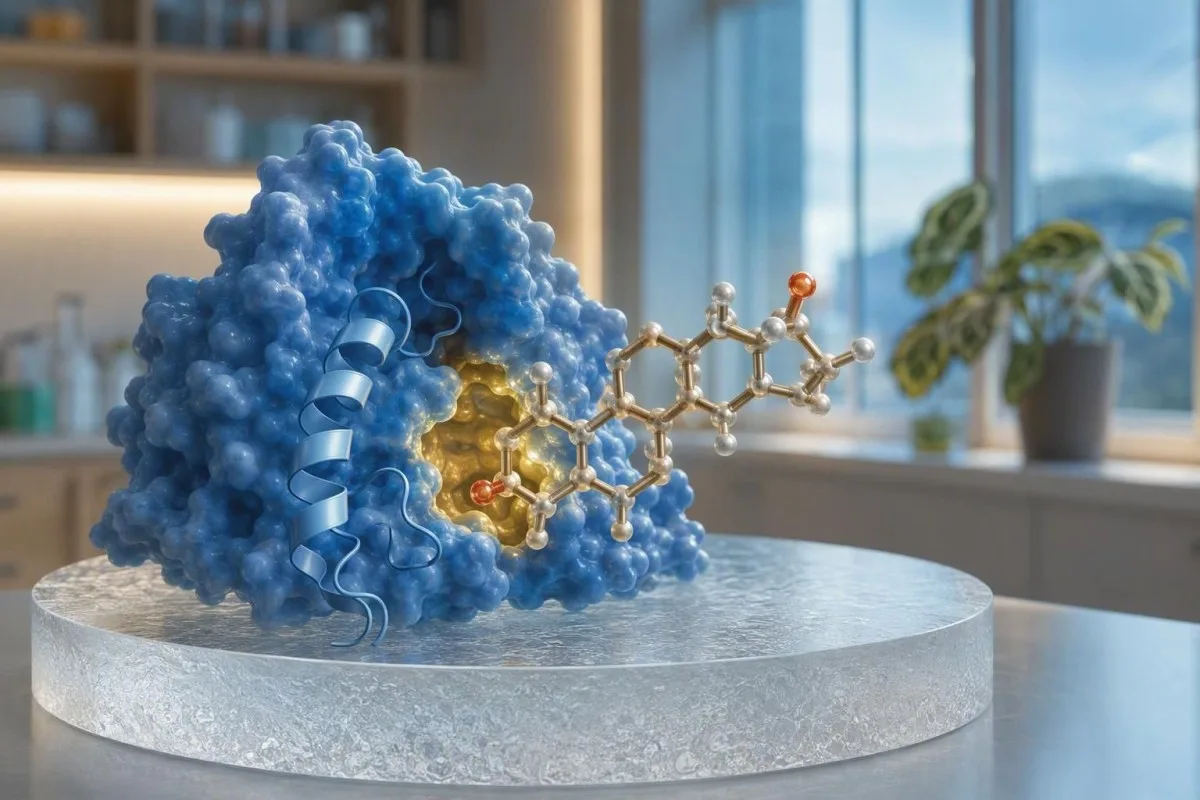
Estradiolning bir martalik natijasi kamdan-kam hollarda sizning menopauzadagi o'rningizni aniqlaydi. Uning ma'nosi hayz davrining vaqti, ishlatilgan tahlil usuli, gormon terapiyasi, alomatlar va eng muhimi - sizning tendentsiyangizga bog'liq.


- Yakuniy natija: Kechki perimenopauza davrida estradiol 20 pg/mL dan pastdan 100 pg/mL dan yuqori darajagacha o'zgarishi mumkin, shuning uchun bitta namuna olish menopauzani ishonchli aniqlay olmaydi.
- Menopauzadan keyin: Davolanmagan estradiol menopauza dan keyin ko'pincha 20-30 pg/mL dan past bo'ladi, ammo har bir laboratoriyaning usuli va mos yozuvlar intervallari muhimdir.
- FSH konteksti: 25-30 IU/L dan yuqori FSH tuxumdon faoliyatining pasayishini qo'llab-quvvatlaydi, ammo FSH ham o'zgarib turadi va 45 yoshdan keyin menopauzani tashxislash uchun talab qilinmaydi.
- HRT vaqti: Og'iz orqali va transdermal estradiol turli laboratoriya namunalari bilan farqlanadi; natija faqat doza, yo'nalish va dasturdan keyingi vaqt ma'lum bo'lganda tushunarli bo'ladi.
- Avval alomatlar: Issiq toshmalar, uyqu buzilishi, vaginal alomatlar va tsikldagi o'zgarishlar odatda muntazam estradiol tekshiruvlaridan ko'ra samaraliroq davolashni yo'naltiradi.
- KuzatuvBir testni bir xil sharoitlarda takrorlash, bir necha oy farq bilan bog'liq bo'lmagan namunalar bilan solishtirishdan ko'ra ko'proq ma'noga ega.
- XavfsizlikEstradiol natijasidan qat'i nazar, hayz ko'rmasdan 12 oy o'tgach yangi qon ketishi klinik baholashni talab qiladi.
Nima uchun bitta estradiol natijasi menopauzani kamdan-kam aniqlaydi
Menopauzadagi estradiolni bitta namunadan tushunish qiyin, chunki tuxumdonlarning ishlab chiqarilishi oxir-oqibat past darajaga tushishidan oldin tartibsiz bo'ladi. Bir qiymat bir hafta “premenopauzaga o'xshash” ko'rinishi mumkin, keyin esa past bo'lishi mumkin, lekin ikkala natija ham noto'g'ri bo'lishi mumkin emas.
Perimenopauzanining kechki bosqichida 48 yoshli ayol bir oyda 18 pg/mL va keyingi oyda 140 pg/mL estradiolga ega bo'lishi mumkin; vaqti-vaqti bilan follikulaning faolligi bu o'zgarishni tushuntiradi. Menopauza klinik jihatdan tashxis qilinadi, qachonki 12 oy davomida uzluksiz hayz ko'rmaslik boshqa sabab ehtimoli yo'q bo'lsa, yolg'iz estradiol natijasidan emas (NICE, 2024).
Panelni ko'rib chiqqanimda, birinchi navbatda, odamning so'nggi 60 kun ichida qon ketganmi, gisterektomiya qilinganmi, gormonlardan foydalanayotganmi va laboratoriya nimani o'lchaganligini so'rayman. Kantesti - bu sun'iy intellektli qon tahlili analizatori bo'lib, u estradiolni FSH, LH, dori tafsilotlari va oldingi natijalar yoniga qo'yadi, bayroqni tashxis sifatida qabul qilmasdan.
Doktor Tomas Kaynning amaliy qoidasi oddiy: bir raqam faqat namunalar sharoitlari ma'lum bo'lganda ma'no kasb etadi. Agar siz hisobotlarni solishtirayotgan bo'lsangiz, yig'ish sanasi, tsikl haqidagi ma'lumotlar, mahsulot dozasi va qo'llash vaqtini saqlang; bizning laboratoriya trendi bo‘yicha qo‘llanmamiz bu yozuv ko'pincha ma'lumotnoma diapazoni rangidan ko'ra muhimroq ekanligini ko'rsatadi.
Laboratoriya diapazoni menopauza tashxisi emas
Ma'lumotnomalar intervali tanlangan populyatsiyada kuzatilgan natijalarni tasvirlaydi; ular har bir perimenopauza ayolini har bir tsikldagi ayoldan ajratmaydi. Laboratoriya follikulyar faza intervalidagi natija hali ham anovulyar perimenopauza paytida, ayniqsa 45 yoshdan keyin yuzaga kelishi mumkin.
Perimenopauza estradiolining o'zgarishlariga nima sabab bo'ladi?
Perimenopauza estradiolining o'zgarishi tuxumdon follikulalari o'zgaruvchan FSH stimulyatsiyasiga kutilmaganda javob berganda yuzaga keladi. Ovulyatsiya kamroq barqaror bo'ladi, lekin estrogen ishlab chiqarilishi bir tekis to'g'ri chiziqda pasaymaydi.
O'tish davrining boshida kamroq sezgir follikulalar ko'proq FSH ishlab chiqarishga olib kelishi mumkin, ammo bitta qolgan follikula hali ham sezilarli estradiol ishlab chiqarishi mumkin. SWAN kohortida estradiol oxirgi o'tish davriga qadar bir tekis pasaymadi, FSH esa oxirgi hayz ko'rish davrida eng keskin ko'tarildi (Randolph va boshqalar, 2003).
Gap shundaki, qon aylanishidagi estradiolning yarim umri qisqa - taxminan 13 dan 17 soatgacha— shu bilan birga, retseptorlarning signal berilishi, uyqu buzilishi va termoregulyatsiyaning o'zgarishining biologik oqibatlari uzoqroq davom etishi mumkin. Bu nomuvofiqlik, bir kishi ertalabki past natijaga ega bo'lishi mumkinligini, lekin o'tgan haftadagi jazirama to'satdan yaxshilanganligini aytishini tushuntirishga yordam beradi.
Vazn o'zgarishi, chekish, qalqonsimon bez kasalligi, yuqori prolaktin, kimyoterapiya va tuxumdon jarrohligi kutilgan naqshni o'zgartirishi mumkin. Tez-tez noto'g'ri tushunilgan boshqa gonadotropin haqida ma'lumot olish uchun bizning tushunchamizni ko'ring yuqori LH natijalari.
Estradiol menopauza darajalari: foydali diapazonlar va tahlil usullarining chegaralari
Davolanmagan postmenopauza estradiolining qiymati odatda 20–30 pg/mL dan past bo'ladi, bu taxminan 73–110 pmol/L ga teng, ammo bitta kesish nuqtasi menopauzani isbotlamaydi. Laboratoriya usuli, ayniqsa past konsentratsiyalarda muhim ahamiyatga ega.
Ko'pgina laboratoriyalar kattalardagi estradiolni quyidagi birliklarda hisobot berishadi mkg/mL da hisobot qiladi.; CE ga aylantirish uchun 3,671 ga ko'paytiring. pmol/L. 10 pg/mL natijasi taxminan 37 pmol/L ga teng, 50 pg/mL esa taxminan 184 pmol/L ga teng - birlik chalkashligi ajablanarli darajada keng tarqalgan keraksiz xavotir manbai.
Oddiy immunoassaylar taxminan quyidagi qiymatlardan past konsentratsiyalarda kamroq aniq bo'lishi mumkin 20 pg/mL, bu yerda o'zaro reaktivlik va kalibrlash farqlari muhim ahamiyatga ega. Suyuklik xromatografiyasi-tandem massa spektrometriyasi, ko'pincha LC-MS/MS deb ataladi, juda past natija davolashni o'zgartiradigan bo'lsa, afzal bo'lishi mumkin, ammo laboratoriyadan laboratoriyaga kirish farq qiladi.
Kantesti AI natijani sizning tarixingiz bilan solishtirishdan oldin laboratoriyaning ko'rsatilgan oralig'i va birliklarini o'qiydi; bizning biomarker ma'lumotnomasi norasmiy bayonotimiz nima uchun diapazondan tashqaridagi bayroq hukm emas, balki kontekst uchun ko'rsatma ekanligini tushuntiradi.
Ma'noli natija uchun estradiol qachon tekshirilishi kerak?
Estradiol sinovi klinik savol va namuna olish sharoitlari tortishdan oldin aniqlanganda eng ko'p talqin qilinadi. Ko'pgina 45 yoshdan oshgan odamlar uchun odatiy alomatlar va o'zgaruvchan hayz ko'rish bilan menopauzani tashxislash uchun muntazam sinov shart emas.
Agar tsikllar hali ham davom etsa va sinov maxsus sabab uchun ishlatilsa, shifokorlar ko'pincha tsikl kunini hujjatlashtiradilar va gormonlarni tsiklning erta kunlarida taxminan kunlar atrofida to'plashlari mumkin. esa aralash bo‘ladi. Bu kichik hisob-kitob gepatologiyada odatiy, ammo bemorlarga mo‘ljallangan ko‘plab izohlarda g‘alati tarzda uchramaydi. Agar sizga kengroq asos kerak bo‘lsa, bizning. Ushbu konventsiya asosan reproduktiv-endokrin savollar uchun foydalidir; u o'zgaruvchan menopauza natijasini aniqlikka aylantirmaydi.
Takroriy sinov uchun shu laboratoriyadan, kunning o'xshash vaqtida va estradiol dozasiga yoki patchni almashtirishga nisbatan o'xshash vaqtda foydalaning. Uyqusiz tun, o'tkir kasallik yoki dori-darmonlarni o'zgartirishdan keyin qilingan taqqoslash ehtiyotkorlikni talab qiladi, bu bizning vaqtimizdagi muammolarga o'xshaydi. uchun ketma-ket beshta savol bering: bir xil shaxs, bir xil laboratoriya, bir xil tayyorgarlik, tashriflar orasida yetarli vaqt, va bog‘liq markerlar bir-biriga mos keladimi. Agar siz ulardan kamida to‘rttasiga “ha” deb javob bera olmasangiz, grafik ehtiyotkorlikni talab qiladi..
Biotin odatda ba'zi qalqonsimon bez testlari bilan ko'rilgan estradiolning keskin aralashuviga olib kelmaydi, lekin qo'shimchalar hali ham buyurtmada ro'yxatlangan bo'lishi kerak. To'plash jamoasi vaginal estrogen, granulalar, jeller, yamalar, planshetlar va aralashtirilgan preparatlar haqida ham bilishi kerak.
Menopauza dan keyin past estradiol nimani anglatadi?
Menopauzadan keyin past estradiol odatda tuxumdon estrogen ishlab chiqarishning kutilgan pasayishini aks ettiradi va bu o'z-o'zidan shoshilinch yoki davolash maqsadi emas. Periferik to'qimalarda ishlab chiqarilgan estron menopauzadan keyin ko'proq tarqalgan aylanma estrogen hisoblanadi.
Davolanmagan estradiol natijasi quyida 20 pg/mL oxirgi hayz ko'rishdan keyin ko'p yillar o'tgach keng tarqalgan va ko'p sog'lom odamlarda testning hisobot chegarasidan past qiymatlar mavjud. Past estradiol menopauza “qanchalik jiddiy” ekanligini o'lchamaydi, shuningdek, issiq toshmalarning aniq chastotasini bashorat qilmaydi.
E'tiborga loyiq narsa bu oqibatlar profilidir: tashvishli vaginal quruqlik, takroriy siydik yo'llari noqulayligi, uyquni buzadigan toshmalar, past travmali sinish yoki suyaklarning tez yo'qolishi suhbatni o'zgartirishi mumkin. Shimoliy Amerika Menopauza Jamiyati ta'kidlashicha, agar qarshi ko'rsatma bo'lmasa, gormon terapiyasi vazomotor simptomlar va genitouriya sindromi uchun eng samarali davolash bo'lib qolmoqda (NAMS, 2022).
Kimdandir yoshroq bo'lgan past natija 40 yosh hayz ko'rmaganligi bilan birlashganda boshqacha va birlamchi tuxumdon etishmovchiligi uchun xavotirni oshirishi mumkin; bu shoshilinch shifokor tomonidan baholashni talab qiladi. Simptom darajasi haqida batafsil ma'lumot uchun quyidagi manzilga murojaat qiling past estradiol ko'rsatkichlari.
Nima uchun alomatlar va estradiol ko'pincha mos kelmaydi
Issiq toshmalar va uyqu buzilishi nafaqat past estradiol raqamini emas, balki estrogenning tez o'zgarishini va miyaning termoregulyatsiyasini aks ettiradi. Bir xil 15 pg/mL natijaga ega bo'lgan ikki kishi juda farq qilishi mumkin bo'lgan simptom yukiga ega bo'lishi mumkin.
Mening klinikamda 52 yoshli bemorning estradiol qiymati 62 pg/mL edi, lekin u haftada to'rt kecha terga botib uyg'onar edi; olti hafta oldin olingan uning avvalgi natijasi 14 pg/mL edi. Naqsh kontradiksiyadan ko'ra o'zgaruvchanlikni taklif qildi va davolash simptom yukiga, uyquga, yurak-qon tomir tarixiga va afzalliklarga qaratildi.
“Normal” sarum estradiol natijasiga qaramay, vaginal quruqlik, jinsiy aloqada og'riq, siydik yo'llarining shoshilinchligi va takroriy siydik yo'llari simptomlari davom etishi mumkin, chunki mahalliy to'qimalarning ta'siri va retseptorlarning javobi muhimdir. Mahalliy vaginal estrogen odatda past tizimli ta'sirni hosil qiladi, ammo estrogenga sezgir saraton tarixi bo'lgan odamlar uchun tanlov individual muhokamani talab qiladi.
Yurak urishi, tremor, vazn yo'qotish, isitma va terlash avtomatik ravishda menopauza emas. Ehtiyotkor shifokor qalqonsimon bez faoliyatini, glyukozani, to'liq qonni hisoblashni va dori-darmonlar ta'sirini tekshirishi mumkin; bizning issiq toshmalarni differentsial diagnostika qo'llanmasi foydali istisnolarni qoplaydi.
Estradiolni FSH va LH bilan qanday o'qish kerak
Past yoki o'zgaruvchan estradiol bilan yuqori FSH tuxumdonlarning qayta aloqasining pasayishini qo'llab-quvvatlaydi, ammo bu kombinatsiya menopauzani aniq sanay olmaydi. taxminan 25–30 IU/L dan yuqori FSH kechki o'tish va postmenopauzada keng tarqalgan, garchi estradiol to'lqinidan keyin qiymatlar vaqtincha pasayishi mumkin.
FSH impulsda chiqariladi va tortishmalar orasida sezilarli darajada farq qilishi mumkin; 49 yoshli, hayz ko'rishlar orasida bo'shliq bo'lgan ayolda 9 IU/L ning bitta qiymati perimenopauzani istisno qilmaydi. Aksincha, yuqori FSH 40 IU/L menopauzadan keyin keng tarqalgan, lekin har bir simptomni tushuntirish uchun yolg'iz ishlatilmasligi kerak.
YOSH yoshi 45 yoshga to'lgan va odatdagi alomatlar va hayz davrining o'zgarishi bilan menopauzani aniqlash uchun estradiol, AMH, inhibin A, inhibin B yoki antral folikula sonidan foydalanishga qarshi maslahat beradi. Bunday testlar erta menopauza, boshlang'ich tuxumdon etishmovchiligi yoki davolash natijasida holatni aniqlash qiyin bo'lgan hollarda ko'proq foydalidir (NICE, 2024).
Kantesti AI - bu vaqt belgisi bilan belgilangan estradiol, FSH, LH, prolaktin va qalqonsimon bez markerlarini solishtiradigan sun'iy intellekt asosidagi qon tahlili natijalari platformasi. FSH darajasi “yuqori” ekanligi aytilgan o'quvchilar bizning postmenopauzal FSH qo'llanmamizdagi.
Gormon terapiyasi estradiol natijalarini qanday o'zgartiradi
nozik jihatlarni ko'rib chiqishlari mumkin. Gormon terapiyasi estrogenni ko'tarishi, pasaytirishi yoki estrogen darajasini nomuvofiq ko'rsatishi mumkin, bu preparat shakli, dozasi, qabul qilish usuli va tahlil usuliga bog'liq. Davolash paytida olingan natijani hech qachon davolanmagan postmenopauzal mos yozuvlar diapazoni bilan to'g'ridan-to'g'ri solishtirish mumkin emas.
Transdermal 17β-estradiol plasterlari odatda kuniga 25 dan 50 mikrogrammgacha, dan boshlanadi, jellar va spreylarning so'rilish profillari boshqacha. Og'iz orqali qabul qilinadigan estradiol birinchi o'tish jigar metabolizmini boshdan kechiradi va estrone'ni ko'proq ko'rsatadi, shuning uchun bir xil klinik foyda bir xil sarum estradiol konsentratsiyasini kafolatlamaydi.
Agar jel namuna olishdan biroz oldin surtilgan bo'lsa, aniqlangan natija keyingi dozadan oldin olingan trough-like namunadan yuqori bo'lishi mumkin. Kamdan-kam hollarda gelning tasodifiy tushishi namuna olish joyiga yaqin bo'lsa, juda yuqori natijani ko'rsatishi mumkin; davolashni kuchaytirishdan oldin ehtiyotkorlik bilan ishlov berib, testni takrorlash mantiqiy.
Kombinatsiyalangan og'iz kontratseptivlari, tibolon, selektiv estrogen retseptorlari modulyatorlari va ba'zi birikma preparatlar talqinni yanada murakkablashtiradi. Bizning kontratseptivlardan foydalanishda estrogen testlari haqidagi maqolamiz endogen estradiol nima uchun bostirilishi yoki noto'g'ri ko'rsatilishi mumkinligini tushuntiradi.
HRT dozasini estradiol darajalari bilan belgilash kerakmi?
Ko'pgina menopauza gormon terapiyasi uchun, dozani moslashtirishda alomatlarni nazorat qilish va xavfsizlik - estrogen darajasini belgilash emas, balki yo'naltiradi. Har bir bemor uchun og'riqni engillashtirish yoki suyaklarning yo'qolishini oldini olishni kafolatlaydigan universal tasdiqlangan sarum estradiol maqsadi mavjud emas.
2022 yilgi NAMS bayonotida moslashtirilgan terapiya, tegishli doza, davomiylik, rejim va usuldan foydalanish, muntazam ravishda qayta baholash tavsiya etiladi (NAMS, 2022). Amalda, ko'plab shifokorlar 8 dan 12 haftagacha, shu jumladan, vazomotor alomatlar va nojo'ya ta'sirlar o'zini namoyon etishi uchun etarli vaqt berib, qayta baholaydilar.
Plasterdagi past daraja avtomatik ravishda dozani oshirish kerak degani emas. Avvalo, yopishish, qo'llash joyini aylantirish, dozani qabul qilish vaqti, yangi dori-darmonlar, migren tarixi, qon bosimini nazorat qilish, chekish, sababsiz qon ketishi va alomatlar haqiqatan ham bezovta qilayotganligini tekshiraman.
Kantesti’s ayollar gormonal salomatligi bo‘yicha qo‘llanma foydalanuvchilarga buyurtma beruvchi shifokor uchun qisqacha alomatlar va laboratoriya natijalari timelineini tayyorlashga yordam beradi. Bu shifokorning GHT bo'yicha qarorini, ayniqsa tromboz, insult, ko'krak bezi saratoni tarixi yoki faol jigar kasalligi bo'lgan hollarda o'rnini bosa olmaydi.
Qachon estradiol va qon ketishi tezroq ko'rib chiqishni talab qiladi
Estradiol past, yuqori yoki mavjud bo'lmagan taqdirda ham, 12 oy davomida davrlar bo'lmaganidan keyin har qanday vaginal qon ketishi tibbiy baholashni talab qiladi. Estradiol strukturaviy, bachadon, bachadon bo'yni, dori-darmonga bog'liq yoki qon ketishning boshqa sabablarini istisno qila olmaydi.
Doimiy birikma GHT paytida qon ketishi birinchi 3 dan 6 oy, lekin yangi, kuchli, doimiy yoki qaytalangan qon ketishni normal holatga keltirish o'rniga xabar berish kerak. Keyingi qadam tarixga qarab dori-darmonlarni ko'rib chiqish, tos bo'shlig'ini tekshirish, ultratovush yoki mutaxassis ko'rsatmasi bo'yicha namunalar olishni o'z ichiga olishi mumkin.
Yengillik, ko'krak og'rig'i, nafas qisishi yoki jiddiy tos og'rig'i bilan juda kuchli qon ketishi uchun zudlik bilan yordam oling. ML ml/pg 12 estradiol darajasi ushbu alomatlarni uyda kuzatish uchun xavfsiz emas.
Odamlar ko'pincha avvaliga gormonlar tushuntirishini izlaydilar, bu tushunarlidir. Bizning qo'llanmamiz CA-125 belgilari va shishishi simptomlarga asoslangan saralash rak markeridan yoki skrining testi sifatida estradiolidan xavfsizroq ekanligini tushuntiradi.
Menzpauzada qanday boshqa qon testlari muhim?
Estradiol kardiometabolik xavfni, qalqonsimon bez kasalliklarini, anemiyani yoki suyak zichligini o'lchamaydi, shuning uchun menopauzani kuzatish gormonlar paneli asosida emas, balki xavf asosida bo'lishi kerak. Qon bosimi, lipidlar, glyukoza va tegishli skrining odatda ko'proq amaliy ma'lumotlarni qo'shadi.
LDL xolesterin menopauza davomida ko'tarilish tendentsiyasiga ega, estradiol o'zgarishlari bunga hissa qo'shishi mumkin, ammo har bir lipid natijasini tushuntirmaydi. Ochlik yoki och bo'lmagan lipid paneli, HbA1c, qon bosimi, chekish holati va oilaviy tarix estradiolga qaraganda ancha foydali yurak-qon tomir rasmini yaratadi.
Doimiy yurak urishi, kuchli issiqlikka chidamsizlik, ich qotishi yoki sababsiz vazn o'zgarishini o'z ichiga olgan belgilar bo'lsa, qalqonsimon bez tahlili tekshiring; gipoterioz va gipertireoz menopauza bilan qoplanishi mumkin. Temir tadqiqotlari uzoq davom etgan kuchli davrlardan keyin ma'qul, ayniqsa ferritin quyidagilardan past bo'lsa 30 ng/mL, bu ko'pincha to'g'ri kontekstda temir zaxiralarining kamayganligini qo'llab-quvvatlaydi.
Kengroq asos uchun quyidagilarni ko'ring 40 yoshdan keyin HTG oldidan o'tkaziladigan testlar va bizning sharhimiz o'zgaruvchan menopauza biomarkerlari.
Past estradiol suyak salomatligi uchun nimani anglatadi
Estrogenning pasayishi suyaklarning qayta qurilishini tezlashtiradi, ammo serum estradiol natijasi osteoporozni tashxislash yoki sinish xavfini baholashni almashtira olmaydi. DEXA skanerlash suyak mineral zichligini to'g'ridan-to'g'ri o'lchaydi va skrining zarur bo'lganda tegishli testdir.
Suyakning eng tez yo'qolishi ko'pincha oxirgi hayz ko'rish davrida sodir bo'ladi, tadqiqotlar taxminan hisoblab chiqadi yiliga 2% dan 3% gacha suyak yo'qolishi ba'zi ayollarda ushbu o'tish davrida. Kam-travmatik sinishlar, uzoq muddatli glyukokortikoidlar, 57 kg dan past tana vazni, ota-onaning son suyagi sinishi, chekish va erta menopauza tashvishlarni kuchaytiradi.
Kaltsiy va D vitamini sinish xavfini baholash o'rnini bosa olmaydi. Kattalar odatda oziq-ovqat va qo'shimchalardan birgalikda kuniga 1000 dan 1200 mg kaltsiyga muhtoj bo'lishadi , D vitamini dozasini etishmovchilik, buyrak kasalliklari, malabsorbsiya va dori-darmonlar konteksti uchun individual ravishda belgilash kerak., D vitamini dozasini etishmovchilik, buyrak kasalliklari, malabsorbsiya va dori-darmonlar konteksti uchun individual ravishda belgilash kerak.
Doktor Tomas Klayn laboratoriya estradiol qiymatini oshirishga urinishdan ko'ra, “Men DEXA yoki FRAX kerakmi?” deb so'rashni maslahat beradi. Tortish mashqlari va etarli oqsil ham muhim; bizning 50 yoshdan oshgan ayollar uchun statistikaga asoslangan kuchlilik amaliy boshlang'ich nuqtani taklif etadi.
Shovqin hosil qilmasdan estradiol testini qanday takrorlash kerak
Estradiolning takroriy sinovi, qat'iy moslashtirilgan sharoitlarda o'tkazilganda va ma'lum bir klinik savolga javob berish uchun buyurtma qilinganida eng foydalidir. Har bir necha haftada tasodifiy ketma-ket sinov o'tkazish odatda aniqlikdan ko'ra ko'proq tashvish tug'diradi.
Qayta qon olishdan oldin, aniq sana, vaqt, laboratoriya, estradiol mahsuloti, dozasi, yo'nalishi, oxirgi dozasi, plastirni almashtirish kuni, hayz ko'rish, hamda o'tkir kasallikni yozib qo'ying. Transdermal mahsulot uchun, buyurgan shifokordan o'zingiz tanlaganingizdan ko'ra, dozalash oralig'ining doimiy nuqtasida namuna olishni afzal ko'rishini so'rang.
Gelni kutilayotgan namuna olish joyi yaqiniga surtishdan saqlaning va laboratoriyani barcha gormonlar haqida xabardor qiling. Agar natija juda nomuvofiq bo'lsa, masalan >200 pg/mL tizimli estrogen ishlatmayotgan odamda - qayta sinov yoki boshqa analizator bilan tasdiqlash, darhol xulosalardan ko'ra ko'proq ma'lumot berishi mumkin.
Kantesti sanali PDF fayllarni va fotosuratlarni taqqoslash ko'rinishida tashkil qilishi mumkin, shu bilan birga bizning yonma-yon natijalar qo'llanmamiz qaysi farqlar haqiqiy ekanligini va oddiy biologik o'zgarishlar ekanligini tushuntiradi.
Qachon estradiol natijalari shifokor tomonidan ko'rib chiqishni talab qiladi
45 yoshdan oldin hayz ko'rishning yo'qligi, kutilmagan doimiy estrodiolning ko'tarilishi, yangi menopauza qon ketishi yoki menopauzanining odatiy sxemasiga mos kelmaydigan simptomlar uchun shifokor tomonidan ko'rib chiqish kerak. Favqulodda holatdagi simptomlar qayta gormon sinovlari orqali boshqarish o'rniga zudlik bilan baholanishi kerak.
Boshlang'ich tuxumdon etishmovchiligi ehtimoli, hayz ko'rish yoshdan oldin to'xtaganda baholashni talab qiladi 40; baholashga kamida 4 dan 6 haftalik interval bilan takroriy FSH sinovini o'tkazish, tegishli bo'lsa homiladorlik sinovini o'tkazish, hamda genetik, otoimmün yoki davolashga bog'liq sabablarni baholash kirishi mumkin. Bu tashxis suyaklar, yurak-qon tomirlari, tug'ish va hissiy salomatlikka ta'sir qiladi.
Vizual o'zgarishlar bilan kechuvchi doimiy kuchli bosh og'rig'i, galaktoreya, aniq androgen simptomlari yoki nomuvofiq estrodiol/FSH sxemasi uchun zudlik bilan ko'rib chiqishni tashkil qiling; bu topilmalar oddiy menopauzadandan tashqari ko'rsatishi mumkin. Oddiygina ilova yoki bitta laboratoriya raqami tashvishli ko'ringanligi sababli buyurilgan davolashni to'xtatmang.
Kantesti - bu estrodiol tendentsiyalarini va keyingi savollarni ta'kidlash uchun mo'ljallangan sun'iy intellekt biomarkerini talqin qilish platformasi, menopauzani tashxislash yoki davolashni buyurish uchun emas. Bizning klinik standartlarimiz va shifokor nazorati quyidagilarda tavsiflangan tibbiy tasdiqlash, va o'quvchilar tibbiy maslahat kengashi javobgar bo'lgan ko'rib chiqish tamoyillarini o'rganishlari mumkin. 2026-yil 26-avgust holatiga ko'ra, eng xavfsiz talqin simptomlar, qon ketish tarixi, davolash ta'siri va tendentsiyalarni birlashtiradigan suhbat bo'lib qolmoqda.
Tez-tez so'raladigan savollar
Menopauzadan keyin normal estradiol darajasi qancha bo'ladi?
Menopauza davomida davolanilmagan estradiol odatda 20–30 pg/mL dan past bo'ladi yoki taxminan 73–110 pmol/L dan past bo'ladi, ammo laboratoriya usuli hisobot qilinadigan diapazonni aniqlaydi. Tuxumdon estrogen ishlab chiqarish pasaygandan so'ng past qiymat kutiladi va bu o'z-o'zidan osteoporozni tashxislash, har qanday alomatni tushuntirish yoki davolashni talab qilish uchun etarli emas. Estradiol hayz ko'rish tarixi, dori-darmonlardan foydalanish, alomatlar va laboratoriyaning o'ziga xos murojaat oralig'i bilan birgalikda talqin qilinishi kerak. Gormon terapiyasidan foydalanayotgan odamlar o'z natijalarini to'g'ridan-to'g'ri davolanmagan menopauza davridagi diapazonlar bilan solishtirmasliklari kerak.
Perimenopauza paytida estradiol yuqori bo'lishi mumkinmi?
Ha, estradiol perimenopauza davrida vaqtincha 100 pg/mL yoki 367 pmol/L dan oshib ketishi mumkin, chunki qolgan follikulalar vaqti-vaqti bilan sezilarli estrogen ishlab chiqarishi mumkin. Yuqori natija muddatli hayz ko'rmaslik, issiq qizish va FSH ning oshishi bilan birga bo'lishi mumkin, chunki gormon ishlab chiqarish barqaror pasayish o'rniga notekis bo'ladi. Estradiolning bitta yuqori natijasi perimenopauzani istisno qilmaydi. Davolash buyurilmagan estrogen bo'lmagan holda doimiy ravishda 200 pg/mL dan yuqori estradiol shifokor tomonidan ko'rib chiqishni talab qiladi.
Menopauzani tasdiqlash uchun estradiolni tekshirishim kerakmi?
45 yoshdan oshgan va odatdagi alomatlari bo'lgan hamda 12 oy davomida hayz ko'rmagan odamlarda menopauzani tasdiqlash uchun odatda estradiol testi talab qilinmaydi. NICE ko'rsatmasi bu holatda menopauzani laboratoriya estradiol, AMH yoki FSH testlariga tayanishdan ko'ra klinik jihatdan tashxislashni tavsiya qiladi. Testlash hayz ko'rish 45 yoshdan oldin to'xtaganda, tashxis noaniq bo'lganda yoki boshqa endokrin kasallik ko'rib chiqilayotganda foydali bo'lishi mumkin. Gormonal kontratseptivlar va HRT laboratoriya tasdiqlashini kamroq ishonchli qilishi mumkin.
Nima uchun estradiolim past, FSH esa normal?
Pastrojen estrodiol natijasi va normal ko'rinadigan FSH gormonlar dinamik ravishda ajralib chiqishi va tartibga solinishi sababli, ayniqsa perimenopauza davrida kuzatilishi mumkin. FSH yaqinda estrogen ko'tarilishidan keyin vaqtincha bostirilishi mumkin va bitta o'lchov kengroq o'tishni o'tkazib yuborishi mumkin. Dorilar, gormonal kontratseptivlar, gipofiz sharoitlari va laboratoriya usullari farqlari ham ushbu holatga ta'sir qilishi mumkin. Natija klinik boshqaruvni o'zgartirsa, mos sharoitlarda takroriy tekshirish yordam berishi mumkin.
Gormon o'rnini bosuvchi davolashda (HRT) qanday estradiol darajasiga erishishim kerak?
Tashxis: Gormon o'rniga bosuvchi terapiya (HRT) uchun universal estradiol maqsad darajasi mavjud emas, chunki alomatlar, nojo'ya ta'sirlar, davolash usuli va individual xavf bitta sarum konsentratsiyasidan ko'ra klinik jihatdan muhimroqdir. Kuniga 25–50 mikrogramm transdermal estradiol patch ko'pchilik uchun samarali davolashni ta'minlay oladi, ammo o'lchangan qiymatlar vaqt va singishga qarab keng farq qiladi. Shifokorlar odatda bir raqamga erishish uchun terapiyani oshirishdan ko'ra, taxminan 8–12 hafta o'tgach, alomatlar va xavfsizlikni qayta baholaydilar. Dozani aniqlash retsept beruvchi shifokorning fikrini talab qiladi, ayniqsa tushunarsiz qon ketishi, migren, tromboz tarixi yoki estrogen-sezgir saraton tarixi bo'lsa.
Menopauzadan keyin estrogenning past darajasi osteoporozga sabab bo'ladimi?
Estradiolning past darajasi menopauzadandan keyin suyaklarning tezroq qayta qurilishiga olib keladi, ammo bu osteoporozni aniqlamaydi va mustaqil ravishda sinish xavfini miqdorini aniqlay olmaydi. Ba'zi ayollarda suyak mineral zichligining 2% dan 3% gacha bo'lgan qismi oxirgi hayz davri atrofida, ayniqsa qo'shimcha xavflar mavjud bo'lsa, yo'qoladi. DEXA skanerlash suyak mineral zichligini to'g'ridan-to'g'ri o'lchaydi, FRAX esa yosh va klinik omillardan foydalanib sinish ehtimolini baholaydi. Agar menopauza 45 yoshdan oldin yuz bergan bo'lsa, kam shikastlanish natijasida sinish yuz bergan bo'lsa yoki steroid bilan uzoq muddatli davolash qabul qilinayotgan bo'lsa, shifokor bilan DEXA haqida oldinroq so'rang.
Bugun AI asosidagi qon tahlilini tahlil qilishni oling
Kantesti’ga tezkor va aniq laboratoriya tahlili uchun ishonadigan butun dunyo bo‘ylab 2 milliondan ortiq foydalanuvchiga qo‘shiling. Qon tahlili natijalaringizni yuklang va soniyalar ichida 15,000+ biomarkerlarining to‘liq talqinini oling.
📚 Havola qilingan ilmiy tadqiqot nashrlari
Klein, T., Mitchell, S., & Weber, H. (2026). Kantesti Tadqiqot Guruhi. (2026). RDW qon testi: RDW-CV, MCV va MCHC uchun to'liq qo'llanma. Zenodo. https://doi.org/10.5281/zenodo.18202598. Kantesti AI tibbiy tadqiqoti.
Klein, T., Mitchell, S., & Weber, H. (2026). Kantesti Tadqiqot Guruhi. (2026). BUN/Kreatinin nisbati tushuntirilgan: buyrak funksiyasi tahlili bo'yicha qo'llanma. Zenodo. https://doi.org/10.5281/zenodo.18207872. Kantesti AI tibbiy tadqiqoti.
📖 Tashqi tibbiy manbalar
Sog'liqni saqlash va g'amxo'rlik bo'yicha milliy institut (NICE) (2024). Menopauza: tashxis va boshqaruv (NG23). NICE yo'riqnomasi.
⚕️ Tibbiy ogohlantirish
Ushbu maqola faqat ta’lim maqsadlari uchun mo‘ljallangan va tibbiy maslahatni anglatmaydi. Tashxis va davolash bo‘yicha qarorlar uchun har doim malakali sog‘liqni saqlash mutaxassisiga murojaat qiling.
E-E-A-T ishonch signallari
Tajriba
Shifokor boshchiligidagi laboratoriya talqin qilish ish jarayonlarini klinik ko‘rib chiqish.
Tajriba
Laboratoriya tibbiyoti biomarkerlarning klinik kontekstda qanday o‘zini tutishini yoritadi.
Vakolatlilik
Dr. Tomas Klein tomonidan yozilgan, Dr. Sarah Mitchell va Prof. Dr. Hans Weber tomonidan ko‘rib chiqilgan.
Ishonchlilik
Xavotirni kamaytirish uchun aniq keyingi qadamlar yo‘nalishlari bilan dalillarga asoslangan talqin.