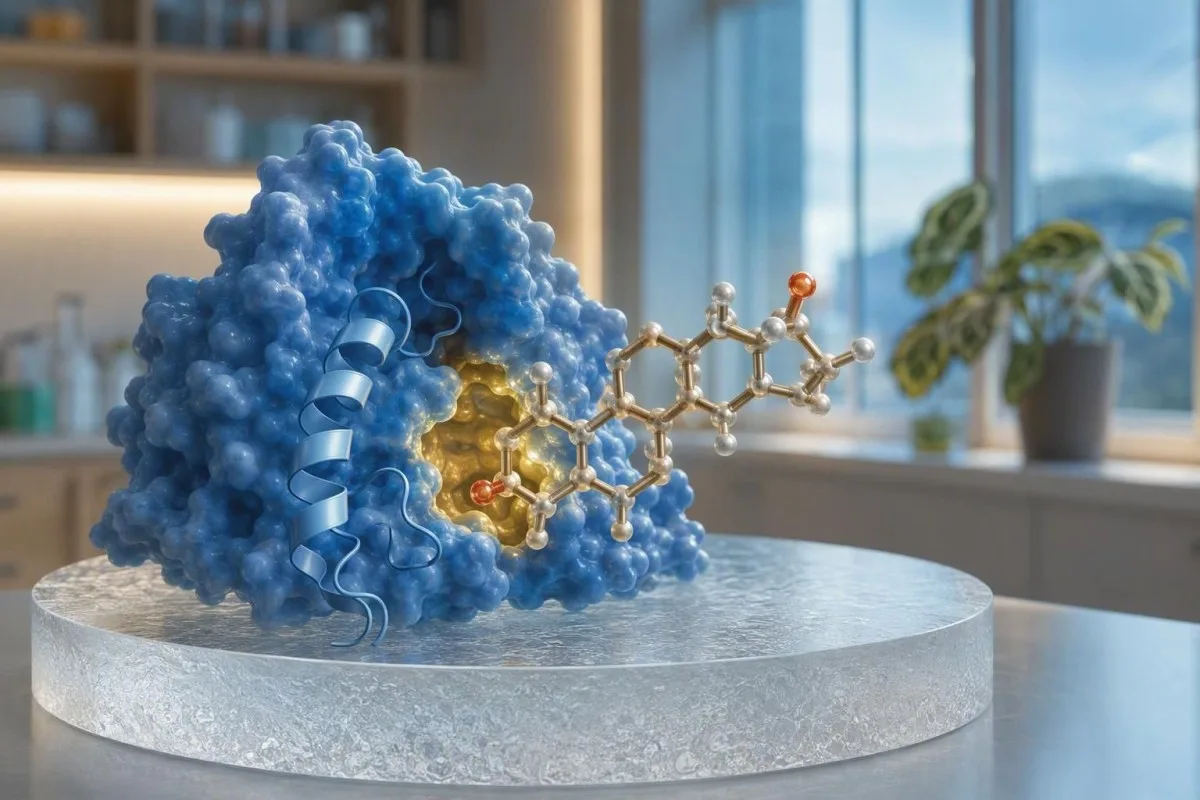
ایسٹراڈیول کا ایک ہی نتیجہ شاذ و نادر ہی یہ متعین کرتا ہے کہ آپ میناپوز کے کس مرحلے میں ہیں۔ اس کا مطلب ماہواری کے وقت، استعمال شدہ ٹیسٹ، ہارمون تھراپی، علامات اور سب سے بڑھ کر آپ کے رجحان پر منحصر ہے۔.


- ایک نتیجہ: پیری میناپوز کے آخری مراحل میں ایسٹراڈیول 20 pg/mL سے کم سے لے کر 100 pg/mL سے زیادہ تک ہو سکتا ہے، اس لیے ایک ہی نمونہ قابل اعتماد طریقے سے میناپوز کا مرحلہ طے نہیں کر سکتا۔.
- مینوپاز کے بعد: میناپوز کے بعد غیر علاج شدہ ایسٹراڈیول اکثر 20–30 pg/mL سے کم ہوتا ہے، لیکن ہر لیبارٹری کا طریقہ کار اور حوالہ وقفہ اہم ہوتا ہے۔.
- FSH کا تناظر: 25–30 IU/L سے اوپر FSH بیضہ دانی کی سرگرمی میں کمی کی حمایت کرتا ہے، تاہم FSH میں بھی اتار چڑھاؤ ہوتا ہے اور 45 سال کی عمر کے بعد میناپوز کی تشخیص کے لیے اس کی ضرورت نہیں ہوتی۔.
- HRT کا وقت: زبانی اور جلد کے ذریعے دیے جانے والے ایسٹراڈیول مختلف لیبارٹری کے نمونے تیار کرتے ہیں؛ نتیجہ صرف اس وقت قابلِ فہم ہوتا ہے جب خوراک، طریقہ اور استعمال کے بعد کا وقت معلوم ہو۔.
- پہلے علامات: گرم چمک، نیند میں خلل، اندام نہانی کی علامات، اور ماہواری میں تبدیلی عام طور پر معمول کے ایسٹراڈیول ٹیسٹنگ کی نسبت دیکھ بھال کی زیادہ مفید رہنمائی کرتی ہیں۔.
- فالو اپ: ایک ہی حالات میں کسی ٹیسٹ کو دہرانا مہینوں کے وقفے سے غیر متعلقہ نتائج کا موازنہ کرنے سے زیادہ بامعنی ہے۔.
- حفاظت: 12 ماہ تک ماہواری کے بغیر نیا خون بہنا، ایسٹراڈیول کے نتائج سے قطع نظر، طبی تشخیص کی ضرورت ہے۔.
ایسٹراڈیول کا ایک ہی نتیجہ میناپوز کو شاذ و نادر ہی کیوں متعین کرتا ہے
رجونورتی میں ایسٹراڈیول کا ایک نمونے سے موازنہ کرنا مشکل ہے کیونکہ بیضہ دانی کی پیداوار آخر کار کم ہونے سے پہلے غیر متوقع طور پر ہو جاتی ہے۔. ایک نتیجہ ایک ہفتے میں “پری مینو پازل” اور اگلے میں کم لگ سکتا ہے، بغیر کسی غلطی کے۔.
دیر سے پیر مینوپاز میں، 48 سالہ شخص کا ایسٹراڈیول ایک مہینے میں 18 pg/mL اور اگلے مہینے میں 140 pg/mL ہو سکتا ہے۔ وقفے وقفے سے فولیکل سرگرمی اس اتار چڑھاؤ کی وضاحت کرتی ہے۔ مینو پاز کا تشخیص طبی طور پر کیا جاتا ہے 12 مسلسل مہینے بغیر ماہواری کے جب کوئی دوسری وجہ ممکن نہ ہو، نہ کہ صرف ایسٹراڈیول کے ایک نتیجے سے (NICE, 2024)۔.
جب میں کسی پینل کا جائزہ لیتا ہوں، تو میں پہلے پوچھتا ہوں کہ آیا شخص کو پچھلے 60 دنوں میں کوئی خون آیا ہے، اس کا ہیسٹیریکٹومی ہوا ہے، وہ ہارمونز استعمال کر رہی ہے، اور لیبارٹری نے کیا ماپا ہے۔. Kantesti ایک AI بلڈ ٹیسٹ اینالائزر ہے جو ایسٹراڈیول کو FSH، LH، ادویات کی تفصیلات، اور پچھلے نتائج کے ساتھ رکھتا ہے بجائے اس کے کہ ایک فلیگ کو تشخیص کے طور پر سمجھا جائے۔.
ڈاکٹر تھامس کلائن کا عملی اصول سادہ ہے: ایک عدد تب ہی معنی رکھتا ہے جب نمونے لینے کے حالات معلوم ہوں۔ اگر آپ رپورٹس کا موازنہ کر رہے ہیں، تو کلیکشن کی تاریخ، سائیکل کی معلومات، پروڈکٹ کی خوراک، اور استعمال کا وقت محفوظ کریں؛ ہمارا لیب ٹرینڈ گائیڈ یہ بتاتا ہے کہ یہ ریکارڈ اکثر ریفرنس رینج کے رنگ سے زیادہ کیوں اہم ہوتا ہے۔.
لیبارٹری کی حد مینو پاز کی تشخیص نہیں ہے۔
ریفرنس وقفے منتخب آبادی میں دیکھے گئے نتائج کو بیان کرتے ہیں۔ وہ ہر پیر مینوپازل شخص کو ہر سائیکلنگ شخص سے الگ نہیں کرتے ہیں۔ ایک لیبارٹری کے فولیکولر فیز وقفے کے اندر کا نتیجہ پیر مینوپاز کے دوران، خاص طور پر 45 سال کی عمر کے بعد بھی ہو سکتا ہے۔.
پیری میناپوز میں ایسٹراڈیول میں اتار چڑھاؤ کی کیا وجوہات ہیں؟
پیر مینوپاز ایسٹراڈیول میں اتار چڑھاؤ اس وقت ہوتا ہے جب بیضہ دانی کے follicles بدلتے ہوئے FSH کی محرک کا غیر متوقع طور پر جواب دیتے ہیں۔. بیضہ دانی کم مستقل ہوتی جاتی ہے، لیکن ایسٹروجن کی پیداوار سیدھی لکیر میں کم نہیں ہوتی۔.
منتقلی کے اوائل میں، کم رد عمل ظاہر کرنے والے follicles زیادہ FSH کی پیداوار کا باعث بن سکتے ہیں، پھر بھی ایک باقی رہنے والا follicle اب بھی کافی ایسٹراڈیول پیدا کر سکتا ہے۔ SWAN cohort میں، ایسٹراڈیول آخری منتقلی تک آسانی سے کم نہیں ہوا، جبکہ FSH آخری ماہواری کے وقت سب سے زیادہ تیزی سے بڑھا (Randolph et al., 2003)۔.
بات یہ ہے کہ، گردش میں ایسٹراڈیول کی نصف عمر مختصر ہوتی ہے - تقریباً 13 سے 17 گھنٹے- جبکہ ریسیپٹر سگنلنگ، نیند کی کمی، اور تھرمورگولیشن میں تبدیلیوں کے حیاتیاتی نتائج برقرار رہ سکتے ہیں۔ یہ فرق اس بات کی وضاحت کرنے میں مدد کرتا ہے کہ کیوں ایک شخص صبح کا کم نتیجہ حاصل کر سکتا ہے لیکن یہ بتا سکتا ہے کہ پچھلے ہفتے کی فلشز عارضی طور پر کم ہو گئی تھیں۔.
وزن میں تبدیلی، تمباکو نوشی، تھائیرائیڈ کی بیماری، ہائی پرولیکٹن، کیموتھراپی، اور بیضہ دانی کی سرجری متوقع نمونے کو بدل سکتی ہے۔ ایک اور کثرت سے غلط سمجھے جانے والے گوناڈو ٹروپن کے تناظر کے لیے، ہماری وضاحت دیکھیں اعلی LH نتائج.
ایسٹراڈیول میناپوز کی سطح: مفید رینج اور ٹیسٹ کی حدود
بغیر علاج کے پوسٹ مینو پازل ایسٹراڈیول عام طور پر 20-30 pg/mL سے کم ہوتا ہے، جو تقریباً 73-110 pmol/L کے برابر ہے، لیکن کوئی ایک کٹ آف مینو پاز ثابت نہیں کرتا۔. لیبارٹری کا طریقہ خاص طور پر کم ارتکاز پر اہم ہے۔.
بہت سے لیبارٹریز بالغ ایسٹراڈیول کی اطلاع دیتے ہیں pg/mL میں رپورٹ کرتی ہیں; ؛ میں تبدیل کرنے کے لیے 3.671 سے ضرب دیں۔ pmol/L میں. ۔ 10 pg/mL کا نتیجہ تقریباً 37 pmol/L کے برابر ہے، جبکہ 50 pg/mL کا نتیجہ تقریباً 184 pmol/L کے برابر ہے — یونٹ کا کنفیوژن غیر ضروری الارم کا حیرت انگیز طور پر عام ذریعہ ہے۔.
معمول کے امیونوایز تقریباً نیچے ارتکاز پر کم درست ہو سکتے ہیں 20 pg/mL, ، جہاں کراس ری ایکٹیویٹی اور کیلیبریشن کے اختلافات اہم ہوتے ہیں۔ لیکویڈ کرومیٹوگرافی–ٹینڈم ماس سپیکٹروومیٹری، جسے اکثر LC-MS/MS کہا جاتا ہے، کو ترجیح دی جا سکتی ہے جب بہت کم نتیجہ انتظام کو تبدیل کر دے گا، حالانکہ لیبارٹری کے لحاظ سے رسائی مختلف ہوتی ہے۔.
Kantesti AI کسی نتیجے کا آپ کی تاریخ سے موازنہ کرنے سے پہلے لیبارٹری کے بیان کردہ وقفے اور یونٹس کو پڑھتا ہے؛ ہمارا بائیو مارکر حوالہ گائیڈ وضاحت کرتا ہے کہ رینج سے باہر کا جھنڈا تناظر کے لیے ایک اشارہ کیوں ہے، نہ کہ فیصلہ۔.
بامعنی نتیجے کے لیے ایسٹراڈیول کی جانچ کب کرنی چاہیے؟
ایسٹراڈیول کی جانچ سب سے زیادہ قابل تشریح ہوتی ہے جب طبی سوال اور نمونے لینے کے حالات ڈرا سے پہلے بیان کیے جاتے ہیں۔. 45 سال سے زیادہ عمر کے بہت سے لوگوں کے لیے جن میں عام علامات اور بدلتے ہوئے ادوار ہیں، پیرمیناپوز کی تشخیص کے لیے معمول کی جانچ کی ضرورت نہیں ہے۔.
اگر سائیکل اب بھی ہوتے ہیں اور جانچ کسی مخصوص وجہ سے استعمال کی جا رہی ہے، تو معالج اکثر سائیکل کے دن کو دستاویزی کرتے ہیں اور ابتدائی سائیکل ہارمونز کے ارد گرد جمع کر سکتے ہیں۔ 2 سے 5. ۔ یہ کنونشن بنیادی طور پر تولیدی-اینڈوکرائن سوالات کے لیے مفید ہے؛ یہ بدلتے ہوئے پیرمیناپوز کے نتیجے کو یقین میں تبدیل نہیں کرتا ہے۔.
بار بار جانچ کے لیے، اسی لیبارٹری، دن کے اسی وقت، اور ایسٹراڈیول ڈوز یا پیچ میں تبدیلی کے اسی تعلق کا استعمال کریں۔ بے خواب رات، شدید بیماری، یا ادویات میں تبدیلی کے بعد کیا جانے والا موازنہ احتیاط کا مستحق ہے، جیسا کہ ہمارے میں وقت کے مسائل ہیں۔ بلڈ ٹیسٹ ٹائم لائن.
بایوٹین عام طور پر کچھ تھائیرائڈ ٹیسٹوں میں ایسٹراڈیول کی شدید مداخلت کا سبب نہیں بنتا ہے، لیکن سپلیمنٹس کو اب بھی ریکوزیشن پر درج کیا جانا چاہیے۔ کلیکشن ٹیم کو اندام نہانی کے ایسٹروجن، گولیوں، جیل، پیچ، گولیاں، اور مرکب تیاریوں کے بارے میں بھی جاننے کی ضرورت ہے۔.
میناپوز کے بعد کم ایسٹراڈیول کا کیا مطلب ہے؟
رجونورتی کے بعد کم ایسٹراڈیول عام طور پر بیضہ دانی کے ایسٹروجن کی پیداوار میں متوقع کمی کو ظاہر کرتا ہے اور یہ خود میں کوئی ایمرجنسی یا علاج کا ہدف نہیں ہے۔. پردیی ٹشوز میں پیدا ہونے والا ایسٹرون رجونورتی کے بعد زیادہ نمایاں گردش کرنے والا ایسٹروجن بن جاتا ہے۔.
ذیل میں ایسٹراڈیول کا غیر علاج شدہ نتیجہ 20 pg/mL آخری مدت کے کئی سال بعد عام ہے، اور بہت سے صحت مند لوگوں کی قدریں ٹیسٹ کی رپورٹنگ حد سے نیچے ہوتی ہیں۔ کم ایسٹراڈیول رجونورتی کی “شدت” کو نہیں ناپتا ہے، نہ ہی یہ گرم چمکوں کی درست تعدد کی پیش گوئی کرتا ہے۔.
جو چیز توجہ کا مستحق ہے وہ ہے نتائج کا پروفائل: پریشان کن اندام نہانی کی خشکی، بار بار پیشاب کی تکلیف، نیند میں خلل ڈالنے والی چمک، کم چوٹ کا فریکچر، یا ہڈیوں کا تیزی سے نقصان گفتگو کو تبدیل کر سکتا ہے۔ نارتھ امریکن مینو پاز سوسائٹی بیان کرتی ہے کہ ہارمون تھراپی واسو موٹر علامات اور جینیٹو یورینری سنڈروم کے لیے سب سے مؤثر علاج ہے جب کوئی تضاد نہ ہو (NAMS, 2022)۔.
کسی ایسے شخص میں کم نتیجہ جو عمر میں چھوٹا ہے 40 سال بغیر ادوار کے مختلف ہے اور ابتدائی بیضہ دانی کی ناکافی کی تشویش کو بڑھا سکتا ہے؛ اس کے لیے فوری طور پر ڈاکٹر کی تشخیص کی ضرورت ہے۔ علامات کی سطح کی تفصیل کے لیے، دیکھیں کم ایسٹراڈیول کے سراغ.
ایسٹراڈیول اور علامات اکثر کیوں مطابقت نہیں رکھتے
گرم چمک اور نیند میں خلل ایسٹروجن میں تیزی سے تبدیلی اور دماغ کے تھرمورگولیشن کی عکاسی کرتے ہیں، نہ کہ صرف کم ایسٹراڈیول کی تعداد۔. 15 pg/mL کے ایک ہی نتیجے والے دو لوگوں میں علامات کا بوجھ بہت مختلف ہو سکتا ہے۔.
میری کلینک میں 52 سالہ مریضہ کا ایسٹراڈیول 62 pg/mL تھا پھر بھی وہ ہر ہفتے چار راتیں پسینے میں بھیگ کر جاگتی تھی۔ چھ ہفتے پہلے لیا گیا اس کا پچھلا نتیجہ 14 pg/mL تھا۔ یہ نمونہ تضاد کے بجائے عدم استحکام کا مشورہ دیتا تھا، اور علاج نے علامات کے بوجھ، نیند، قلبی تاریخ، اور ترجیحات پر توجہ مرکوز کی۔.
اندام نہانی کی خشکی، جنسی تعلقات میں درد، پیشاب کی شدت، اور بار بار پیشاب کی علامات “نارمل” سیرم ایسٹراڈیول کے نتیجے کے باوجود برقرار رہ سکتی ہیں کیونکہ مقامی ٹشو کی نمائش اور رسیپٹر کا رد عمل اہم ہے۔ مقامی اندام نہانی کا ایسٹروجن عام طور پر کم سیسٹیمیٹک نمائش پیدا کرتا ہے، لیکن ایسٹروجن سے حساس کینسر کی تاریخ والے افراد کے لیے یہ انتخاب اب بھی انفرادی بحث کا مستحق ہے۔.
دھڑکن، کانپنا، وزن کم ہونا، بخار، اور پسینے میں بھیگنا خود بخود رجونورتی نہیں ہیں۔ ایک محتاط معالج تھائیرائیڈ فنکشن، گلوکوز، مکمل خون کی گنتی، اور ادویات کے اثرات کی جانچ کر سکتا ہے۔ ہمارا گرم چمک کا تفریقی رہنما مفید اخراج کا احاطہ کرتا ہے۔.
FSH اور LH کے ساتھ ایسٹراڈیول کو کیسے پڑھیں
کم یا متغیر ایسٹراڈیول کے ساتھ اعلی FSH بیضہ دانی کے فیڈ بیک میں کمی کی حمایت کرتا ہے، لیکن یہ مجموعہ رجونورتی کی تاریخ کو درست طریقے سے نہیں بتا سکتا۔. 25–30 IU/L سے اوپر FSH دیر سے منتقلی اور رجونورتی کے بعد عام ہے، حالانکہ ایسٹراڈیول کے عروج کے بعد اقدار عارضی طور پر گر سکتی ہیں۔.
FSH پلسز میں جاری ہوتا ہے اور ڈراز کے درمیان نمایاں طور پر مختلف ہو سکتا ہے۔ 49 سالہ خاتون میں skipped periods کے ساتھ 9 IU/L کی ایک قدر perimenopause کو رد نہیں کرتی ہے۔ اس کے برعکس، FSH اس سے اوپر 40 IU/L رجونورتی کے بعد عام ہے لیکن ہر علامات کی وضاحت کے لیے اکیلے استعمال نہیں کیا جانا چاہیے۔.
NICE 45 سال یا اس سے زیادہ عمر کے افراد میں رجونورتی کی شناخت کے لیے ایسٹراڈیول، AMH، انہبِن A، انہبِن B، یا اینٹرل فولیکل گنتی کے استعمال کے خلاف مشورہ دیتا ہے جن میں عام علامات اور ماہواری کی تبدیلی ہوتی ہے۔ ابتدائی رجونورتی، ابتدائی بیضہ دانی کی ناکامی، یا جب علاج کہانی کو دھندلا کر دے تو ٹیسٹنگ زیادہ مفید ہوجاتی ہے (NICE, 2024)۔.
Kantesti AI ایک AI خون کے ٹیسٹ کی رپورٹ کا پلیٹ فارم ہے جو ایسٹراڈیول، FSH، LH، پرولیکٹین، اور تھائیرائڈ مارکرز کا ٹائم اسٹیمپ پیٹرن کے طور پر موازنہ کرتا ہے۔. وہ قارئین جنہیں بتایا گیا ہے کہ ان کا FSH “زیادہ” ہے وہ ہمارے رجونورتی کے بعد FSH گائیڈ.
ہارمون تھراپی ایسٹراڈیول کے نتائج کو کیسے بدلتی ہے
میں تفصیلات کا جائزہ لے سکتے ہیں، ہارمون تھراپی کی تیاری، خوراک، طریقہ، اور جانچ کے لحاظ سے ایسٹراڈیول کو بڑھا، کم یا غیر مستقل ظاہر کر سکتی ہے۔. تھراپی پر نتائج کا موازنہ کبھی بھی بغیر علاج کے رجونورتی کے حوالہ رینج سے براہ راست نہیں کیا جانا چاہیے۔.
ٹرانس ڈرمل 17β-ایسٹراڈیول پیچ عام طور پر شروع ہوتے ہیں 25 سے 50 مائیکروگرام یومیہ, ، جبکہ جیل اور اسپرے میں جذب کے مختلف پروفائل ہوتے ہیں۔ زبانی ایسٹراڈیول پہلے گزرنے والے جگر کے میٹابولزم سے گزرتا ہے اور ایسٹرون کو زیادہ نمایاں طور پر بڑھاتا ہے، اس لیے وہی طبی فائدہ سیرم ایسٹراڈیول کی وہی ارتکاز کی ضمانت نہیں دیتا ہے۔.
اگر نمونے کے جمع کرنے سے کچھ دیر پہلے جیل لگایا گیا تھا، تو ماپا ہوا نتیجہ اگلی خوراک سے عین پہلے لی گئی ٹرف جیسی نمونے سے زیادہ ہو سکتا ہے۔ نمونے کے جمع کرنے کی جگہ کے قریب جیل کی حادثاتی منتقلی نایاب طور پر ایک نمایاں طور پر زیادہ قدر پیدا کر سکتی ہے۔ تھراپی کو بڑھانے سے پہلے احتیاط سے ہینڈلنگ کے ساتھ ٹیسٹ کو دہرانا سمجھداری ہے۔.
مشترکہ زبانی مانع حمل، ٹیبولون، منتخب ایسٹروجن ریسیپٹر ماڈیولیٹر، اور کچھ مرکب مصنوعات تشریح کو اور بھی کم سیدھا بناتی ہیں۔ ہماری مانع حمل کے دوران ایسٹروجن ٹیسٹ کے بارے میں مضمون اس بات کی وضاحت کرتا ہے کہ اینڈوجینس ایسٹراڈیول کو کیوں دبایا جا سکتا ہے یا ناقص نمائندگی کی جا سکتی ہے۔.
کیا ایسٹراڈیول کی سطح HRT کی خوراک کی رہنمائی کرنی چاہیے؟
زیادہ تر رجونورتی ہارمون تھراپی کے لیے، علامات پر قابو پانا اور حفاظت — نہ کہ ایسٹراڈیول کی ہدف سطح — خوراک کی ایڈجسٹمنٹ کی رہنمائی کرتی ہے۔. کوئی عالمی سطح پر منظور شدہ سیرم ایسٹراڈیول ہدف نہیں ہے جو ہر مریض کے لیے راحت کی ضمانت دے یا ہڈیوں کے نقصان کو روکے۔.
2022 کی NAMS اسٹیٹمنٹ مناسب خوراک، مدت، ریجیمن، اور طریقہ کا استعمال کرتے ہوئے انفرادی تھراپی کی سفارش کرتی ہے، جس میں وقتاً فوقتاً دوبارہ جائزہ لیا جاتا ہے (NAMS, 2022)۔ عملی طور پر، بہت سے معالج دوبارہ جائزہ لیتے ہیں 8 سے 12 ہفتوں, ، واسوموٹور علامات اور منفی اثرات کے ظاہر ہونے کے لیے کافی وقت دیتے ہوئے.
پیچ پر کم سطح کا مطلب خود بخود یہ نہیں ہے کہ خوراک بڑھا دی جانی چاہیے۔ میں پہلے چپکنے، لگانے کی جگہ کی گردش، خوراک کا وقت، نئی ادویات، مائیگرین کی تاریخ، بلڈ پریشر کنٹرول، تمباکو نوشی، بے وجہ خون بہنا، اور آیا علامات اب بھی پریشان کن ہیں، کی جانچ کرتا ہوں۔.
Kantesti’s خواتین کی ہارمونل ہیلتھ گائیڈ صارفین کو ایک تجویز دہندہ کے لیے ایک جامع علامات اور لیب ٹائم لائن تیار کرنے میں مدد کرتا ہے۔ یہ HRT پر معالج کے فیصلے کی جگہ نہیں لے سکتا، خاص طور پر جب تھرومبوسس، فالج، چھاتی کے کینسر، یا فعال جگر کی بیماری کی تاریخ ہو۔.
جب ایسٹراڈیول اور خون بہنے کے لیے تیزی سے جائزے کی ضرورت ہو
12 ماہ کے بعد کوئی بھی اندام نہانی کا خون بہنا جس میں ماہواری نہ ہو، طبی تشخیص کی ضرورت ہوتی ہے، یہاں تک کہ جب ایسٹراڈیول کم، زیادہ، یا دستیاب نہ ہو۔. ایسٹراڈیول ساخت، اینڈومیٹریال، سروائیکل، دوا سے متعلق، یا خون بہنے کی دیگر وجوہات کو خارج نہیں کر سکتا۔.
مسلسل مشترکہ HRT پر خون بہنا پہلے کے دوران ہو سکتا ہے۔ 3 سے 6 ماہ, ، لیکن نئے، شدید، مستقل، یا دوبارہ ہونے والے خون بہنے کو معمول پر لانے کے بجائے رپورٹ کیا جانا چاہیے۔ اگلا قدم ادویات کے جائزے، شرونیی امتحان، الٹراساؤنڈ، یا تاریخ کی بنیاد پر ماہر کی ہدایت کے مطابق نمونہ لینے میں شامل ہو سکتا ہے۔.
شدید خون بہنے کے ساتھ جوش، سینے میں درد، سانس کی قلت، یا شدید شرونیی درد کے لیے فوری طبی امداد حاصل کریں۔ 12 pg/mL کے سیرم ایسٹراڈیول کی قدر ان علامات کو گھر پر دیکھنا محفوظ نہیں بناتی ہے۔.
لوگ اکثر سب سے پہلے ہارمون کی وضاحت تلاش کرتے ہیں، جو قابل فہم ہے۔ ہماری گائیڈ CA-125 کی علامات اور پیٹ پھولنا وضاحت کرتی ہے کہ علامات کی بنیاد پر جانچ پڑتال، ٹیومر مارکر یا ایسٹراڈیول کو اسکریننگ ٹیسٹ کے طور پر استعمال کرنے سے زیادہ محفوظ کیوں ہے۔.
میناپوز کے دوران کون سے دیگر خون کے ٹیسٹ اہم ہیں؟
ایسٹراڈیول کارڈیومیٹابولک خطرے، تھائرائیڈ کی بیماری، خون کی کمی، یا ہڈیوں کی کثافت کو نہیں ناپتا ہے، لہذا رجونورتی کی فالو اپ ہارمون پینل کی بنیاد کے بجائے خطرے کی بنیاد پر ہونی چاہیے۔. بلڈ پریشر، لپڈز، گلوکوز، اور مناسب اسکریننگ عام طور پر زیادہ قابل عمل معلومات شامل کرتی ہیں۔.
LDL کولیسٹرول رجونورتی کی تبدیلی کے دوران بڑھتا ہے، جبکہ ایسٹراڈیول میں تبدیلی کا کردار ہو سکتا ہے لیکن ہر لپڈ کے نتیجے کی وضاحت نہیں کرتا۔ فاسٹنگ یا نان فاسٹنگ لپڈ پینل، HbA1c، بلڈ پریشر، تمباکو نوشی کی حالت، اور خاندانی تاریخ ایسٹراڈیول کے علاوہ ایک زیادہ مفید قلبی تصویر بناتی ہے۔.
جب علامات میں مستقل دھڑکن، نمایاں گرمی کی عدم برداشت، قبض، یا غیر واضح وزن میں تبدیلی شامل ہو تو تھائرائیڈ ٹیسٹ کی جانچ کریں۔ ہائپوتھائیرائیڈزم اور ہائپر تھائیرائیڈزم رجونورتی کے ساتھ مل سکتے ہیں۔ لوہے کا مطالعہ طویل عرصے تک شدید ادوار کے بعد سمجھدار ہے، خاص طور پر اگر فیریٹن اس سے کم ہو 30 ng/mL, ، جو اکثر صحیح تناظر میں لوہے کے ذخائر کی کمی کی حمایت کرتا ہے۔.
وسیع تر بنیاد کے لیے، دیکھیں 40 کے بعد HRT سے پہلے کے ٹیسٹ اور ہمارا جائزہ رجونورتی کے بدلتے ہوئے بائیو مارکرز.
کم ایسٹراڈیول کا ہڈیوں کی صحت کے لیے کیا مطلب ہے
ایسٹروجن میں کمی ہڈیوں کی دوبارہ تشکیل کو تیز کرتی ہے، لیکن سیرم ایسٹراڈیول کا نتیجہ آسٹیوپوروسس کی تشخیص نہیں کر سکتا یا فریکچر کے خطرے کی تشخیص کا متبادل نہیں بن سکتا۔. DEXA سکین براہ راست ہڈیوں کی معدنی کثافت کی پیمائش کرتا ہے اور جب اسکریننگ کی نشاندہی کی جاتی ہے تو یہ متعلقہ ٹیسٹ ہے۔.
سب سے تیز ہڈیوں کا نقصان اکثر آخری ماہواری کے قریب ہوتا ہے، جس میں مطالعات میں تخمینہ لگایا گیا ہے کہ تقریباً 2% سے 3% ہڈیوں کا نقصان فی سال کچھ خواتین میں تبدیلی کے دوران ہوتا ہے۔ کم چوٹ کے فریکچر، طویل مدتی گلوکو کارٹیکائڈز، 57 کلوگرام سے کم جسم کا وزن، والدین کا کولہے کا فریکچر، تمباکو نوشی، اور ابتدائی رجونورتی تشویش میں اضافہ کرتی ہے۔.
کیلشیم اور وٹامن ڈی فریکچر کے خطرے کی تشخیص کے متبادل نہیں ہیں۔ بالغوں کو عام طور پر خوراک اور سپلیمنٹس سے مجموعی طور پر 1,000 سے 1,200 ملی گرام/دن کیلشیم کی ضرورت ہوتی ہے, ، جبکہ وٹامن ڈی کی خوراک کی انفرادی ضرورت کمی، گردے کی بیماری، جذب کی خرابی، اور ادویات کے تناظر میں ہونی چاہیے۔.
ڈاکٹر تھامس کلائن لیبارٹری کے ایسٹراڈیول کی سطح کو بڑھانے کی کوشش کرنے کے بجائے “کیا مجھے DEXA یا FRAX کی ضرورت ہے؟” پوچھنے کا مشورہ دیتے ہیں۔ طاقت کی تربیت اور مناسب پروٹین بھی اہم ہیں۔ 50 سال سے زیادہ عمر کی خواتین کے لیے طاقت کا بیس لائن ایک عملی آغاز فراہم کرتا ہے۔.
شور پیدا کیے بغیر ایسٹراڈیول ٹیسٹ کو کیسے دہرائیں
ایسٹراڈیول ٹیسٹ کو اس وقت دہرانا سب سے زیادہ مفید ہوتا ہے جب اسے جان بوجھ کر مماثل حالات میں جمع کیا جائے اور کسی مخصوص طبی سوال کا جواب دینے کے لیے ترتیب دیا جائے۔. ہر چند ہفتے بعد بے ترتیب سیریل ٹیسٹنگ سے وضاحت کے بجائے تشویش پیدا ہوتی ہے۔.
دوبارہ نمونے لینے سے پہلے، تاریخ، وقت، لیبارٹری، ایسٹراڈیول پروڈکٹ، خوراک، راستہ، آخری خوراک، پیچ-چینج ڈے، ماہواری، اور شدید بیماری کی درست تاریخ ریکارڈ کریں۔ ٹرانزڈرمیل پروڈکٹ کے لیے، تجویز کرنے والے معالج سے پوچھیں کہ آیا وہ خود منتخب کرنے کے بجائے خوراک کے وقفے کے ایک مستقل مقام پر نمونہ لینے کو ترجیح دیتے ہیں۔.
متوقع نمونہ لینے والے علاقے کے قریب جیل لگانے سے گریز کریں، اور تمام ہارمونز کے بارے میں لیبارٹری کو بتائیں۔ اگر کوئی نتیجہ بہت زیادہ متضاد ہے — جیسے کہ >200 pg/mL ایسی صورت میں جب کوئی شخص سیسٹیمیٹک ایسٹروجن استعمال نہ کر رہا ہو — دوبارہ ٹیسٹنگ یا کسی دوسرے ایسے کی طرف سے تصدیق فوری نتائج کے مقابلے میں زیادہ معلوماتی ہو سکتی ہے۔.
Kantesti تاریخ شدہ PDFs اور تصاویر کو موازنہ کے نظارے میں منظم کر سکتا ہے، جبکہ ہماری سائیڈ بائی سائیڈ رزلٹ گائیڈ وضاحت کرتی ہے کہ کون سی تبدیلیاں حقیقی ہیں بمقابلہ عام حیاتیاتی تغیر ہیں۔.
جب ایسٹراڈیول کے نتائج کو ڈاکٹر کے جائزے کی ضرورت ہو
45 سال سے کم عمر میں ادوار کی عدم موجودگی، ایسٹراڈیول میں غیر متوقع مستقل بلندی، پوسٹ مینو پازل کی نئی خون بہنا، یا علامات جو عام مینو پازل پیٹرن میں فٹ نہیں آتی ہیں، ان کے لیے معالج کا جائزہ مناسب ہے۔. ہنگامی علامات کا جائزہ فوری طور پر لیا جانا چاہیے نہ کہ بار بار ہارمون ٹیسٹنگ کے ذریعے ان کا انتظام کیا جائے۔.
ممکنہ پرائمری اوورین انسفیشنسی کا اس وقت اندازہ لگایا جانا چاہیے جب دورانیہ عمر سے پہلے رک جائے 40; ؛ تشخیص میں کم از کم 4 سے 6 ہفتے کے وقفے سے FSH ٹیسٹنگ کو دہرانا، جہاں متعلقہ ہو حمل کی جانچ، اور جینیاتی، آٹومیون، یا علاج سے متعلق وجوہات کا اندازہ شامل ہو سکتا ہے۔ اس تشخیص کے ہڈیوں، دل کی نالی، زرخیزی، اور جذباتی صحت پر اثرات مرتب ہوتے ہیں۔.
بصری تبدیلیوں کے ساتھ مسلسل شدید سر درد، گالاکٹوریا، نمایاں اینڈروجن کی علامات، یا متضاد ایسٹراڈیول/FSH پیٹرن کے لیے فوری جائزہ کا بندوبست کریں؛ یہ نتائج عام مینوپاز سے آگے کی نشاندہی کر سکتے ہیں۔ صرف اس وجہ سے کہ کوئی ایپ یا لیبارٹری کا نمبر قابل تشویش نظر آتا ہے، تجویز کردہ تھراپی کو اچانک بند نہ کریں۔.
Kantesti ایک AI بائیومارکر انٹرپریٹیشن پلیٹ فارم ہے جو ایسٹراڈیول کے رجحانات اور فالو اپ سوالات کو نمایاں کرنے کے لیے ڈیزائن کیا گیا ہے، نہ کہ مینوپاز کی تشخیص یا علاج تجویز کرنے کے لیے۔. ہمارے طبی معیارات اور فزیشن کی نگرانی بیان کی گئی ہے طبی توثیق, ، اور قارئین مل سکتے ہیں طبی مشاورتی بورڈ ذمہ دار جائزہ اصولوں کے لیے۔ 26 اگست 2026 تک، سب سے محفوظ تشریح ایک ایسی گفتگو ہے جو علامات، خون بہنے کی تاریخ، علاج کے اثرات، اور رجحانات کو جوڑتی ہے۔.
اکثر پوچھے گئے سوالات
یائسگی کے بعد ایسٹراڈیول کی معمول کی سطح کیا ہے؟
رجوناپاک کے بعد غیر علاج شدہ ایسٹراڈیول عام طور پر 20–30 pg/mL سے کم ہوتا ہے، یا تقریباً 73–110 pmol/L سے کم ہوتا ہے، حالانکہ لیبارٹری کا طریقہ رپورٹ کے قابل حد کا تعین کرتا ہے۔ انڈاشی کے ایسٹروجن کی پیداوار میں کمی کے بعد کم قدر کی توقع کی جاتی ہے اور یہ بذات خود اوسٹیوپوروسس کی تشخیص نہیں کرتا، ہر علامات کی وضاحت نہیں کرتا، یا علاج کی ضرورت نہیں ہے۔ ایسٹراڈیول کی تشریح حیض کی تاریخ، ادویات کے استعمال، علامات، اور لیبارٹری کے اپنے حوالہ وقفے کے ساتھ کی جانی چاہیے۔ ہارمون تھراپی استعمال کرنے والے افراد کو اپنے نتائج کا براہ راست علاج نہ کرائے گئے رجوناپاک کے بعد کی حدود سے موازنہ نہیں کرنا چاہیے۔.
کیا perimenopause کے دوران ایسٹراڈیول زیادہ ہو سکتا ہے؟
ہاں، یائسگی سے پہلے کے دور میں ایسٹراڈیول عارضی طور پر 100 pg/mL، یا 367 pmol/L سے تجاوز کر سکتا ہے، کیونکہ باقی follicles وقفے وقفے سے کافی ایسٹروجن پیدا کر سکتے ہیں۔ زیادہ نتیجہ چھوٹ جانے والے ادوار، گرم چمک، اور بلند FSH کے ساتھ مل سکتا ہے کیونکہ ہارمون کی پیداوار مسلسل کم ہونے کے بجائے غیر منظم ہوتی ہے۔ ایسٹراڈیول کا ایک بلند نتیجہ یائسگی سے پہلے کے دور کو رد نہیں کرتا ہے۔ تجویز کردہ ایسٹروجن کے بغیر 200 pg/mL سے اوپر ایسٹراڈیول کا مسلسل رہنا، سیاق و سباق میں معالج کی زیرِ نگرانی جائزہ کا مستحق ہے۔.
کیا مجھے رجونورتی کی تصدیق کے لیے ایسٹراڈیول کا ٹیسٹ کروانا چاہیے؟
45 سال یا اس سے زیادہ عمر کے افراد میں رجونناث کی تصدیق کے لیے عام طور پر ایسٹراڈیول کی جانچ کی ضرورت نہیں ہوتی ہے جن میں عام علامات اور 12 ماہ تک ماہواری نہ آنا ہو۔ NICE کی رہنمائی کے مطابق، اس صورتحال میں رجونناث کی تشخیص طبی طور پر کی جانی چاہیے، نہ کہ ایسٹراڈیول، AMH، یا FSH جانچ پر انحصار کیا جائے۔ یہ جانچ تب مفید ہو سکتی ہے جب 45 سال کی عمر سے پہلے ماہواری بند ہو جائے، جب تشخیص غیر یقینی ہو، یا جب کسی دوسری اینڈوکرائن حالت پر غور کیا جا رہا ہو۔ ہارمونل مانع حمل اور HRT لیبارٹری کی تصدیق کو کم قابل اعتماد بنا سکتے ہیں۔.
میرا ایسٹراڈیول کم لیکن ایف ایس ایچ نارمل کیوں ہے؟
ایسٹراڈیول کا کم نتیجہ جس کے ساتھ ایف ایس ایچ نارمل نظر آئے، اس لیے ہو سکتا ہے کہ دونوں ہارمون متحرک طور پر جاری اور منظم ہوتے ہیں، خاص طور پر پیرِیمینوپاز کے دوران۔ ایف ایس ایچ حال ہی میں ایسٹروجن کے اضافے کے بعد عارضی طور پر دب سکتا ہے، اور ایک ہی پیمائش وسیع تبدیلی کو نظر انداز کر سکتی ہے۔ ادویات، ہارمونل مانع حمل، پٹیوٹری کی حالتیں، اور لیبارٹری کے طریقوں میں فرق بھی اس نمونے کو متاثر کر سکتا ہے۔ جب نتیجہ طبی انتظام کو بدل دے تو مماثل حالات میں دوبارہ ٹیسٹ کرنے سے مدد مل سکتی ہے۔.
HRT پر ایسٹراڈیول کی کیا سطح ہدف رکھنی چاہیے؟
مردانہ HRT کے لیے ایسٹراڈیول کا کوئی عالمگیر ہدف نہیں ہے کیونکہ علامات سے نجات، ضمنی اثرات، علاج کا طریقہ، اور انفرادی خطرہ ایک واحد سیرم ارتکاز سے زیادہ طبی لحاظ سے معنی خیز ہیں۔ 25-50 مائیکروگرام/دن ٹرانسڈرمل ایسٹراڈیول پیچ بہت سے لوگوں کے لیے مؤثر علاج فراہم کر سکتا ہے، پھر بھی پیمائش شدہ قدریں وقت اور جذب کے ساتھ وسیع پیمانے پر مختلف ہوتی ہیں۔ معالج عام طور پر صرف ایک عدد تک پہنچنے کے لیے تھراپی میں اضافہ کرنے کے بجائے تقریباً 8-12 ہفتوں کے بعد علامات اور حفاظت کا دوبارہ جائزہ لیتے ہیں۔ خوراک کے فیصلے کے لیے نسخہ نویس کی رائے کی ضرورت ہوتی ہے، خاص طور پر غیر واضح خون بہنے، مائیگرین، تھرومبوسس کی تاریخ، یا ایسٹروجن سے حساس کینسر کی تاریخ کے ساتھ۔.
کیا رجونورتی کے بعد ایسٹراڈیول کی کم سطح آسٹیوپوروسس کا سبب بنتی ہے؟
کم ایسٹراڈیول رجونورتی کے بعد ہڈیوں کی دوبارہ تشکیل کو تیز کرنے میں حصہ ڈالتا ہے، لیکن یہ آسٹیوپوروسس کا پتہ نہیں لگاتا اور اکیلے فریکچر کے خطرے کی مقدار کا تعین نہیں کرسکتا ہے۔ کچھ خواتین رجونورتی کے آخری دور کے ارد گرد سالانہ ہڈیوں کی معدنی کثافت کا تقریباً 2% سے 3% کھو دیتی ہیں، خاص طور پر جب اضافی خطرات موجود ہوں۔ DEXA سکین براہ راست ہڈیوں کی معدنی کثافت کی پیمائش کرتا ہے، جبکہ FRAX عمر اور طبی عوامل کا استعمال کرتے ہوئے فریکچر کے امکان کا تخمینہ لگاتا ہے۔ اگر رجونورتی 45 سال کی عمر سے پہلے ہوئی ہو، کم تناؤ کا فریکچر ہوا ہو، یا طویل مدتی سٹیرایڈ علاج استعمال کیا گیا ہو تو کسی معالج سے DEXA کے بارے میں جلد پوچھیں۔.
آج ہی اے آئی سے طاقتور خون کے ٹیسٹ کا تجزیہ حاصل کریں
دنیا بھر میں 2M+ صارفین میں شامل ہوں جو فوری اور درست لیب ٹیسٹ تجزیے کے لیے Kantesti پر بھروسہ کرتے ہیں۔ اپنے خون کے ٹیسٹ کے نتائج اپلوڈ کریں اور چند سیکنڈ میں 15,000+ بایومارکرز کی جامع تشریح حاصل کریں۔.
📚 حوالہ دی گئی تحقیقی اشاعتیں
کلائن، ٹی.، مچل، ایس.، اور ویبر، ایچ. (2026). Kantesti ریسرچ ٹیم۔ (2026)۔ RDW بلڈ ٹیسٹ: RDW-CV، MCV اور MCHC کا مکمل گائیڈ۔ Zenodo. https://doi.org/10.5281/zenodo.18202598.۔ Kantesti اے آئی میڈیکل ریسرچ۔.
کلائن، ٹی.، مچل، ایس.، اور ویبر، ایچ. (2026). Kantesti ریسرچ ٹیم۔ (2026)۔ BUN/Creatinine تناسب کی وضاحت: گردے کے فنکشن ٹیسٹ گائیڈ۔ Zenodo. https://doi.org/10.5281/zenodo.18207872.۔ Kantesti اے آئی میڈیکل ریسرچ۔.
📖 بیرونی طبی حوالہ جات
نیشنل انسٹی ٹیوٹ فار ہیلتھ اینڈ کیئر ایکسیلنس (2024)۔. مینوپاز: تشخیص اور انتظام (NG23).۔ NICE گائیڈ لائن۔.
⚕️ میڈیکل ڈس کلیمر
یہ مضمون صرف تعلیمی مقاصد کے لیے ہے اور طبی مشورہ نہیں ہے۔ تشخیص اور علاج کے فیصلوں کے لیے ہمیشہ کسی مستند صحت کے ماہر سے رجوع کریں۔.
E-E-A-T اعتماد کے اشارے
تجربہ
معالج کی قیادت میں لیب تشریح کے ورک فلو کا کلینیکل جائزہ۔.
مہارت
لیبارٹری میڈیسن کا فوکس یہ کہ بایومارکرز کلینیکل سیاق میں کیسے برتاؤ کرتے ہیں۔.
مستندیت
ڈاکٹر تھامس کلائن نے لکھا، ڈاکٹر سارہ مچل اور پروف. ڈاکٹر ہانس ویبر نے نظرثانی کی۔.
امانت داری
شواہد پر مبنی تشریح واضح فالو اپ راستوں کے ساتھ تاکہ گھبراہٹ کم ہو۔.