60 yaşdan sonra faydalı laboratoriya planı riskə, dərmanlara və dəyişikliklərə əsaslanır, mövcud olan hər bir testi sifariş etməklə deyil. Mən xəstələrə məqbul monitorinqi aşağı dəyərli testlərdən necə ayırmağa kömək edirəm.


- Əsas panel: CBC, kreatinin/eGFR, elektrolitlər, qaraciyər fermentləri, qlükoza və ya HbA1c və lipid profili, risk faktorları və ya dərmanlar onları təsdiqlədikdə məqbul dövri monitorinq testləridir.
- HbA1c: 5.7% ilə 6.4% arasındakı HbA1c prediabetes deməkdir; klassik simptomlar olduqda təsdiqləmə tələb olunur, lakin 6.5% və ya daha yüksəkdir.
- Böyrək riski: 3 aydan az olmamaq şərti ilə 60 mL/dəq/1.73 m²-dən aşağı eGFR xroniki böyrək xəstəliyi tərifinə uyğundur.
- Sümük sağlamlığı: 20 ng/mL-dən aşağı 25-hidroksivitamın D konsentrasiyası ümumiyyətlə skelet sağlamlığı üçün çatışmazlıq hesab olunur, lakin rutin populyasiya səviyyəsində test aparılması tövsiyə edilmir.
- Dəmir: 30 ng/mL-dən aşağı ferritin adətən başqa cür sağlam yetkinlikdə dəmir çatışmazlığını dəstəkləyir, iltihab isə ferritinləri qeyri-doğru şəkildə artıra bilər.
- Ürək riski: Lipoprotein(a) adətən yetkinlikdə bir dəfə ölçülür; 50 mq/dl və ya 125 nmol/l və yuxarı səviyyələr risk artırıcı hesab olunur.
- Dərmanların təhlükəsizliyi: Metformin, proton nasos inhibitorları, diüretiklər, statinlər, qalxanabənzər vəzin əvəzedici müalicəsi və antikoaqulyantlar hər biri xüsusi monitorinq ehtiyacları yaradır.
- Təcili simptomlar: Yeni sinə təzyiqi, istirahətdə nəfəs darlığı, qara nəcis, huşunu itirmə, çaşqınlıq və ya bir tərəfli zəiflik təcili kliniki qiymətləndirmə tələb edir, adi laborator sifariş deyil.
60 yaşdan yuxarı qadınlar qan testlərini necə prioritetləşdirməlidirlər?
A 60 yaşdan yuxarı qadınlar üçün qan testi dərman siyahısı, şəxsi tarix, ailə tarixi və simptomlarla başlamalıdır - müəyyən bir “yaşlı paneli” ilə deyil. Heç bir daimi dərman qəbul etməyən sağlam 64 yaşlı insan, osteoporoz, hipertoniya, metformin istifadəsi və son yıxılma ilə 72 yaşlı bir insandan çox daha az testə ehtiyac duyur.
İlk ayırma sualı cavabın qayğıyı dəyişib-dəyişməyəcəyi ilə bağlıdır. Məsələn, HbA1c diabetin qarşısının alınmasını dəyişə bilər; sağlam insanda təsadüfi kortizol səviyyəsi demək olar ki, heç vaxt belə etmir. Özünüzü yaxşı hiss etdiyiniz zaman illik qan işləri geniş testlərin niyə çaşdırıcı yanlış həyəcan siqnalları yarada biləcəyini izah edir.
Yalnız yaş diaqnoz deyil. Kantesti-nin Baş Tibbi Direktoru Dr. Thomas Klein, “yorgunluq panelləri” heç bir klinik səbəb olmadan şiş markerləri, cinsi hormonlar və iz mineralları daxil etdikdə ən çox qaçınılacaq testləri görür; sonra diapazondan kənar nəticə xəstəni daha təhlükəsiz etməyən bir kaskad başlatır.
Kantesti bir AI qan testi analizatoru adi və risklə tetiklenen nəticələri birlikdə təşkil etmək üçün nəzərdə tutulmuşdur, belə ki, bir kalium trendi, böyrək nəticəsi və dərman exposure izolyasiya edilmiş bayraqlar əvəzinə bir klinik hekayə kimi oxunur.
Sifarişdən əvvəl üç sual
Monitorinq olunan bir vəziyyətiniz, laboratoriya təhlükəsizliyini dəyişən bir dərmanınız və ya diferensial diaqnozu daraldan bir simptomunuz olub-olmadığını soruşun. Bunlardan hər hansı birinə “bəli” cavabı, ümumi bir taramadan daha çox hədəflənmiş qadın profilaktik laboratoriyalarını daha faydalı edir.
Hansı rutin monitorinq testləri məqbul bir təməl təşkil edir?
60 yaşdan yuxarı bir çox qadın üçün, bir CBC, böyrək-elektrolit paneli, qaraciyər paneli, HbA1c və ya qlükoza, və lipid profili tibbi tarixə uyğunlaşdırıldıqda ən istifadə edilə bilən əsas məlumatı təmin edir. Aralıq vaxtı adətən aşağı riskli yetkinlərdə 1 ilə 3 il arasındadır, lakin dərman istifadəsi tez-tez bunu qısaldır.
CBC anemiya, yüksək qırmızı qan hüceyrəsi göstəriciləri və gözlənilməz ağ qan hüceyrəsi və ya trombosit dəyişikliklərini aşkar edir. Qeyri-hamilə qadınlar üçün hemoglobin 12,0 q/dl-dən aşağı olması normal anemiya həddinə çatır; 100 fl-dən yuxarı yüksələn MCV B12 statusunun, alkoqolun, qaraciyər xəstəliyinin, qalxanabənzər funksiyanın və dərmanların avtomatik folat müalicəsi əvəzinə nəzərdən keçirilməsini tələb etməlidir. Baxın CBC-nin nələri əhatə etdiyini.
Kreatinin eGFR, bədən ölçüsü, hidrasiya və əvvəlki dəyərlərlə şərh edilməlidir. “Normal” görünən bir kreatinin, kreatinin istehsalı əzələ kütləsini izlədiyi üçün kiçik bir yaşlı qadında azaldılmış eGFR ilə birlikdə mövcud ola bilər; buna görə də nadir hallarda bir kreatinin dəyərini təsəlli kimi qəbul edirəm.
Kantesti AI, AI qan analizi nəticələrinin şərhi platforması laboratoriya hesabatları arasında vahidləri və istinad intervallarını müqayisə edir, o cümlədən mmol/l-nin Böyük Britaniya konvensiyasını və mg/dl-nin ABŞ konvensiyasını əhatə edir. Bizim biomarker bələdçimiz faydalı kontekst verir, lakin xəstəni tanıyan klinisi əvəz edə bilməz.
Hansı dərmanlar 60 yaşdan sonra laboratoriya planını dəyişdirir?
Dərman spesifik monitorinq tez-tez 60 yaşdan sonra qan testləri sifariş etmək üçün ən yüksək nəticə verən səbəbdir. Diuretiklər natrium və kaliumu poza bilər, metformin B12-ni aşağı sala bilər, statinlər simptomlar ortaya çıxdıqda qaraciyərə baxış tələb edə bilər və antikoaqulyantların tamamilə fərqli monitorinq qaydaları var.
Tiazid və ilxı diuretikləri səbəb ola bilər hiponatriemiya, hipokaliemiya və ya kreatinin artımı, xüsusilə qusma, ishal və ya doza artımından sonra. Kəsinlik, şiddətli baş ağrısı, qusma və ya qeyri-sabitlik ilə 130 mmol/L-dən aşağı natrium təcili qiymətləndirilmə tələb edir; rəqəm vacibdir, lakin dəyişikliyin sürəti də eyni dərəcədə vacibdir. Baxış dərmanla əlaqəli yaşlı laborator nəticələri.
Uzunmüddətli metformin biokimyəvi B12 defisiti ilə əlaqələndirilir və Böyük Britaniya təlimatları tez-tez neyropatiya, makrositik anemiya və ya digər risk faktorları göründükdə B12 yoxlanılmasını məsləhət görür. Bir çox laboratoriyalarda təxminən 200 pg/mL-dən aşağı B12 səviyyəsi aşağı hesab olunur, lakin 200-350 pg/mL aralığında olan dəyərlər simptomlar uyğun gəldikdə metilmalonik turşu və ya aktiv B12 testləri tələb edə bilər.
Təyin edənin məsləhəti olmadan ALT-nin yüngül dərəcədə yüksək olması səbəbindən statini dayandırmayın. Laboratoriyanın yuxarı həddindən üç dəfədən az olan ALT tez-tez spirt, əlavələr, yağlı qaraciyər və viral risk tarixi ilə yenidən yoxlanılır; əhəmiyyətli zəiflik ilə açıqlanmayan əzələ ağrısı CK-nin daha əlaqəli olduğu ssenaridir. Dərman təhlükəsizliyi tendensiyaları dəyişikliklərin vaxtını görünən edə bilər.
Böyrək və elektrolit testləri nə vaxt daha diqqətli izləməyə layiqdir?
eGFR 60 mL/min/1.73 m²-dən aşağı olduqda, sidik albumininin yüksəldiyi, qan təzyiqinin yüksək olduğu, diabetin olduğu və ya dərmanların böyrək qan axınına təsir etdiyi hallarda böyrək monitorinqi daha yaxından təqib edilməsinə layiqdir. Susuzluqdan sonra bir dəfə aşağı olan eGFR xroniki böyrək xəstəliyini diaqnoz etmək üçün kifayət deyil.
Xroniki böyrək xəstəliyi 3 ay ərzində 60-dan aşağı eGFR və ya böyrək zədələnməsinin digər əlamətini tələb edir. Sidik albumin-kreatinin nisbətinin 30 mq/q və ya daha çox olması, təxminən 3 mq/mmol-a bərabərdir, anormaldır və eGFR-nin azalmasına səbəb ola bilər; ilk səhər sidiyindən təkrar testləri səs-küyü azaldır. Bu susuzluqdan sonra eGFR-ni istifadə edin daimi enişi qəbul etməzdən əvvəl.
ACE inhibitorları, ARB-lər, NSAİİ-lər, SGLT2 dərmanları və diuretiklər kəskin xəstəlik zamanı xüsusi diqqət tələb edir. Təcrübədə, ACE inhibitoru və ya ARB-nin istifadəsinə başladıqdan qısa müddət sonra 30%-ə qədər kreatinin artımı qəbul edilə bilər, halbuki daha böyük artım, əhəmiyyətli kalium yüksəlməsi, aşağı qan təzyiqi və ya zəif oral qəbul həkim tərəfindən qiymətləndirilməni tələb edir.
2024 KDIGO təlimatı, risk altındakı insanlarda həm eGFR, həm də sidik albuminini qiymətləndirməyi tövsiyə edir, çünki hər iki ölçü tək başına xəstələri qaçırır (KDIGO, 2024). Yaşlı yetkinlərə azaldılmış böyrək funksiyasının sadəcə “normal yaşlanma” olduğu deyilməməlidir; bu dərman dozasını, kontrast-skan qərarlarını və sınıq müalicəsi seçimlərini dəyişir.
Hansı ürək riski qan testləri yaşlı qadınlar üçün ən faydalıdır?
Ürək-damar xəstəliklərinin qarşısının alınması üçün standart lipid profili başlanğıc nöqtəsidir, halbuki ApoB və lipoprotein(a) LDL kolesterolun natamam olduğu hallarda ailə tarixi, yüksək trigliseridlər və ya erkən damar xəstəliyi olduqda riski aydınlaşdıra bilən seçici əlavələrdir. Heç bir test ürək tutmasını diaqnoz etmir.
LDL kolesterol aterogen hissəcik yükünün yalnız bir təxminidir. ApoB xolesterin ehtiva edən hissəciklərin sayını əks etdirir və 2018 AHA/ACC təlimatı ApoB-ni 130 mq/dL və ya daha yüksək və Lp(a)-nı 50 mq/dL və ya daha yüksək risk gücləndirici amillər kimi siyahıya alır (Grundy et al., 2019).
Lp(a) böyük ölçüdə irsidir və ümumiyyətlə menopoz, xəstəlik və ya pəhrizdən sonra az dəyişir. Əksər qadınlara bu, həyatda yalnız bir dəfə lazımdır; 125 nmol/L və ya daha yüksək nəticə ailə riski söhbətləri üçün faydalıdır, panik etmək və ya etibarlı şəkildə aşağı salmayan əlavələrə başlamaq üçün deyil. Bizim Lp(a) skrininqi izahı vahid fərqlərini əhatə edir.
Kliniki praktikada, menopauza sonrası dövrdə 175 mq/dl-dən yuxarı triqliseridlərin, aşağı HDL xolesterolun, artan HbA1c-nin və mərkəzi piylənmənin birləşməsinə xüsusi diqqət yetirirəm. Bu nümunə, LDL normal görünsə belə, insulin müqavimətini aşkar edə bilər; ApoB/ApoA1 konteksti müzakirəni çərçivəyə salmağa kömək edə bilər.
Menopauza sonrası şəkərli diabetə görə skrininq necə dəyişməlidir?
60 yaşdan yuxarı qadınlar 35 yaşdan etibarən hər 3 ildən bir, artıq çəki, hipertoniya, dislipidemiya, əvvəllər gestasiya şəkərli diabet və ya pre-diabet olduqda isə daha tez-tez qlükoza skrininqindən keçməlidirlər. HbA1c praktikdir, lakin anemiya, böyrək çatışmazlığı və qırmızı qan hüceyrələrinin dövriyyəsindəki dəyişikliklərlə etibarsızlaşır.
5.7% - 6.4% HbA1c-si pre-diabeti, 6.5% və ya daha yuxarı HbA1c isə simptomsuz bir insanda başqa bir gündə təsdiqləndikdə diabeti göstərir. 100-125 mq/dl qan plazmasının ac qarınla ölçülən qlükoza səviyyəsi pozulmuş ac qarın qlükozasını göstərir; 126 mq/dl və ya daha yuxarı, klassik hiperqlikemik simptomlar olduqda başqa bir gündə təsdiqlənmə tələb edir.
Normal HbA1c, hemoqlobini aşağı olduqda, MCV çox yüksək olduqda, son qan itkisi baş verdikdə və ya xroniki böyrək xəstəliyi irəliləmiş olduqda disqlikemiyanı tamamilə istisna etmir. Bu vəziyyətlərdə, bioloji cəhətdən təhrif olunmuş HbA1c-nin təkrar edilməsindən daha dürüst cavab ac qarın qlükoza və ya qlükoza tolerantlıq testi ola bilər. Oxu qadınlar üçün qlükoza diapazonları ilə müqayisə edin.
Amerika Diabet Assosiasiyasının qaydalarına əsasən, yaş, piylənmə, hipertoniya və əvvəllər gestasiya şəkərli diabet, daha əvvəl və ya təkrarən skrininq üçün səbəblərdir (American Diabetes Association, 2025). Mənim təcrübəmə görə, iki il ərzində 0.3% - 0.5% HbA1c artımı, bayram dövründən sonra bir həddə olan dəyərdən daha əhəmiyyətlidir.
Hansı qan testləri sümük sağlamlığı və sınıq riski üçün vacibdir?
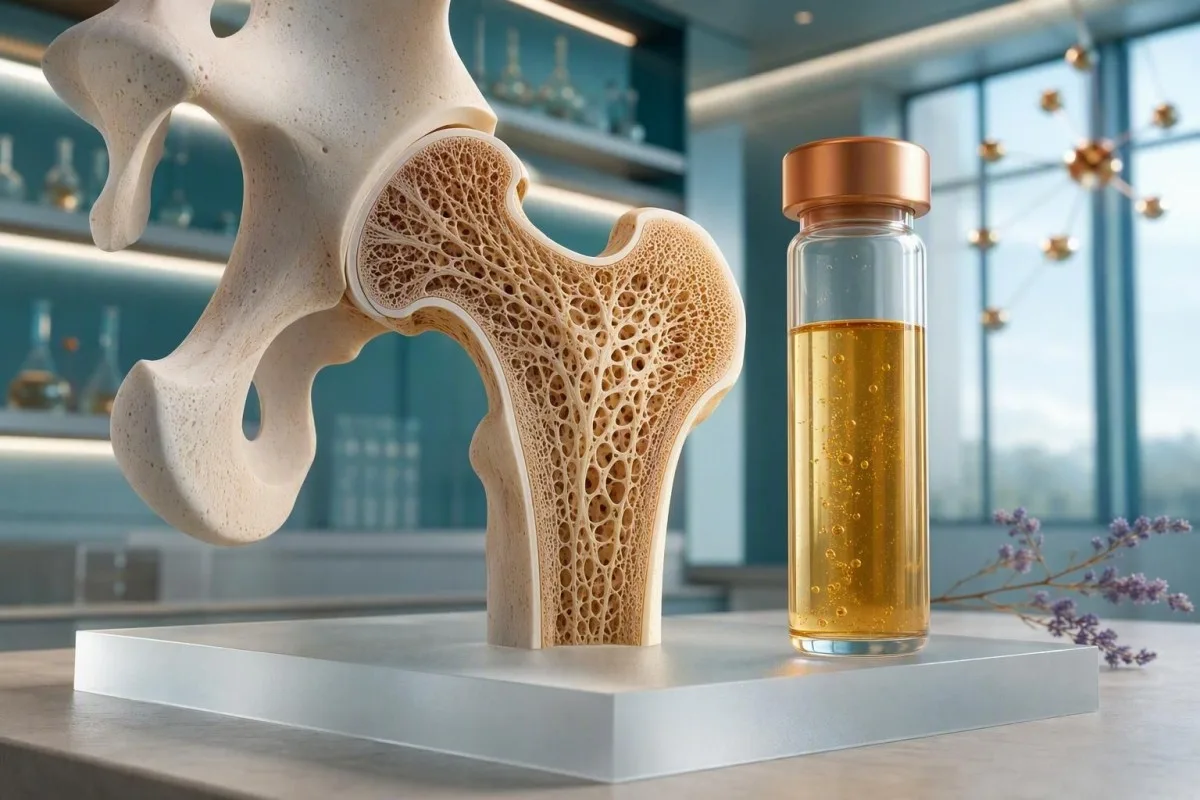
Menopauza sonrası sümük sağlamlığının monitorinqi üçün kalsium, kreatinin/eGFR, 25-hidroksivitamin D, qələvi fosfataza, fosfat və paratiroid hormonu hədəfli testlərdir, DEXA skanının əvəzi deyil. Kövrəklik sınığı, kalsium səviyyəsindən asılı olmayaraq, sınıq riski və osteoporozun qiymətləndirilməsini tələb etməlidir.
Ümumi kalsium adətən 8.5 - 10.5 mq/dl olur, lakin albümin şərhi dəyişdirir; aşağı albümin, ionlaşmış kalsium normal olduqda ümumi kalsiumu aşağı göstərə bilər. Təkrarən 10.5 mq/dl-dən yuxarı kalsium, sadəcə pəhriz kalsiumunu dayandırmaq əvəzinə, əlavələr, tiyazidlər, birincili hiperparatiroidizm və hidrasiyanın nəzərdən keçirilməsini tələb etməlidir.
20 ng/ml və ya 50 nmol/l-dən aşağı 25-hidroksivitamin D səviyyəsi, Sümük Sağlamlığı və Osteoporoz Fondu tərəfindən sümük sağlamlığı üçün hədd qəbul edilir. Lakin, hər yaşlı insanda adi D vitamini testi mübahisəlidir; onu yalnız osteoporoz, sınıqlar, malabsorbsiya, xroniki böyrək xəstəliyi, az günəş işığı və ya gözlənilməz dərəcədə yüksək əlavə qəbulu zamanı istifadə edirəm. Yüksək D vitamini simptomları nadir hallarda rast gəlinən, lakin realdır.
Sümük Sağlamlığı və Osteoporoz Fondu, 65 və yuxarı yaşda olan qadınlar və risk faktorları olan daha gənc menopauza sonrası qadınlarda (LeBoff et al., 2022) BMD testini tövsiyə edir. Kantesti bir Süni intellektlə işləyən qan testi analizi aləti qələvi fosfataza və kalsiumu əvvəlki nəticələrlə yan-yana qoya bilən, lakin normal panel osteoporozu istisna edə bilməz.
Dəmir, B12 və folat nə vaxt yoxlanılmalıdır?
Dəmir tədqiqatları və B12 testi, aşağı hemoqlobin, yüksək MCV, neyropatiya, qlossit, izah olunmayan yorğunluq, az qidalanma, uzunmüddətli metformin və ya turşu basqılayıcıları və ya mədə-bağırsaq simptomları olduqdan sonra ən faydalıdır. Bunlar menopauza sonrası hər qadın üçün adi illik testlər deyildir.
30 ng/ml-dən aşağı ferritin səviyyəsi, digər cəhətdən sağlam yetkin bir insanda dəmir anbarlarının tükəndiyini güclü şəkildə dəstəkləyir, baxmayaraq ki, laboratoriyanın aşağı həddi 12-15 ng/ml ola bilər. Ferritin kəskin faz reaktantıdır, buna görə də yüksəlmiş CRP ilə 70 ng/ml ferritin dəmir məhdudiyyəti ilə birlikdə mövcud ola bilər; 20%-dən aşağı transferrin doyumu əlavə bir ipucu verir. Bizim dəmir tədqiqatları üzrə istinad bələdçisi.
Postmenopozal dəmir çatışmazlığının yalnız pəhrizdən qaynaqlandığı güman edilməməlidir. Gizli mədə-bağırsaq itkisi, çölakı xəstəlik, müntəzəm NSAİİ istifadəsi və sidik itkisi nəzərə alınmalıdır və qara nəcis, arıqlama, dəyişmiş bağırsaq hərəkəti və ya qabaqcıl anemiya təcili tibbi müayinə tələb edir, adi dərman dəmir deyil.
200 pg/ml-dən aşağı B12 serumu ümumiyyətlə çatışmazlıq kimi qəbul edilir, 200-350 pg/ml isə metilmalonik turşunun kömək edə biləcəyi boz zonadır. Folat, B12 çatışmazlığının anemiyasını sinir zədələnməsi irəliləyərkən düzəldə bilər, buna görə də makrositoz olduqda əvvəlcə B12-ni yoxlayıram; B12 və ya folat bu tələnin izahını verir.
60 yaşdan sonra qalxanabənzər vəz testi nə vaxt uyğundur?
TSH testi uyğun simptomlar, məlum qalxanabənzər vəzi xəstəliyi, qalxanabənzər vəzi aktiv dərmanlar, atriyal fibrilasiya, açıqlanamayan yüksək xolesterin və ya zob üçün uyğundur - sadəcə bir qadının postmenopozal olması səbəbindən deyil. TSH adətən ilk testdir; TSH anormal olduqda və ya hipofiz xəstəliyi şübhə altına alındıqda sərbəst T4 əlavə olunur.
TSH-nin təxminən 0,4 ilə 4,0 mIU/L arasında olması ümumi yetkin laboratoriya intervalıdır, lakin levotiroksin qəbul edən, hipofiz xəstəliyi olan və ya yaşlı xəstələrdə düzgün hədəf fərqli ola bilər. 0,1 mIU/L-dən aşağı davamlı olaraq basdırılmış TSH, sərbəst T4 diapazonda qalsa belə, atriyal fibrilasiya və sümük itkisi üçün narahatlıq yaradır, xüsusən də yaşlı qadınlarda.
Biotik əlavələr bəzi immünoloji analizləri maneə törədə bilər və yüksək sərbəst T4 ilə yanıltıcı aşağı TSH verə bilər. Xəstələr tez-tez “saç və dırnaq” məhsullarını dərman siyahısından kənarda saxlayırlar; testdən əvvəl 48-72 saat ərzində yüksək dozada biotik qəbulunu dayandırmaq ümumiyyətlə tövsiyə olunur, lakin laboratoriya və ya resept yazan həkim onun təhlilə xas siyasətini təsdiqləməlidir.
Levotiroksin adətən doz və ya brend dəyişikliyindən 6-8 həftə sonra yenidən yoxlanılmalıdır, çünki TSH yavaş cavab verir. Praktik vaxt üçün baxın qalxanabənzər vəzi yenidən test cədvəlləri; tabletin nümunə götürmədən dərhal əvvəl qəbul edilməsi, orta məruz qalmanı təmsil etmədən sərbəst T4-ü qısa müddətə artıra bilər.
Hansı simptomlar hədəflənmiş qan testləri və ya təcili yardım tələb edir?
Simptomlar testi müəyyən etməlidir və bəzi simptomlar istənilən adi laboratoriya panelindən əvvəl təcili müayinə tələb edir. Yeni döş təzyiqi, huşunu itirmə, şiddətli nəfəs darlığı, çaşqınlıq, qara nəcis və ya qəfil zəiflik “illik testləri gözləyin” vəziyyətləri deyil.
Yeni məşq zamanı nəfəs darlığı CBC, böyrək paneli, qalxanabənzər vəzi testləri, EKG və bəzən NT-proBNP-yə səbəb ola bilər, lakin heç bir qan testi ürək və ya ağciyər xəstəliyini etibarlı şəkildə istisna edə bilməz. Sinə ağrısı test etmə təlimatları troponinin simptom vaxtı və klinik şəraitdə ardıcıl ölçmələrlə necə yozulmalı olduğunu izah edir.
6-12 ay ərzində 5% və ya daha çox qeyri-ixtiyari arıqlama, gecə tərləmələri, davamlı qızdırma və ya yeni anormal qaraciyər testləri diqqətli tarix və müayinə tələb edir. Normal CBC xərçəngi, iltihabi xəstəliyi və ya depressiyanı istisna etmir; asemptomatik qadınlarda CA-125 və ya geniş şiş marker panellərinin sifariş edilməsi faydalı cavablardan daha çox yanlış pozitiv nəticələr yaradır.
Aşağı hemoglobin ilə başgicəllənmə, 70 mq/dl-dən aşağı qlükoza, 130 mmol/L-dən aşağı natrium və ya yeni qeyri-qanuni puls dəyişiklikləri təciliyyəti dəyişir. Yaşlı yetkinlər daha az dərslik simptomlarla təqdim oluna bilər, buna görə də başgicəllənmə laboratoriya ipuçları həyati əlamətləri və qiymətləndirməni əvəz etməməlidir, tamamlamalıdır.
Hansı qan testləri adətən rutin skrininq üçün faydalı deyil?
Simptomlar olmadan adi skrininqə adətən şiş markerləri, cinsi hormon panelləri, kortizol, D-dimer, qida IgG testləri, geniş autoimmün panellər və ya “ağır metal detoks” testləri daxil deyil. Bu testlər zərərsiz deyil: aşağı əvvəllər test ehtimalı yanlış-pozitiv nəticələr proqnozlaşdırıla bilər.
CA-125, adi riskli, asemptomatik qadınlarda yumurtalıq xərçəngi üçün skrininq testi deyil, çünki xoşxassəli vəziyyətlər onu artıra bilər və erkən xərçəng bunu etməyə bilər. Davamlı şişkinlik, erkən toxluq, pelvik simptomlar və ya güclü ailə tarixi tibbi qiymətləndirməyə layiqdir, lakin növbəti addım mütləq birbaşa istehlakçıya yönəlmiş marker paneli deyil. Baxış keçirin xərçəng-ailə-tarixi testləri.
D-dimer yaş, infeksiya, cərahiyyə, iltihab və xərçəng ilə artır, buna görə də yalnız bir həkim venoz tromboz ehtimalını aşağı və ya aralıq olaraq qiymətləndirdiyi hallarda faydalıdır. Yaşa görə tənzimlənmiş hədd 50 yaşdan sonra tez-tez istifadə olunur, lakin pozitiv nəticə laxtalanmanı diaqnoz etmir; görüntü və simptomlar bu sualı həll edir.
Menopozun başlamasından sonra nadir hallərdə postmenopozal FSH və estradiol müayinəsi adi qızartıları və ya yuxu pozğunluğunu aydınlaşdırır. İstisna xüsusi diaqnostik tapmacadır, məsələn, gözlənilməz qanaxma, hipofizlə bağlı narahatlıq və ya müalicənin monitorinqi; menopoz estradiol nəticələri əks halda faydalı olmaqdan çox çaşdırıcı ola bilər.
60 yaşdan yuxarı qadınlar testlərə necə hazırlaşmalı və yanlış nəticələrdən necə qaçınmalıdır?
Dəqiq laborator nəticələr vaxtı, hidrasiya, son idman, əlavələr və kəskin xəstəlikdən asılıdır. Təkrar test üçün, mümkün olduqda eyni laboratoriyadan istifadə edin və şəraitləri təkrarlayın: səhər vaxtı, tələb olunarsa, oruc halı və oxşar dərman vaxtı.
Əksər lipid panelləri artıq oruc tutma tələb etmir, lakin 8-12 saat oruc tutmaq, qeyri-oruc halında triqliseridlərin yüksək olması halında triqliseridləri aydınlaşdıra bilər. 400 mq/dL-dən yuxarı triqliseridlər etibarlı hesablanmış LDL nəticəsini maneə törədə bilər və alkoqol, bol yemək və nəzarətsiz diabet bunları qısa müddətdə əhəmiyyətli dərəcədə artıra bilər. Bax ac qalma və əlavələrin təsiri.
Əgər təcili deyilsə, CK, AST, kreatinin və ya sidik albüminini yoxlamadan 24-48 saat əvvəl intensiv tanımadığınız məşqlərdən çəkinin. Mən bir dəfə fit 67 yaşlı bir şəxsin xeyriyyə yürüşündən sonra AST-sinin 89 IU/L-ə çatdığını görmüşəm; normal GGT və bilirubinlə bərpa edildikdən sonra edilən təkrar test daha sakit bir mənzərə göstərdi.
Təlimat olmadan reseptlə verilən dərmanları dayandırmayın. Maqnezium, D vitamini, biotin, bitki çayları, laksatiflər və antasidləri əhatə edən tam siyahını gətirin, çünki “dərman olmayanlar” tez-tez kalium, kalsium, TSH və ya qaraciyər fermentlərinin sürprizlərini izah edir. Müayinələr zamanı laboratoriyanın vaxtı qeyd etməyə dəyər.
Laboratoriya tendensiyaları niyə tək bir nəticədən daha vacibdir?
Tək bir həddə olan nəticə, dəyişiklik gözlənilən bioloji və analitik variasiyadan kənara çıxdıqda, laboratoriya trendi daha məlumatlandırıcıdır. EGFR-in sabit enişi, hemoqlobilin düşməsi və ya HbA1c-nin yüksəlməsi, hər bir dəyər laboratoriya istinad intervalında qalsa belə, əhəmiyyət kəsb edə bilər.
Kreatininin gündəlik 2%-dən 3%-ə qədər dəyişməsi hidrasiya və təhlil səsini əks etdirə bilər, lakin davamlı 20% dəyişikliyi uyğun şəraitdə diqqət tələb edir. Eyni şəkildə, HbA1c-də 0.1% dəyişiklik adi variasiya ola bilər; oruc qlükoza və çəki dəyişikliyi ilə yanaşı təkrarlanan yuxarı hərəkət daha çox klinik etibarlılığa malikdir. Obyektiv nəticə dəyişiklikləri bu fərqi izah edir.
Kantesti bir AI biomarker şərhi platforması əvvəlki hesabatları müqayisə edir və təqib müzakirəsi üçün nümunələri, o cümlədən müxtəlif vahidlərdə bildirilən nəticələri işarələyir. Biz qrafikdən diaqnoz qoymuruq; həkim hələ də nümunə götürmə şəraitini, xəstəliyi, dərman dəyişikliklərini və nəticənin təkrar olunub-olunmadığını yoxlamalıdır.
Bizim klinik metodologiyamız laboratoriya konteksti və təhlükəsizlik yolları ilə müqayisə edilir, tibbi validasiya icmalı. Dr. Thomas Klein hər bir nəticənin yanında tarixi, oruc halını, yeni dərmanları, infeksiyanı, səyahəti və əsas məşqi saxlamağı tövsiyə edir - bu kiçik detallar tez-tez görünən anormallığı həll edir.
60 yaşdan sonra profilaktik ziyarətdə nələri müzakirə etməlisiniz?
60 yaşdan sonra məhsuldar profilaktik müayinə yazılı planla başa çatır: hansı testin yoxlanıldığı, hansı nəticənin müalicəni dəyişdirəcəyi və nə vaxt təkrarlanmalı olduğu. Qan testlərindən başqa skrininqlər də istəyin: qan təzyiqi, peyvəndlər, döş və kolorektal skrininqlər, yıxılmaların qiymətləndirilməsi, görmə, eşitmə və uyğun olduqda sümük sıxlığı.
Yaddaşa güvənmək əvəzinə əvvəlki hesabatları gətirin. Bir həkim, ferritin 68-dən 19 ng/mL-ə düşdüyünü, eGFR-in 3 il ərzində 78-dən 61 mL/min/1.73 m²-ə keçdiyini və ya dərman tənzimləməsindən sonra LDL-in dəyişdiyini gördükdə daha sürətli hərəkət edə bilər; uzununa (longitudinal) analiz bu kontekstin qorunmasına kömək edir.
Dörd sadə sual verin: “Nə axtarırıq?”, “Dərman bunu izah edə bilərmi?”, “Hansı simptomlar mənə daha tez zəng etməyə səbəb olmalıdır?” və “Nə vaxt təkrarlayacağıq?” Kantesti təxminən 60 saniyə ərzində bir hesabatı təşkil etməyə kömək edə bilər, lakin bu, təyinat üçün bir hazırlıq vasitəsi olmalı, özbaşına dərman qəbul etmə və ya qayğı təxirə salma səbəbi olmamalıdır.
Bizim həkimlərimiz və rəyçilərimiz bu təhsil yanaşmasının arxasındakı klinik təhlükəsizlik tədbirlərini müəyyənləşdirirlər; oxucular Tibbi Məsləhət Şurası və Kantesti komandası. 3 sentyabr 2026-cı il tarixindən etibarən ən məntiqli postmenopozal sağlamlığın monitorinqi fərdi olaraq qalır, lazım olduqda təkrarlanır və simptomlara və riskə əsaslanır.
Tez-tez verilən suallar
60 yaşlı qadın hər il hansı qan testlərini etdirməlidir?
60 yaşlı bir qadına hər il avtomatik olaraq eyni qan testləri lazım deyil. Şəkərli diabet riski, hipertoniya, böyrək xəstəliyi, əvvəlki nəticələrin normadan kənar olması və ya dərmanların monitorinqi olduqda hər il CBC, böyrək-elektrolit paneli, HbA1c və ya qlükoza, lipid profili və qaraciyər testləri müvafiq ola bilər. Stabil əvvəlki nəticələri olan və heç bir daimi dərmanı olmayan aşağı riskli qadında bu testlərin bir çoxu 1-3 ildən bir təkrarlana bilər. Qərar verən amil nəticənin müalicəni dəyişib-dəyişməyəcəyi olmalıdır.
60 yaşdan yuxarı qadınlar mütəmadi olaraq D vitamini qan testindən keçməlidirlərmi?
60 yaşdan yuxarı qadınların hamısı rutin D vitamini testinə ehtiyac duymur. Sümük sağlamlığı üçün, ümumiyyətlə, 20 ng/mL və ya 50 nmol/L-dən aşağı 25-hidroksivitamini D səviyyəsi çatışmazlığı göstərir, lakin test osteoporoz, kövrək sınıq, xroniki böyrək xəstəliyi, malabsorbsiya, məhdud günəşə məruz qalma və ya yüksək dozada əlavə istifadəsi ilə daha faydalıdır. D vitamini testi sınıq riskini müəyyən etmək üçün DEXA skanını əvəz etmir. Təkrar testlər avtomatik olaraq deyil, müalicə planına uyğun olmalıdır.
60 yaşdan yuxarı qadınlar üçün normal HbA1c nədir?
60 yaşdan yuxarı qadınlar üçün HbA1c-nin 5.7%-dən aşağı olması adətən normal hesab olunur, 5.7%-dən 6.4%-ə qədər olan göstərici isə prediabetes deməkdir, 6.5% və ya daha yüksək göstərici isə simptomsuz şəxsdə təsdiqləndikdə diabet diaqnozunu qoymağa imkan verir. HbA1c təxminən 8-12 həftəlik orta qlükoza səviyyəsini əks etdirir. Anemiya, son qan itkisi, qan köçürmə və irəliləmiş böyrək xəstəliyi HbA1c-nin etibarlılığını azalda bilər. Bu hallarda, aclıq qlükoza və ya başqa bir test üstünlük verilə bilər.
Menopozdan sonra hansı ferritin səviyyəsi çox aşağı hesab olunur?
Menopozdan sonra 30 ng/mL-dən aşağı ferritinin səviyyəsi, laboratoriya yalnız 12-15 ng/mL-dən aşağı dəyərləri aşağı kimi qeyd etsə belə, dəmir çatışmazlığını ümumilikdə dəstəkləyir. Menopozdan sonra dəmir çatışmazlığının səbəbi izah edilməlidir, çünki menstruasiya itkisi artıq adi səbəb deyil. Klinisyenlər ferritinlə yanaşı tez-tez transferrin doygunluğunu, CBC indekslərini, CRP, pəhriz, NSAID məruz qalma və mədə-bağırsaq simptomlarını yoxlayırlar. Qara nəcis, arıqlamaq və ya qanın getdikcə azalması dərhal tibbi müayinə tələb edir.
60 yaşdan sonra qalxanabənzər vəzin səviyyəsi nə qədər tez yoxlanılmalıdır?
[B]Yaşlılarda (60 yaşdan yuxarı) tiroid səviyyələri simptomlar, məlum tiroid xəstəliyi, tiroidə təsir edən dərmanlar, atriyal fibrilyasiya, izah olunmayan lipid dəyişiklikləri və ya əvvəlki anormal nəticə səbəb olduqda yoxlanılmalıdır. Levotiroksin qəbul edən xəstələr, doza və ya brend dəyişikliyindən təxminən 6-8 həftə sonra TSH-ı yenidən yoxlatdırırlar, sabit olduqdan sonra isə həkimin təyin etdiyi intervallarla davam edirlər. 0.1 mIU/L-dan aşağı TSH, yaşlılarda atriyal fibrilyasiya və sümük itkisi narahatlığını artıra bilər. Normal əvvəlki TSH olan, simptomsuz insanlarda adi təkrar tiroid panelləri adətən az fayda verir.[/B].
Adi qan testi qadınlarda ürək xəstəliyini istisna edə bilərmi?
Normal bir qan testi yaşlı qadınlarda ürək xəstəliyini istisna edə bilməz. Lipidləri, HbA1c, ApoB və lipoprotein(a) profilaktika riskini qiymətləndirir, troponin isə uyğun klinik şəraitdə kəskin miokard zədələnməsi ehtimalı üçün istifadə olunur. Yeni döş qəfəsi təzyiqi, məşqlə bağlı nəfəs darlığı, çənə və ya qol narahatlığı, ürəkbulanma və ya ani tərləmə əvvəlki xolesterin nəticələri normal olsa belə təcili qiymətləndirmə tələb edir. EKG, müayinə və bəzən təsvir müayinələri adi qan işinin verə bilmədiyi suallara cavab verir.
Bu gün AI ilə gücləndirilmiş qan analizi nəticələrinin şərhini əldə edin
Ani və dəqiq laborator analiz şərhinə güvənən dünya üzrə 2 milyondan çox istifadəçiyə qoşulun. Qan analizinin nəticələrini yükləyin və bir neçə saniyəyə 15,000+ biomarkerlərinin hərtərəfli şərhini alın.
📚 İstinad edilən tədqiqat nəşrləri
Klein, T., Mitchell, S., & Weber, H. (2026). Kantesti Research Team. (2026). Dəmir Tədqiqatları Bələdçisi: TIBC, Dəmir Doyumu & Bağlama Tutumu. Zenodo.. Kantesti AI Tibbi Tədqiqatlar.
Klein, T., Mitchell, S., & Weber, H. (2026). Kantesti Research Team. (2026). aPTT Normal Aralığı: D-dimer, Zülal C Qan laxtalanma Bələdçisi. Zenodo.. Kantesti AI Tibbi Tədqiqatlar.
📖 Xarici Tibbi İstinadlar
Böyrək xəstəliyi: Qlobal Nəticələrin Yaxşılaşdırılması üzrə CKD İşçi Qrupu (2024). KDIGO 2024 Xroniki böyrək xəstəliyinin qiymətləndirilməsi və idarə olunması üzrə klinik praktikaya dair təlimat. Kidney International.
⚕️ Tibbi Məsuliyyətdən İmtina
Bu məqalə yalnız təhsil məqsədlidir və tibbi məsləhət təşkil etmir. Diaqnoz və müalicə qərarları üçün həmişə ixtisaslı səhiyyə işçisi ilə məsləhətləşin.
E-E-A-T Etibar Siqnalları
Təcrübə
Həkim rəhbərliyi ilə laborator şərh iş axınlarının klinik icmalı.
Ekspertiza
Biomarkerlərin klinik kontekstdə necə davrandığına dair laboratoriya təbabəti diqqəti.
Səlahiyyətlilik
Dr. Thomas Klein tərəfindən yazılıb; Dr. Sarah Mitchell və Prof. Dr. Hans Weber tərəfindən nəzərdən keçirilib.
Etibarlılıq
Aydın izləmə yolları ilə həyəcanı azaltmağa yönəlmiş sübuta əsaslanan şərh.