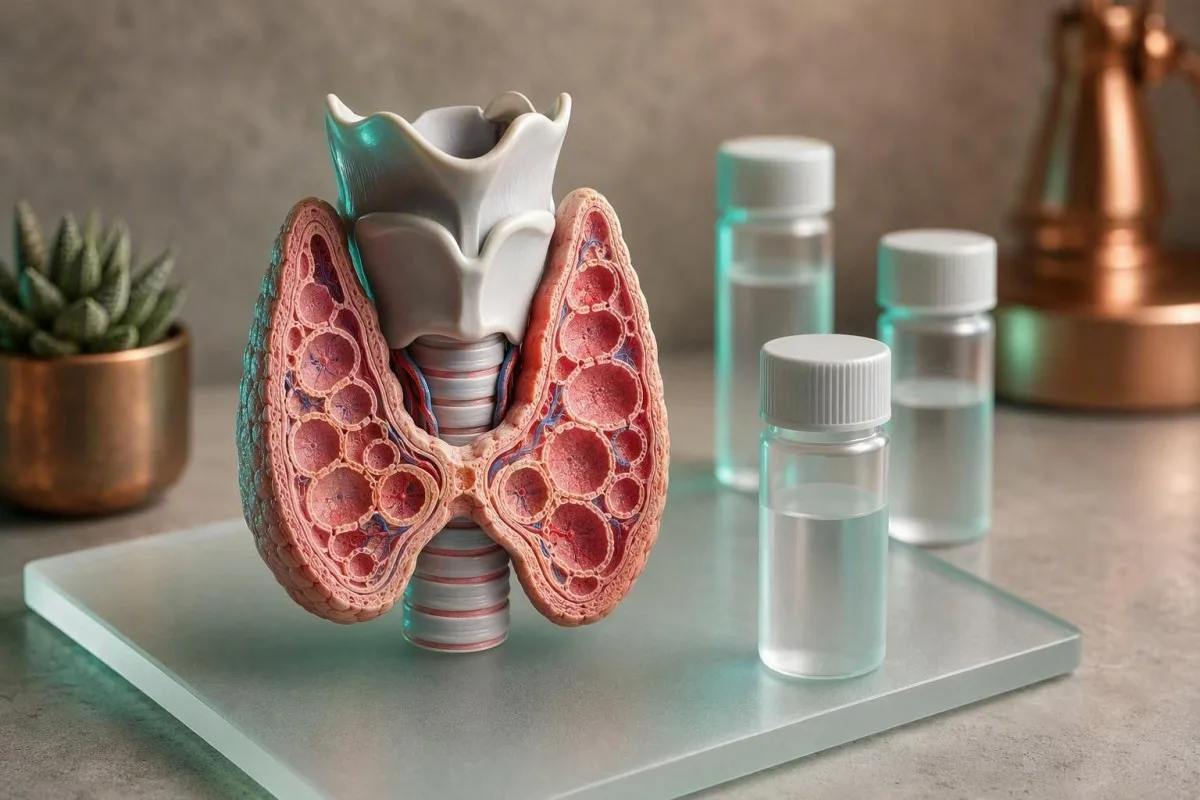
Əksər insanlar tez-tez qalxanabənzər vəz testi aparmağa ehtiyac duymurlar. Düzgün fasilə TSH-ın normal olub-olmamasından, hamilə olub-olmamağınızdan, əlamətləriniz olub-olmamasından və ya levotiroksin dozasının yaxın zamanda dəyişdirilməsindən asılıdır.


- Normal TSH ümumiyyətlə, əlamətlər, hamiləlik, dərmanlar və ya yeni risk amilləri yaranmadıqca, hər 1-5 ildən bir daha tez təkrarlanmağa ehtiyac duymur.
- Levotiroksin dəyişikliklərindən sonra, TSH-ı 6-8 həftə sonra təkrarlayın, çünki hipofiz geribildiriminin sabitləşməsi üçün vaxt lazımdır.
- Hamiləlik məlum hipotiroidizm olan insanlarda təsdiqləmə zamanı və adətən hamiləliyin ortasına qədər hər 4 həftədə bir TSH testi tələb edir.
- Sabit müalicə olunmuş hipotiroidizm adətən aylıq deyil, hər 6-12 ayda bir izlənilir.
- TSH 10 mIU/L-dən yuxarıdır sərbəst T4 diapazonda qalsa belə, adətən klinik qiymətləndirmə və müalicə müzakirəsi tələb edir.
- Biotin əlavələri bəzi qalxanabənzər vəz immunoloji testlərini poza bilər; yüksək dozada biotin dayandırmaq ən azı 2 gün əvvəldən məqsədəuyğun bir tədbirdir.
- TPO anticisimləri. gələcək hipotiroidizmi proqnozlaşdırır, lakin levotiroksin tənzimləmək üçün ardıcıl ölçmə tələb etmir.
- Təcili qiymətləndirmə şiddətli ürək döyüntüsü, sinə ağrısı, çaşqınlıq, nəfəs darlığı və ya boynun sürətlə böyüyən şişkinliyi üçün lazımdır.
Qalxanabənzər vəz testlərinin təkrarlanması üçün qərar cədvəli
Tiroid səviyyələrinin nə qədər tez yoxlanılması, klinik vəziyyətdən asılıdır: normal skrininqdən sonra hər 1-5 ildə bir, doza dəyişikliyindən 6-8 həftə sonra, tiroid xəstəliyi məlum olduqda erkən hamiləlikdə hər 4 həftədə bir və müalicə ilə hipotiroidizm stabilləşdikdə hər 6-12 ayda bir. Daha tez test etmək yalnız nəticənin real şəkildə qayğıyı dəyişdirə biləcəyi hallarda faydalıdır.
Tiroid diaqnozu olmayan və normal olan bir yetkin şəxs üçün TSH, yeni simptomlar və ya risk amilləri olmadıqda, hər 1-5 ildə bir dəfə təkrarlanan test ümumiyyətlə kifayətdir. Geniş interval fərqli milli skrininq siyasətlərini əks etdirir; ABŞ-ın Pence Edici Xidmətlər İşçi Qrupu (USPSTF, 2015) asimptomatik yetkin şəxslər üçün onun mənfəəti barədə kifayət qədər aydın sübut göstərmədiyi üçün əhalinin geniş miqyaslı rutin skrininqini təsdiq etməmişdir.
Ümumi illik testdən daha faydalı bir təcrübi cədvəl: dərman və ya reproduktiv dəyişiklikdən bir neçə həftə ərzində, bir anomaliyadan bir neçə ay ərzində yenidən test edin və yalnız xroniki bir vəziyyət aktiv şəkildə idarə olunduqda illik olaraq. Mənim klinikimdə ən çox yayılmış qaçınılmaz səhv, dozanı dəyişdirdikdən 10 gün sonra TSH-ı yenidən yoxlamaqdır - narahatlıq artır, lakin nəticə nadir hallarda sualı cavablandırır.
Kantesti bir AI qan testi analizatoru tiroid nəticələrini köhnə əvvəlki panellərlə müqayisə edir, bu da erkən, qeyri-dəqiq yenidən testdən mənalı bir trendi ayırmağa kömək edir. Əsli laboratoriyanı, toplama vaxtını, dozanı, hamiləlik vəziyyətini və əlavələri hər bir nəticənin yanında saxlayın; bu detallar vaxt xəttini klinik olaraq şərh oluna bilən edir. Bizim qan testi vaxtlandırma bələdçimiz qeyd etməyə dəyər kontekst üçün baxın.
Normal TSH nə vaxt təkrarlanmalıdır
Normal TSH adətən tiroid risk amilləri olmayan sağlam bir yetkin şəxsdə illik təkrar yoxlanılma tələb etmir; 1-5 illik interval məqsədəuyğundur. Simptomlar davam edərsə, hamiləlik planlaşdırılırsa, boyun radiasiyası baş veribsə və ya tiroid funksiyasına təsir edən dərmanlar qəbul edilməyə başlayıbsa, daha tez təkrarlayın.
Əksər laboratoriyalar yetkin TSH təxminən 0.4-4.0 mIU/L ətrafında yerləşdirir, baxmayaraq ki, yuxarı limitlər təxminən 4.0-dan 4.5 mIU/L-ə qədər dəyişir. 2.1 mIU/L dəyəri 3.7 mIU/L-dən təbii olaraq daha yaxşı deyil; sərbəst T4, simptomlar və klinik kontekst razılaşarsa, hər ikisi normal ola bilər.
Mən tip 1 diabeti, çölyak xəstəliyi, qalxanabənzər vəzi əməliyyatı keçirmiş, litium, amiodaron qəbul etmiş, hipofiz xəstəliyi olan və ya ailəsində otoimmün xəstəliklərin güclü tarixçəsi olan şəxslərdə daha tez yenidən müayinə edirəm. Bu qruplarda yorğunluq hiss edən, sağlam bir insana nisbətən test öncəsi ehtimal daha yüksəkdir.
Normal TSH yorğunluq, saç tökülməsi, əhval ruhiyyənin aşağı düşməsi və ya çəki dəyişikliyinin hər bir səbəbini istisna etmir. Simptomlar geniş olduqda, həkimlər tez-tez qalxanabənzər vəz testlərini hər bir neçə həftədən bir sifariş etmək əvəzinə CBC, ferritini, qlükoza, böyrək markerlərini və bəzən B12 analizlərini yoxlayırlar; bizim bələdçimiz aşağı motivasiya qan testləri daha geniş diferansialı izah edir.
Normal nəticələrlə əlamətlər: test etmək nə vaxt məqsədəuyundur
Simptomlar davam edərsə və ya normal TSH-ya baxmayaraq inkişaf edərsə, testləri bir neçə gün sonra deyil, 6-12 həftə sonra təkrarlayın. Yeni titrəmə, istiliyə qarşı dözümsüzlük, istirahət zamanı təxikardiya, boyun əlamətləri, menstruasiya pozğunluğu və ya izah olunmayan çəki dəyişikliyi daha hədəfli bir müayinəni tələb edir.
TSH gün ərzində, laboratoriyalar arasında və xəstəlikdən sağalma zamanı tədricən dəyişə bilər. 2.0-dan 3.1 mIU/L-ə qədər olan bir dəyişiklik adi bioloji dəyişiklik ola bilər, halbuki 1.2-dən 8.6 mIU/L-ə qədər olan bir artış fərqli bir cavab tələb edir; buna görə trend konteksti tək bir bayraqdan daha vacibdir.
Kəskin xəstəlik, əsas qalxanabənzər vəz çatışmazlığı olmadan, bəzən qeyri-qalxanabənzər xəstəlik adlanan, aşağı T3 və bəzən aşağı və ya normal TSH yarada bilər. Xəstəxanada yatarkən test aparmaq lazım gələ bilər, lakin təcili olmayan xəstə əlamətləri üçün mən sərhədli nəticəni xroniki xəstəlik kimi şərh etmədən 4-8 həftə gözləyirəm; bizim izahımıza baxın xəstəlik zamanı aşağı T3-dür.
Dr. Tomas Klaynın praktik qaydası sadədir: cavabın növbəti klinik qərarı dəyişəcəyi təqdirdə testi təkrarlayın. Davamlı qəbizlik və soyuğa qarşı dözümsüzlüklə birlikdə normal TSH, CBC, ferritin, dərman icmalı və sərbəst T4-ə səbəb ola bilər; bu, avtomatik olaraq aylıq antikor panellərini tələb etməməlidir.
Levotiroksin dəyişikliklərindən sonra TSH nə vaxt təkrarlanmalı
Levotiraksin qəbul etməyə başladıqdan, dozasını dəyişdirdikdən və ya formulyasiyasını dəyişdirdikdən 6-8 həftə sonra TSH-ı təkrarlayın. Levotiraksinin təxminən 7 gün olan uzun yarım ömrü var və hipofiz TSH istehsalını bərpa etmək üçün bir neçə həftə çəkir.
Tipik bir doza tənzimlənməsi gündəlik 12.5-25 mikrogramdır, xüsusən yaşlılarda və ya ürək xəstəliyi olan şəxslərdə, baxmayaraq ki, resept yazan həkim bunu fərdiləşdirir. 2 həftədə TSH yoxlanılması nadir hallarda qeyri-adi şəraitdə kömək edə bilər, lakin bu, adi doza qərarları üçün çox tezdir.
Levotiraksini müntəzəm olaraq su ilə, boş mədədə, adətən yeməkdən 30-60 dəqiqə əvvəl və ya gecə yatmazdan ən azı 3-4 saat sonra qəbul edin. Kalsium, dəmir, maqnezium, antasidlər, öd turşusu bağlayıcıları və bəzi lif məhsulları yaxın alındıqda udulmanı azalda bilər; güman edilən doza uğursuzluğu bəzən vaxt problemi olur.
Brend və ya istehsalçı dəyişikliyi, xüsusən də az endogen qalxanabənzər vəz funksiyası olan bəzi xəstələr üçün effektiv məruz qalmanı dəyişə bilər. Bizim izah etdiyimiz kimi, dəyişiklikdən sonra eyni yenidən test intervalından istifadə edin levotiraksin brendi-dəyişdirmə bələdçisi.
Sabit hipotiroidizm nə qədər tez izlənilməlidir
Dəyişilməmiş dozada sabit birincili hipotiroidizmi olan şəxslər adətən hər 6-12 ayda bir TSH testi tələb edir. Böyük çəki dəyişikliyi, hamiləlik, mədə-bağırsaq əməliyyatı, qarşılıqlı təsir edən dərmanlar və ya inandırıcı əlamətlərin geri qayıtmasından sonra daha tez-tez yoxlamalar uyğundur.
Birincili hipotiroidizm üçün müalicə olunan əksər hamilə olmayan böyüklər üçün müalicə hədəfi, xüsusi aşağı-normal bir rəqəmdən daha çox laboratoriya istinad intervalı daxilində olan bir TSH-dır. Əvəzedici terapiyada 0.1 mIU/L-dən aşağı davamlı təzyiqli TSH, xüsusən 65 yaşdan sonra atriyal fibrilasiya və sümük itkisi riski ilə əlaqələndirilir.
Yoxlama sərbəst T4 TSH ilə birlikdə, hipofiz xəstəliyi, mərkəzi hipotiroidizm, hamiləlik, uyğunluq qeyri-müəyyənliyi və ya uyğunsuz əlamətlər olduqda faydalıdır. Mərkəzi hipotiroidizmdə, TSH normal və ya aşağı ola bilər, baxmayaraq ki, kifayət qədər hormon əvəzedici deyil, buna görə də sərbəst T4 - TSH deyil - dozaları idarə edir.
Kantesti bir AI qan analizi nəticələrinin şərhi platforması bu da TSH, sərbəst T4, dərman dəyişiklikləri və əlaqəli dəmir və ya lipid nəticələrini bir uzununa baxışda yerləşdirir. Bu, xüsusilə faydalıdır çünki normal TSH ilə aşağı sərbəst T4 adi ki Xroniki Haşimoto hipotiroidizmindən fərqli bir klinik yoldan keçməlidir.
Həddindən artıq yüksək TSH: məqsədəuyğun təkrarlama cədvəli
Normal sərbəst T4 ilə 4.5-10 mIU/L ətrafında TSH, xroniki subklinik hipotiroidizm etiketini qoymadan əvvəl 6-12 həftə ərzində ümumiyyətlə təkrarlanır. TSH sürətlə yüksələrkən, hamiləlik mövcud olduqda və ya əlamətlər əhəmiyyətli olduqda daha tez təkrarlayın.
Keçici TSH yüksəlməsi viruslu xəstəlik, yuxu pozğunluğu, laboratoriya dəyişkənliyi və ya ciddi sistemik xəstəlikdən sağalmağı təqib edə bilər. 6-12 həftədən sonra təkrar test, bir çox xəstənin bir kənar nəticədən diaqnoz qoyulmasını mane olur; assay fərqlərini minimuma endirmək üçün mümkün olduqda eyni laboratoriyadan istifadə edin.
TSH-dan yuxarı 10 mIU/L əksər təlimatların müalicə müzakirəsini üstün tutduğu həddir, çünki proqressiya və ürək-damar əlaqələri daha narahat edici olur. 2012-ci il Amerika Tiroid Assosiasiyası və Amerika Kliniki Endokrinoloqlar Assosiasiyasının birgə təlimatı, simptomlar, antikorlar, yaş və ürək-damar kontekstinə (Garber və b., 2012) görə 10 mIU/L-dan aşağı müalicəni fərdiləşdirməyi tövsiyə edir.
TPO antikorları proqnozunu dəqiqləşdirə bilər: müsbət antikorlar subklinik hipotiroidizmin irəliləmə şansını artırır, lakin antikor titrinin təkrar ölçülməsi levotiroksin dozasının düzgün olub olmadığını bizə bildirmir. Bizim sərhəddə TSH bələdçimiz qərarı dəyişdirən amilləri əhatə edir.
Xaşimoto xəstəliyi: nə izlənilməli və nə buraxılmalı
Haşimoto xəstəliyi əsasən TSH ilə və lazım olduqda sərbəst T4 ilə izlənilir; TPO antikorlarının seriyalı test edilməsinə ehtiyac yoxdur. TPO antikorları müsbət olan eutiroid şəxs, adətən ildə bir dəfə, ya da hamiləlikdə daha tez TSH tələb edir.
TPO antikorları otoimmün tiroiditi olan bir çox insanda mövcuddur və onillərlə müsbət qala bilər. Antikor dəyərlərinin aşağı düşməsi, vəzinin sağaldığını etibarlı şəkildə bildirmir və dəyərlərin yüksəlməsi özlüyündə müalicəni dəyişdirməyə əsas vermir.
Mən tez-tez aylıq TPO antikor testlərinə pul xərcləyən, lakin TSH-ı 18 aydır dəyişməyən xəstələrlə rastlaşıram. Klinik cəhətdən faydalı sual, immunitet tanınmasının dəyişib-dəyişməməsi deyil, tiroid hormonu istehsalının azalmasıdır.
TSH normaldır, lakin antikorlar müsbətdirsə, illik TSH məqbul bir defaultdır; əgər uyğundursa, hamiləlikdən əvvəl yoxlama və erkən hamiləlik testi əlavə edin. Haqqında daha ətraflı oxuyun Risk təkcə TPO anticismi nəticəsi ilə müəyyən edilmir, amma müsbət anticis testinin konteksti nəzərə alınmalıdır; bizim və bizim biomarker bələdçimiz istifadə edin ki, hesabatınızdakı laboratoriya adlarını başa düşəsiniz.
Hamiləlik və konsepsiyadan əvvəlki qalxanabənzər vəz testləri
Bilinən hipotiroidizmi olan insanlar, hamiləlik təsdiqləndikdə dərhal və hamiləliyin ortasına qədər təxminən hər 4 həftədə, sonra isə 30-cu həftəyə yaxın ən azı bir dəfə TSH yoxlatdırmalıdırlar. Levotiroksinə tələbat hamiləliyin erkən dövründə, bəzən 20-30% artır.
2017-ci il Amerika Tiroid Assosiasiyasının hamiləlik təlimatı, laboratoriyanın hamiləliyə aid xüsusi bir diapazonu olmadıqda, köhnə universal kəsimlərdən istifadə etmək əvəzinə təxminən 4.0 mIU/L-lıq bir TSH yuxarı referans həddindən istifadə edir. Tiroksinəbirləşdirici qlobulin və hCG tiroid fiziologiyasını dəyişdirdiyi üçün trimesterə və assayə uyğun diapazonlar üstünlük təşkil edir (Alexander və b., 2017).
Artıq levotiroksin qəbul edən xəstələr, adi randevu gözləmədən, müsbət testdən sonra təcili olaraq analıq və ya endokrin komandaları ilə əlaqə saxlamalıdırlar. Bəzi klinisyenlər mövcud hipotiroidizm üçün həftəlik tabletlərin təcili empirik artırılmasını məsləhət görürlər, lakin dəqiq plan fərdiləşdirilməlidir - xüsusən də ürək xəstəliyi və ya qeyri-müəyyən diaqnoz olduqda.
Doğuşdan sonra, tiroidə olan tələblər bir neçə həftə ərzində adətən hamiləlikdən əvvəlki dozaya yaxınlaşır, buna görə də həkiminiz fərqli bir məsləhət vermədikcə, doğuşdan təxminən 6 həftə sonra TSH-ı təkrarlayın. Hamiləlik təfsiri də bizim sərbəst T4 hamiləlik təlimatından faydalanır.
Hipertiroidizm şübhəli olduqda və ya müalicə olunduqda nə qədər tez test edilməlidir
Şübhəli hiperterioz təcili TSH və sərbəst T4 testi, tez-tez sərbəst T3 ilə tələb edir; müalicə olunan hiperterioz, əvvəlcə hər 4-6 həftədə bir sərbəst T4 və T3 tələb edə bilər. TSH müalicənin erkən mərhələsində istifadə ediləcək yeganə göstərici olmamalıdır, çünki hormon səviyyələri normallaşdıqdan sonra TSH aylar boyu aşağı qala bilər.
Yüksəlmiş sərbəst T4 və ya sərbəst T3 ilə 0.1 mIU/L-dən aşağı TSH aşkar hipertiroidizmi dəstəkləyir və vaxtında həkim tərəfindən nəzərdən keçirilməli. Antitiroid dərmanlarla müalicə olunan Graves xəstəliyində, sərbəst T4 və ümumi və ya sərbəst T3, adətən hər 4-6 həftədə bir dəfə erkən tənzimləmələri idarə edir.
Qalxanabənzər vəz testlərini təkcə sürətli ürək döyüntüsünü izah etmək üçün istifadə etməyin. Dəqiqədə 120-dən çox olan istirahət nəbz dərəcəsi, sinə ağrısı, huşunu itirmə, şiddətli nəfəs darlığı, həyəcanla müşayiət olunan qızdırma və ya çaşqınlıq təcili tibbi yardım tələb edir, çünki şiddətli tireotoksikoz ürək-damar sistemini sabitləşdirməyə qadirdir.
Biotin, həssas testlərdə TSH-ın aşağı və sərbəst T4 və ya T3-ün yüksək olması kimi səhv nəticələr verə bilər. Həkim fərqli təlimat vermədiyi təqdirdə, testdən ən azı 48 saat əvvəl, tez-tez saç üçün olan əlavələrdə gündəlik 5-10 mq miqdarında olan yüksək dozalı biotini dayandırın; bizim məqaləmizdə sərbəst T3 testi səhvləri bunun səbəbini izah edir.
Qalxanabənzər vəz xərçəngi və ya qalxanabənzər vəz əməliyyatından sonra testlər
Tireoidektomiya və ya qalxanabənzər vəz xərçəngi müalicəsindən sonra test tezliyi fərdiləşdirilir və doza tənzimlənməsi dövründə hər 6-12 həftədən sabitləşəndə hər 6-12 aya qədər dəyişə bilər. Xərçəng riski olan seçilmiş qruplarda TSH hədəfləri qəsdən aşağı ola bilər, buna görə də ümumi hipotiroidizm hədəfləri həmişə tətbiq olunmur.
Tamamilə qalxanabənzər vəz çıxarıldıqdan sonra ömür boyu levotiroksin adətən tələb olunur və ilk TSH qiymətləndirilməsi adətən doza dəyişikliyindən 6-8 həftə sonra aparılır. Tiroidin fərqlənən xərçənginin müşahidəsində tireoqlubulin və tireoqlubulin antikorları əlavə oluna bilər, lakin onların cədvəli patologiyadan və residiv riskindən asılıdır.
Qalxanabənzər vəz xərçəngindən sonra TSH-ın aşağı olması avtomatik olaraq səhv demək deyil. Aşağı riskli xəstələrdə agresif TSH supresiyası atriyal fibrilasiya və sınıq riskini artıra bilər, buna görə də endokrinoloqlar müalicənin zərərlərinə qarşı residivlərin qarşısının alınmasını tarazlaşdırırlar, ən aşağı mümkün TSH-ı təqib etmək əvəzinə.
Patologiya, əməliyyat hesabatları, ultrasəs nəticələri və bütün əvvəlki tireoqlubulin nəticələrini həkimə təqdim edin. Kantesti-nin uzunmüddətli alətləri tarixli laboratoriya tarixini təşkil edə bilər, lakin kliniki hədəf sizin xərçəng qrupunuzdan və bizim məqaləmizdə təsvir olunan tibbi olaraq nəzərdən keçirilmiş standartlardan gəlməlidir klinik validasiya yanaşmamız.
Dərmanlar və əlavələr, daha tez bir qalxanabənzər vəz testi üçün əsas verən səbəblər
Litium, amiodaron, interferon, immun yoxlama nöqtəsi inhibitorları, yod ekspozisiyası və yüksək dozalı biotin qalxanabənzər vəz testlərini və ya qalxanabənzər vəz funksiyasını dəyişə bilər. Təkrar test intervalları, dərmanla bağlı şiddətli tireotoksikoz şübhəsi olduqda günlərlə, sabit monitorinq planları üçün isə 3-6 ay arasında dəyişir.
Litium qalxanabənzər vəz hormonlarının ifrazını azalda bilər və müalicədən əvvəl TSH ilə və psixiatriya və ilkin tibbi yardımın birgə qərar verdiyi intervallarda, sabitləşdikdən sonra adətən hər 6-12 ayda bir dəfə monitorinq edilir. Amiodaron əhəmiyyətli miqdarda yod ehtiva edir və ya hipo- və ya hipertiroidizmə səbəb ola bilər; baza və dövri qalxanabənzər vəz testləri standart kliniki təcrübədir.
Dəmir və kalsium birbaşa qalxanabənzər vəz funksiyasını dəyişdirmir, lakin doza yaxın qəbul edildikdə levotiroksinin udulmasını azalda bilərlər. Onları ən azı 4 saat ayırmaq, xüsusən də dəmir çatışmazlığını müalicə edən insanlar üçün praktik bir başlanğıc nöqtəsidir; bizim bələdçiyə baxın dəmirlə zəngin qidalar.
Kətan və ya konsentratlı yod məhsulları ilə sərhəd TSH-ı özbaşına müalicə etməkdən çəkinin. Həddindən artıq yod həssas insanlarda qalxanabənzər vəz disfunksiyasını tetikleyebilir, adi qida yodu ehtiyacı isə mülayimdir; bizim yod qidaları bələdçisi daha təhlükəsiz qida əsaslı kontekst verir.
Qalxanabənzər vəz səviyyələrini çox tez test etmək niyə yanıltıcı ola bilər
TSH-ı hər bir neçə gündə və ya həftədə bir dəfə test etmək TSH-ın bioloji dəyişkənliyi və doza dəyişikliklərinə yavaş cavab verməsi səbəbindən həyəcan siqnalları yarada bilər. Sabit birincili hipotiroidizm üçün, hər 6 aydan bir daha tez test etmək nadir hallarda nəticələri yaxşılaşdırır.
Bu cür meyil başadüşüləndir: bir şəxs özünü pis hiss edir, bir rəqəm görür və qətilik istəyir. Lakin təkrarlanan ölçmələr, xüsusilə də toplama vaxtı, son xəstəlik, oruc statusu, əlavələr və laboratoriya metodu fərqli olduqda, kəsilmə ətrafında kiçik dəyişikliklər üçün daha çox imkan yaradır.
TSH sekresiyası sutkalıq ritmi izləyir və gecə və səhər tezdən daha yüksək olmağa meyllidir. Trendi izləyərkən, əgər mümkündürsə, oxşar toplama vaxtından istifadə edin və həkim xüsusi olaraq doza sonrası səviyyəni istəmədikcə, sərbəst T4 ölçülməsindən dərhal əvvəl levotiroksin qəbul etməyin.
Kantesti bir Süni intellektlə işləyən qan testi analizi aləti əvvəlki dəyərlərə qarşı dəyişiklikləri qeyd edir, hər bir kiçik həddənkənar işarəni yeni diaqnoz kimi qəbul etmək əvəzinə. Daha sakit bir üsul üçün, nəticələri yan-yana müqayisə edin, bizim laboratoriya dəyişikliyi təlimatından.
Hər bir növbəti müayinədə hansı qalxanabənzər vəz testlərini sifariş etmək lazımdır
istifadə edərək TSH, əksər ilkin qalxanabənzər vəz pozğunluqları üçün ən yaxşı ilk izləmə testidir, sərbəst T4 isə TSH, hamiləlik, mərkəzi hipotiroidizm və uyğunsuz simptomlar üçün əlavə olunur. Sərbəst T3, antikorlar, tireoqlobulin və ultrasəs, adi aylıq əlavələr deyil, seçici testlərdir.
TSH hipofiz cavabını, özü isə qalxanabənzər vəz hormonunu ölçür. Sərbəst T4 dövr edən mövcud tiroksini təxmin edir, sərbəst T3 isə ən çox hiperterioz şübhəsi olduqda faydalıdır, çünki bəzi xəstələrdə normal sərbəst T4 ilə T3-dominant xəstəlik olur.
Qalxanabənzər vəz ultrasəs yalnız TSH-ın anormal olması üçün skrininq testi deyil. Bu, hiss olunan düyün, qeyri-simmetrik vəz, sıxıcı simptomlar, şübhəli limfa düyünləri və ya təsvir izləməsi tələb edən məlum düyünlər üçün ən faydalıdır; normal qan testləri struktural qalxanabənzər vəz tapıntılarını istisna etmir.
Bir səhifəlik nəticə xülasəsi təkrarlanan testləri maneə törədə bilər və növbəti görüşü yaxşılaşdıra bilər. Bizim qalxanabənzər vəz testi qısaltmaları bələdçimiz ümumi markerləri izah edir və Kantesti tibbi məsləhət şurası təhsil şərhi üçün klinik baxış standartlarını təmin edir.
Növbəti planlaşdırılmış qalxanabənzər vəz testini gözləməmək lazım olduqda
Sinə ağrısı, huşunu itirmə, şiddətli nəfəs darlığı, çaşqınlıq, dincəlmə zamanı nəbzinin 120-dən yuxarı olması, həyəcanla yüksək hərarət və ya sürətlə pisləşən boyun şişkinliyi varsa, adi qalxanabənzər vəz testini gözləmək əvəzinə təcili tibbi yardım alın. Bu simptomlar yalnız ev cədvəlinə deyil, klinik müayinə, həyati göstəricilər və bəzən EKQ və ya təsvir tələb edir.
Boyunun sürətli böyüməsi, yeni səsin xırıltılı olması, udmaqda çətinlik və ya səsi çıxan nəfəs alma, əvvəlki TSH normal olsa belə, təcili qiymətləndirmə tələb edir. Qan testləri hormon fiziologiyasını təsvir edir; onlar hava yolu sıxılmasını, qalxanabənzər vəz düyününü və ya böyüyən boyun kütləsini etibarlı şəkildə qiymətləndirə bilməzlər.
Daha yüngül, lakin davamlı narahatlıqlar üçün həkiminizlə fokuslanmış baxış üçün görüş təyin edin və dərman dozalarını, əlavə etiketləri, hamiləlik statusunu və tarixli nəticələri gətirin. Doktor Tomas Kley, bu əsas hazırlığın çox vaxt iki faydasız ekstremumu maneə törətdiyini müəyyən etdi: TSH normal olduğu üçün simptomları rədd etmək və ya hər bir təcrid olunmuş laboratoriya sapmasını artırmaq.
27 avqust 2026-cı il tarixinə qədər ən təhlükəsiz qalxanabənzər vəz testi cədvəli qərarə əsaslanır: dəyişən nəticənin qayğıyı dəyişə biləcəyi zaman test edin. Kantesti AI nəticələrin təşkilini və təhsilini dəstəkləyir, diaqnozu və ya təcili triajı deyil; bizim AI texnologiyası üzrə bələdçi nəzərdə tutulan klinik-dəstək rolunu izah edir.
Tez-tez verilən suallar
ATES thyroid səviyyələrimi normaldırsa nə qədər tez-tez yoxlamalıyam?
Normal TSH və qalxanabənzər vəz risk faktorları olmayan böyüklər adətən hər il deyil, yalnız hər 1-5 ildən bir qalxanabənzər vəz testlərini təkrarlamalıdırlar. Yeni simptomlar davam edərsə, hamiləlik planlaşdırılırsa və ya təsdiqlənərsə, boyun nahiyəsində radiasiya qəbul edilibsə və ya litium, amiodaron və ya qalxanabənzər vəzlə əlaqəli digər dərmanlar qəbul etməyə başlayırsınızsa, daha tez təkrarlayın. Tipik bir böyük TSH referans intervalı təxminən 0,4-4,0 mIU/L-dir, baxmayaraq ki, laboratoriyalar öz limitlərini müəyyən edir. Normal nəticə yorğunluq, çəki dəyişikliyi və ya saç tökülməsinin qalxanabənzər vəzlə əlaqəli olmayan səbəblərini istisna etmir.
Levotiroksin qəbul etdikdə TSH nə vaxt yenidən yoxlanılmalıdır?
TSH adətən levotiroksin qəbul etməyə başladıqdan, gündəlik dozunu dəyişdirdikdən və ya məhsulun formulasını dəyişdirdikdən 6-8 həftə sonra yenidən yoxlanılmalıdır. Levotiroksinin yarıparçalanma dövrü təxminən 7 gündür və hipofiz TSH-nın geri əlaqə mexanizmi yeni tarazlığa nail olmaq üçün bir neçə həftə çəkir. Əksər doz dəyişiklikləri gündəlik 12.5-25 mikrogramdır, baxmayaraq ki, yaş, bədən ölçüsü, ürək xəstəliyi və hamiləlik planı dəyişdirir. Rutin tənzimləməyə rəhbərlik etmək üçün 1-2 həftəlik test adətən çox tezdir.
Hipotireoziyə nəzarət nə qədər tez-tez edilməlidir?
Dəyişilməmiş levotiroksin dozasında müalicə olunan stabil birincili hipotiroidizm, ümumiyyətlə hər 6-12 ayda bir TSH ilə izlənilir. 12,5-25 mikrogram doz dəyişikliyindən, hamiləlikdən, əhəmiyyətli çəki dəyişikliyindən, mədə-bağırsaq əməliyyatından və ya qarşılıqlı təsir göstərən dərmanın qəbulundan sonra daha tez test aparılmalıdır. Əvəzedici müalicə zamanı 0,1 mIU/L-dən aşağı TSH səviyyəsi, uzun müddətli həddindən artıq dozanın qulaq qanadı fibrilasiyası və sümük itkisi riskini artıra biləcəyi üçün həkim nəzərdən keçirməsini tələb edir. Sərbəst T4, hipofiz xəstəliyi və ya mərkəzi hipotiroidizm mümkün olduqda xüsusilə faydalıdır.
Hamiləlik dövründə qalxanabənzər vəzinin səviyyəsi nə qədər tez-tez yoxlanılmalıdır?
Tireni hipotiroidi olan xəstələr hamiləlik təsdiqləndikdə və hamiləliyin 16-20-ci həftəsinə qədər təxminən hər 4 həftədən bir, sonra isə 30-cu həftədə ən azı bir dəfə TSH yoxlamalıdır. Erkən hamiləlik dövründə levotiroksin ehtiyacı adətən 20-30% artır, baxmayaraq ki, dəqiq tənzimləmə mama-ginekoloq və ya endokrinoloq komandası tərəfindən aparılmalıdır. Yerli hamiləliklə bağlı xüsusi diapazon olmadıqda, 2017-ci il Amerika Tireoid Assosiasiyasının təlimatı təxminən 4.0 mIU/L yuxarı TSH istinad həddindən istifadə edir. Hamiləlik zamanı doza dəyişdirilərsə, adətən doğuşdan təxminən 6 həftə sonra TSH yenidən yoxlanılmalıdır.
TSH-i çox tez-tez yoxlatdırmaq pisdirmi?
TSH-nin çox tez-tez yoxlanması yanıltıcı ola bilər, çünki hormon bioloji olaraq dəyişir və müalicə tənzimləmələrindən sonra ləng dəyişir. Levotiroksin dəyişikliyindən 10-14 gün sonra təkrar test, son müalicə təsirini əks etdirmədən hərəkəti göstərə bilər, bu isə 6-8 həftədə daha aydın olur. Sabit müalicə edilmiş hipotiroidizm nadir hallarda aylıq TSH testindən fayda götürür. Qaçılmaz variasiyanı azaltmaq üçün bir trendi izləyərkən eyni laboratoriyadan və oxşar nümunə toplama vaxtından istifadə edin.
Haşimoto xəstəliyində TPO antikorları təkrarlanmalıdırmı?
Hashimatoda xəstəliyində TPO antikor səviyyələri üçün əlavə test aparmağa ehtiyac yoxdur, çünki onlar levotiroksin dozasının tənzimlənməsinə kömək etmir. TPO antikorunun pozitiv nəticəsi autoimmun tireoiditi dəstəkləyir və gələcəkdə hipotiroidizm riskinin artacağını proqnozlaşdırır, lakin faydalı təqib markerləri TSH və bəzən sərbəst T4-dür. TPO antikorları pozitiv olan eutiroid şəxslərdə adətən ildə bir dəfə TSH yoxlanılır. Hamiləlik planlaşdırıldıqda və ya təsdiqləndikdə daha əvvəl test aparılmalıdır.
Bu gün AI ilə gücləndirilmiş qan analizi nəticələrinin şərhini əldə edin
Ani və dəqiq laborator analiz şərhinə güvənən dünya üzrə 2 milyondan çox istifadəçiyə qoşulun. Qan analizinin nəticələrini yükləyin və bir neçə saniyəyə 15,000+ biomarkerlərinin hərtərəfli şərhini alın.
📚 İstinad edilən tədqiqat nəşrləri
Klein, T., Mitchell, S., & Weber, H. (2026). AI qan analizi aparatı: 2,5M analiz edilən test | Qlobal Sağlamlıq Hesabatı 2026. Kantesti AI Tibbi Tədqiqatlar.
Klein, T., Mitchell, S., & Weber, H. (2026). RDW qan analizi: RDW-CV, MCV və MCHC üçün tam bələdçi. Kantesti AI Tibbi Tədqiqatlar.
📖 Xarici Tibbi İstinadlar
⚕️ Tibbi Məsuliyyətdən İmtina
Bu məqalə yalnız təhsil məqsədlidir və tibbi məsləhət təşkil etmir. Diaqnoz və müalicə qərarları üçün həmişə ixtisaslı səhiyyə işçisi ilə məsləhətləşin.
E-E-A-T Etibar Siqnalları
Təcrübə
Həkim rəhbərliyi ilə laborator şərh iş axınlarının klinik icmalı.
Ekspertiza
Biomarkerlərin klinik kontekstdə necə davrandığına dair laboratoriya təbabəti diqqəti.
Səlahiyyətlilik
Dr. Thomas Klein tərəfindən yazılıb; Dr. Sarah Mitchell və Prof. Dr. Hans Weber tərəfindən nəzərdən keçirilib.
Etibarlılıq
Aydın izləmə yolları ilə həyəcanı azaltmağa yönəlmiş sübuta əsaslanan şərh.