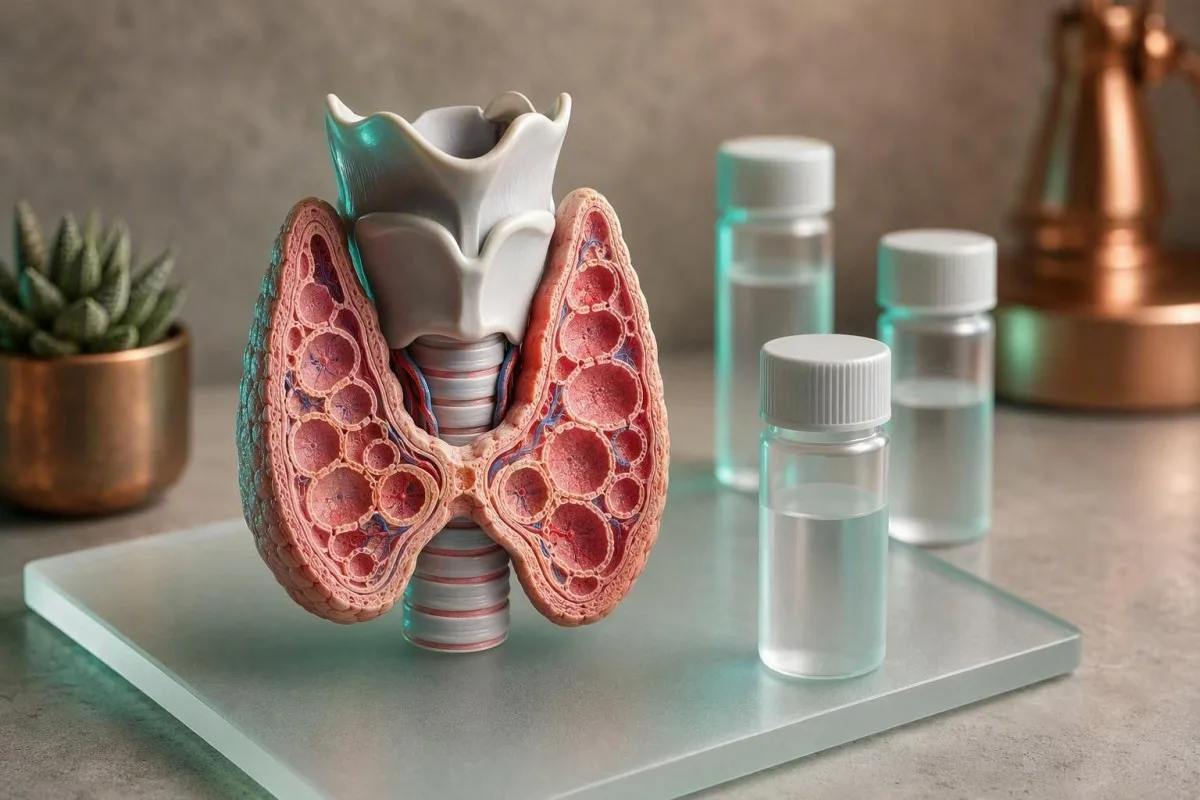
گهڻا ماڻهو باقاعدي ٿائيرائيڊ پينل جي ضرورت ناهي. صحيح وقفو ان تي منحصر آهي ته ڇا توهان جي TSH معمول مطابق آهي، توهان حامله آهيو، توهان ۾ علامتون آهن، يا توهان جي لييوٿائيروڪسين جي دوز تازو تبديل ٿي آهي.


- عام TSH عام طور تي هر 1-5 سالن کان وڌيڪ ورجائڻ جي ضرورت ناهي جيستائين علامتون، حمل، دوائون، يا نوان خطري جا عنصر ظاهر نه ٿين.
- لييوٿائيروڪسين جي تبديلين کان پوءِ, ، 6-8 هفتا پوءِ TSH کي ورجايو ڇاڪاڻ ته پيٽيوٽري فيڊ بيڪ کي مستحڪم ٿيڻ ۾ وقت لڳي ٿو.
- حمل جنهن ۾ معلوم هائپوتايرايډيزم وارا ماڻهو حمل جي وچ تائين 4 هفتا TSH ٽيسٽ جي ضرورت هوندي آهي.
- مستحڪم علاج ٿيل هائپوتايرايډيزم عام طور تي هر 6-12 مهينن ۾ نگراني ڪئي ويندي آهي، نه ته مهيني ۾.
- TSH 10 mIU/L کان مٿي عام طور تي ڪلينڪل تشخيص ۽ علاج جي بحث جي لائق آهي، جيتوڻيڪ جڏهن مفت T4 رينج ۾ رهي.
- بائوٽين سپليمينٽس ڪجهه ٿائيرائيڊ اموناسيز کي خراب ڪري سگهي ٿو؛ گهٽ ۾ گهٽ 2 ڏينهن تائين اعليٰ دوز جي بايوٽين کي روڪڻ هڪ معقول احتياط آهي.
- TPO اينٽي باڊيز مستقبل ۾ هائپوتايرايډيزم جي اڳڪٿي ڪن ٿا پر لييوٿائيروڪسين کي ترتيب ڏيڻ لاءِ سيريل ماپ جي ضرورت ناهي.
- تڪڙي (Urgent) جائزو شديد ڌڙڪن، سينه ۾ درد، پريشاني، واضح سانس جي تڪليف، يا تيزي سان وڌندڙ ڳچي جي سوڄ لاء ضروري آهي.
ٿائيرائيڊ ٽيسٽ ورجائڻ لاءِ فيصلي جو شيڊول
د چاودنې د تایرایډ کچه د کلینیکي حالت پورې اړه لري: د عادي سکرین وروسته هر 1-5 کاله، د دوز له بدلون وروسته 6-8 اونۍ، په لومړي امیندوارۍ کې هر 4 اونۍ کله چې د تایرایډ ناروغي پیژندل شوې وي، او کله چې هایپوتايرایډیزم په درملنه کې مستحکم وي هر 6-12 میاشتې. دمخه ازموینه یوازې هغه وخت ګټوره ده کله چې پایله په واقعیت سره پاملرنه بدلولی شي.
د تایرایډ تشخیص او نورمال لپاره په لویانو کې ٽي ايس ايڇ, ، په عموم کې هر 1-5 کاله یو تکرار ازموینه کافي ده کله چې هیڅ نوي علایم یا د خطر عوامل شتون نلري. پراخه وقفه د ملي سکرینینګ مختلفو پالیسیو منعکس کوي؛ د ټولنې په کچه منظم سکرینینګ د متحده ایالاتو د مخنیوي خدماتو د کاري ګروپ لپاره د بې علامتو لویانو لپاره د سپارلو لپاره کافي روښانه ګټه نه ښودلې (USPSTF، 2015).
یو عملي مهالویش د ډله ایز کلني ازموینې څخه ډیر ګټور دی: د درملو یا تولیدي بدلون وروسته په اونۍ کې، د غیر معمولي کیدو وروسته په میاشتو کې، او یوازې هغه وخت چې یو اوږدمهاله حالت په فعاله توګه اداره کیږي. زما په کلینیک کې، خورا عام د مخنیوي وړ تېروتنه د دوز له بدلون وروسته 10 ورځې وروسته بیا TSH چیک کول دي - اندیښنه زیاتیږي، مګر پایله په ندرت سره پوښتنې ته ځواب ورکوي.
ڪينٽيسٽي هڪ آهي اي آءِ بلڊ ٽيسٽ اينالائيزر چې د تایرایډ پایلې د تاریخي پخوانیو پینلو سره پرتله کوي، کوم چې د لومړني، شور لرونکي بیا ازموینې څخه معنی لرونکي رجحان جلا کولو کې مرسته کوي. اصلي لابراتوار، د راټولولو وخت، دوز، د امیندوارۍ وضعیت، او ضمیمې د هرې پایلې تر څنګ وساتئ؛ دا توضیحات وخت په کلینیکي توګه د تفسیر وړ کوي. زموږ وګورئ بلڊ ٽيسٽ ٽائمنگ گائيڊ د هغه شرایطو لپاره چې ثبتولو ارزښت لري.
جڏهن معمول جي TSH کي ورجايو وڃي
یو نورمال TSH معمولا په یو سالم لوی کې پرته له تایرایډ خطر عوامل پرته د کلني تکرار ته اړتیا نلري؛ 1-5 کلن وقفه مناسبه ده. کله چې علایم دوامدار وي، امیندوارۍ پلان شوې وي، د غاړې وړانګې شوي وي، یا هغه درمل چې د تایرایډ فعالیت اغیزه کوي پیل شوي وي، ژر تر ژره تکرار کړئ.
ډیری لابراتوارونه لویان ځای پرځای کوي ٽي ايس ايڇ شاوخوا 0.4-4.0 mIU/L، که څه هم پورتنۍ حدود له 4.0 څخه تر 4.5 mIU/L پورې توپیر لري. 2.1 mIU/L ارزښت په ذاتي توګه د 3.7 mIU/L څخه غوره نه دی؛ دواړه کیدای شي نورمال وي که وړیا T4، علایم، او کلینیکي شرایط موافق وي.
مان ٽائپ 1 ذیابيطس، سيلئڪ بيماري، ٿائيرائيڊ سرجري، ليتيم جي نمائش، اميوڊارون جي نمائش، پيٽيوٽري بيماري، يا مضبوط autoimmune خانداني تاريخ وارن ماڻهن ۾ جلد ٻيهر ٽيسٽ ڪندو آهيان. اهي گروهه عام صحت واري ماڻهوءَ کان وڌيڪ امڪان رکن ٿا جيڪو صرف هڪ مشڪل مهيني دوران ٿڪل محسوس ڪري ٿو.
هڪ عام TSH ٿڪاوٽ، وارن جو گرڻ، گهٽ موڊ، يا وزن ۾ تبديلي جي هر سبب کي رد نٿو ڪري. جيڪڏهن علامت جو نمونو وسيع آهي، ڪلينيشن اڪثر CBC، فيراٽين، گلوڪوز، گردي جي نشانين، ۽ ڪڏهن ڪڏهن B12 جو اندازو لڳائيندا آهن بجاءِ هر ڪجهه هفتن ۾ ٿائيرائيڊ ٽيسٽ ڪرڻ جي؛ اسان جي رهنمائي گهٽ حوصلا افزائي رت جا امتحان وڌيڪ وسيع فرق بيان ڪري ٿو.
معمول جي نتيجن سان علامتون: جڏهن ٽيسٽ اڃا به معقول آهي
6-12 هفتن ۾ ٿائيرائيڊ پينل کي ورجايو جڏهن علامتون برقرار رهن يا عام TSH جي باوجود ترقي ڪن، بجاءِ ڪجهه ڏينهن بعد ان کي ورجايو. نئون tremor، گرمي جي عدم برداشت، آرام جي tachycardia، ڳچي جي علامتون، حيض جي خرابي، يا غير واضح وزن ۾ تبديلي هڪ وڌيڪ نشانو بڻيل جائزي جي لائق آهي.
TSH ڏينهن جي دوران، ليبارٽرين جي وچ ۾، ۽ بيماري مان بحال ٿيڻ دوران معتدل طور تي تبديل ٿي سگهي ٿو. 2.0 کان 3.1 mIU/L تائين تبديلي عام حياتياتي تغيير ٿي سگهي ٿي، جڏهن ته 1.2 کان 8.6 mIU/L تائين واڌ کي مختلف جواب جي ضرورت آهي؛ اهو ئي سبب آهي ته رجحان جو تناظر هڪ واحد پرچم کان وڌيڪ اهم آهي.
تيز بيماري گهٽ T3 ۽ ڪڏهن ڪڏهن گهٽ يا عام TSH پيدا ڪري سگهي ٿي بغير پرائمري ٿائيرائيڊ ناڪامي جي، هڪ نمونو جنهن کي اڪثر غير-ٿائيرائيڊل بيماري سڏيو ويندو آهي. اسپتال ۾ داخل ٿيڻ دوران ٽيسٽنگ ضروري ٿي سگهي ٿي، پر غير ضروري آئوٽ پيٽ جي علامتن لاءِ مان اڪثر 4-8 هفتا بحال ٿيڻ کان پوءِ سرحدي نتيجي کي دائمي بيماري طور تشريح ڪرڻ کان اڳ انتظار ڪندو آهيان؛ اسان جي وضاحت ڏسو بيماري دوران گهٽ T3.
ڊاڪٽر ٿامس ڪلين جو عملي اصول سادو آهي: جڏهن جواب ايندڙ ڪلينڪل فيصلي کي تبديل ڪري ڇڏي ته ٽيسٽ کي ورجايو. مستقل قبض ۽ ٿڌي عدم برداشت سان گڏ هڪ عام TSH، CBC، فيراٽين، دوا جو جائزو، ۽ آزاد T4 جي ضرورت ٿي سگھي ٿي؛ ان کي خود بخود مهيني اينٽي باڊي پينل جي ضرورت نه ٿيڻ گهرجي.
لييوٿائيروڪسين جي تبديلين کان پوءِ TSH ڪيئن ورجايو
ليوٿائروڪسين شروع ڪرڻ، دوز تبديل ڪرڻ، يا فارموليشن تبديل ڪرڻ کان 6-8 هفتا پوءِ TSH ورجايو. ليوٿائروڪسين جو اڌ زندگي تقريباً 7 ڏينهن آهي، ۽ پيٽيوٽري کي پنهنجي TSH آئوٽ پٽ کي ٻيهر ترتيب ڏيڻ ۾ ڪجهه هفتا لڳن ٿا.
هڪ عام دوز جي ترتيب 12.5-25 مائڪروگرام روزانو آهي، خاص طور تي پراڻن بالغن يا دل جي بيماري وارن ماڻهن ۾، جيتوڻيڪ تجويز ڪندڙ ڪلينيشن ان کي انفرادي بڻائي ٿو. 2 هفتن تي TSH چيڪ ڪرڻ ڪڏهن ڪڏهن غير معمولي حالتن ۾ مدد ڪري سگهي ٿو، پر اهو معمول جي دوز جي فيصلن لاءِ تمام جلدي آهي.
ليوٿائروڪسين کي مسلسل پاڻي سان خالي پيٽ تي وٺو، عام طور تي کاڌي کان 30-60 منٽ اڳ، يا بستري تي گهٽ ۾ گهٽ 3-4 ڪلاڪ آخري کاڌي کان پوءِ. ڪلسيم، لوهه، ميگنيشيم، antacids، بائل ايسڊ بائنڊر، ۽ ڪجهه فائبر پروڊڪٽس جذب کي گهٽائي سگهن ٿا جڏهن گڏ ڪيو وڃي؛ هڪ مبينا دوز ناڪامي ڪڏهن ڪڏهن وقت جو مسئلو هوندو آهي.
برانڊ يا ٺاهيندڙ جي تبديلي ڪجهه مريضن لاءِ اثرائتي نمائش کي تبديل ڪري سگهي ٿي، خاص طور تي انهن لاءِ جن ۾ ٿوري مقامي ٿائيرائيڊ فنڪشن آهي. سوئچ کان پوءِ ساڳئي ٻيهر ٽيسٽنگ جوinterval استعمال ڪريو، جيئن اسان جي ليوٿائروڪسين برانڊ-سوئچ گائيڊ.
مستحڪم هائپوتايرايډيزم کي ڪيئن نگراني ڪجي
مستحڪم پرائمري هاپوٿائرايڊزم وارا ماڻهو جيڪي تبديل نه ٿيل دوز تي آهن انهن کي عام طور تي هر 6-12 مهينن ۾ TSH ٽيسٽنگ جي ضرورت هوندي آهي. وڏي وزن جي تبديلي، حمل، معدي جي سرجري، انٽرايڪٽنگ دوائن، يا قائل ڪندڙ علامتن جي واپسي کان پوءِ وڌيڪ بار بار چيڪ مناسب آهن.
پرائمري هاپوٿائرايڊزم جي علاج ڪندڙ اڪثر غير حامله بالغن لاء، علاج جو مقصد هڪ مخصوص گهٽ-عام نمبر جي بدران ليبارٽري جي حوالي جي حد اندر TSH آهي. متبادل علاج تي مسلسل 0.1 mIU/L کان گهٽ TSH خاص طور تي 65 سالن کان پوءِ ايٽريل فبرليشن ۽ هڏن جي نقصان جي خطري سان لاڳاپيل آهي.
چيڪنگ مفت T4 TSH سان گڏ پيٽيوٽري بيماري، مرڪزي هاپوٿائرايڊزم، حمل، پابندي جي عدم يقيني، يا متضاد علامتن جي موجودگي ۾ مفيد آهي. مرڪزي هاپوٿائرايڊزم ۾، TSH ڪافي نه هجڻ جي ڪري هورمون جي متبادل جي باوجود عام يا گهٽ ٿي سگهي ٿو، تنهنڪري آزاد T4 - TSH نه - دوز جي رهنمائي ڪري ٿو.
ڪينٽيسٽي هڪ آهي AI blood test interpretation پليٽ فارم جيڪو TSH، آزاد T4، دوا ۾ تبديليون، ۽ لاڳاپيل لوهه يا لپڊ نتيجن کي هڪ طولي نقطي نظر تي رکي ٿو. اهو خاص طور تي مددگار آهي ڇو ته هڪ گهٽ فري T4 عام TSH سان عام هشي موٽو هاپوٿائرايڊزم کان هڪ مختلف ڪلينڪل رستو گهرجي.
سرحد تي اعلي TSH: معقول ورجائڻ جو شيڊول
4.5-10 mIU/L جي TSH جي سطح کي عام فري T4 سان گڏ، ڪيتروڪ 6-12 ھفتن ۾ ٻيھر چيڪ ڪيو وڃي ٿو، ان کان اڳ جو ان کي دائمي سب ڪلينڪل هائيپوٿائرايډيزم جو نالو ڏنو وڃي. جڏهن TSH تيزيءَ سان وڌي رهيو هجي، حاملاڻي هجي، يا علامتون اهم هجن ته جلدي ٻيهر چيڪ ڪرايو.
وائرل بيماري، ننڊ ۾ رڪاوٽ، ليبارٽري جي متغير، يا سخت سسٽمڪ بيماري کان صحتيابي کان پوءِ عارضي TSH وڌي سگهي ٿو. 6-12 ھفتن کان پوءِ ٻيھر چيڪ ڪرڻ سان ڪيترن ئي مريضن کي صرف هڪ غير معين نتيجي جي بنياد تي تشخيص ٿيڻ کان بچايو ويندو آهي؛ ممڪن طور تي ايسي فرق کي گهٽائڻ لاءِ ساڳي ليب ۾ استعمال ڪريو.
TSH مٿان 10 mIU/L اهو حد آهي جنهن تي اڪثر گائيڊ لائينون علاج جي بحث کي ترجيح ڏين ٿيون ڇاڪاڻ ته پيش رفت ۽ دل جي شريانن سان لاڳاپا وڌيڪ پريشان ڪندڙ بڻجي وڃن ٿا. 2012 جي گڏيل آمريڪي ٿائرايڊ ايسوسيئيشن ۽ آمريڪي ايسوسيئيشن آف ڪلينڪل اينڊوڪرينولوجسٽس گائيڊ لائن 10 mIU/L کان هيٺ انفرادي علاج جي سفارش ڪري ٿي، علامتن، اينٽي باڊيز، عمر، ۽ دل جي شريانن جي حوالي سان (Garber et al., 2012).
TPO اينٽي باڊيز امڪان کي بهتر بڻائي سگهن ٿيون: مثبت اينٽي باڊيز سب ڪلينڪل هائيپوٿائرايډيزم جي پيش رفت جي امڪان کي وڌائين ٿيون، پر اينٽي باڊي ٽائيٽر جي ٻيهر چيڪ ڪرڻ سان اسان کي اهو نه ٻڌايو ويندو ته ليوٿائراڪسين جي دوز صحيح آهي يا نه. اسان جي borderline TSH گائيڊ فيصلي کي تبديل ڪندڙ عنصرن کي ڍڪي ٿو.
هاشيموٽو جي بيماري: ڇا نگراني ڪجي ۽ ڇا ڇڏجي
هاشيموٽو جي بيماري جو نگراني اڪثر TSH سان ڪئي ويندي آهي، ۽ جڏهن ضرورت هجي ته، فري T4؛ TPO اينٽي باڊيز جي سيريل ٽيسٽنگ جي ضرورت ناهي. مثبت TPO اينٽي باڊيز سان گڏ هڪ ييوٿائرائڊ شخص کي معمولا سال ۾ هڪ ڀيرو TSH جي ضرورت هوندي آهي، يا حمل ۾ جلدي.
TPO اينٽي باڊيز آٽو اميون ٿائرايڊائٽس ۾ ڪيترن ئي ماڻهن ۾ موجود هونديون آهن ۽ ڏهاڪن تائين مثبت رهي سگهن ٿيون. اينٽي باڊي جي قيمتن جو گهٽجڻ يقيني طور تي اهو نه ٿو ٻڌائي ته غدود بحال ٿي ويو آهي، ۽ وڌندڙ قيمتون پنهنجي پاڻ تي علاج تبديل ڪرڻ جو جواز نٿا ڏين.
مان ڪيترن ئي مريضن کي ڏسندو آهيان جن مهيني جي TPO اينٽي باڊي ٽيسٽن تي پئسا خرچ ڪيا آهن جڏهن ته انهن جي TSH 18 مهينن تائين نه ڦريو آهي. ڪلينڪل طور تي مفيد سوال اهو آهي ته ڇا ٿائرايڊ هارمون جي پيداوار گهٽجي رهي آهي، نه ته ڇا مدافعتي سڃاڻپ ۾ تبديلي آئي آهي.
جيڪڏهن TSH عام آهي پر اينٽي باڊيز مثبت آهن، ته سالياني TSH هڪ مناسب ڊيفالٽ آهي؛ جيڪڏهن لاڳاپيل هجي ته پري-ڪنسپشن چيڪ ۽ حمل جي شروعاتي ٽيسٽ شامل ڪريو. بابت وڌيڪ پڙهو خطري جو تعين هڪ ئي TPO antibody نتيجي سان نه ٿيندو آهي، پر مثبت اينٽي باڊي ٽيسٽ کي تناظر ۾ ڏسڻ گهرجي؛ ڏسو اسان جي گائيڊ ۽ اسان جي استعمال ڪريو بائومارڪر گائيڊ پنهنجي رپورٽ تي ليب جا نالا سمجهڻ لاءِ.
حمل ۽ پري-ڪنسپشن ٿائيرائيڊ ٽيسٽ
known hypothyroidism وارا مريض جن جي حمل جي تصديق ٿئي ٿي ته جيترو جلدي TSH چيڪ ڪرايو وڃي ۽ حمل جي وچ تائين هر 4 هفتن ۾، پوءِ گهٽ ۾ گهٽ هڪ ڀيرو 30 هفتا جي ڀر پاسي. Levothyroxine جي ضرورتون حمل جي شروعات ۾ وڌي وينديون آهن، ڪڏهن ڪڏهن 20-30 سيڪڙو.
2017 جي آمريڪي ٿائرايڊ ايسوسيئيشن حمل گائيڊ لائن TSH جي مٿئين حد جي حد 4.0 mIU/L جي طور تي استعمال ڪري ٿي جڏهن ليب ۾ حمل-مخصوص حد نه هجي، بجاءِ پراڻن عالمگير ڪٽ آفس کي لاڳو ڪرڻ جي. ٽرمسٽر- ۽ ايسي-مخصوص حدون ترجيح ڏنيون وڃن ٿيون ڇو ته ٿائروڪسين-بائنڊنگ گلوبلين ۽ hCG ٿائرايڊ فزيولوجي کي تبديل ڪن ٿا (Alexander et al., 2017).
جيڪي مريض اڳ ۾ ئي ليوٿائراڪسين وٺي رهيا آهن انهن کي مثبت ٽيسٽ کانپوءِ فوري طور تي پنهنجي مئٽرنٽي يا اينڊوڪرائن ٽيم سان رابطو ڪرڻ گهرجي، بجاءِ معمول جي ملاقات جو انتظار ڪرڻ جي. ڪجهه ڪلينڪس دائمي هائيپوٿائرايډيزم لاءِ هفتيوار ٽيبليٽن ۾ فوري طور تي امپيريڪل اضافو جو مشورو ڏين ٿا، پر صحيح منصوبو انفرادي هجڻ گهرجي - خاص طور تي دل جي بيماري يا غير يقيني تشخيص سان.
ترسيل کان پوءِ، ٿائرايڊ جي ضرورتون اڪثر ڪجهه هفتن ۾ حمل کان اڳ واري دوز ڏانهن واپس اچن ٿيون، تنهنڪري TSH کي 6 هفتن جي پوسٽ پارٽم تي ٻيهر چيڪ ڪرايو، جيستائين توهان جو ڪلينڪسٽ ٻي صورت ۾ مشورو ڏئي. حمل جي تشريح پڻ اسان جي طرفان فائدو حاصل ڪري ٿي فري T4 حمل گائيڊ.
جڏهن هائپرٿائرايډيزم جو شڪ هجي يا علاج ڪيو وڃي ته ڪيئن ٽيسٽ ڪجي
شڪي هائيپرٿائرايډيزم کي فوري TSH ۽ فري T4 ٽيسٽنگ جي ضرورت آهي، اڪثر فري T3 سان؛ علاج ٿيل هائيپرٿائرايډيزم کي شروعات ۾ هر 4-6 هفتن ۾ فري T4 ۽ T3 جي ضرورت ٿي سگهي ٿي. هارمون جي سطح معمول تي اچڻ کانپوءِ TSH مهينن تائين دٻيل رهي سگهي ٿو، تنهنڪري ان کي علاج جي شروعات ۾ استعمال ٿيڻ جو واحد مارڪر نه هجڻ گهرجي.
گهٽ ٽي ايس ايڇ 0.1 mIU/L کان هيٺ، وڌندڙ فري ٽي 4 يا فري ٽي 3 سان، اوورٽ هائيپرٿائيرائڊيزم جي حمايت ڪري ٿو ۽ وقتي طور تي ڊاڪٽر جي جائزي جي ضرورت آهي. Graves جي بيماري ۾ اينٽيٿائيرائڊ دوائن سان علاج ڪيو وڃي ٿو، فري ٽي 4 ۽ ڪل يا فري ٽي 3 عام طور تي 4-6 هفتن ۾ ابتدائي ترتيبن جي رهنمائي ڪن ٿا.
دل جي ڌڙڪن جي وضاحت ڪرڻ لاء صرف ٿائيرائيڊ ٽيسٽ استعمال نه ڪريو. آرام واري نبض مسلسل 120 ڌڙڪن في منٽ کان مٿي، سينه ۾ درد، بي هوشي، سخت سانس جي تڪليف، بخار سان گڏ بيچيني، يا مونجهارو فوري سنڀال جي ضرورت آهي، ڇاڪاڻ ته سخت ٿائيرائڊوڪسس دل جي نظام کي غير مستحڪم ڪري سگهي ٿو.
بائيوٽين حساس ايسيز تي گهٽ ٽي ايس ايڇ ۽ اعلي فري ٽي 4 يا ٽي 3 جي گمراهه ڪندڙ نموني پيدا ڪري سگهي ٿي. اعلي دوز واري بائيوٽين کي بند ڪريو، عام طور تي 5-10 mg روزانو وارن جي سپليمينٽس ۾، گهٽ ۾ گهٽ 48 ڪلاڪن تائين ٽيسٽنگ کان اڳ، جيستائين ڊاڪٽر مختلف هدايتون نه ڏئي؛ اسان جو آرٽيڪل اعلي فري ٽي 3 ايسي غلطيون اهو ئي ٻڌائي ٿو.
ٿائيرائيڊ ڪينسر يا ٿائيرائيڊ سرجري کان پوءِ ٽيسٽ
ٿائيرائڊڪٽومي يا ٿائيرائڊ ڪينسر جي علاج کان پوء، ٽيسٽنگ جي فریکوئنسي انفرادي طور تي طئي ڪئي ويندي آهي ۽ 6-12 هفتن جي وچ ۾ ڊوز ٽائيٽريشن دوران 6-12 مهينن تائين مستحڪم ٿيڻ تي ٿي سگهي ٿي. ڪينسر جي خطري واري چونڊيل گروپن ۾ ٽي ايس ايڇ جا هدف گهٽجي سگهن ٿا، تنهن ڪري عام هائيپوٿائيرائڊيزم جا هدف هميشه لاڳو نٿا ٿين.
ٿائيرائڊ کي مڪمل طور تي هٽائڻ کان پوء، زندگيءَ لاء ليوتائيروڪسين جي ضرورت هوندي آهي، ۽ پهريون ٽي ايس ايڇ تشخيص عام طور تي 6-8 هفتن کان پوءِ دوز جي تبديليءَ کان پوءِ ٿيندو آهي. ٿائروگلوڪولين ۽ ٿائروگلوڪولين اينٽي باڊيز کي مختلف ٿائيرائڊ ڪينسر جي نگراني ۾ شامل ڪري سگهجي ٿو، پر انهن جو شيڊول پيٽولوجي ۽ ٻيهر ٿيڻ جي خطري تي منحصر هوندو آهي.
ٿائيرائڊ ڪينسر کان پوءِ دٻايل ٽي ايس ايڇ خودڪار غلطي ناهي. گهٽ خطري وارن مريضن ۾، جارحاڻي دٻاءُ ايٽريل فائبرليشن ۽ فریکچر جي خطري کي وڌائي سگھي ٿو، تنهن ڪري اينڊوڪرينولوجسٽس ٻيهر ٿيڻ جي روڪٿام کي علاج جي نقصان جي مقابلي ۾ توازن ڪن ٿا، نه ته ممڪن طور تي گهٽ ٽي ايس ايڇ حاصل ڪرڻ جي.
پيٽولوجي، آپريٽو رپورٽون، الٽراساؤنڊ جا نتيجا، ۽ هر اڳئين ٿائروگلوڪولين جو نتيجو ماهر جي جائزي ۾ آڻيو. Kantesti جا طول بلد اوزار تاريخي ليبارٽري جي تاريخ کي منظم ڪري سگهن ٿا، پر طبي هدف توهان جي ڪينسر ٽيم ۽ طبي طور تي جائز معيارن مان اچڻ گهرجي جيڪي اسان جي ڪلينڪل تصديق جو طريقو.
دوائون ۽ سپليمينٽس جيڪي ٿائيرائيڊ جي جلد ٻيهر ٽيسٽ جي لائق آهن
ليٿيم، اميوڊارون، انٽرفيرون، مدافعتي چيڪ پوائنٽ انبيٽرز، آئوڊين جي نمائش، ۽ اعلي دوز بائيوٽين ٿائيرائڊ ٽيسٽ يا ٿائيرائڊ فنڪشن کي تبديل ڪري سگھن ٿا. ٻيهر ٽيسٽ ڪرڻ جو وقفو ڏينهن کان وٺي شڪي سخت دوا سان لاڳاپيل ٿائيرائڊوڪسس تائين 3-6 مهينن تائين مستحڪم نگراني منصوبن لاء آهي.
ليٿيم ٿائيرائڊ هارمون جي خارج ٿيڻ کي گهٽائي سگھي ٿو ۽ عام طور تي علاج کان اڳ ٽي ايس ايڇ سان نگراني ڪئي ويندي آهي ۽ نفسياتي ۽ پرائمري ڪيئر طرفان گڏيل طور تي طئي ڪيل وقفي تي، اڪثر 6-12 مهينن کان پوءِ مستحڪم ٿيڻ تي. اميوڊارون ۾ ڪافي مقدار ۾ آئوڊين شامل آهي ۽ ٿي سگهي ٿو ته هائيپو يا هائيپرٿائيرائڊيزم جو سبب بڻجي؛ بيس لائن ۽ دوري ٿائيرائڊ ٽيسٽنگ معياري طبي مشق آهي.
لوھ ۽ ڪلسيم سڌو سنئون ٿائيرائڊ فنڪشن کي تبديل نٿا ڪن، پر اھي ليوتائيروڪسين جي جذب کي گھٽائي سگھن ٿا جڏھن دوز جي ويجھو ورتا وڃن. کين گهٽ ۾ گهٽ 4 ڪلاڪن جي وقفي سان الڳ ڪرڻ هڪ عملي شروعاتي نقطو آهي، خاص طور تي انهن ماڻهن لاءِ جيڪي لوھ جي کوٽ جو پڻ علاج ڪري رهيا آهن؛ اسان جي ھدايت ڏسو لوھ ۾ اعليٰ کاڌا.
ڪيلپ يا مرڪوز آئوڊين پروڊڪٽس سان بارڊر لائن ٽي ايس ايڇ جو پاڻمرادو علاج ڪرڻ کان پاسو ڪريو. اضافي آئوڊين حساس ماڻهن ۾ ٿائيرائڊ جي خرابي کي ٽيگر ڪري سگھي ٿو، جڏهن ته عام کاڌي جي آئوڊين جي ضرورتون معتدل هونديون آهن؛ اسان جي آئوڊين فوڊس گائيڊ محفوظ کاڌي تي ٻڌل حوالي سان فراهم ڪري ٿو.
ٿائيرائيڊ جي سطحن جي تمام گهڻي ٽيسٽ ڇو گمراهه ڪري سگهي ٿي
ٽي ايس ايڇ کي هر ڪجهه ڏينهن يا هفتي ۾ ٽيسٽ ڪرڻ سان غلط الارم پيدا ٿي سگهي ٿو ڇاڪاڻ ته ٽي ايس ايڇ ۾ حياتياتي تغيرات آهي ۽ دوز جي تبديلين تي سست رد عمل ڪندو آهي. مستحڪم پرائمري هائيپوٿائيرائڊيزم لاء، 6 مهينن کان وڌيڪ اڪثر ٽيسٽ ڪرڻ سان گهٽ ئي نتيجا بهتر ٿين ٿا.
لالچ سمجھ ۾ اچي ٿي: هڪ شخص بيمار محسوس ڪري ٿو، هڪ انگ ڏسي ٿو، ۽ يقين چاهي ٿو. اڃا تائين بار بار ماپ ڪرڻ ننڍن تبديلين لاء وڌيڪ موقعا پيدا ڪري ٿو، خاص طور تي جڏهن گڏ ڪرڻ جو وقت، تازي بيماري، روزي جي حالت، سپليمينٽس، ۽ ليبارٽري طريقا مختلف هجن.
ٽي ايس ايڇ جو اخراج سرڪيڊين تال جي پيروي ڪري ٿو ۽ رات ۾ ۽ صبح سوير وڌيڪ ٿيڻ جو رجحان رکي ٿو. جڏهن هڪ رجحان جي نگراني ڪري رهيا آهيو، جتي ممڪن هجي ته ساڳيو گڏ ڪرڻ جو وقت استعمال ڪريو ۽ فري ٽي 4 جي ماپ کان اڳ فوري طور تي ليوتائيروڪسين نه وٺو، جيستائين ڊاڪٽر خاص طور تي پوسٽ-دوز ليول نه چاهي.
ڪينٽيسٽي هڪ آهي AI-powered رت جي ٽيسٽ تجزيي جو اوزار انه تبديلن کي اڳئين قدرن جي مقابلي ۾ ڊيٽا ڪري ٿو، نه ته هر ننڍي ان-رينج نشان کي نئين تشخيص طور سمجهي. وڌيڪ پرامن طريقي لاءِ، اسان جي ليب چينج گائيڊ جي اصولن کي استعمال ڪندي نتيجن جو پاسي سان مقابلو ڪريو.
هر فالو اپ تي ڪهڙيون ٿائيرائيڊ ٽيسٽون ڪجي
TSH اڪثر ڪري پرائمري ٿائيرائيڊ خرابين لاءِ سڀ کان سٺو پهريون فالو اپ ٽيسٽ آھي، جڏهن ته آزاد T4 abnormal TSH، حمل، مرڪزي هائپوٿائرويڊزم، ۽ غير مطابقت واري علامن لاءِ شامل ڪيو ويندو آھي. آزاد T3، اينٽي باڊيز، ٿائروگولوبولين، ۽ الٽراسائونڊ معمول جي ماهوار اضافي جي بدران چونڊيل ٽيسٽ آھن.
TSH پيٽيوٽري جي ردعمل کي ماپي ٿو، نه ته پاڻ ٿائيرائيڊ هارمون. آزاد T4 گردش ڪندڙ دستياب ٿايروڪسين جو اندازو لڳائي ٿو، جڏهن ته آزاد T3 تمام گهڻو مفيد آھي جڏهن هائپرٿائرويڊزم جو شڪ ھجي ڇاڪاڻ ته ڪجھ مريضن ۾ T3-پيش ڪيل بيماري آھي جنھن ۾ آزاد T4 معمول تي آھي.
ٿائيرائيڊ الٽراسائونڊ صرف abnormal TSH لاءِ اسڪريننگ ٽيسٽ نه آھي. اهو سڀ کان گهڻو مفيد آهي palpable nodule، غير متناسب غدود، دٻاءُ واريون علامتون، شڪي لمف نوڊس، يا known nodules جن کي تصويري فالو اپ جي ضرورت آهي؛ معمول جا رت جا امتحان شڪل اختيار ڪندڙ ٿائيرائيڊ ڳولڻ کان انڪار نٿا ڪن.
هڪ صفحي جو نتيجو خلاصو ورجائي ٽيسٽنگ کان بچائي سگهي ٿو ۽ ايندڙ اپائنٽمينٽ کي بهتر بڻائي سگهي ٿو. اسان جو ٿائيرائيڊ ٽيسٽ اختصار گائيڊ عام مارڪرن جي وضاحت ڪري ٿو، ۽ Kantesti guddiga la-tashiga caafimaad تعليمي تشريح لاءِ ڪلينڪل ريويو معيارن جي نگراني ڪري ٿو.
ايندڙ منصوبابندي ٿيل ٿائيرائيڊ ٽيسٽ جو انتظار نه ڪڏهن ڪجي
سينه جو درد، بي هوشي، شديد ساهه کڻڻ ۾ تڪليف، الجھن، 120 کان مٿي آرام واري نبض، بخار سان گڏ جلدي، يا گردن جي تيزيءَ سان سوجن ٿيڻ جي صورت ۾ معمول جي ٿائيرائيڊ ٽيسٽ جو انتظار ڪرڻ بدران فوري طبي تشخيص طلب ڪريو. انهن علامن کي ڪلينڪل امتحان، اهم نشانين، ۽ ڪڏهن ڪڏهن ECG يا تصويري ضرورت آهي—نه ته صرف گهر جو شيڊول.
گردن جو تيزيءَ سان وڌڻ، نئين آواز ۾ تبديلي، نگلڻ ۾ تڪليف، يا شور سان ساهه کڻڻ ۾ تڪليف، جيتوڻيڪ اڳئين TSH معمول تي هجي ها، ته به فوري تشخيص جي ضرورت آهي. رت جا امتحان هارمون فزيولوجي جي وضاحت ڪن ٿا؛ اهي قابل اعتماد طور تي ايئر ويز جي دٻاءَ، ٿائيرائيڊ نوڊول، يا وڌندڙ گردن جي ماس جو اندازو نٿا لڳائي سگهن.
ٿورن پر پائيدار پريشاني لاءِ، پنهنجي ڊاڪٽر سان ڌيان سان جائزو وٺڻ لاءِ ڪتاب ڪريو ۽ دوا جي دوز، سپليمينٽ ليبل، حمل جي حيثيت، ۽ تاريخ واري نتيجن کي آڻيو. ڊاڪٽر ٿامس ڪلائن ڳولي لڌو آهي ته اها بنيادي تياري اڪثر ڪري بيڪار انتهاپسندي کان بچائي ٿي: TSH معمول تي هجڻ سبب علامتن کي رد ڪرڻ، يا هر الڳ ليبارٽري انحراف کي وڌائڻ.
27 آگسٽ، 2026 تائين، سڀ کان محفوظ ٿائيرائيڊ ٽيسٽنگ شيڊول فيصلي تي ٻڌل رهي ٿو: جڏهن تبديل ٿيندڙ نتيجو سنڀال کي تبديل ڪري سگهي ٿو. Kantesti AI نتيجن جي تنظيم ۽ تعليم جي حمايت ڪري ٿو، نه ته تشخيص يا ايمرجنسي ٽرائيج؛ اسان جو AI ٽيڪنالاجي گائيڊ تعليمي ڪلينڪل سپورٽ ڪردار جي وضاحت ڪري ٿو.
وچان وچان سوال ڪرڻ
جيڪڏهن منهنجي ٿائيرائڊ ليول نارمل هجي ته مون کي ڪيترو وقت پنهنجي ٿائيرائڊ ليول چيڪ ڪرڻ گهرجي؟
بالغ ماڻهن کي جن جو TSH معمول جي مطابق هجي ۽ ٿائيرائڊ جي ڪا به خطري واري شيءِ نه هجي، انهن کي عام طور تي هر 1-5 سالن ۾ ٿائيرائيڊ ٽيسٽ وري ڪرڻ جي ضرورت هوندي آهي، نه ته هر سال. جلد ٻيهر ٽيسٽ ڪرايو جيڪڏهن نوان علامتون جاري رهن، حمل جو منصوبو هجي يا تصديق ٿيل هجي، ڳچيءَ ۾ ريڊيشن ٿي هجي، يا توهان ليتيم، اميوڊارون، يا ٿائيرائڊ سان لاڳاپيل ٻي ڪا دوا وٺڻ شروع ڪيو. هڪ عام بالغن جي TSH ريفرنس انٽروال اٽڪل 0.4-4.0 mIU/L آهي، جيتوڻيڪ ليبارٽريون پنهنجيون حدون مقرر ڪن ٿيون. معمول جو نتيجو ٿڪاوٽ، وزن ۾ تبديلي، يا وارن جي ڪري ٿيندڙ غير ٿائيرائڊ سببن کي رد نٿو ڪري.
له کله باید TSH له بدلون وروسته بیا معاینه شي کله چې لیووتیرونین بدلیږي؟
ليوٿائiroxine شروع ڪرڻ، روزاني دوز تبديل ڪرڻ، يا پيداوار جي شڪل تبديل ڪرڻ کان 6-8 هفتا پوءِ TSH کي عام طور تي ٻيهر جانچڻ گهرجي. ليوٿائiroxine جي اڌ زندگي اٽڪل 7 ڏينهن آهي، ۽ پيٽيوٽري TSH فيڊ بيڪ کي نئين توازن تائين پهچڻ ۾ ڪجهه هفتا لڳن ٿا. گهڻو ڪري دوز تبديليون 12.5-25 مائڪروگرام روزانه هونديون آهن، جيتوڻيڪ عمر، جسماني سائيز، دل جي تاريخ، ۽ حمل منصوبي کي تبديل ڪن ٿا. 1-2 هفتا ۾ جانچڻ عام طور تي روزاني ترتيب جي رهنمائي ڪرڻ لاءِ تمام جلدي آهي.
هائيپوٿائرايڊيزم جي نگراني ڪيئن ڪجي؟
ابٹیرٹ پرائمری ہائپوتائیرائڈزم جو لیووتائیرائڈوسن کی غیر تبدیل شدہ خوراک کے ساتھ زیر علاج ہے، عام طور پر ہر 6-12 ماہ بعد TSH کے ساتھ نگرانی کی جاتی ہے۔ 12.5-25 مائیکروگرام خوراک میں تبدیلی، حمل، نمایاں وزن میں تبدیلی، معدے کی سرجری، یا کسی باہمی تعامل کرنے والی دوا کے تعارف کے بعد جلد جانچ ہونی چاہیے۔ 0.1 mIU/L سے کم TSH کو متبادل تھراپی پر کلینیکل جائزہ کی ضرورت ہوتی ہے کیونکہ طویل عرصے تک زیادہ مقدار میں استعمال سے ایٹریل فبریلیشن اور ہڈیوں کے نقصان کا خطرہ بڑھ سکتا ہے۔ پٹیوٹری بیماری یا سنٹرل ہائپوتائیرائڈزم کے امکان ہونے پر فری T4 خاص طور پر مفید ہے۔.
حمل دوران ۾ thyroid سطح ڪيتري وقت چڪاسڻ گهرجي؟
زانایان که تووشی کێشەی کەم تیروئیدی بوون، پێویستە لە کاتی پشتڕاستکردنەوەی دووگیانیدا و نزیکەی هەموو 4 هەفتەیەک تا 16-20 هەفتەی دووگیانی، پاشان لانیکەم جارێک لە نزیک 30 هەفتەییدا TSH بپشکنن. پێویستی بە لیڤۆتایڕۆکسین بە شێوەیەکی گشتی 20-30% زیاد دەکات لە ماوەی سەرەتای دووگیانیدا، هەرچەندە ڕێکخستنە وردەکەی دەبێت لەلایەن تیمی داوێن یان تیمی غودەی ناوخۆییەوە بێت. کاتێک کە سنوورێکی تایبەت بە دووگیانی ناوچەکە بەردەست نییە، ڕێنمایی ساڵی 2017ی کۆمەڵەی تیروئیدی ئەمریکی سنوورێکی سەرووی TSH بە نزیکەی 4.0 mIU/L بەکاردەهێنێت. TSH بە شێوەیەکی گشتی دەبێت لەدوای 6 هەفتە لە دوای منداڵبوونەوە پشکنرێتەوە ئەگەر بڕەکە لە ماوەی دووگیانیدا گۆڕدرابێت.
ڇا TSH بار بار چيڪ ڪرڻ خراب آهي؟
TSH waa soo noqnoqotaa in badan baa khaldami kara sababtoo ah hormoonka ayaa si dabiici ah u kala duwan oo si tartiib tartiib ah u beddelma ka dib markii la hagaajiyo daaweynta. Tijaabo la sameeyo 10-14 maalmood ka dib marka la beddelo levothyroxine waxa laga yaabaa inay muujiso dhaqdhaqaaq iyada oo aan muujinayn saamaynta ugu dambaysa ee daaweynta, taas oo ah mid cad 6-8 toddobaad. Hypothyroidism-ka daaweynta deggan ah si dhif ah ayuu uga faa'iideystaa tijaabada TSH bil kasta. U isticmaal isla sheybaarka iyo waqti ururin la mid ah marka la kormeerayo isbeddelka si loo yareeyo kala duwanaanshaha la fogaan karo.
ڇا Hashimotos جي بيماري ۾ TPO اينٽي باڊيز ورجائي؟
Hashimoto's بيماري ۾ TPO antibody جي سطحن کي عام طور تي بار بار جانچڻ جي ضرورت ناهي ڇاڪاڻ ته اهي levothyroxine جي دوز جي ترتيب ۾ رهنمائي نٿا ڪن. هڪ مثبت TPO antibody نتيجو autoimmune thyroiditis جي حمايت ڪري ٿو ۽ مستقبل جي hypothyroidism جي وڌيڪ خطري جي اڳڪٿي ڪري ٿو، پر مفيد فالو اپ مارڪر TSH ۽ ڪڏهن ڪڏهن مفت T4 آهن. مثبت TPO antibodies سان گڏ هڪ euthyroid شخص عام طور تي سال ۾ هڪ ڀيرو TSH چيڪ ڪيو ويندو آهي. حمل جي منصوبابندي يا تصديق ٿيڻ تي جانچ جلد ٿيڻ گهرجي.
اڄ ئي AI-طاقتور خون جي جاچ جو تجزيو حاصل ڪريو
دنيا ڀر ۾ 2 ملين کان وڌيڪ استعمال ڪندڙن ۾ شامل ٿيو جيڪي فوري ۽ درست ليب ٽيسٽ تجزيو لاءِ Kantesti تي ڀروسو ڪن ٿا. پنهنجا خون جي جاچ جا نتيجا اپلوڊ ڪريو ۽ سيڪنڊن ۾ 15,000+ بائيو مارڪرز جي جامع تشريح حاصل ڪريو.
📚 حوالا ڏنل تحقيقي اشاعتون
ڪلين، ٽي.، مچل، ايس.، ۽ ويبر، ايڇ. (2026). AI خون جي جاچ تجزيو: 2.5M جاچون تجزيو ڪيون ويون | عالمي صحت رپورٽ 2026. Kantesti AI Medical Research.
ڪلين، ٽي.، مچل، ايس.، ۽ ويبر، ايڇ. (2026). RDW Blood Test: RDW-CV، MCV ۽ MCHC لاءِ مڪمل گائيڊ. Kantesti AI Medical Research.
📖 ٻاهرين طبي حوالا
⚕️ طبي دستبرداري
هي آرٽيڪل صرف تعليمي مقصدن لاءِ آهي ۽ طبي مشورو نٿو بڻجي. تشخيص ۽ علاج جي فيصلن لاءِ هميشه ڪنهن قابل صحت فراهم ڪندڙ سان صلاح ڪريو.
E-E-A-T اعتماد جا سگنل
تجربو
ڊاڪٽر جي نگرانيءَ هيٺ ليبارٽري نتيجن جي تشريح واري عمل جو جائزو.
ماهر
ليبارٽري دوائن جو ڌيان ان ڳالهه تي ته بايو مارڪرز ڪلينڪل حوالي سان ڪيئن رويو ڏيکارين ٿا.
اختيار
ڊاڪٽر ٿامس ڪلين لکيو، ۽ ڊاڪٽر ساره مچل ۽ پروف. ڊاڪٽر هانس ويبر طرفان جائزو ورتل.
اعتبار
ثبوتن تي ٻڌل تشريح، جنهن سان خبرداري گهٽائڻ لاءِ واضح پيرويءَ جا رستا موجود هجن.