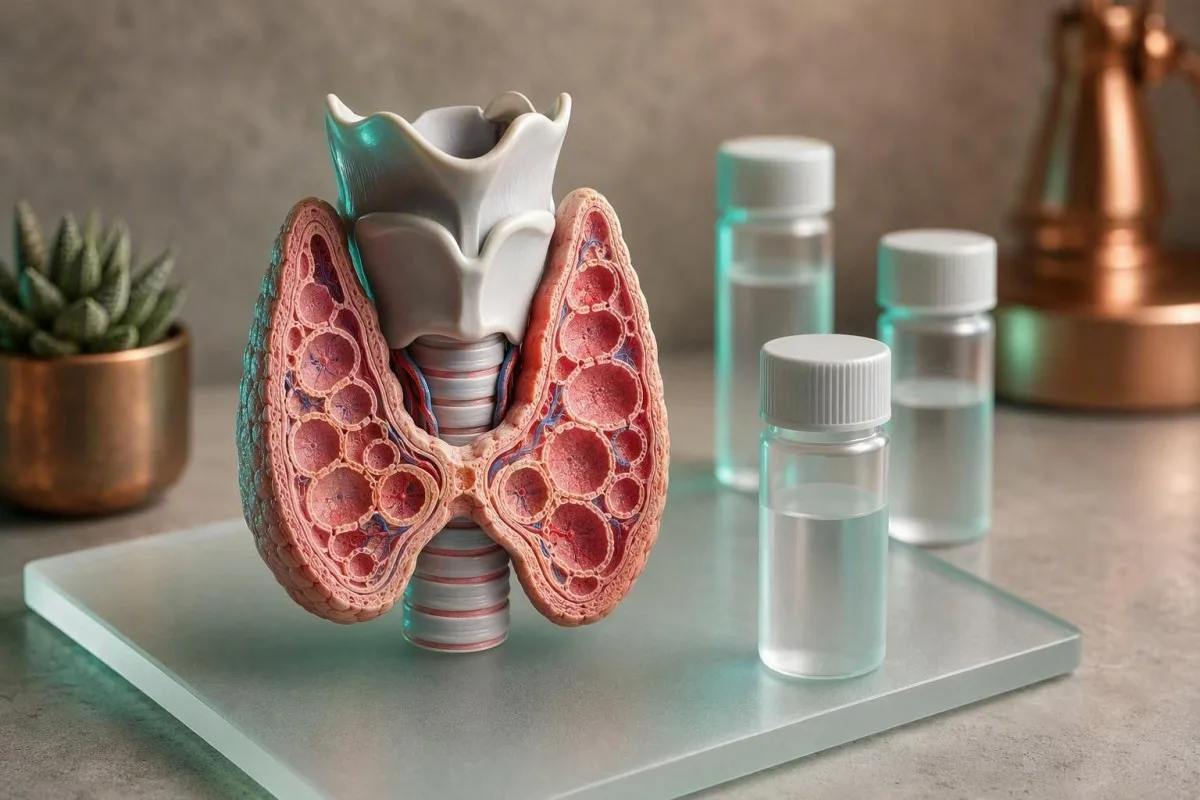
ຄົນສ່ວນໃຫຍ່ບໍ່ຕ້ອງການກວດໄທລອຍເລື້ອຍໆ. ໄລຍະຫ່າງທີ່ເໝາະສົມແມ່ນຂຶ້ນກັບວ່າ TSH ຂອງທ່ານປົກກະຕິ, ທ່ານຖືພາ, ທ່ານມີອາການ, ຫຼືຂະໜາດ levothyroxine ຂອງທ່ານໄດ້ປ່ຽນແປງບໍ່ດົນມານີ້.


- TSH ປົກກະຕິ ໂດຍທົ່ວໄປບໍ່ຈຳເປັນຕ້ອງເຮັດຊ້ຳເລື້ອຍກວ່າທຸກໆ 1-5 ປີ ເວັ້ນເສຍແຕ່ມີອາການ, ການຖືພາ, ຢາ, ຫຼືມີປັດໄຈສ່ຽງໃໝ່ເກີດຂຶ້ນ.
- ຫຼັງຈາກການປ່ຽນແປງ levothyroxine, ເຮັດ TSH ຊ້ຳຫຼັງຈາກ 6-8 ອາທິດ ເພາະການຕອບສະໜອງຂອງຕ່ອມໃຕ້ສະໝອງຕ້ອງໃຊ້ເວລາເພື່ອໃຫ້ມີຄວາມໝັ້ນຄົງ.
- ການຖືພາ ຕ້ອງການການກວດ TSH ເມື່ອຢືນຢັນ ແລະ ປົກກະຕິແລ້ວທຸກໆ 4 ອາທິດ ຕະຫຼອດການຖືພາໃນເຄິ່ງກາງ ຂອງຄົນທີ່ມີ hypothyroidism ທີ່ຮູ້ຈັກ.
- Hypothyroidism ທີ່ປິ່ນປົວແລ້ວມີຄວາມໝັ້ນຄົງ ໂດຍທົ່ວໄປແລ້ວຈະໄດ້ຮັບການຕິດຕາມທຸກໆ 6-12 ເດືອນ, ບໍ່ແມ່ນທຸກເດືອນ.
- TSH ສູງກວ່າ 10 mIU/L ໂດຍທົ່ວໄປແລ້ວຮຽກຮ້ອງໃຫ້ມີການປະເມີນທາງຄລີນິກແລະການປຶກສາຫາລືການປິ່ນປົວ, ແມ່ນແຕ່ເມື່ອ free T4 ຍັງຄົງຢູ່ໃນລະດັບ.
- ອາຫານເສີມ Biotin ສາມາດບິດເບືອນການກວດພູມຄຸ້ມກັນໄທລອຍບາງຢ່າງ; ການຢຸດ biotin ປະລິມານສູງຢ່າງໜ້ອຍ 2 ມື້ແມ່ນການປ້ອງກັນທີ່ສົມເຫດສົມຜົນ.
- ພູມຕ້ານທານ TPO ສາມາດຄາດຄະເນ hypothyroidism ໃນອະນາຄົດໄດ້ ແຕ່ບໍ່ຈຳເປັນຕ້ອງມີການວັດແທກເປັນຊຸດເພື່ອປັບ levothyroxine.
- ການປະເມີນດ່ວນ ແມ່ນມີຄວາມຈຳເປັນສຳລັບການເຕັ້ນຂອງຫົວໃຈຢ່າງຮຸນແຮງ, ເຈັບໜ້າເອິກ, ສັບສົນ, ຫາຍໃຈບໍ່ອອກຢ່າງຮຸນແຮງ, ຫຼືມີອາການບວມຂຶ້ນຂອງຄໍຢ່າງໄວ.
ຕารางການຕັດສິນໃຈສໍາລັບການກວດໄທລອຍຊ້ຳ
ຄວາມຖີ່ໃນການກວດລະດັບ thyroid ຂຶ້ນກັບສະຖານະການທາງການແພດ: ທຸກໆ 1-5 ປີ ຫຼັງຈາກການກວດຄັ້ງທຳອິດເປັນປົກກະຕິ, 6-8 ອາທິດ ຫຼັງຈາກປ່ຽນຂະໜາດຢາ, ທຸກໆ 4 ອາທິດໃນຊ່ວງເລີ່ມຕົ້ນຖືພາເມື່ອມີພະຍາດ thyroid, ແລະ ທຸກໆ 6-12 ເດືອນເມື່ອ hypothyroidism ຢູ່ໃນສະຖຽນລະພາບພາຍໃຕ້ການປິ່ນປົວ. ການກວດກ່ອນໜ້ານີ້ມີປະໂຫຍດພຽງແຕ່ເມື່ອຜົນການກວດສາມາດປ່ຽນແປງການດູແລໄດ້ຈິງ.
ສໍາລັບຜູ້ໃຫຍ່ທີ່ບໍ່ມີການວິນິດໄສ thyroid ແລະ ຜົນເປັນປົກກະຕິ TSH, ການກວດຄືນທຸກໆ 1-5 ປີ ໂດຍທົ່ວໄປແມ່ນພຽງພໍເມື່ອບໍ່ມີອາການໃໝ່ ຫຼື ປັດໄຈສ່ຽງ. ໄລຍະຫ່າງທີ່ກວ້າງຂວາງສະທ້ອນເຖິງນະໂຍບາຍການກວດຫາເຊື້ອຂອງແຕ່ລະປະເທດ; ການກວດຫາເຊື້ອເປັນປະຈຳທົ່ວທັງປະຊາກອນ ຍັງບໍ່ໄດ້ສະແດງຜົນປະໂຫຍດທີ່ຊັດເຈນພໍສຳລັບຄະນະກຳມະການບໍລິການປ້ອງກັນສະຫະລັດ (U.S. Preventive Services Task Force) ທີ່ຈະຮັບຮອງເອົາສຳລັບຜູ້ໃຫຍ່ທີ່ບໍ່ມີອາການ (USPSTF, 2015).
ຕารางເວລາທີ່ໃຊ້ໄດ້ຈິງມີປະໂຫຍດຫຼາຍກວ່າການກວດປະຈຳປີແບບບໍ່ຈຳແນກ: ກວດຄືນພາຍໃນອາທິດຫຼັງຈາກປ່ຽນຢາ ຫຼື ການປ່ຽນແປງການຈະເລີນພັນ, ພາຍໃນເດືອນຫຼັງຈາກຄວາມຜິດປົກກະຕິ, ແລະ ປະຈຳປີເທົ່ານັ້ນເມື່ອພະຍາດຊຳເຮື້ອຖືກຈັດການຢ່າງຫ້າວຫັນ. ໃນຄລີນິກຂອງຂ້ອຍ, ຄວາມຜິດພາດທີ່ສາມາດຫຼີກລ້ຽງໄດ້ຫຼາຍທີ່ສຸດແມ່ນການກວດ TSH ອີກຄັ້ງຫຼັງຈາກປ່ຽນຂະໜາດຢາ 10 ວັນ - ຄວາມກັງວົນເພີ່ມຂຶ້ນ, ແຕ່ຜົນທີ່ໄດ້ກໍ່ບໍ່ຄ່ອຍຈະຕອບຄຳຖາມ.
ແຄນເທສຕີ ເປັນ AI ເຄື່ອງວິເຄາະເລືອດ ທີ່ປຽບທຽບຜົນ thyroid ກັບຄະນະກວດທີ່ຜ່ານມາ, ເຊິ່ງຊ່ວຍແຍກແນວໂນ້ມທີ່ສຳຄັນອອກຈາກການກວດຄືນທີ່ໄວ, ທີ່ບໍ່ຊັດເຈນ. ຮັກສາຫ້ອງທົດລອງຕົ້ນສະບັບ, ເວລາເກັບຕົວຢ່າງ, ຂະໜາດຢາ, ສະຖານະການຖືພາ, ແລະ ອາຫານເສີມໄວ້ຂ້າງແຕ່ລະຜົນ; ລາຍລະອຽດເຫຼົ່ານີ້ເຮັດໃຫ້ timeline ສາມາດຕີຄວາມໝາຍທາງການແພດໄດ້. ເບິ່ງ ການກຳນົດເວລາກວດເລືອດ ຂອງພວກເຮົາເພື່ອຮັບເອົາຂໍ້ມູນທີ່ຄວນບັນທຶກ.
ເມື່ອ TSH ປົກກະຕິຄວນເຮັດຊ້ຳ
TSH ທີ່ເປັນປົກກະຕິ ໂດຍທົ່ວໄປບໍ່ຈຳເປັນຕ້ອງກວດຄືນປະຈຳປີໃນຜູ້ໃຫຍ່ທີ່ດີໂດຍບໍ່ມີປັດໄຈສ່ຽງ thyroid; ໄລຍະຫ່າງ 1-5 ປີແມ່ນສົມເຫດສົມຜົນ. ກວດຄືນໄວຂຶ້ນເມື່ອອາການມີຄົງຄ້າງ, ການຖືພາຖືກວາງແຜນ, ການສ່ອງລັງສີບໍລິເວນຄໍເກີດຂຶ້ນ, ຫຼື ຢາທີ່ສົ່ງຜົນກະທົບຕໍ່ການເຮັດວຽກຂອງ thyroid ໄດ້ເລີ່ມໃຊ້.
ຫ້ອງທົດລອງສ່ວນໃຫຍ່ກຳນົດ TSH ຂອງຜູ້ໃຫຍ່ TSH ປະມານ 0.4-4.0 mIU/L, ເຖິງແມ່ນວ່າຂອບເຂດເທິງແຕກຕ່າງກັນຈາກປະມານ 4.0 ຫາ 4.5 mIU/L. ຄ່າ 2.1 mIU/L ບໍ່ໄດ້ດີກວ່າ 3.7 mIU/L; ທັງສອງຄ່າສາມາດເປັນປົກກະຕິໄດ້ ຖ້າ free T4, ອາການ, ແລະ ສະພາບທາງການແພດເຫັນດີນຳກັນ.
ຂ້ອຍກວດຄືນໃໝ່ໄວຂຶ້ນໃນຄົນເຈັບເບົາຫວານຊະນິດ 1, ພະຍາດ Celiac, ປະຫວັດການຜ່າຕັດຕ່ອມໄທລອຍ, ໄດ້ຮັບຢາ lithium, ໄດ້ຮັບຢາ amiodarone, ພະຍາດຕ່ອມໃຕ້ສະໝອງ, ຫຼືມີປະຫວັດຄອບຄົວເປັນພະຍາດ autoimmune ທີ່ແຂງແຮງ. ກຸ່ມເຫຼົ່ານີ້ມີຄວາມໜ້າຈະເປັນກ່ອນການກວດສູງກວ່າຄົນທີ່ມີສຸຂະພາບດີທີ່ພຽງຮູ້ສຶກເມື່ອຍລ້າໃນໄລຍະໜຶ່ງເດືອນທີ່ຫຍຸ້ງຍາກ.
TSH ປົກກະຕິບໍ່ໄດ້ຍົກເວັ້ນທຸກສາເຫດຂອງອາການເມື່ອຍລ້າ, ຜົມຫຼົ່ນ, ອາລົມບໍ່ດີ, ຫຼືການປ່ຽນແປງນ້ຳໜັກ. ຖ້າຮູບແບບອາການກວ້າງ, ທ່ານໝໍມັກຈະປະເມີນ CBC, ferritin, glucose, ຕົວຊີ້ວັດກ່ຽວກັບ ໝາກໄຂ່ຫຼັງ, ແລະບາງຄັ້ງ B12 ແທນທີ່ຈະສັ່ງກວດໄທລອຍທຸກໆສອງສາມອາທິດ; ຄູ່ມືຂອງພວກເຮົາສໍາລັບ ການກວດເລືອດເພື່ອຊອກຫາແຮງຈູງໃຈຕ່ຳ ອະທິບາຍວ່າຄວາມແຕກຕ່າງນັ້ນກວ້າງກວ່າ.
ອາການທີ່ມີຜົນໄດ້ຮັບປົກກະຕິ: ເມື່ອການກວດຍັງມີຄວາມໝາຍ
ກວດໄທລອຍຄືນໃນ 6-12 ອາທິດ ເມື່ອອາການຍັງຄົງຢູ່ ຫຼືປ່ຽນແປງ ເຖິງວ່າ TSH ປົກກະຕິ, ແທນທີ່ຈະກວດຄືນໃນອີກສອງສາມມື້. ອາການສັ່ນສະເທືອນທີ່ເກີດຂຶ້ນໃໝ່, ບໍ່ທົນທານຕໍ່ຄວາມຮ້ອນ, ຫົວໃຈເຕັ້ນໄວໃນຂະນະພັກຜ່ອນ, ອາການບໍລິເວນຄໍ, ປະຈໍາເດືອນຜິດປົກກະຕິ, ຫຼືການປ່ຽນແປງນ້ຳໜັກທີ່ບໍ່ສາມາດອະທິບາຍໄດ້ ຄວນໄດ້ຮັບການກວດສອບຢ່າງຈິງຈັງ.
TSH ສາມາດປ່ຽນແປງເລັກນ້ອຍຕະຫຼອດມື້, ລະຫວ່າງຫ້ອງທົດລອງ, ແລະໃນລະຫວ່າງການຟື້ນຕົວຈາກການເຈັບປ່ວຍ. ການປ່ຽນແປງຈາກ 2.0 ຫາ 3.1 mIU/L ອາດຈະເປັນການປ່ຽນແປງທາງຊີວະສາດທົ່ວໄປ, ໃນຂະນະທີ່ການເພີ່ມຂຶ້ນຈາກ 1.2 ຫາ 8.6 mIU/L ຕ້ອງການການຕອບສະໜອງທີ່ແຕກຕ່າງກັນ; ນີ້ແມ່ນເຫດຜົນທີ່ວ່າບໍລິບົດຂອງແນວໂນ້ມມີຄວາມສໍາຄັນຫຼາຍກວ່າປ້າຍດຽວ.
ການເຈັບປ່ວຍສ້ວຍຄັງສາມາດເຮັດໃຫ້ T3 ຕ່ຳ ແລະບາງຄັ້ງ TSH ຕ່ຳ ຫຼືປົກກະຕິ ໂດຍບໍ່ມີຄວາມລົ້ມເຫຼວຂອງຕ່ອມໄທລອຍຂັ້ນຕົ້ນ, ຮູບແບບທີ່ມັກເອີ້ນວ່າພະຍາດທີ່ບໍ່ແມ່ນຕ່ອມໄທລອຍ. ການກວດໃນຂະນະທີ່ເຂົ້າໂຮງໝໍອາດຈະຈໍາເປັນ, ແຕ່ສໍາລັບອາການຄົນເຈັບນອກທີ່ບໍ່ຮີບດ່ວນ ຂ້ອຍມັກຈະລໍຖ້າ 4-8 ອາທິດຫຼັງຈາກຟື້ນຕົວ ກ່ອນທີ່ຈະຕີຄວາມໝາຍຜົນທີ່ຊັດເຈນວ່າເປັນພະຍາດຊໍາເຮື້ອ; ເບິ່ງຄໍາອະທິບາຍຂອງພວກເຮົາກ່ຽວກັບ T3 ទាបក្នុងពេលមានជំងឺ.
ກົດລະບຽບການປະຕິບັດຂອງ Dr. Thomas Klein ແມ່ນງ່າຍດາຍ: ກວດຄືນການທົດສອບເມື່ອຄໍາຕອບຈະປ່ຽນແປງການຕັດສິນໃຈທາງຄລີນິກຄັ້ງຕໍ່ໄປ. TSH ປົກກະຕິພ້ອມກັບອາການທ້ອງຜູກຢ່າງຕໍ່ເນື່ອງ ແລະຄວາມບໍ່ທົນທານຕໍ່ຄວາມເຢັນອາດຈະກະຕຸ້ນໃຫ້ມີການກວດ CBC, ferritin, ການທົບທວນຢາ, ແລະ free T4; ມັນບໍ່ຄວນກະຕຸ້ນໃຫ້ກວດ antibody panel ປະຈໍາເດືອນໂດຍອັດຕະໂນມັດ.
ເມື່ອໃດຄວນເຮັດ TSH ຊ້ຳຫຼັງຈາກການປ່ຽນແປງ levothyroxine
ກວດ TSH ຄືນ 6-8 ອາທິດຫຼັງຈາກເລີ່ມໃຊ້ levothyroxine, ປ່ຽນຂະໜາດຢາ, ຫຼືປ່ຽນຮູບແບບຢາ. Levothyroxine ມີເຄິ່ງຊີວິດຍາວປະມານ 7 ມື້, ແລະຕ່ອມໃຕ້ສະໝອງໃຊ້ເວລາຫຼາຍອາທິດເພື່ອຕັ້ງຄ່າການຜະລິດ TSH ຂອງມັນຄືນໃໝ່.
ການປັບຂະໜາດຢາຕາມປົກກະຕິແມ່ນ 12.5-25 micrograms ຕໍ່ມື້, ໂດຍສະເພາະໃນຜູ້ສູງອາຍຸຫຼືຜູ້ທີ່ມີພະຍາດເສັ້ນເລືອດຫົວໃຈ, ເຖິງແມ່ນວ່າທ່ານໝໍທີ່ສັ່ງຢາຈະເປັນຜູ້ກໍານົດເອງ. ການກວດ TSH ໃນ 2 ອາທິດ ບາງຄັ້ງອາດຊ່ວຍໃນສະຖານະການທີ່ຜິດປົກກະຕິ, ແຕ່ມັນຍັງໄວເກີນໄປສໍາລັບການຕັດສິນໃຈກ່ຽວກັບຂະໜາດຢາປະຈໍາ.
ກິນ levothyroxine ຢ່າງສອດຄ່ອງກັບນ້ຳ, ບໍ່ມີອາຫານ, ປົກກະຕິ 30-60 ນາທີກ່ອນອາຫານ, ຫຼືກ່ອນນອນຢ່າງໜ້ອຍ 3-4 ຊົ່ວໂມງຫຼັງຈາກອາຫານຄັ້ງສຸດທ້າຍ. Calcium, iron, magnesium, antacids, bile-acid binders, ແລະຜະລິດຕະພັນເສັ້ນใยບາງຊະນິດສາມາດຫຼຸດຜ່ອນການດູດຊຶມເມື່ອ ກິນຮ່ວມກັນ; ຄວາມລົ້ມເຫຼວຂອງຂະໜາດຢາທີ່ສົງໄສ ບາງຄັ້ງເປັນບັນຫາເວລາ.
ການປ່ຽນຍີ່ຫໍ້ຫຼືຜູ້ຜະລິດສາມາດປ່ຽນການໄດ້ຮັບຢາທີ່ມີປະສິດທິພາບສໍາລັບຄົນເຈັບບາງຄົນ, ໂດຍສະເພາະຜູ້ທີ່ມີການເຮັດວຽກຂອງຕ່ອມໄທລອຍໜ້ອຍ. ໃຊ້ໄລຍະເວລາການກວດຄືນດຽວກັນຫຼັງຈາກການປ່ຽນ, ດັ່ງລາຍລະອຽດໃນ ຄູ່ມືການປ່ຽນຍີ່ຫໍ້ levothyroxine.
ຈະຕິດຕາມ hypothyroidism ທີ່ໝັ້ນຄົງເລື້ອຍປານໃດ
ຄົນເຈັບທີ່ມີ hypothyroidism ຂັ້ນຕົ້ນທີ່ໝັ້ນຄົງ ດ້ວຍຂະໜາດຢາທີ່ບໍ່ປ່ຽນແປງ ໂດຍທົ່ວໄປຕ້ອງການກວດ TSH ທຸກໆ 6-12 ເດືອນ. ການກວດທີ່ເລື້ອຍໆກວ່າແມ່ນເໝາະສົມຫຼັງຈາກການປ່ຽນແປງນ້ຳໜັກທີ່ສຳຄັນ, ການຖືພາ, ການຜ່າຕັດລະບົບຍ່ອຍອາຫານ, ຢາທີ່ຕິດຕໍ່ພົວພັນ, ຫຼືອາການທີ່ໜ້າເຊື່ອຖືກັບຄືນມາ.
ສໍາລັບຜູ້ໃຫຍ່ສ່ວນໃຫຍ່ທີ່ບໍ່ໄດ້ຖືພາ ທີ່ໄດ້ຮັບການປິ່ນປົວ hypothyroidism ຂັ້ນຕົ້ນ, ເປົ້າໝາຍການປິ່ນປົວແມ່ນ TSH ພາຍໃນຊ່ວງອ້າງອີງຂອງຫ້ອງທົດລອງ ແທນທີ່ຈະເປັນຕົວເລກໜ້ອຍໜຶ່ງທີ່ສະເພາະ. TSH ທີ່ຖືກກົດດັນຢ່າງຕໍ່ເນື່ອງຕໍ່າກວ່າ 0.1 mIU/L ດ້ວຍການປິ່ນປົວດ້ວຍການທົດແທນແມ່ນກ່ຽວຂ້ອງກັບຄວາມສ່ຽງຂອງ atrial fibrillation ແລະການສູນເສຍກະດູກ, ໂດຍສະເພາະຫຼັງຈາກອາຍຸ 65 ປີ.
ການກວດ free T4 ພ້ອມກັບ TSH ມີປະໂຫຍດເມື່ອມີພະຍາດຕ່ອມໃຕ້ສະໝອງ, hypothyroidism ຈາກສ່ວນກາງ, ການຖືພາ, ຄວາມບໍ່ແນ່ນອນກ່ຽວກັບການປະຕິບັດຕາມ, ຫຼືອາການທີ່ບໍ່ສອດຄ່ອງ. ໃນ hypothyroidism ຈາກສ່ວນກາງ, TSH ອາດຈະປົກກະຕິຫຼືຕ່ຳ ເຖິງວ່າຈະໄດ້ຮັບການທົດແທນຮໍໂມນບໍ່ພຽງພໍ, ດັ່ງນັ້ນ free T4—ບໍ່ແມ່ນ TSH—ເປັນຕົວຊີ້ວັດການກິນຢາ.
ແຄນເທສຕີ ເປັນ ແພລດຟອມການອ່ານຜົນກວດເລືອດຂອງ AI ທີ່ວາງ TSH, free T4, ການປ່ຽນແປງຢາ, ແລະຜົນການກວດ iron ຫຼື lipid ທີ່ກ່ຽວຂ້ອງໄວ້ໃນມຸມມອງຕາມລວງຍາວ. ທີ່ເປັນປະໂຫຍດໂດຍສະເພາະເພາະວ່າ free T4 ຕ່ຳ ພ້ອມ TSH ປົກກະຕິ ຕ້ອງການ與普通橋本氏甲狀腺功能減退症不同的臨床途徑。.
TSH ລະດັບປານກາງສູງ: ຕารางການເຮັດຊ້ຳທີ່ສົມເຫດສົມຜົນ
促甲狀腺激素 (TSH) 約為 4.5-10 mIU/L,游離 T4 正常,通常會在 6-12 週後重複檢查,然後才能標記為慢性亞臨床甲狀腺功能減退症。. 當 TSH 快速升高、懷孕或症狀明顯時,應及早重複檢查。.
一過性 TSH 升高可能在病毒感染、睡眠中斷、實驗室變異性或嚴重全身疾病恢復後發生。 6-12 週後重複檢查可防止許多患者僅因一次邊緣結果就被診斷;盡可能使用同一實驗室以最大程度地減少檢測差異。.
TSH 高於 10 mIU/L 是大多數指南傾向於討論治療的閾值,因為疾病進展和心血管關聯變得更令人擔憂。 2012 年美國甲狀腺協會和美國臨床內分泌學會聯合指南建議根據症狀、抗體、年齡和心血管背景,個體化治療低於 10 mIU/L 的患者(Garber 等人,2012 年)。.
TPO 抗體可以改善預後:陽性抗體增加了亞臨床甲狀腺功能減退症進展的可能性,但重複檢查抗體滴度無法告訴我們左甲狀腺素的劑量是否正確。我們的 TSH guide ที่ก้ำกึ่ง 涵蓋了改變決定的因素。.
Hashimoto's disease: ຈະຕິດຕາມຫຍັງ ແລະ ຈະຂ້າມອັນໃດ
橋本氏病主要通過 TSH 監測,必要時通過游離 T4 監測; TPO 抗體不需要定期檢查。. 患有陽性 TPO 抗體的甲狀腺功能正常的患者通常每年需要檢查一次 TSH,或在懷孕期間提早檢查。.
TPO 抗體存在於許多自身免疫性甲狀腺炎患者中,並且可能在數十年內保持陽性。抗體水平下降並不一定意味著甲狀腺已恢復,抗體水平上升本身並不保證需要更改治療。.
我經常遇到一些患者,他們花錢每月進行 TPO 抗體檢查,而他們的 TSH 在 18 個月內沒有變化。臨床上有用的問題是甲狀腺激素分泌是否正在下降,而不是免疫識別是否有所波動。.
如果 TSH 正常但抗體陽性,則每年檢查一次 TSH 是合理的默認選項;如果相關,請在懷孕前檢查和早期懷孕檢查。了解更多關於 แอนติบอดี TPO เป็นบวกกับ TSH ปกติ 和使用我們的 ຄູ່ມື biomarker 來理解您報告中的實驗室名稱。.
ການຖືພາແລະການກວດໄທລອຍກ່ອນການຖືພາ
已知患有甲狀腺功能減退症的患者應在確認懷孕後盡快檢查 TSH,並在大約每 4 週檢查一次,直到懷孕中期,然後在大約 30 週時至少檢查一次。. 懷孕早期,左甲狀腺素的劑量需求通常會增加,有時會增加 20-30%。.
2017 年美國甲狀腺協會懷孕指南使用大約 4.0 mIU/L 的 TSH 上限參考值,當實驗室沒有針對懷孕的特定範圍時,而不是應用較舊的通用閾值。三體期和檢測方法特定的範圍是可取的,因為甲狀腺素結合球蛋白和 hCG 會改變甲狀腺生理學(Alexander 等人,2017 年)。.
已經服用左甲狀腺素的患者在陽性檢測後應盡快聯繫產科或內分泌團隊,而不是等待常規預約。一些臨床醫生建議對已確診的甲狀腺功能減退症立即增加每周的藥片劑量,但具體方案必須個體化——特別是對於患有心臟病或診斷不確定的患者。.
分娩後,甲狀腺的需求通常會在數週內恢復到懷孕前的劑量,因此除非您的臨床醫生另有建議,否則在大約產後 6 週時重複檢查 TSH。懷孕的解釋也受益於我們的 游離 T4 懷孕指南.
ຈະກວດເລື້ອຍປານໃດເມື່ອສົງໄສຫຼືປິ່ນປົວ hyperthyroidism
懷疑甲狀腺功能亢進需要及時進行 TSH 和游離 T4 檢查,通常還包括游離 T3;治療後的甲狀腺功能亢進最初可能需要每 4-6 週檢查一次游離 T4 和 T3。. TSH ສາມາດກົດເປັນເວລາຫຼາຍເດືອນຫຼັງຈາກລະດັບຮໍໂມນປົກກະຕິ, ສະນັ້ນມັນບໍ່ຄວນເປັນຕົວຊີ້ວັດດຽວທີ່ໃຊ້ໃນການປິ່ນປົວເບື້ອງຕົ້ນ.
TSH ຕ່ຳຕ່ຳກວ່າ 0.1 mIU/L ດ້ວຍ free T4 ຫຼື free T3 ສູງສະຫນັບສະຫນູນ overt hyperthyroidism ແລະຕ້ອງການການກວດສອບຈາກແພດທັນທີ. ໃນພະຍາດ Graves ທີ່ໄດ້ຮັບການປິ່ນປົວດ້ວຍຢາຕ້ານ thyoid, free T4 ແລະ total or free T3 ໂດຍປົກກະຕິແລ້ວກໍ່ກໍານົດການປັບປ່ຽນໃນຕອນເລີ່ມຕົ້ນທຸກໆ 4-6 ອາທິດ.
ຢ່າໃຊ້ການກວດໄທລອຍ (thyroid tests) ຢ່າງດຽວເພື່ອອະທິບາຍອາການຫົວໃຈເຕັ້ນໄວ. ພັກຜ່ອນການເຕັ້ນຂອງຫົວໃຈສະເໝີ 120 ເທື່ອຕໍ່ນາທີ, ເຈັບເອິກ, ເປັນລົມ, ຫາຍໃຈບໍ່ສະດວກຮຸນແຮງ, ມີໄຂ້ຮ່ວມກັບອາການກະຕຸ້ນ, ຫຼືສັບສົນ ຮຽກຮ້ອງການດູແລຮີບດ່ວນ, ເພາະວ່າ thyrotoxicosis ຮຸນແຮງ ສາມາດເຮັດໃຫ້ລະບົບຫົວໃຈ ແລະ ຫຼອດເລືອດບໍ່ໝັ້ນຄົງ.
Biotin ສາມາດຜະລິດຮູບແບບທີ່ເຮັດໃຫ້ເຂົ້າໃຈຜິດຂອງ TSH ຕ່ຳ ແລະ free T4 ຫຼື T3 ສູງໃນການກວດຫາທີ່ອ່ອນໄຫວ. ຢຸດໃຊ້ biotin ປະລິມານສູງ, ມັກ 5-10 mg ຕໍ່ມື້ໃນອາຫານເສີມຜົມ, ເປັນເວລາຢ່າງໜ້ອຍ 48 ຊົ່ວໂມງກ່ອນກວດ, ເວັ້ນເສຍແຕ່ແພດສັ່ງແຕ່ງຢ່າງອື່ນ; ບົດຄວາມຂອງພວກເຮົາກ່ຽວກັບ ຂໍ້ຜິດພາດຂອງການກວດຫາ free T3 ສູງ ການກວດເລືອດທີ່ສາມາດຊີ້ໄປຫາມະເຮັງ.
ການກວດຫຼັງຈາກເປັນມະເຮັງໄທລອຍຫຼືການຜ່າຕັດໄທລອຍ
ຫຼັງຈາກການຜ່າຕັດຕ່ອມໄທລອຍ (thyroidectomy) ຫຼືການປິ່ນປົວມະເຮັງຕ່ອມໄທລອຍ, ຄວາມຖີ່ຂອງການກວດແມ່ນເປັນສ່ວນບຸກຄົນ ແລະ ສາມາດມີຕັ້ງແຕ່ທຸກໆ 6-12 ອາທິດໃນລະຫວ່າງການປັບຂະໜາດຢາ ໄປຈົນເຖິງທຸກໆ 6-12 ເດືອນ ເມື່ອໝັ້ນຄົງ. ເປົ້າໝາຍ TSH ທີ່ຕໍ່າກວ່າທີ່ກຳນົດໄວ້ອາດມີຢູ່ໃນກຸ່ມສ່ຽງມະເຮັງທີ່ເລືອກ, ສະນັ້ນເປົ້າໝາຍ hypothyroidism ທົ່ວໄປຈຶ່ງບໍ່ໄດ້ນຳໃຊ້ສະເໝີໄປ.
ຫຼັງຈາກການເອົາຕ່ອມໄທລອຍອອກໝົດ, ໂດຍທົ່ວໄປແລ້ວຈະຕ້ອງໃຊ້ levothyroxine ຕະຫຼອດຊີວິດ, ແລະ ການປະເມີນ TSH ຄັ້ງທຳອິດໂດຍທົ່ວໄປແມ່ນ 6-8 ອາທິດຫຼັງຈາກປ່ຽນຂະໜາດຢາ. Thyroglobulin ແລະ thyroglobulin antibodies ອາດຈະຖືກເພີ່ມເຂົ້າໃນການຕິດຕາມມະເຮັງຕ່ອມໄທລອຍທີ່ແຕກຕ່າງກັນ, ແຕ່ຕາຕະລາງຂອງພວກມັນຂຶ້ນກັບພະຍາດວິທະຍາ ແລະ ຄວາມສ່ຽງການກັບຄືນມາ.
TSH ທີ່ຖືກກົດແມ່ນບໍ່ແມ່ນຄວາມຜິດພາດອັດຕະໂນມັດຫຼັງຈາກມະເຮັງຕ່ອມໄທລອຍ. ໃນຄົນເຈັບທີ່ມີຄວາມສ່ຽງຕໍ່າ, ການກົດຢ່າງແຂງແຮງສາມາດເພີ່ມຄວາມສ່ຽງຕໍ່ການເຕັ້ນຂອງຫົວໃຈຜິດປົກກະຕິ (atrial fibrillation) ແລະກະດູກຫັກ, ດັ່ງນັ້ນແພດ endocrine ຈະຊັ່ງນໍ້າໜັກການປ້ອງກັນການກັບຄືນມາທຽບກັບຄວາມເສຍຫາຍຈາກການປິ່ນປົວ ແທນທີ່ຈະພະຍາຍາມບັນລຸ TSH ທີ່ຕໍ່າທີ່ສຸດເທົ່າທີ່ເປັນໄປໄດ້.
ນຳເອົາຜົນການກວດພະຍາດ, ລາຍງານການຜ່າຕັດ, ຜົນການກວດອัลตราซาวนด์, ແລະຜົນ thyroglobulin ກ່ອນໜ້າທັງໝົດມາໃຫ້ແພດຊ່ຽວຊານກວດສອບ. ເຄື່ອງມືຕິດຕາມໄລຍະຍາວຂອງ Kantesti ສາມາດຈັດຕັ້ງປະຫວັດຫ້ອງທົດລອງຕາມວັນທີ, ແຕ່ເປົ້າໝາຍທາງການແພດຄວນມາຈາກທີມແພດທີ່ປິ່ນປົວມະເຮັງຂອງທ່ານ ແລະມາດຕະຖານທີ່ໄດ້ຮັບການທົບທວນທາງການແພດຕາມທີ່ອະທິບາຍໄວ້ໃນ វិធីសាស្ត្រធ្វើឲ្យមានសុពលភាពផ្នែកព្យាបាល (clinical validation).
ຢາແລະອາຫານເສີມທີ່ສົມເຫດສົມຜົນສໍາລັບການກວດໄທລອຍຄືນກ່ອນກຳນົດ
Lithium, amiodarone, interferon, immune checkpoint inhibitors, iodine exposure, ແລະ biotin ປະລິມານສູງ ສາມາດປ່ຽນແປງການກວດໄທລອຍ (thyroid tests) ຫຼືການເຮັດວຽກຂອງຕ່ອມໄທລອຍ. ໄລຍະເວລາການກວດຄືນໃໝ່ມີຕັ້ງແຕ່ چند ມື້ສຳລັບ suspected thyrotoxicosis ທີ່ກ່ຽວຂ້ອງກັບຢາຮຸນແຮງ ໄປຈົນເຖິງ 3-6 ເດືອນສຳລັບແຜນການຕິດຕາມທີ່ໝັ້ນຄົງ.
Lithium ສາມາດຫຼຸດການປ່ອຍຮໍໂມນໄທລອຍ (thyroid hormone) ແລະ ມັກຈະຖືກຕິດຕາມດ້ວຍ TSH ກ່ອນການປິ່ນປົວ ແລະ ຕາມໄລຍະເວລາທີ່ກໍານົດຮ່ວມກັນໂດຍ psychiatry ແລະ primary care, ມັກຈະເປັນທຸກໆ 6-12 ເດືອນ ເມື່ອໝັ້ນຄົງ. Amiodarone ມີ iodine ຢ່າງຫຼວງຫຼາຍ ແລະສາມາດເຮັດໃຫ້ເກີດ hypo- ຫຼື hyperthyroidism; ການກວດໄທລອຍພື້ນຖານ ແລະ ຕາມໄລຍະເວລາແມ່ນເປັນການປະຕິບັດທາງການແພດມາດຕະຖານ.
ທາດເຫຼັກ (Iron) ແລະ ແຄລຊຽມ (calcium) ບໍ່ໄດ້ປ່ຽນແປງການເຮັດວຽກຂອງຕ່ອມໄທລອຍໂດຍກົງ, ແຕ່ພວກມັນສາມາດຫຼຸດການດູດຊຶມ levothyroxine ເມື່ອຮັບປະທານໃກ້ກັບຂະໜາດຢາ. ການແຍກພວກມັນອອກຢ່າງໜ້ອຍ 4 ຊົ່ວໂມງແມ່ນຈຸດເລີ່ມຕົ້ນທີ່ໃຊ້ໄດ້, ໂດຍສະເພາະສຳລັບຜູ້ທີ່ກຳລັງປິ່ນປົວການຂາດທາດເຫຼັກ; ເບິ່ງຄູ່ມືຂອງພວກເຮົາກ່ຽວກັບ ອາຫານທີ່ອຸດົມດ້ວຍທາດເຫຼັກ.
ຫລີກລ້ຽງການປິ່ນປົວ TSH ທີ່ຊາຍແດນດ້ວຍ kelp ຫຼືຜະລິດຕະພັນ iodine ທີ່ເຂັ້ມຂຸ້ນດ້ວຍຕົນເອງ. iodine ທີ່ເກີນສາມາດກະຕຸ້ນການເຮັດວຽກຜິດປົກກະຕິຂອງຕ່ອມໄທລອຍໃນຄົນທີ່ອ່ອນໄຫວ, ໃນຂະນະທີ່ iodine ອາຫານທົ່ວໄປແມ່ນຕ້ອງການໜ້ອຍ; ຄູ່ມື ອາຫານ iodine ຂອງພວກເຮົາ ໃຫ້ບໍລິບົດທີ່ອີງໃສ່ອາຫານທີ່ປອດໄພກວ່າ.
ເປັນຫຍັງການກວດລະດັບໄທລອຍເລື້ອຍເກີນໄປຈຶ່ງເຮັດໃຫ້ເຂົ້າໃຈຜິດໄດ້
ການກວດ TSH ທຸກໆສອງສາມມື້ ຫຼື ອາທິດ ສາມາດສ້າງການເຕືອນໄພປອມໄດ້ ເພາະ TSH ມີການປ່ຽນແປງທາງຊີວະພາບ ແລະ ຕອບສະໜອງຊ້າຕໍ່ການປ່ຽນຂະໜາດຢາ. ສຳລັບ primary hypothyroidism ທີ່ໝັ້ນຄົງ, ການກວດເລື້ອຍກວ່າທຸກໆ 6 ເດືອນ ບໍ່ຄ່ອຍໄດ້ປັບປຸງຜົນ.
ຄວາມຢາກແມ່ນເຂົ້າໃຈໄດ້: ຄົນໜຶ່ງຮູ້ສຶກບໍ່ສະບາຍ, ເຫັນຕົວເລກ, ແລະ ຕ້ອງການຄວາມແນ່ນອນ. ແຕ່ການວັດແທກຊ້ຳໆ ສ້າງໂອກາດຫຼາຍຂຶ້ນສຳລັບການປ່ຽນແປງນ້ອຍໆ ອ້ອມຮອບຈຸດຕັດ, ໂດຍສະເພາະເມື່ອເວລາເກັບ, ພະຍາດບໍ່ດົນມານີ້, ສະຖານະການອົດອາຫານ, ອາຫານເສີມ, ແລະ ວິທີການຫ້ອງທົດລອງແຕກຕ່າງກັນ.
TSH secretion ຕິດຕາມຮູບແບບຈັງຫວະປະຈໍາວັນແລະມີແນວໂນ້ມທີ່ຈະສູງໃນຕອນກາງຄືນແລະຕອນເຊົ້າ. ເມື່ອຕິດຕາມແນວໂນ້ມ, ໃຫ້ໃຊ້ເວລາເກັບຕົວຢ່າງທີ່ຄ້າຍຄືກັນເທົ່າທີ່ເປັນໄປໄດ້ແລະຢ່າກິນ levothyroxine ທັນທີກ່ອນການວັດແທກ free T4 ເວັ້ນເສຍແຕ່ວ່າທ່ານ ໝໍ ຕ້ອງການລະດັບຫຼັງຈາກກິນຢາ.
ແຄນເທສຕີ ເປັນ ឧបករណ៍វិភាគតេស្តឈាមដែលដំណើរការដោយ AI ທີ່ສະແດງການປ່ຽນແປງເມື່ອທຽບກັບຄ່າກ່ອນໜ້າແທນທີ່ຈະຖືການ ໝາຍນອກຂອບເຂດນ້ອຍໆແຕ່ລະຄັ້ງເປັນການວິນິດໄສໃໝ່. ສໍາລັບວິທີທີ່ສະຫງົບກວ່າ, ປຽບທຽບຜົນໄດ້ຮັບຄຽງຂ້າງຄຽງໂດຍໃຊ້ຫຼັກການໃນ ຄູ່ມືການປ່ຽນແປງຂອງຫ້ອງທົດລອງ.
ຈະສັ່ງກວດໄທລອຍຫຍັງໃນແຕ່ລະການຕິດຕາມ
TSH ແມ່ນການທົດສອບຕິດຕາມຜົນທໍາອິດທີ່ດີທີ່ສຸດສໍາລັບພະຍາດຕ່ອມໄທລອຍປະຖົມສ່ວນໃຫຍ່, ໃນຂະນະທີ່ free T4 ຖືກເພີ່ມສໍາລັບ TSH ທີ່ຜິດປົກກະຕິ, ການຖືພາ, hypothyroidism ຂອງສູນກາງ, ແລະອາການທີ່ບໍ່ສອດຄ່ອງ. Free T3, antibodies, thyroglobulin, ແລະ ultrasound ແມ່ນການທົດສອບທີ່ເລືອກແທນທີ່ຈະເພີ່ມປະຈໍາເດືອນຕາມປົກກະຕິ.
TSH ວັດແທກການຕອບສະຫນອງຂອງຕ່ອມໃຕ້ສະໝອງ, ບໍ່ແມ່ນຮໍໂມນໄທລອຍເອງ. Free T4 ປະເມີນ thyroxine ທີ່ມີຢູ່ທີ່ໄຫຼວຽນ, ໃນຂະນະທີ່ free T3 ມີປະໂຫຍດຫຼາຍທີ່ສຸດເມື່ອສົງໃສວ່າ hyperthyroidism ເນື່ອງຈາກຄົນເຈັບບາງຄົນມີພະຍາດທີ່ غالب ໂດຍ T3 ໂດຍມີ free T4 ປົກກະຕິ.
Ultrasound ຂອງຕ່ອມໄທລອຍບໍ່ແມ່ນການທົດສອບການຄັດເລືອກສໍາລັບ TSH ທີ່ຜິດປົກກະຕິເທົ່ານັ້ນ. ມັນມີປະໂຫຍດຫຼາຍທີ່ສຸດສໍາລັບກ້ອນທີ່ສາມາດຮູ້ສຶກໄດ້, ຕ່ອມທີ່ບໍ່ສະເຫມີກັນ, ອາການທີ່ບີບອັດ, ຕ່ອມນ້ໍາເຫຼືອງທີ່ໜ້າສົງໄສ, ຫຼືກ້ອນທີ່ຮູ້ຈັກທີ່ຕ້ອງການການຕິດຕາມຮູບພາບ; ການກວດເລືອດປົກກະຕິບໍ່ໄດ້ຍົກເວັ້ນການຄົ້ນພົບໂຄງສ້າງຂອງຕ່ອມໄທລອຍ.
ບົດສະຫຼຸບຜົນໄດ້ຮັບໜຶ່ງໜ້າສາມາດປ້ອງກັນການທົດສອບຊ້ໍາກັນ ແລະ ປັບປຸງການນັດໝາຍຄັ້ງຕໍ່ໄປ. ຄູ່ມືຕົວຫຍໍ້ການກວດໄທລອຍ ອະທິບາຍຕົວຊີ້ວັດທົ່ວໄປ, ແລະ Kantesti ຄະນະກຳມະການທີ່ປຶກສາທາງການແພດ ຄວບຄຸມມາດຕະຖານການທົບທວນທາງຄລີນິກສໍາລັບການຕີຄວາມ ໝາຍ ການສຶກສາ.
ເມື່ອບໍ່ຄວນລໍຖ້າການກວດໄທລອຍຄັ້ງຕໍ່ໄປ
ຊອກຫາການປະເມີນທາງການແພດຢ່າງຮີບດ່ວນແທນທີ່ຈະລໍຖ້າການກວດໄທລອຍຕາມປົກກະຕິ ຖ້າທ່ານມີອາການເຈັບໜ້າເອິກ, ເປັນລົມ, ຫາຍໃຈບໍ່ອອກຮຸນແຮງ, ສັບສົນ, ຫົວໃຈເຕັ້ນໃນຂະນະພັກຜ່ອນສູງກວ່າ 120, ໄຂ້ສູງກັບອາການກະຕຸ້ນ, ຫຼືການໃຄ່ບວມຄໍທີ່ຮ້າຍແຮງຂຶ້ນຢ່າງໄວວາ. ອາການເຫຼົ່ານີ້ຕ້ອງການການກວດທາງຄລີນິກ, ສັນຍານສັນຍານ, ແລະບາງຄັ້ງ ECG ຫຼືຮູບພາບ — ບໍ່ແມ່ນຕารางເວລາຢູ່ເຮືອນຢ່າງດຽວ.
ການຂະຫຍາຍຄໍຢ່າງໄວວາ, ສຽງແຫບແຫ້ງໃໝ່, ຄວາມຫຍຸ້ງຍາກໃນການກືນ, ຫຼືການຫາຍໃຈມີສຽງດັງ ຕ້ອງການການປະເມີນຢ່າງຮີບດ່ວນ ເຖິງແມ່ນວ່າ TSH ກ່ອນໜ້າຈະເປັນປົກກະຕິ. ການກວດເລືອດອະທິບາຍກ່ຽວກັບການເຮັດວຽກຂອງຮໍໂມນ; ມັນບໍ່ສາມາດປະເມີນການບີບອັດທາງອາກາດ, ກ້ອນຕ່ອມໄທລອຍ, ຫລື ມວນຄໍທີ່ຂະຫຍາຍອອກໄດ້ຢ່າງໜ້າເຊື່ອຖື.
ສໍາລັບຄວາມກັງວົນທີ່ອ່ອນແຕ່ຍັງຄົງຢູ່, ນັດໝາຍການທົບທວນທີ່ສຸມໃສ່ກັບທ່ານ ໝໍ ຂອງທ່ານ ແລະ ນຳ ໂດສຢາ, ປ້າຍອາຫານເສີມ, ສະຖານະການຖືພາ, ແລະຜົນໄດ້ຮັບທີ່ລົງວັນທີ. ທ່ານດຣ Thomas Klein ໄດ້ພົບວ່າການກະກຽມພື້ນຖານນີ້ມັກຈະປ້ອງກັນສອງສິ່ງທີ່ບໍ່ເປັນປະໂຫຍດ: ການຍົກເລີກອາການເພາະ TSH ເປັນປົກກະຕິ, ຫລືການເພີ່ມຂື້ນທຸກໆການບ່ຽງເບນໃນຫ້ອງທົດລອງ.
ນັບແຕ່ວັນທີ 27 ສິງຫາ 2026, ຕารางເວລາການທົດສອບໄທລອຍທີ່ປອດໄພທີ່ສຸດຍັງຄົງອີງຕາມການຕັດສິນໃຈ: ທົດສອບເມື່ອຜົນການປ່ຽນແປງສາມາດປ່ຽນແປງການດູແລໄດ້. Kantesti AI ສະຫນັບສະຫນູນການຈັດຕັ້ງຜົນໄດ້ຮັບແລະການສຶກສາ, ບໍ່ແມ່ນການວິນິດໄສຫຼືການຄັດແຍກສຸກເສີນ; ຄູ່ມືເທັກໂນໂລຍີ AI ອະທິບາຍບົດບາດການສະໜັບສະໜູນທາງຄລີນິກທີ່ຕັ້ງໃຈໄວ້.
ຄໍາຖາມທີ່ຖາມເລື້ອຍໆ
ຂ້ອຍຄວນກວດລະດັບ thyroid ຂອງຂ້ອຍເລື້ອຍປານໃດ ຖ້າມັນເປັນປົກກະຕິ?
ຜູ້ໃຫຍ່ທີ່ມີ TSH ປົກກະຕິ ແລະບໍ່ມີປັດໄຈສ່ຽງຕໍ່ໄທລອຍ ໂດຍທົ່ວໄປແລ້ວຕ້ອງການກວດໄທລອຍຊ້ຳທຸກໆ 1-5 ປີ, ບໍ່ແມ່ນທຸກໆປີ. ກວດຄືນໄວຂຶ້ນ ຖ້າມີອາການໃໝ່ເກີດຂຶ້ນ, ຕ້ອງການຖືພາ ຫຼື ຖືພາແລ້ວ, ໄດ້ຮັບການສ່ອງລັງສີທີ່ຄໍ, ຫຼືທ່ານເລີ່ມໃຊ້ຢາ lithium, amiodarone, ຫຼືຢາອື່ນໆ ທີ່ກ່ຽວຂ້ອງກັບໄທລອຍ. ໄລຍະອ້າງອີງ TSH ປົກກະຕິສຳລັບຜູ້ໃຫຍ່ແມ່ນປະມານ 0.4-4.0 mIU/L, ເຖິງແມ່ນວ່າຫ້ອງທົດລອງຈະກຳນົດຂອບເຂດຂອງຕົນເອງ. ຜົນລັບປົກກະຕິບໍ່ໄດ້ຍົກເວັ້ນສາເຫດອື່ນທີ່ບໍ່ແມ່ນໄທລອຍ ຂອງຄວາມເມື່ອຍລ້າ, ການປ່ຽນແປງນ້ຳໜັກ, ຫຼືການສູນເສຍຜົມ.
ຄວ喺邊個時候再驗 TSH 之後改咗左甲狀腺素?
ຄວ有甲狀腺素一般應在開始服用甲狀腺素、改變每日劑量或更換產品配方後 6-8 週重新檢測 TSH。甲狀腺素的半衰期約為 7 天,而腦下垂體 TSH 反饋需要數週才能達到新的平衡。大多數劑量調整為每日 12.5-25 微克,但年齡、體型、心臟病史和懷孕會改變計劃。通常在 1-2 週時進行檢測對於指導常規調整來說太早了。.
ຄວ甲基甲狀腺功能低下症應多久監測一次?
ภาวะไทรอยด์ฮอร์โมนต่ำชนิดปฐมภูมิที่คงที่และรักษาด้วยยา Levothyroxine ขนาดเดิม โดยทั่วไปจะติดตามผลด้วย TSH ทุก 6-12 เดือน ควรมีการตรวจเลือดเร็วขึ้นหลังจากปรับขนาดยา 12.5-25 ไมโครกรัม ตั้งครรภ์ มีการเปลี่ยนแปลงน้ำหนักอย่างมีนัยสำคัญ การผ่าตัดระบบทางเดินอาหาร หรือการเริ่มยาที่มีปฏิกิริยาต่อกัน TSH ต่ำกว่า 0.1 mIU/L ขณะได้รับการรักษาทดแทน ควรได้รับการประเมินจากแพทย์ เนื่องจากภาวะได้รับยาเกินขนาดเป็นเวลานานอาจเพิ่มความเสี่ยงต่อภาวะหัวใจห้องบนสั่นพลิ้วและการสูญเสียมวลกระดูก Free T4 มีประโยชน์อย่างยิ่งเมื่อสงสัยว่ามีโรคต่อมใต้สมองหรือภาวะไทรอยด์ฮอร์โมนต่ำชนิดทุติยภูมิ.
ຄວພຈຶ່ງຄວນກວດລະດັບຕ່ອມໄທລອຍໃນລະຫວ່າງຖືພາ?
ຜູ້ທີ່ມີภาวะพร่องไทรอยด์เป็นพิษที่ได้รับการยืนยันแล้ว ควรตรวจ TSH เมื่อยืนยันการตั้งครรภ์และประมาณทุก 4 สัปดาห์จนถึงอายุครรภ์ 16-20 สัปดาห์ จากนั้นอย่างน้อยหนึ่งครั้งใกล้ 30 สัปดาห์ ความต้องการ Levothyroxine มักจะเพิ่มขึ้น 20-30% ในช่วงแรกของการตั้งครรภ์ แม้ว่าการปรับยาที่แน่นอนควรมาจากทีมดูแลการตั้งครรภ์หรือทีมต่อมไร้ท่อ เมื่อไม่มีช่วงอ้างอิงเฉพาะสำหรับการตั้งครรภ์ในท้องถิ่น แนวทางของ American Thyroid Association ปี 2017 ใช้ขีดจำกัดอ้างอิง TSH สูงสุดประมาณ 4.0 mIU/L TSH ควรได้รับการตรวจซ้ำประมาณ 6 สัปดาห์หลังคลอด หากขนาดยาเปลี่ยนแปลงไปในช่วงตั้งครรภ์.
ການກວດ TSH บ่อยเกินไปอันตรายหรือไม่?
- ການກວດ TSH บ่อยเกินไปอาจทำให้เข้าใจผิดได้ เนื่องจากฮอร์โมนมีการเปลี่ยนแปลงตามธรรมชาติและเปลี่ยนแปลงช้าหลังจากการปรับการรักษา การตรวจซ้ำ 10-14 วันหลังจากการเปลี่ยนแปลงเลโวไทรอยด์อาจแสดงการเปลี่ยนแปลงโดยไม่สะท้อนถึงผลการรักษาขั้นสุดท้าย ซึ่งจะชัดเจนกว่าที่ 6-8 สัปดาห์ ภาวะต่อมไทรอยด์ทำงานต่ำที่ได้รับการรักษาคงที่แทบจะไม่ได้รับประโยชน์จากการตรวจ TSH รายเดือน ใช้ห้องปฏิบัติการเดียวกันและเวลาเก็บตัวอย่างที่คล้ายกันเมื่อติดตามแนวโน้มเพื่อลดความแปรปรวนที่หลีกเลี่ยงได้
ຄວນຈະໄດ້ຮັບການກວດເລືອດ TPO antibodiesซ้ำໃນພະຍາດ Hashimoto ບໍ?
ລະດັບ TPO antibody ໂດຍທົ່ວໄປບໍ່ຈຳເປັນຕ້ອງກວດຊ້ຳໃນພະຍາດ Hashimoto ເພາະມັນບໍ່ໄດ້ຊີ້ ນຳ ການປັບຂະໜາດ levothyroxine. ຜົນ TPO antibody ທີ່ເປັນບວກສະໜັບສະໜູນ autoimmune thyroiditis ແລະຄາດຄະເນຄວາມສ່ຽງສູງຂອງ hypothyroidism ໃນອະນາຄົດ, ແຕ່ຕົວຊີ້ບອກຕິດຕາມທີ່ເປັນປະໂຫຍດແມ່ນ TSH ແລະບາງຄັ້ງ free T4. ຄົນ euthyroid ທີ່ມີ TPO antibodies ທີ່ເປັນບວກ, ໂດຍທົ່ວໄປແລ້ວຈະກວດ TSH ປະມານປີລະເທື່ອ. ການກວດຄວນຈະເລີ່ມໄວຂຶ້ນເມື່ອວາງແຜນຫຼືຢືນຢັນການຖືພາ.
ຮັບການວິເຄາະຜົນກວດເລືອດດ້ວຍ AI ທັນທີ
ເຂົ້າຮ່ວມຜູ້ໃຊ້ຫຼາຍກວ່າ 2 ລ້ານຄົນທົ່ວໂລກ ທີ່ໄວ້ໃຈ Kantesti ສຳລັບການວິເຄາະການກວດເລືອດທີ່ທັນທີ ແລະຖືກຕ້ອງ. ອັບໂຫຼດຜົນກວດເລືອດຂອງທ່ານ ແລະຮັບການຕີຄວາມໝາຍຢ່າງຄົບຖ້ວນຂອງ biomarker 15,000+ ໃນວິນາທີ.
📚 ບົດຄວາມວິຈັຍທີ່ອ້າງອີງ
Klein, T., Mitchell, S., & Weber, H. (2026). ເຄື່ອງວິເຄາະການກວດເລືອດດ້ວຍ AI: ກວດວິເຄາະ 2.5M ກໍລະນີ | ລາຍງານສຸຂະພາບທົ່ວໂລກ 2026. ການຄົ້ນຄວ້າທາງການແພດຂອງ AI Kantesti.
Klein, T., Mitchell, S., & Weber, H. (2026). ການກວດເລືອດ RDW: ຄູ່ມືຄົບຖ້ວນສຳລັບ RDW-CV, MCV ແລະ MCHC. ການຄົ້ນຄວ້າທາງການແພດຂອງ AI Kantesti.
📖 ເອກະສານອ້າງອີງທາງການແພດພາຍນອກ
⚕️ ຂໍ້ສັງເກດທາງການແພດ
ບົດຄວາມນີ້ມີຈຸດປະສົງເພື່ອການສຶກສາເທົ່ານັ້ນ ແລະບໍ່ແມ່ນຄຳແນະນຳທາງການແພດ. ຄວນປຶກສາຜູ້ໃຫ້ບໍລິການດ້ານສຸຂະພາບທີ່ມີຄຸນວຸດທິສະເໝີ ສຳລັບການວິນິດໄຊ ແລະ ການຕັດສິນໃຈດ້ານການຮັກສາ.
ສັນຍານຄວາມໄວ້ໃຈ E-E-A-T
ປະສົບການ
ການທົບທວນຄລີນິກຂອງແພດຜູ້ນຳພາ ກ່ຽວກັບຂັ້ນຕອນການຕີຄວາມໝາຍຜົນການກວດໃນຫ້ອງທົດລອງ.
ຄວາມຊ່ຽວຊານ
ວິຊາການແພດທົດລອງ (ການແພດທາງຫ້ອງທົດລອງ) ເນັ້ນໃສ່ວ່າຕົວຊີ້ວັດ (biomarkers) ມີພຶດຕິກຳແນວໃດໃນບັນບົດທາງຄລີນິກ.
ຄວາມເປັນອຳນາດ
ຂຽນໂດຍທ່ານດຣ. Thomas Klein ໂດຍມີການກວດທານໂດຍທ່ານດຣ. Sarah Mitchell ແລະ ສາດສະດາຈານດຣ. Hans Weber.
ຄວາມໜ້າເຊື່ອຖື
ການຕີຄວາມໝາຍອີງຕາມຫຼັກຖານດ້ວຍເສັ້ນທາງຕິດຕາມທີ່ຊັດເຈນ ເພື່ອຫຼຸດການຕົກໃຈ.